





[Yamaguchi] Recommended Sightseeing Spots in Nagato, Hagi, and Mine! From Must-Sees to Hidden Gems
![[Yamaguchi] Recommended Sightseeing Spots in Nagato, Hagi, and Mine! From Must-Sees to Hidden Gems](https://hoshinoresorts.com/guide/wp-content/uploads/2022/04/ntk_main-1024x679.jpg)
From breathtaking scenery that has caught the attention of international media to castle towns designated as World Heritage Sites, the northwestern part of Yamaguchi Prefecture is packed with must-see tourist spots. The routes connecting these areas are also popular as exhilarating driving courses.In addition to being moved by the beauty of nature, you can find solace at mystical power spots and encounter the legacy of the patriots from the Bakumatsu era—there’s plenty to enjoy. Here are the spots you definitely won’t want to miss.
“Must-See” Tourist Spots in Nagato, Hagi, and Mine
- 1 Akiyoshidai
- 2 Shuho-do Cave
- 3 Beppu Benten Pond
- 4 Motonosumi Shrine
- 5 Aomi Island
- 6 Hagi Castle Town
- 7 Shoin Shrine
- 8 Kakunoshima Bridge
"Hidden Gems" Known Only to Insiders
“Must-See” Tourist Spots in Nagato, Hagi, and Mine
1Akiyoshidai
Enjoy the panoramic view of nature! One of the largest karst plateaus in Japan
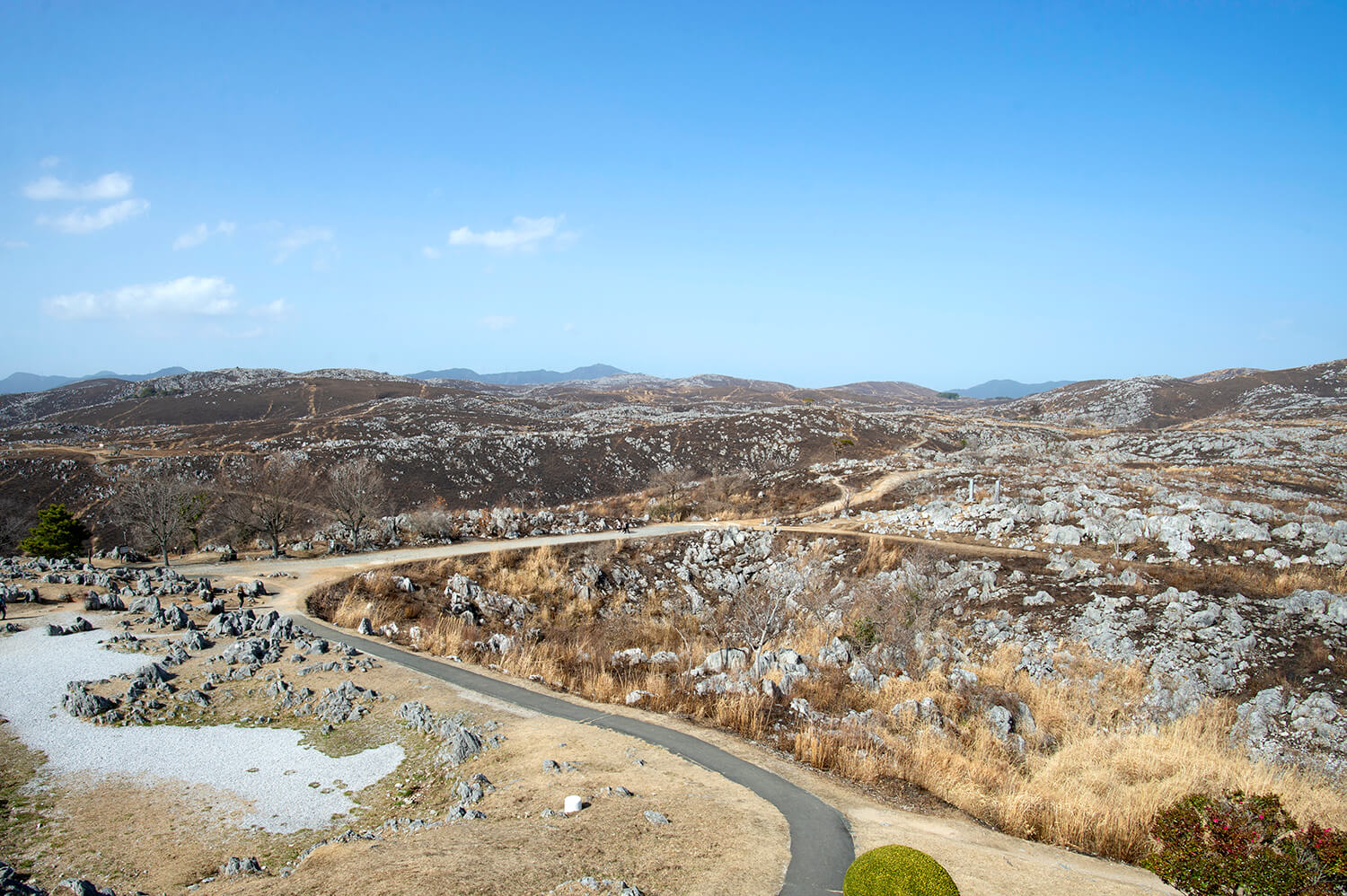
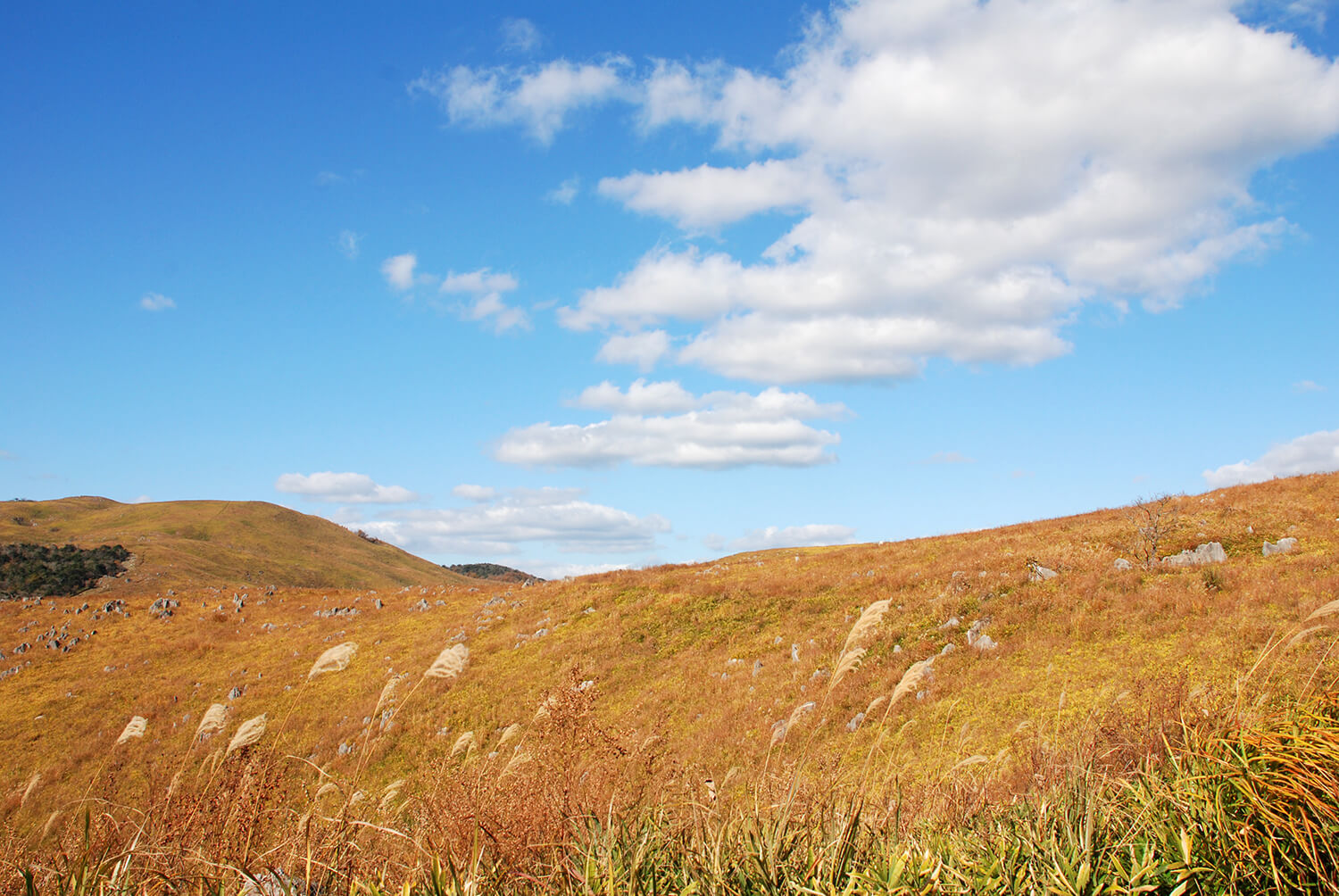
Akiyoshidai in Mine City (Mine-shi) is one of the most popular tourist spots in Yamaguchi Prefecture. Akiyoshidai is an impressive sight of white limestone rocks exposed like a "flock of sheep" in a grassy plain as far as the eye can see.
The limestone layers that form this "karst plateau" were originally coral reefs that existed in the sea near the equator about 350 million years ago. The movement of oceanic and continental plates brought them here, and millions of years of rain and groundwater erosion have brought them to their present state. The panoramic view from the observatory overlooking the magnificent scenery is a must-see.
It's a waste of time to just drive around! Feel the great nature of Akiyoshidai with your whole body.

The highlight of a drive along the “Karst Road,” which runs through Akiyoshidai, is the incredible sense of exhilaration. We also highly recommend walking or cycling to fully immerse yourself in nature. At the “Mine Akiyoshidai Geopark Center Karstar,” a tourist information property located next to the observation deck, you can pick up maps of the walking trails maintained throughout the plateau.
The walking trails offer a variety of courses, ranging from easy, flat routes to ones with plenty of ups and downs. The map lists points of interest and estimated walking times, so you can even challenge yourself with a full-fledged trek.

Local Guide
Don't miss the "Natsumikan Soft Ice Cream" at "Taikanmou Akiyoshidai Store," a souvenir store and restaurant located just a short distance from the observatory. This specialty is loved by many Yamaguchi Prefecture residents as well as tourists, and the refreshing taste of summer tangerine juice is irresistible.
- Akiyoshidai
-
 Akiyoshidai Mountain, Akiyoshi-cho, Mine City, Yamaguchi Prefecture MAP
 Approx. 45 min. by car from JR Shin-Yamaguchi Stn.
 9:00 a.m.–5:00 p.m. (Mine Akiyoshidai Geopark Center Karstar)
 Closed during the year-end and New Year holidays (Mine Akiyoshidai Geopark Center Karstar)
 0837-62-0115(Mine City Tourist Association)
 Free
Free
2Akiyoshidou
You must be impressed by the mysterious sight. Limestone caves formed by nature over millions of years

Beneath the limestone layers that make up “Akiyoshidai,” there are more than 450 limestone caves of various sizes, formed by the erosion of rainwater and groundwater. Among them, the largest, “Akiyoshido,” boasts a total length of over 11 km, making it the second-largest cave system in Japan.
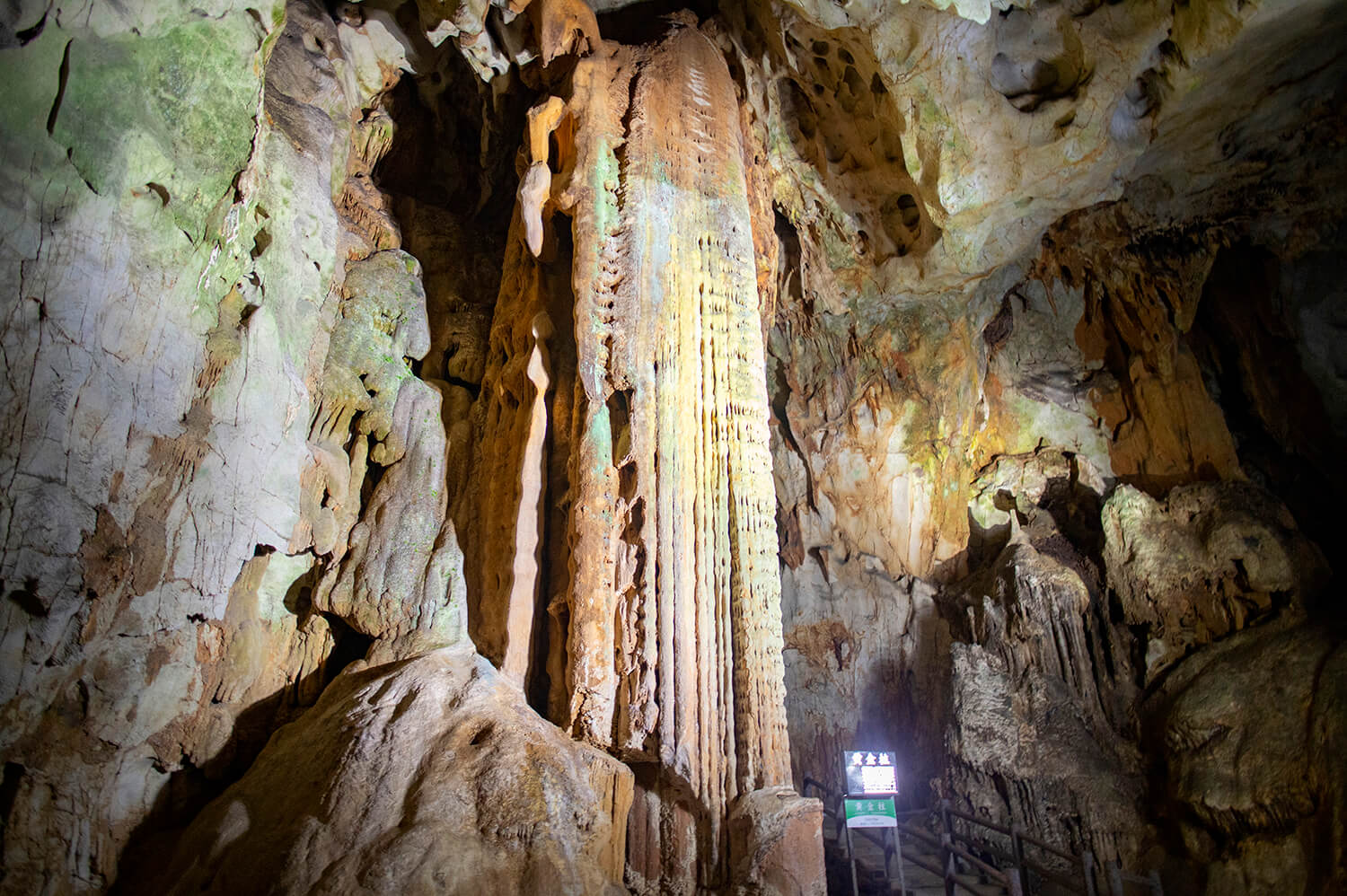
Approximately 1 km of this area, with an elevation difference of about 40 meters, is open to the public as a tourist route, where stalactites and stalagmites—shaped into mysterious forms along the underground waterways—appear one after another.The sight of these formations illuminated by the lights is both artistic and mysterious. The temperature inside the cave remains constant at 17°C throughout the year, allowing visitors to enjoy a comfortable tour regardless of the season.
There are many highlights in the caves. Pay attention to the names of the stalactites!
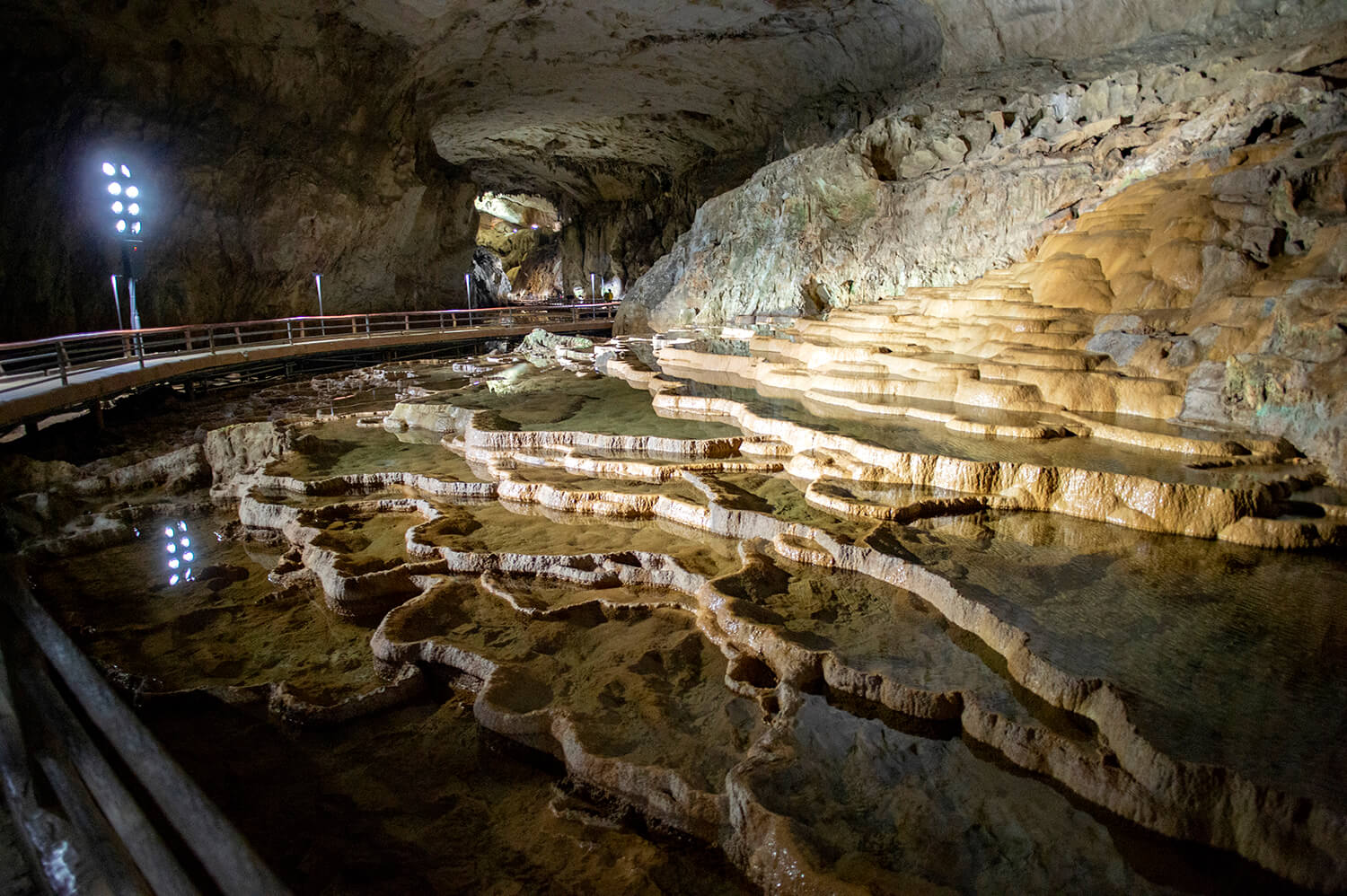
The "Hyakkaidara" (one hundred plates), located about 300 meters from the entrance, is one of the most popular spots in the cave. The terraced rice-field-like shape of overlapping pools of various sizes was created by the repeated flow of water, deposition of lime components, and drying. The actual number of plates is more than 500, and the sight spread out before one's eyes is a sight to behold.
Other spots are also intriguingly named according to the shape and sequence of stalactites, such as "Sentatobashiki," "Koganebashira," "Kabasazukushi," and "Goten in May Rain. The names are all very intriguing, and if you actually see them in person, you will be amazed at the beauty of nature's formations.
Local Guide
Akiyoshidai above ground and Akiyoshido Cave below ground are formed in the same limestone formation and are recognized as one of the "Japan Geoparks" as "Mine Akiyoshidai. The two spots must be visited as a set to experience the grandeur and wonder of nature's workings in synergy.
- Shuho-do Cave
-
- 3506-2 Akiyoshi, Akiyoshi-cho, Mine City, Yamaguchi Prefecture MAP
- 5 min. from Akiyoshidai Interchange on Ogori Hagi Road.
 Take a bus from JR Shin-Yamaguchi Station and get off at "Akiyoshidou".
- 9:00 a.m.–4:30 p.m. *Hours may vary depending on the season
- Open daily
 Adults: 1,600 yen; Junior High School Students: 1,300 yen; Elementary School Students: 850 yen *Prices may vary depending on the season
- 0837-62-0115(Mine City Tourist Association)
- Admission Fee
3Beppu Benten Pond
Mysterious pond with clear emerald green water
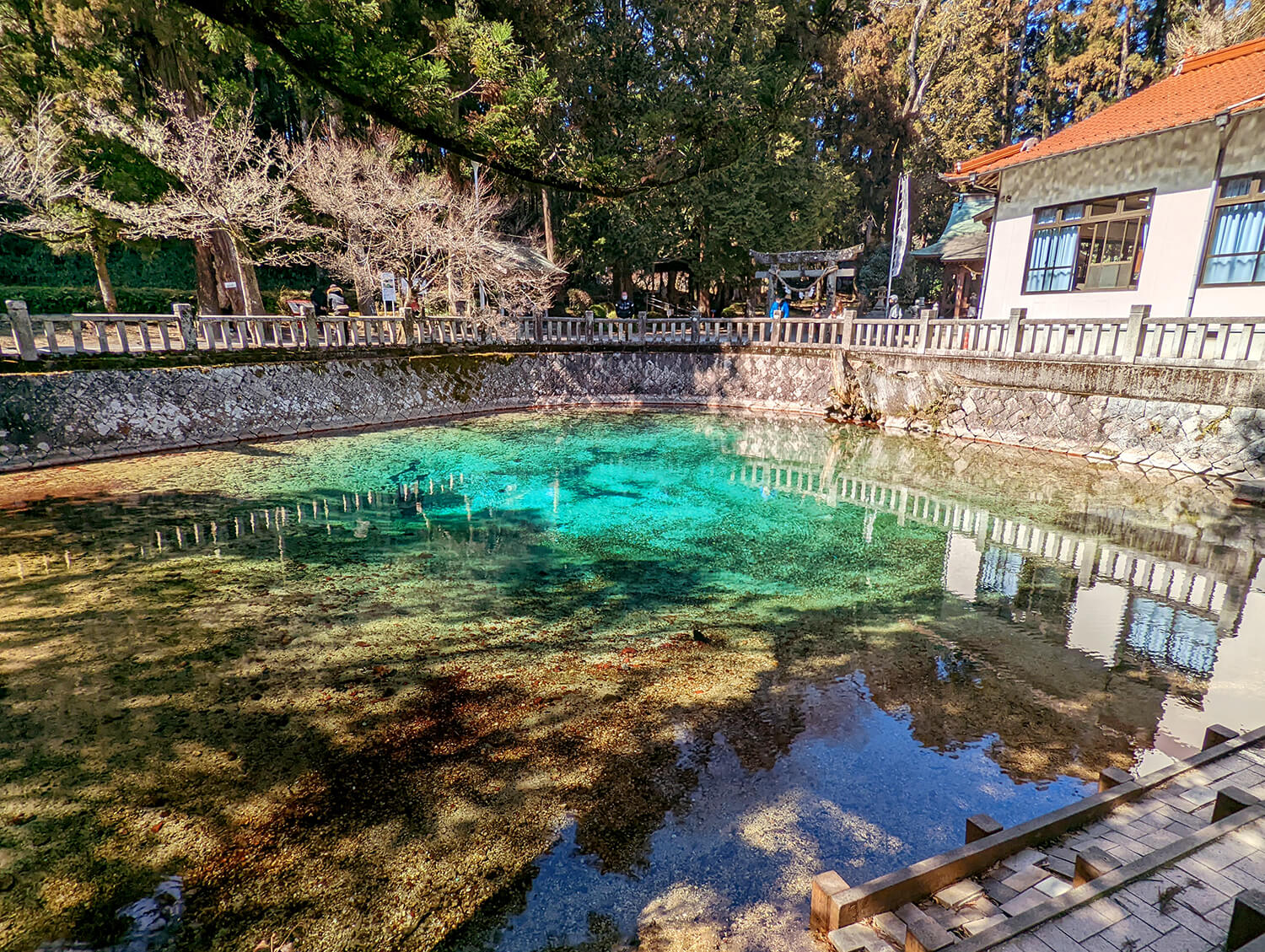
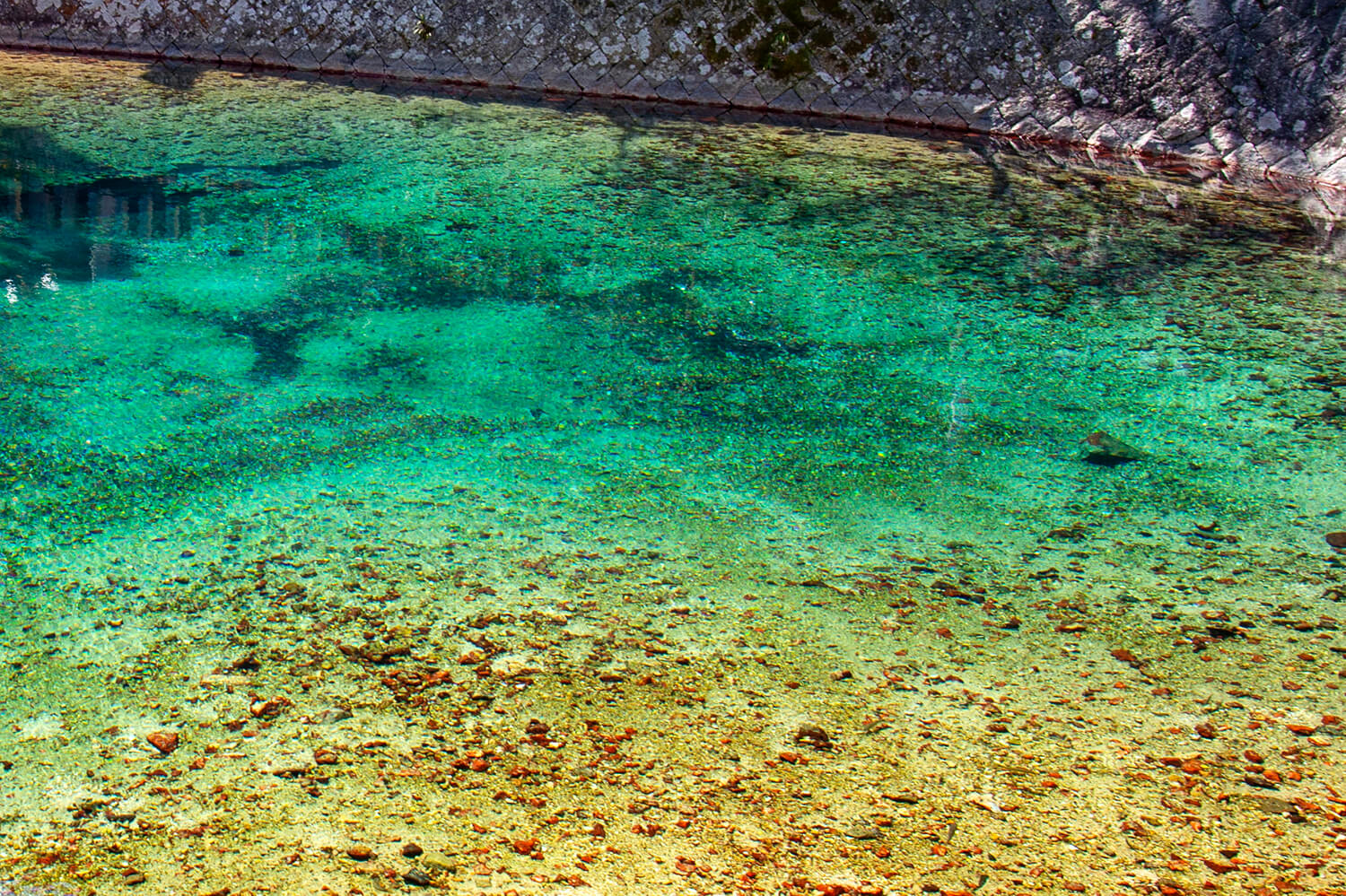
“Beppu Itsukushima Shrine” is situated at the western foot of the “Akiyoshidai” karst plateau.“Beppu Benten Pond,” which stretches across the shrine grounds, has water gushing from its bottom—which reaches a depth of 4 meters at its deepest point—at a rate of 168 liters per second. The crystal-clear water and the beauty of its emerald-green surface are striking, and combined with the mystical atmosphere, it is a popular photogenic spot.
The delicious spring water is beneficial for "fortune" and "longevity. It is one of the most popular power spots in the prefecture.
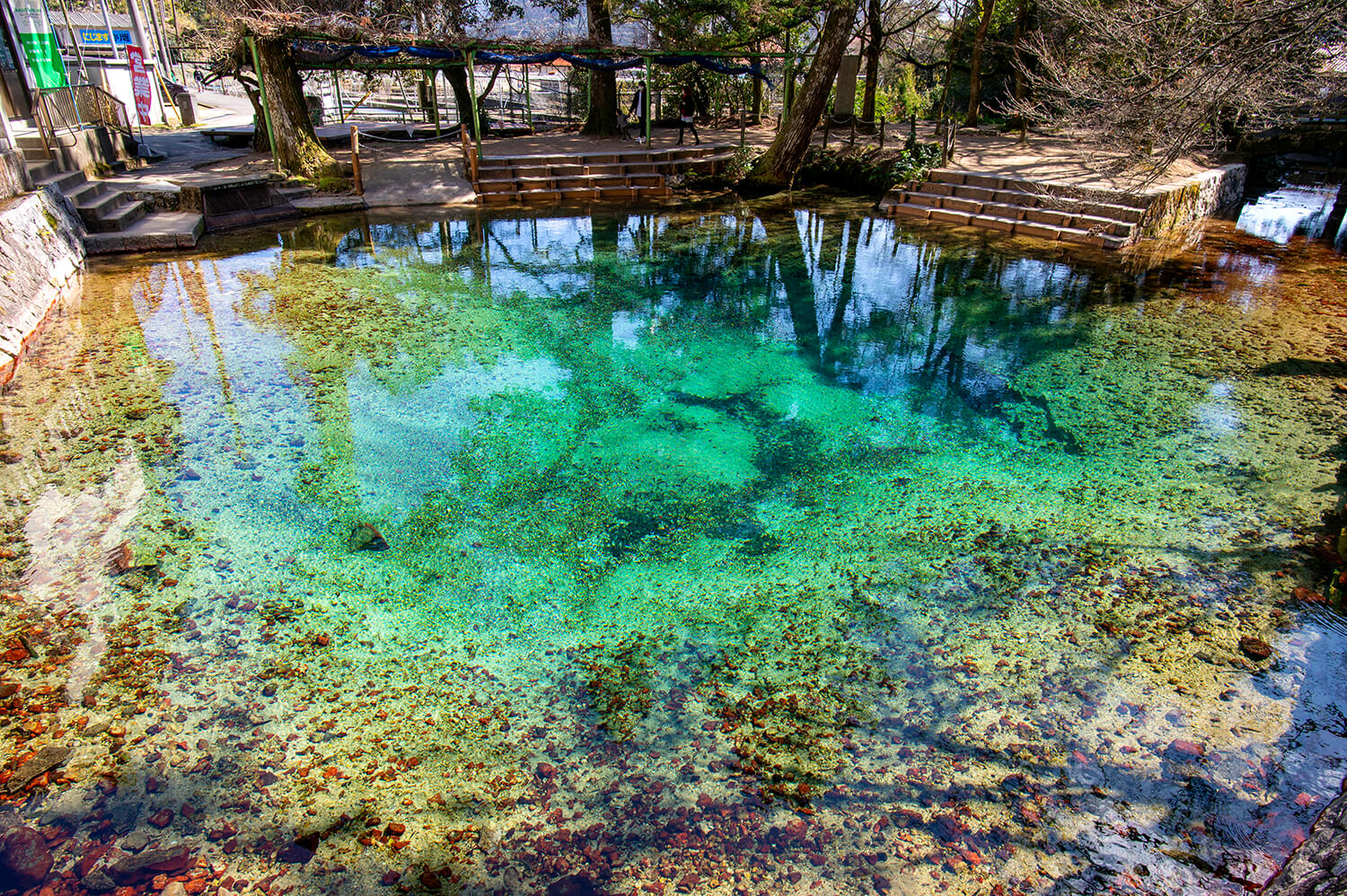
The spring water in the pond has been selected as one of the "100 best waters" by the Ministry of the Environment as delicious water rich in minerals, especially calcium. Furthermore, there is a legend in the surrounding area that if you drink it, you will be blessed with wealth, and the more you drink, the longer your life span will be, making it one of the most popular power spots in Yamaguchi Prefecture. People gather here to enjoy the benefits of the spring water, which is highly efficacious.
There is a water-drawing station near the pond, and although there are many taps lined up, the place is so crowded with people that on holidays there is a waiting list for a turn.
Local Guide
The water temperature remains almost constant at 14–15°C year-round, and even in summer, the surrounding air stays cool, making it a great spot to beat the heat. At the on-site restaurant, you can enjoy dishes made with trout raised in the spring water.
- Beppu Benten Pond
-
- 1591-2 Beppu, Akiyoshi-cho, Mine City, Yamaguchi Prefecture MAP
- Approximately 25 min. by car from Mine IC on Chugoku Expressway.
- Free of charge
- 0837-64-0203(Mine Trout Farm)
- Free
4Motonosumi Shrine
The spectacular view of the torii gates stretching out from the sea has been featured in the American media.

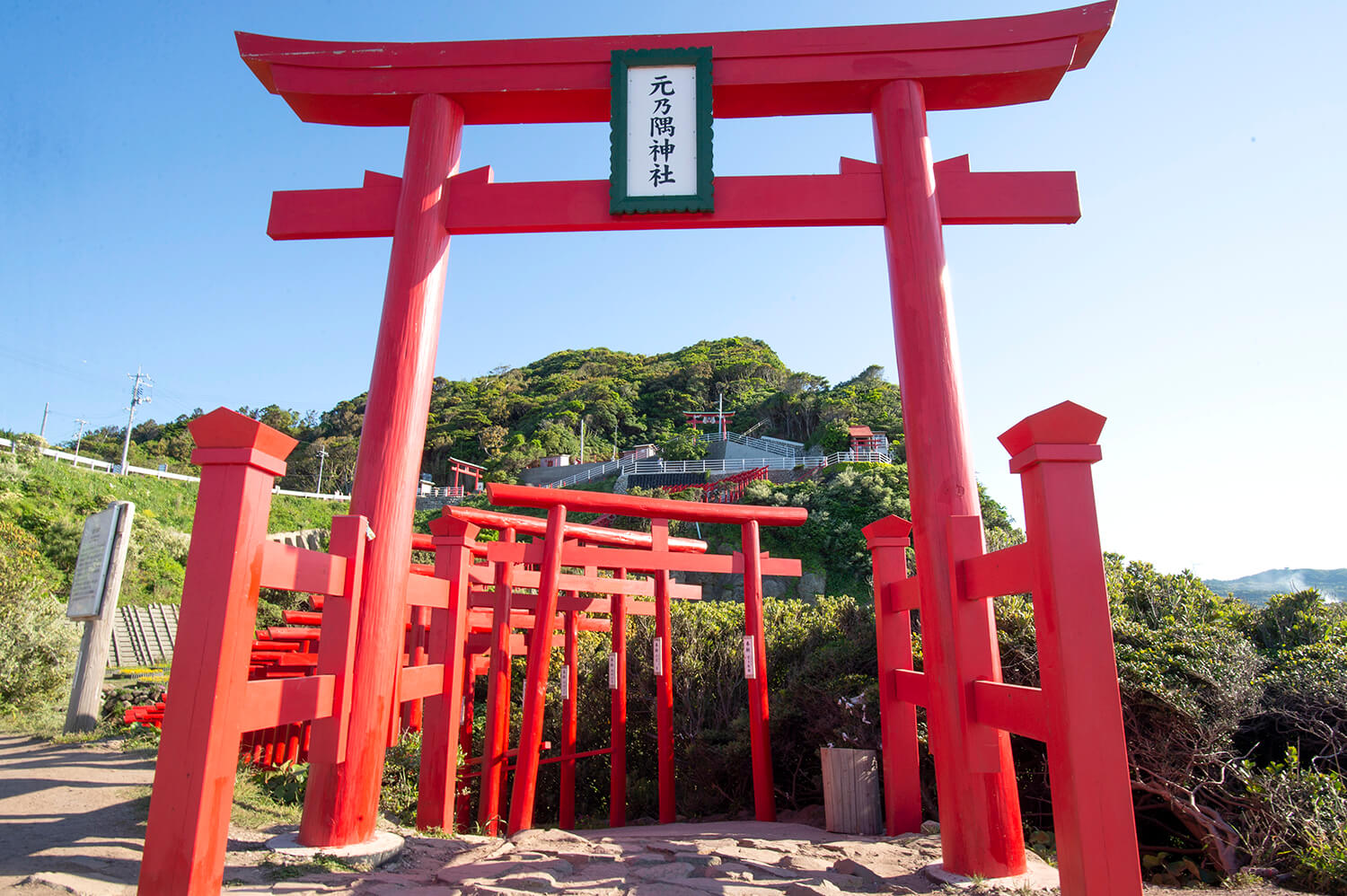
Motonosumi Shrine in Yuya, Nagato City, is perched on a cliff that looms over the Sea of Japan. The mysterious sight of 123 torii gates rising from the sea toward the main shrine was broadcast to the world by the American broadcasting media CNN as one of the "Most Beautiful Places in Japan.
The rocky area beyond the torii gates is a spot known as "Ryugu no Ushiofuki," which is famous for the natural phenomenon of waves violently lapping against the rocks and blowing up through the gaps in the rocks in a misty mist. The more stormy the sea is, especially in winter, the more easily the tidal spray appears, and when exposed to Nikko, the mist can turn into a beautiful rainbow of colors.
Make a wish by crawling through! Take on the “Stone of Overcoming Challenges”
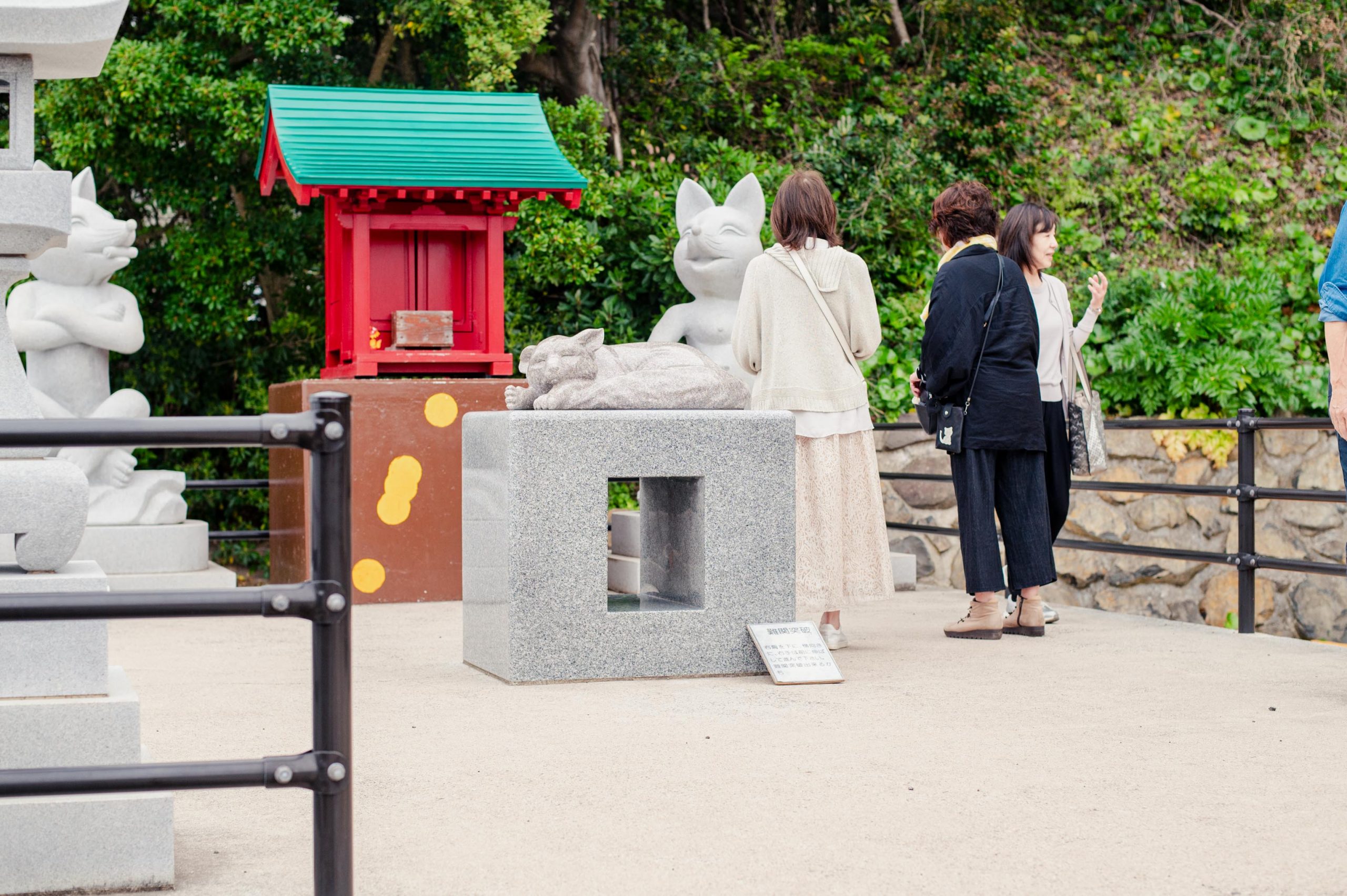
In addition to the mystical sight, the money offering box installed at the Otorii (Grand Gate) on the temple grounds has attracted much attention. The box is located in the center of the torii gate, about 5 meters above the ground, and if you are able to successfully throw money into the box, your wish will be fulfilled. Visitors to the shrine try one after another to make their wishes come true, but the difficulty level is quite high because the money box is purposely placed in a small size. Motonosumi Shrine offers a wide variety of benefits, such as prosperous business, academic achievement, traffic safety, good marriage, and fertility. Make a wish on a coin and try your hand at it.
Local Guide
The parking lot next to the shrine has been improved, making it much easier to stop by than before. The Motonosumi Shop has opened next to the parking lot, where visitors can purchase locally grown seaweed and vegetables in addition to souvenirs.
- Motonosumi Shrine
-
- 498 Aburaya-tsu-ki, Nagato City, Yamaguchi Prefecture MAP
- Approximately 60 minutes by car from the Mine IC of the Chugoku Expressway.
- 5:30-17:30
- Visits will be partially suspended during the following periods.
・Saturdays, Sundays, and national holidays from March to November 2026 - Free of charge
- 0837-26-0708(Michi no Eki Senza Kitchen Nagato City Tourist Information Center YUKUTE)
- Admission Fee
 No entry at night
*Recommended car navigation setting to the shrine TEL0837-32-2003 (Dining Area Shiofu)
5Aomishima
Alps on the sea with a series of spectacular views, including cliffs and oddly shaped rocks
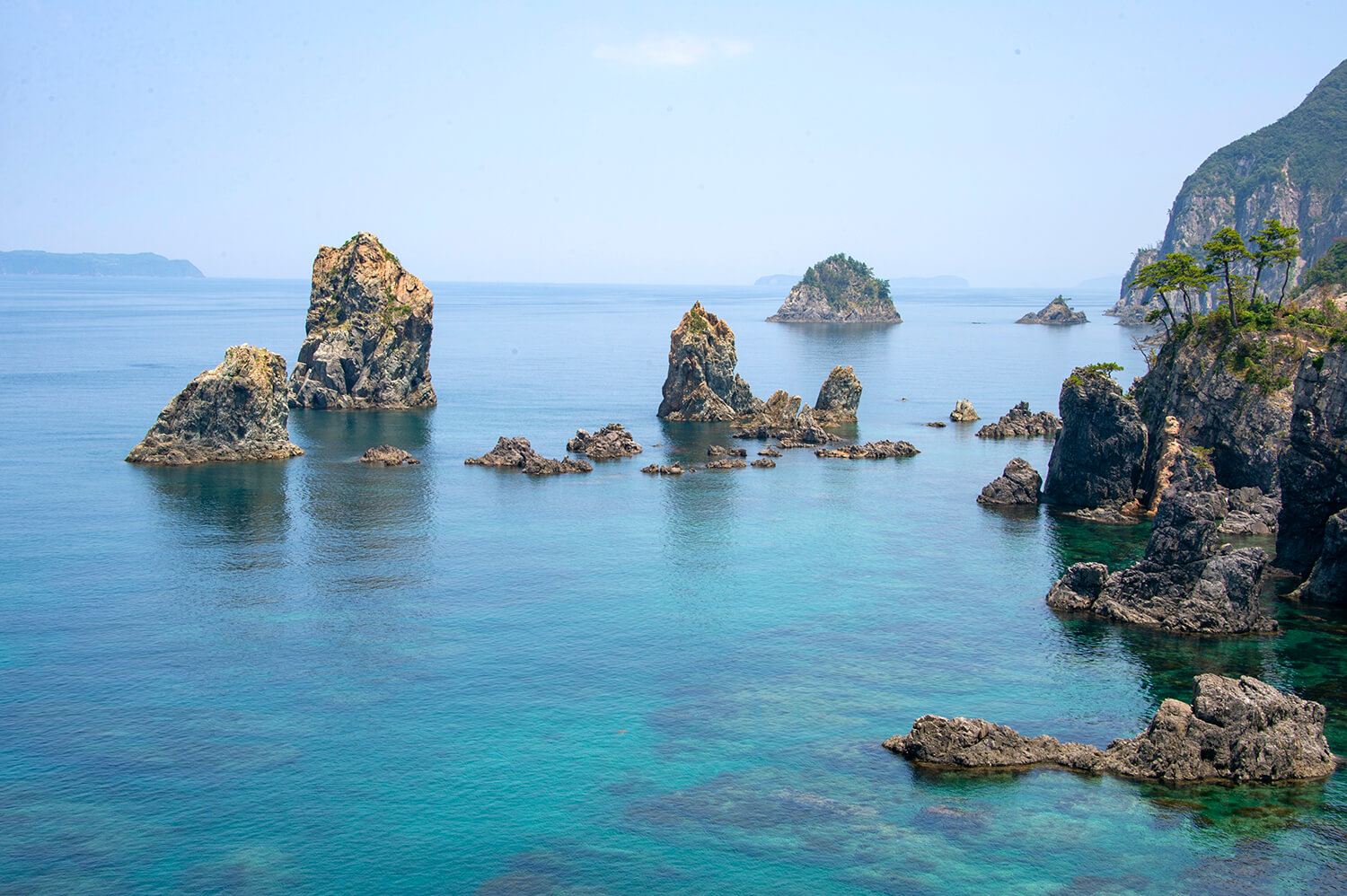
Aomi Island is located just a stone's throw from Nagato City. In contrast to the calm scenery of the city side, which is dotted with quiet bays and villages, the Japan Sea side offers a series of cliffs and stone pillars protruding from the sea, creating a rugged landscape formed by the waves.
The spectacular view, also known as the "Maritime Alps," can be fully enjoyed from the "Aomi Island Nature Study Path," a promenade built on the cliffs. The path is approximately 1,900 meters long, with the horizon of the Sea of Japan in the distance and numerous oddly shaped rocks below.
A series of thrilling experiences. Touring the Alps on a cruise ship

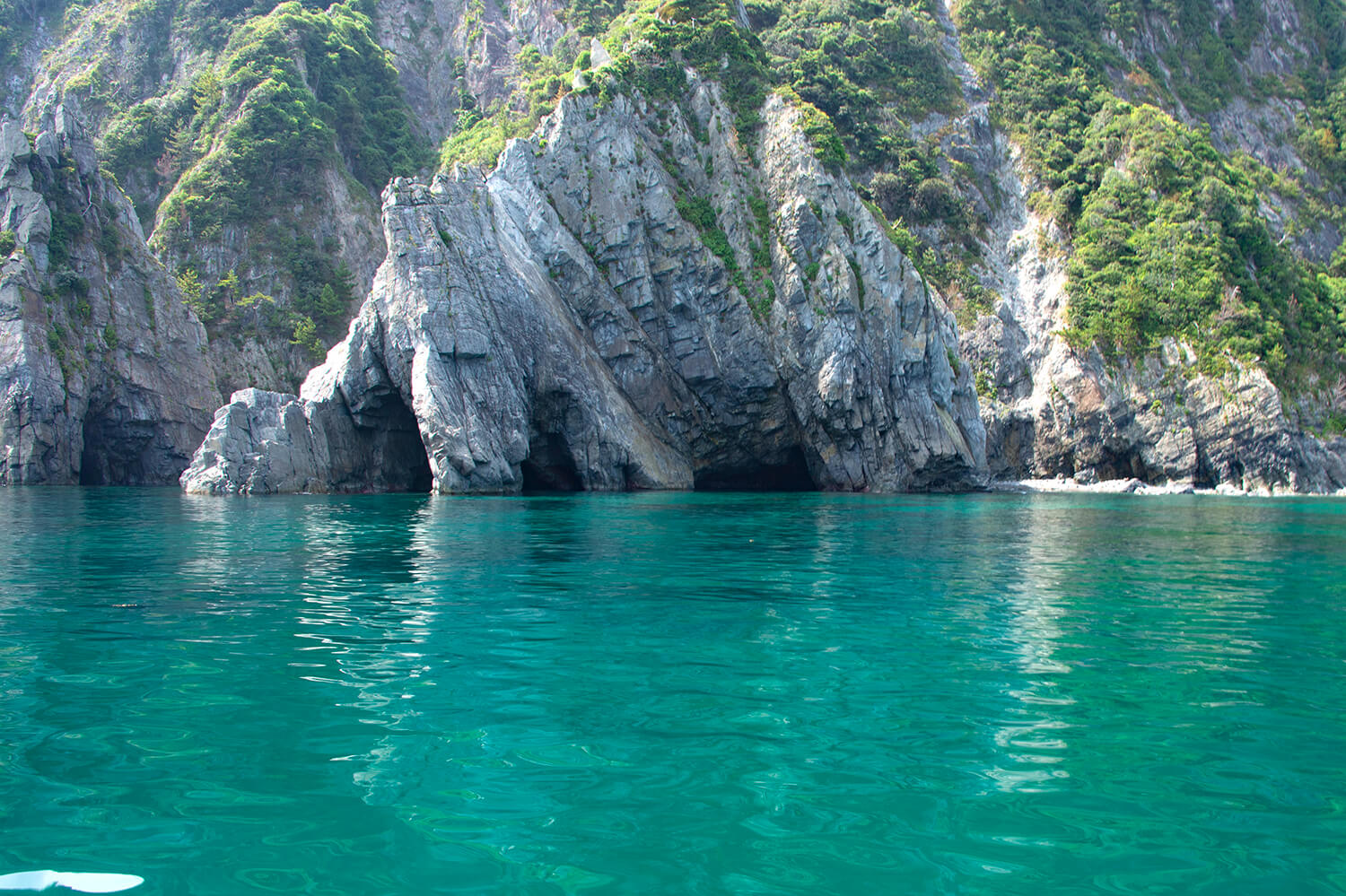
The Alps can be enjoyed in a cruise boat operated by the Qinghai Island Tourist Steamship Company, which offers a powerful view of the Alps at sea. The boat will take you on a series of thrilling tours, including pulling up close to strange rocks and passing through caves that are just barely wide enough for the boat to pass through. The captain will guide you and give you explanations at each point of interest, which is also a nice feature.
The boarding area is next to Senza Kitchen, a roadside station in Senzaki, Nagato City. The basic course is a round-the-island tour, but the course may be changed or cancelled depending on weather and wave conditions. The operation status is posted every morning on the company's SNS, so it is best to check in advance.
Local Guide
There are two types of sightseeing boats: a small "dolphin boat" that allows visitors to walk through the caves, and a medium-sized "whale boat" that allows visitors to feel the sea breeze on the deck. The boats are in operation throughout the year, but the Alps cruise in summer is simply exhilarating.
- Aomi Island
-
- 498 Aburaya-tsu-ki, Senzaki, Nagato City, Yamaguchi Prefecture MAP
- Approx. 50 min. by car from the Mine IC of the Chugoku Expressway
- Take a bus from JR Nagato City Station and get off at Senza Kitchen.
Take a bus from JR Nagato City Station and get off at "Shizugaura". - Sightseeing Boat (Full-Circuit Course): Adults 2,800 yen, Elementary School Students 1,400 yen
- 0837-26-0708(Michi no Eki Senza Kitchen Nagato City Tourist Information Center YUKUTE)
0837-26-0834(Aomi Island Tourist Steamship) - (There is a charge for the Qinghai Island Nature Study Path, and the sightseeing boat uses Senza Kitchen's free parking lot.
- https://www.omijimakankoukisen.jp/ (Chekaishima Tourist Steamship)
6Hagi Castle Town
The castle town, a World Heritage Site, preserves the atmosphere of the Edo period (1603-1867)
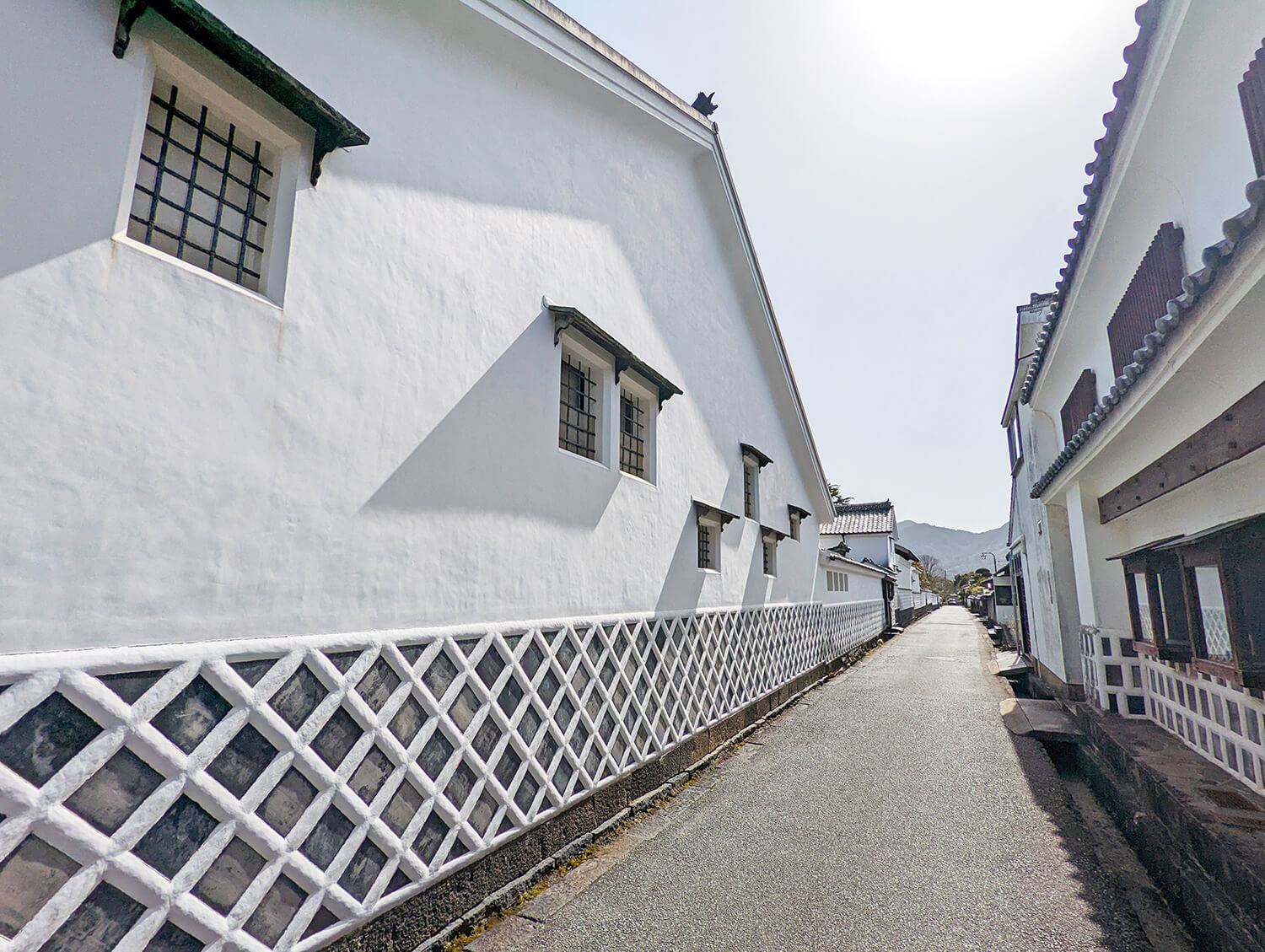
From the early Edo period through the end of the shogunate, Hagi City served as the center of the Chōshū Domain (present-day Yamaguchi Prefecture), ruled by the Mōri clan. The layout of the castle town, developed alongside the construction of Hagi Castle, remains intact in the modern cityscape, allowing visitors to enjoy strolling while referring to old maps and illustrations from that era.
Many buildings and earthen walls from that era still stand in various locations, and in 2015 (Heisei 27), the area was registered as one of the component assets of the World Heritage site “Sites of Japan’s Meiji Industrial Revolution.”In addition to samurai residences and merchant houses, the area is brimming with spots where you can trace the footsteps of figures who played active roles during the Bakumatsu period and the Meiji Restoration, such as the birthplaces of Shinsaku Takasugi and Takayoshi Kido (Kogoro Katsura).
How to enjoy the castle town not only by visiting historical sites

The charm of Hagi’s castle town extends far beyond its history.Café hopping is another way to enjoy the town; the cafés are all unique, ranging from those housed in old townhouses and traditional folk houses to those featuring Japanese gardens or tucked away in the back of samurai residences. In addition to cafés, there are plenty of hidden gems you won’t want to miss, such as the “Natsumikan Soft Serve” at the Hagi Museum.
New shops have been opening one after another—such as “Hagi Purin-tei” and “Hagi Castle Town Beer MURATA” in 2021, and “Nero Bake,” a specialty shop offering house-roasted coffee and baked goods, in 2022—and are already attracting attention.
Local Guide
Hagi City was the first national grand prix winner of the "Kimono Fitting Town Award". The entire town is photogenic and looks great in kimono. Kimono rental stores in the castle town (reservations required) are also recommended. Many of them offer special offers only for those wearing kimono.
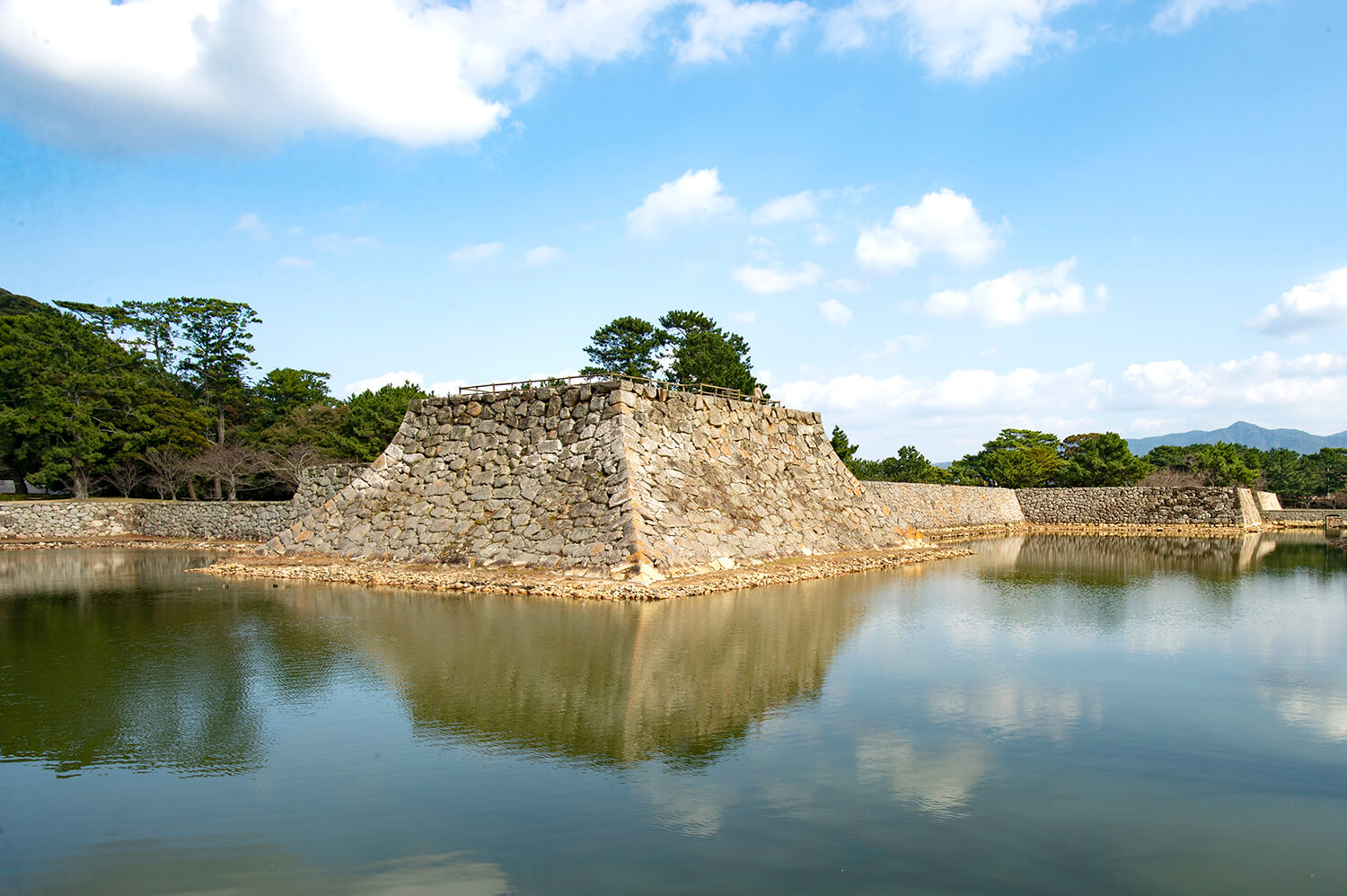
- Hagi Castle Town
-
- Gofukumachi, Horiuchi, and other areas in Hagi City, Yamaguchi Prefecture MAP
- Approximately 60 minutes by car from JR Shin-Yamaguchi Station
- Take the bus from JR Shin-Yamaguchi Station, get off at “Hagi Meirin Center,” and walk about 5 minutes
- 0838-25-1750(Hagi City Tourist Association)
- Admission Fee
7Shoin Shrine
Shoin Shrine, dedicated to Shoin Yoshida, a charismatic figure among the Bakumatsu no Shishi (patriotic warriors at the end of the Edo period)
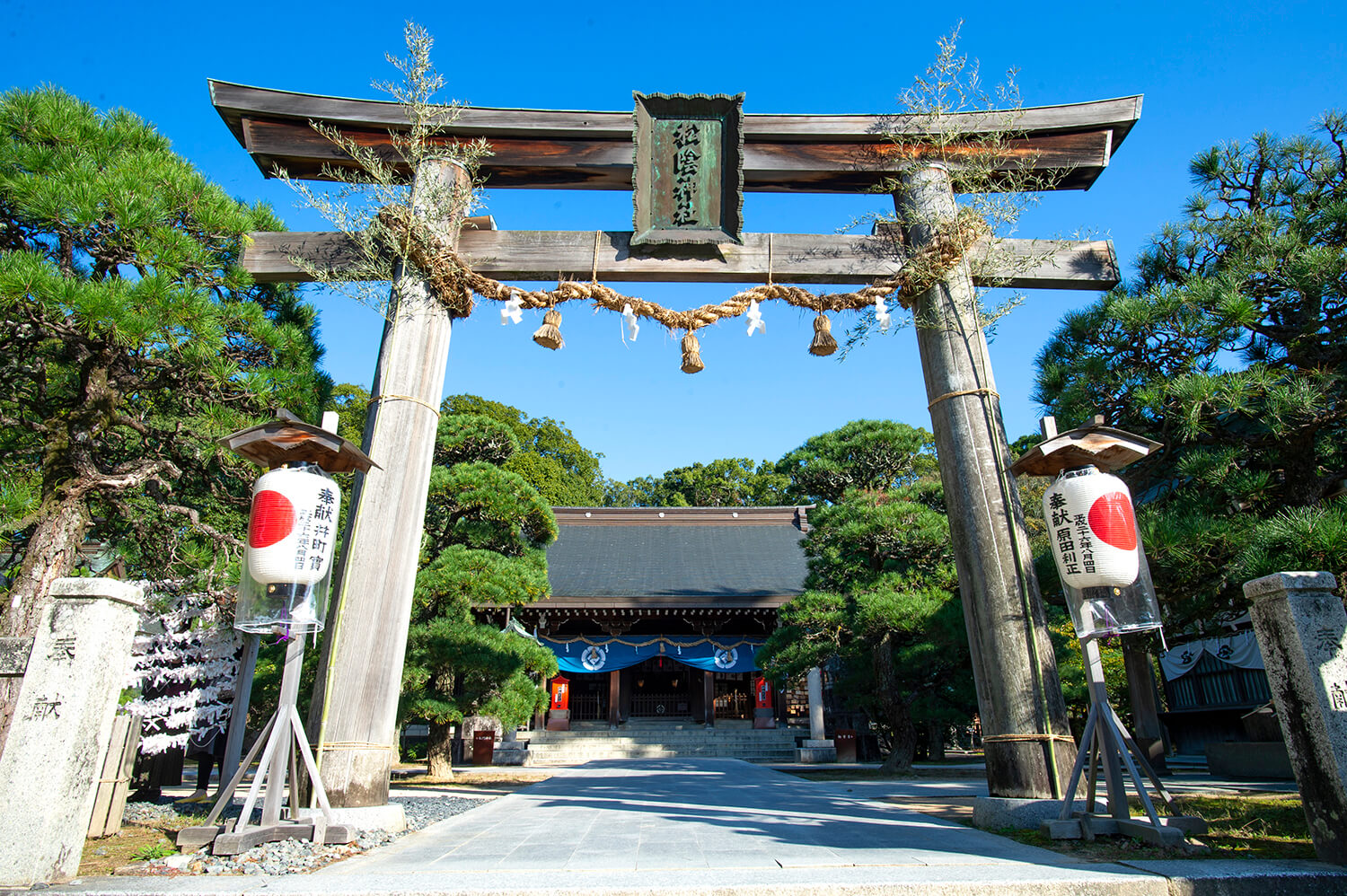
Yoshida Shōin was a teacher at the “Shōka Sonjuku” who mentored figures such as Takasugi Shinsaku, Itō Hirobumi, and Yamagata Aritomo—men who became the driving force behind the Meiji Restoration. He was a thinker of the Bakumatsu period who served as a charismatic leader for them.
Shōin Shrine was founded in 1907 (Meiji 40) to enshrine Shōin, who perished on the execution grounds during the Ansei Purge (1858). Today, it is not only one of Hagi’s premier tourist attractions but is also known as a shrine dedicated to the god of learning, drawing many students taking entrance exams who visit to pray for success.Original amulets such as “Shimori” and “Shiseishimori,” featuring Shōin’s calligraphy and portrait, are also popular.
Shoukason Juku, where you can feel the life of Shouin and the other samurai of the end of the Edo period.

The “Shōka Sonjuku,” a private school founded by Yoshida Shōin, still stands within the shrine grounds in its original form, alongside the former family home where Shōin was imprisoned (Yoshida Shōin’s Former Residence). In 2015 (Heisei 27), it was registered as one of the component assets of the World Heritage site “Meiji Industrial Revolution Sites in Japan.”Although visitors cannot enter the buildings, they can see firsthand the space where Shoin’s students studied and conversed with him. Because it was a gathering place for individuals with passionate aspirations, the area—including the shrine—is renowned as a “power spot.”
“Shomon Shrine,” which enshrines Shoin’s students as deities, is located next to the main hall, making this a veritable sacred site for fans of late Edo period history.
Local Guide
At first glance, Matsushita-murajuku may appear to be a small building, but when you think of the many famous people involved in the Meiji Restoration who gathered here, you will find yourself immersed in an atmosphere that is filled with great power. This is a spot where you can feel the breath of great people.
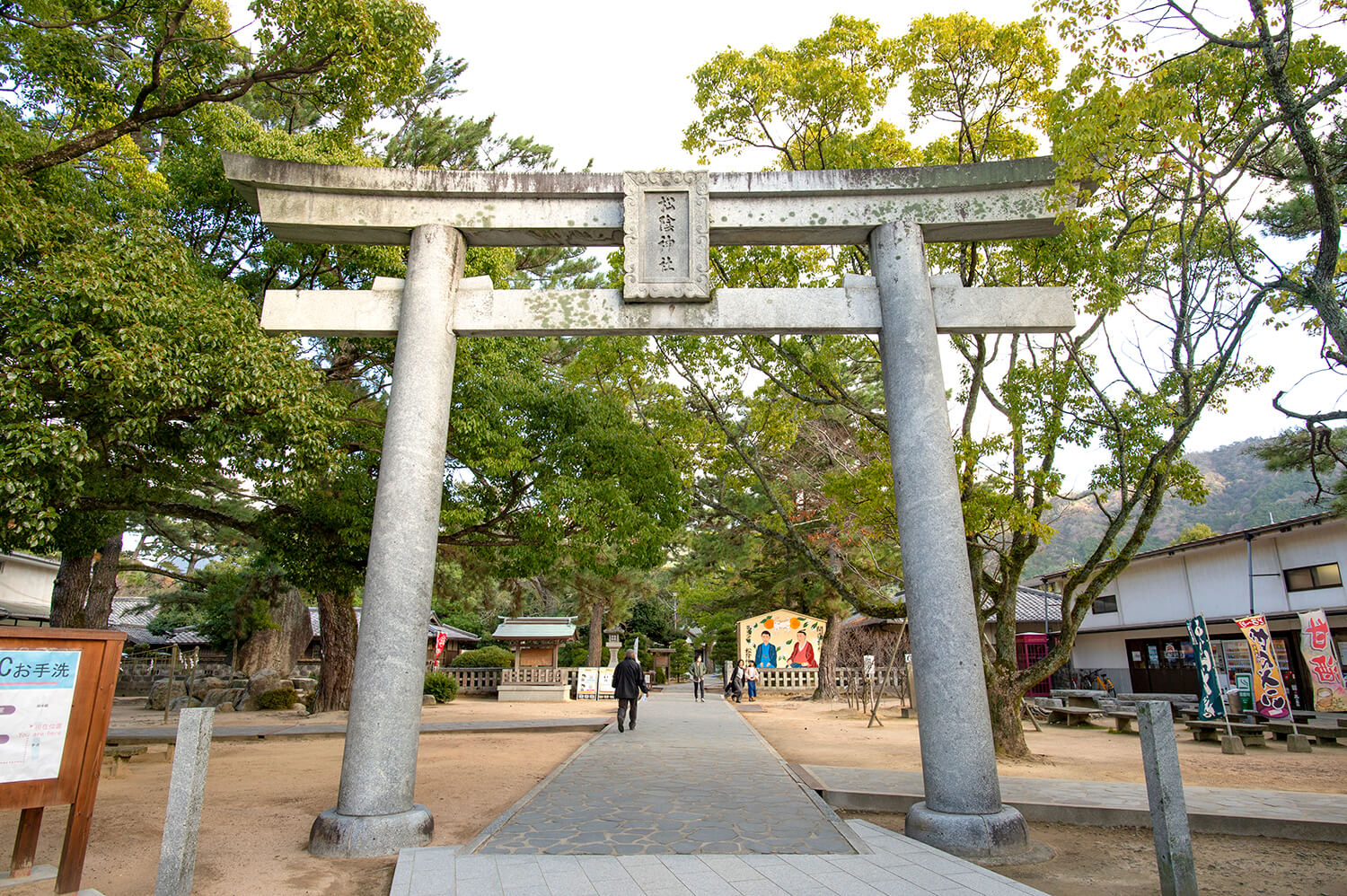
- Shoin Shrine
-
- 1537 Tsubaki-Higashi, Hagi City, Yamaguchi Prefecture MAP
- Approx. 20 min. walk from JR Higashi Hagi Stn.
- Free *Admission is charged for the History Museum and Shiseikan Hall located on the temple grounds
- 0838-22-4643
- Free *Admission fee applies for large buses
- Matsukamurajuku is closed at night
8Tsunoshima Bridge
A spot with a spectacular view that is attracting nationwide attention as a must-visit destination.

Kakunoshima Bridge is located in Toyokita-cho, Shimonoseki City, on the northwestern edge of Yamaguchi Prefecture. The bridge was completed in 2000 to connect Kakunoshima Island, located approximately 1.5 km offshore, to the mainland. The 1,780-meter-long bridge has quickly become one of the most popular spots in Yamaguchi Prefecture, where visitors can enjoy an exhilarating drive on the sea and the beautiful scenery of the 1,780-meter-long bridge and the ocean.
Amagase Park on the mainland side and the neighboring hilltops are the perfect viewing spots. When the sea is calm and the weather is clear, the transparency of the bridge's surroundings becomes even more pronounced, and you can see even more beautiful scenery than described in the tourist brochures.
Crossing a bridge with a spectacular view, there is an even more spectacular view. Sunset view is also recommended.
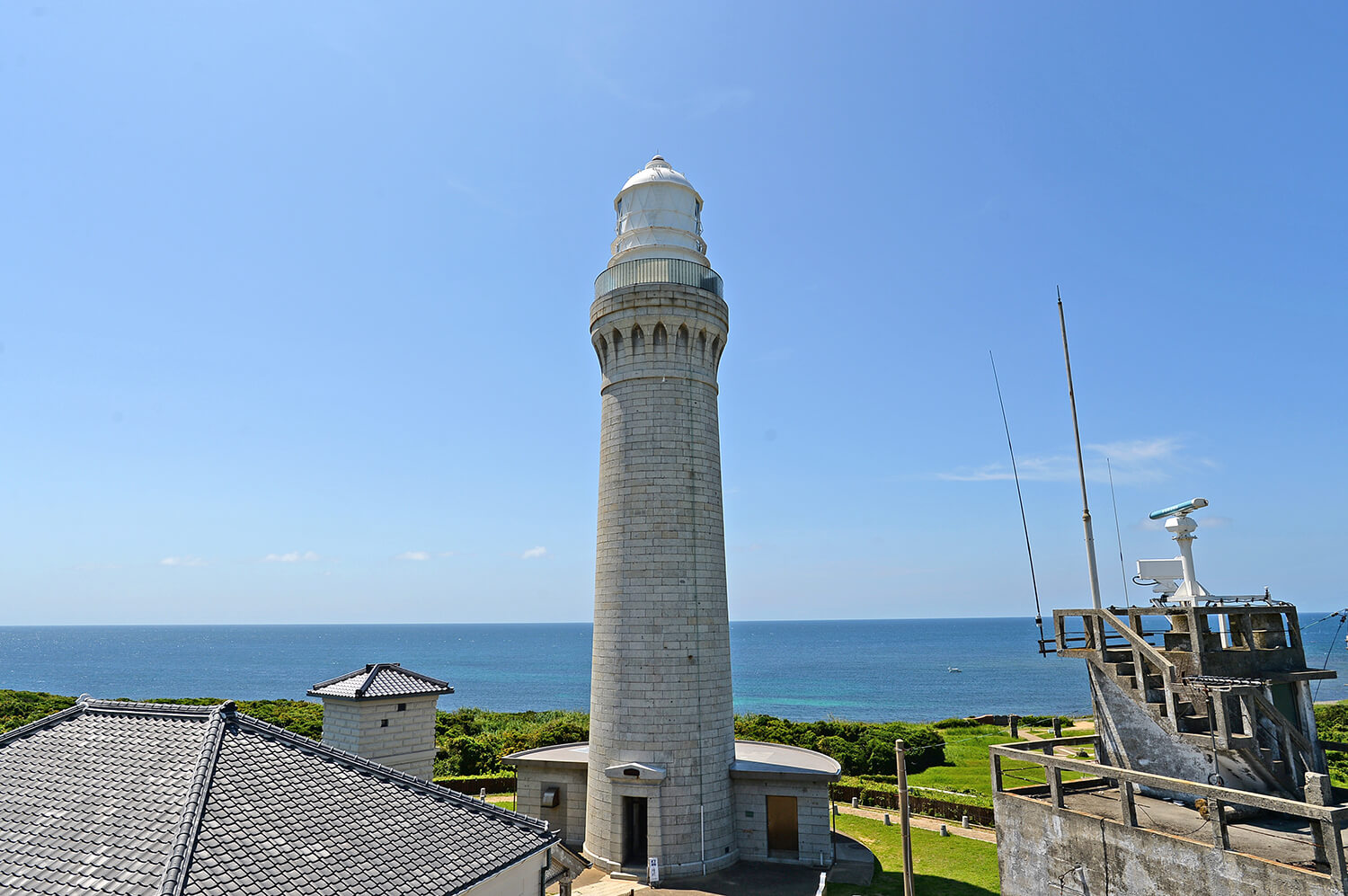
Cross over to Tsunoshima Island and drive about five minutes to reach the tip of the island, where you’ll find the “Tsunoshima Lighthouse” and “Yumesaki Nami Park.”Completed in 1875 (Meiji 8), the Tsunoshima Lighthouse is one of only five First-Class lighthouses in Japan and was designated a National Important Cultural Property in 2020.Its Western-style design, crafted from white granite, blends beautifully with the blue and green hues of the horizon and the cape stretching out before you, offering a breathtaking view with an atmosphere distinct from that of the Tsunoshima Bridge. You can climb to the top of the lighthouse (for a fee), where the balcony offers a panoramic view of the entire island and out to the distant waters of the Sea of Japan.The sunset from the park is also a must-see.
Local Guide
The Kakunoshima area has some of the clearest waters in Yamaguchi Prefecture, and there are many beautiful beaches, including those at the foot of the bridge. In summer, many bathers come here to swim in the sea, and on their way home, they stop by Nagato Yumoto and other hot springs, which is a standard way to enjoy the area.
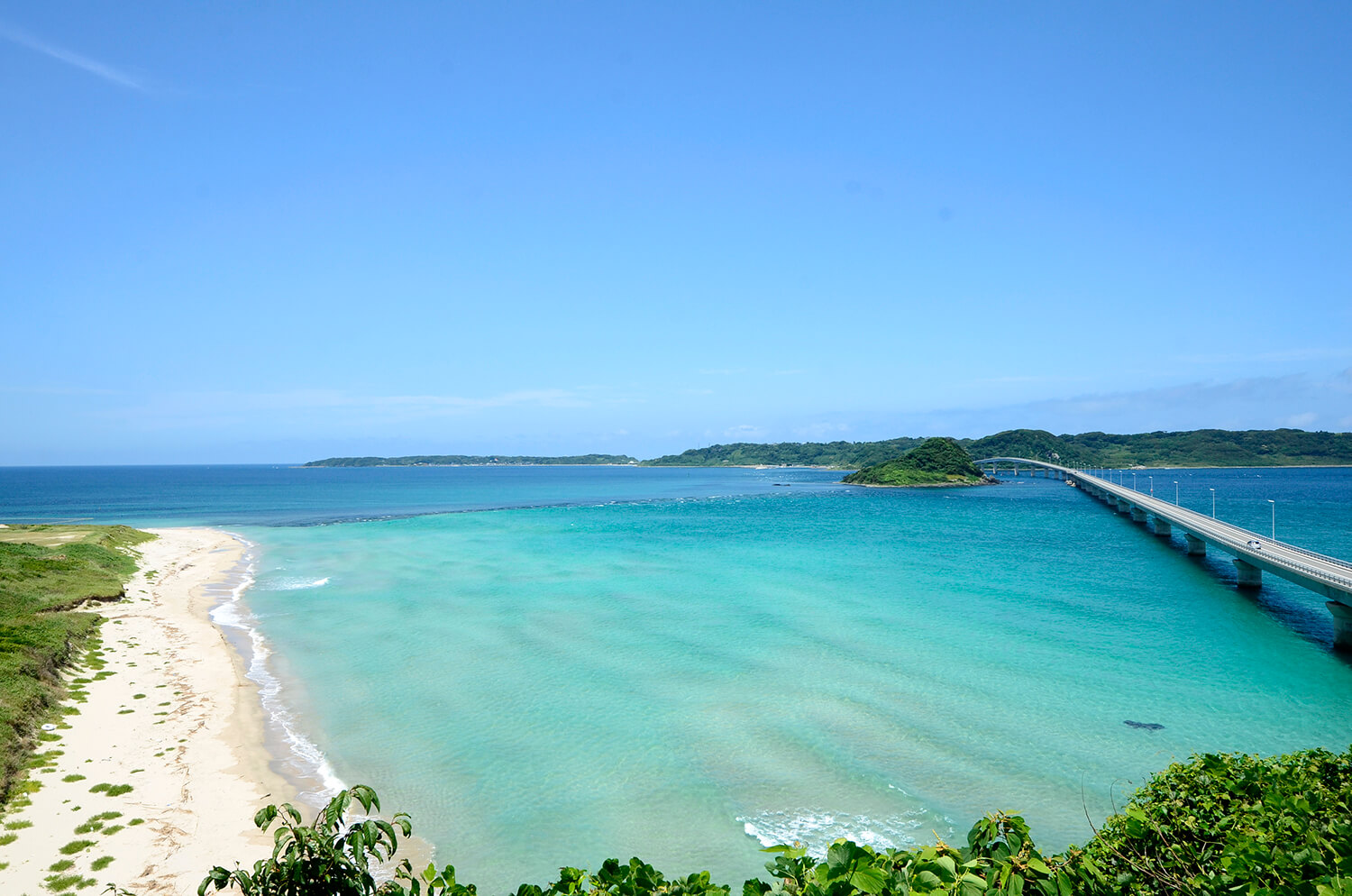
- Kakunoshima Bridge
-
- Kanda, Toyohoku-cho, Shimonoseki City, Yamaguchi Prefecture to Tsunoshima MAP
- Approximately 60 minutes by car from the Mine IC of the Chugoku Expressway.
- Free of charge
- 083-786-0234(Toyokita Town Tourist Association Tourist Information Center)
- Free
- Admission to Kakunoshima Lighthouse is 300 yen for junior high school students and older (9:00-17:00 *Oct-Feb: ~16:30)
"Hidden Gems" Known Only to Insiders
9Mt. Kasayama
The top of the small volcano "Kasayama" is a great panoramic view spot

Kasayama (Mt. Kasasa), located north of Hagi city, is a small volcano 112 meters above sea level. You can drive up to the top of the mountain and see up close the crater, which is about 30 meters in diameter and 30 meters deep, leaving traces of an eruption that occurred about 10,000 years ago. The view from the observatory is magnificent, with a panoramic view of the nearby islands and the city of Hagi, as well as, if conditions are good, the horizon of the Sea of Japan and the remote island of Mishima, which lies about 45 km off the coast of Hagi.
There is also a café downstairs, where you can enjoy a cup of tea while savoring the spectacular view. At the northern foot of Mt. Kasasa is a camellia forest with approximately 25,000 camellia trees growing wild. The best time to see the flowers is usually from mid-February to late March.
Enjoy nature and gourmet food! Lots of things to see and do in the area!

The area around Mount Kasayama is brimming with attractions and culinary spots. “Myojin Pond” is a former marine lake formed when Mount Kasayama was connected to the mainland, and Itsukushima Shrine stands on its shore.Connected to the sea through gaps in the rocks, the lake is home to sea fish—such as red sea bream, stone bream, and stingrays—that were dedicated here as offerings to pray for a bountiful catch; the water level rises and falls with the tides of the open sea.
The “Wind Cave” behind the shrine is highly recommended in summer. Here, you can enjoy a “natural air conditioner” as air flowing out at around 15°C cools the surroundings. The surrounding area is dotted with restaurants serving seafood delicacies such as squid, sea urchin, and turban shells, as well as shops selling processed citrus products—including the local specialty, Natsumikan. Don’t miss out on Hagi’s signature culinary delights.
Local Guide
At the end of the road leading to the camellia forest, the "Tsubaki no Yakata" restaurant is a well-known restaurant run by the mothers of the local fishing cooperative. The set menus, which include sashimi, sea bream, and nodogurouro (nodoguro are cooked in a broth made of sea bream and nodoguroro), are both hearty and cosy.

- Kasasan (Mt.)
-
- Koshigahama, Tsubaki-Higashi, Hagi City, Yamaguchi Prefecture MAP
- Approximately 15 minutes by car from JR Higashi Hagi Station
- Take the bus from JR Higashi-Hagi Station, get off at “Koshigahama,” and walk about 5 minutes (to Myojin Pond)
- 0838-25-1750(Hagi City Tourist Association)
- Parking at Koshigahama, the top of Mt. Kasayama, and the camellia forest are free of charge; Myojin Pond is chargeable.
- Cab or rental car is recommended to get to the top of Kasayama and the camellia forest.
10Flower-Lined Terraced Rice Fields
Seasonal flowers and herb gardens set against the breathtaking views of the Sea of Japan
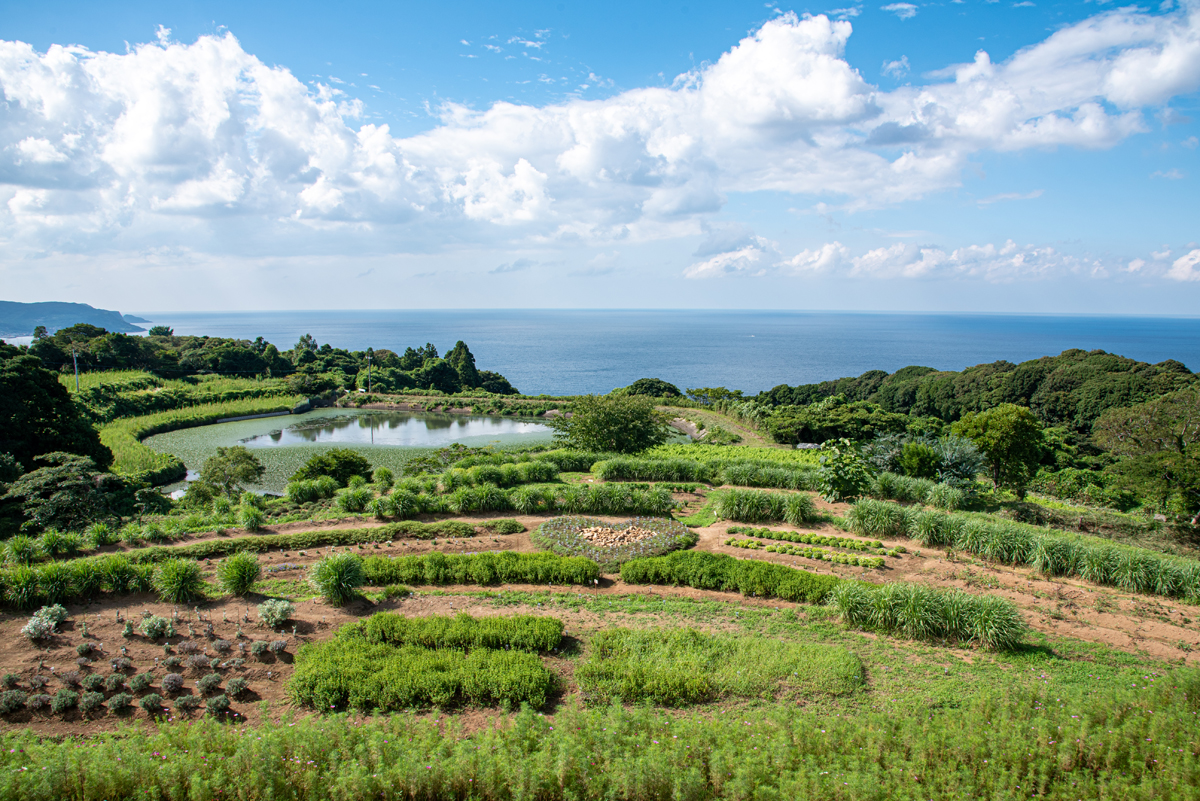
The “Flower Terraces” in the Aburaya district of western Hagi are abandoned rice terraces that have been revitalized as fields of flowers and herbs.
On a sunny day, the blue sky and the Sea of Japan stretch out beyond the flower terraces, offering a scenic view complemented by seasonal blooms.
On weekends during the day, “Dan Dan Kitchen,” run by local residents, is open. It offers a menu featuring dishes that combine herbs grown here with local produce.
Chill out in a hammock or on a swing
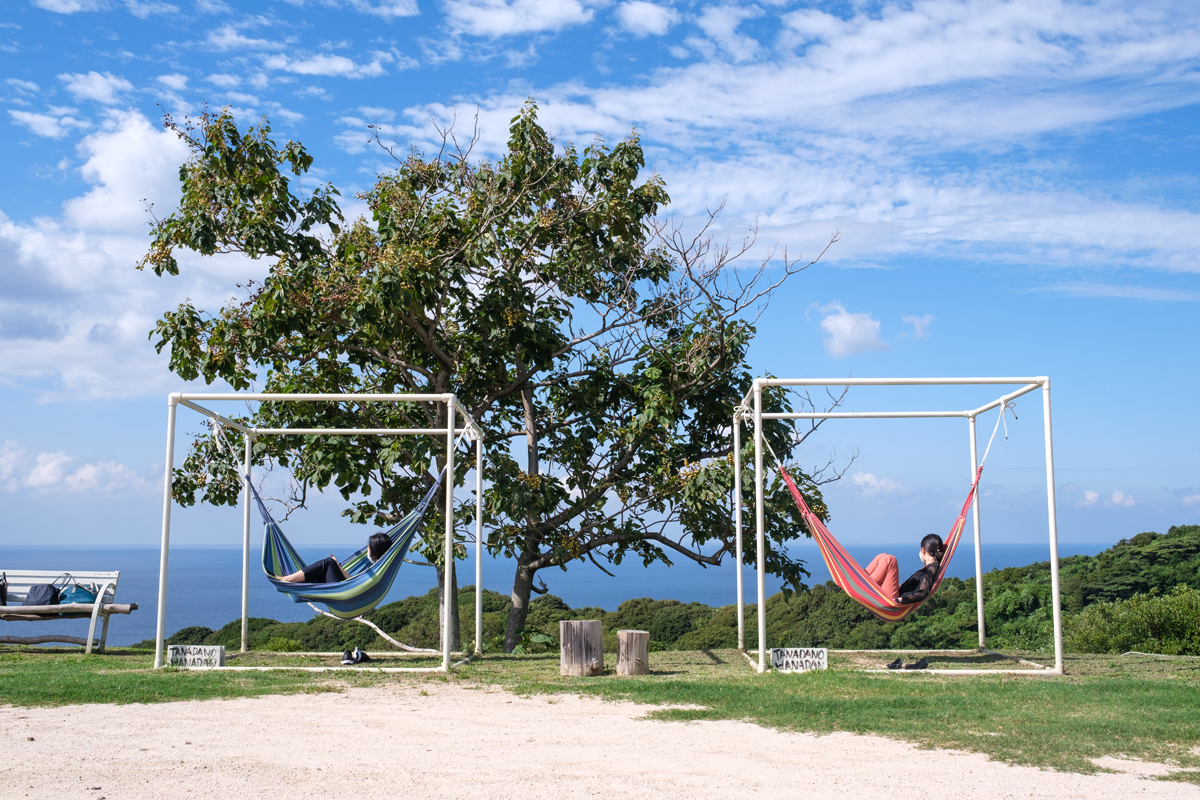
If you visit, be sure to enjoy the hammocks and swings provided.
Swaying gently in the pleasant breeze, you can spend a relaxing, leisurely time here—an experience you can only have here.
Local Guide
The popular spot Motonosumi Shrine is only a 10-minute drive away. If you have a chance to visit in early summer, this is a must-see spot along with a visit to the shrine. If you have time before dusk, a visit to the nearby "Senjojiki" is also recommended.

- Higashi Gobata Terraced Fields
-
- 1766 Aburaya Ushirohata, Nagato City, Yamaguchi Prefecture MAP
- Approximately 60 minutes by car from the Mine IC on the Chugoku Expressway
- 0837-26-0708(Nagato City Tourist Information Center (YUKUTE)
- Free
11Unrin-ji Temple
A temple full of cats that will relax you if you visit.

Unrin-ji Temple is located in a village in the Mutsumi area in the mountains of eastern Hagi. The temple is the descendant of Tenjuin Temple (now closed), which appears in the "Nekomachi Legend" of Hagi Castle Town. The temple has been called "Neko-dera" (cat temple) because of the increasing number of cat-related ornaments collected by the temple's cat-loving priest and dedicated by visitors.
The cat figurines lined up in front of the main hall are a sight to behold! The temple has become so popular that it is now considered a "sacred place" for cat lovers, and many people from Japan and around the world have visited the temple.
Buddha, omikuji (fortune), gifts, and red seals! Anyway, the whole temple is covered with cats!

As you begin to climb the stairs to the main hall, cats appear one after another in your field of vision in various forms, such as signs, figurines, and placards for commemorative photos. In addition to the "Neko-mikuji" fortune, all of the amulets and other prizes are Unrin-ji originals designed by the temple's chief priest and his wife, and are available only here. Don't miss the cute red seals decorated with cats.
The "cat ema" (votive tablet) lined up above the entrance is popular for its uniqueness; visitors are asked to dedicate it by drawing a cat's face along with their wishes. Visitors strolling the temple grounds may encounter the temple's four cats.
Local Guide
The wooden cats lined up on the shrine grounds are astounding in their elaborateness, some so realistic they appear to be alive, and others are picture book characters. All of them are chainsaw art, and the creator, Takao Hayashi, is a very famous person who is so skilled that he won a world competition.
12Tainei-ji Temple
The temple where Nagato Yumoto hot spring opened
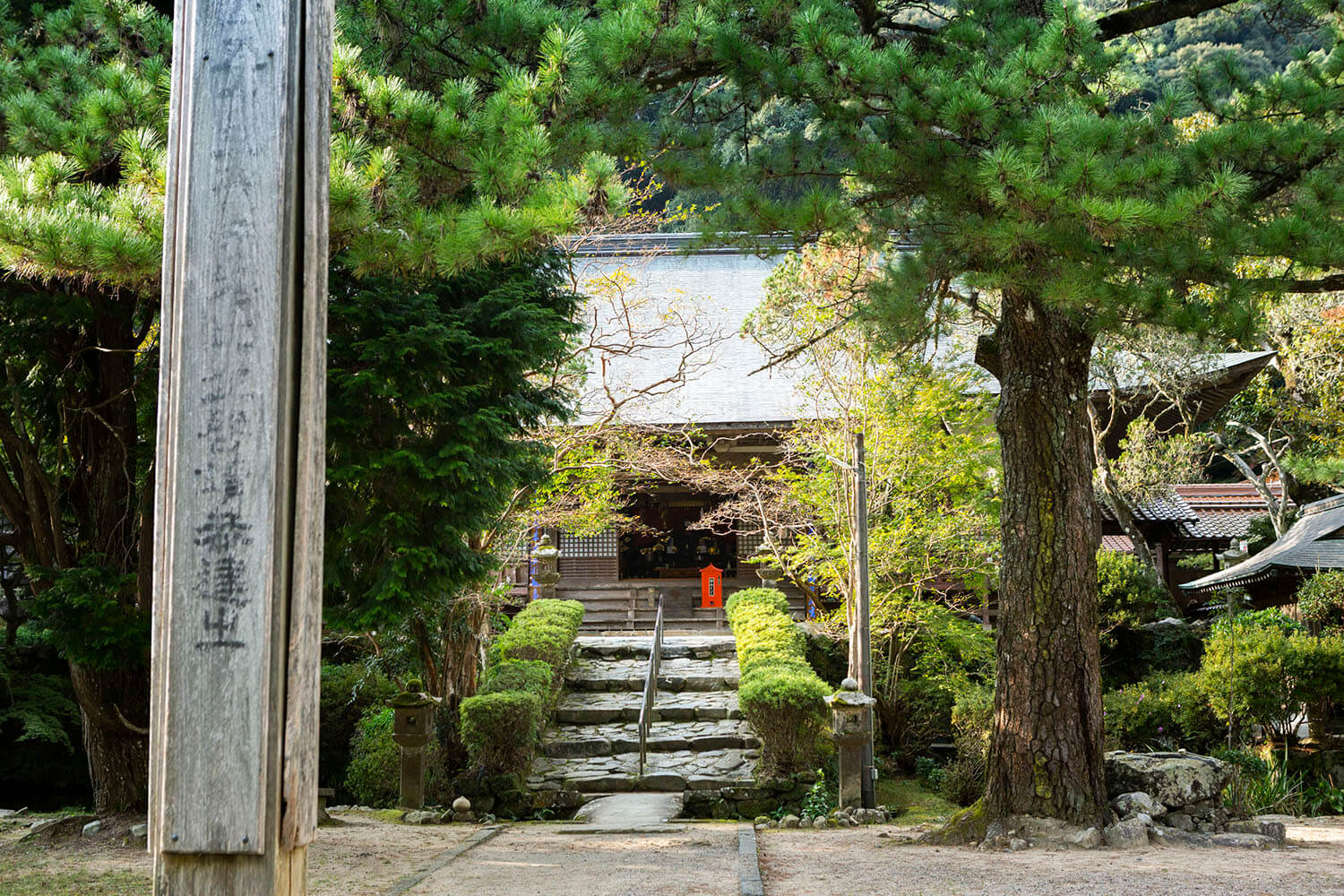
The temple was founded in 1410 by Hirotada Washinozu, a governor of Nagato. Once known as "Koya in the west," this famous Soto Zen temple enjoyed a prosperous period of time.
Daneiji Temple is also known as the site where Nagato Yumoto Hot Spring was founded. 600 years ago, the temple's Zen master Teian received a revelation from an old man who claimed to be the great god Sumiyoshi that a hot spring had sprung up in the area. The Onyu was discovered at that time and is known as "Shinju no Yu," and a stone where Sumiyoshi-daimyojin used to sit in zazen meditation can still be seen on the temple grounds.
The temple is especially beautiful during the autumn foliage season, when the grounds are covered with colorful maple trees and ginkgo trees.
Take a walk around the temple grounds and enjoy the sights that tell the story of the temple's history.
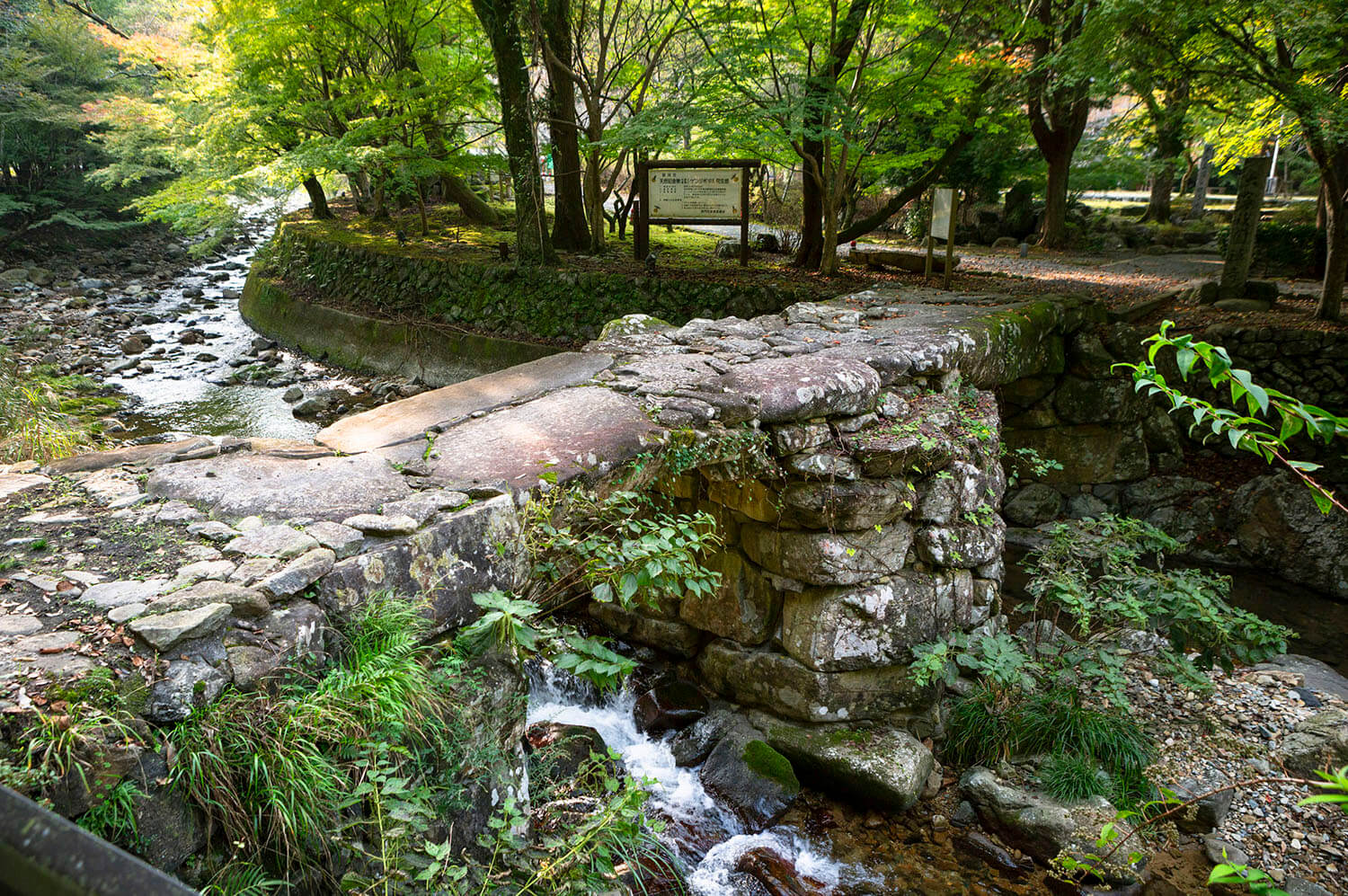
In addition to the main hall, there are many other attractions within the spacious precincts of the temple. Banseki Bridge over the Daneiji River is one of the "Three Odd Bridges of Hochou," along with Kintai Bridge in Iwakuni City and Niji Bridge in Yamaguchi City. Dating back to the early Edo period, it is a beautifully sculpted combination of natural stones of various sizes.
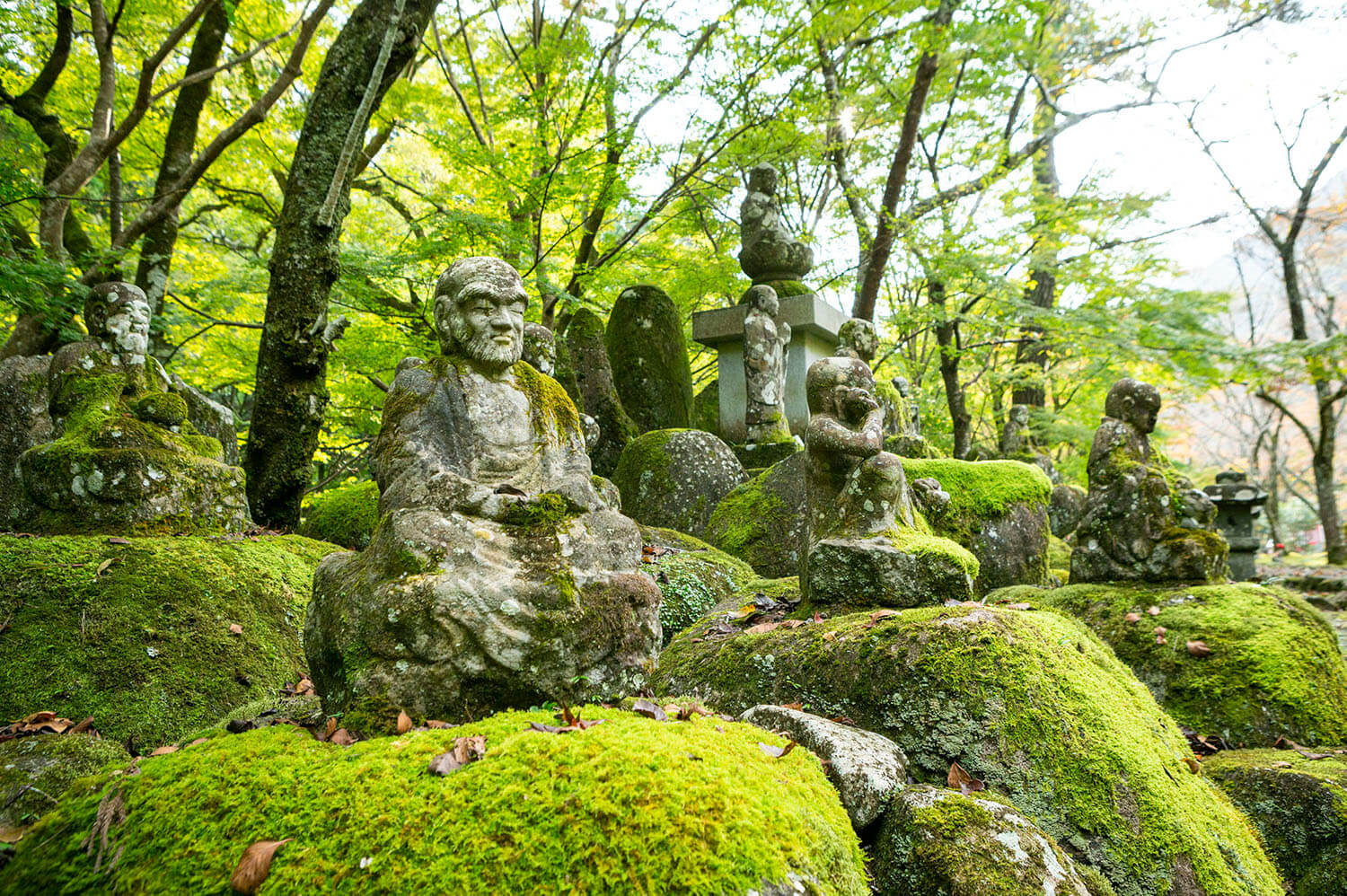
Lining the hill behind the main hall are the graves of Yoshitaka Yoshitaka, the 31st head of the Ouchi clan that established a major culture in Yamaguchi Prefecture, his eldest son, and his vassals. There is also a pond where Yoshitaka, who was pursued for rebellion, realized his death when he could not see his own reflection in the water, and a rock where he is said to have hung his helmet. There are also many other attractions such as the 16 arhat statues, a historical museum, and the Toyokawa Inari Shrine in Nagato.
Local Guide
The annual illumination of the park during the cherry blossom and autumn foliage viewing periods is not to be missed. Check the website for the schedule and other details.
- Taneiji Temple
-
- 1074-1 Fukagawa Yumoto Monzen, Nagato City, Yamaguchi Prefecture MAP
- Approx. 15 min. walk from JR Nagato Yumoto Sta.
- 15-minute walk from the Nagato Yumoto Hot Spring bus stop
- 0837-25-3469
- Free
13Fukutoku Inari Shrine
Be impressed by the fantastic sunset! A shrine with over 1,000 years of history and a variety of benefits

With the keywords "spectacular view," "shrine," and "Yamaguchi Prefecture," I would like to recommend "Fukutoku Inari Shrine" along with the classic "Motonosumi Shrine. Located on a hill overlooking the Hibikinada Sea, about 15 minutes by car north of Kawatana hot spring in Toyoura-cho, Shimonoseki City, the shrine has a history of more than 1,000 years and has been worshipped since ancient times for its various benefits.
There are many highlights of the shrine, including the view from the precincts, the magnificent shrine pavilions, the Otorii (Grand Gate), and the Senbon-torii (Thousand torii gates) that lead through the mountains. The spectacular view of the horizon to the west was written in an ancient poem, and its beauty reaches its climax at sunset.
A spectacular view on the cliff after passing through the red tunnel of Senbon-torii (1,000 torii gates)

As you proceed deeper into the temple, you will feel a sense of excitement as if you are being drawn into another world. At the end of the tunnel of torii gates, which open up into the forest at two points along the way, and at the end of the tunnel, which opens up in an instant with the bright sunlight, a small Inari shrine is enshrined, making it like a small adventure to visit the gods.
The end of the tunnel, which opens up on the mountainside, is on a cliff overlooking Hibikinada Sea, the JR San'in Main Line, and the national highway below. Be careful where you step, as pit vipers may appear during the summer season.
Local Guide
It is recommended to watch the sunset as if it overlaps with the Otorii Gate. The reflection of the sun's rays on the sea seems like a path of light stretching toward the Otorii. If you can see the divine view after praying, you will surely have good luck!

- Fukutoku Inari Shrine
-
- 2960-1 Uga, Toyoura-cho, Shimonoseki City, Yamaguchi Prefecture MAP
- Approximately 45 minutes by car from JR Shimonoseki Station.
- Take a bus from Kawatana hot spring and get off at "Fukutoku Inari-mae" bus stop.
- 083-776-0125
- Free
- Red seals are available from 10:00 to 15:00 (may not be available on the day before or the day of a festival, etc.)
MAP
- “Must-See” Tourist Spots in Nagato, Hagi, and Mine
- "Hidden Gems" Known Only to Insiders
- Nearby Hoshino Resorts Properties

Local Guide in Charge of This Article
- Naoka Takada Healing mood-maker
Hoshino Resorts KAI Nagato
Nagato Yumoto hot spring, Yamaguchi Prefecture
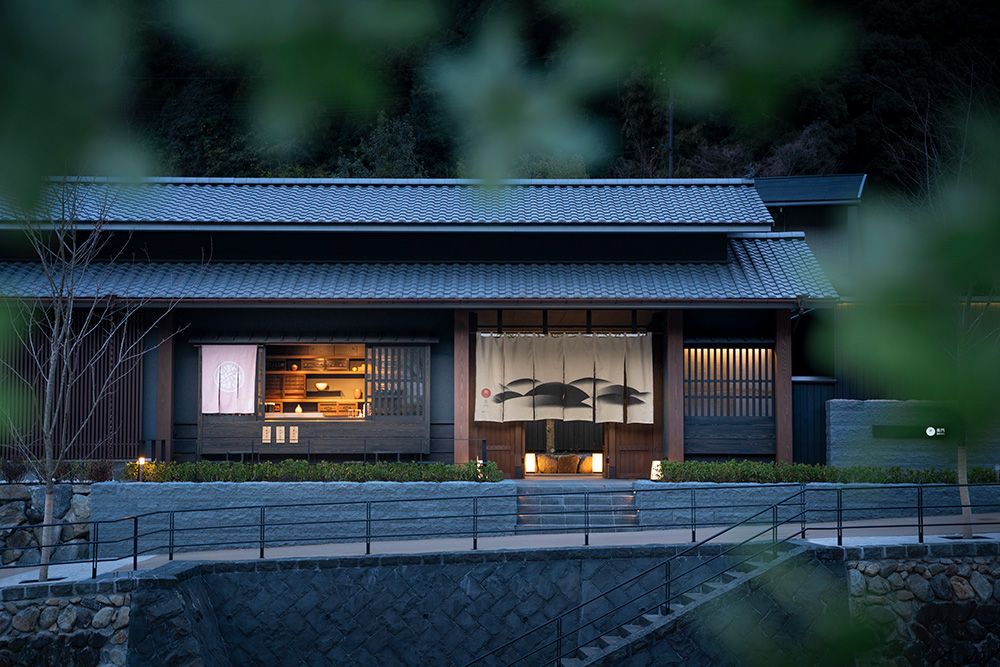
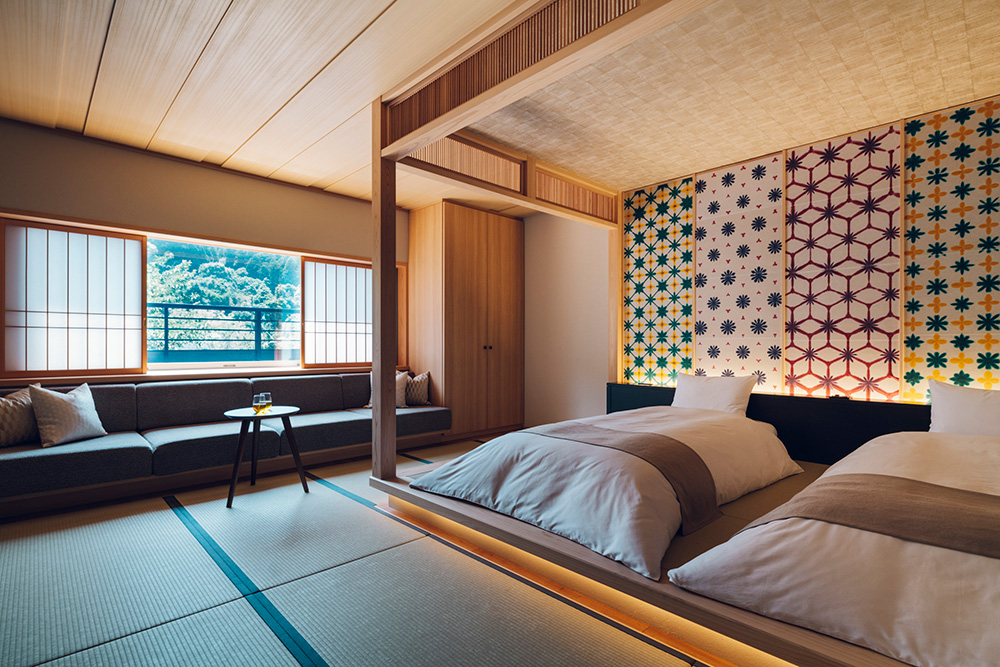
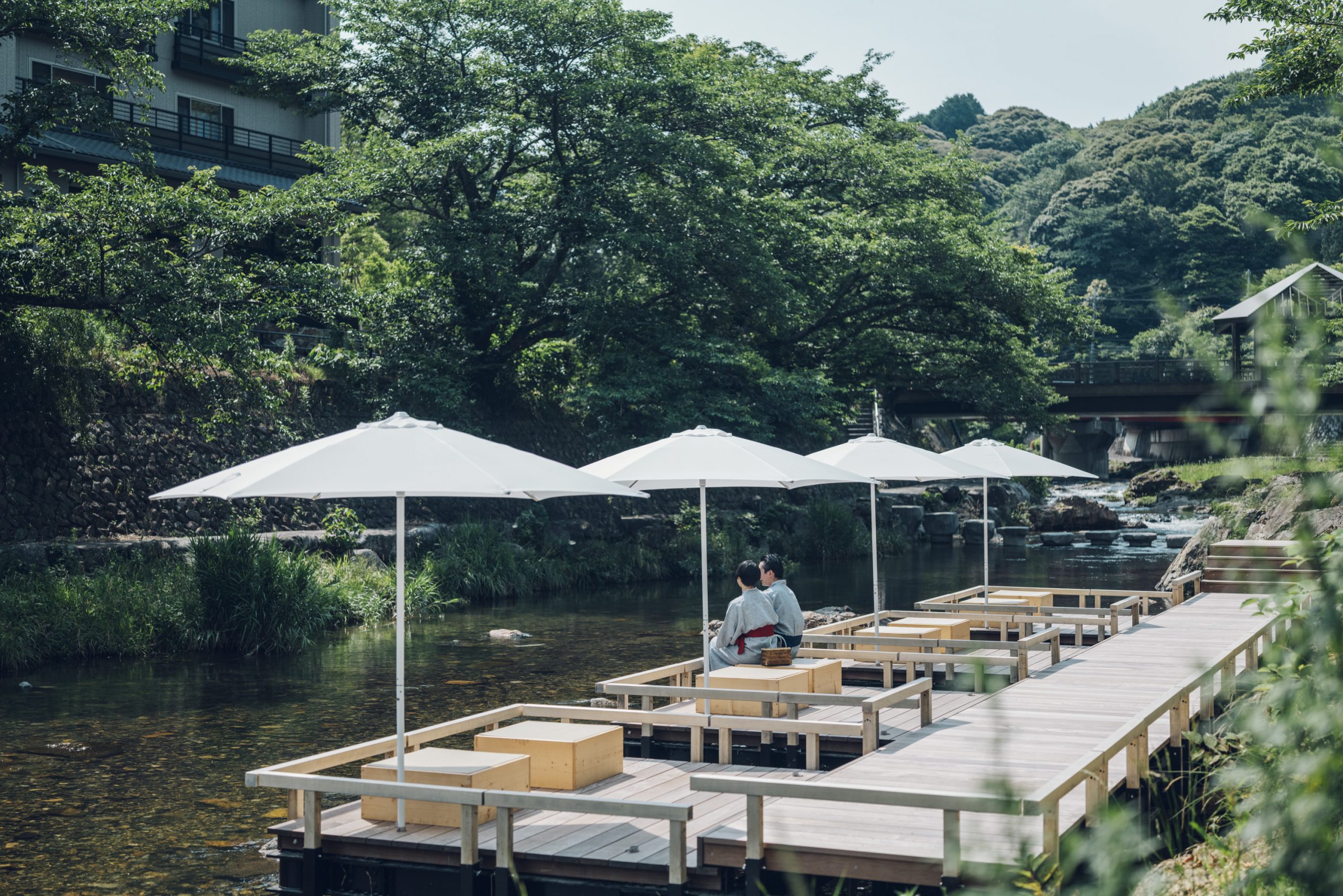
Located in Nagato Yumoto Onsen, a representative hot spring in Yamaguchi Prefecture, this hot spring hotel features a structure designed in the style of an Edo period "Ochaya-yashiki" (teahouse mansion).
-2.jpg)
Direction Approx. 15 min. walk from JR Nagato Yumoto Hot Spring Station
- Sample Room Rates
- Per person, per night Starting at 32,000 yen