





5 Experience spots where you can enjoy "manufacturing" unique to Nagato City and Hagi City, Yamaguchi Prefecture
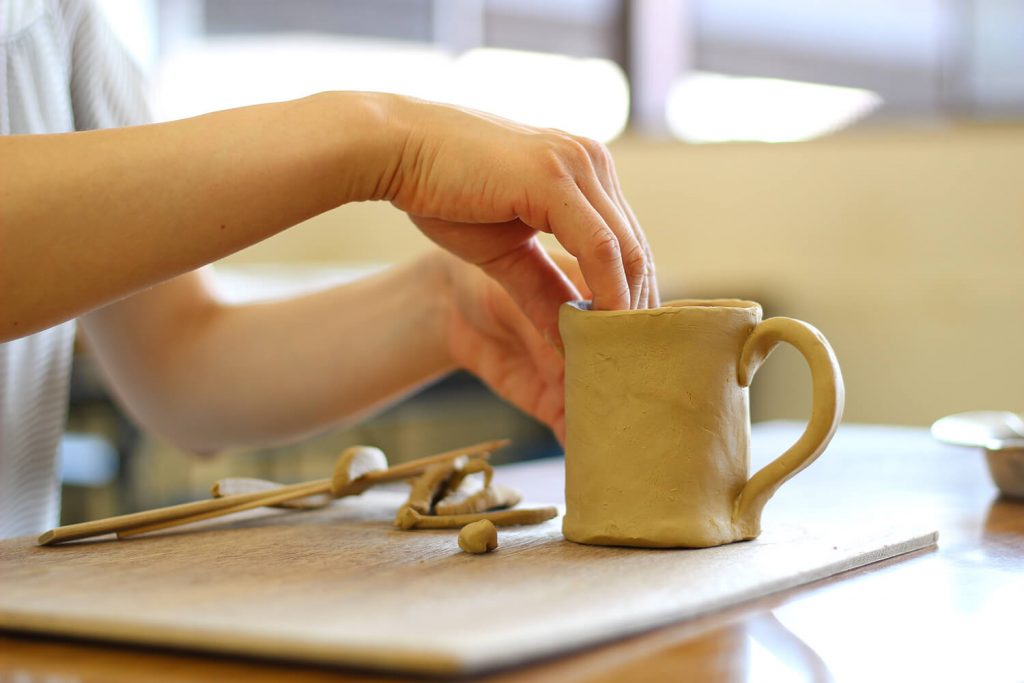
In Nagato and Hagi, Yamaguchi Prefecture, there are many places where you can experience "monozukuri" (craftsmanship), which is not something you can do everyday. Facing local traditions and culture through monozukuri may also make your trip more in-depth. In addition, the finished product and the experience gained will be a souvenir to take back home with you. Enjoy your trip in a slightly different style than usual.
1Hagi Glass Studio
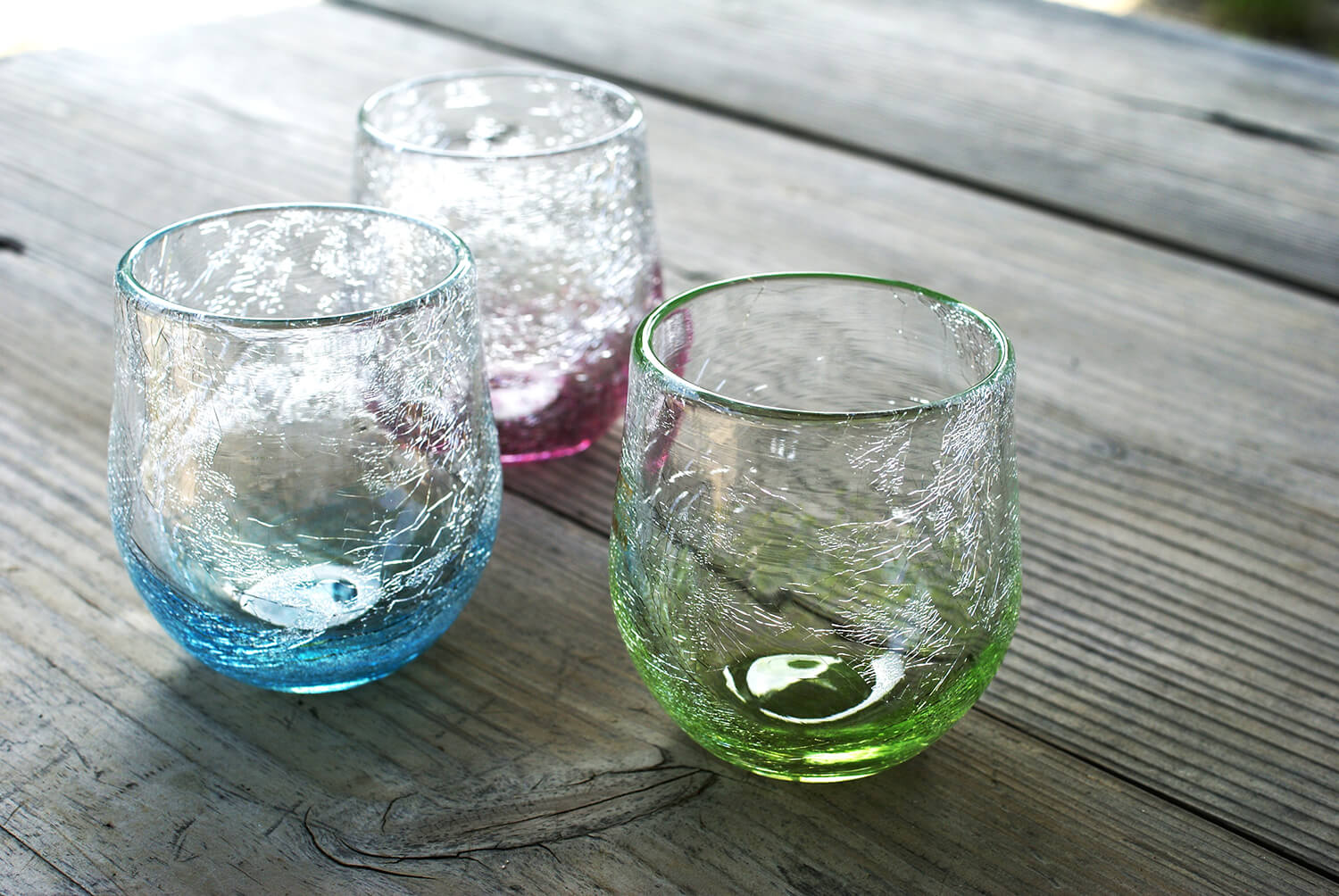
One-of-a-kind vessels made with Japan's only "internally cracked and pierced glass.
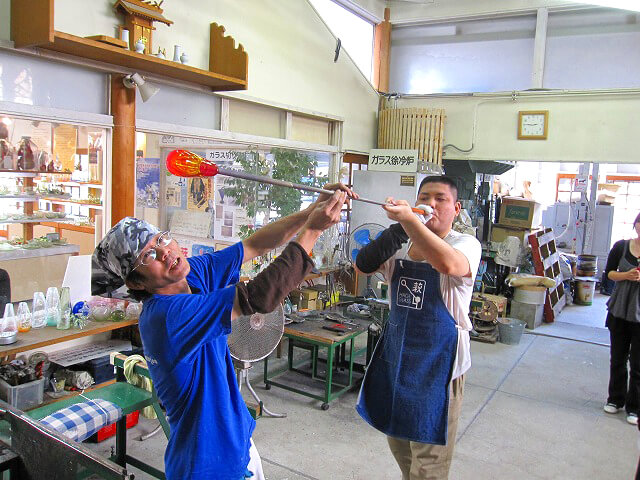
This glass studio is located in Kasayama, Hagi City, the only place in Japan where quartz basalt (sekuei genbugan) is produced. While most glass studios use purchased raw materials, this one manufactures glass from raw stones mined in the vicinity. Moreover, craftsmen process each piece of glass at temperatures as high as 1,520℃.
The main products are "basalt glass," which is light green in color, and "internally cracked and penetrated glass," which has cracks sealed inside. You can purchase products in the store, but we also recommend that you try the Chufuki Glass Experience to make your own original glass vessels to take home. The experience of blowing into a blowpipe, which has a red-hot glass tip, will remain as a lasting memory.
Select your favorite shape and color. Craftsmen teach you one-on-one, so you don't have to worry.
For the air-blown glass experience, visitors can choose from three shapes (simple, tall, and round) and eight different colors. Once the shape and color are chosen, the craftsman prepares the glass, and the Experience begins when the glass is blown into the blowpipe.
You will stand in front of the kiln, but don't worry, the craftsman will teach you one-on-one. Once the glass is inflated to the desired shape and removed from the blowpipe, the craftsman will finish the work. The glass will not be delivered until it has completely cooled down. You will receive it the next day or later, but they can also ship it to you (for an additional fee).

Local Guide
Supporters
This is the only workshop in Japan that produces "Uchi-Hibi Kannyu Glass. The three-layered structure of the glass allows boiling water to be added. In addition, visitors can try their hand at making accessories and carving (sandblasting), so please make a memory of your trip with your favorite experience!
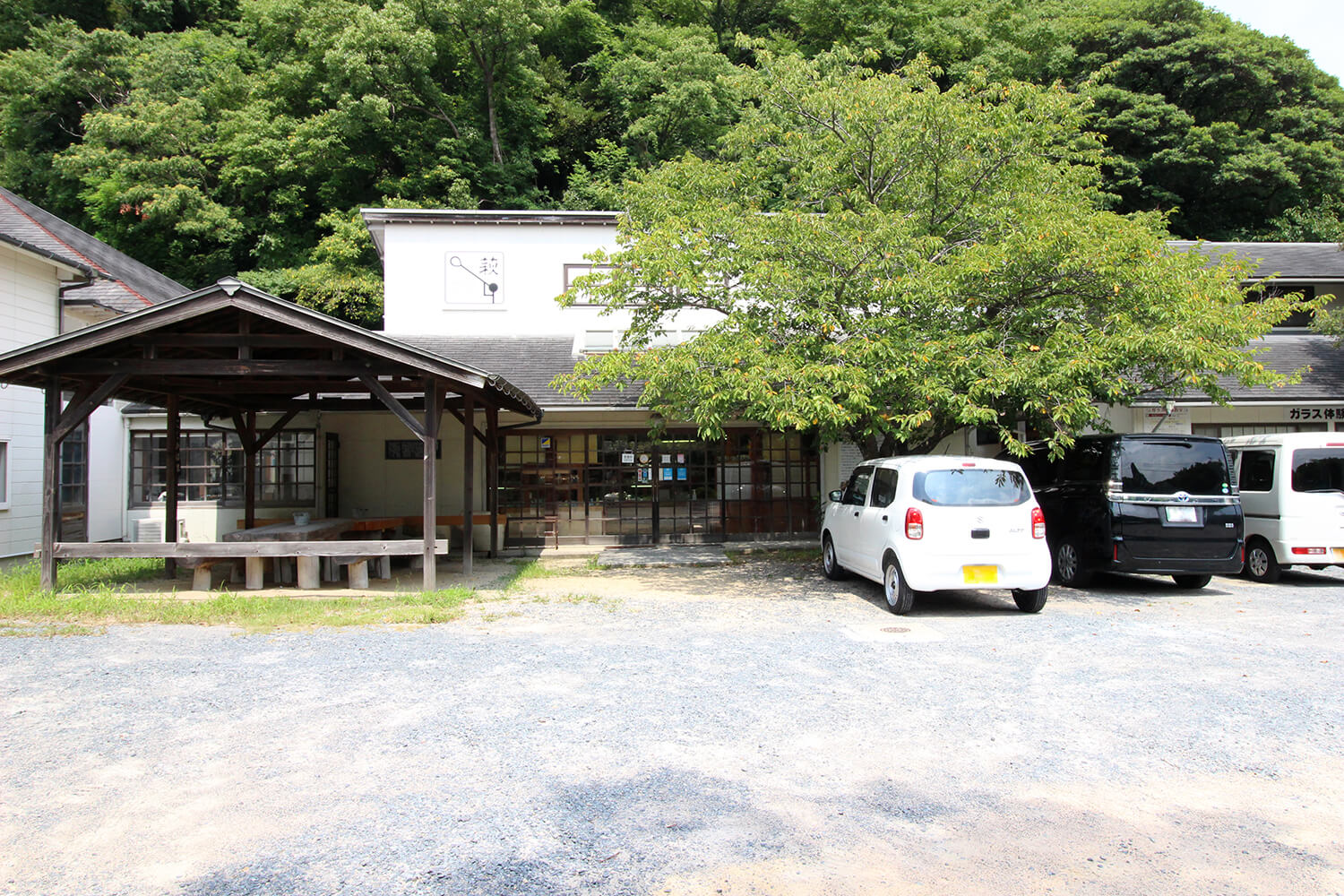
- Hagi Glass Studio
-
 1189-453 Higashi Koshigahama, Oaza-Tsubaki, Hagi, Yamaguchi MAP
 Approx. 5 min. by car from JR Koshigahama Stn.
 9:00-17:00
 None
None 0838-26-2555
 Available
2Hagi Ware Kaikan
Enjoy the freedom of hand-binning to create Hagi-yaki vessels with a rich flavor.
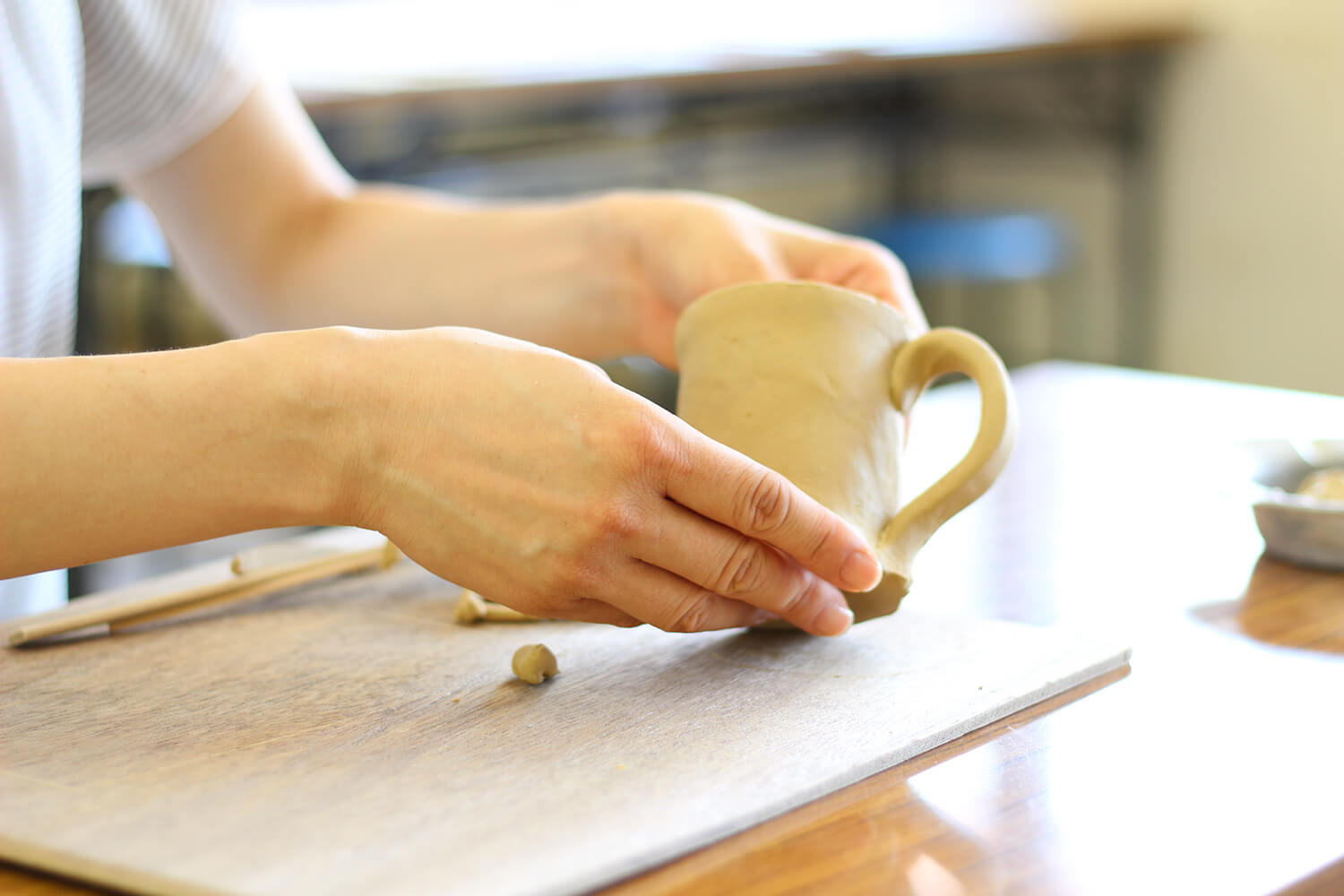
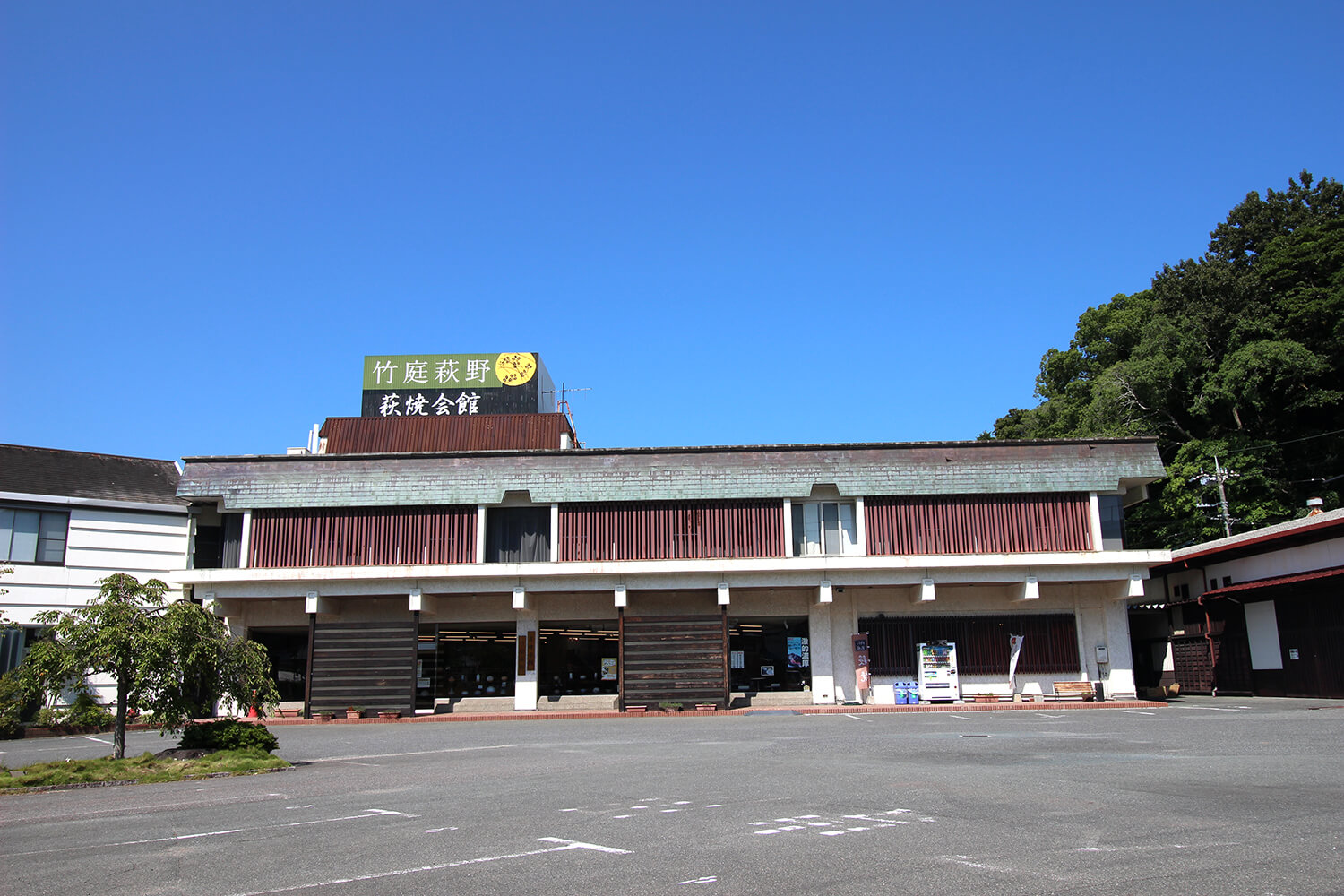
This Property is under the direct management of the kiln, where visitors can see, touch, and enjoy Hagiyaki pottery, which boasts 400 years of history. It has a Hagiyaki Gallery, a souvenir store, the main building with a "Takeba Hagino" Dining Area where you can enjoy the taste of Hagi, and a Hagiyaki workshop.
The workshop offers two types of Hagiyaki experiences: a "hand-bineri" experience, in which visitors can make plates, cups, and bowls by hand as if they were working with clay, and a "painted" experience, in which visitors can draw pictures and write letters on unglazed Hagiyaki pottery. Tebineri, which allows visitors to create various shapes according to their ideas, is especially popular among men and women of all ages.
A wide range of vessels from everyday use to prestigious tea ceremony utensils and flower vases
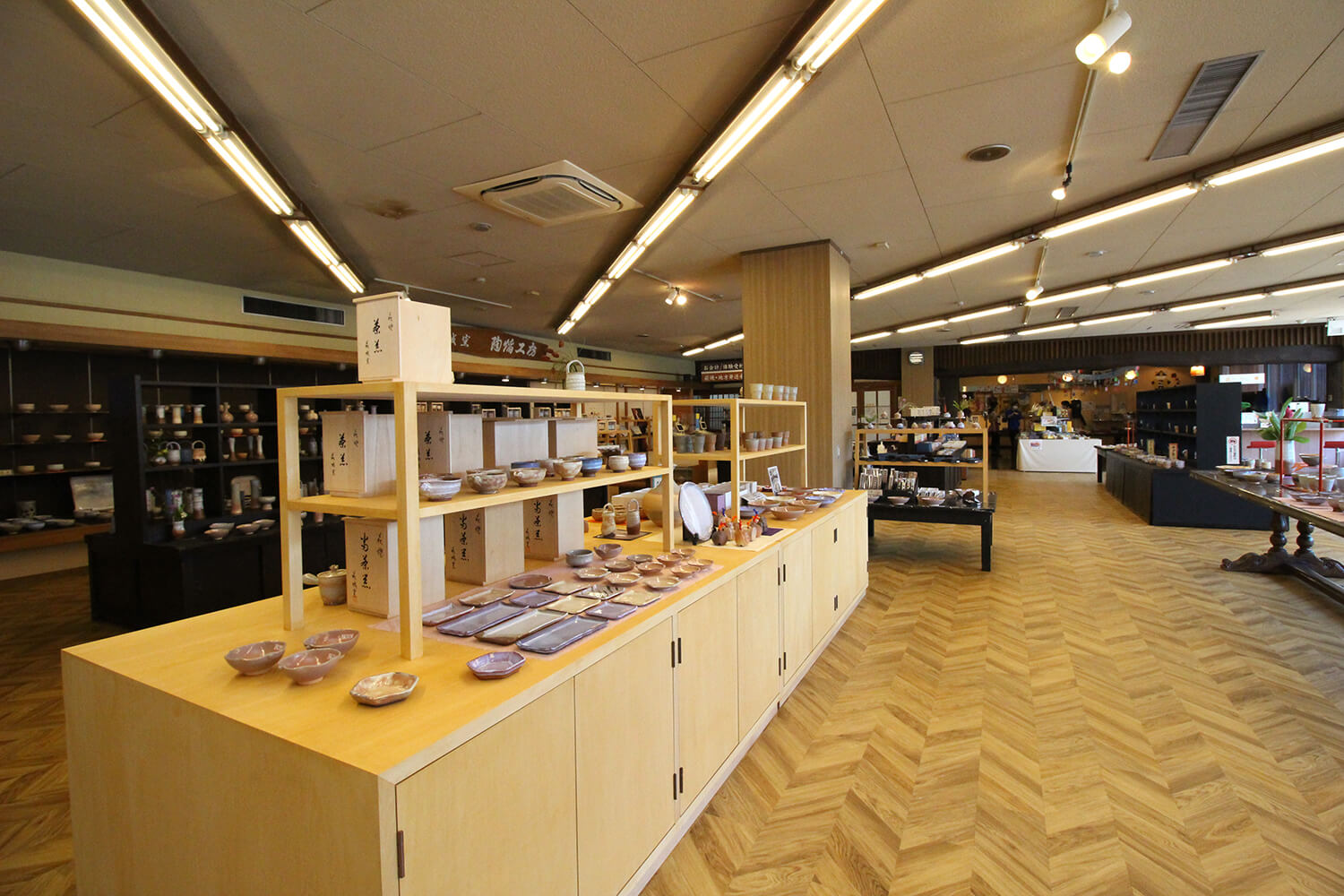
The Hagiyaki Gallery and Souvenir Shop is very popular among tourists for its wide selection of products. Hagiyaki pottery is available in a wide range of styles, from modern everyday items such as cute knick-knacks and stylish tableware to prestigious tea ceremony utensils and flower vases, most of which are original products only available at a store directly managed by the kiln.
The Hagiyaki Kaikan's original "Hagi Seikamon," which combines two of Japan's representative ceramics, Hagiyaki and Arita-yaki, is a new type of pottery that is attracting attention from many quarters as a fusion of two traditional techniques.
Local Guide
Supporters
The hand-building experience takes about 60 minutes, and the painting experience takes about 30 minutes, making it an easy and enjoyable way to create memories of your trip. The vessels are fired by professional craftsmen and will be delivered to you in one to two months. You can enjoy the waiting time while imagining the finished product.
- Hagi Ware Kaikan
-
- 3155, Tsubaki-higashi Shinkawa Higashi-ku, Hagi, Yamaguchi MAP
- Approx. 3 min. by car from JR Higashi Hagi Sta.
- 8:00-17:00
- Closed on weekends and holidays
- 0838-25-9545
- Available
3Tsugihagi Farm
Experience the unique rural handicraft experience of using bamboo paper and onion peels.
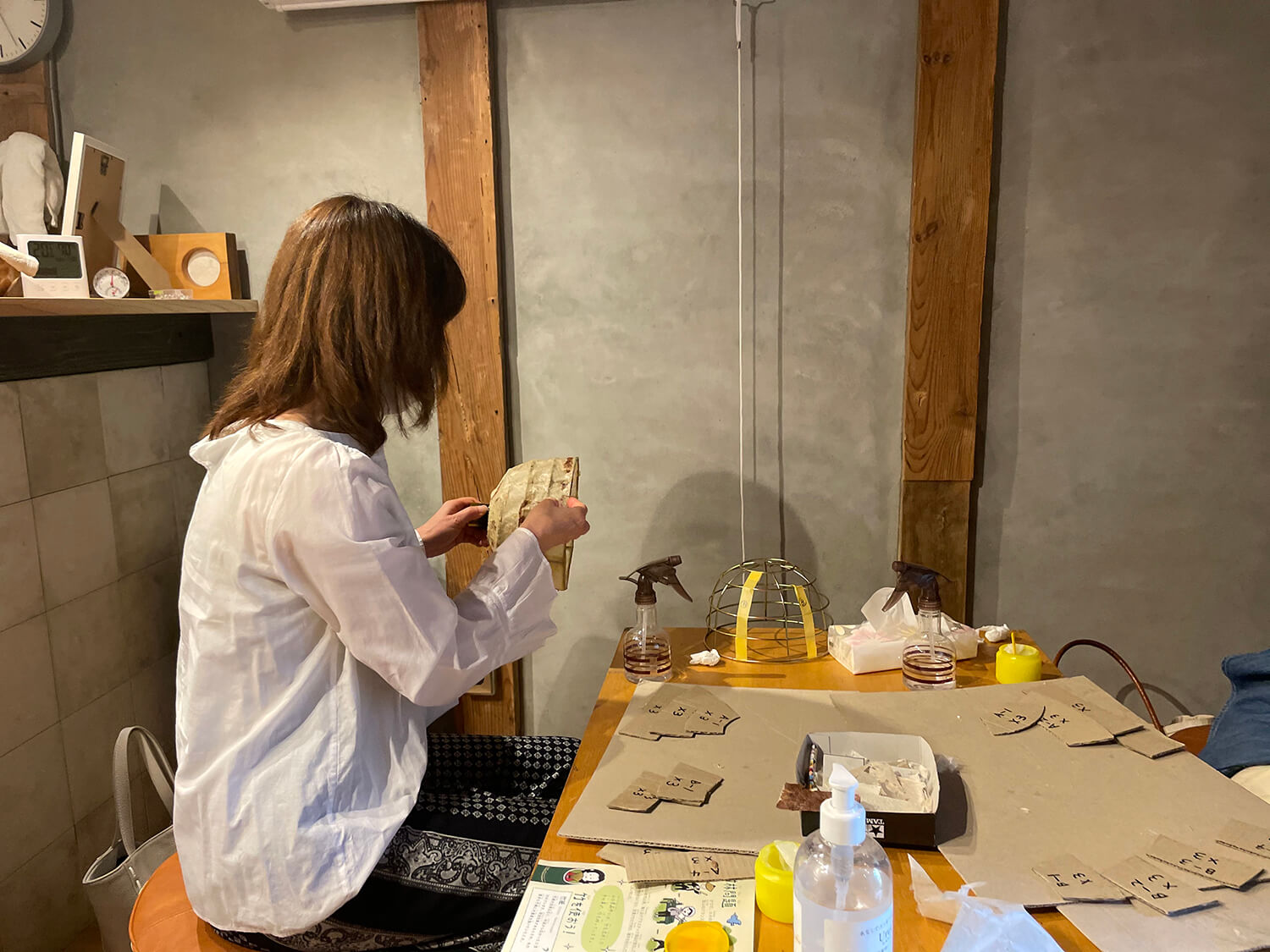
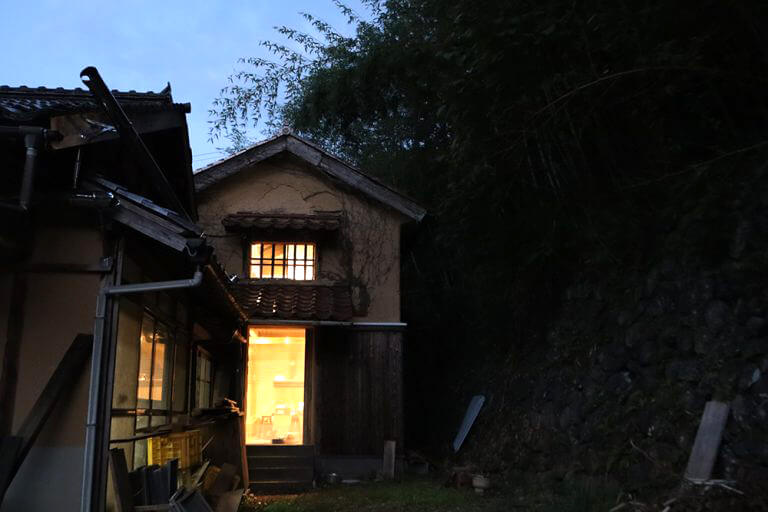
This 80-year-old renovated warehouse of an old private house is a Property that conveys the charm of Hagi City, Yamaguchi Prefecture, and its surrounding area, where the editorial members of the little press "Tsugihagi," launched in 2018, introduce natural blessings and handicrafts that are unique to the countryside.
Here, you can experience "making a lampshade for a lifetime with bamboo paper made from Hagi's bamboo. First, you will see, touch, and feel the story of how Hagi's bamboo is turned into paper, and then complete the lampshade by attaching the bamboo paper to a frame. The snugness of the handiwork is so appealing that even the clumsiest person can enjoy it.
An in-depth trip to think about recycling-oriented lifestyles
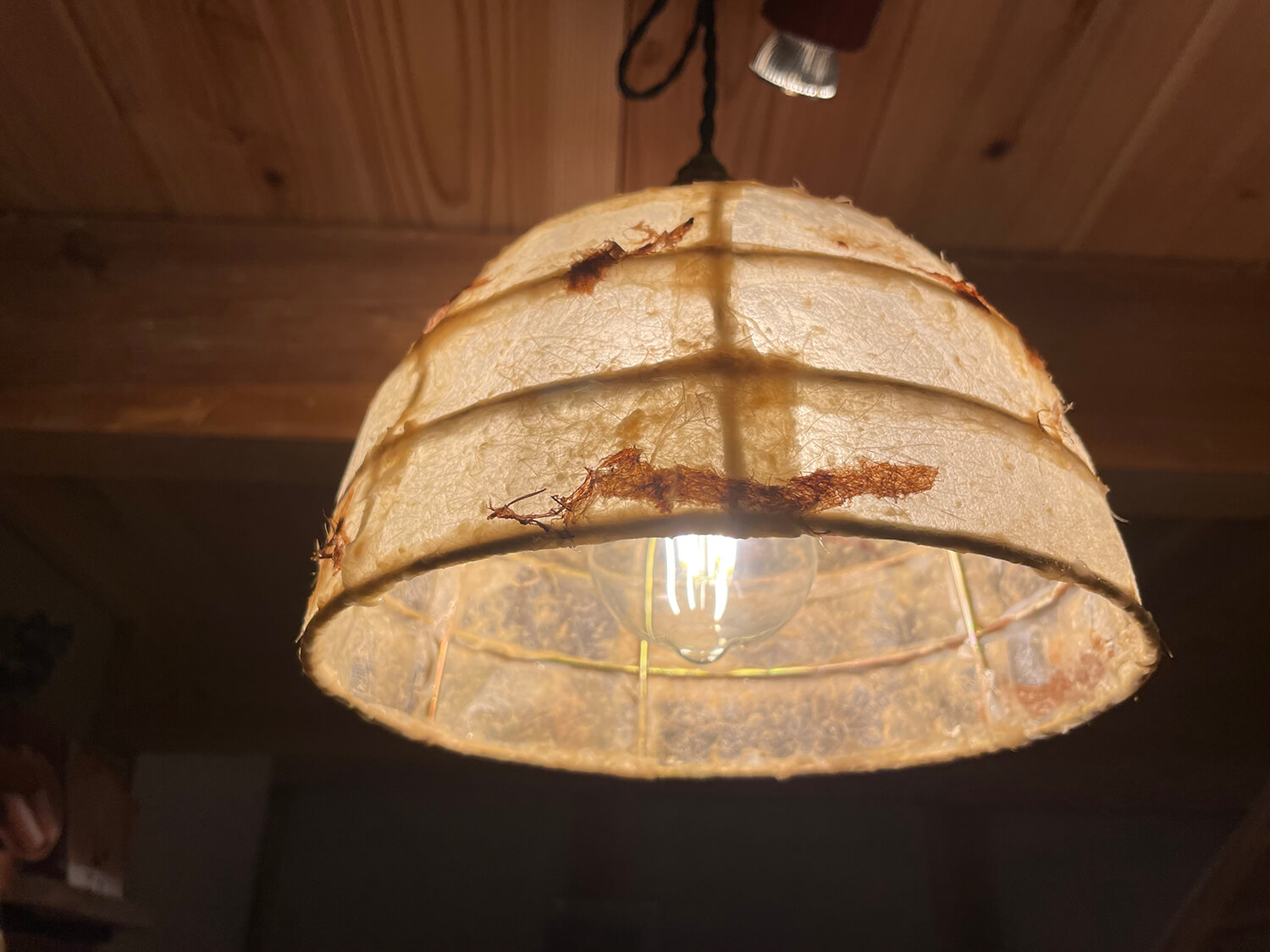
In addition to making lampshades with a tasteful finish, we also recommend "dyeing old fabrics with onion skins. Dyeing old white shirts and eco-friendly bags with plenty of onion peels is popular as a way to transform them into lovable pieces of clothing. Staff/staff members say, "We hope that this experience will not only create memories of your trip, but also encourage you to think about how to choose eco-friendly and ethical products, and how to live in harmony with the countryside and nature in a cyclical manner. This Property is perfect for those who prefer deep, local travel.
Local Guide
Supporters
There is also "ONLY FREE PAPER HAGI," a store specializing in free papers from all over Japan, where you will surely have a fulfilling time! Depending on the season, visitors can also experience harvesting vegetables.
- Tsugihagi Farm
-
- 725 Oi, Hagi, Yamaguchi MAP
- 5 minutes drive from JR Nagato Oi Station
- 10:00-16:00
- Open irregularly (consult upon reservation)
 5,000 yen for making a lampshade to last a lifetime from bamboo paper made from Hagi bamboo, 2,000 yen for dyeing old cloth with onion skins.
Reservations required for both.- 090-1603-2441
- Available
4Republic of Qinghai Island (Omijimaki Kyowa Koku)
Try your hand at sashimi made from fresh fish from the fish market in Senzaki, Nagato.
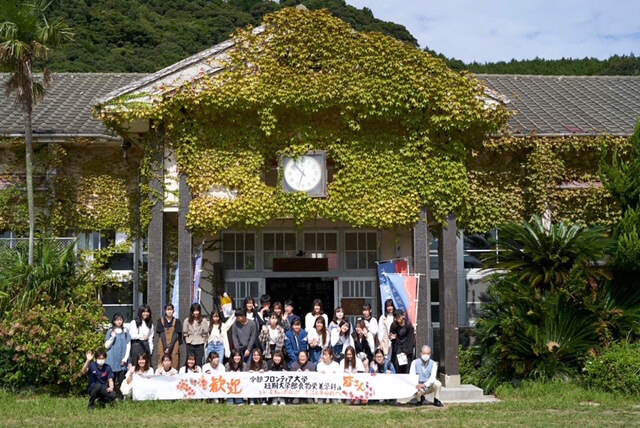
The nostalgic school building of the former Qinghai Island Elementary School has been renovated into an exchange base Property. It was established in 2007 by local residents with the aim of community development through exchange with urban residents. The entire Property has been designated as the "Republic of Qinghai Island," and its unique approach of using classrooms and corridors as a national museum, guesthouse, and parliament building to carry out activities has also attracted attention.
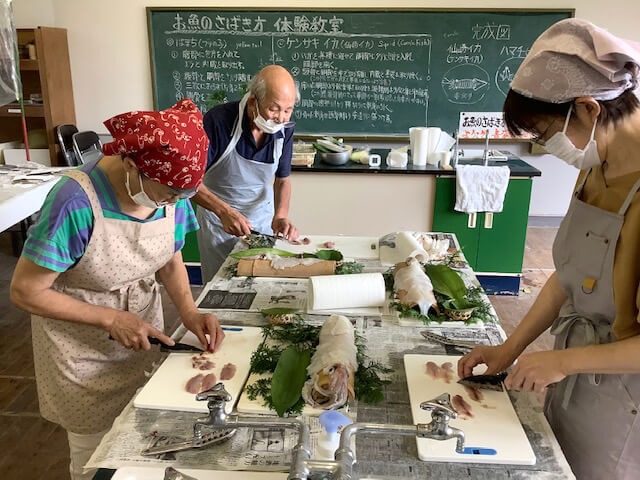
One such experience that has been well received by people of all ages is the "How to Handle Fish," in which participants handle fresh fish from the local fish market in Senzaki, Nagato City.
The completed kamaboko-zukuri is a sight to behold. Experience making kamaboko using fresh fish is also popular.
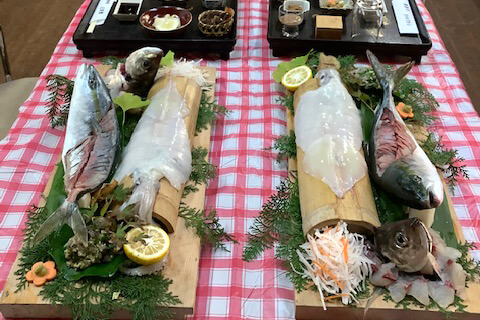
There are two types of seafood to be handled, including yellowtail, horse mackerel, sea bream, and squid. A representative of the Republic, who calls himself "The King," will carefully guide you through the process, so there is no need to worry even if you have no experience. After the Experience, we can sample our own sashimi with dried fish, soup, and rice, and the delicious fresh fish of Nagato City will be one of the most memorable parts of the trip.
In addition, visitors can experience making kamaboko, a type of fish paste made from fresh fish, such as lizardfish, sea bream, and itoyori, by grating the fish into three pieces. The crispy texture of freshly made kamaboko using fresh fish is exceptional.
Local Guide
Supporters
In addition to the Experience, many tourists visit to take a look at the wooden school building, which is very photogenic. In addition to the National Museum, which has a variety of fascinating exhibits, such as those on Misuzu Kaneko and whale culture, there is also the History and Folklore Museum with its antiques, and many other attractions!
- Republic of Qinghai Island
-
- 2874 Senzaki, Nagato City, Yamaguchi Prefecture MAP
- 5 min. by car from JR Senzaki Station
- 9:00-17:00
- Closed on weekends and holidays
- Experience how to handle fish: 5,000 yen per person for 2-3 people, 4,500 yen per person for 4 or more people, 5,000 yen for making fish cakes.
Reservations required at least one week in advance. - 0837-26-1120
- Available
5Tahara Tobei Kobo
Experience painting Hagi-yaki pottery, which can be enjoyed by both children and adults.
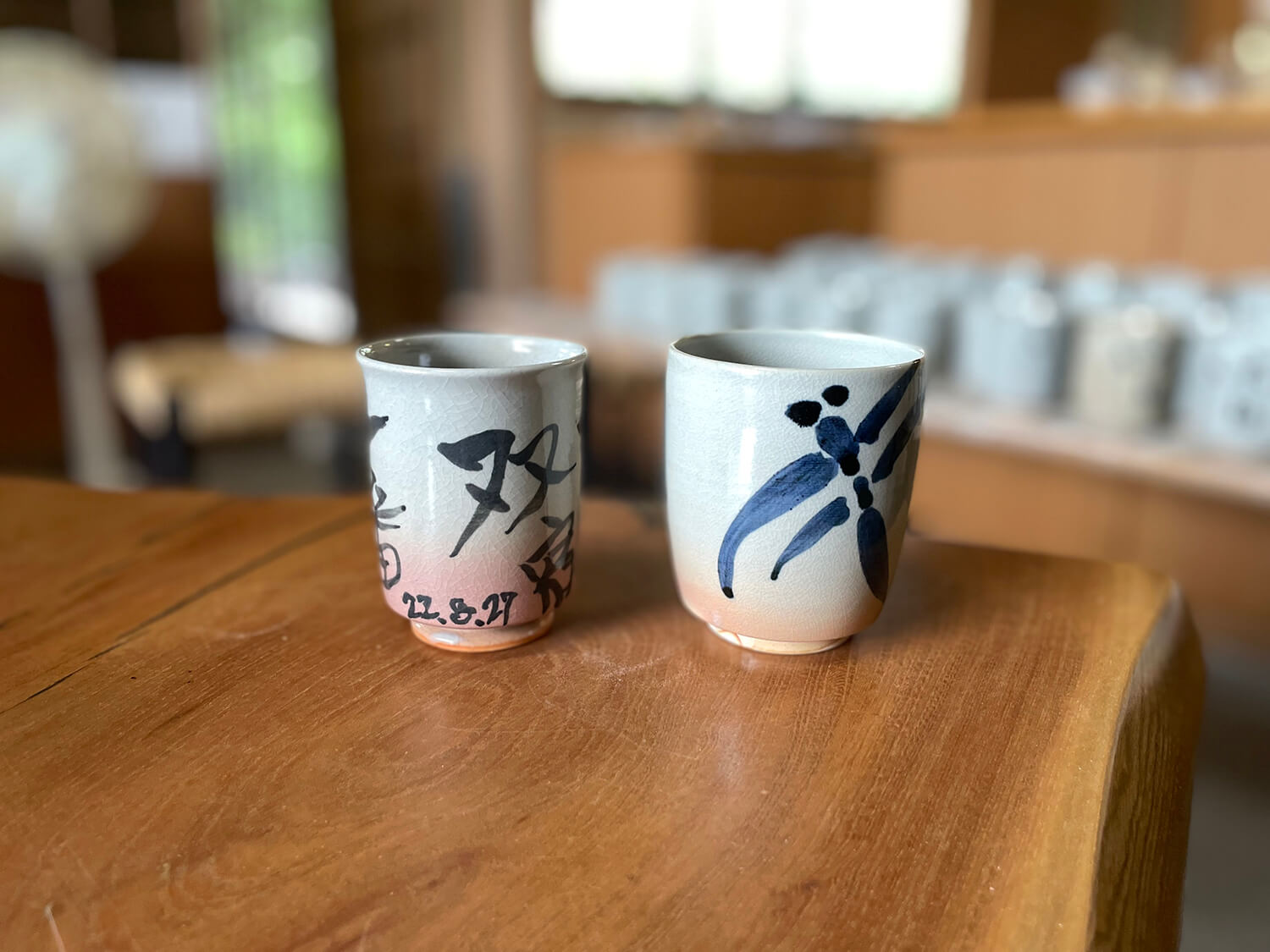
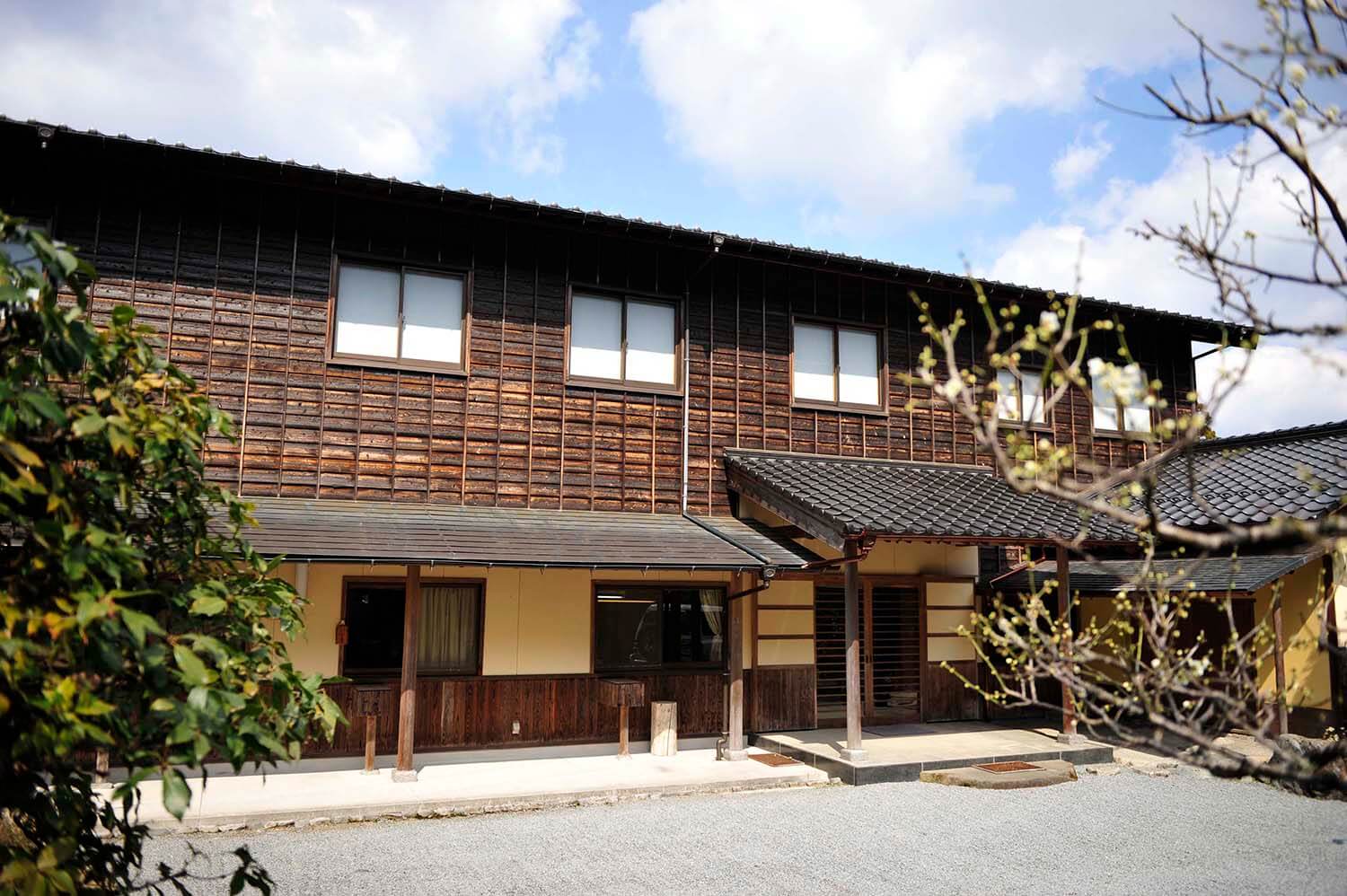
It has been about 360 years since a Hagi-yaki kiln was opened in the Minose valley near Yumoto hot spring. At TAHARA TOBEI KOBO, the official kiln of the Mori family, visitors can experience Hagiyaki painting while preserving tradition and incorporating new sensibilities.
The process is as simple as writing your favorite characters or drawings in pigment on unglazed vessels before firing. This process is popular among everyone from children to adults, who can easily participate. After the Experience, glaze is applied and fired, so it takes about two months to complete the process. The completed vessels can be delivered to your home (additional shipping fees are required).
Visitors can also tour the climbing kiln located behind the studio. There is also a gallery where works of art are displayed.
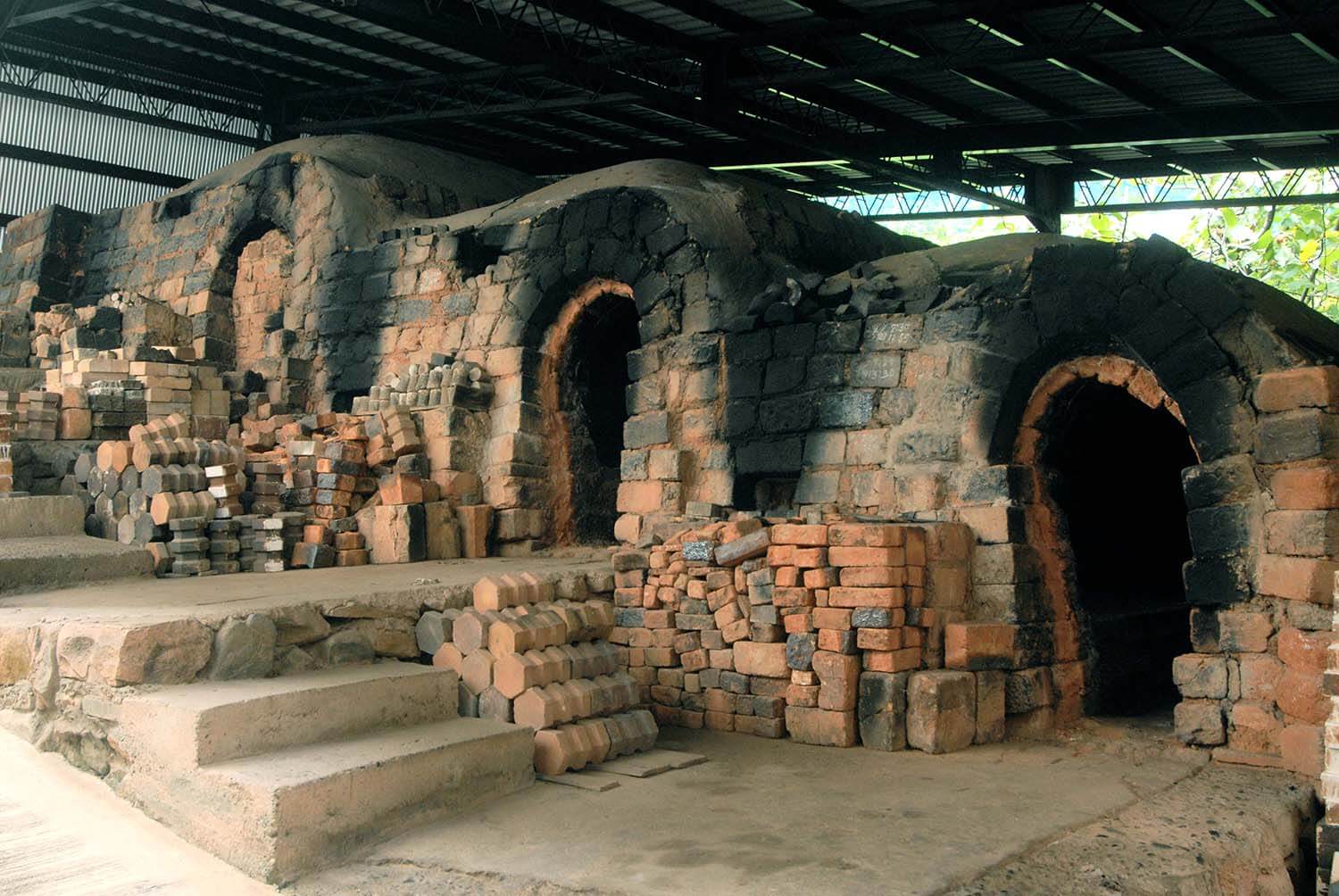
A must-see during the Experience is the climbing kiln located behind the workshop. The stately appearance of the kiln reminds one of the long history of Hagiyaki pottery. Currently, the kiln is guarded by the 13th generation Tahara Tohei. To pass on Nagato's Hagiyaki to the next generation, he continues to produce magnificent and powerful works under the slogan of "succession, creation, and transmission.
The gallery in the studio exhibits and sells a wide variety of works created by Tohei and others. You may be able to find a lifetime of vessels that will enrich your daily life.
Local Guide
Supporters
Reservations are not required for the painting experience, but as it is expected to be crowded on weekends, weekdays are recommended if you plan to go. It is about a 10-minute walk from Onyu, a drop-in hot spring bath in Yumoto Hot Spring. Don't forget to enjoy the hot spring!
- Tahara Tohei Workshop
-
- 1403 Fukagawa-Yumoto, Nagato City, Yamaguchi Prefecture MAP
- 5 minutes by car from JR Nagato Yumoto Station
- 8:30-12:00, 13:30-17:30
- Sundays, every other Monday, Obon and New Year's holidays *Closed days are posted on the website.
- From 2,200 yen
- 0837-25-3406
- Available

Local Guide who was in charge of this article
- Shiorina Yasuda Nagato's Super Ace
Hoshino Resorts KAI Nagato
Located in Nagato Yumoto Onsen, a representative hot spring in Yamaguchi Prefecture, this hot spring hotel features a structure designed in the style of an Edo period "Ochaya-yashiki" (teahouse mansion).