





[2026 year edition] 8 elections of flower viewing spot along Tokyo Otsuka area Toden Arakawa Line
![[2026 year edition] 8 elections of flower viewing spot along Tokyo Otsuka area Toden Arakawa Line](https://hoshinoresorts.com/guide/wp-content/uploads/2022/04/tyos-main-1024x683.jpg)
The Toden Arakawa Line area along a railway line where you enjoy by a nickname as "Tokyo, warehouse tram". Famous place for beautiful cherry blossom exists in a Arakawa Line area along a railway line including Tokyo and around the Otsuka Station a lot. It's the attraction which is spring surely to love a cherry tree along the Arakawa Line full of downtown feelings. I'll introduce 8 points of recommendation from a flower viewing spot in such Toden Arakawa Line area along a railway line. There is also a place to which I can walk from "OMO5 Tokyo Otsuka by Hoshino Resorts", so please consult by all means.
Otsuka area
1Around Utsusemibashi
A cherry tree blooms in the height of the look.
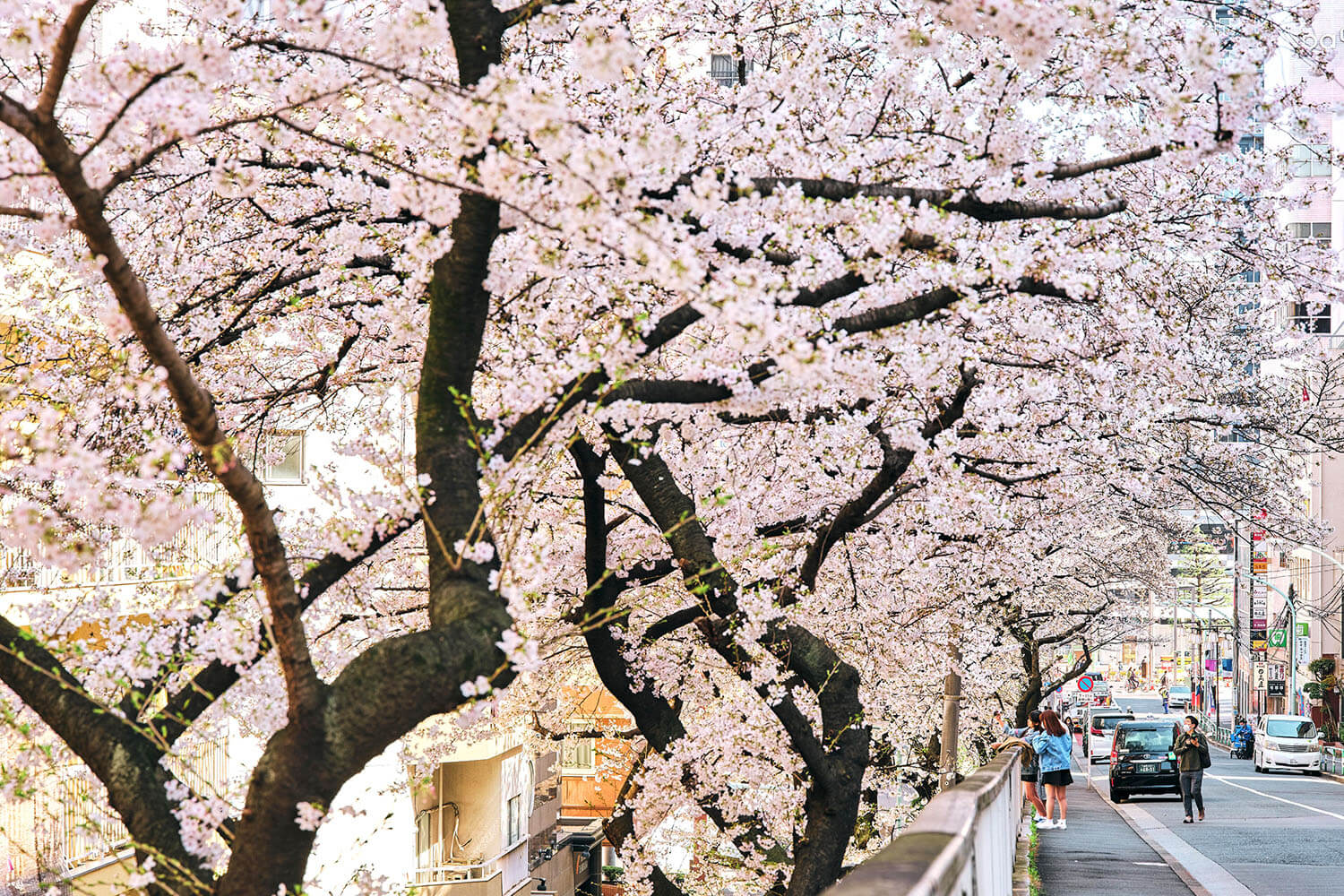
The "Utsusemibashi (man of this world chopsticks" by which it's origin that Emperor Meiji saw the pine tree to which a cast off skin of a balm cricket stuck formerly. There is Sakuranamiki of a Someiyoshino cherry tree in 2 slopes in the both sides in this bridge. A cherry tree is planted in a foot in a bridge, so the full-blown cherry tree which spreads over the height of the look exactly is highlights. Toshima-ku where Someiyoshino cherry tree origination is also a place. How about taking a walk while feeling history?
[Bloom time] at the end ofordinary year March-at the beginning of April.
[Best time] ordinary year first April
[The kind of cherry trees] Someiyoshino cherry tree, double flowering cherry tree and weeping cherry and others

- Utsusemibashi
-
 Tokyo capital Kitaotsuka, Toshima-ku MAP
 From JR Yamanote Line Ozuka Station, about 4 minutes on foot
2Minamiotsuka 3-Chome cherry tree Namiki Dori
It's eminent famous place for beautiful cherry blossom even in Toshima-ku.

Sakuranamiki where it's eminent even in Toshima-ku. It's learned about by a beautiful thing, is maintained by local people importantly at time of more than 30 years and is a loved spot. A cherry tree is planted in both sides of the avenue which continues over 600 m of east and west, and the time of full bloom can enjoy a tunnel of a cherry tree. There is a railroad track of Toden Arakawa Line around the exit in Sakuranamiki, and the landscape to which a metropolitan streetcar runs ahead of the tunnel of a cherry tree is also seen.
[Bloom time] at the end ofordinary year March-at the beginning of April.
[Best time] ordinary year first April
[The kind of cherry trees] Someiyoshino cherry tree, double flowering cherry tree and weeping cherry and others
- Minamiotsuka 3-Chome cherry tree Namiki Dori
-
- Tokyo capital Minamiotsuka, Toshima-ku MAP
- From JR Yamanote Line Ozuka Station, about 5 minutes on foot
Along Toden Arakawa Line
3Asukayama park
The famous place for beautiful cherry blossom designated as one in a park at the beginning of Japan

The "Asukayama park" which is a popular spot of Kita-ku No.1. For 8 brigadier army Tokugawa Yoshimune to make the history trueborn Tokyoites' resort in the old days, it was a first that Asukayama was made famous place for beautiful cherry blossom approximately 300 years ago now. It's designated by a park at the beginning of Japan as well as Ueno, the lawn, Asakusa and Fukagawa in 1873, and you're also enjoying local residents at present.
Approximately 600 cherry trees are planted in Someiyoshino cherry tree Scarlet cherry blossom and SATOZAKURA in the park, and 400 are the Someiyoshino cherry tree by which Toshima-ku is origination soon.
[Bloom time] at the end ofordinary year March-at the beginning of April.
[Best time] ordinary year first April
[The kind of cherry trees] Someiyoshino cherry tree, double flowering cherry tree and weeping cherry and others

- Asukayama park
-
- Tokyo capital 1-1-3, Oji, Kita-ku MAP
- Toden Arakawa Line "Asukayama" "in front of Oji Station" empty walking, immediately.
 It's opened all day (There is a part closed district.)
 Open everyday
 Free
Free 03-3908-9275
 Free
Free
4Homyo temple
Downtown is the quiet which doesn't seem and cherry tree enjoyment can be enjoyed.

In 810 (the Konin first year), as an authority temple, kaisou, "Homyo temple" is the temple learned about as famous place for beautiful cherry blossom from the Edo Period. Sakuranamiki following both sides of the approach to Shrine keeps charming many people. Though it's downtown, wrap yourself up in the silent atmosphere, flower viewing is the happy hunting ground spot which can be done calmly.
When I go through Sando, I see a temple gate in the front and have a temple bell (A tray is shouldered.) and shuntsuka (morning glory ZU or) etc. in a precinct. When I advance towards the inside, an authority god of the harvest hall is deified ahead of the red Torii. You'd be able to feel long history in Homyo temple by appreciating it according to Sakura.
[Bloom time] at the end ofordinary year March-at the beginning of April.
[Best time] ordinary year first April
[The kind of cherry trees] Someiyoshino cherry tree, double flowering cherry tree and weeping cherry and others

- Homyo temple
-
- Tokyo capital 3-18-18, Minamiikebukuro, Toshima-ku MAP
- From JR Ikebukuro Station, about 15 minutes on foot
- 9:00-17:00 (only a precinct, the sanctuary viewing inclusive bad)
- Open everyday
- Free
- 03-3971-4383
- I don't have that.
5Omokage-bashi
Sakuranamiki which continues along Kanda-gawa is highlights.

The bridge which spans Kanda-gawa where Omokage-bashi stop of Toden Arakawa Line is immediately. Sakuranamiki continues along both banks of Kanda River from this Omokage-bashi, and when spring comes, an excellent arch is finished. Its beauty is healing a heart of the people who charm and visit many people.
The Kanda River which flows gently, a full-blown cherry tree which blooms on both sides on a river and Tokyo which runs through its some other place comfortably by the retrospective form, the only street car and Toden Arakawa Line. The scenery these were fused is one of charming sights spring of Tokyo.
[Bloom time] at the end ofordinary year March-at the beginning of April.
[Best time] ordinary year first April
[The kind of cherry trees] Someiyoshino cherry tree

- Omokage-bashi
-
- Tokyo capital 3, Nishiwaseda, Shinjuku-ku MAP
- From the Toden Arakawa Line "Omokage-bashi" station, about 1 minute on foot
6Takado bridge
The popular spot which can take a picture of a metropolitan streetcar and a salted cherry leave at the same time

The flower viewing spot a little way from Kanda River like Omokage-bashi "Takado bridge". I'll bustle with many people at bloom time of the cherry tree every year. It's also one of a popular reason that it's the photo spot which can take a picture of a metropolitan streetcar and a salted cherry leave at the same time. To the extent there is a cameraman who often goes to and from, too,in order to take a picture of the scenery the spring.
It's also possible to judge a cherry tree in Takado bridge from a car window of a metropolitan streetcar, and the form of the tourist who looks at a cherry tree is also judged from a metropolitan streetcar. How about enjoying taste of the metropolitan streetcar which can be tasted only here fully in Tokyo?
[Bloom time] at the end ofordinary year March-at the beginning of April.
[Best time] ordinary year first April
[The kind of cherry trees] Someiyoshino cherry tree

- Takado bridge
-
- Around 3-Chome, Nishiwaseda, Shinjuku-ku of Tokyo capital, 2-Chome, Takadanobaba, Shinjuku-ku and 3-Chome, Takada, Toshima-ku MAP
- Toden Arakawa Line "under Gakushuin University", immediately.
7Rikugien Garden
A weeping cherry like fall is highlights.

The Rikugien Garden ranked as two large gardens in Edo as well as the Koishikawa Koraku-en Garden in Bunkyo-ku were designated as national special place of scenic beauty in 1953. "The migration system miniature hill water garden" charms the people who visit by something typical in Edo daimyo garden.
The big weeping cherry by which the cherry tree which blooms strikes it and that's famous for Rikugien Garden ranges over height 15m and width 20m. The flowers which bloom are highlights so that it may drop by the shape like the fall. Then a weeping cherry is lit up and the "night special enjoyment" performed at the beginning of April from the end of March every year can love an elegant cherry tree. It's how to enjoy oneself Rikugien Garden to judge a cherry tree from an artistic Japanese garden.
[Bloom time] at the end ofordinary year March-at the beginning of April.
[Best time] ordinary year first April
[The kind of cherry trees] Someiyoshino cherry tree, double flowering cherry tree and weeping cherry and others
▼ Rikugien Garden in a spring night Night special enjoyment
Date: Tuesday, March 18, 2026-Wednesday on the 24th
18:30-21:00 (last entrance 20:00)
※ I close once in 17:00 and open it for night special enjoyment from 18:30.
※ After buying a night special enjoyment ticket, please enter.
An advance ticket: 1000 yen/a same-day ticket of 1200 yen
Remarks:https://www.tokyo-park.or.jp/special/rikugien_lighting_spring/index.html

- Rikugien Garden
-
- Tokyo capital 6-16-3, Honkomagome, Bunkyo-ku MAP
- JR Yamanote Line "Komagome" (south entrance) vanity for about 7 minutes on foot
- 9:00-17:00 (for entrance, to 16:30)
- The end of the year and the beginning of the year (December 29-January 1 of next year)
- The public of 300 yen and more than 65 years old of 150 yen
(Below the elementary students and the junior high school student of Metropolitan area residence and a student are free.) - 03-3941-2222 (Rikugien Garden service center)
- I don't have that.
 Please check the official website about the opening situation and entrance method.
8SU GA is also cherry tree Namiki Dori.
Yamanote Line and the photo spot from which Sakuranamiki is judged at the same time

It connects from Sugamo Station to Edobashi about 300 m, "make, GA, cherry tree Namiki Dori". When I advance some "monuments of" a Yosino cherry tree towards a mark before crossing Shiroyama street, Sakuranamiki spreads along the Yamanote Line. Sakuranamiki which also blooms from Miyashita bridge to Edobashi at the inside is highlights. It's possible to look at Yamanote Line and Sakuranamiki at the same time from these two bridges, in a ward, it's also famous as an outstanding photo spot.
You can also look at a cherry tree from the Edobashi park on the opposite side of the railroad track. The surrounding whole is circled by a flower of a cherry tree and is the spot which fits to have time freely.
[Bloom time] at the end ofordinary year March-at the beginning of April.
[Best time] ordinary year first April
[The kind of cherry trees] Someiyoshino cherry tree, double flowering cherry tree and weeping cherry and others

- SU GA is also cherry tree Namiki Dori.
-
- From Tokyo capital Sugamo, Toshima-ku, around Kita-otsuka MAP
- From JR Yamanote Line Sugamo Station, immediately.
- 03-3981-1316 (Toshima City Office Cultural Commerce and Industry Department Cultural and Tourism Division Sightseeing exchange group)
- I don't have that.
MAP
- Otsuka area
- Along Toden Arakawa Line
- Hoshino ResortsProperty around here

Local Guide which took charge of this article

- Mai Watanabe.SNS is used and Otsuka's information is always sent!
HOSHINOYA Tokyo
Tokyo capital and Otemachi
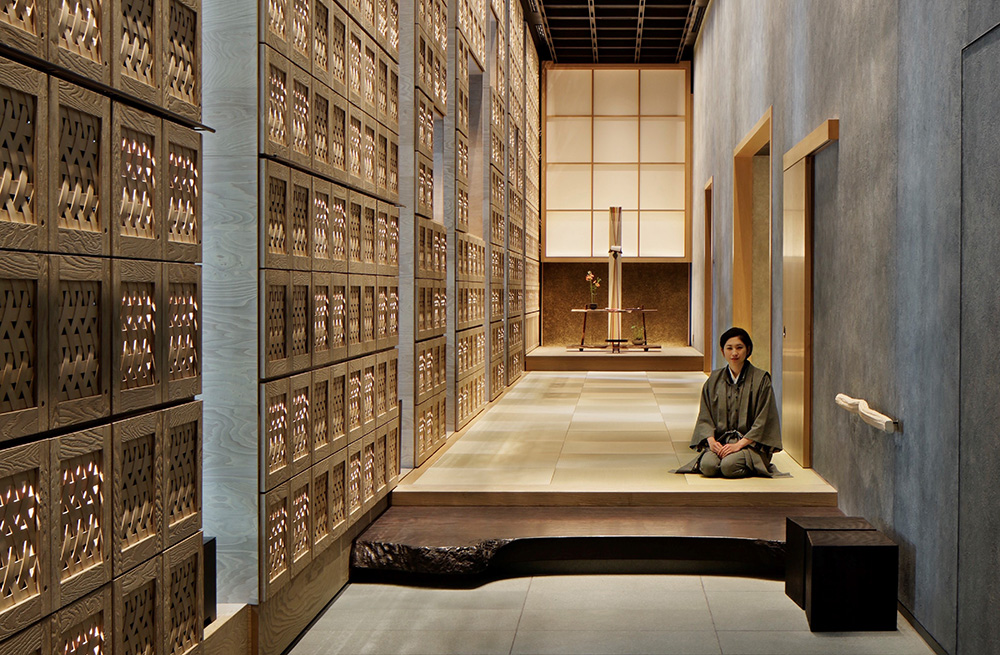
The new Japanese a Japanese-style hotel which keeps evolving originally according to the today while esteeming the institution of the traditional total.
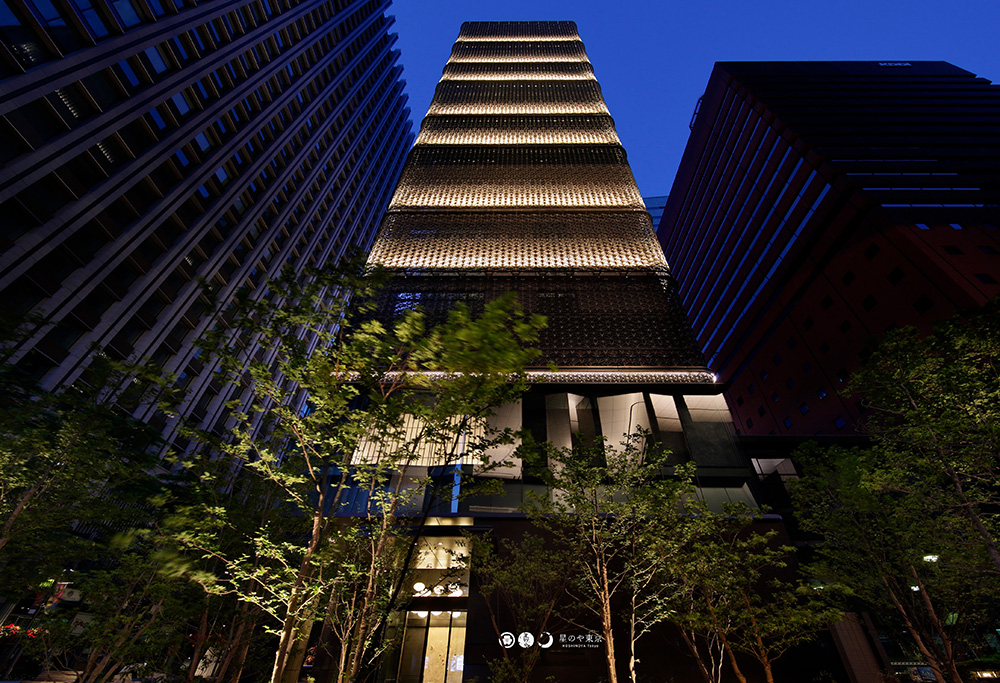
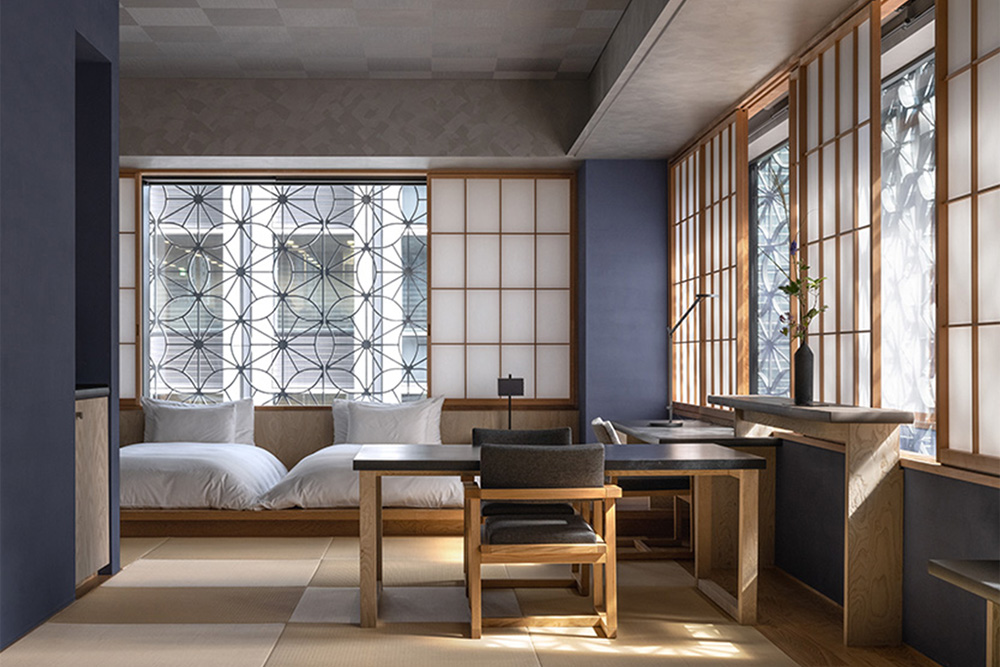
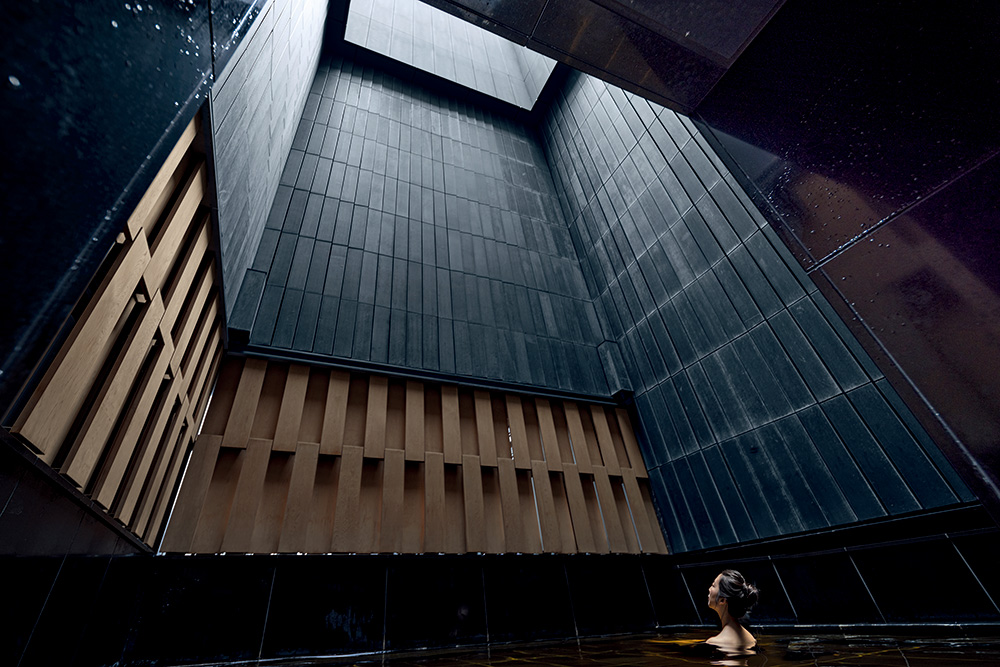
From Direction JRTokyo station, about 10 minutes on foot
- A room charge example
- 1 night, 1 person \39,996-
OMO5 Tokyo Otsuka by Hoshino Resorts
Tokyo capital and Toshima-ku
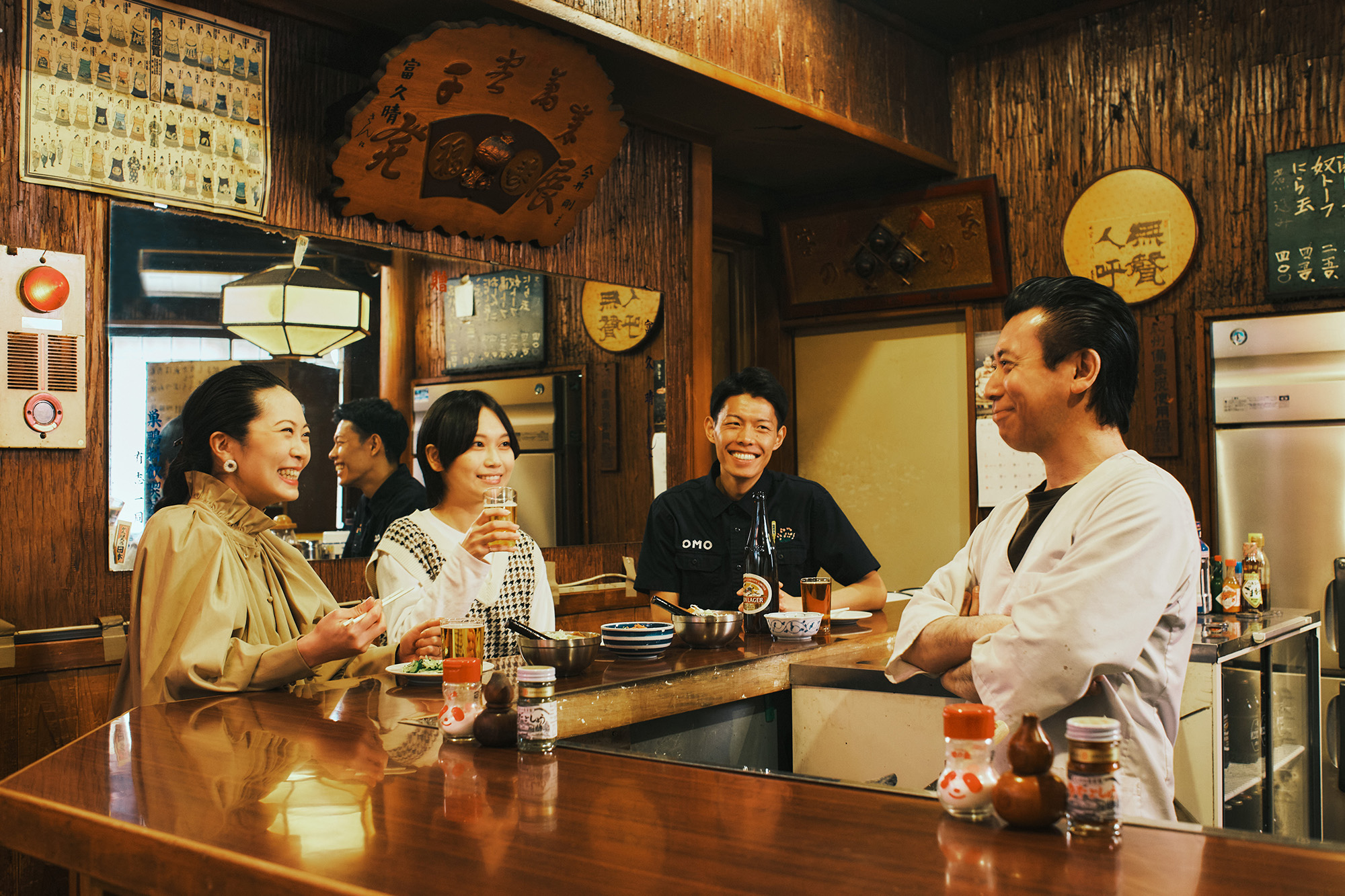
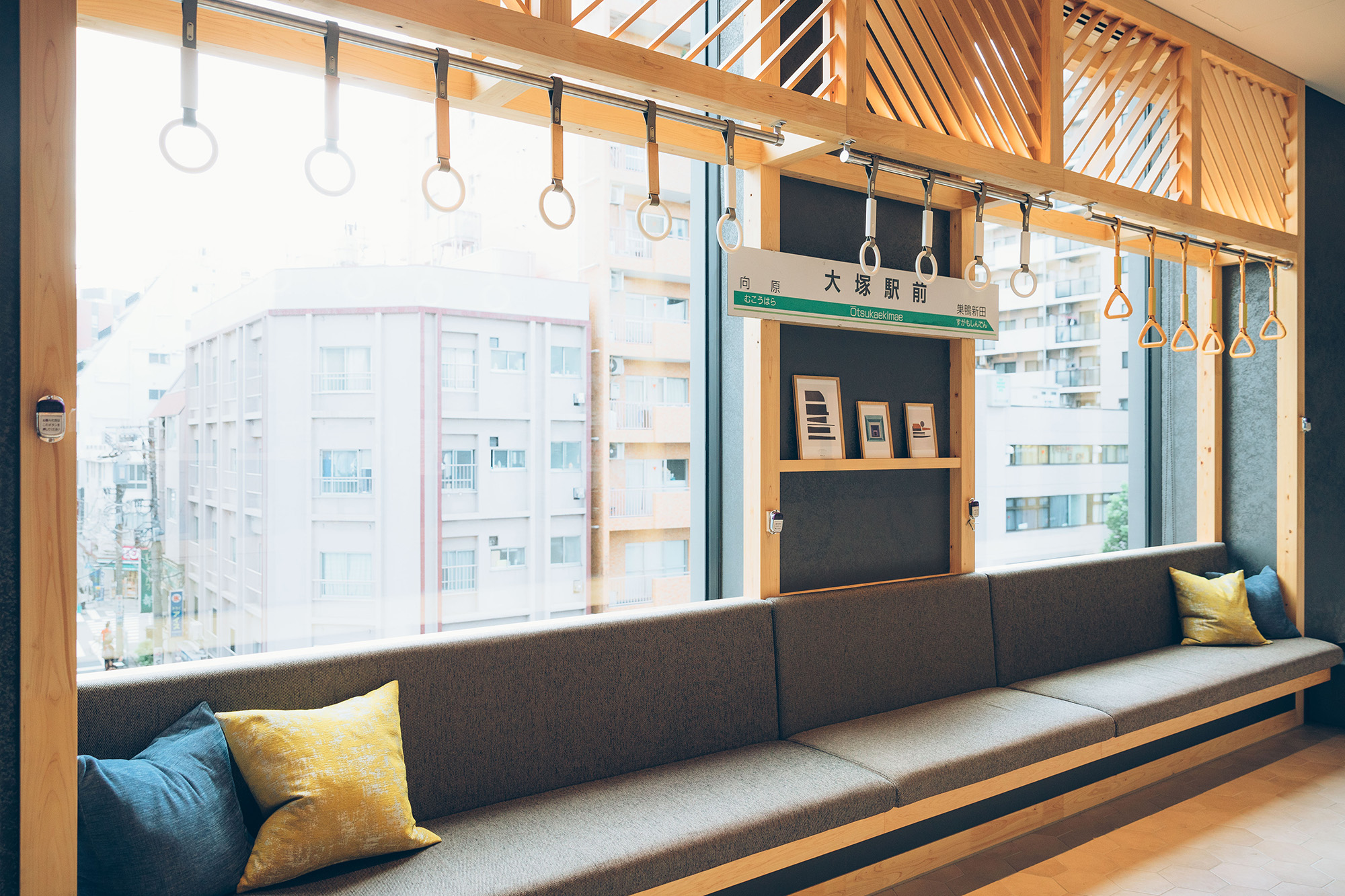
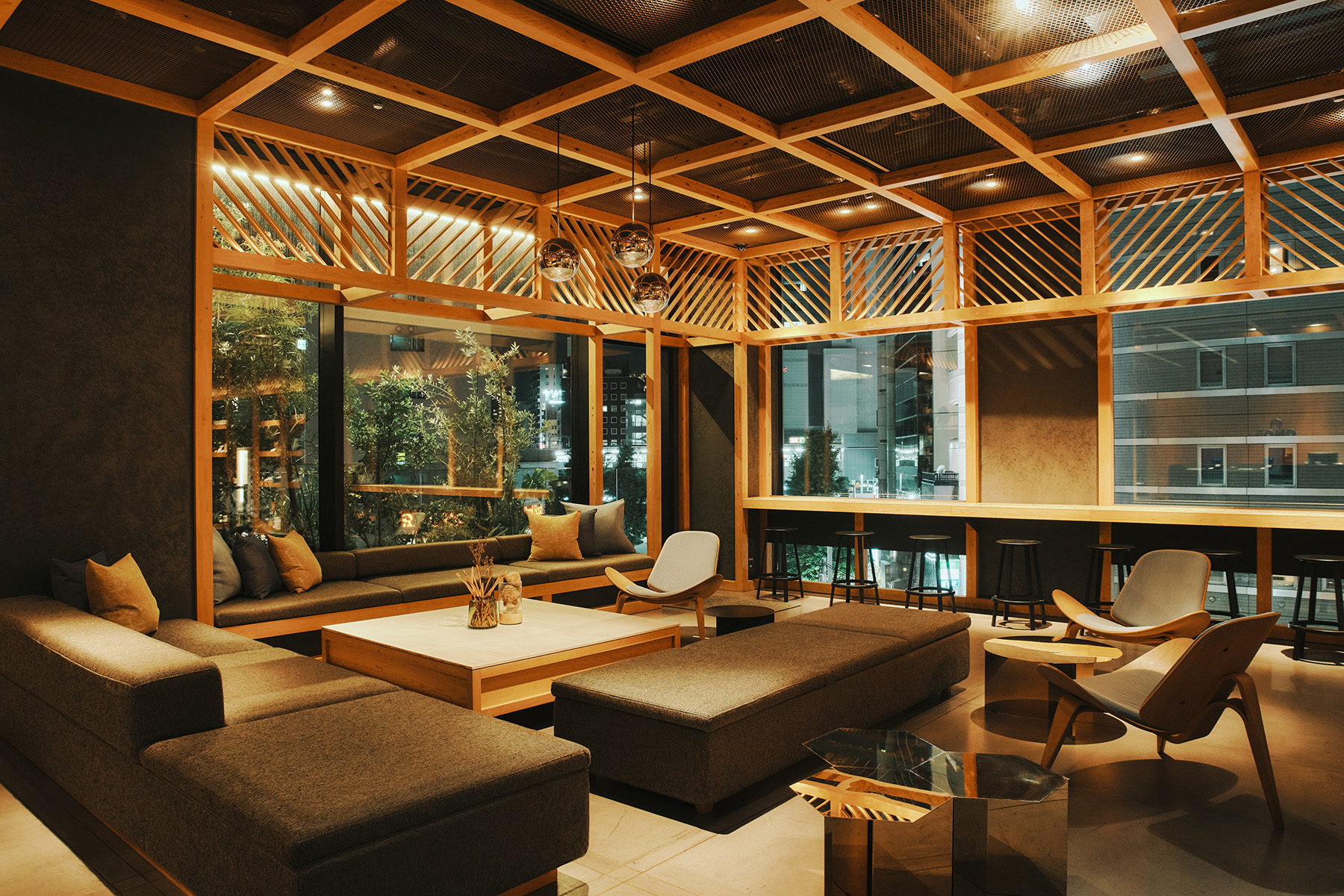
It's 1 minute on foot and convenient location from Ozuka Station and is also outstanding in a popular zoo in Metropolitan area and Direction to an aquarium.

From Direction JR Otsuka Station north entrance, 1 minute on foot
- A room charge example
- 1 night, 1 person \10,000-