





7 elections of Japanese Sweets of Tokyo recommended to a small present


The Japanese Sweets by which it's Tokyo limitation to want to hold it when choosing a small present in Tokyo where something good of all over the world is collected. There is a special sense and the Japanese Sweets which can also be bought only at a store at the inside also fits the present to which gratitude is handed down. Though it was the past, even ball-shaped steamed sweet rice wrapped in sweet red bean paste of new sense selected the items recommended to a small present carefully from the inside of the Japanese Sweets which represents Tokyo including the Red Bean Pancake and the Soft Mochi Stuffed with Sweet Bean Paste made with a process.
1Kamejyu "Red Bean Pancake"
The Red Bean Pancake which represents Tokyo where 3000 every day are sold-out
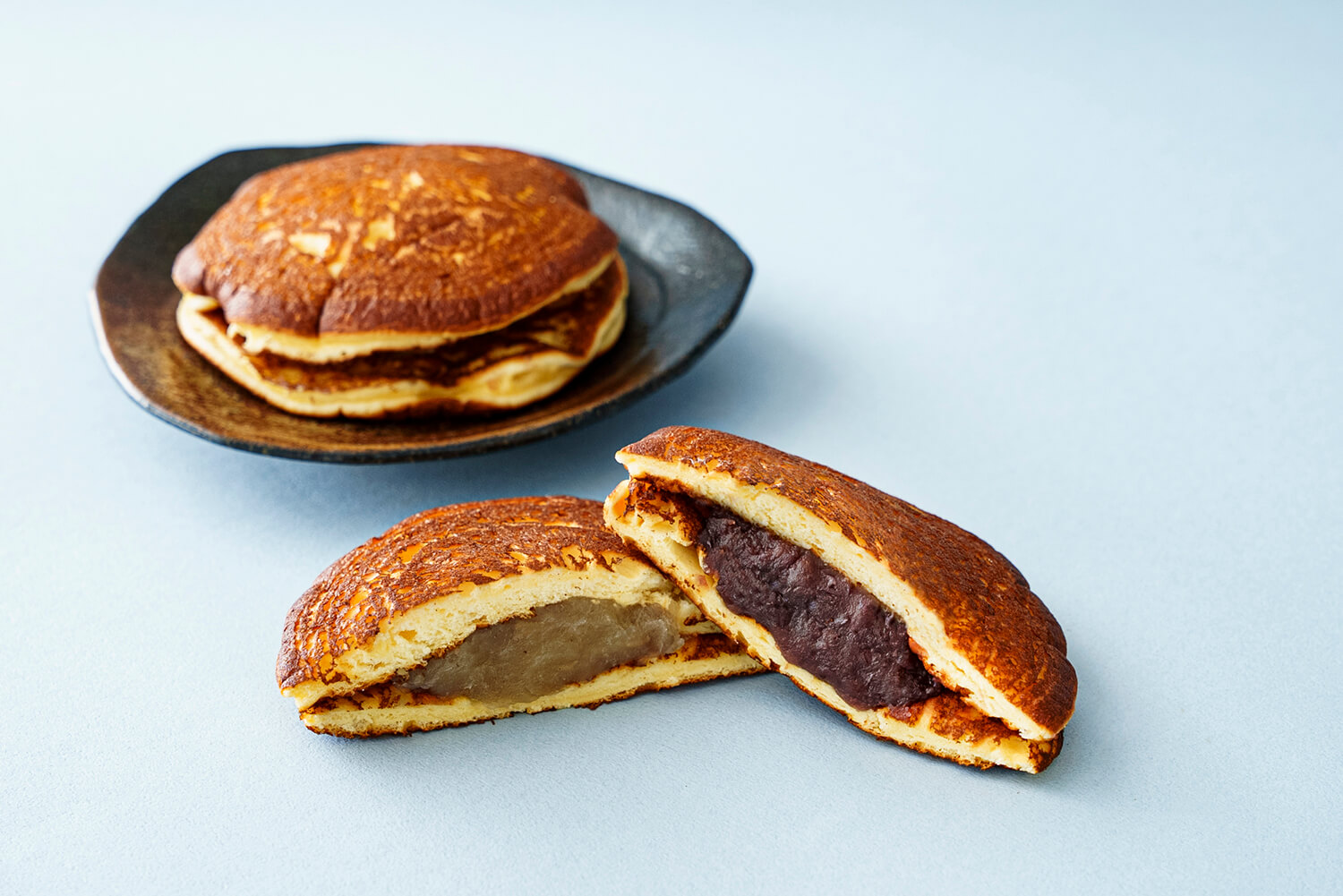
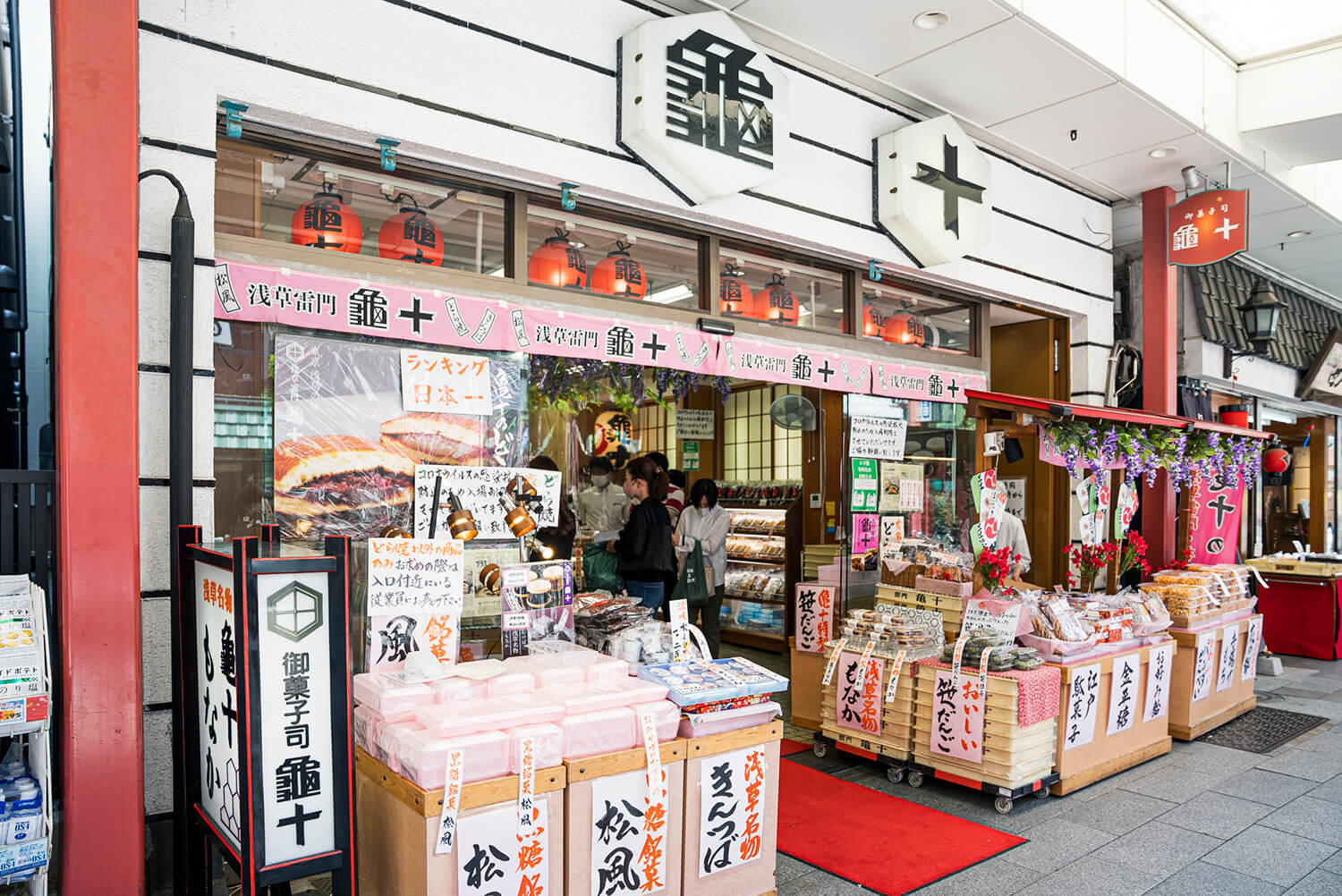
Asakusa started in the Taisho last years and the long-established store Japanese Sweets store which is in front of the Kaminarimon Gate. It takes pride in its popularity which can line up from the open front, and the "Red Bean Pancake" which is also a pronoun in a store is selling so that 3000 a day may fly. A craftsman mixes and bakes the leather which does each one of hand-baking, and the appearance like the pancakes with a blur can enjoy a sense considering the peculiar muck by the feature. The jam of grain bean use by which I had 2 kinds of homemade bean jam and boiled Shozu where "black bean jam" is made in Hokkaido Tokachi plumply. "Sweet White Bean Paste " is smooth bean paste using teboumame (and, prevention beans) and is the gentle sweetness both. Red Bean Pancake in Kamejyu is a large sheet, so massive impression is here and is also most suitable for presents. One in a box is being prepared from 5 and an assortment of black bean jam and white bean paste is recommended to a small present.
[Brand name and value] Red Bean Pancake Black bean jam and white bean paste of 360 yen for each (including tax).
[Use-by date] from a date of production, 3 days
2TAKENO and ball-shaped steamed sweet rice wrapped in sweet red bean paste "in a set of 7 kinds of daily ball-shaped steamed sweet rice wrapped in sweet red bean paste"
The photogenic ball-shaped steamed sweet rice wrapped in sweet red bean paste the sense of the season was made important to which

The ball-shaped steamed sweet rice wrapped in sweet red bean paste specialty store which has started at 2016 at Sakurashinmachi. The unique shop's name is derived from the one's the store owner who doesn't like sweets liked and ate only being ball-shaped steamed sweet rice wrapped in sweet red bean paste of my grandmother and Mr. TAKENO. 5 kinds of ball-shaped steamed sweet rice wrapped in sweet red bean paste which is made with the recipe learned from my grandmother is prepared by daily in addition to "strained beans jam" and "bean jam". It has complete set of the original flavor which used spice, herb and nuts including the ingredients in season, and you can meet gusto with surprise. It can be bought from 1 and when 3 or 5 or 7 are ordered, you can stuff a bend zoom buggy for free of charge, so ball-shaped steamed sweet rice wrapped in sweet red bean paste also fits a small present. "In a set of 7 kinds of daily ball-shaped steamed sweet rice wrapped in sweet red bean paste" can make a chisel reservation, and when applying to Sakurashinmachi store for the Sakurashinmachi store and the Gakugei-daigaku store by telephone by the previous day on the business days of the day of receipt, it's possible to receive it between 14:00-18:00 in a request date.
[Brand name and value] in a set of 7 kinds of daily ball-shaped steamed sweet rice wrapped in sweet red bean paste, 1800 yen- (including tax)
[Use-by date] the date of production day
[Dealer] Sakurashinmachi store and Gakugei-daigaku store

- TAKENO and ball-shaped steamed sweet rice wrapped in sweet red bean paste Sakurashinmachi store
-
 Tokyo capital 1-21-11, Sakurashinmachi, Setagaya-ku MAP
 From Tokyu Denentoshi Line Sakura-shimmachi Station, about 5 minutes on foot
 12:00-18:00
 A month Tuesday.
 03-6413-1227
 I don't have that.
3Naniwaya main store "fish-shaped pancake stuffed with sweet red bean paste"
Originator store of the fish-shaped pancake stuffed with sweet red bean paste baked up by the mold
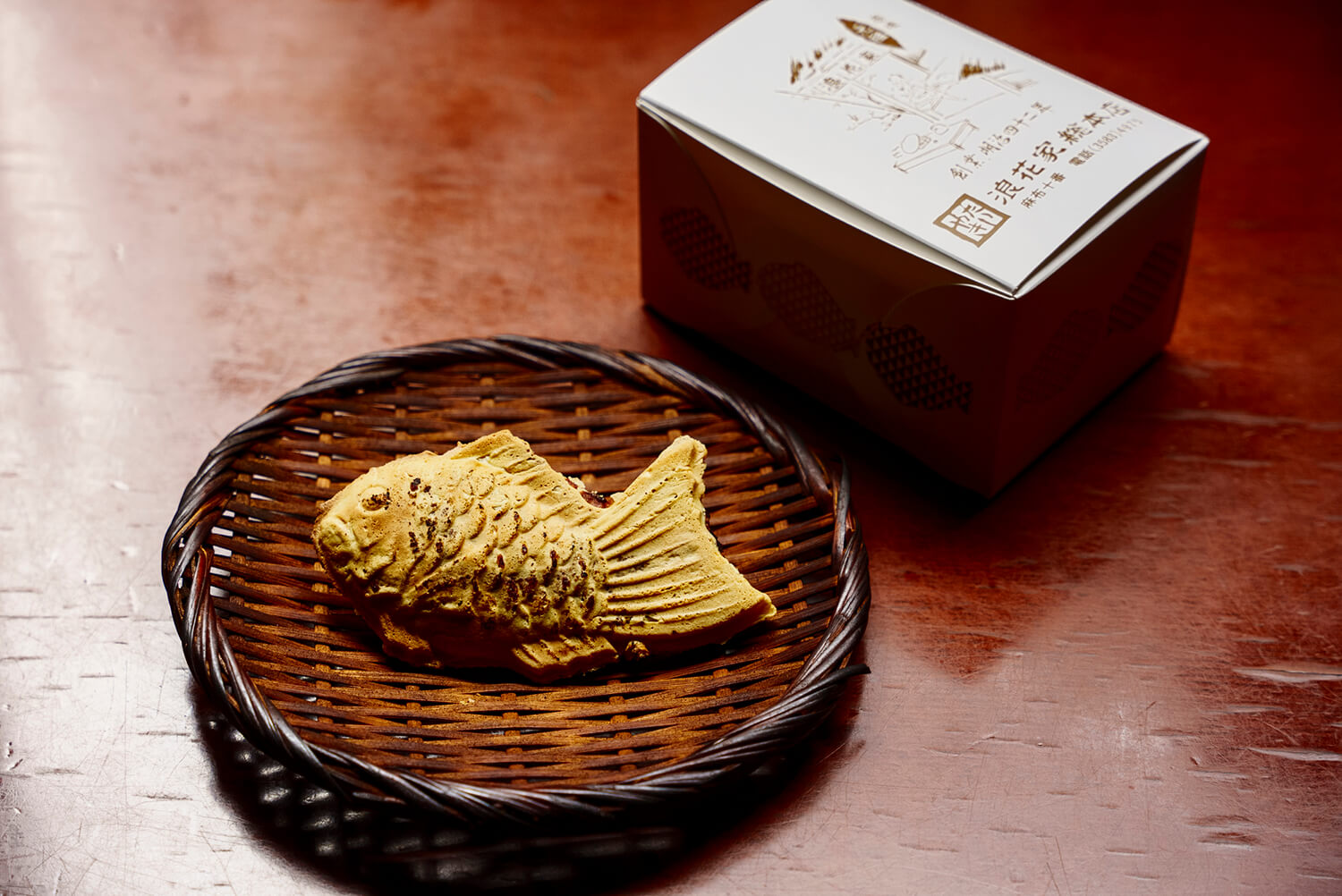
Noted store of the fish-shaped pancake stuffed with sweet red bean paste an eye starts the business in 1909 (1909), and from which protects 4 generations of shop curtain at present. Red snapper of the clipper which doesn't enter the common people's mouth easily in foundation and, "happily", the Confections a founder baked by the style of the red snapper lacks, and it's said to be the origin of the fish-shaped pancake stuffed with sweet red bean paste. The natural product which does each 1 of hand-baking by the mold, PARI which cooled the Wheat Flour a called fish-shaped pancake stuffed with sweet red bean paste dissolved in water by ice and baked it hotly and fragrant leather are the feature. I use adzuki beans made in Hokkaido selected carefully in bean paste, bet the 150kg thing amount for 8 hours every day and prepare. More adzuki beans are to boil for 3 hours after it's cooked, and leather of adzuki beans has built it into the smooth jam of grain bean which isn't left in the mouth. As well as being freshly baked even if it cools, when it's good, the fish-shaped pancake stuffed with sweet red bean paste filled with bean paste closely to a tail from the beginning is famous. The price is also reasonable, so the number is also most suitable for necessary delivery and small present.
[Brand name and value] a fish-shaped pancake stuffed with sweet red bean paste of 180 yen (including tax)
[Use-by date] the date of production day
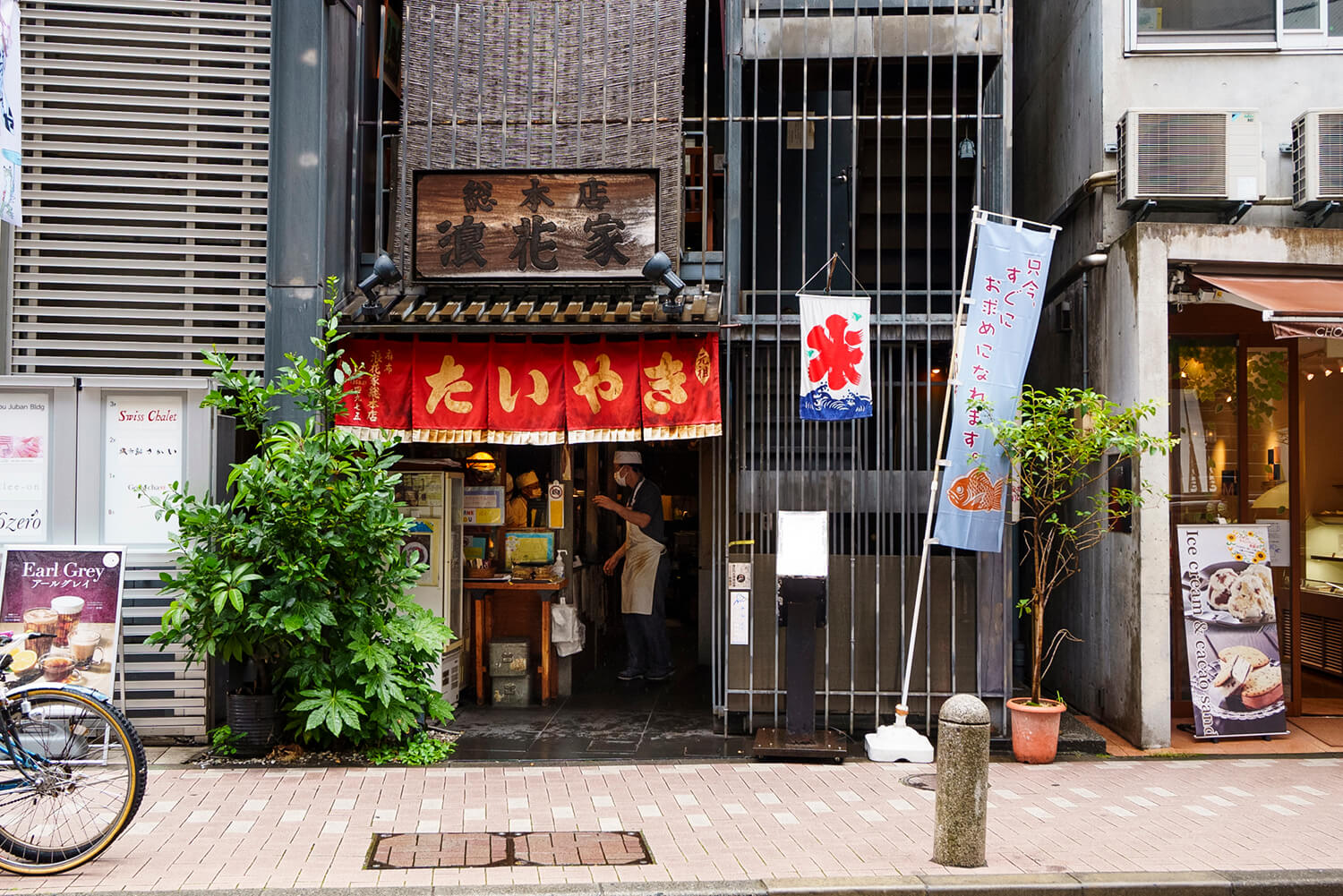
- Naniwaya main store
-
- Tokyo capital Azabu-Juban, Minato-ku 1-8-14 MAP
- Toei Oedo Line From Tokyo Metro Namboku Line Azabu-Juban Station, immediately.
- 11:00-19:00
- The 3rd Wednesday Tuesday .
- 03-3583-4975
- I don't have that.
4Kototoi dumpling (fact question dumpling) "Kototoi dumpling"
Lovely 3 color dumpling of downtown local specialty
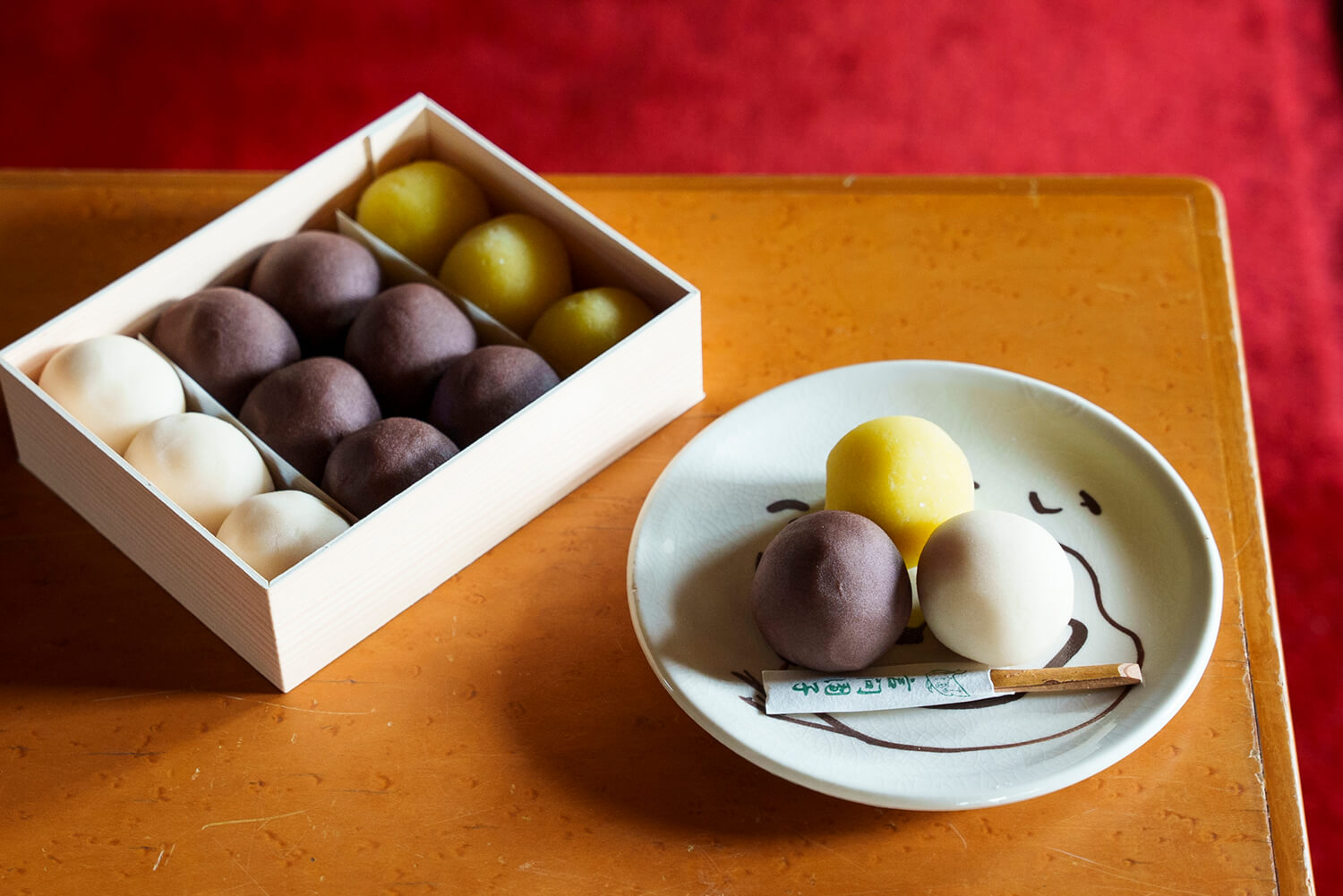
Foundation is the end of Edo period a period. When the founder who was carrying on a gardener at an edge in Sumidagawa-River entertained a guest, the dumpling which was being served got the reputation and started a dumpling shop. I become the topic of conversation by its elegance and am still loved as Koshima's local specialty after it's called "Kototoi dumpling" in early years of Meiji era. A dumpling is changing the way to boil 3 kinds of bean jam of adzuki beans, Sweet White Bean Paste and Miso-flavored Sweet Bean Paste have that and by which they're bean paste and fabric by a season, is keeping peculiar smoothness and is rounding each one by handwork. The one by which bean jam of adzuki beans and white bean paste wrapped the dumpling made with first-class Koshihikari in bean paste. Because Miso-flavored Sweet Bean Paste wraps bean paste in the rice-flour dumpling fabric I colored with "Gardenia, Cape jasmine", and Mukaishima is a landmark of plum, a fruit of plum is imagined. It's additive nonuse, so it becomes solid on the bought next day, so it's recommended to buy the amount you can finish eating this daytime.
[Brand name and value] Kototoi dumpling 9 piece per package of 2070 yen (including tax)
[Use-by date] the date of production day
[Dealer] main store, Matsuya Asakusa (Asakusa SUI TSU, Komachi), Industry Tourism Plaza Sumida Machidokoro (Tokyo Tokyo Skytree Town SORAMACHI 5F) and -Ryogoku- Edo NOREN other ones
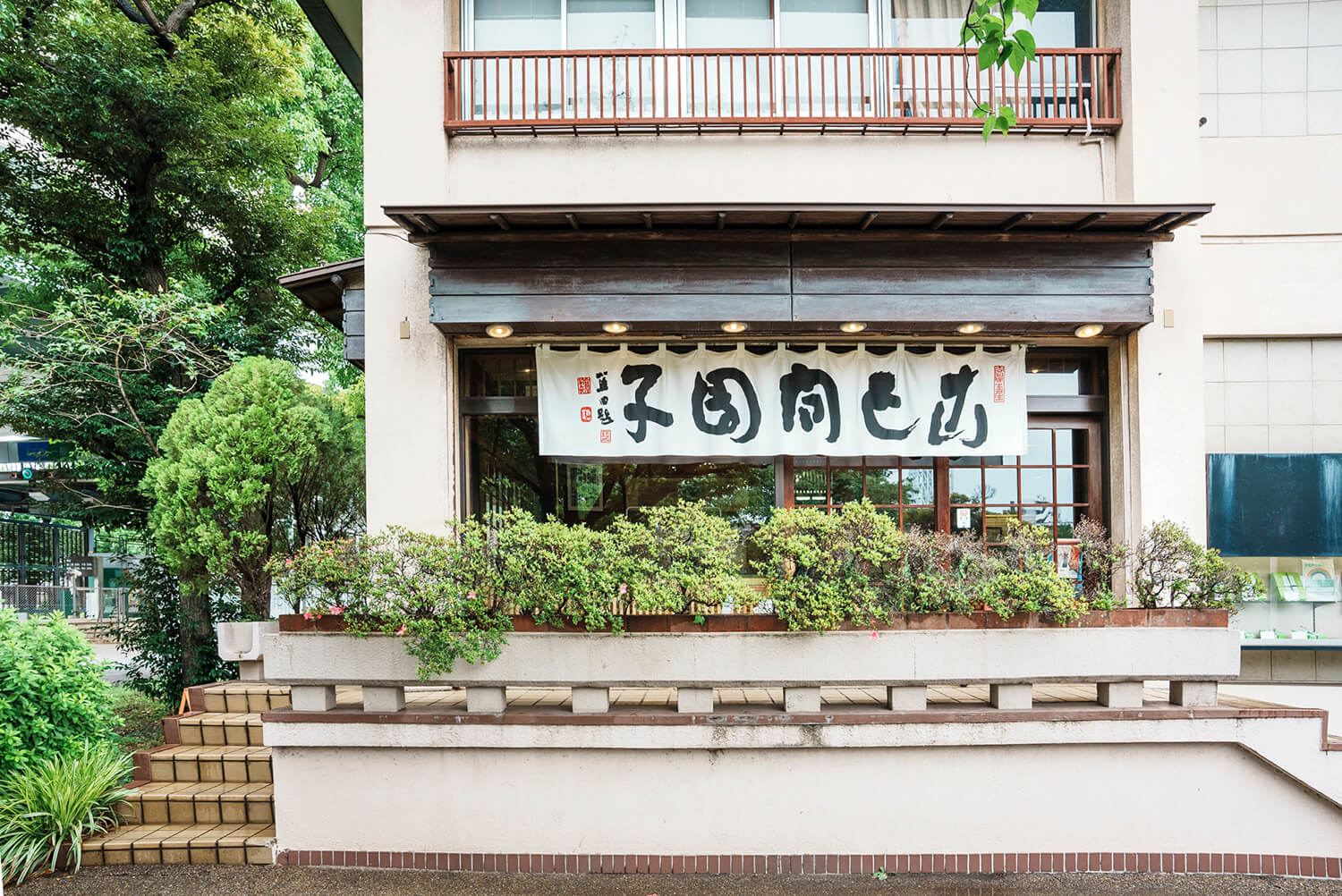
- Kototoi dumpling
-
- Tokyo capital 5-5-22, Mukojima, Sumida-ku MAP
- From Tobu Skytree Line Tokyo Skytree Station, about 12 minutes on foot
- 9:00-17:00
- Tuesday
- 03-3622-0081
- I have that.
5Matsushima-ya "Soft Mochi Stuffed with Sweet Bean Paste"
Sweetness and saltiness are exquisite plump and happy Soft Mochi Stuffed with Sweet Bean Paste.

Long-established store Japanese Sweets store of 1918 year (in 1918) foundation. The Soft Mochi Stuffed with Sweet Bean Paste of "Matsushima-ya" which is one of Tokyo three big Soft Mochi Stuffed with Sweet Bean Paste as well as "group Rindo" and "Mizuho" in Harajuku in Gokoku-ji is the popular items sold out in the morning. Adzuki beans made in Hokkaido Tokachi are used in bean paste, and it's boiled and the flavor is drawn out for about 6 hours. Good Miyagi creation and KO GANE of the food taste are used for glutinous rice. It's built into elastic rice cake plumply using the mallet which doesn't change from the foundation time and a manual Mochi pounding machine for a mortar. Steamed red peas enter rice cake much, and a moderate salt seasoning tightens the taste of the bean paste, and the food texture by which we assumed that it thundered is also in the accent. There are also grass great fortune in addition to Soft Mochi Stuffed with Sweet Bean Paste and millet great fortune, and 3 kinds of assortment is also popular in a small present. Soft Mochi Stuffed with Sweet Bean Paste can be reserved from 1, so even if the number of orders is little, reserved one recommends.
[Brand name and value] Soft Mochi Stuffed with Sweet Bean Paste of 190 yen (including tax)
[Use-by date] the date of production day
[Dealer] Isetan Shinjuku Store (only on Tuesday), Meiji shop Hiroo store (only on Wednesday), Ginza Mitsukoshi (only on Thursday), Nihonbashi Mitsukoshi main store (only on Thursday) and Nihonbashi Takashimaya S.C. (Only on Friday), Shinjuku Takashimaya (only on Friday) and "Tobu Department Store Co., Ltd. Ikebukuro store" (only on Saturday)
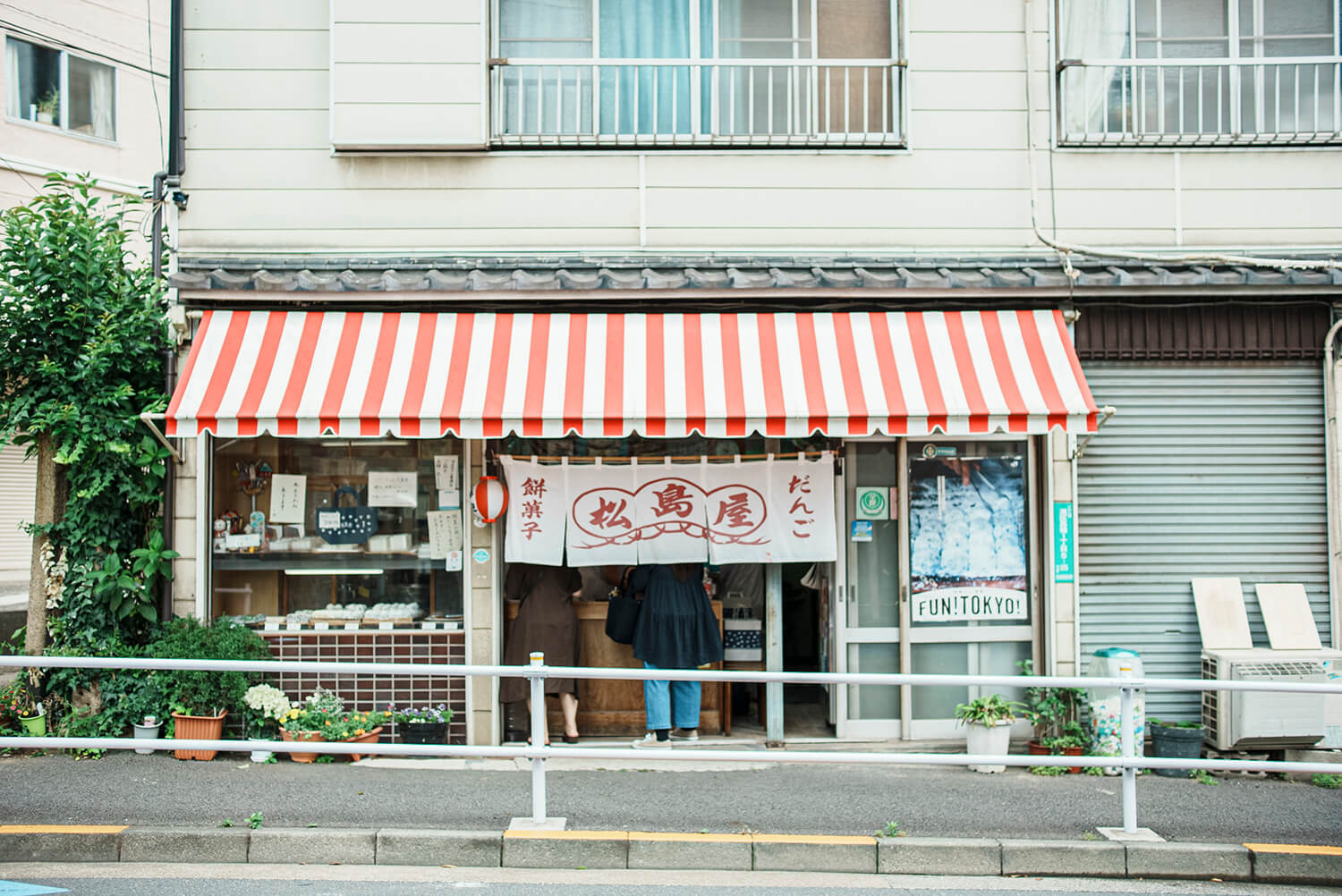
- Matsushima-ya
-
- Tokyo capital 1-5-25, Takanawa, Minato-ku MAP
- From Keihinkyuko Sengakuji Station, about 10 minutes on foot
- 9:30-15:30
- Sunday and biweekly Monday regular holiday
- 03-3441-0539
- I don't have that.
6Kuya "Kuya wafer cake containing bean jam"
While acquisition is difficult illusion without reservation.
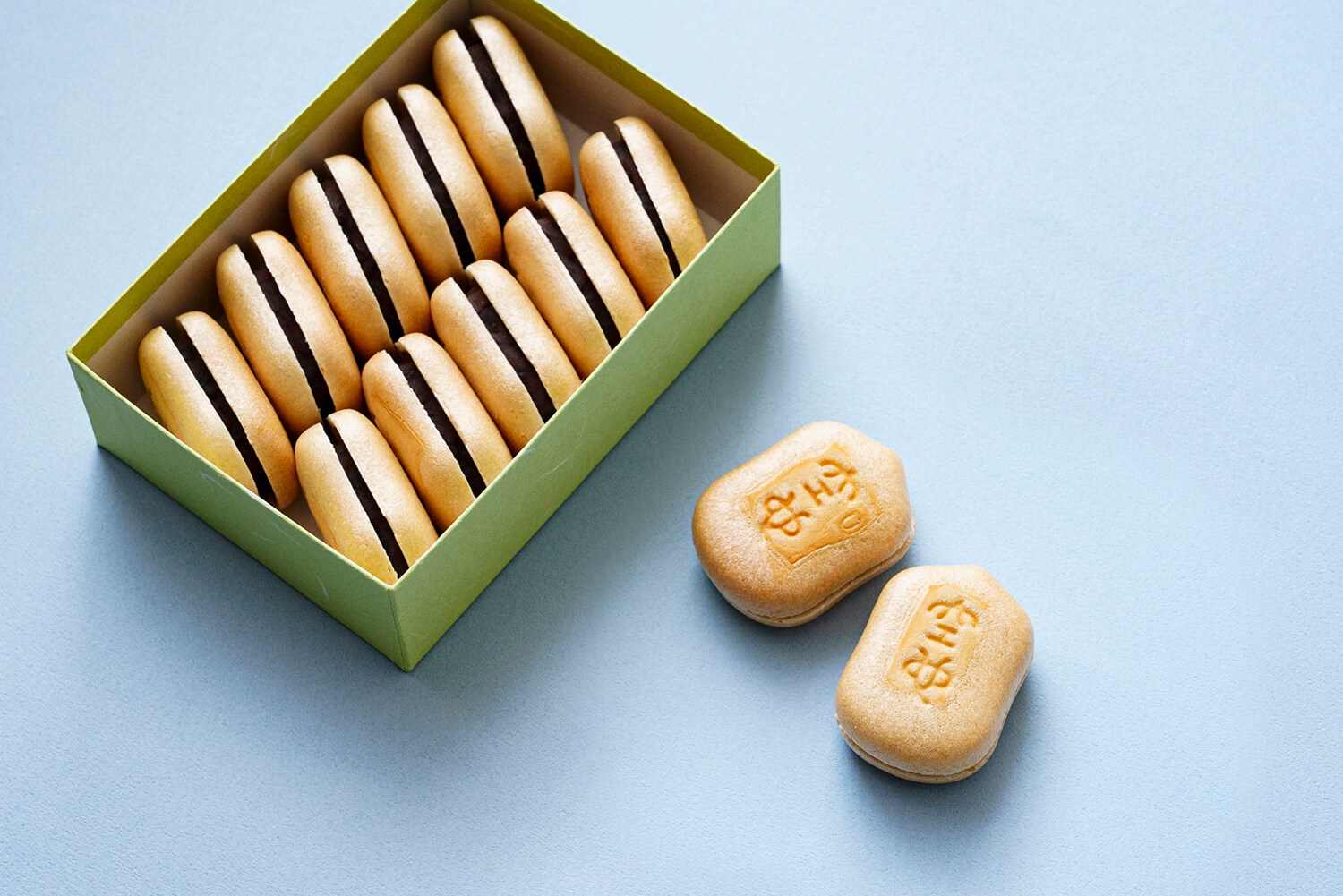
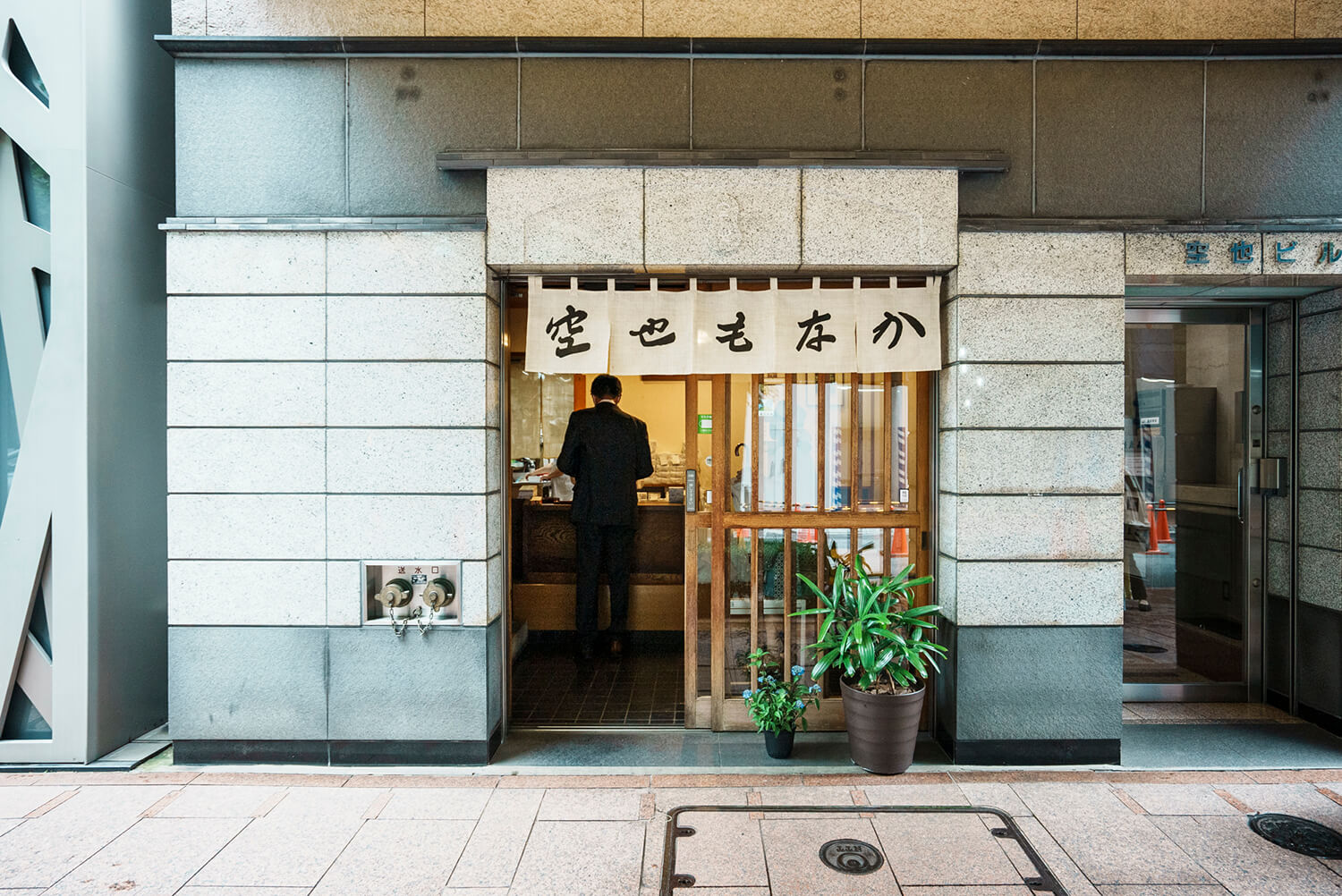
"Kuya" who started in Ueno in 1884 (1884). The long line which moves to Ginza Namiki Dori in 1949 (1949) and asks "Kuya wafer cake containing bean jam" of sign goods is charming sights in Ginza. "About 8000 a day Kuya wafer cakes containing bean jam" are made, but much, Japan sold-out only by reservation also takes pride in its persistent popularity as the small present when calling one because of its rare KOKOZO. Homemade jam of grain bean, adzuki beans made in Hokkaido Tokachi and sugar are bet for about 4 hours, it's boiled and it has been built into bean paste which is to add starch syrup at the end and is graceful. Fragrant scorching leather also is the secret of gusto and brings out bean paste of the elegant sweetness. A wooden box can order a fancy box and a private box from 10, and corresponds from 30. It's certain to make a reservation 1 week before in a day of receipt.
[Brand name and value] Kuya wafer cake containing bean jam 10 fancy box arrive of 1200 yen (including tax)
[Use-by date] from a date of production, 1 week
- Kuya
-
- Tokyo capital Ginza, Chuo-ku 6-7-19 MAP
- JRTokyo Metro Yurakucho Station and JRTokyo Metro From Yurikamome Shimbashi Station, about 10 minutes on foot
- 10:00-17:00 and Saturday-16:00
- Sunday Holiday.
- 03-3571-3304
- I don't have that.
7Akasaka Kakiyama Ginza Mitsukoshi store "kabuki pattern POCHI Rice Crackers"
Rice Crackers in the Tokyo style in the showy POCHI bag
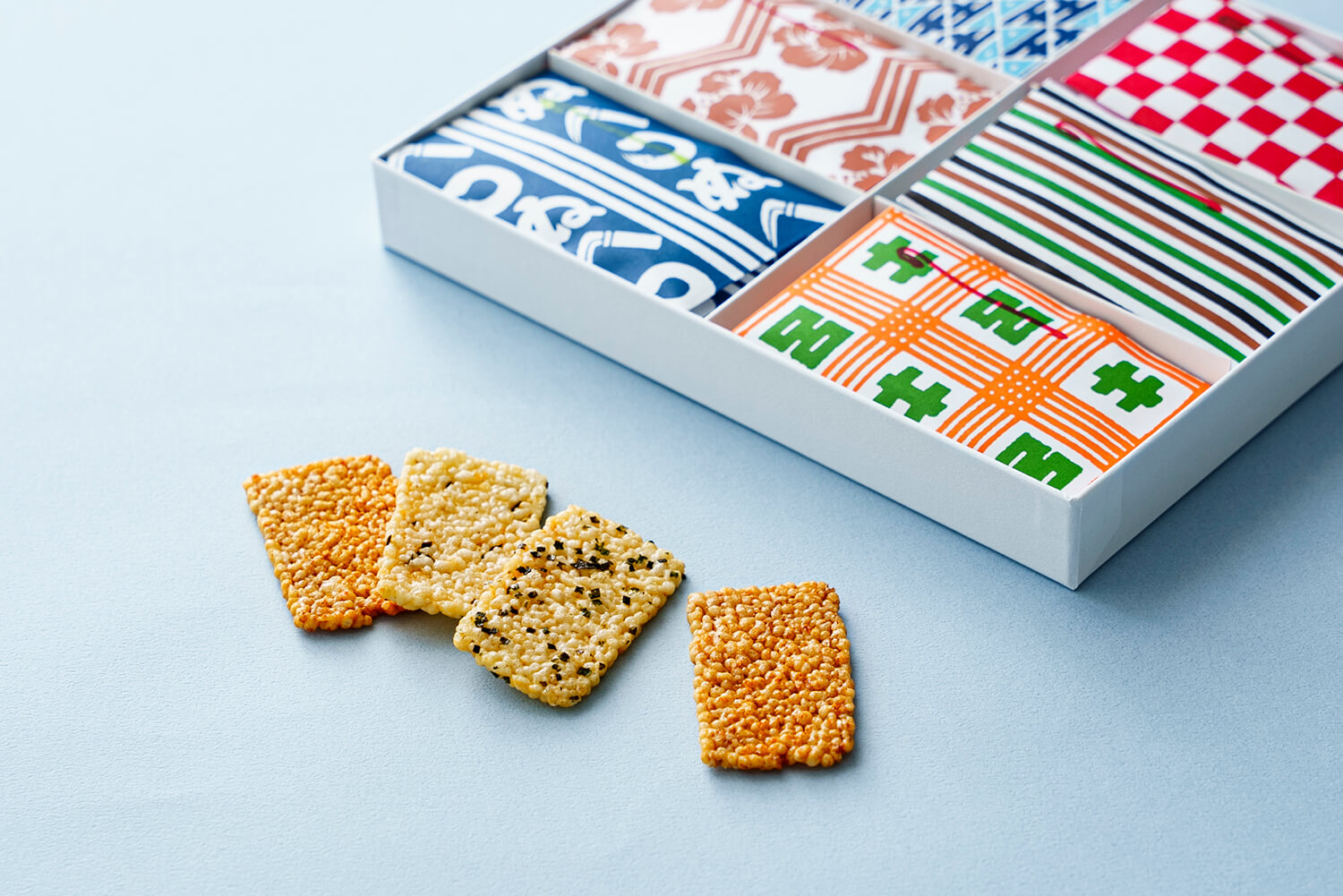
The hailstone which keeps a main store in Akasaka and specialty store of Rice Crackers "Akasaka Kakiyama". The thinly baked Rice Crackers for which a drop of rice utilized a drop of shape just as it is "Keicho" has complete set of the Rice Crackers made with the careful selection material using new Taisho glutinous rice of Toyama specialty. "Kabuki pattern POCHI Rice Crackers" of Ginza Mitsukoshi store limitation is the smart assortment by which Mr. actor sentence of kabuki put "Keicho" in NOPOCHI bag for Ginza. Rice Crackers is 4 kinds, soy sauce, quiet laver, sesame and seaweed, crisply, if, fragrantly, the fragrance of the rice spreads lightly in the mouth. POCHI bag selects 6 kinds of showy pattern by the dignity of the long-established store of Edo Japanese paper with colored figures in Taninaka "Ise dragon". It's done and it's attachment, so it's also most suitable for the present which shows a form of etiquette and gratitude.
[Brand name and value] kabuki pattern POCHI Rice Crackers (6 of soy sauce, 6 of quiet laver, 3 sesames and 3 of seaweed), 3240 yen (including tax)
[Use-by date] from production, 150 days
- Akasaka Kakiyama Ginza Mitsukoshi store
-
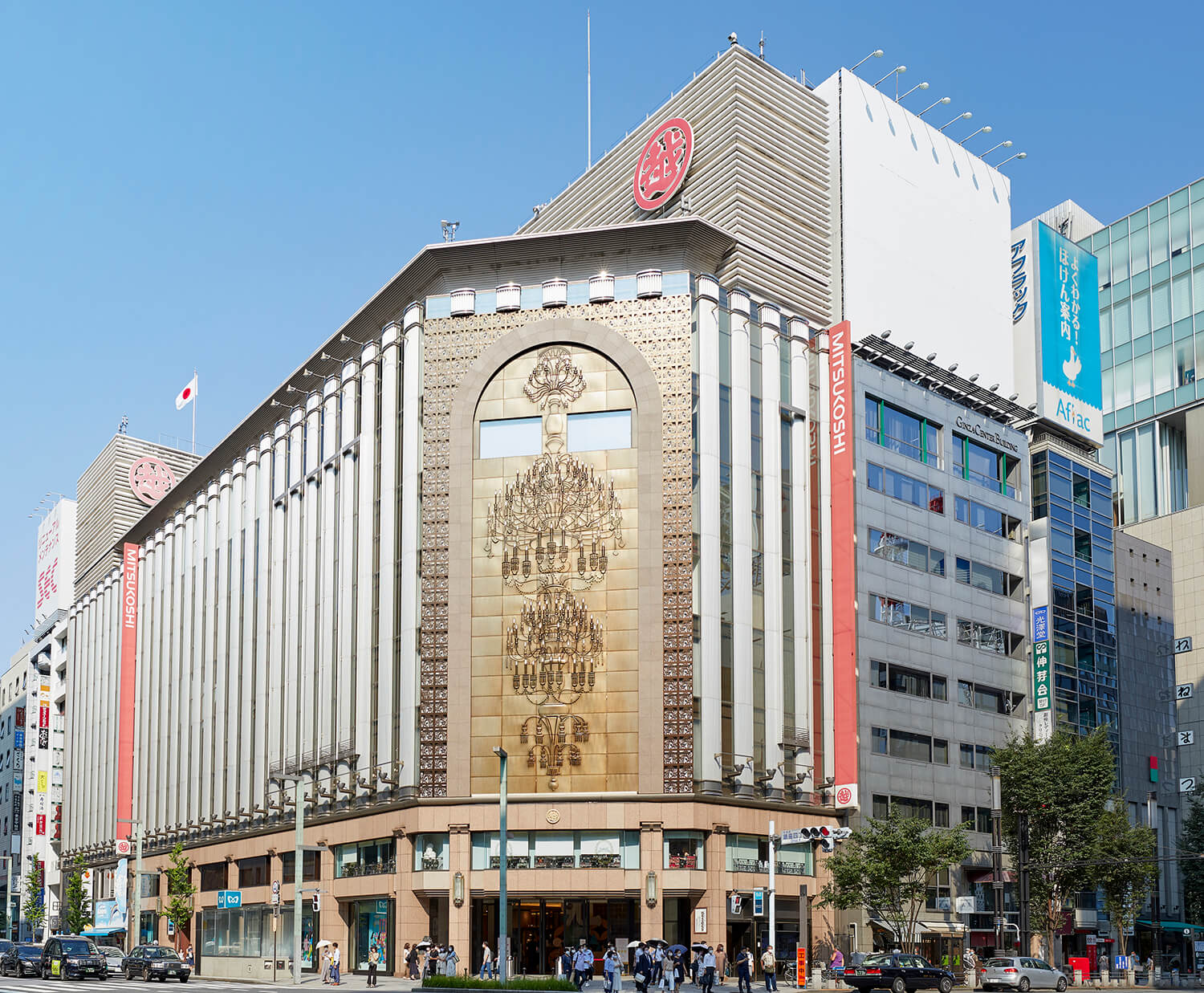
- Tokyo capital Ginza, Chuo-ku 4-6-16 MAP
- From Tokyo Metro Ginza Station and Ginza-itchome Station, about 5 minutes on foot
- 10:00-20:00
- The regular holiday-lessness
- 03-3562-1111 (MTN)
- I have that.

Local Guide which took charge of this article
HOSHINOYA Tokyo
Tokyo capital and Otemachi
The new Japanese a Japanese-style hotel which keeps evolving originally according to the today while esteeming the institution of the traditional total.
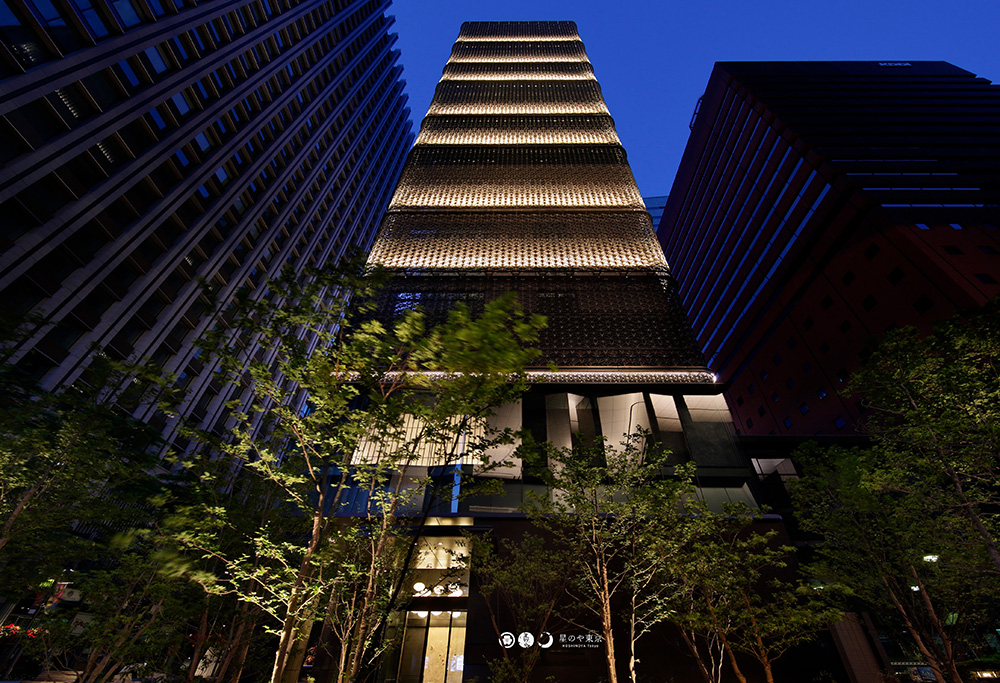


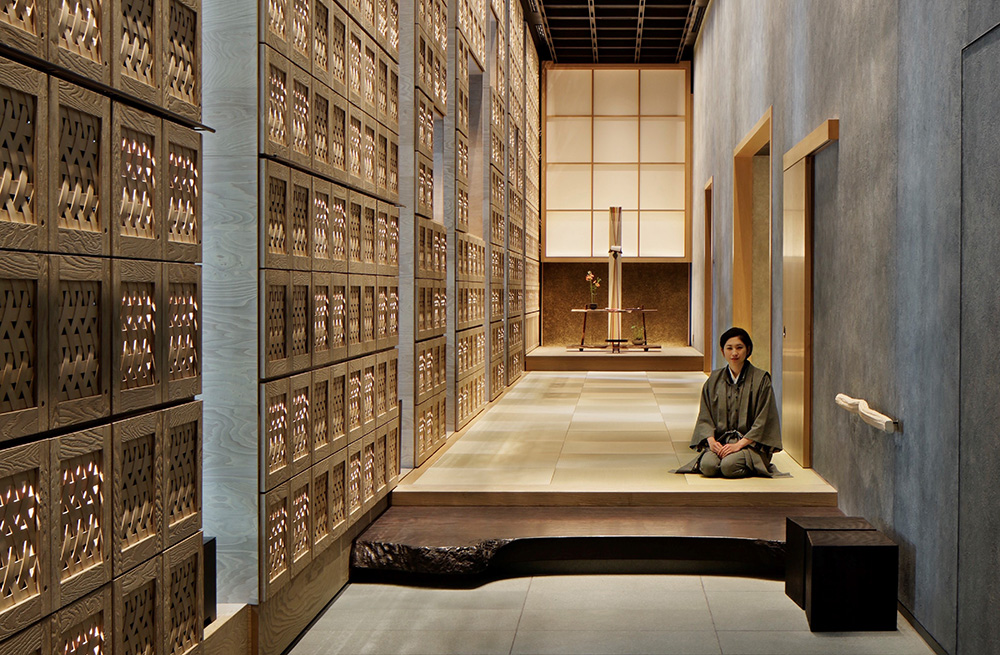
From Direction JRTokyo station, about 10 minutes on foot
- A room charge example
- 1 night, 1 person \39,996-
OMO5 Tokyo Otsuka by Hoshino Resorts
Tokyo capital and Toshima-ku
It's 1 minute on foot and convenient location from Ozuka Station and is also outstanding in a popular zoo in Metropolitan area and Direction to an aquarium.

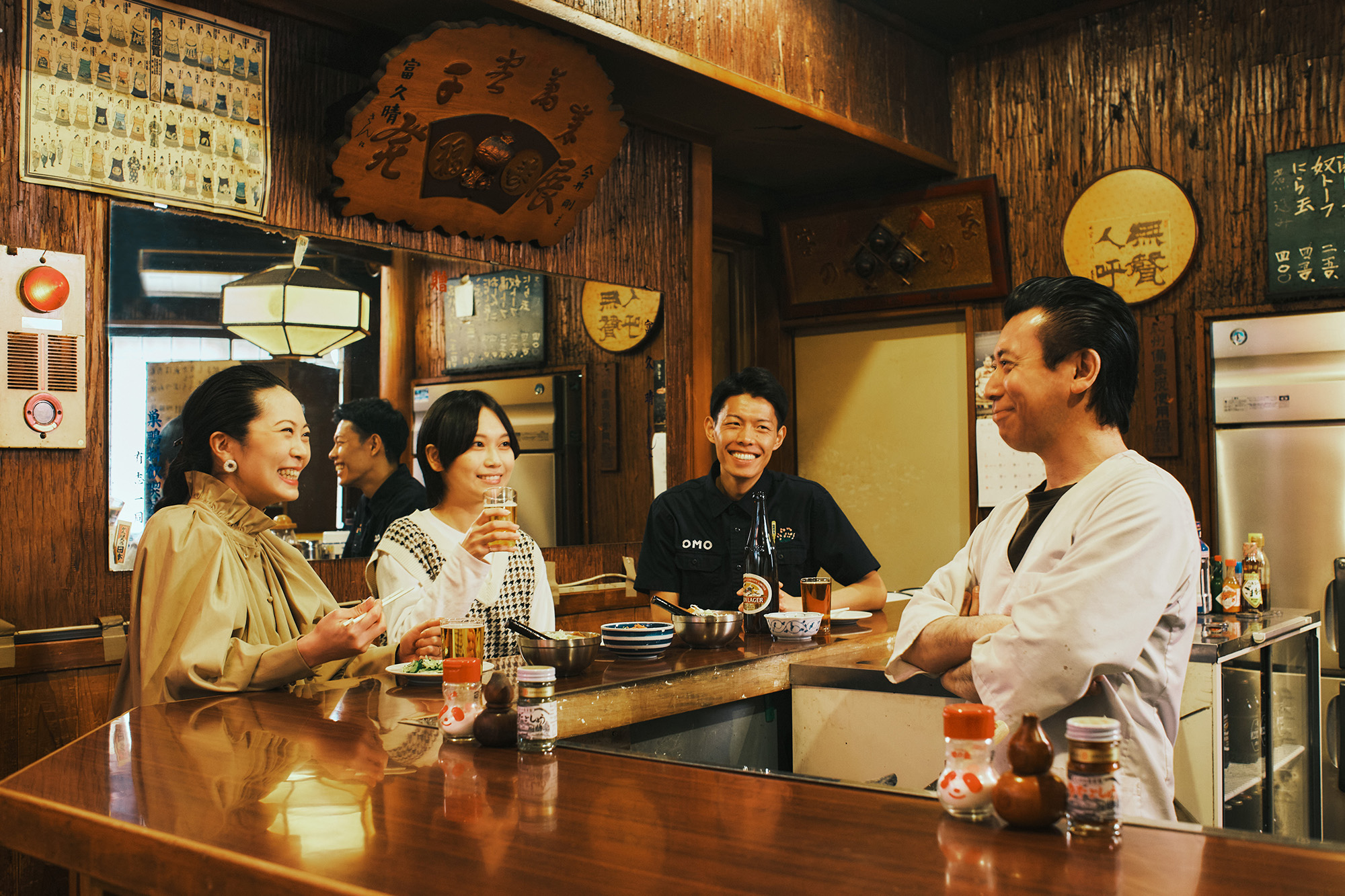
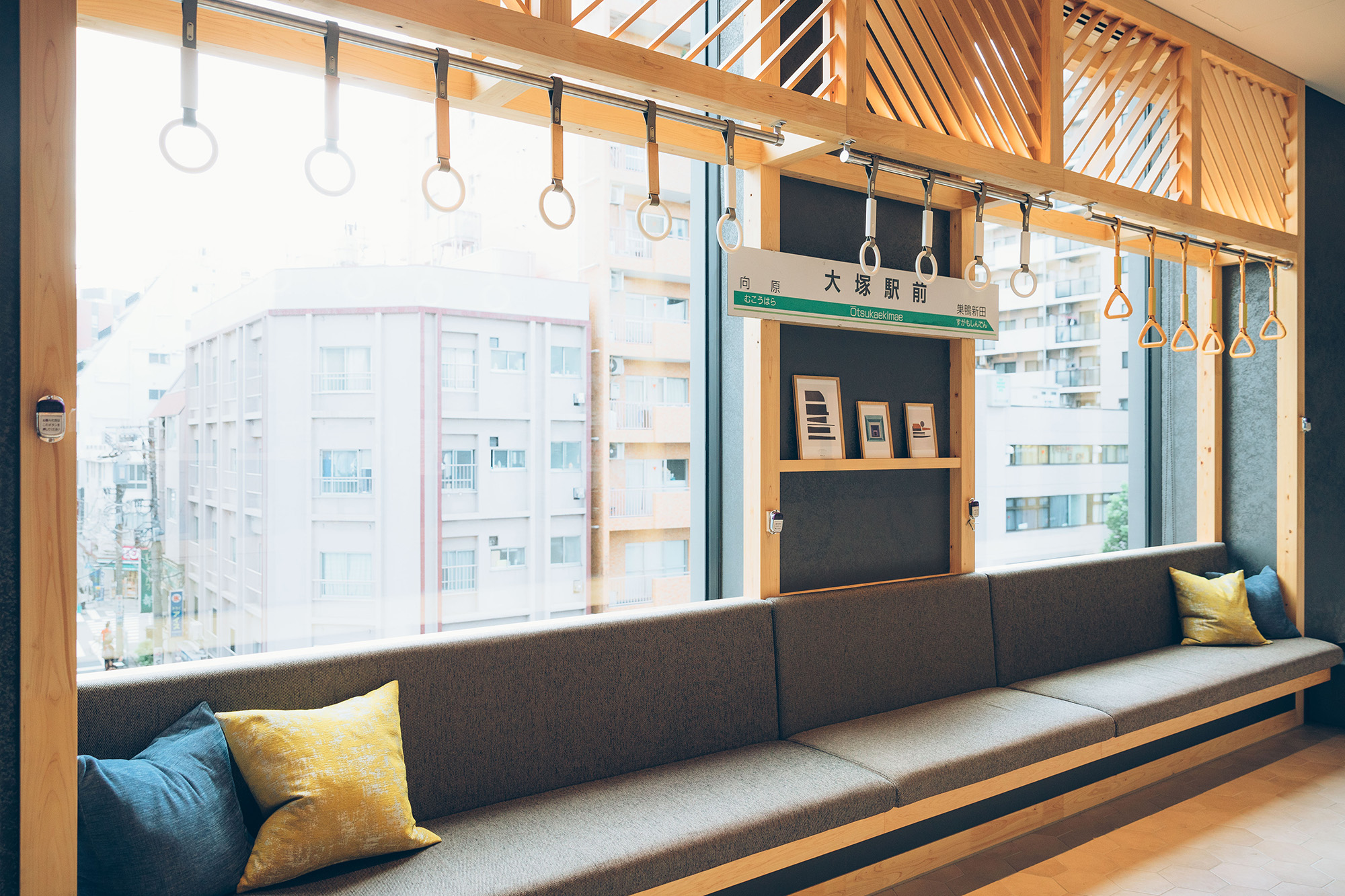
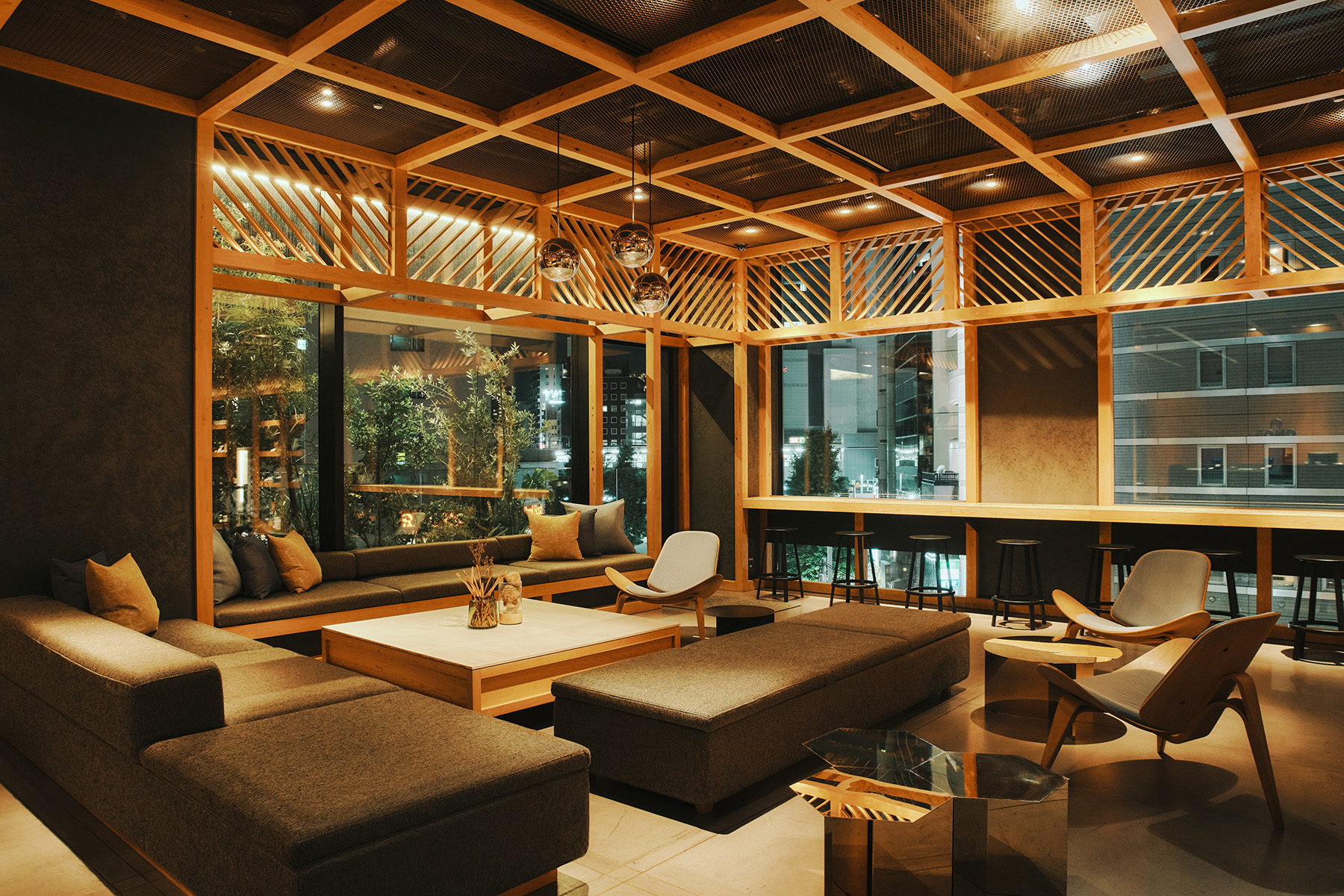
From Direction JR Otsuka Station north entrance, 1 minute on foot
- A room charge example
- 1 night, 1 person \10,000-