





It's also recommended with a child. The popular museum and 7 elections of art museum I'd like to visit in Osaka

There is much cultural Property where the impression such as the building and the museum science museum where redesign is equipped with topical museum of art, collection of the world level and equipment in addition to the museum where you can touch charm of an enterprise from Osaka such as Cup-o'Noodles, Glico and a Dassland fiber is here in Osaka. If Osaka is visited, I'll introduce the recommended museum and the art museum to which I'd like to go sometime.
The basic and happy hunting ground tourist attraction recommended in *Osaka are this.
hokusetsu (Toyonaka, Ikeda and Takatsuki) area
Osaka and the north (Osaka, Umeda and around record Osaka)
- 3Dassland linear museum
- 4Esaki museum
- 5Osaka Nakanoshima museum of art
- 6Osaka municipal science museum
Osaka and Minami (around Shinsai-bashi Dotonbori Namba Shin-imamiya) Elijah
hokusetsu (Toyonaka, Ikeda and Takatsuki) area
1Cup-o'Noodles museum Osaka Ikeda
I'm impressed with a born anecdote of world's first instant noodles.

The "chicken Ramen Noodles" which are the world's first instant noodles born in Osaka center Ikeda-shi (in 1958) in 1958. A founder of Nissin Food Products which is an inventor and Momohuku Ando (A peach is wiped up.) can follow his locus at the theater where exhibition of study sheds in development at that time and an invention episode of "Cup-o'Noodles" were introduced with a picture at the museum built for born material.
The package which is about 800 kinds of successive generations in "tunnel of instant noodles" on the 1st floor is in a row. A photograph conspicuous spot of highlights.
In the world, only one of original "Cup-o'Noodles" making

After knowing a born story of idea filling such as development of a container and a device of how to put it in noodles with a picture of "Cup-o'Noodles drama theater", it's original Cup-o'Noodles making by "my Cup-o'Noodles factory". A topping designs personally in an exclusive cup by a prepared pen, and chooses 1 4 from 12 kinds from 4 kinds for soup. Combination of the taste is 5460. Wonderfulness of the manufacturing process of Cup-o'Noodles makes it reverse, covers a cup from the top of put noodles, sets it and wraps a cup in a film, and is also seen imminently.

This place
Supporter
The "chicken Ramen Noodles factory" where chicken Ramen Noodles can be made by hand is also very popular until I make them dry by "the moment oil heat drying method" from the place where Wheat Flour is kneaded. At the museum shop where a chick deals with a goods, by all means.

- Cup-o'Noodles museum Osaka Ikeda
-
 Osaka central 8-25, Masumicho, Ikeda-shi MAP
 From Hankyu Ikeda Station, about 5 minutes on foot
 9:30-16:30 (last entry 15:30)
 Tuesday (It's opened in case of a holiday and it closes on the next day.) and New Year's
 Free admission
My Cup-o'Noodles factory, 500 yen for 1 meal
Chicken Ramen Noodles factory elementary students of 600 yen and students over junior high school of 1000 yen 072-752-3484
072-751-0825 (reservation hotline ) The※ telephone removes 9:00-16:30 and closed together. Payment required (300 yen per 60 minutes)
 Reservation is unnecessary for my Cup-o'Noodles factory, a chicken Ramen Noodles factory, reservation system (A Experience request date is received from 3 months before.)
2National Museum of Ethnology
Round-the-world travel feeling is enjoyed fully at an ethnology museum of the world maximum level.

The museum of the world maximum level where the cultural anthropology and the ethnology which are of "expo memorial park" are a theme. Living tools of the world after the second half in the 20th century when a researcher has gathered them by a fieldwork juxtapose a research center and keeps about 340,000 points and exhibits about 12,000 points. The United States, Europe, Africa, Asia, Japan and an exhibition hall continue from Oceania, and they seem to be taking the world circumnavigation. The one which made an exhibit with local people and raised problem consciousness to an appreciator. A tool, a structure, a song and a dance can know the Bunka when I have become extinct.
The display of the huge mask a researcher learned and made in Zambia is must-see.

Mask of the huge headgear type Yoshida Kenji former curator learned display of attention by people's mask association of CHEWA where one lives in Africa and Zambia "NYAU", and which was made after returning home "NYAU YORENBA". It's used in a ceremony after mourning, and even a picture is introducing the state of the ceremony which shows an exchange with the different world immediately near the display.
Additionally the display which gazes at "crack drum" in Vanuatu where a track of one victim lady was collected for a Osaka expo in 1970 by the powerful picture and the suggestion of a reason and Mr. Okamoto Taro which are followed display and an Alaskan seal catch with feelings unconsciously is many.
This place
Supporter
To the extent there are also music in addition to area display and linguistic expert cultural exhibition of the world, and the number of display is enormous and it can't be given up in one day. Therefore the last Japan zone is often overlooked, but there is an impression fairly a costume of a festival, Mikoshi Shrine and a Japanese wooden doll.

- National Museum of Ethnology
-
- Osaka central 10-1, Senribanpakukoen, Suita-shi MAP
- From Osaka monorail Bampaku-kinen-koen Station or Koen-higashiguchi Station, about 15 minutes on foot
- 10:00-17:00 (for the last entry, 16:30)
- Wednesday (It's opened in case of a holiday and it closes a just after weekday.)
- No charge below the public of 580 yen, the college student of 250 yen (after June 19, 2025, the public of 780 yen and a college student of 340 yen) and the high school student
- 06-6876-2151 (representative)
- Parking in an expo memorial park is available (until 2 hours, in 410 yen, Saturday . Sunday and a holiday, 610 yen).
- When an inspection ticket is bought at each expo memorial park gate, it's possible to pass in the said park for free of charge. I tell below the high school student to go to National Museum of Ethnology at the said each garden gate and receive a pass. When using an expo memorial park, admission in the said garden is needed.
Osaka and the north (Osaka, Umeda and around record Osaka)
3Dassland linear museum
It's good, and it can be learned! Museum of "Mister Donut" and "Dassland quarter"

The "Dassland quarter" which has made new cleaning culture root by a chemical dustcloth and a mop is also the enterprise which developed "Mister Donut" from the United States in Japan in 1971 (1971). The "MISUDOMYUJIAMU" 2nd floor is "cleaning house", and the 1st floor can learn the "Dassland linear museum" where 50th anniversary of Dassland linear foundation was commemorated and it was established in 2015 while playing happily from history of Mister Donut and a secret of gusto to the tool you're cleaning and efficient cleaning method.
I challenge homemade Experience of a donut by "MISUDOKITCHIN".

"Donut homemade Experience" the most popular one does by "MISUDOKITCHIN" (lot system by a preliminary application). Experience which increases fabric, removes the style and gives a decoration to a donut is made. You can taste only here, the donut I have just fried can be tried, and it's impressed gusto.
It's easy at a reception desk on the day, Experience, if, "donut ball topping Experience" is recommended. 3 donuts with the round bite size are chosen, I put toppings, and makes only the original donut complete chocolate.
This place
Supporter
The treasure house of a trivia the Heian aristocracy's scrubbing things are understood by display at a Dassland linear museum, and the dust danced in the air can be visualized, and where is concerned with cleaning. There is also a photo spot 127 popular donuts of successive generations were displayed in MISUDOMYUJIAMU.

- Dassland linear museum
-
- Osaka central 5-32, Yoshinocho, Suita-shi MAP
- From Osaka Metro and northern Osaka express Esaka Station, about 10 minutes on foot
- 10:00-16:00 (last entry 15:30)
- Monday (It'll be opened in case of a holiday and it closes next weekday.)
- Free admission
- 06-6821-5000 (except for 10:00-16:00 and closed)
- I don't have that.
- Donut ball topping Experience:10:30-15:00 (When ending-14:30 rather early, Saturday . Sunday and a holiday are here.), 300 yen for 1 set and the day's reception
MISUDOKITCHINDONATSU homemade Experience: The 1st time, 10:15-11:45 and the 2nd time, 14:00-15:30, 1800 yen for 1 set and reservation system
4Esaki museum
A born story of a nutritional snack "Glico" and a track are told.

"Ezaki Glico Company" started in 1922 (1922). I was keeping producing many goods from sale of "nutritional snack Glico". "Esaki museum" is the museum where founder's reason, Mr. Riichi Esaki's will and achievement are told.
A fisherman proposes the nutriment included in broth of oysters and "nutritional snack Glico" using glycogen from the view which was boiling oysters in a pot at a shore in Ariake-kai. Radical idea is easy to understand and national short brand name, heart-shaped shape, catchphrase called "300 m for one drop" and trademark as well as strong feelings of the founder who would like to contribute healthily "marriage mark" are exhibited.
About 4000 toys which continue for more than 100 years up to now from an early stage are exhibited.

When saying Glico, a necessary toy was born from feelings of the founder who thought "for to eat for a child and to play, two big calling". A toy of about 4000 points of successive generations is most popular with the sections which line up in a row. Gender-segregated toy and about 2000 start from a picture card made of paper of the (in 1921) sale at that time in 1921, and are made of wood for a miniature of an electrical appliance for family use and the second half in 1960 's to a rapid economic expansion period, and it changes into the scrap wood in the house and something to combine and play at present. A background is being seen the time from the material of the toy and the kind.
This place
Supporter
A tour is until 2 sets for once by a perfect reservation system (It's impossible to make a reservation on the day.) and a replacement system of 4 times a day. Staff/staff member explains, so I know wonderfulness of the hot thought that I say "I'd like to contribute to society through food business." and the ingenuity well.

- Esaki museum
-
- Osaka central Osaka city 4-6-5, Utajima, Nishiyodogawa-ku MAP
- From JR Tsukamoto Station, from about 16 minutes on foot or Mitejima Station, about 18 minutes on foot
- 10:00 in a weekday and 1st* 3 Saturday-, 11:30-, 13:00-and 14:30 -
- Additionally the day※ special opening set specially also has Saturday . Sunday, a holiday and a summer holiday of 1st all except for 3*, so a reservation calendar of a official site, subject to confirmation.
- Free admission
- 06-6477-8257 (except for weekday 10:00-12:00, 14:00-16:00 and closed)
- Free
- The perfect preliminary reservation system (It's bad on the day.) and the details of reservation are subject to confirmation in Esaki museum official site.
5Osaka Nakanoshima museum of art
Various exhibitions are held focusing on fine arts and a design work in near today.

The museum of art which opened in 2022 via lead time in about 30 in the Nakanoshima area which symbolizes a water capital and Osaka. Yuzo Saeki possesses a collection beyond about 6000 points of Osaka in addition to MODIRIANI and author's work with concerning with fine arts from the second half in the 19th century to today and a design work as a speciality.
About 8 a year of various temporary exhibition such as a Japanese painting and present-day art is being performed. 5 sculpture works felt closer (permanence) can't also overlook art. 1 on which light is poured from a wellhole and PASSAJU on the 2nd floor are opened as a place by the relaxation.
Fan must-see. 2 sculpture works of YANOBEKENJI are permanent display.

Attention is a sculpture work of 2, contemporary art person from Osaka and YANOBEKENJI. Giant "and" TO and others enshrined in PASSAJU on the 4th floor are the huge sculpture which made the robot type of the full length 7.2m evolve modeled after the character of the masterpiece "mini atomic suit". A sculpture of an exhibited cat "SHIP'S CAT (Muse)" is symbol-like existence in the museum of art where the people who come and go are watched in outdoor.
British sculptor Bali and "bowler" by Flanagan are exhibited in the 1st floor of inside of the building. A hare is the work working as a pitcher of cricket, and it's said that there are a lot of people who are imitating a pose and are taking a picture together, too.
This place
Supporter
There is also an impression as a building such as the large stairs where the 1st floor shines and the long escalator by which the 2nd floor intersects. Please also drop by juxtaposed cafe Restaurant, museum shop and interior shop by all means.

- Osaka Nakanoshima museum of art
-
- Osaka central Osaka city 4-3-1, Nakanoshima, Kita-ku MAP
- From Keihan Nakanoshima Line Watanabebashi Station, about 5 minutes on foot or Osaka From Metro Higobashi Station, JR Fukushima Station, Shin-fukushima Station and Hanshin Fukushima Station, about 10 minutes on foot
- 10:00-17:00 (last entrance 16:30)
- Monday (It'll be opened in case of a holiday and it closes next weekday.) It's different depending on※ exhibitions. A official site, subject to confirmation.
- It's different depending on exhibitions.
- 06-6479-0550 (representative)
- I don't have that.
- "SHIP'S CAT (Muse)" enjoyment is free for "bowler". Only display kaisaitoki by 4 and the 5th floor can appreciate "giant and TO" with the ticket.
6Osaka municipal science museum
A planetarium in the world highest peak is enjoyed fully by raw comment of professional Staff/staff member.

The scientific museum it was the Japan's first science museum which opened in 1937 (1937), and where I succeeded to the "Osaka municipal electric science museum" where a planetarium was introduced for the first time at the Orient. The Bunka when science is enjoyed with the theme of "outer space and the energy" is being sent. A planetarium is famous in particular and a picture of a beautiful starry sky near the real thing and powerful outer space is projected onto a dome screen of diameter 26.5m. Reputably, you also delight the raw comment full of individuality of professional Staff/staff member by a colorful program. The display on the 4th floor such as mechanism of waxing and waning and a constellation figure of about 350 years before in a moon "scientific investigation" is also popular.
Science can be learned happily by real thing and the display which touches.

About 200 points of real thing material of 1-laboratory equipment, jewel . Friday and silver which can finger scientific principle and law in the 4th floor and try is exhibited. The installation which was done with the theme of the close phenomenon to which the 2nd floor says then that the "science enjoyed by everyone was attached to the magnet the sound the wind from which a ball transfers to Kagami who falls spouts will be is prepared. The science show performed on the 3rd floor every day is also popular. Then Osaka "and" science on the 4th floor are introducing the active activity about science of Osaka such as Gouryuu-Asada and reproduction of a robot in first Asia made in a Showa early stage "science heaven law" that Japanese astronomy was being towed in the latter period in the Edo Period.
This place
Supporter
That then various natural minerals equal, and its beauty gazes at "material investigation" on the 3rd floor unconsciously. There is also an impression the state an element of the periodic table learned at the chemical session "hydrogen, helium, lithium and beryllium..." equals in a row.

- Osaka municipal science museum
-
- Osaka central Osaka city 4-2-1, Nakanoshima, Kita-ku MAP
- From Keihan Watanabe bridge or Osaka Metro Higobashi Station, about 6 minutes on foot
- 9:30-17:00 (last entry 16:30)
- With Monday (It'll be opened in case of a holiday and it closes next weekday.) and equipment an inspection closure
- No charge below the exhibition hall adult of 400 yen, the high school college student of 300 yen and the junior high school student
3 years old of planetarium adult of 600 yen and high school college student of 450 yen-a junior high school student of 300 yen - 06-6444-5656
- 200 yen per 15 minutes (at noon, at most 500 yen per 2 hours)
- For reservation group bus priority, Parking recommends a visit to the hall by a public transportation.
Osaka and Minami (around Shinsai-bashi Dotonbori Namba Shin-imamiya) Elijah
7Osaka city museum
The beautiful museum of art where history a zone and a cafe enrich the free break is here

The museum of art where the history which opened in 1936 when I pause (1936) is in "Tennoji Park". The large-scale repair which becomes first since opening was performed and a renewal was opened in March, 2025. It's opened as the center hall and a resting room, "I bear.", etc., such as there are a lot of free zones and opening for about 300 days a year, even all except for art enjoyment becomes casual with Property which tends to go. The expensive ceiling of the condition in open at that time and a graceful cafe using white space "ENFUSE (En fuse) Osaka" can also be used without admission.
An exhibit is beautiful in case of one by particular illumination and glass case.
 大阪市立美術館蔵-scaled.jpg)
I also stick to illumination and a glass case and also have a glass case of about 5.5 m of height and the domestic maximum level in the 2nd floor so that an exhibit may look beautiful. There are plan display and Special exhibition mainly, and Chinese painting, carving and arts and crafts select a work from national treasure and in Tate Kurashina of about 8700 cases including important cultural property according to the theme which changes each time and exhibit it with Japan by plan display on the 1st floor. Display of an artwork of the field wide in spite of Japan, the Orient and Western countries by Special exhibition on the 2nd floor, 4 a year-5 times, it's held.
This place
Supporter
Then light meal can enjoy a cafe "ENFUSEOsaka", overlooking the great garden and yoshisawasono where history is in the next. Please also drop by the museum shop to which original products and goods on the Osaka relation are sold by all means.

- Osaka city museum
-
- Osaka central Osaka city 1-82, Chausuyamacho, Tennoji-ku (in Tennoji Park) MAP
- From Osaka Metro Tennoji Station, from about 10 minutes on foot or JR Tennoji Station, about 10 minutes on foot
- 9:30-17:00 (last entry 16:30)
- Monday (Monday opens one in case of a holiday, and it'll close next weekday.)
- No charge below the public of 500 yen, the high school college student of 200 yen and the junior high school student
- 06-6771-4874 (General Affairs Division)
- I don't have that.
- A common pass with yoshisawasono is no charge below the adult of 600 yen, the high school college student of 300 yen and the junior high school student.
MAP
- hokusetsu (Toyonaka, Ikeda and Takatsuki) area
- Osaka and the north (Osaka, Umeda and around record Osaka)
- Osaka and Minami (around Shinsai-bashi Dotonbori Namba Shin-imamiya) Elijah
- Hoshino ResortsProperty around here

Local Guide which took charge of this article
- Shimo-mura KasugaEnglish and Kansai accent are managed fluently!
OMO7 Osaka by Hoshino Resorts
The Osaka center and Osaka city
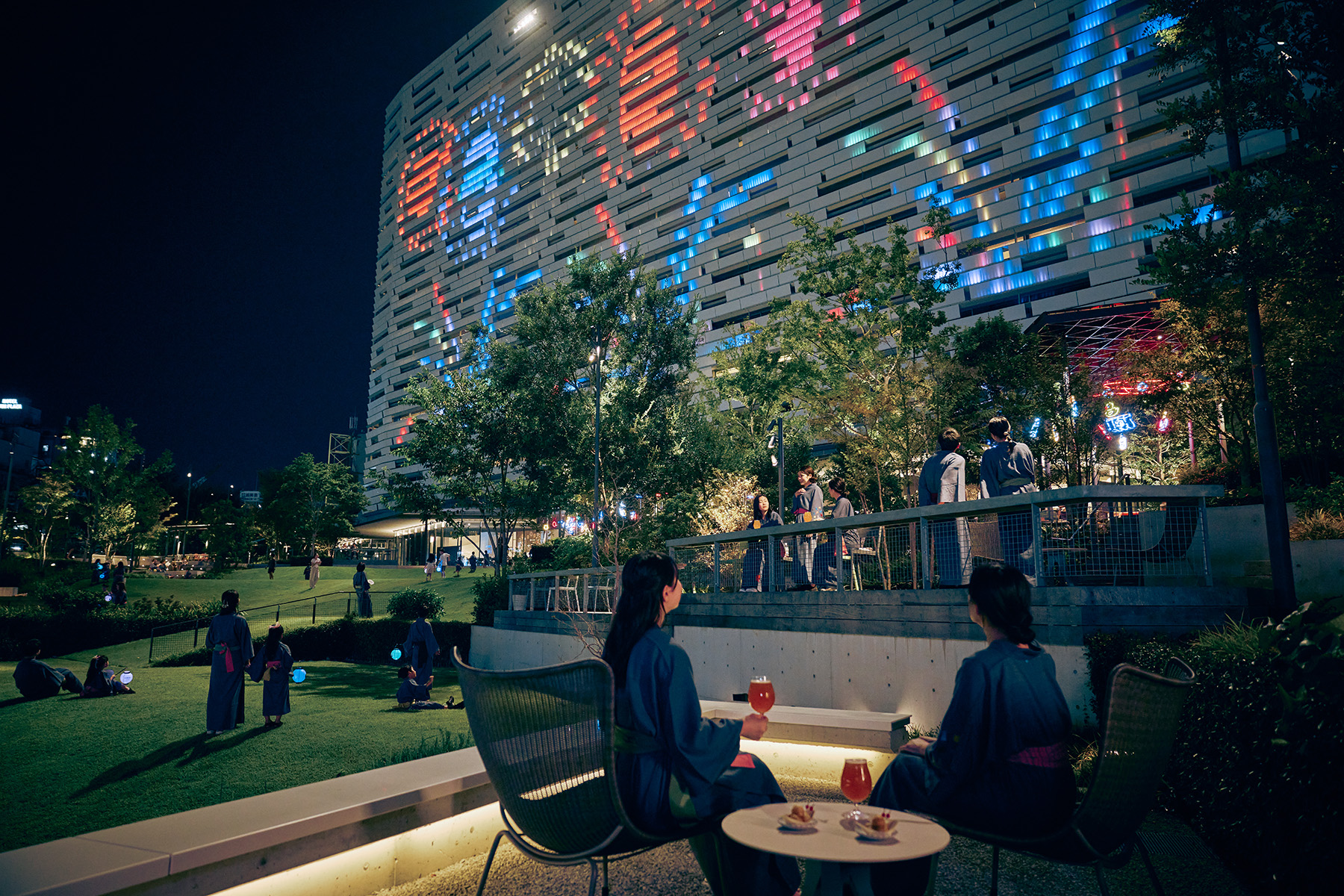
Convenient location near a main tourist spot. The NIWA Bunka when it's so, Experience, can, Experience where even a guided tour and a unique event quiver a heart is filling.


.jpg)
Direction JR/ Nankai Electric Railway They walk from Shin-Imamiya Station, immediately.
- A room charge example
- 1 night, 1 person \12,000-
Hoshino Resorts RISONARE Osaka
The Osaka center and Osaka city
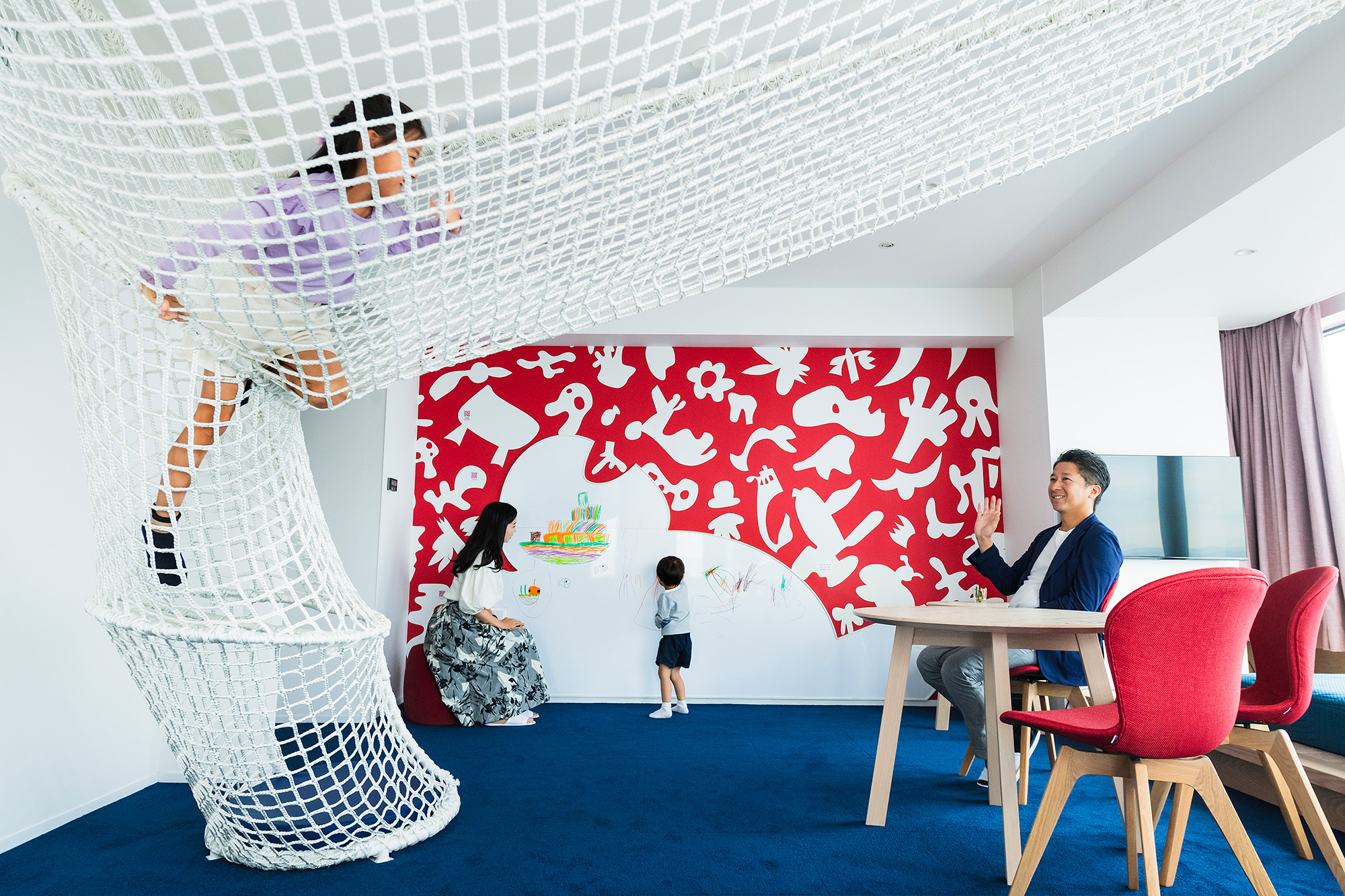
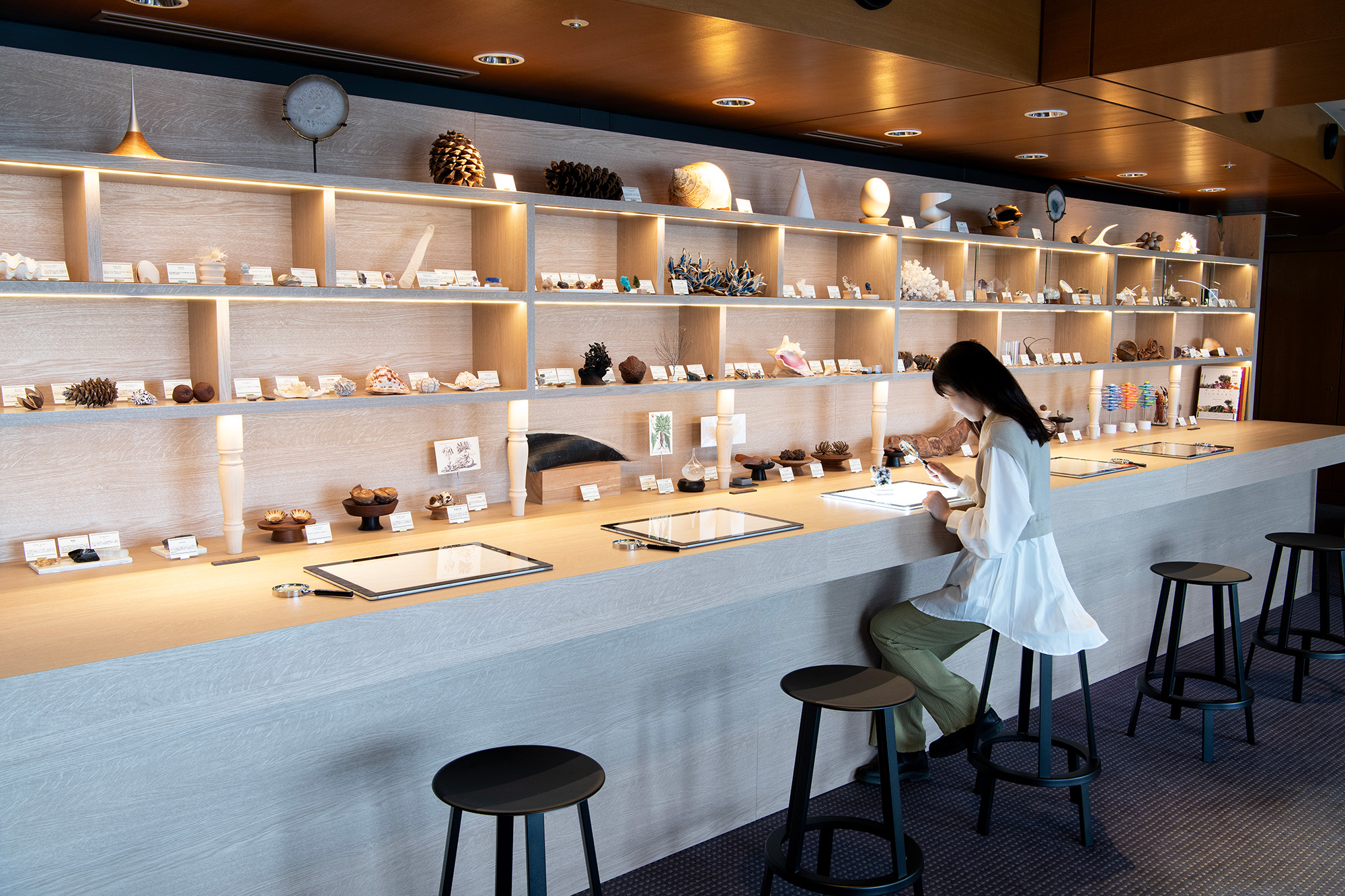
Family resort hotel in the south harbor where you can get a bird's-eye view of Osaka bay. The stay by which the family can enjoy everyone materializes at the atelier where creativity is brought up.


It's a shuttle bus from Direction JROsaka station, about 25 minutes
- A room charge example
- 1 night, 1 person \9,000-
OMO Kansai Airport by Hoshino Resorts
The Osaka center and Izumisano City
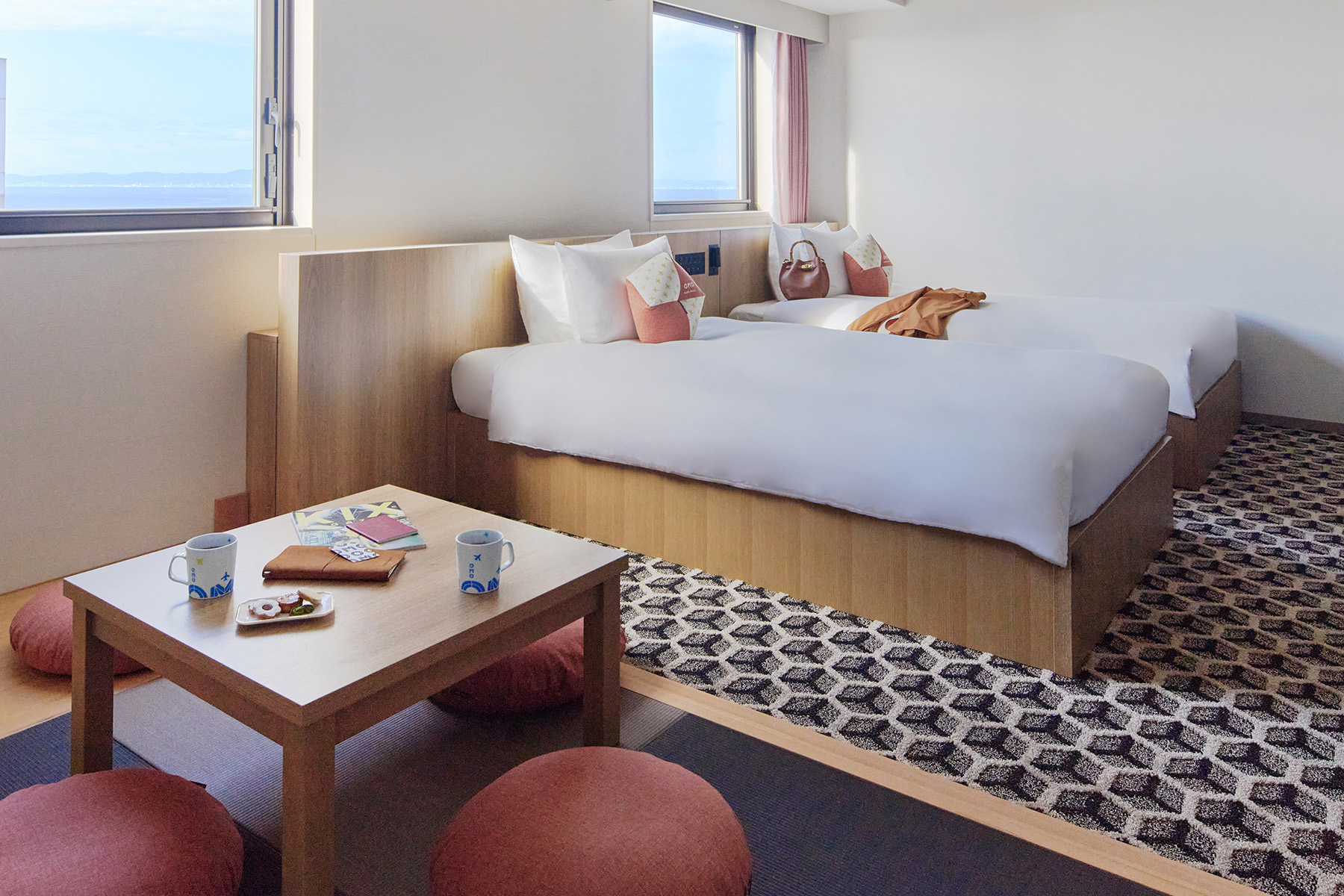
Airport-Hotel of the first OMO brand which stands in Rinku Town Station in 1 station from Kansai International Airport. You can spend between travel happily.

.jpg)
Number 5 of Direction JR/ Nankai Electric Railway Rinku Town Station, from an exit, about 1 minute on foot
- A room charge example
- 1 night, 1 person \4,500-