





8 Sightseeing Spots to Experience Nature, History and Culture in Unzen and Shimabara Area, Nagasaki Prefecture
The Unzen area is located in southeastern Nagasaki Prefecture, on the Shimabara Peninsula, surrounded by three oceans and with Mount Unzen sitting in the center. The Shimabara Peninsula, which is overflowing with hot springs and other volcanic bounties, was recognized as Japan's first "UNESCO World Geopark. In addition to the magnificent nature, Nagasaki has a diverse history and culture that is unique to Nagasaki, which was the only city that was open to foreign countries during the period of national seclusion, and each visit will bring new impressions. We will introduce you to the best spots in the Unzen/Shimabara area, from classic spots to hidden gems, where you can fully enjoy the area.
1Unzen Hell
Experience the vibrancy of the earth through your senses, enveloped by the fumaroles and scents
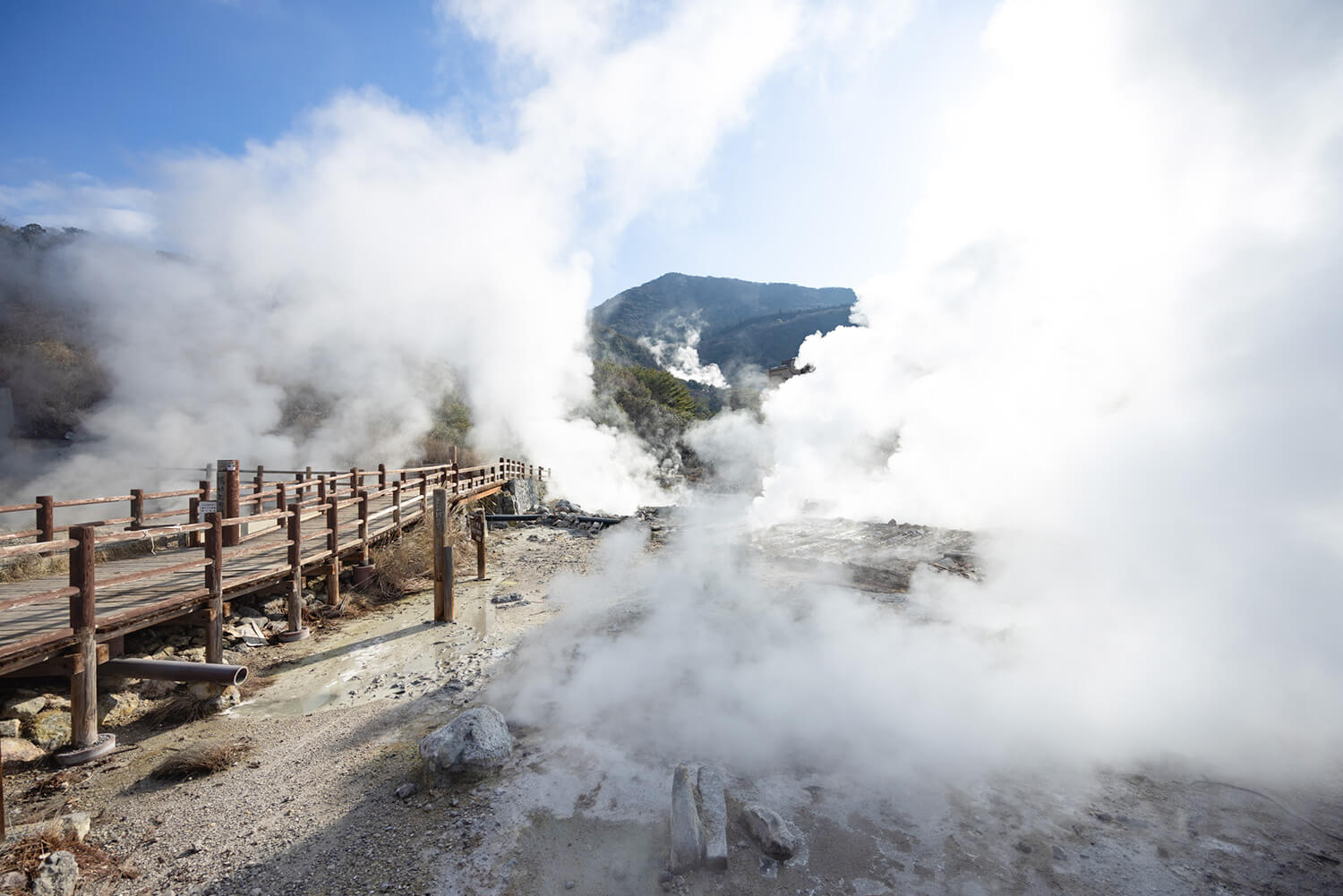
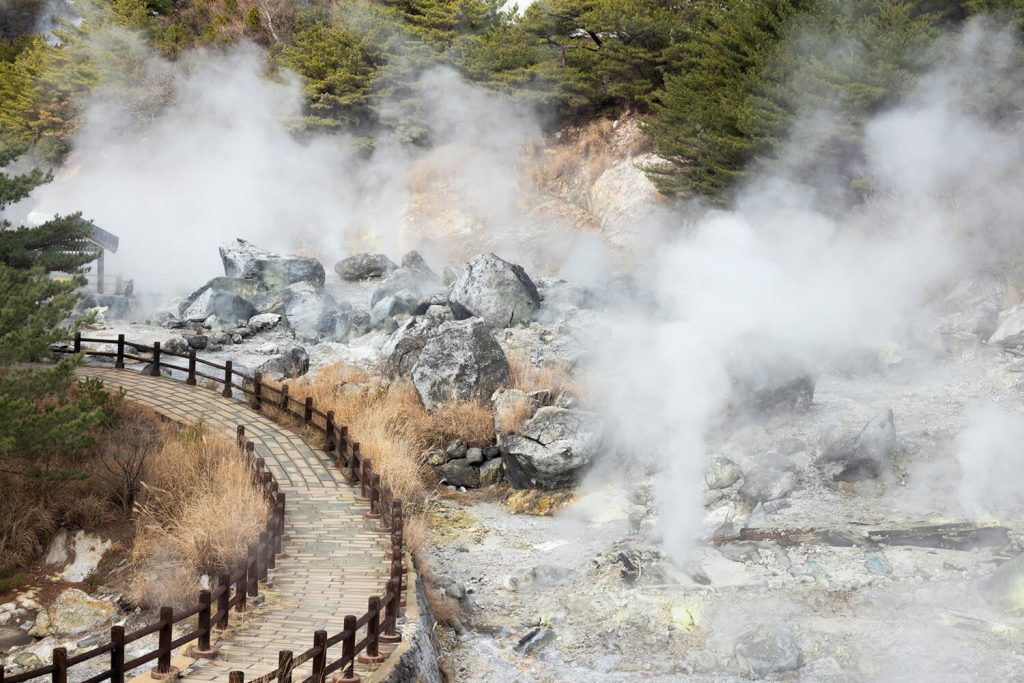
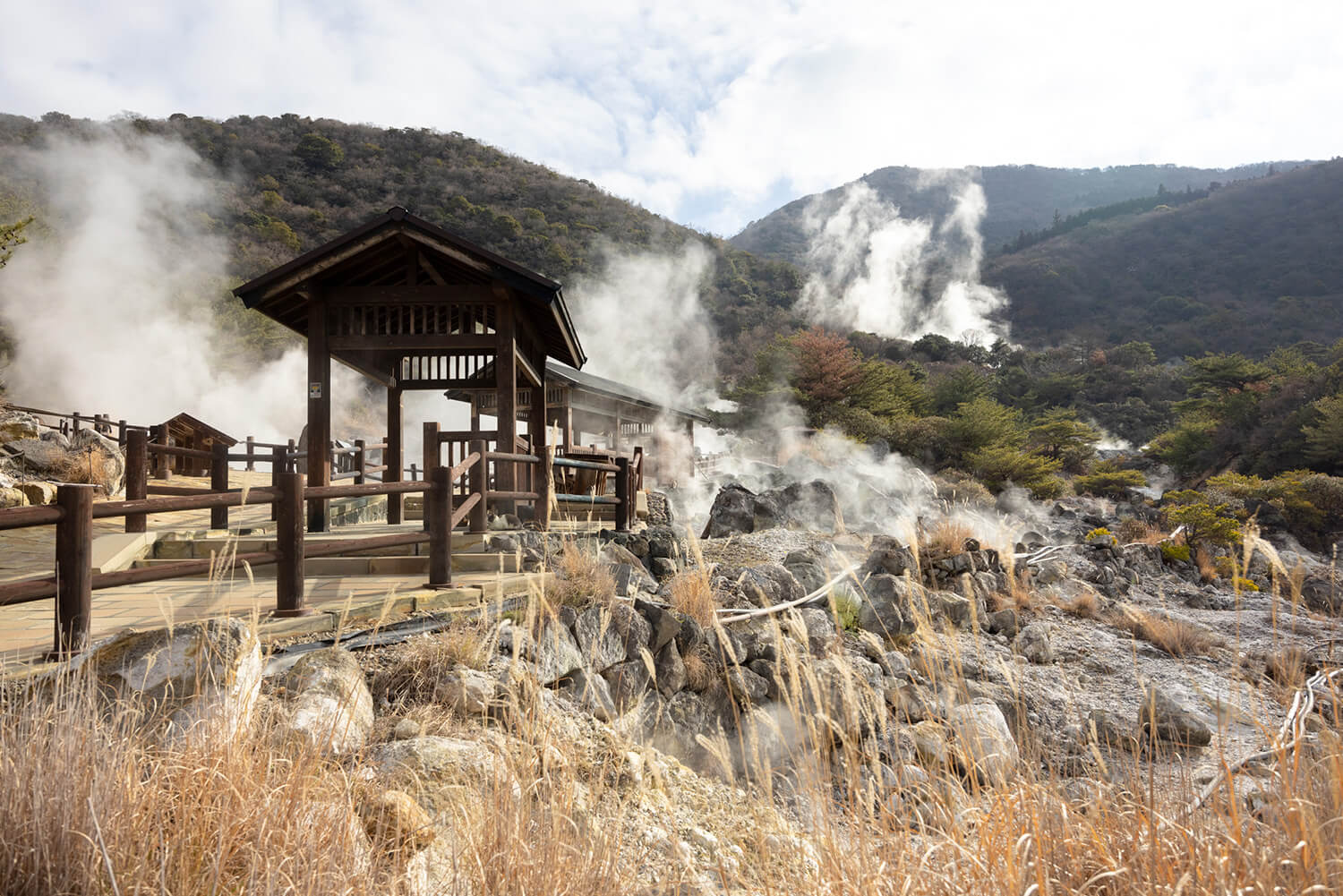
Jigoku" refers to an area covered with hot spring residual soil (clay that has been transformed from rocks). The sight of steam, heat, and the scent of sulfur emanating from the bottom of the earth covering the entire area is truly hell itself.
Unzen Jigoku has about 30 hells of various sizes, including "Daishokumo Jigoku," the most fumarolic, as well as "Oito Jigoku" and "Jakugoku Jigoku," and visitors can enjoy visiting them while experiencing the geothermal heat along a walking trail. It is said that hell itself is still moving through the hot spring resort over thousands of years, and a new hell was discovered in 2020. In addition, the nighttime Hell Tour, when the area is lit up with lights, is fantastic and worth seeing.
Don't miss the hot spring eggs steamed in the steam of hell!

Unzen Jigoku Kobo, located near Oito Jigoku, sells hot spring eggs steamed using steam from the hells. The yolks are rich and the whites are plump, and the steaming is exquisitely done. There is also a "foot steamer" nearby that uses geothermal heat to warm the feet, making it the perfect place to take a break during a stroll through hell.
Unzen Hell is also known as a place of Christian martyrdom, and today a martyrdom monument and a cross stand in the area. Why not experience the history of Unzen as well as the wild and dynamic nature of the earth?

Local Guide
Supporters
Visitors can feel the geothermal heat of Unzen Hell even through the tiles laid out along the promenade. Because of its warmth, it has also become a resting place for local cats, many of whom are relaxing. For cats, it may be a heaven rather than a hell.
- Unzen Hell
-
 320 Unzen, Obama-cho, Unzen, Nagasaki MAP
 About 2 minutes walk from Hoshino Resorts KAI Unzen
 Unzen Jigoku Kobo (Unzen Hell Studio) is open from 10:00 to 16:00.
 No holidays
 Free of charge
 0957-73-3434 (Unzen Hot Spring Tourist Information Center)
 None
None
2Nitatoge (Nita Pass)
Spectacular views in all directions! Enjoy the rich nature of the four seasons from the ropeway
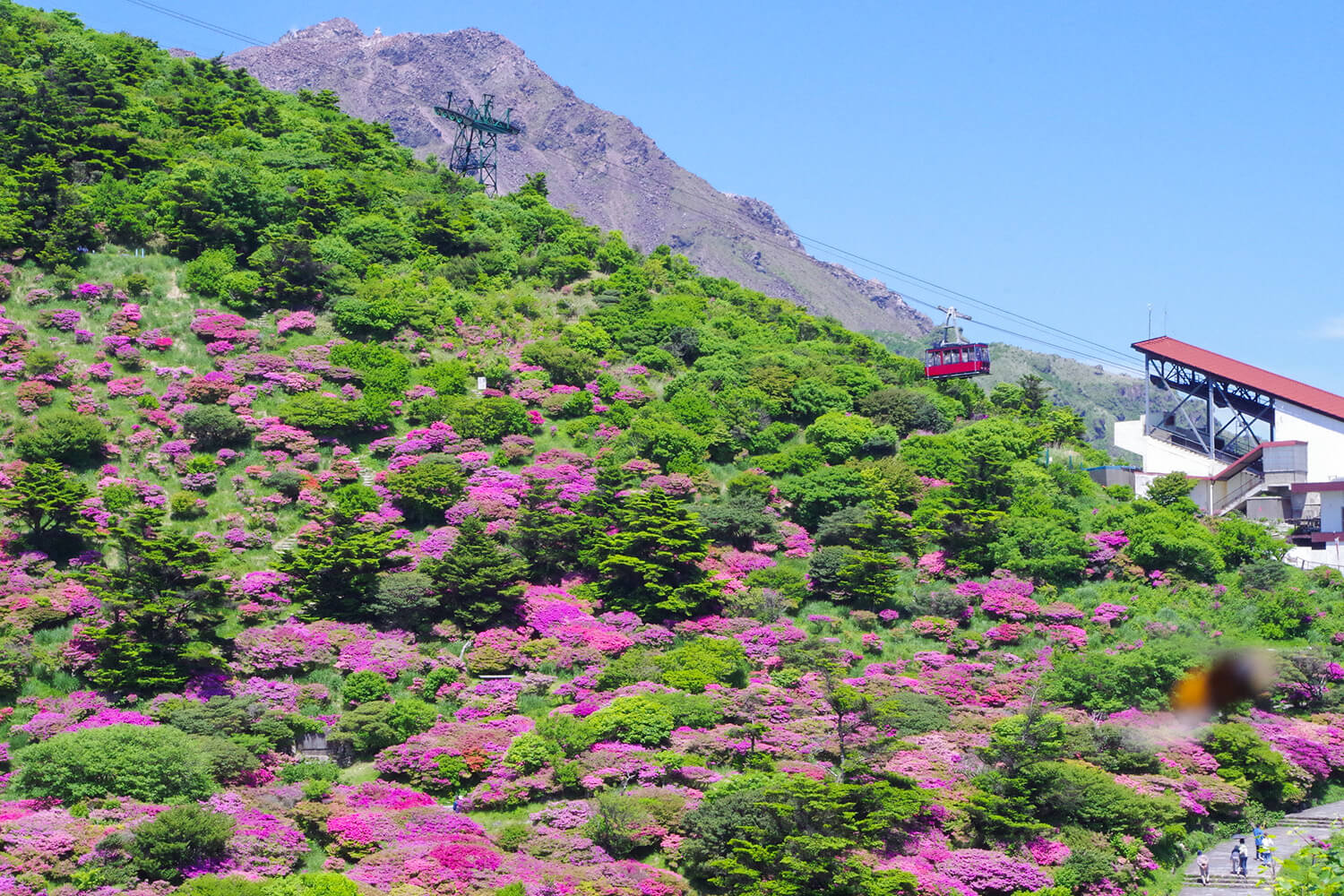
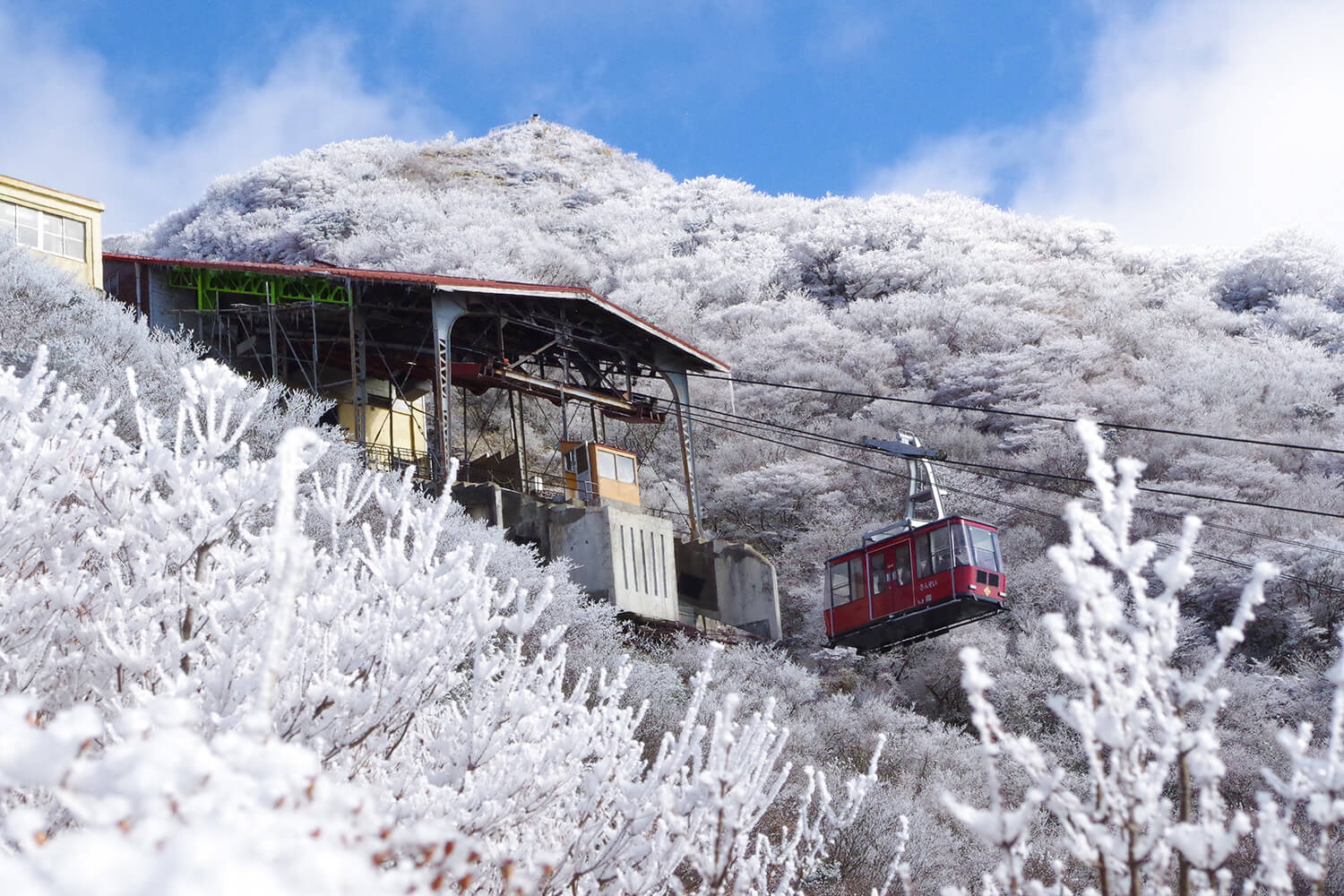
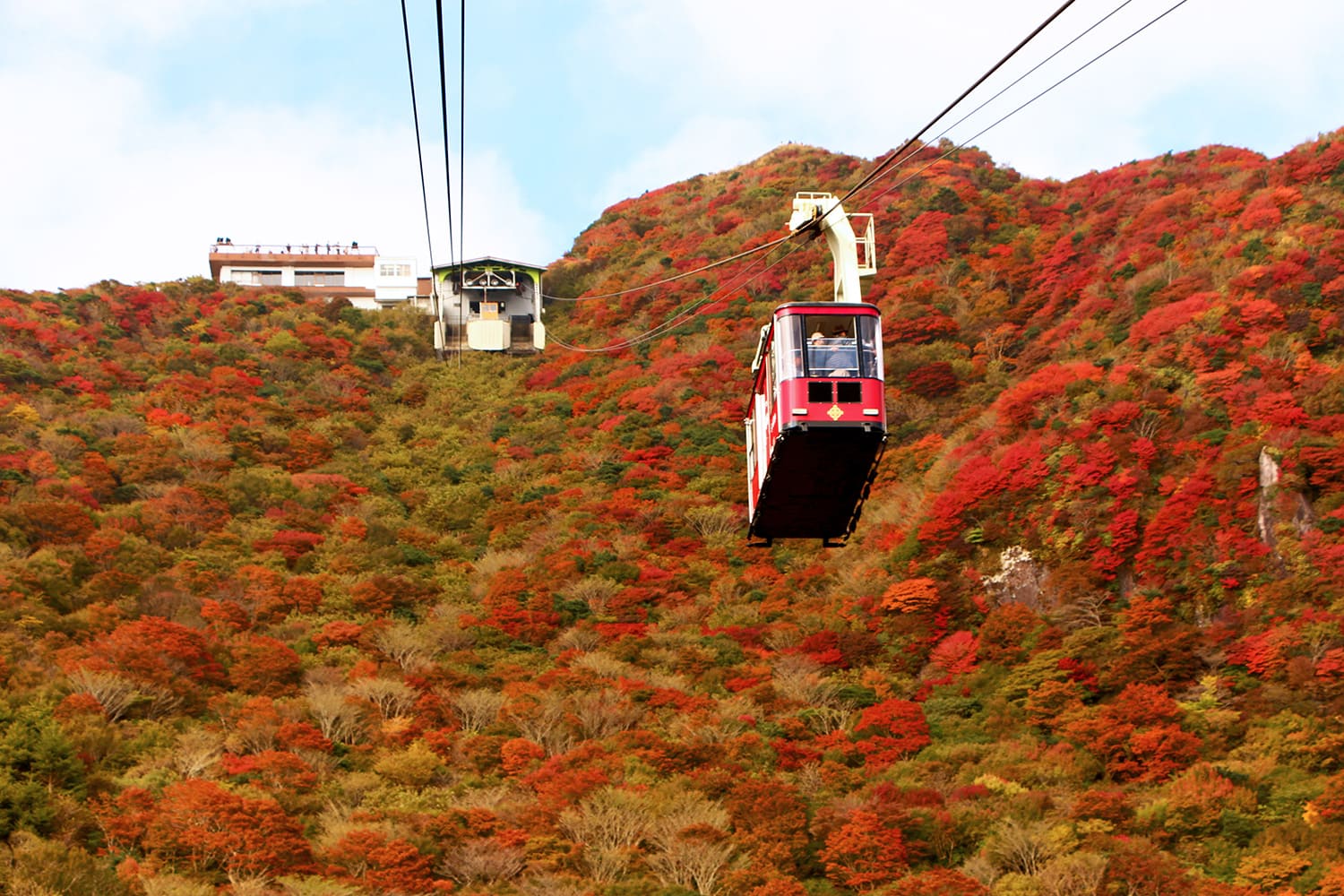
In spring, Miyama-kirishima (a kind of azalea) dyes the mountainsides pink, in summer they are dazzlingly bright green, in autumn the leaves turn bright red, and in winter they are shimmering and glistening with fog ice. Located in the center of the Shimabara Peninsula, Nitagouge offers visitors a variety of seasonal views.
For an easy way to enjoy the spectacular view, we recommend the ropeway, which offers a 360-degree aerial view. The ropeway station is located near the parking lot of the first observatory and leads to the summit of Myokendake. On a fine day from autumn to winter, the Ariake Sea and, if you are lucky, the Amakusa Islands can be seen.
Climbing and driving are also recommended to enjoy nature at your own pace.
Nitatoge is also a popular trekking course. If you wish to try your hand at mountain climbing, it is best to park your car at the parking lot of Ikenohara Park, where the trailheads to Mt. It is also recommended to combine walking and ropeway while consulting with your physical fitness.
The 11.3-km long "Nitatoge Circular Expressway (100-yen environmental cooperation fee)," which is an automobile-only road, runs from the hot spring resort of Unzen, offering a panoramic view of the city of Shimabara, the Ariake Sea, and the mountains of Aso on the opposite shore.
There are many ways to enjoy the area, including ropeways, mountain climbing, and driving. Why not incorporate them into your planning according to your travel style?
Local Guide
Supporters
The autumn foliage season is a particularly busy time of year, with chronic traffic congestion. As a solution to this problem, an advance reservation service for passage on the Nitatoge Circular Road has been in place since 2022. Check the official website of the Unzen Tourism Bureau in advance.
- Nita Pass
-
- 551 Unzen, Obama-cho, Unzen City, Nagasaki MAP
- Approx. 65 min. by car from JR Isahaya Station, approx. 15 min. by car from Hoshino Resorts KAI Unzen
 Take a bus from JR Isahaya Station, get off at "Unzen", and take a cab from Unzen hot spring resort, which is a short walk away.
*From November 1, 2025 to January 4, 2026, a shuttle bus will be operated from Unzen hot spring town to Nitatoge.
For more information on the shuttle bus, please visit https://www.unzen.org/news/nitapass_bus Confirmation required- Ropeway starts at 8:51 a.m. (tickets available from 5:00 p.m. *from 11/1 to 3/31: from 4:50 p.m.)
- In case of inclement weather (service may be suspended due to inspections, etc., check the Unzen Ropeway website) Please check the Unzen Ropeway website for details.)
- Environmental cooperation fee 100 yen and up. Ropeway: 830 yen one way, 1,500 yen round trip
- 0957-73-3572 (Unzen Ropeway), 0957-73-3434 (Unzen Tourism Bureau)
- Free of charge
 Nitatoge Circular Road is open from April to October: 8:00-18:00 (downhill gate locked at 18:45), from November to March: 8:00-17:00 (downhill gate locked at 17:45).
For more information about the Unzen Ropeway, please visit https://unzen-ropeway.com Confirmation required
3Hot Spring (Unzen) Shrine
The head shrine of the "Four-faced Shrine," the general guardian of Kyushu, is located in the hot spring resort area.
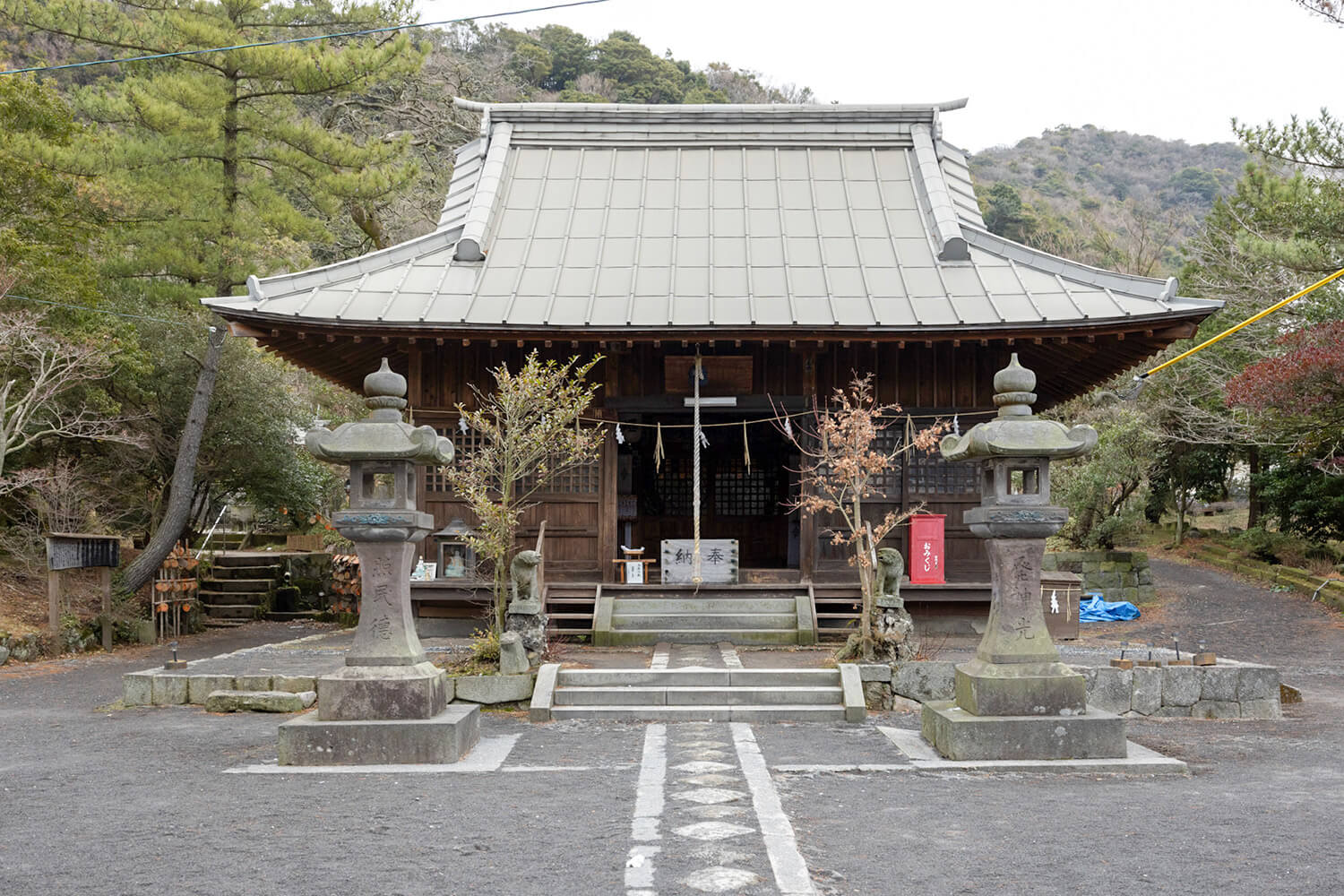
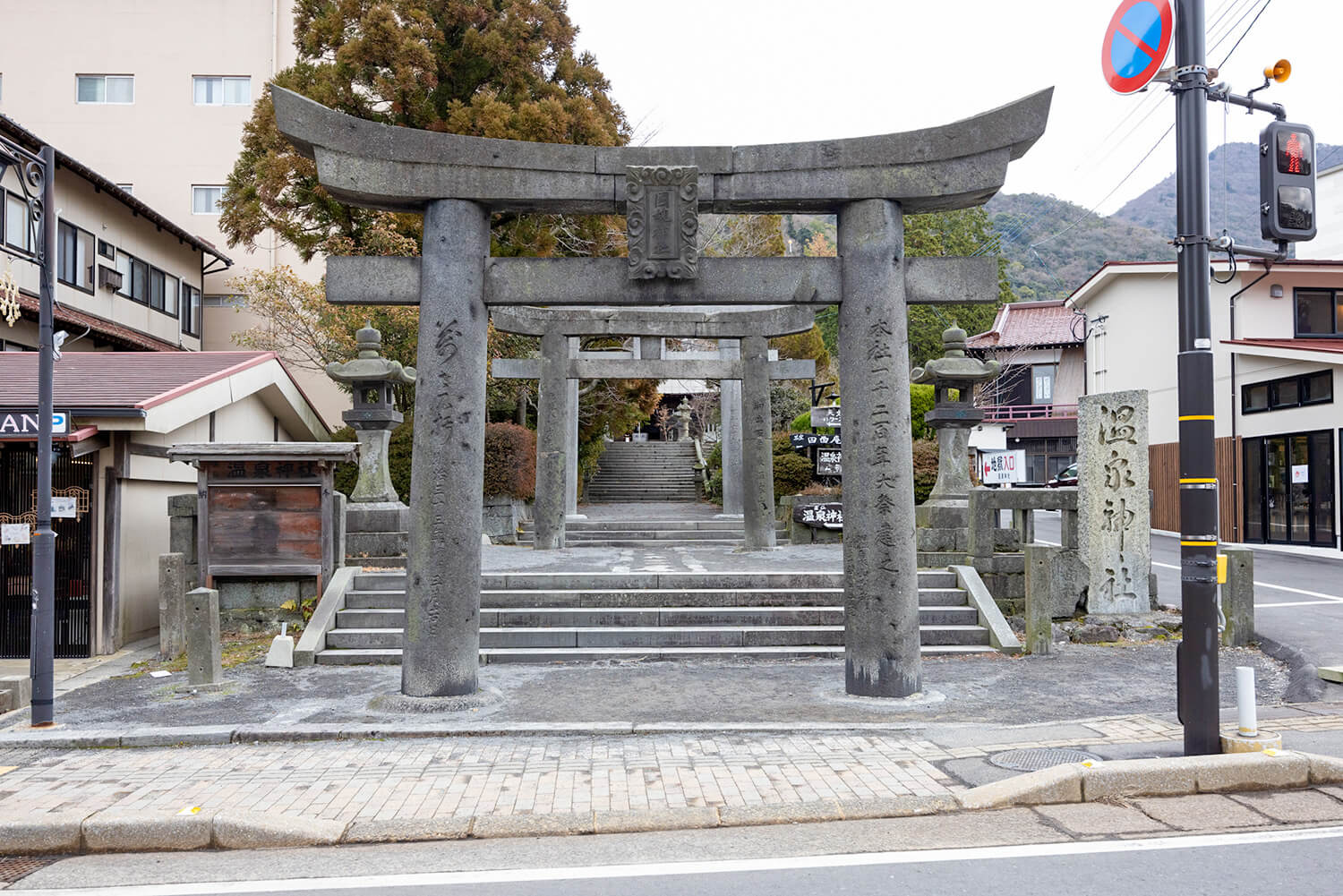
About 1,300 years ago, Emperor Monmu built this shrine to worship the guardian god of Kyushu. It is read as "Unzen-jinja" (meaning "hot spring") due to the history of the word "hot spring" which was once written and pronounced "unzen" (meaning "in spring").
Prior to the Meiji period (1868-1912) when the Shinto and Buddhist Separation Order was issued, the shrine bore the name "Shimengu" and is still known locally as "Oshimen-san" today. It is said that there are now more than 25 shrines in the Shimabara Peninsula, and the head shrine is located in the hot spring resort of Unzen.
In the precincts of the shrine, there are "husband and wife persimmons" that bring good luck for love and prosperity of offspring.

There are various sights to see within the shrine grounds. Among them, many worshippers come to see the "husband and wife persimmon trees," two persimmon trees that stand quietly by the side of the shrine building. They are believed to bring good luck for love and prosperity of offspring, and their location next to the Unzen Hell attracts many visitors who come to pray during their stroll through the hot spring resort.
There is also a "Happy Spring" with a heart-shaped stone, a "Shimentei" rest area, and a "Yomo-an" where you can enjoy a cup of tea. A stroll after visiting the shrine is sure to be an enjoyable experience.
Local Guide
Supporters
Located right next to Unzen Hell, the temple grounds even have the smell of sulfur in the air. The quiet precincts, a far cry from the hustle and bustle of the city, will calm your body and mind. Be sure to stop by on your way to explore the hot spring resort.
- Hot Spring Shrine
-
- 319 Unzen, Obama-cho, Unzen City, Nagasaki MAP
- Approximately 1 minute walk from Hoshino Resorts KAI Unzen
- Free to visit
- No holidays
- Free of charge
- 0957-73-3533
- Free of charge
4Chijiwa Beach
A panoramic view of the Fugendake Mountains. Admire the scenic coastline.
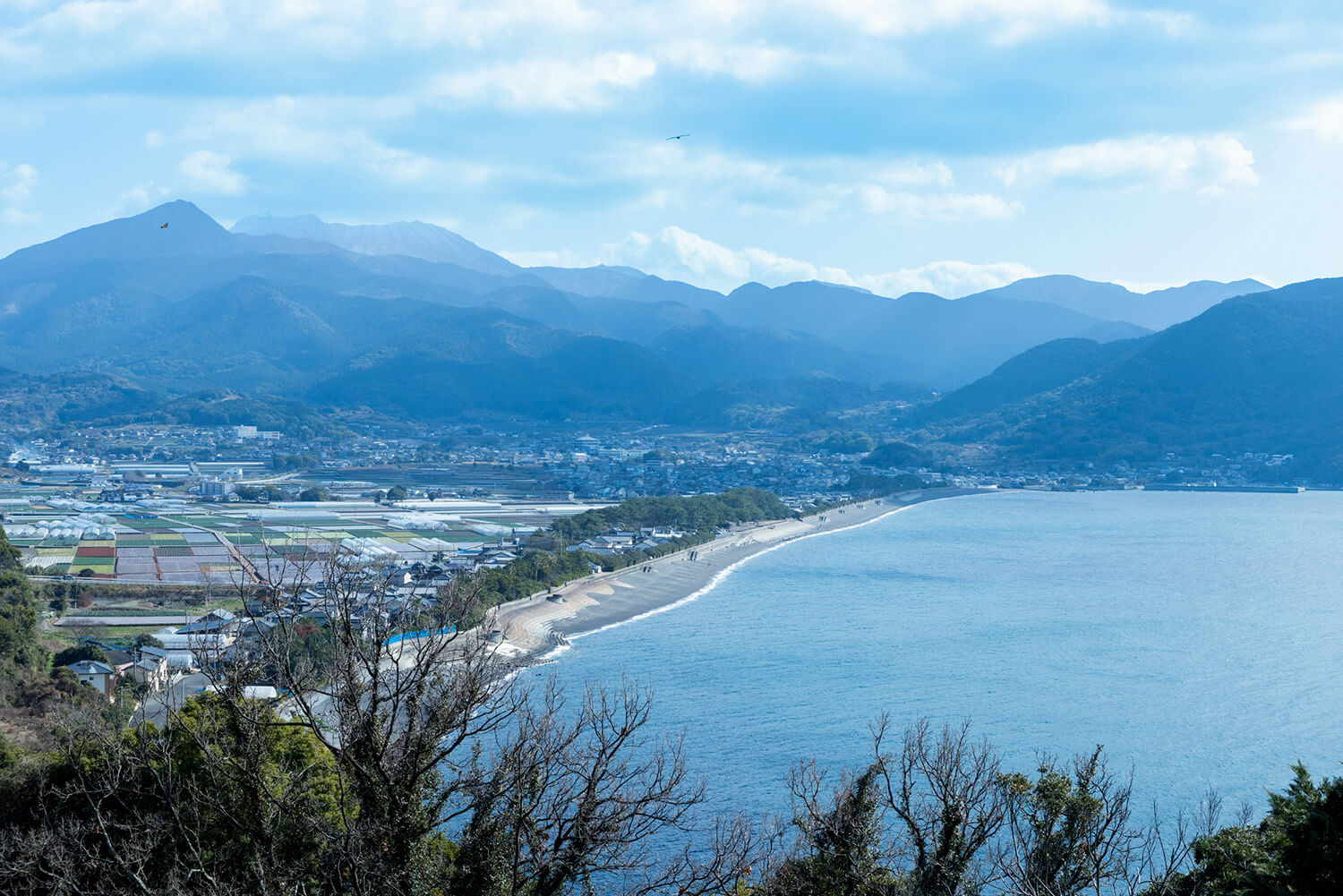
The coastline along Tachibana Bay has been selected as one of the "100 Best Natural Beauties in Japan" by the Forestry Culture Association and the Asahi Shimbun in 1982. The coastline stretches in an arch for about 2 km, and its beautiful natural terrain can be seen from the Chijiishi Observatory below. Just gazing at the scenic view will make you feel liberated and lose track of time.
You can also see the Chidaishi Fault, a highlight of the Shimabara Peninsula UNESCO World Geopark. The SENGAISHI Fault is an active fault that is still subsiding at a rate of about 1.5 mm per year. It is also a place where visitors can feel the dynamism of the earth brought about by an active volcano.
Ebisu-sama, the guardian god of the sea, enshrined on the sea
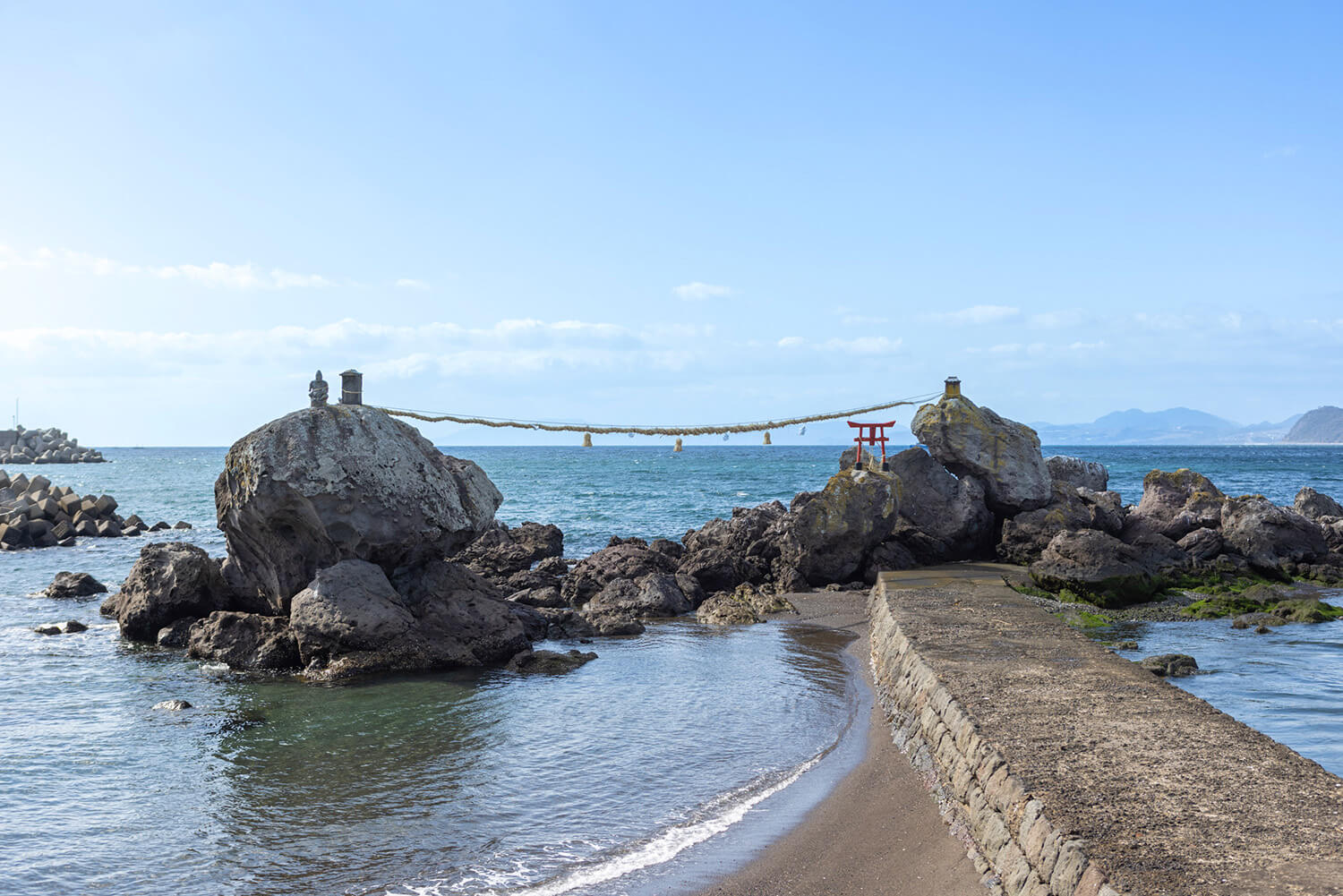
Fukushi Park" appears as you walk south along the coastline from the Sengokuishi Observatory. There are two large rocks here, one enshrining Ebisu-sama as a guardian deity of the sea, and the other a small torii gate and shrine. The appearance of the two rocks with the sea in the background is very mysterious. Why not visit to see Ebisu-sama, who wishes for prosperous business and good fortune?
The beauty of the beach at sunset, when the sky turns from blue to orange, is also exceptional. You can enjoy a romantic atmosphere different from that of the daytime.
Local Guide
Supporters
Currently, the beach at Chijiishi Beach is closed to swimming due to the ebb and flow of the tide, but new activities such as paragliding and sea kayaking are scheduled to be available from the spring of 2024.
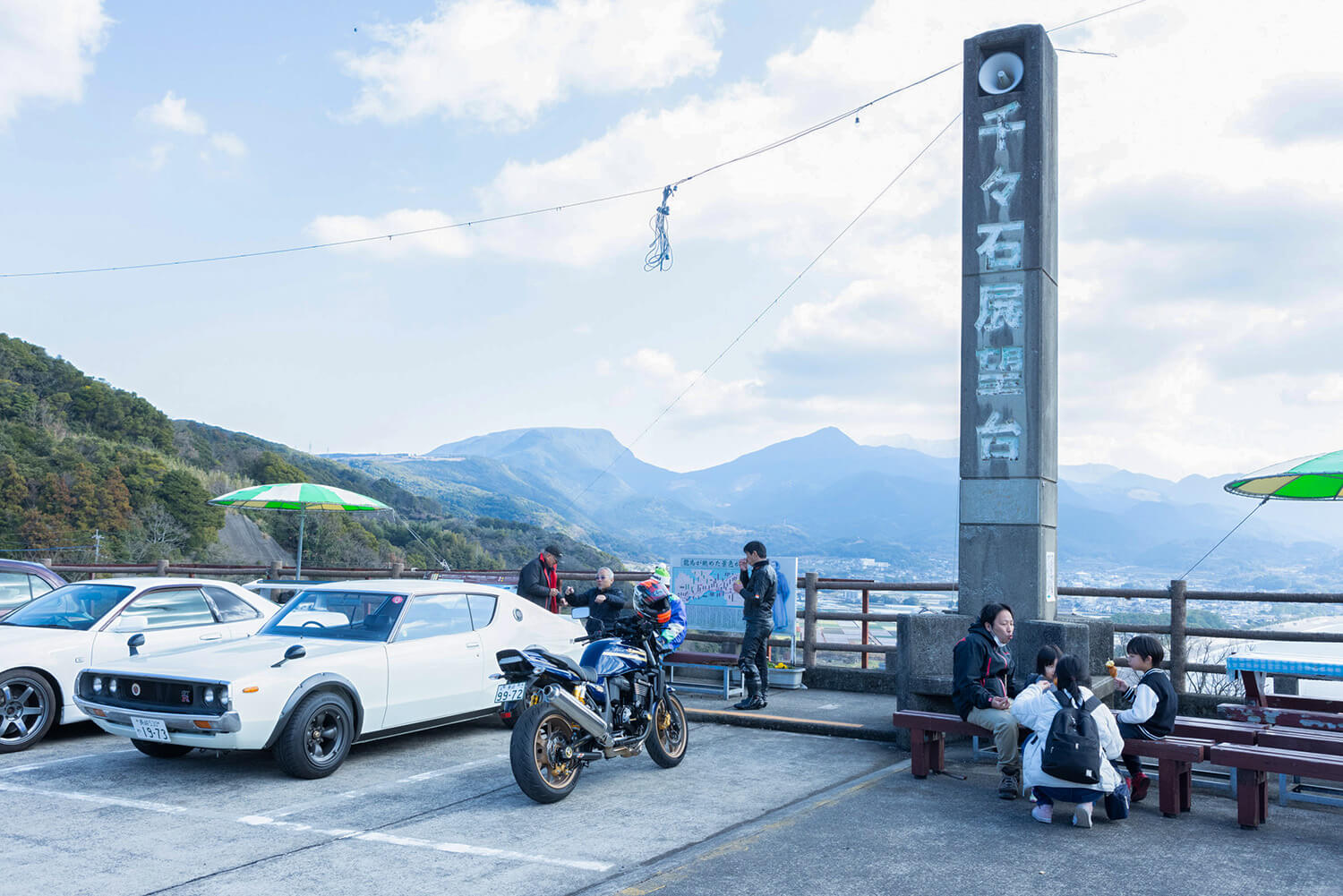
- Chizashi Beach
-
- Chijiishi Town, Unzen City, Nagasaki Prefecture MAP
- 22 minutes by car from Hoshino Resorts KAI Unzen
- 0957-73-3434 (Unzen Hot Spring Tourist Information Center)
- Free of charge (use the SENZAISHI Observation Deck)
5Unzen Bead Art Museum
Gorgeous and gorgeous glass works are a sight to behold.
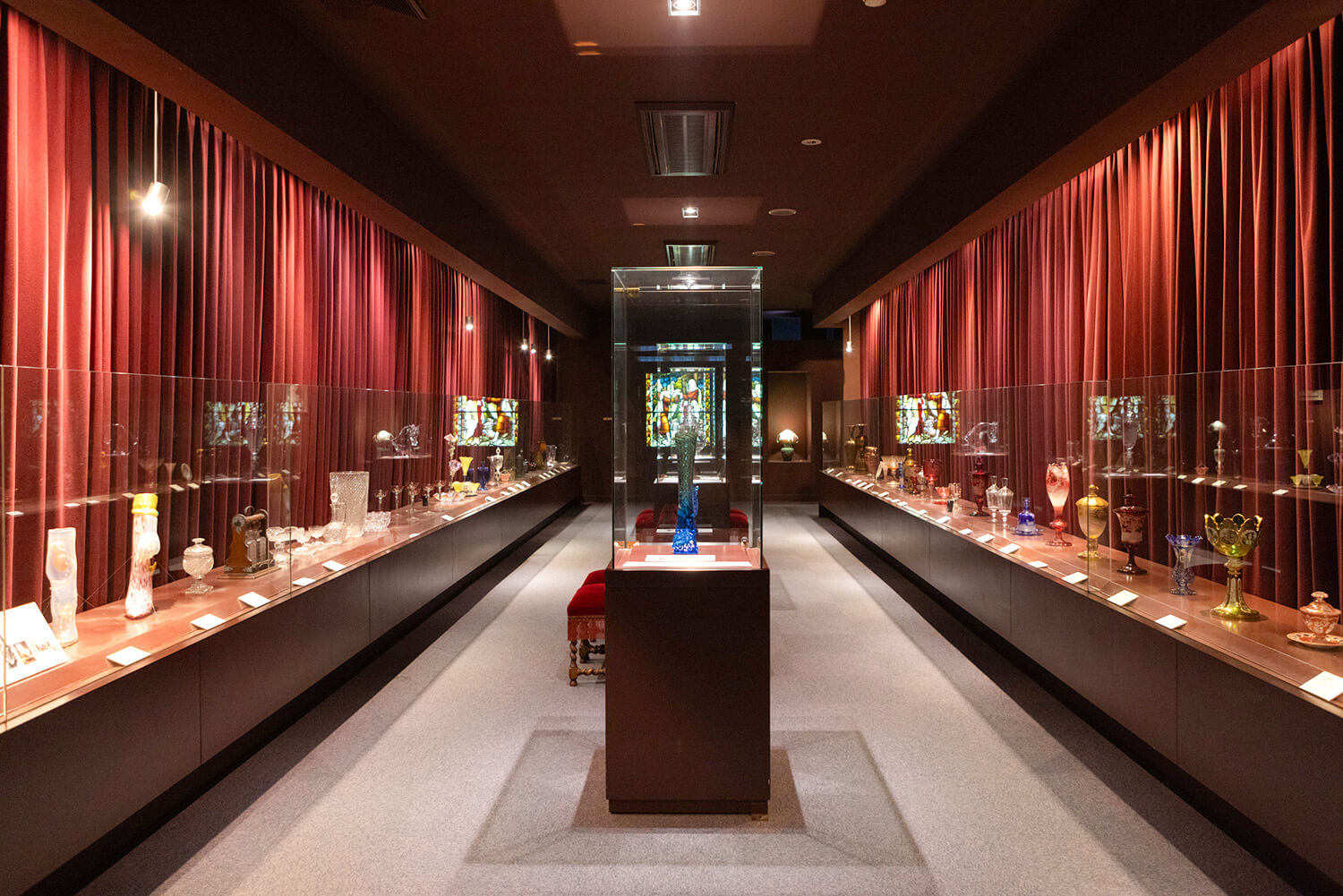
Nagasaki is said to be the birthplace of Japanese modern glass. During the period of national isolation, glass brought to Nagasaki from Portugal was called "beadlo," which means glass in Portuguese, and was highly prized.
The Unzen Beadlo Museum has a collection of about 300 pieces, including blown glass from the Edo period, Bohemian glass from the 19th century, and oil lamps. The glittering exhibits are all so beautiful that they are hard to resist admiring. Each piece is displayed in an easy-to-understand manner, with each period and country represented separately, allowing visitors to appreciate them at their leisure.
High-color and modern. Introduces the history and culture of Unzen in the past.
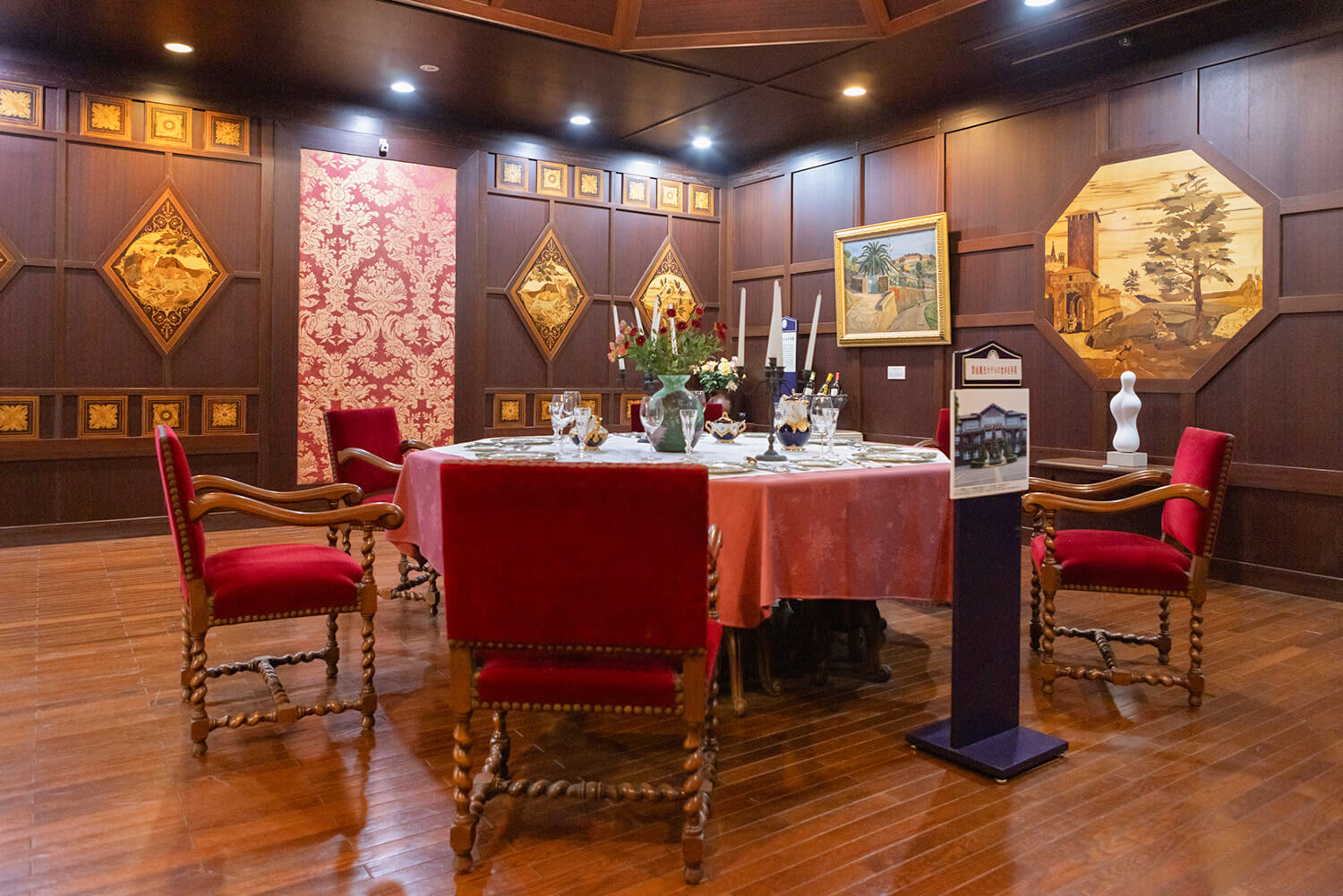
Unzen was a popular summer resort for foreigners from the Meiji period (1868-1912) to the early Showa period (1926-1989). There is also an exhibition room that reproduces the table settings of the "Unzen Kanko Hotel," a wooden hotel that was built at that time and still exists. There are many valuable artworks and materials, such as photographs of the Western-style hotel standing in a row and the luxurious tableware used in those days. The history of the cosmopolitan city of Unzen is conveyed to the present day.
The museum also has an extensive collection of ceramics, lacquerware, and paintings. Seasonal exhibitions are also held. The museum also features solo exhibitions of local and up-and-coming artists, making it a museum well worth seeing.
Local Guide
Supporters
The museum is filled with works of art that tell a story and history, and offer visitors not only the beauty of glass, but also a rich sense of culture and art. The museum is quiet and relaxing, allowing visitors to appreciate the works to their heart's content.
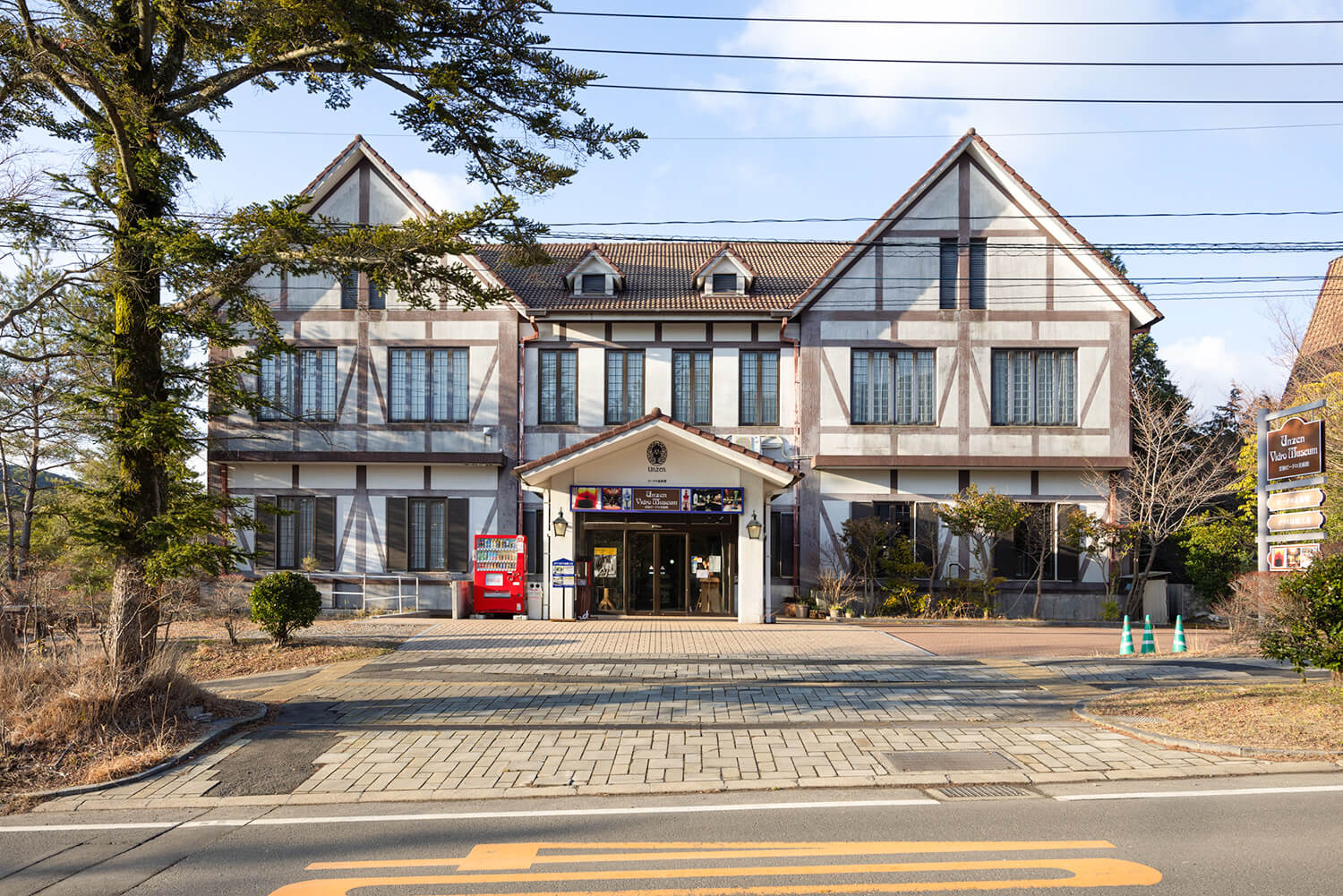
- Unzen Bead Art Museum
-
- 320 Unzen, Obama-cho, Unzen City, Nagasaki MAP
- Approximately 7 minutes on foot from Hoshino Resorts KAI Unzen
- 9:30 - 17:00 (varies according to the season)
- Wednesdays, Year-end and New Year holidays
- Adults 700 yen, Junior and senior high school students 500 yen, Elementary school students 300 yen, Free for infants
Glass-making Experience: 1,700 yen and up (varies according to the menu) - 0957-73-3133
- Free of charge
- Glass-making Experience is available on the day of your visit. Reservations are accepted on a first-come, first-served basis (by phone).
6Iwato Shrine, Iwato Suijin
It is like another world. A mysterious shrine in a cave in the forest
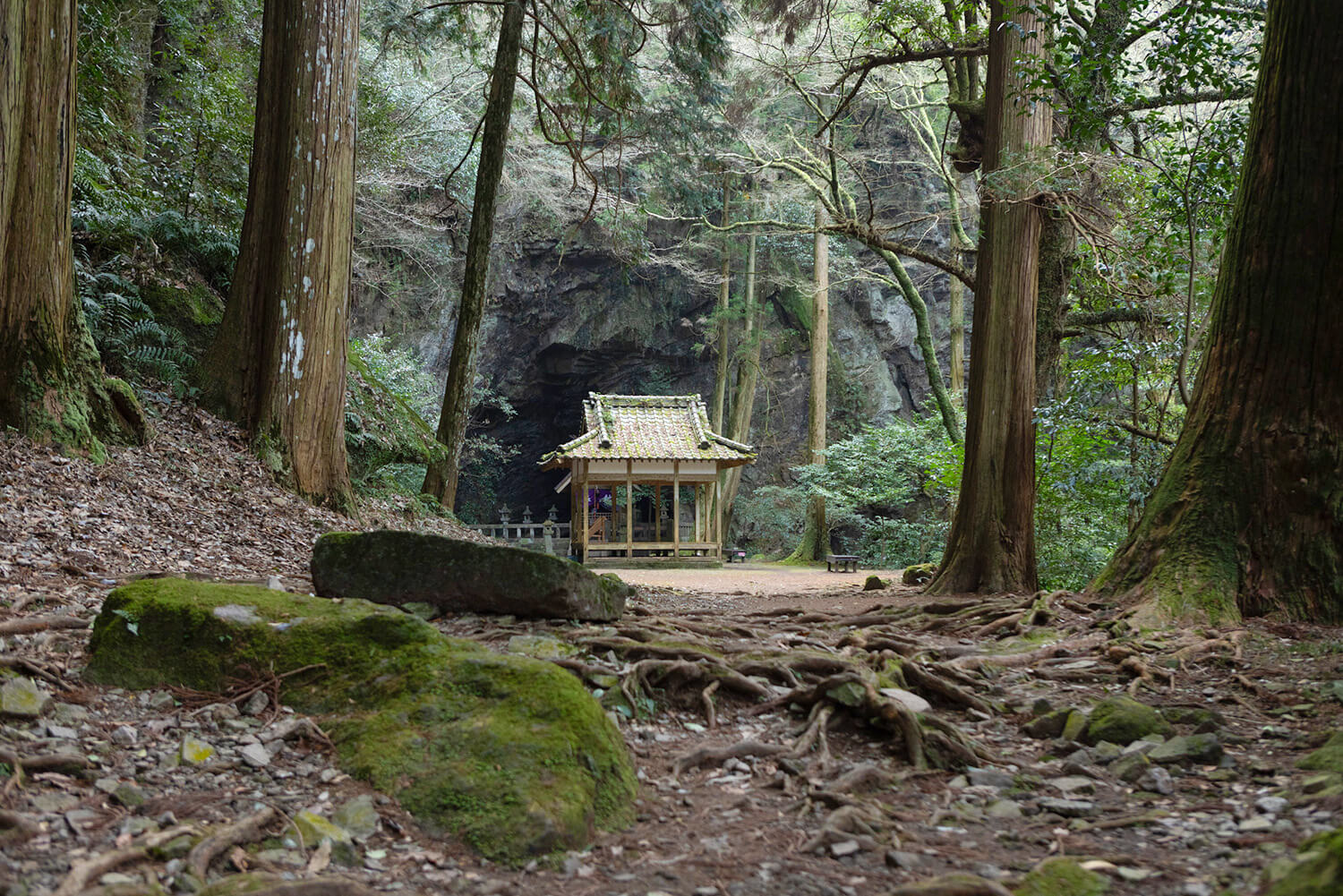
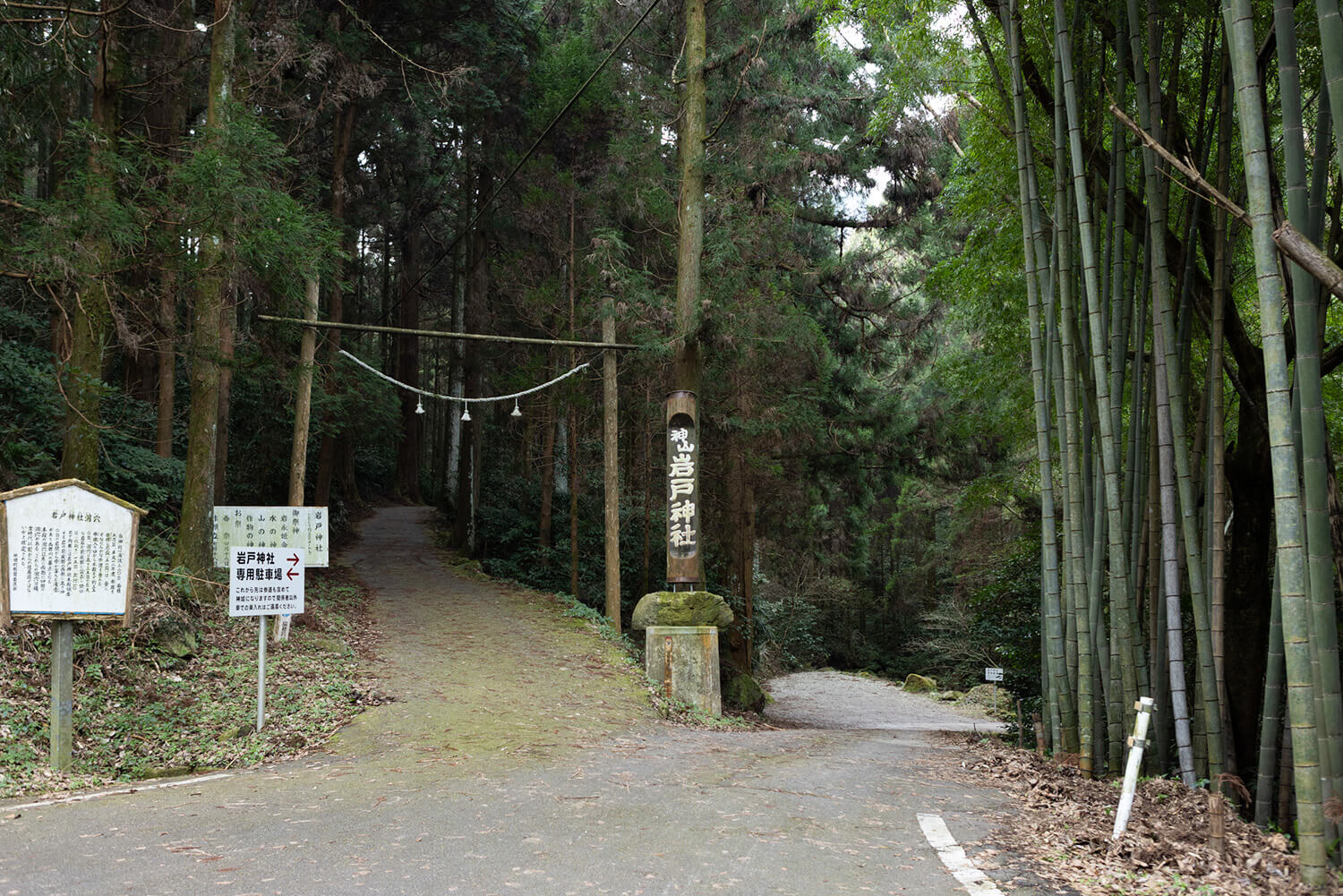
The museum is located in a rich natural setting with a forest of cedar and cypress trees more than 400 years old. The main shrine is located in front of a huge rock cave, and the rock cave itself is said to be the shrine's sacred body. Passing through the Ichino-torii (first torii gate), one feels as if he or she has entered another world. The approach to the shrine, surrounded by moss-covered rocks and towering trees, is very spiritual. Many people are drawn by the atmosphere and visit the shrine to pray.
It is about a 5-minute walk to the main shrine. There are stairs and slopes in some places, but there are also unpaved paths with bare tree roots. It is recommended to wear comfortable walking shoes such as sneakers.
The natural blessings from Mt. Unzen that gush forth from the mountain.
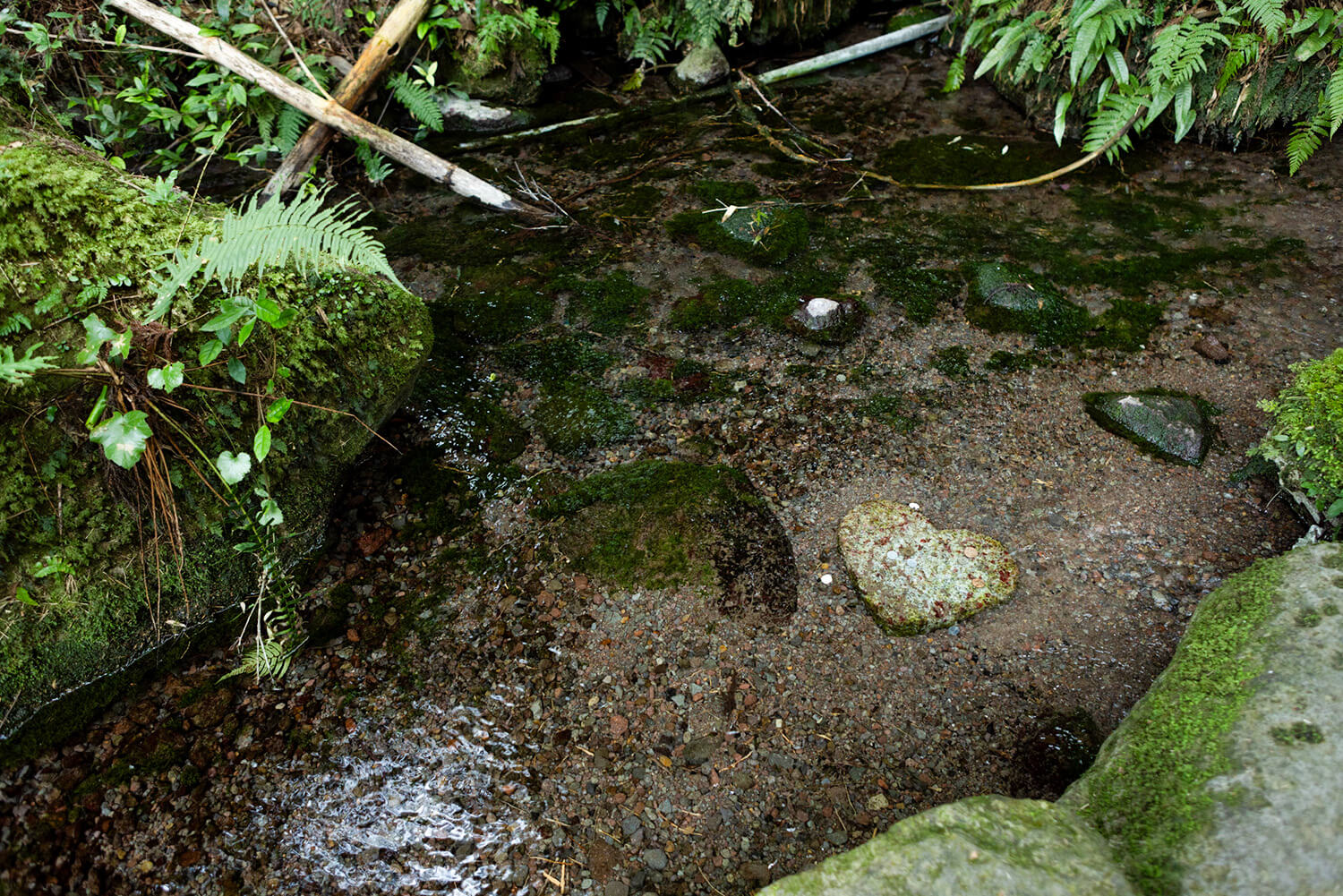
To the west of the main shrine is a small waterfall basin, which is said to be one of the sources of the Saigogawa River, a clear stream that flows through Unzen. This entire area is a water source forest.
Furthermore, near the entrance of the approach to the shrine, there is a place to draw water from the Iwato Suijin (Iwato Water God). The water from the blessings of Mt. Unzen bubbles up and is so clear that the bottom of the river can be clearly seen. Locals often use this place to draw water directly from the river.
Iwato Shrine is surrounded by a sacred air, and the entire area is a Shinto sanctuary. Time spent in the embrace of the silent forest will be the highlight of your trip.
Local Guide
Supporters
The day after it rains, the trees are moist and wet, and the amount of water increases, creating an even more mysterious atmosphere. However, since the footing is likely to be slippery on rainy days, it is recommended to consult with the weather before visiting.
- Iwato Shrine, Iwato Water God
-
- 2322 Nishigo-cho, Mizuho-cho, Unzen City, Nagasaki MAP
- Approximately 24 minutes from Hoshino Resorts KAI Unzen by car
- Free to visit
- No holidays
- Free of charge
- 0957-38-3111 (Unzen City Tourism and Product Division)
- Free of charge
7Hara Castle Ruins
Registered as a World Heritage Site. The place where the "Shimabara-Amakusa Revolt" ended.
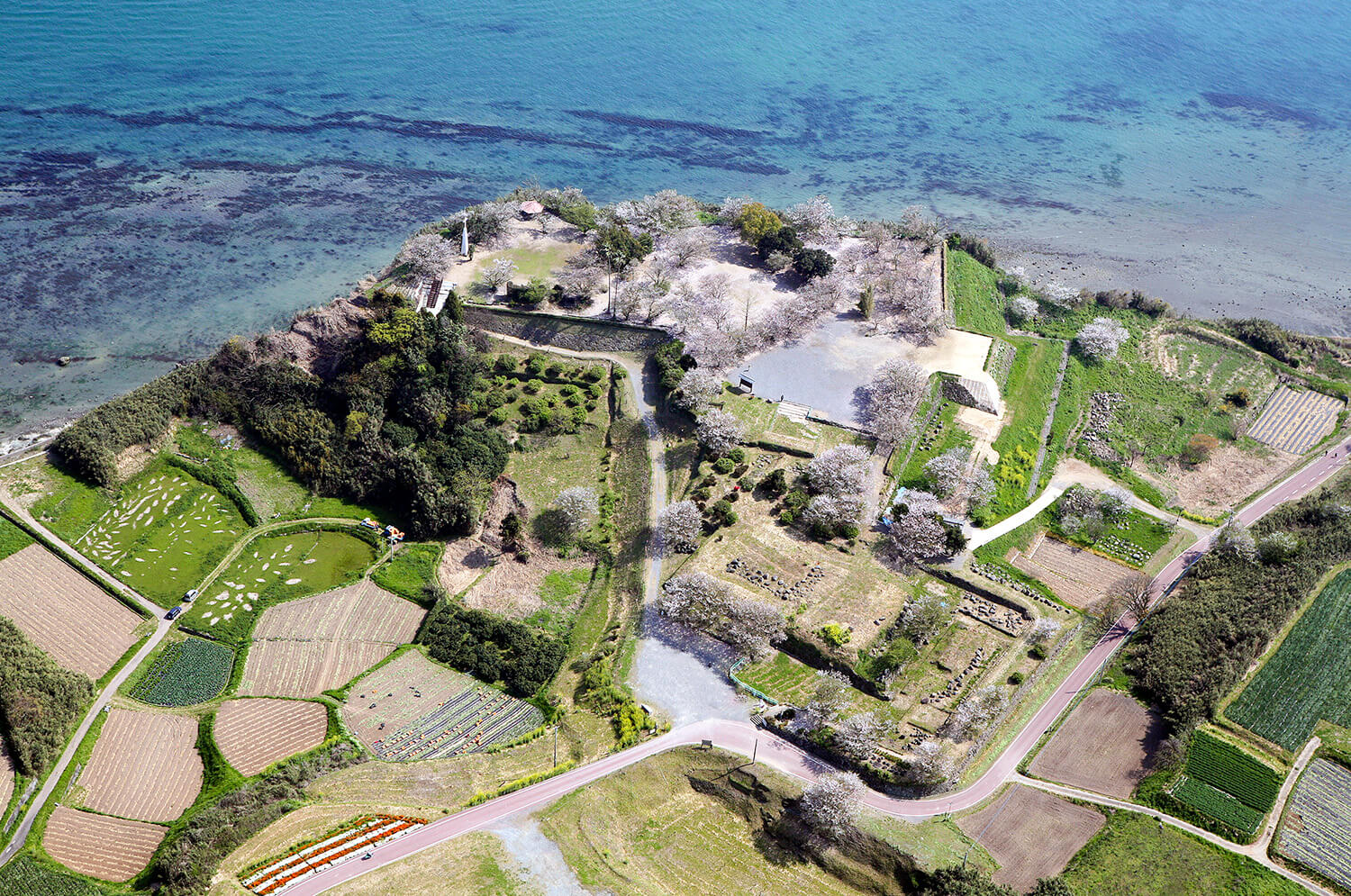
The castle ruins were the main battleground of the Shimabara-Amakusa Revolt (Shimabara Rebellion) that broke out in 1637. Amakusa Shiro, who was only 16 years old at the time, along with 37,000 other local residents, holed up in Hara Castle to resist the Shogunate's policies, including the suppression of Christianity. After about three months, the revolt forces were defeated and the castle was thoroughly destroyed by the Shogunate forces. As a result, Hara Castle has completely disappeared from its original appearance.
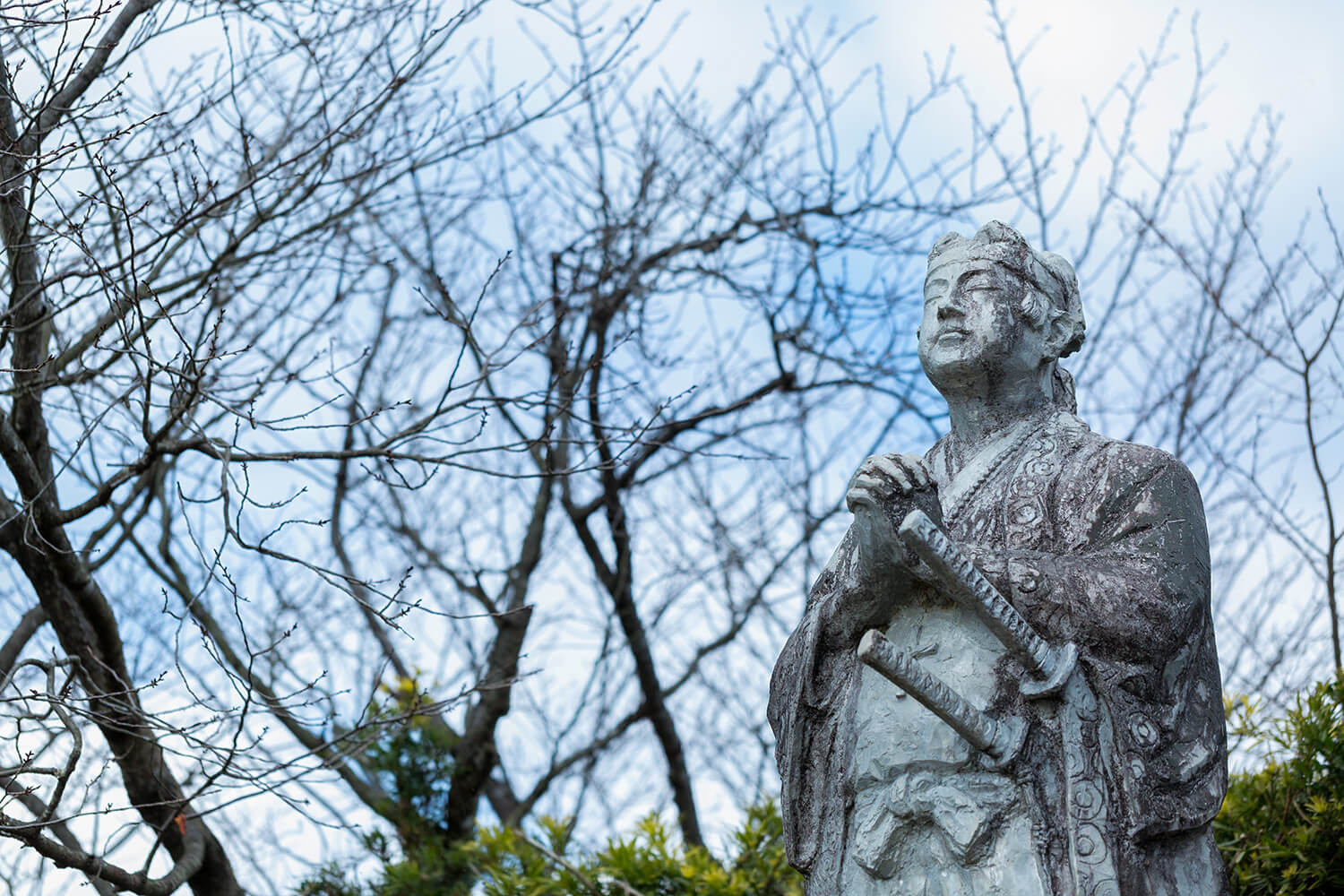
Today, only the ruins of the castle remain, but a statue of Shiro Amakusa praying and the grave of Shiro Shiro are located within the ruins of the castle, conveying the sad history of those days to the present.
An overwhelming sense of openness with a view of the islands of Amakusa on the other side of the river.
Hara Castle was built on a hill with a circumference of approximately 4 km and surrounded on three sides by the Ariake Sea, and was feared to be an impregnable natural fortress. Although there is no trace of the castle, the view of Amakusa on the other side of the sea is surely the same as it was then.
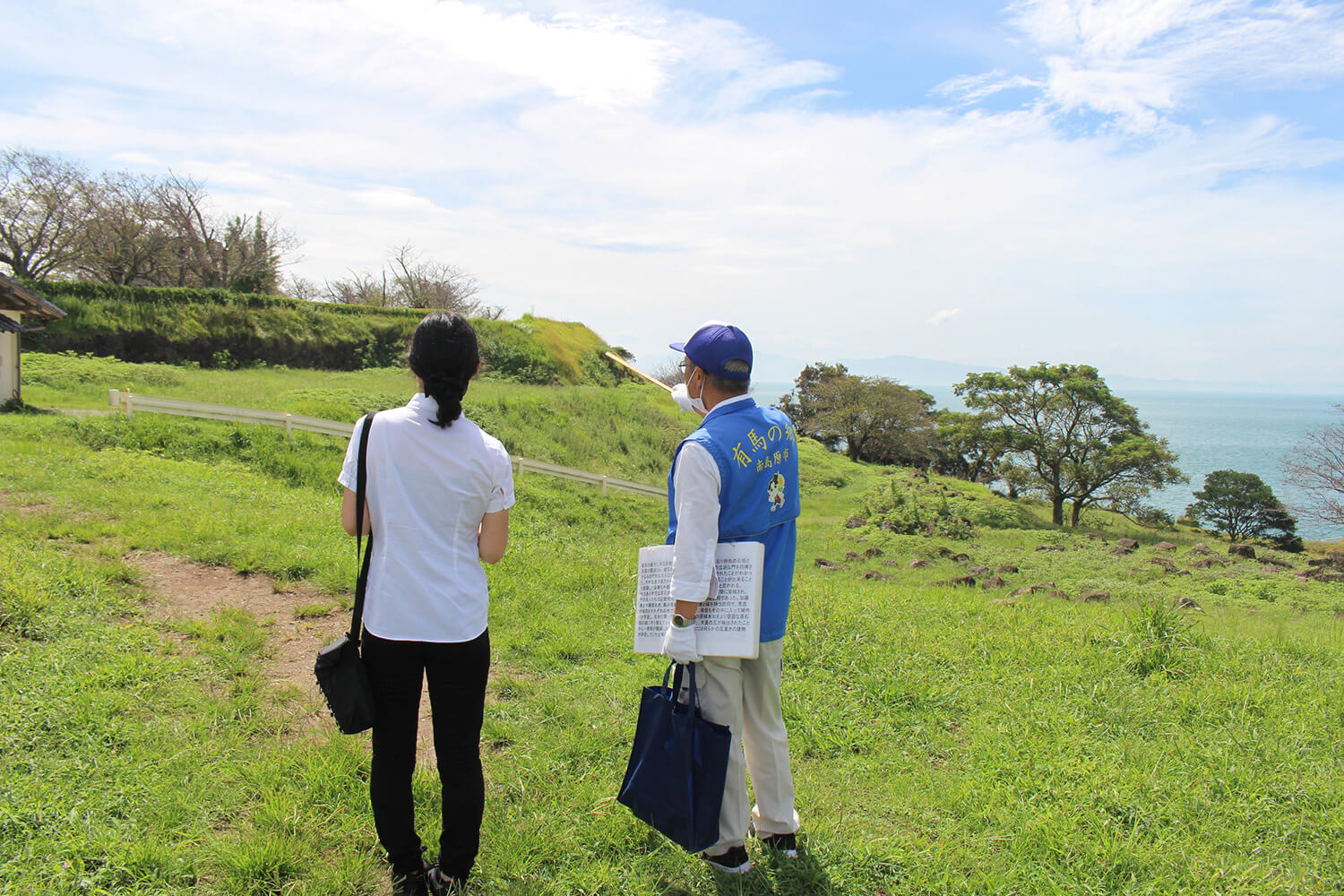
For those who wish to learn more about the history of the ruins of Hara Castle, a tour guide is available to provide guidance. There is also "Hara Castle Ruins VR," a full-computer-generated image of the castle at the time of its construction and the Shimabara-Amakusa revolt (image), which can be experienced with a hand-held smartphone or other device. This is one of the places that still appeals to visitors about the grandeur of those days in order to keep the sad history of the suppression of Christianity from fading away.
Local Guide
Supporters
This is a place where you can enjoy "nothingness. It is also known as a place with beautiful sunrises and sunsets, and is also known as "Nipporo-jo" (castle at sunset).
- Ruins of Hara Castle
-
- Minami-arimacho Otsu, Minamishimabara City, Nagasaki MAP
- About 30 minutes from Hoshino Resorts KAI Unzen by car
- Free to visit
- No holidays
- Free of charge
- 0957-65-6333 (Minamishimabara Sunflower Tourist Association)
- Free of charge (Parking at "Harashiro Hot Spring Masago" or at the dedicated parking lot for Harashiro Ruins along Route 251)
- Free rental tablets for VR experience are available at the Harajo Ruins Information Center. Harajo Ruins Information Center 9:30-16:30, Tablet rental available 9:30-16:00
8Shimabara Castle
A landmark of Shimabara with its beautiful castle tower and castle walls that stand out against the blue sky

The castle was built by Shigemasa Matsukura, the lord of the domain, over a period of about seven years from 1618 (Genna 4). The castle was regrettably dismantled during the Meiji period (1868-1912), but in 1964, the castle tower was restored in accordance with the long-cherished wish of the people of Shimabara.
The five-story white lacquered castle tower is the core of this magnificent castle, with large and small turrets placed in key locations, in the Azuchi-Momoyama period style of castle construction. The outer wall is a rectangle with a circumference of approximately 4 km and is surrounded by walls. The view of Shimabara Castle from the ruins of the Ote Gate in the southeast is particularly beautiful, with the white five-story castle tower standing out against the blue sky.
Inside the castle, there is a museum and a memorial hall that tells the history and culture of Shimabara.

The first to third floors are used as exhibition rooms where visitors can trace the history of the Shimabara clan, including the armor and swords of the feudal lords and historical documents on Christianity.
The Tourism Reconstruction Memorial Hall introduces the history, culture, and tourist attractions of Shimabara, as well as the eruptive process of Unzen, through video and other media. The castle also houses the Nishimochi Memorial Hall, which exhibits representative works by Nishimochi Kitamura, a sculptor from the Shimabara Peninsula who is known as the creator of the Nagasaki Peace Statue, and the Folk Tool Museum, which displays a variety of folk tools from the Meiji to Showa periods.
Local Guide
Supporters
Shimabara Castle" celebrates its 400th anniversary in 2024. The view from the castle tower is beautiful, and you can enjoy a 360-degree panorama of Shimabara's historic cityscape.
- Shimabara Castle
-
- 1-1183-1 Jonouchi, Shimabara City, Nagasaki MAP
- About 36 minutes from Hoshino Resorts KAI Unzen by car
- 9:00-17:30 (last admission 17:00)
- No holidays
- Admission: 700 yen for adults, 350 yen for elementary/junior high school students and high school students (common for the castle tower, the Tourism and Reconstruction Memorial Hall, and the Seimochi Memorial Hall)
- 0957-62-4766
- Charged

Local Guide who was in charge of this article
- Yumie Saito Knowledgeable and curious!
Hoshino Resorts KAI Unzen
The interior of the inn, designed with Nagasaki's culture, is a space with an exotic atmosphere. You can spend your time in a hot spring hell and an inn that is connected to the ground, where you will be healed and energized at the same time.