





A recommended sightseeing spot in Kochi where you can enjoy both nature and history.
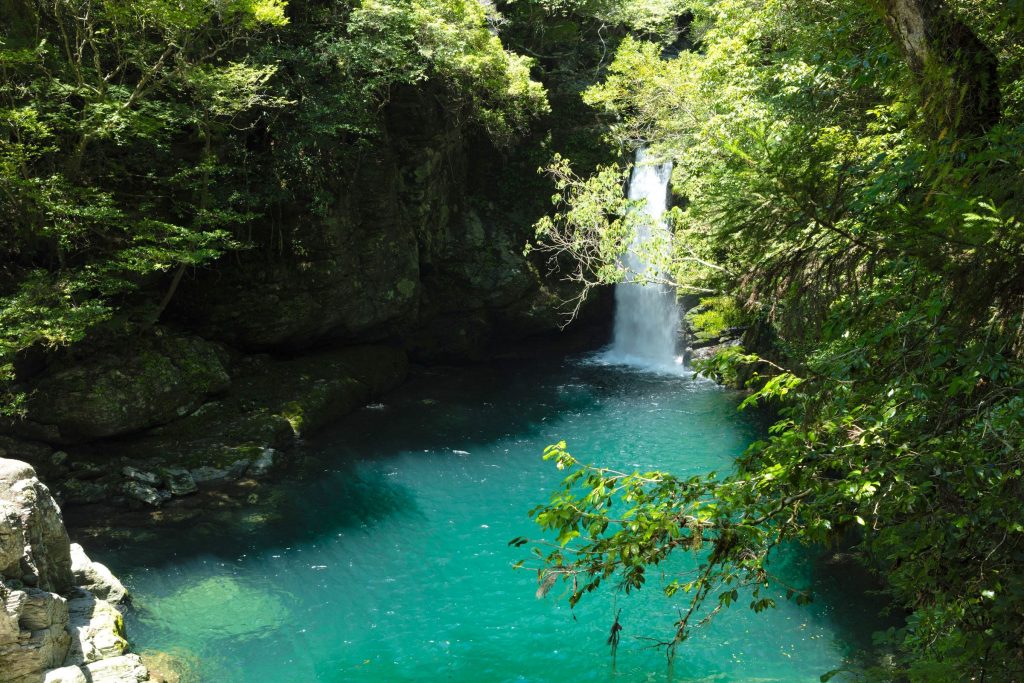
Kochi Prefecture is bordered by the Pacific Ocean to the south and the Shikoku Mountains to the north. About 84% of the prefecture's land is covered with forests, making it the most forested prefecture in Japan*. The prefecture is home to a vast expanse of nature, and the diverse scenery one encounters throughout the prefecture is a breath of fresh air. In addition to the magnificent natural beauty, you should not miss the places of interest related to the Tosa Clan and the culinary experiences that the people of Kochi are known for. Here are seven must-see tourist spots in and around Kochi City.
According to the Forestry Agency's "Percentage of forests by prefecture (2022)," Kochi Prefecture has the highest percentage of forests in Japan.
1Kochi Prefectural Makino Botanical Garden
One of Japan's leading comprehensive botanical gardens, immersed in the botanical world of Dr. Makino
Dr. Tomitaro Makino, a botanist from Kochi Prefecture. He is considered the father of Japanese plant taxonomy and is famous for being the model for the main character in NHK's TV series "Ranman. Kochi Prefectural Makino Botanical Garden The "Kochi Prefectural Makino Botanical Garden" was opened in 1958 to commemorate Dr. Makino's achievements.
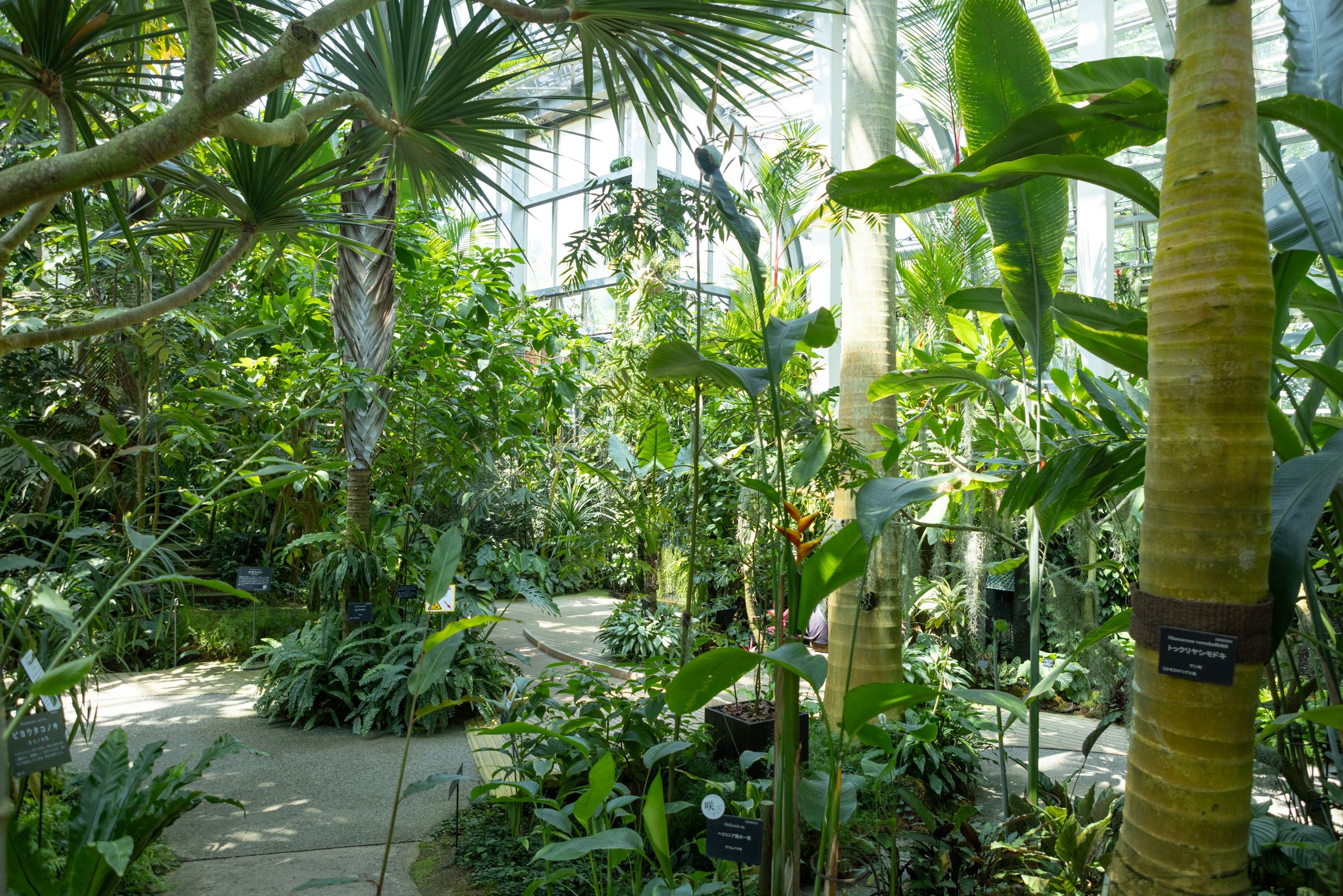
The vast 8-hectare garden is decorated with more than 3,000 kinds of plants, including wild plants related to Dr. Makino. With a focus on landscaping, the garden reproduces the environment as if the plants were actually growing in their natural habitat. In addition to an outdoor planting area and greenhouse, there is also a Restaurant and Museum Shop.
The vast park also offers a variety of places to rest and eat and drink
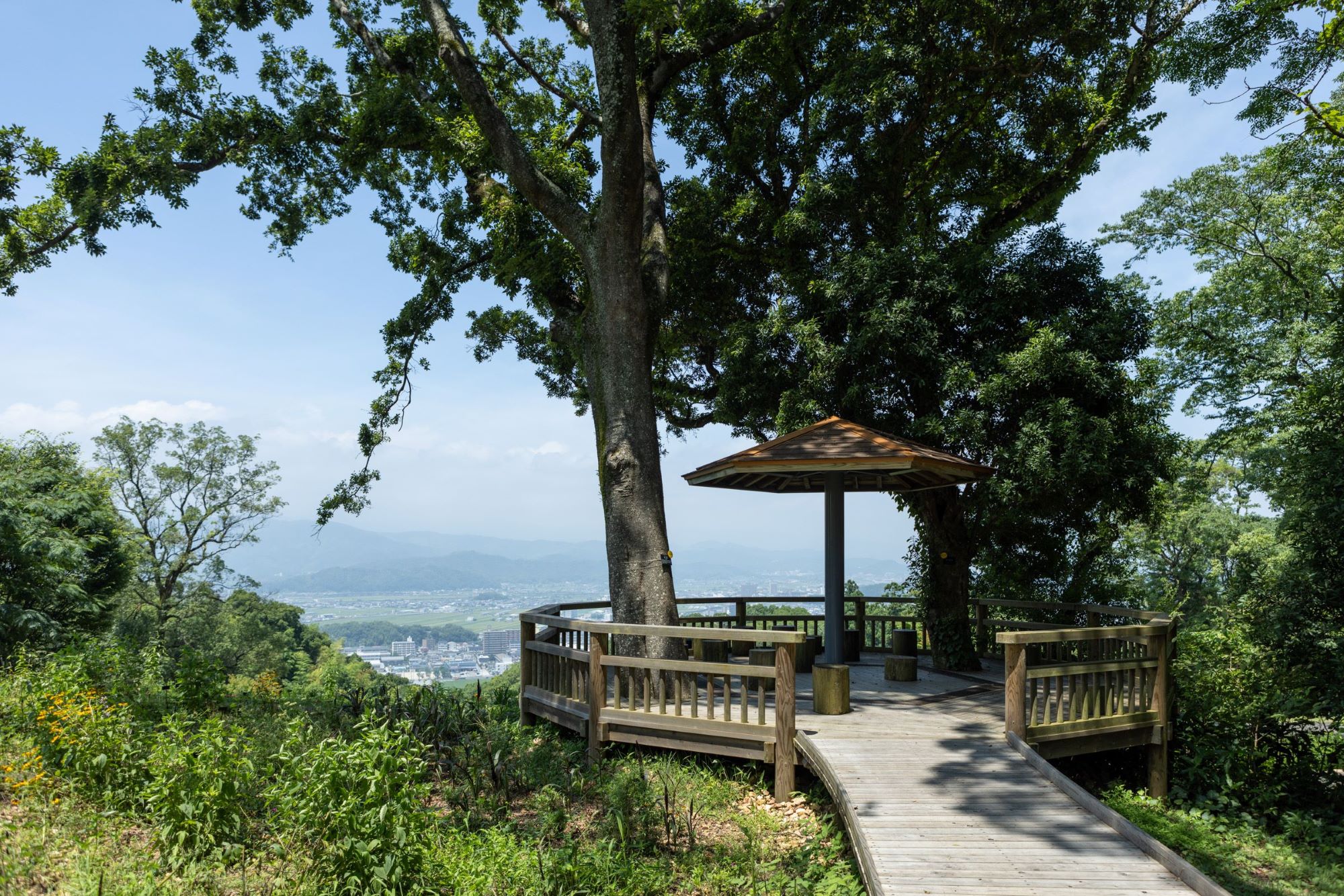
For first-time visitors, we recommend the 1.5-km route, which will take you around the park in about 1 hour and 30 minutes. First, visit the main building of the Makino Tomitaro Memorial Museum, which houses the "Makino Bunko (not open to the public)," a collection of Dr. Makino's books and artifacts, and the "Fumu Fumu Hiroba," where you can enjoy plants through all five senses, before heading to the Exhibition Hall, where you can experience exhibits. Walking along the pathway decorated with various plants and visiting the greenhouse where tropical plants welcome you and the "Plant Research Exchange Center" where you can see a laboratory, you will be immersed in the world of plants.
There is also a plaza where you can spread out leisure seats and eat and drink, making a visit to the center like going on a picnic.
Local Guide
Supporters
The museum store in the "Plant Research Exchange Center," which opened in 2023, offers a wide variety of Dr. Makino related goods and other items. The fashionable designs will make great souvenirs.
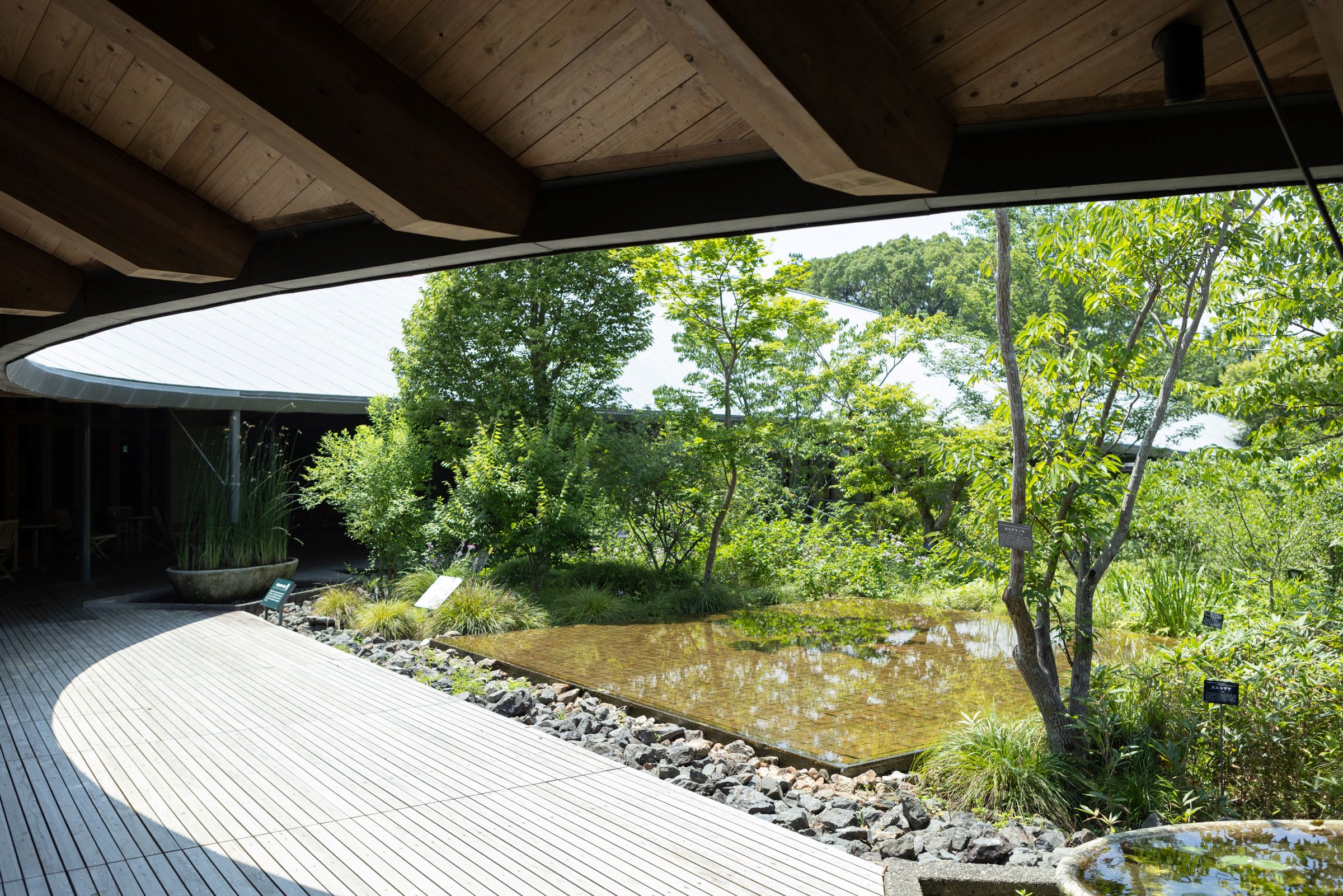
- Kochi Prefectural Makino Botanical Garden
-
 4200-6 Godaisan, Kochi-shi, Kochi MAP
 Approx. 20 min. from JR Kochi Stn. by car.
 Take MY You Bus (sightseeing bus) from JR Kochi Stn. and get off at "Makino Botanical Garden Main Gate".
 9:00-17:00 (last admission at 16:30)
 Dec. 27 - Jan. 1 (maintenance closures apply)
 Admission: 730 yen for adults, free for high school students and younger
 088-882-2601
 Free of charge
2Chikurinji Temple
One of the oldest temples in Kochi, and one of the temples on the pilgrimage route
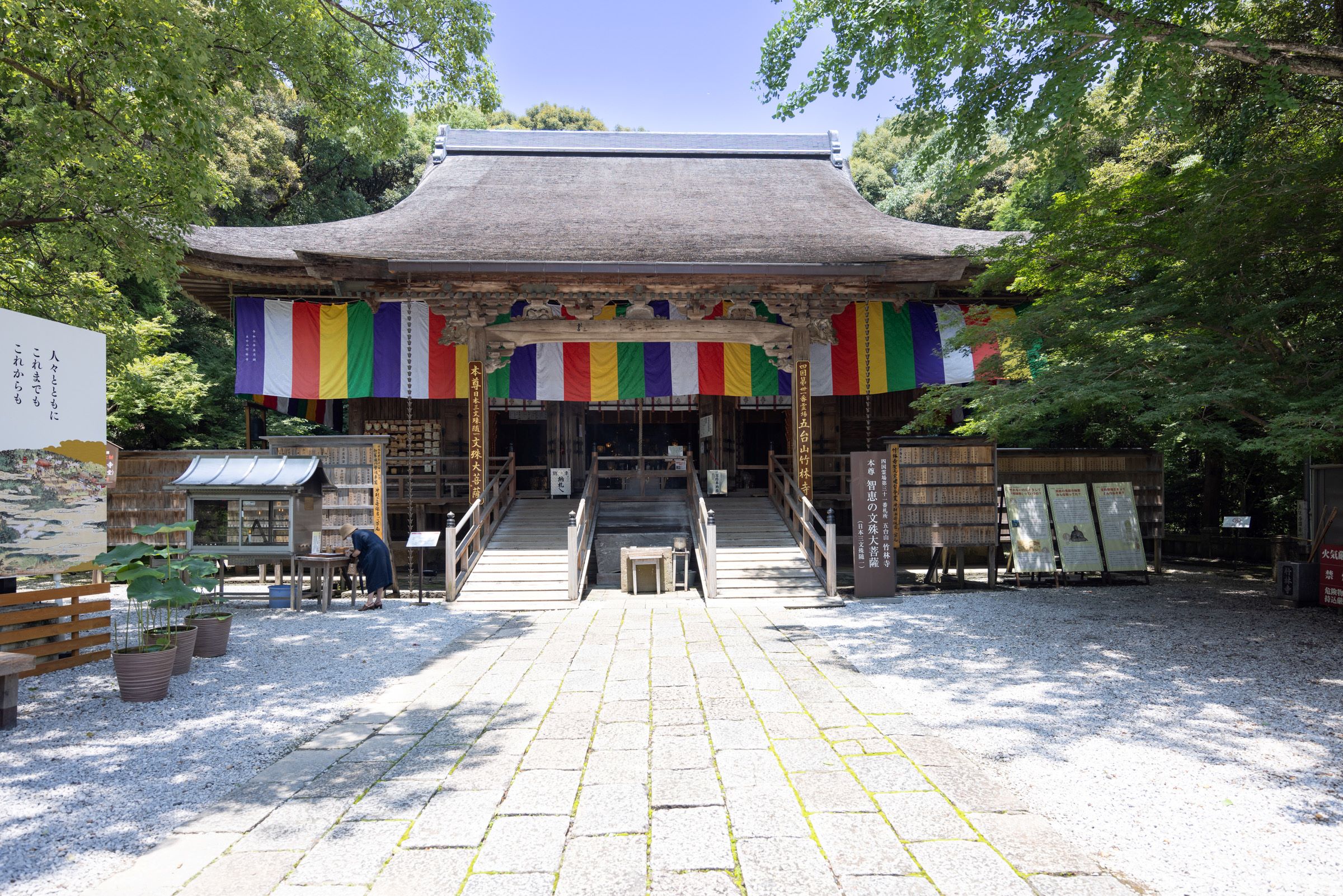
Located near the summit of Mount Godaisan in the eastern part of Kochi City, the temple was founded in 724 by the monk Gyoki at the behest of Emperor Shomu. After traveling around Japan, Gyoki chose this place, which resembles Mount Wutai, a sacred site of Tang Buddhism (present-day Mount Wutai in Shanxi Province, China), as the site of the temple's founding and named it Mount Wutai. It is also designated as the 31st temple of the Shikoku Sacred Sites.
The lush greenery of the temple grounds is an attractive place to enjoy the natural scenery of the four seasons. The cherry blossoms in spring, fresh greenery in early summer, and autumnal foliage in fall are just a few of the many seasonal expressions that delight visitors.
Admire the view from the scenic garden, which changes with the seasons and the time of day.
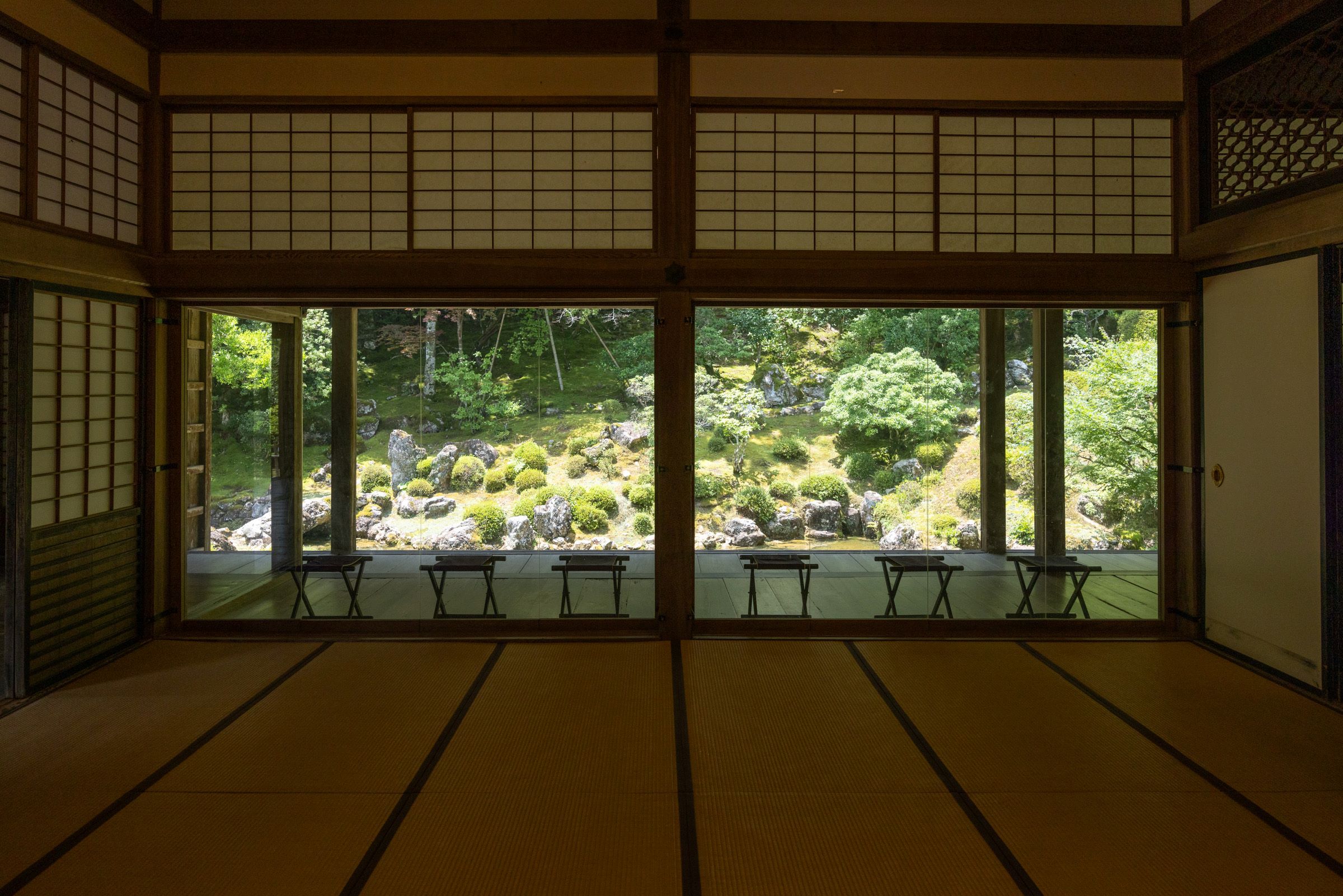
In 2004 ( The garden, which was designated a national place of scenic beauty in 2004, is not to be missed. The garden is also a must-see. It is divided into a north garden and a west garden. According to temple legend, the garden was created in 1318 (Bunpo 2) during the late Kamakura period by the Zen monk Muso Kokushi, who visited Tosa. The beauty of the garden is so beautiful that one loses track of time.
Other highlights include the main hall, which was built in 1644 and is designated as a national important cultural property, and the Treasure House, where 17 Buddhist statues, also important cultural properties, are enshrined. Why not experience the history, culture, and natural beauty woven by the passage of time?
Local Guide
Supporters
You will often pass by pilgrims in the precincts of the temple. Chikurinji Temple also offers a pilgrimage experience, with a 3-hour course that starts in the morning and ends at noon, and an 8-hour course that takes the entire day to complete. Recommended for those who would like to experience the pilgrimage.
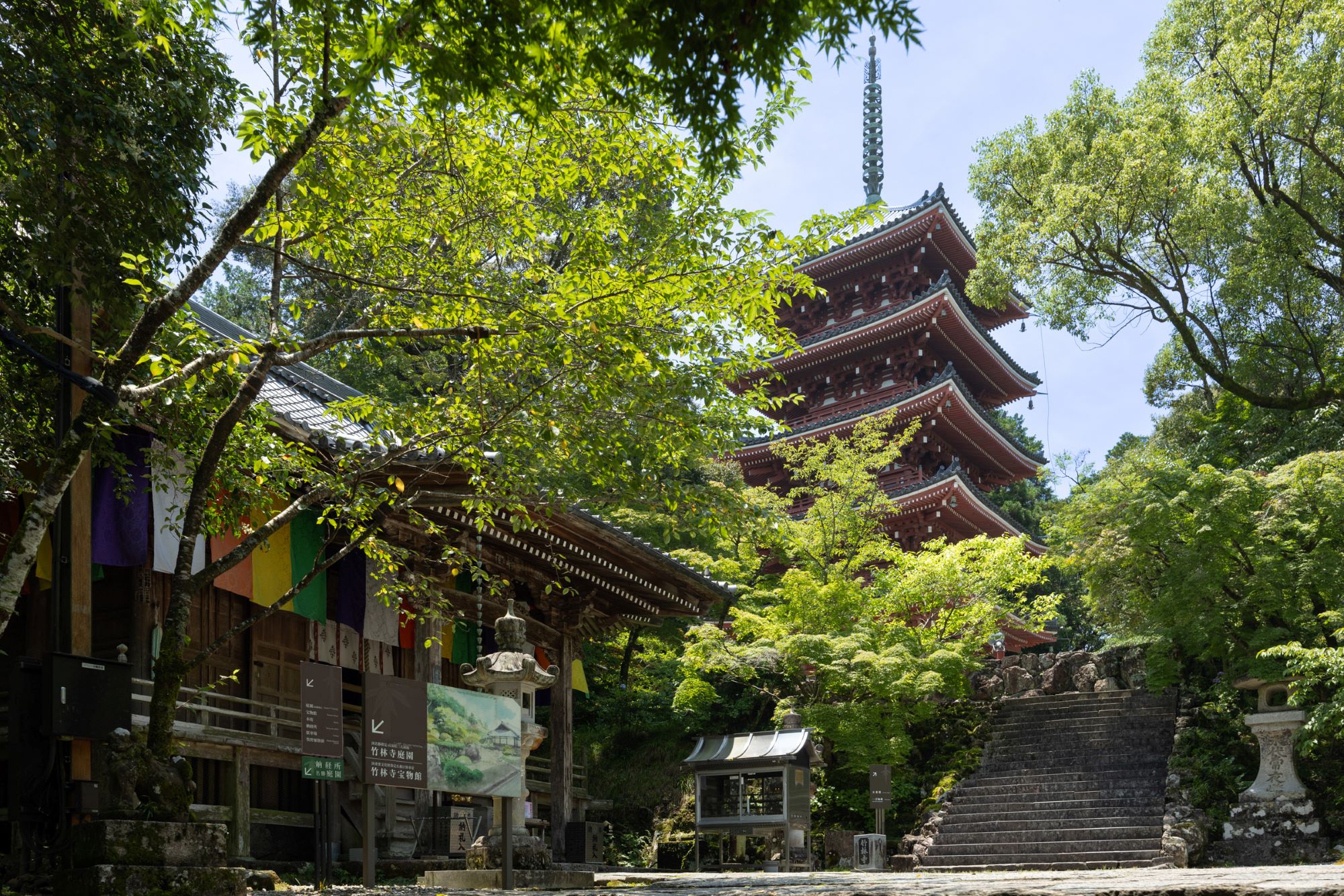
- Chikurinji Temple
-
- 3577 Godaisan, Kochi City, Kochi Prefecture MAP
- Approx. 20 min. from JR Kochi Stn. by car.
- From JR Kochi Station, take MY You Bus (sightseeing bus), and get off at Chikurinji-mae Bus Stop.
- 8:00-17:00 (precincts), 8:30-17:00 (scenic garden and museum of treasures)
- No holidays
- Admission to the scenic garden and museum of treasures: Adults 400 yen, High school students 200 yen, Junior high school students 150 yen, Elementary school students 100 yen
- 088-882-3085
- Free of charge
3Hirome Market
A culinary wonderland where you can enjoy all the delicacies of Kochi at once
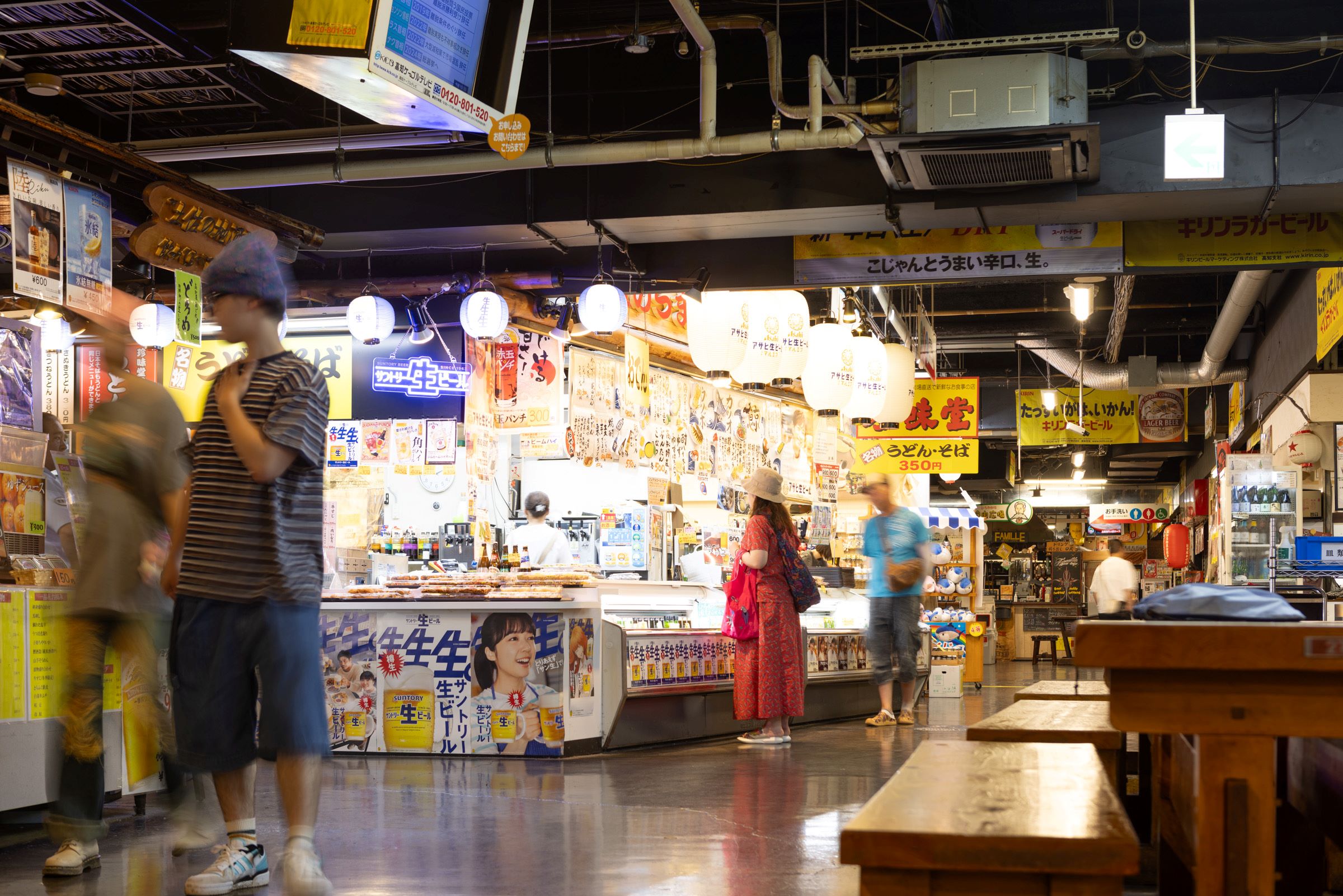
Many visitors to Kochi visit the famous indoor market. About 60 stores of all kinds, from restaurants and fresh fish stores offering local delicacies such as bonito tataki and utsubo cuisine, to souvenir stores, are crammed into the market. The eaves are lined with a dazzling array of fresh fish and delicatessen items. The lively atmosphere is sure to whet your appetite.
Even on weekdays, people arrive one after another as soon as the restaurant opens, and by 12:00 noon, the shared tables are full. It is a reliable gourmet spot in the city that supports the stomachs of not only tourists but also Kochi citizens.
Bring your favorite dish to share at the common table and make a toast!
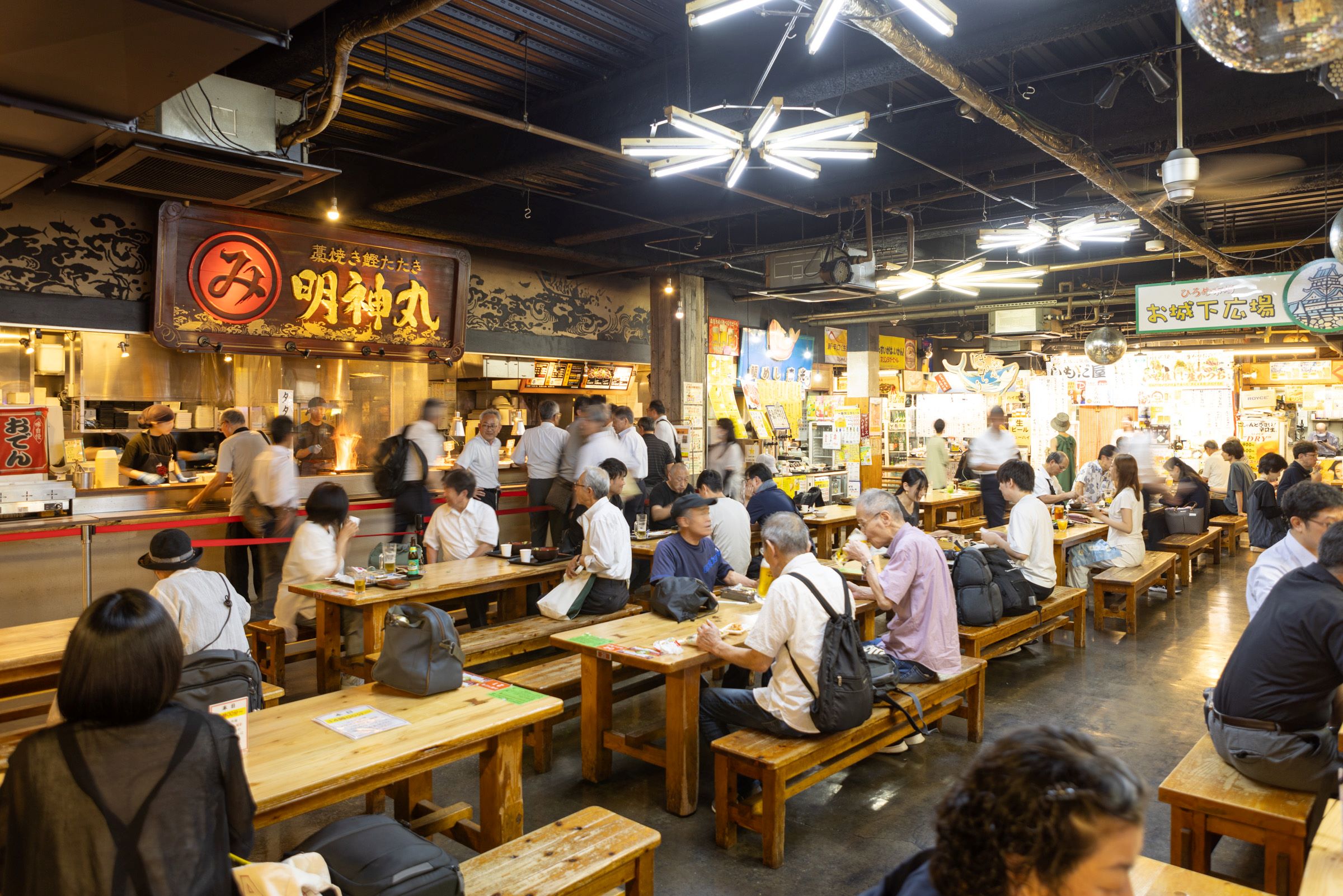
At Hirome Market, people buy their favorite dishes and drinks, bring them to the shared tables, and enjoy them in a lively atmosphere. However, it can be difficult to find an empty table at lunchtime or in the late afternoon. In such cases, it is a good idea to check with restaurants that have eating and drinking areas to see if you can bring your own food and drinks, or if you find an empty seat at a shared table with other guests, boldly offer to share a table with the person next to you so that you can talk about your trip with him or her.
The restaurant can be used for a variety of occasions, including lunch, a quick drink, and even souvenir shopping. Once you visit, you will want to come back two or three times.
Local Guide
Supporters
One of the best things about visiting Hirome Ichiba is sharing a table with locals and enjoying a drink together. You can feel the warmth of the Kochi people, who are quick to make friends with anyone over a drink.
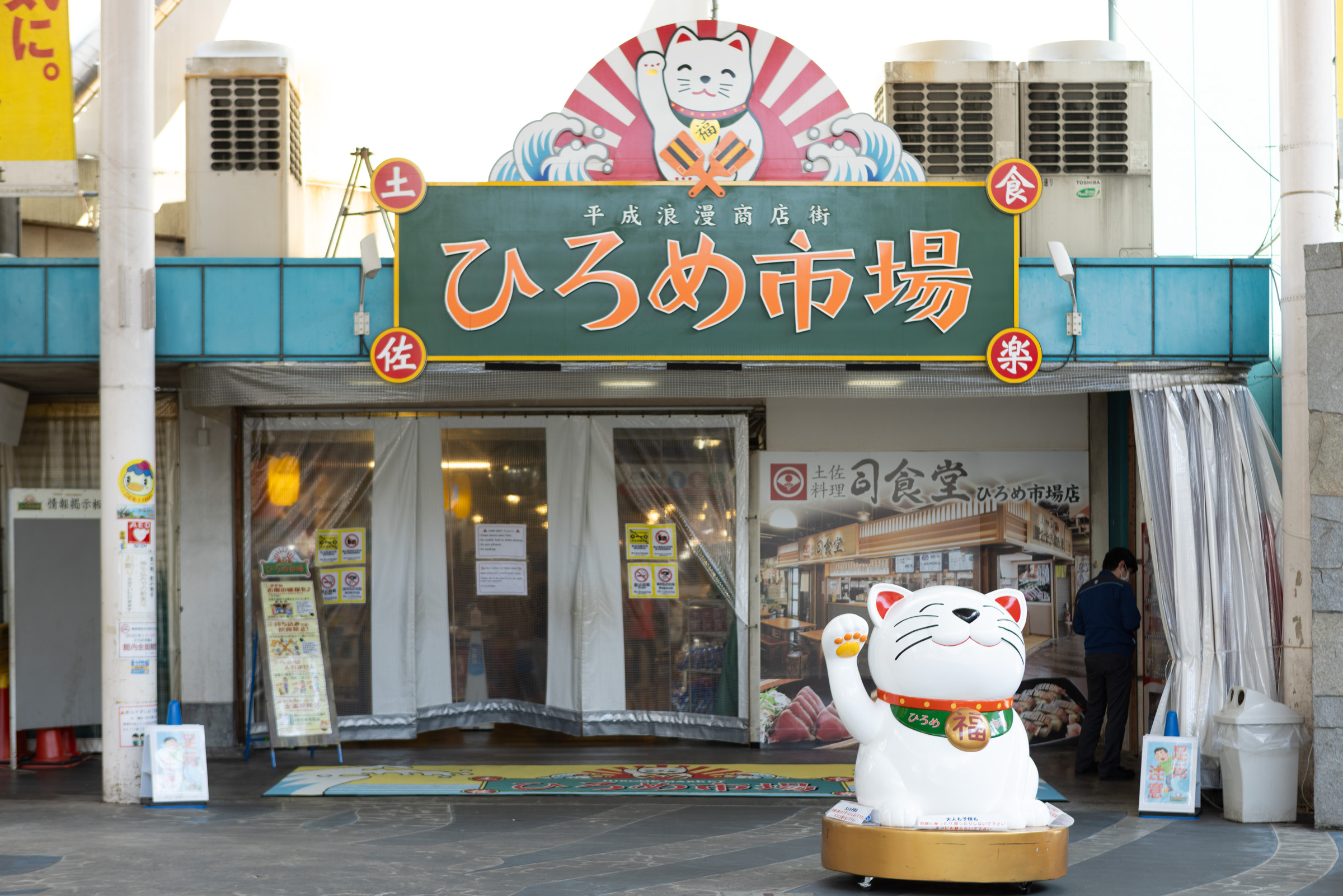
- Hirome Market
-
- 2-3-1 Obiyacho, Kochi-shi, Kochi MAP
- 8 minutes drive from JR Kochi Station
Approx. 3 min. walk from Tosaden Kotsu Ohashi-dori Stn. - Approx. 3 min. walk from Ohashi-dori bus stop after taking a local bus from JR Kochi Station.
- 10:00-23:00, Sundays 9:00-23:00 *Varies by store
- About 6 days a year *Depends on the store
- 088-822-5287
- Charged
4Kochi Castle
The only surviving architectural group of the Honmaru in Japan
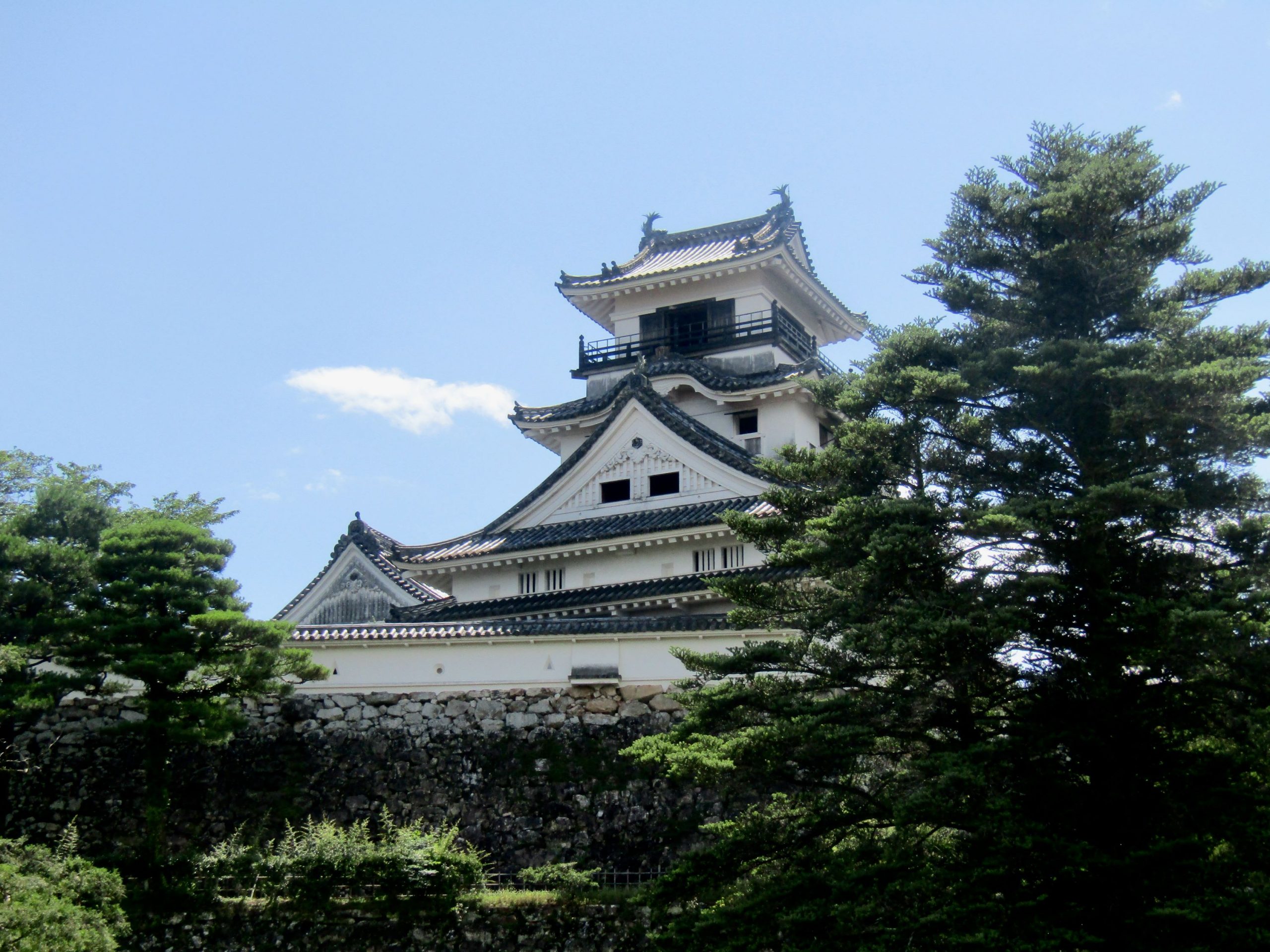
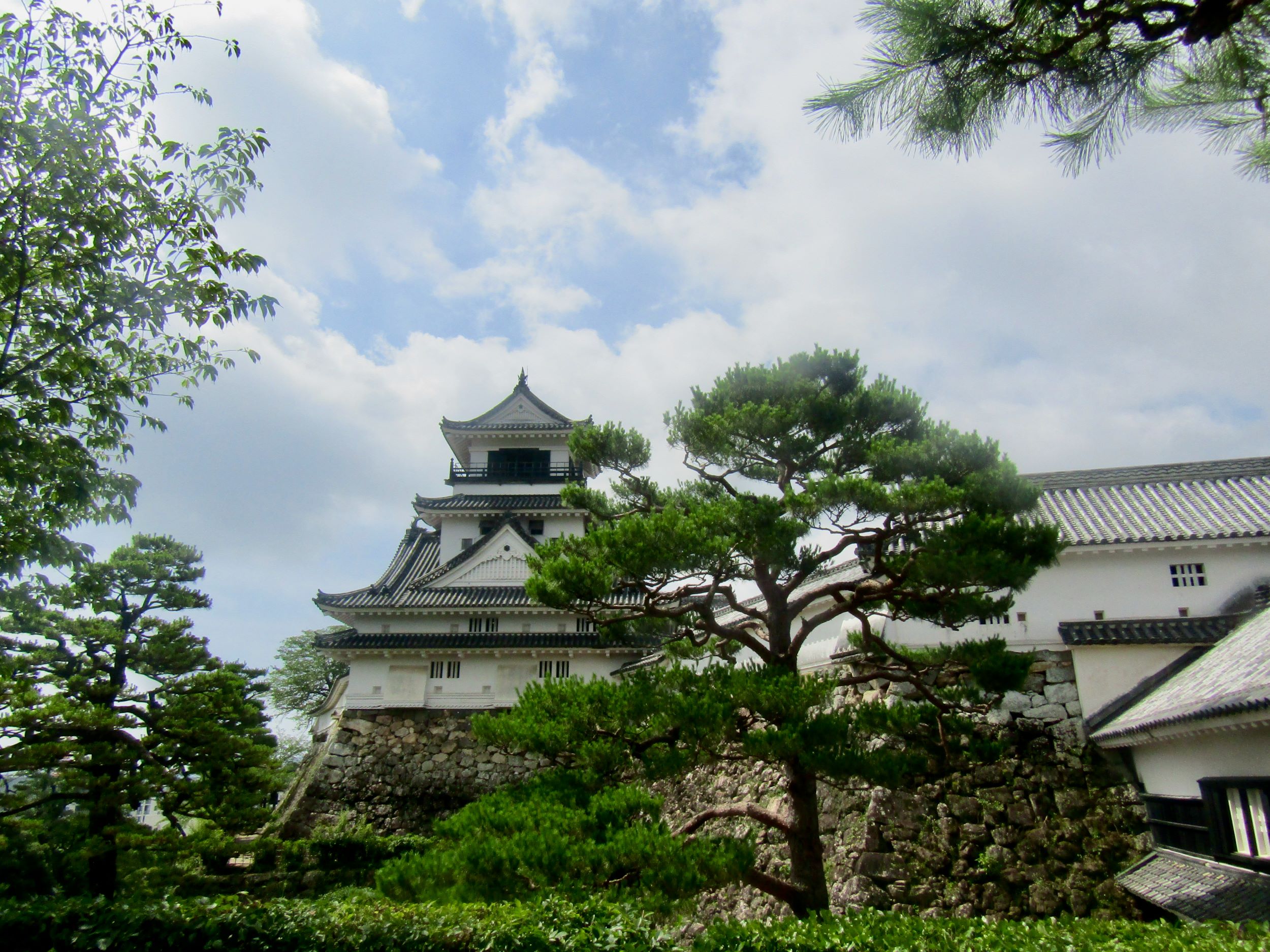
The castle was built in 1601 by Kazutoyo Yamauchi, who entered Japan after the Battle of Sekigahara. It is one of the 12 remaining castles in Japan, and is the only castle in Japan where all the buildings of the castle circle, including the castle tower, the Honmaru Palace called "Kaitokukan," and the Otemon Gate, are still standing. There is a theory that the castle was given the alias "Taka-jo" (falcon castle) because the white walls of Tosa plaster and the gray of the tiled roof resemble the wings of a falcon. Kochi Castle has survived numerous crises, such as the Pacific War and natural disasters, in addition to the decree to abolish the castle due to the Meiji Restoration. The castle welcomes visitors with a graceful appearance that befits its name as the most famous castle on the southern highway.
The castle tower commands a panoramic view of the city of Kochi.
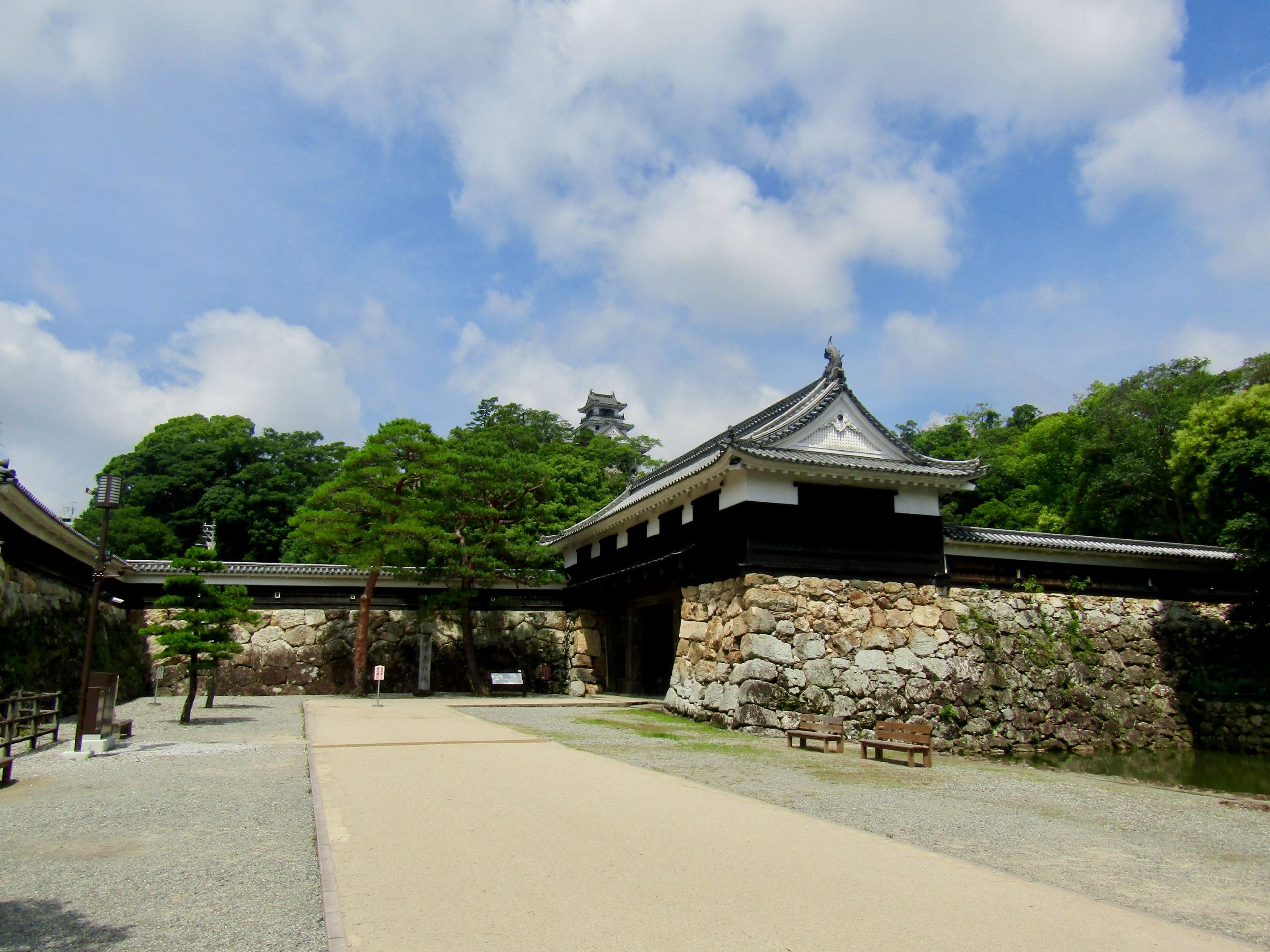
The castle tower, Kaitokukan, Otemon Gate, Kurotetsumon Gate, and 15 other buildings have been designated as national important cultural properties.
In the Kaitokukan, visitors can see the Koudan-noma, which was built one level higher than the others and was the seat of the feudal lord. The samurai hideout built to protect the feudal lord is also a sight to see. The 18.5-meter-high castle tower offers a panoramic view of the city of Kochi while immersing yourself in the lord's mood.
Kochi Castle stands in the center of Kochi City, gently watching over its citizens. Why not admire the beautiful sight of the castle as you walk around Kochi?
Local Guide
Supporters
Within a 10-minute walk, visitors can enjoy a one-day hot spring ryokan at Sansuien, a ryokan located on the site of the former residence of the Yamauchi family, lords of the Tosa domain. There is also a gallery inside the ryokan that displays materials related to the Yamanouchi family, making it a good place to visit before or after a tour of Kochi Castle.
- Kochi Castle
-
- 1-2-1 Marunouchi, Kochi-shi, Kochi MAP
- 7 min. drive from JR Kochi Stn.
5 min. walk from Tosaden Kotsu Kochijo-mae Station - Take a local bus from JR Kochi Station and get off at "Kochi Jyo-mae" bus stop.
- 9:00-17:00 (last admission 16:30)
- December 26 - January 1
- Admission to the castle keep, Honmaru Goten, etc.: 500 yen; free for children under 18 years old
Admission to Kochi Park is free. - 088-824-5701(Kochi Castle Management Office)
- Charged
5Katsurahama Park
One of Kochi's most famous scenic spots with beautiful white beaches and green pines
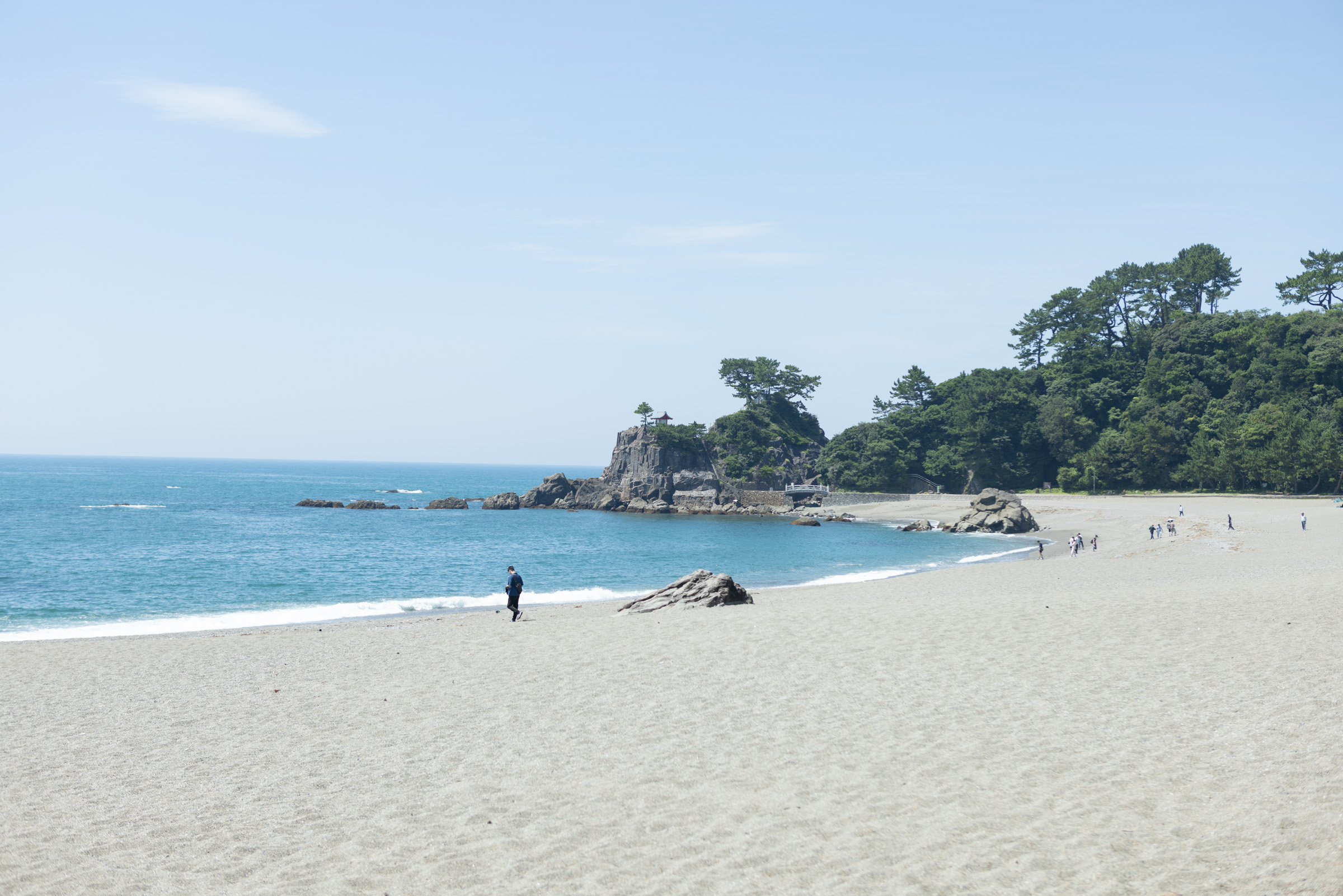
Katsurahama Beach is said to be the place that Ryoma Sakamoto loved most in his hometown of Tosa, and is one of the most famous scenic spots in Kochi Prefecture. Katsurahama is one of Kochi Prefecture's most famous scenic spots, facing the magnificent Pacific Ocean, with its beautiful sandy beach stretching out in an arch shape. Since ancient times, it has been known as a famous place for the moon, and its scenery is included in the lyrics of "Yosakoi-bushi" (a traditional Japanese folk song).
Swimming is prohibited, but the beach is equipped with a promenade where visitors can stroll with baby strollers, as well as the Honhama Resting Area "Goshiki no Terrace" where visitors can take a rest while enjoying the view of the ocean. Visitors can fully enjoy the beautiful scenery.
A statue of Ryoma, looking far out to the Pacific Ocean, welcomes you.
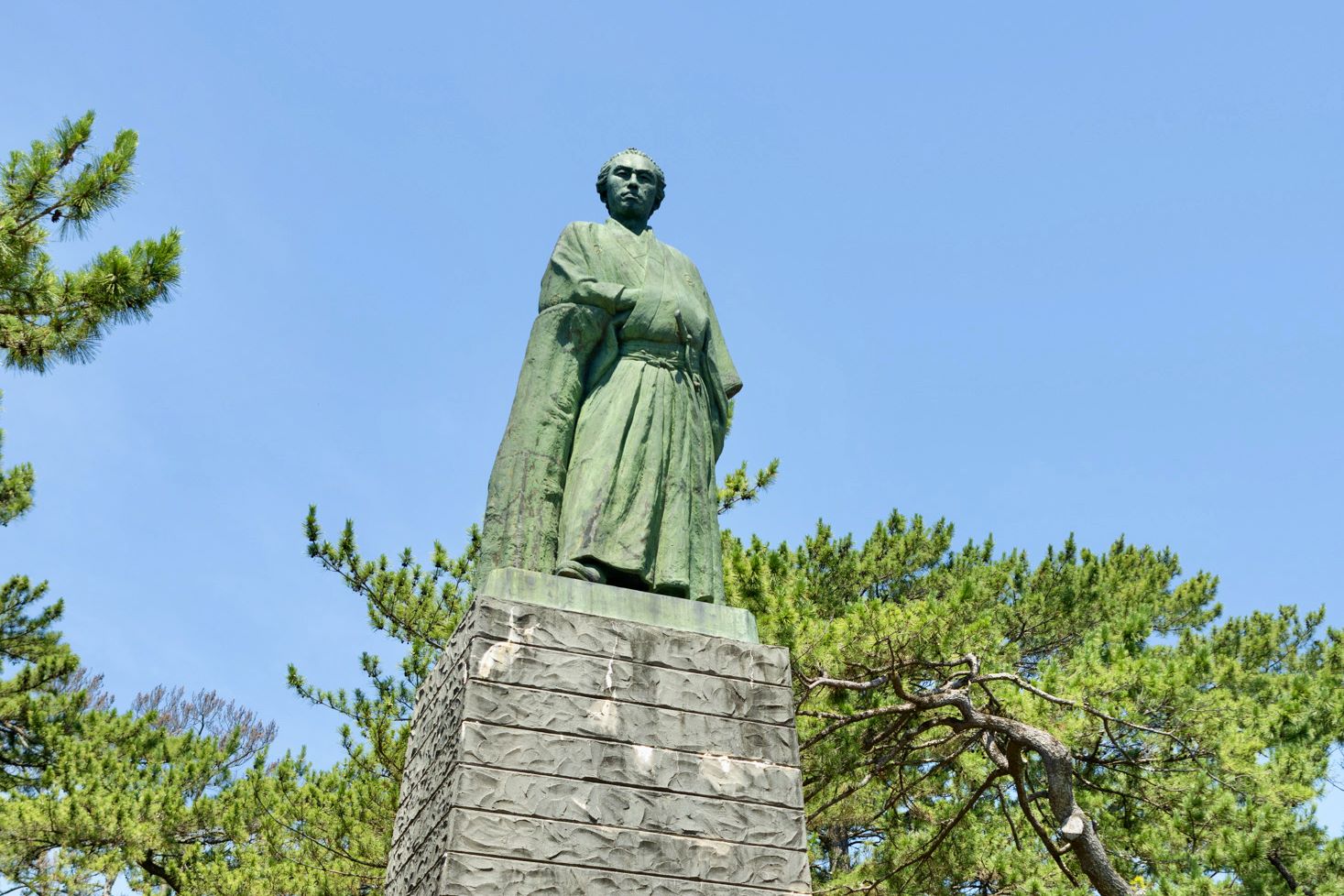
The Katsurahama beach area was developed in 1951 and opened as Katsurahama Park. There are various attractions such as the Kochi Prefectural Sakamoto Ryoma Memorial Museum, the Katsurahama Aquarium, and Cape Ryuoh, which has two shrines. There is also a bronze statue of Ryoma Sakamoto, the hero of Kochi, with his heroic gaze fixed on the rough waves of the Pacific Ocean.
Furthermore, the commercial Property area "Katsurahama Umi no Terrace" will open in March 2023 as a new tourist attraction. A variety of restaurants and stores selling local gurus and souvenirs will be lined up, making your stay in Katsurahama much more enjoyable.
Local Guide
Supporters
Every year for about two months from early April and for about two months between November 15, Ryoma's birthday and the anniversary of his death, a special observation deck is set up next to the Ryoma statue. You can view the Pacific Ocean from the same vantage point as Ryoma.
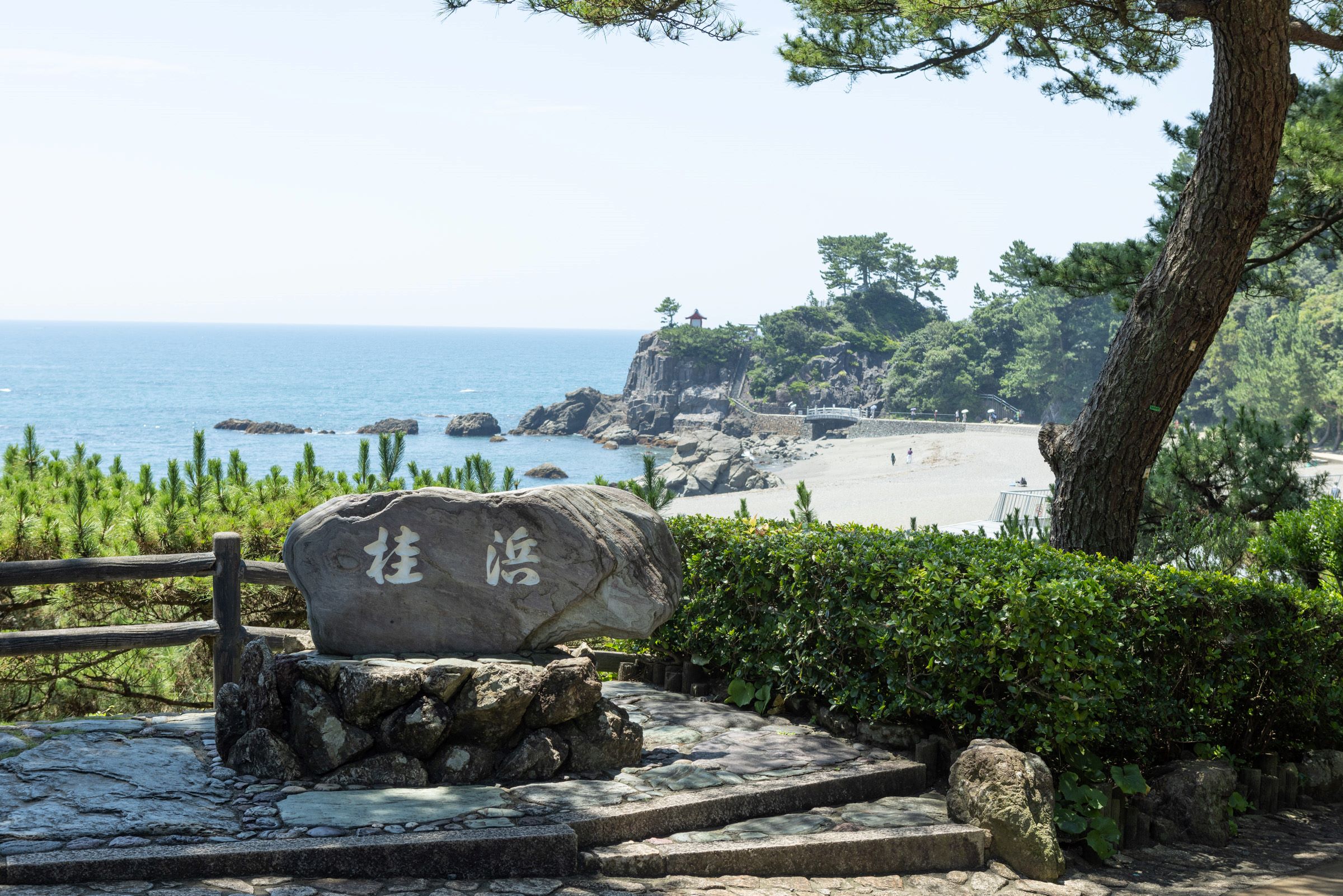
- Katsurahama Park
-
- 6 Urato, Kochi City, Kochi Prefecture MAP
- Approx. 30 min. from JR Kochi Station by car
- From JR Kochi Station, take a local bus or the MY You Bus sightseeing bus.
- 24 hours (Katsurahama Umi no Terrace 8:30-18:00 *depends on the restaurant)
- No holidays
- 088-841-4140 (Katsurahama Park Management Office 9:00-17:00)
- Charged
6Niyodo River
The stunningly beautiful "Niyodo Blue" will make you feel like you're in the middle of the ocean.
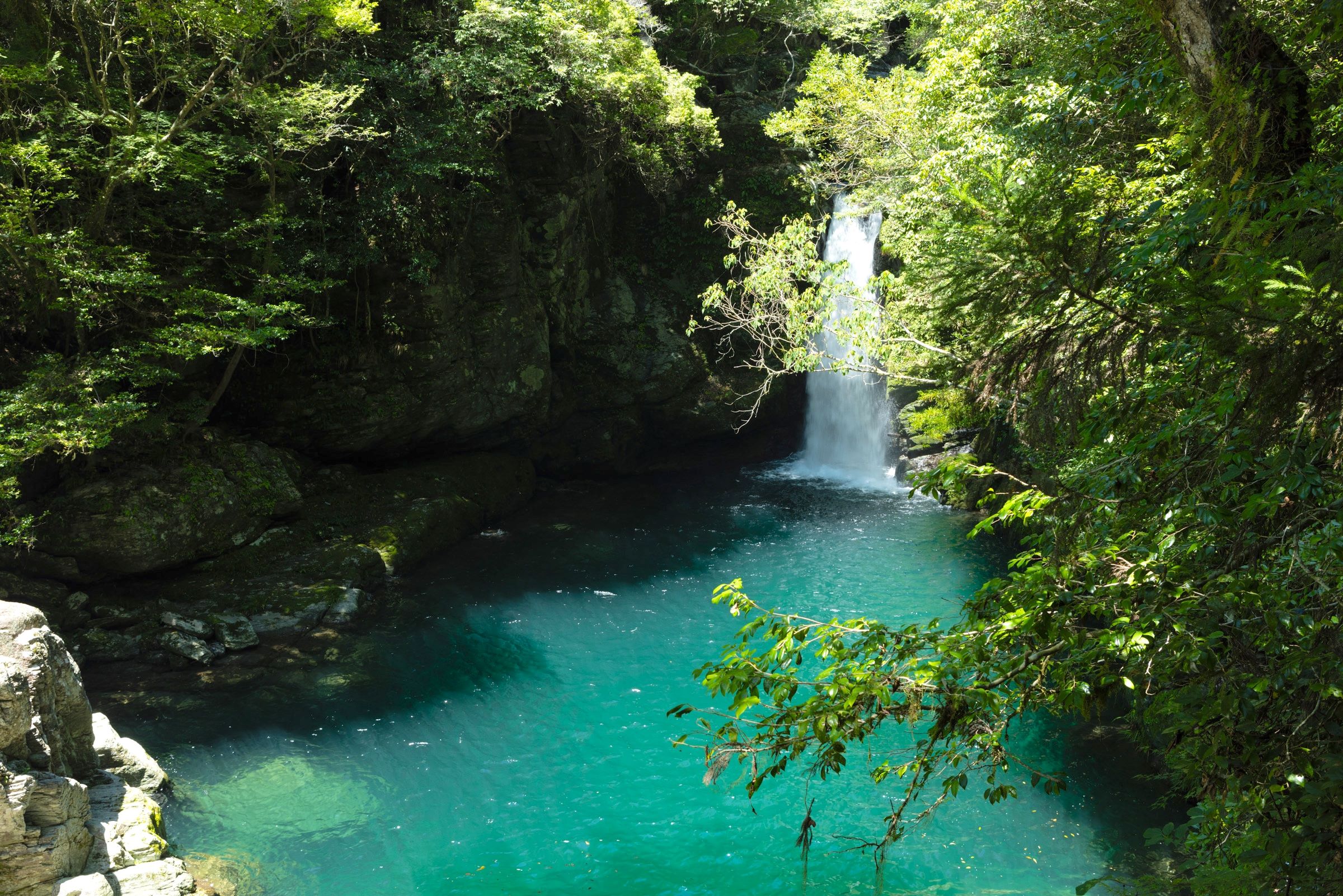
High transparency and vivid cobalt blue. Local photographers began calling the mysterious beauty of the Niyodo River "Niyodo blue," and the name gradually took root.
The Niyodo River runs about 124 km from its source at Mt. Ishizuchi, the highest mountain in western Japan, located in Ehime Prefecture. Each location offers a different blue beauty, but one of the most popular is a waterfall basin called "Nikobuchi" in Ino-cho, Kochi Prefecture. On a clear day, light shining through the trees accentuates the blue color, making it look like a jewel. You can also experience the Niyodo blue at "Nakatsu Valley" and "Yasui Valley" in Niyodo River Town.
Try Activities that bring you closer to nature!
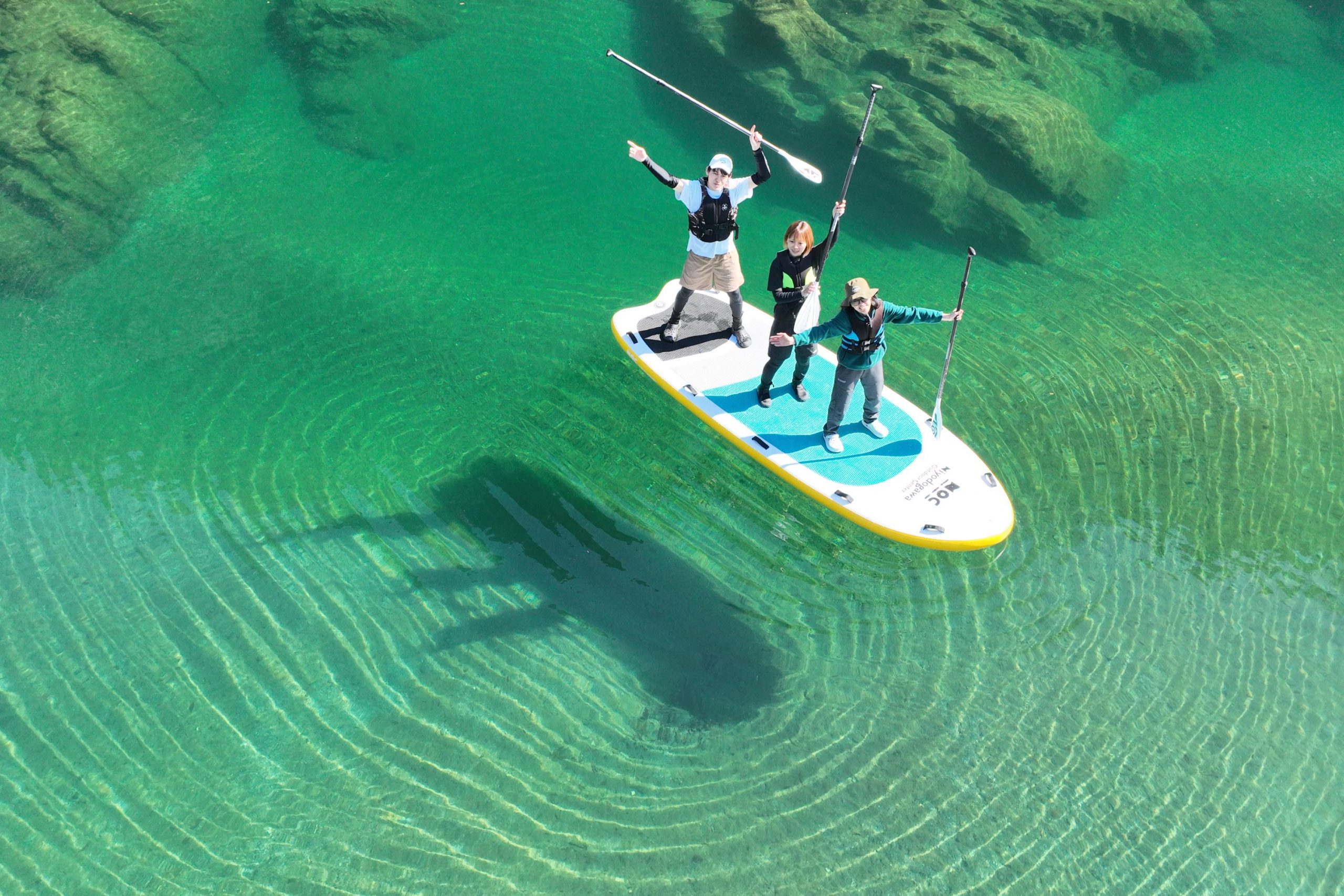
To fully enjoy the great nature of the Niyodo River, river activities are recommended. The Niyodo River Outdoor Center offers SUP and crystal kayaking experiences in the upper reaches of the river. Experience them under the careful guidance of an instructor, and even children and first-timers can enjoy them without worries. Once on the board or kayak, you will be amazed at the clarity of the river, so much so that you will feel as if you are floating in midair. A drone will take pictures of your experience and send you a video of it as a gift, which is a great service. Why don't you experience the magnificent natural beauty of Kochi through this Activity?
Local Guide
Supporters
When visiting Nikobuchi, Nakatsu Gorge, and Yasui Gorge, it is recommended to wear comfortable walking shoes or sneakers because of the poor footing in many places. In addition, the Niyodo River basin is dotted with spots suitable for river play and campgrounds.
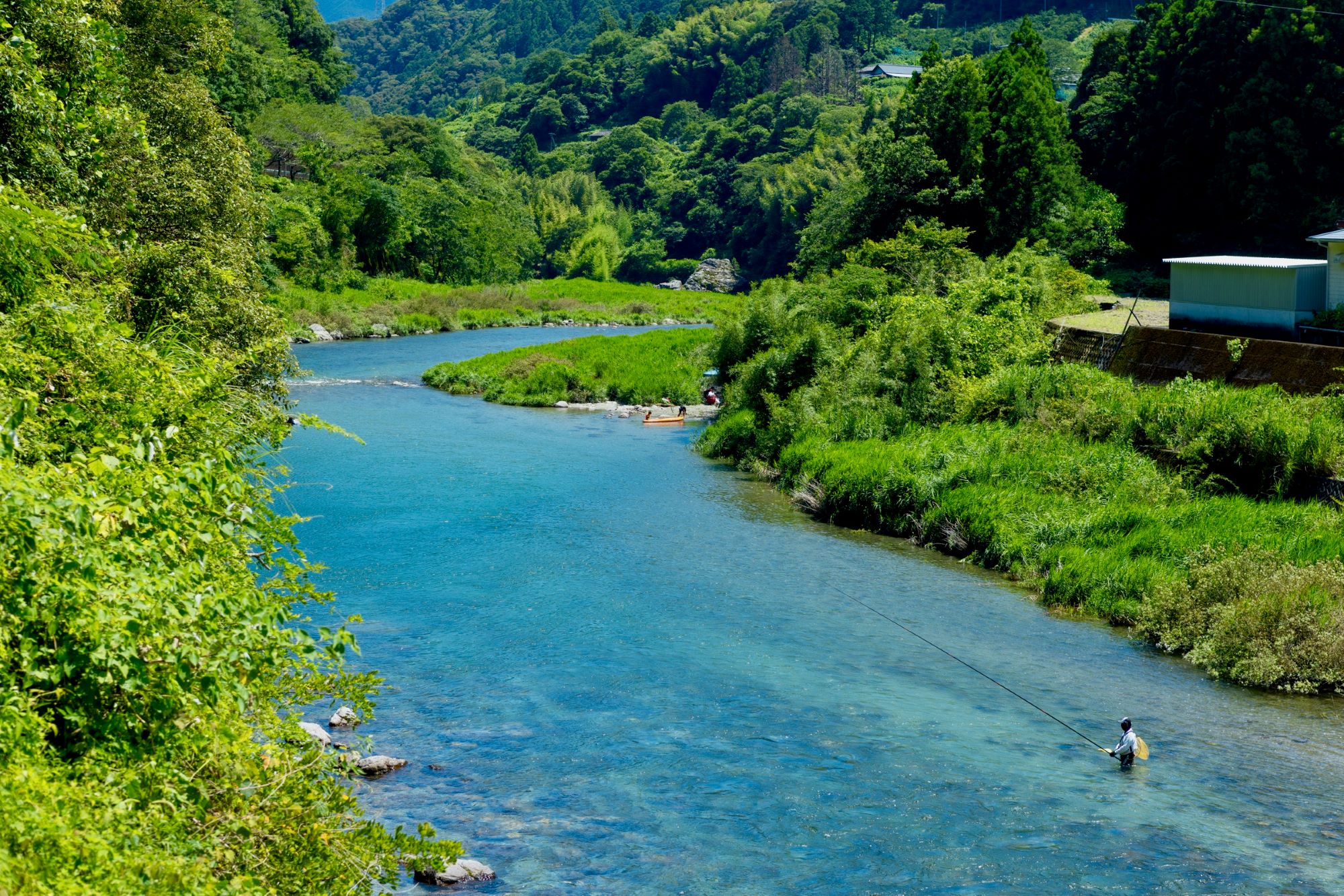
- Niyodo River
-
- 6 Nagaya, Niyodogawa-cho, Agawa-gun, Kochi Prefecture (Niyodogawa Outdoor Center) MAP
- Approx. 70 min. by car from JR Kochi Station (Niyodo River Outdoor Center)
 https://niyodoblue.jp/ (Niyodo Blue Tourism Council)
https://www.niyodo.jp (Niyodo River Outdoor Center)
7Karst Terrace
Enjoy learning about the origins of Shikoku Karst and its natural environment
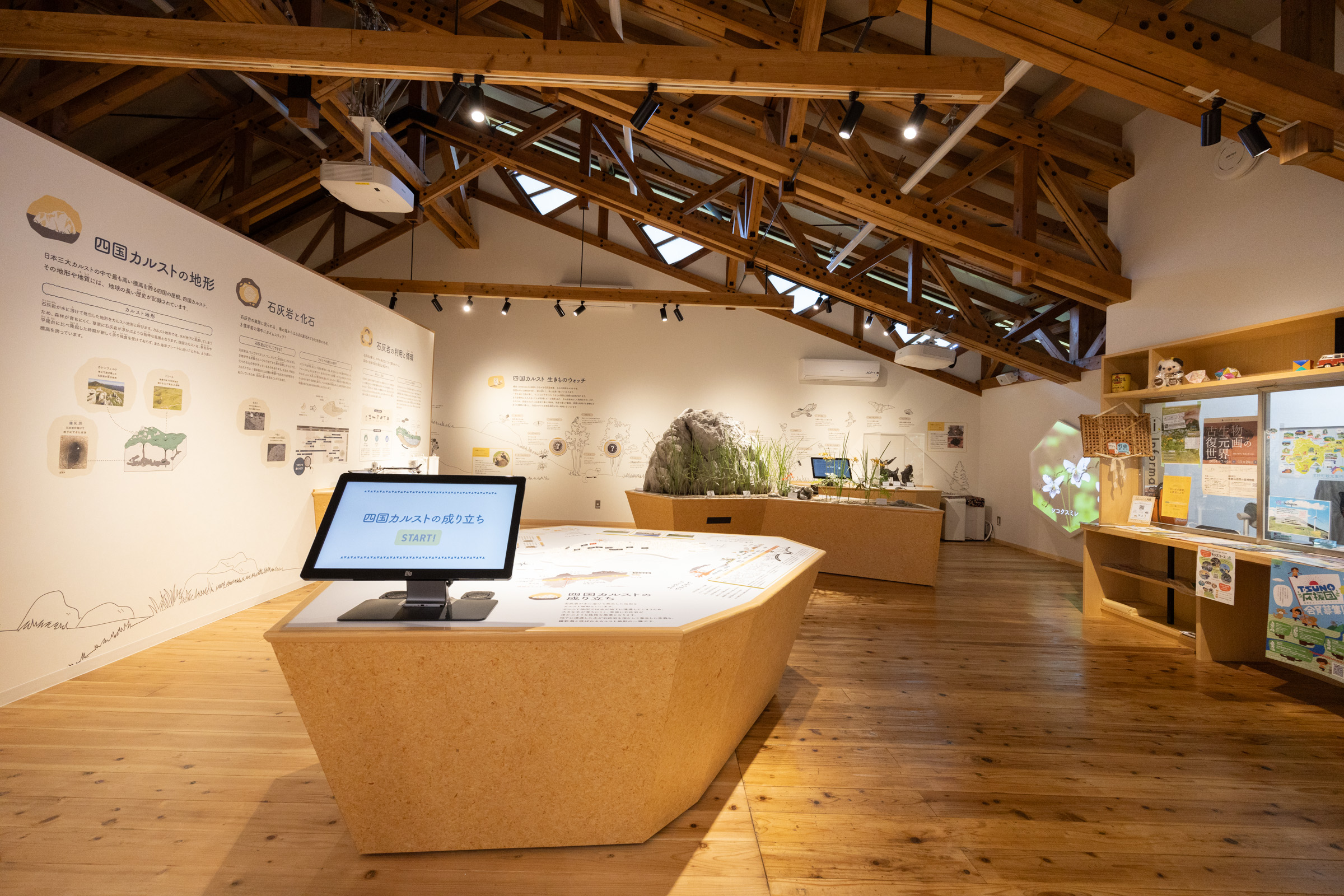
Shikoku Karst is one of the three major karsts in Japan, along with Akiyoshidai in Yamaguchi Prefecture and Hiraodai in Fukuoka Prefecture. It straddles Ehime and Kochi prefectures, and its highest point is about 1,400 meters above sea level, with a 25-km-long karst plateau.
The Karst Terrace will open in 2022 as a Property where visitors can learn about the origins of the Shikoku Karst and its natural environment. The museum features a diorama of the surrounding Tengu Plateau, as well as various exhibits on the plants and creatures of the Shikoku Karst, with video and photographs. The covered terrace offers a panoramic view of the karst plateau and is a sight to behold in summer when it is green and beautiful, and in winter when it is covered with snow.
Be impressed by the natural beauty on a grand scale that stretches as far as the eye can see.
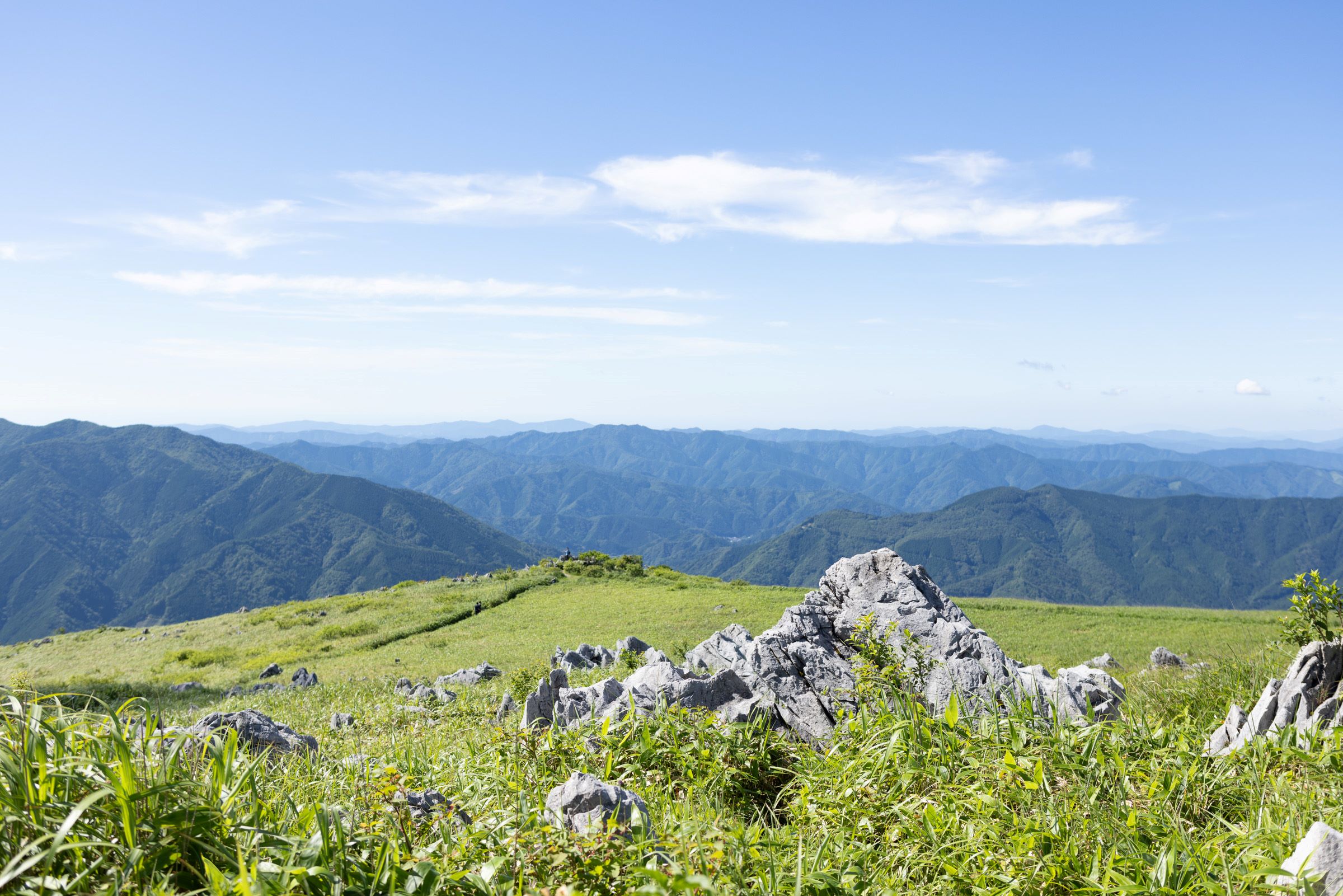
Karst is a landform formed by the erosion of limestone rocks on the surface of the earth by rainwater and groundwater. Shikoku Karst is also known as the "Switzerland of Japan" because of the idyllic beauty of its pastoral landscape, with its white rocks set against green grasslands and grazing cattle.
Karst Terrace also offers tours with a forest therapy guide to explore the magnificent nature, with four or five routes available, ranging from an easy 90-minute tour to a full-fledged five-hour tour. On the way back, a drive along Prefectural Route 383, also known as the "Way of the Sky," with its panoramic views, is recommended.
Local Guide
Supporters
In addition to the exhibition space, the museum has a café and a kids' space. It will serve as a good resting spot when you come for a drive to Shikoku Karst.
- Karst Terrace
-
- 4921-48 Hoshono Otsu, Tsuno Town, Takaoka-gun, Kochi Prefecture MAP
- 120 min. by car from JR Kochi Station
- 9:00-17:00
- Mondays* If Monday is a national holiday, the center is open on Monday and closed the following day.
Cafe is closed on Mondays and Fridays. - Free of charge
- 0889-62-3371
- Free of charge
- To apply for a guided tour (for a fee), please visit the Tsuno Town website ( https://town.kochi-tsuno.lg.jp/section/post_7889 Applications can be made on the day of the tour if available. Applications can also be accepted on the day of the tour if space is available.
MAP
- Hoshino Resorts facilities nearby

Local Guide who was in charge of this article
- Katsuyoshi Dejima Born and raised in Kochi, we are your one-stop shop for all things local!
OMO7 Kochi by Hoshino Resorts
Kochi, Kochi Prefecture
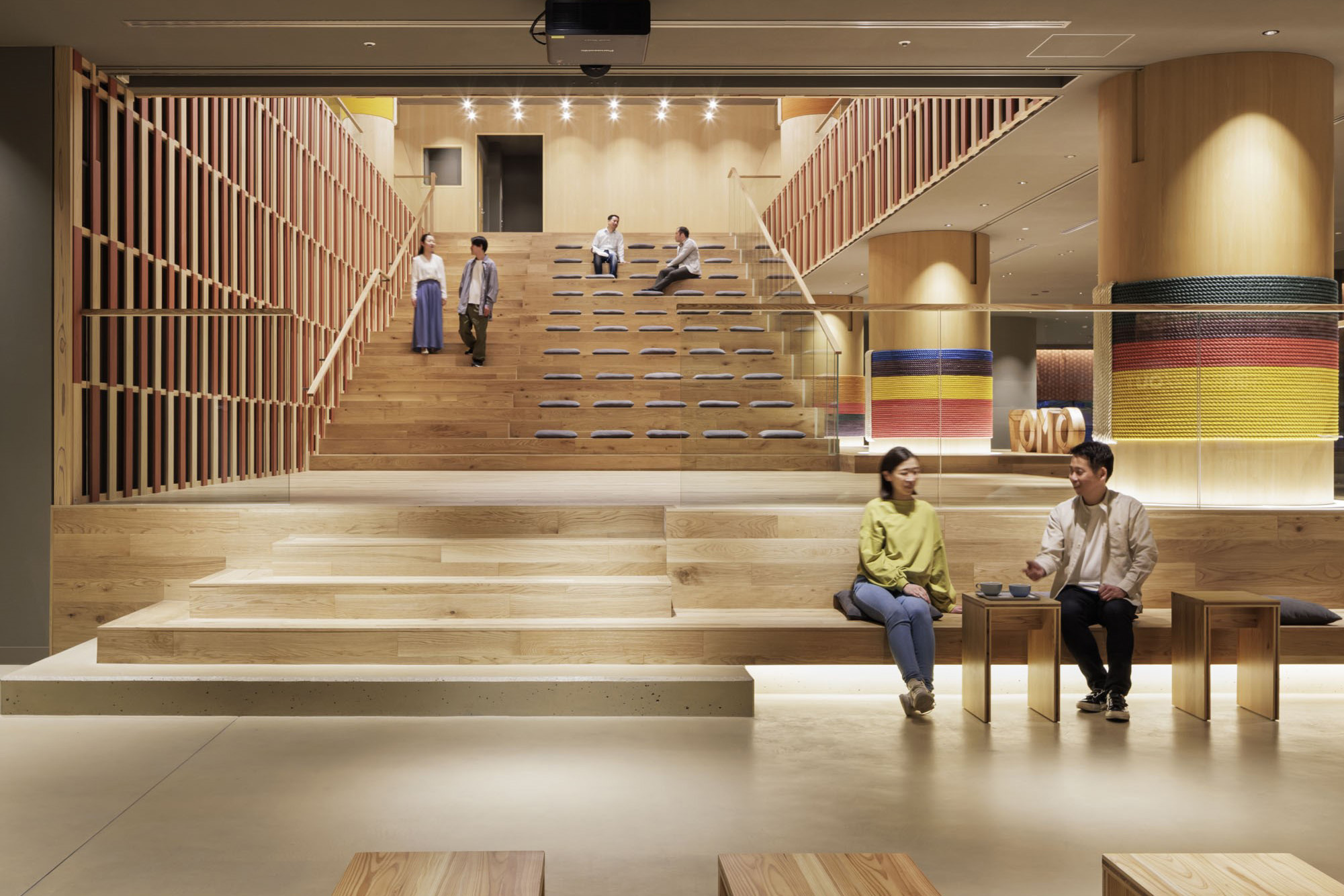
A hotel where you can experience Kochi's culture in its entirety with a buffet featuring Kochi's gourmet food and "Yosakoi Rakuen LIVE" held nightly.
.jpg)
.jpg)
.jpg)
Access by bus Approx. 4 min. walk from Nanenba-cho streetcar station
- Example of Accommodation Rates
- 1 person per night From ¥7,500