




Izumo Taisha Sightseeing Complete Guide" also introduces the route for worshippers.

Introducing a typical tourist attraction in Shimane Prefecture, a power spot said to be a sacred place for matchmaking. Izumo-taisha Shrine enshrines the deity Okuninushi no Okami, famous in the myth of the "White Rabbit of Inaba," and is widely known as the god of matchmaking. Tourism peaks in October (November) of the lunar calendar, when the gods from all over Japan are said to gather together in Izumo. For this reason, the month of November is called "Kaminashizuki" in Izumo, while the rest of the country calls it "Kaminashizuki" in Japan.
Visiting a shrine for the first time can be a confusing experience for some people because they do not know how to perform the rituals. Therefore, we introduce the recommended route and manners for visiting Izumo Taisha Shrine. Read it before visiting the shrine and enjoy a wonderful trip for marriage.
What is Izumo Taisha Shrine like?
- 1 Why is Izumo Taisha Shrine a "sacred place for matchmaking"?
- 2 What kind of god is "Daikoku-sama"?
Izumo Taisha's recommended route of worship
- 3 Passing through the torii gate and entering the shrine grounds
- 4 The hall of worship
- 5 Gohonden (main hall)
- 6 Goose shrine
- 7 Kaguraden
I want to know more about Izumo-taisha! The Charm of Izumo Taisha Shrine
What is Izumo Taisha Shrine like?
1Why is Izumo Taisha the "Sacred Place of Marriage"?
Kami shuai, where the gods discuss people's relationships with each other
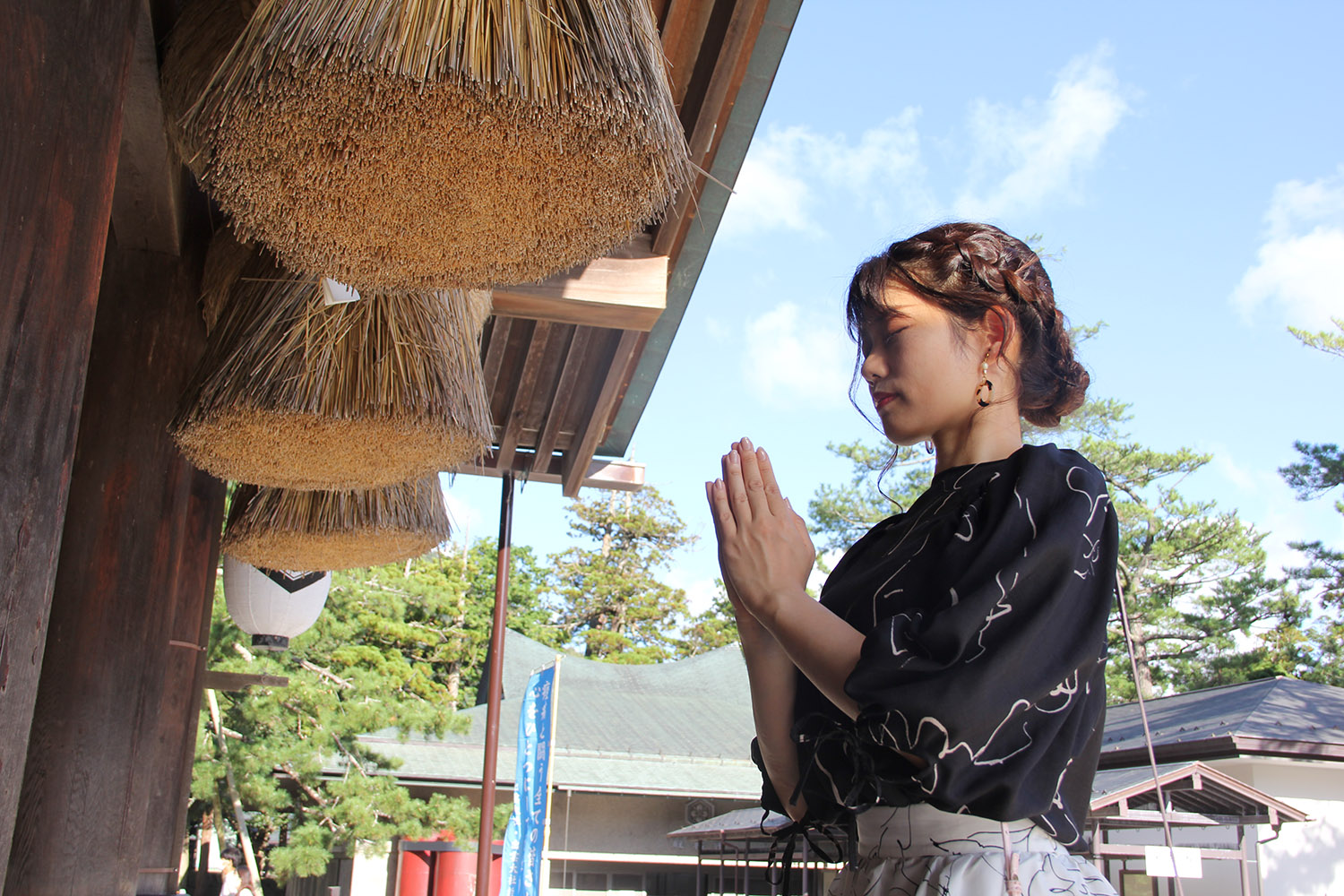
It is not known for certain why Izumo Taisha is considered a "place of matchmaking. One theory is that it came to be called the "holy place of matchmaking" because of a widespread belief that the gods gathered in Izumo in October (November) of the lunar calendar to discuss the fate of people during the "kami shui," a gathering of 8 million gods from all over the country.
In November, many Shinto rituals are held, starting with the "Kami-mukae-sai" to welcome the gods to Izumo, followed by the "Kanzai-sai" and "Enkai-sai" held on the shrine grounds, and the "Karasade-sai" to see the gods off.
2What kind of god is "Daikoku-sama"?
God of good marriage prayer mentioned in the Kojiki (Records of Ancient Matters)
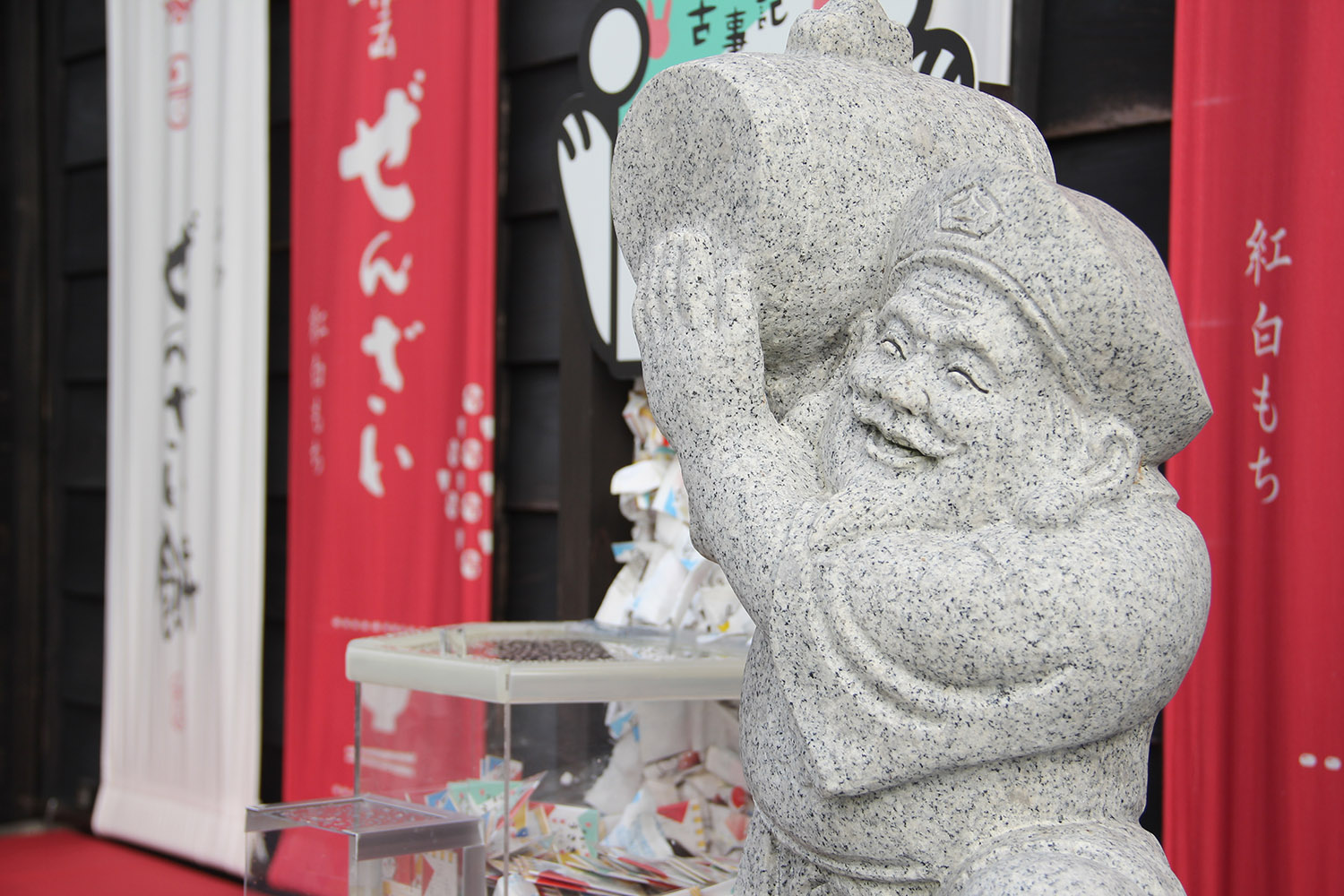
Izumo Taisha's deity, Okuninushi no Mikami, is famous as the god of marriage. He is also known as "Daikoku-sama. The typical benefits of this deity are said to include prayers for good marriages, the birth of a child, conjugal harmony, a good harvest, and prosperous business.
The myth of the "national succession" tells the tale of the transfer of the land to Amaterasu Omikami, the deity who overcame many hardships to pioneer the country. It is said that the shrine that became Izumo Taisha was built as compensation for the handover of the land to Amaterasu Omikami.
Izumo Taisha's recommended route of worship
3Passing through the torii gate and entering the shrine grounds
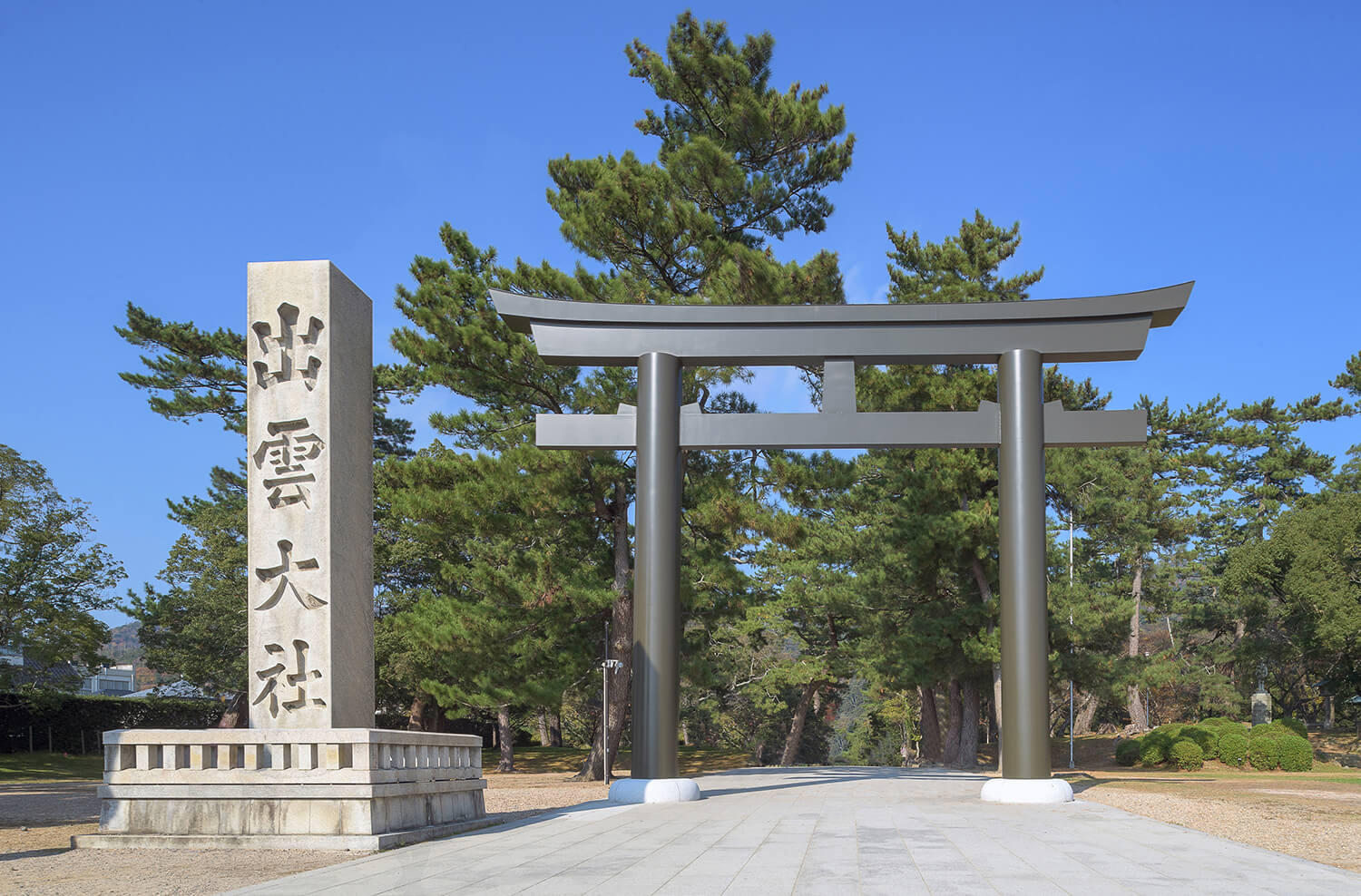
The "Seidamari no Torii" is a good place to start a visit to the shrine.
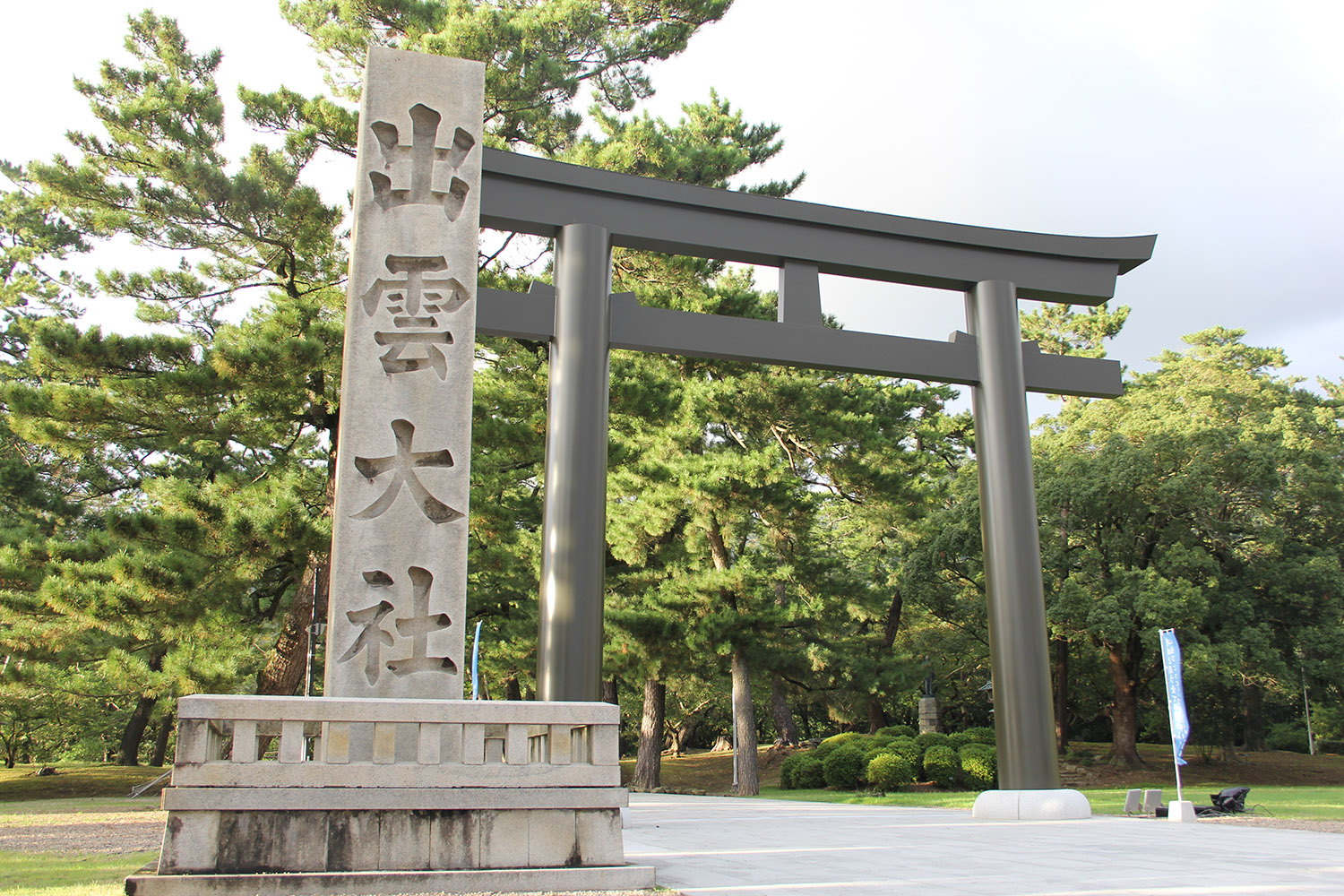
Izumo Taisha has four torii gates in total, all made of different materials: reinforced concrete, wood, iron, and copper. If you would like to enjoy shopping and dining before or after visiting the shrine, we recommend that you park in the free parking lot in the Monzenmachi and start your visit at the second torii, the Sedame no Torii, located just outside the Monzenmachi.
If you wish to pass through all the torii gates, start your visit at the first torii gate "Ugabashi no Otorii (Ugabashi Bridge Otorii)" located about 10 minutes' walk away.
Purify your body and soul at the "Harae no Yashira" (Shrine of Purification).

After passing through the Seitame-no-Torii, you will find a "downhill approach" that is rare in Japan. On the path, on your right is a small shrine called "Auri-sha," which many people tend to overlook, but it is actually a very important place. It is believed that visiting the shrine purifies the body and soul, so be sure to stop by.
Incidentally, if you go around to the back of the purification shrine, you will find a small stairway leading down to the Kiyo-me-no-ike (Pond of Purification). There is a rest area, so a leisurely stroll around the pond is recommended.
Before passing through the fourth torii gate, visit the statue of Musubi no Mikami (the goddess of Musubi).
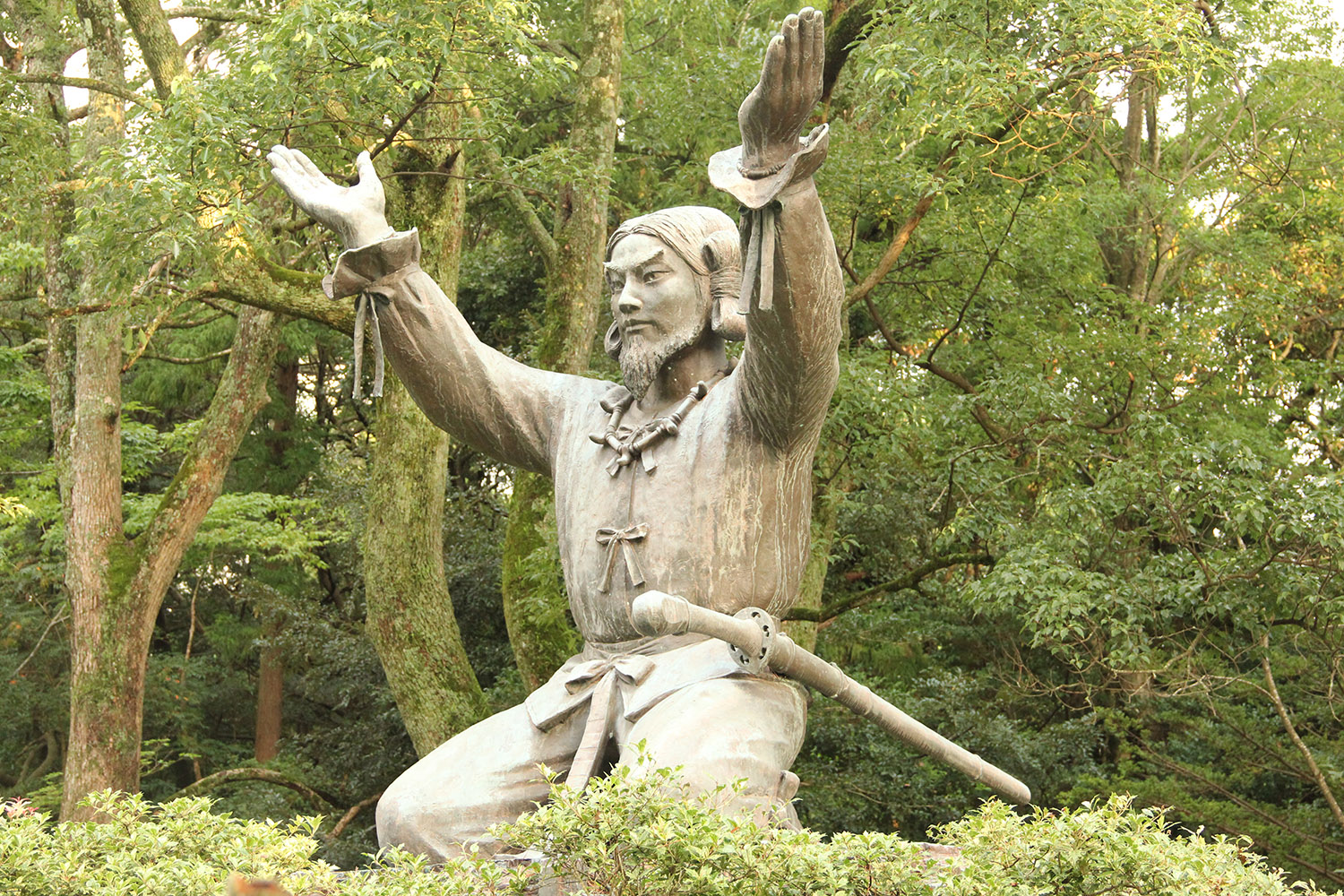
After passing through the approach lined with pine trees, purify your hands at the hand-watering basin. Before heading to the hall of worship, stop by the "Musubi no Mikami" statue installed in front of the "Copper Torii," the fourth torii (the gateway to the shrine).
In the "Kojiki," Okuninushi is said to have acquired knowledge and culture as a god by encountering two souls, Sakimitama and Kushimitama, and to have become a god called "Musubi no Okami. In other words, "Great God of Musubi" is another name for the deity Okuninushi. The statue represents a scene in which the deity Okuninushi receives the lucky and strange souls that emerge from the stormy waves of the Sea of Japan.
4Worship hall (Haiden)
Izumo-taisha's customary way of worship is "two rei, four claps, one bow.
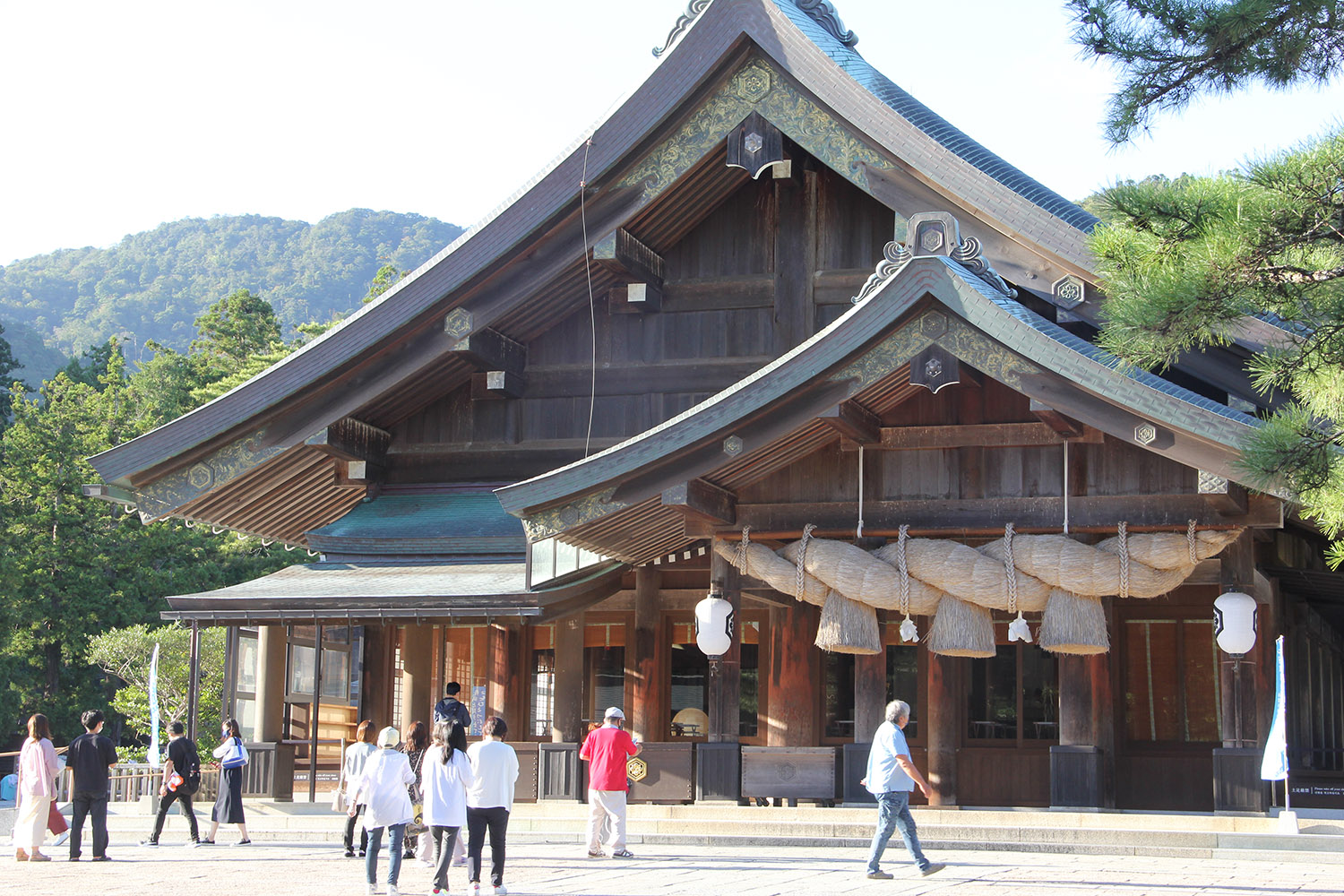
After bowing and passing through the copper torii gate, visitors will pray at the "haiden" (hall of worship), which was built in 1963 and is said to be the largest wooden shrine building in the postwar period. While the general custom at shrines is to bow twice, Izumo Taisha's custom is to bow twice, clap hands four times, and bow once at the end of each bow.
The same manner is used not only at the hall of worship, but also at all the shrines within Izumo Taisha's premises. While "8 clapping hands" is performed at the annual festival held on May 14 every year, half of that number, "4 clapping hands," is used on a daily basis to praise the gods.
5Gohonden (main hall)
Let's pray in front of "Yatsuashimon (eight-footed gate)" with a view of the main shrine
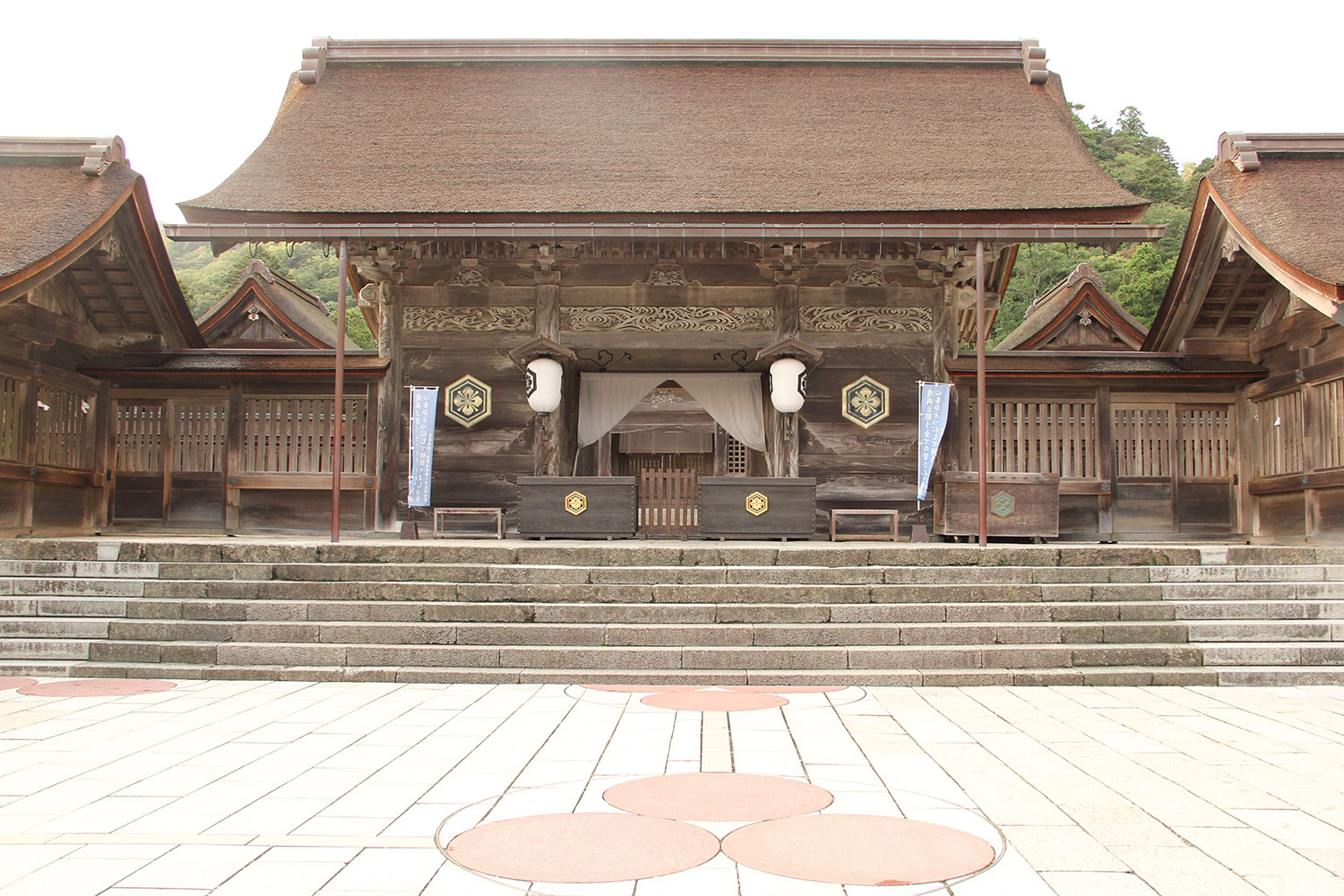
Walking to the rear of the hall of worship, you will see the "Gohonden" (main hall) where Okuninushi Okami resides. Go up the stone steps in front of the main hall and pray in front of the eight-foot gate, overlooking the main hall. During the New Year's period (roughly until the 5th), the gate is open and visitors can proceed inside.
The Hashikimon gate is a conspicuously decorated building with beautiful zelkova wood pillars. The large roof of the main shrine building and the chigi wood were newly renovated during the "Heisei no Daejengu" (the great transferring ceremony of the Heisei Era) held in 2008.
Let's also visit "Jyukusha," the dwelling place of the gods.
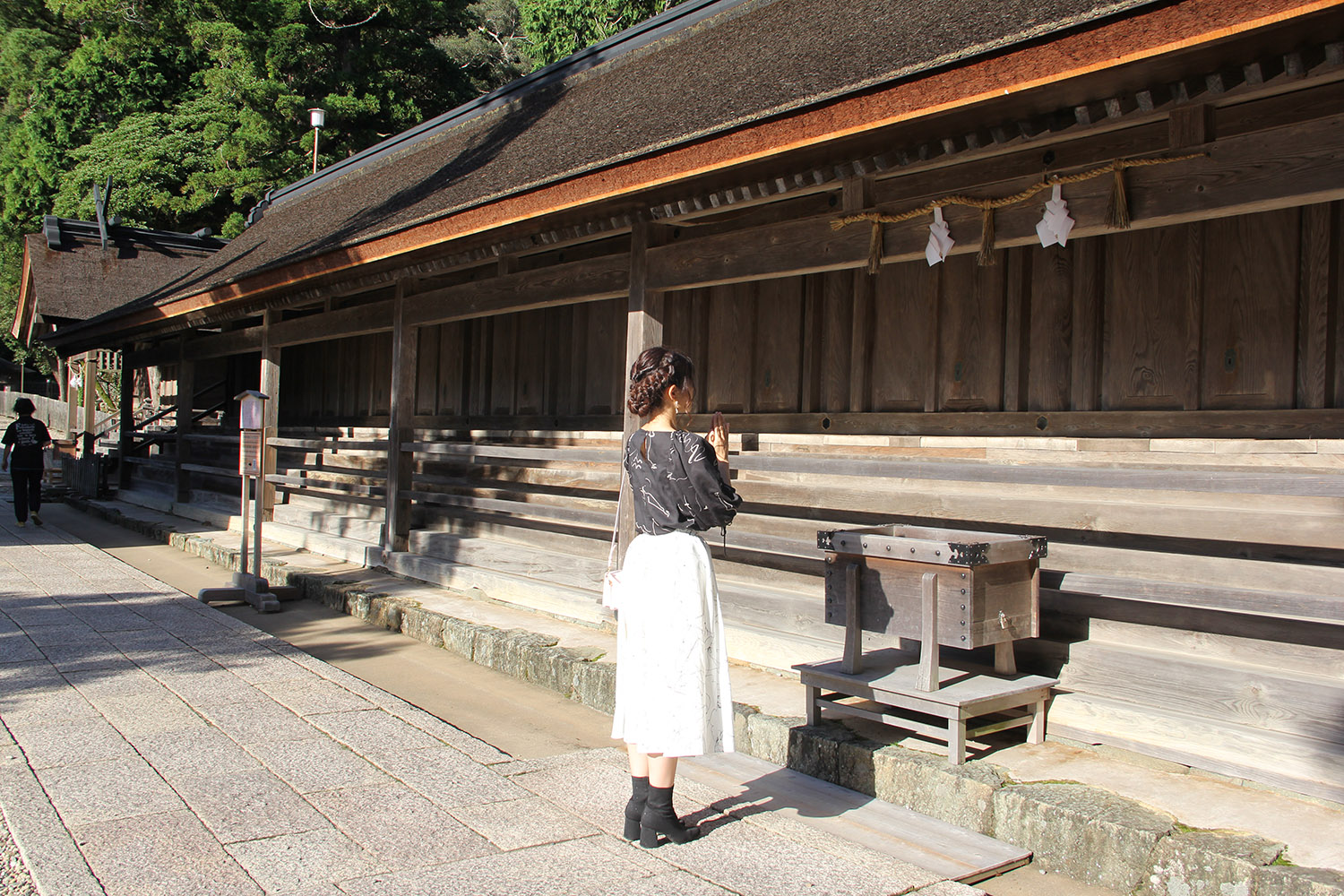
On the way from the main shrine to the "Sogano-yashira" is the "Jyukusha," a long and narrow shrine unique to Izumo Taisha. It is a shrine that serves as a dwelling place for the deities who gather from all over Japan during the month of Jinzai. The building has 19 rooms in a row, and all the doors are open during the Jinzai Festival.
Although the shrine is usually used as a shrine hall for worshipping the deities from all over Japan, visitors sometimes line up to visit the shrine in the month of Jinzai because they can worship the deities from all over the country. The nineteen shrines are two buildings on the east and west sides, facing each other with the main shrine building at the center.
6Goose shrine
The largest hidden power spot behind the main shrine
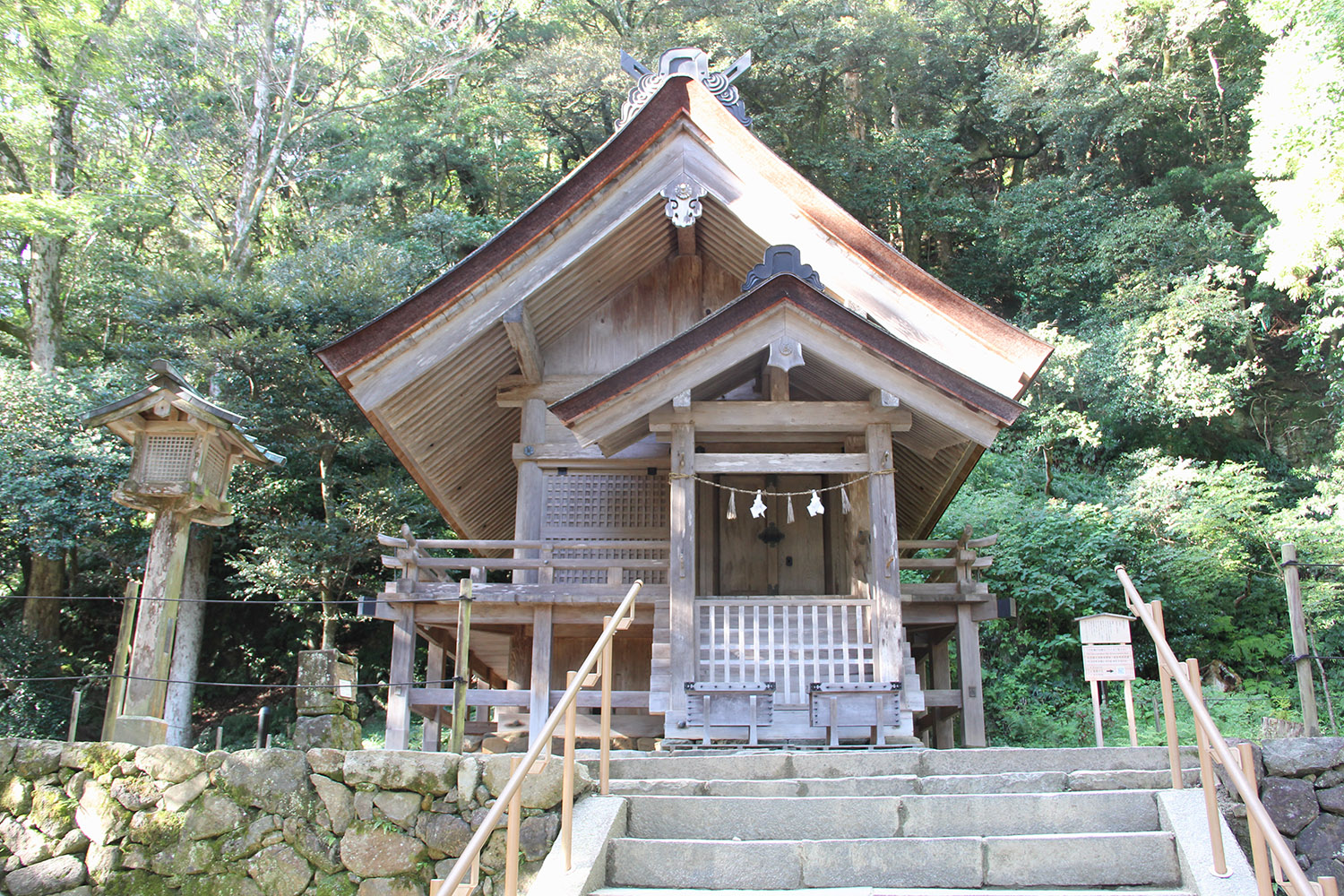
After visiting the main shrine, many visitors head to the "Kaguraden" on the west side, but we encourage you to turn directly behind the main shrine and visit the "Sotosha" (Shrine of the Goddess of Mercy). This shrine is dedicated to Susanoo-no-mikoto, the ancestor of Okuninushi no Okami and famous for the mythological "extermination of the eight-forked serpent (Yamata-no-orochi).
The Sose Shrine, which stands against the bedrock of Mt. Yakumo and watches over the entire precincts of the shrine, is a hidden power spot said to hold particularly great power. Located in a relatively quiet part of the precincts, it is a place where one can feel a strangely strong divine energy as one approaches.
Touch the rocks of Mt. Yakumo and feel the divine energy.
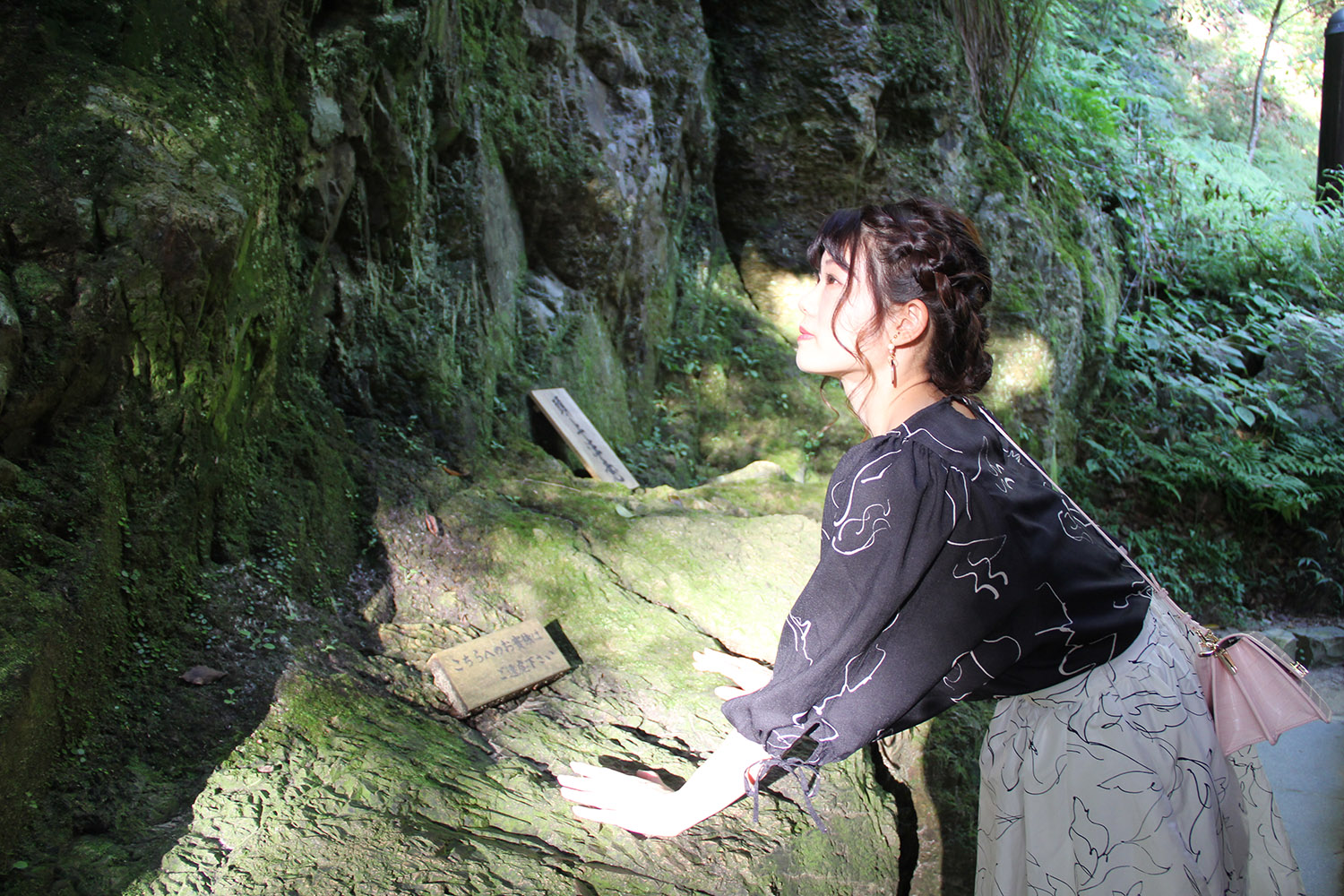
The Goose Shrine is located at the foot of Mt. Behind the shrine, visitors can directly touch the rock surface of Mt. Yakumo itself, which is forbidden ground, and is the only place where visitors can touch it, and many people feel a strong divine energy when touching it.
Under the floor of the shrine is a wooden box filled with sand from Inasa-no-hama, the place of divine welcome, and it is said that the sand purified at the Sogusha Shrine will bring blessings to purify the land when sprinkled. If you bring sand from Inasa-no-hama and offer it to the Sose Shrine, you will receive the same amount of sand instead, if you wish.
7Kaguraden
One of Japan's largest shimenawa (sacred straw rope). Let's visit Kaguraden, one of the largest shimenawa in Japan!
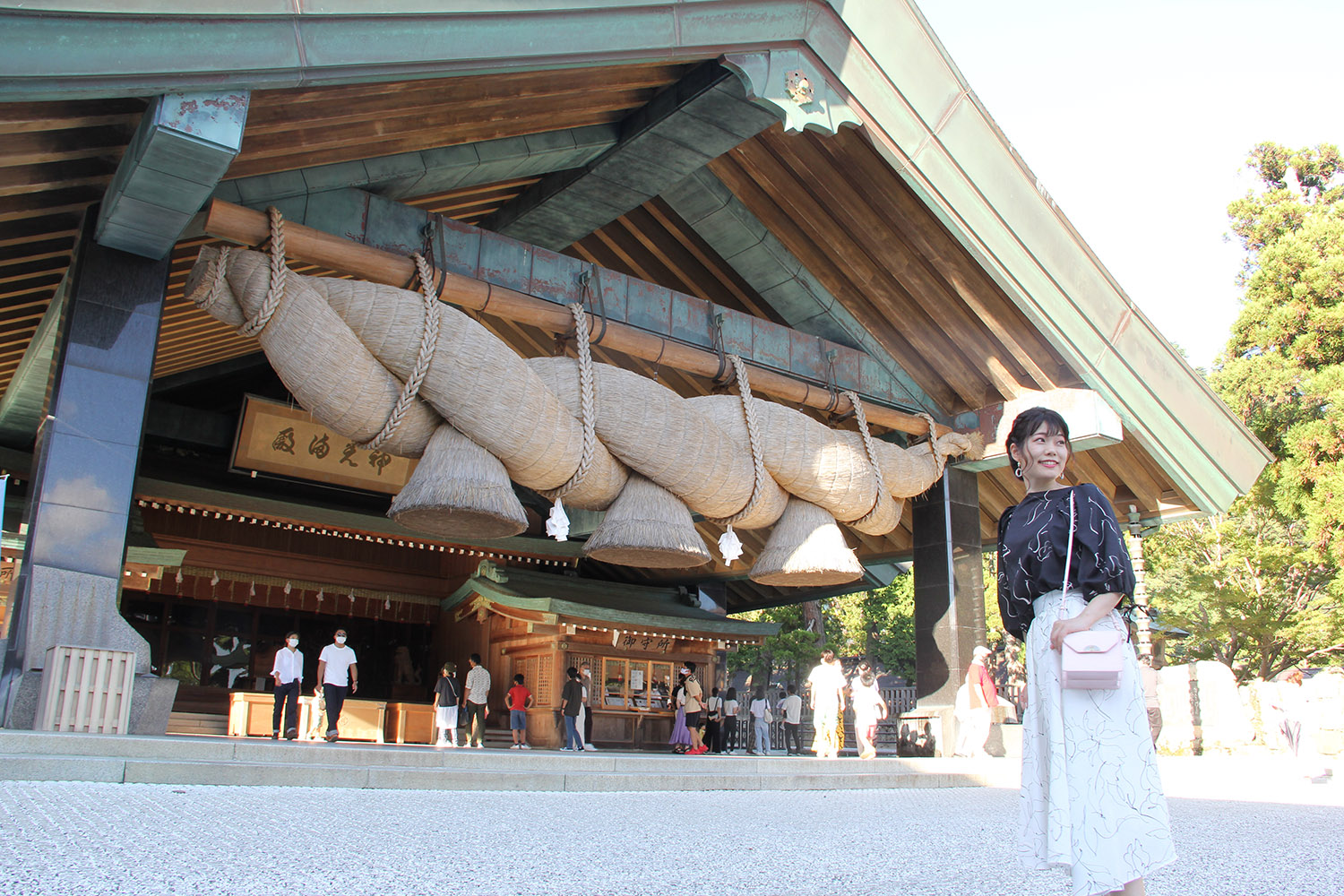
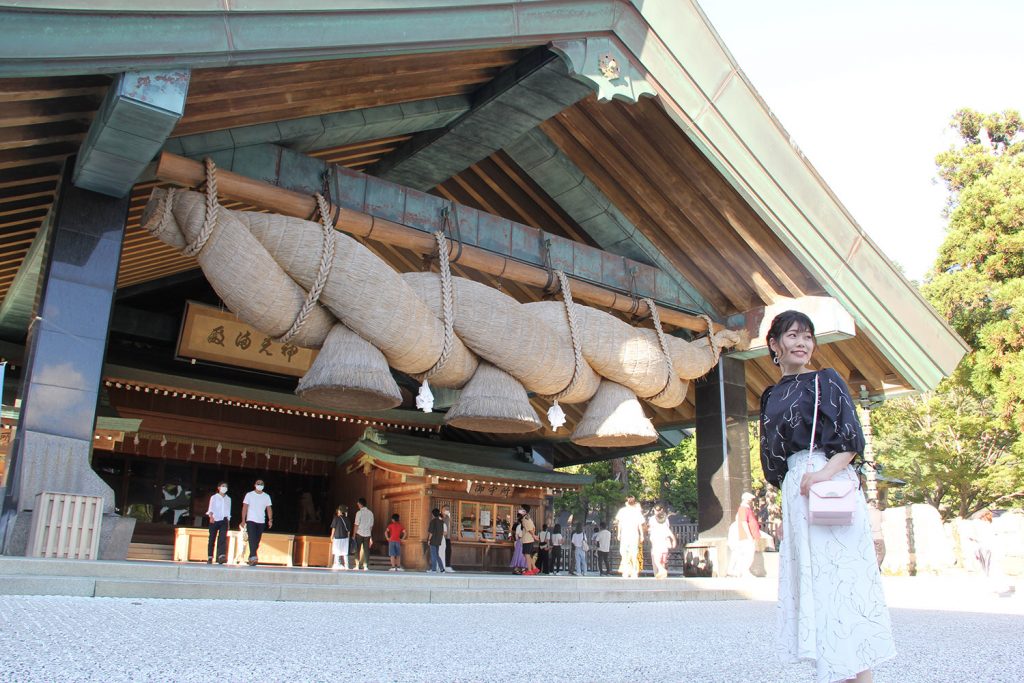
Across the Sotogawa River that runs through the shrine grounds is the Kaguraden, which is covered with one of Japan's largest shimenawa (sacred straw ropes). The shimenawa, which is approximately 13 meters long and weighs 5.2 tons, is a sight to behold, and many visitors take commemorative photos with the symbol of Izumo Taisha Shrine in the background while visiting the shrine.
The hall inside the shrine is as large as 270 tatami mats, and since various ritual events such as prayers and weddings are held there on a daily basis, it is not uncommon to see grooms dressed in hakama and brides in white kimono in the vicinity.
I want to know more about Izumo-taisha! The Charm of Izumo Taisha Shrine
8Stone statue of a rabbit
Find a stone statue of a cute rabbit!

About 60 stone statues of cute rabbits associated with the myth of the "White Rabbit of Inaba" are set up on the shrine grounds. Some are praying, others are drinking with their spouses, and in front of the "Nominosukune Shrine," which is dedicated to the god of sumo, there is a rabbit wearing a mawashi (a ceremonial kimono sash).
The White Rabbit is known as the "symbol of matchmaking" that brought together Okuninushi no Okami and his first wife, Yakamihime, in the story. One of the best ways to enjoy Izumo Taisha is to look for the stone statues as you visit the shrine.
9Get a red seal!
Izumo Taisha's original red seal book is also available. Let's get a red seal in the precincts of Izumo-taisha.
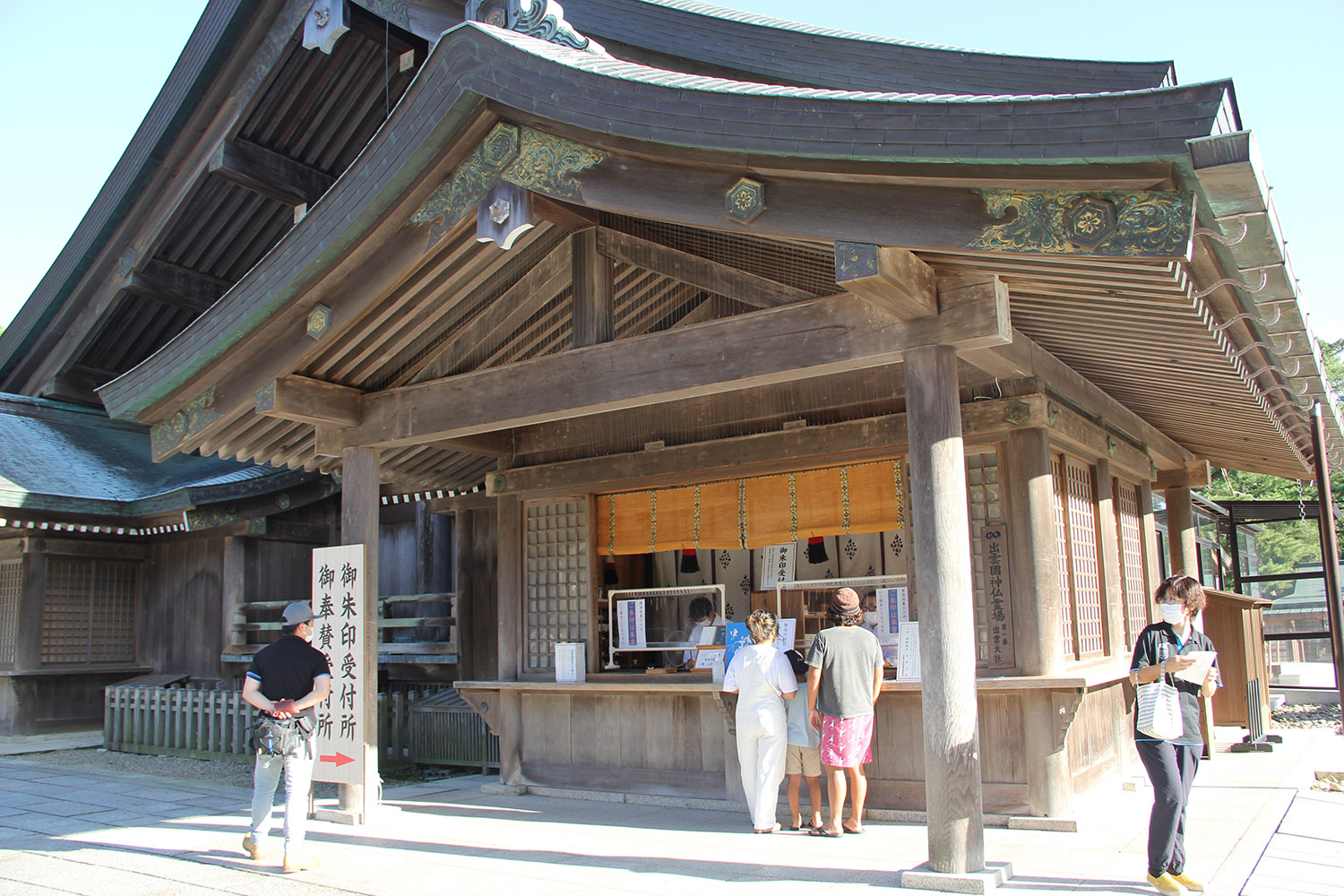
Izumo Taisha Shrine offers four types of original red seals. In addition to red seals in the Hon-den Hall, located behind the worship hall, and in the Kagura-den Hall, located to the left of the Kagura-den Hall, two types of red seals are available at the Kitajima Kokuzo Museum, located on the east side of Izumo Taisha Shrine.
Izumo Taisha's original red seal book comes in two types: a white one with a design of the main shrine building and a dark blue one with a design of clouds inspired by Izumo. Both are popular for their simple yet elegant designs. Red seal impression books can be purchased at the Kaguraden and at the reception desk behind the hall of worship.
- Izumo Grand Shrine
-
 195 Kinezukigashi, Taisha-cho, Izumo City, Shimane Prefecture MAP
 5 min. walk from Izumo Taisha-mae Sta. on the Ichibata Line
 From JR Izumo City Station, take the Ichibata Bus (bound for Izumo Taisha or Himizakizaki) and get off at the "Shomon-mae" stop. There is a direct connection bus from Izumo Airport to Izumo Taisha Shrine (2 buses a day).
 Prayer 6:00-19:00, Amulet Office 6:00-19:00, Treasure House 8:30-16:30
 No holidays
 Free of charge
 0853-53-3100(8:30-16:30)
 Free of charge
 From 16:30, for security reasons, it is not possible to go north from the Jyukusha.
MAP
- What is Izumo Taisha Shrine like?
-
- Izumo Taisha's recommended route of worship
- I want to know more about Izumo-taisha! The Charm of Izumo Taisha Shrine
- Hoshino Resorts facilities nearby

Local Guide who was in charge of this article
Hoshino Resorts facilities nearby
 Tamatsukuri hot spring, Shimane Prefecture
- Hoshino Resorts KAI Tamatsukuri
- An inn with Outdoor hot spring baths in all Guest rooms where you can enjoy the hot spring water for beautiful skin. You can also enjoy Kagura (Shinto music and dance) and Japanese sake, which is said to have originated in Shimane.
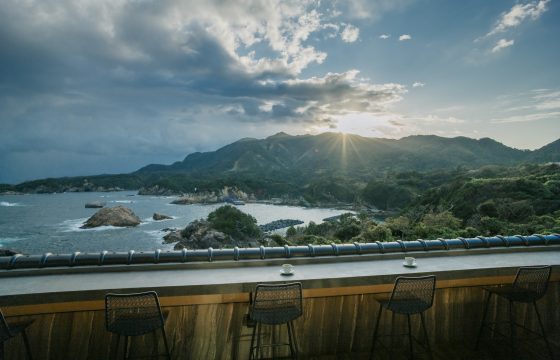 Izumo Hinomisaki hot spring, Shimane
- Hoshino Resorts KAI Izumo
- A hot spring inn located in Hinomisaki, where Izumo mythology is rooted. It is also conveniently located for paying a visit to Izumo Taisha Shrine.