





Why "Housewife's Shop Saichi's Ohagi" sells up to 25,000 a day in Akiu hot spring (Sendai City, Miyagi Prefecture) with a population of 3,800!

Only a 30-minute drive from Sendai Station, the scenery gradually changes from the hustle and bustle of buildings in the center of the city to the rich natural setting of Akiu hot springs. In a corner of such a peaceful hot spring town, a local supermarket "Shufu no Ten Saichi" is bustling with many tourists. Its specialty is homemade "Akiu o-hagi," or "Saichi's o-hagi. Also not to be missed are a variety of savory prepared foods that have many local fans. This small supermarket in a hot spring resort town is known as a "legendary supermarket," with about 600 supermarkets from all over Japan having come for training. This is an invitation to Michikusa to such "Housewife's Store Saichi.
Michikusa experts who wrote this article
-
Supermarket Researcher
Yoshimi Sugawara
Published a book in 2012, which she compiled by visiting local supermarkets all over Japan on her own. Since then, she has written numerous books, appeared in newspapers and magazines, appeared on TV, and given lectures to promote the discovery and appeal of everyday foods that have been buried under the surface.
https://www.gotouchisuper.online/about Michikusa's
guru
1. welcome to the fascinating world of local supermarkets!
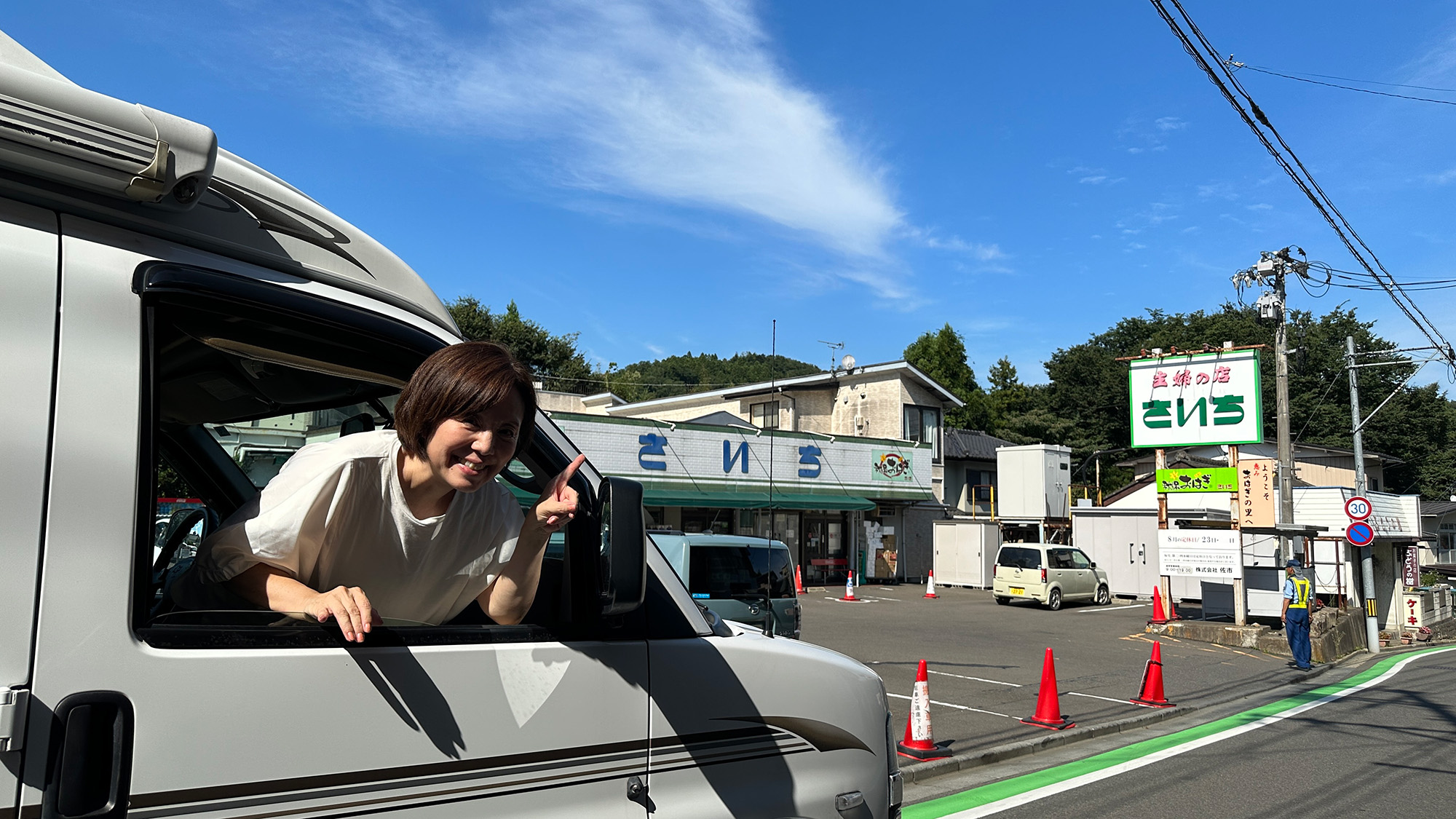
Hello. I am Yoshimi Sugawara, a supermarket researcher who has been touring local supermarkets across Japan to uncover local foods that are deeply loved only in that area. I have already circled the 47 prefectures of Japan three and a half times, one of which was in a campervan, and I experienced a dream-like year in which I ate three meals a day from local supermarket delicacies.
The charm of local supermarkets is that you can buy locally loved "everyday food that you never get tired of eating every day" at local prices, and you can find local culture and climate in the history of the supermarkets and products. Let us take you to "Shufu no Ten Saichi" in Sendai City, Miyagi Prefecture, a famous store known as a "legend in the local supermarket world" that can be enjoyed by everyone from local supermarket novices to industry professionals.
2. what is legendary? Housewife's Store Saichi

Located in a quiet suburban hot spring resort area, this small, privately owned supermarket, with a floor space of about 80 square meters, is slightly larger than a convenience store, but attracts many visitors every day. The main attraction is, of course, Saichi's special "o-hagi" (rice cakes), and in a town with a population of approximately 3,800 people, Saichi has sold an average of 5,000 on weekdays and a maximum of 25,000 at its busiest. The episode of teaching how to make the dish to some 600 supermarkets nationwide who came for training to take advantage of the popularity of the dish shows the size of the store and its confidence that it cannot be easily replicated. The store has become a legendary supermarket that no one in the industry has ever heard of.

3. what is "Saichi no Ohagi"?

The o-hagi of Shufu no Ten Saichi continue to fascinate people. They are a little different from ordinary o-hagi in appearance; they are generously sized and the overall shape is that of an omelette. But that may be a groundless fear. Most people can easily finish two pieces due to the delicious aroma of the sweet, slightly salty azuki bean paste and rice wrapped in it.

The popularity of Saichi's o-hagi also lies in the variety. In addition to "anko" (red bean paste), "kinako" (soybean flour) and "sesame" (sesame seeds) are the standard. The rice is covered with more than enough kinako (soybean flour) and ground sesame seeds, so you can dip it in as much as you like. It is a simple o-hagi with only rice inside, but it is a taste that reminds us of the aroma of soybean flour and the depth of sesame seeds.
Michikusa Gurus
From October 1 through May 31, seasonal natto ohagi will also be available.
Natto rice cakes are eaten in the Tohoku region, but eating ohagi with natto is a Saichi original.
4. the story of the birth of "Saichi no Ohagi

The history of the company began with "Saichi Shoten" founded by President Koichiro Sato's great-grandfather, Ichijiro, in the early Taisho period (1912-1926), and in 1979, his father, President Keiji, and mother, Executive Director Sumiko, changed the business to a food supermarket, "Shufu no Ten Saichi," but the small privately owned supermarket was in financial difficulties. However, the small, privately owned supermarket was experiencing financial difficulties. However, the small, privately owned supermarket was experiencing financial difficulties. To compete with the selection and low prices of other chain supermarkets, Sumiko began to offer handmade prepared foods.

Saichi no Ohagi was born in 1982, three years after the opening of the supermarket. It was in response to a request from a regular customer in the neighborhood who wanted to make o-hagi for her grandchildren. Sumiko valued the taste of o-hagi as if she were making them at home, and created delicious o-hagi that are not too sweet, yet additive-free.

The same attitude is still maintained today, with homemade azuki red bean paste and freshly cooked rice blended with locally grown Uruchi and glutinous rice, wrapped by hand one at a time. The rice is hand-wrapped with homemade azuki bean paste and freshly cooked rice made from a blend of locally grown Uruchi rice and glutinous rice.
It is best to eat it while it is still soft, so we recommend tasting it as soon as possible.
Michikusa Gurus
What surprised me when I was specially shown the making process was that the rice was smaller than I expected. And instead of rounding it with azuki bean paste, the rice is simply covered with soft bean paste with one hand! That's the secret of its deliciousness.
5. not only "o-hagi" but also "homemade side dishes" are famous! Home-made side dishes are also a masterpiece! 6.
Saichi has a "o-hagi" section that can be said to be an anomaly not found in other supermarkets, with one-third of the prepared foods section filled with o-hagi. Facing the shelves are Saichi's other signature product, handmade prepared foods.

Saichi's deli department originally started out by providing prepared foods to busy locals working at nearby inns and hotels. Not only is the food delicious, but its beautiful presentation is a testament to the high level of skill involved.

Michikusa Gurus
I was amazed by the technique of serving the go-me-ni in a medium-high bowl and the beauty of the coloring. Even the position of the red lid of the sauce bottle that is placed in the seafood bowl is in accordance with Sumiko's "aesthetic sense".
6. the commitment of the previous generation: "Rivalry is a taste of home
Saichi's prepared foods have been handmade in the store since before o-hagi (rice cakes). In the early 1980s, just after the opening of the supermarket, fried food was the mainstream prepared food in supermarkets. As a privately owned store, Saichi did not have the manpower and the number of items on display in its compact store was no match for the chain stores. Instead of competing with other stores, Saichi set its sights on "home cooking" as its rival.

For example, this attitude can be seen in the way they prepare "Gomoku-ni", the most popular dish on their menu today. When you actually count the ingredients in a "Gomoku-ni" (large) or "Gomoku-ni" (medium) size, there are not only five ingredients, but 13 to 14 different kinds of ingredients! In fact, they follow the traditional way of preparing nishime, which is to use different pots for different ingredients, simmer them separately, and serve them on a single plate.

Saichi's goal is to season the ingredients to suit their flavor and to spare no pains to give the dish a beautiful color and shape. This is what Saichi aims for: "Rivalry is a taste of home.

One can't help but feel Saichi's spirit when he offers different sizes of the same dish to accommodate different numbers of people. The second most popular dish, "kinpira" with burdock and carrots, is available in thick and thin types. According to President Sato, the thick kinpira is by far the most popular.
7. the secret of Saichi's taste

President Koichiro Sato took over the presidency from his father in 2022. He says that while he has kept the flavor of Saichi, he has made changes little by little to suit the current times.

In fact, Saichi does not have a recipe. When Sumiko taught the chefs how to make the dishes, she valued the sensation of learning by her own tongue, not a recipe. Today, staff/staff members who know the old taste and new staff members are working together to preserve the taste of Saichi.
8. we also recommend local foods made by local manufacturers

Although we have introduced the fascinating food of Saichi, it is true that Saichi's handmade o-hagi and side dishes do not last long, making it difficult to take them home as souvenirs. But don't worry. Saichi also offers many of the best souvenirs to make your trip memorable.

Akiu Winery opened in Akiu in December 2015. You can enjoy a café serving wine, a paid tasting corner, and an open-air terrace. Many people stop by to visit the vineyards spreading out in Akiu's natural surroundings.

Great Dane Brewing, founded in Wisconsin, USA, opened a new brewery in Akiu in January 2024. It was created in collaboration with the Akiu Hot spring ryokan association. The brewery has also collaborated with the Akiu Onsen Ryokan Association to create "Yugari Pilsner," a limited-edition beer made with rice grown in Akiu as a secondary ingredient.
Michikusa Gurus
A delightful new specialty for Akiu hot spring souvenirs! An interesting brewing experience created by a foreign-capital brewing company using local rice as an ingredient. Light and easy to drink, it tastes just right after a hot spring bath.

If you like Saichi's sweet o-hagi, you may also be interested in the "Butter Monaka," a sweet o-hagi with butter flavored with Guerande salt. You can also buy this popular signature product of Eizendo, a popular Japanese and Western confectionery store in Marumorimachi, at Saichi.

Ishinomaki Kamaboko's "Sasa-Kamaboko" is a local family favorite, made from fresh Alaska Pollack and carefully kneaded and slowly baked using an old-fashioned method using a millstone. The "Factory-direct Thick-baked Sasa-kamaboko," which is individually wrapped and available in a choice of flavors, is also popular as a souvenir because it is easy to eat.
Michikusa Gurus
Sendai is famous for its sasa-kamaboko. Eating it as it is is delicious, but the manufacturer's website has a variety of easy recipes, so you may want to refer to them to broaden your repertoire.
Now, is there a supermarket near your house that boasts of its ohagi (rice balls)? Whether your answer is "yes" or "no," if you visit Akiu hot spring in Sendai City, Miyagi Prefecture, we recommend a trip to the legendary "Shufu no Ten Saichi" supermarket, a local favorite that has fans all over the country. Then, try the Akiu o-hagi, called "Saichi's o-hagi. If you feel that the taste is somewhat similar to the taste of the ohagi of the supermarket you know, that supermarket may possibly be one of the approximately 600 supermarkets from all over Japan that have come for training. If this is your first experience of the taste of ohagi, it will surely be a memorable encounter with the best ohagi you have ever had.

-
 23 Yumoto Yakushi, Akiu-cho, Taihaku-ku, Sendai City, Miyagi Prefecture MAP
 30 minutes from Sendai Station by car
 33 min. by Sendai Seibu Liner from JR Sendai Stn. to Sakan-mae bus stop, a short walk from the bus stop.
 Open 9:00-19:00
 Open on the 2nd and 4th Wednesday of the month (Mon, the 2nd Wednesday in August, the 4th Wednesday in December, or if the Wednesday falls on a national holiday)
 022-398-2101
 Free of charge
9. Hot spring ryokan "Hoshino Resorts KAI Akiu" KAI" with convenient Direction to Saichi
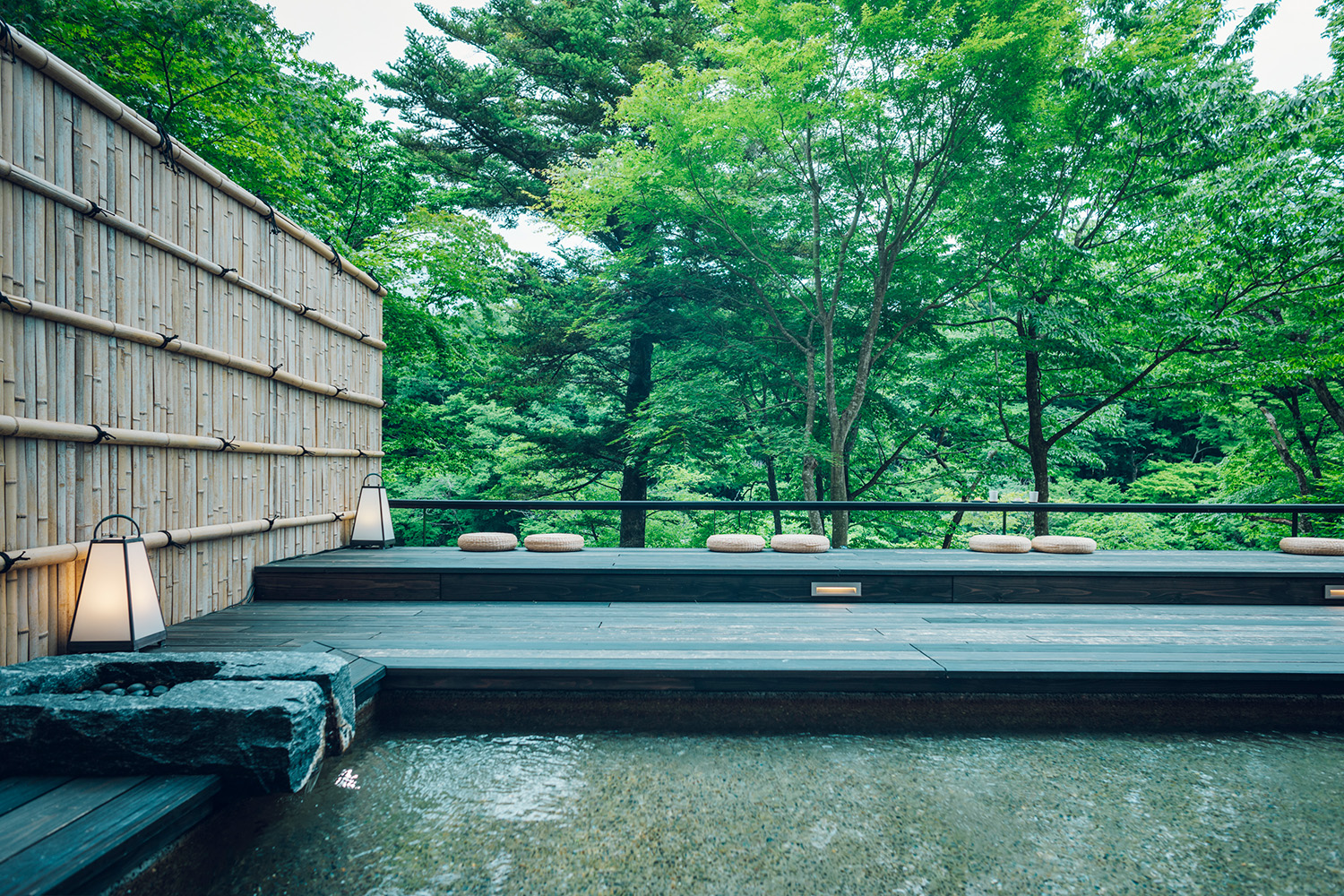
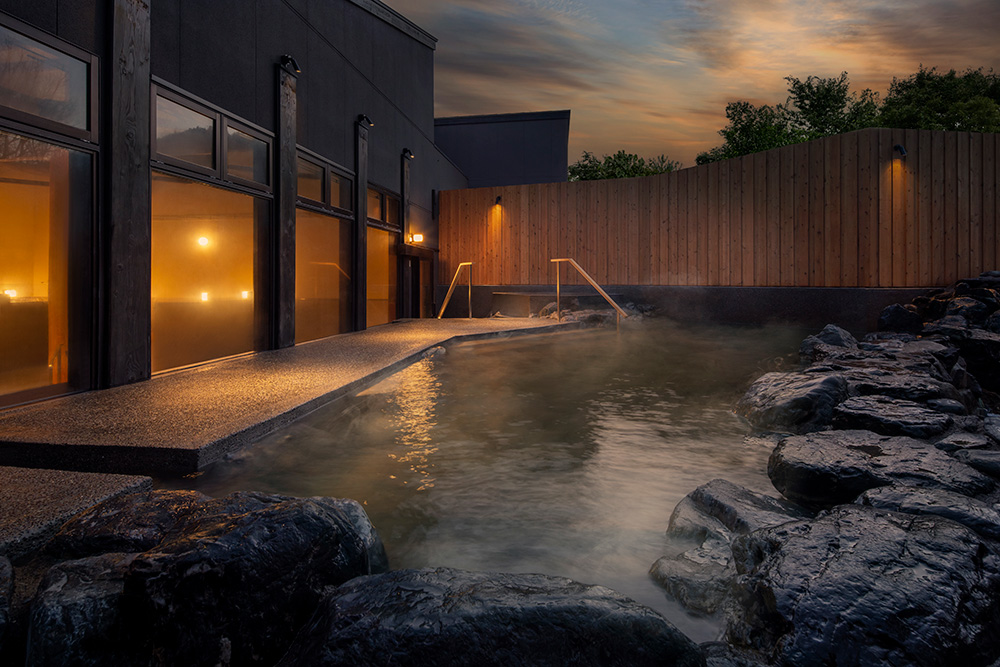
This is a hot spring inn located in Akiu hot spring, the backwater of Sendai. It is one of the three best hot springs in Oshu and is said to be the hot spring where emperors and feudal lords have healed their bodies for about 1,400 years.
Direction from the inn to "Shufu no Ten Saichi" is only 5 minutes by car or 10 minutes by bus. When you visit Sendai, why not enjoy a trip to experience the charm of local supermarkets?

Hoshino Resorts KAI Akiu
Akiu hot spring, Miyagi
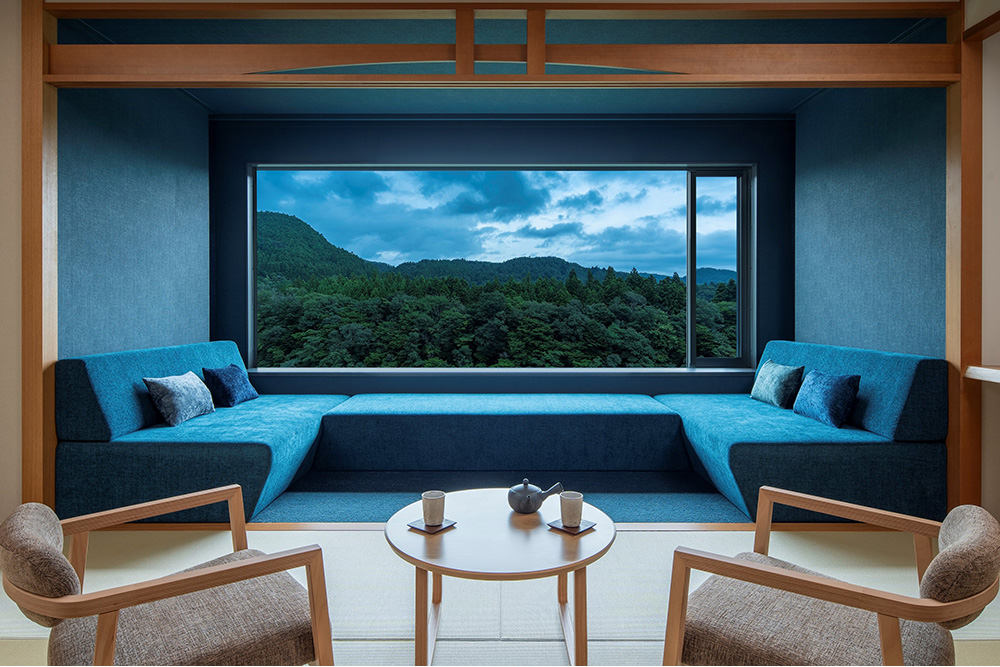
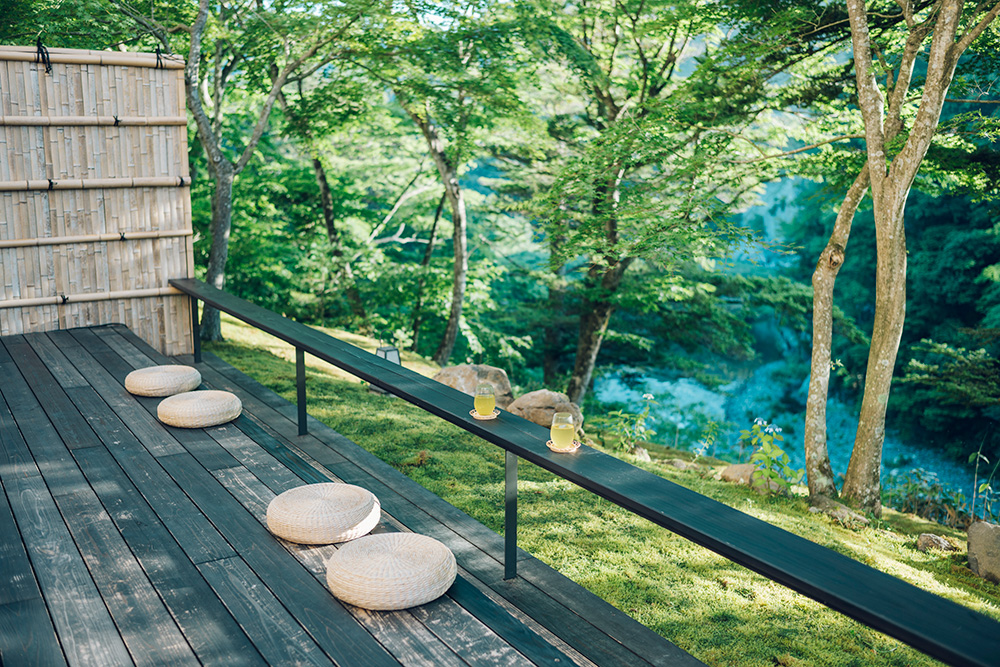
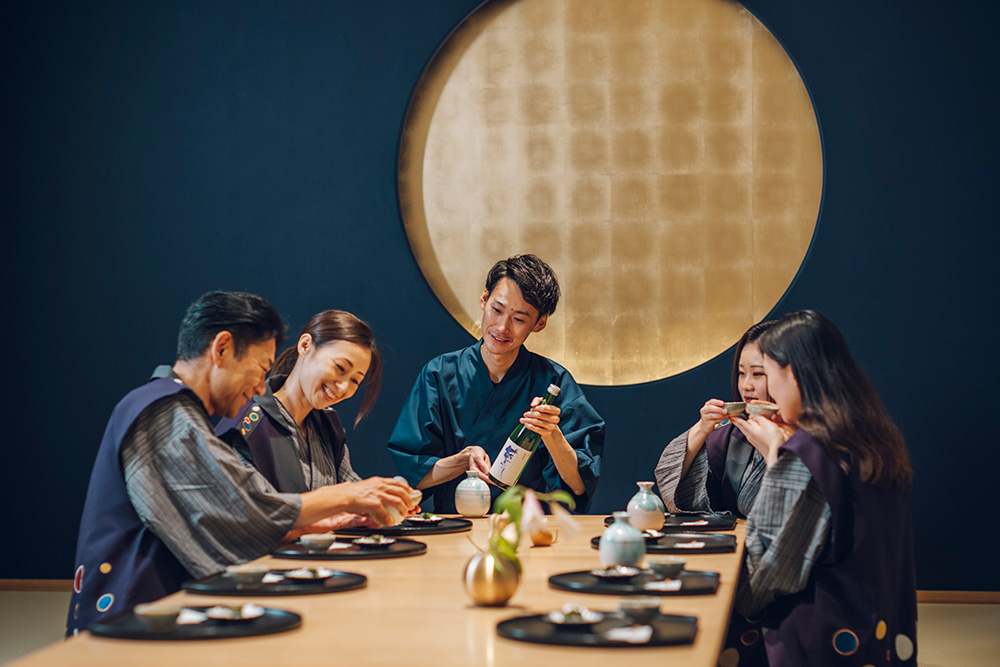
The inn is located in Akiu hot spring, a secluded area of Sendai. All rooms have a view of the beauty of the mountain stream that stands out with the seasons.
Access by bus Take a local bus from JR Sendai Station and get off at "Kai Akiu-mae" bus stop. 1 minute walk from "Hoshino Resorts KAI Akiu-mae" bus stop.
- Example of Accommodation Rates
- 1 person per night From 16,819 yen