





7 sweet shops in Tokyo where you can enjoy Mitsumame and Anmitsu, which originated in Tokyo

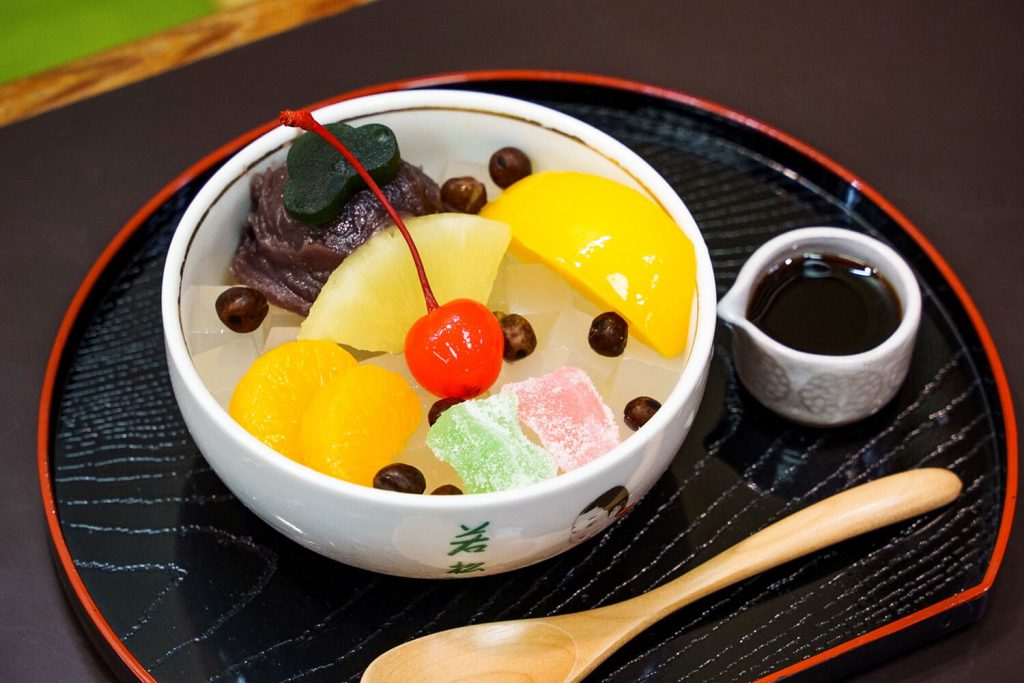
Mitsumame (mitsu-mame) and anmitsu (anmitsu) originated in Tokyo and have now spread nationwide. The original form of Mitsumame was a snack for children sold at the end of the Edo period (1603-1867), and Mitsumame was born in the Meiji period (1868-1912) with a lot of ingredients such as agar and fruits as we know it today. Later, "Mitsumame" with red bean paste was also introduced, and both have long been loved. Here are some recommended sweet shops in Tokyo where you can taste "Mitsumame" and "Anmitsu", both of which are handmade in the traditional way.
1Funawa Honten Cafe
Historically famous store that created modern Mitsu-mame

Funawa Honten was founded in 1902 and is known for its imoyokan (sweet potato dumplings). In fact, it is the original store that created today's mitsu-mame, and was the first historical store to serve mitsu-mame in a coffee shop. At that time, mitsumame consisted only of a rice cake made by kneading rice flour and red peas with honey poured over it, but Funawa invented the modern mitsumame, which is served on silverware with square agar, red peas, sweetened apricots, and gyuhi, topped with white honey or black honey, and eaten with a spoon. At the coffee shop, you can taste the "original mitsumame," almost unchanged from that time.
Anko-dama with various flavors and a cup of green tea

Speaking of Funawa, "Anko-dama" (bean paste wrapped in agar) has also been a long seller since its establishment. The Anko-dama and green powdered tea set is also popular at the cafe. In addition to the standard red beans, white beans, and green powdered tea, you can choose two of the following six flavors: strawberry and mandarin orange, which have a refreshing sour taste, and coffee, which can be enjoyed as if it were a Western-style confectionery. The sweet red bean paste is smooth and melts in the mouth, making it a perfect match for the matcha.
High-colored coffee shop that retains the atmosphere of the Mitsu-mame hall

Funawa opened its "Mitsumame Hall" in 1903, the year after its establishment, and gained popularity as a coffee shop serving high-class Mitsumame. Today, the 2nd and 3rd floors of the main store are used as the coffee shop, where Staff/staff members in classical uniforms provide hospitality in a retro-modern space that incorporates the atmosphere of the time. In addition to mitsumame, you can taste their signature product "sweet potato Yokan" and "Sweet Potato Gozen," a lunch menu that includes sweet potato rice, Kenchin Jiru, mini Anmitsu, etc. (until 2 pm, limited quantities available).

- Funawa Honten Coffee Shop
-
 Funawa Honten 2F and 3F, 1-22-10 Asakusa, Taito-ku, Tokyo MAP
 5 min. walk from Asakusa Station on Subway Ginza Line and Tobu Isezaki Line
 10:30-19:00(L.O.18:30)
Sat., Sun., Holidays~19:30(L.O.19:00) No holidays
 03-3842-2781
 None
None
2Umezono Asakusa Honten
Golden-brown awa-zenzai that tastes great hot!

The first teahouse was opened in 1854 in a corner of Baion-in, a branch temple of Sensoji Temple. The "awa-zenzai" (sweet bean soup with millet), invented by the first generation, was a favorite dish of the stylish people of Edo, and is still an indispensable sweet treat for sightseeing in Asakusa. At Umeen, mochi kibi is used instead of millet, and every morning the kibi is steamed in a Japanese cypress silo and pounded halfway through to make mochi. The rice cake is steamed in a Japanese cypress silo every morning, and is served hot with a sweet red bean paste.
Colorful Mitsu-mame in a light green bowl

Mitsu-mame (soybean paste) and anmitsu (sweet bean paste) are also long-time favorites. You can enjoy the harmony of the pleasantly textured agar made from Japanese amakusa seaweed, lightly salted red peas, and rich molasses made from brown sugar and several other types of sugar. The red peas are cooked by skilled artisans every morning, and the "mamikan" (bean jelly cake) made with plenty of these beans is also a firm favorite. The light green bowls in which the mitsu-mame and anmitsu are served also complement the fruit and gyuhi.
At-home sweet shop loved by locals

The store is located along Ichifuku-ji Avenue, one street west of Nakamise-dori Avenue, which connects Kaminarimon and Senso-ji Temple. The sweet shop has a homey atmosphere frequented by many locals, and you can feel its history of being loved as a teahouse. From mid-May to the end of September every year, shaved ice is available only during the summer season. The shaved ice is served with fluffy ice and optional syrup, and is very popular with customers lining up to taste it. Awa-zenzai" is also available as a seasonal to-go item in the fall, but the most luxurious way to enjoy it is to have it freshly made in the store.

- Umezono Asakusa Main Store
-
- 1-31-12 Asakusa, Taito-ku, Tokyo MAP
- 2 min. walk from Asakusa Sta. on Subway Ginza Line or Tobu Isezaki Line
- 11:00-17:00(L.O.16:30)
Sat., Sun. and holidays - 18:00(L.O.17:30) - Wednesdays (or the following day if Wednesday is a national holiday)
- 03-3841-7580
- None
3Ginza Wakamatsu
Enjoy the original anmitsu, which was created at the request of a regular customer.
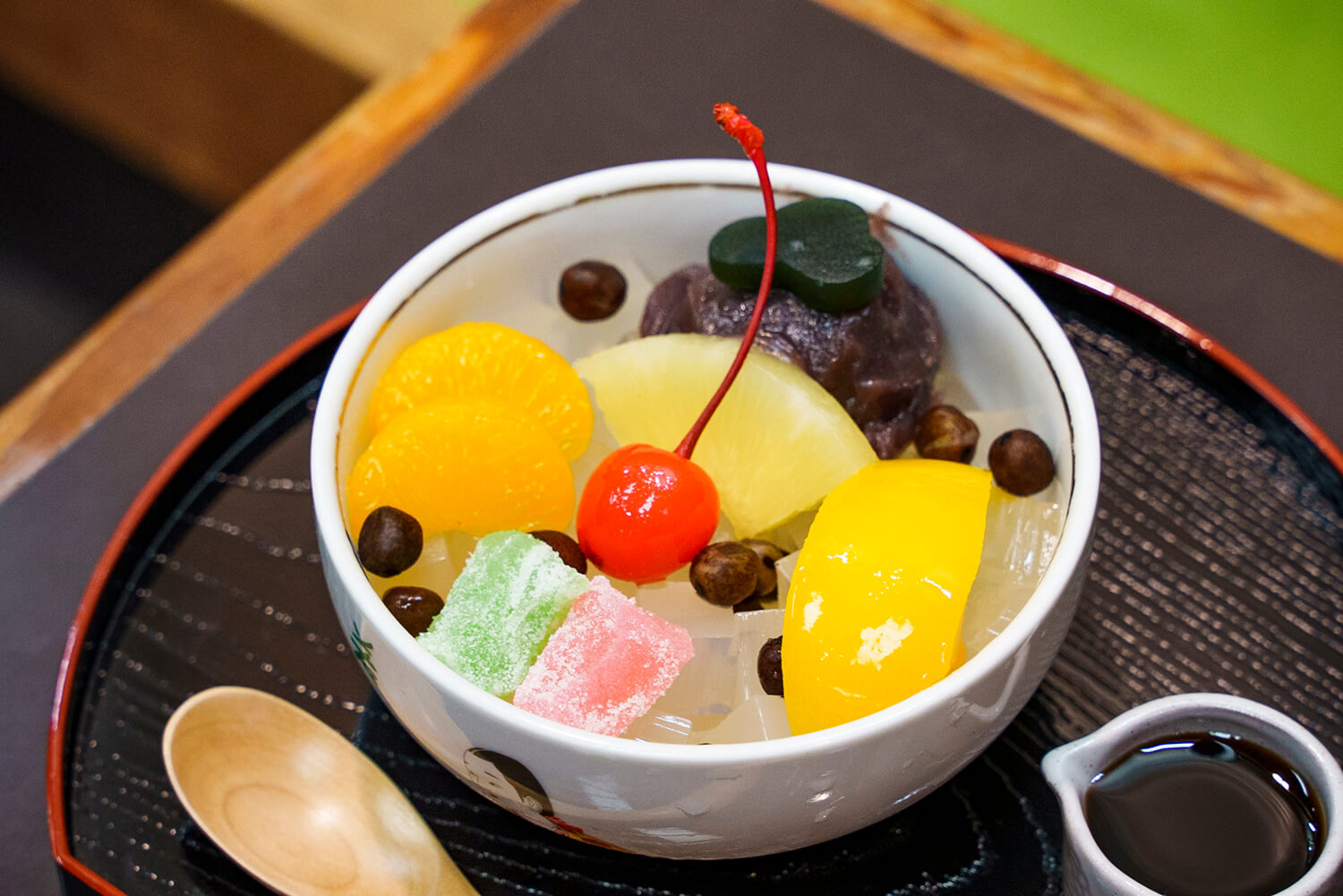
Founded in Ginza in 1894 by the first generation of a shiruko (sweet bean soup) shop owner in Ueno, in 1930, in response to the requests of regular customers who wanted something sweeter, the second generation owner invented anmitsu, a sweet bean jam topped with homemade koshian and topped with a generous amount of molasses. The "original anmitsu" made with the recipe from that time is characterized by its firm sweet red bean paste. The azuki beans produced in Tokachi, Hokkaido, are cooked in a short time to make the bean paste smooth and smooth.
The summer-only ice anmitsu is also popular

In summer, we also recommend the "ice anmitsu," shaved ice topped with anmitsu ingredients. As with anmitsu, carefully selected domestic ingredients are used, including agar from Miyakejima Island in Izu and red peas from Furano in Hokkaido. The natural sweetness of the brown sugar from Amami Oshima enhances the richness of the brown sugar. The store's symbolic pine tree yokan, as well as the way the fruits and red peas are arranged, show a sense of taste.
An oasis of relaxation in the heart of Ginza

Although the store is located in the "Core Building," it has been in business here since long before the building was built. The spacious interior has the feel of a good old-fashioned sweet shop. The atmosphere is easy to enter even for a single customer, with many regular customers, including parents and their children for two or three generations, as well as customers who stop by on their way home from shopping. In addition to the original anmitsu, seasonal anmitsu with sakura-an (cherry blossom bean paste) in the spring and purple sweet potato bean paste in the fall are also available. A wide variety of take-out items are also available, and are recommended as souvenirs.

- Ginza Wakamatsu
-
- 1F Core Building, 5-8-20 Ginza, Chuo-ku, Tokyo MAP
- Direct connection from Ginza Station on Ginza, Hibiya, and Marunouchi Subway Lines via Exit A4
- 11:00-18:00
- No holidays
- 03-3571-0349
- Yes (charged)
4Sweet shop Mitsubachi
Healthy Ogura ice cream with no milk fat

Founded in 1909 as an ice business, the shop created Japan's first "Ogura Ice Cream" in 1915 and continues to maintain the original production method to this day. The ingredients are very simple: azuki beans, salt, sugar, and water, and there is no milk fat content. The ice cream melts in the mouth and is light, refreshing, and has the true flavor of azuki beans. The "Ogura Shikanoko" available at the sweet shop is a must-try for azuki bean lovers, made with Dainagon azuki beans from Hokkaido, cooked to perfection and topped with azuki ice cream.
Mitsumame (honey beans) topped with a generous amount of rich molasses

Mitsumame and anmitsu are made with agar made from Izu amagusa and red peas from Hokkaido. The Hokkaido azuki beans used for anmitsu are hand-selected one by one and only the best quality beans are carefully cooked. Another specialty of the store is to serve the Kuromitsu in a hot water bucket that holds buckwheat and other ingredients. It is a luxury to pour as much of the rich Kuromitsu, made with brown sugar from Okinawa, over the Kuromitsu as you like. Topping it with Ogura ice cream is also recommended.
A great place to stop by for a snack while strolling around Yushima and Ueno

When the shop was founded, it was called "Shimadaya," but it was renamed after seeing bees gathering around a wild chrysanthemum blooming in a burnt field after the war, with the hope that it would attract as many customers as the bees. It is also a convenient place to stop by on the way home from visiting the nearby Yushima Tenjin Shrine or strolling through Ueno Onshi Park. In summer, "ho-azuki," shaved ice with plenty of azuki beans, is also available. The ice is not dipped in honey, and the azuki is mixed in as you eat it, giving it a refreshing aftertaste. Recommended for those who want to enjoy azuki.

- Mitsubachi Sweet Bee
-
- 3-38-10 Yushima, Bunkyo-ku, Tokyo MAP
- 2 min. walk from Yushima Sta. on Subway Chiyoda Line
- November-February 11:00-20:00
Saturdays, Sundays and holidays: 10:30 - 10:00
Mar-Oct 10:30-20:00 - No holidays
- 03-3666-3082
- None
5Sweet shop Hatsune
Once you try it, you'll be hooked on mitsumame with apricots as the main ingredient!

Founded in 1837, this is the oldest existing sweet shop in Tokyo. The store was named by the founder after "Hatsune no tsuzumi," a drum that appears in the Kabuki play Yoshitsune Senbonzakura (The Thousand Cherry Trees of Yoshitsune). The menu, which has grown in response to customer requests, includes nearly 20 varieties of anmitsu and mitsu-mame alone. One such item is the sweetness made from anzu (apricot), which was created in response to requests from pregnant women who wanted sweet and sour fruit because of its proximity to Suitengu, a shrine famous for its prayers for easy childbirth.
Anmitsu with shiratama (white bean curd) is a favorite among repeat customers.
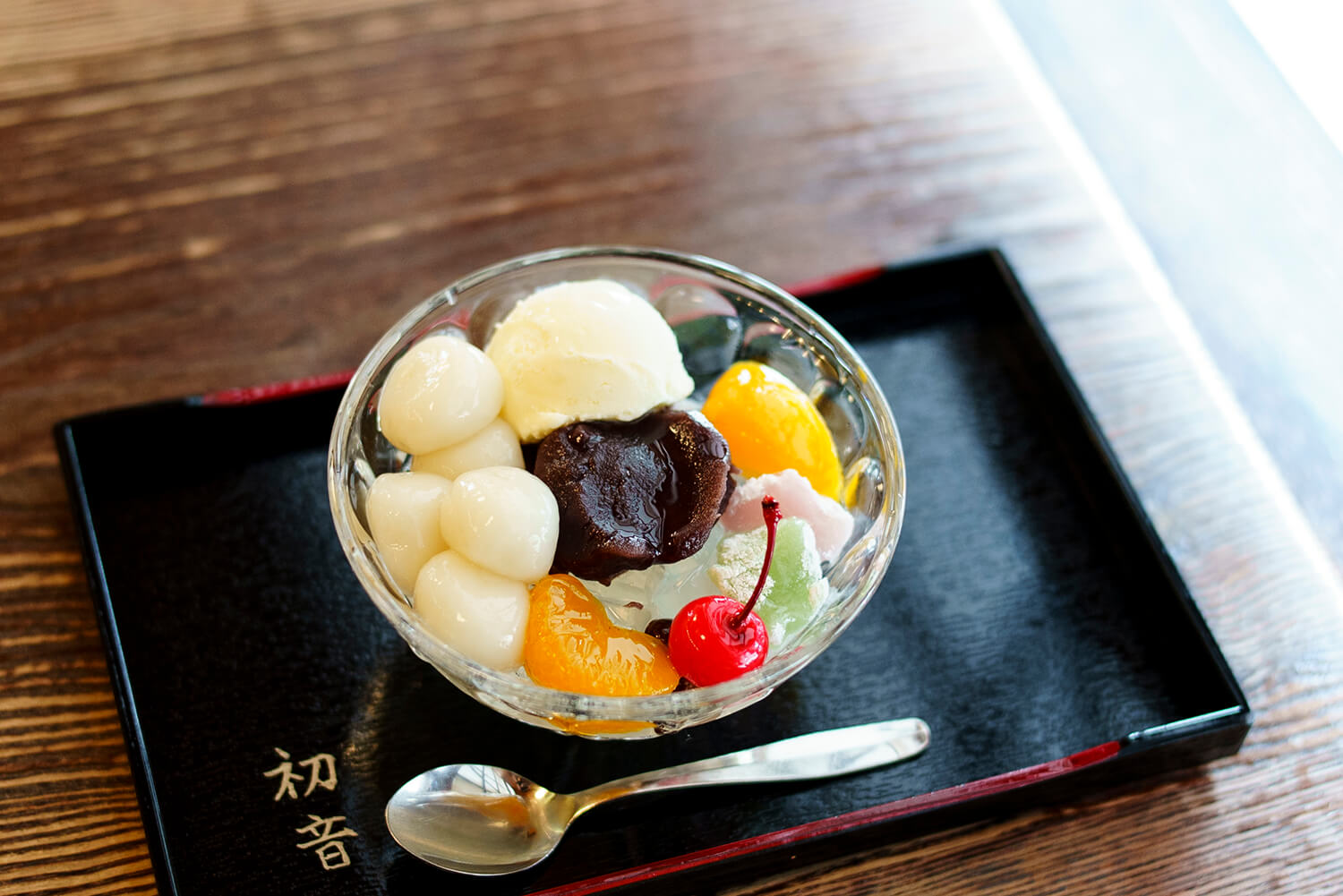
Among the many items on the menu, the "Shiratama Cream Anmitsu" is one that has many fans. The koshi-an (sweet red bean paste), made from azuki beans from Tokachi, Hokkaido, is cooked and then left to stand overnight to create a firm, sweet, sticky red bean paste that is smooth when combined with the lush agar. The shiratama (white rice balls) are also made to order, so they are smooth and chewy. There are two types of honey to choose from: white honey for a refreshing taste, and black honey for a full-bodied flavor.
Brewing tea in a tea kettle makes you feel relaxed.

The current store was built in 1963, the same year the Hibiya subway line opened. The interior of the restaurant is decorated in the motif of the "Hatsune no tsuzumi," the drum from which the restaurant's name was derived, creating a calm, Japanese atmosphere. The seventh-generation proprietress is in charge of serving guests, who are treated to sencha green tea brewed in a tea kettle. Every year from the end of April to the beginning of October, shaved ice is available, and from October to May, "kyuju mochi" (rice cakes) are available for a limited time.

- Sweet shop Hatsune
-
- 1-15-6 Nihonbashi Ningyocho, Chuo-ku, Tokyo MAP
- Short walk from Suitengumae Station on the Hanzomon Subway Line
- 11:30-18:00(L.O.17:30)
- No holidays
- 03-3441-0539
- None
6Irie sweet shop
Mitsumame, where you can simply enjoy the texture and aroma of agar

The store started as a konjac and agar manufacturer in the early Showa period (early 20th century), and opened a sweet store in 1970. The shop offers sweet dishes that are all handmade except for the fruit, including its signature agar agar. The agar, made from a blend of Kozushima and Oshima amagusa, is boiled and then cooled overnight to give it an exquisite texture that is smooth and elastic, but also crumbles easily. The red peas are made from high quality beans grown in Furano, Hokkaido, and are cooked until soft and fluffy inside.
For those who want to enjoy the smooth bean paste, try the anmitsu.

The homemade red bean paste comes in two varieties, Koshi An (sweet red bean paste) and Grain An (sweet red bean paste), which can be selected when ordering sweetness. The azuki beans from Tokachi, Hokkaido, are kneaded for eight hours, giving it an exceptionally fine and smooth texture. The style of serving the sweet bean paste, which is cut into a half-moon shape with a spatula, is also very tasteful. You can choose either white or black honey, so you can enjoy different tastes depending on the combination of red bean paste and honey.
An indispensable sweet shop for a stroll in the downtown area

The name "Irie" is derived from the wish to create a place like a cove, where boats returning from the sea can take a breather. In addition to sweet dishes, the restaurant offers a wide variety of meals such as ozoni and miso oden, and the "sesame kishimen" is one of the most popular dishes among repeat customers. Fukagawa Fudo and Tomioka Hachiman Shrine are located nearby, making this an area where visitors can enjoy walking around the town full of emotion. It is a must-stop restaurant when strolling in the downtown area.

- Irie sweet shop
-
- 2-6-6 Monzennakacho, Koto-ku, Tokyo MAP
- 3 min. walk from Monzennakacho Sta. on Subway Tozai Line and Toei Oedo Line
- 11:00-18:30 (LO18:00)
- Wednesdays (Sun) (Open on national holidays and on the 1st, 5th, and 28th of each fair day)
- 03-3643-1760
- None
7Ki no Zen
Matcha bavarois with a smooth melt-in-your-mouth sensation

The sweet shop was established in 1948, and three generations of proprietresses have continued to maintain the shop's reputation to this day. The proprietress invented the famous "Matcha Bavarois" as a signature menu item when the store was closed for a year for reconstruction about 30 years ago. The bavarois are made with high-quality Uji green tea from Kyoto, which is also used for tea ceremonies, and have a refined sweetness. Next to it is a sweet bean paste made from Dainagon azuki beans produced in Tanba, Kyoto, and fresh cream. When these three ingredients are combined, they create a rich flavor and a smooth melt-in-your-mouth texture.
Enjoy the presence of beans and unique fruits

The mitsumame and anmitsu are also handmade from agar, and the fruit toppings include pears and colorless cherries. The chewy skin and fluffy texture of the filling are a delight, and the light and refreshing molasses enhances the flavor. The red bean paste is served with either koshi-an or tsubu-an, depending on the menu item. Anmitsu is served with a generous amount of koshi-an on top, and you can also choose tsubu-an if you prefer.
A historic sweet shop that blends in with the elegant Kagurazaka area

Originally founded around 1860 as a sushi restaurant, it was transformed into a sweet shop after the war under the leadership of the proprietress at the time. Located on Kagurazaka-dori, a street lined with many stores, the restaurant offers a bright space with sunlight streaming in through the trees from the atrium as you enter. The sweet shop offers a wide variety of seasonal specials, including "Strawberry Anmitsu" in spring, shaved ice and "chilled jiroko" in summer, and "Chestnut Anmitsu" and "Millet Zenzai" in fall and winter. In addition to the sweet dishes, the menu also offers a variety of excellent meals such as kamameshi (rice cooked in a pot), sekihan bento (red rice bento), and the autumn/winter-only "Kamo Zusui (duck rice soup)".


Local Guide who was in charge of this article
HOSHINOYA Tokyo
Otemachi, Tokyo
While respecting traditional Japanese customs, this new Japanese ryokan continues to evolve in its own unique way to meet the needs of the modern age.
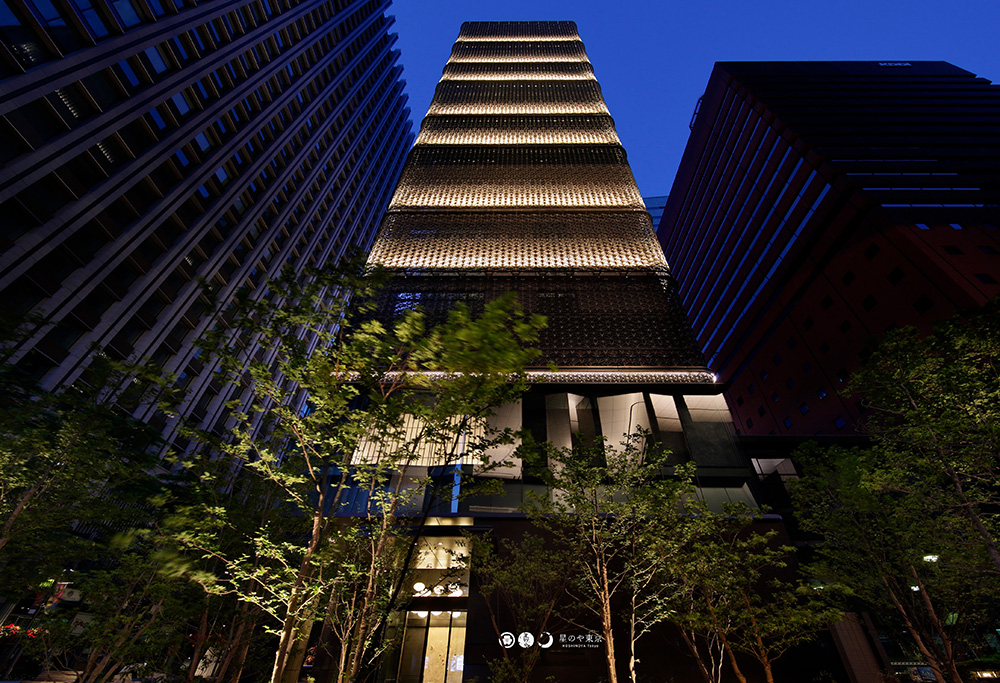
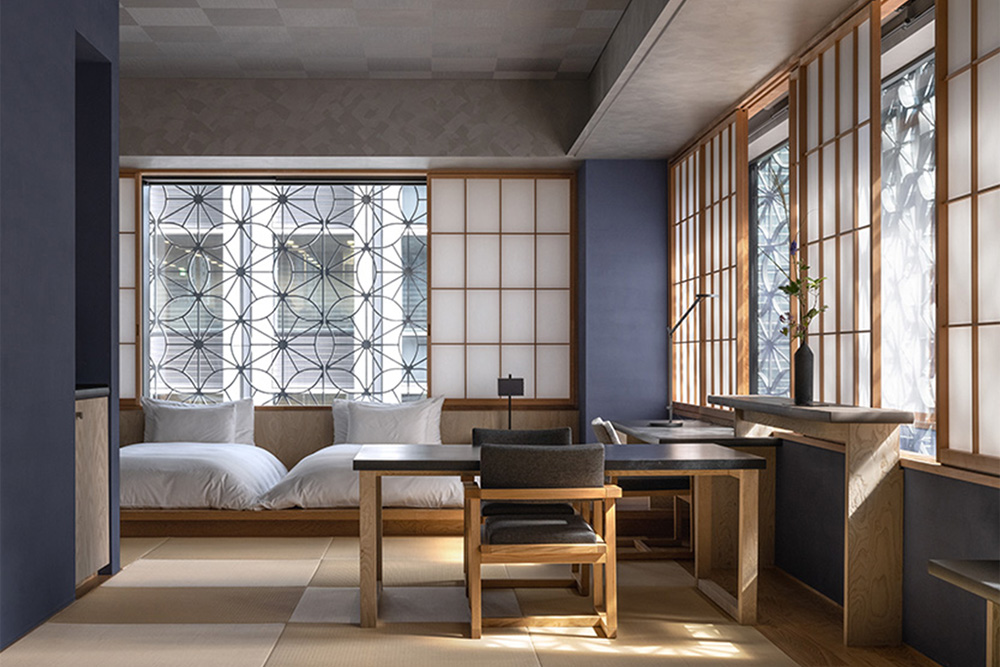

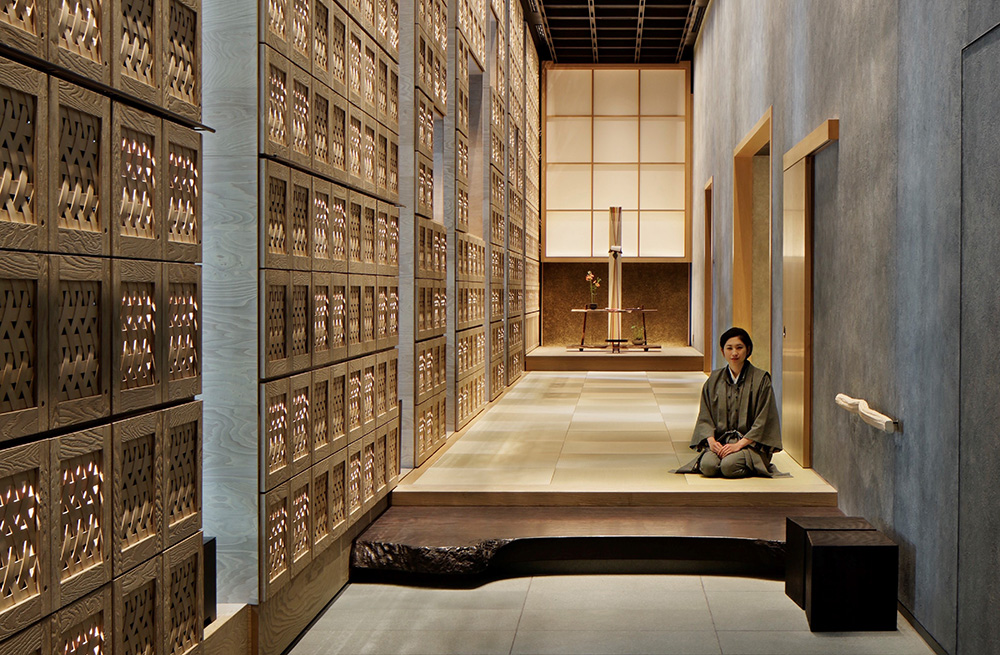
Access by bus 10 min. walk from JR Tokyo Sta.
- Example of Accommodation Rates
- 1 person per night From 39,996 yen
OMO5 Tokyo Otsuka by Hoshino Resorts
Toshima ward, Tokyo
Conveniently located just a 1-minute walk from Otsuka Station, with Direction to popular zoos and aquariums in Tokyo.

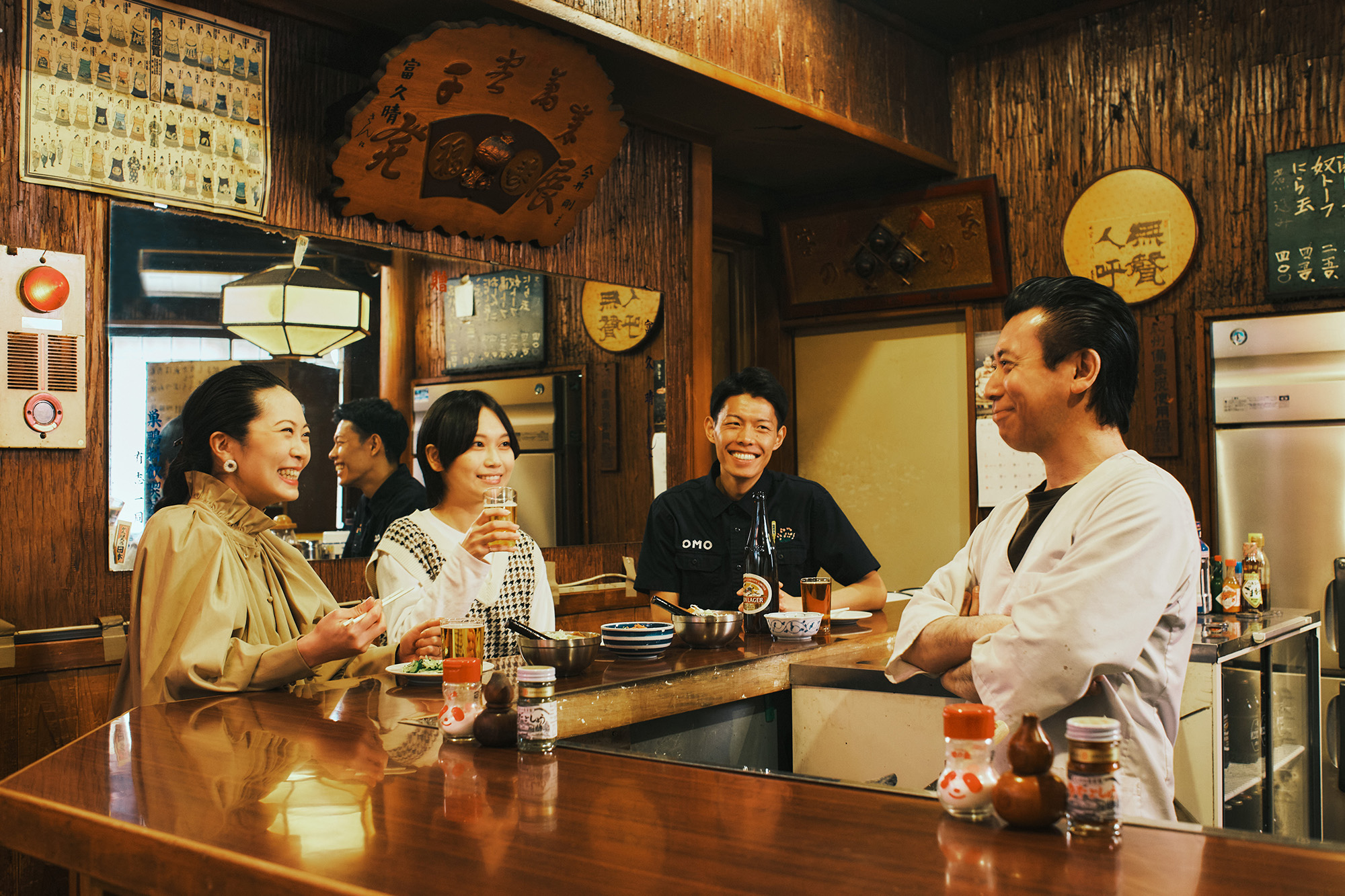
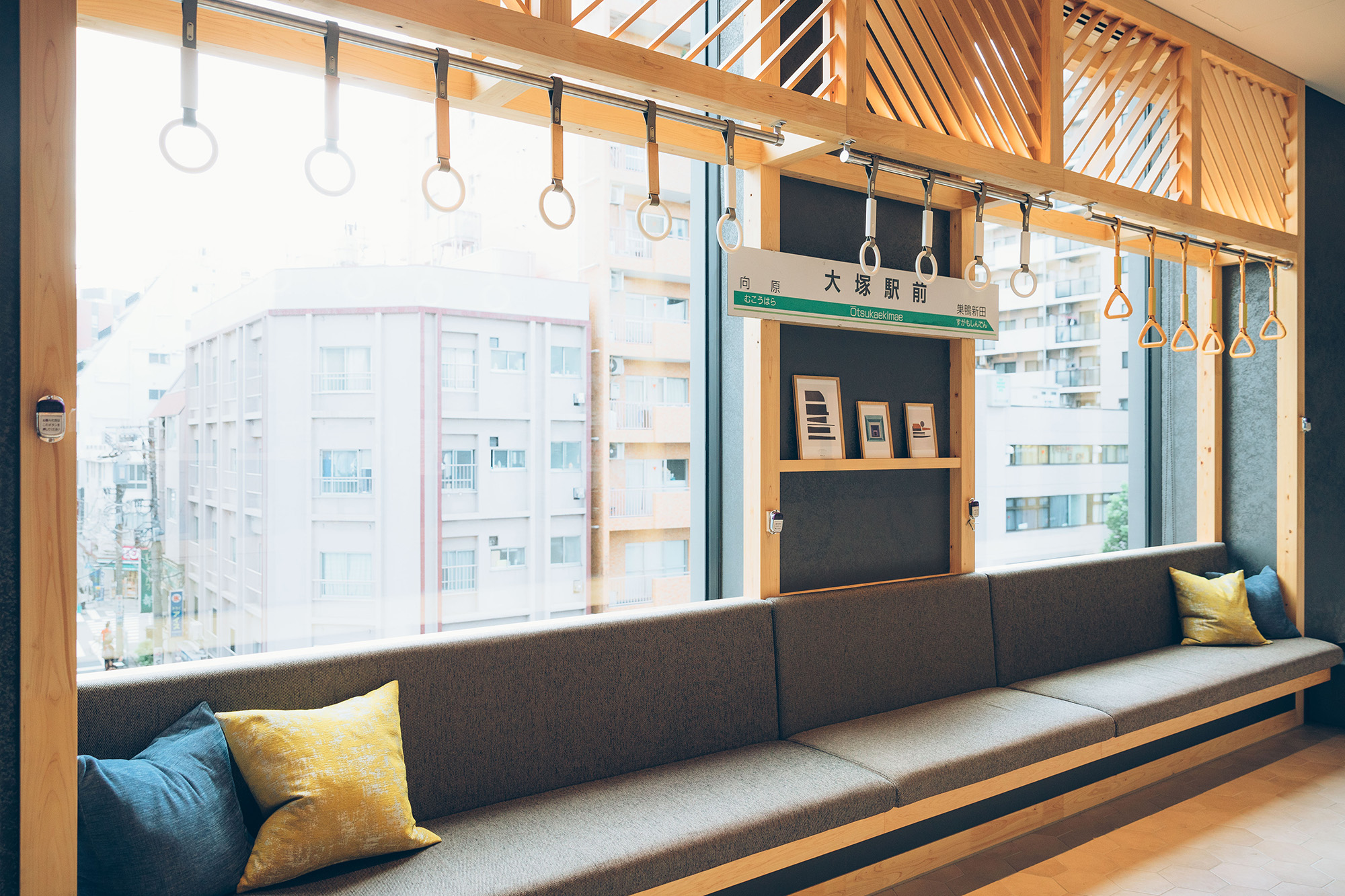
Access by bus 1 minute walk from JR Otsuka Station North Exit
- Example of Accommodation Rates
- 1 person per night From 10,000 yen