





Six recommended sightseeing spots in Kumamoto City that can be fully enjoyed even on rainy days
Kumamoto's downtown area, where the town spreads out around Kyushu's largest arcade street. It is precisely on rainy days that you may be able to rediscover the charm of this town. There are also a variety of sightseeing properties, museums, and places to Experience traditional crafts, where you can enjoy the town's attractions regardless of the weather. Trams run throughout the town, making travel nonstressful even in the rain. Here are some recommended sightseeing spots where you can plan your trip with the weather in mind.
1Contemporary Art Museum Kumamoto
Experience art in a casual way. An open art museum in the center of town
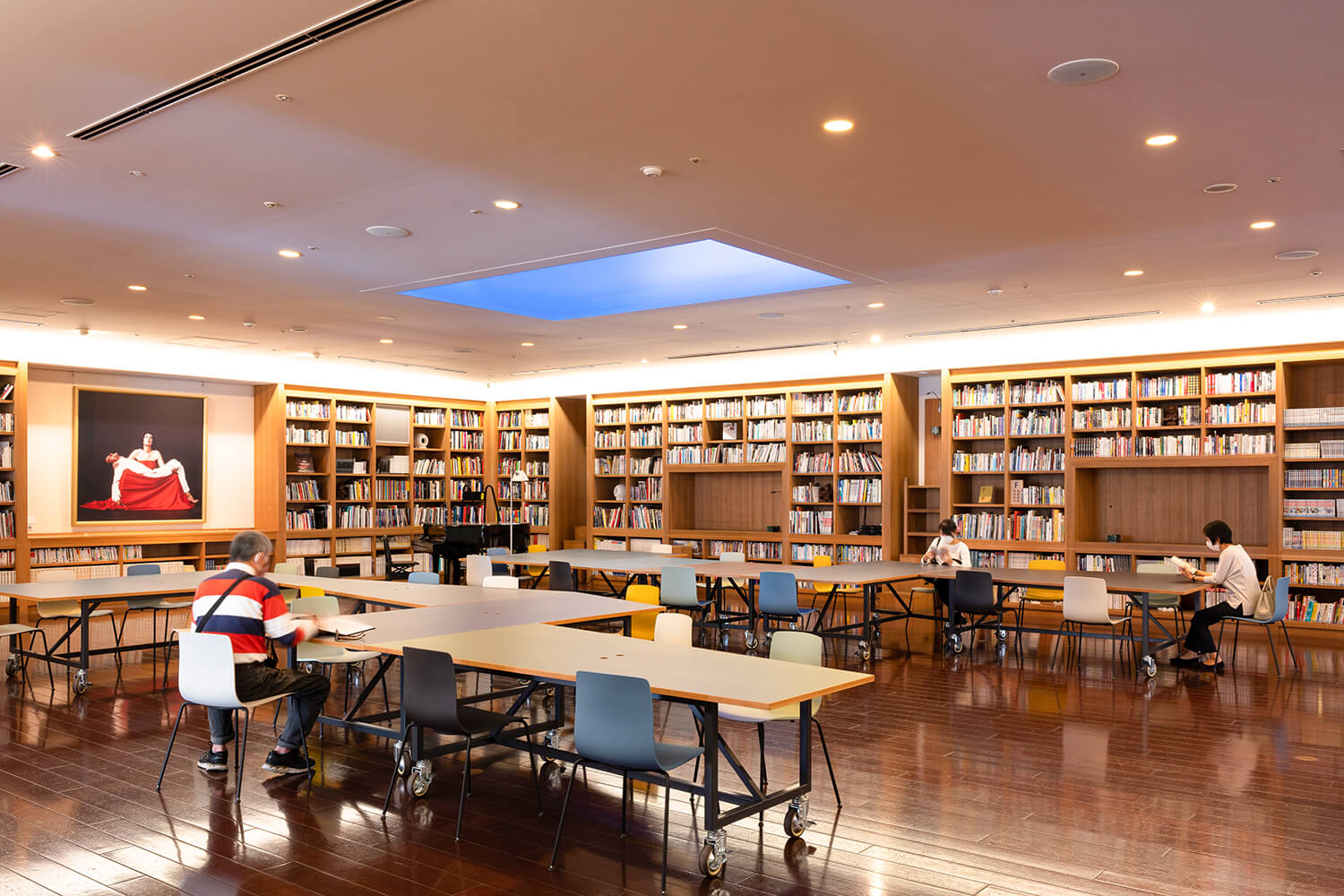
Marina Abramović, "Library for Human Use," 2002 ©Marina Abramović, Contemporary Art Museum Kumamoto James Turrell, "MILK RUN SKY" 2002, Contemporary Art Museum Kumamoto
This art museum is conveniently located at the entrance of the Kamidori arcade in the center of town for easy Direction. It opened in 2002 as the first art museum in Kyushu named after contemporary art. From exhibitions introducing contemporary art from around the world to exhibitions focusing on artists from Kumamoto, the museum offers a wide range of exhibitions that are accessible to the public and always exciting.
One of the most notable attractions of the museum is that functions other than the exhibition rooms, such as the Home Gallery (art library) and the town child-rearing plaza, can be used free of charge. Works by world-class artists such as Yayoi Kusama, Tatsuo Miyajima, and James Turrell are harmoniously integrated into the space as museum artwork and can be viewed at any time.
Workshops are held mainly on weekends at Art Lab Market
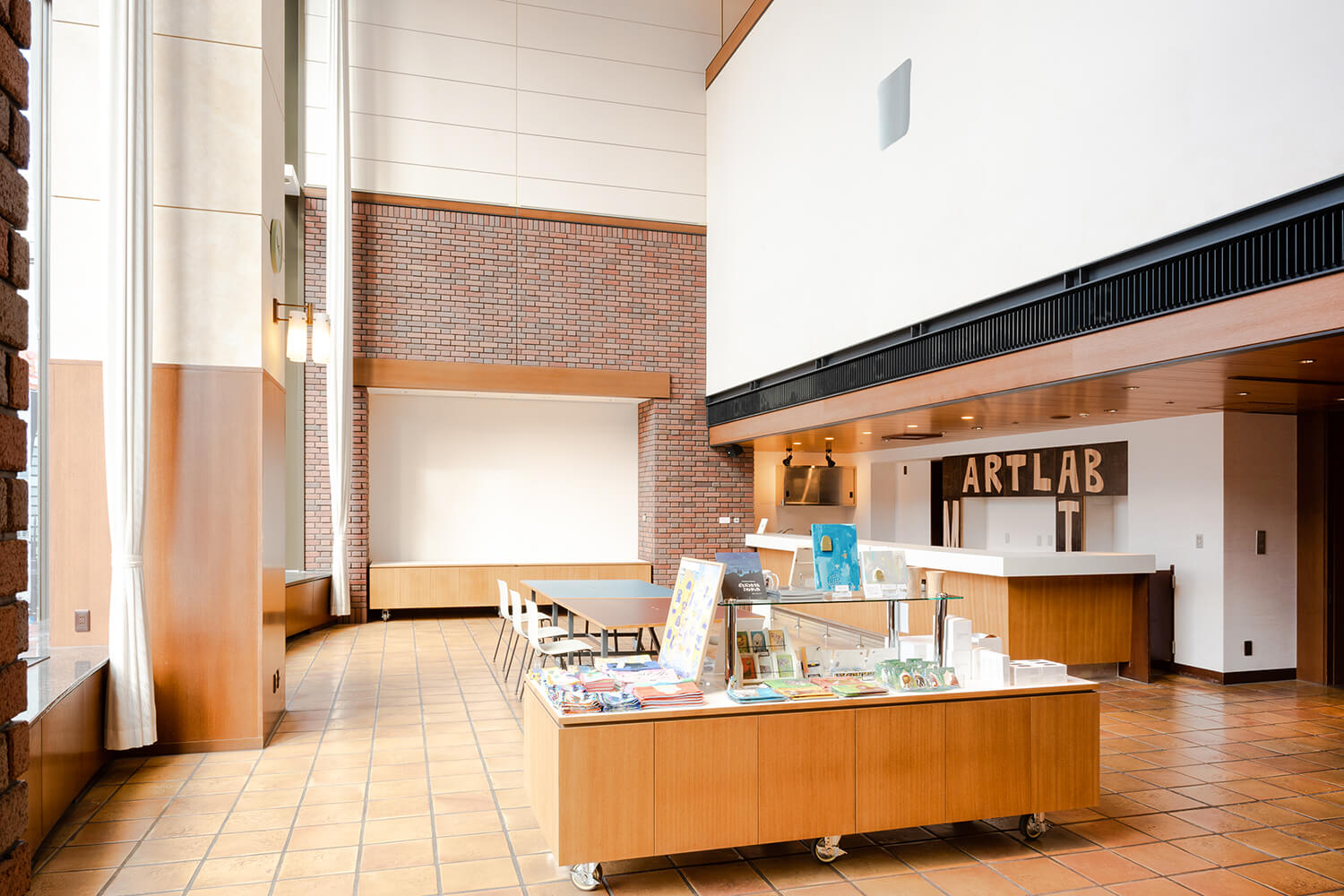
The communication space and store "Art Lab Market" serves as a place to create communication and hosts many events for children and adults to enjoy together. There are also workshops where visitors can try their hand at creating artwork with artists from Kumamoto. Events range from free to paid, so it is recommended to check the schedule in advance and incorporate them into your itinerary.
There is also a cozy space where you can relax, read a book, or take a break from the rain.

Local Guide
Supporters
The museum is located right in front of the hotel "OMO5 Kumamoto by Hoshino Resorts" and is a place where visitors can casually become familiar with contemporary art. Free movie screenings are held every Monday, and live piano performances are held every day (irregular holidays) from 7:00 p.m.
- Contemporary Art Museum Kumamoto
-
 2-3 Kamidori-machi, Chuo-ku, Kumamoto City, Kumamoto Prefecture, Japan BIPRES Kumanichi Kaikan 3F MAP
 1 minute walk from "Tsurimachi-suji" streetcar stop.
 10:00 - 20:00 (last exhibition admission 19:30)
 Tuesdays, December 29-January 3
 Free *Admission fee is required for the special exhibition room only.
 096-278-7500
 None
None
2Higo Zogan Mitsusuke
Long-established shop that brings Kumamoto's proud craft of "Higo Zogan" to the modern age.
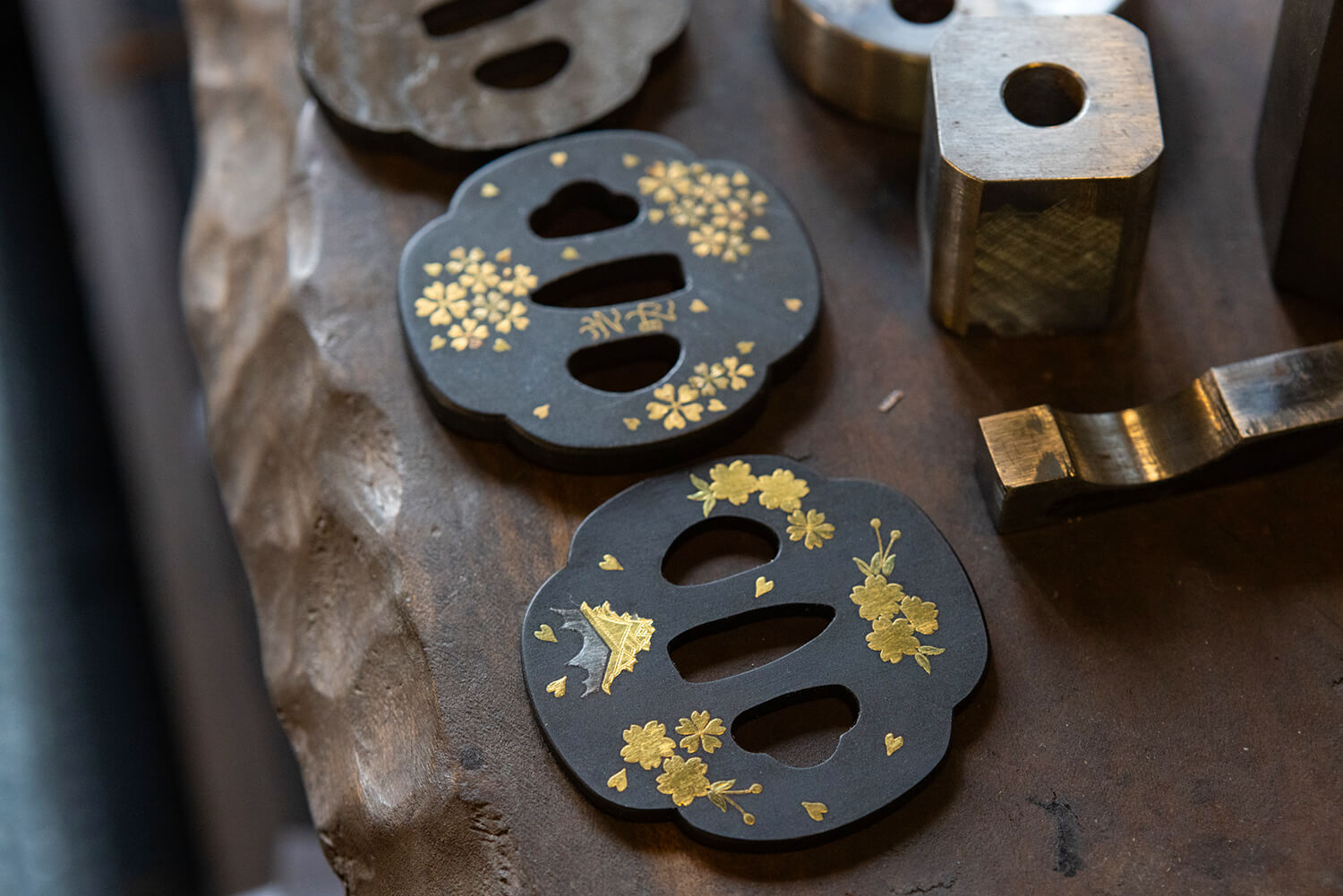
Higo Zogan, a traditional craft representing Kumamoto. The history of this craft dates back to about 400 years ago, when gunsmiths in the service of the Kumamoto feudal lord decorated the barrels of their guns and sword tsuba (tsuba), and it developed along with the prosperity of the samurai culture. Zogan is a craft technique in which a different material is inlaid into a certain material. In Higo Zogan, pure gold or silver is hammered into iron.
Founded in 1874, Higo Zogan Kohsuke has been producing and selling mainly decorative items such as pendants, earrings, and necktie pins, while carrying on the traditional techniques.
Try your hand at making your own accessories at the Zogan Experience.
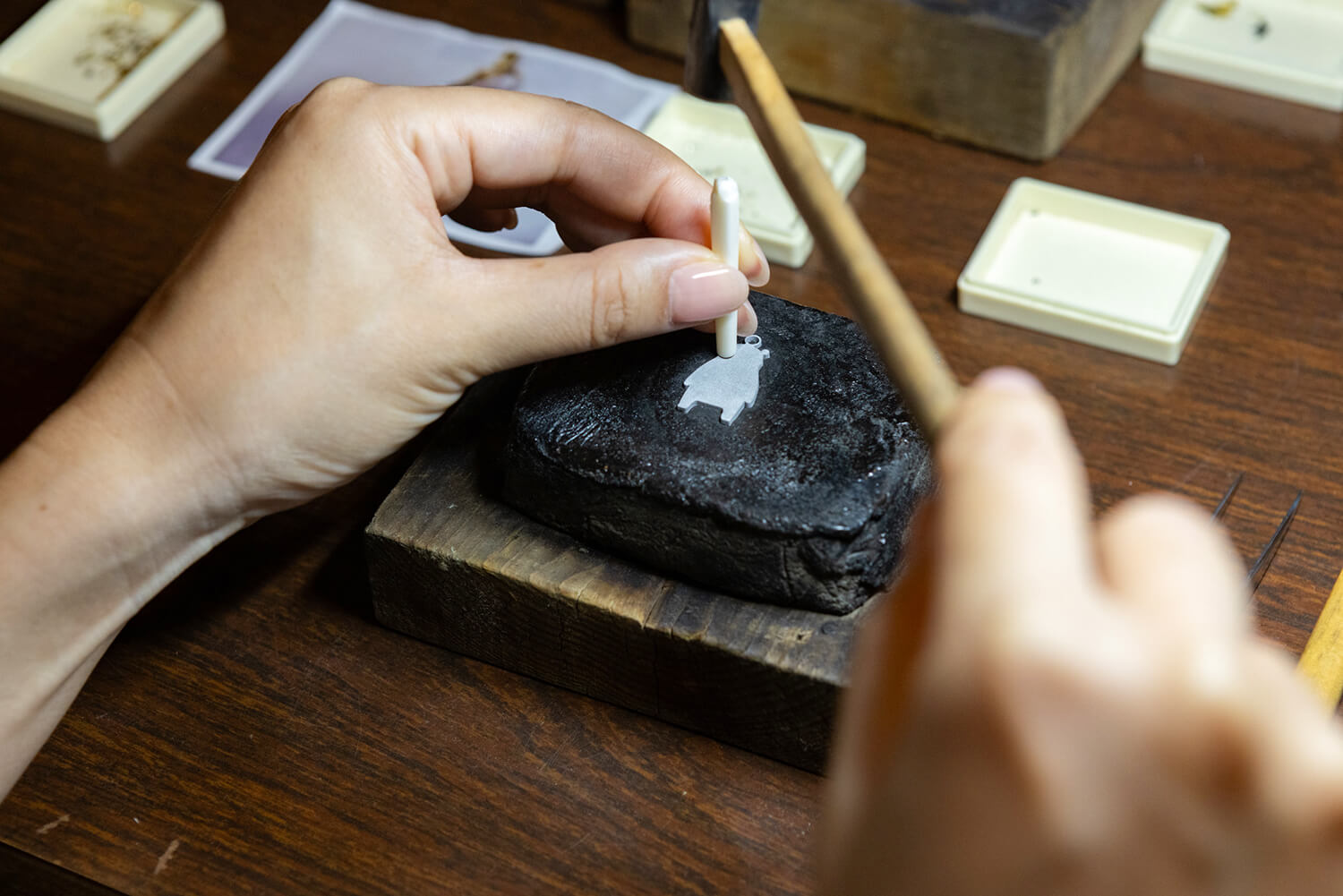
You can purchase Higo Zogan as a souvenir or gift, but the best way to make your trip memorable is to experience Zogan (reservation required). Visitors can choose their favorite design, such as Kumamon or Kumamoto Castle, and complete the experience in about one hour. The current owner, the fourth generation of the family, will carefully teach you from the beginning. After that, the craftsman will finish the process and deliver it to your home in two to three weeks.
By experiencing traditional crafts and actually making them yourself, you will gain a deeper understanding of the culture. The more enthusiastic you are, the more you will look forward to the day when your work will be delivered to you at a later date.
Local Guide
Supporters
The Zogan experience of making accessories and straps is also available for first-timers, with guidance from the craftsman on how to correct the work. You will be moved when you hold the item you created in your hand.
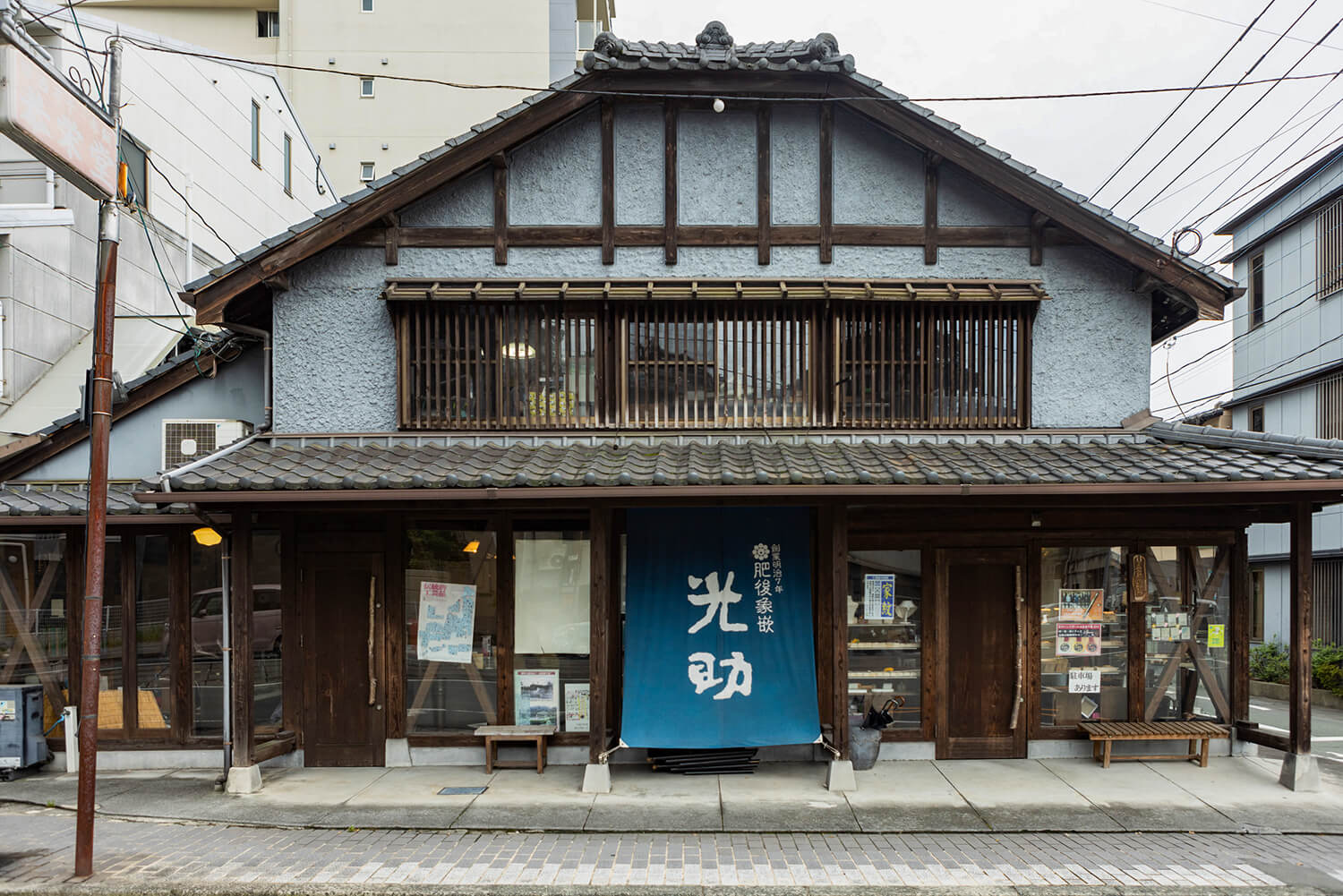
- Higo Zogan Mitsuke
-
- 3-2-1 Shinmachi, Chuo-ku, Kumamoto City, Kumamoto Prefecture MAP
- 3 min. walk from "Uluyama-cho" streetcar stop.
- 9:00-17:00, Sat/Sun, national holidays 10:00-16:00
- Year-end and New Year's holidays
- Higo Zogan experience: 4,000 yen per person (770 yen for shipping) *Reservations required by the day before.
- 096-324-4488
- Free (coin-operated parking; store pays for parking)
3Kumamoto Castle Museum WAKUWAKU-ZA
Experience the real history of Kumamoto and enjoy sightseeing in Kumamoto even more!
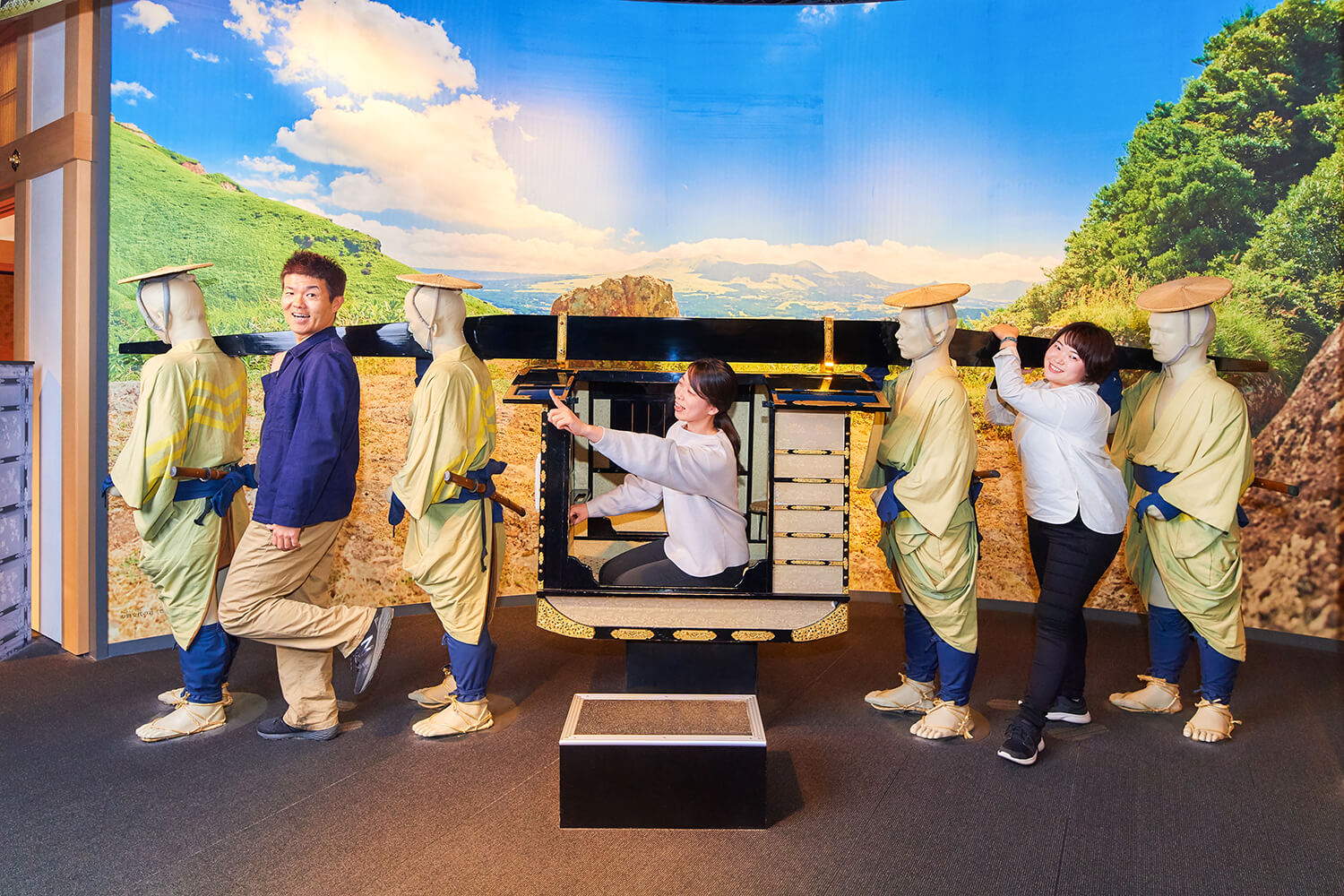
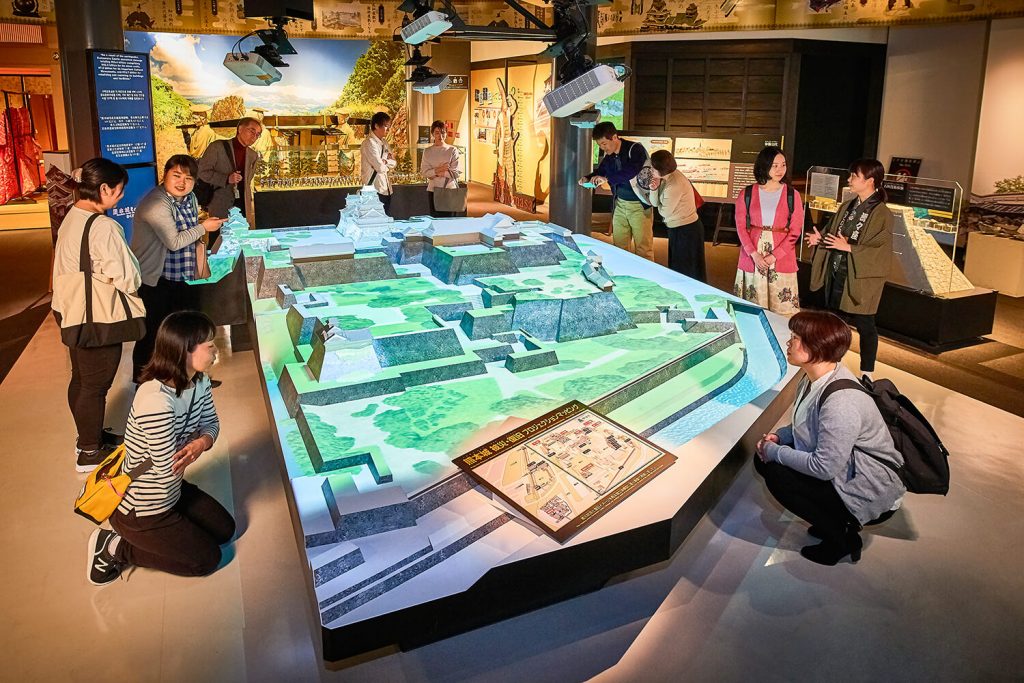
This entertainment spot is located in the Sakura-no-Baba Josaien, Kumamoto's Tourism Exchange Property. This Property allows visitors to learn about Kumamoto Castle in a fun way, and with various attractions scattered over two floors, visitors can fully experience the charms of Kumamoto just indoors.
On the first floor, visitors can learn about Kumamoto's history, and the current state of Kumamoto Castle is introduced through projection mapping of the damage and restoration of the castle. There is also a Kumamoto Castle fixed-point live camera that allows visitors to view Kumamoto Castle from indoors. Don't miss the horseback riding and palanquin experiences that allow visitors to experience the Warring States Period and the Edo Period in real life.
Enjoy the history of Kumamoto Castle in the form of a drama
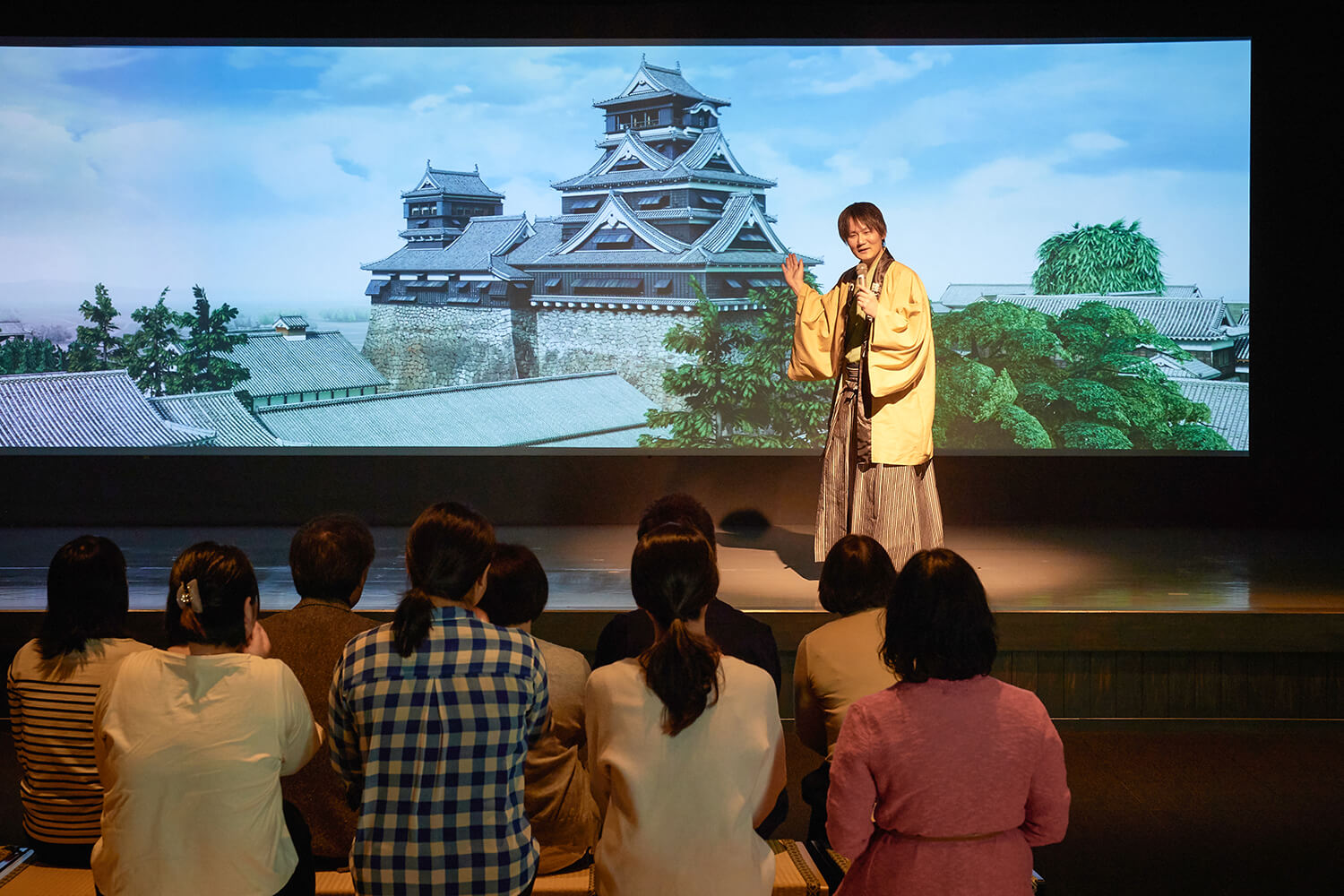
The Monogatari Goten on the second floor introduces the history of Kumamoto Castle through powerful images and theatrical performances. Various historical stories related to Kumamoto, such as Kiyomasa Kato, who built Kumamoto Castle, the Sankyo Kai, and the Seinan Senso (Civil War), are explained in an easy-to-understand manner through skits.
VR images of Kumamoto Castle show realistic images of the castle from the Edo period to before the Kumamoto earthquake. In addition, there is a live commentary by Staff/staff members with the latest information on Kumamoto Castle, covering all aspects of the castle.
This is a great place to visit when you have time to relax, for example, to study before visiting Kumamoto Castle or when rain suddenly clears your schedule.
Local Guide
Supporters
At the "Be a Samurai" Experience Corner, visitors can have their picture taken wearing period costumes such as samurai, princess, and ninja. Costumes are available in adult and baby sizes, making it a great way to create family memories.
- Kumamoto Castle Museum WAKUWAKU-ZA
-
- 1-1-1 Ninomaru, Chuo-ku, Kumamoto City, Kumamoto Prefecture MAP
- 9 min. walk from "Kumamoto Castle/Shiyakusho-mae" streetcar stop.
 From Kumamoto Station, take the Kumamoto Castle excursion bus "Shiromegurin" and get off at "Sakura-no-Baba Josaien".
- 9:00-17:30 (last admission 17:00)
- Year-end (please check the website for details)
- Admission 300 yen for adults (high school students and older), 100 yen for elementary and junior high school students
- 096-288-5600
- Charged
4Murakami Karashi Renkonten
Experience making "mustard lotus root," a favorite of the feudal lord of Kumamoto
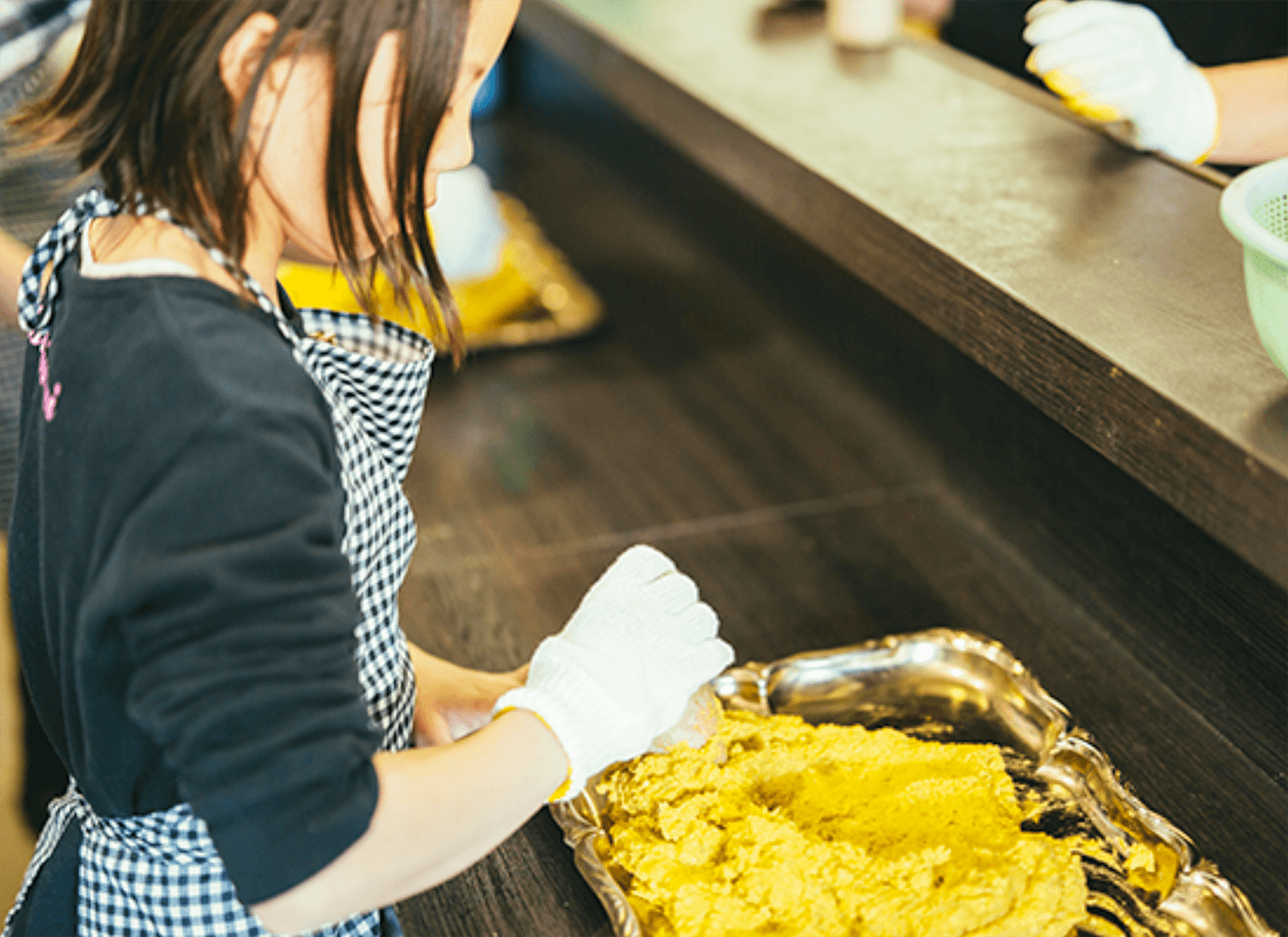
Mustard lotus root" is a local delicacy of the people of Kumamoto Prefecture. In Kumamoto, it is a popular dish for decorating milestone occasions, such as as a part of Osechi cuisine. Its history dates back to 1612 (Kan'ei 9). The history of Kumamoto dates back to 1612, when it was presented to the feudal lord Tadatoshi Hosokawa, who was sickly.
The Murakami Karashi Renkon Store, which has been making this historical local delicacy since 1957, offers visitors the experience of making mustard lotus root. The lotus roots are quickly stuffed with barley miso and mustard miso, then coated with a batter and deep-fried in rapeseed oil to complete the dish. This is a food education experience that children can participate in along with adults, and learn about the history as well.
The fresh aroma of mustard is proof of its freshness.
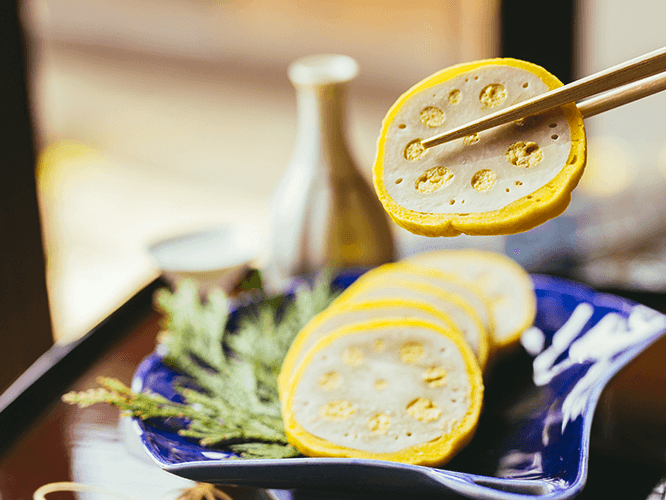
Freshness is the key to the rich mustard flavor of mustard lotus root. At Murakami Karashi Renkon Store, we carefully stuff the lotus root with miso mustard in a short time to preserve the flavor, and serve it freshly fried.
In order to preserve the traditional food culture of mustard lotus root for the next generation, we also create original menu items such as stick-type lotus root croquettes, which are convenient for eating while walking around, and mustard lotus root croquettes. In addition to eating the lotus root as it is, we also propose new ways to eat it, such as in chazuke (rice with green tea) or as an ingredient in salads. We invite you to explore the various ways of tasting it.
Local Guide
Supporters
Visitors can eat the lotus root made during the Experience on the spot or take it home with them. The aroma of the mustard, the fresh spiciness, and the crunchiness of the lotus root are exceptional.
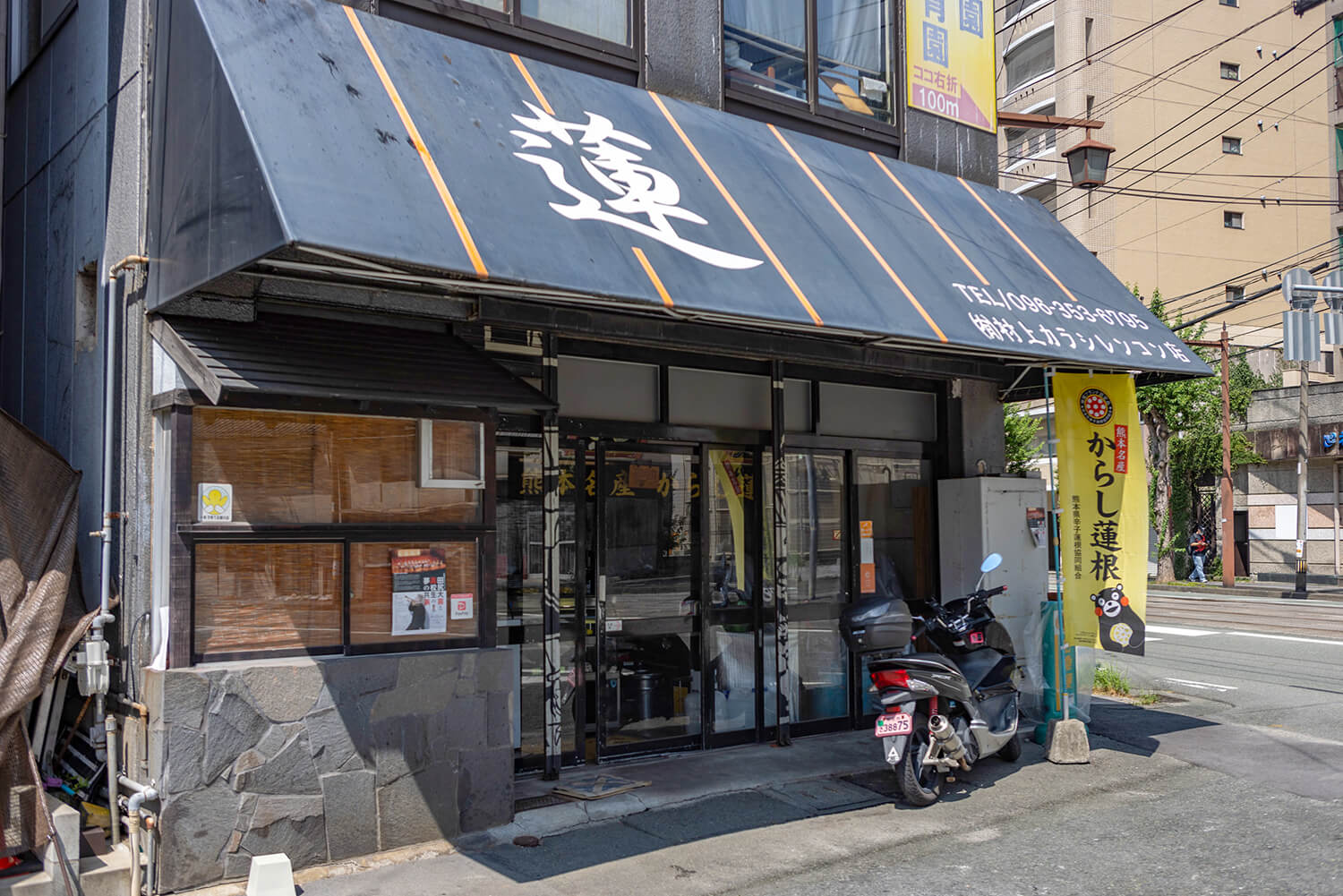
- Murakami Karashi Lentil Shop
-
- 3-5-1 Shinmachi, Chuo-ku, Kumamoto City, Kumamoto Prefecture MAP
- 4 min. walk from "Uluyama-cho" streetcar stop
- 8:30-17:00
- Sat.
- Experience of making mustard lotus root: 2,000 yen per person.
Experience takes 40-60 minutes. - 096-353-6795
- None
5Kumamoto Museum of Traditional Crafts
Traditional crafts closely related to the daily life of Kumamoto are all in one place.
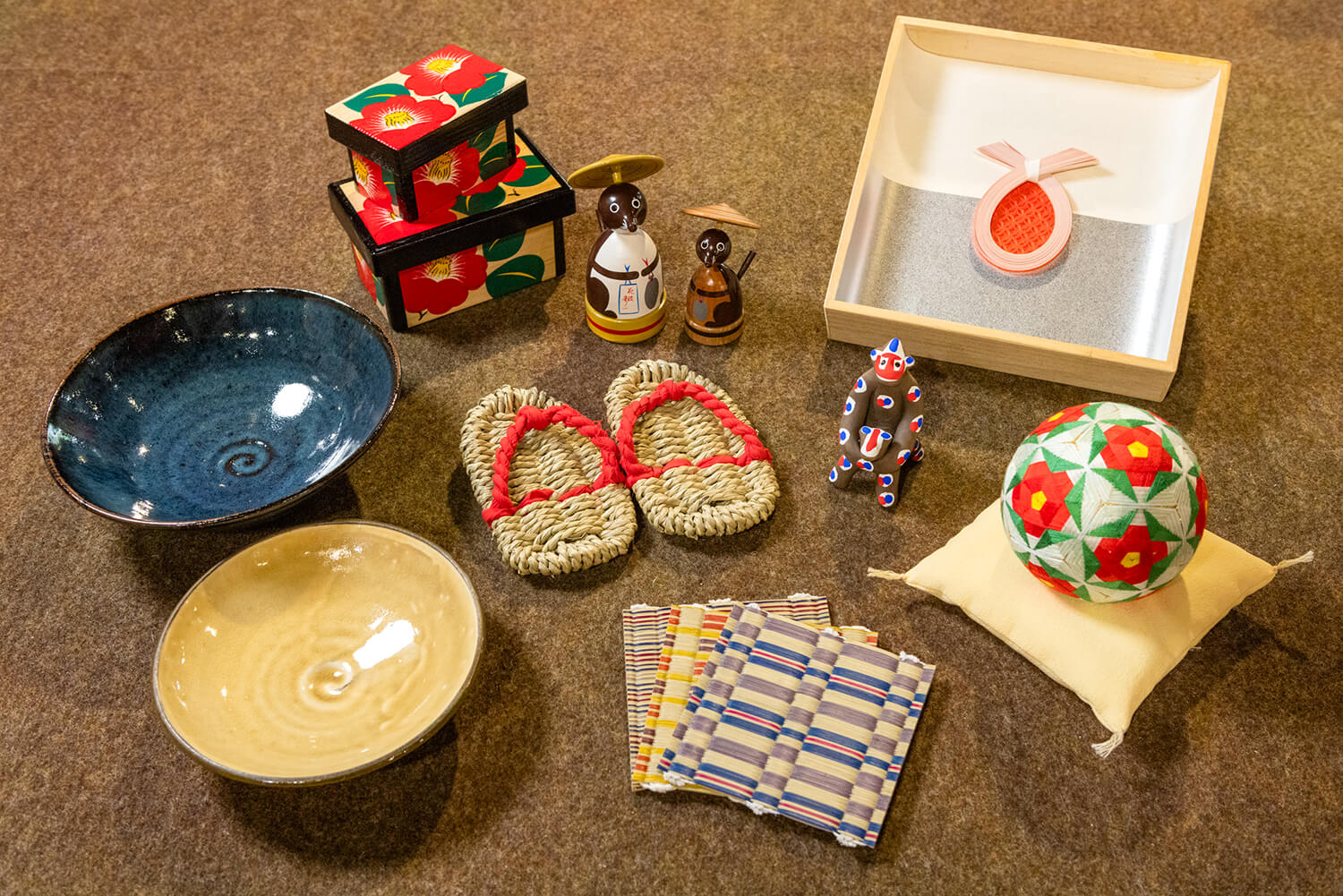
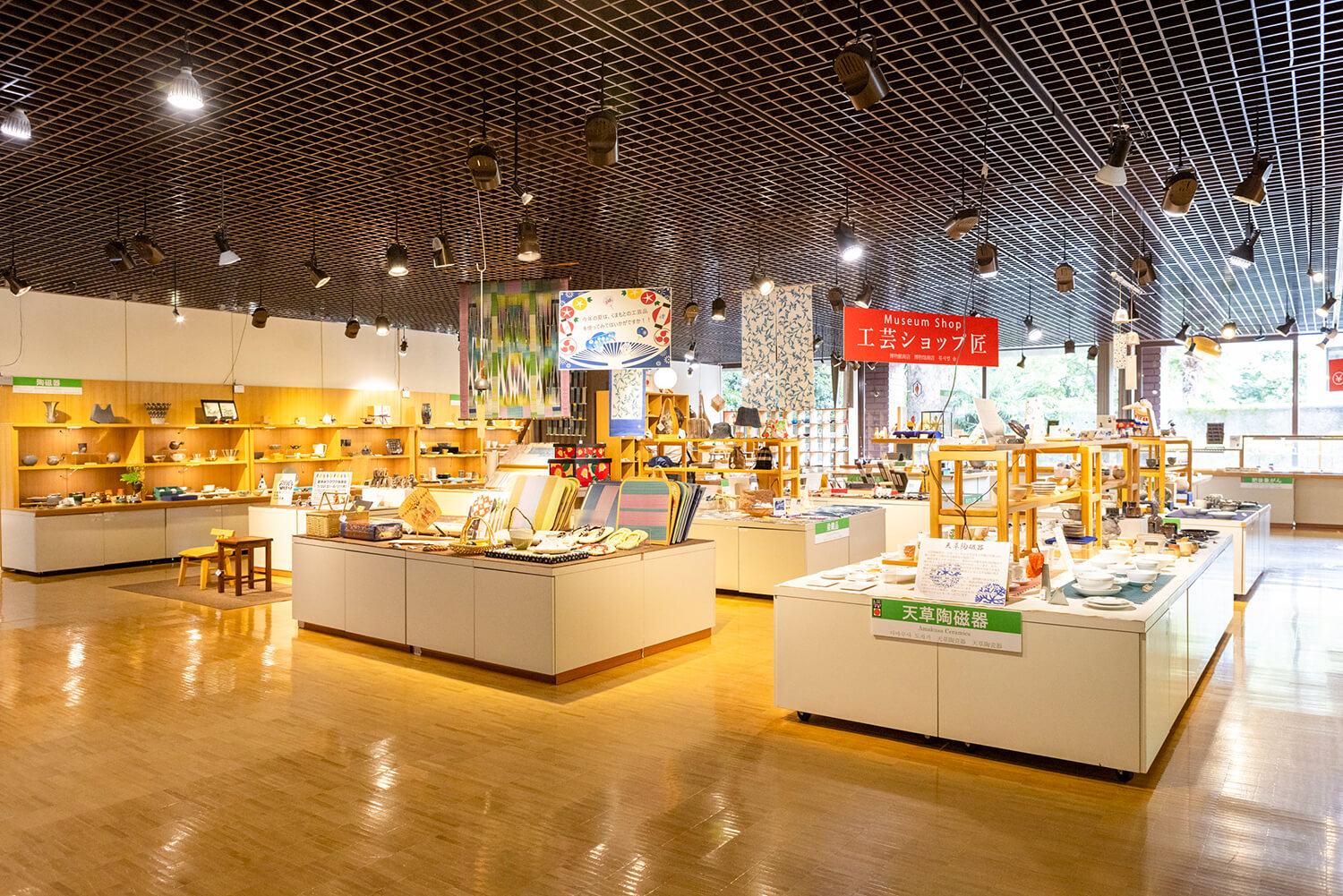
The museum store "Craft Shop Takumi" on the first floor displays and sells traditional Kumamoto crafts closely related to daily life.
In addition to "Higo Zogan," the shop also sells "Shodaiyaki" and "Amakusa Ceramics" ceramics, as well as local toys and woodwork from around the prefecture, all made by approximately 180 different artists. By actually seeing and touching these traditional crafts, visitors will be able to experience their charm more deeply.
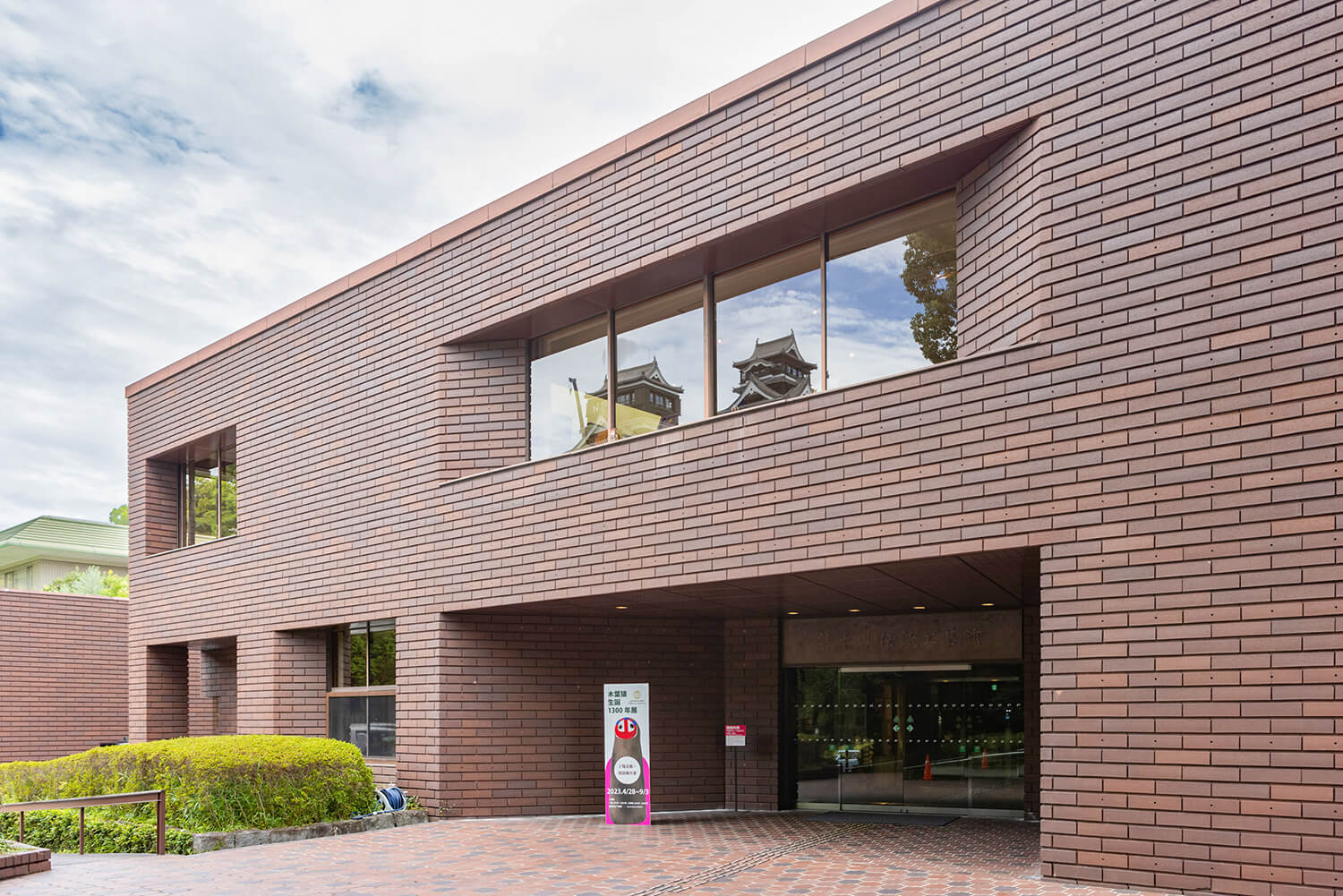
A neat building designed by a famous architect accentuates the presence of the crafts.
The building, built in 1982, was designed by Kiyonori Kikutake, one of Japan's leading architects. Although Mr. Kikutake is known for his dynamic designs, the building itself was designed to blend in with its surroundings in a simple design that dares to contain the "character" of the building and accentuate the artifacts. He personally visited the production centers of the crafts throughout the prefecture, saying, "I can't work on the architecture as a vessel for the exhibits unless I know the contents and functions of the exhibits well. It is a pleasure to appreciate Mr. Kikutake's high ideation and meticulousness.
Local Guide
Supporters
The exhibition room on the second floor, which is open to visitors free of charge, is a hidden gem where those in the know can enjoy a panoramic view of Kumamoto Castle. It is secretly popular because it can be enjoyed regardless of the weather and also allows visitors to view the castle from a different angle than usual.
- Kumamoto Traditional Crafts Museum
-
- 3-35 Chibajo-machi, Chuo-ku, Kumamoto City, Kumamoto Prefecture MAP
- 7 min. walk from "Kumamoto Castle/Shiyakusho-mae" streetcar stop.
- 9:30-17:30
- Mondays, December 28 - January 4
- Admission to the 2nd floor temporary and permanent exhibition rooms: Adults: 210 yen, College, junior college and vocational school students: 130 yen, High school students and younger: free *Free admission to other Properties such as the "Craft Shop Takumi".
- 096-324-4930
- Free of charge
6Kamidori, Shimodori, Sun Road Shinmachi
No need to worry even on rainy days. A huge arcade town in the center of Kumamoto
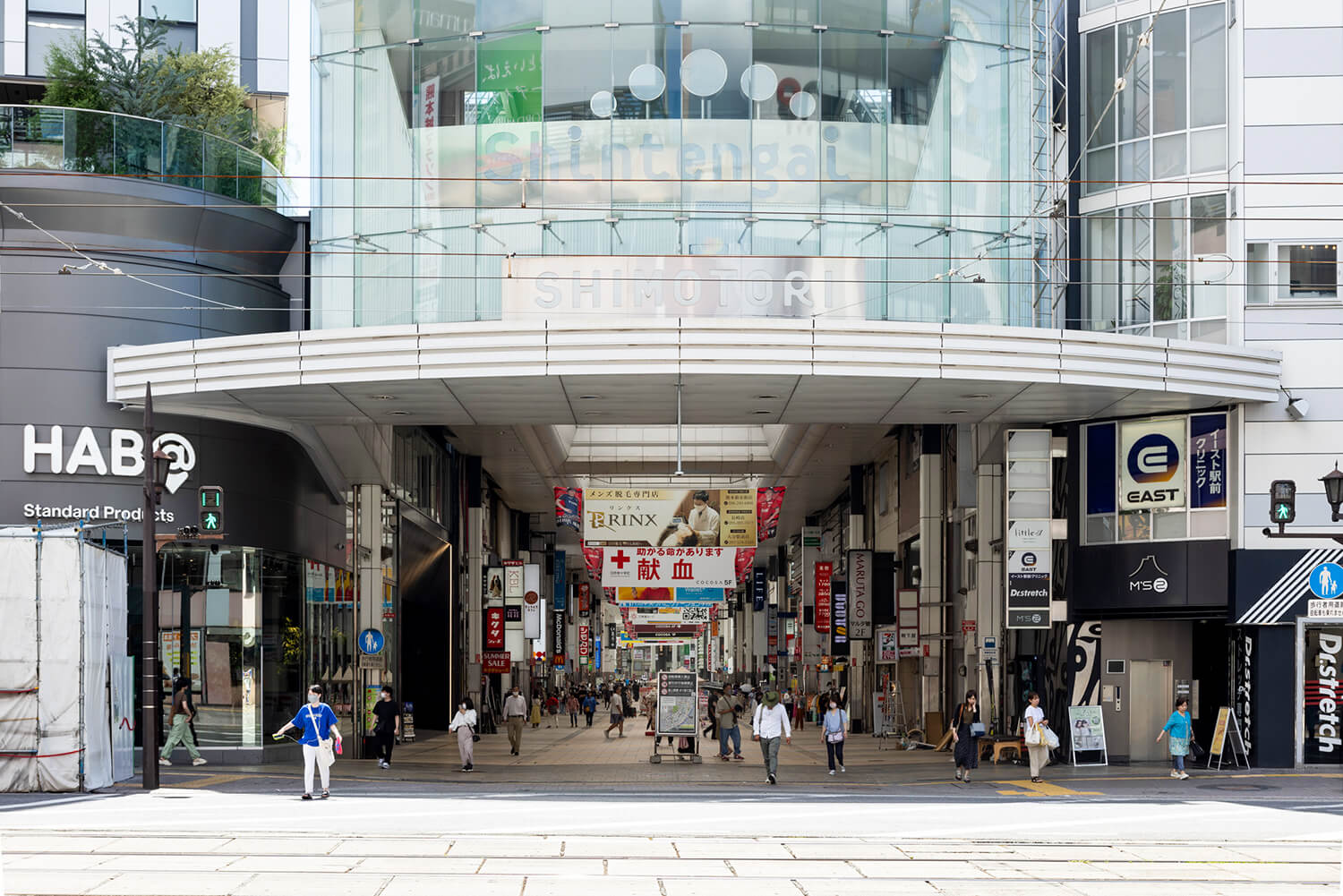
The three arcades in the center of Kumamoto City, Kamidori, Shimomotorori, and Sun Road Shinshichigai, are the busiest shopping streets in Kumamoto. Kamidori, 360 meters long and 11 meters wide, extends north from Densha-dori (Prefectural Road No. 28), while Shimodori, 511 meters long and 15 meters wide, extends to the south. Then, from Shimo-dori, the 235-meter-long and 18-meter-wide Sun Road Shinshichika continues to the south.
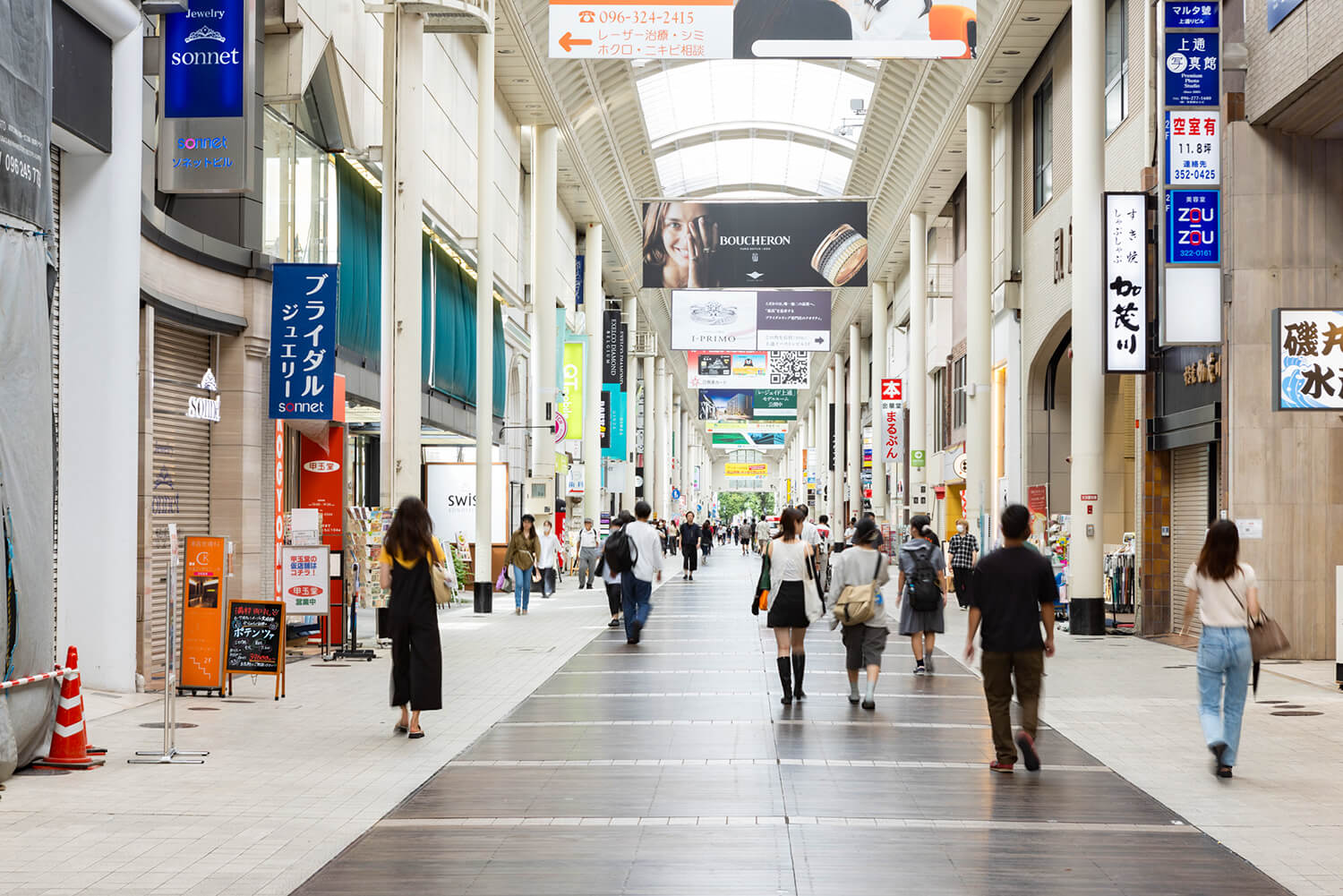
Each arcade is lined with stores of all kinds, including specialty stores, cafes, and restaurants. Moreover, there are many hole-in-the-wall stores not only on the first floor, but also on the second and third floors.
Streets leading from the arcade are also dotted with unique stores.
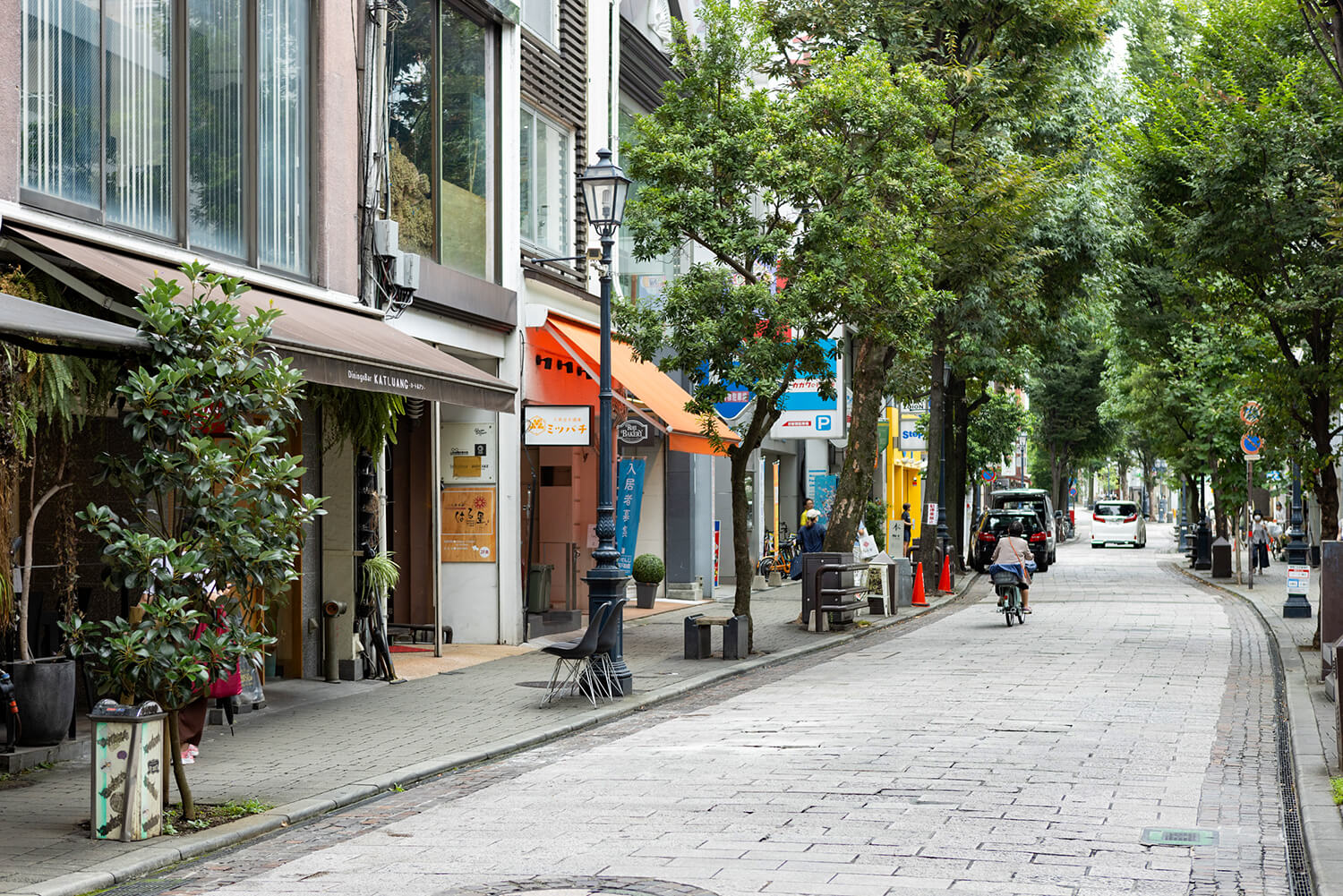
There are also commercial properties such as the Tsuruya Department Store New-S on Kamidori and the COCOSA fashion building on Shimodori, so there is so much to see and do that it would be impossible to visit them all in a single day.
If it is only a light rain, it is also recommended to explore the streets leading to the arcade, such as Namikizaka, which runs north from the end of Kamidori, and Shower Dori, which runs south from the end of Shimodori. Shower Dori is a "fashion town" with long-established specialty stores that have fans all over Japan. You may unexpectedly come across stores and items of your choice as you browse through the stores along the street.
Local Guide
Supporters
The two streets, Kamidori and Shimodori, are separated by Densha-dori (streetcar line), but Sun Road Shinshichigai is directly connected to Shimodori and has a continuous arcade, making it easy to get around, even in unfavorable weather.
- Uedori, Shimodori, Sun Road Shinmachi
-
- Chuo-ku, Kumamoto City, Kumamoto Prefecture MAP
- Varies depending on the store.
- Varies depending on the store
- Varies by store
 Kamidori https://www.kamitori.com
Shimodori http://shimotoori.com
Sun Road Shinmachi https://shinshigai.com/

Local Guide who was in charge of this article
- Momoka Yamada Kumamoto native's attraction discovery team!
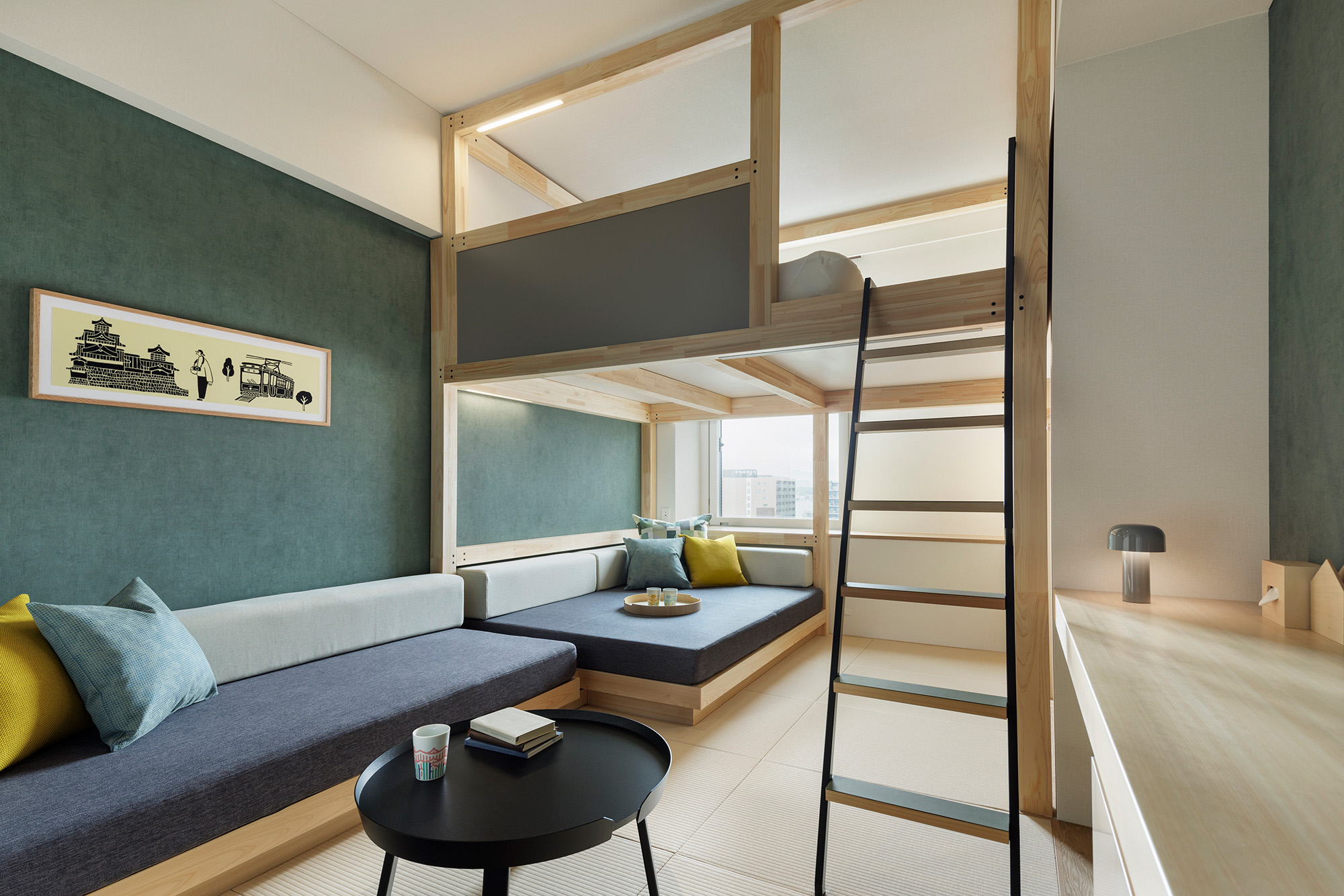
OMO5 Kumamoto by Hoshino Resorts
Kumamoto City, Kumamoto Prefecture
Located in the center of Kumamoto, within walking distance to Kumamoto Castle, Kumamoto City Hall, and downtown. It is an ideal location for sightseeing and business.
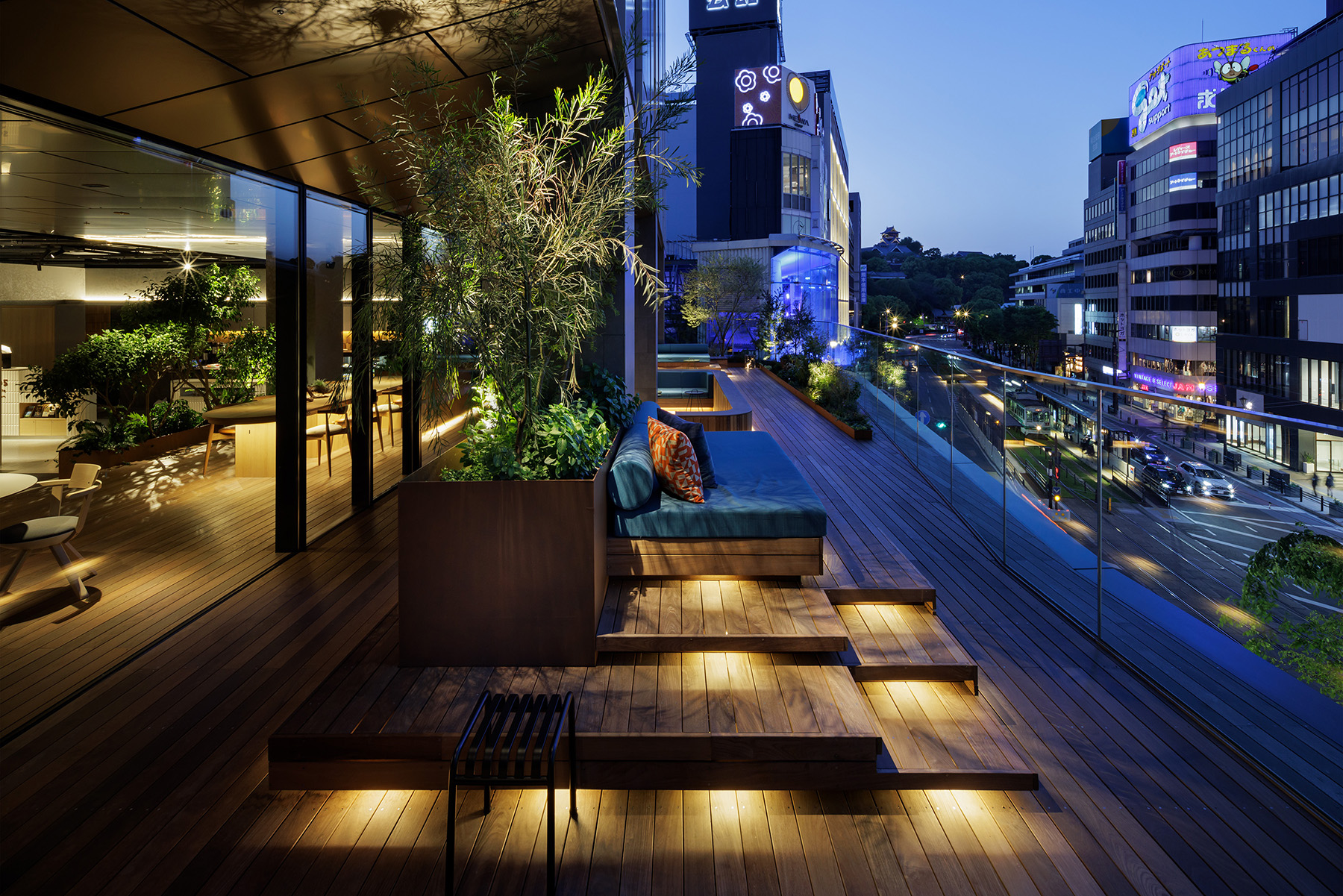


Access by bus 1 min. walk from Tsurimachi-suji Station on the Kumamoto City Tram
- Example of Accommodation Rates
- 1 person per night From 7,000 yen