





May I be able to meet new discovery? The Okinawa travel which goes around by local bus

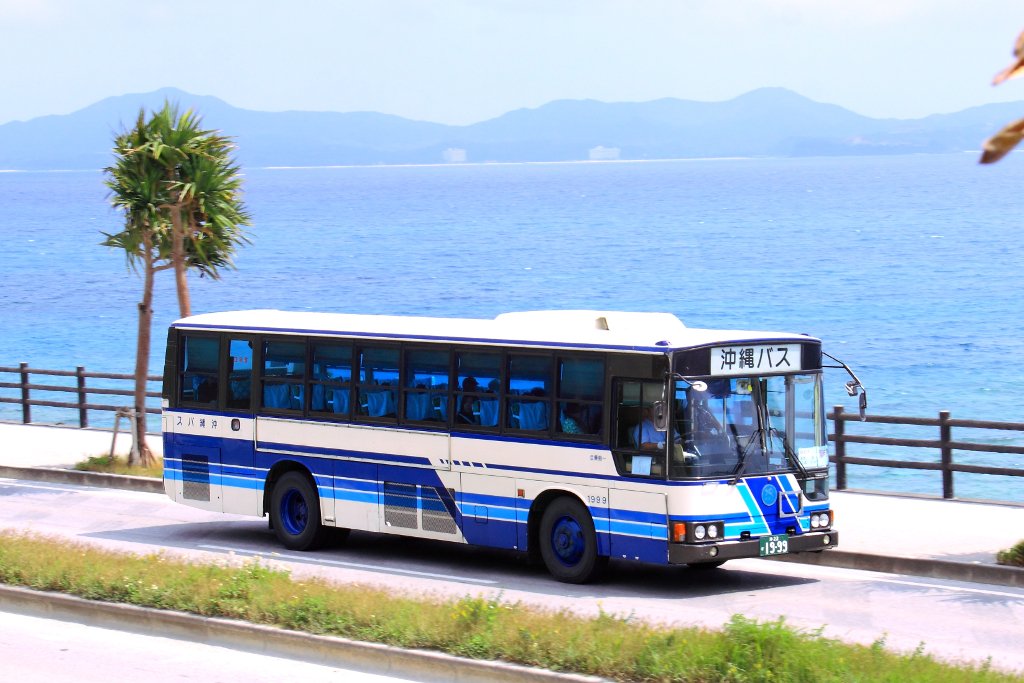
When planning Okinawa travel, it's a basic to arrange rent-a-car according to the airplane, and that a car isn't for transportation of Okinawa, by inconvenience, it often seems. But the person who thinks "There are resistance and anxiety in driving at a travel destination." is increased recently, too, and request to the various transportation which isn't only a car becomes high.
Well, you don't know much, a large number of shuttle buses run to north, south, east and west and are the vehicle which is convenient a route map is stretched freely, and knowing, and when managing, in Okinawa.
I'll introduce procedures of local bus and a point of Okinawa here.
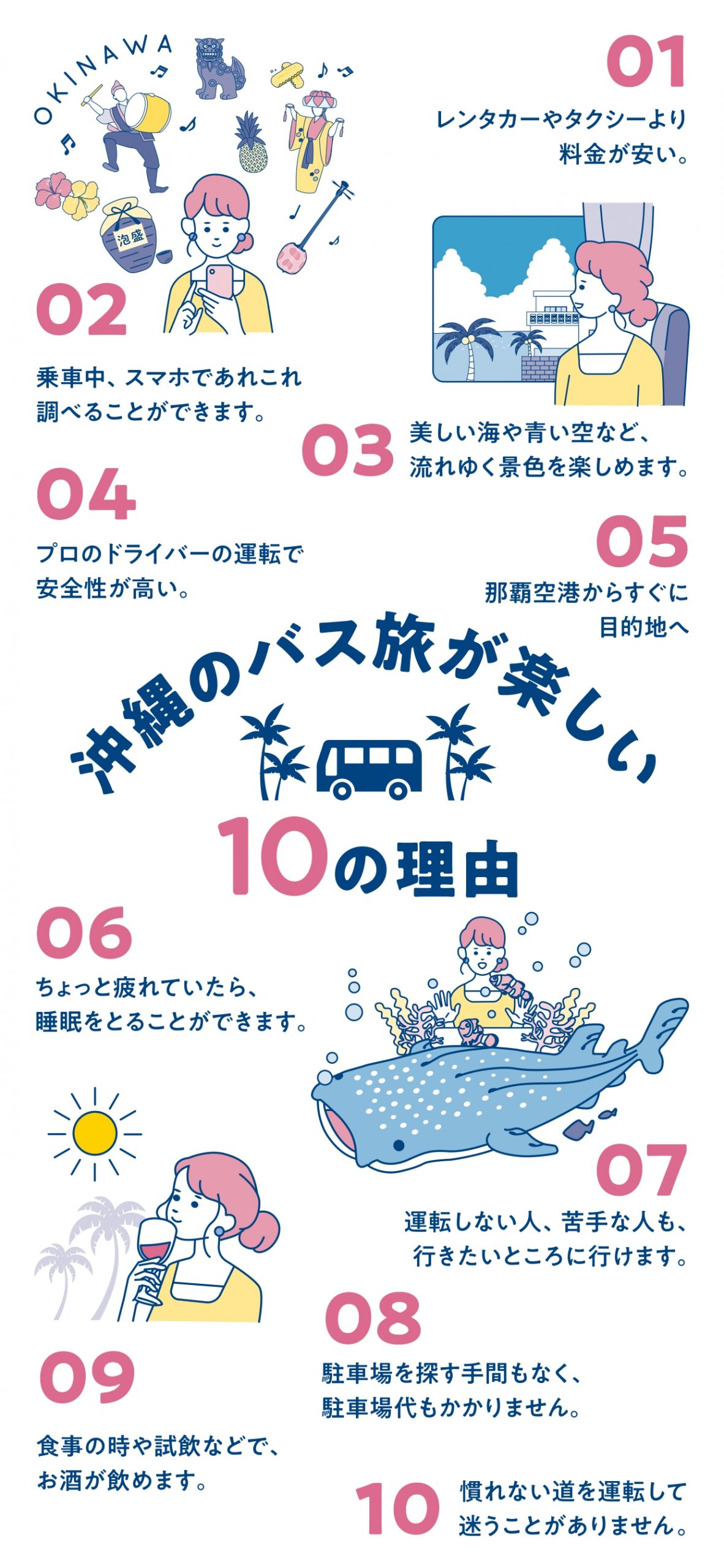
The reason of 10 that bus travel of Okinawa is fun
POINT which uses local bus of Okinawa
< to try before a ride.>
* I'll prepare small change. Payment can use only cash and OKICA (the traffic system IC card of Okinawa). A five thousand yen bill and a ten thousand yen bill can't be used.
* I'll finish Toilet.
< way to ride and way to get off>

* It's also from the previous door also to retire from taking it.
* If the person who waits for the person who gets off and gets off disappears, I take it.
* When taking it, the order ticket near the driver seat is taken.
* When retiring from a fare, I'll pay.
* During taking it, you aren't supposed to rise from your seat and move.
* Before getting off, the number and the charge indicated in front of rolling stock are confirmed.

* If the internal announcement is made "next, zero zero (the name of the stop)" when getting off, Request Stop Button around here is pressed.
* If a bus stops, when getting off rises from its seat. I'm often impatient in taking time before I get off, but a driver and a passenger understand a rule, and there isn't a person who questions, so please behave calmly.
* The charge and an order ticket are put in when getting off and the fare box which is next to the driver's seat. The change doesn't go out, so the fitting price is prepared.
When there is no small change, when getting off, it's exchanged. A change machine can use only small change and a one thousand yen bill.
< how to distinguish the bus I'd like to take>
4 companies of "Okinawa bus" "Ryukyu bus" "Naha bus" "Toyo bus" are moving around main local bus of Okinawa. The number from 1 digit to 3 digits is recorded on a part in the top in front of rolling stock, and (The number is called "the system number".) when seeing a route map, the stop of bus route of its number is checked.
< when I search for the place and the stop where I'd like to go by smartphone.>
"Google Map"

1. Application of Google Map is opened.
2-1. The place where I'd like to go is input to a search window. (For example, Shurijo Castle park and Mihama American village etc)
2-2. "Process" is clicked.
2-3. A place of departure (the place I need now) and the place where I'd like to go are input.
2-4. The inside and the local bus route where various processes are indicated are clicked.
3. The system number of the indicated bus is confirmed next to the stop.
"Transfer search site"
* It's input to a search window with "number zero (the system number of the bus), bus Timetable".
* A site of "NAVITIME" and "Jourdan" is opened.
* A tag in a weekday, Saturday and a holiday is chosen with the district where I'd like to go (The last stop is transcribed.)
* The time when I get is clicked. Time of each stop is indicated.
< I'll avoid time when a road is crowded.>
Delay is seen by the time of road crowding in a morning and evening for a bus of Okinawa.
When it's possible, I'll recommend to avoid and use following time.
(Morning) 7:00-8:30
(The evening) 16:00-19:00
Even if I'm waiting at the stop, I say that a bus doesn't come easily, so when a stop of a present location and the place where you'd like to go is input by Google Map in that case, you'll indicate which bus will come how many minutes later, so please search.
The scenery from the car window is enjoyed, and I stop over, and, with freeness, you can meet the discovery which doesn't notice I take a walk, and that bus travel in circled Okinawa is driving a car in a beautiful sea. Using local bus, please enjoy travel of Okinawa fully.

Local Guide which took charge of this article
OMO5 Okinawa Naha by Hoshino Resorts
Okinawa prefecture and Naha-shi
The convenient location which is within the walking range to Kokusai Dori. A town in Naha full of feelings of tropics can be enjoyed fully.

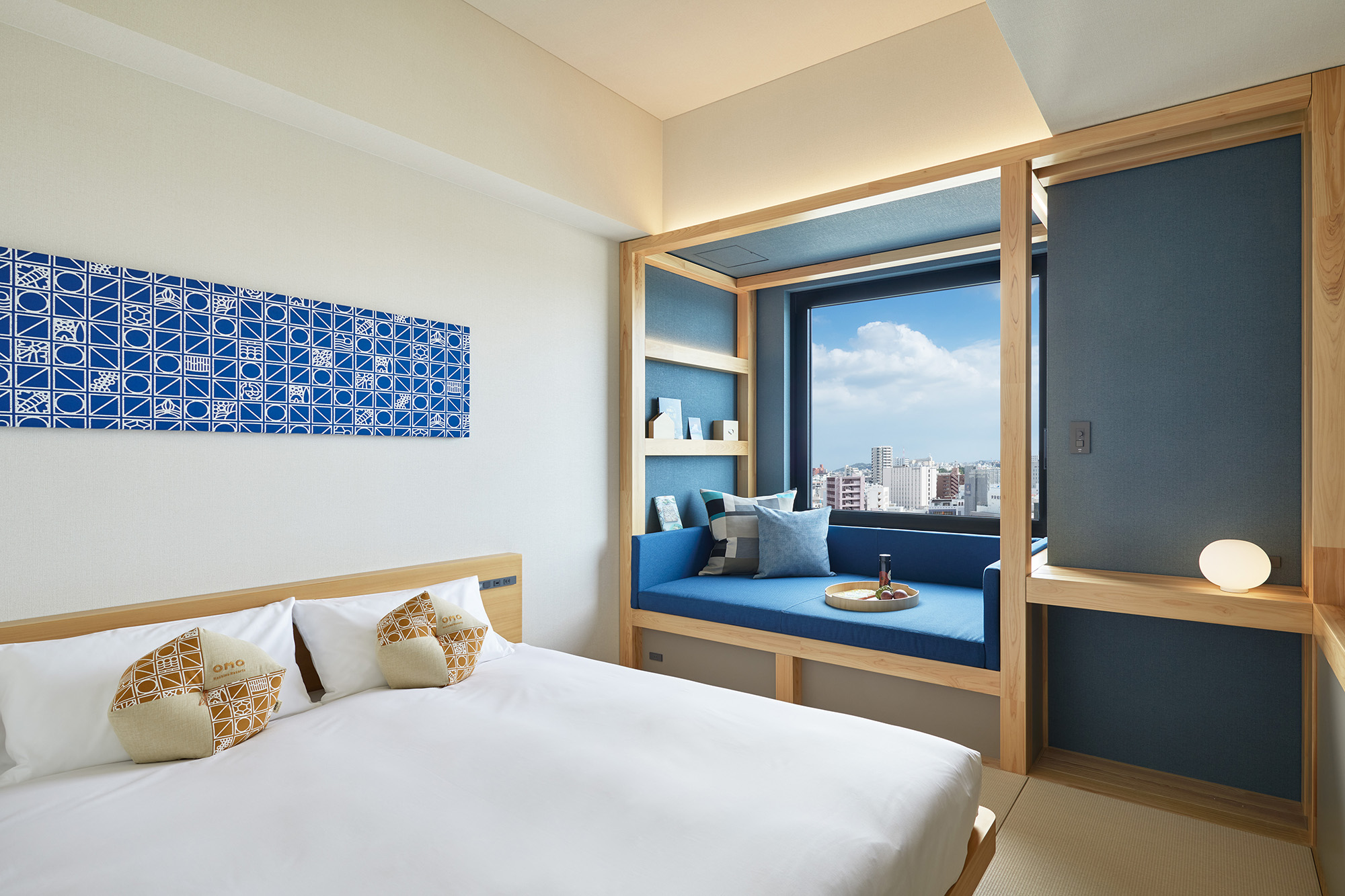
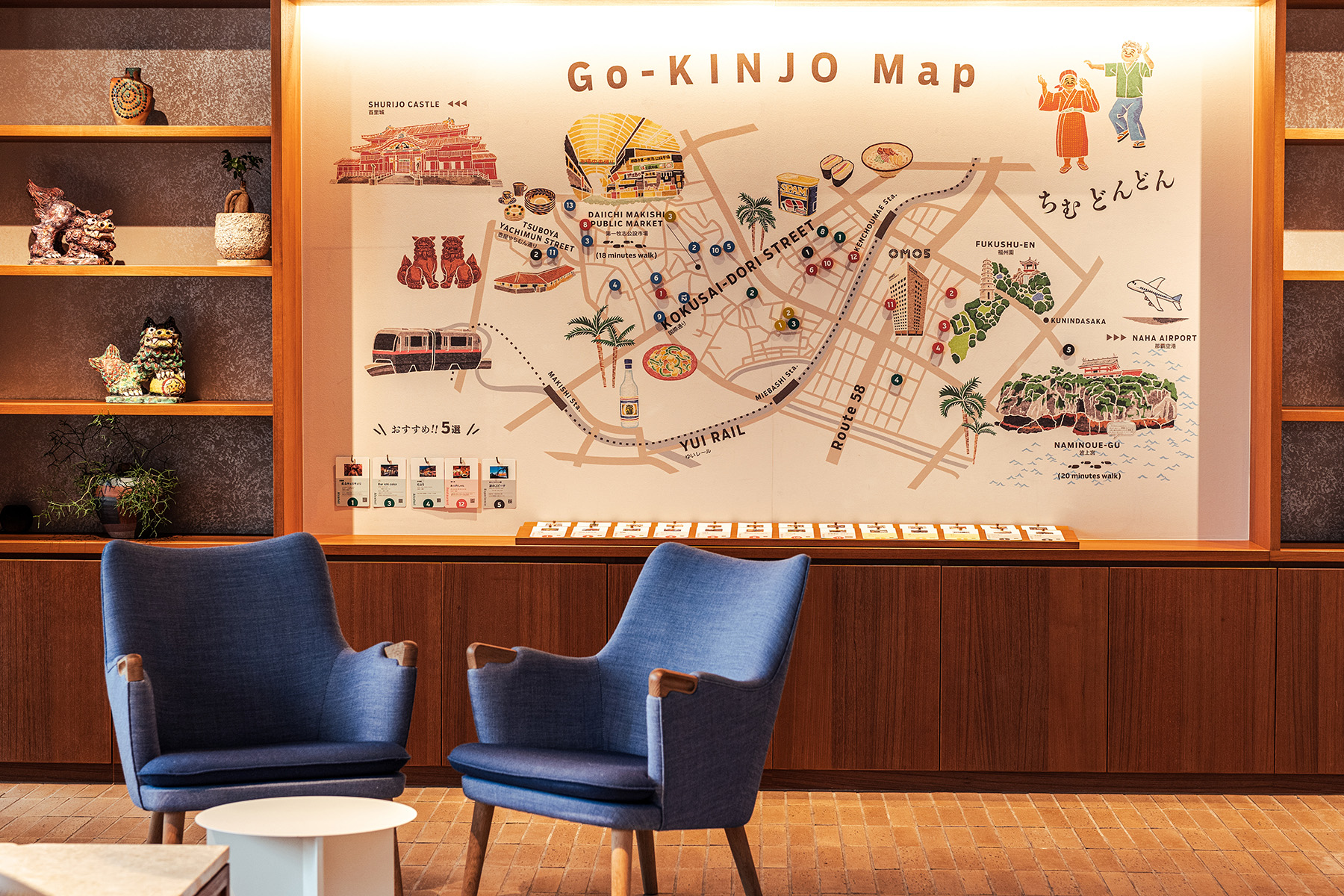
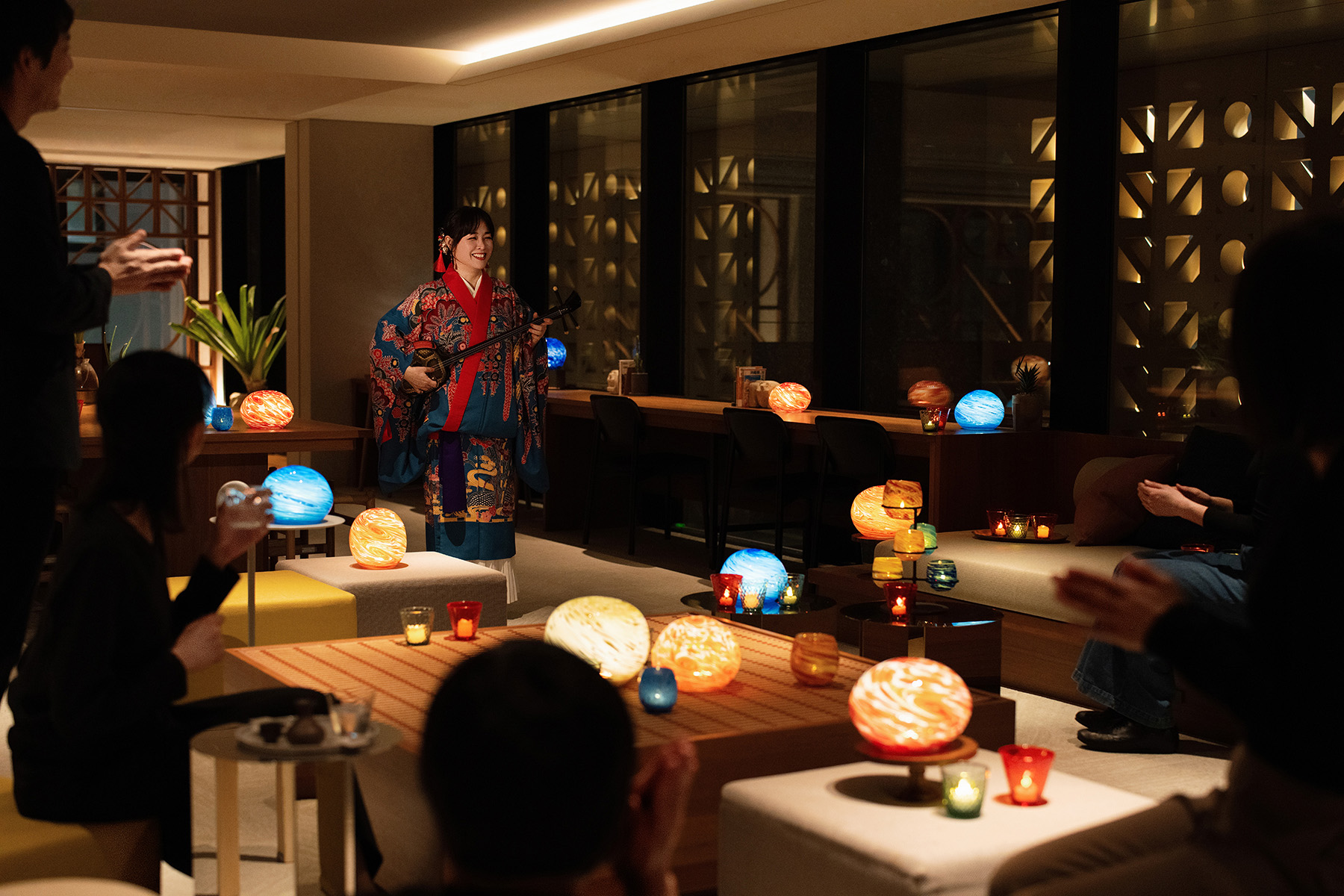
From Direction Yui Rail Kencho-mae Station, about 6 minutes on foot
- A room charge example
- 1 night, 1 person \6,000-
BEB5 Okinawa Seragaki by Hoshino Resorts
Okinawa prefecture and Onna-son
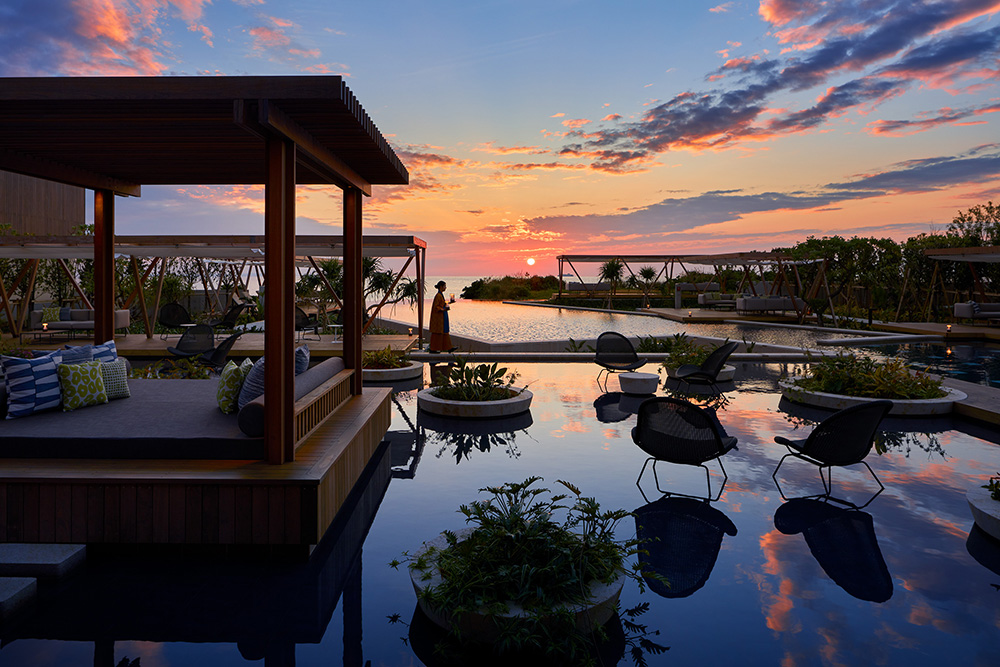
You can have time comfortably at an open pool and comfortable Guest room with a kitchen balcony.
.jpg)

.jpg)
.jpg)
It's express bus from Direction Naha Airport, about 70 minutes
- A room charge example
- 1 night, 1 person \5,175-
HOSHINOYA Okinawa
Okinawa prefecture and Yomitan
Luxurious resort along the coastline where Okinawa is outstanding. The superb view where a horizon is even looked around can be monopolized from Guest room in ocean Front desk of all the rooms.
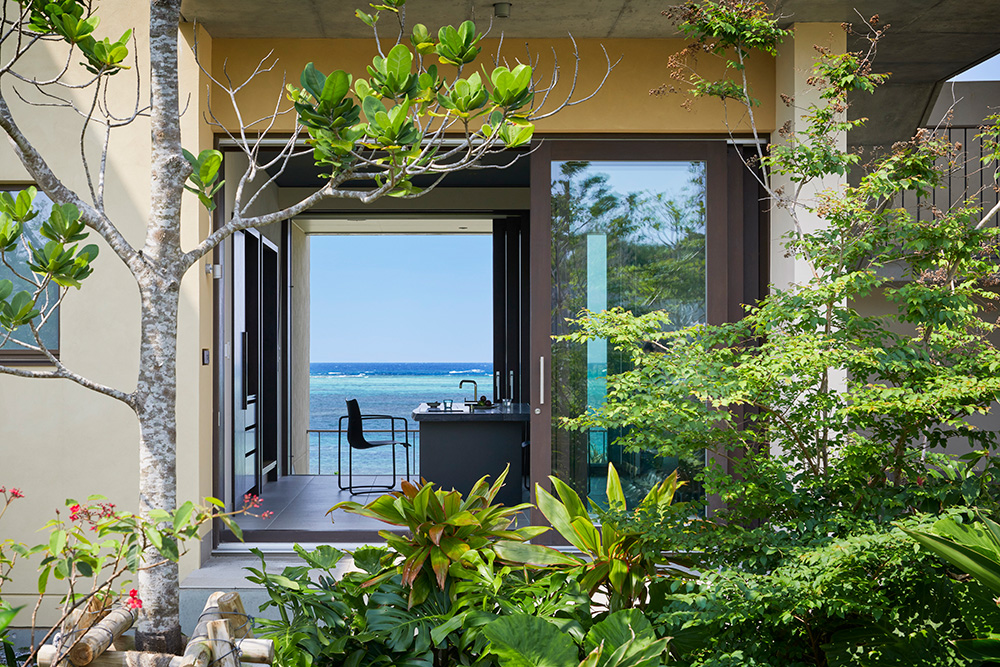
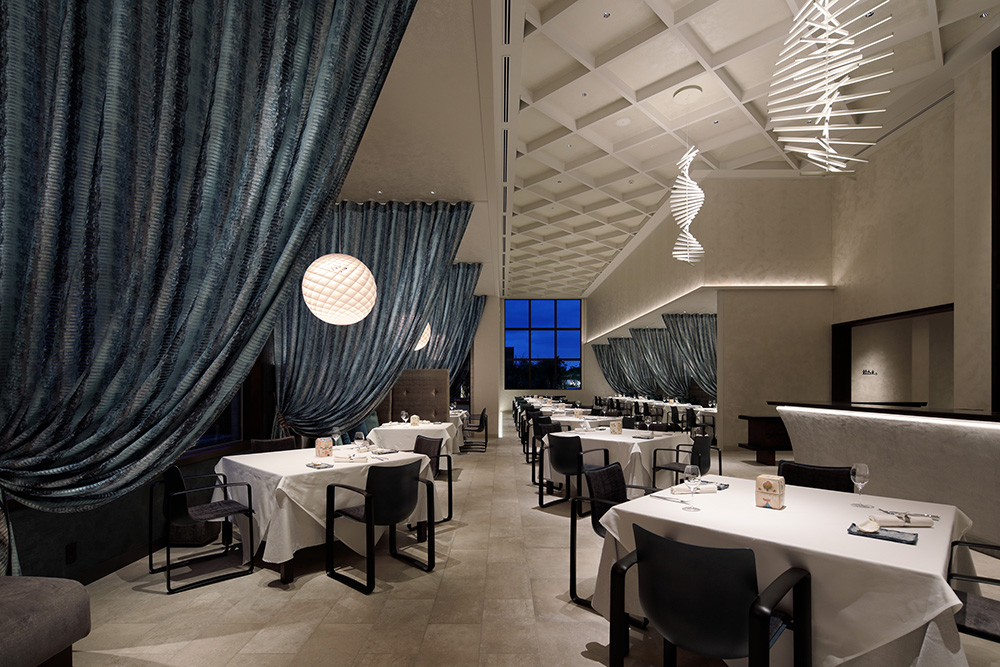

It's a taxi from Direction Naha Airport, about 1 hour
- A room charge example
- 1 night, 1 person \27,324-