





Check the seasons, temperatures, and clothing for the Kanazawa area (including Kaga City)


Photo courtesy of Kanazawa City
Kanazawa is the largest city in the Hokuriku region and retains a strong influence of the Kaga Hyakumangoku culture established by the Maeda family. Since the opening of the Hokuriku Shinkansen, it has developed into a major tourist city visited by many travelers from not only Japan but all over the world. If you are planning a trip to Kanazawa, which season—spring, summer, autumn, or winter—is the best?
Ishikawa Prefecture has one of the highest annual precipitation levels in the country, and Kanazawa in particular is known as a rainy region, so much so that there is a saying: "Even if you forget your lunch, don't forget your umbrella." While there are many sunny days in early summer, it is a region with a high probability of rain, hail, and snow during other seasons, and these characteristics are truly representative of a typical Sea of Japan climate.
Additionally, Yamashiro and Yamanaka Onsen, located in the hilly and terraced areas at the foot of the Nomi Mountains, tend to have even more snow accumulation than Kanazawa city.
We recommend carrying rain gear whenever you visit Kanazawa throughout the year.
In this article, we have summarized the temperatures and clothing you should know when planning your trip to Kanazawa.

About temperatures and clothing in the Kanazawa area (including Kaga City) in spring (March–May)

March in Kanazawa is the season of melting snow. The average temperature is 8.8°C, and signs of spring begin to arrive with the budding of trees. The cherry blossoms at "Kenrokuen," one of Japan's three most beautiful gardens, are at their best from late March to early April. The garden is opened to the public for free, and you can also enjoy the cherry blossoms illuminated at night. The minimum temperature during this time is around 5°C, so if you go out at night, you will need to take measures against the cold, such as wearing a coat over a knit sweater.
The average temperature in April is 13.4°C and in May is 18.2°C, which is about 1–2°C different from Tokyo. You will be fine wearing the same clothes as you would in Tokyo. May, in particular, has many sunny days, making it the perfect season to enjoy strolling through the history-rich city, including the teahouse districts, samurai residences, and temples and shrines.
About temperatures and clothing in the Kanazawa area (including Kaga City) in summer (June–August)

The average temperature in June is 23.7°C. With an average minimum temperature of 20.0°C, the climate is comfortable, but there are many rainy days, and some days can feel chilly.
The first week of this month features the "Kanazawa Hyakumangoku Festival," one of Kanazawa's biggest events. The "Hyakumangoku Parade," which recreates Maeda Toshiie's entry into Kanazawa Castle, attracts over 400,000 spectators every year.
The average temperature in July and August is about 29°C, similar to Tokyo. With average high temperatures exceeding 30°C combined with the humidity unique to this region, which sees a lot of rain, the sweltering heat is enough to make you sweat even in sleeveless shirts or short sleeves. The temperature difference between outdoors and indoors can also be significant, so be sure to have a breathable jacket on hand. Since the sun is strong, you will also need a parasol, hat, and sunglasses.
If you want to fully enjoy summer in Kanazawa, head to its two major rivers. You can enjoy summer traditions such as the "kawayuka" (riverside dining decks) set up along the Asano River and the fireworks display held every year on the Sai River.
About temperatures and clothing in the Kanazawa area (including Kaga City) in autumn (September–November)

In September, there are days when the average high temperature exceeds 30°C, so you can spend the day in short sleeves. Since it is also the autumn rainy season, it is useful to have a foldable umbrella that can be used for both sun and rain.
From October to November, as the heat subsides and you gradually begin to feel the coolness, the average temperature is almost the same as in Tokyo. The average temperature in October is 18.8°C. The mild sunshine and cool climate during the day make it suitable for strolling.
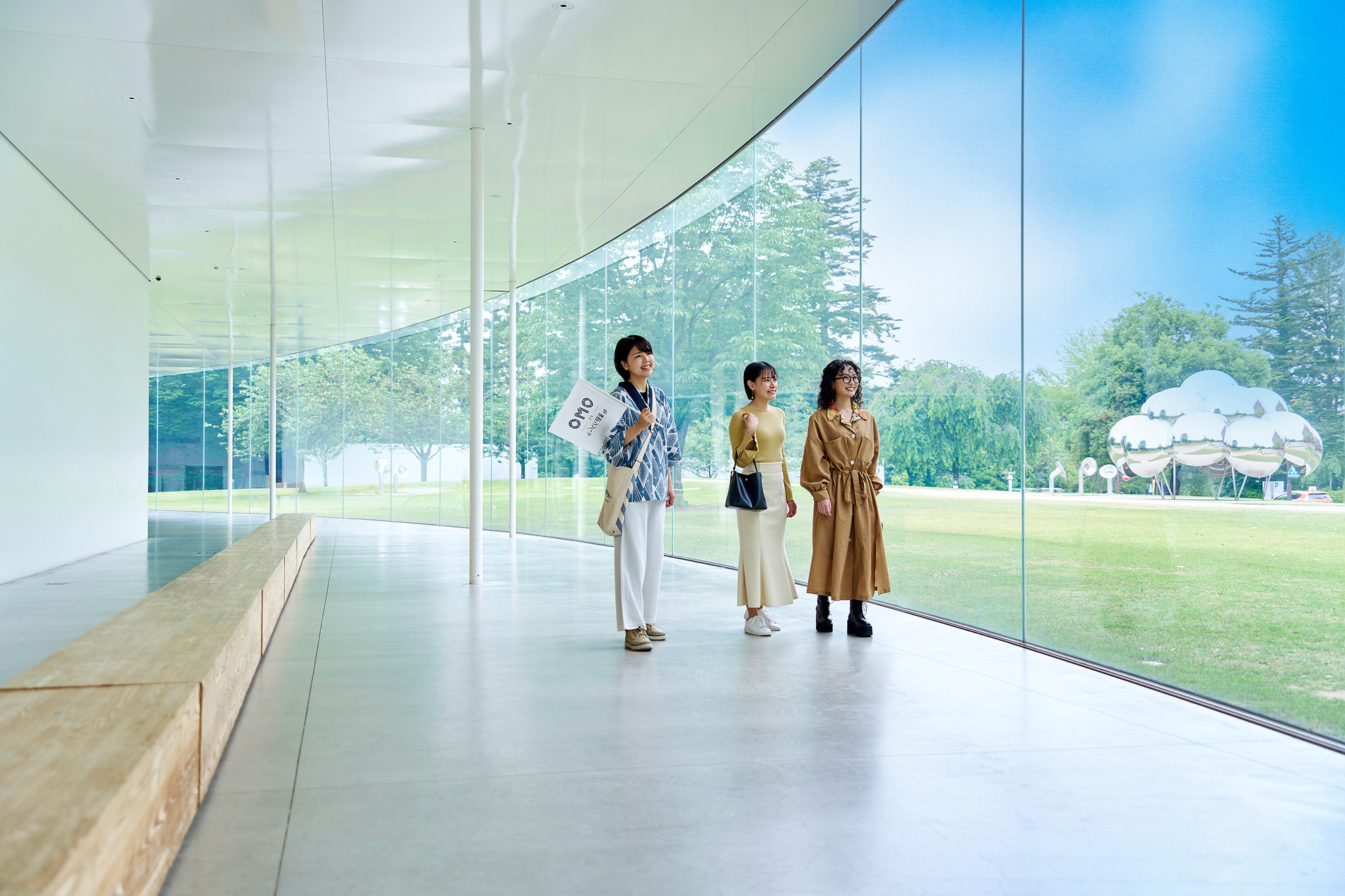
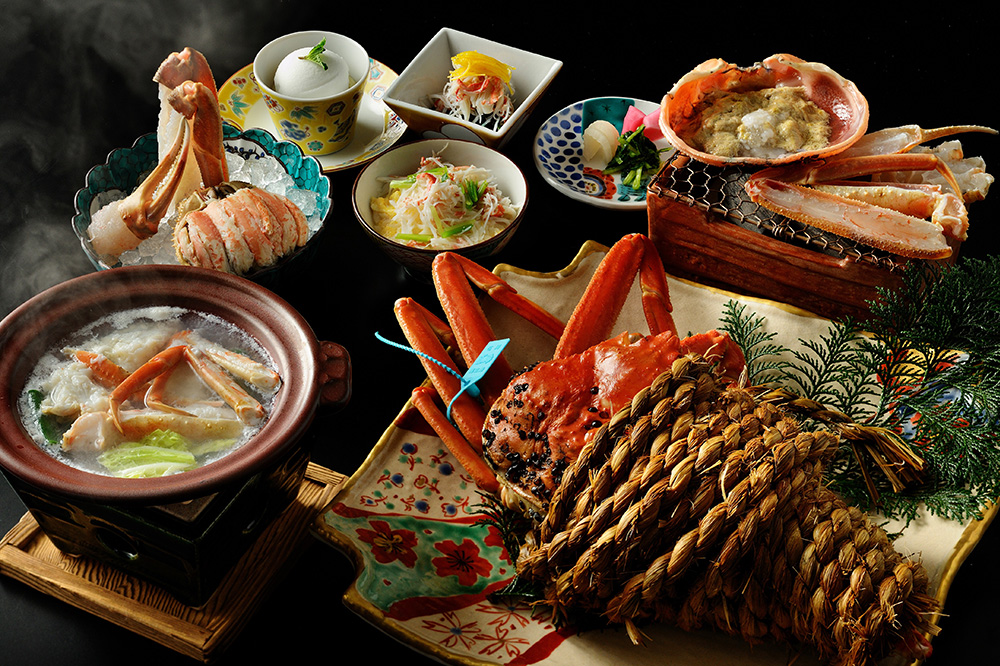
When November arrives and the average temperature drops to 12.3°C, the snow crab fishing season begins. The broad-leaved trees in Kenrokuen Garden, which is also a famous spot for autumn foliage, begin to change color, and in Yamanaka Onsen, the natural beauty of the autumn leaves reaches its peak along the Kakusenkei Gorge, a walking path that follows the mountain stream of the Daishoji River. Also, in Kanazawa city, you can fully enjoy the autumn of art at places like the 21st Century Museum of Contemporary Art, Kanazawa and the D.T. Suzuki Museum.
For clothing during this time, long sleeves with a hoodie or an unlined outer layer are sufficient, but it is a good idea to have something you can layer, such as a knit sweater to wear over a shirt, for the mornings and evenings.
Regarding temperatures and clothing for winter (December–February) in the Kanazawa area (including Kaga City)

December, when seasonal winter delicacies such as crab, yellowtail, and sweet shrimp are available, and Omicho Market, the kitchen of Kanazawa, becomes even more bustling. The average temperature is 8.2°C. Even if it snows, it usually melts quickly, but once January arrives, the northwest seasonal winds begin to blow, leading to more snowy days and increased snow accumulation.
In January and February, there is snowfall of about 60 cm in heavy years and about 20 cm in light years. In Yamashiro and Yamanaka Onsen, the snowfall is 1.5 to 2 times that amount. The wet snow is prone to freezing, and when it melts, the roads become muddy, so waterproof boots or rain boots are recommended for your feet.
When going to see atmospheric scenery such as 'yukitsuri' (snow hanging), wear a thick coat or down jacket. Be sure to take thorough measures against the cold, such as preparing hand warmers and gloves.

Local supporter in charge of this article
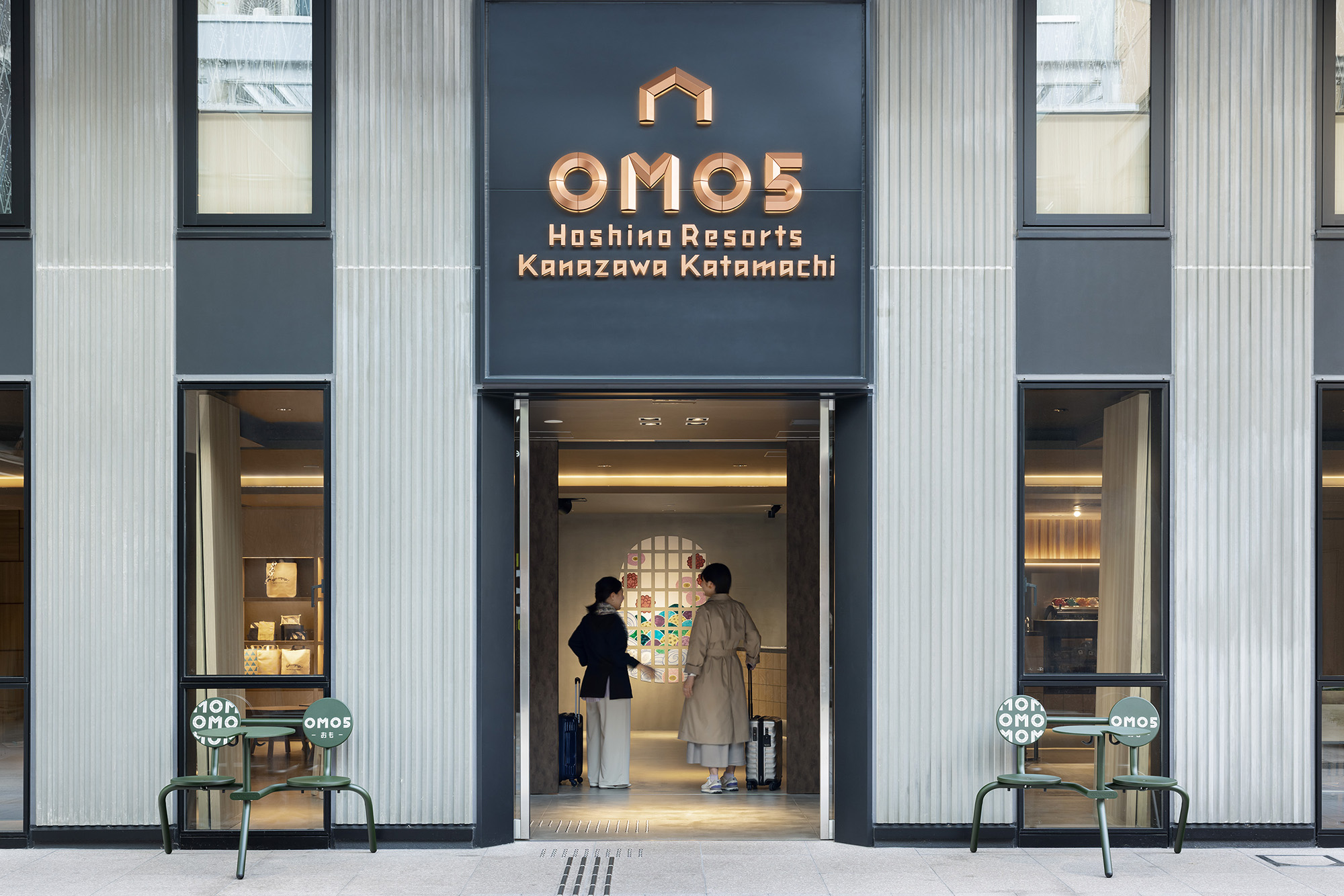
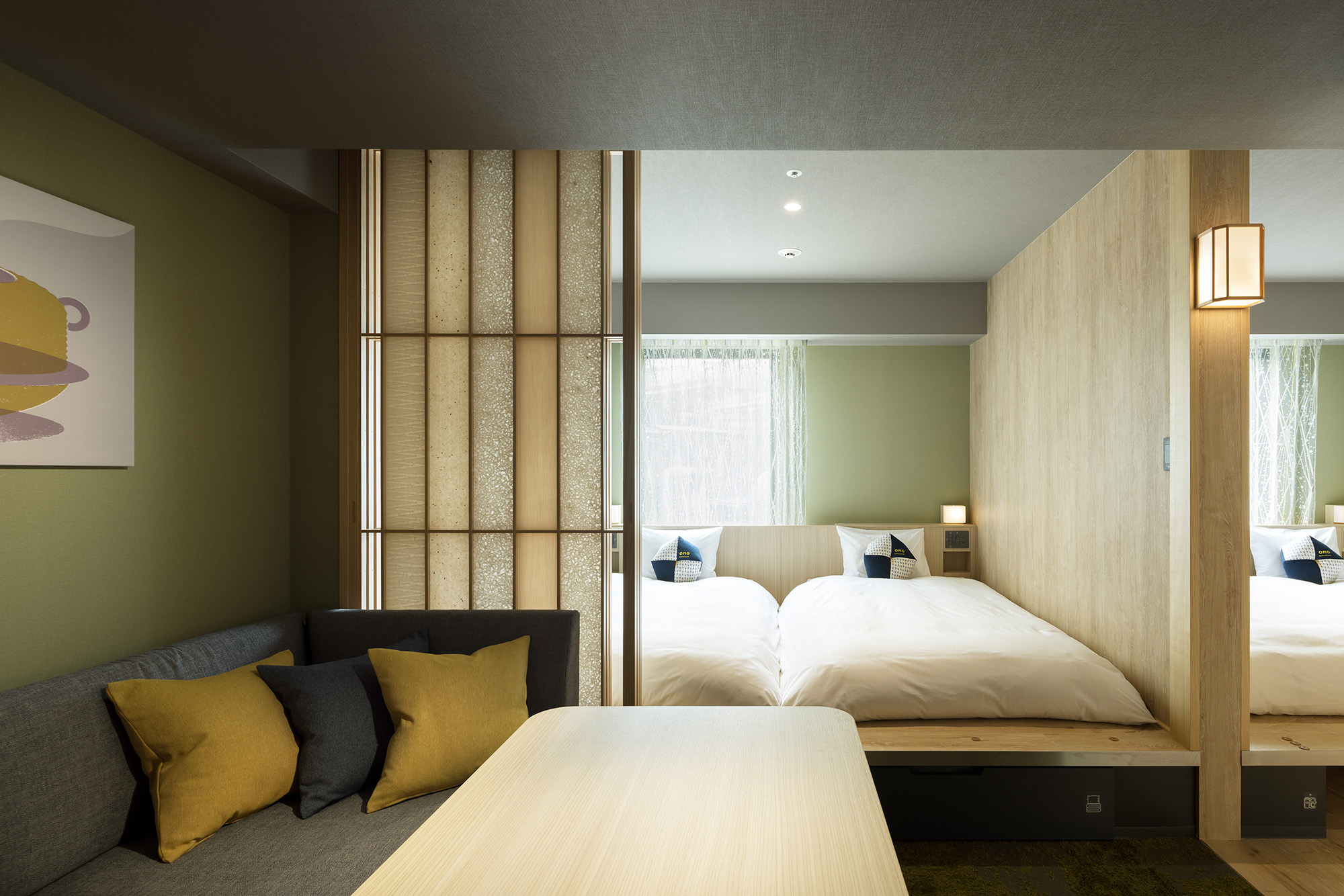
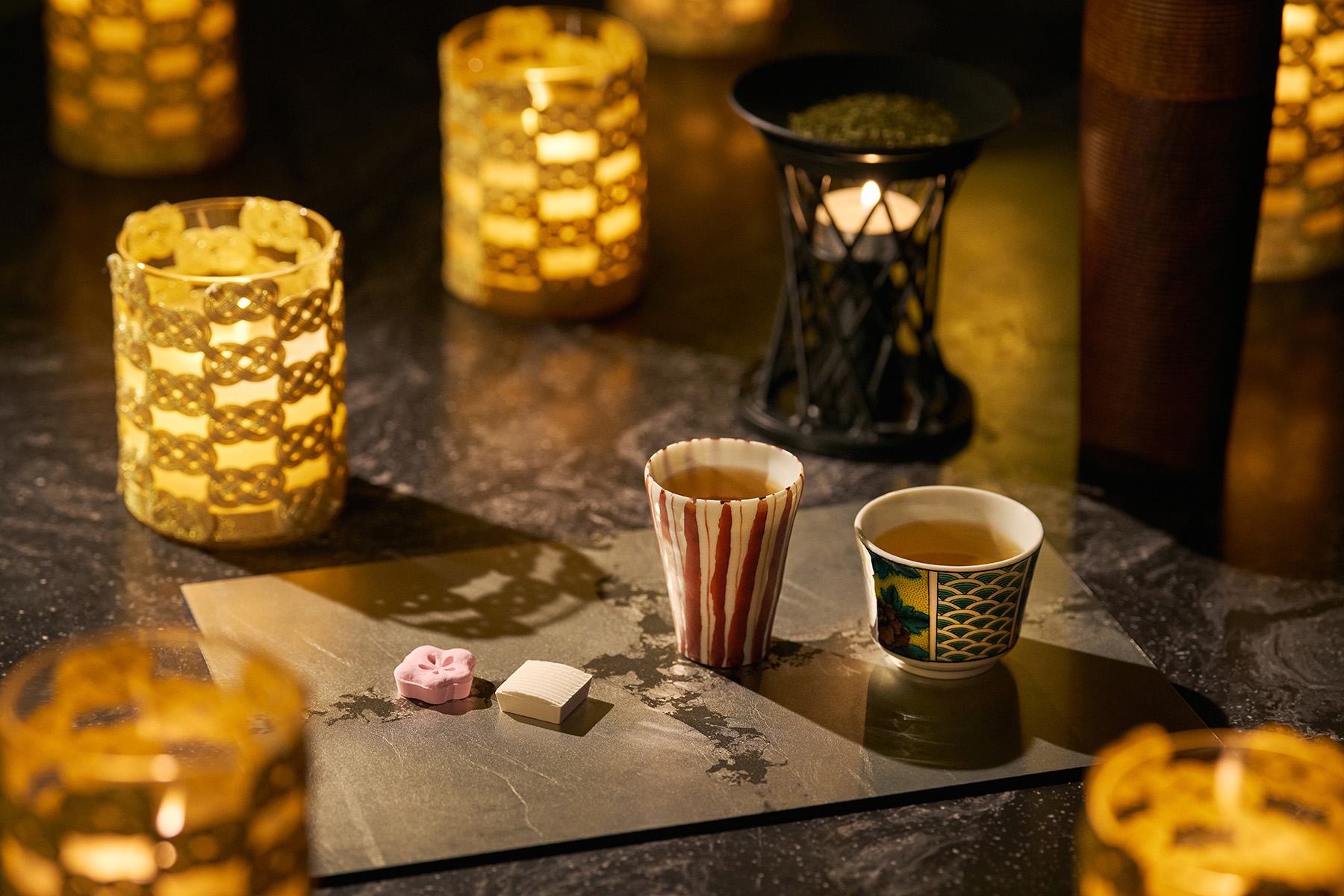
OMO5 Kanazawa Katamachi
Kanazawa City, Ishikawa Prefecture
Katamachi, Kanazawa's number one gourmet town. It is conveniently located for accessing Kanazawa's representative tourist attractions.
Access About a 4-minute walk from the "Korinbo" bus stop
- Accommodation rate example
- Per person per night From ¥5,200
KAI Kaga
Yamashiro Onsen, Ishikawa Prefecture
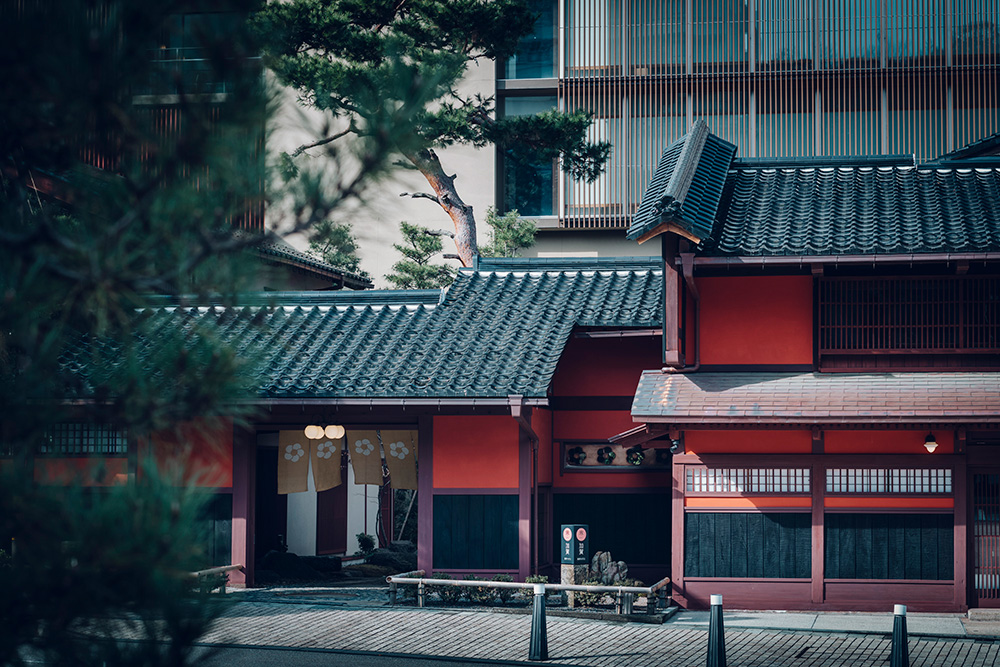
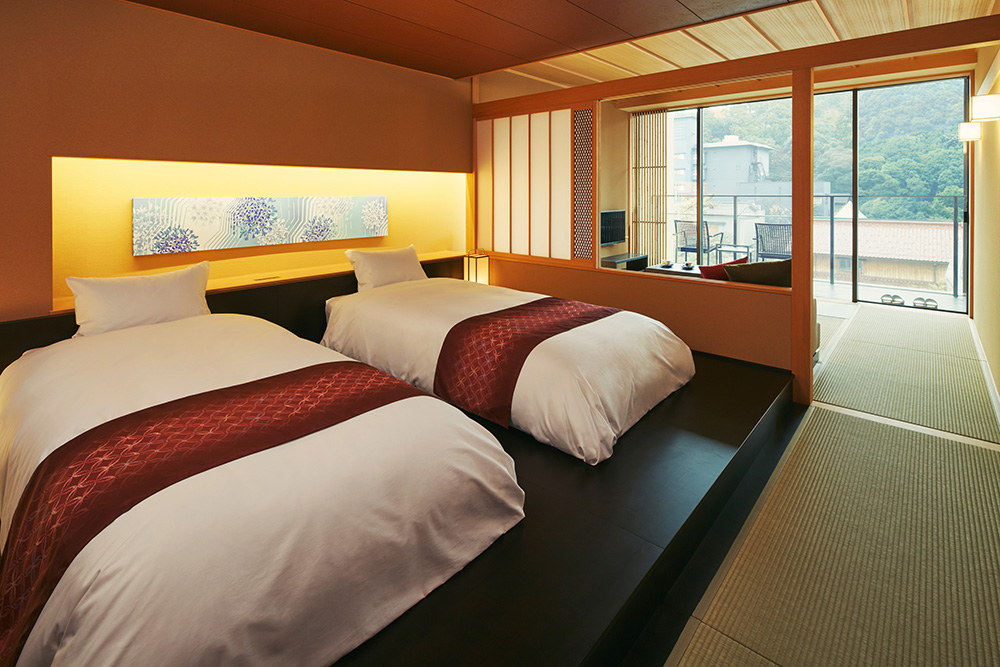
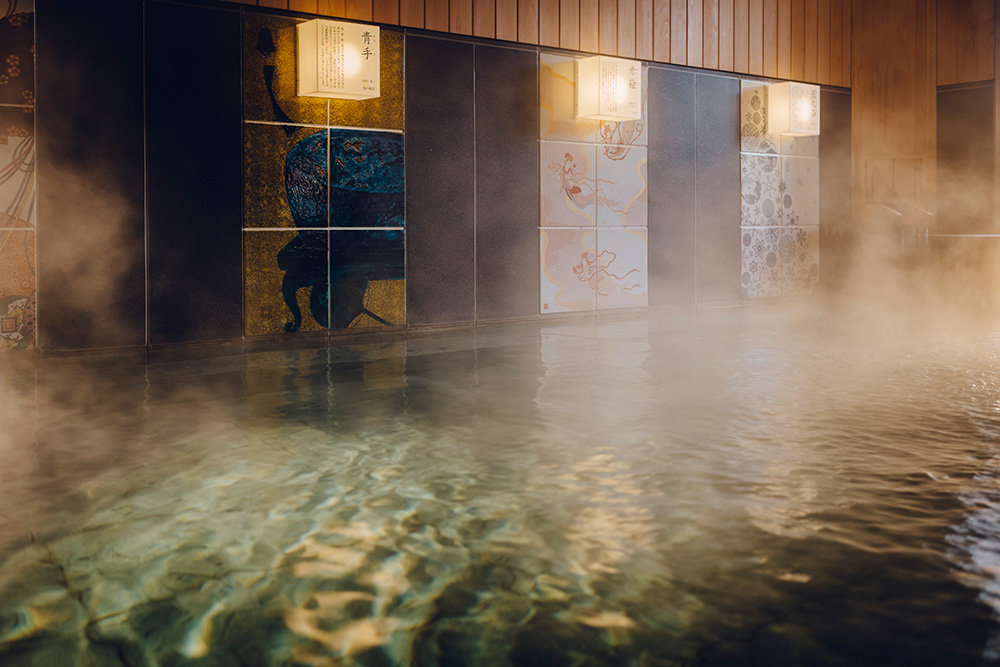
A traditional Kaga hot spring inn where new sensibilities breathe. The traditional architecture building with its impressive red-patterned lattice is a registered tangible cultural property of Japan.
Access About 10 minutes by taxi from Kagaonsen Station on the IR Ishikawa Railway
- Accommodation rate example
- Per person per night From ¥19,000