





I'll check the temperature Matsumoto and clothes.


Matsumoto city where celebrity is high as a castle town of the national treasure Matsumoto castle which often shines by the blue sky which became clear.
In the area vastest in Nagano-ken which includes the basin in the circled altitude 600m, the Chubusangaku National Park and a Yatsugatake Nobutaka Naka field quasi national park in the pile of the 3000m order of Hida-sanmyaku (the north Alps), the annual average temperature is 12.2 ℃.
The thing with the big (temperature table reference: 31.3 ℃ of highest temperature/lowest temperature - 5.5 ℃) temperature difference is the feature by a season.
There is "sunny day" in a Matsumoto basin, and a snow cloud is interrupted in Hida-sanmyaku (the north Alps), so there isn't a lot of snow.
Summer spouts out from the mountains and gets off, and an upcoming wind is cool it's semiarid through the year and though it's the climate of the basin, and the winter snowfall is little, but coldness is a severe area.
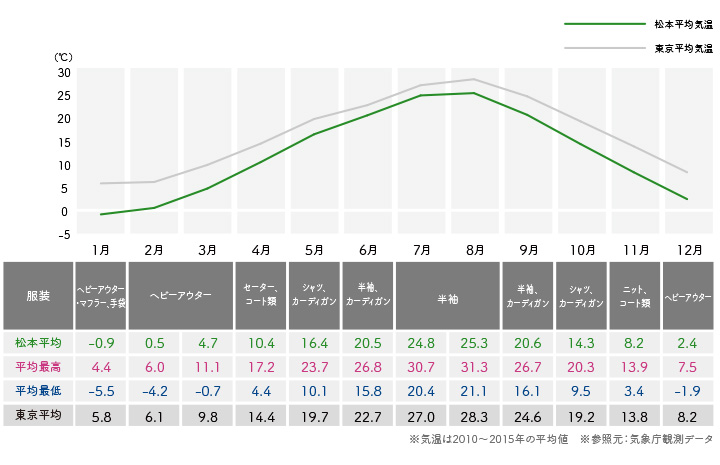
< the temperature Matsumoto and clothes>
About the temperature of the spring (3 Monday-May) and clothes.
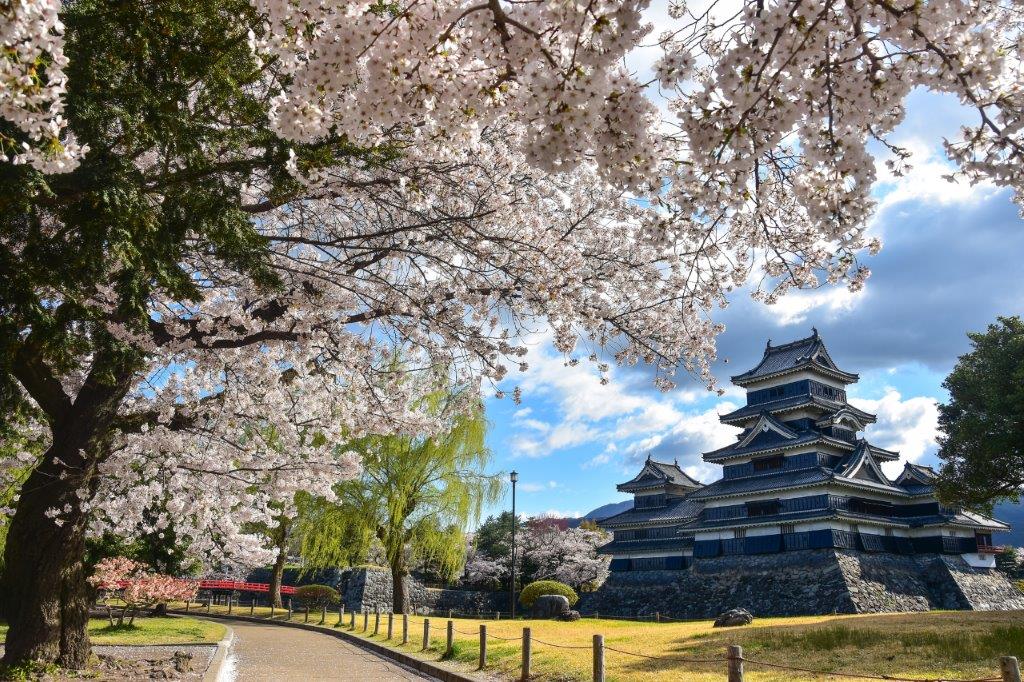
The spring a Someiyoshino cherry tree around the Matsumoto castle and a weeping cherry tree begin to bloom at the middle of April when. It rises, but attention is much necessary to temperature gap in the morning and evening for the temperature to 3 Monday-May.
It's about 3~~4 ℃ gap compared with the average temperature Tokyo Metropolitan area, but there is also a day when the lowest temperature will be as winter in April, March, so I'll suggest that a sweater, the function system inner, a knit cap and a muffler take a jacket for winter clothes and Golden Week.
When going to Norikura Highland and Kamikochi besides the city, snow is still left, so a down jacket and inner layering will make the device against the cold.
About the temperature of the summer (6 Monday-August) and clothes.
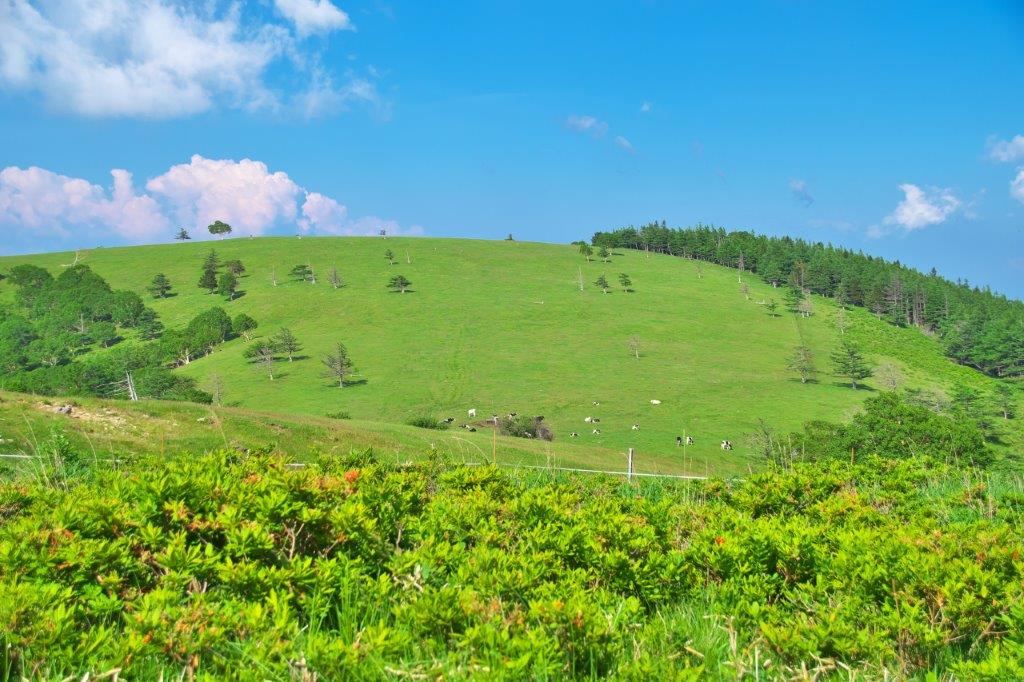
A mountain hydrangea of spoon Azalea in Utsukushigahara high plain and a Kocho temple blooms in early summer, and influence in the rainy season isn't so much, so it's the feature that there are a lot of days which cleared up.
"Hot summer day" beyond 30 ℃ will also become a lot at a city in July and August, but the temperature is also affected by the wind which will blow from the north Alps in the evening, and falls, so it'll be hardly the tropical night.
A morning and evening becomes cool, so I'll recommend to take a thin long sleeve.
When Utsukushigahara high plain and Norikura Highland go to an expensive area above the sea level, the weather tends to change suddenly, so I'll decide not to leave equipment which corresponds to wind and rain.
About the temperature of the autumn (9 Monday-November) and clothes.
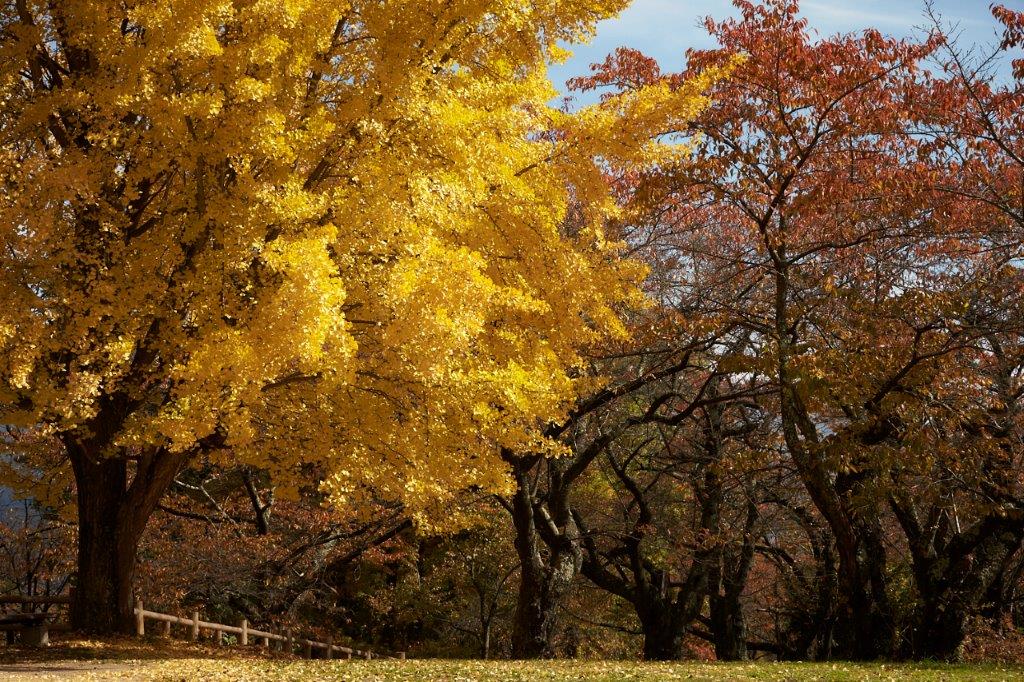
An ordinary year and the autumnal tints of the high plain area start from the beginning of October, and the autumnal tints of the Matsumoto castle receive best time into a city from time at the end of October.
The sign by which summer is autumn short in September. The average highest temperature will be nearly 20 ℃ and be the winter temperature in November quickly in October.
Such as even the case when I go to a high plain area to see colored leaves and a city will be equipped with a knit, a jacket and a muffler in the sudden coldness by a disposable body warmer in a thick coat and a down jacket in November in October, I'll suggest that a pair of early winter passes by the look.
About the temperature of the winter (12 Monday-February) and clothes.
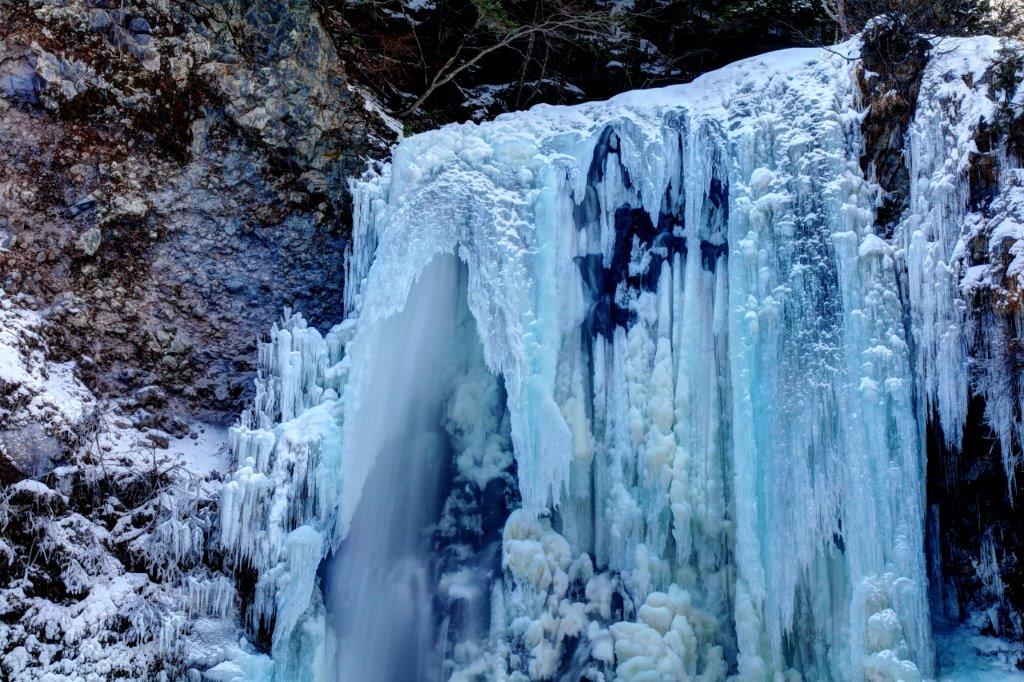
Even if there is no snow in a city, there is a ski area in Norikura Highland and Nomugi-toge, and Direction also tends to do, so skiing and winter sports of a snowboard can be enjoyed.
"Icefall" in Norikura Highland is also the natural molding beauty the freezing area.
Therefore the temperature of December is one digit and it's necessary that January and February assume the freezing point.
The season one-day visit hot spring at hot spring place of skeleton hot spring and Utsukushigahara hot spring recommends. A high inner of functionality and, against the cold, arrive, please also gather Atsushi hand at a muffler, gloves and an attachment of a knit cap child.