





For love, work, and to ward off bad luck! A tour of Hamamatsu's power spots to boost your luck!

Hamamatsu is dotted with historic shrines and temples with ties to great historical figures such as Ieyasu Tokugawa and Kukai (Kobo Daishi). In places where our ancestors were dedicated as gods, we can feel in our hearts that mysterious power resides, even if we cannot see it with our eyes. Praying and spending time in such a sacred space is a step toward good fortune. Here are some power spots that will lead you to success in love, success in life, and luck in money.
<Recommended power spots in Hamamatsu>
- 1 Tenpaku Iwaku Ruins
- 2 Tateyama-ji Temple "Enmusubi Jizo
- 3 Hokoji Temple
- 4 Hamamatsu Motoshirocho Toshogu Shrine
- 5 Kuroda Inari Shrine
- 6 Hosoe Shrine
<Hot spring ryokan to enjoy Shizuoka, the tea capital of Japan>.
<Recommended power spots in Hamamatsu>
1Tenpaku Iwaku Ruins
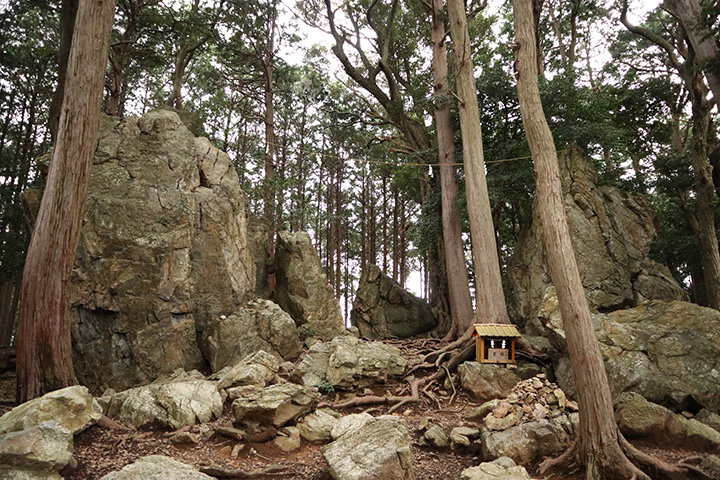
Iidani, Hikisa-cho, Kita-ku, northeast of Lake Hamana, is an area rich in nature and dotted with several ruins. One of the most famous is the Tenpaku Banza Ruins, which was featured in the first episode of the NHK historical drama "Onnajoshu Naotora. The area was originally associated with the Iyi family, and the Iyi Shrine, where the family deity is enshrined, is located in the vicinity. The Tenpaku Banza Site is located at the top of Yakushi Mountain behind the main shrine of the Iyi Shrine, and is dotted with small and medium-sized rocks in a 40 m square area centering on three giant stones. It is believed that these stones are the remains of a ritual site from the Kofun period, and that the megaliths are believed to be a rockery, a place of worship of a deity.
Purify your mind in a sacred place where nature worship used to take place.

The site is surrounded by trees, with roots of trees growing up and down, and rocks of various sizes and shapes, from small rocks to giant rocks over 5 meters high, are strewn among them. The rocks seem to be placed irregularly, but somehow they seem to be balanced in their arrangement, giving a glimpse of the fact that this was a place of prayer. Closing my eyes and taking a slow, deep breath by the boulders, I felt as if the holy power of the water god dwelling here was being absorbed into my body, and I felt as if I were being filled with strength. When you leave this place, you will feel refreshed.

Local Guide
Supporters
The mysterious atmosphere is overwhelming, as if you have wandered into a different space!
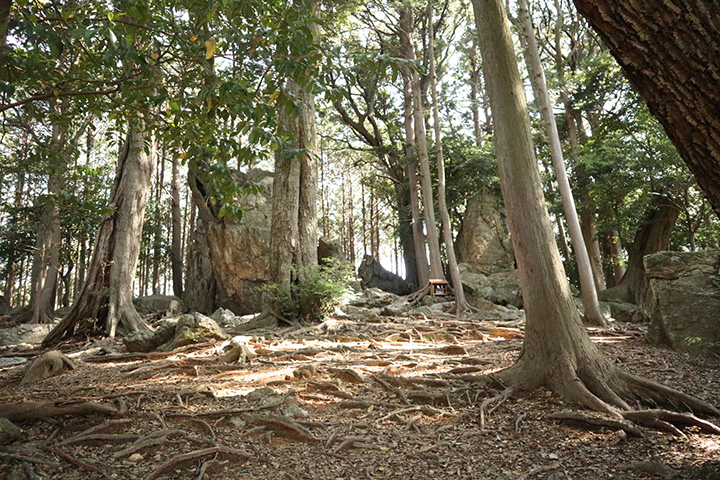
- Amahaku Banza Ruins
-
 1150 Iiya, Hikisa-cho, Kita-ku, Hamamatsu City, Shizuoka Prefecture MAP
 From Hamamatsu Station, take the Entei bus bound for Okuyama (about 45 minutes). 5 minute walk from the Kitagami stop.
 053-522-4720(Okuhamanako Tourist Association)
 Free (Hamamatsu City Regional Heritage Center)
2Tateyama-ji Temple "Enmusubi Jizo
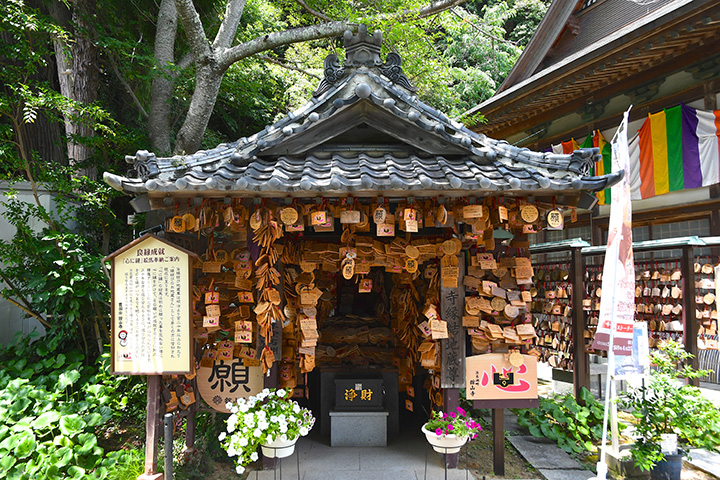
Tateyama-dera Temple, from which Tateyama-dera Hot Spring gets its name, is located about a 22-minute walk from the Tateyama-dera Onsen bus stop. It was founded during the Heian period (794-1185) by Kukai (Kobo Daishi) when he visited the area. The temple was once closed during the Meiji period (1868-1912), but was rebuilt in 1890 (Meiji 23) as a branch temple of Akibadera Temple. While continuing the tradition of the Shingon sect of Buddhism, the temple became a prayer temple of the Soto sect of Buddhism. At Tateyama-ji Temple, there is an ema (votive tablet) made in the hope that local people and visitors will be able to fulfill their relationships, and it is said that their wishes will come true if they dedicate the tablet to "Enmusubi Jizo," a Buddhist statue of marriage that sits within the temple's precincts. Word of the temple's great benefits spread by word of mouth, and the temple has become a major power spot for romance. The hall dedicated to the Jizo is filled to overflowing with ema (votive picture tablet), indicating how many people have prayed for the fulfillment of their love.
Local Guide
Supporters
The fact that so many ema (votive picture tablet) are dedicated to the temple may mean that they are beneficial.
Two types of ema (votive tablet) for love: "wish" and "first love

There are two types of ema available at the sales counter next to the main hall of Tateyama-ji: the round type with the word "wish" written on it, and the "Hatsushikan" type with an illustration of a lock on top of the word "heart. Visitors can choose the "wish" ema if they want to have a relationship with someone, or the "Hatsushikan" ema if they want to follow through with their thoughts and entrust their wishes to be fulfilled, and so on. The "kokoro ni kagami" match-making talisman with the same "key to the heart" symbol as the ema is recommended for those who wish to wear the power of a good match.
Also, if you are unsure about your love life or want to know the future of your love life, why not test your luck in love in the future with the "en-musubi mikuji" or "koi mikuji," which are reputed to be accurate.
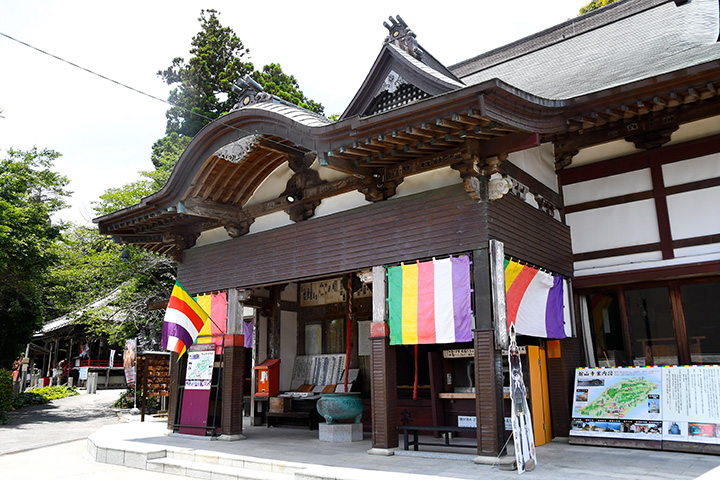
- Tateyama Temple
-
- 2231 Tateyamaji-cho, Nishi-ku, Hamamatsu City, Shizuoka Prefecture MAP
 About a 15-minute walk from Hoshino Resorts KAI Enshu
- From Hamamatsu Station, take the Enshu Railway bus bound for Tateyama-ji hot spring (about 45 minutes). 5 minute walk from the last stop.
 7:00 - 18:00 (Amulet awarding office)
- 053-487-0107
- Free of charge (A fee is charged after 30 minutes. (Free for 2 hours if you spend more than 1,000 yen at the amulet awarding place.)
3Houkouji Temple
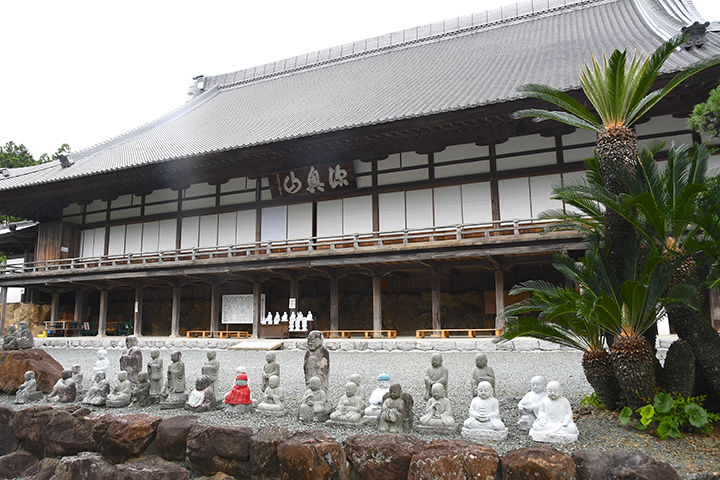
The temple was founded in 1371 (Oan 4) during the period of the Northern and Southern Dynasties. The temple is the head temple of the Hoko school of the Rinzai sect of Zen Buddhism, and there are about 60 halls in a quiet, forest-like setting surrounded by old cedar trees. The temple is also called "Okuzan Hansobo" (meaning "half priest's house in the mountains") in reference to the fact that "Hansobo Gongen," who protected the Zen master Mumon Genzenji, who founded the temple, when he returned from China in bad weather and later became his disciple, is enshrined in the Hansobo Shinden (main sanctuary) on the temple grounds.
A spot where you can touch the strength of the life force and admire its power
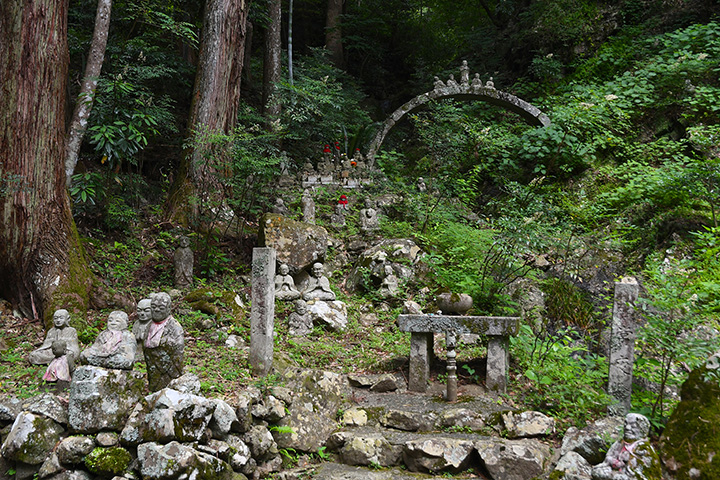
The Hansobo Shinden, which survived the great fire of 1881, welcomes visitors under the eaves of the building with a carving of a rising dragon and a descending dragon, both made by Goto Iwagoro, a Buddhist priest of the Meiji era. In addition to the secret statue of "Hanjobo Gongen," the hall also enshrines Daikokuten by Iwagoro, which attracts many worshippers who are assured of good karma if they see its blessed appearance.
The temple is also widely known for its 500 arhats, each with a different expression, and it is said that visitors can always find a statue that resembles their own.
Also on the approach to the temple is the Enmei Hanjo Cedar, a large cedar stump that was carbonized in a large fire during the Meiji period (1868-1912), but has regenerated and lived for more than 130 years. This cedar is also popular as it is believed that visitors can benefit from its strong life force to prolong their lives and ward off misfortunes.
Local Guide
Supporters
You can reach the main hall by car, but it is also pleasant to walk along the path while listening to the murmuring of the stream and the chirping of birds.
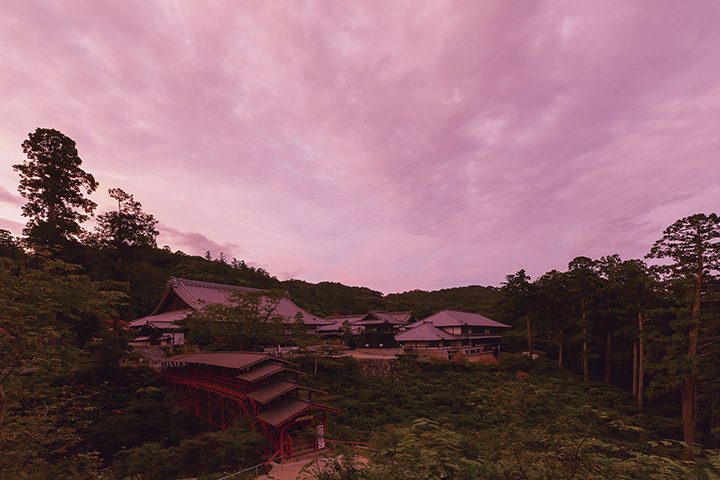
- Hokoji Temple
-
- 1577-1 Okuyama, Hikisa-cho, Kita-ku, Hamamatsu City, Shizuoka Prefecture MAP
- From Hamamatsu Station, take the Entei Bus bound for Okuyama (approx. 55 min.), alight at Okuyama and walk 5 min.
- 9:00-16:00
 Adults 400 yen, Junior high school students and younger 200 yen
- 053-543-0003
- Free of charge
4Hamamatsu Motoshirocho Toshogu Shrine
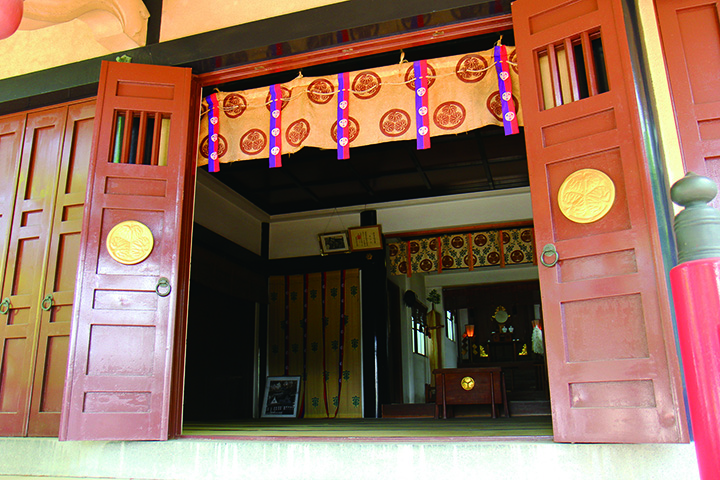
Hikima Castle was the residence of Tokugawa Ieyasu until he built Hamamatsu Castle in its present location. Hamamatsu Motoshirocho Toshogu Shrine, which was built on the site of Hikima Castle, is also known as the Shrine of Success. Originally, Hikima Castle was owned by the Matsushita family, vassals of the Imagawa clan, and Hideyoshi Toyotomi, then a vassal of Fujikichiro Kinoshita, served at the castle. Because of its connection to the two heavenly rulers, Tokugawa Ieyasu and Toyotomi Hideyoshi, the castle has become known as a power spot that brings good fortune for success in life and attracts many worshippers.
A power and photo spot is now available!
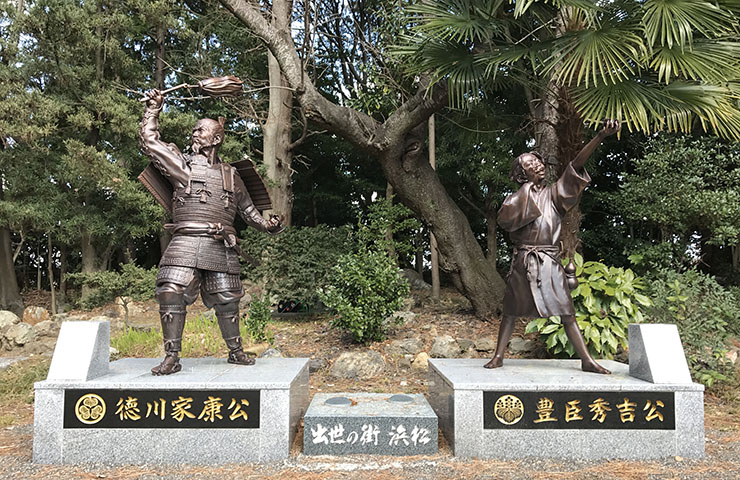
In 2016, a bronze statue of Ieyasu as a lord of the castle and a bronze statue of the young Hideyoshi as an apprentice were installed in the precincts of the temple as a project commemorating the 400th anniversary of Ieyasu's honor. It has become a popular photo spot, as people are told that they can get ahead in life if they stand between the two statues and take a picture. The lantern near the shrine is also a power spot because of its heart-shaped design carved into the base of the lantern. Since ancient times, the inome pattern has been used to ward off evil. Rumors have spread among local female students that touching the design will bring them romantic fulfillment, and it is also attracting attention as a spot that is effective for love.
Local Guide
Supporters
The water closet is also very nice with its fine workmanship. There is a cat hiding in the upper part of the building.

- Hamamatsu Motoshirocho Toshogu Shrine
-
- 111-2 Motoshiro-cho, Naka-ku, Hamamatsu City, Shizuoka Prefecture MAP
- From Hamamatsu Station, take the Entei bus bound for City Hall Yamanote Medical College or other direction (approx. 5 mins), alight at Hamamatsu Castle Park Entrance and walk 5 mins.
- Free of charge
- 053-452-1634(Hamamatsu City Tourist Information Center)
- Free (Hamamatsu Castle Park Parking)
5Kuroda Inari Shrine
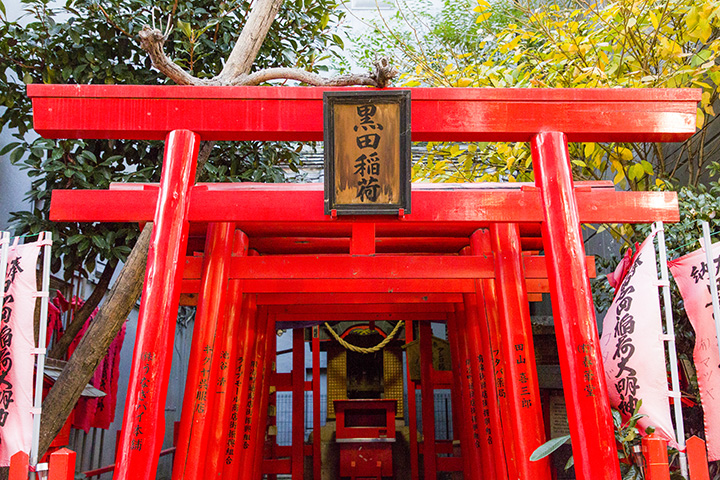
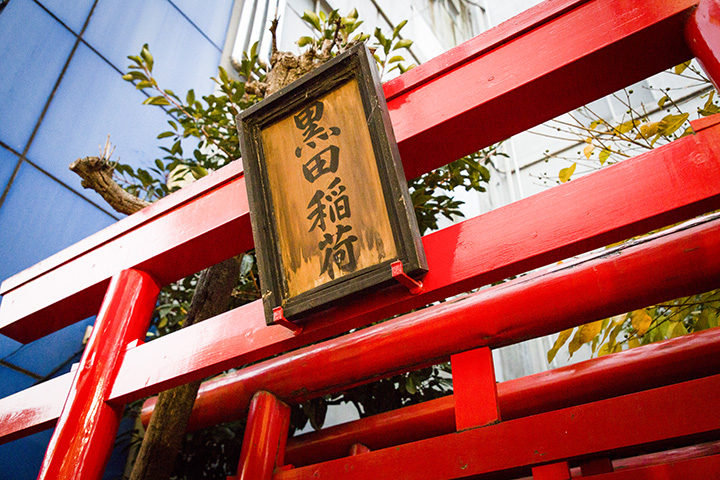
Inari-sama is located in Arco Mall Yurakugai, Hamamatsu City's downtown area. It is located on the south side (Kajicho side) of Yuraku-gai and is believed by Hamamatsu citizens to be a place of prayer for prosperous business. It is said that the shrine was first established during the Kyoho era (1573-1600) by a nun named Myoueni of Jogyoin Temple, who enshrined Toyoke no Okami as the deity of the shrine to pray for prosperous business and a good harvest.
In recent years, the shrine has become famous as a power spot for the performing arts and is visited by many aspiring singers and actors. It is said that Harumi Miyako's hit song "Anko Tsubaki wa Koi no Hana" was inspired by Kuroda Inari Shrine.
Local Guide
Supporters
The red torii gate that suddenly appears in the downtown streets and the sacred atmosphere of the small shrine are quite interesting.
- Kuroda Inari Shrine
-
- Yurakugai South Exit, Kajicho, Naka-ku, Hamamatsu City, Shizuoka Prefecture MAP
- 5-minute walk from Hamamatsu Station
- None
6Hosoe Shrine
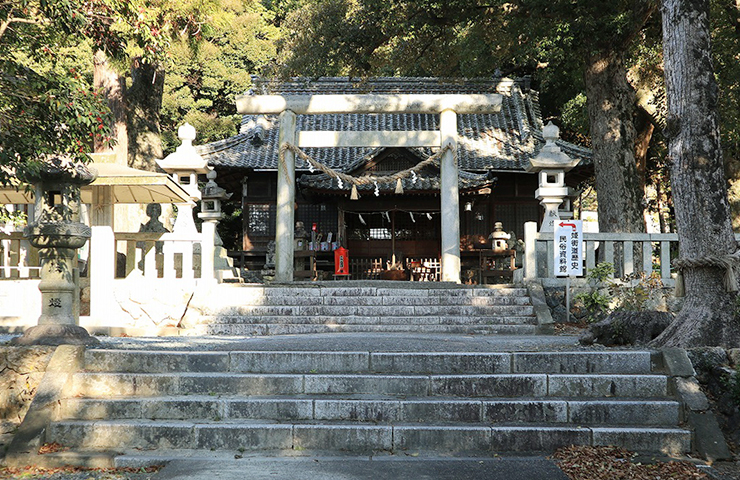
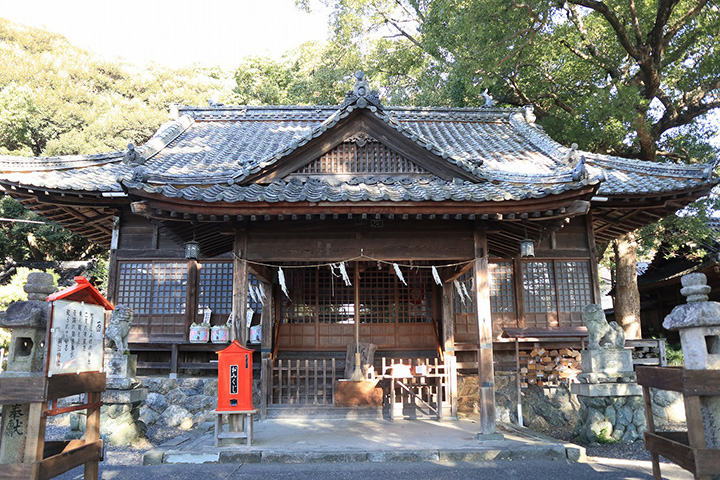
Hosoe Shrine is said to be blessed with protection against earthquakes and disasters. In 1498, the great earthquake of Meio occurred. The earthquake was so large that part of the southern shore of Lake Hamana, which was inland at the time, was carved away, connecting it to the sea and giving it its present appearance. The tsunami of that time washed away the shrine pavilions of the Tsunasakuhiko Shrine located in present-day Nii-machi, and the sacred body drifted to Murakushi. Later, another earthquake swept away the temporary shrine again, but the sacred body was not lost and drifted to present-day Kiga on Lake Okuhamana. It is said that the villagers worshipped the deity as "a precious god who is not defeated by earthquakes" and built a temporary shrine to worship the deity, and in 1510, a new shrine building was constructed at the present location.
A sacred tree with a legend is located here.

Hosoe Shrine is also known as a spot where several giant trees stand in a row. The giant camphor tree, which is said to be over 500 years old, is designated as a natural monument of Hamamatsu City. At the base of the camphor tree is a large cavity, and legend has it that a giant snake and a giant bat dueled in the hole, overwhelming visitors with its sheer size. The huge tree, rich in life force, has a presence befitting a "tree where God dwells. Looking up at the tree so large that it makes one's worries and anxieties seem small, and one can regain a positive outlook.
Local Guide
Supporters
The sacred couple camphor trees are also large and magnificent and well worth seeing. It is a quiet and relaxing spot.
- Hosoe Shrine
-
- 996 Kiga, Hosoe-cho, Kita-ku, Hamamatsu City, Shizuoka Prefecture MAP
- 5 min. walk from Kiga Station
- 053-522-1857
- Free of charge
<Hot spring ryokan to enjoy Shizuoka, the tea capital of Japan>.
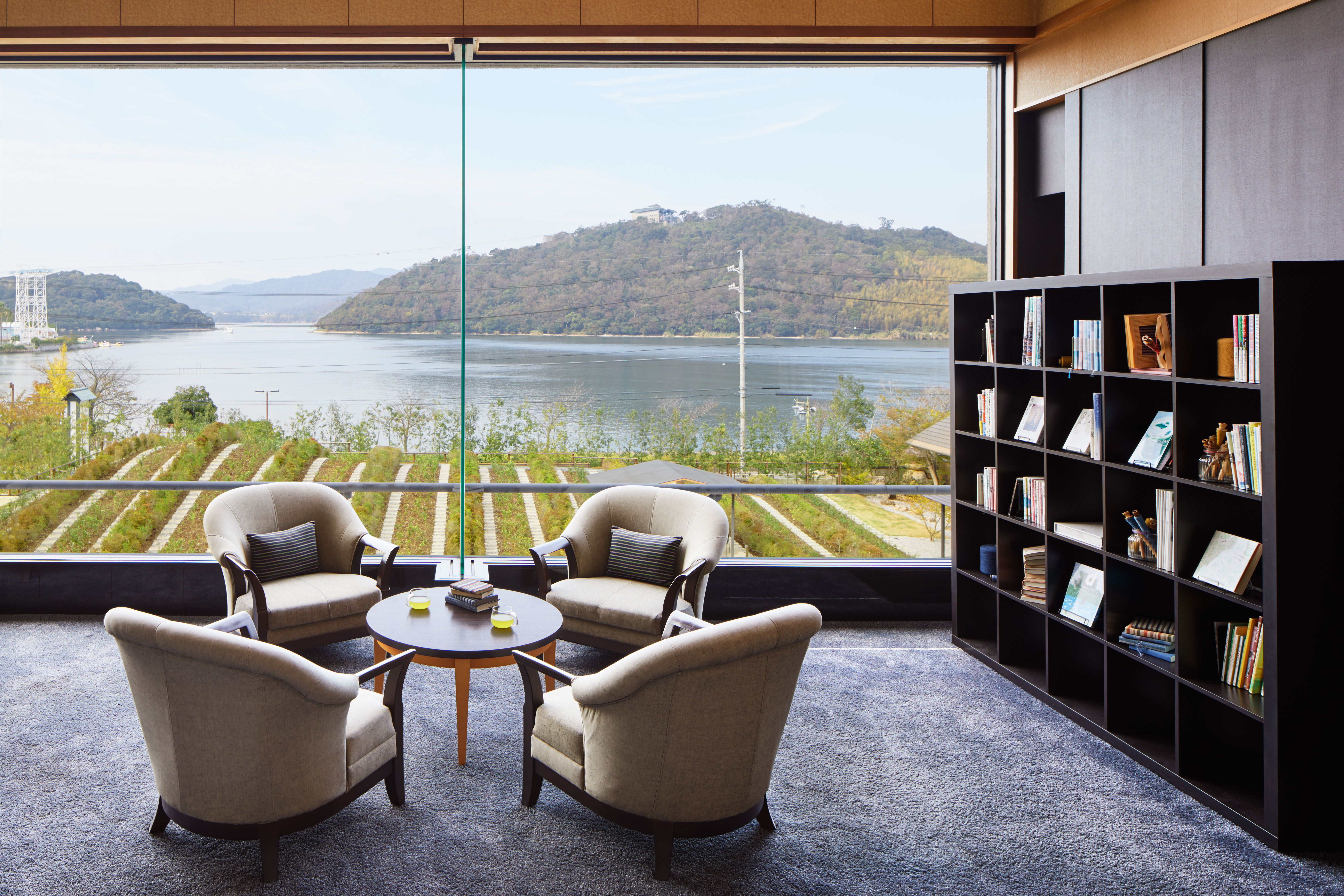
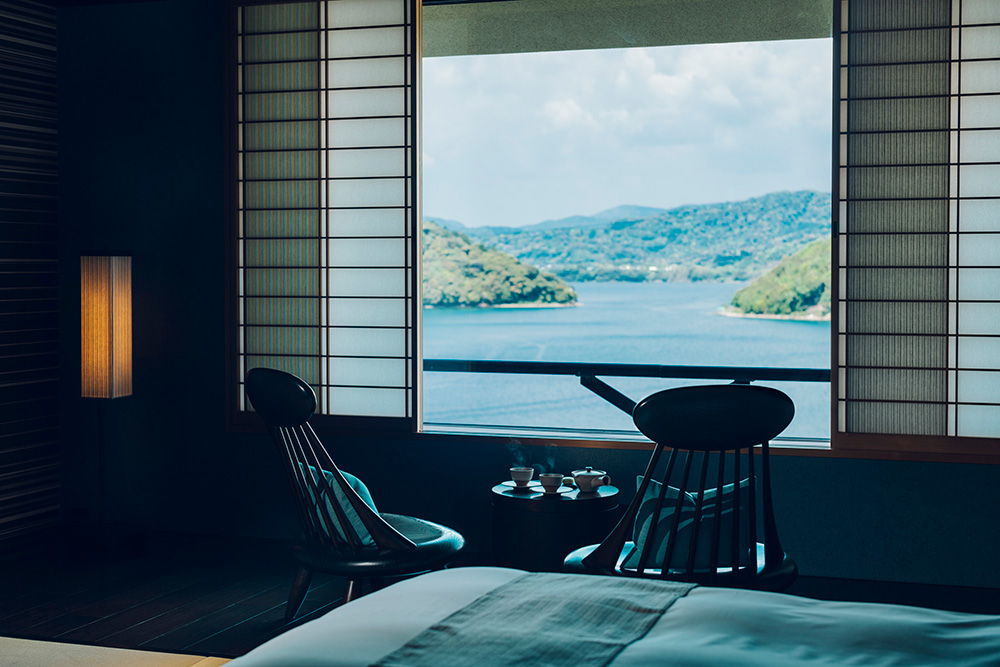
After a day of sightseeing, how about a relaxing stay at a hot spring hotel overlooking Lake Hamana? Guest rooms are decorated with Enshu cotton pongee, a traditional Hamamatsu craft, and you can soak in an outdoor hot spring with tea leaves floating in it. In addition, a variety of tea hospitality services are available in the hotel.
7Hoshino Resorts KAI Enshu
Heal your body and mind with tea and a spectacular view of Lake Hamana
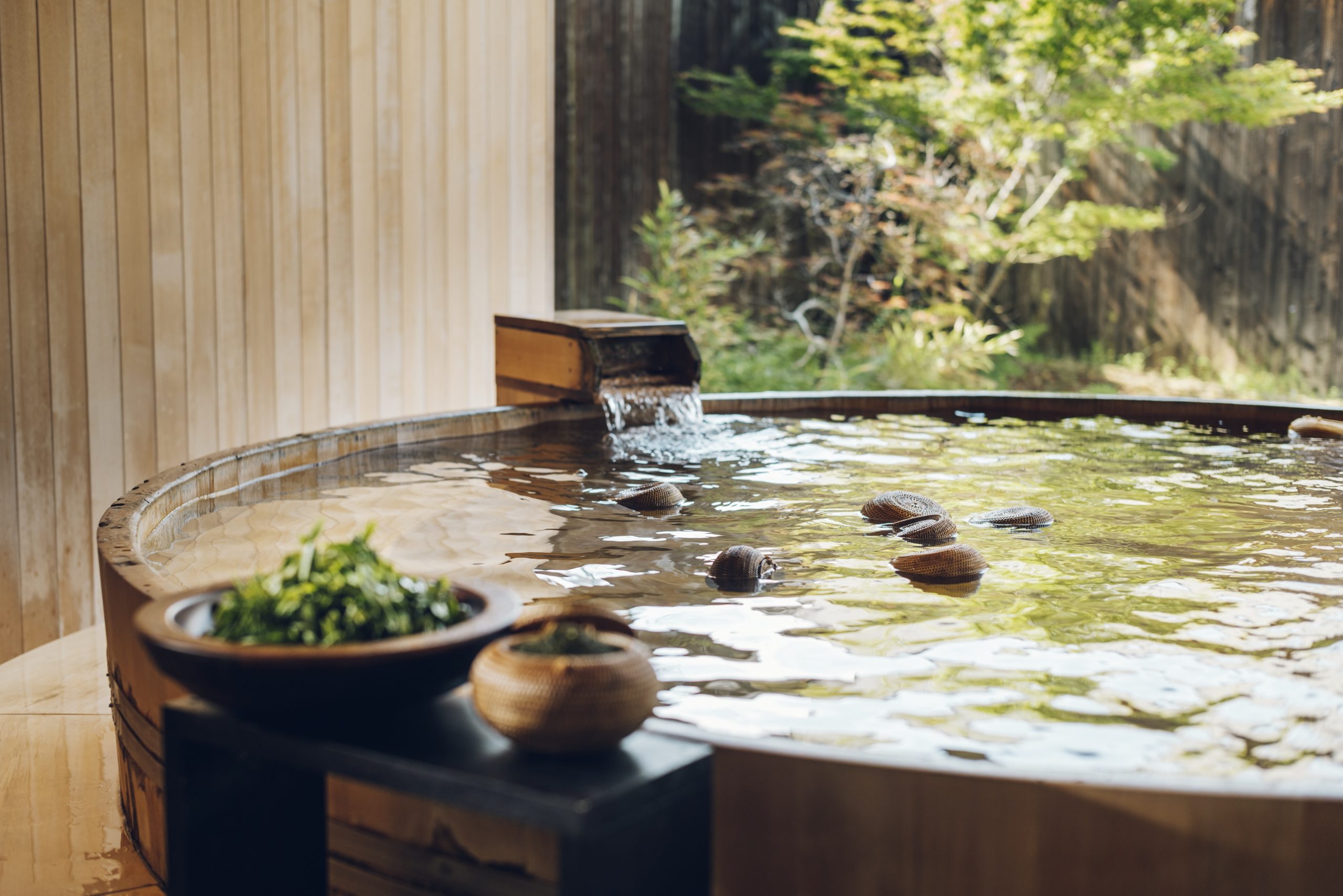
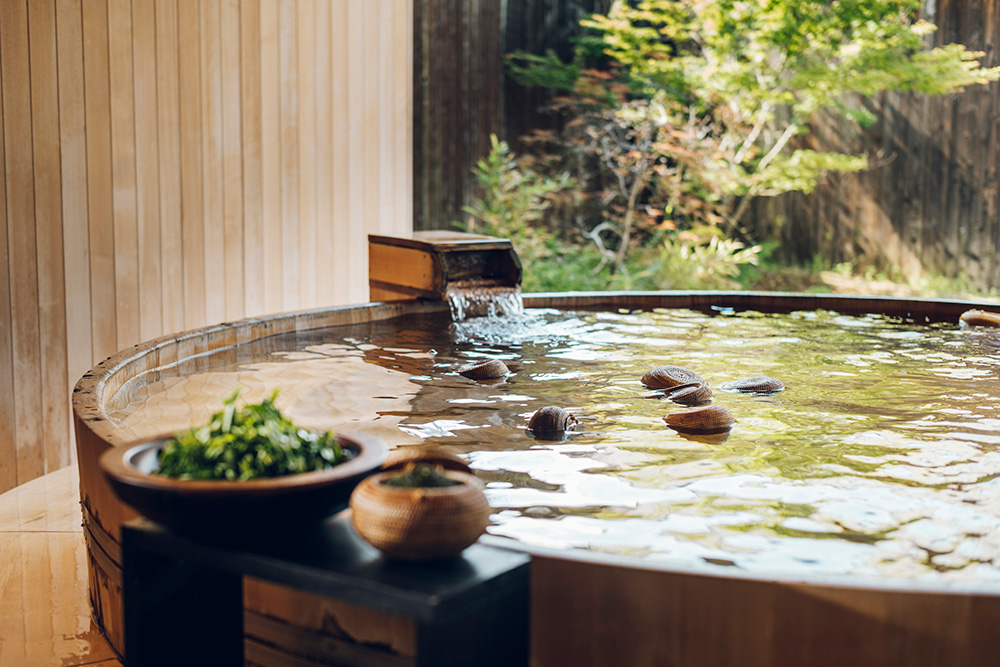
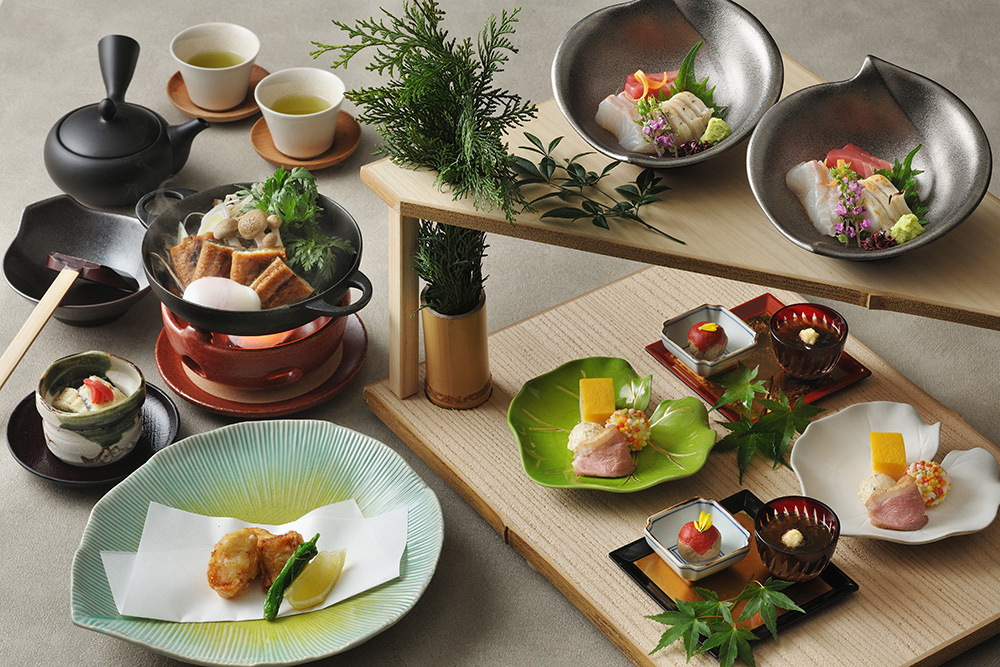
Approximately 40 minutes by car from Hamamatsu Station. Hot spring ryokan overlooking Lake Hamana. You can fully enjoy the charms of Hamamatsu with two hot springs with different atmospheres, KAI Local Flavors cuisine using a variety of seasonal ingredients, including eel, a specialty of Lake Hamana, and tea-themed hospitality such as "Seasonal Sencha Experience" and "Tea Balls Bath".
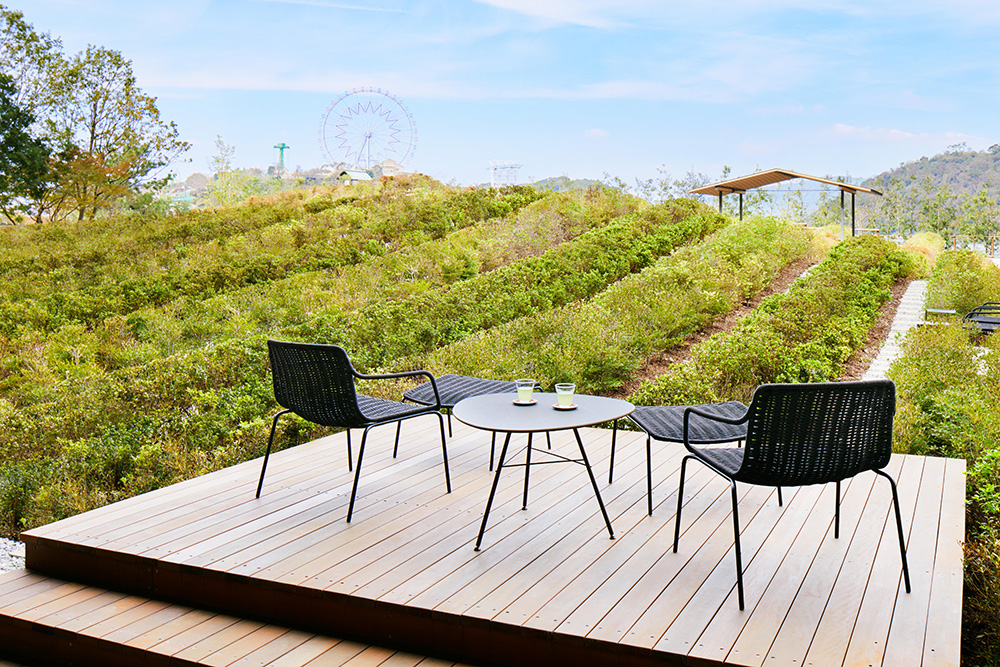
The hotel also offers a wide variety of tea-related amenities, including an Outdoor hot spring with floating tea balls, an event where you can learn how to brew and drink delicious sencha green tea, and the Bicharaku Lounge, where you can enjoy your favorite tea from the tea cellar or tea stand while gazing at Lake Hamana and the Tsumugi tea plantation.
- Hoshino Resorts KAI Enshu
-
- 399-1 Tateyamaji-cho, Nishi-ku, Hamamatsu City, Shizuoka Prefecture MAP
- Approximately 40 minutes by car from JR Hamamatsu Station
- 050-3134-8092(Kai Reservation Center)
- Available
 Note: For reservations, click here.
Hoshino Resorts KAI Enshu Reservation site
MAP
- <Recommended power spots in Hamamatsu>
- <Hot spring ryokan to enjoy Shizuoka, the tea capital of Japan>.
-
- Hoshino Resorts facilities nearby

Local Guide who was in charge of this article
- Kae Kurahashi Born and raised in Hamamatsu
Hoshino Resorts KAI Enshu
Tatezanji hot spring, Shizuoka Prefecture
Hot spring ryokan with a view of Lake Hamana from every room. The inn is full of hospitality unique to Shizuoka, the tea capital of Japan.
Access by bus Take a bus from JR Hamamatsu Station, get off at Hamanako Bay Street, and walk about 1 minute.
- Example of Accommodation Rates
- 1 person per night From 26,000 yen