





It's surrounded the recommendation walk course in Atami-source history is "Atami seven hot water (well, NAYU where I'm Tami)"-.
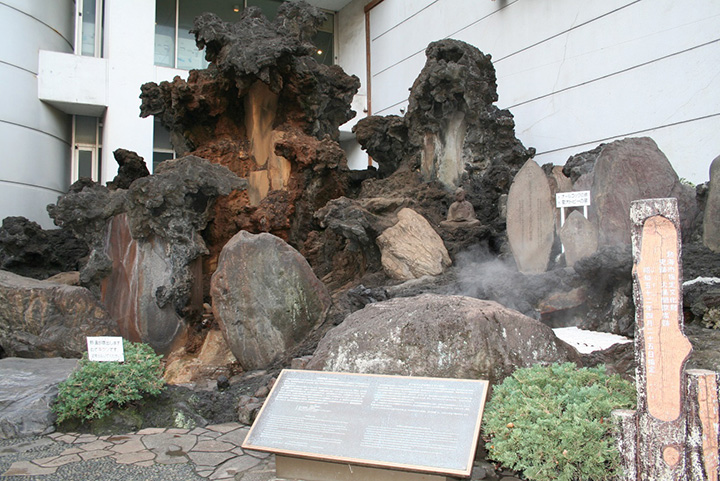
Atami which has developed as a place by the hot spring therapy is dotted with the famous place where history of hot spring is handed down to a downtown soon. The source spot from which hot spring also springs for recommendation at the inside. You can't take a bath, but you can see and go around casually while taking a walk because it's in the reach of about 20 minutes on foot from Atami station. I'll introduce Atami "seven hot water" which is a recommendation walk course in Atami by the order it tends to be surrounded.
1Oyu geyser (The bottom which doesn't go isn't done.)
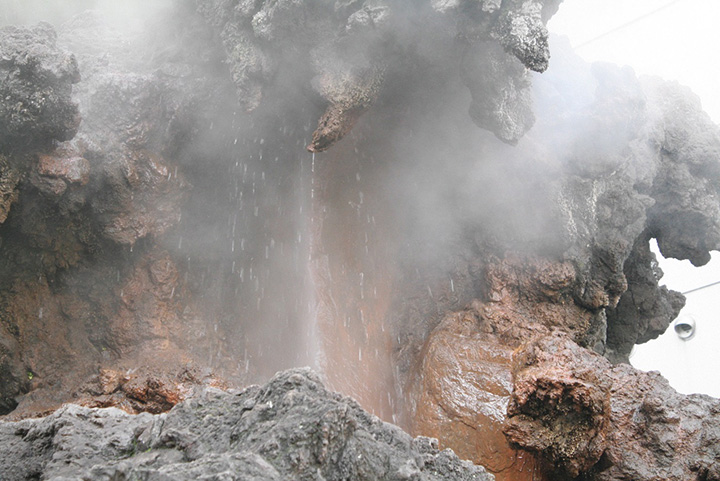
The source which represents Atami seven hot water "Oyu geyser" (※) walks from Atami station, and for about 20 minutes, is on a byway of "Atami NYUFUJIYAHOTERUANEKKUSU".
That an earthquake has occurred before, it's said that they were spouting hot water and steam while involving intense shaking which is to the extent I have an illusion, but a spout will be in recent years and gradually weakly, and you maintain and preserve it as Atami city designated cultural property at present, and it becomes artificial in the mechanism to make hot water spout. It's possible to feel the old image from the state hot water spouts intensely by the pace of about the once per 4 minutes.
※ I keep time of the geyser... fixation, and, periodically, hot water and gas, hot spring which wells out
This place
Supporter
A tombstone of a monument of a monument of "place by the long distance call fathering" and Hatsuyo British minister Alcock to Japan and pet dog Toby is also juxtaposed.
The Yunomae shrine where Atamihot spring is defended
There is "Yunomae shrine" immediately near "Oyu geyser". "There is hot spring which has the effect except for a disease." and, there is an oracle from God and hot water from Atami is being protected at the shrine with origin where a small shrine was made and a god was deified. It's recommended that seven begins to be visiting hot spring resorts after I'll come to Yunomae shrine.
- Oyu geyser
-
 Shizuoka Atami city 3, Kamijukucho MAP
 From Atami station, about 20 minutes on foot
 From Atami station Hot water-yuu-embussment for about 20 minutes and "Oyu, geyser" getting off for about 3 minutes on foot.
 0577-86-6231 (Atami city Lifelong Learning Division cultural Property room)
2Hot water of Sa Jiro and hot water of an eye
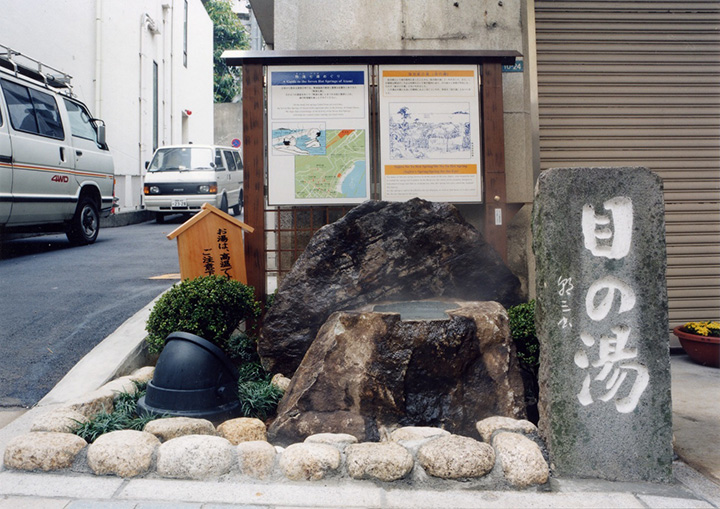
It's "hot water of Sa Jiro" that the playground, the shopping center and the coffee shop where taste in Showa is left are in the "Ginza shopping area" where I line up.
Because it was in the house of a figure called Sa Jiro formerly, this name stuck, but it was also called "hot water from new corner" because a Japanese-style hotel as "new corner a Japanese-style hotel" possessed in Meiji Period.
You were also enjoying as an another name "hot water of an eye" because it was said that there was effect to an eye disease. A nickname is the source which has changed by the time.
This place
Supporter
So the name as the hot water of an eye may be the one by which this hot water also rescued many people so that it's left.
- Hot water of Sa Jiro (hot water of an eye)
-
- Shizuoka prefecture Atami city Ginzacho (Ginza Dori) MAP
- From Atami station, about 20 minutes on foot
- 0557-86-6218 (Atami city Urban Development Division parks and greens room)
3Kawarayu
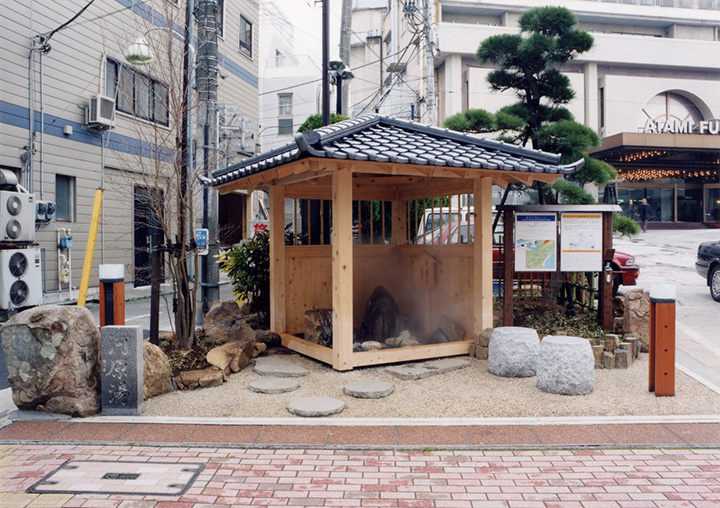
It's "Kawarayu" that there is summer immediately near the coast which represents Atami many seawater bathers visit "St. beach". The old days were loved as the only bathing place where villagers can take a bath freely at this stretch, Higashihama and a called dry riverbed. Because a roof of the bathroom was "tile-roofing", it's said that they claimed "tile hot water".
There is "Kawarayu" in the location near the sea most in seven visit to hot spring resorts. There is very much salinity and it's included whether it's for it, and when I take a bath, it's said that hot water was to the extent it's muddy in white.
This place
Supporter
A tile-roofed roof is maintained at present and is hung like the past.
4Seizaemon's hot water (make, well, oh, YU at the gate)
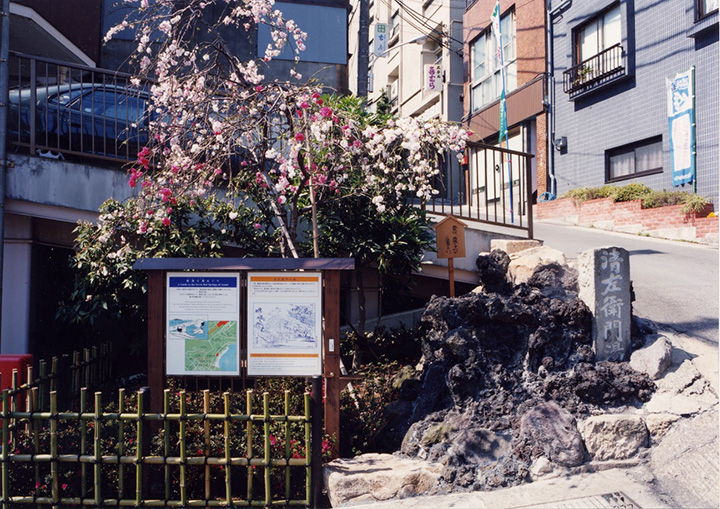
The "Seizaemon's hot water" which springs in front of the long-established store a Japanese-style hotel of foundation "Furuya a Japanese-style hotel" in 1806. Hot water from this source is used even at present at Furuya Japanese-style hotel.
Because when a farmer called Seizaemon was riding a horse and was running before, it falls in a hot water pot, and I have died, it's said that they came to be called "Seizaemon's hot water".
This source has the strange legend to which I say "How to spring hot water changes with the size of the voice Seizaemon's name is called."
This place
Supporter
This hot water always gushes day and night until Meiji, and it's said that there were no things which cease.
- Seizaemon's hot water
-
- Shizuoka Atami city 1, Higashikaigancho MAP
- From Atami station, about 20 minutes on foot
- From Atami station, hot water-yuu-embussment and "St., beach" getting off for about 3 minutes on foot
- 0557-86-6218 (Atami city Urban Development Division parks and greens room)
5Hot water of hot water . Wednesday of the bath
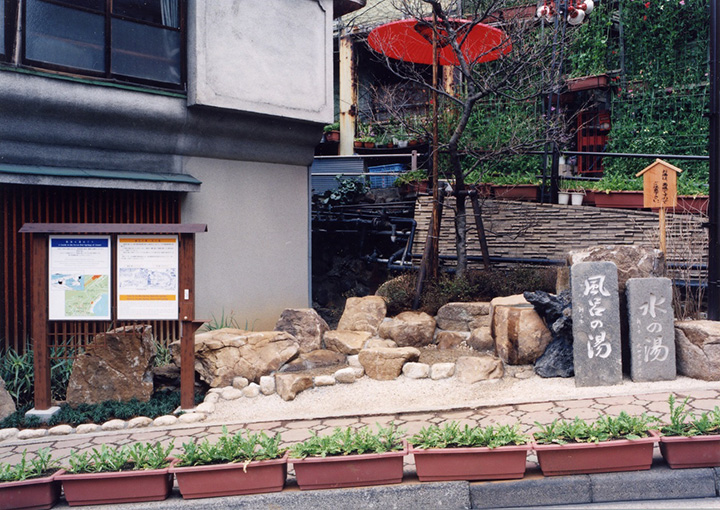
The "hot water of" the bath which is in front of Fukushima shop a Japanese-style hotel" which is learned about as the hot spring inn where therapeutic bath taste in Showa is left. The old days were heating up liquor here, were steaming a bean jam bun and were selling it because steam was bubbling away extensively. It's said that they had the effect which heals a bruise on hot water.
Another of hot spring is springing immediately near "hot water of the bath". It's colder than other sources, and it's said that the salinity was called "hot water for water" from the meaning as "the one which heats up indifferent insipid usual water" because it isn't included.
It's also the spot which feels abundance of the source of Atami that the source with the just different hot-spring quality springs from the next right now.
This place
Supporter
"Hot water of hot water . Wednesday of the bath" it's the unique name, isn't it? I also make sure that 2 hot waters will cuddle up and am pausing at present.
- Hot water of hot water . Wednesday of the bath
-
- Shizuoka Atami city 1, Sakimicho MAP
- From Atami station, about 20 minutes on foot
- 0557-86-6218 (Atami city Urban Development Division parks and greens room)
6Ozawa's (KO SAWA) hot water
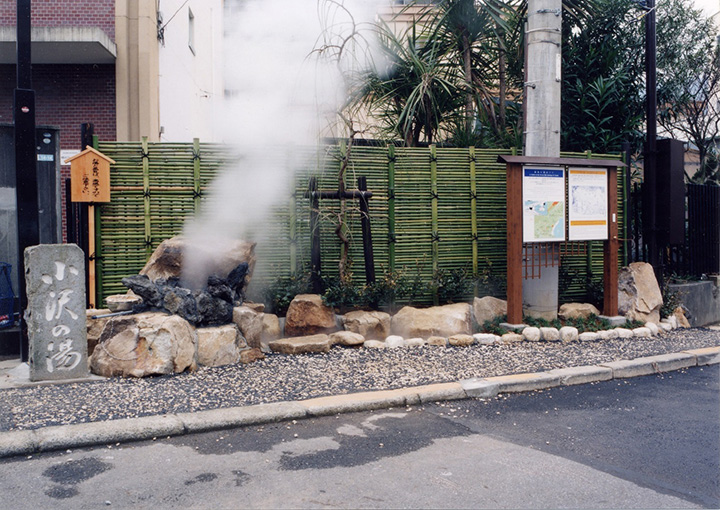
The source which called garden hot water of Sawaguchi Yazaemon, Bunjirou Fujii and Sanzaemon Komekura "Heizaemon's hot water" originally. But because this land was Ozawa, the villager who lives in the neighborhood was calling "Ozawa's hot water". Therefore it's heishou of "Ozawa's hot water and Heizaemon's hot water" present.
Using the hot steam spouting current as of here, it's possible to make hot spring egg. When putting raw egg there, doing Kibuta and steaming for about 8 minutes, it'll be completed because a basket is prepared for the steamy spouting mouth of hot water. Raw egg is sold at a convenience store in a neighborhood and a liquor shop, so buy it, and please try (The weather can't make with a steamy way.)
This place
Supporter
"Seizaemon's hot water" and, like, springing greatly when a person calls with loud voice, and when calling with low voice, it's said that they gushed small.
- Ozawa's hot water
-
- Shizuoka prefecture Atami city 14, Ginzacho MAP
- From Atami station, about 15 minutes on foot
- 0557-86-6218 (Atami city Urban Development Division parks and greens room)
7Nonaka's hot water
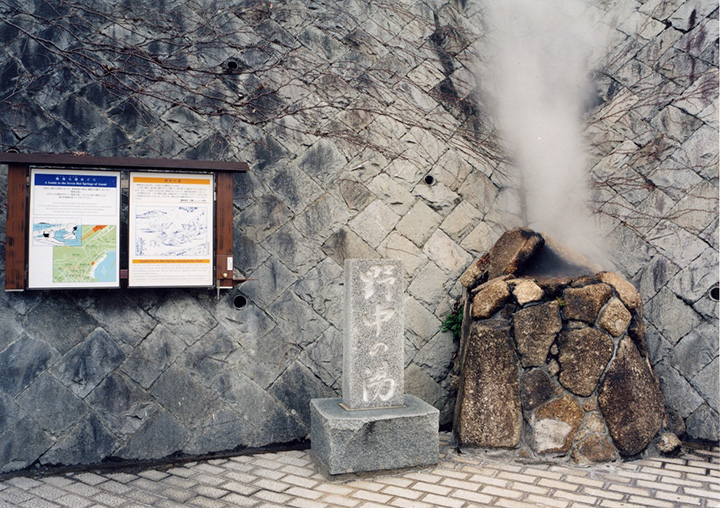
"Nonaka's hot water" is the source which is aside of the prefectural highway which follows the next Kinomiya Station from Atami station. It's at about 15 minutes on foot from Atami station. hot spring is spouting whole around here from the inside of mud formerly, and when I thrust with a cane, it's said that it has begun to spring. Earth here was used as the material to apply a wall by a red earth. It's said that there was no yumasu which saves hot water because a gush place wasn't used for "Nonaka's very shallow hot water" so much for bathing.
I go around to the end in a walk course, and I walk from here to the famous "rai Miyagami company" (only putting, a hooting, oh, then) as a power spot, and it's about 8 minutes, so it's also recommended to come at the end of seven visit to hot spring resorts.
This place
Supporter
That I mumble from stone-piling Yugama, steam rises and it seems very hot and there is an impression.
- Nonaka's hot water
-
- Shizuoka prefecture Atami city 5-11, Sakimicho MAP
- From Atami station, about 15 minutes on foot
- 0557-86-6218 (Atami city Urban Development Division parks and greens room)
MAP
- Hoshino ResortsProperty around here

Local Guide which took charge of this article
- Kondo SatoshiBoth literary an military arts
Hoshino Resorts RISONARE Atami
Shizuoka-ken and Atami city
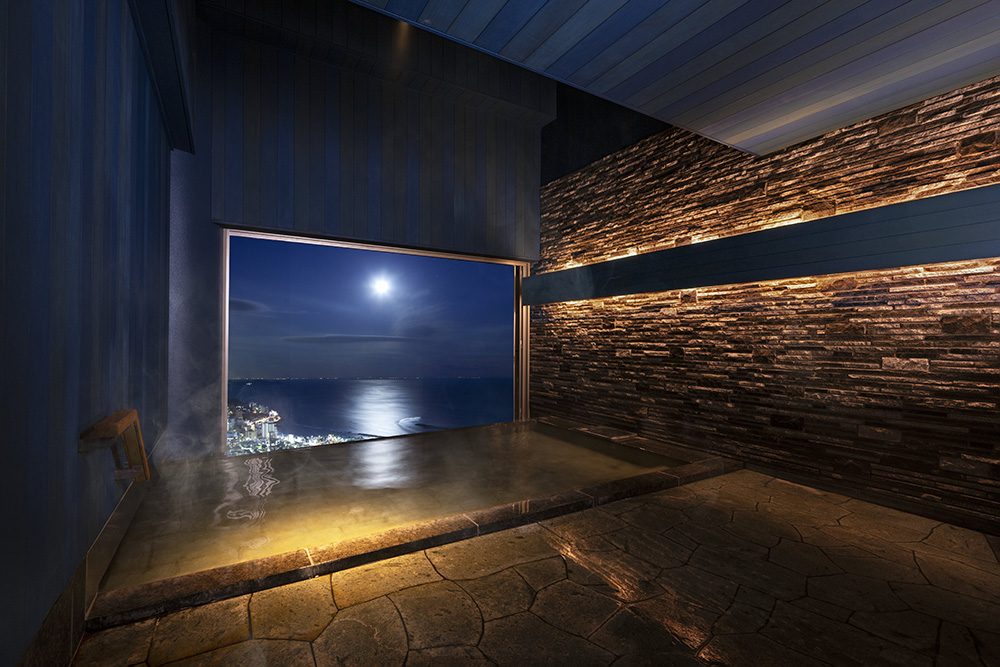
The superb view resort where the scenery of Atami which spreads under the eyes and fireworks can be monopolized


It's a shuttle bus from Direction JRAtami station, about 20 minutes
- A room charge example
- 1 night, 1 person \15,455-