





Check out the four seasons, temperatures, and clothing for Lake Kawaguchi (Fuji Five Lakes)!

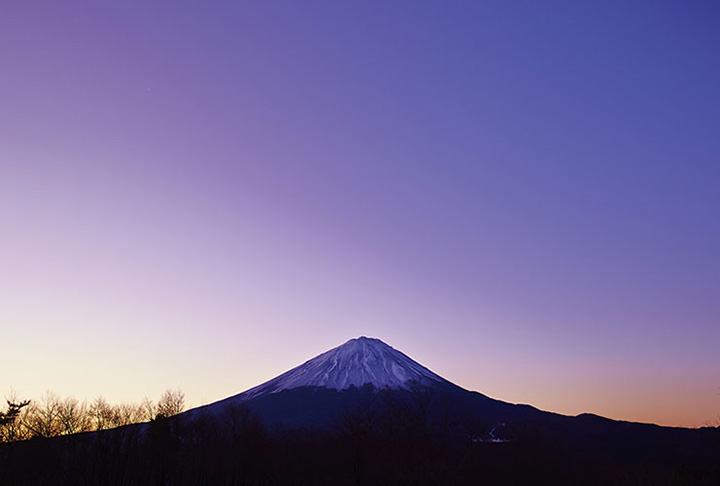
Centered around Kawaguchi Sengen Shrine, which boasts a history of over 1,200 years, the area around Lake Kawaguchi has developed as a center of Mount Fuji worship. Even today, it remains a major tourist destination for Mount Fuji—a symbol of Japan—attracting many visitors from both Japan and abroad.
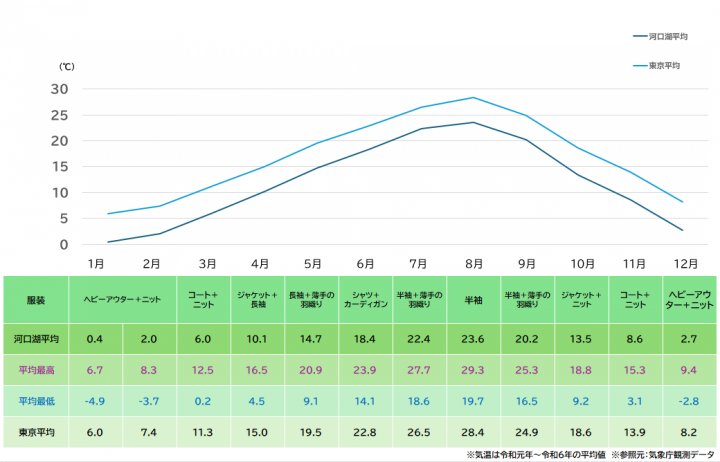
The Fuji Five Lakes, including Lake Kawaguchi, are located at an elevation of approximately 800 to 900 meters. With an annual average temperature of 11.9°C, the area is also popular as a summer retreat. This is about 5°C lower than Tokyo’s average temperature of 16.9°C. In September, the average minimum temperature drops below 17°C.In winter, the minimum temperature almost always drops below 0°C, and while there are often consecutive days of severe cold, there are also many sunny days, making it the best season for enjoying the spectacular views of Mount Fuji.
Additionally, the weather can change rapidly throughout the day, and there are significant temperature fluctuations, so you’ll be more comfortable if you bring extra layers in addition to season-appropriate clothing.
<Temperatures and Clothing in Lake Kawaguchi>
Spring (March-May) temperatures and clothing at Kawaguchiko (Fuji Five Lakes)

Spring around Lake Kawaguchi is about 5°C cooler than the average temperature in Tokyo. In March, when Mount Fuji is still covered in snow, the average low temperature is 0.2°C, and in April, it’s 4.5°C—so you’ll definitely need a down coat or a thick coat.By mid-April, you can witness a spectacular display of Fuji and blooming flowers, with Somei-Yoshino and Ooyamazakura cherry blossoms first turning the area around Lake Kawaguchi pink.Although the sun shines at noon and the high temperature reaches over 15°C, the low remains around 5°C. Since temperatures drop significantly in the mornings and evenings, it’s a good idea to bring a thick cardigan or down jacket.
Around Golden Week, the high temperatures rise above 18°C. At Lake Yamanaka, tulips are in full bloom, and at Lake Motosu,
moss phlox is in full bloom. However, even during this season, the wind blowing down from Mount Fuji can feel cold, so it’s handy to carry a hoodie or a light jacket with you.
Summer (June-August) Temperatures and Clothing at Lake Kawaguchi (Fuji Five Lakes)
June brings hydrangeas in full bloom along the shores of Lake Kawaguchi and roses in full bloom at the “Lake Kawaguchi Music Box Forest Museum.” The average temperature remains a comfortable 18.4°C. However, temperatures drop sharply when it rains, so be sure to carry a hoodie or similar jacket with you.
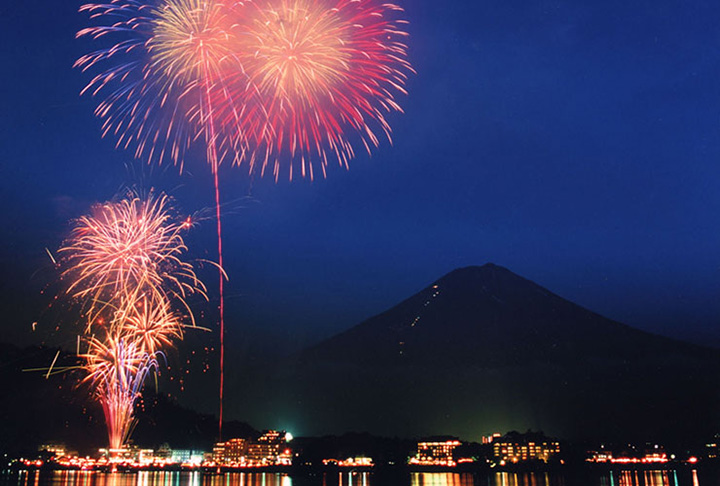
July and August are bustling months, with lake activities like bass fishing and camping, as well as fireworks festivals held at various lakes. While the average high temperature rises to around 23°C, it feels cool and comfortable in the shade.
Short-sleeved shirts paired with a light cardigan are the ideal attire.If you’re visiting tourist spots like “Fugaku Wind Cave” or “Naruzawa Ice Cave, ” where the temperature inside the caves is only about 3°C, be sure to bring a jacket.
From June to August, the weather around Lake Kawaguchi is changeable, and this is also the time of year with the highest rainfall. Just to be safe, we recommend keeping rain gear on hand.
Autumn (September to November) temperatures and clothing at Lake Kawaguchi (Fuji Five Lakes)

In early autumn around Lake Kawaguchi—where the average temperature is about 5°C lower than in Tokyo—the first signs of the season are the delicate cosmos flowers blooming in full splendor along the lakeshore.The average temperature in September is 20.2°C, making it comfortable and ideal for enjoying “the autumn of the arts,” such as touring art museums around the lake. However, rainfall is as heavy as during the rainy season, so rain gear is essential. By late September, there will be many days when it feels chilly, so be sure to wear long pants, a long-sleeved undershirt, and a thick shirt or jacket.
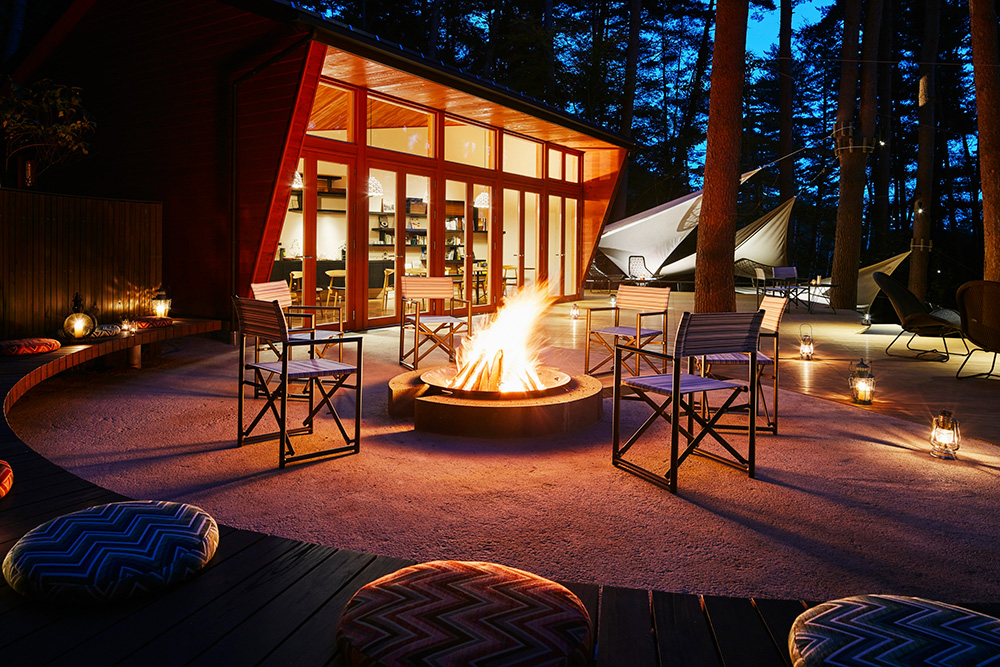
By October, when the first snow on Mount Fuji is observed, temperatures drop sharply, with the average low falling to 9°C. In November, when the fall foliage is at its peak, the average high is 15.3°C.Nighttime temperatures drop to near 3°C, and at the various autumn foliage spots featuring nighttime illuminations, it gets cold enough to light bonfires. You’ll be comfortable if you dress warmly from head to toe—wearing a thick undershirt, a sweater, a coat, and boots.
Winter (December to February) Temperatures and Clothing at Kawaguchiko (Fuji Five Lakes)

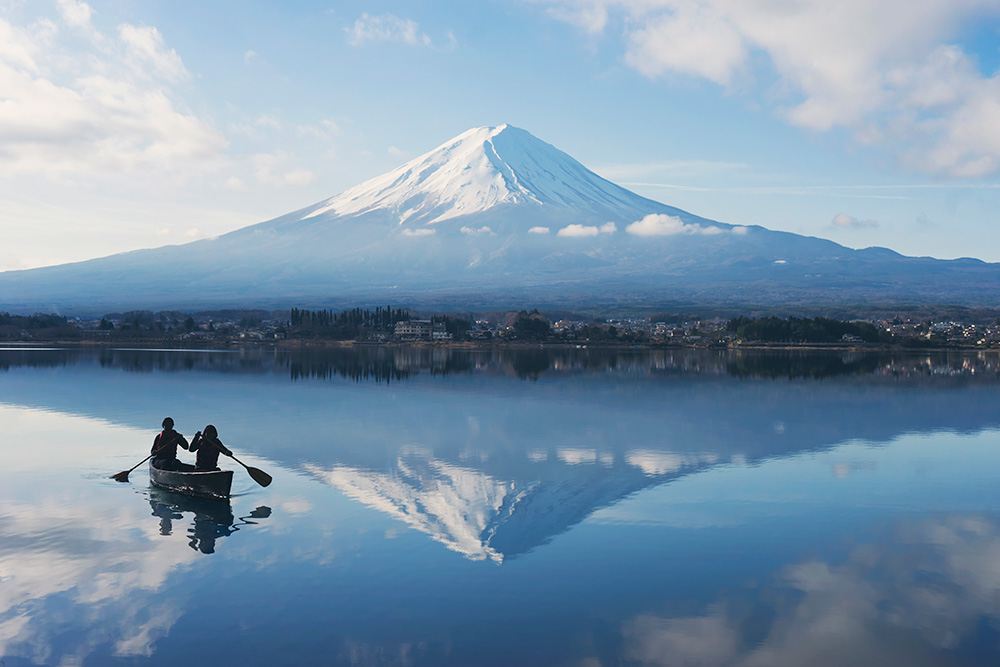
Around Lake Kawaguchi, where the cold intensifies significantly in December, the average high temperature is around 9°C, but the average low drops to –2.8°C. The ground freezes, and snowfall increases.There are also many consecutive days of clear weather, and until March, you can enjoy a vivid view of the full panorama of Mount Fuji and its reflection in the lake against the crisp, clear air.
In January and February, the average high temperature is about 6–8°C, and the average low is about –5°C; in some months, the average temperature is more than 7°C lower than in Tokyo. Although the severe cold persists, the area comes alive with a variety of winter events, such as the pilgrimage to see the first sunrise of the year on Mount Fuji and the “Saiko Tree Ice Festival.”When heading out, be sure to dress warmly—wearing thick undershirts, sweaters, and a down coat is a must—and be prepared for snow by wearing snow boots. You’ll also need accessories such as a scarf, ear muffs, gloves, a hat, and hand warmers.

Local Guide who was in charge of this article
HOSHINOYA Fuji
Yamanashi, Fuji-Kawaguchiko
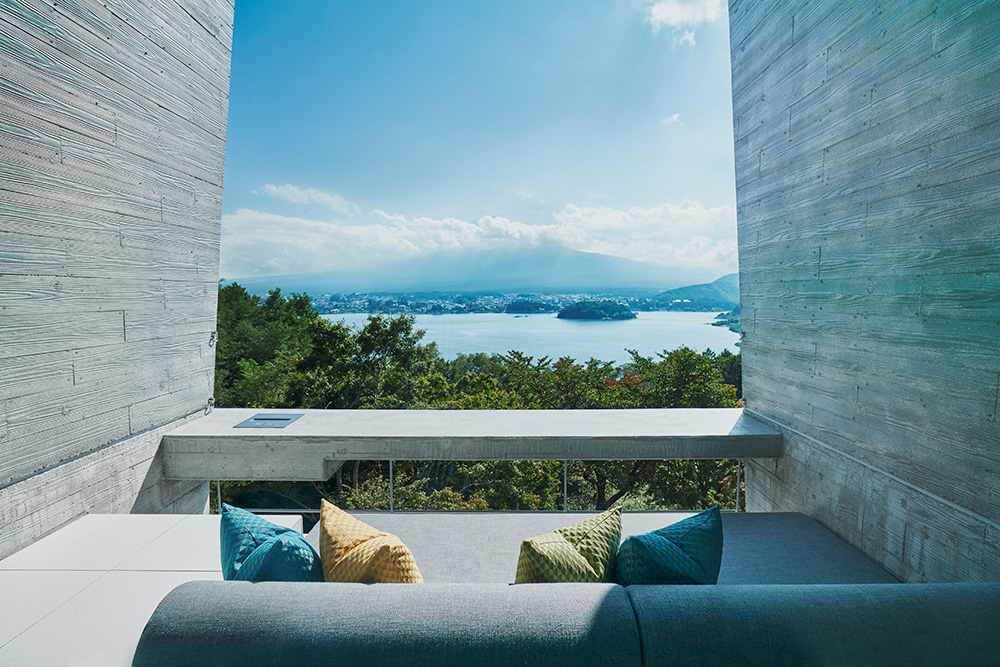
Japan's first glamping resort located at the foot of Mt. Glamorous camping to enjoy nature by Lake Kawaguchi.
Access by bus 20 minutes by cab from Kawaguchiko Station on the Fuji Kyuko Line
- Example of Accommodation Rates
- 1 person per night From 28,182 yen