





Check the temperature and clothing in Izumo and Matsue!

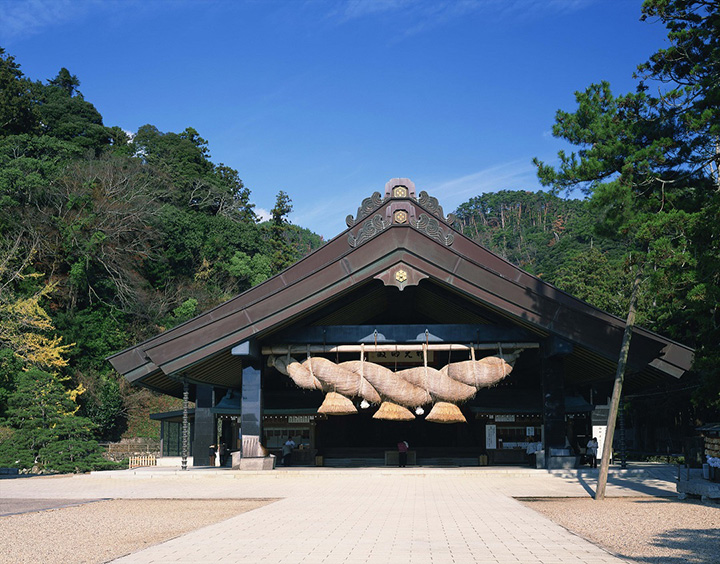
Shimane Prefecture is located on the Sea of Japan side of the Chugoku region. Izumo is dotted with ancient shrines, including Izumo Taisha, and is also known as the "Land of Myth," while Matsue is the "City of Water," with its Tamatsukuri hot springs and Lake Shinjiko, and is rich in nature.
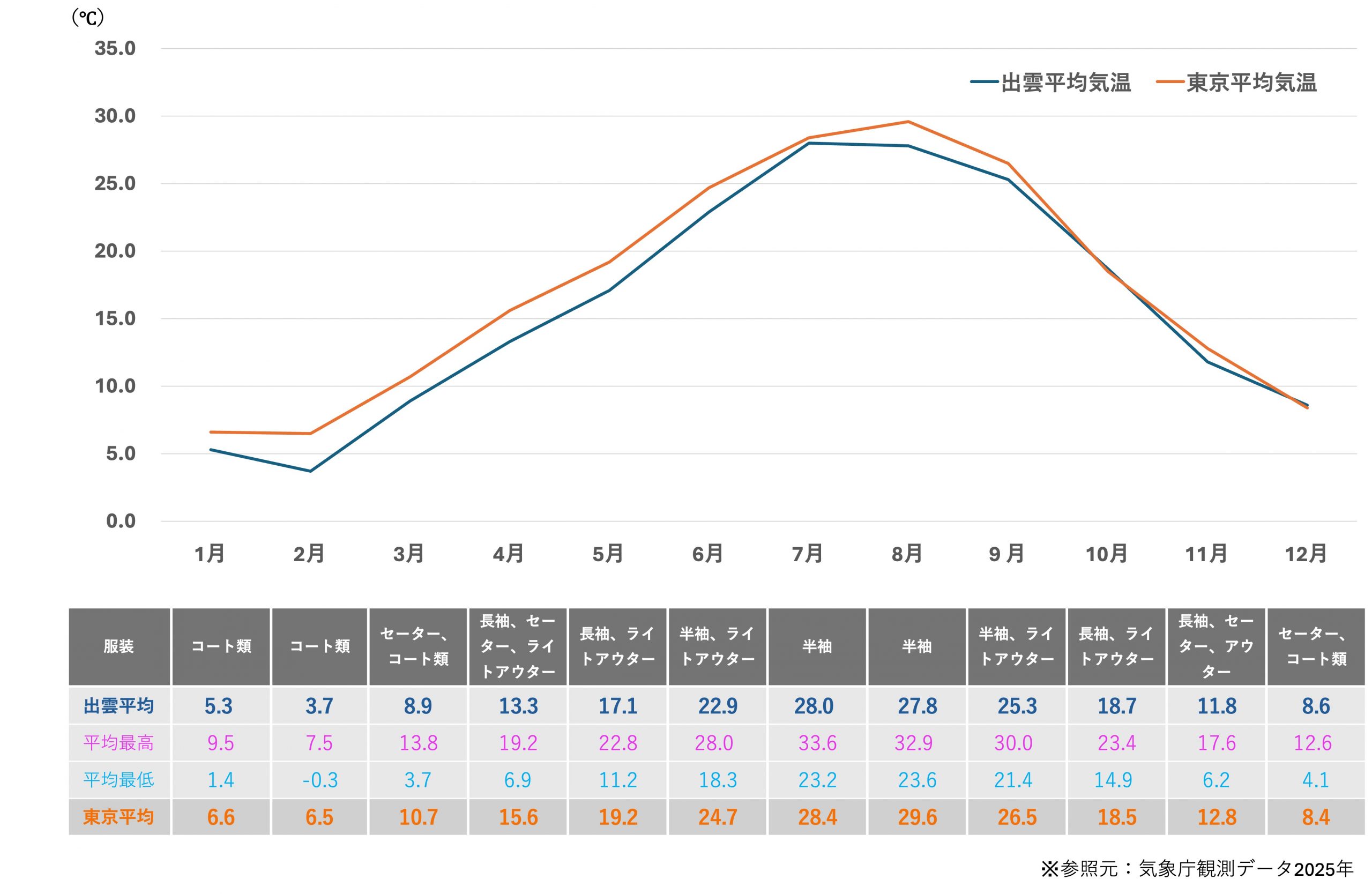
The prefecture as a whole has the characteristics of a Sea of Japan climate with heavy rain and snowfall in winter. Although the average annual temperature is relatively mild (15-16°C), Izumo and Matsue cities, located in the eastern part of the prefecture, experience severe cold weather in winter, with snow falling due to air currents from the Sea of Japan. In Izumo and Matsue City in winter, weather conditions may differ from area to area, so be prepared to wear the appropriate clothing for that location.
<Temperature and clothing in Izumo
Temperatures and Clothing in Izumo and Matsue City in Spring (March to May)
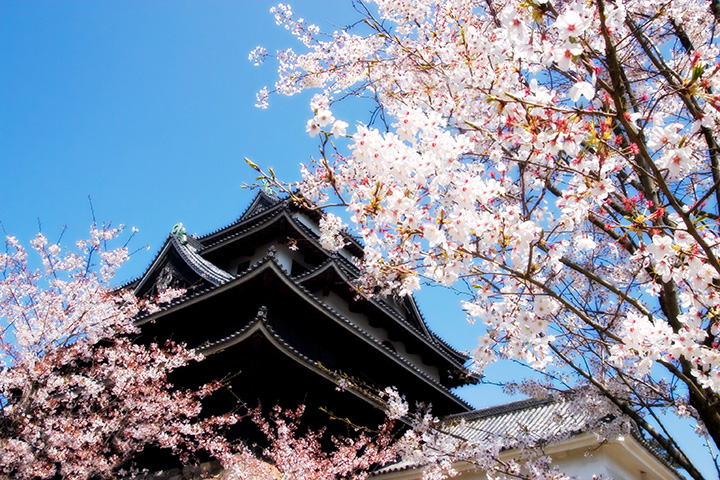
The average temperature in March is 8.9℃. Days can be warm during the day, but mornings and evenings and windy days can be chilly. It is best to use a windproof coat as a base and adjust it with a sweater. The city is decorated with colorful camellias at this time of year. The "Camellia Festival" held every year around March 10 at Matsue Castle, a national treasure, has become a tradition.
In late March, the average temperature exceeds 15°C and the 200 Someiyoshino cherry trees that stain the "Izumo Taisha Shrine Shrine Garden" bloom. Until mid-April, when cherry blossom viewing can be enjoyed in each city, the temperature difference between the daytime, when it rises to nearly 20°C, and the nighttime, when it is around 10°C, is so great that a coat is necessary if you go out after dark.
From mid-April, the prefecture's flower, the button, is at its best, and the average temperature in May is 17.1℃. The average temperature in May is 17.1°C (63.6°F), with many sunny days, so a light shirt, jacket, or other easily removable clothing is all that is needed for a comfortable stay.
Summer (June-August) Temperatures and Clothing in Izumo and Matsue

The rainy season in Izumo and Matsue City begins in early to mid June. The 30,000 hydrangeas at Gesshoji Temple in Matsue City will be at their best. The average temperature is 22.9℃. When going out, you should carry a parka or jacket along with rain gear as it will feel chilly than the actual temperature due to the coldness of the rainy season.
When the rainy season ends in mid-July, the beaches along the Sea of Japan are crowded with people. Summer festivals are held at historic shrines and hot spring resorts, and the temperature and energy soar. The number of tourists also peaks.
In July and August, midsummer days continue, so dress comfortably in short sleeves. However, since the rooms are air-conditioned, be sure to carry a light cardigan.
Autumn (September-November) Temperatures and Clothing in Izumo and Matsue Cities
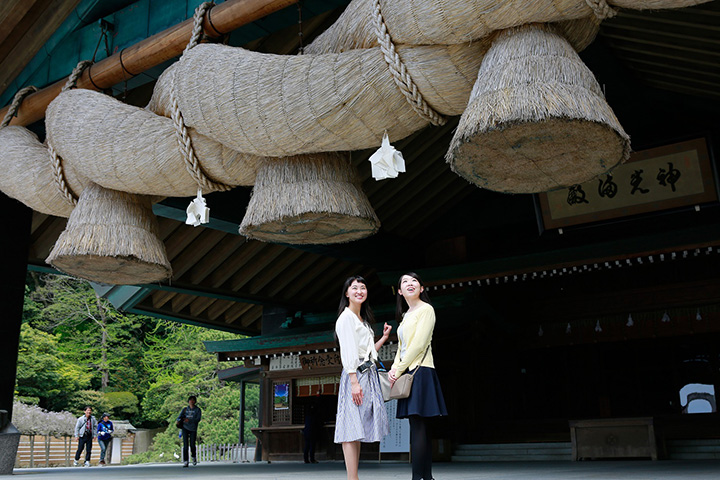
Late summer heat lasts until mid-September. From late September to mid-October, the average temperature is around 20°C, making it comfortable to stroll around. This is also the best time to visit mythical places such as "Yuzuri," "Yamata-no-orochi," and "Inaba no Shirousagi (White Rabbit of Inaba).
The best time to visit Izumo and Matsue is during the "Kamiarizuki (November)," when all the gods of Japan are said to gather in Izumo. In early November, which falls between October 10 and 17 on the lunar calendar, Izumo Taisha Shrine and other shrines in Izumo and Matsue City hold solemn Shinto rituals such as "Kamiarizuki" and "Kamiarizai". It is also said that this period of time when the gods gather is also said to bring good luck.
Around mid-November, autumn foliage is also at its best in many places. Temperatures are often chilly, falling below 10°C (50°F), so be sure to have a coat over your sweater as well as a stole or other small accessory.
Winter (December-February) Temperatures and Clothing in Izumo and Matsue

Temperatures drop dramatically in December, and the first snowfall is usually observed in early December. The average temperature is 8.6℃. In addition to a heavy coat, scarves, stoles, and gloves are necessary on some days.
Average temperatures in January and February are around 5°C. The cold weather persists, and snow can fall not only in the mountains but also in the city. When going out, be sure to take good cold protection measures, such as wearing a sweater and down jacket over a warm inner layer and boots on your feet.
From December to March, there is not only snow accumulation but also icy road surfaces. When traveling by car, it is a good idea to replace snow tires or prepare chains.
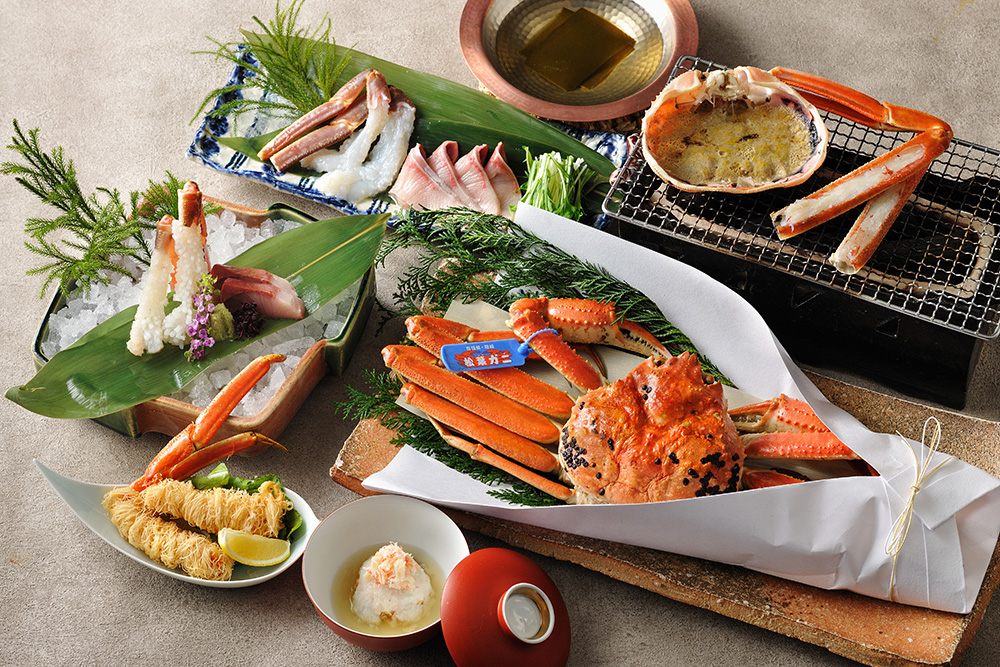
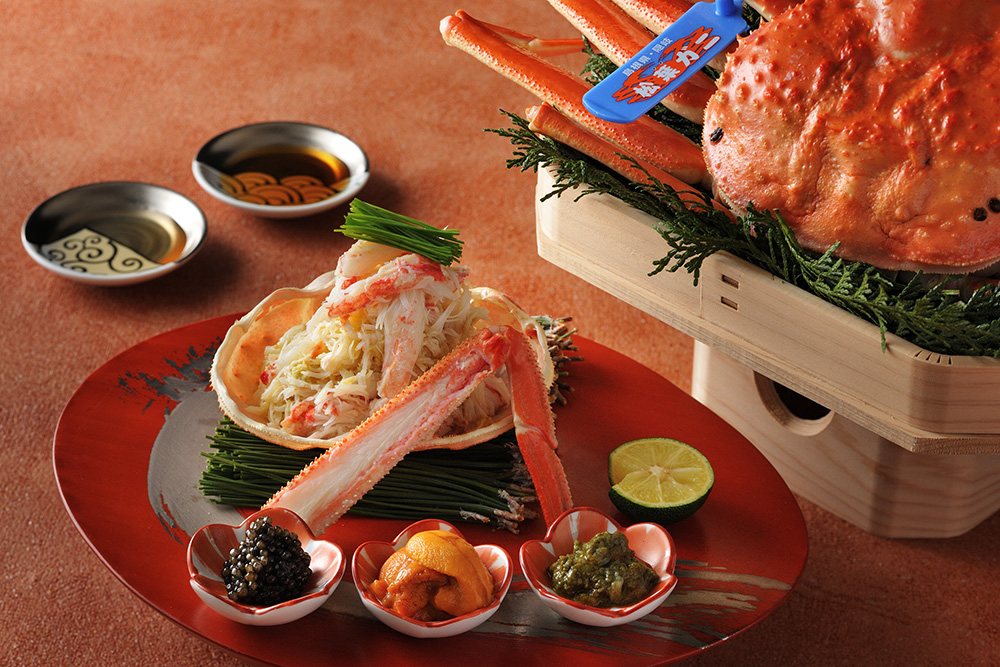
Winter is the season when you will miss hot springs. We recommend spending a relaxing time at Tamatsukuri hot springs and other famous hot springs. Also, there are many winter specialties such as Nodoguro, Matsuba Crab, and Kanchijimi (cold whitebait).

Local Guide who was in charge of this article
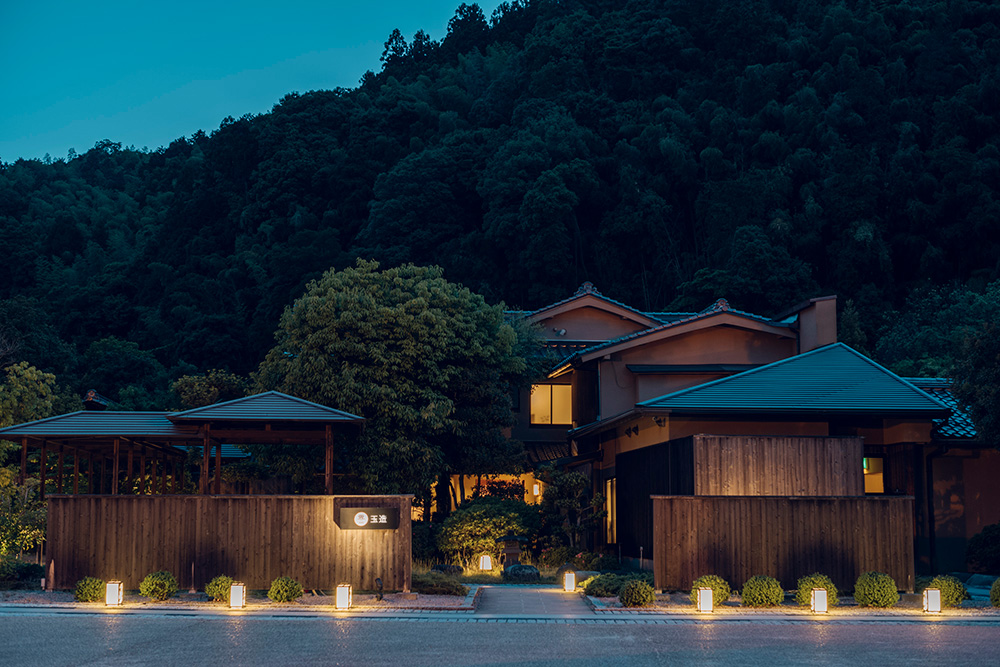
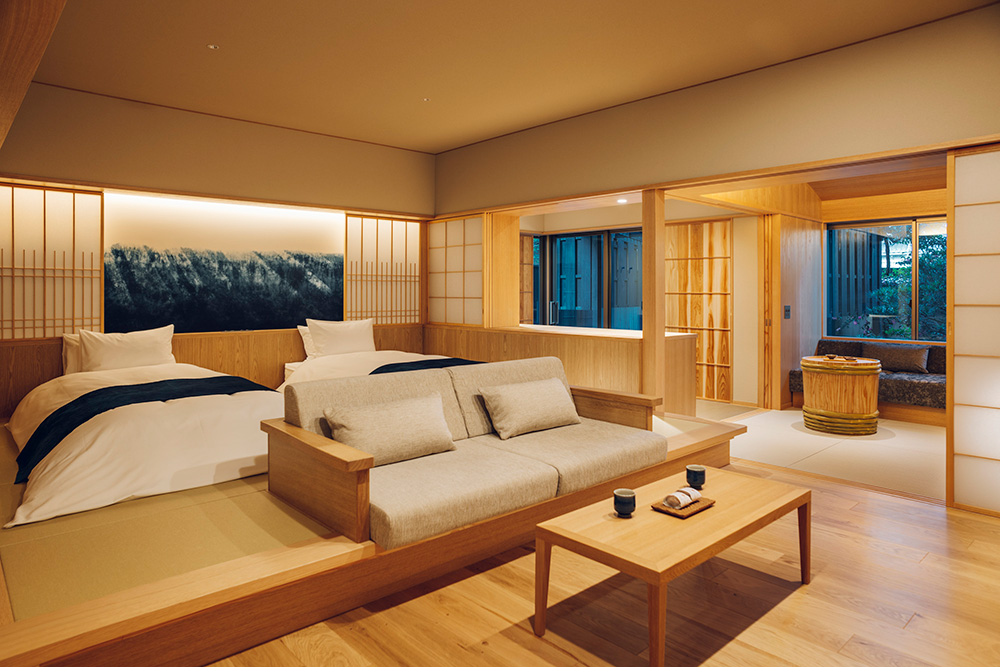
Hoshino Resorts KAI Tamatsukuri
Tamatsukuri hot spring, Shimane Prefecture
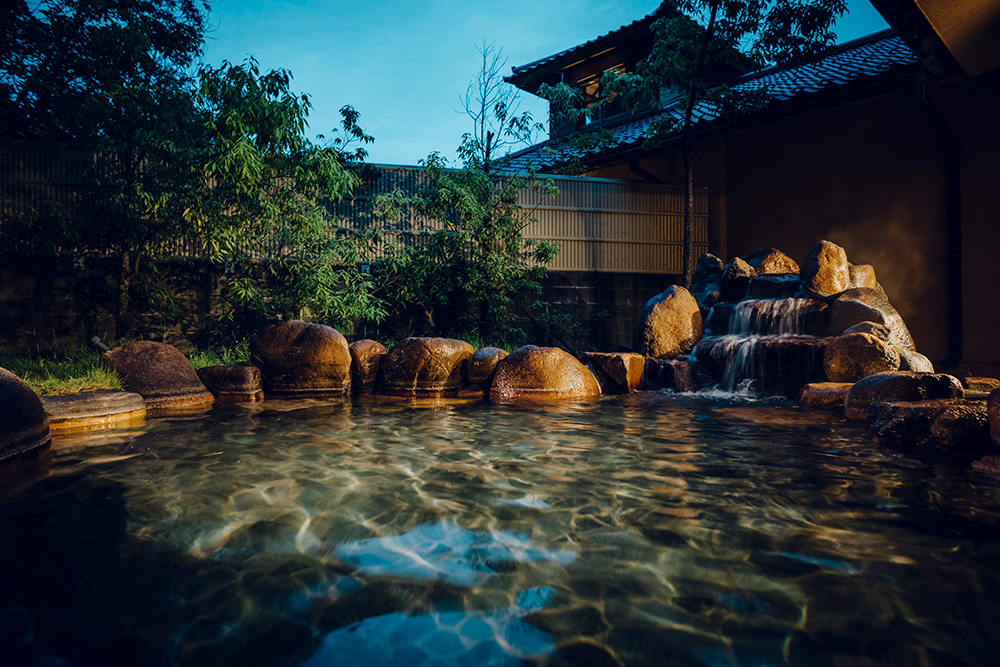
An inn with Outdoor hot spring baths in all Guest rooms where you can enjoy the hot spring water for beautiful skin. You can also enjoy Kagura (Shinto music and dance) and Japanese sake, which is said to have originated in Shimane.
Access by bus 5 minutes by cab from JR Tamatsukuri hot spring station
- Example of Accommodation Rates
- 1 person per night From 31,000 yen
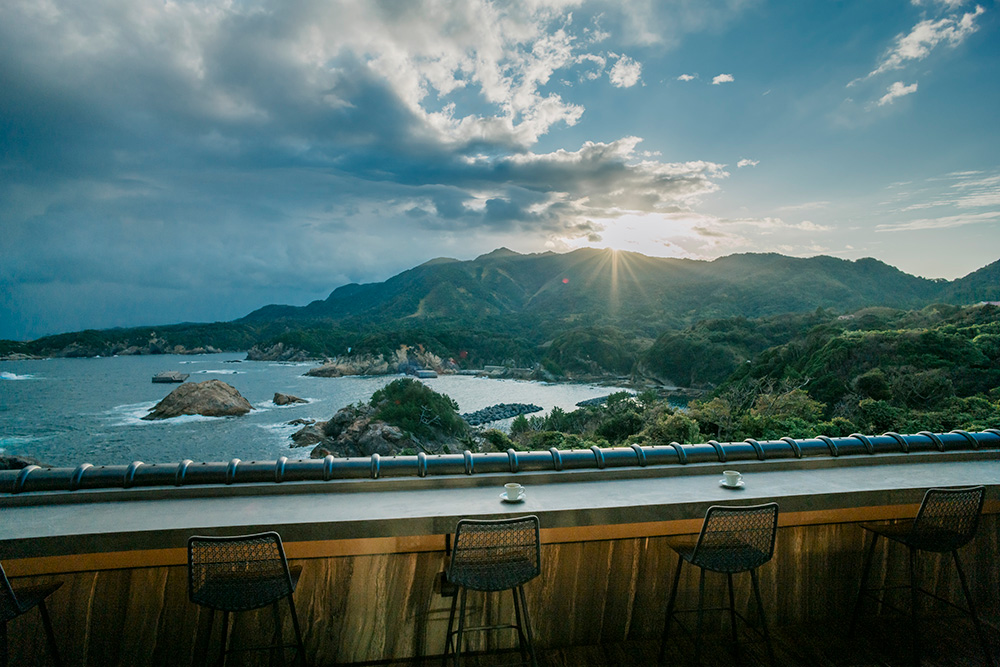
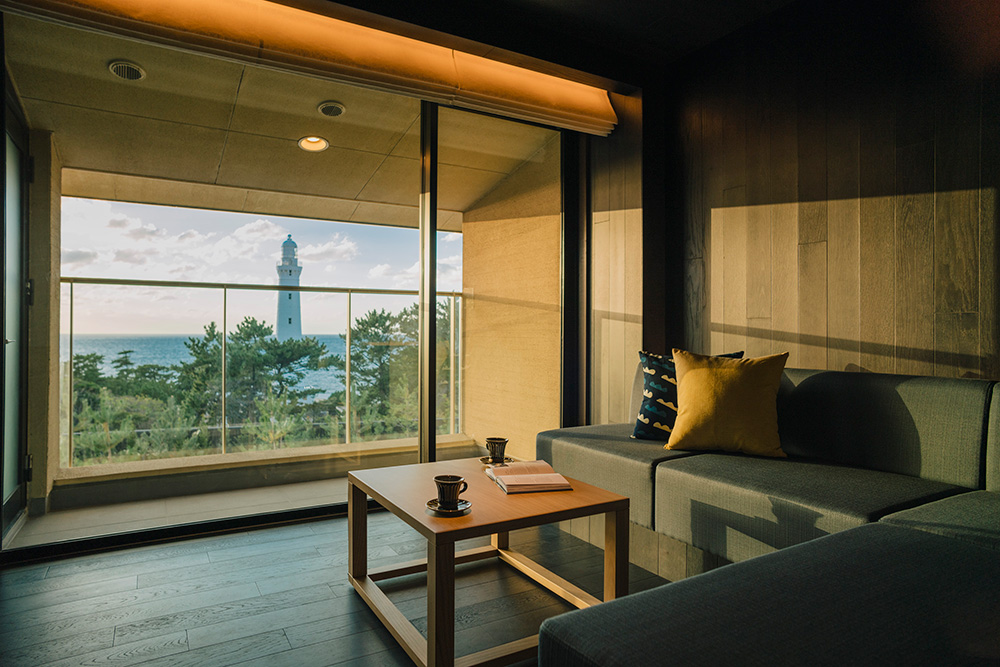
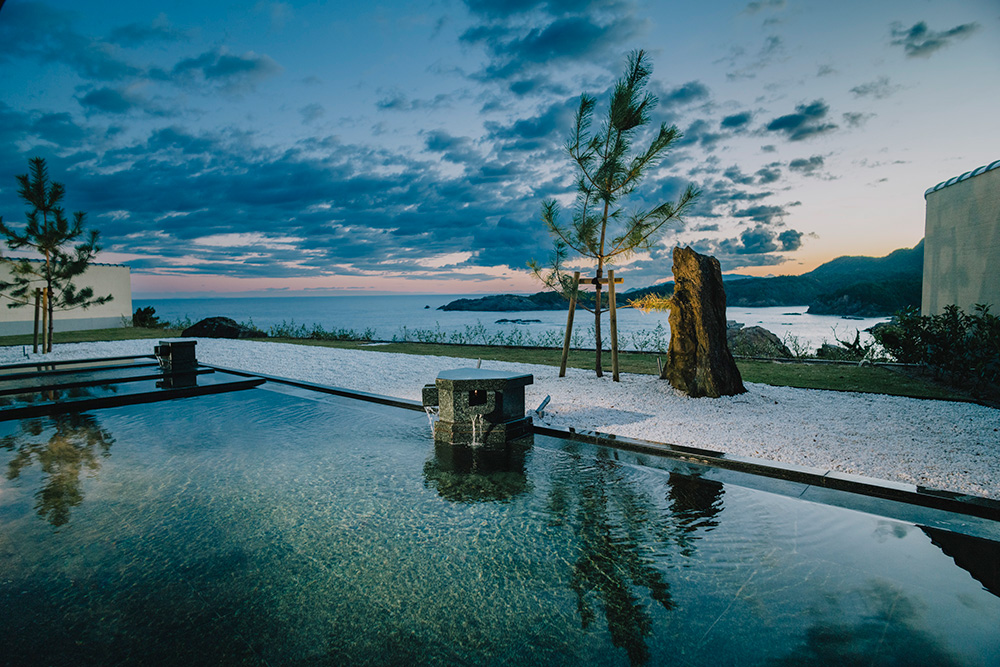
Hoshino Resorts KAI Izumo
Izumo Hinomisaki hot spring, Shimane
A hot spring inn located in Hinomisaki, where Izumo mythology is rooted. It is also conveniently located for paying a visit to Izumo Taisha Shrine.
Access by bus From JR Izumo City Station, take the Ichibata Bus. 1 minute walk from the Hinomizaki Lighthouse stop.
- Example of Accommodation Rates
- 1 person per night From ¥19,000