





Learn about the temperature and clothing for Nagato City (Yamaguchi Prefecture)

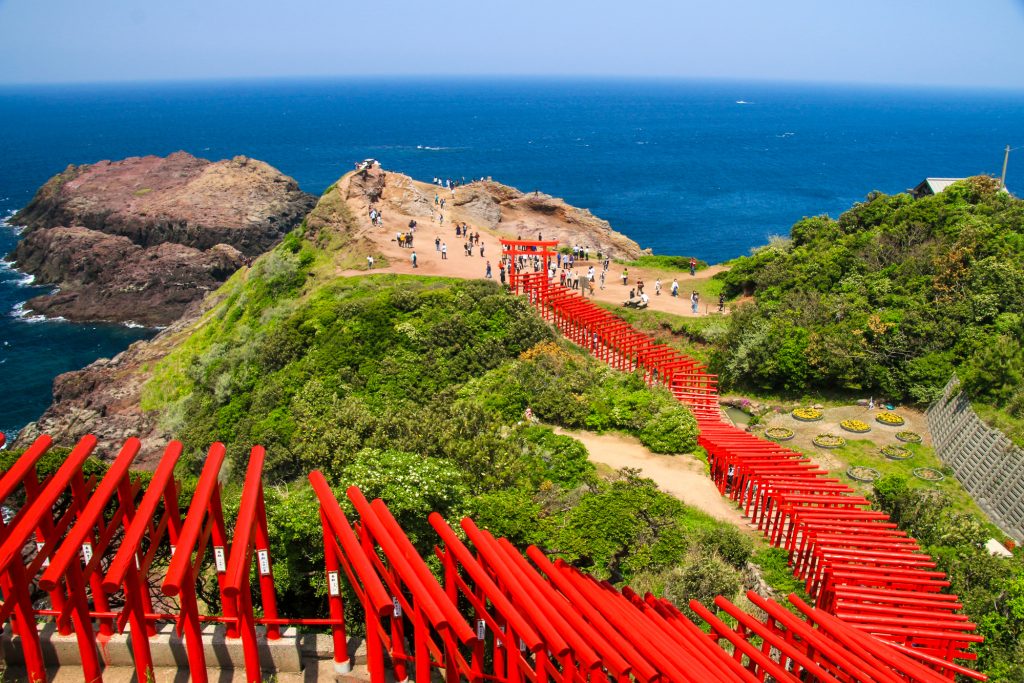
Nagato City, Yamaguchi Prefecture, is located at the northwesternmost tip of Honshu. The northern part is a magnificent scenic area where the "Kita-Nagato Kaigan Quasi-National Park" stretches along the Sea of Japan, and the city is filled with charm that invites travel, including five hot spring areas. It is adjacent to Hagi City, which has World Heritage sites such as the Hagi Castle Town, and Shimonoseki City, known for the Kanmon Straits and famous fugu (pufferfish) cuisine, allowing you to enjoy sightseeing in the surrounding areas as well.
Furthermore, although it is located along the coast of the Sea of Japan, its climate differs from the Sea of Japan climate characterized by wind and snow. Due to the influence of the Tsushima Current, winters are relatively warm, and snow rarely falls except in mountainous areas. There is a lot of rain, and precipitation tends to increase during the rainy season, late summer, and winter compared to Tokyo, so it is a good idea to carry rain gear.
About Temperature and Clothing in Nagato City in Spring (March to May)

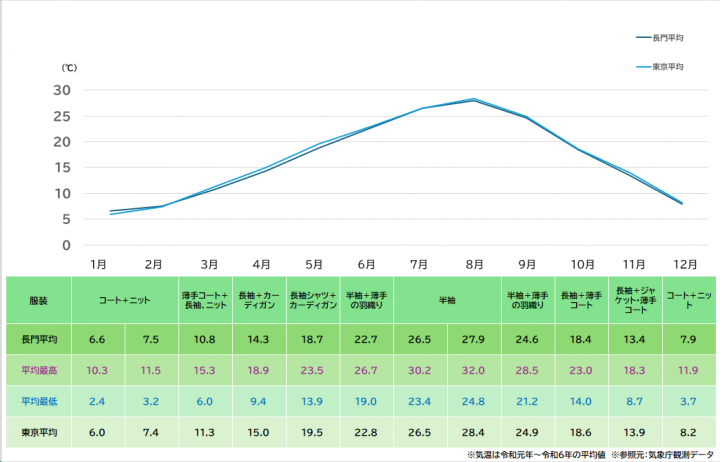
The average temperature in Nagato City in March is 10.8°C. The beginning of the month sees alternating warm and cold days, while the middle of the month brings a succession of pleasant days. The event that heralds spring is the "Maritime Traffic Safety Prayer Festival" of the Omijima Sightseeing Boat, held every year on March 15th. The maritime parade of eight sightseeing boats flying large flags is a spectacular sight.
"Omijima" and "Tainei-ji Temple" are adorned with cherry blossoms from late March to early April. You can spend the daytime, when temperatures rise to nearly 20°C, in a long-sleeved shirt, but since it gets cold at night, take measures against the cold with a sweater or a light outer layer.
From April to early May, when the "Tawarayama Rhododendron Garden" is colored by 30,000 rhododendrons, the weather is favorable, making it perfect for outings. May in particular has many sunny days, and the average temperature rises to nearly 19°C. You can enjoy cherry blossom viewing and strolling in the refreshing climate where you can get by with a shirt or cardigan.
About Temperature and Clothing in Nagato City in Summer (June to August)

The rainy season usually begins in early June. In fact, this period sees little rain and an average temperature of over 22°C, making it comfortable to spend time in just a shirt or a cut-and-sew top. We also recommend visiting Motonosumi Shrine while strolling along the coast. The sight of 123 red torii gates lining the cliff is breathtaking.
From mid-June onwards, when there are more rainy days, a windbreaker or other outerwear that blocks the wind will be useful to protect against the chill of the rainy season.
From mid-July, when the rainy season ends, until the end of August, the heat becomes scorching. It is useful to have a thin cardigan to protect against sunburn and the air conditioning indoors. In summer, Nii-no-hama Beach, where clusters of crinum lilies bloom in full glory on the white sand, is popular. It is also one of the beaches with the cleanest water in the country, bustling with families and surfers.
About temperatures and clothing in Nagato City in autumn (September to November)

Although the maximum temperature in early September exceeds 25°C, the landscape begins to take on an autumnal feel. The Higashi-Ushirobata Terraced Rice Fields, which offer a superb view of the sea beyond the rice paddies, shine in golden colors, and the fantastic sight of fishing fires floating offshore at night evokes a sense of nostalgia.
The average temperature in October is about 18.4°C. The weather is pleasant, and a shirt with a thin outer layer is sufficient.
The best time to see the autumn leaves is from early November to early December. The colors begin to change from the Chomonkyo Gorge, and by mid-November, Tainei-ji Temple is dyed in brocade colors. In November, when the average minimum temperature drops below 10°C, a coat and scarf are necessary.
About temperatures and clothing in Nagato City in winter (December to February)
Due to the influence of the warm Tsushima Current, the average winter temperature is about the same as in Tokyo. Despite being on the Sea of Japan side, it is relatively mild, and snow rarely falls except in mountainous areas. In early December, the average maximum temperature is still around 12°C, so you can stay warm in a trench coat with a liner or a thin wool coat.
From mid-December through February, the average minimum temperature is about 3°C and the average maximum is about 11°C, bringing a true winter chill. A thick coat is essential. Since it is windy along the coast, it is best to be prepared with accessories to keep your neck and hands warm, such as a stole and gloves.
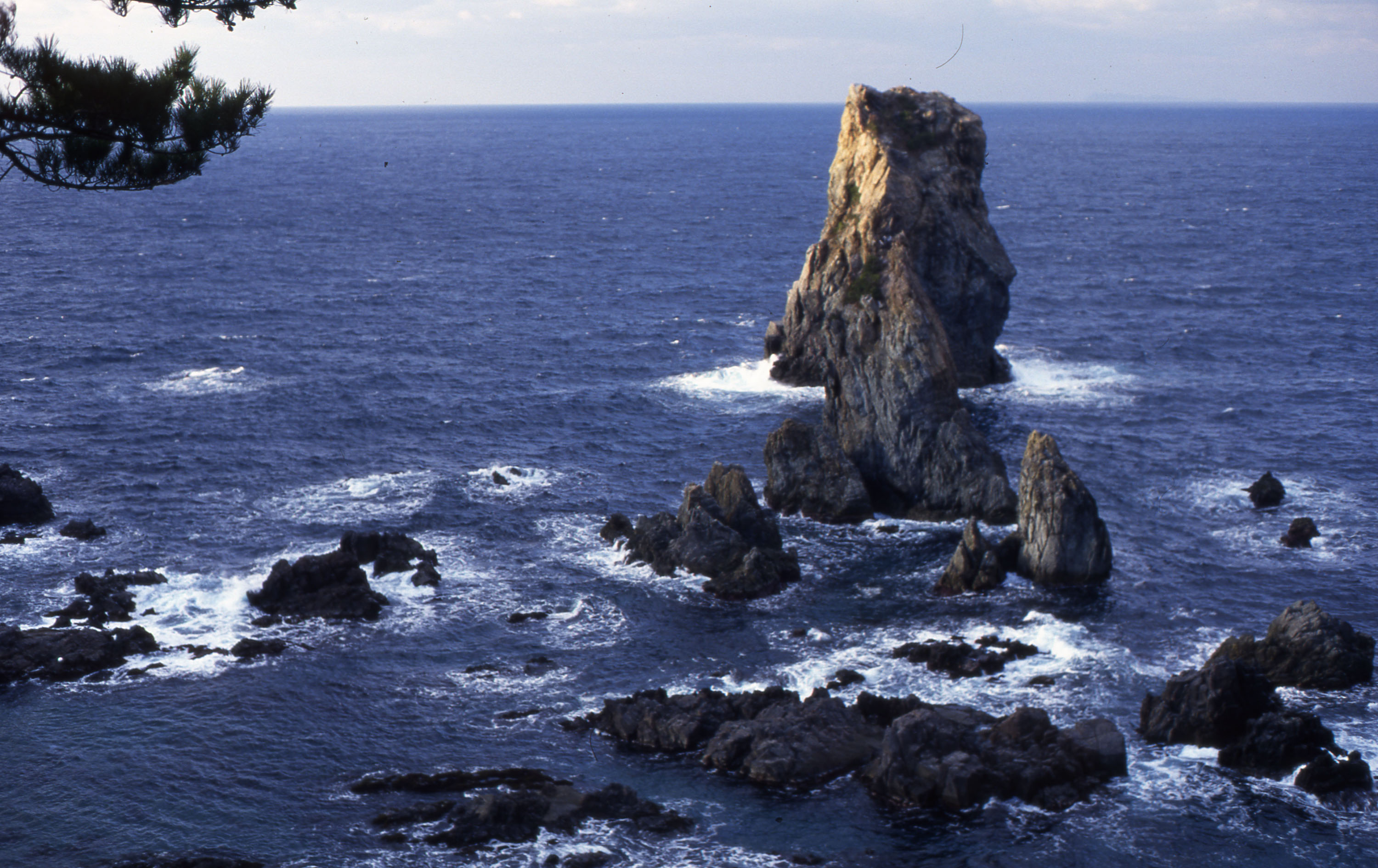
This season is packed with delicacies from the Sea of Japan, such as the local specialty "Senzaki squid," monkfish, and yellowtail. Also, at Omijima, a scenic spot known as the "Alps of the Sea," you can see groups of strange rock formations standing tall amidst the rough waves of the Sea of Japan.
Strolling through the hot spring town that once healed feudal lords
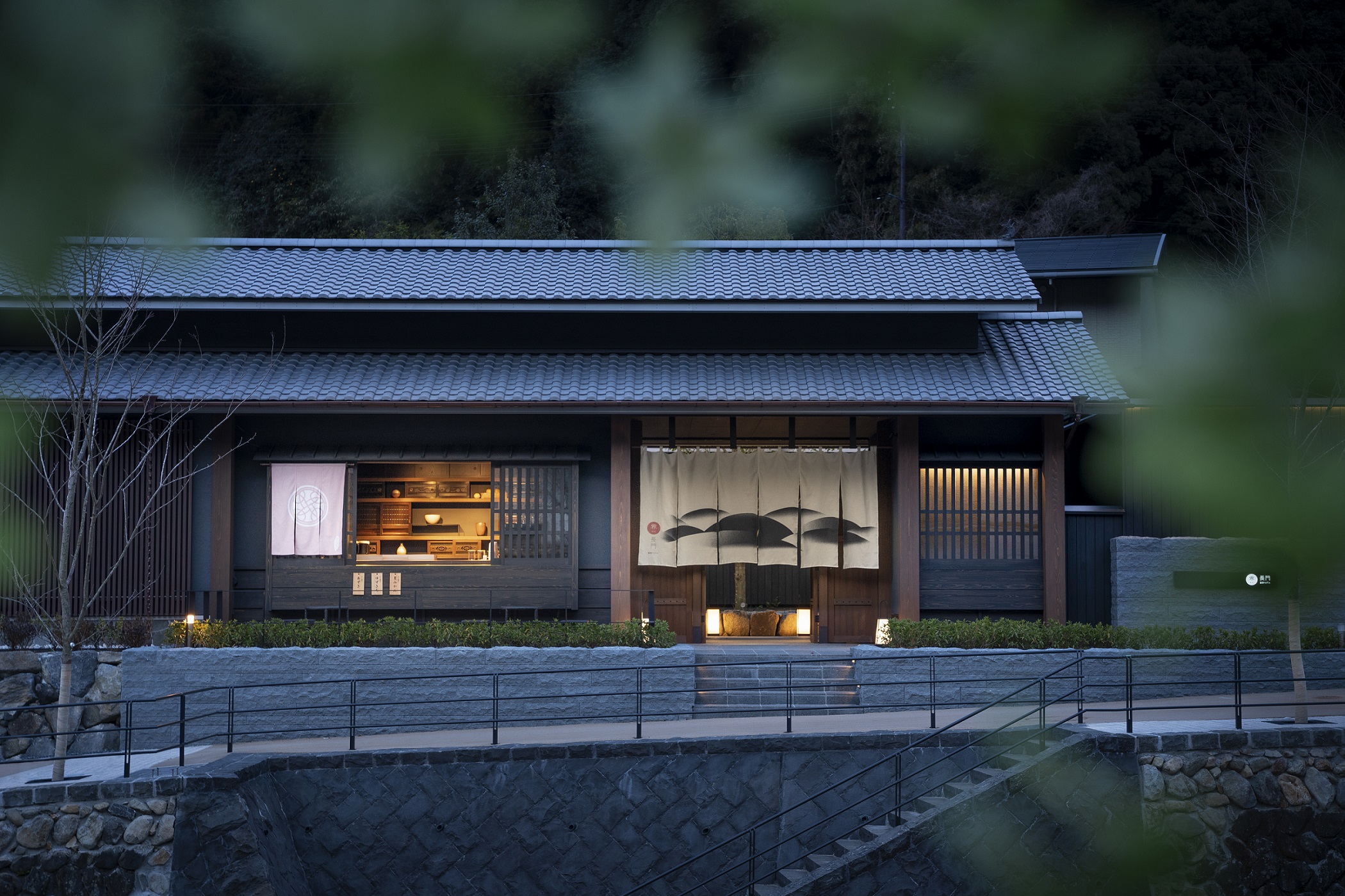
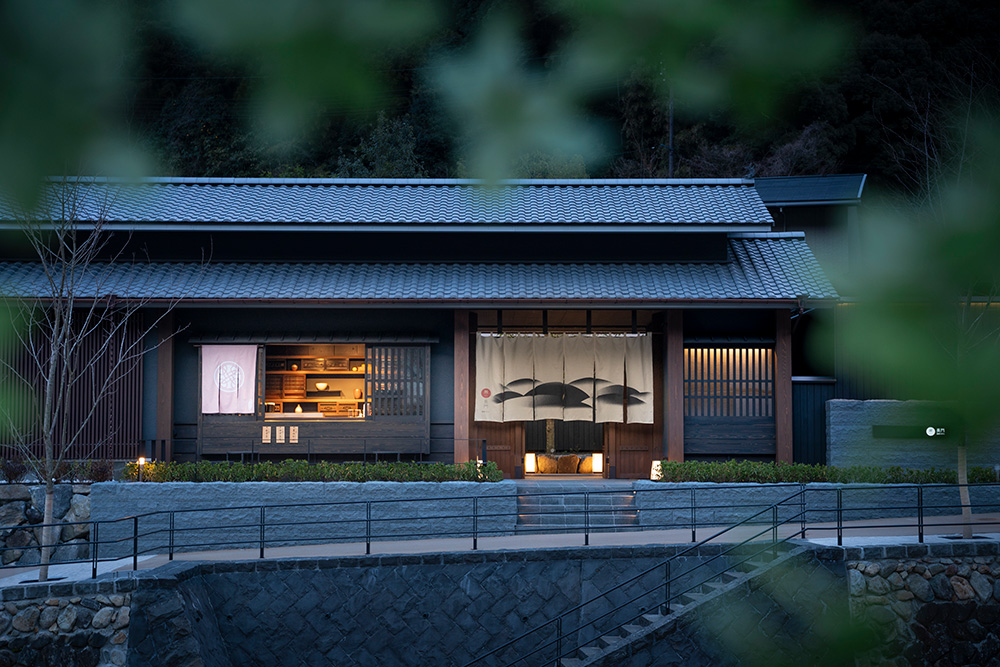
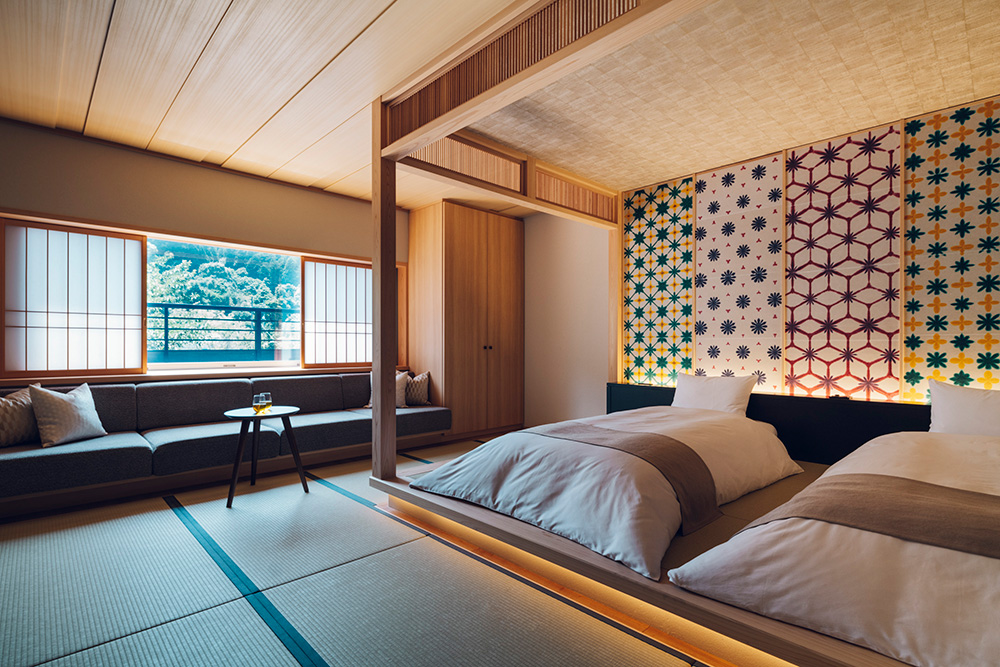
About a one-hour drive from Shin-Yamaguchi Station. Nagato Yumoto Onsen is the oldest hot spring resort in Yamaguchi Prefecture, with a history of about 600 years. It is known as a famous hot spring that was frequently visited by feudal lords during the Edo period. "KAI Nagato" is located in the center of the hot spring town, and all guest rooms are "Nagato Gosai no Ma" (Nagato Five-Color Rooms). Traditional crafts from Yamaguchi Prefecture, such as Tokuji Washi paper, Hagi ware, Hagi glass, and Ouchi lacquerware, add color to your stay.
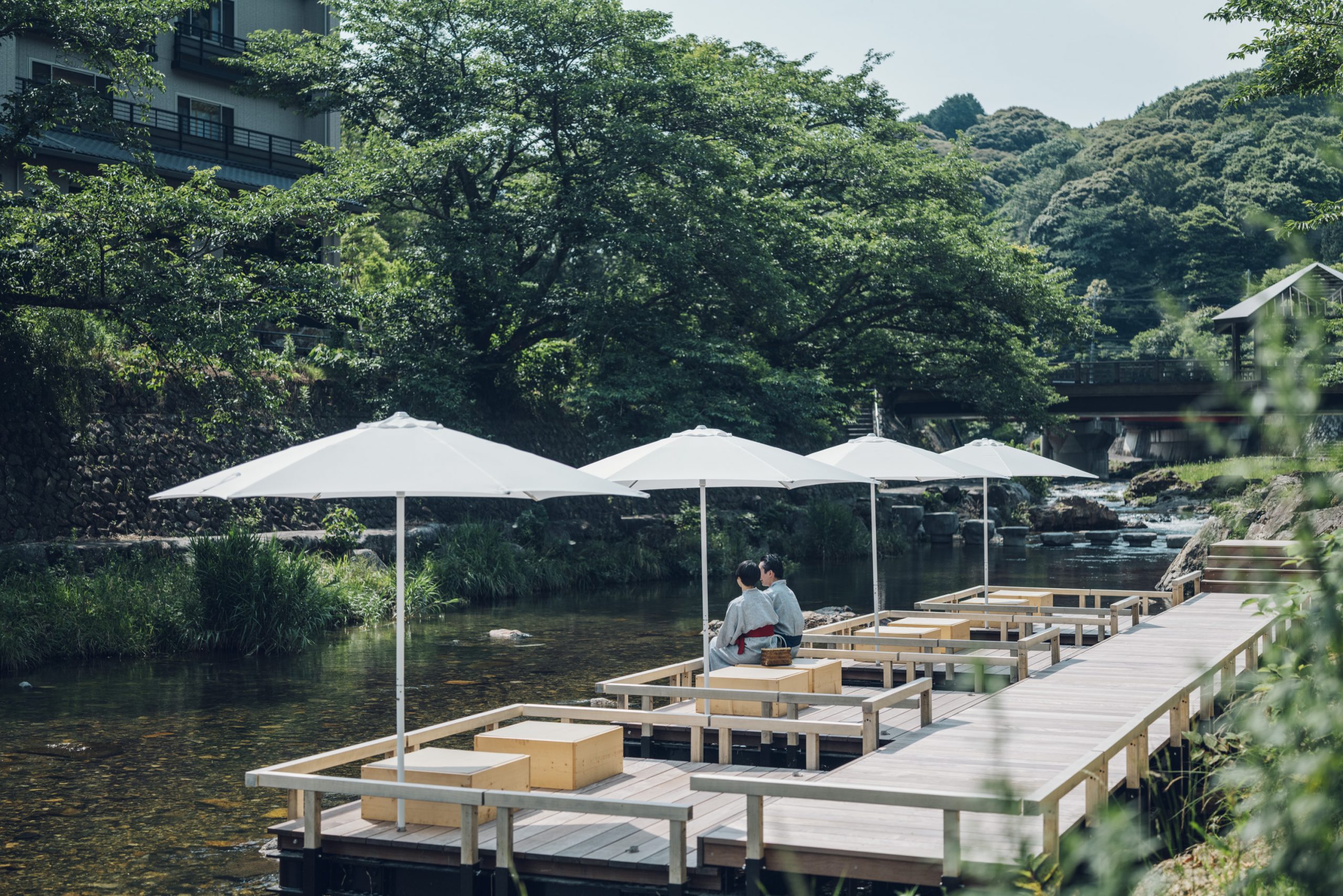
For meals, you can enjoy a wealth of seasonal ingredients, including seafood such as squid, which is popular in Yamaguchi Prefecture, as well as vegetables and fruits. At "Akebono Cafe," which faces the river, they sell dorayaki (pancake sandwiches) made with Yamaguchi's "yuzukichi" citrus. We also recommend taking a stroll along the clear Otozure River with a dorayaki in hand.

Local supporter in charge of this article
KAI Nagato
Nagato Yumoto Onsen, Yamaguchi Prefecture
Located in Nagato Yumoto Onsen, a representative hot spring resort in Yamaguchi Prefecture, this inn features a design inspired by the "Ochaya-yashiki" (tea house villas) of the Edo period.

Access Approx. 15-minute walk from JR Nagato-Yumoto Onsen Station
- Accommodation rate example
- Per person per night From ¥32,000