





Recommendation tourist attraction where history in Aizu-wakamatsu is felt

Aizuwakamatsu-shi is dotted with the interesting place where local history and culture are felt from the location of the Aizu-han relation such as "crane KE castle" and the Samurai residence to Nanokamachi street" a building in Meiji and the Taisyo period equals. I'll introduce 7 spots recommended to sightseeing.
< recommendation tourist attraction in Aizu-wakamatsu>
- 1Crane KE castle
- 2Aizu Samurai residence
- 3Iimoriyama
- 4Aizu turban shell hall
- 5Aizu Hanko Nisshinkan School
- 6Herb garden (If running, it can't be eaten.)
- 7Nanokamachi street
< the high plain resort hotel which wishes for Bandai-san>
< recommendation tourist attraction in Aizu-wakamatsu>
1Crane KE castle
"Red roof tile" but a history walk in Bakumatsu is enjoyed by a beautiful castle.

The red purple roofing tile called "red roof tile" is that it was a stage of the Boshin War in Bakumatsu, and it's the feature for the crane KE castle learned about. Display about history of Aizu-han is enriched inside the donjon, and you can get a bird's-eye view of the city from observatory of a finial. When hiring a volunteer guide at the tourist information in the castle, you can guide the "sou row house" which continues for about 30 minutes to Tetsumon (it's reeled, gate) from old Ishigaki and donjon for free of charge (I run and don't like NA.) an interesting place in the castle. "Castle mark (Exclusion of foreigners, oh.)" is also prepared for the person who enjoys the tour of castles in the whole country.
A son of Sen-no-Rikyu will visit at a tea-ceremony room on the small hermitage relation.

Then "tea-ceremony room rinkaku" of "crane KE castle citizen park" can receive Matcha Green Tea and Confections while enjoying taste in each season in the other gardens where it can be visited in the building. The one which built this tea-ceremony room for Ujisato at the time when a son of Sen-no-Rikyu and a small hermitage (shouldered bean jam) are sheltered by a lord of Aizu-han and Ujisato Gamo (but that it was soon a maggot). Removing and reconstruction was restored in the location now in 1990. A tea ceremony by six schools of tea ceremony meeting in Aizu is also performed for 7 days every month which is an anniversary of death a month in a small hermitage.
- Crane KE castle
-
 1-1, Outemachi, Aizuwakamatsu-shi, Fukushima MAP
 A tour bus "Stylishness, oh." ride in the Aizu bus town for about 20 minutes "crane KE castle entrance" gets off JR Aizu-wakamatsu Station, about 2 minutes on foot
 8:30-17:00 (16:30 last entry)
 Open everyday
 The donjon entrance charge An adult of 410 yen and a dwarf of 150 yen
 0242-27-4005 (crane KE castle Administration Office)
 Payment required
2Aizu Samurai residence
I visit a house of Aizu-han chief advisory and learn about warrior's living.

Outdoor museum the building cluster to which history such as "chief advisory residence" and at the deputy official which restored Aizu-han chief advisory in Bakumatsu and Tanomo Saigo's (SAIGOU ordered.) house "old Nakahata Jinya" is handed down equals. When a seigneur and an advanced warrior had a room as much as 38 and visited, a chief advisory residence where it takes pride in a vast site in 2400 tsubo was used, "While you are.", a parlor, a living room, a make-up room and a maidservant room can be visited from outside in a building. The living with seneschal's high formality of the at that time is felt from a long hallway, the kitchen where it's so wide that I'm surprised and luxurious furnishings.
Display of a rice mill and a handicraft is also enriched.

The rice mill used from Edo latter period to the middle of Showa is reconstructed in a new location aside of the chief advisory residence. Tohoku could polish brown rice as much as about 1000 kilogram a day, and took pride in its outstanding scale formerly. A wooden stick is lifted in turn only by the waterpower, and you surprise 16 stone mills in the regular movement I follow.
Additionally then the "Aizu historical museum" in the site can visit the arms and the handicraft made elaborately. China-painting of a paper cow and a getting up young monk (spill), Experience, can, there is also a shop "homemade Experience house", Dining Area, local handicraft and the ingredients equal.
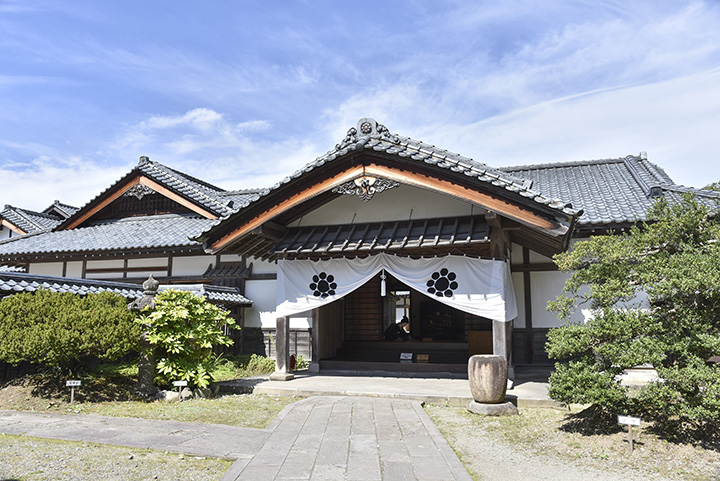
- Aizu Samurai residence
-
- 1 in Higashiyamamachiishiyama, Aizuwakamatsu-shi, Fukushima letter hospital MAP
 It's a car from JR Aizu-wakamatsu Station, about 7 minutes
- From JR Aizu-wakamatsu Station, tour embussment and "in front of Aizu Samurai residence" getting off walking, immediately.
- 4-November 8:30-17:00 and 12-March 9:00-16:30
- Open everyday With※ winter closed.
- Admission 850 yen for an adult Junior and senior high school student 550 yen elementary students of 450 yen.
Experience charge Red BE KO china-painting of 920 yen and ki ascent young monk china-painting of 920 yen and others - 0242-28-2525
- Free
3Iimoriyama
The holy mountain where tragedy in Bakumatsu is told soon

16 formed by Aizu-han in Bakumatsu-male forces of 17 years old "Byakko-tai troop". "Iimoriyama" in the northeast in Aizuwakamatsu-shi is famous for the Boshin War as the place where Byakko-tai troop man died upon his own sword. There is a tombstone of Byakko-tai troop nineteen man in a square in the side in a mountain, and many people also visit to offer a flower and a stick of incense from a various part of Japan now. The boys who died upon their own sword by 16~~youth of 17 years old. The tragedy also strikes many person's chests now.
In a small small shrine, variously, if, it's healed in a brook in a stream.

There are stairs of 183 steps from the base in a mountain a gift shop equals to the square with a tombstone of Byakko-tai troop, but it can be climbed easily because there is electric slope called "slope conveyor".
I recommend the route where I go through "Aizu turbo hall", "Uga Shindo" and "Itsukushima Shrine" etc. for the time of Shitayama. Beautifully, green of the mountains is also healed in a brook in the stream which flows through the side. There is "Tonokuchi dam cave (how about a complaint cough, bottom)" in the inside of Itsukushima Shrine, and it's also left on the record that Byakko-tai troop passed through the inside in this cave.
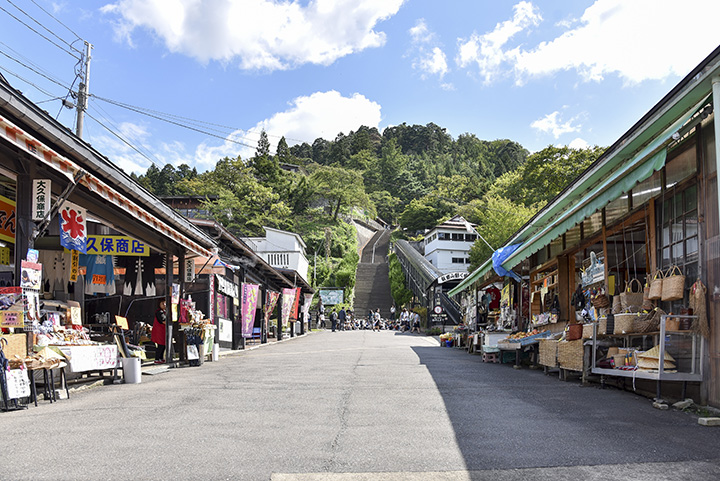
- Iimoriyama
-
- Under Ikkimachiyahata, Aizuwakamatsu-shi, Fukushima Benten MAP
- It's a car from JR Aizu-wakamatsu Station, about 8 minutes
- Tour embussment and "Meshimori Yamashita" get off JR Aizu-wakamatsu Station, walking, immediately.
- Entry freedom
Slope conveyor March 21-December 21 8:00-17:00 and December 22-March 20 10:00-15:00 - Open everyday
- Entry no charge
Slope conveyor 250 yen for an adult 150 yen for a schoolchild - 0242-23-8000 (Aizu-wakamatsu sightseeing bureau)
- Payment required
4Aizu turban shell hall
Kannondo of the unique structure designated as national important cultural property

Kannondo of three layers of hexagon in the side in Iimoriyama. It was built in 1796 of the middle of Edo period (1796), and it's designated as national important cultural property. Though spiral slope thinks the amount of Imperial Court twenty-four Takashi who extended and was inserted in a wall clockwise (Aizu-han morality manual) to enter in the hall, even three layers of eye can rise. When I arrive at a finial, slope of descent extends and is the structure by which the person who goes up and the person who gets off don't pass each other counterclockwise this time. The building where two of slope was piled up in the top and the bottom this is also said to be an unusual one worldwide.
The peculiar space where people's expectation in antiquity is felt
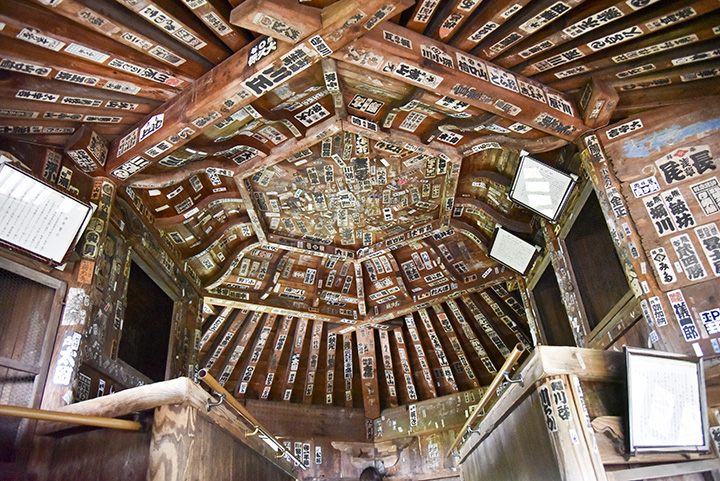
A statue of Goddess of Mercy in 33 temples with Kannon in Kansai area was deified in the building in the Edo Period, and when going up a hall of height 16m and getting off, I became popular as pilgrimage Kannondo where all Kannons can be inspected. The "votive card" on which the name of the worship visitor was written is stuck on everywhere of a pillar in the hall and a wall, and the depth of the people's religiosity in at that time as well as the history in a building is felt.
A statue of Goddess of Mercy isn't put after Meiji, but many people also visit the structure of the building in a tour now because it itself is fascinating also the make of the detail is also beautiful.
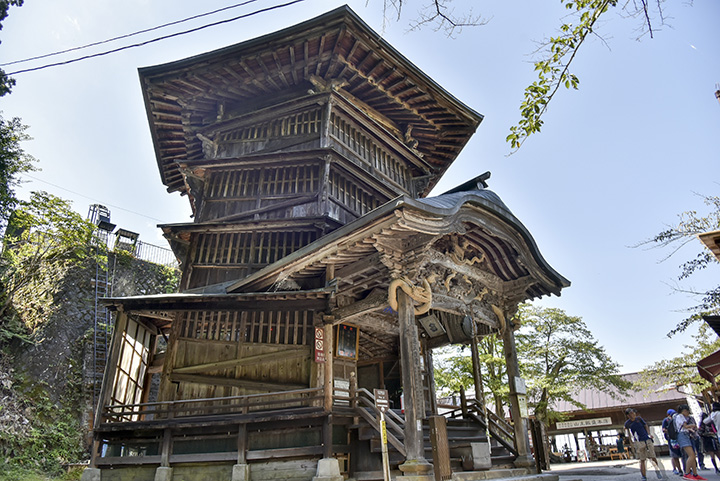
- Aizu turban shell hall
-
- Ikkimachiyahata, Aizuwakamatsu-shi, Fukushima Takisawa 155 MAP
- It's a car from JR Aizu-wakamatsu Station, about 8 minutes
- Tour embussment and "Meshimori Yamashita" get off JR Aizu-wakamatsu Station, about 5 minutes on foot
- 4-November 8:15-sunset and 12-March 9:00-16:00
- Open everyday
- An adult of 400 yen and a high school student of 300 yen, small size and 200 yen for a junior high school student
- 0242-22-3163 (Yamanushi Meshimori main store)
- Payment required
5Aizu Hanko Nisshinkan School
The educational institution of both literary an military arts which produced Byakko-tai troop

The Hanko of Aizu-han restored by Mt. Takatsuka in the suburb in Aizuwakamatsu-shi. To become a clansman of both literary an military arts, when it was 10 years old, the boy of Aizu-han went to a Hanko and Nisshinkan School and learned reading and writing, rules of decorum and a military art. The country took pride in its eminent scale as a Hanko, and the lot area ranked 1000 people as 8000 tsubo and the number of enrolled students. The way of college admission and further study such as Edo and a study to other feudal clans was also prepared for a high achiever. The state by which many students in addition to boys in Byakko-tai troop apply themselves to learning of calligraphy, Confucianism, arithmetic and astronomy after exhibition of classrooms is reproduced.
An archery and the Experience menu of the Zen meditation are also enriched.
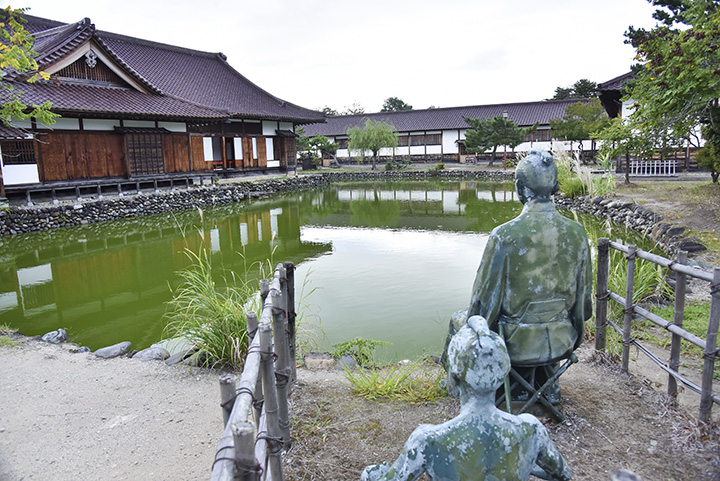
It's also the feature that there is a lot of Property for military art acquisition. There is a practice field of an archery, the sword way, a rifle and a cannon in a vast site, and a nobbyhorse for practice of horseback riding is also put. It's said that "swimming training Mizuma Ike" who took a horse and practiced swimming in the state with the armor was a pool in a Japan's first educational institution.
The other archery, Zen meditation and tea ceremony which can do china-painting of a White Tiger sword (singlestick) and china-painting of a paper cow and a getting up young monk (spill) in Property, Experience, can. (Zen meditation and tea ceremony need reservation by more than 10 people.)
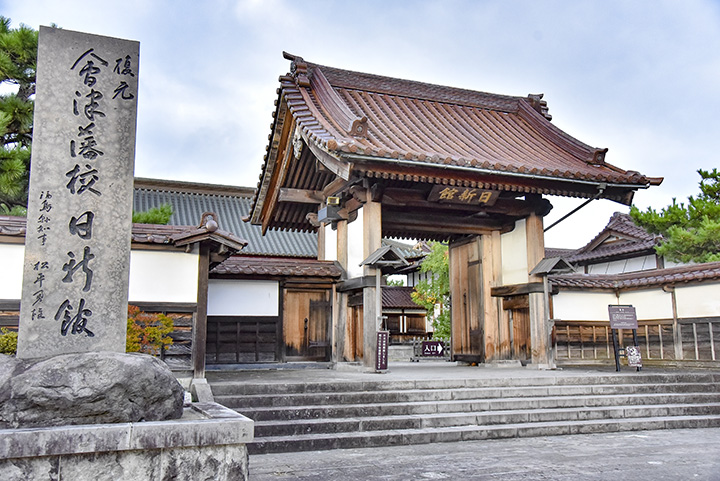
- Aizu Hanko Nisshinkan School
-
- Mt. Aizuwakamatsu-shi, Fukushima Minamikoya, Kawahigashi-machi Takatsuka, 10. MAP
- It's a car from JR Hirota Station, about 5 minutes
- From JR Aizu-wakamatsu Station, embussment and "Aizu Hanko, Nisshinkan School" getting off walking, immediately.
- 9:00-17:00 (16:00 last entrance)
- Open everyday
- Admission 620 yen for an adult Junior and senior high school student 500 yen elementary students of 450 yen.
Experience charge Paper cow china-painting, White Tiger sword china-painting of 920 yen for each and getting up young monk china-painting of 770 yen and others - 0242-75-2525
- Free
6Herb garden (If running, it can't be eaten.)
The garden loved by Aizu seigneur of successive generations is loved.
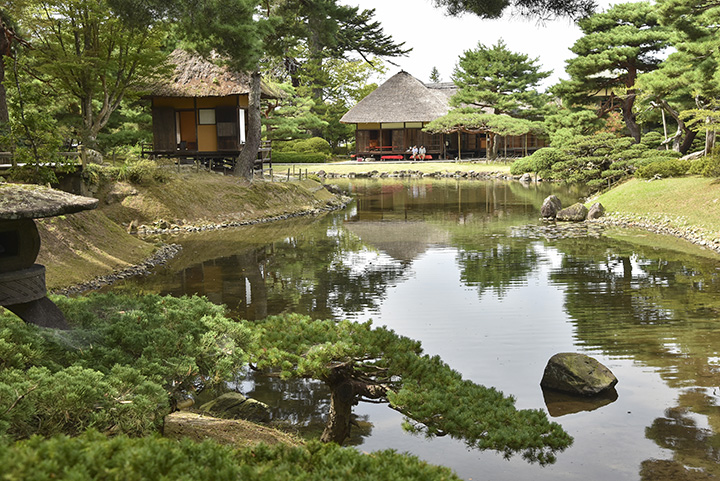
The place where Aizu lord and a seigneur kept a villa and used it as a sanatorium because Muromachi era and a hot spring with marvelous healing powers were gushing. The present building was built for the Edo Period, and tour garden is designated as national place of scenic beauty. Then the main building with a striking thatched roof "restaurant palace" can taste Matcha Green Tea and Japanese Sweets while looking at a beautiful garden. Small fall and a hut "easy marriage bower" are distributed around the pond, and when going around, the various scenery can be enjoyed. 15 kinds of all maples which live in the Fukushima are collected in the inside in a garden, and the autumnal tints of the autumn are also excellent.
The one by which the herb garden where various plants were planted is also a highlight
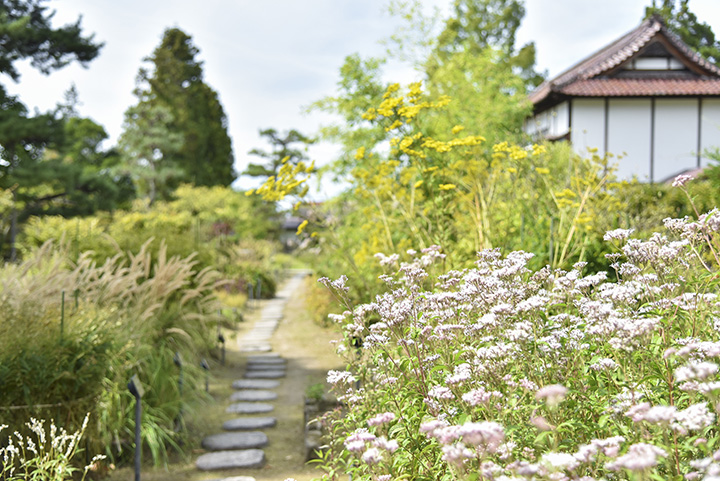
For Masashi Hoshina sutra of Aizu Matsudaira family Nidai eye seigneur to rescue population of the fief from a plague, a name of "herb garden" derives from maintaining a herb garden in the site. Mijiro eye seigneur and Masashi Matsudaira part by volume (oh, well, person) plant ginseng and encourage common people widely here. That's starting of a specialty of Aizu rural areas "Aizu seed carrot". "Medicinal botanical specimen garden" is also aside of the garden at present, and herb as much as about 400 kinds and a medicine tree are planted. It's also rich in the ginger familiar as Chinese medicine in addition to "Aizu seed carrot" and edibility, leek and the plant by which a rose, a peony and a lotus make a flower bloom again and is seen.
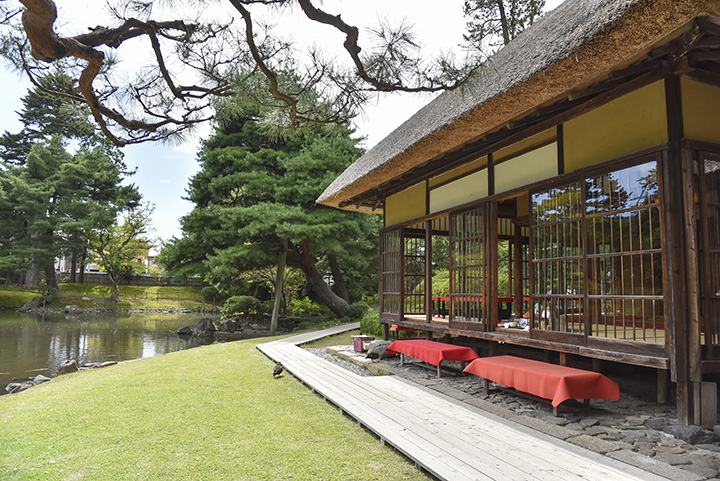
- Herb garden (If running, it can't be eaten.)
-
- 8-1, Hanaharumachi, Aizuwakamatsu-shi, Fukushima MAP
- It's a car from JR Aizu-wakamatsu Station, about 10 minutes
- From JR Aizu-wakamatsu Station, tour embussment, "herb garden" or "in front of Chamber of Commerce and Industry" getting off walking, immediately.
- 8:30-17:00 (16:30 last entrance)
- Open everyday
- Admission 330 yen for an adult 270 yen for a high school student Small size and 160 yen for a junior high school student.
Entrance ticket and special set ticket of the Matcha Green Tea 800 yen for an adult 750 yen for a high school student Small size and 600 yen for a junior high school student - 0242-27-2472
- Free
7Nanokamachi street
A gift search and a meal are enjoyed fully on the retrospective street.
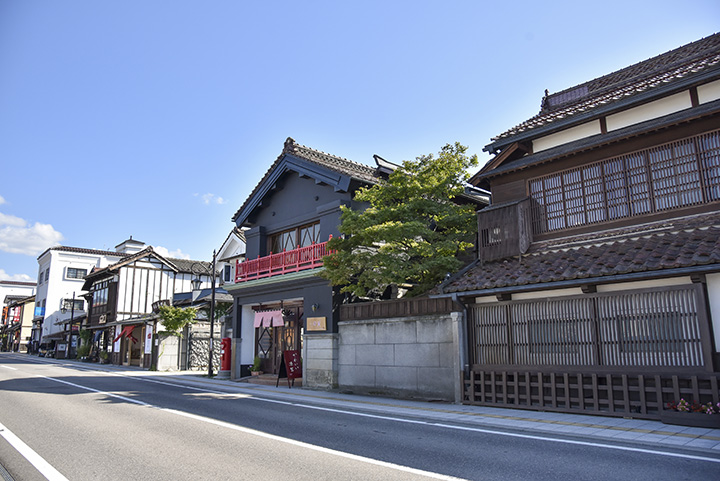
Nostalgic street which leads to from Nanukamachi Station to a Hideyo Noguchi youth street. A store using old a Western-style house and Japanese architecture and Restaurant can feel Romain Taisho much, and I become popular. A city was conspicuous from the old days as the important position of traffic where three highways in Nikko, Echigo and Yonezawa are piled, and was the history of the name to have stood up for 7 days every month.
Much, the long-established store where a topping leaves the building where Sakagura (sake brewery) in addition to "Shibukawa wholesale store" and the miso storehouse "Manda shop (It's seen and it goes along.)" which can taste a traditional dish of Aizu "tsurunokou sake brewing" has history for one in Japanese pepper of held soup from SAN "KOZUYU" and herring can also enjoy the peculiar atmosphere.
Many miscellaneous goods and craft product are found appropriate for Aizu.
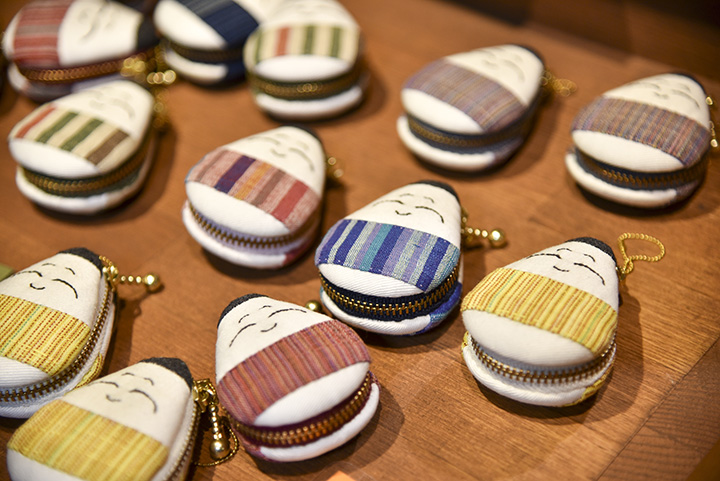
It's also the feature that there are a lot of stores of Traditional Pottery items in Aizu. You can meet lacquer ware with the various designs from a traditional decorative container to a colorful dessert cup at a store of Aizu lacquer ware such as plain wood shop lacquer ware store" in a dignified Western house. The selection shop where a cloth attachment, a picture candle, pottery and the miscellaneous goods which got up and made the young monk and the paper cow a motif using Aizu cotton of the simple texture are handled and the one you can search for one piece several houses are here and seem to be Aizu-wakamatsu are charm. You can have that from the Japanese food store where local cuisine can be tasted to Italian Restaurant, the cafe and the place of sweets and also enjoy a meal.
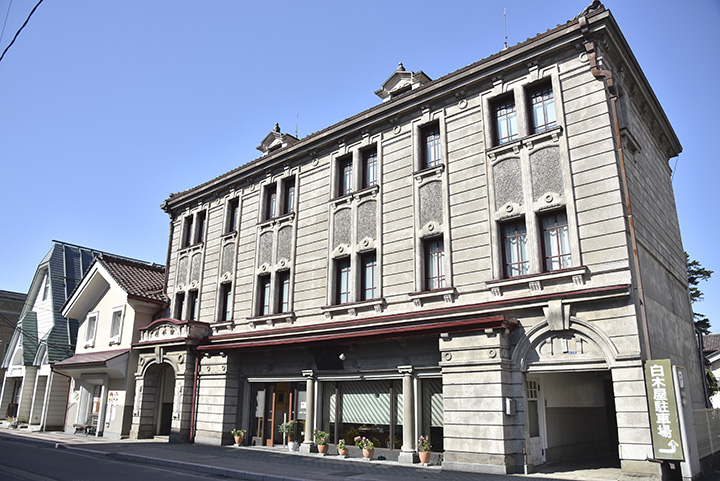
- Nanokamachi street
-
- Nanokamachi, Aizuwakamatsu-shi, Fukushima. MAP
- They walk from JR Nanukamachi Station, immediately.
- From JR Aizu-wakamatsu Station, tour embussment and "Nanokamachi, center" "in front of Nanokamachi plain wood shop" "in front of Nanukamachi Station" getting off walking, immediately.
- It's different depending on stores.
- It's different depending on stores.
- 0242-23-9611 (Nanokamachi Tourist Information Center)
- Payment required
< the high plain resort hotel which wishes for Bandai-san>
After enjoying sightseeing, how about some time of the relaxation by a resort hotel in which the base in Bandai-san is located? It's possible to feel history in Aizu and culture in the stay in the hotel.
8Bandaisan Onsen Hotel by Hoshino Resorts
The inn where you can enjoy Aizu culture fully and have time actively at any time of the year around

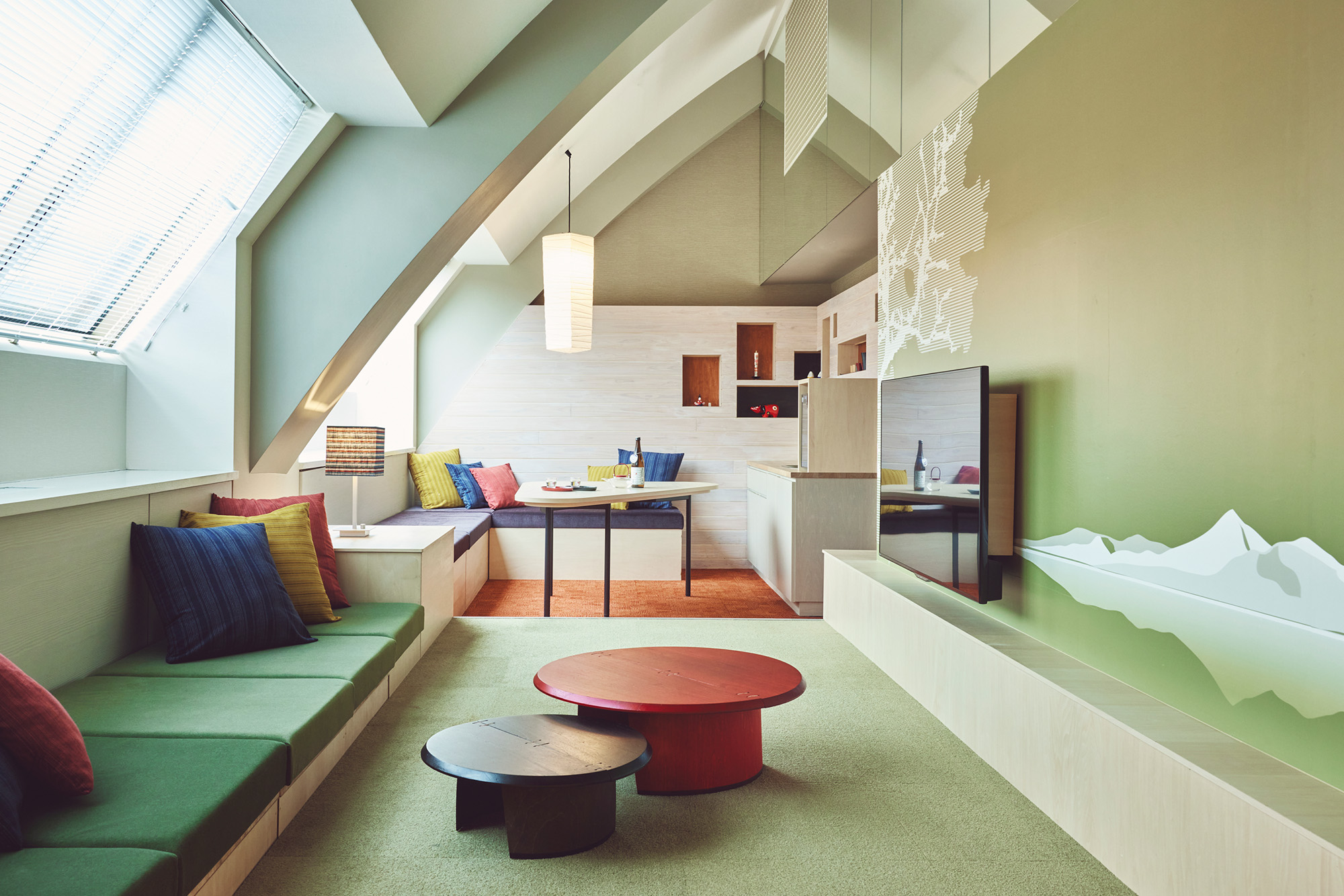
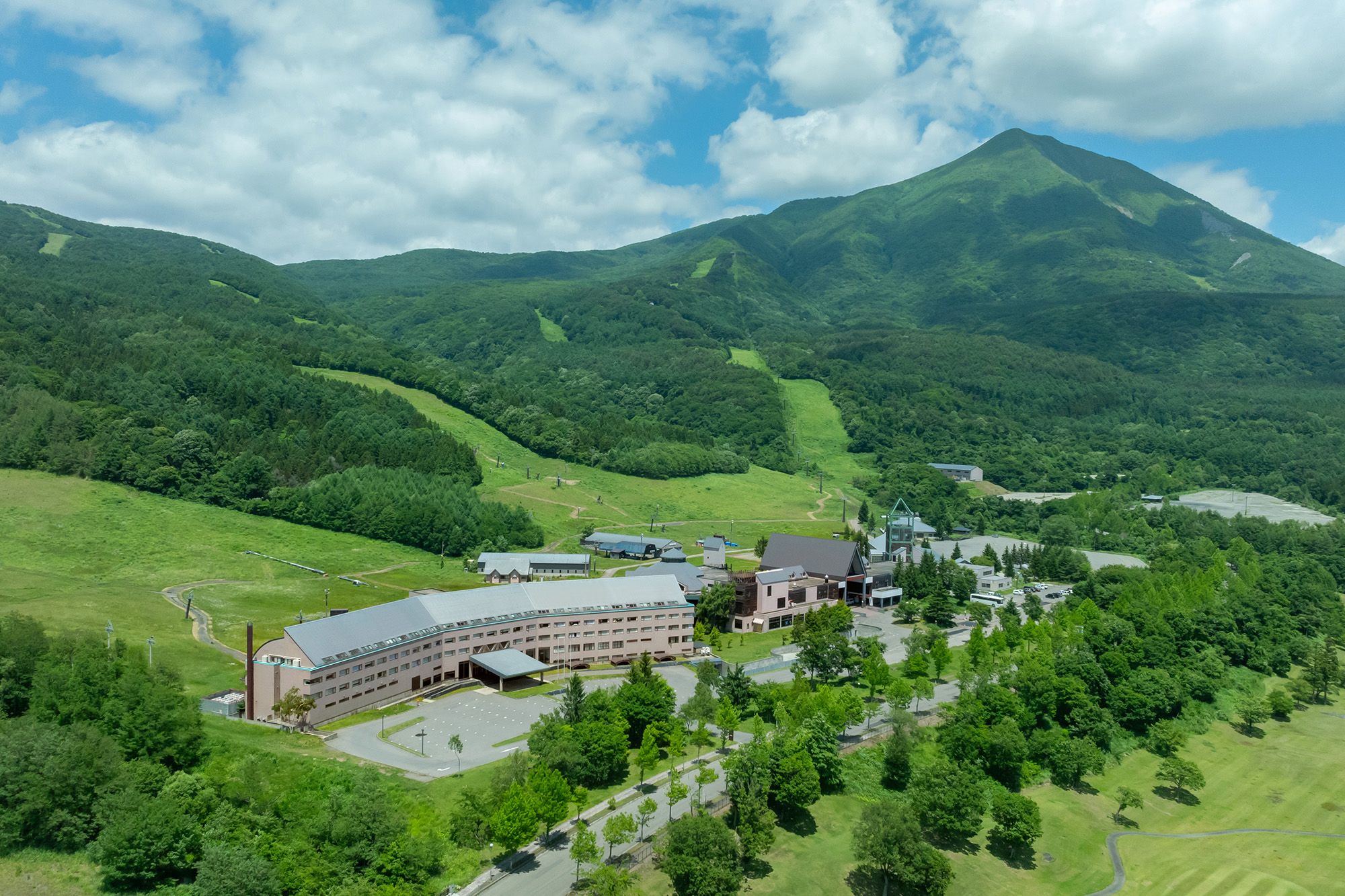
"Bandaisan Onsen Hotel by Hoshino Resorts" where "Bandai-san" where Japan one hundred famous mountain is one is located in the place where I dominate immediateness and wish for the "Inawashiro lake" brilliant like Kagami under the eyes. You can enjoy the stay which has complete set of heated pool, spa and hot spring and touches the Aizu culture which isn't learned about. You can burn with colored leaves from fresh green and have time actively until the season wrapped in Miyuki. Please enjoy a high plain resort stay in the grand nature and the change in four seasons.

- Bandaisan Onsen Hotel by Hoshino Resorts
-
- Bandai-machi, Yama-gun, Fukushima large section of a town Sarashina letter Shimizuhira 6838-68 MAP
- It's curtesy transportation bus from JR Bandaimachi Station, about 15 minutes
- 050-3134-8094 (reservation center /9:30-18:00)
 Bandaisan Onsen Hotel by Hoshino Resorts Reservation site.
MAP
- < recommendation tourist attraction in Aizu-wakamatsu>
- < the high plain resort hotel which wishes for Bandai-san>
-
- Hoshino ResortsProperty around here

Local Guide which took charge of this article

- Saori Kuji.The active girl Aizu love overflows
Bandaisan Onsen Hotel by Hoshino Resorts
Fukushima-ken and Yama-gun
The base in Aizu-bandai-san and the hotel where I wish for Inawashiro lake under the eyes. Abundant nature and Aizu culture can be enjoyed fully.

It's a taxi from Direction JR Bandaimachi Station, about 15 minutes
- A room charge example
- 1 night, 1 person \12,000-