





Let's know the temperature and clothes of Aizu area (Aizu Wakamatsu, Bandai, Inawashiro Lake).

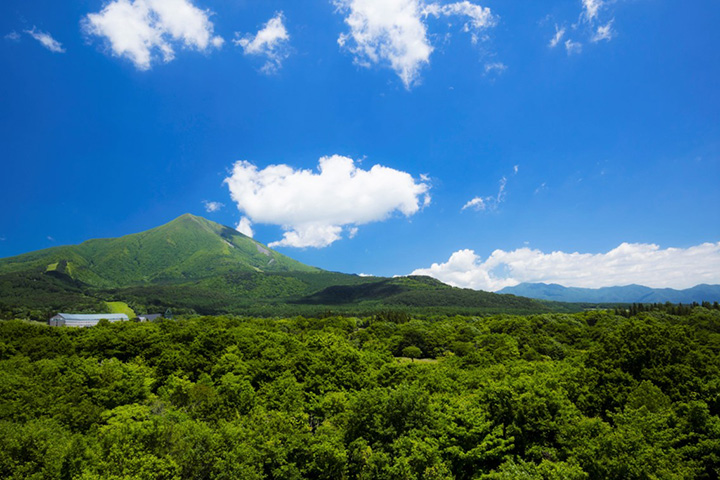
Fukushima Prefecture is the third-largest prefecture in Japan by area. The prefecture is divided into three regions—the Hamadori region along the Pacific coast, the Nakadori region inland on the Pacific side, and the Aizu region inland on the Sea of Japan side—each with its own distinct climate.The Aizu region has a Sea of Japan climate and is one of the country’s heaviest snowfall areas. In particular, the area around Mount Bandai (elevation 1,819 m) and Lake Inawashiro—Japan’s fourth-largest lake—is known as a major resort area where visitors can enjoy winter sports and the great outdoors.
The average annual temperature is 13.1°C, which is 3.8°C lower than Tokyo’s average of 16.9°C. Aizu-Wakamatsu City, with its basin climate, is flanked by Lake Inawashiro and the Bandai Mountains, with elevation rising toward Mount Bandai.The mid-slopes of Mount Bandai and the Urabandai area, home to hot springs and ski resorts, are at an elevation of approximately 800 m. Due to this significant elevation difference—with the basin experiencing characteristic summer heat and higher-altitude regions facing severe cold—clothing needs vary by location and season.
<Temperatures and Clothing in the Aizu Region>
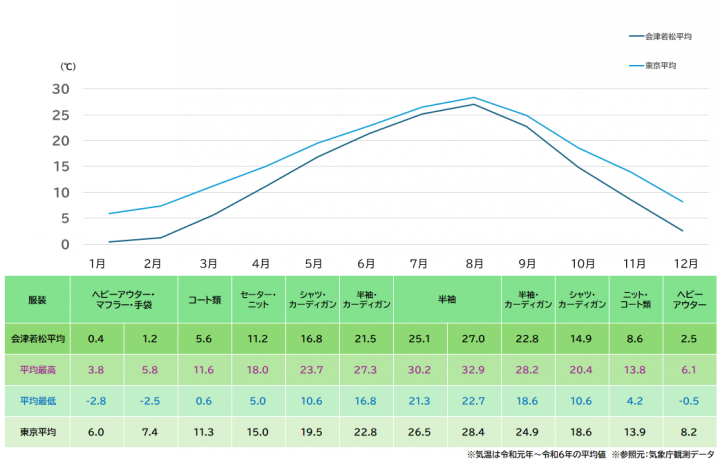
Spring (March to May) temperatures and clothing in the Aizu region (Aizu Wakamatsu, Bandai, and Lake Inawashiro)

The Aizu region is where spring arrives latest among the three regions of Fukushima Prefecture. With an average temperature of 5.6°C in March, the cold winter still lingers. If you plan to visit Lake Inawashiro and the Bandai area—where winter sports remain popular until Golden Week—a down coat and snow boots are essential.
In mid-April, “Tsuruga Castle” in Aizu-Wakamatsu City is blanketed in 1,000 cherry blossoms. While the average temperature rises to 11.2°C and it gradually starts to feel warmer, low- and high-pressure systems tend to alternate during this time, leading to unstable weather, so be sure to bring rain gear.Also, temperatures can drop below freezing at night due to radiational cooling, so be sure to bring a thick coat and a scarf.
By May, the weather is pleasant, with an average temperature of 16.8°C. There are many sunny days, making it ideal for outings.
Summer (June-August) temperatures and clothing in the Aizu region (Aizu Wakamatsu, Bandai, and Lake Inawashiro)

The average temperature in the Aizu region in June is 21.5°C, which is about 1.3°C lower than the average temperature in Tokyo. The rainy season begins in mid-June, and precipitation tends to increase in July, when the rainy season front often stalls.In the high-altitude areas of Bandai and Lake Inawashiro, the average temperature is about 5°C lower than in Aizu-Wakamatsu City, and when it rains, the temperature drops sharply. When heading out, be sure to bring a windbreaker or similar garment that offers excellent wind and water protection.
Once the rainy season ends, temperatures rise.In the basin area in particular, muggy days continue, making T-shirts and sleeveless tops comfortable choices. The average temperature in the Lake Inawashiro and Bandai areas—where you can fully enjoy the great outdoors through lake activities and hiking—is around 23°C. However, temperatures can drop to the 10°C range at night, so you’ll need something to throw on, such as a hoodie.
Autumn (September-November) temperatures and clothing in the Aizu region (Aizu Wakamatsu, Bandai, Lake Inawashiro)

Compared to Tokyo’s average September temperature of 24.9°C, the Aizu region is about 4.1°C cooler.Autumn arrives a little earlier here, with the fall foliage beginning in mid-September around Bandai and Lake Inawashiro. During this time, there are often rainy days due to the autumn rain front and typhoons, so it’s a good idea to carry rain gear along with accessories like a scarf to keep warm.
By late October, when the first snowfall is observed on Mount Aizu-Komagatake, Mount Iide, and Mount Bandai, the average minimum temperature in downtown Aizu-Wakamatsu drops below 10°C.During this time, the Aizu Basin gets so cold in the mornings and evenings that morning fog forms, making scarves and thick jackets essential.
Around late November, when the first snow is observed in the city, be sure to dress warmly. If you’re driving, make sure to have snow chains or studless tires ready.
Winter (December to February) temperatures and clothing in the Aizu region (Aizu Wakamatsu, Bandai, and Lake Inawashiro)

In December, as the Siberian High takes hold and seasonal winds blow, the Aizu region is transformed into a winter wonderland. Known as a heavy snowfall area where about half of the annual precipitation falls as snow, Oku-Aizu in particular can see over 1 meter of snow accumulate overnight.The average temperatures are 2.5°C in December, 0.4°C in January, and –1.2°C in February, with the bitter cold persisting throughout the season.
When heading out to the Bandai and Lake Inawashiro areas, which are bustling with snow activities, be sure to wear a thick base layer, a sweater, a down coat, and snow boots. Also, take precautions against the cold from head to toe with gloves, a knit hat, and hand warmers.
The Aizu region, with its long winters and deep snow, is home to many hot springs and offers plenty of winter-exclusive activities, such as skiing and wakasagi fishing. Make sure to bundle up and enjoy the snow.

Local Guide who was in charge of this article
Bandaisan Onsen Hotel by Hoshino Resorts
Yama-gun, Fukushima Prefecture
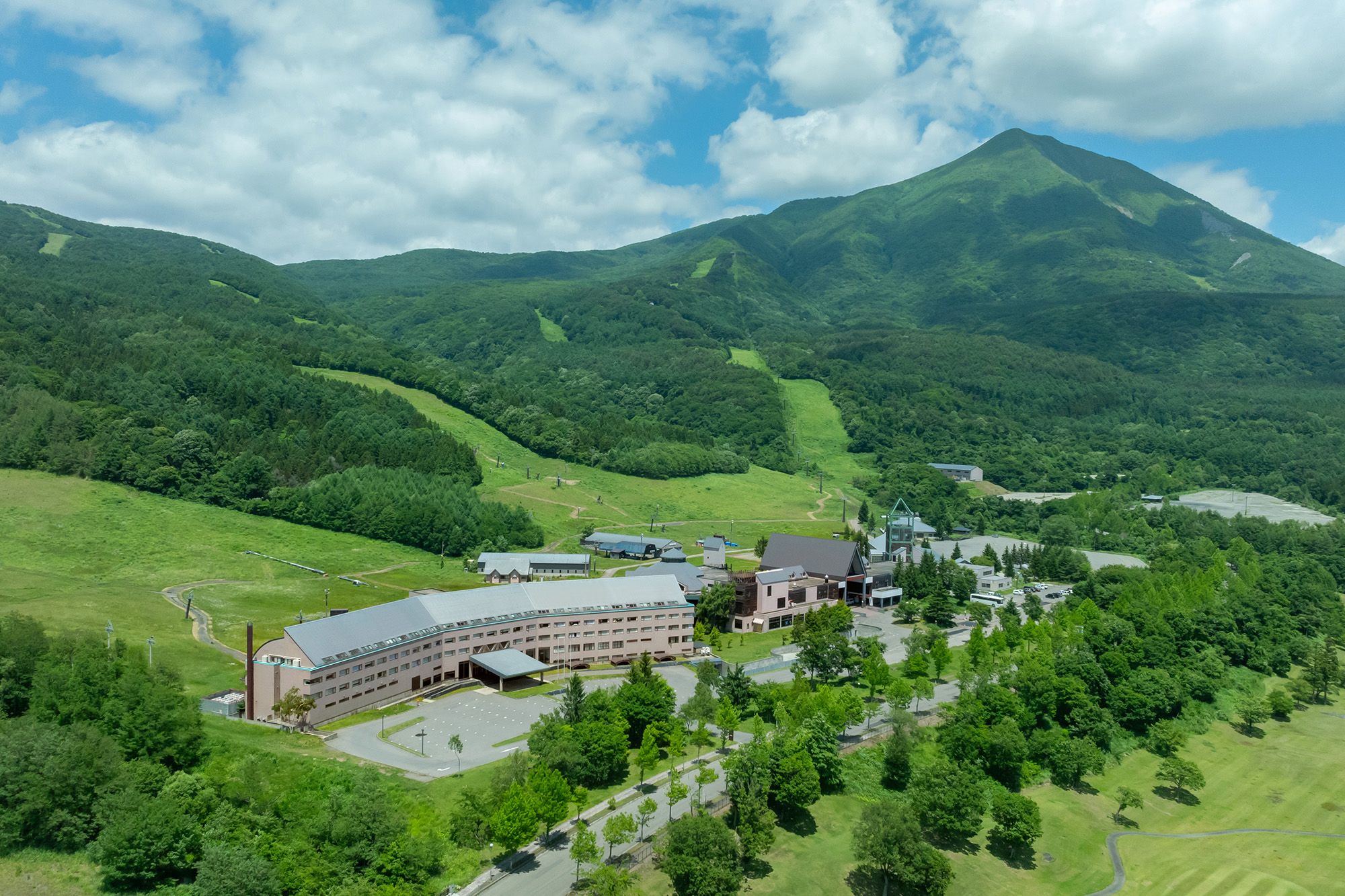
The hotel overlooks Lake Inawashiro below at the foot of Mount Bandai in Aizu. You can enjoy the rich nature and the culture of Aizu to the fullest.


Access by bus Approx. 15 minutes by cab from JR Bandai-cho Station
- Example of Accommodation Rates
- 1 person per night From 12,000 yen