





A stay for 3 hours is by how many times for half day, too! How to go around "UPOPOI" which senses Ainu culture
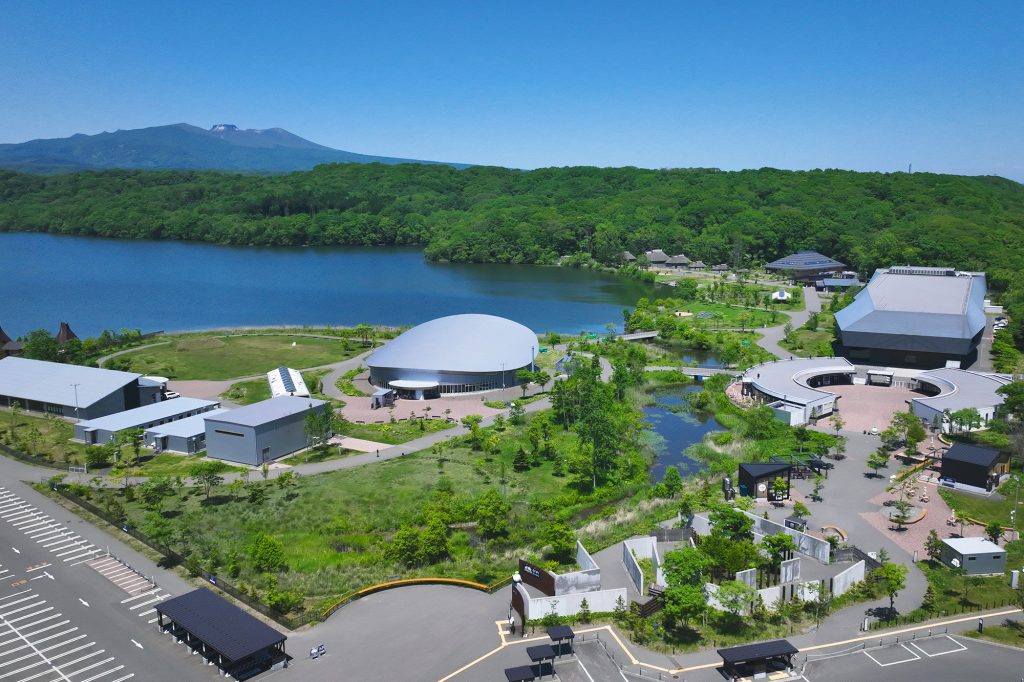
"UPOPOI" established in July, 2020 in Hokkaido and Poroto lakeside (folk symbiosis symbolic space). A vast site is dotted with a museum and a Experience exchange hall of a Experience spot and traditional performing art in national Property which made the Ainu culture a theme. From where shall we visit? You advised Staff/staff member in UPOPOI "the course it was half day from 3 hours and I go around".
The animals and plants which are about 80 kinds in "corridor of invitation"
"UPOPOI" which neighbors Hoshino Resorts KAI Poroto (folk symbiosis symbolic space) is the field museum where you can touch Ainu culture. I walk from the JR Muroran Main Line Shiraoi (There is Shirao.) station, and, about 10 minutes. A museum area and a park area are spread in the place where Poroto lake southern coast is abundant naturally, a site is for approximately 2 Tokyo domes. UPOPOI is the meaning of "To sing (in large numbers)." in an Ainu.

Then "corridor of" invitation which follows an entrance welcomes a visitor with the shadowgraph design of the animals and plants you can meet in Hokkaido, a traditional musical instrument of the Ainu race and music of heaviness. Including a fox, a Japanese deer, a red-crested white crane and a brown bear, its number is about 80 kinds. The approach which makes the Ainu race which has lived feel as well as nature.
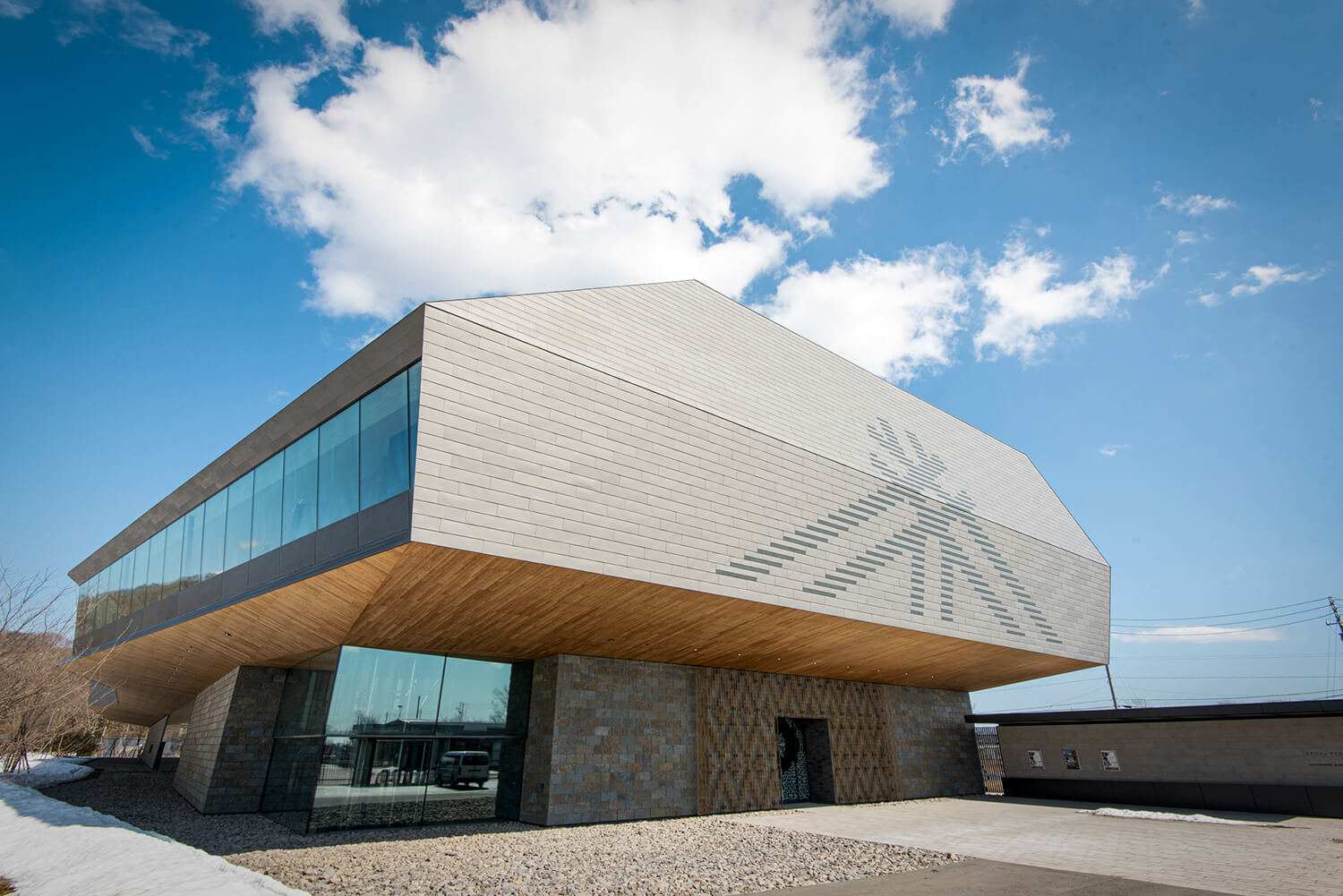
If a ticket is bought at an entrance, it's to a gate. State Ainu Museum of Ethnology is built at the front, and the logo which made the "tripod (KETUNNI) structure" which can be seen in a house of the traditional Ainu race (CHISE) a motif is given to a wall. In storage material takes pride in its about 10,000 points, and the change of display is performed periodically.
A left hand has a Experience exchange hall (UEKARICHISE = home where people gather) and a Experience learning house (yaihanokkarachise = home learned by oneself), and the museum inside is dotted with an atelier (I'm going to do ikaraushi = manufacturing.) and a traditional kotan (village in TEETAKANEANKOTAN = past) along a lake. There is Ainu transcription in pamphlet and information, and interest rises so that I know.
Now, from where will you visit?
With a basic course of a stay for about 3 hours?
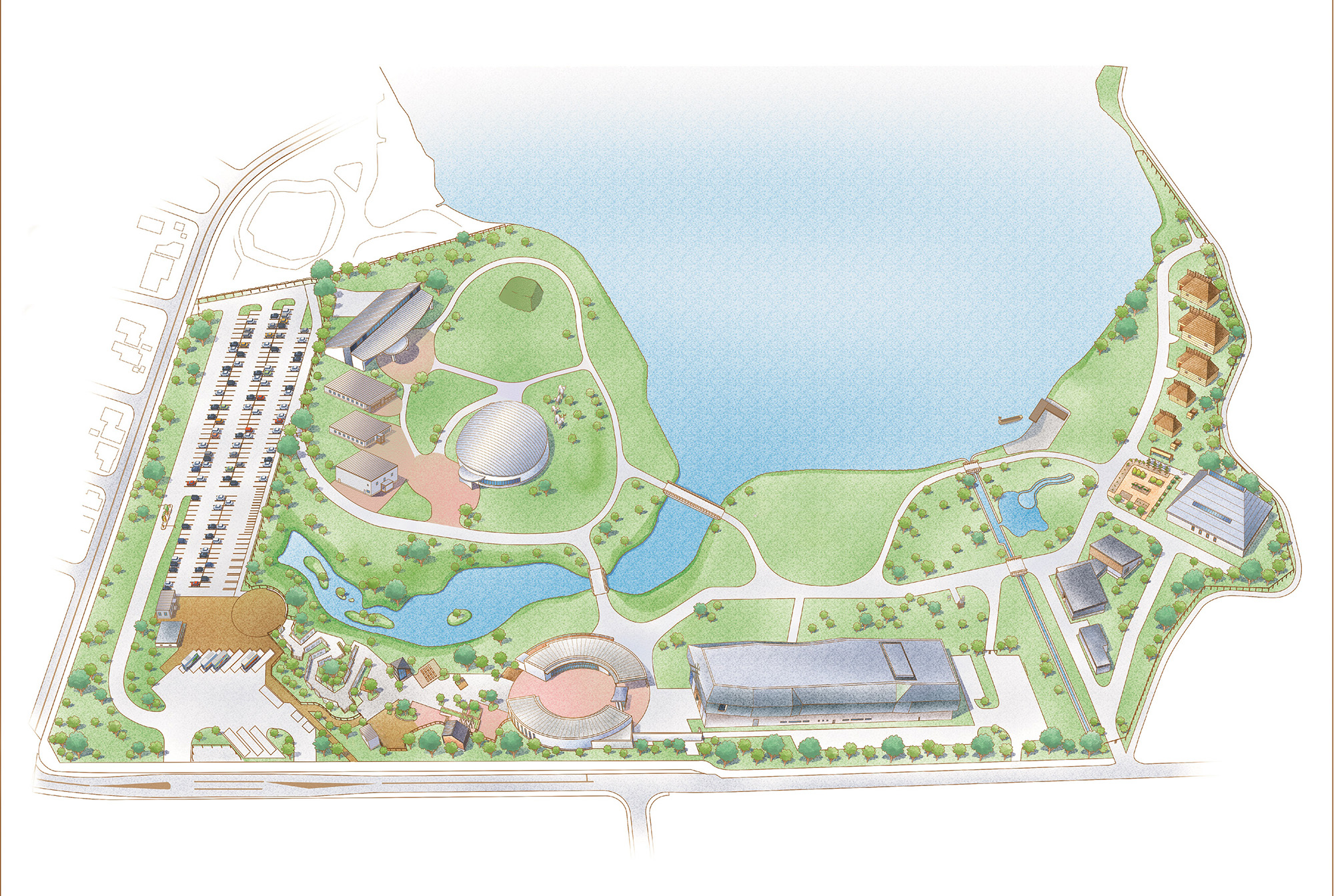
It was half day from 3 hours and you told the basic course I go around to Mr. Ryota Haneyama of a public relations section of UPOPOI (as of 2022). Its details are a museum for 1 hour, Experience exchange hole traditional performing art enjoyment for 30 minutes, a traditional kotan for 1 hour, eating and drinking and gift election for 30 minutes. It may be a trot a little in 3 hours.
"UPOPOI "feels Ainu culture by the five senses", but it's a theme. In the way the person who also recommends how to do go around for example takes an interest in a food (in Ainu) would like to learn Dining Area and where the person Experience likes would like to learn Experience zanmai, history and culture, to museum" and, Mr. Hayama. I also advise "UPOPOI is also a park, so, there are a lot of people who have time freely at a square, too."
Then, I'll go around!
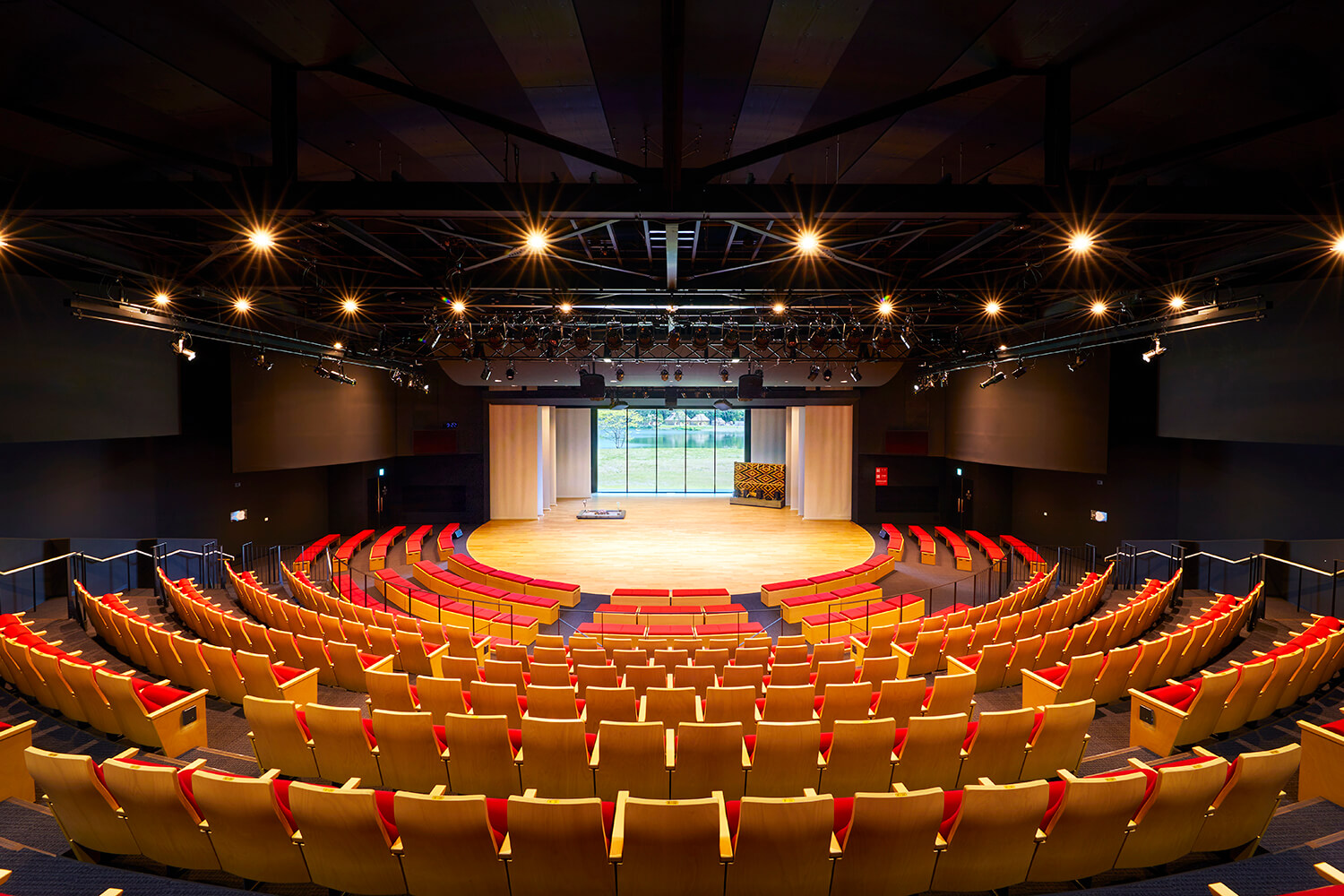
First, to a Experience exchange hole. It's a point to check the show of the traditional performing art and reserve a ticket for request time (It's included in no charge and the entrance fee.) first. When the hour is decided, a museum tour and a meal are smooth at the time. A tour is started from "traditional performing art performance" in a Experience exchange hole (about 20 minutes) this time.

Everyone is a staff of UPOPOI and the performer is said to be Ainu cultural memory keeper. The world of the Ainu race is being expressed by the production to which the latest picture technology and a beautiful picture in Hokkaido were introduced. I received such message from the dance person in charge for a reader.
"The traditional performing art of the Ainu race was collected in a courtesy and a festival, it's said that people have been performed to enjoy oneself with a god (so-called god). It's changed into the one which was handed down from generation to generation later in improvised way by that case's feeling such as tune and a movement. Diversity of Ainu culture is felt."
Ainu, god and 6 of theme display
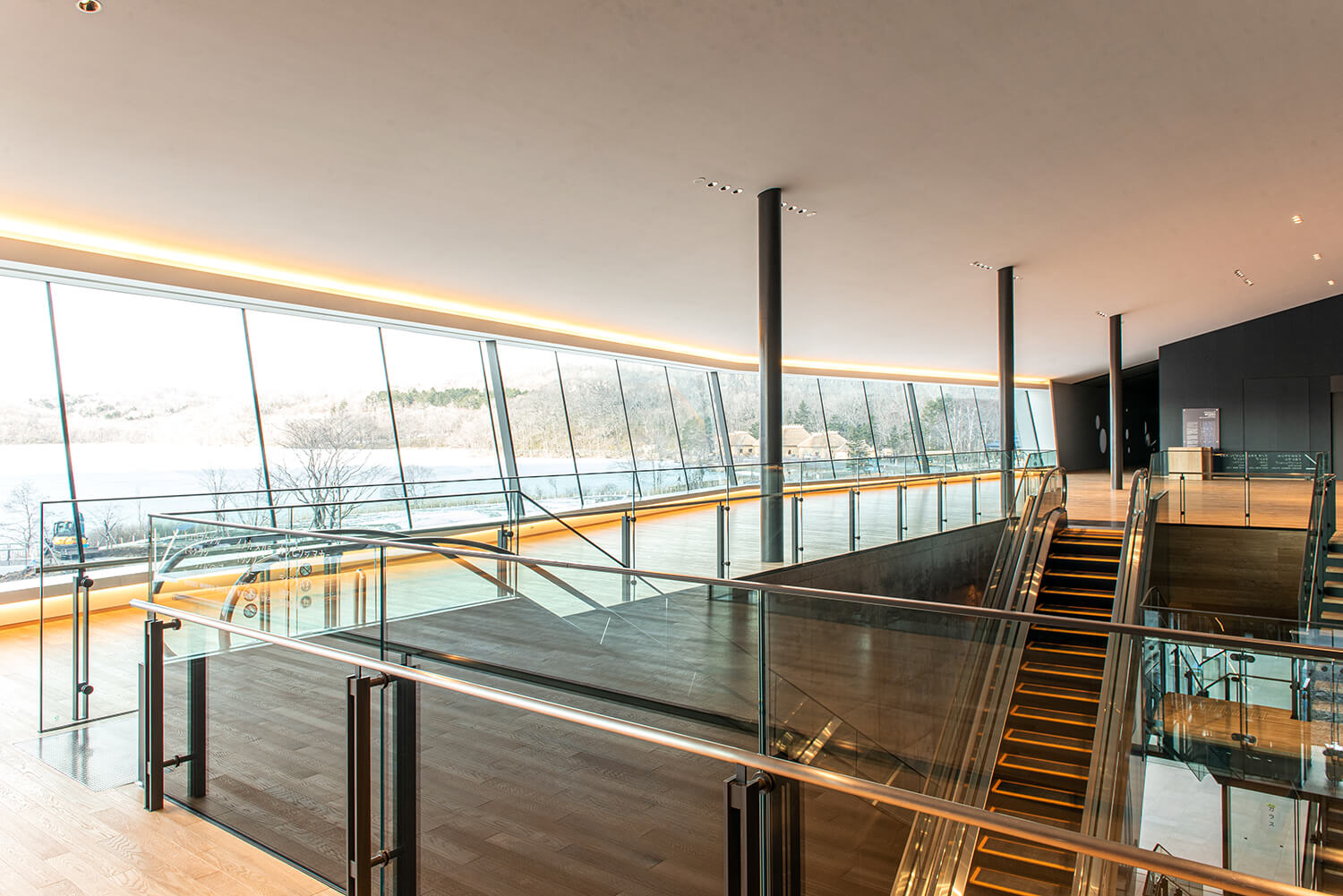
The next is state Ainu Museum of Ethnology. A building is the novel concrete structure modeled on the raised floor, and the 1st floor of theater, library and museum shop are here. The 2nd floor is the panoramic lobby where I get a bird's-eye view of Poroto lake and an exhibition hall.

Exhibition room is introduced by 6 themes big. "itaku (our word)" "INOMI (our world)" "ureshipa (our living)" "upashikuma (our history)" "nepuki (with our SHIGO)" "ukoapukashi (our exchange)". Because I had an interest, "please visit that with which This Way cries freely", from will.
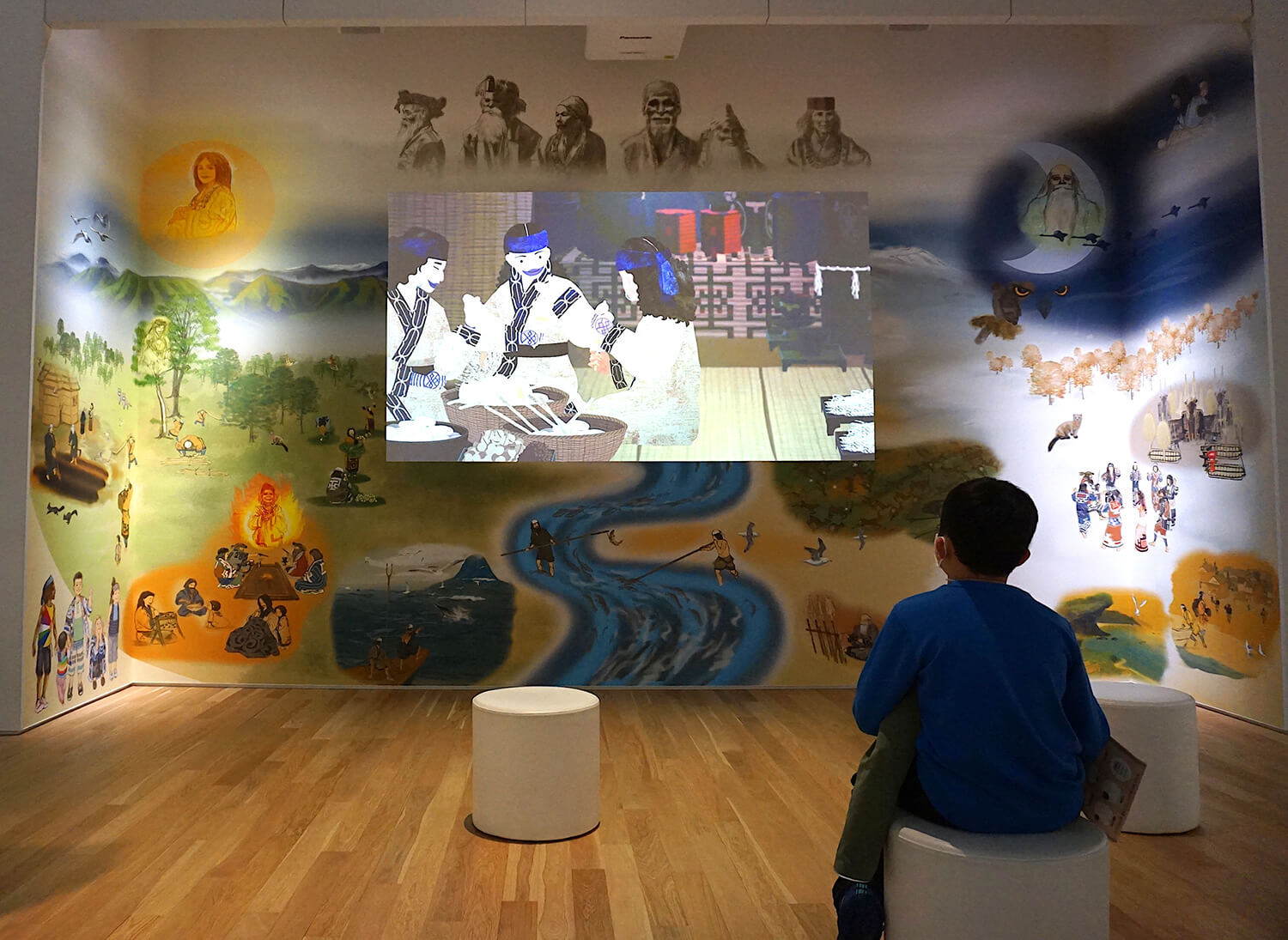
"INOMI (our world)" then, two-way street of "Ainu (man) and god (so-called god)" is explained clearly by a cartoon film. A way of thinking, nature-views and a view of life and death of the god who takes the leading part in a worldview of the Ainu race are introduced through display of the tool used for a courtesy again (IKUPASUI and Ina cormorant and others).
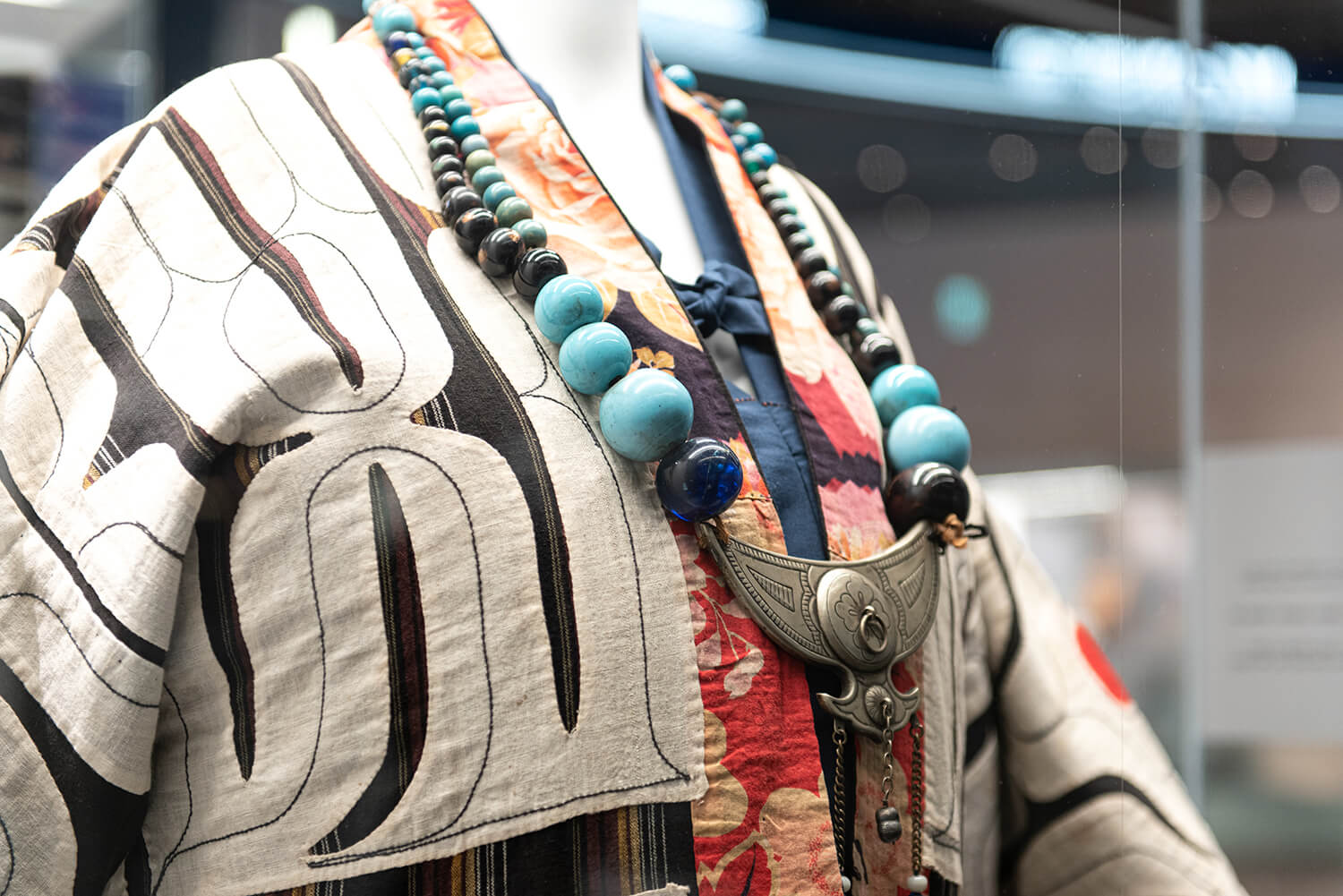
"ureshipa (our living)" then, food, clothing and shelter are introduced in the center. Some things tell the difference in how to make including design and the color by an area in cotton clothes of the Ainu race with the striking peculiar pattern. There are also a ball ornament bet on a neck and display of SHITOKI with a Tama rhinoceros and a plaque, and the lady who dresses up by a ceremony puts this on.
Mr. Haneyama, "An Ainu has many dialect gap. Only that's distinctive and different in a lifestyle in an area, and it leads to feel diversity.", I speak.
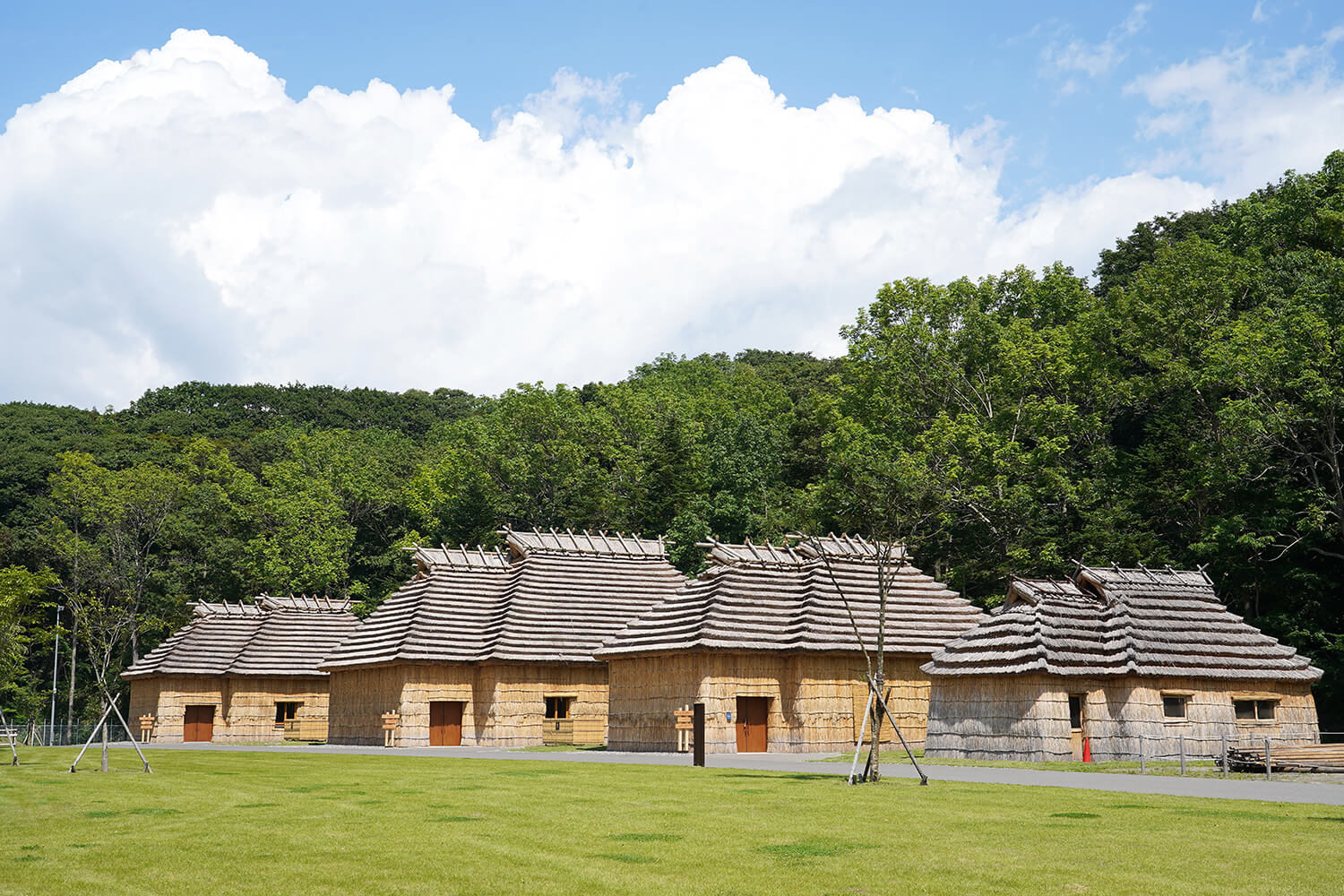
A house of the Ainu race transmitted to Shiraoi rural areas is reproduced.
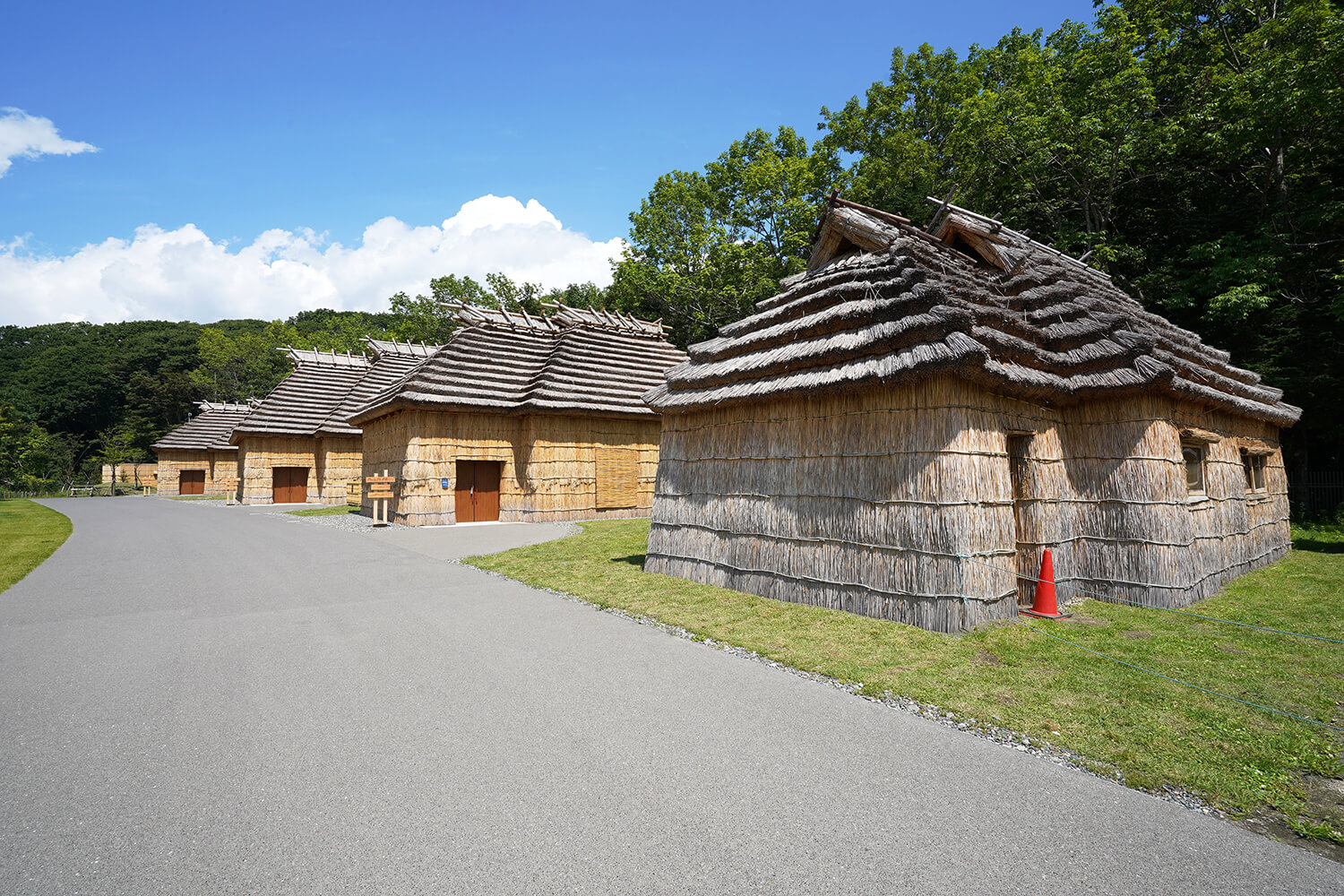
This time is to "traditional kotan". The thing by which a kotan is a village. Of the Ainu race a house of the Ainu race transmitted to Shiraoi rural areas (CHISE) is reproduced, and which is transmitted in the living, if singing, I dance and show a story between the Irori (open fireplace). The demonstration tour, the wood carving and embroidery Experience which are a handicraft of people by "atelier" when there is time, are right or wrong.
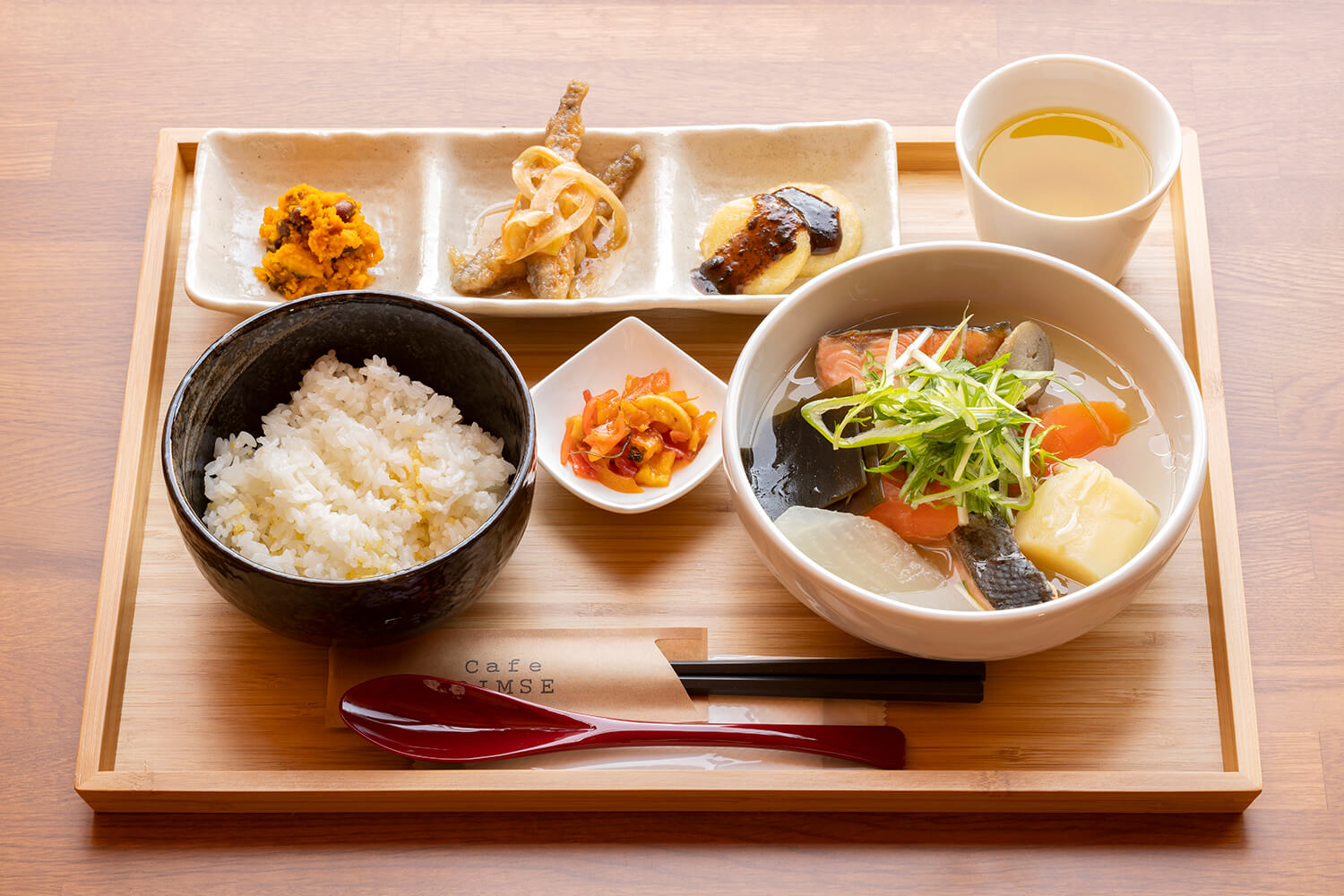
There is "kaferimuse" etc. which can taste Ainu dish casually for recommendation at the restaurant. Please enjoy a devised traditional dish to feel cold and get over severe winter in Hokkaido.
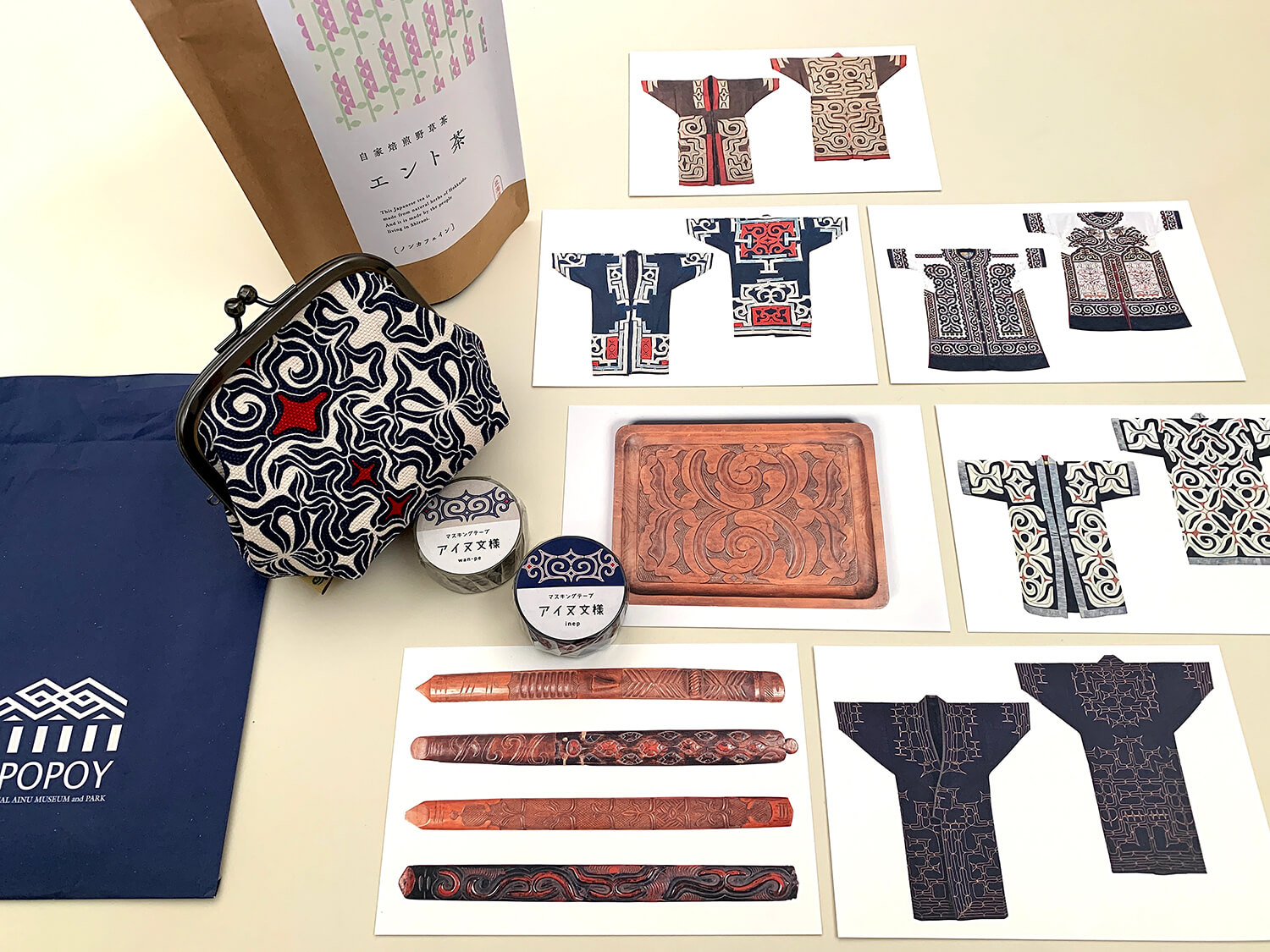
By the way, photograph is the UPOPOI gift I bought at a museum shop.
Travel of "Hoshino Resorts KAI Poroto" deepens in UPOPOI.
How was how to go around UPOPOI?
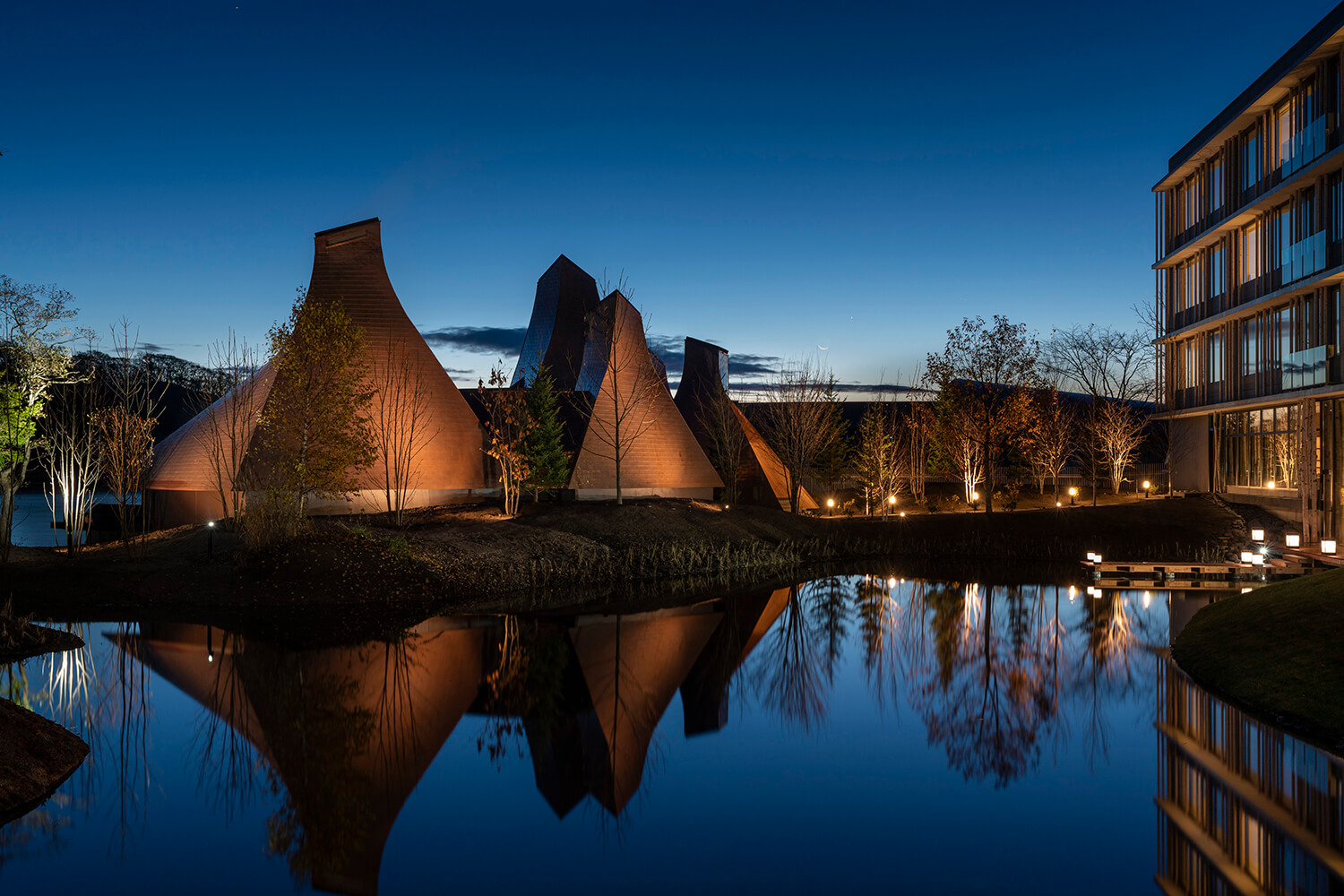
When UPOPOI is sensed, a stay of Hoshino Resorts KAI Poroto deepens. For example such as idea steals a sharp hot water lodge of a symbol from the square furnace where "the tripod (KETUNNI) structure" and Guest room were in the center of traditional CHISE, wonderful commitment notices, and is much.

I asked Staff/staff member in Hoshino Resorts KAI Poroto and Mr. Shinji Tono which also ply tens of times already with the annual passport of UPOPOI about charm. It's said to be "the importance which "is felt by the five senses" is learned so that I know Ainu culture. Not reason, but felt thing. I notice at the same time, that the way of thinking to live by severe nature has a rational reason. It was also learned from a successor of Ainu culture with "by learning from understanding, important thing". In UPOPOI, right or wrong sense".
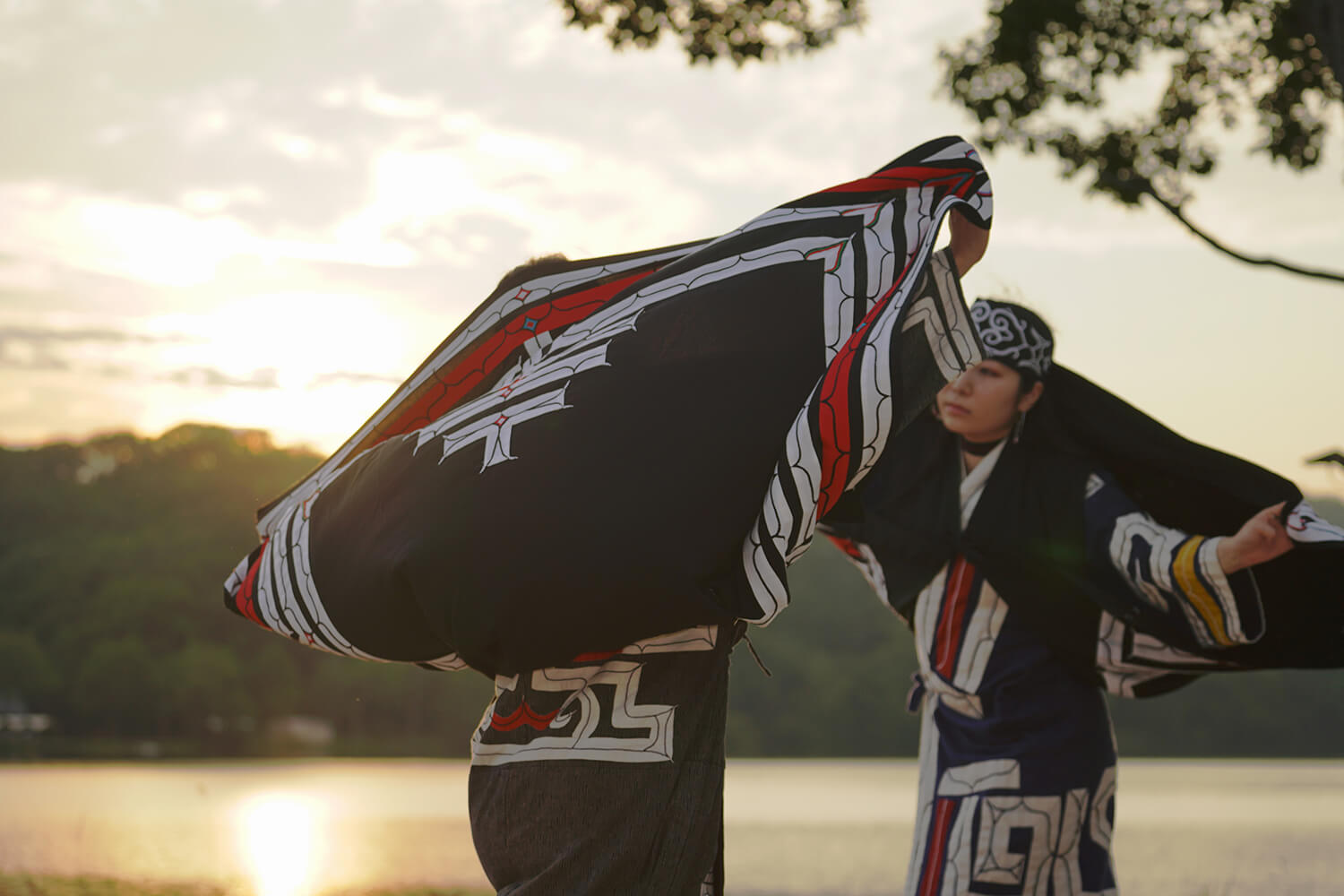
Everybody is to "UPOPOI" according to the all means and the Hoshino Resorts KAI Poroto stay, too. I don't say a stay for 3 hours and half day, and it's by how many times, too! It's said that superb view time of the UPOPOI Staff/staff member recommendation is around the sunset.
I'll introduce the word moved in particular at the end. "Folk symbiosis symbolic space" is an Ainu, and but it's said that the meaning by which this is "the village which respects mutual" has "uainukorokotan". The diversity "and" the thing which respects mutual learned in UPOPOI. I thought interest to a partner and expectation of respect are born by knowing right.
- UPOPOI (folk symbiosis symbolic space)
-
 2-3, Wakakusacho, Shiraoi-cho, Shiraoi-gun, Hokkaido MAP
 JR Shiraoi Station (north exit) vanity for about 10 minutes on foot
 9:00-17:00 (There is a fluctuation by a season.)
 Additionally there is a special opening Sunday . closed day Monday (in case of a holiday, weekday holiday after the next day) and New Year's.
 No charge below the adult of 1200 yen, the high school student of 600 yen and the junior high school student (for the annual passport, adult of 2000 yen).
 0144-82-3914
 Payment required (500 yen for once) (246)

The master of MICHIKU SA who took charge of this article
-
Travel journalist
The person who is so, well, it works.
While traveling the whole country in 30 with the theme of "town, person, hot spring and inn", information sending. It's introduced with a travel sage in television Tokyo "Solomon way". hot spring sommelier ambassador, public bath official approval first kyuu, sauna spa supervisor and Japanese tea instructor qualification a lot of other ones. There is "hot spring district renovation" "how do you do, Tanigawa-dake" "how to enjoy oneself Japan travel-Hot spring ryokan "KAI" of hand work,-" in a book.
 Of MICHIKU SA.
Master
Hoshino Resorts KAI Poroto
Hokkaido and Shiraoi hot spring
The hot spring inn where I pause in Poroto lakeside. It can also be satisfied with an unusual mall spring worldwide.

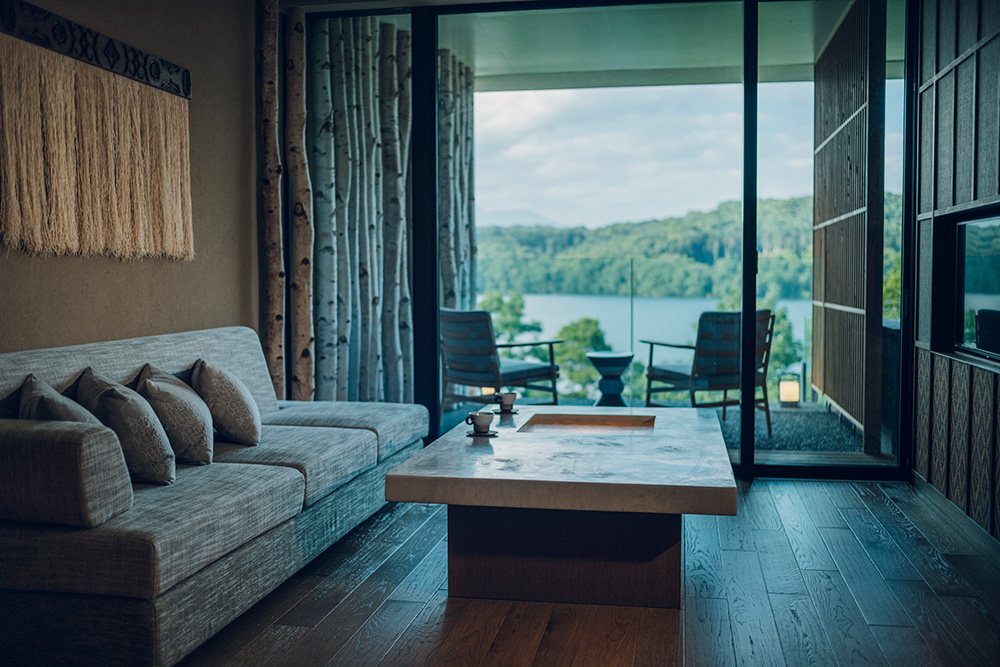
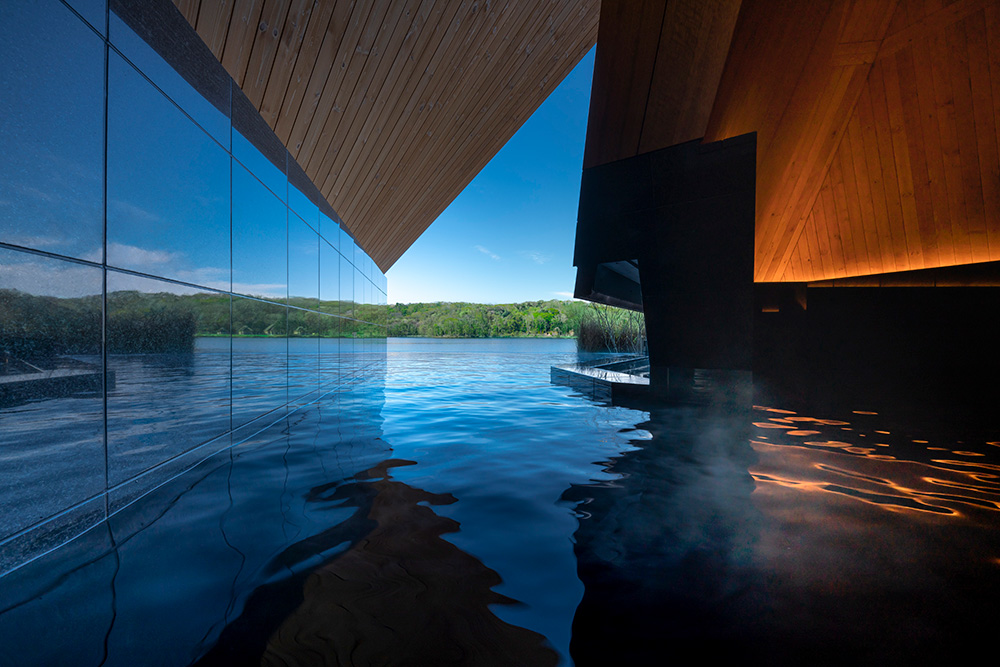
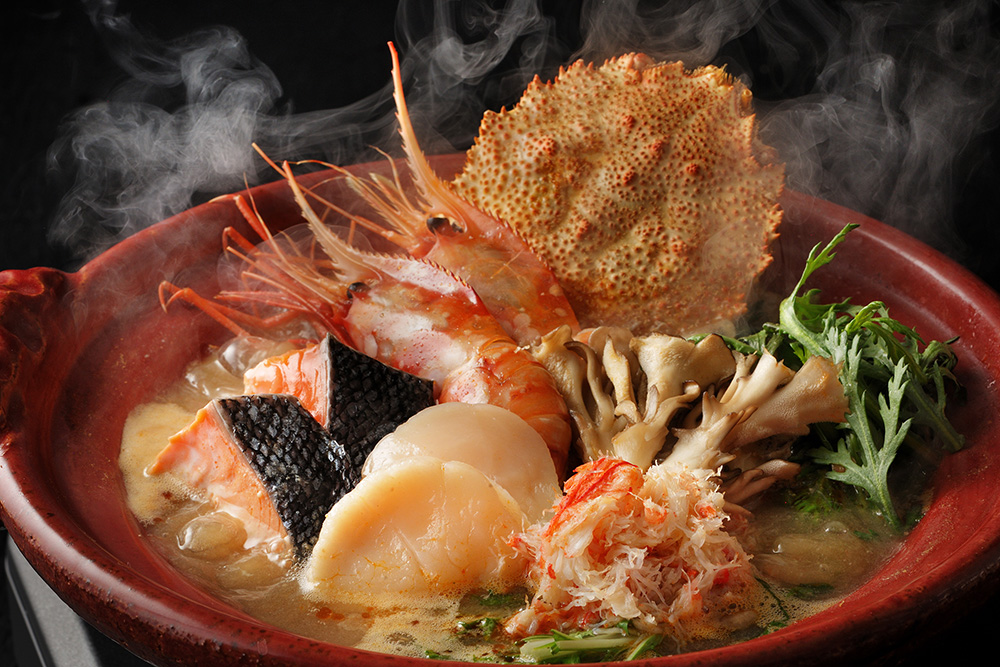
From Direction JR Shiraoi Station, about 10 minutes on foot
- A room charge example
- 1 night, 1 person \16,000-