





[Hokkaido travel] the temperature of the four seasons in Sapporo, Asahikawa and Furano and recommended clothes are guided perfectly.

![[Hokkaido travel] the temperature of the four seasons in Sapporo, Asahikawa and Furano and recommended clothes are guided perfectly.](https://hoshinoresorts.com/guide/wp-content/uploads/2018/12/ht00.jpg)
When for the temperature and the climate to change with Elijah, vast Hokkaido is travel, attention is necessary. Charm of the recommended clothes, the grand cityscape of four seasons and the abundant food added to the climate of the four seasons is explained for the person planning travel to Hokkaido.
< the temperature of the four seasons and clothes in Hokkaido>
< the temperature of the four seasons and clothes in Hokkaido>
With the feature of the climate of Hokkaido changed by an area?
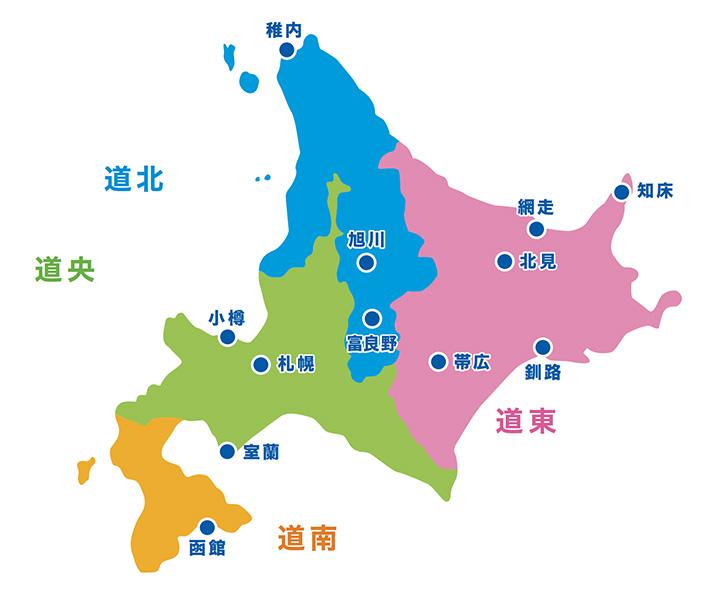
Donan area with Hakodate, a North Hokkaido area with the Douou area where Sapporo was made the center and the tourist spot where Asahikawa, Furano and Biei are abundant naturally, Kitami Abashiri and Kushiro Nemuro are roughly divided by Michihigashi area with a large-scale farm in Hokkaido.
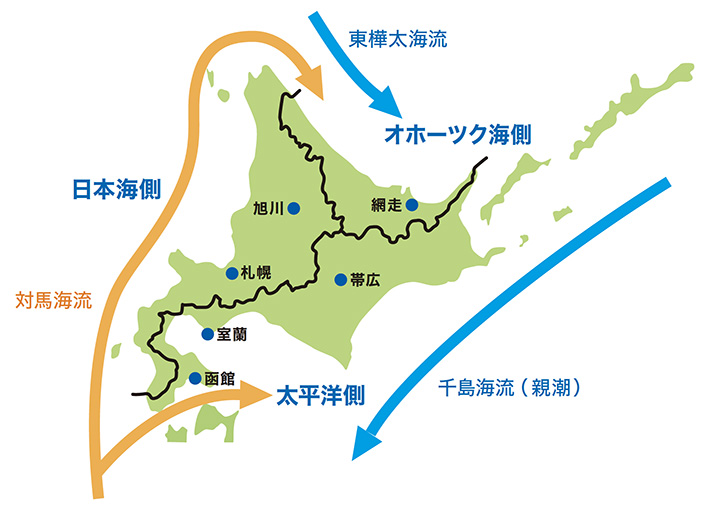
The climate also splits up into 3 with the Sea of Japan side, the Sea of Okhotsk side and the Pacific Ocean side, and it's different from each in the climate. It'll be located in Douou here and it's located in Sapporo with the climate feature and North Hokkaido in the Sea of Japan side, and I introduce the climate about Asahikawa with the climate feature and Furano in an inland.

There are a lot of days of a clear sky relatively in spring and autumn for the climate of the Sea of Japan side a type, and the summer is refreshing, and a day of the blur and snowfall becomes a lot in winter. The amount of snow cover also becomes so cold weather much that winter will be an inland, so I'll prepare the clothes put together in the season.
About the temperature of the spring (3-May) and clothes in Hokkaido (Sapporo, Asahikawa and Furano).
Even if I enter Hokkaido in March, a season, still, winter. 0.9 ℃, by Asahikawa- by 1.7 ℃ and Furano- 2.1 ℃ and the severe coldness follow the average temperature in Sapporo. The average temperature of April, Sapporo, 7.0 ℃ and Asahikawa, 5.0 ℃ and Furano are 5.0 ℃. Still it's same as the temperature of the end of February of Tokyo, so March and April will go out by clothes of the winter specification.
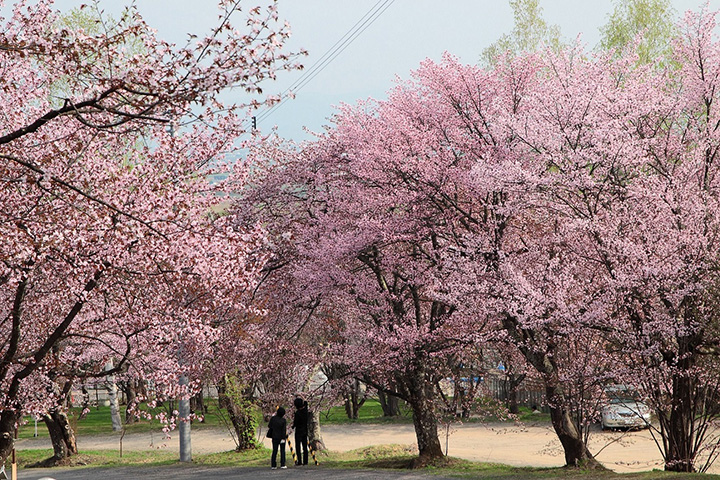
It's at the end of April that a cherry-blossom front crosses a Tsugaru strait. It's G.W to bloom from Donan and meet best time by Sapporo, Asahikawa and Furano. The circumference. The cherry tree peculiar to Hokkaido such as EZOYAMAZAKURA and CHISHIMAZAKURA can also be enjoyed by famous place for beautiful cherry blossom. The highest temperature will rise even about 20 ℃ from the first ten days of a month in Sapporo in May, and the lowest temperature will also be rarely lower than 10 ℃ and be. But after Asahikawa and Furano are still chilly, and that the highest temperature becomes similar to Sapporo passes the middle ten days. Even if I say May, there is also a lot of lowest temperature on less than 5 ℃ of day until the middle ten days, so I'll prepare the thin court a stall and taking arrive are easy to do where.
About the temperature of the summer (6-August) and clothes in Hokkaido (Sapporo, Asahikawa and Furano).
There are no rainy seasons in Hokkaido and there is an image in refreshing summer, but it's different depending on arrangement of the air pressure actually. When Okhotsk high pressure shows much in hot summer, a year when a Pacific anticyclone projects hard to Hokkaido tends to be a cool summer.
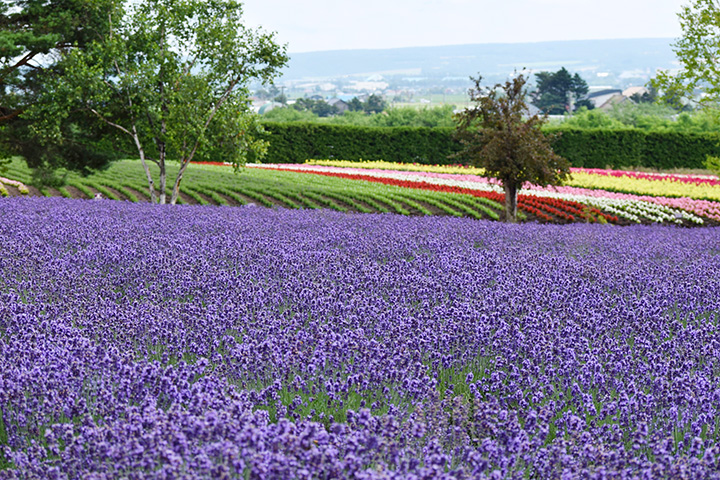
The average temperature of June is Sapporo, Asahikawa and Furano, about 15 ℃. You can have time comfortably by the degree which puts a parka and a jacket on in a shirt of a long sleeve. This season is the best season when flowers are enjoyed. When it'll be a tulip, a lilac and the last ten days from Moss phlox and the middle ten days to the last ten days until the middle of June, lavender blooms.
The average temperature of July, Sapporo, 22.0 ℃ and Asahikawa, 21.8 ℃ and Furano are 21.5 ℃. There are 3 areas about 28 times, and the best average temperature is the heat which is to the extent you can spend the daytime by a T-shirt. The average temperature of August, Sapporo, 23.3 ℃ and Asahikawa, 22.1 ℃ and Furano are 21.7 ℃. It shows signs of autumn quickly, and the morning and evening is chilly and it's felt. A parka and a jacket will make sure that it'll be carried around certainly.
About the temperature of the autumn (9-October) and clothes in Hokkaido (Sapporo, Asahikawa and Furano).
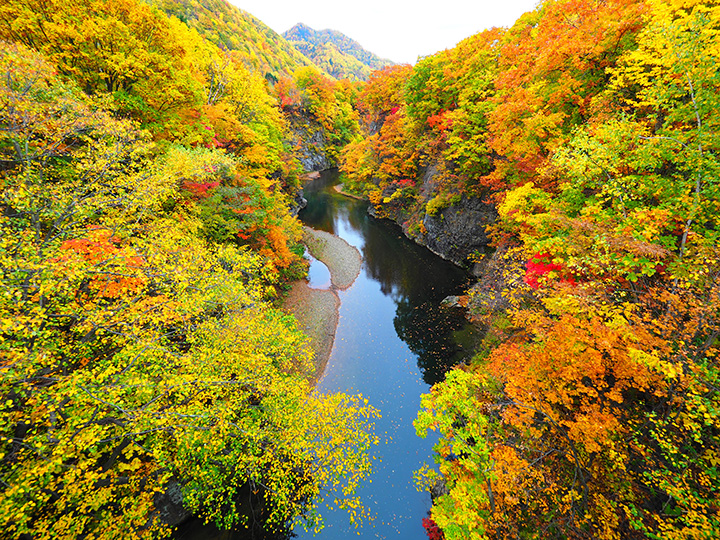
The average temperature of September is Sapporo, 19.5 ℃ and Asahikawa, about 17.3 ℃ and Furano are 16.9 ℃. Temperature gap is coming out in the area gradually. I'll recommend to prepare rainwear because there is also a lot of precipitation by an autumnal rain front and influence of a typhoon. After colored leaves also start and hang best time in the middle ten days from the beginning of October at the beginning of September. Large-scale colored leaves can be enjoyed at Soun-kyo and Jozankei. There will be still average temperature 10 ℃ in Sapporo in October, but Asahikawa and Furano go down to about 8 ℃, and a season is changing in winter from autumn gradually.
The average temperature of November when long winter starts is Asahikawa and Furano 4.3 ℃ in Sapporo, about 1.5 ℃. Severely, it also snows for the coldness. There are almost no cases that Yuki estimates in Sapporo, but there is 26 cm of about 30 cm of snow at Furano at Asahikawa. Such as putting on the underwear by which fever tells in the inner bottom where a heel is avoided and boots are put on, cold protection is needed.
About the temperature of the winter (12-February) and clothes in Hokkaido (Sapporo, Asahikawa and Furano).
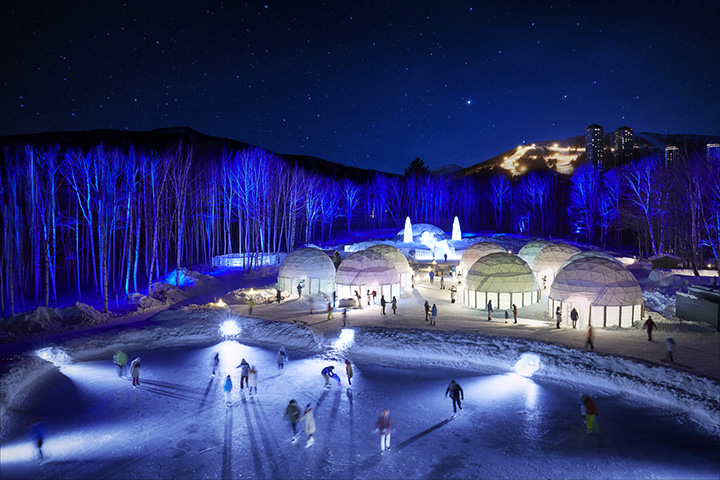
An event is filling the iced village of "Hoshino Resorts Tomamu" in the Furano suburb I start by "Sapporo snow festival" and the winter limitation of a grave event in winter in Hokkaido. A check of the temperature can't be missed to enjoy the event comfortably.
Hokkaido where the average temperature will be the freezing point in December. It'll be by Sapporo- by 0.6 ℃ and Asahikawa- by 3.8 ℃ and Furano- 4.6 ℃. The coldness will be 1-February more severely, and the average temperature at Asahikawa and Furano- from 6 ℃- of about 8 ℃ is recorded. When going out, it's insufficient at a thick court. A down court is recommended. A muffler is always wear so that it isn't airy from neck origin. Of an ear, it's against the cold, I'll prepare Year muffler and a knit cap. There is an indoor more than 20 ℃ compared with frigid outdoor, and its temperature difference will be more than 30 ℃. I'll provide for the clothes taking arrive tends to have in order to spend indoor pleasantly.

Local Guide which took charge of this article
Hoshino Resorts RISONARE Tomamu
Hokkaido and Yufutsu-gun
Superb view in a sea of cloud and the hotel where the food great outdoors interweave and rich Activity can be enjoyed

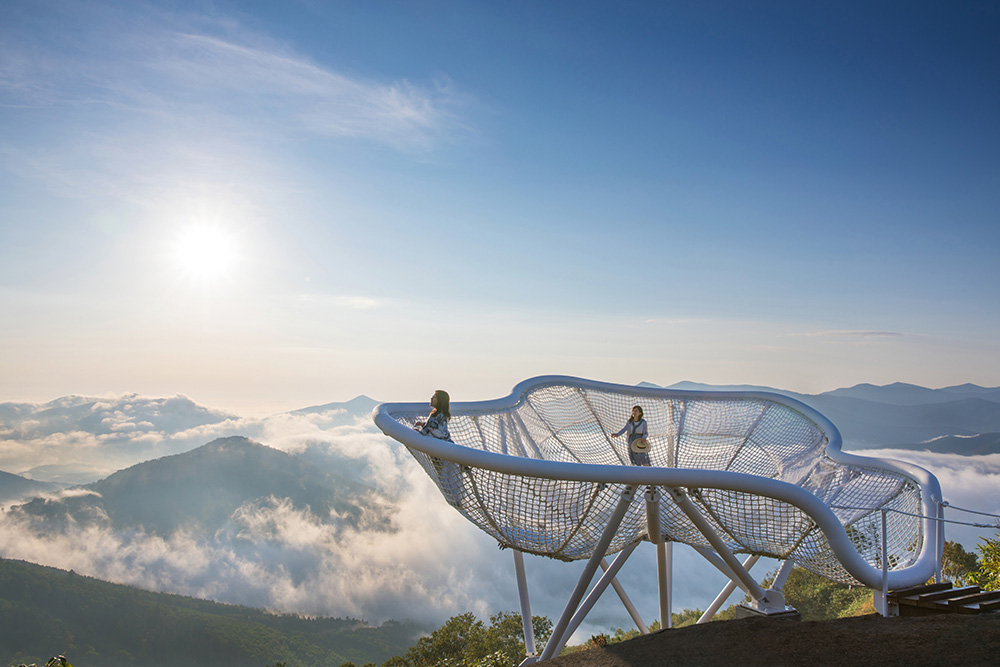
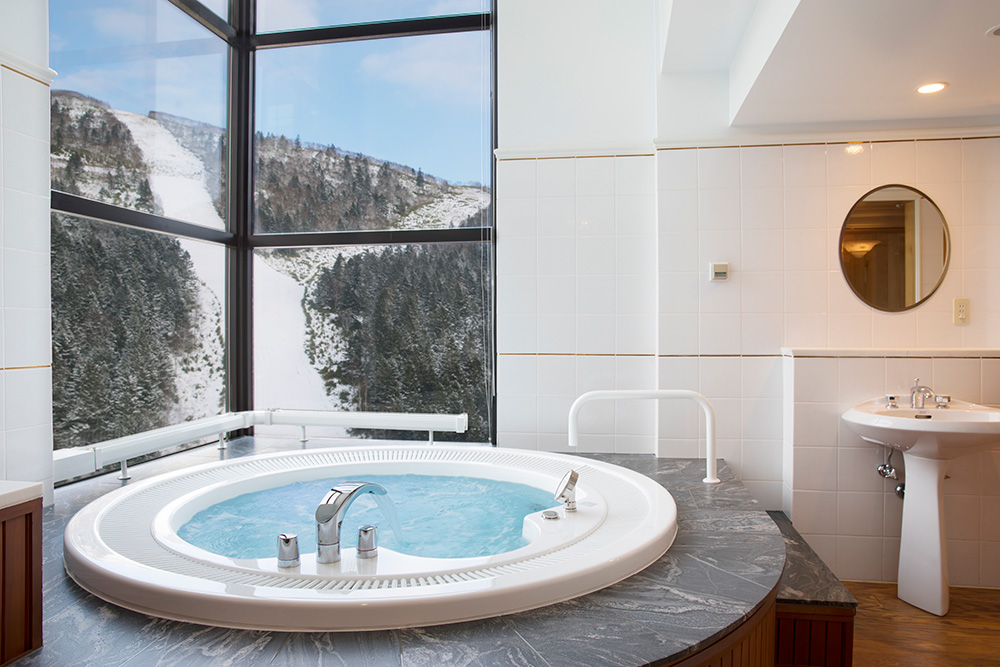
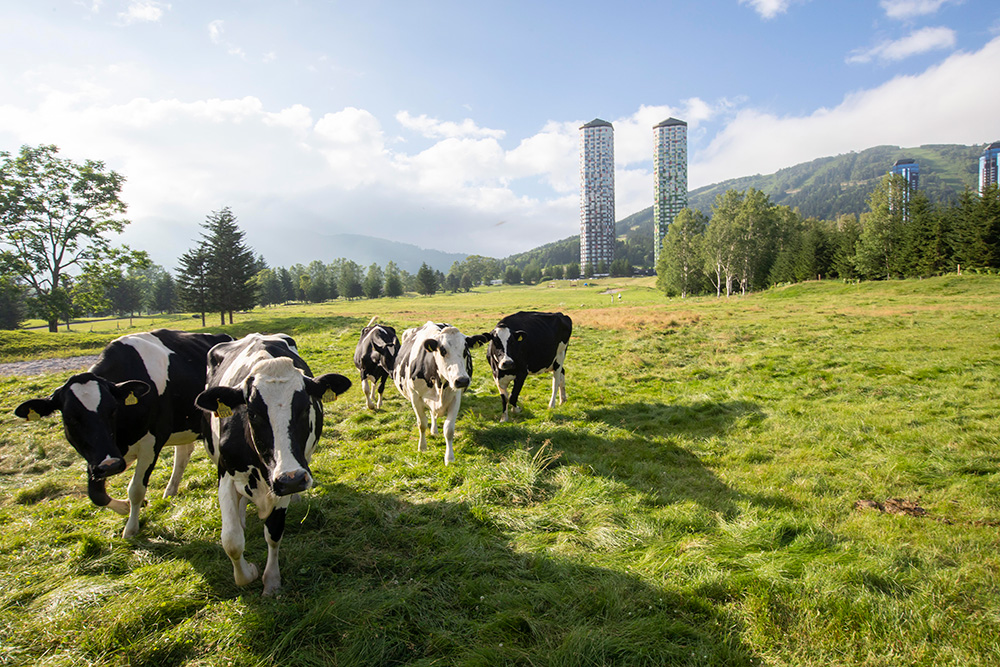
It's a shuttle bus from Direction JRTomamu station, 10 minutes
- A room charge example
- 1 night, 1 person \25,400-
Tomamu the Tower by Hoshino Resorts
Hokkaido and Yufutsu-gun
The most suitable location in Asahikawa, Furano and the base of tour travel going around Tokachi and Obihiro area.
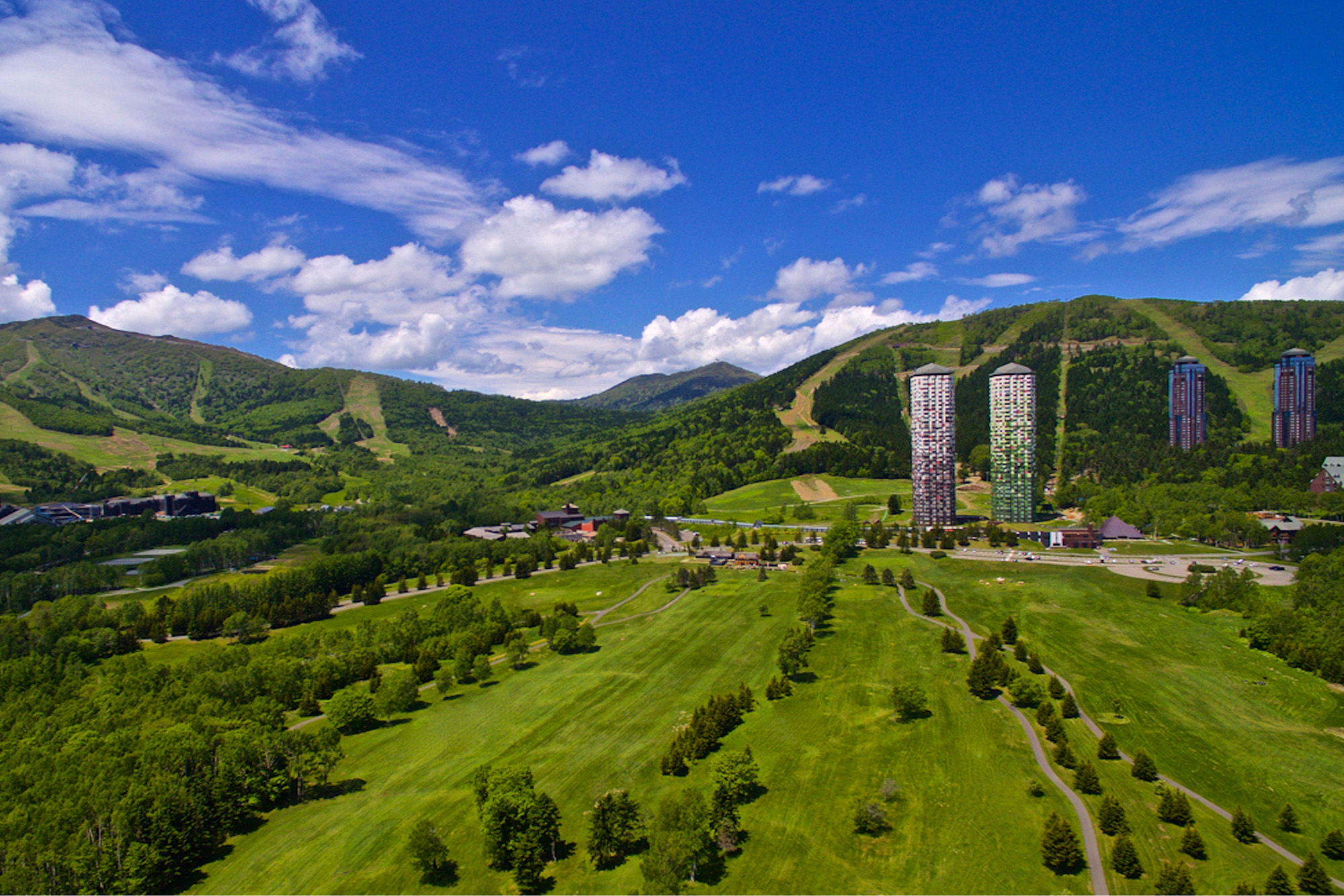


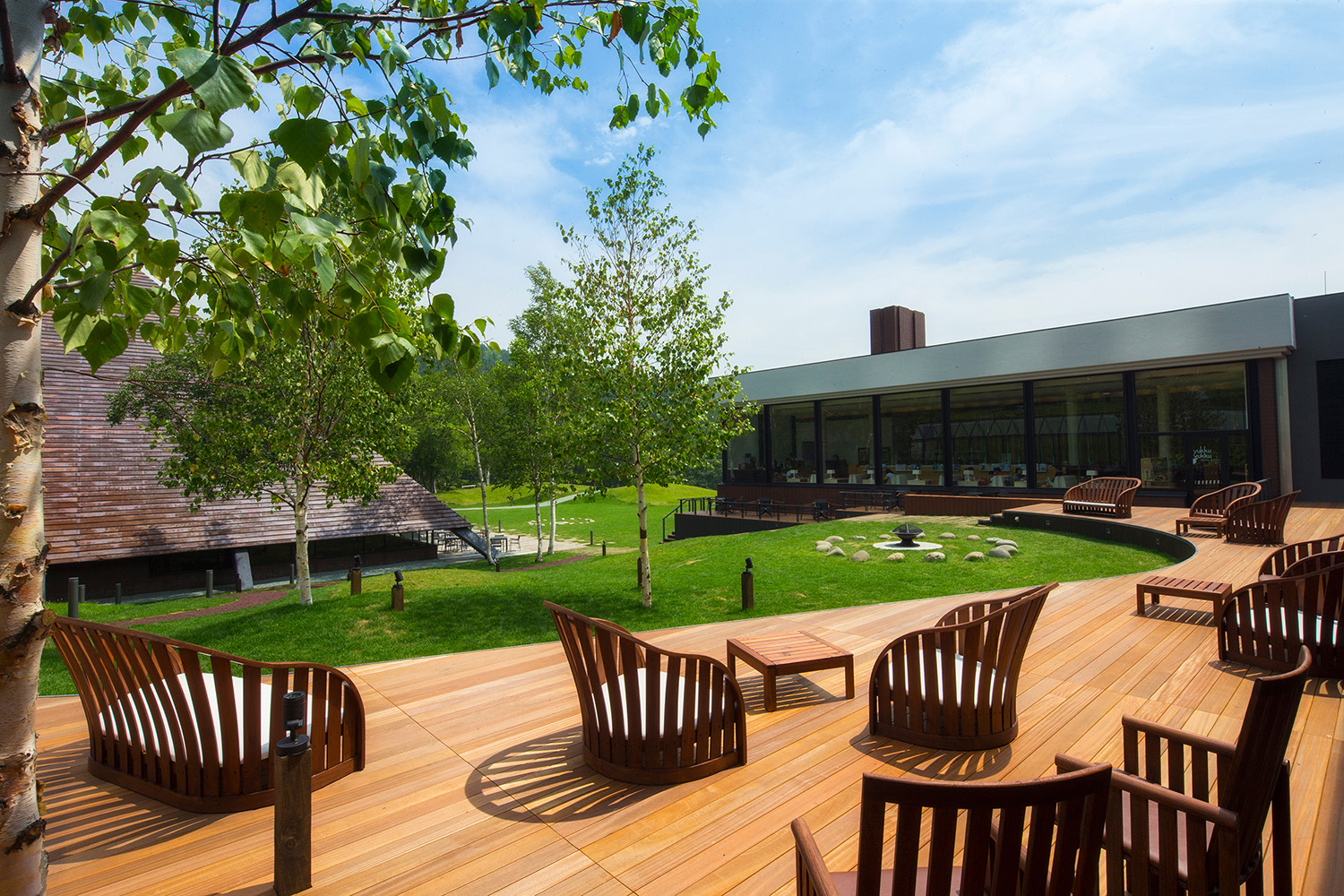
It's a shuttle bus from Direction JRTomamu station, about 5 minutes
- A room charge example
- 1 night, 1 person \12,200-
OMO7 Asahikawa by Hoshino Resorts
Hokkaido and Asahikawa-shi
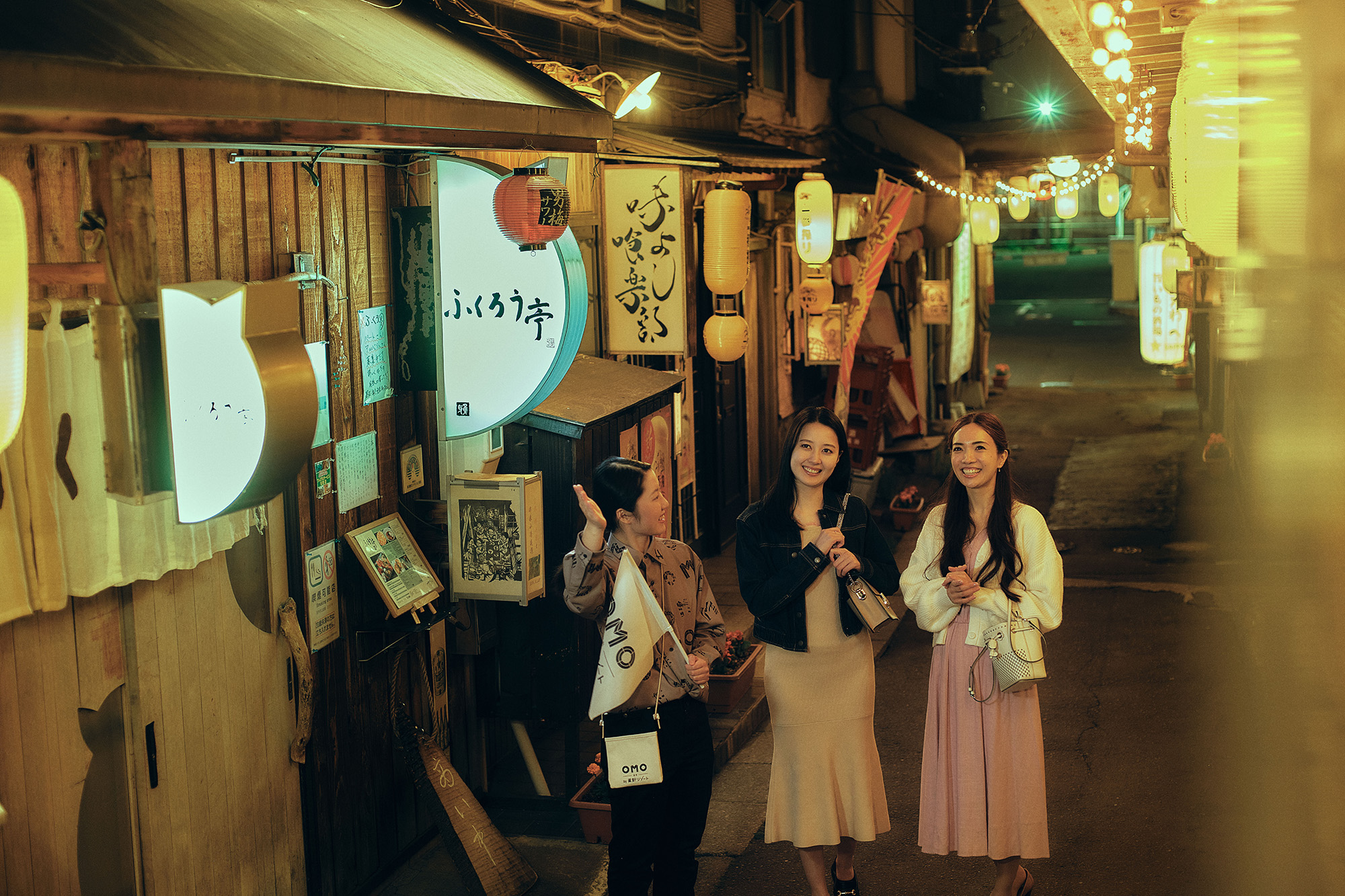
In Furano and Biei, good Direction, location. Charm filling such as Asahiyama-zoo and a this place gourmet.
.jpg)
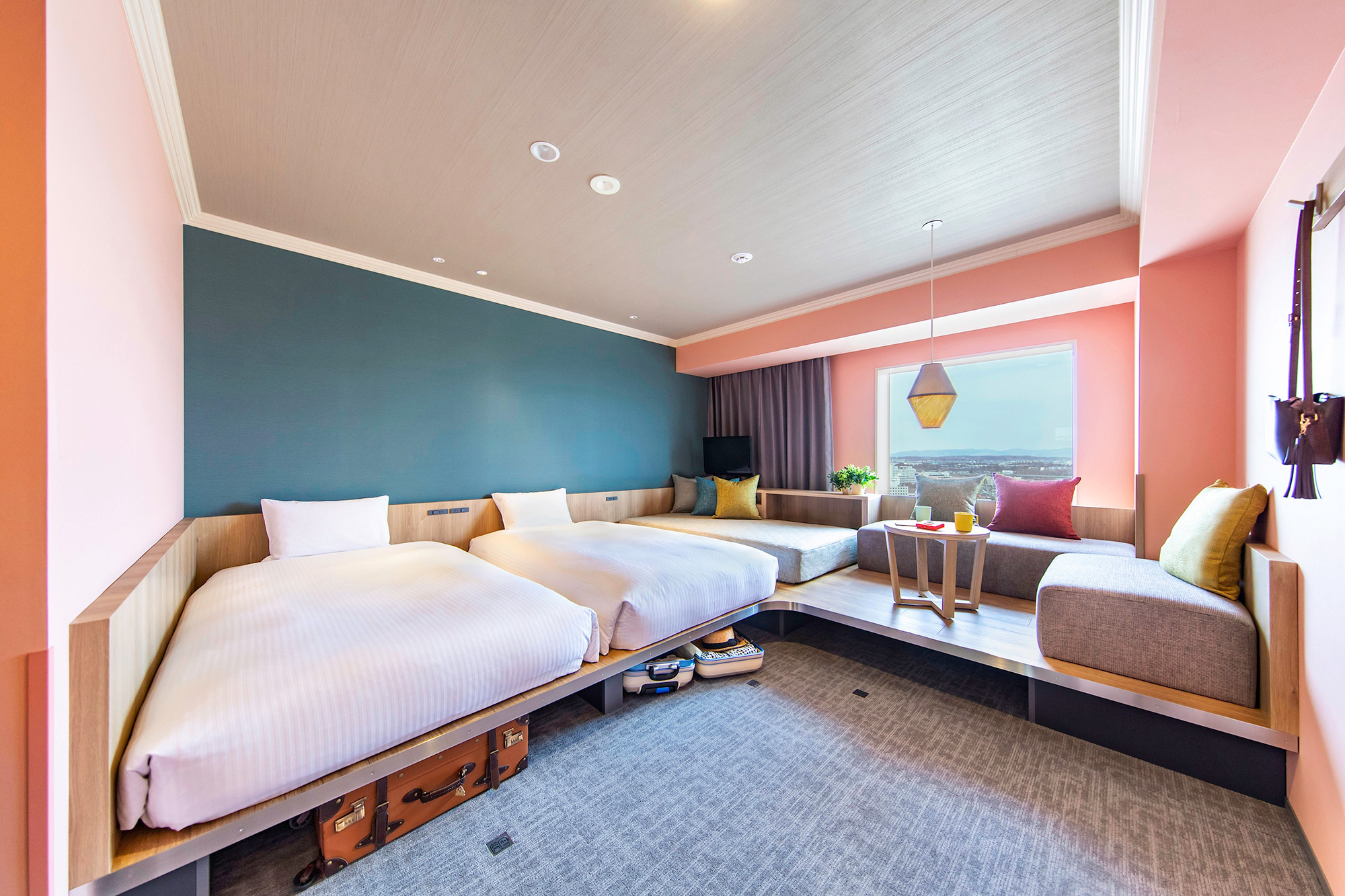
.jpg)
From Direction JR Asahikawa Station, about 15 minutes on foot
- A room charge example
- 1 night, 1 person \5,200-
OMO5 Otaru by Hoshino Resorts
Hokkaido and Otaru-shi
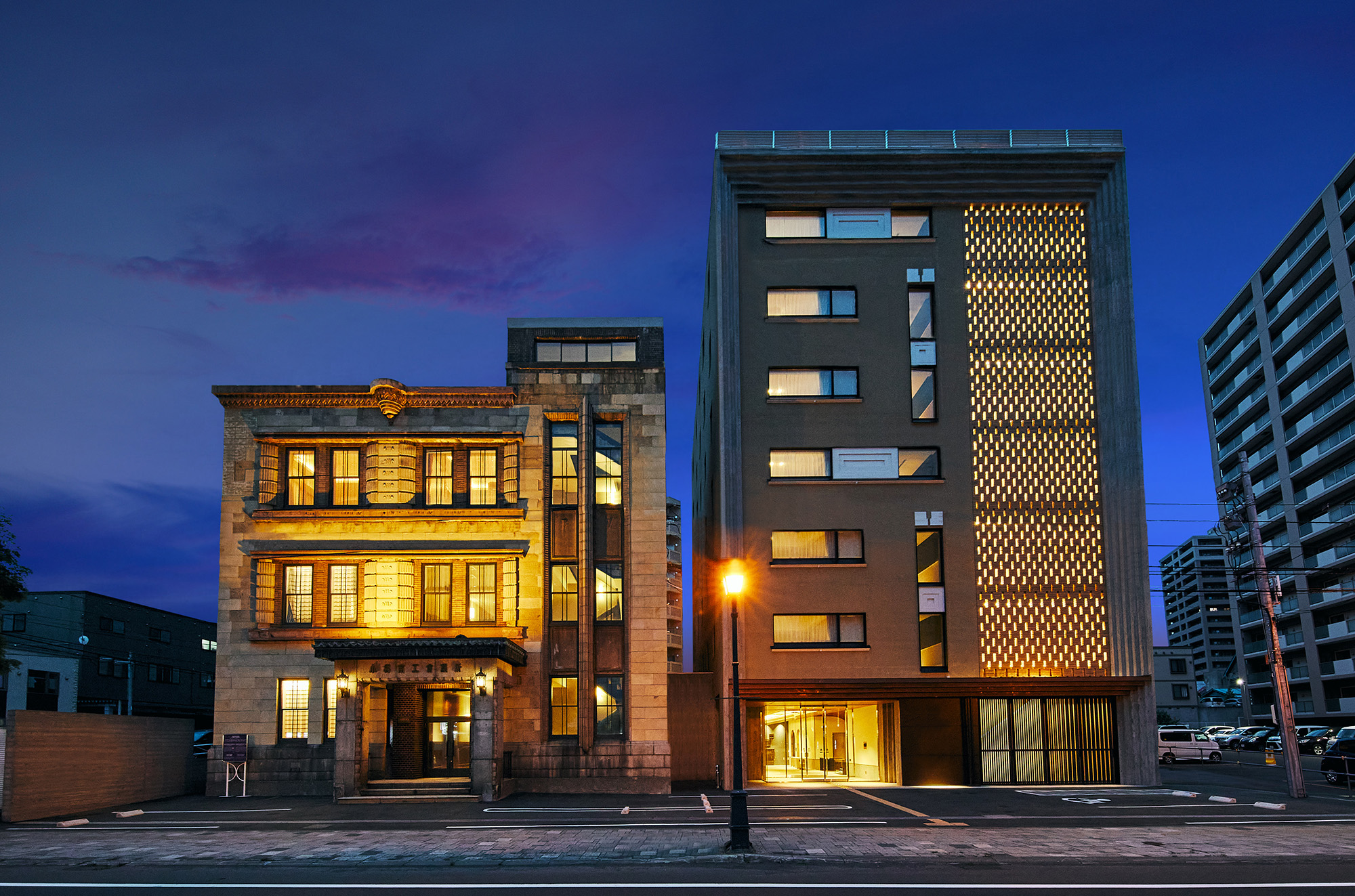
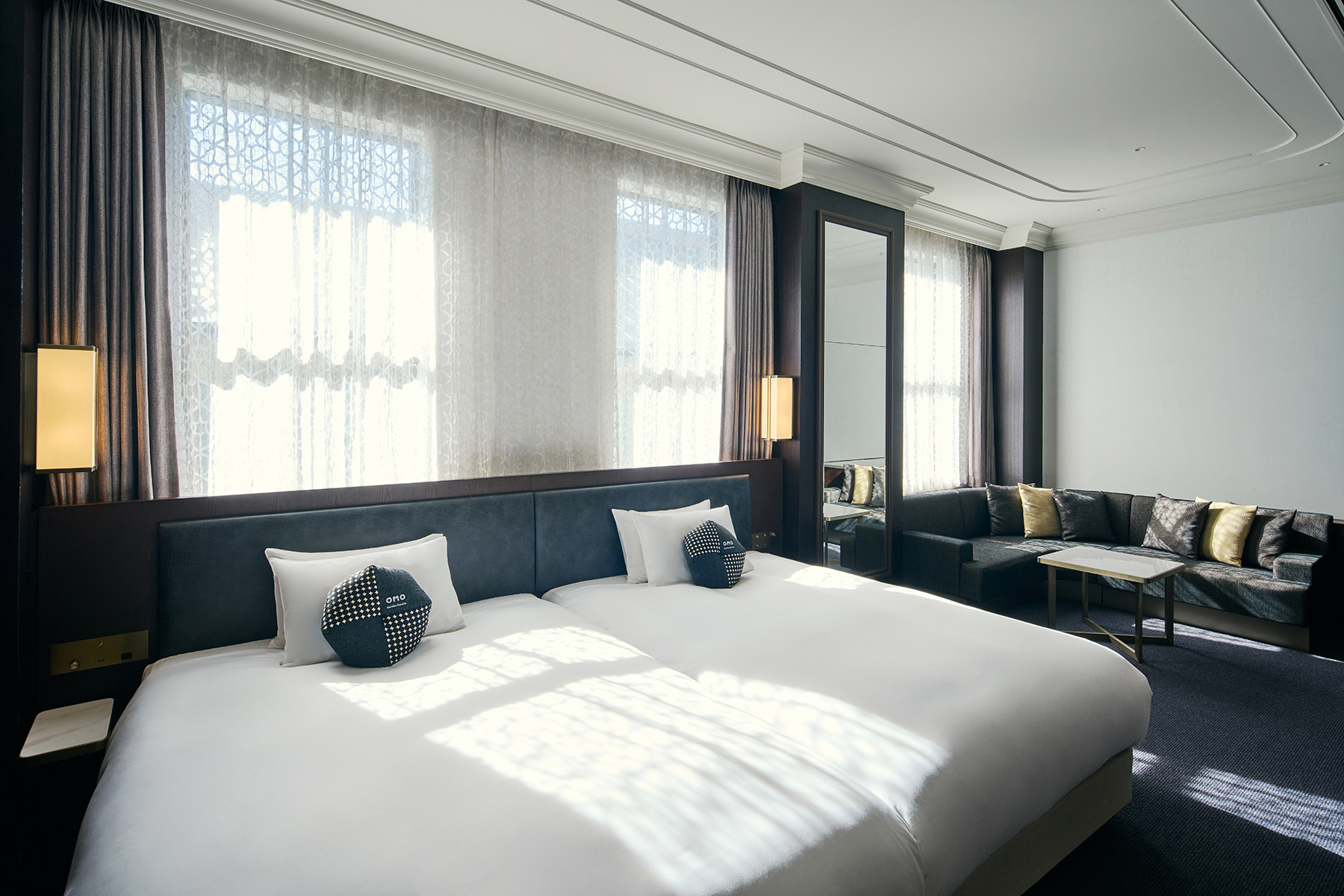
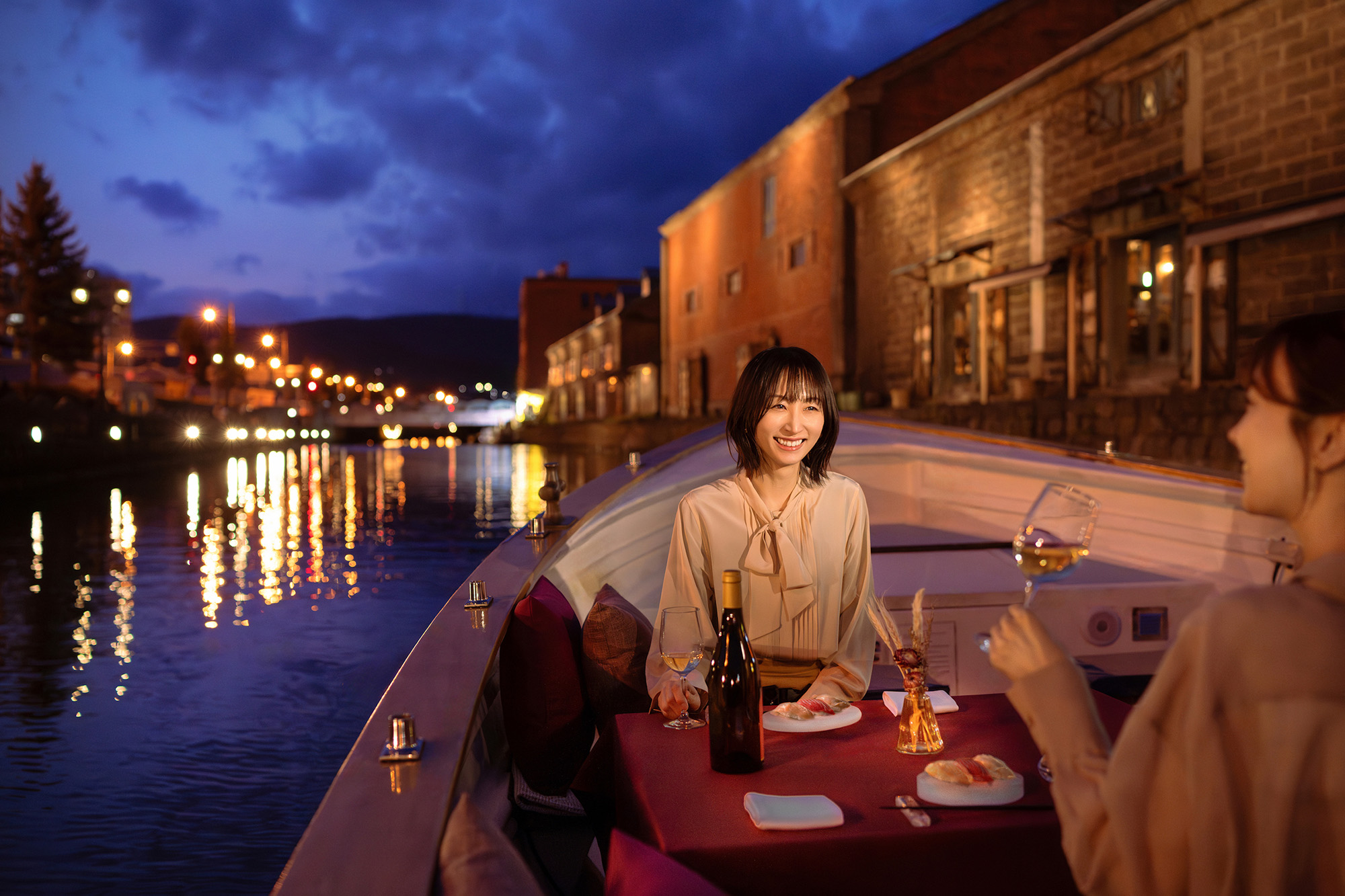
The boutique hotel where a renovation did a historic landmark. Retrospective travel in Otaru can be enjoyed.

From Direction JR Otaru Station, about 9 minutes on foot
- A room charge example
- 1 night, 1 person \6,000-
Hoshino Resorts KAI Poroto
Hokkaido and Shiraoi hot spring
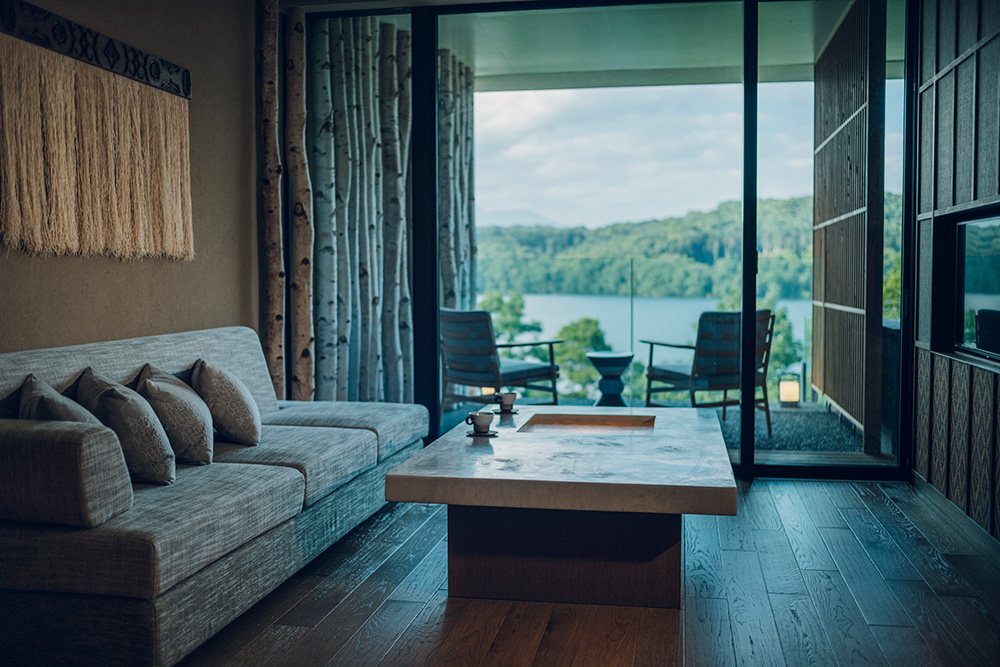
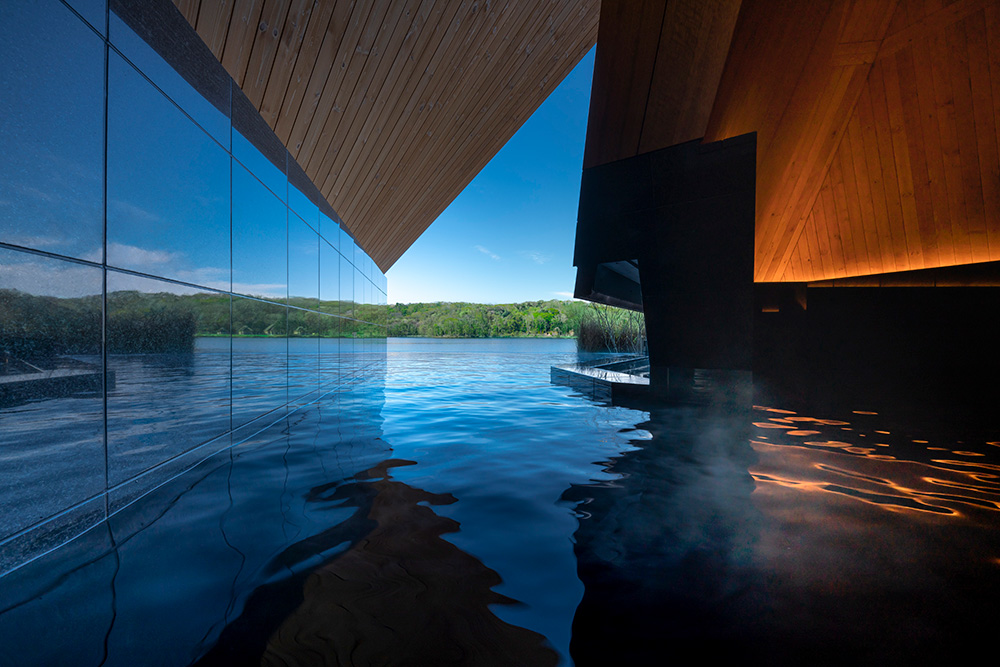
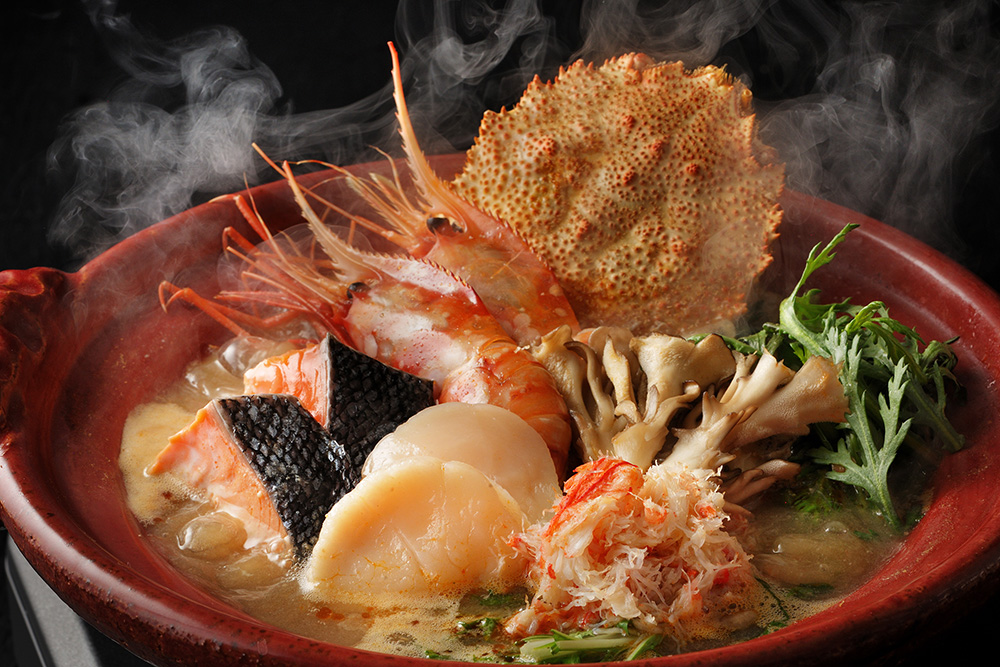
The hot spring inn where I pause in Poroto lakeside. It can also be satisfied with an unusual mall spring worldwide.

From Direction JR Shiraoi Station, about 10 minutes on foot
- A room charge example
- 1 night, 1 person \16,000-