





From classic spots to hidden gems. 8 recommended sightseeing spots in the Sendai/Akiu area

Known as the "City of Trees," Sendai is the premier city in the Tohoku region, where rich nature and history breathe. Located in its suburbs, the Akiu Onsen area, often called the "inner parlor of Sendai," is home to beautiful, tranquil scenery that changes with the seasons. Here, we have carefully selected recommended sightseeing spots you should definitely visit when in Akiu Onsen. Focusing on the area from Sendai to Akiu, we introduce a variety of spots, from classic landmarks to local hidden gems.
1Sendai Castle Ruins (Aoba Castle Ruins)
A museum featuring valuable original materials related to Date Masamune and a CG theater.

The site of Sendai Castle, built by the representative Sendai warlord Date Masamune. It flourished as the residence of the Date clan for approximately 270 years, but the buildings were lost due to the Meiji-era Abolition of Castles Ordinance and air raids, leaving only the stone walls and a reconstructed side turret today.
The Aoba Castle Exhibition Hall, located within the Aoba Castle Honmaru Kaikan, displays valuable materials such as armor and handwritten letters related to the Date family, as well as panels and models recreating the terrain around Sendai Castle. The CG Theater shows videos that introduce the Date family and Sendai Castle in an easy-to-understand way, featuring original characters.
Take a time trip to the Sendai Castle of the past with VR.

We also recommend the "Sendai Castle VR Go," an experiential program where you can rent a special scope and visit eight highlight points set up at the Sendai Castle Honmaru site. By looking through the scope at each point, you can experience the castle as it was during the time of Date Masamune in 360-degree virtual reality. Accompanied by detailed audio guidance, the scenes of the past—such as the Great Hall, the Noh stage, the kake-zukuri (stilt-style) architecture, the view from the kake-zukuri, and the gates—unfold realistically, giving you a sense of immersion as if you had traveled back in time.
-120x120.jpg)
Local
Supporter
The "Equestrian Statue of Date Masamune" is also located at the site of the Sendai Castle Honmaru. Beyond Masamune's gaze, the cityscape of Sendai and the calm scenery of the Pacific Ocean spread out. It is a place where you can feel the wishes of Masamune, who prayed for the prosperity of the castle town and the peace of its people.

- Sendai Castle Ruins (Aoba Castle Ruins)
-
 1 Kawauchi, Aoba-ku, Sendai City, Miyagi Prefecture MAP
 Approx. 15 minutes by car from JR Sendai Station
 Approx. 26 minutes from JR Sendai Station via the "Loople Sendai" loop bus; get off at "Sendai Castle Ruins"
 Aoba Castle Museum: April–October 9:00–17:00 (last admission 16:40), November–March 9:00–16:00 (last admission 15:40)
 Every Wednesday from the last Wednesday of November to the first Wednesday of March (see the official website for details)
 Adults 770 yen, junior high and high school students 550 yen, elementary school students 330 yen (Aoba Castle Museum)
*Sendai Castle VR Go is charged separately 022-222-0218 (Aoba Castle Honmaru Kaikan)
 Paid
 110 yen discount on Aoba Castle Museum admission with presentation of a Loople Sendai one-day pass
2Sendai City Museum
Packed with highlights, including Important Cultural Properties and materials registered in the UNESCO Memory of the World program.

This museum opened in 1961 on the site of the third bailey of Sendai Castle. It houses approximately 100,000 items, including materials donated by the Sendai Date family, as well as historical, cultural, and artistic artifacts related to the Sendai Domain, primarily from the Edo period. Representative items include the "Black Lacquered Five-Plate Cuirass" said to have been worn by Date Masamune, and the National Treasure "Materials Related to the Keicho-era Mission to Europe," which is registered as a UNESCO Memory of the World (*exhibition periods are limited; please inquire for details). The space design is also carefully considered, such as the general exhibition room decorated in black, allowing visitors to enjoy a dramatic atmosphere.
The exhibition space and services, designed to be accessible to both visitors and the materials themselves, are also appealing.

Also noteworthy is the thoughtful exhibition style, which considers both the visitors and the artifacts, such as the use of high-transparency glass for clearer viewing and the switch to LED lighting to reduce damage to the materials. In addition, by using the free app "Pocket Gakugeiin," which allows you to view explanations of exhibits on your smartphone or listen to audio guides, even those who are not fond of reading captions can easily understand the content.
The museum also features a play museum where you can play with folk toys, a museum shop selling original goods, and a restaurant with a view of the lush natural scenery.
Local
Supporter
The museum is located within Aobayama Park, which is surrounded by lush greenery. On the adjacent Ryosaikan grounds, there are spots where you can experience history, such as the "Zangetsutei" tea house, which has ties to Sendai Castle. You can spend a pleasant time in an environment where nature and culture harmonize.

- Sendai City Museum
-
- 26 Kawauchi, Aoba-ku, Sendai-shi, Miyagi Prefecture MAP
- From Sendai Station on the Tozai Subway Line, take the train bound for Yagiyama Zoological Park and get off at Kokusai Center Station; about an 8-minute walk
- About 20 minutes by Loople Sendai loop bus from JR Sendai Station; get off at Hakubutsukan/Kokusai Center/Ryoku-saikan-mae and walk for about 3 minutes
- 9:00–16:45 (last admission 16:15)
- Mondays (open if it is a national holiday or observed holiday), the day after a national holiday or observed holiday (open if it is a Saturday, Sunday, national holiday, or the day after the second Monday in October), December 28–January 4
- General/University students 460 yen, High school students 230 yen, Elementary/Junior high school students 110 yen
- 022-225-3074
- Free
3Zuihoden Temple
A brilliant mausoleum where the spirit of Date Masamune is enshrined.

This is the mausoleum (otamaya) built in 1637 by the will of Date Masamune to enshrine his spirit. As a gorgeous and magnificent mausoleum architecture conveying the legacy of Momoyama culture, it was designated a National Treasure in 1931, but it was destroyed by air raids during World War II.
The current building was reconstructed in 1979, faithfully reproducing the Zuihoden as it was before the fire using modern construction methods. Major renovation work was carried out in 2001, and many of the decorations, such as the lion head carvings on the pillars and the dragon head roof tiles, have been restored to a state close to their original appearance at the time of construction.
The mausoleums of the second lord, Tadamune, and the third lord, Tsunamune, as well as the museum, are also must-see spots.

On the grounds, you will also find the Kansen-den, the mausoleum of the second lord, Tadamune, and the Zanno-den, the mausoleum of the third lord, Tsunamune, both of which were rebuilt after the war. Each features architecture and beautiful decorations that allow you to interpret the history of the deceased.
The museum is a reconstruction of the Gokusho, which was once part of the Zuihoden complex, and it displays valuable materials such as records of archaeological excavations and burial goods. Furthermore, you can see a facial reconstruction of Date Masamune, created using cutting-edge scientific research and facial restoration techniques.
Within the precincts, you can also enjoy beautiful seasonal scenery, such as cherry blossoms, autumn leaves, and snowy landscapes.
Local
Supporter
This is a tourist spot where you can enjoy historical architecture that represents Sendai. On Saturdays and Sundays, volunteer guides from the "Zuihoden Guide Association," wearing purple jinbaori (surcoats), provide free tours of the grounds.

- Zuihoden
-
- 23-2 Otamayashita, Aoba-ku, Sendai City MAP
- Approx. 10 minutes by car from JR Sendai Station
- Approx. 13 minutes from JR Sendai Station via the Loople Sendai loop bus; get off at "Zuihoden-mae" and walk for about 7 minutes
- 9:00–16:50 (Last admission 16:30) *December and January: until 16:20 (Last admission 16:00)
- December 31 (Closed), January 1 (Only Zuihoden is open; Kansen-den, Zanno-den, and the museum are closed)
- General/University students 570 yen, High school students 410 yen, Elementary/Junior high school students 210 yen
- 022-262-6250
- Free
- Show your Loople Sendai one-day pass for a discount on admission: 110 yen off for general/university students, 100 yen off for high school students, and 50 yen off for elementary/junior high school students
4Jozenji-dori Avenue
A symbolic road of Sendai, the City of Trees, that has existed since the Edo period.

Sendai's city center is overflowing with lush nature. Jozenji-dori Avenue, lined with zelkova trees that color the heart of the city for 700 meters from east to west, is an iconic street that embodies the reason Sendai is called the "City of Trees."
This area was once home to Jozenji Temple, which is said to have been established by Date Masamune as a temple for prayer during the Edo period, and Jozenji-dori was developed as its approach. Although the temple was destroyed by fire in 1870 (the third year of the Meiji era) and later abolished due to the abolition of the han system and the establishment of prefectures, the name of the street has remained to this day.
There are many ways to enjoy it, such as taking a stroll or participating in events.

The zelkova-lined street, which changes its appearance with the seasons—from fresh green leaves to autumn colors and snowy landscapes—is the perfect place to enjoy a leisurely stroll. Benches are provided along the promenade, allowing you to take a break while exploring the city. Stylish cafes and unique shops line the area, making it ideal for resting or shopping.
Every year in September, the "Jozenji Street Jazz Festival" is held, and in December, the "SENDAI Pageant of Starlight" illuminates the trees with approximately 450,000 LED lights, drawing large crowds.
Local
Supporter
Although located in the heart of the city, it is a calm, tree-lined street that makes you forget the hustle and bustle of the city. Three bronze statues stand quietly among the neatly lined zelkova trees along the promenade, making you feel as if you are walking through a small outdoor art museum.

- Jozenji-dori Avenue
-
- Near Kokubuncho, Aoba-ku, Sendai City MAP
- Approx. 5 minutes by car from JR Sendai Station
Approx. 2 minutes on foot from Kotodai-Koen Subway Station - Approx. 13 minutes by Sendai City Bus from JR Sendai Station, get off at "Jozenji-dori Shiyakusho-mae"
Approx. 58 minutes by "Loople Sendai" loop bus from JR Sendai Station, get off at "Jozenji-dori Shiyakusho-mae"
- 022-222-2256 (Sendai City Transportation Bureau Information Center)
- None
5Akiu Shrine
A shrine dedicated to the god of victory, where you can pray for improved luck in competitions.

This shrine, which enshrines the "God of Victory," is known for being visited by famous athletes. It is said that it was first established in the early Heian period when Sakanoue no Tamuramaro, the Shogun who pacified the Emishi, enshrined the Kumano Shrine here. By the Muromachi period, it began to be worshipped as the "God of War," and today, many visitors come to pray for victory in sports, entrance exams, business, and more.
Among the sub-shrines on the grounds, a strange persimmon tree discovered in the year of the shrine's 1200th anniversary is also enshrined as the "God of Childbearing and Harmony (Matchmaking)." It is said that stroking the round part in the center brings blessings, and you can often see people gently placing their hands on it.
The shrine grounds are full of highlights, such as the "Kachi-ishi" (Victory Stone) and the "Kosodate Waka-chichi Icho" (Child-rearing Young Milk Ginkgo tree).

If you visit to pray for victory, you should definitely stop by the "Masaru-ishi" (Victory Stone). It is said that you can shatter your misfortunes by purchasing a "Yakuwari-dama" (misfortune-breaking ball) made of roof tile material, breathing your worries and anxieties into the hole in the ball, and throwing it at the stone.
Also, the "Kosodate Wakachi-icho" (Child-rearing Young Milk Ginkgo), which has long been cherished as a sacred tree, is worshipped for its blessings in childbearing and child-rearing because it bears many fruits in autumn, looking as if it is holding children. There are other highlights scattered throughout the grounds, such as a large statue of the Seven Lucky Gods, so if you have time, why not take a leisurely stroll?
Local
Supporter
At Akiu Shrine, in addition to regular goshuin (shrine seals), a variety of beautiful seasonal and natural cypress goshuin are distributed. Furthermore, a special goshuin is available exclusively for guests staying at "KAI Akiu," so please be sure to stop by.

- Akiu Shrine
-
- 22 Shimizukubo-kita, Nagafukuro, Akiu-cho, Taihaku-ku, Sendai City, Miyagi Prefecture MAP
- Approx. 40 minutes by car from JR Sendai Station
- Free to visit; shrine office hours are 9:00–17:00
- Open every day
- Free
- 022-399-2208
- Free
6Akiu Great Falls
Enjoy the magnificent nature of the four seasons

This famous waterfall is one of the "100 Best Waterfalls in Japan." You can enjoy the beauty of each season while being enveloped by the powerful roar and spray of the water falling from a height of 55 meters. In summer, it is surrounded by lush greenery; in autumn, the ginkgo trees turn golden; and in winter, icicles glisten in the sunlight, allowing you to feel the greatness of nature firsthand.
There is a waterfall viewing platform at the back of the grounds of the nearby "Akiu Otaki Fudoson," from which you can get a panoramic view of the waterfall. If you walk for about 20 minutes from the viewing platform and go down the promenade, you can also get close to the waterfall basin. Since the path to the basin is steep, it is recommended to visit in comfortable shoes and clothing.
Akiu Otaki Fudoson, quietly nestled in the deep forest on the way to the waterfall viewing platform

If you visit Akiu Great Falls, you should also stop by Akiu Otaki Fudoson Temple. Built in 1825 (the 8th year of the Bunsei era), the Fudo-do hall is a simple wooden structure, yet it features intricate carvings both inside and out, and the ceiling inside the hall is adorned with a painting of a dragon and flower paintings said to have been created by the daughter of Chisoku Shonin.
The Spring Grand Festival is held at the end of April every year, featuring an impressive grand goma fire ritual. The temple grounds are bustling with many people as traditional performing arts are offered, including the "Baba no Taue Odori," one of the "Akiu no Taue Odori" dances registered as a UNESCO Intangible Cultural Heritage.
Local
Supporter
It is also famous for its lush green foliage in early summer and its spectacular autumn leaves. You can also go down to the waterfall basin, allowing you to enjoy the difference in scenery and the power of the waterfall from both above and below.

- Akiu Great Falls
-
- Ohtaki, Baba, Akiu-cho, Taihaku-ku, Sendai City, Miyagi Prefecture MAP
- Approx. 50 minutes by car from JR Sendai Station
- Approx. 1 hour 20 minutes by Miyagi Kotsu Bus from JR Sendai Station, get off at "Akiu-Otaki" and it is right there (operates only on Saturdays and holidays)
Approx. 40 minutes by Sendai City Bus from JR Ayashi Station, get off at "Akiu-Otaki" and it is right there - Free to explore
- Free to explore
- Free
- 022-398-2323 (Akiu Onsen Tourist Information Center)
- Free (Akiu-Otaki Botanical Garden public)
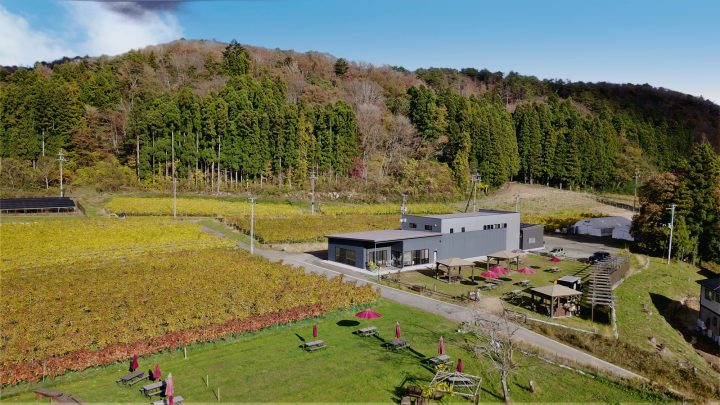
7Akiu Winery
A winery surrounded by the rich nature of Akiu

This winery stands amidst vast, sprawling vineyards. It was opened in 2015, driven by the owner's passionate desire to ensure the wine industry in the prefecture would not be lost following the Great East Japan Earthquake. Since then, they have been cultivating grapes, brewing wine, and selling their products under the theme of "the marriage of wine and food."
The premises include a facility equipped with a shop, a restaurant, and a viewing area for the winery. The winery, where you can watch the preparation and fermentation process through glass, is a popular spot where you can get a close-up look at how wine is made.
Enjoy the marriage of locally produced wine and food

At the restaurant "TERROAGE AKIU," you can enjoy wine tasting flights and pasta. We also recommend purchasing a "Picnic Lunch Box," which comes with a drink and snacks made from local ingredients, and enjoying a winery picnic on the terrace.
In the shop, you can purchase wines made from 100% estate-grown grapes, as well as carefully crafted wines made using grapes from contracted farmers. The "Akiu Craft Cider," made with apples from Miyagi Prefecture, is well-received for its fresh aroma and the delicious flavor of the apples.
Local
Supporter
Canned ajillo and beef tongue snacks, which go perfectly with Akiu wine and cider, are perfect not only as souvenirs but also for enjoying at your accommodation.
- Akiu Winery
-
- 6 Biwahara-nishi, Yumoto, Akiu-cho, Taihaku-ku, Sendai City, Miyagi Prefecture MAP
- Approx. 28 minutes by car from JR Sendai Station
- Approx. 50 minutes by Miyagi Kotsu Bus from JR Sendai Station, get off at "Akiu Bunka no Sato Center," then a 6-minute walk
Approx. 40 minutes by Takeya Kotsu Bus from JR Sendai Station, get off at "Akiu Sato Center," then a 6-minute walk - Shop & Cafe 9:30–17:00
Restaurant 11:00–17:00 (Lunch until 15:30)
*Dinner (18:00–21:00) is by reservation only, course meals only - Tuesdays
- Free (Brewery can be viewed through a window *No reservation required)
- 022-226-7475
- Free
8Yuriage Port Morning Market
A popular morning market featuring the bounty of the sea and mountains of Tohoku

The Yuriage Fishing Port Morning Market is held every Sunday and public holiday starting at 6:00 AM. About 50 stalls line up, selling fresh seafood caught in nearby waters, seasonal vegetables and fruits shipped directly from the source, and gourmet foods such as seafood bowls and seri-nabe (Japanese parsley hot pot).
Although it was temporarily suspended due to the Great East Japan Earthquake, efforts to keep it alive were made, centered around the association, such as by operating temporarily in the parking lot of a large commercial facility. In 2013, it made a fresh start at the same location as before the earthquake, with new facilities added. Today, it is a popular morning market bustling with locals and tourists, filled with the energetic calls of producers.
Don't miss the "auction experience" where the chairman himself serves as the auctioneer

A famous feature is the "auction" held every Sunday from 10:00 AM. It is an event where anyone can easily experience an auction.
When a member of the association starts walking around the venue ringing a bell, the auction begins. The lively signal instantly raises the excitement of the venue. Various products such as seafood, vegetables, and sweets are put up for auction, and when the item you want is called out, you immediately raise your fan with a number tag to make your bid. If your number is called, you have successfully won the bid. It is an event that is hard to experience in daily life, and the lighthearted banter of the board chairman, who serves as the auctioneer, is also one of its popular attractions.
Local
Supporter
To experience the lively market, we recommend visiting between 6:00 and 9:00 AM. The "Maple-kan," a food court and gallery space, is open every day except Thursday. It features a variety of seafood restaurants and a cafe known for its drip coffee.

- Yuriage Port Morning Market
-
- 3-5-1 Yuriagehigashi, Natori City, Miyagi Prefecture MAP
- Approx. 40 minutes by car from JR Sendai Station
- Take the "Natorin-go" shared bus from JR Natori Station, get off at "Yuriage Minato Asaichi-mae," and walk for about 2 minutes
- Morning Market: Sundays and holidays only, 6:00–13:00
Yuriage Kitchen & Gallery Maple-kan: Mon–Sat 10:00–16:00, Sun & holidays 6:00–13:00 - Morning Market: Mon–Sat *Open on holidays
Yuriage Kitchen & Gallery Maple-kan: Thursdays - Free
- 022-395-7211
- Free

Local supporter in charge of this article
- Makoto NogiSo many places on my bucket list!
KAI Akiu
Akiu Onsen, Miyagi Prefecture
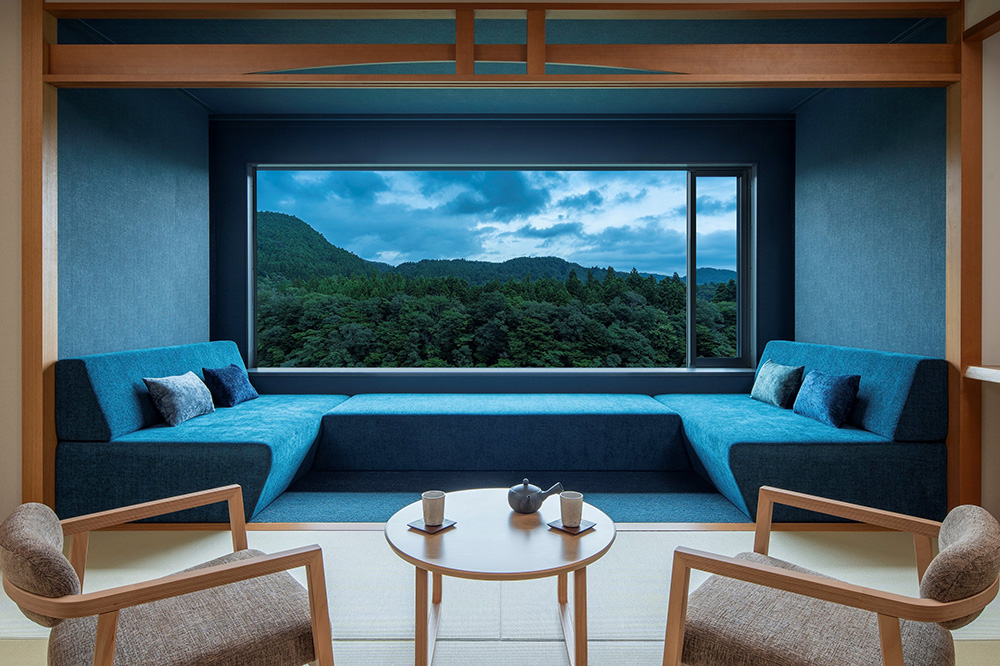
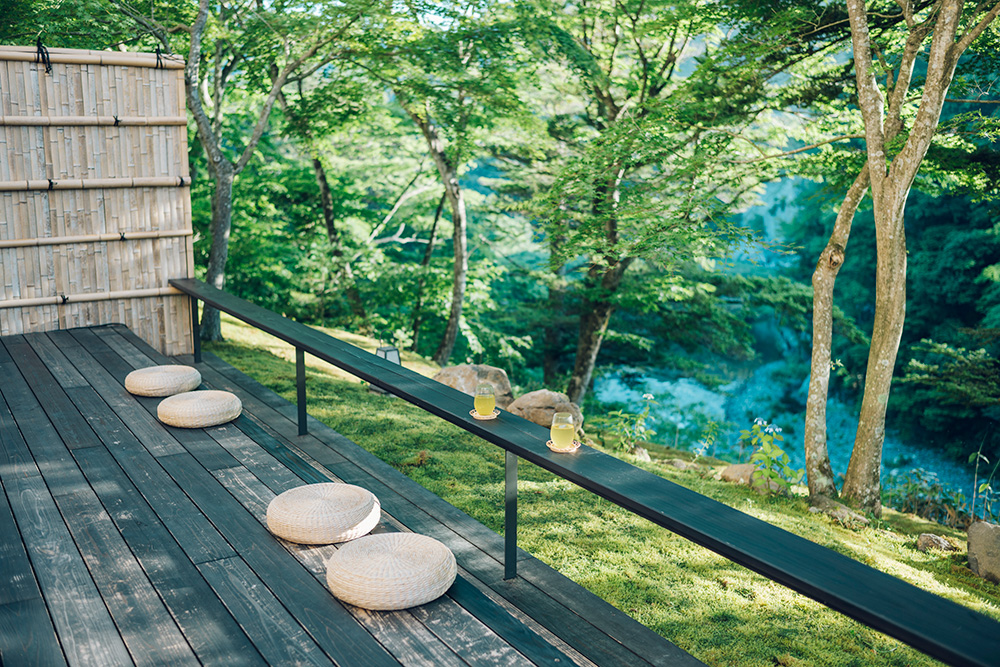
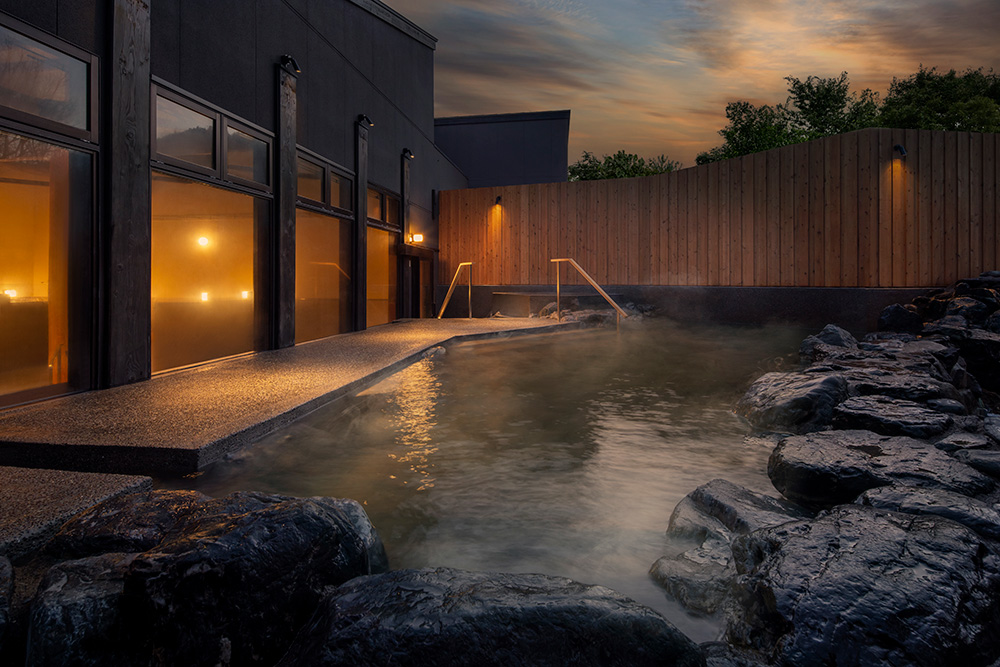
An inn nestled in Akiu Onsen, the inner parlor of Sendai. All rooms offer views of the mountain stream, which is particularly beautiful depending on the season.
Access 1-minute walk from the "KAI Akiu-mae" bus stop, accessible by local bus from JR Sendai Station
- Accommodation rate example
- Per person per night From ¥16,819