





[Miyagi/Sendai] Enjoy Exquisite Conveyor-Belt Sushi in the Mecca of Tuna! What Are the Must-Try Toppings at “Kaisen Sushi Shiogama Port”?
![[Miyagi/Sendai] Enjoy Exquisite Conveyor-Belt Sushi in the Mecca of Tuna! What Are the Must-Try Toppings at “Kaisen Sushi Shiogama Port”?](https://hoshinoresorts.com/guide/wp-content/uploads/2025/11/DSC07958-1024x682.jpg)
Hello, I’m BUBBLE-B, a writer.
My life’s work has been traveling across the country to visit the headquarters and first locations of restaurant chains.
It’s been nearly 20 years since I began this life’s work, and the number of restaurant chains I’ve visited has now exceeded 700. I’m constantly amazed that there are so many chains in Japan.
Among all these restaurant chains, conveyor-belt sushi chains really stand out for their unique character. Due to the nature of handling raw fish, they’re often local chains with stores concentrated near fishing ports, and the sushi toppings they offer are rich in regional flavor.
Today, I’d like to introduce “Kaisensushi Shiogama Port,” a hugely popular conveyor-belt sushi restaurant in Sendai.
The “Wandering Expert” who wrote this article
-
Dining Chain Traveler
BUBBLE-B
I’m a travel writer who explores local restaurant chains across Japan. From conveyor-belt sushi chains in Hokkaido to hamburger chains in Okinawa—and in recent years, I’ve even started visiting local chains overseas.
https://www.bubble-b.com/profile/
Expert
1. What is “Kaisensushi Shiogama Port”?
Shiogama Port in Miyagi Prefecture is one of Japan’s leading fishing ports in terms of tuna landings. In particular, it has even recorded the highest landings in Japan for fresh tuna and bigeye tuna.
Shiogama City is also said to have the highest density of sushi restaurants per capita in Japan.
Located in Shiogama City, “Kaisen Sushi Shiogama Port” is a local conveyor-belt sushi restaurant where you can enjoy a variety of fresh local fish, including tuna landed at Shiogama Port.
“Kaisen Sushi Shiogama Port” was founded by Hideya Kamata (current chairman), who has 35 years of experience conducting auctions and sales at the Shiogama Fish Market.
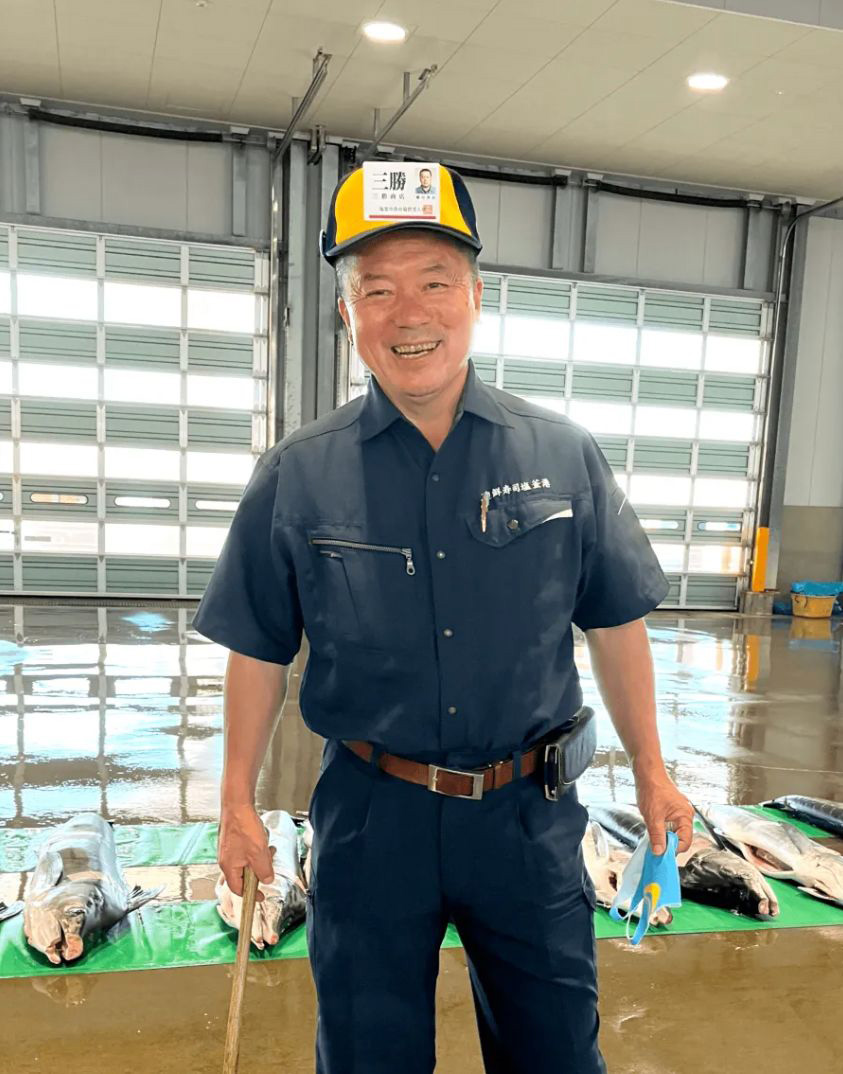
Before the restaurant opened, it seems that local residents didn’t really know what kinds of fish were caught at Shiogama Port. For that reason, Chairman Kamata founded “Kaisen Sushi Shiogama Port” with the goal of introducing the fish caught at Shiogama Port to the local community.
Drawing on his experience at the Shiogama City Fish Market, Chairman Kamata reportedly still handles the purchasing himself. Every morning at 4:00 a.m., he heads to the market, participates in the three auctions held each morning, and then heads to the restaurant in the afternoon.
“I’m confident that when it comes to handling raw seafood, no one can beat us,”
Chairman Kamata’s restaurant, built on this pride, has gained a reputation for its delicious food and has become a spot where people now line up to eat.
2. A conveyor-belt sushi restaurant where locals line up in the city with Japan’s largest tuna catch
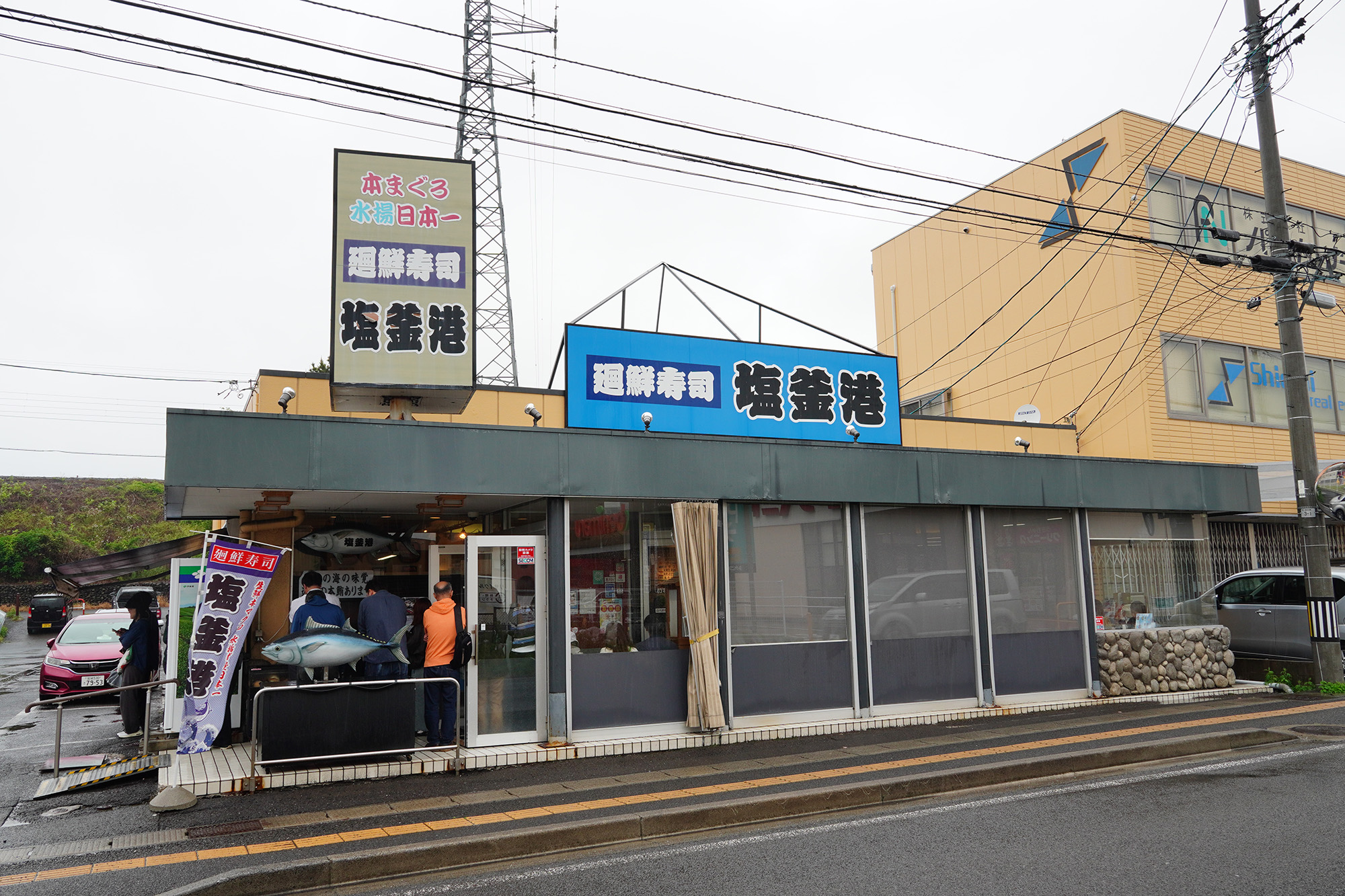
While “Kaisensushi Shiogama Port” also has a location in front of Sendai Station, let’s make the short trip out to the main store in Shiogama.
By train, take the Sengoku Tohoku Line from Sendai Station; it’s about a 15-minute ride to Shiogama Station. From there, it’s a 5-minute walk to the “Kaisensushi Shiogama Port” Shiogama Main Store.
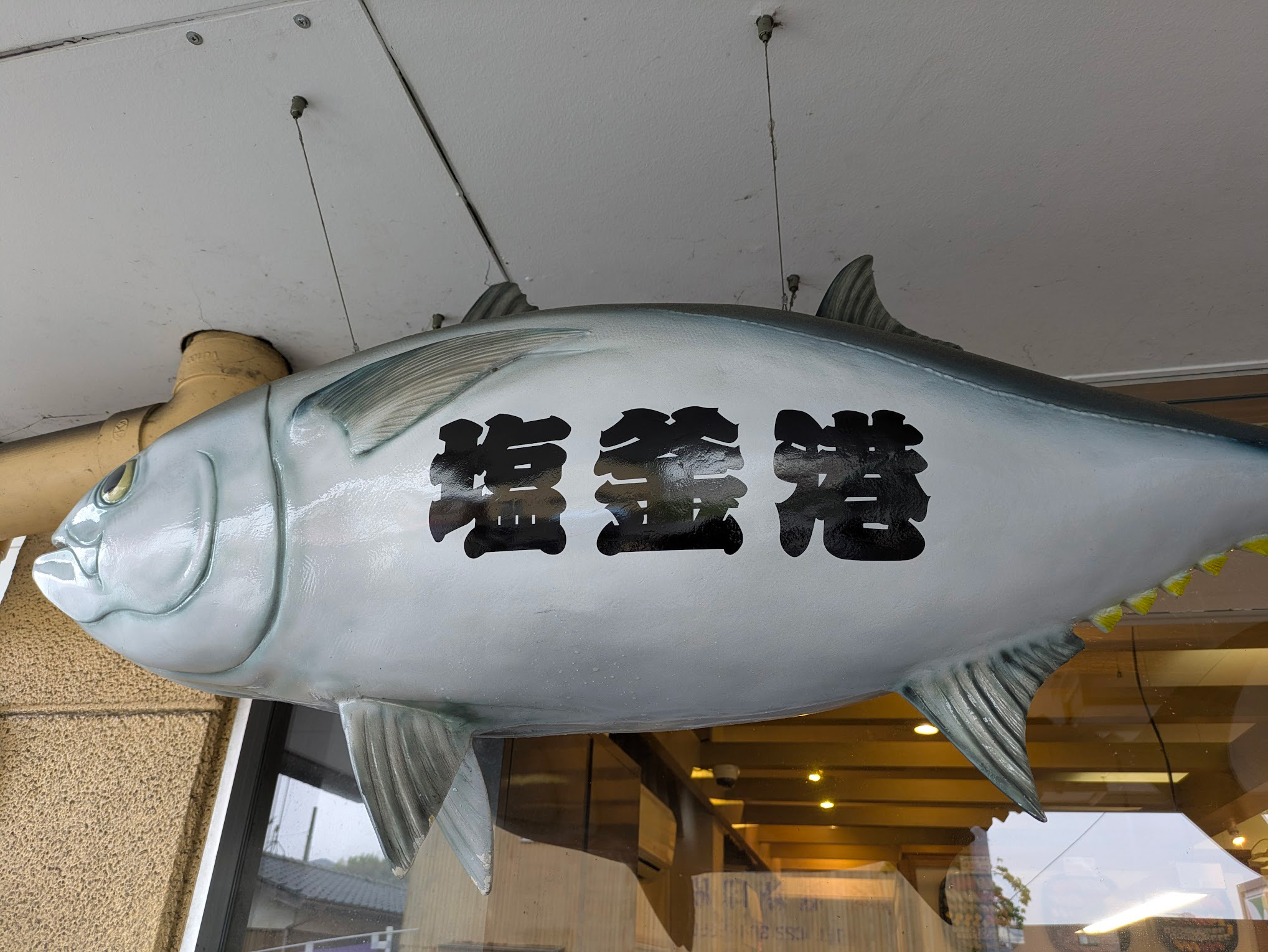
The Shiogama flagship store features a sign reading “Japan’s No. 1 Bluefin Tuna Landings” and a tuna sculpture greeting you at the entrance. You can’t help but get excited about tuna!
On weekends, lines sometimes form even before the restaurant opens, a testament to its popularity among locals.
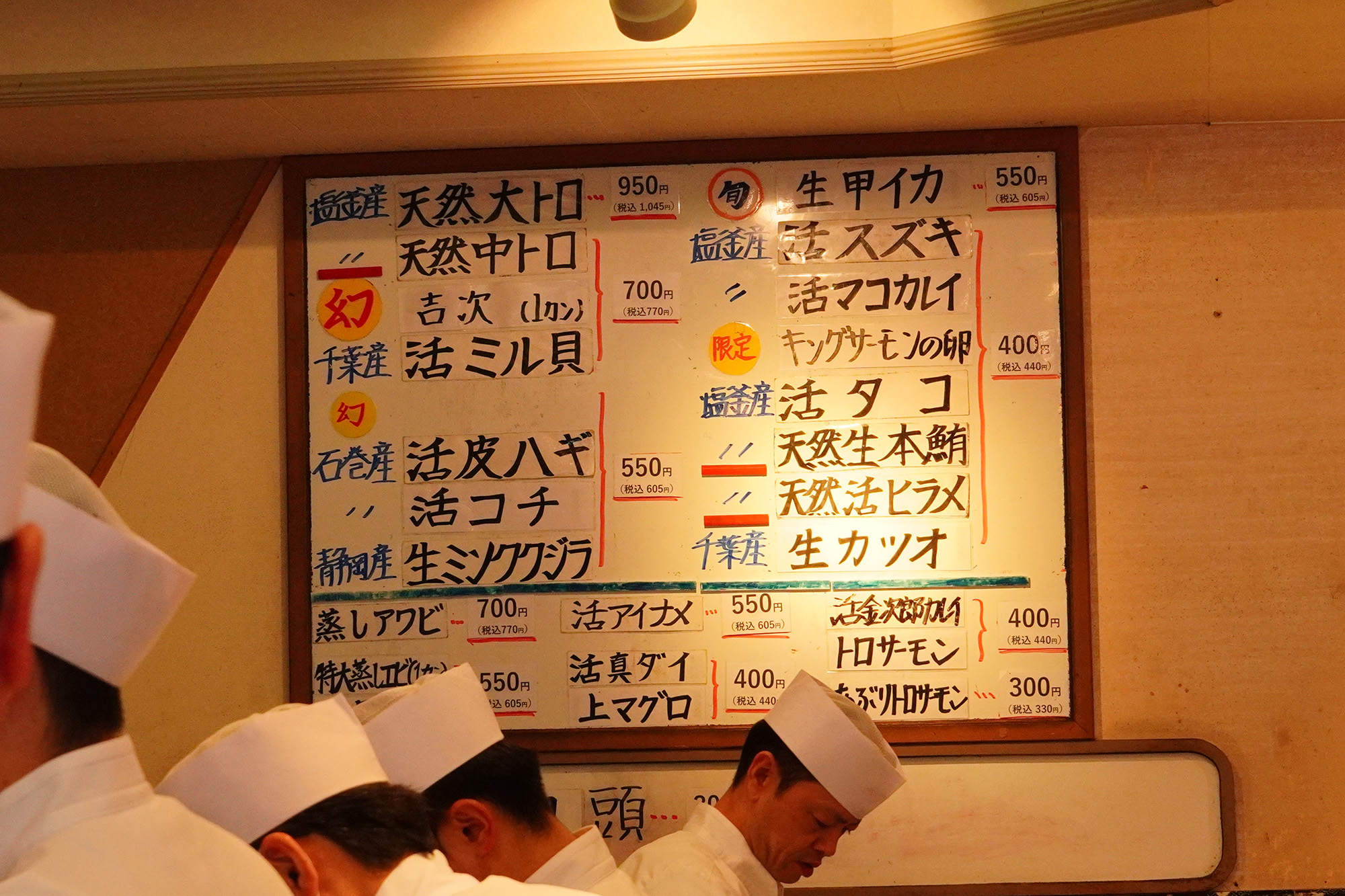
Once inside, the restaurant is brimming with energy, filled with the lively banter of the chefs. The whiteboard displays a full lineup of the day’s fresh catches, with many local specialties like “from Shiogama” and “from Ishinomaki.”
Now, let’s dig in!
3. It Melts in Your Mouth! I Was Blown Away by Shiogama-Produced Tuna
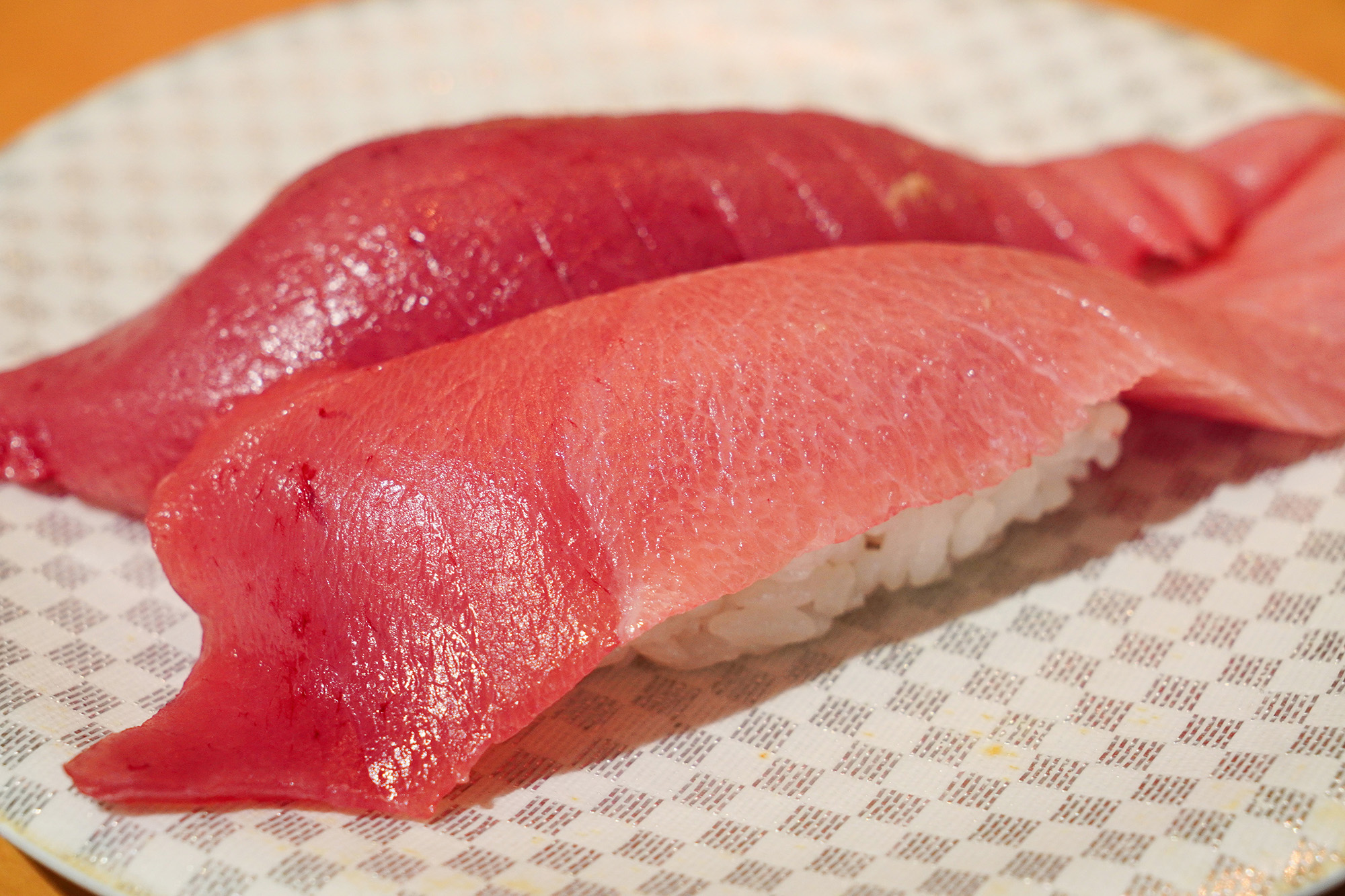
“I really want you to try the tuna!”
We started with the Shiogama “bluefin tuna otoro,” which Chairman Kamata also highly recommends. Believe it or not, there were only 18 plates available! The fresh bluefin tuna, with its fine marbling and vibrant color, was served in a portion so generous it practically covered the rice.
The moment I put it in my mouth, it melted smoothly on my tongue. There was absolutely no unpleasant taste or fishy odor. And the fatty parts had a clean, refreshing flavor. I was instantly knocked out by this incredibly refined bluefin tuna otoro.
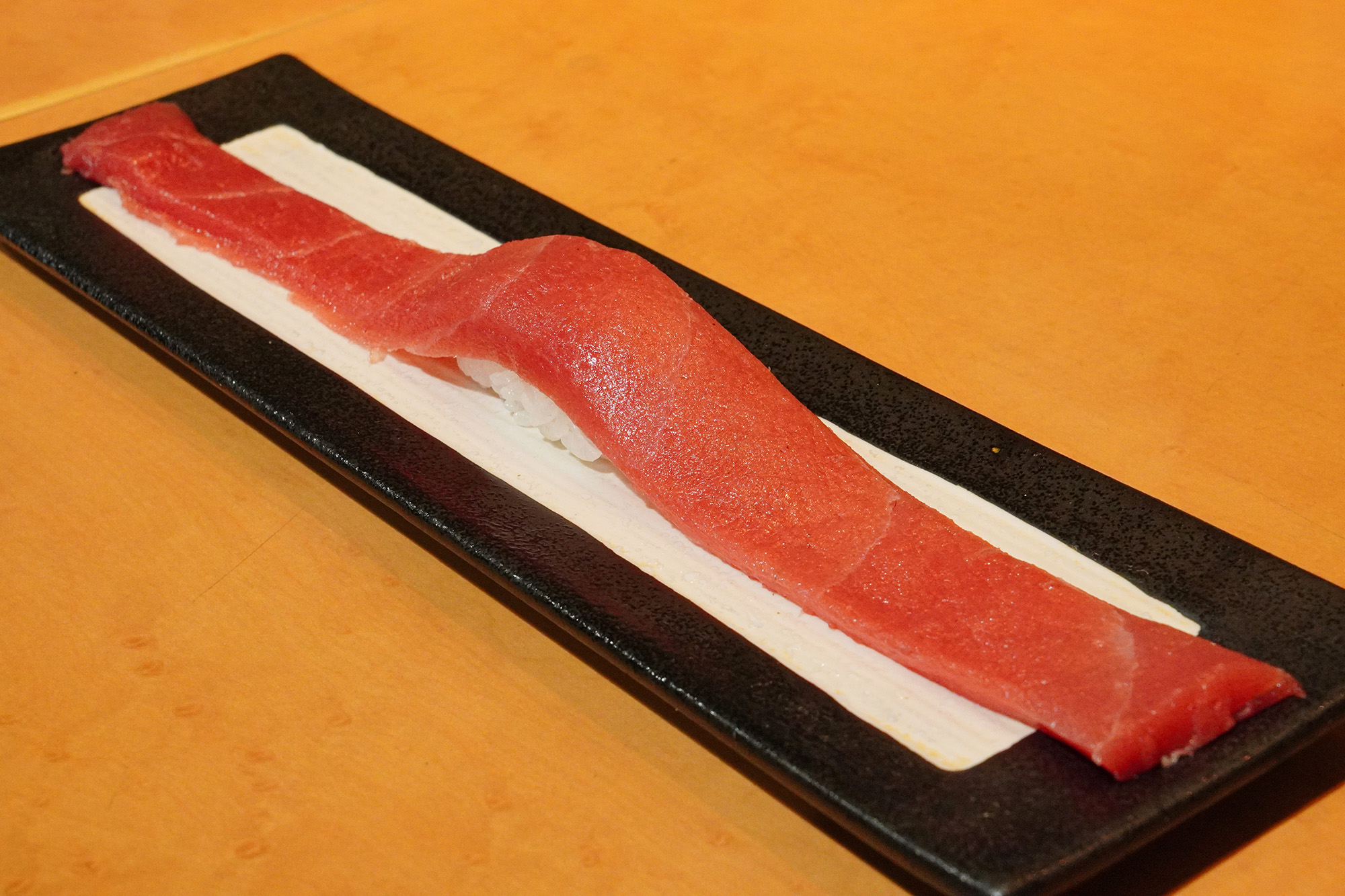
Many conveyor-belt sushi restaurants boast “huge portions,” but this one is huge… or rather, long! This piece, which looks just like a wristwatch, is the “Dekaneta Raw Tuna”—it makes a huge impression. You can fill your mouth to the brim with this refreshing red tuna.
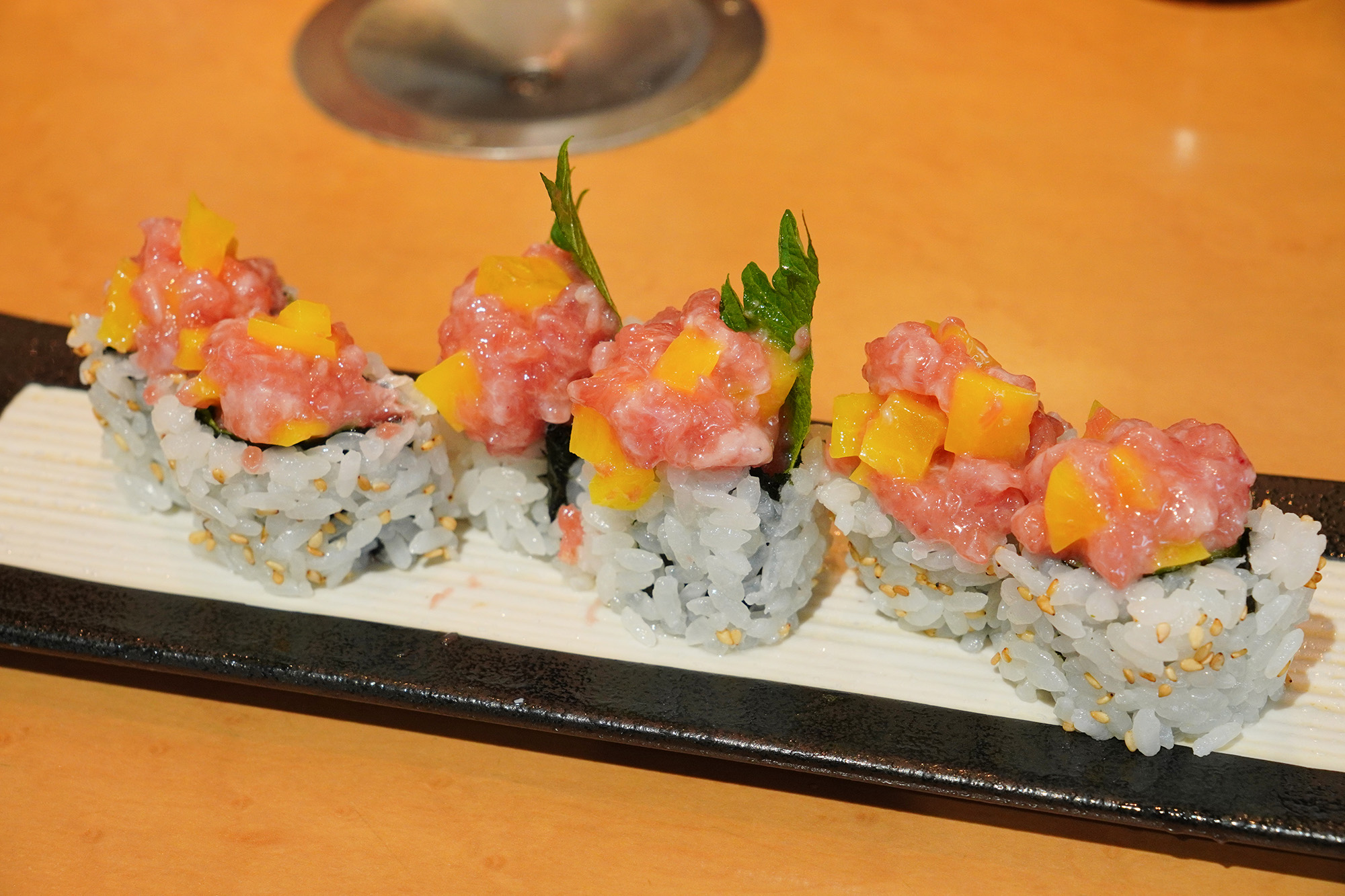
This “Toro-Taku Gunkan” features seared tuna topped on a reverse-rolled gunkan. The tuna is mixed with coarsely chopped takuan pickles.
You probably often eat seared tuna in dishes like negitoro gunkan, but at low-priced conveyor-belt sushi restaurants, they often use binchō tuna, which has a mild flavor.However, at “Kaisensushi Shiogama Port,” they boldly use the middle cut of bluefin tuna. It was a highly satisfying dish that let me enjoy both the delicious flavor of the tuna and the crunchy texture of the pickled daikon radish at the same time.
The Master of Detours
As expected of Shiogama Port, which dominates the industry with its massive tuna catch, I was able to enjoy the beautiful red flesh of fresh tuna and a taste that was completely free of any fishy odor—it was an absolutely delightful experience.
4. Savor every bite of fresh, locally caught fish!
According to Chairman Kamata, locally caught fish are also very popular. In particular, species like black-throated seaperch, rockfish, flounder, and Japanese flounder are always in high demand.
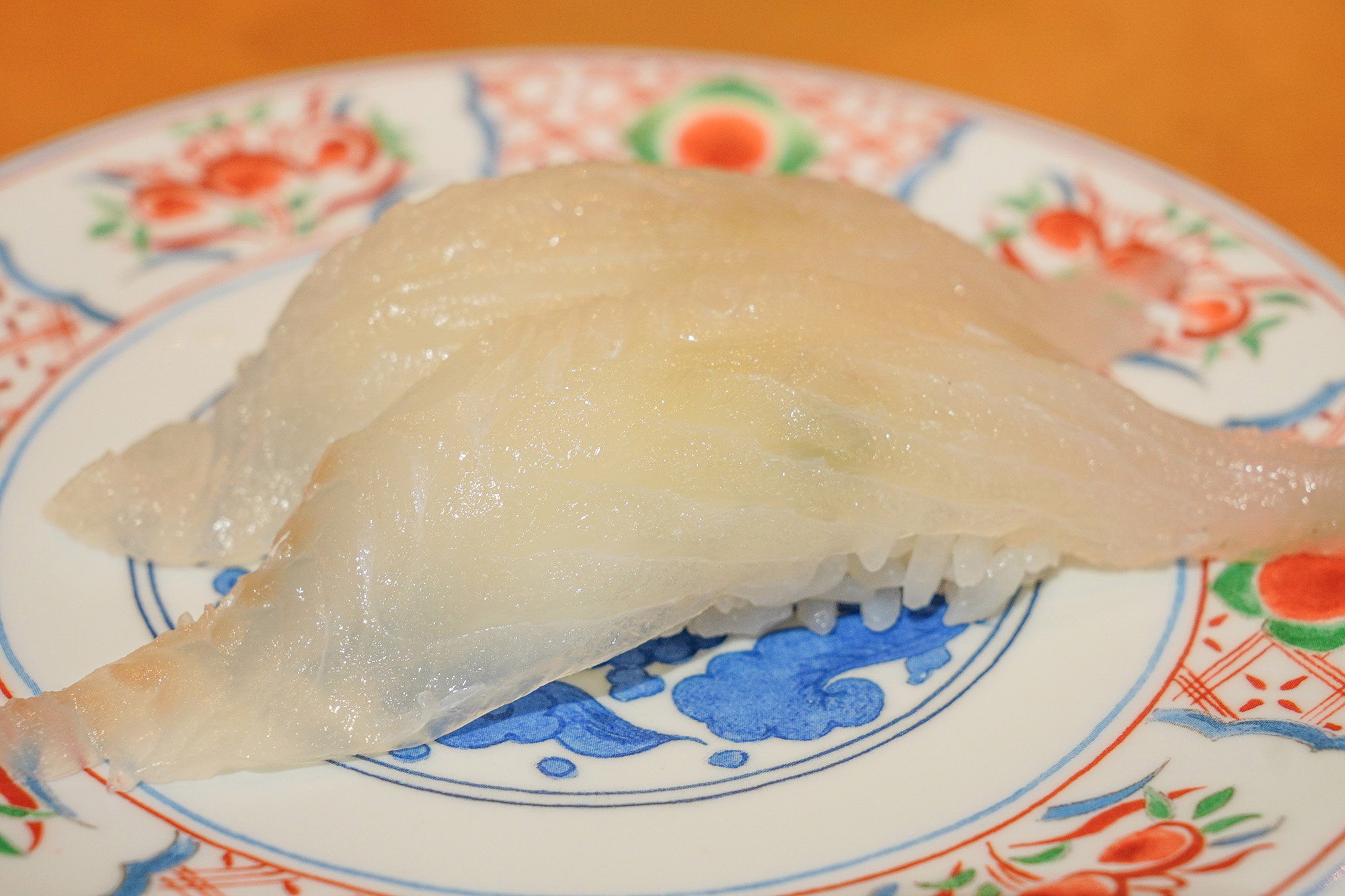
Since they had flounder that day, I decided to order it. Mako flounder is known as a high-end fish, and its translucent flesh is truly beautiful. I was told this was a local catch landed at Shiogama Port.
When I tasted it, I was struck by its chewy, springy texture. As I chewed, a gentle sweetness gradually spread throughout my mouth.
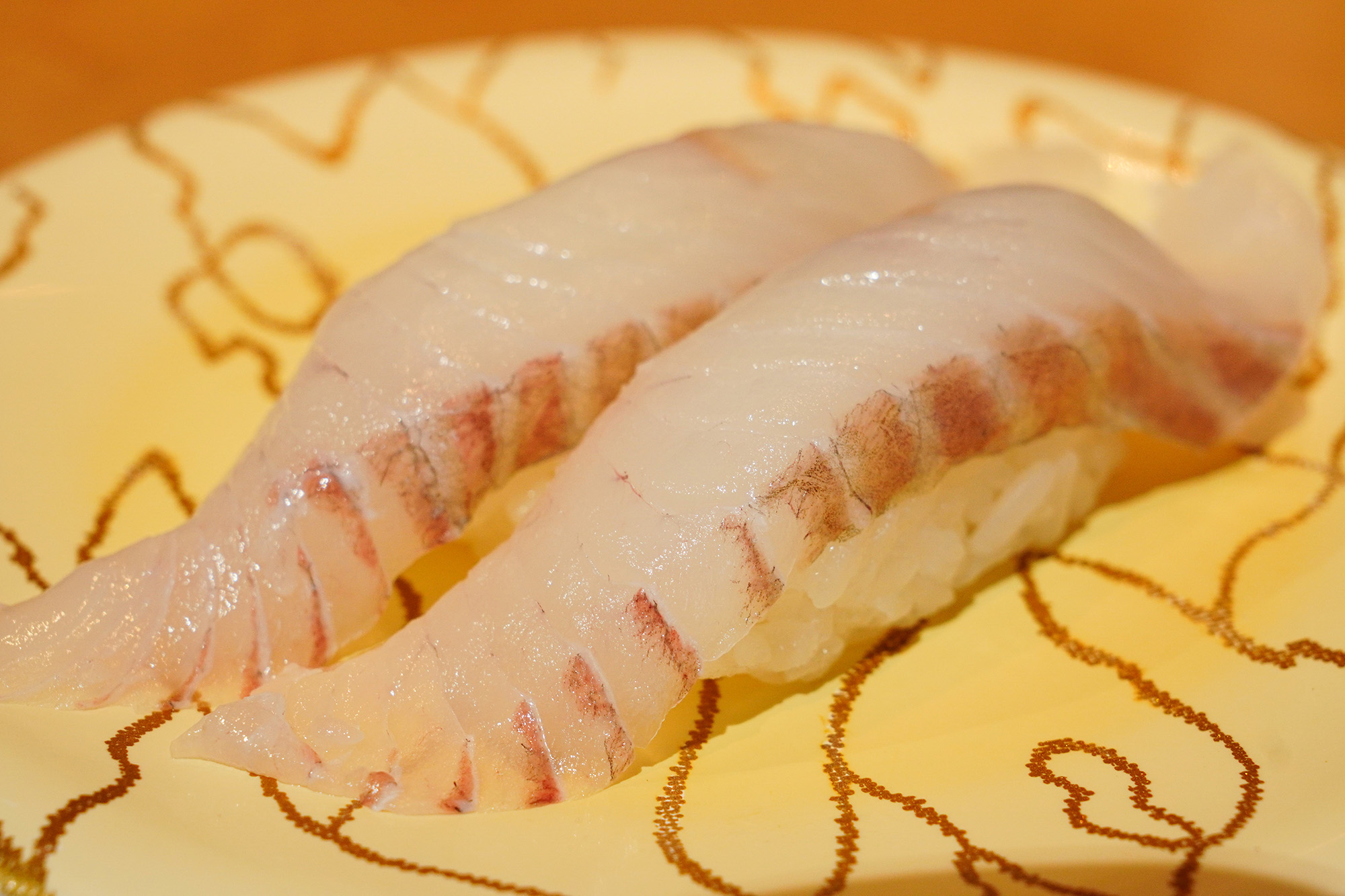
Matsukawa flounder is a high-end fish on par with starry flounder and flounder, and is said to be the most delicious among all flounder varieties. Being able to enjoy such Matsukawa flounder “live” is something unique to “Kaisensushi Shiogama Port.”
By the way, “live” refers to fish that were alive right up until the moment they were served (and were kept in a live fish tank).
It has a firm texture, and its well-balanced fat yields a subtle, refined sweetness. I felt that eating it with salt brought out its flavor even more.
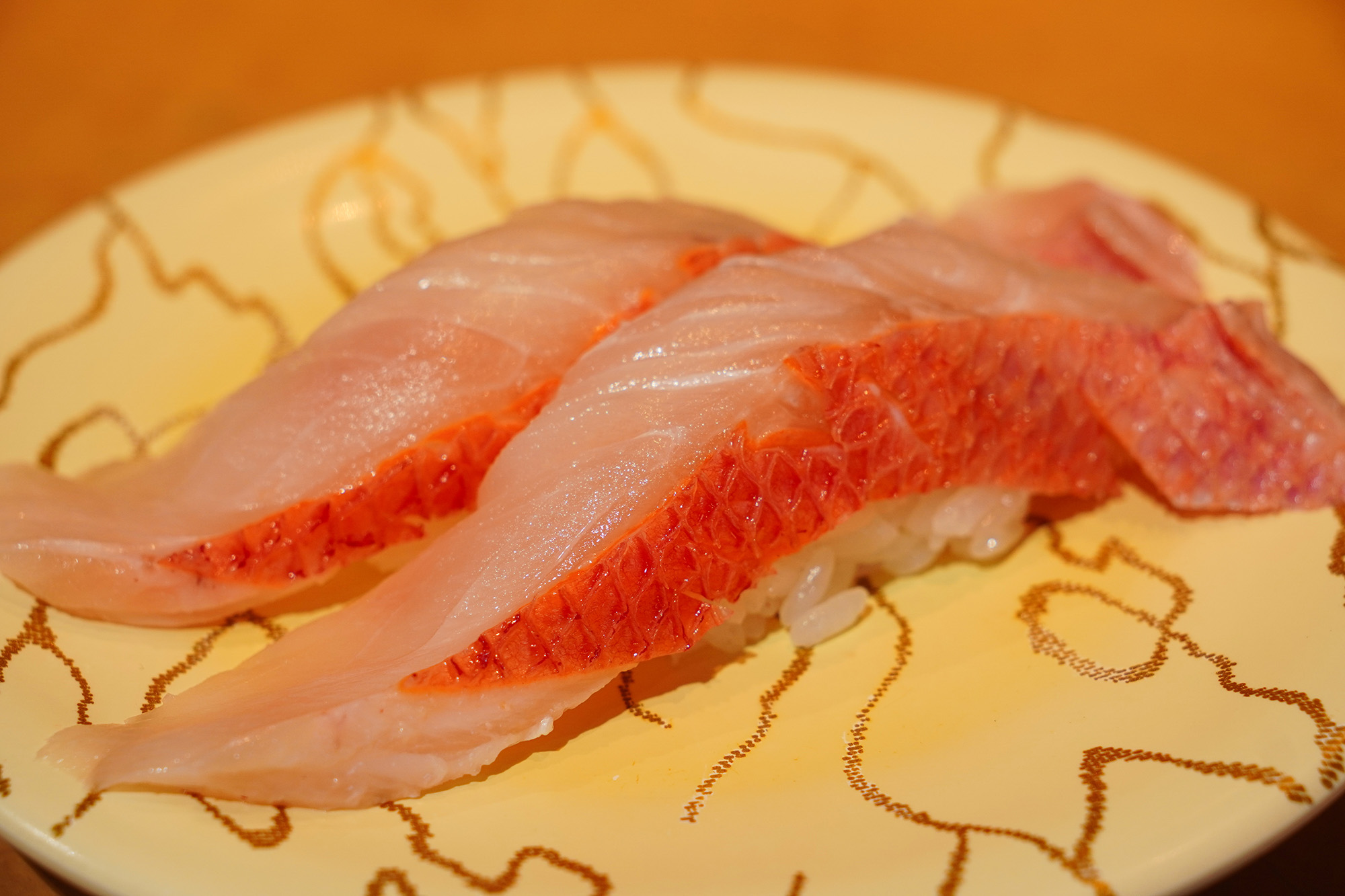
Kinmedai is characterized by its vivid red color. It’s commonly found in Izu and Numazu as a high-end local fish.
The kinmedai at “Kaisensushi Shiogama Port” serves red sea bream that’s incredibly tender and has a fluffy texture. I was really surprised by this. It might be the first time I’ve had red sea bream this tender. It was a truly delicious piece.
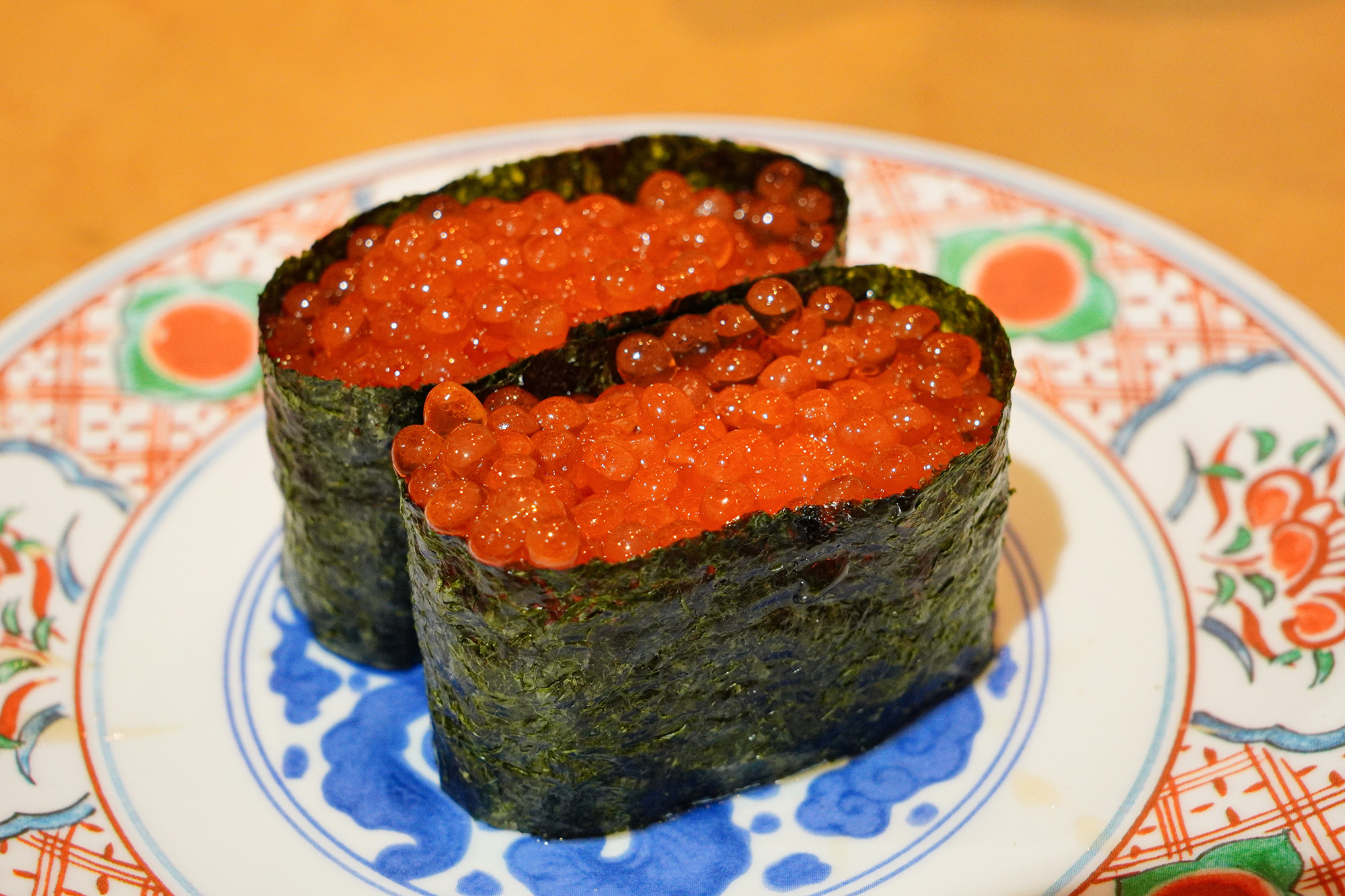
The “limited edition” king salmon roe listed on the menu was large, plump ikura. I love ikura so much that I always order it no matter which conveyor-belt sushi restaurant I go to.
The kinmedai at “Kaisensushi Shiogama Port” Their ikura had a pleasant, springy texture that popped in my mouth and was packed with umami—it was truly satisfying.
The Master of Detours
Since white-fleshed fish has a delicate flavor, I recommend using soy sauce sparingly and sharpening your senses as much as possible (laughs) to savor it. You’ll really be able to tell the difference between good and bad fish!
5. [Pairing with Sake] Here Are the Perfect Appetizers to Go with Sake!
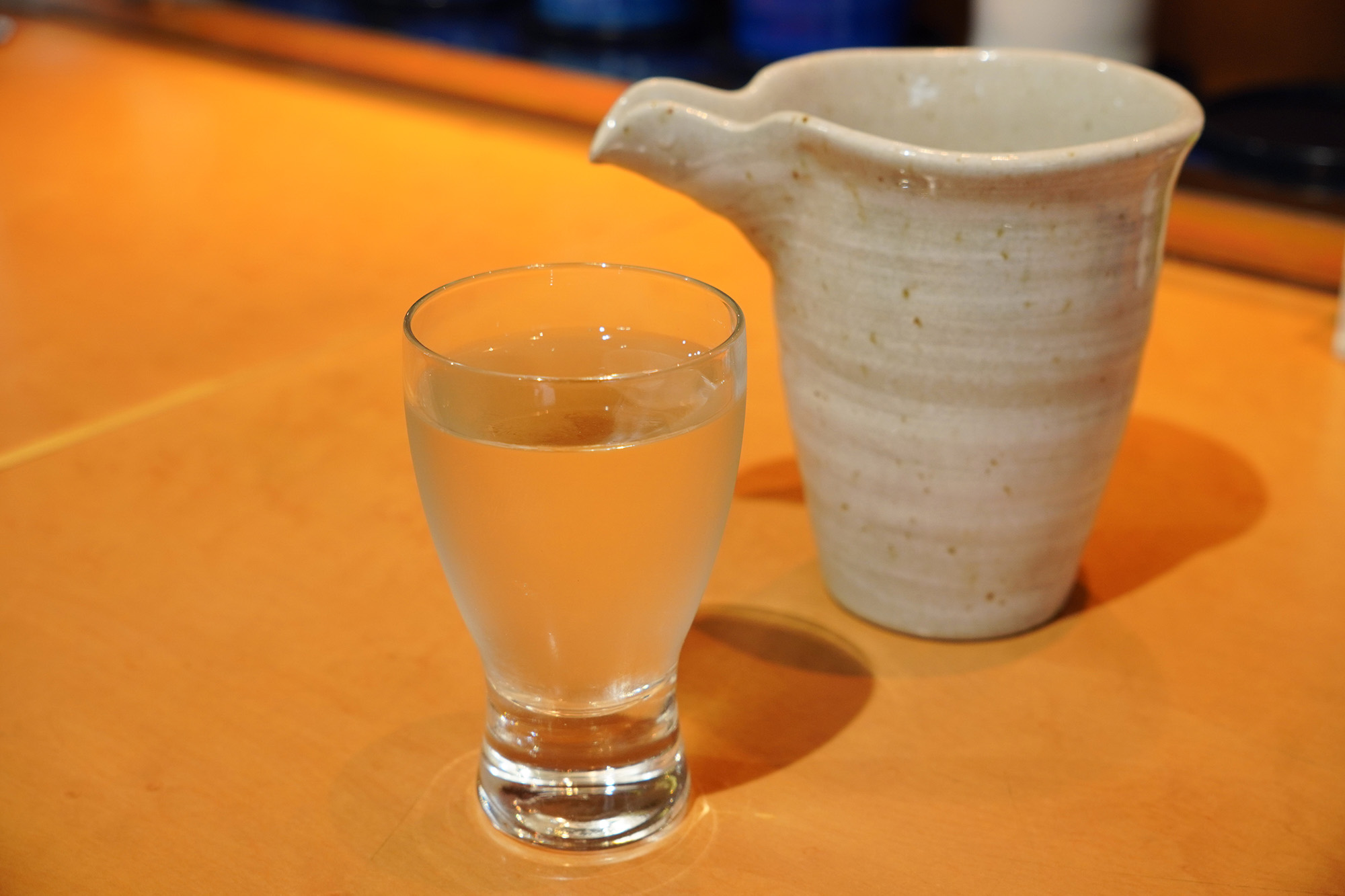
Sake is, of course, the perfect pairing for sushi. This time, I enjoyed “Urakawa.” Saura, the brewery behind Urakasumi, is a long-established company founded in Shiogama in 1724. It’s a prestigious brewery that produces “Urakasumi,” a sake made in the Nanbu Toji style, and has made its brand famous nationwide.
The local sake served at “Kaisensushi Shiogama Port” is simply exceptional. Its soft, aromatic flavor spreads gently and softly across the palate.
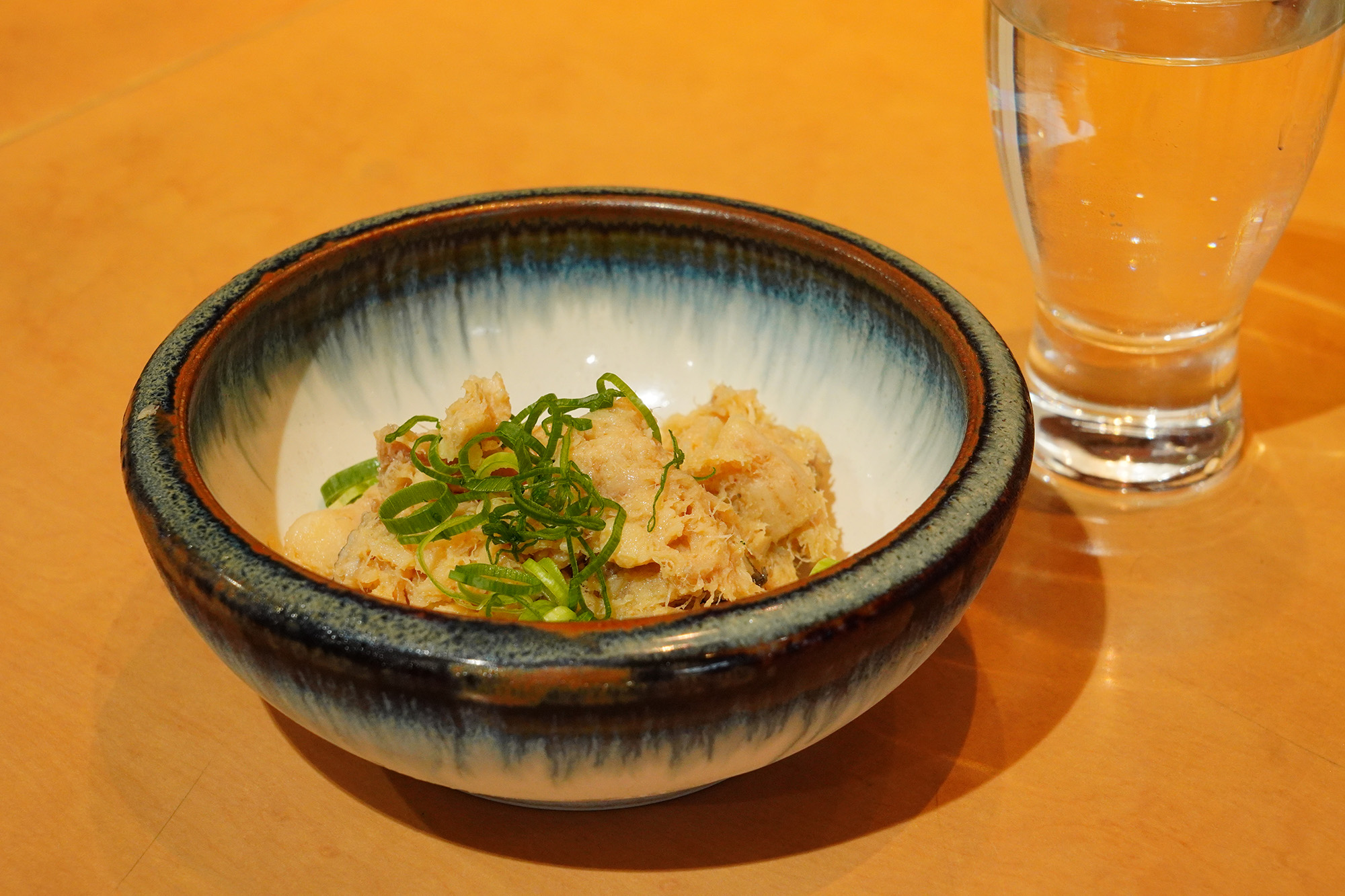
I paired it with this dish: “Monkfish Tomo-ae.” “Tomo-ae” refers to a dish where both the main ingredient and the dressing are made from the same ingredient. Monkfish Tomo-ae is a traditional dish from Fukushima Prefecture, made by tossing boiled monkfish with a mixture of monkfish liver, sugar, and miso that has been stir-fried.
Its rich, full-bodied flavor makes it the perfect accompaniment to sake. My sake cup was empty in the blink of an eye. The monkfish meat itself is incredibly rich and full-bodied, pairing perfectly with the sake. The more you chew, the more its deliciousness comes through.
I’m told other popular side dishes include rock oysters, Pacific oysters, tuna heart, and—in the summer—sea urchin and sea squirt.
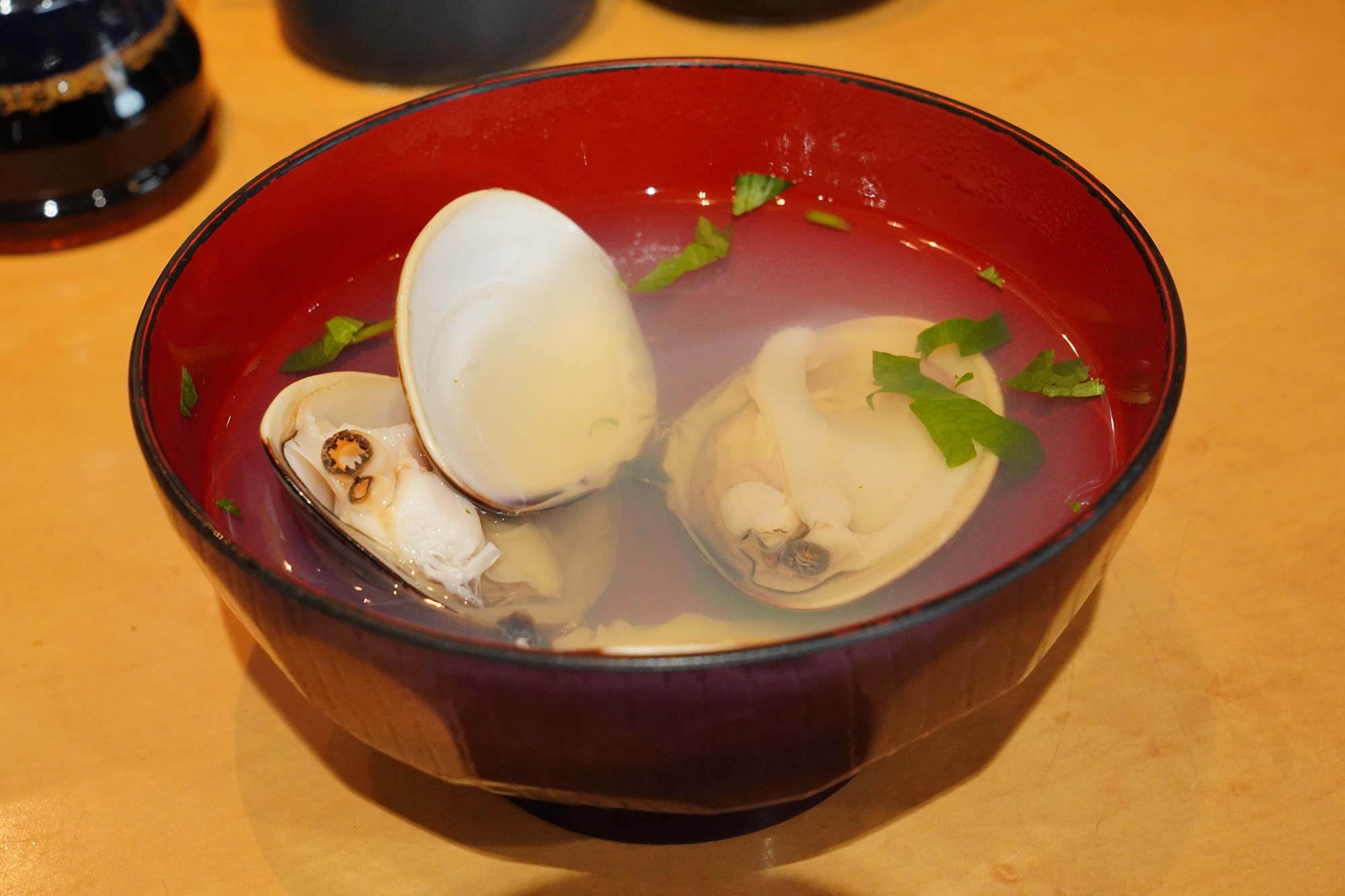
And to finish, let’s wrap things up with “Clam Clear Soup,” packed with plenty of clams.
What did you think?
While there are local conveyor-belt sushi restaurants all over the country, this time we visited the Shiogama Main Store of “Kaisen Sushi Shiogama Port,” located in Shiogama—a city renowned for having one of the nation’s highest tuna landings. The variety of incredibly fresh sushi toppings is so impressive it makes you want to exclaim, “That’s exactly what you’d expect!”—and it’s no wonder there’s a line even before opening time.
According to the staff, on weekdays, all seats are available for reservation, while on weekends, only the raised seating areas can be reserved. Also, if you’re coming without a reservation, the best time to get a seat is between 3:00 PM and 4:00 PM.
If you’re ever in Sendai, be sure to check out “Kaisen Sushi Shiogama Port.” The Sendai branch has easy directions, just a 5-minute walk from the East Exit of Sendai Station.
The Master of Detours
“Kaisensushi Shiogama Port” actually has a sister restaurant in Tokyo. “Sushi Shiogama Port Ginza Kiwami,” located in Ginza, is an upscale restaurant with counter seating only. There, you can savor not only bluefin tuna shipped directly from Shiogama Port but also carefully selected sake from the Tohoku region.
“Kaisen Sushi Shiogama Port” lets you easily enjoy tuna and a variety of fresh fish landed at Shiogama Port. This is definitely a restaurant to keep an eye on!
- “Kaisensushi Shiogama Port” Main Store
-
 18-1 Noda, Shiogama City, Miyagi Prefecture MAP
 5-minute walk from Shiogama Station on the JR Tohoku Main Line
 11:00 a.m.–8:30 p.m. (Last order at 8:00 p.m.)
 022-367-3838
“Hoshino Resorts KAI Akiu,” a ryokan nestled in Akiu Hot Spring, Sendai’s “inner sanctum”
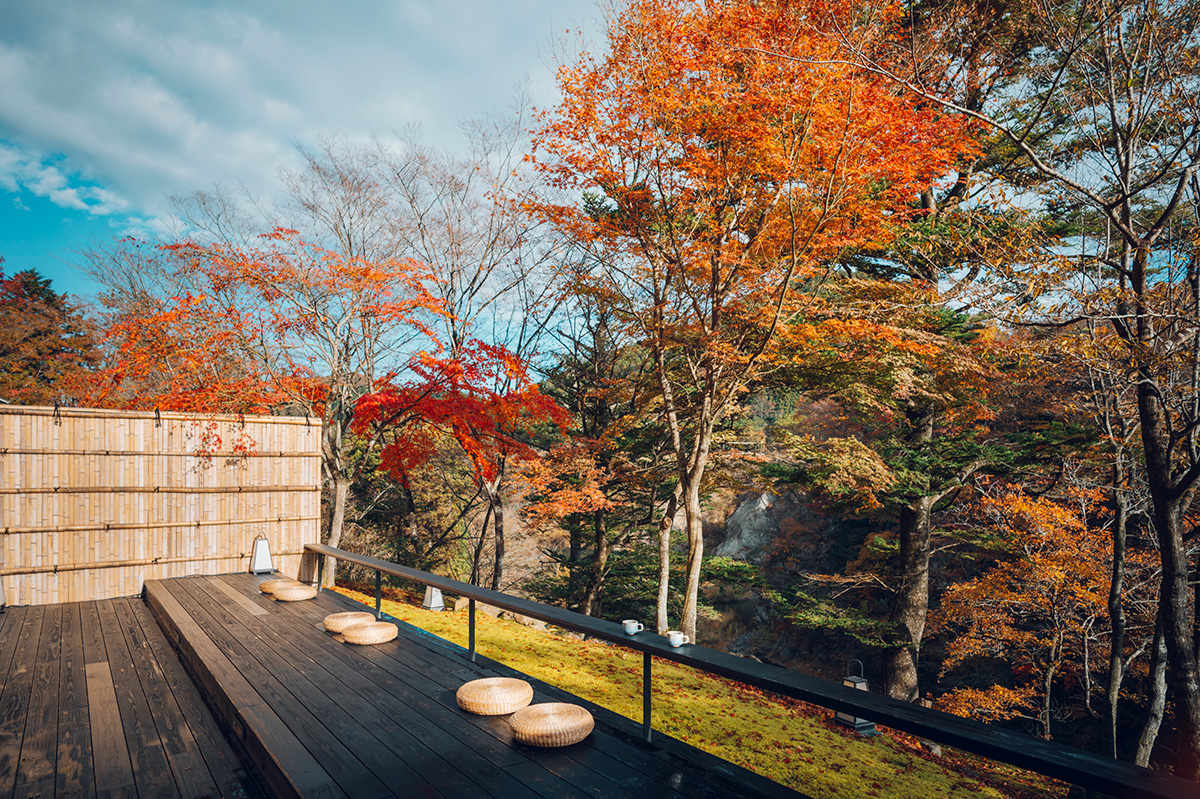
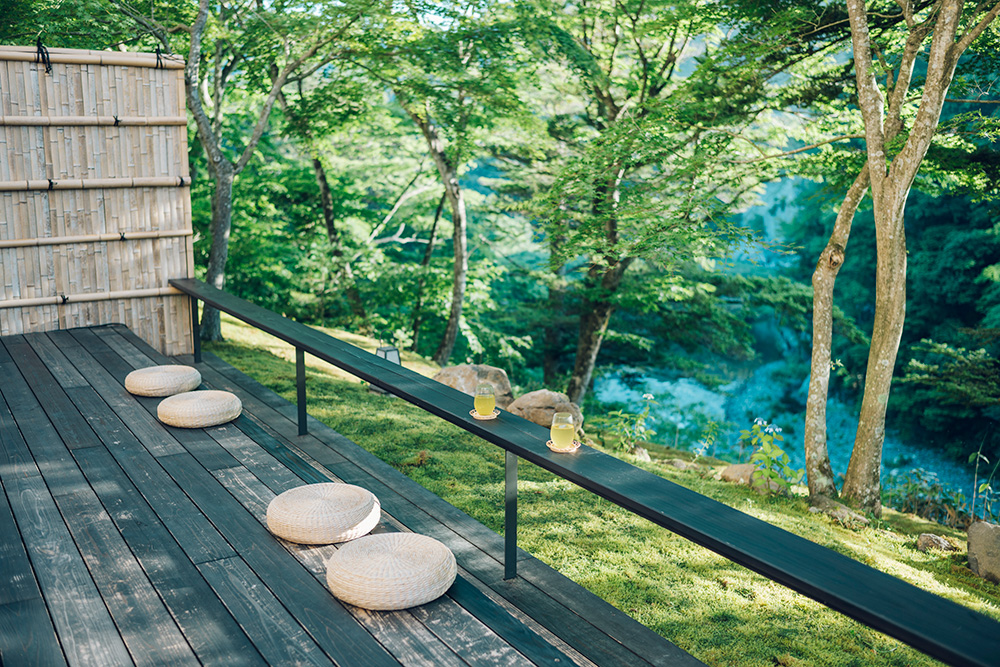
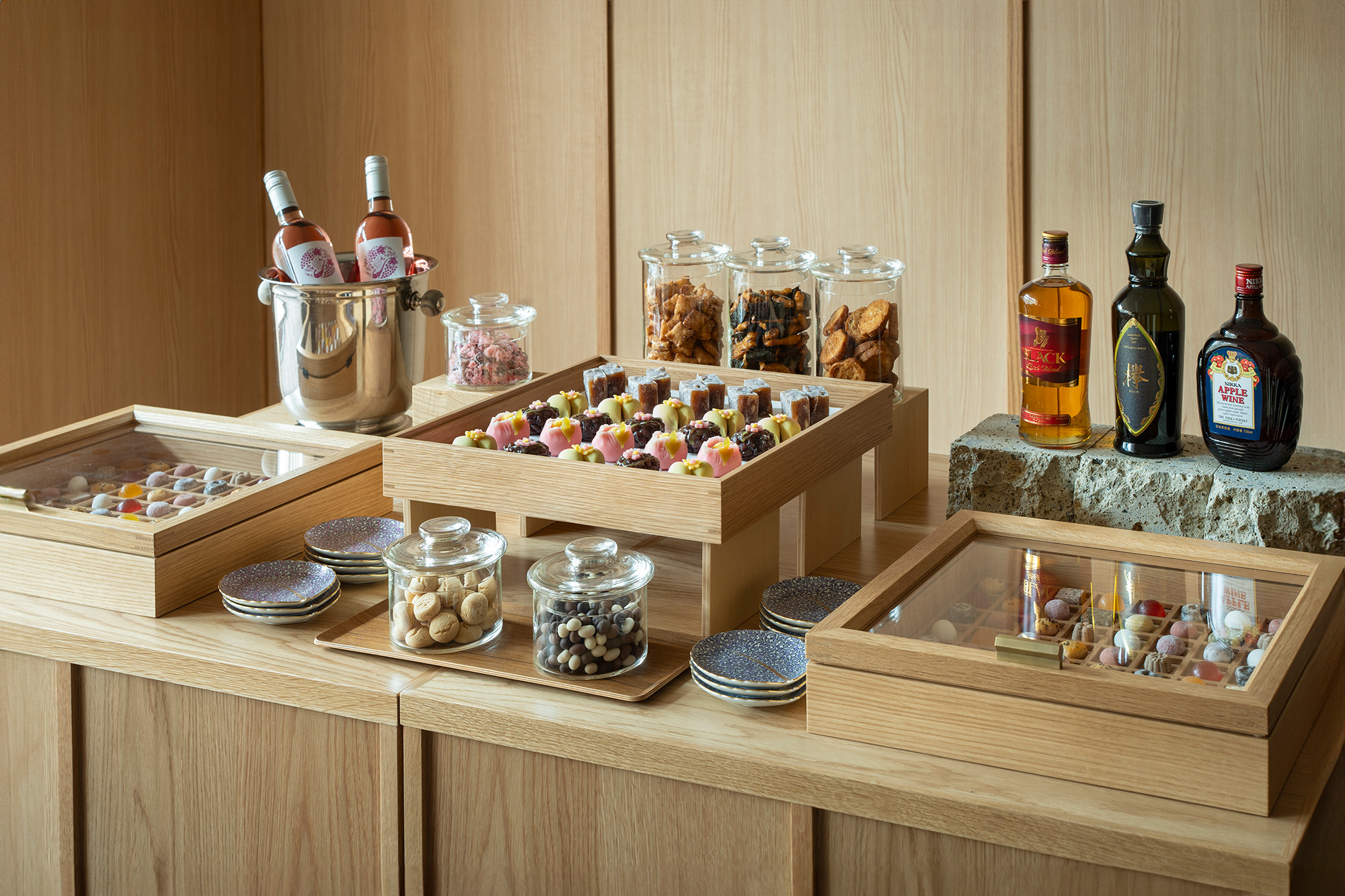
Akiu Onsen, a famous hot spring in the Oshu region with 1,400 years of history, is associated with the Date clan. At the “Seseraki Lounge,” which overlooks a mountain stream, you can spend a leisurely moment immersing yourself in nature while sipping seasonal drinks and enjoying seasonal sweets.
It’s a 50-minute drive from the inn to the Shiogama Main Store of “Kaisensushi Shiogama Port,” making it perfect for a scenic drive. Why not enjoy a trip to Sendai where you can savor Shiogama-caught tuna and fresh local fish?

Hoshino Resorts KAI Akiu
Akiu Hot Spring, Miyagi Prefecture
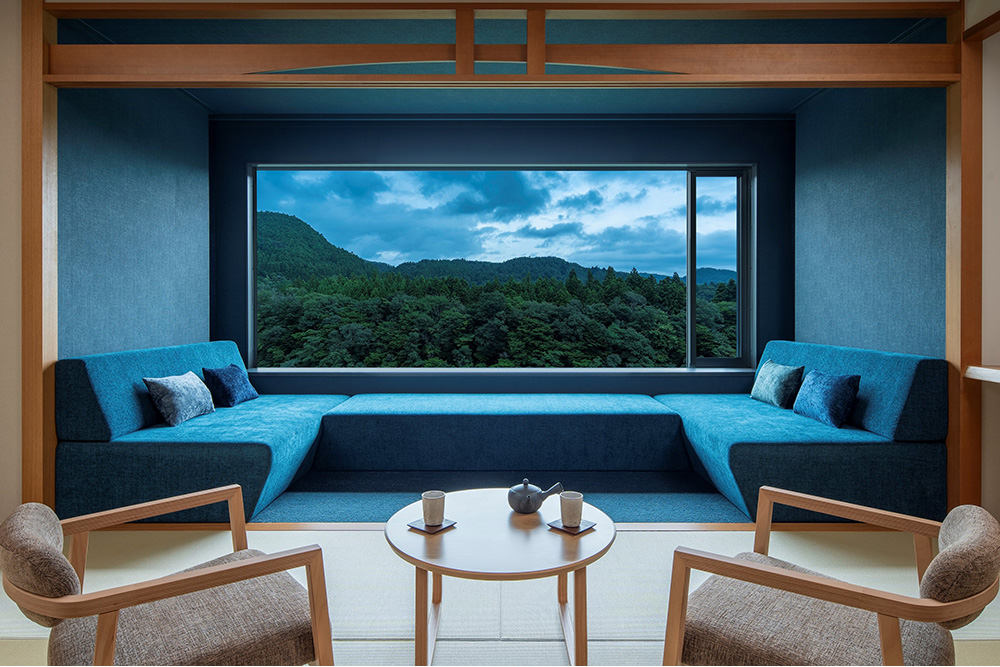
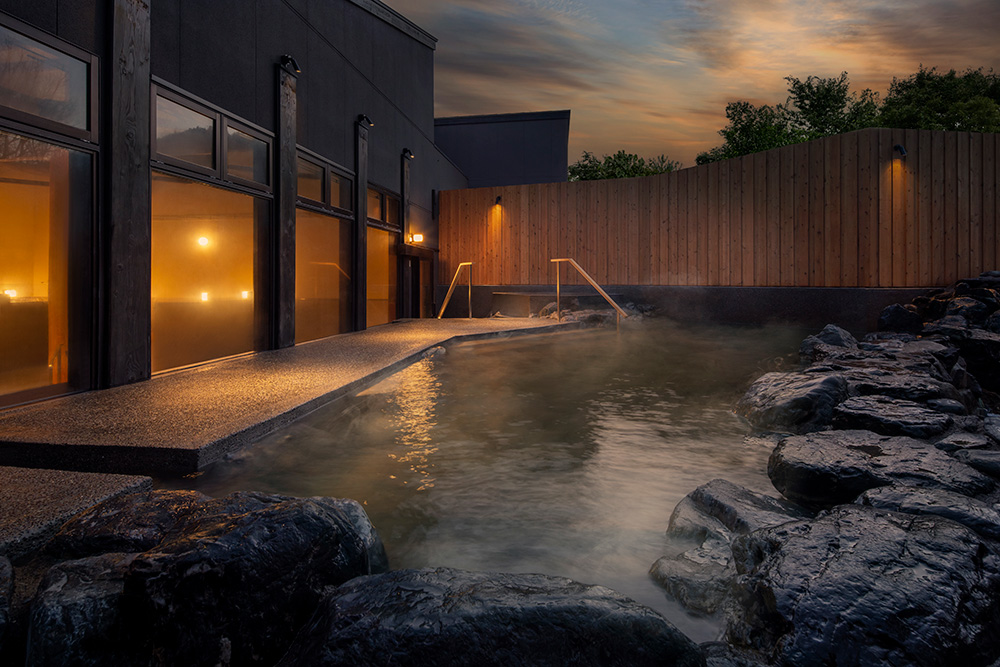
A ryokan nestled in Akiu Hot Spring, Sendai’s “inner sanctum.” Every room offers views of the mountain stream, whose beauty changes with the seasons.
Direction Take a local bus from JR Sendai Station, get off at “Hoshino Resorts KAI Akiu-mae,” and walk 1 minute
- Sample Room Rates
- Per person, per night From ¥16,819