





5 recommended museums in Hakone. From authentic to unique museums
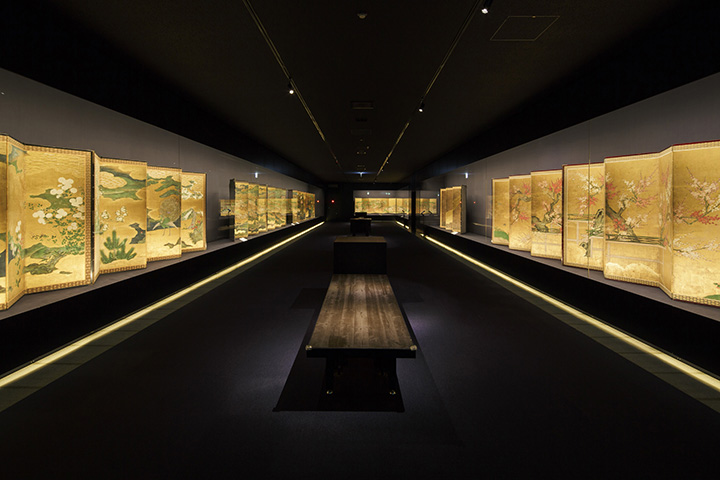
Hakone, a tourist destination that boasts a high profile throughout Japan, is also known for its many art museums. There are dozens of museums in Hakone alone, ranging from those that collect paintings and sculptures to museums that deal with specialized items such as Venetian glass. Among them, here is a selection of popular museums with photogenic works of art and architecture.
<Recommended museums in Hakone
- 1 POLA ART MUSEUM
- 2 The Hakone Open-Air Museum
- 3 Okada Museum of Art
- 4 Hakone Art Museum
- 5 Hakone Glass Forest Museum
<Onsen inns with rich individuality to enhance your trip to Hakone>.
<Recommended museums in Hakone
1Pola Museum of Art
Authentic works by Monet, Renoir, and other impressionist painters on display
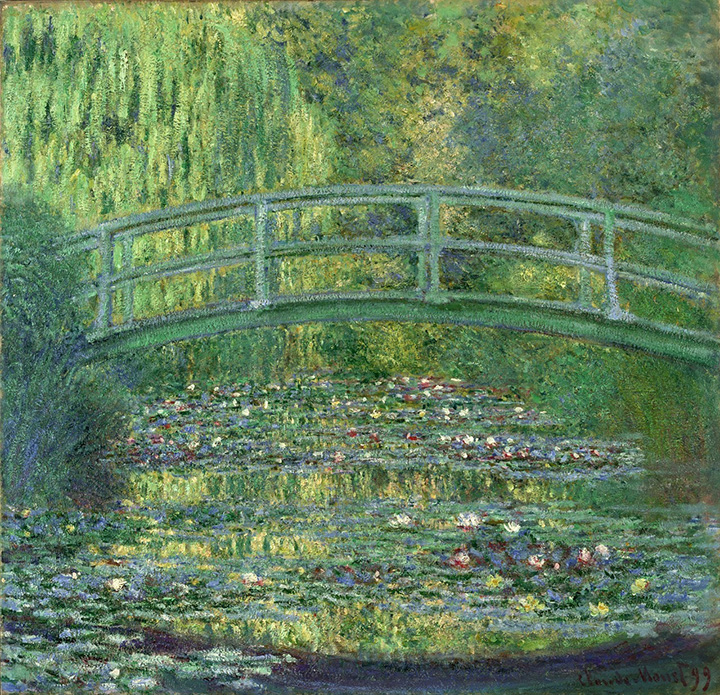
Designed to be flooded with light in harmony with the forests of Sengokuhara
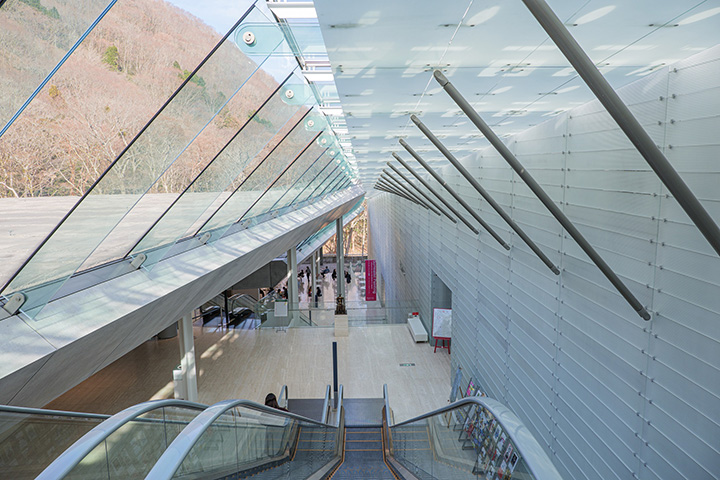
The museum is located 700 meters above sea level, nestled in the forest of Sengokuhara in Hakone. Two floors above ground and 3 floor and 3 basement levels. The five-story building has two floors above ground and three floors below ground. The building is designed to coexist with nature by keeping the height of the above-ground portion of the building low and placing most of the building underground. Furthermore, the ceiling and some of the walls on the top floor are designed with glass walls to let in a lot of light. Sunlight shines through the white walls and floors, creating a bright and comfortable space.
In addition, beech and himeshara trees grow in clusters around the museum. Along the trail leading into the forest, 25 sculptures are scattered, allowing visitors to enjoy art along with nature.

- POLA ART MUSEUM
-
 1285 Kozukayama, Sengokuhara, Hakone-cho, Ashigarashita-gun, Kanagawa MAP
 10 minutes by car from Gora Station on the Hakone Tozan Railway
 Take a bus from Hakone Tozan Railway Hakone-Yumoto Station or Gora Station, get off at "Pola Museum of Art" and walk about 1 minute.
 9:00-17:00 (last admission at 16:30)
 Open daily (closed temporarily for exhibition changes)
 Adults 2,200 yen, college and high school students 1,700 yen, junior high school students and younger free
 0460-84-2111
 Admission Fee
2The Sculpture Forest Museum
Open-air art museum where visitors can enjoy artworks that blend into the landscape
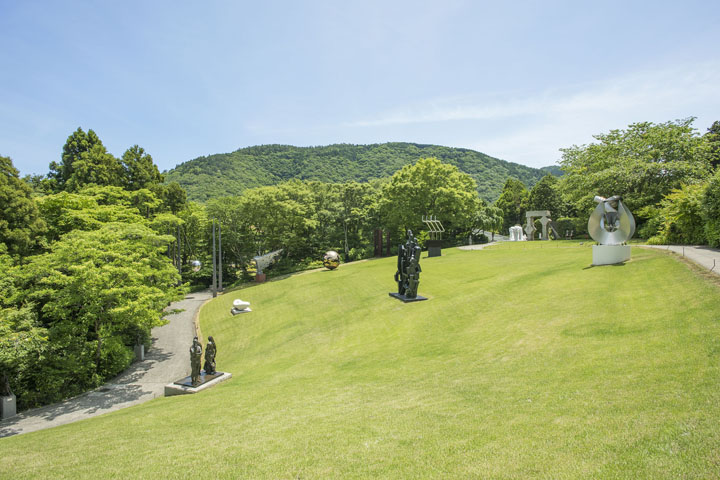
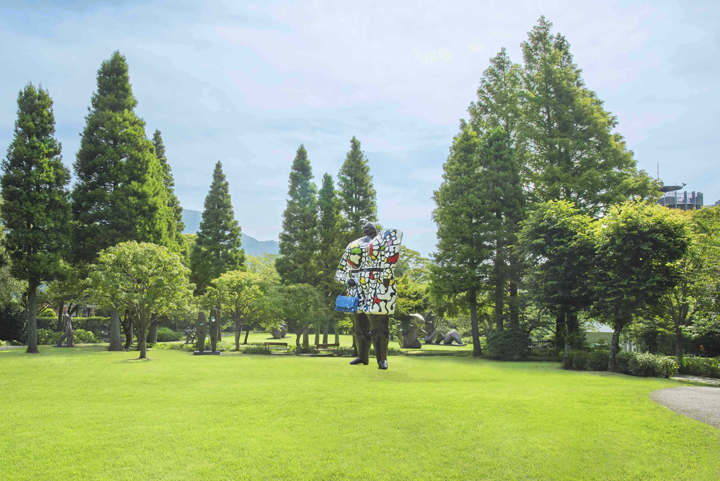
The first open-air museum in Japan, it is a short walk from the Hakone Tozan Railway's "Hakone Sculpture Forest" station and overlooks the majestic mountains of Hakone. The vast grounds of approximately 70,000 m2 are dotted with approximately 120 open-air works by famous Japanese and foreign sculptors such as Rodin and Taro Okamoto. Visitors can appreciate the masterpieces while taking a leisurely stroll through the grounds.
In addition, there are indoor exhibition spaces such as the Picasso Pavilion, restaurants, cafes, and a museum store. This is a museum that can be enjoyed by both children and adults.
Highlights include masterpieces of outdoor sculpture and Picasso's collection
The highlight of the museum is the outdoor sculptures, including the "Symphony of Happiness" sculpture, which is dotted along the trail as if blending into nature. The sculptures, which are masterpieces representing modern and contemporary art, are all within easy reach and are very powerful. The sculptures are integrated with Hakone's natural surroundings, so they take on a different appearance each season.
The Picasso Pavilion is recommended for its indoor exhibition space. Approximately 319 works, including ceramics, oil paintings, prints, and tapestries, which Picasso began at the age of 65, are sequentially exhibited. This is a must-see exhibit that allows visitors to experience Picasso's diverse appeal, which is not limited to his paintings.
- The Hakone Open-Air Museum
-
- 1121 Ninohira, Hakone-cho, Ashigarashita-gun, Kanagawa MAP
- 2 min. walk from Hakone Tozan Railway Hakone-Kakkonomori Stn.
- Take a bus from Hakone Tozan Railway Hakone-yumoto Station, get off at Ninohira Entrance and walk 5 minutes.
- 9:00-17:00 (last admission at 16:30)
- Open daily
- Adults 2,000 yen, college and high school students 1,600 yen, junior high and elementary school students 800 yen
Discounts are available for advance purchase of web tickets. - 0460-82-1161
- Admission Fee
3Okada Museum of Art
One of the largest museums in Hakone, featuring a wide range of Japanese and Oriental art from ancient to modern times

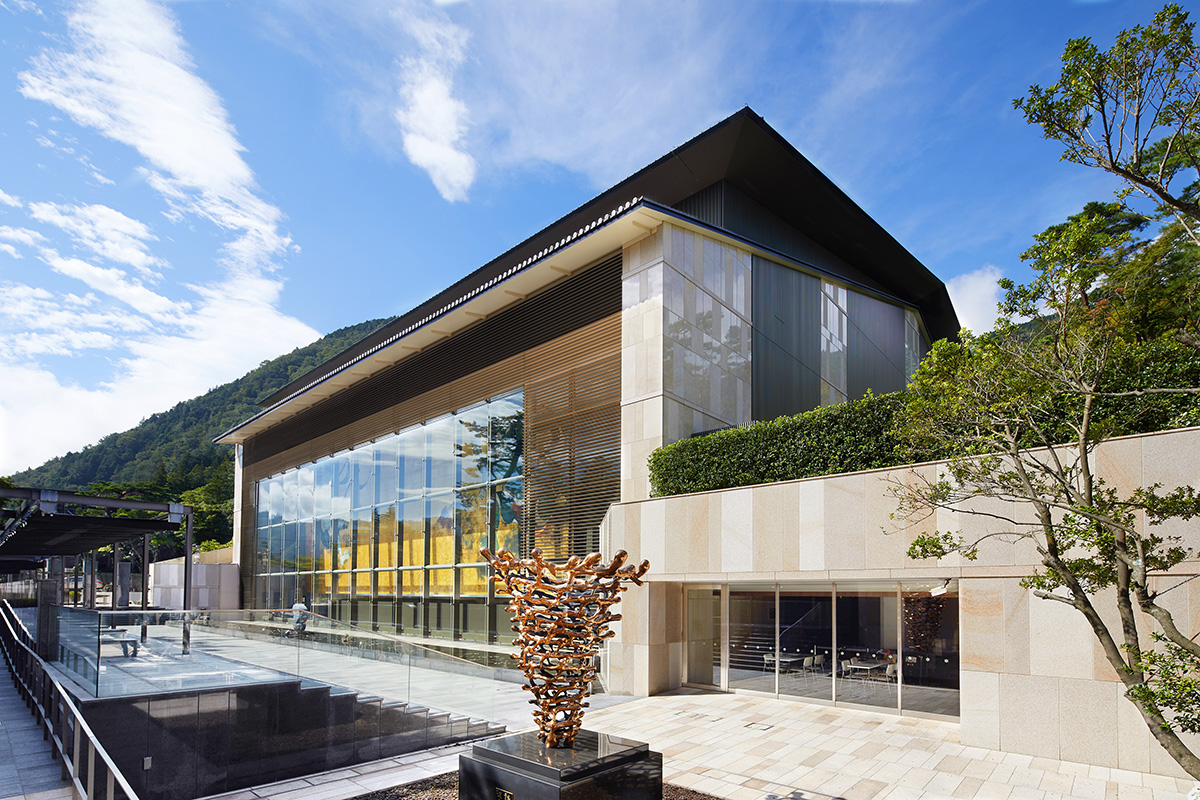
The museum opened in 2013 in Kobukudani, Hakone, and houses a large collection of Japanese and Oriental paintings and ceramics. 5 floors are devoted to Japanese paintings from the early modern and modern periods, ceramics from East Asia (China, Korea, and Japan), archaeological artifacts such as Jomon pottery and haniwa clay figures, Buddhist artifacts from the ancient and medieval periods such as Buddhist statues and paintings, and calligraphy, makie lacquerware, and jade objects, The exhibition features works from a wide range of periods and fields, including calligraphy, maki-e lacquerware, jade objects, and glassware.
Outside, there is a footbath café where visitors can relax and enjoy the view of "Kaze-Toki," a large 12-meter long and 30-meter wide mural painting depicting the Wind and Thunder Gods.
After viewing the art, relax in the beauty of the garden and go to a popular eating and drinking Property for lunch.

The garden on the grounds is approximately 15,000 m2 in size. It is a space rich in nature that takes advantage of the topography of Kowakudani, and the sound of waterfalls and mountain streams echoes pleasantly in the silence. The seasonal flowers and plants, such as gingerbread and hydrangea in early summer and autumn leaves in fall, are also highlights of the garden, and late April to early May, when approximately 200 button plants are in bloom, is especially recommended. In a corner of the garden is the "Kaika-tei," a Japanese House renovated in the early Showa period (early 20th century), where visitors can enjoy a meal or a sweet treat while admiring the view of the garden. The famous "Seasonal Fish Tempura Udon" and drink sets with limited edition chocolates made in collaboration with Pierre Hermé Paris are popular.
- Okada Museum of Art
-
- 493-1 Kowakudani, Hakone-cho, Ashigarashita-gun, Kanagawa MAP
- Approximately 19 minutes on foot from Odawaya Station on the Hakone Tozan Railway
- Take a bus from Odawara Station or Hakone-Yumoto Station on the Hakone Tozan Railway and get off at "Kowakuen" stop.
- 9:00-17:00 (last admission at 16:30)
Kaikatei Meals 11:00-17:00 (L.O. 16:30), Coffee 14:00-, Garden 9:00-17:00 (last admission at 16:30) - Dec. 31, Jan. 1, exhibition change period
- Museum admission fee: Adults and university students 2,800 yen, elementary, junior high and high school students 1,800 yen, preschool children free of charge
Footbath Admission 500 yen (free for museum visitors), Towel 300 yen - 0460-87-3931
- 500 yen per visit for those who use the museum, Kaika-tei, Ashiyu Cafe, and Museum Shop / 500 yen per hour for those who use only the garden and Parking.
 Temporarily closed until May 30, 2026, scheduled to reopen on May 31. Ashiyu Cafe, Kaikatei, Museum Shop, Garden, and Parking are open.
4Hakone Art Museum
Discover the beauty of nature at an art museum nestled in a garden
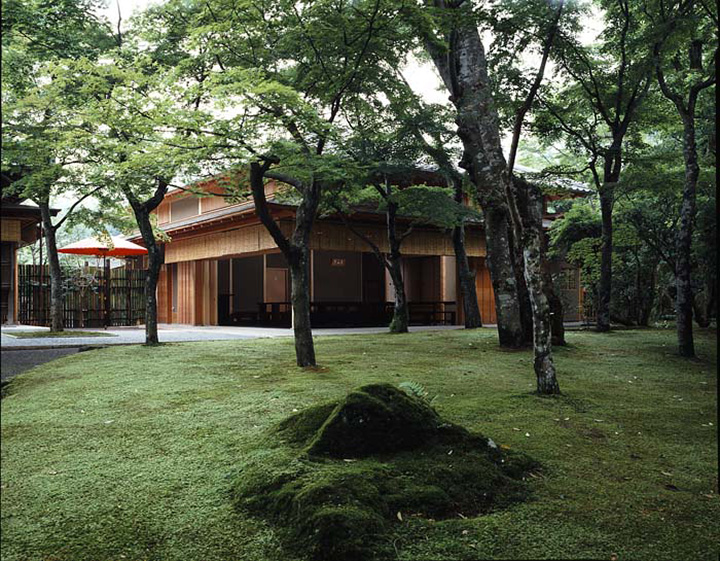
The Hakone Art Museum was designed by Mokichi Okada, the founder of the Hakone Art Museum, with an awareness of harmony with nature. The main attraction is the garden named "Shinsengo" that stretches in front of the museum's main building. The "moss garden" with approximately 130 types of moss and 200 maple trees, the "hagi path" with Miyagino bush clovers, the bamboo garden, and the "Ishi-Rakuen" with huge rocks and a mountain stream, offer a view of the changing seasons.
In the museum, pots and jars from old kilns such as Shigaraki, Bizen, and Seto ware produced in the Kamakura (1185-1333) and Muromachi (1333-1568) periods are on display.
A view of the garden decorated with moss and maple trees from the tea ceremony room
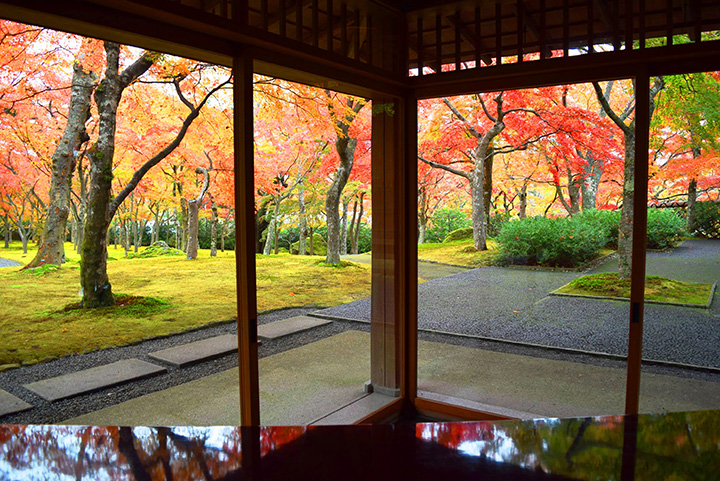
The best time to visit for those who wish to appreciate the beauty of the garden is usually around November, when the maple trees in the moss garden change color all at once. Looking out over the garden from the teahouse in the garden, you will feel as if you have stepped into a painting. The elegant scenery will calm your mind as you enjoy seasonal sweets and powdered green tea in the teahouse blending in with the autumn leaves.
The café inside the museum is also popular as a viewing spot with a large glass wall that looks out over the moss garden across the mountain stream.

- Hakone Art Museum
-
- 1300 Gora, Hakone-cho, Ashigarashita-gun, Kanagawa MAP
- 1 minute walk from Koenjo Station on the Hakone Tozan Cable Car.
- Take a bus from Gora Station on the Hakone Tozan Railway and get off at Hakone Museum of Art.
- April-November: 9:30-16:30, December-March: 16:00 (last admission 30 minutes before closing)
Shinwatei" tea ceremony room: 10:00-15:30 - Thursdays (open if Thursday is a national holiday, open year-round in November), year-end and New Year's holidays
- Adults: 1,500 yen, High school and university students: 1,000 yen, Free for junior high school students and younger
Online ticket discount available.
Tea ceremony room "Shinwatei" 900 yen per tea ceremony - 0460-82-2623
- Free
- Closed for renovation from May 7, 2026 to October 29, 2026
5Hakone Glass Forest Museum
A collection of precious Venetian glass masterpieces
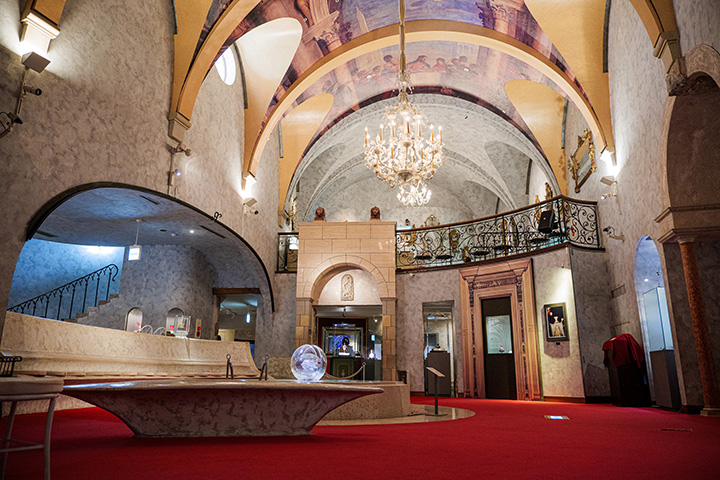
This museum specializes in Venetian glass. The park has a large garden, a Venetian Glass Museum, a contemporary glass museum, and a café/restaurant.
The Venetian Glass Museum exhibits about 100 pieces of Venetian glass from the 15th and 16th centuries, when Venetian glass was at its most prosperous, to the 19th and 20th centuries. Visitors are free to take photos of all the pieces, including the "Goblet with Lid with Dotted Floral Design," a masterpiece from the Renaissance period. The interior of the museum, which is a recreation of a European aristocratic pavilion, is also worth seeing, especially the room with a gorgeous chandelier.
An outdoor glass exhibit that shines with glittering light

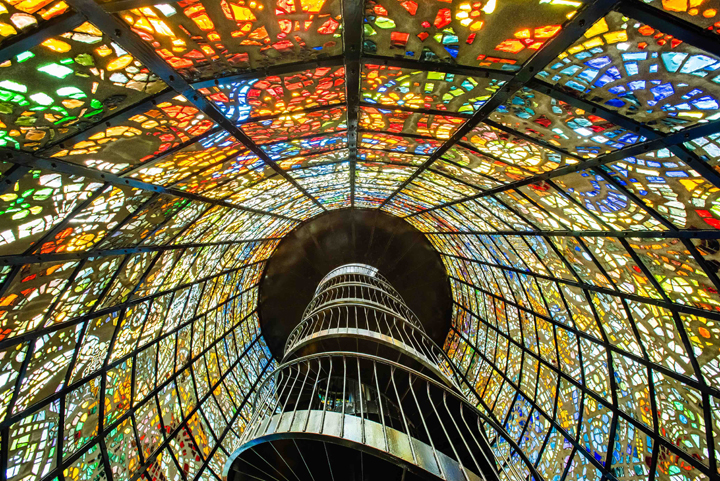
The bridge leading from the entrance of the Venetian Glass Museum to the gardens features the popular installation "Corridor of Light," made of approximately 160,000 pieces of 16-sided crystal glass that emit a dazzling seven-color light when exposed to sunlight. After circling the garden while viewing the outdoor artworks, visitors can visit the Museum of Contemporary Glass Art, where they can view works by contemporary glass artists. While admiring the works of contemporary glass artists, visitors can purchase glassware at the museum store, which carries 100,000 items in approximately 5,000 varieties.
Visitors can also enjoy a live canzone performance by an Italian singer at the park's Restaurant.

- Hakone Glass Forest Museum
-
- 940-48 Sengokuhara, Hakone-cho, Ashigarashita-gun, Kanagawa MAP
- 10 minutes by car from Gora Station on the Hakone Tozan Railway
- Take a bus from Hakone Tozan Railway Hakone-yumoto Station, get off at Tawaraseki/Hakone Glass Forest and walk about 1 minute, or take a bus from Gora Station and get off at Hakone Glass Forest.
- 10:00-17:30 (last admission at 17:00)
- January: 11 days from the day after Adult's Day (with temporary closing)
- Adults 1,800 yen, 65 years old and over 1,700 yen, college and high school students 1,300 yen, elementary and junior high school students 600 yen
- 0460-86-3111
- Parking lot No. 3 (5 min. walk) is free.
<Onsen inns with rich individuality to enhance your trip to Hakone>.
After a day of sightseeing, how about a relaxing moment at a hot spring inn? Hoshino Resorts' hot spring ryokan brand "KAI" operates two unique inns in the Hakone area: "KAI HAKONE", an all-room river view hot spring ryokan located along a mountain stream, and "KAI Sengokuhara", a studio hot spring ryokan where you can enjoy art experiences.
6KAI Hakone
A Hakone yuyokan steeped in the history of the Tokaido Highway
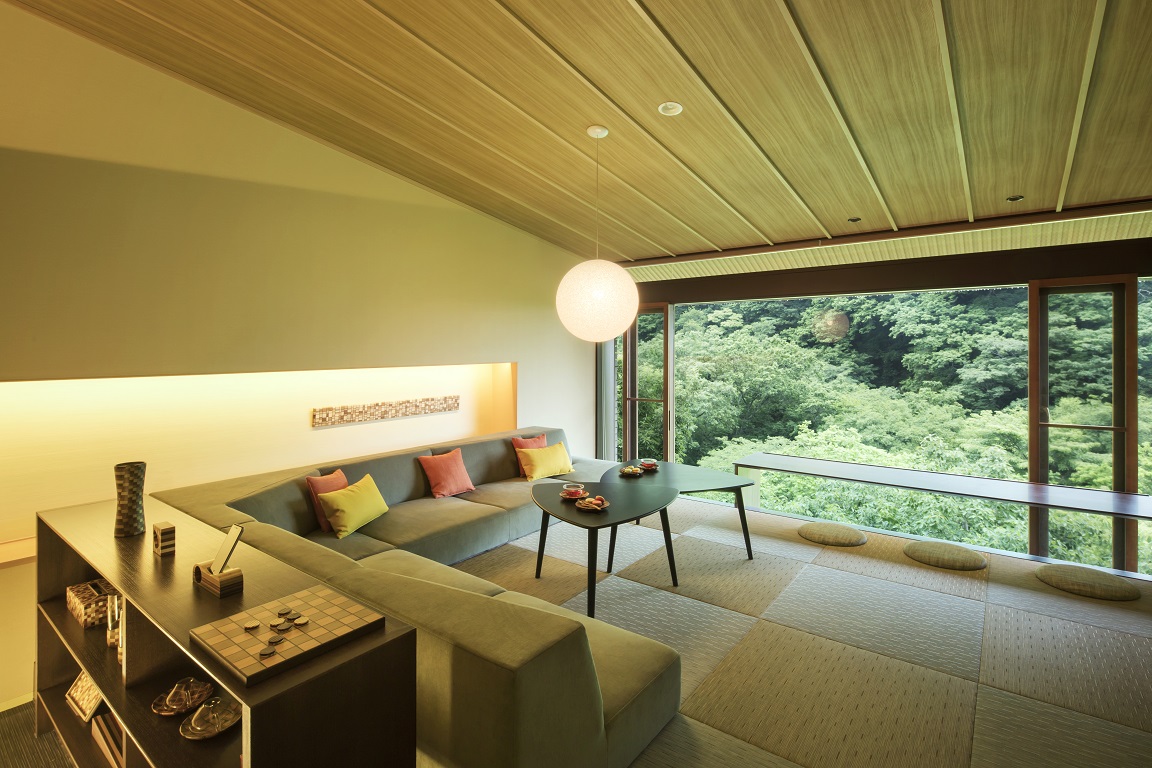
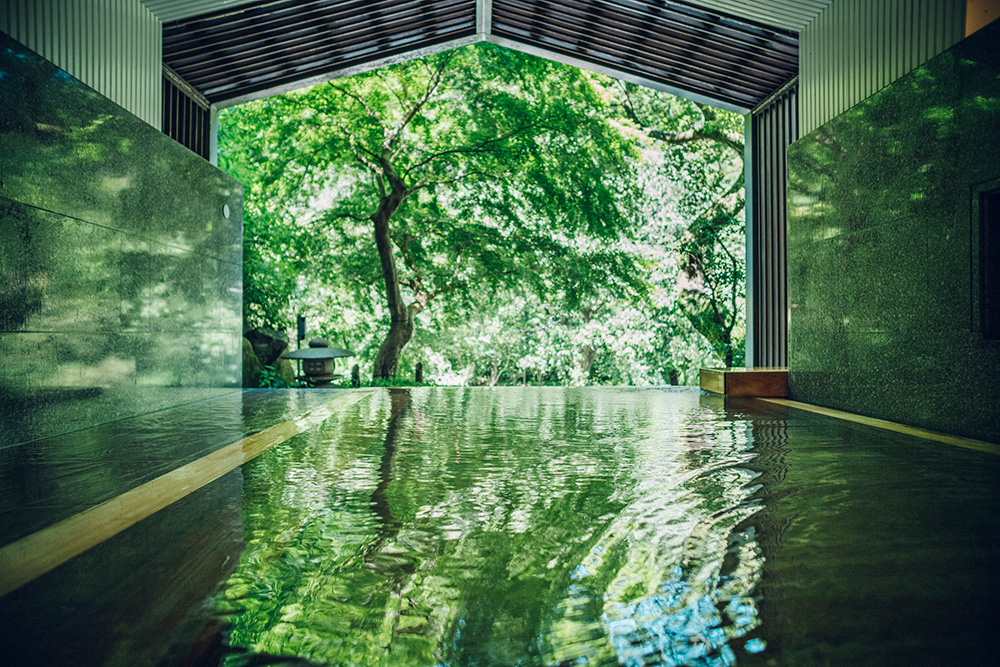
About 7 minutes by car from Hakone-Yumoto Station. This elegant hot spring ryokan is located along Hakone's old highway, facing the Sukumo River. From the bathtub filled with sodium chloride spring water, which is said to be good for a cold body, you can enjoy the seasonal beauty of Mt.
Guest rooms also overlook Mt. Yusaka and the Sukumo River, providing a quiet environment while listening to the murmuring of the river. The interior of the hotel is decorated with traditional Hakone marquetry, including tableware, hanging scrolls, and furniture, allowing guests to experience the culture that lives on in Hakone.
-2.jpg)
- Hoshino Resorts KAI Hakone
-
- 230 Yumotochaya, Hakone-cho, Ashigarashita-gun, Kanagawa MAP
7KAI Hoshino Resorts KAI Sengokuhara
Stay in a Guest room with Outdoor hot spring and be surrounded by art and nature

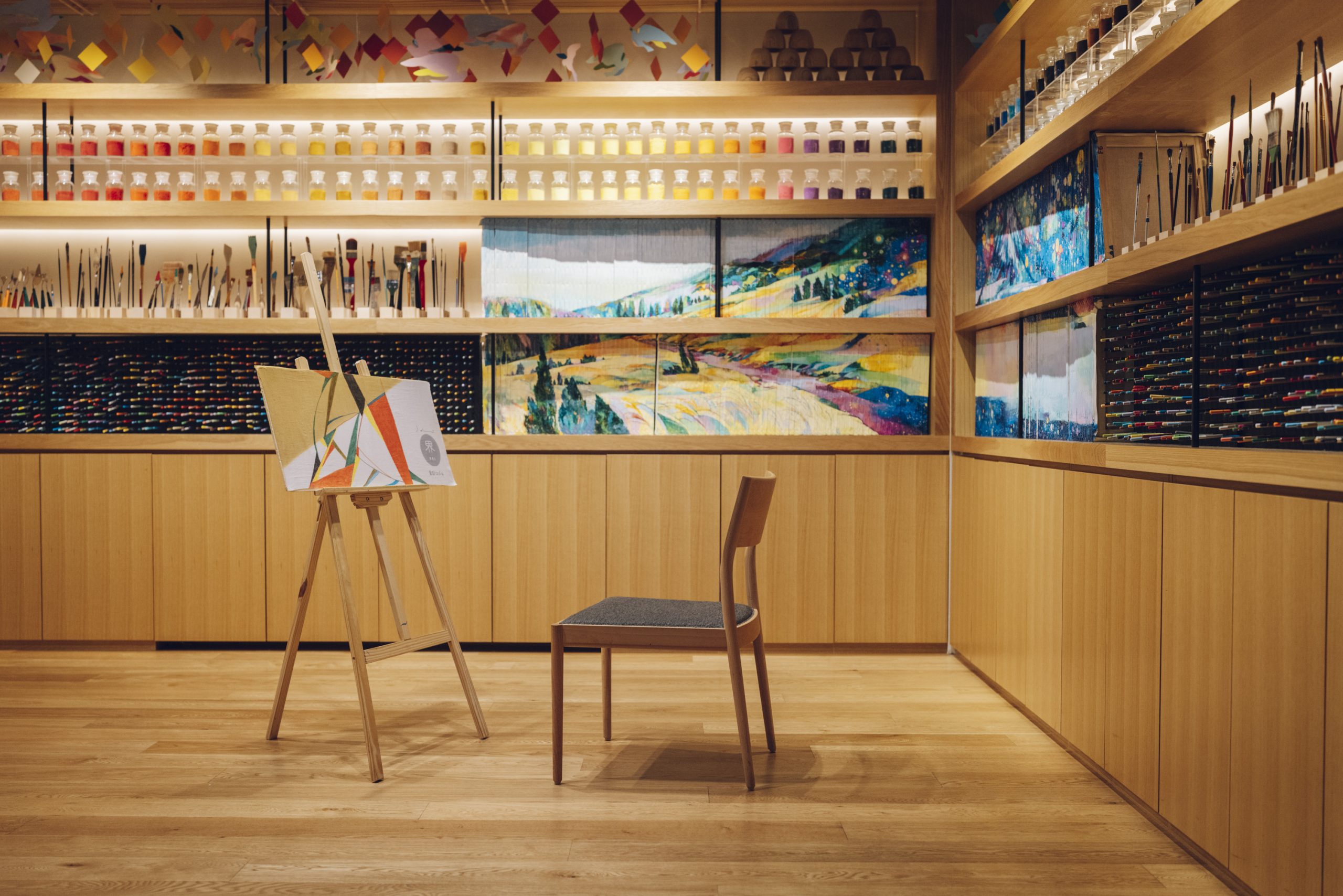
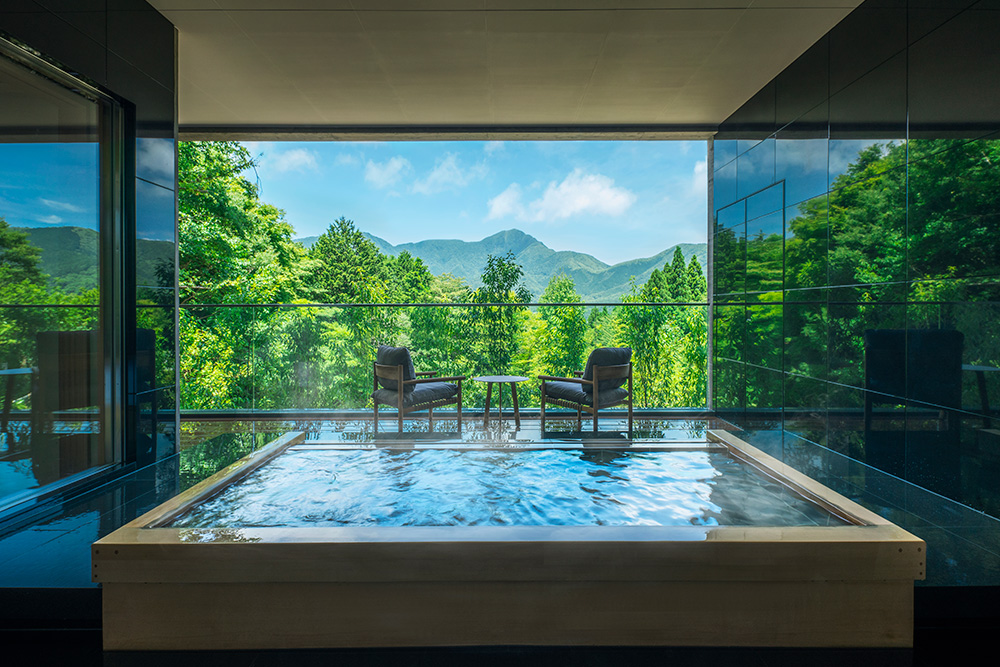
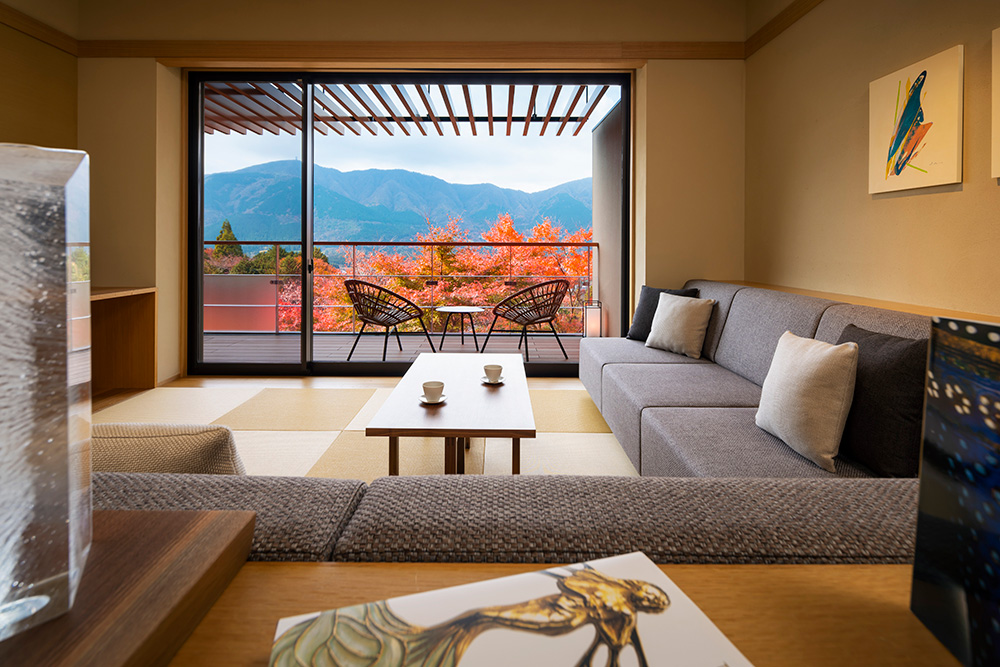
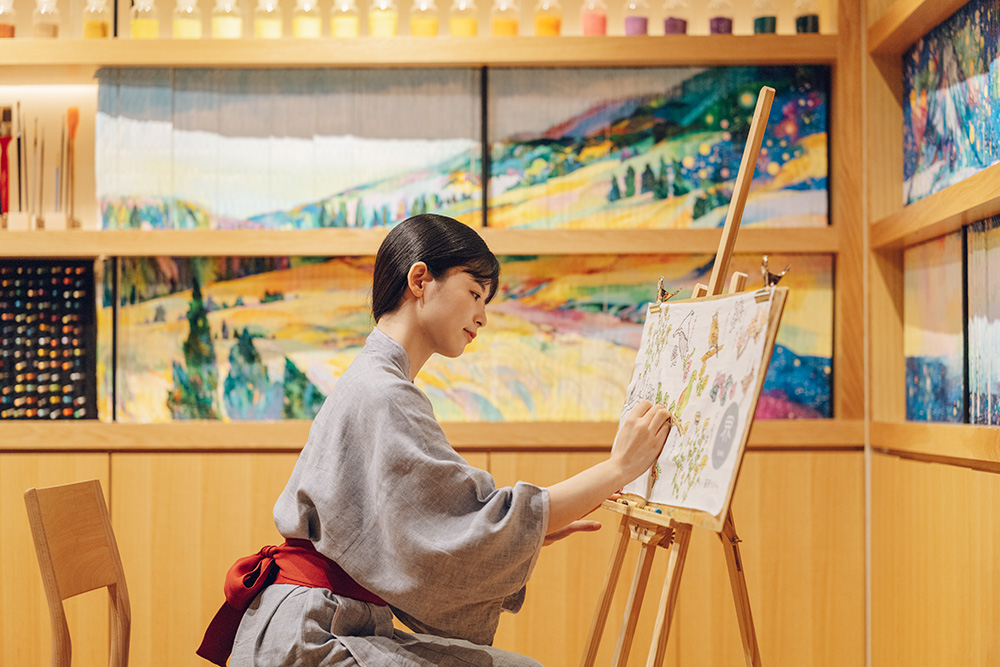
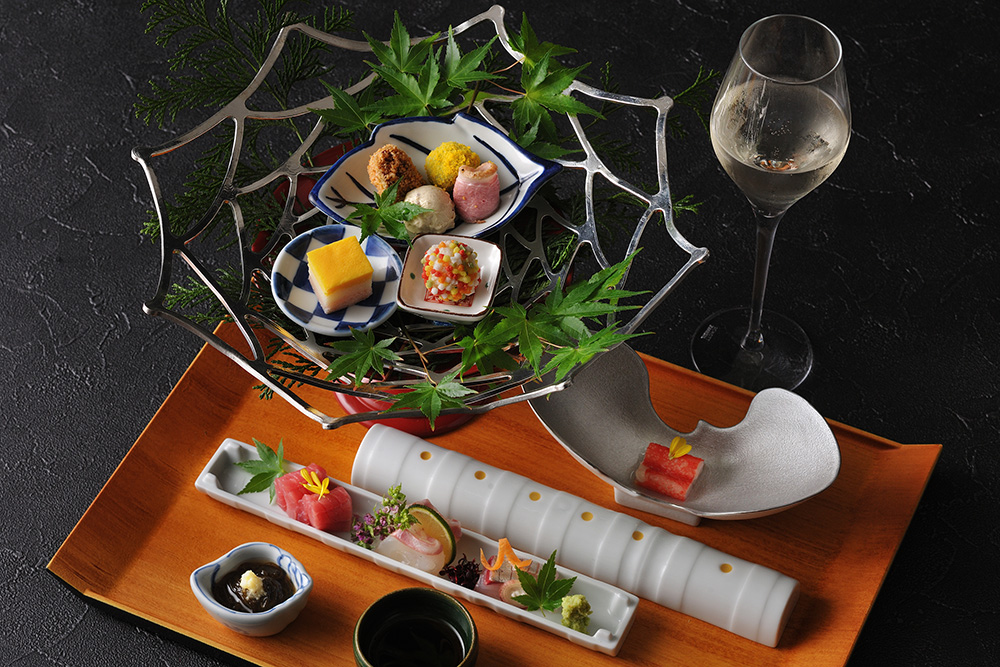
The hotel is about 30 minutes by car from Hakone-Yumoto Station. Sengokuhara, surrounded by majestic mountains and away from the hustle and bustle of the city, has been loved by many artists as a suitable place to devote oneself to creating artworks. Hoshino Resorts KAI Sengokuhara "KAI" is an atelier hot spring ryokan located in this area. Guest rooms are decorated with works of art created by artists who actually stayed at the hotel, allowing guests to relax and feel their brush strokes up close. The hot spring is a sulfate and chloride hot spring drawn from Owakudani, and a short soak will smooth your skin and warm your body. Please spend a moment surrounded by art and nature.
- Hoshino Resorts KAI Sengokuhara
-
- 817-359 Sengokuhara, Hakone-cho, Ashigarashita-gun, Kanagawa MAP
MAP
- <Recommended museums in Hakone
- <Onsen inns with rich individuality to enhance your trip to Hakone>.
- Nearby Hoshino Resorts Properties

Local Guide in Charge of This Article

- Shinji Fujino Dr. Art
Hoshino Resorts KAI Sengokuhara
Kanagawa-ken Sengokuhara hot spring
Guest rooms overlooking the magnificent nature are all equipped with Outdoor hot springs. Encountering works of art stirs your inner desire to express yourself.
Direction 15 minutes by cab from Gora Station on the Hakone Tozan Railway
- Sample Room Rates
- Per person, per night From ¥57,500
Hoshino Resorts KAI Hakone
Hakone-Yumoto hot spring, Kanagawa
Hot spring ryokan where you can experience "Hakone Gokochi" and enjoy the charms of Hakone to the fullest!
_2-2.jpg)
Direction Approximately 7 minutes by cab from Hakone Tozan Railway Hakone-Yumoto Station
- Sample Room Rates
- Per person, per night From 38,000 yen