





The tourist attraction 8 election recommended in Hakone. The happy hunting ground where crowding can be avoided is also introduced.
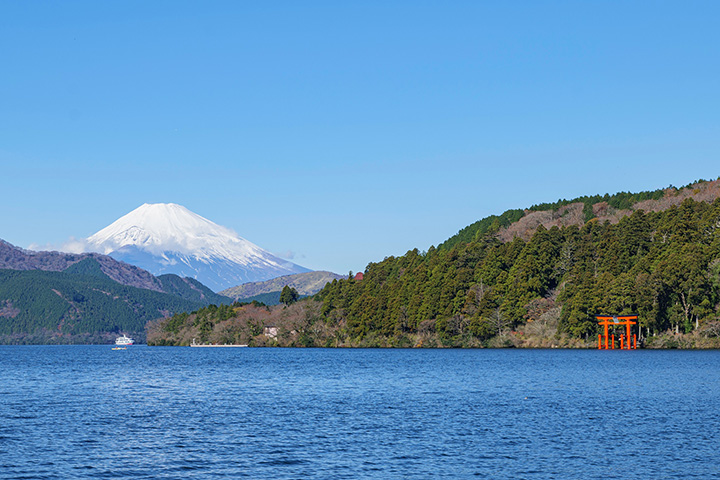
Nationwide, famous hot spring a place Hakone. The shrine where history as well as nature are here and the historic site where a change in four seasons can be felt are here and there. The whole country was flooded with an outstanding efficacious hot spring, and after refreshing oneself, wouldn't you like to take a walk through a famous place in Hakone? I'll introduce natural beauty and tourist attraction recommended to to the history lover.
< recommendation tourist attraction in Hakone>
- 1Hakone old road
- 2Lake Ashi
- 3Hotel of Mt. Odakyu Garden
- 4Hakone sekisho
- 5Hakone shrine
- 6Dogashima ravine esplanade
- 7Hakone hygrophytic flower garden
- 8Hakone Yumoto shopping district
< the hot spring inn with the abundant individuality which makes Hakone travel enrich>
< recommendation tourist attraction in Hakone>
1Hakone old road
I listen to a footstep of the people who came and went the Edo Period and Tokaidoroad.
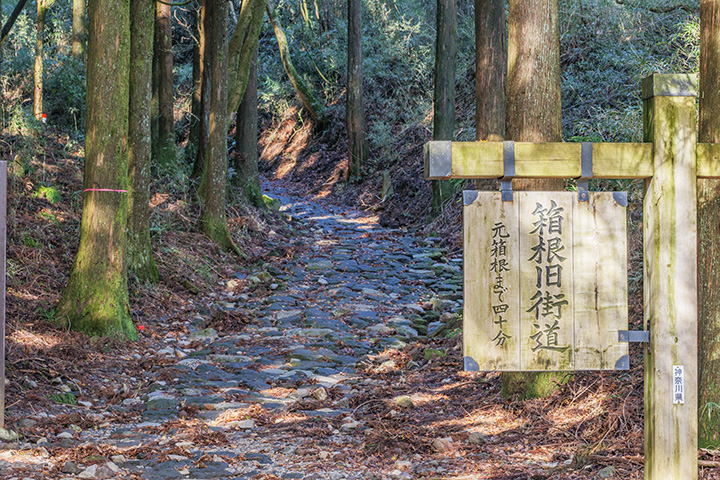
The Tokaidoroad which forms Kyoto with the Edo Period and Edo was one of main highways for people. The "Hakone old road" where the dangerous place where such Tokaidoroad is best is present. "ken in the world" and this sung mountain trail go up to about 32 km from Odawara's Hakone mouth to Mishima (about 8 ri), and say that I was called "eight ri of Hakone" and spent 1 day on an adult foot. Shogunate Government of Edo was that the stone was made a laying stone pavement, and many people tended to walk to the mountain pass in Hakone which was a mud route with which even a shank is flooded (in 1680) in 1680 recently, and started to come and go eight ri of Hakone.
A stone pavement on the Hakone old road is recommended to a hike beginner, too.
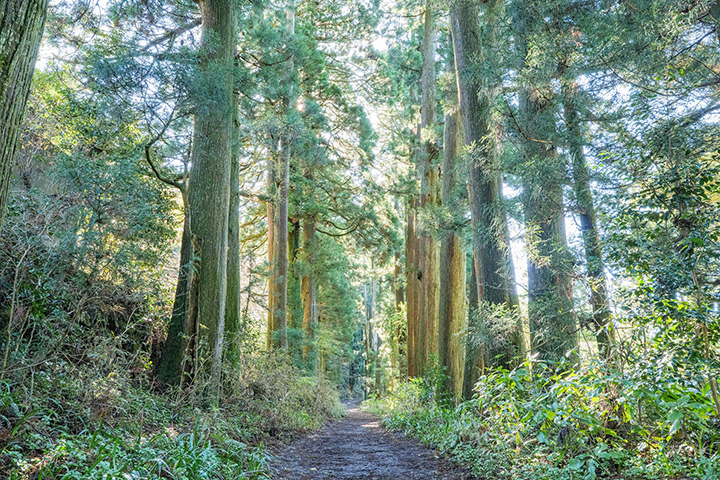
The Hakone old road popular as the hiking trail even a beginner can walk casually in now. It's possible to walk the most popular course in approximately 40-50 minutes at the route where I go from the Hakone mountaineering bus Hatajuku bus stop neighborhood Lake Ashinoko. How about taking a walk through the way of a stone pavement slowly while driving expectation in a footstep of the people who came and went in the past? The Hakone old road where you show me the expression which also depends on the weather on the day again by a changed season. Whatever Toashi is carried, you can enjoy yourself.

- Hakone old road stone pavement
-
 Aroundthe Ashigarashimo-gun, Kanagawa Hakone Machibatake inn-around Sasaharashinden, Mishima-shi, Shizuoka MAP
 It's a car from Hakone mountain railway Hakone Yumoto Station, about 15 minutes
 From Hakone mountain railway Hakone Yumoto Station, embussment and "Hatajuku" getting off for about 1 minute on foot
 0460-85-5700 (Hakone town overall Tourist Information Center)
2Lake Ashi
The scenic area which represents Hakone. Vermilion Torii who appears on a lake shines out.

The "Lake Ashi" in the caldera in a Hakone volcano is the scenic area which represents Hakone. A river is held back, and it's said that the earth and sand where I flowed were established by an eruption around the Owaku-dani Valley which has occurred about 3100 years before. Lakeside is dotted with tourist attraction of "Hakone sekisho" and "Hakone shrine" etc., and the sightseeing sightseeing boat which can enjoy the scenery of the lake is navigated. It's also recommended to the fishing loving one because it's also rich in fish of rainbow trout and pond smelt and lives. When the nice condition matches with a season, it's possible to look at "the reverse, Fuji" from a Japan cedar-lined street of "Hakone old road".
The superb view spot which looks down upon Lake Ashi
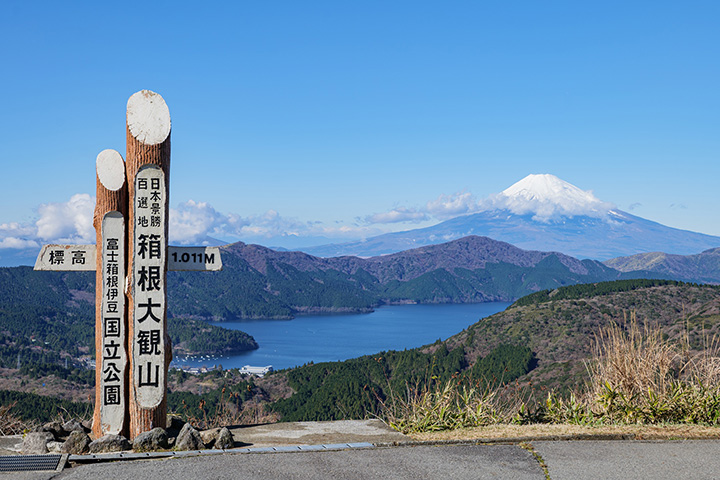
The "Akita Komaga take top station" etc. which can go from a yuan Hakone harbor by "Hakone Komagatake ropeway" which departs from and arrives at the "royal gift Hakone park" to which you can walk "Hakone garden" is famous as the view spot which looks down upon Lake Ashi. There is something wonderful both views, but the one which is recommended to the person who goes sightseeing by a car is "Mt. overview, observatory". Before going up route 75 of prefectural highway (common name: Camellia line) for about 15 minutes from a yuan Hakone harbor, it's possible to have that and look down upon Lake Ashi from the front in Parking, and the state of the Lake Ashi shaped slender in north and south can be understood.

3Hotel of Mt. Odakyu Garden
Azalea and rhododendron which bloom with multicolor are highlights.

The noble family hotel in the wonderful location in which Mt. grand Fuji appears looking down upon Lake Ashi and when wishing for a far place. Akikazu Taisho Azalea blooms simultaneously at the beginning of May, and the vast garden taken over from 4 generation eye of the Mitsubishi combine and Iwasaki shouyata (KO YATA) baron villa by a businessman in the first term buries in the park like a colorful carpet. To plant a stock of "Tamatsukuri RI" and the called big and small cut roundly, while utilizing a heave of the topography well, the surrounding view and flower are the cityscape which was beautiful and fused. The rhododendron which becomes in full bloom is late for bloom of Azalea a little, and also excellent.
Furuki big stock beyond 100 years and the valuable kind are also must-see.

Azalea of the old kind made in the Edo Period and the Western rhododendron to which you say that it was imported into Japan for the first time also have the abundant valuable kinds. There is also a big stock beyond the height of the senior beyond an age of the tree for 100 years and the person, and it's also the beautiful garden where it's rare and valuable nationwide. It's also consent that a baron invited many visitors to floral best time and was entertaining.
It's dotted with a highlight "hill in Fuji ken", "path of colored leaves", a chapel and a lawn square in the park. There is a paved promenade where a wheelchair and a stroller can also be passed, so flower viewing can be enjoyed comfortably.

- Hotel of Mt. Odakyu Garden
-
- Ashigarashimo-gun, Kanagawa Hakone Machimoto Hakone80 MAP
- It's a car from Hakone mountain railway Hakone Yumoto Station, about 25 minutes
- There is curtesy transportation bus from a yuan Hakone harbor (only the hotel hotel Property user).
 A garden 9:00-17:00 (the last reception).
 Open everyday ※ February 17-February 19 is hotel special closed.
 900 yen of all except for except for except for during a※ Azalea flowering period is (more than elementary students) free.
- 0460-83-6321
 Free
Free
4Hakone sekisho
I time-travel to the world in the Edo Period.

The reason that Hakone was called "ken in the world" isn't only steepness of the mountain pass way. Even the inside of Tokaidoroad was inspected severely in particular in a reign of Tokugawa shogunate, and you couldn't come and go easily. Important remains of traffic history "Hakone sekisho" is restored such Edo Period. When setting one step of foot on a site, it's possible to taste the atmosphere of the Edo Period, and photogenic display can also be enjoyed. Wonderfully, the scenery from the watch shed where you can get a bird's-eye view of Mt. Lake Ashi and Fuji again (= looking a distance bansho) is a recommended photography spot.
The one which is being restored perfectly at a sekisho trace in the whole country, only Hakone sekisho.

Sekisho of 53 was put in the whole country according to some material in the Edo Period, but all buildings were abolished in 1869 (1869), and were demolished. The barrier which reappears including the shape of the building, the color, the built location and ambient surroundings, only this Hakone sekisho. The same one as real thing can be visited mostly because great master's work and tool in the Edo Period are also used for the restoration. A life-sized doll is put in the inside of the building, and to see one scene of a severe inspection in at that time as well as material. Further you can take a picture of the location besides "Hakone sekisho Shiryokan Museum" completely.

- Hakone sekisho
-
- Ashigarashimo-gun, Kanagawa Hakone town Hakone1 MAP
- I pass Hakone Shinmichi by car from Hakone mountain railway Hakone Yumoto Station, about 25 minutes
- About 40 minutes and "Hakone sekisho mark" get off Hakone mountain railway Hakone Yumoto Station by embussment, about 2 minutes on foot
- 9: 00-17:00 or 12-February 9:00-16:30 ※ last entrance is until 30 minutes before of closure.
- Open everyday
- 500 yen for an adult and 250 yen for a schoolchild
- 0460-83-6635
- I don't have that.
5Hakone shrine
History Masashi who has watched Hakone for 1260 is a shrine.

The "Hakone shrine" where many people who visit Hakone go and worship. The shrine where I have the history the saint of numbers of books who received an oracle in Hakone Ogami in the first year (757) Tenpyo-hoji in Nara era established by a biting wish. An old cedar and Lake Ashi beyond an age of the tree for 600 years are circled by abundant nature in a precinct, and I'm producing the solemn atmosphere.
"Peaceful Torii" who has to be popular in particular in the precinct before having finished coming down stairs following a main shrine. Even a tour guide can take a picture of nice one with the deep red Torii which is the photo spot which is often introduced and floats on Lake Ashi.
Kanto, outstanding power spot. I find the good match and go around shrines and temples.

The "Kuzuriyuu shrine" which are a Hakone shrine and the subordinate shrine is also famous as a power spot of a matchmaking. When "two coming" at which I go and worship will be done, both companies are chosen, and it's said that they can receive a big oracle. I walk along shrine street" in the northwest from a Hakone shrine to Kuzuriyuu shrine Hongu, and, about 40-50 minutes. When the person who doesn't have time goes to "Kuzuriyuu shrine Shingu" which is immediately next to the main shrine in a Hakone shrine, two coming will be possible.
Shinto Ceremony as a monthly festival (they don't run out, case) is also performed at Kuzuriyuu shrine Hongu for 13 days every month, and quite many worshippers gather from the whole country.

- Hakone shrine
-
- Ashigarashimo-gun, Kanagawa Hakone Machimoto Hakone80-1 MAP
- It's a car from Hakone mountain railway Hakone Yumoto Station, about 30 minutes
- Embussment and "Hakone shrine entrance" get off Hakone mountain railway Hakone Yumoto Station, about 10 minutes on foot
- 0460-83-7123
- Free
 A Hakone Lake Ashi sightseeing boat runs between "Kuzuriyuu shrine visit ship" only a day of Kuzuriyuu shrine Hongu monthly festival (13 days every month), and it's possible to go from a yuan Hakone harbor to Kuzuriyuu shrine Motomiya neighborhood by ship.
6Dogashima ravine esplanade
The ravine where time of the fresh green leaf and the colored leaves is recommended

Hayakawa who turns clear water on Sagami-wan from Mt. Hakone. You're maintaining during its way and approximately 1.5 km which leads to from Dogashima hot spring in Miyanoshita to Kiga hot spring as "Dogashima ravine esplanade". A heart bets long years and is just seeing beauty of the ravine Hayakawa's flow has begun to shave, and should be healed. When walking along an esplanade irrelevant to a pother, wrap yourself up in the tone of the water which flows through a gorge and twitter of a bird, I make them forget that Hakone is the place where you can go from downtown in only 1 hour.
The suspension bridge which spans the dam where water drops (cough) and a ravine is highlights.

A hiker with a camera visits in walk in the season when a fresh green leaf and colored leaves are beautiful. The hermitage where you say that an old hierarch built while traveling is reproduced, and if, the cityscape taste is continues, and I don't make an eye of the person who enjoys walk get tired. The suspension bridge it takes for highlights on the esplanade around Kiga hot spring and the weir which is right in front of it. The suspension bridge which was done with its back to the dam where the rich quantity of water drops dissolves well in the landscape of the ravine, and is popular as a photography spot. It's often introduced by the pamphlet which introduces four seasons of Hakone.

- Dogashima ravine esplanade
-
- AroundAshigarashimo-gun, Kanagawa Hakone town Miyanoshita-around Ashigarashimo-gun, Kanagawa Hakone town Kiga MAP
- From Hakone mountain railway Miyanoshita Station, about 10 minutes on foot
- From Hakone mountain railway Hakone Yumoto Station, embussment and "Miyanoshita" getting off for about 10 minutes on foot
7Hakone hygrophytic flower garden
A seasonal plant is enjoyed it comfortably while feeling nature of Hakone.

The "Hakone hygrophytic flower garden" where a plant as much as about 1700 kinds is being planted in an approximately 30,000 square meters of site. 1100 kinds of grassland, woods and alpine plant in addition to 200 kinds of plant in a fen with which a various part of Japan is dotted, additionally a foreign unusual mountain flower makes a flower bloom in each season. A promenade is maintained in the park and you can tour in the park in about 40 minutes while feeling a change in vegetation. History in Sengokuhara wetlands is being introduced by a panel in the exhibition hall in a management ridge, and there is pleasure I know to the small part.
Popularity is a skunk cabbage in spring and Dog-tooth violet.

Open time of the ordinary year is from spring to a late fall, at the beginning of April when a skunk cabbage blooms at the time when many tourists visit the inside. Every time a Ryukin mosquito runs after a day when a flower of a skunk cabbage meets best time, the kind of flowers is also increasing, and a visit in spring is told in the park. The Dog-tooth violet clumped in the fallen leaves woods ward of colored leaves in the park is the pretty flower which makes a red purple petal bloom. It's said that it takes 8 years by an average until I bloom. If a flower of Dog-tooth violet can see the state in full bloom simultaneously, it can be said a considerable lucky owner.

- Hakone hygrophytic flower garden
-
- Ashigarashimo-gun, Kanagawa Hakone town Sengokuhara817 MAP
- It's a car from Hakone mountain railway Gora Station, about 15 minutes
- From Hakone mountain railway Gora Station, embussment and "in front of hygrophytic flower garden" getting off for about 1 minute on foot
- 9:00-17:00 (16:30 last entrance)
- Open everyday (on ordinary year December 1-on March 19, winter closure)
- 700 yen for an adult and 400 yen for a schoolchild
- 0460-84-7293
- Free
8Hakone Yumoto shopping district
A gift is at a stoop in Hakone.
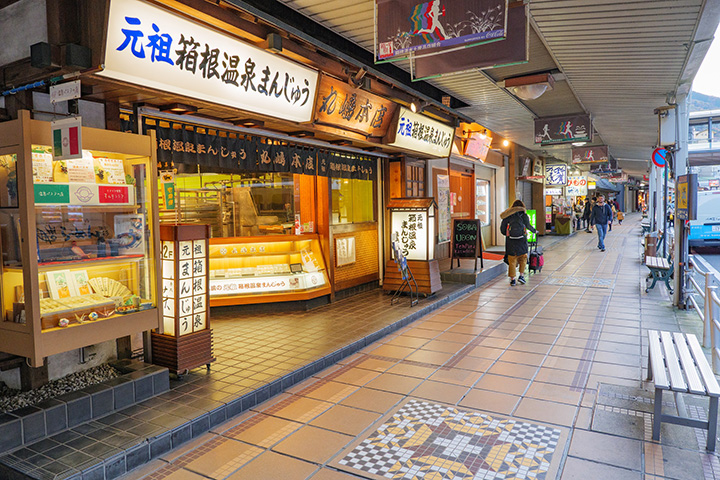
The Hakone Yumoto Station which is also a terminal for Odakyu Romance Car train at the main station of a Hakone mountain railway. There is a shopping area where a Hakone area is biggest along a Route 1 line through the west side of the station. Many gift shops such as the store where Traditional Pottery items of Hakone are sold to parquetry and the store where the fish dried fish which has come at Sagami-wan is sold are standing in a row. Additionally the restaurant where a this place gourmet and sweets can be tasted, more than one, there is a store where you have that and rent available hot springProperty and yukata by one-day visit, and there should be a lot of people who do Nagai carelessly, too.
"HakoneHot spring bean jam bun" from long-established store and Marushima main store of a hot spring bean jam bun

A typical gift of Hakone is this shopping district which gathers, and recommended one piece is a Hakonehot spring bean jam bun from Marushima main store where it takes pride in history of foundation for more than 120 years. The rather sweet bean paste by which the feature was strained politely. Rather soft, even how much does fabric with brown sugar made in Okinawa seem eaten? jou or the separate sale which has been just done can also be bought at a storefront, but it's most suitable for a gift in a box which also contains the bean jam bun wrapped in fabric of white sugar. It's in a shopping area which store the store of a hot spring bean jam bun is, so it's also pleasant to walk and find a favorite while comparing the feature.

- Hakone Yumoto shopping district
-
- Ashigarashimo-gun, Kanagawa Hakone Yumoto of a town MAP
- Hakone mountain railway Hakone Yumoto Station getting off
- 0460-85-7751 (Hakone Yumoto tourist association)
- Payment required
< the hot spring inn with the abundant individuality which makes Hakone travel enrich>
It's a hot spring inn behind easy SHIN TA, and how about sightseeing some time of the relaxation? The hot spring brand of Hoshino Resorts "the world" is managing an original inn of 2, smart Hot spring ryokan "Hoshino Resorts KAI Hakone" which pauses along a valley stream and atelier Hot spring ryokan "Hoshino Resorts KAI Sengokuhara" art Experience can enjoy in the Hakone area.
9Hoshino Resorts KAI Hakone
Yunoshuku in Hakone GOKOCHI flooded with history of Tokaidoroad
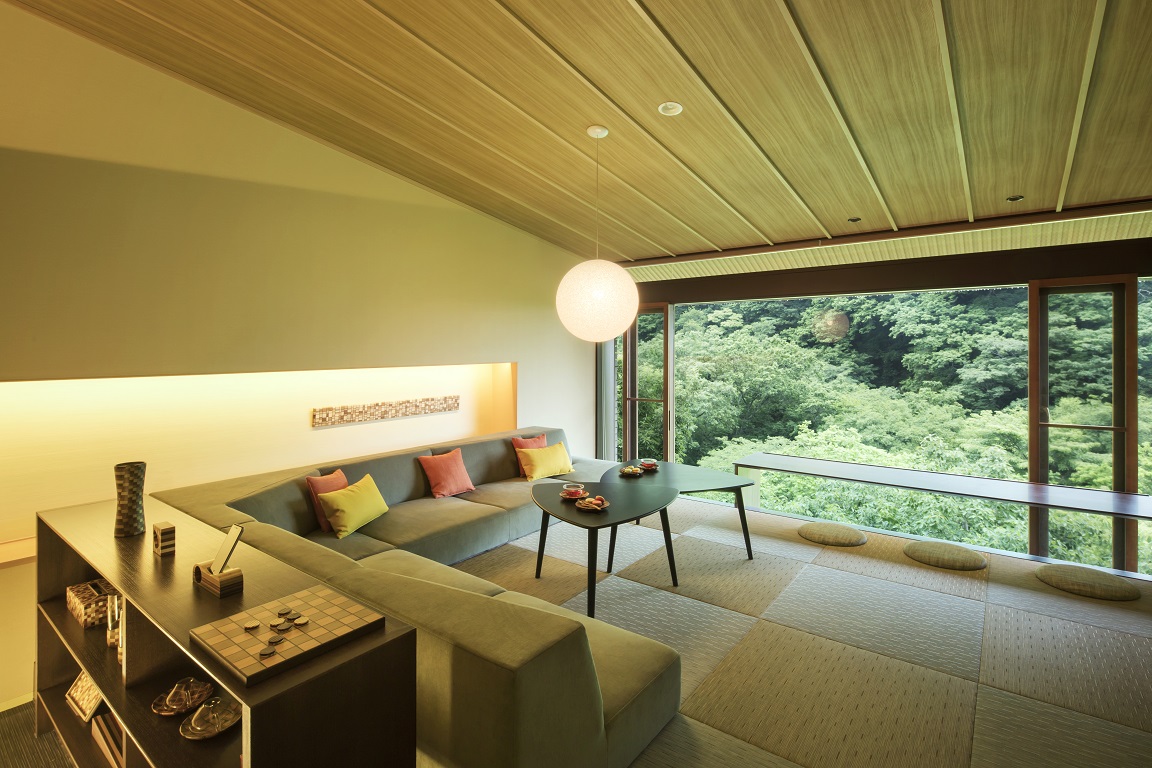
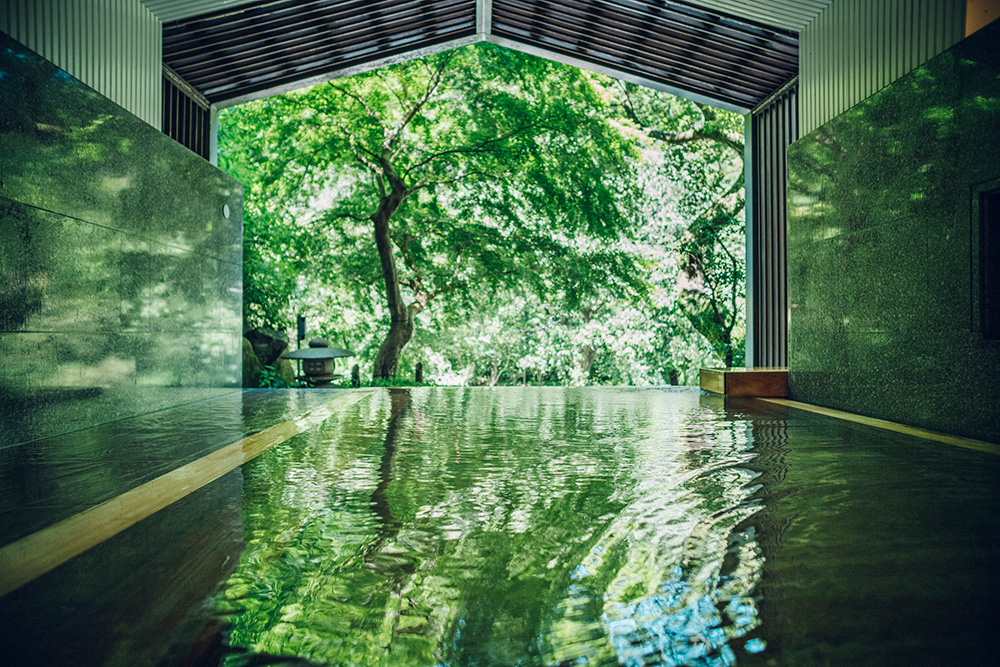
It's a car from Hakone Yumoto Station, about 7 minutes. shousake which pauses at the place facing Sukumogawa along a Hakone old road, Hot spring ryokan. Taste in each season in Mt. Yusaka can be enjoyed from the bathtub full of a source of the NATORIUMU Chloride spring by which you assume that it's good for a poor circulation.
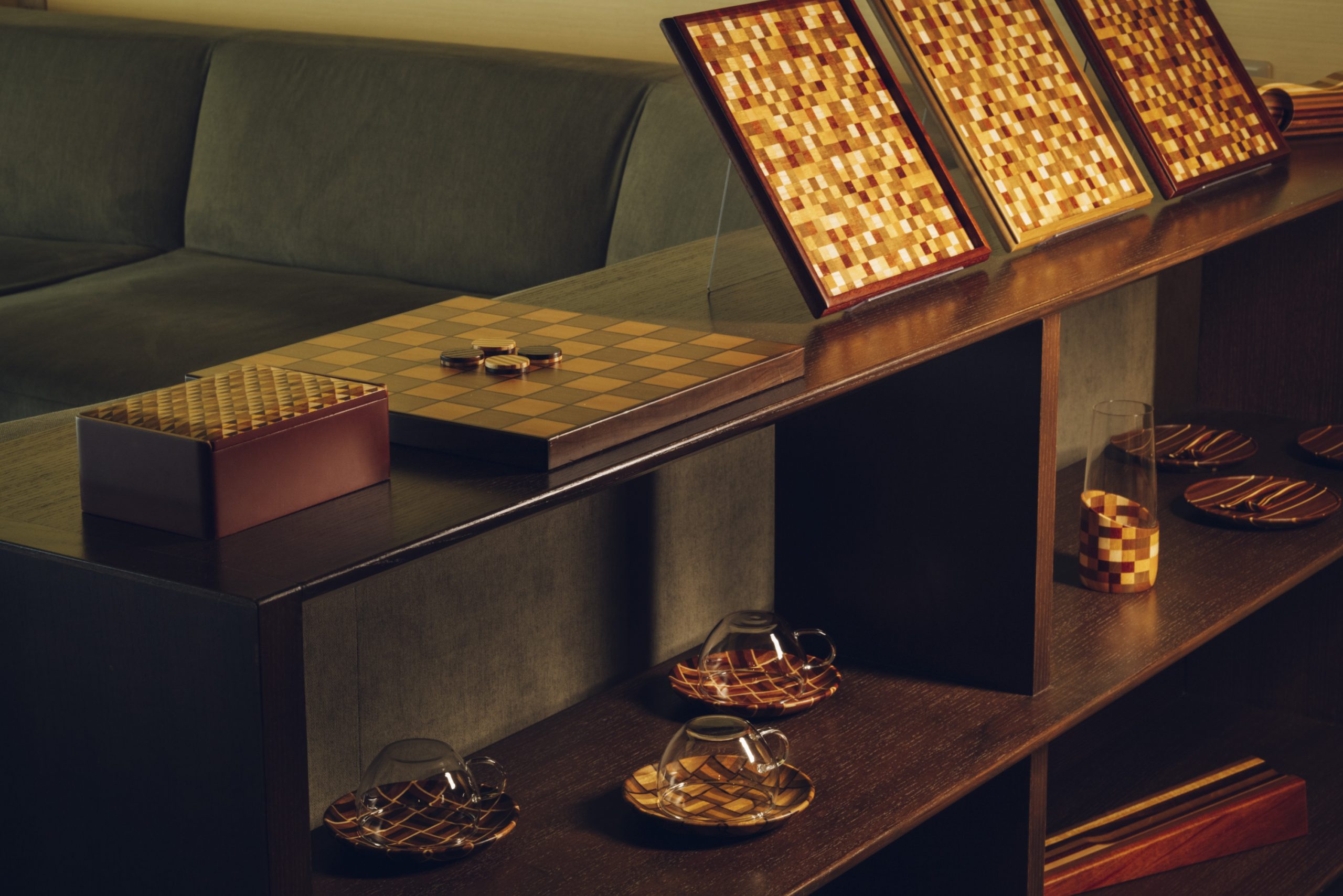
It's also possible to wish for Mt. Yusaka and Sukumogawa from whole Guest room, and you can have time by the quiet environment while listening to a brook on a river. Inside of the building can feel the Bunka when I'm taking a container of Traditional Pottery "Hakone parquetry", a hanging scroll and furniture in and breathe in Hakone.
- Hoshino Resorts KAI Hakone
-
- Ashigarashimo-gun, Kanagawa Hakone town 230, Yumotochaya MAP
- It's a car from Hakone Yumoto Station, about 7 minutes
- 050-3134-8092 (the world, reservation center)
- I have that.
- Your reservation is this.Hoshino Resorts KAI Hakone Reservation site.
10Hoshino Resorts KAI Sengokuhara
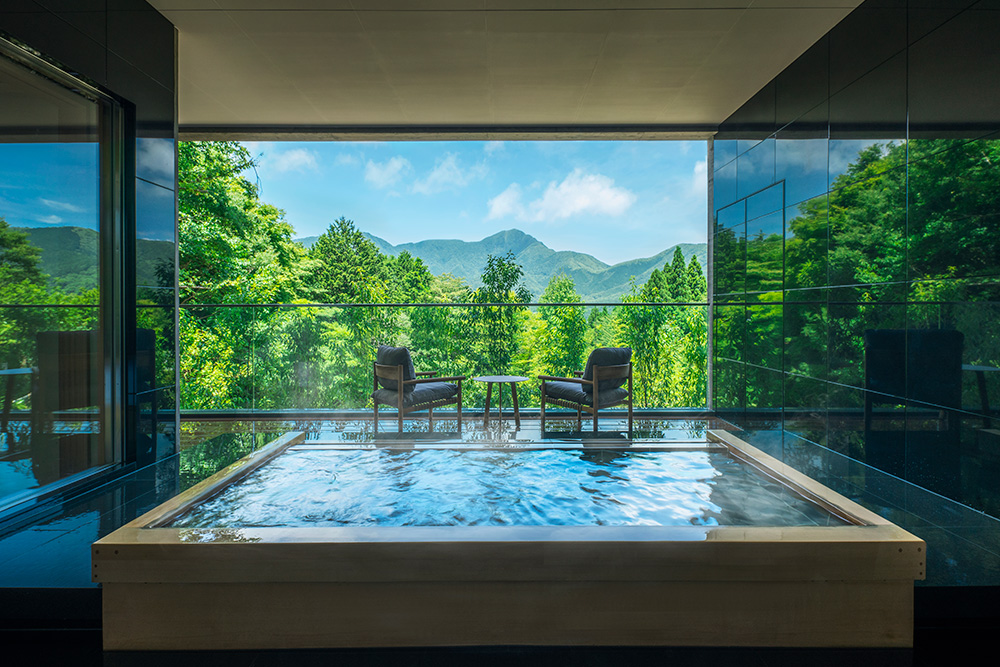
The stay which stays in Guest room with Outdoor hot spring and wraps it in art and great outdoors.

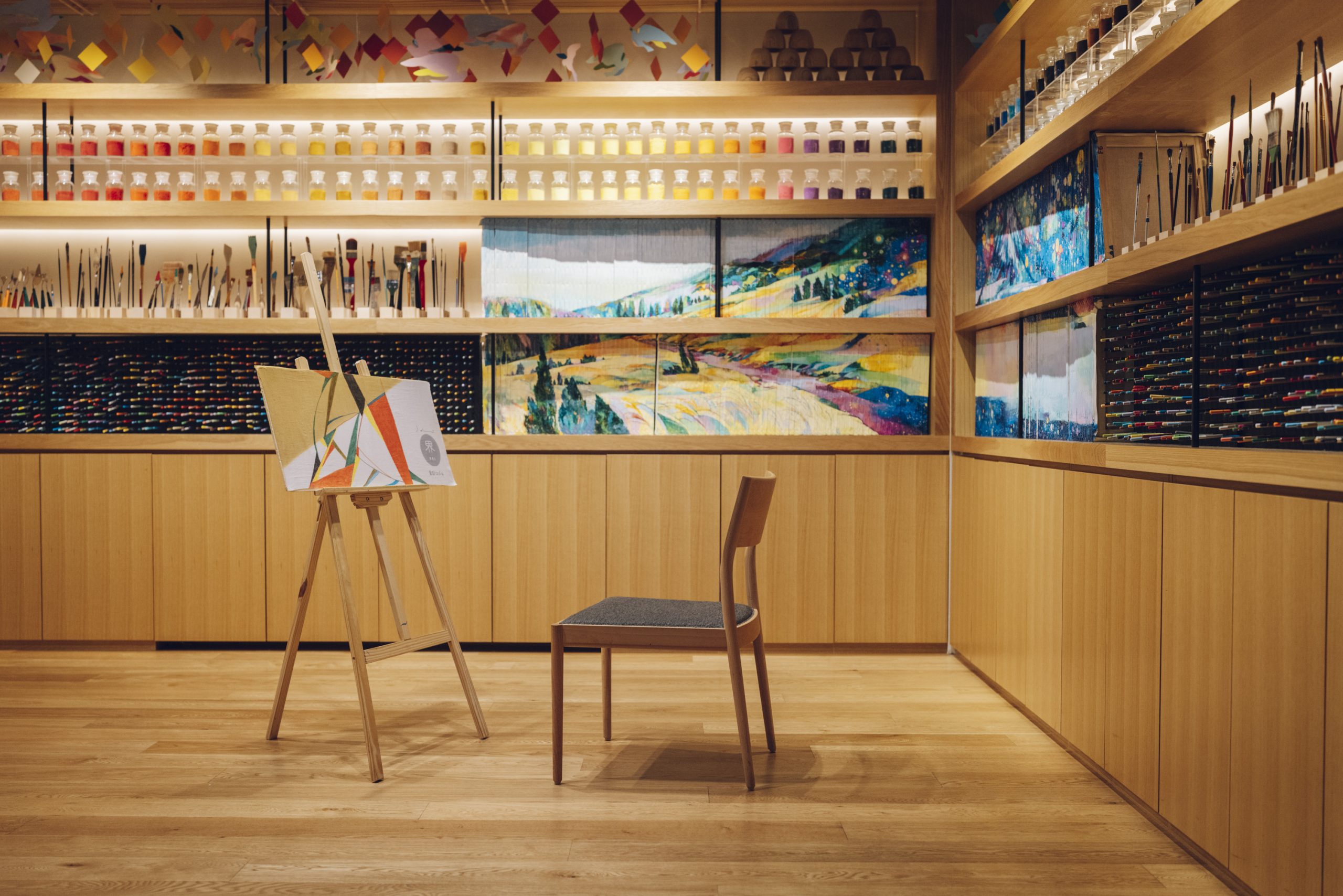
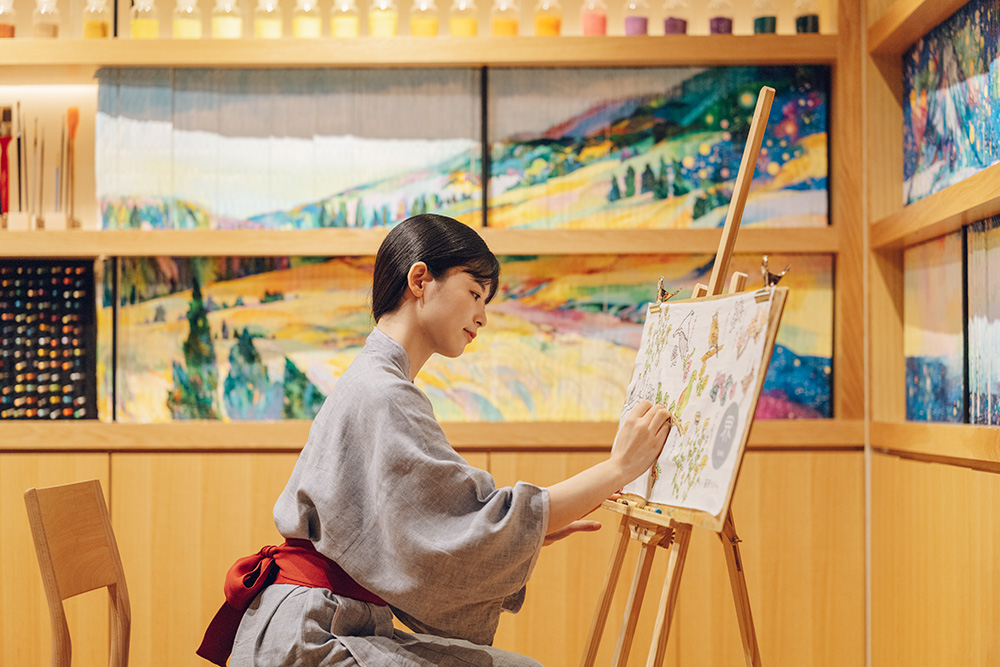
It's a car from Hakone Yumoto Station, about 30 minutes. Though it was immersed in work production, Sengokuhara where it's circled by the grand mountains and is away from the noise was being loved by many artists as a suitable place. "Hoshino Resorts KAI Sengokuhara" is atelier Hot spring ryokan which pauses at this place. An artist stays at Guest room actually, and a produced work is displayed, and I loose while feeling the brush usage imminently. hot spring is the vitriol and Chloride hot spring pulled out of Owaku-dani Valley, and skin will be smoothly by short time's bathing, and a body becomes warm tightly. Please spend some time wrapped in art and great outdoors.
- Hoshino Resorts KAI Sengokuhara
-
- Ashigarashimo-gun, Kanagawa Hakone town Sengokuhara817-359 MAP
- It's a car from Hakone Yumoto Station, about 30 minutes
- 050-3134-8092 (the world, reservation center)
- I have that.
- Your reservation is this.Hoshino Resorts KAI Sengokuhara Reservation site.
MAP
- < recommendation tourist attraction in Hakone>
- < the hot spring inn with the abundant individuality which makes Hakone travel enrich>
-
- Hoshino ResortsProperty around here

Local Guide which took charge of this article
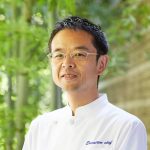
- Toru Kawai Friend.The master chef who can depend
Hoshino Resorts KAI Hakone
Kanagawa and Hakone Yumoto hot spring
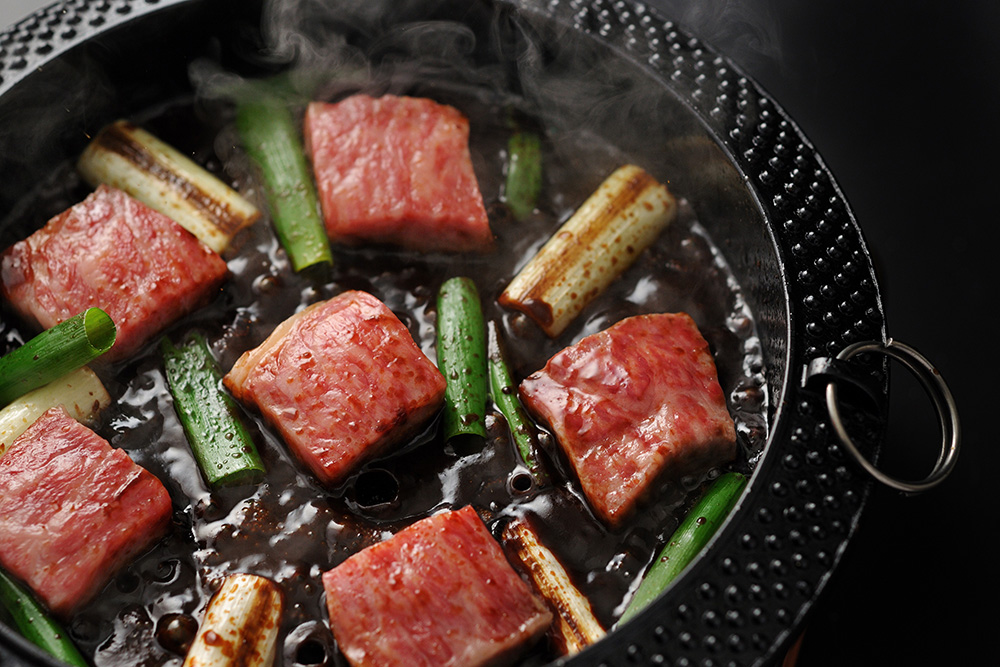
Hot spring ryokan which can sense "Hakone GOKOCHI" which can enjoy charm of Hakone fully
_2-2.jpg)
-2.jpg)
It's a taxi from Direction Hakone mountain railway Hakone Yumoto Station, about 7 minutes
- A room charge example
- 1 night, 1 person \38,000-
Hoshino Resorts KAI Sengokuhara
Kanagawa and Sengokuharahot spring
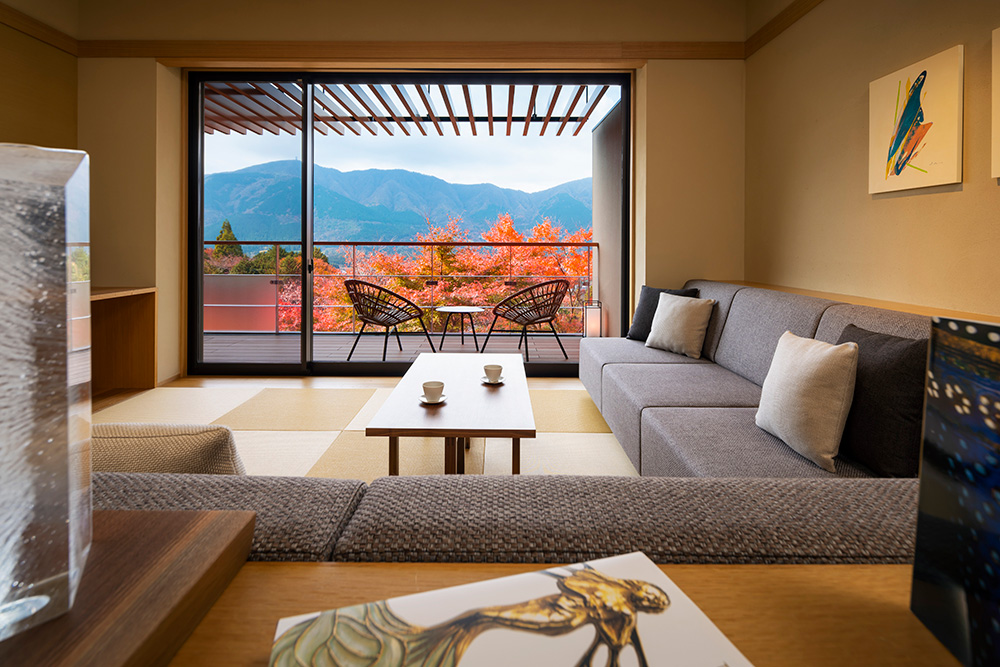
Guest room which wishes for grand nature is with Outdoor hot spring of all the rooms. An encounter with an art work writes up an inner expression desire.
It's a taxi from Direction Hakone mountain railway Gora Station, about 15 minutes
- A room charge example
- 1 night, 1 person \57,500-