





Check the temperature and clothes in Hakone!

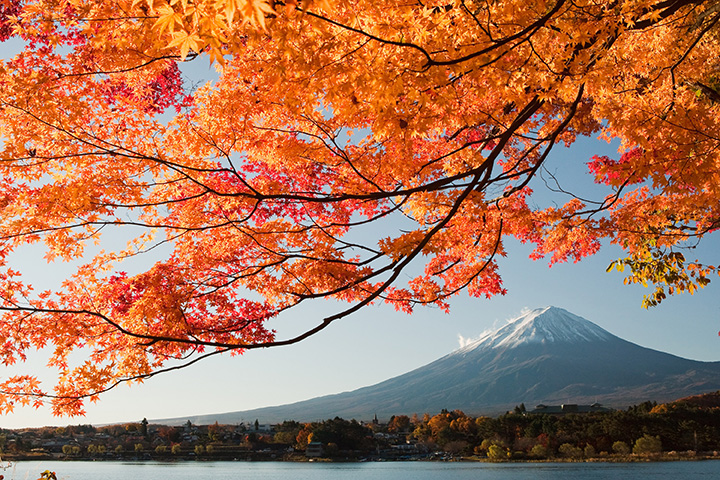
Hakone is located in the southwestern part of Kanagawa Prefecture. Boasting one of Japan’s largest numbers of hot spring sources and water volumes, and with easy direction from the capital, the “Seven Hot Springs of Hakone” became a well-established tradition during the Edo period. In the Meiji era, it gained popularity as a summer resort for foreigners, and it remains a popular hot spring destination today, attracting some of the highest visitor numbers in Japan.
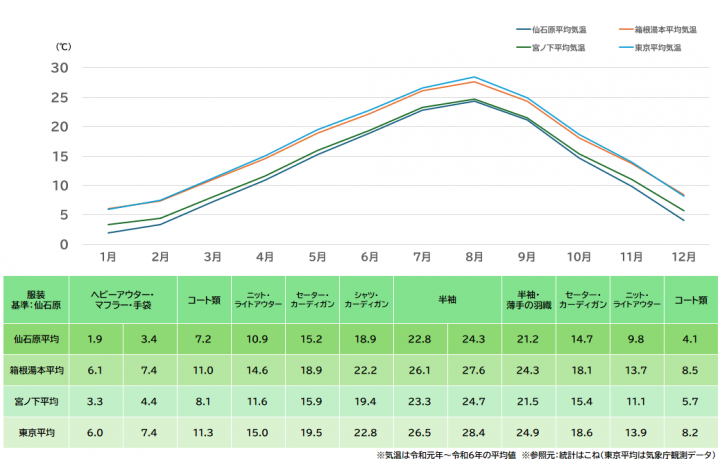
Hakone is formed by the outer rim mountains surrounding the Hakone volcanic caldera at an elevation of 1,000 meters, as well as the lakes, grasslands, and wetlands within the caldera.The annual temperature in Hakone-Yumoto, located at the foot of the outer rim at an elevation of approximately 97 meters, is not much different from that of Tokyo; however, in Sengokuhara, situated at an elevation of 645 meters, the temperature is 3–4°C lower. In January, the coldest month, the difference in minimum temperatures can reach as much as 6°C.
To ensure a comfortable stay in Hakone—where you can enjoy its rich natural beauty and hot springs year-round—be sure to take the elevation differences into account. Pack an extra layer of clothing appropriate for the season to prepare for the temperature fluctuations.
<Temperature and Clothing in Hakone
Spring (March-May) Temperatures and Clothing in Hakone
The average temperature in Hakone-Yumoto in March is 11°C, which is roughly the same as in Tokyo. The average temperature in Sengokuhara is 7.2°C, so a coat is still necessary. However, since daytime temperatures in Sengokuhara can reach around 20°C and in Hakone-Yumoto around 24°C, be sure to wear layers that are easy to put on and take off.
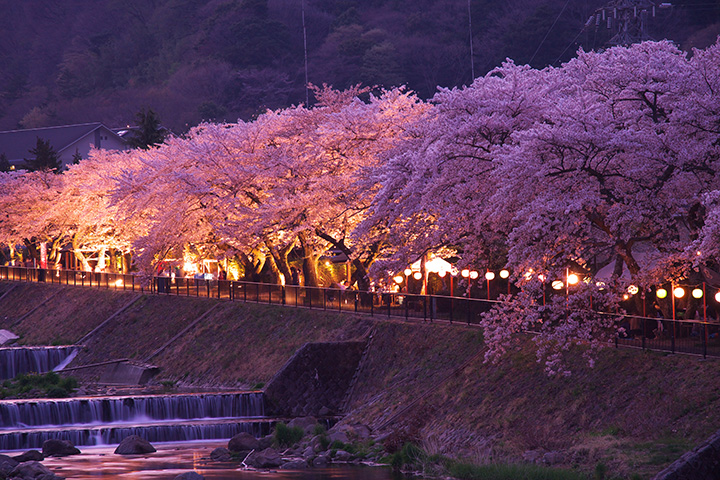
In late March, cherry blossoms begin to bloom in Hakone. They start blooming in Hakone-Yumoto and Ohdai, and the “cherry blossom front” gradually moves to higher-altitude areas; you can enjoy the cherry blossoms at Lake Ashi until early May.
April and May in Hakone, when the fresh greenery is dazzling, are the best seasons for a visit.Famous azalea spots, such as Hakone Gora Park, transform into vibrant, colorful landscapes. Both Hakone-Yumoto and Sengokuhara experience days when the high temperature exceeds 25°C, allowing you to enjoy the warm, pleasant weather. While a long-sleeved shirt is sufficient during the day, mornings and evenings can get chilly in higher-altitude areas like Sengokuhara, so we recommend bringing a hoodie or jacket.
Summer (June-August) Temperatures and Clothing in Hakone
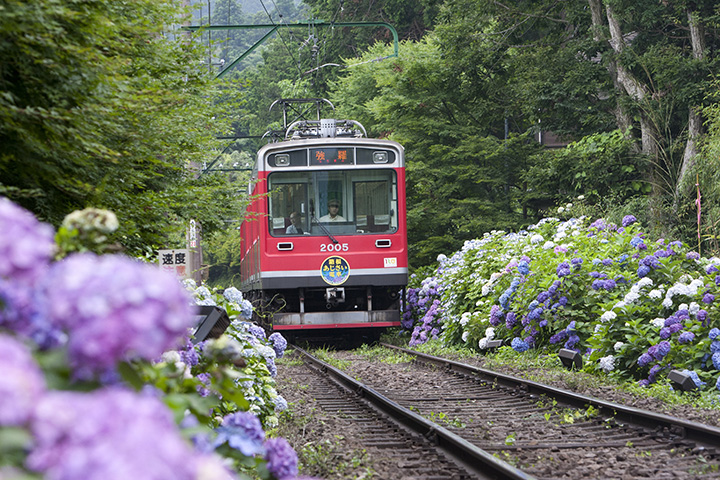
In June, Hakone experiences many rainy days—rain falls on more than half the days of the month. Since the average temperature in Hakone-Yumoto is 22.2°C and 18.9°C in Sengokuhara, it feels colder when it rains. It’s a good idea to bring a windbreaker or a slightly thicker jacket.From June through early July, the Hakone Tozan Railway’s “Hydrangea Train” runs, with rain-drenched, lustrous hydrangeas adorning the view from the train windows. Once the rainy season ends, Hakone-Yumoto enters a hot summer, with an average temperature of 27.6°C in August.In contrast, the average temperature in Sengokuhara in August is 24.3°C, about 2°C lower. While you can get by in a T-shirt during the day in both areas, be sure to bring a light cardigan if you’re heading to higher-altitude regions. Also, since there’s a high chance of rain in August, be sure to pack rain gear.
Summer is packed with events, such as the Lake Ashi Fireworks Festival and the “Daimonji-yaki” bonfire in Gora.
Autumn (September-November) Temperatures and Clothing in Hakone

The average temperature in Hakone-Yumoto in September is 24.3°C, while in Sengokuhara it is 21.2°C. Until mid-September, the lingering summer heat remains intense during the day, so you can go out dressed as you would in summer; however, by the end of the month, autumn sets in rapidly in higher-altitude areas.As the number of days when it feels cool not only in the mornings and evenings but also during the day increases, a large shawl that you can drape over your jacket will come in handy. In late October, the trees begin to change color from the peaks of the Outer Ring Mountains. The susuki grasslands of Sengokuhara also begin to glow golden.In November, when the autumn foliage and pampas grass are at their peak, the average temperature is 13.7°C in Hakone-Yumoto and 9.8°C in Sengokuhara.It gets even colder at night, and by late November, there are more days when temperatures in Sengokuhara drop below freezing. If you’re heading out to enjoy the fall foliage, a coat is essential. You’ll also need to take precautions against the cold, such as wearing boots.
Also, since there are many rainy days in Hakone during the fall, be sure to carry rain gear with you.
Winter (December to February) Temperatures and Clothing in Hakone
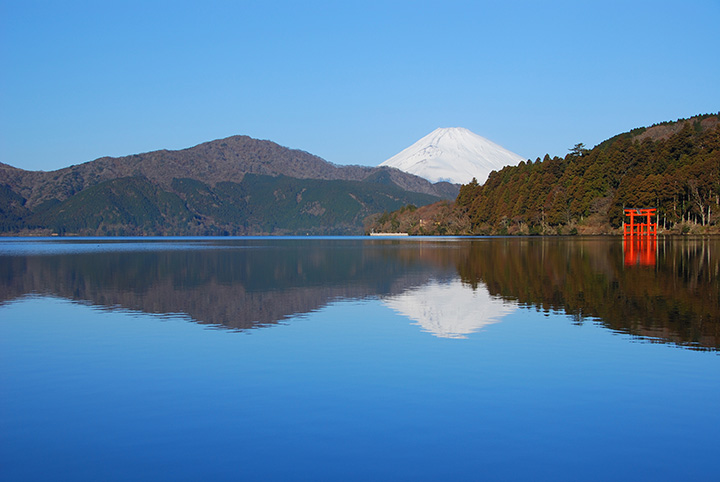
In Hakone during the winter, the recommended attire differs between lower- and higher-elevation areas. Since the average winter temperature in Hakone-Yumoto is similar to that of Tokyo, you can wear the same outdoor clothing as you would in Tokyo. On the other hand, in Sengokuhara, the average temperature often sees lows of -7°C or below, with snow falling several times a month and accumulating on the ground.When going out, it’s essential to stay warm with a down coat, boots, and a scarf around your neck. If you’re driving, check the weather forecast in advance, and if snow is expected, make sure to equip your vehicle with snow chains or studless tires.
In addition, there are many sunny days in winter, and at locations like Lake Ashi, Mount Fuji, covered in snow, stands out clearly against the crisp, clear air. Hakone, where you can enjoy such breathtaking views, is the perfect destination for this time of year when you start longing for the warmth of hot springs.

Local Guide who was in charge of this article
Hoshino Resorts KAI Hakone
Hakone-Yumoto hot spring, Kanagawa
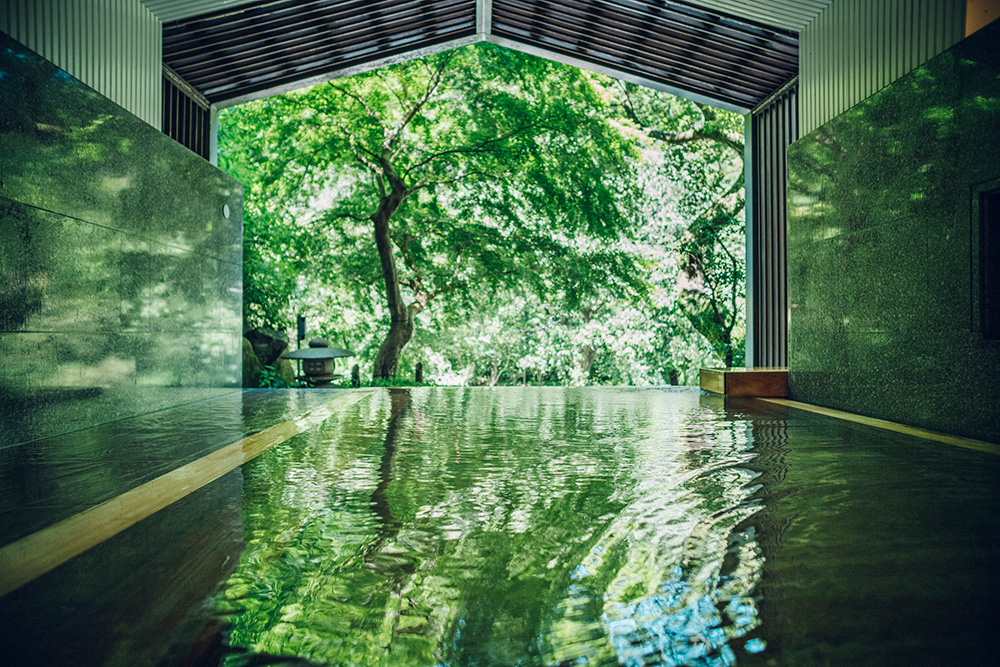
Hot spring ryokan where you can experience "Hakone Gokochi" and enjoy the charms of Hakone to the fullest!
_2-2.jpg)
-2.jpg)
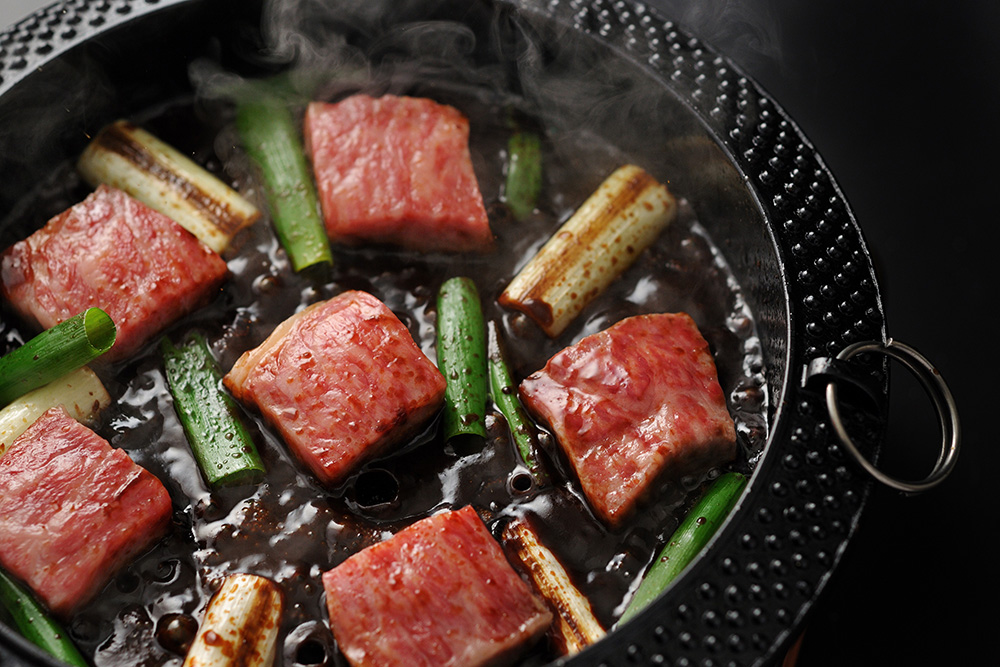
Access by bus Approximately 7 minutes by cab from Hakone Tozan Railway Hakone-Yumoto Station
- Example of Accommodation Rates
- 1 person per night From 38,000 yen
Hoshino Resorts KAI Sengokuhara
Kanagawa-ken Sengokuhara hot spring
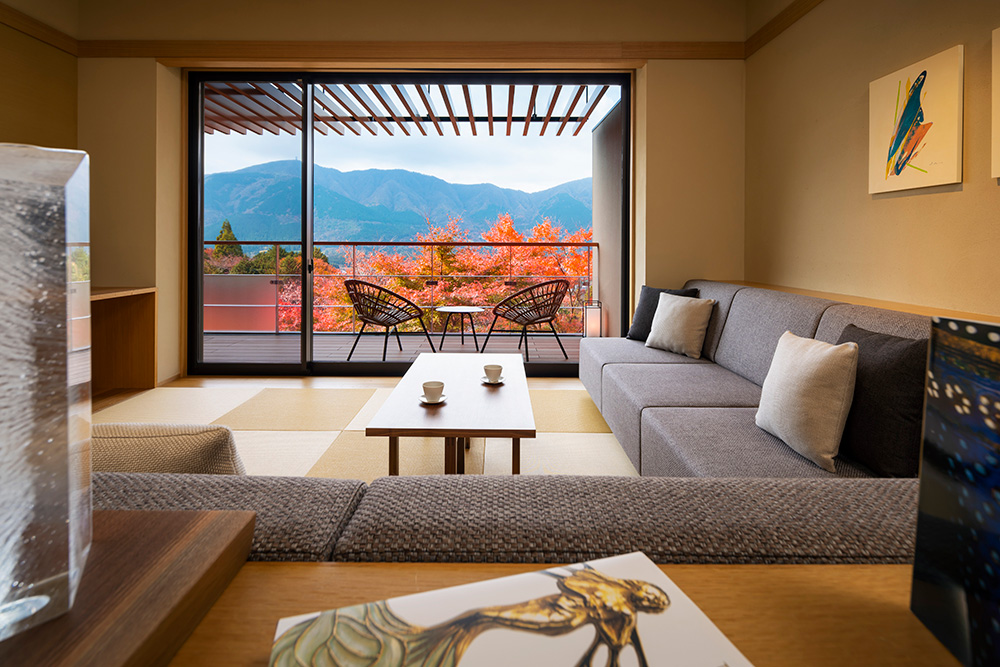
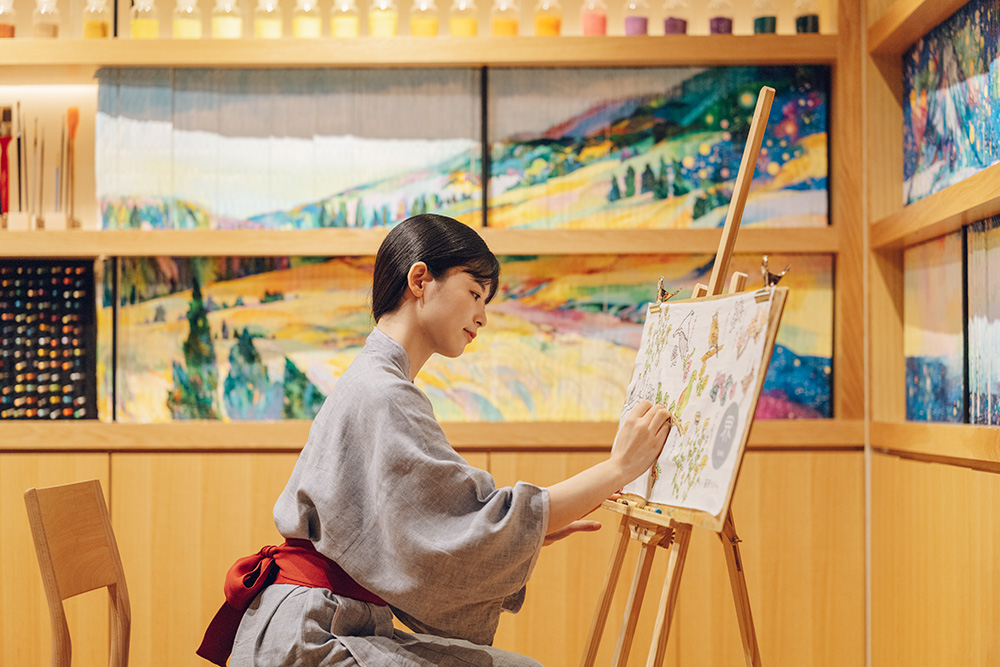
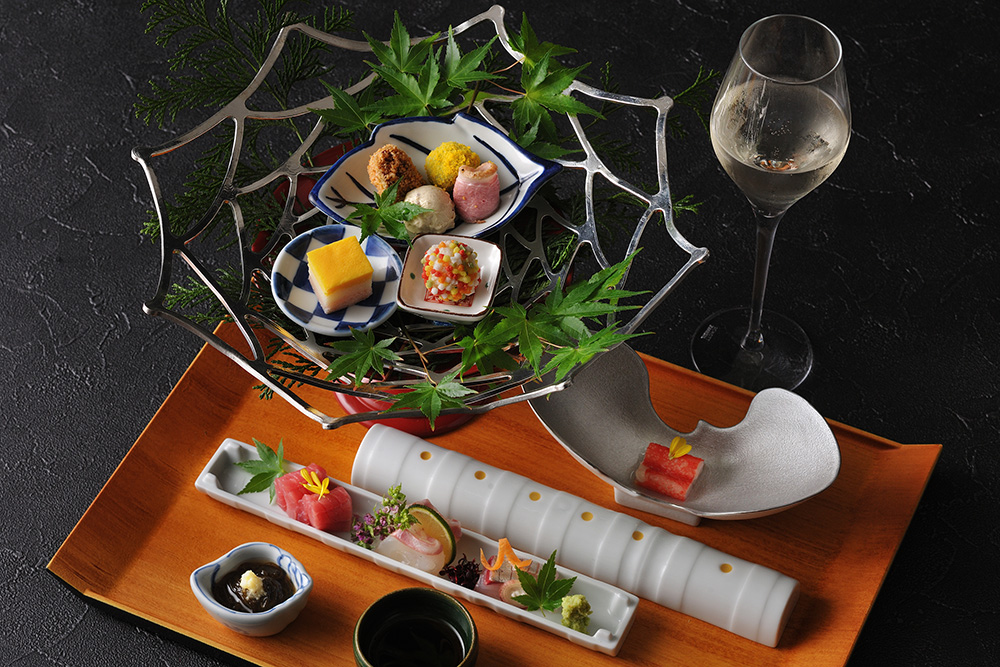
Guest rooms overlooking the magnificent nature are all equipped with Outdoor hot springs. Encountering works of art stirs your inner desire to express yourself.
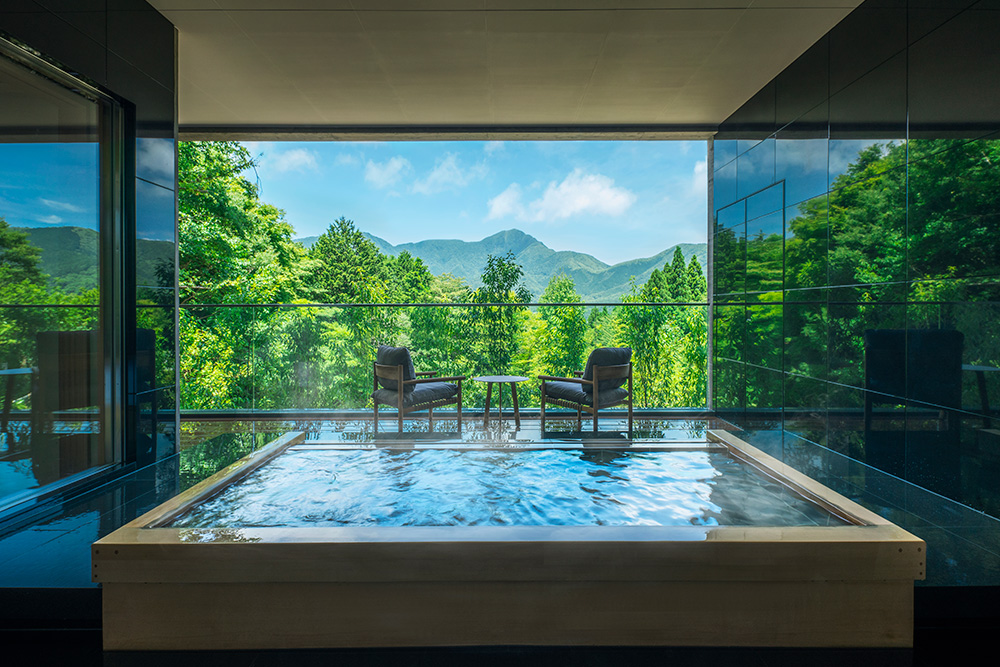
Access by bus 15 minutes by cab from Gora Station on the Hakone Tozan Railway
- Example of Accommodation Rates
- 1 person per night From ¥57,500