





[2025 year edition] 12 elections of careful selection spot of colored leaves loved in Hakone in autumn
![[2025 year edition] 12 elections of careful selection spot of colored leaves loved in Hakone in autumn](https://hoshinoresorts.com/guide/wp-content/uploads/2018/10/hk00.jpg)
The autumnal tints of Hakone which shifts to Sengokuhara, Gora and Kowakidani with Lake Ashinoko as a start. The area where an altitude is high is about one month earlier than Tokyo, and the trees begin to color because there is gap of ups and downs from Hakone Yumoto of about 110 m of altitude to Owakudani in nearly about 1000 m. I'll introduce a recommended spot until the scenery of the peaceful autumn when I come at a historic old temple, a garden and museum of art including the autumnal tints of the mountains in a Hakone somma and the great panorama Mt. Lake Ashi and Fuji figure.
Hakone Yumoto Tonosawa Ohiradai area
Lake Ashi area
Sengokuhara and Owaku-dani Valley area
- 4Sengokuhara Japanese pampas grass grassland.
- 5Choanji Temple
- 6Mori Art Museum of Hakone glass
- 7Hakone ropeway
- 8Hakone Komagatake ropeway.
Gora and Kowakudani area
Hakone Yumoto Tonosawa Ohiradai area
1Hakone mountain railway| Hayakawa bridge
It's satisfied with the canyon's beauty of the flamboyant autumn by a superb view point "leaving a temple railway bridge".
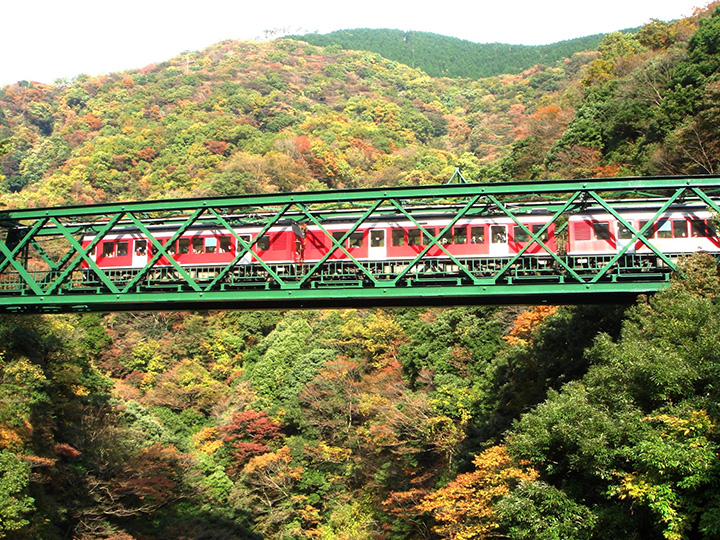
The Hakone mountaineering train which ties about 15 km to Gora via Hakone Yumoto. While replacing the context there is a switchback I advance and to advance steepness I turn at a sharp curve, and the line has many varieties.
View from the railway bridge by which a highlight also crosses a mountain at the inside "coming down a mountain railway bridge (formal name: Hayakawa bridge)". The train which departed the Hakone Yumoto Station passes Tonosawa Station and is to the top of "coming down a mountain railway bridge". Wonderfully, a view from a railway bridge can be satisfied with the colored leaves with which red and a yellow gradation are interwoven to peak from the ocular bottom.
"No. AREGURA" of 3100 type rolling stock can look at colored leaves imminently from a big window and a view window of rolling stock side.
[Start of coloring] at the beginning of ordinary year November.
[Best time] the middle of ordinary year November-last ten days
[The kind of colored leaves] maple and gingko and others
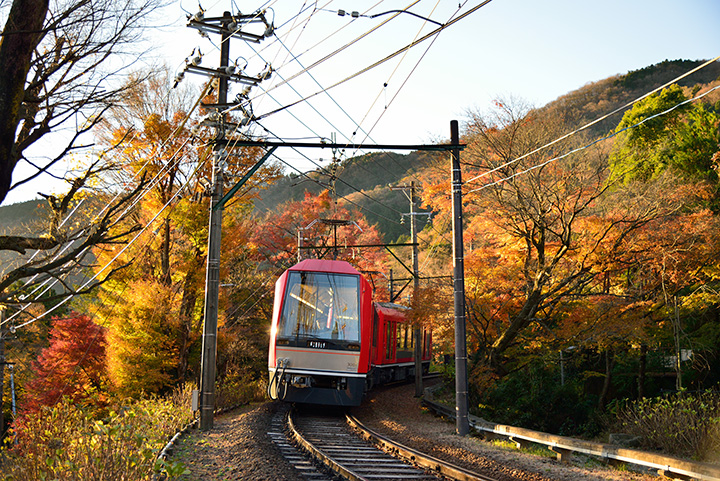
- Hakone mountaineering train
-
 Ashigarashimo-gun, Kanagawa Hakone town Hayakawa bridge MAP
 Movement section: Odawara ─ Gora
Required time: About 50 minutes (Hakone Yumoto ─ Gora)
Service day: Daily. The ride charge: Hakone Yumoto ─ Gora/460 yen
Reservation and railroad ticket purchase method: It's bought in the ride station.
Lake Ashi area
2Lake Ashi (sightseeing boat)
A superb view in Mt. Hakone dyed in brocade from a lake is monopolized.

The crater lake where Lake Ashinoko in about 7 km of north and south and about 20 km of neighborhood was circled in a Hakone somma. Entourage can look the mountains of Hakone around 360 times from the sightseeing boat which goes on a lake, and can enjoy the scenery colored by brocade time of the colored leaves.
Indeed the Lake Ashi I desire on the day which cleared up in particular, the mountains of Hakone which turned red and the scenery to which Mt. Fuji which put on a crown shows snow far seem to be a spread of painting. When going up to an upstairs view deck, the grand cityscape which has no interrupted one can be monopolized. A route sails from each harbor with the liner which cruises in a Hakone sekisho mark harbor near the Hakone sekisho and a yuan Hakone harbor near the Hakone shrine, and there is a tour ship which goes sightseeing in a lake and returns to an original harbor. If the way disembarks and enjoys tourist attraction, using a free ticket, a private car tours through a liner, a ship is convenient.
[Start of coloring] around the end of ordinary year October
[Best time] the beginning of ordinary year November-middle ten days
[The kind of colored leaves] maple and Japanese enkianthus and others

- Hakone Lake Ashi sightseeing boat
-
- Ashigarashimo-gun, Kanagawa Hakone Machimoto Hakone45-3 MAP
 Embussment and "yuan Hakone" get off Hakone mountain railway Odawara Station or Hakone Yumoto Station, immediately.
- Navigation time :10:00-16:40 It's different depending on※ time.
A navigation section :Hakone sekisho mark harbor ─ yuan Hakone harbor ─ Hakone garden harbor
Required time: Round trip course about 40-45 minutes
Service day: Daily. - Fare: A round trip and a tour route fare of 2000 yen
Reservation and boarding ticket purchase method: It's bought in an embarkation harbor.
3Lake Ashi scenic mountain highway
3 mountain passes Tsutomu Osako's colored leaves meet, drive

The sightseeing toll road in about 900 m of altitude with which the west coast in Lake Ashinoko and a border between prefectures of Kanagawa and Shizuoka are connected. The total length is 10.7km. A road continues along a mountain ridge in a somma, and I'm going to come and dynamic colored leaves can be enjoyed.
Even the inside is a superb view spot and 3 mountain passes where the colored leaves are also wonderful are must-see. First it's Yamabushitouge I enter from a Hakone mountain pass side toll gate, and to appear first. You can get a bird's-eye view of the beautiful scenery which wishes for the autumnal tints of Lake Ashinoko and Akita Komaga take from observatory next to "Lake Ashi scenic mountain highway rest house Lake view". The wide autumn scene which spreads to the south Alps is enjoyed fully in the whole view, Suruga Bay and the inside in Mt. Fuji at the ladle mountain pass in the way point. When I advance first, there is Mikuni-toge view place, and it can be more satisfied with the dynamic scenery you can desire to Mt. Fuji, Suruga Bay and the Gotenba-shi district.
There is little Parking number, so when being full, a ladle mountain pass will aim at Mikuni-toge.
[Start of coloring] around the beginning of ordinary year November
[Best time] the beginning of ordinary year November-last ten days
[The kind of colored leaves] maple and others

- Lake Ashi scenic mountain highway
-
- Kumomyo, Susono-shi, Shizuoka Lake Ashi scenic mountain highway MAP.
- 7:00-19:00 ※ business hours outside opens between the special ward for free of charge.
- General section (Hakone mountain pass ─ Kojiritouge) (Kojiritouge ─ Umijiri floodgate) between 1000 yen and the special ward of 200 yen
Sengokuhara and Owaku-dani Valley area
4Sengokuhara Japanese pampas grass grassland.
The aspect, gold. It's healed by the Japanese pampas grass which rustles in a wind.

It's said that there were Sengokuhara lake and a called lake in Sengokuhara spread in the north side of Lake Ashinoko formerly. A lake was cut by 2 off by an eruption, and Kanagawa was the only wetlands on the Sengokuhara side in Lake Ashinoko for one. The part of the wetlands and the Japanese pampas grass prairie spread in the base of a mountain in a stand KE mountain are in charming sights in autumn of Hakone already. As far as it's looked around, the enormous Japanese pampas grass which covers up a slope spreads. The head where I shine in silver discolors to gold as well as deepening in autumn in an early autumn. Every time the wind blows, ears make the condition which shakes simultaneously associate the golden ocean at all.
The esplanade where I advance a straight road towards Japanese pampas grass grassland, return and return is maintained. The grassland is rich in a heave and the panoramic landscape of the lane, the mountains and the Japanese pampas grass prairie which seem buried in the Japanese pampas grass I cover from left and right of the hill and the esplanade where the whole can be looked around doesn't also lack a photography spot.
[Start of coloring] around the middle of ordinary year September
[Best time] at the middle ofordinary year October-at the middle of November.

- Sengokuhara Japanese pampas grass grassland
-
- Ashigarashimo-gun, Kanagawa Hakone town Sengokuhara MAP
 0460-85-5700 (Hakone town overall Tourist Information Center)
 There is no charge (September 1-November 30 and 9:00-16:00).
 ※ Uniform Resource Locator information is "Hakone town tourist association official site".
5Choanji Temple
The gentle autumn landscape a heart meets at HOKKORI and a historic old temple

Historic old temple and Choanji Temple of Soto Zen Buddhism established in 1658 (the Manji first year). It's a famous spot as a place famous for beautiful colored autumnal leaves of Sengokuhara like Japanese pampas grass grassland. A of Direction which just enters a byway is also convenient location from route 138 of national highway in the place where walking is immediately from Senseki bus stop, but when entering a precinct, I have the atmosphere made silent.
Beauty of the flower by which "floral temple" in Kanto of one yen and claimed cityscape in the precinct named on "temple of an east country flower One hundred KE temple" are each season, not to mention, the maple in autumn is also excellent equally. The aim is deep for the landscape by which the maple which dyes a building in foundation at that time, a transmitted solemn hall and its circumference in red and yellow waited for the look, and a heart is investigated. There is an expressive Gohyaku-rakan image in everywhere in a precinct including a lane which leads to a hill at the back, and Choanji Temple is also DE the harmonious expression and the landscape colored leaves draw.
[Start of coloring] around the end of ordinary year October
[Best time] the beginning of ordinary year November-middle ten days
[The kind of colored leaves] Japanese maple, zelkova serrata, beech, GOYOUTSUTSUJI and honewort Azalea and others

- Choanji Temple
-
- Ashigarashimo-gun, Kanagawa Hakone town Sengokuhara82 MAP
- It's a car from Hakone mountain railway Gora Station, about 14 minutes
 From Hakone mountain railway Hakone Yumoto Station or Gora Station, embussment and "Senseki" getting off for about 1 minute on foot
- Free
- ※ Uniform Resource Locator information is "Hakone town tourist association official site".
6Mori Art Museum of Hakone glass
Crystal and contest of colored leaves. I'm intoxicated in brilliant autumn.

Museum of art of the Japan's first Venetian glass major in Sengokuhara. About 100 masterpieces in 15th-19th century are exhibited in the Western house where a house of a European aristocrat was reproduced. A garden with the big pond in the site is the ideal enjoyment spot of colored leaves which can look the mountains which turned red with Mt. Ozuka with a stand KE mountain in Owakudani and both sides at the front around. The walkway where I had the "path of" colored leaves which develops to the neighborhood of Hayakawa on the southwest side in the park and was circled by the trees which colored, with freeness, it's also charm that you can take a walk.
An arch of crystal grass of about 9 m of height and about 10 m of full length is installed in the bridge which spans museum of art from a garden. About 160,000 drops of crystal is played by an autumn wind, and the fantastic cityscape which receives light in the sun and shines can enjoy a head of the state which flashes and Japanese pampas grass of crystal grass of autumn limitation. Enjoyment of colored leaves this place where contest of colored leaves and glass colors more autumn showily is with the value of the glance.
[Start of coloring] around the middle of ordinary year October
[Best time] at the end ofordinary year October-at the middle of November.
[The kind of colored leaves] maple and mountain maple and others

- Mori Art Museum of Hakone glass
-
- Ashigarashimo-gun, Kanagawa Hakone town Sengokuhara940-48 MAP
- It's a car from Hakone mountain railway Gora Station, about 10 minutes
- Embussment and "forest of" Hakone glass get off embussment, "in front of forest of a straw bag stone and Hakone glass" getting off for about 1 minute on foot or Gora Station from Hakone mountain railway Hakone Yumoto Station, immediately.
- 10:00-17:30 (17:00 last entry)
 From the next day on January Coming-of-Age Day, 11 days
- An adult of 1800 yen is small more than 65 years old 1300 yen for a college student a high school student for 1700 yen, a* junior high school student of 600 yen
- 0460-86-3111
- Payment required ※ third Parking (5 minutes on foot) is free.
7Hakone ropeway
A carpet of colored leaves, under the eyes, walk in the air
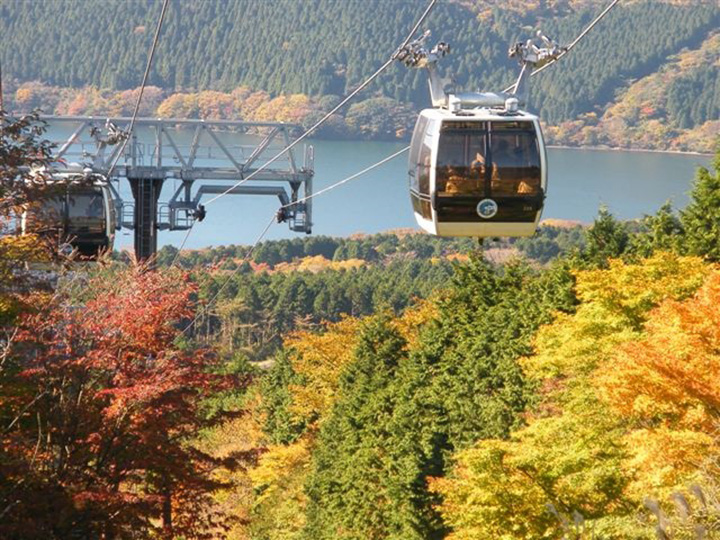
The Hakone ropeway which can go through Owakudani Station and Ubako (would, BAKO) station from Soun-zan (UN ZAN which meets) station where a Hakone mountaineering cable car is arrival at a terminal point and enjoy a walk in the air to Togendai Station near the Lake Ashi.
The required time between the local is about 8 minutes. The ropeway which departed the Sounzan Station of altitude 757m raises the height and aims at Owakudani Station of altitude 1,044m quickly. A great panorama in the Hakone somma where Owaku-dani Valley is dyed in brocade when changing powerful landscape and eyes to the circumference, spreads under the eyes. While I change a ropeway by Owakudani Station and go to the Ubako Station, when clearing up, the large-scale autumn scene which wishes for Lake Ashi, Mt. Fuji and colored leaves of the surrounding mountains at the front can be enjoyed. To go down the neighborhood of the forest along the inclination of the mountain, the sense which is slipping and is getting off can also taste on the carpet of colored leaves at all.
[Start of coloring] around the end of ordinary year October
[Best time] the beginning of ordinary year November-last ten days
[The kind of colored leaves] YAMABOUSHI, water oak and Japanese maple and others
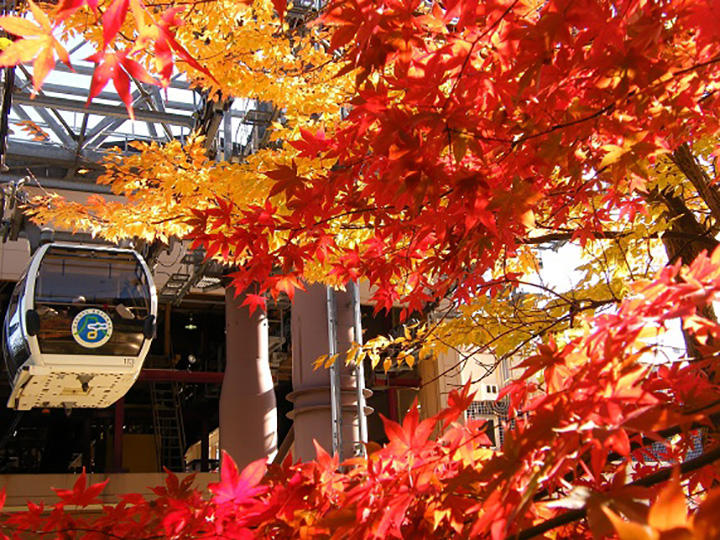
- Hakone ropeway
-
- Ashigarashimo-gun, Kanagawa Hakone town Gora 1300 (Sounzan Station) MAP
- Hakone mountaineering cable car "Sounzan Station" getting off, immediately, (Sounzan Station)
- 2 Monday-November 9:00-16:45 (only Owakudani Station,-17:00)
12 Monday-January 9:00-16:15
The required boarding time for about 45 minutes (By Owakudani Station, trains are changed and stop time by local isn't included.) - When it's suspension by bad weather and regular inspection maintenance, etc., I have that.
- One way of 1500 yen (Soun-zan ─ Xanadu stand)
- A weekday 0465-32-2205 Saturdays, Sundays and national holidays 0460-84-8439.
- Movement section: Sounzan Station ─ Owakudani Station ─ Ubako Station ─ Togendai Station
A railroad ticket is bought in the ride station.
8Hakone Komagatake ropeway.
The superb view spot which can get a bird's-eye view of the Hakone whole view dressed in autumn
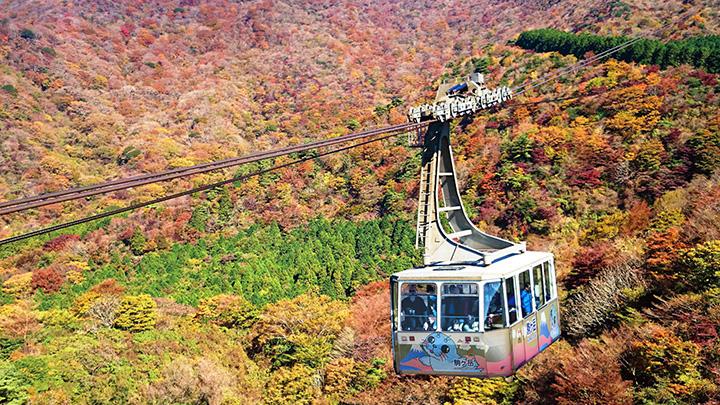
Expensive peak in Akita Komaga take is tied with "Hakone garden", the altitude 1,356m and Hakone which are compound resort Property in a Lake Ashi ridge in the 3rd. Time when the full length is about 1800 m of walk in the air is about 7 minutes.
It's clumping of the red in which a slope is buried and the trees dyed yellow to leave "Hakone garden" and enter rather awkwardly. The colorful colored leaves which painted paint on canvas at all spread. The superb view which is to the extent I look back to more "Hakone, garden" districts from a way point and hold the breath in the scenery I desire. Hakone dyed in autumn scenery can look the whole view of Hakone which made the Lake Ashi the center around just like a miniature garden, and can actually feel. The mountains of Hakone which turned red and the dynamic scenery of which Mt. Fuji I dominate can get a bird's-eye view over it spread at peak.
[Start of coloring] around the middle of ordinary year October
[Best time] at the end ofordinary year October-at the middle of November.
[The kind of colored leaves] maple and maple and others

- Hakone Komagatake ropeway.
-
- Ashigarashimo-gun, Kanagawa Hakone Machimoto Hakone139 (Hakone Sono Station) MAP
- It's a car from Hakone mountain railway Hakone Yumoto Station, about 30 minutes
- Embussment and "Hakone garden" get off Hakone mountain railway Hakone Yumoto Station, immediately.
- Ascent 9:00-16:30 Descent-16:50
Required time: About 7 minutes - The ride charge (round trip): 2200 yen for an adult and 1100 yen (a schoolchild) for a child
※ It's sometimes suspended because they're bad weather and regular inspection maintenance, etc.. - 0460-83-1151 (Hakone garden)
- A railroad ticket is bought in the ride station.
Gora and Kowakudani area
9The Hakone Open Air Museum
A footbath is also enjoyed fully at space where colored leaves harmonize with art.

About 120 points of sculptor's famous works are exhibited in about 70,000 square meters of vast site at the first outdoors museum of art in Japan. The autumn which is the art with which enough sculpture collaborates on the trees which turn red and an existence sense as well as deepening in autumn can be enjoyed fully.
If colored leaves are enjoyed, stimulating the sensitivity, it's to the "symphony sculpture by which France is a sculptor Gabriel Loire work happiness is called. Full stained glass receives the outside light, and the inside in a tower of height 18m is wrapped in one of Experience type art work in fantastic space. When I finish going up the inner spiral staircase, the mountains of Hakone can get a bird's-eye view of an autumn scene which ranges in a far place in addition to the whole view of the Hakone Open Air Museum.
If I'm tired with walk, it's to a footbath in the 100% source run sink where I gush in the site. Gentle time when it's satisfied with a harmony of a sculpture and colored leaves while healing a leg in hot spring. I also become warmhearted damply in the delicious taste of the autumn which can be tasted only here.
[Start of coloring] around the end of ordinary year October
[Best time] the middle of ordinary year November-last ten days
[The kind of colored leaves] maple, Cherryblossom, zelkova serrata, Japanese enkianthus, YAMABOUSHI and KONARA and others
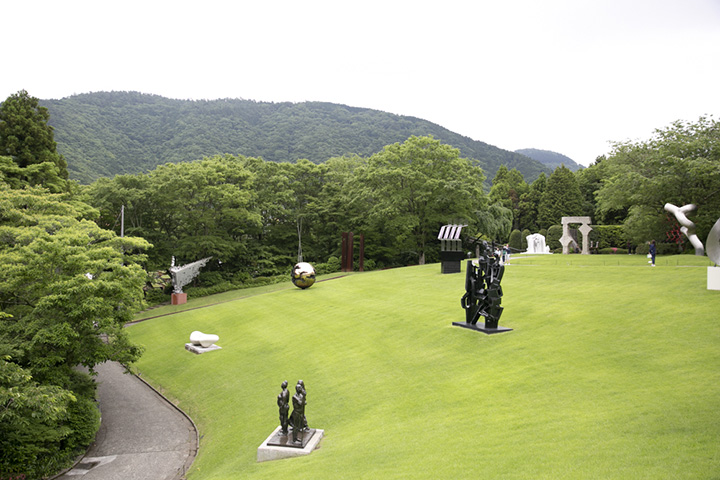
- The Hakone Open Air Museum
-
- Ashigarashimo-gun, Kanagawa Hakone town NINO plain 1121 MAP
- From Hakone mountain railway Chokoku-no-Mori Station, about 2 minutes on foot
- Embussment and "plain entrance of" NI get off Hakone mountain railway Hakone Yumoto Station, about 5 minutes on foot
- 9:00-17:00 (16:30 last entry)
- Open everyday
- The public of 2000 yen, 1600 yen for a college student a high school student and 800 yen for a junior high school student a schoolchild
※ I have a web ticket preliminary purchase discount. - 0460-82-1161
- Payment required
10Hakone Gora park
Contest of a maple and an autumn rose is enjoyed at the garden where I have a history.

The Japan's first French garden for which now beyond 100 years also leaves the form of the at that time from opening in 1914 (1914). It's the big feature that most about 40 m of altitude is high and by which west gate is a promenade becomes stairs and a slope more than a front gate in sloping ground along a Hakone mountaineering cable car. The colored leaves by which a deciduous tree increased a maple with the center color in the park in a garden from a fountain pond in the center in the park to Nishimon. Contest of the trees by which a rose garden is here and is dyed in an autumn rose and flamboyant autumn in the same area is impression enough.
Enough autumn scene can also love the tea-ceremony room where the grace with age BITA appearance near the fountain pond is striking "white cloud horachaen" and the Japanese feelings the maple which colored in red fascinates.
[Start of coloring] around the end of ordinary year October
[Best time] the beginning of ordinary year November-last ten days
[The kind of colored leaves] mountain maple and Japanese alphabet maple and others
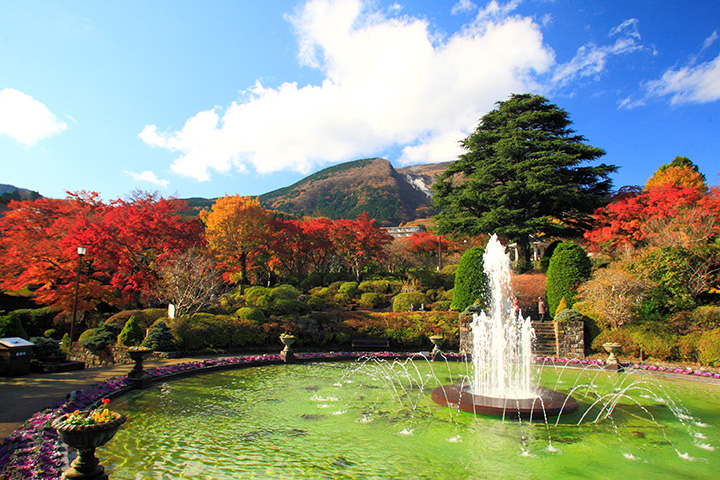
- Hakone Gora park
-
- Ashigarashimo-gun, Kanagawa Hakone town Gora 1300 MAP
- From Hakone mountaineering cable car Koen-shimo Station, from about 1 minute on foot (front gate) and Koenkami Station, about 1 minute on foot (west gate)
- Embussment "Gora park" gets off Hakone mountain railway Hakone Yumoto Station or Gora Station, immediately.
- 9:00-17:00 (16:30 last entrance)
Cafe PIC 10:00-16:00 (L.O.15:30)
※ There is change in the business hours by the weather and maintenance, etc.. - Open throughout the year I have that in case of temporary closing by the※ weather and maintenance, etc..
- No charge below the adult of 650 yen and the schoolchild
※ Our Sunday ., it's possible to enter on the next day (Please show a receipt at the desk.) - 0460-82-2825
- Payment required
11Hakone museum of art
SOZORO walks the elegant autumn a maple interweaves with moss.

The museum of art oldest in Hakone which was opened in 1952 which neighbors Gora park (1952). A Jomon ware, a clay figure in the tumulus period, a therapeutic point jar in Kamakura Muromachi era and a dish of the Chinese age are rare, "as much as baking", a collection is done and it's exhibited.
The garden where it's in this museum of art that even Hakone is learned about as eminent a place famous for beautiful colored autumnal leaves "supernatural being village". It's also designated as national registered monument (scenic area relation) from wonderful of the cityscape in each season. The elegant scenery green of 130 kinds of moss and red of 200 maples interweave is a word of highlights. The Japanese autumn which is that SOZORO walks along a sidewalk of the stone pavement which continues so that a garden may be sewn and is peaceful, sense. You can spend gentle time to enjoy Matcha Green Tea while looking at a garden in the tea-ceremony room in the garden inside.
[Start of coloring] around the beginning of ordinary year November
[Best time] the beginning of ordinary year November-middle ten days
[The kind of colored leaves] maple and mountain cherry and others

- Hakone museum of art
-
- Ashigarashimo-gun, Kanagawa Hakone town Gora 1300 MAP
- From Hakone mountaineering cable car Koenkami Station, about 1 minute on foot
- Embussment and "Hakone museum of art" get off Hakone mountain railway Gora Station, immediately.
- 4-November 9:30-16:30 and 12-3 Monday-16:00 (the last entry closes together, even before 30 minutes)
Tea-ceremony room "Masakazu bower" 10: 00-15:30 - Thursday (shuku and in case of holiday open.) and New Year's
- The public of 1430 yen High school student and college student 660 yen and no charge below the junior high school student
※ I have an On-line ticket purchase discount.
A tea-ceremony room "Masakazu bower" break of 800 yen - 0460-82-2623
- Free
12Hakone Kowaki-en Horai garden
Daiki who dyes a vast garden in Nishiki is excellent.

The famous place of Azalea where you say that a founder and Kyouzou Enomoto of an early stage and Mikawa shop a Japanese-style hotel of Kowakidani hot spring transplanted Azalea in Okubo park in Tokyo and made a garden in Taisho Period. Many tourists visit in showy May when tens of kinds of Azalea beyond 30,000 stocks blooms, but beauty of the colored leaves doesn't also get a defeat actually. The trees which made the maple the center have high tree height both, and a branch also develops highly to the sky. When looking up at the trees from a promenade, the blue sky can enjoy the photogenic cityscape which held and waited for the sunlight and the aspect which are seen and spill between the tree between the red and the leaf dyed yellow.
[Start of coloring] around the beginning of ordinary year November
[Best time] at the middle of ordinary year November.
[The kind of colored leaves] zelkova serrata, big maple and Japanese maple and others

- Hakone Kowaki-en Horai garden
-
- Ashigarashimo-gun, Kanagawa Hakone town Ninotaira 1297 MAP
- From Hakone mountain railway Kowakidani Station, about 11 minutes on foot
- Embussment and "Horai garden" get off Hakone mountain railway Hakone Yumoto Station, immediately.
- Walk freedom
- Open everyday
- Free
- 0460-85-0261 (Hakone Kowaki-en Mikawa shop Japanese inns)
- I don't have that ※ Hakone Kowaki-en YUNESSAN Parking is available (It's free within 2 hours.)
- ※ Uniform Resource Locator information is "Hakone town tourist association official site".
MAP
- Hakone Yumoto Tonosawa Ohiradai area
- Lake Ashi area
- Sengokuhara and Owaku-dani Valley area
- Gora and Kowakudani area
- Hoshino ResortsProperty around here

Local Guide which took charge of this article

- Shinji Tono.Dr. Art
Hoshino Resorts KAI Hakone
Kanagawa and Hakone Yumoto hot spring
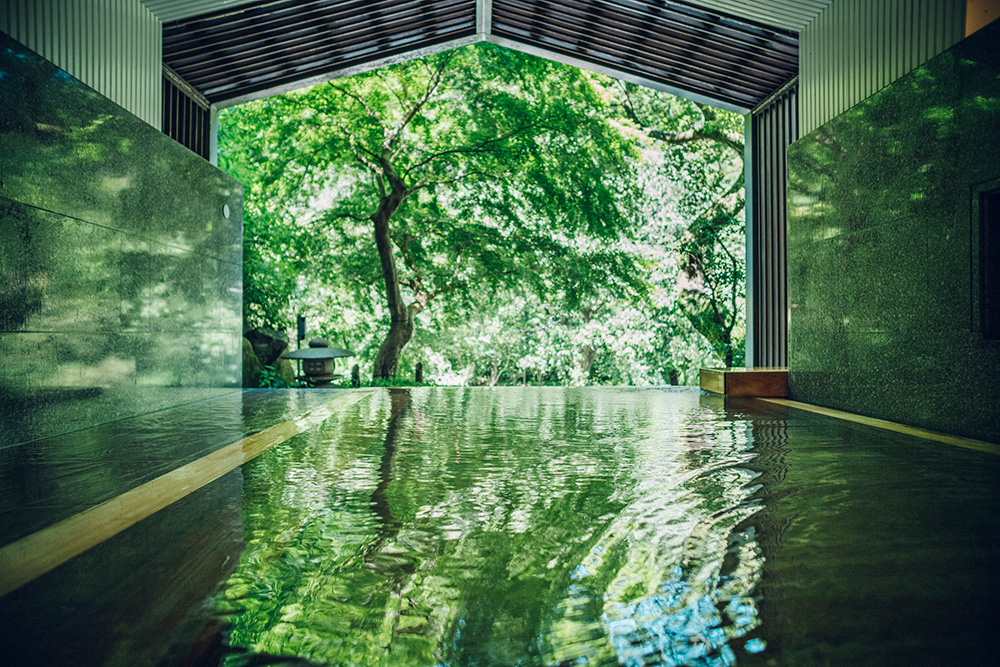
Hot spring ryokan which can sense "Hakone GOKOCHI" which can enjoy charm of Hakone fully
_2-2.jpg)
-2.jpg)
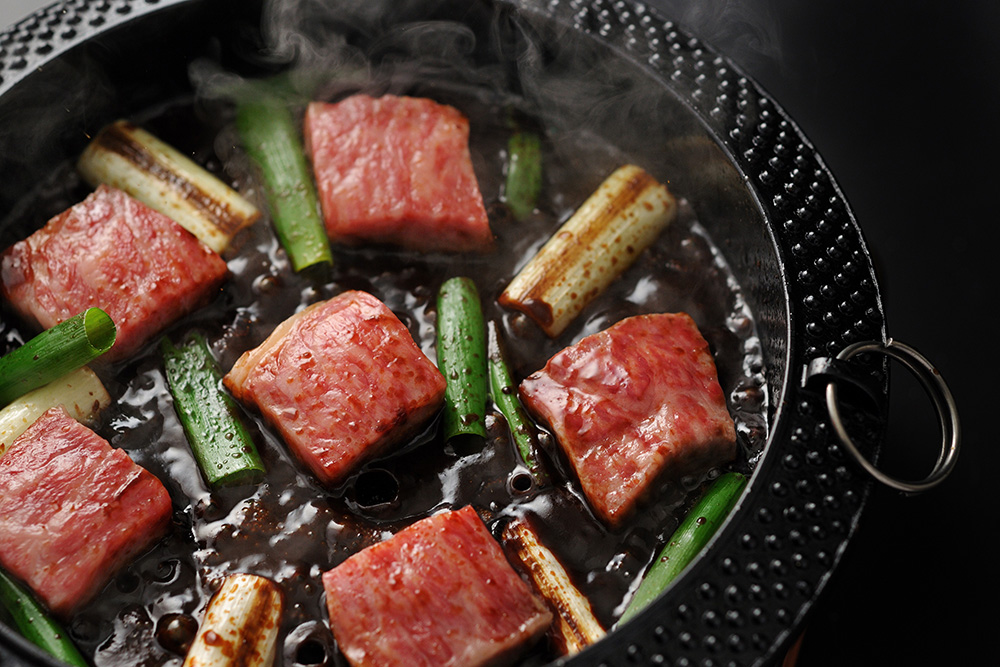
It's a taxi from Direction Hakone mountain railway Hakone Yumoto Station, about 7 minutes
- A room charge example
- 1 night, 1 person \38,000-
Hoshino Resorts KAI Sengokuhara
Kanagawa and Sengokuharahot spring
Guest room which wishes for grand nature is with Outdoor hot spring of all the rooms. An encounter with an art work writes up an inner expression desire.
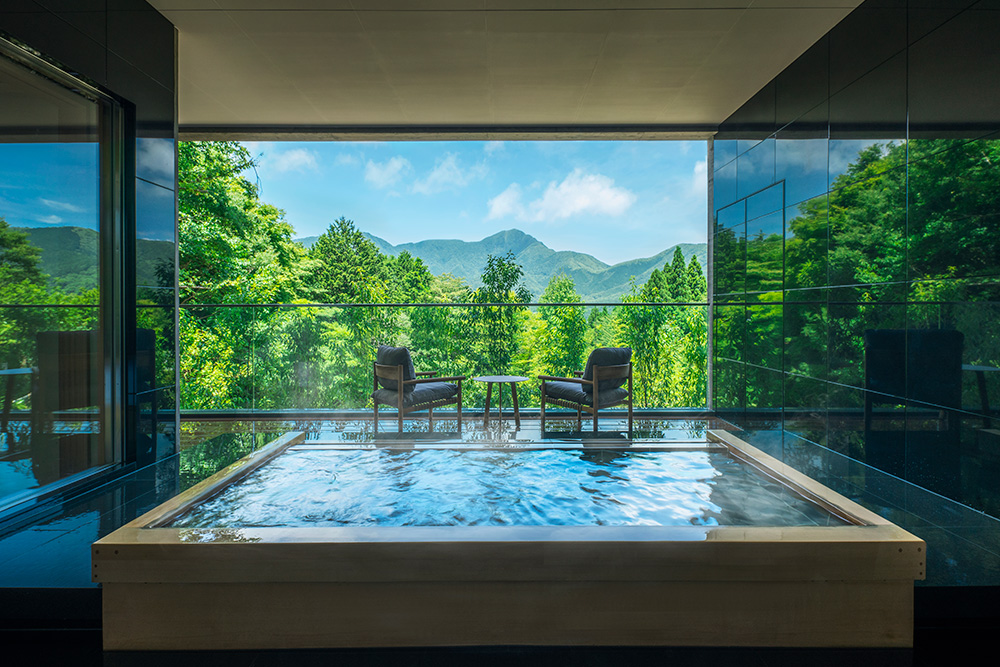
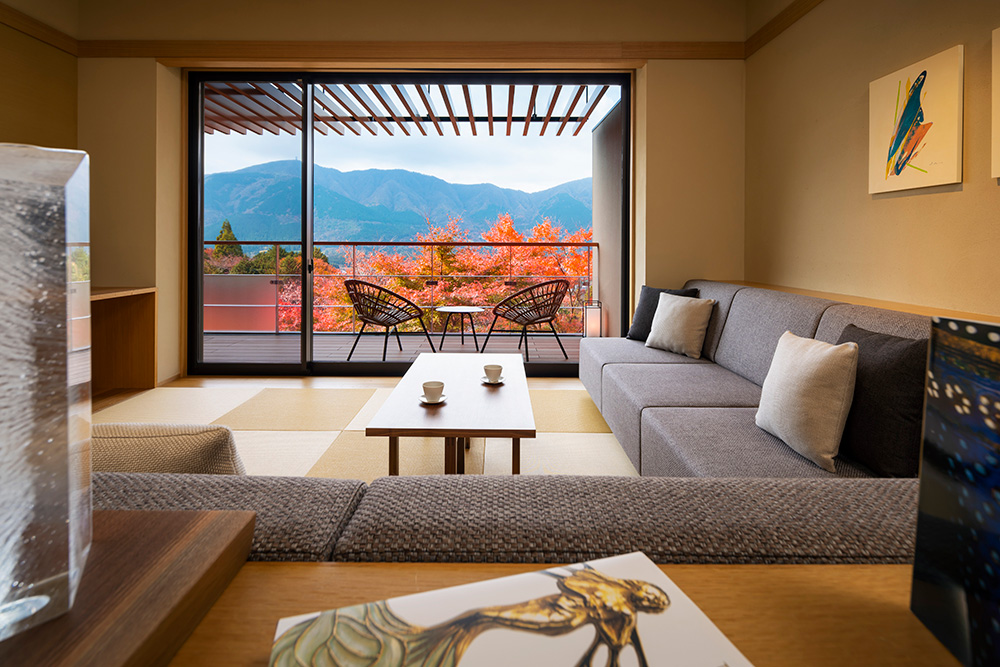
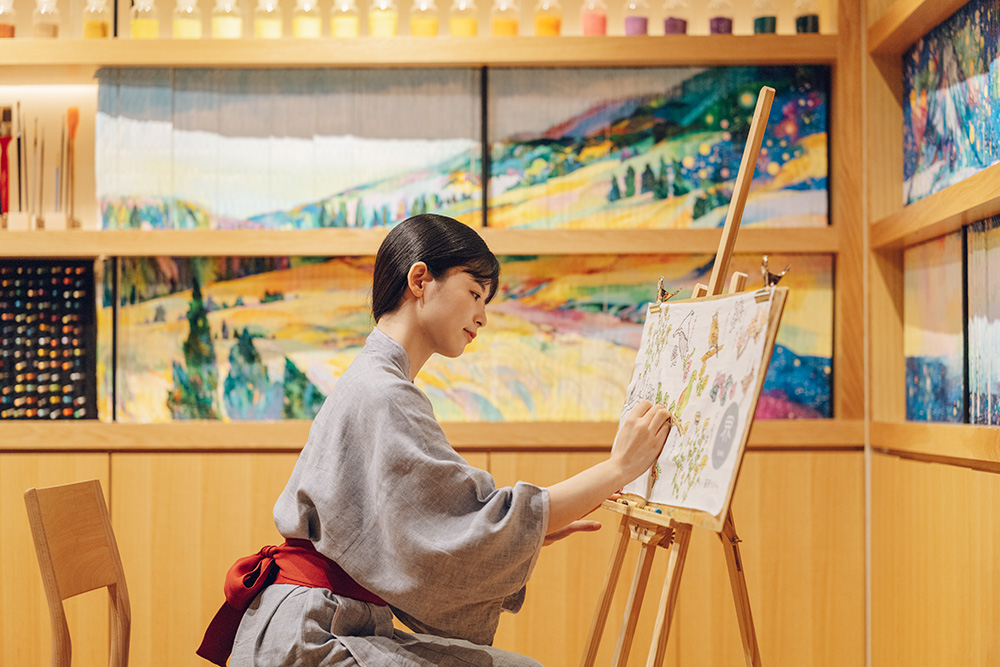
It's a taxi from Direction Hakone mountain railway Gora Station, about 15 minutes
- A room charge example
- 1 night, 1 person \57,500-