





[2026 Edition] 11 Carefully Selected Autumn Foliage Spots to Admire in Hakone

Hakone's autumn foliage shifts from Lake Ashi to Sengokuhara, Gora, and then Kowakudani. Because of the elevation difference, ranging from about 110m at Hakone-Yumoto to nearly 1,000m at Owakudani, the trees in higher areas begin to change color about a month earlier than in Tokyo. We introduce recommended spots, ranging from the grand panoramic views of autumn leaves created by the mountains of the Hakone caldera, Lake Ashi, and Mt. Fuji, to the serene autumn scenery found at ancient temples, gardens, and art museums.
Hakone-Yumoto, Tonosawa, and Ohiradai Area
Lake Ashi Area
Sengokuhara and Owakudani Area
- 4Sengokuhara Pampas Grass Field
- 5Choanji Temple
- 6Hakone Venetian Glass Museum
- 7Hakone Ropeway
- 8Hakone Komagatake Ropeway
Gora and Kowakudani Area
Hakone-Yumoto, Tonosawa, and Ohiradai Area
1Hakone Tozan Railway | Hayakawa Bridge
Enjoy the beautiful autumn valley at the scenic Deyama Railway Bridge
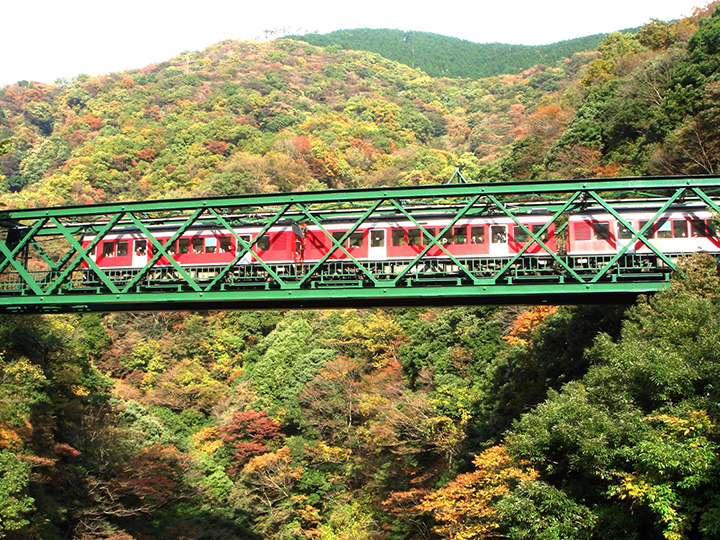
The Hakone Tozan Railway connects Odawara to Gora via Hakone-Yumoto Station, covering approximately 15 km. The route is full of variety, featuring switchbacks where the train changes direction to climb steep slopes, as well as sharp curves.
A particular highlight is the view from the Deyama Railway Bridge (officially known as the Hayakawa Bridge) that spans the mountains. After departing Hakone-Yumoto Station and passing Tonosawa Station, the train crosses the Deyama Railway Bridge. The view from the bridge is magnificent, allowing you to enjoy the red and yellow gradient of the autumn leaves from the valley floor up to the mountain peaks.
Also, if you ride the "Allegra" train, you can view the autumn leaves up close through the large windows and the observation windows on the sides of the cars.
[Start of coloring] Early November (typical)
[Best time to view] Mid to late November (typical)
[Types of autumn leaves] Japanese maple, ginkgo, etc.
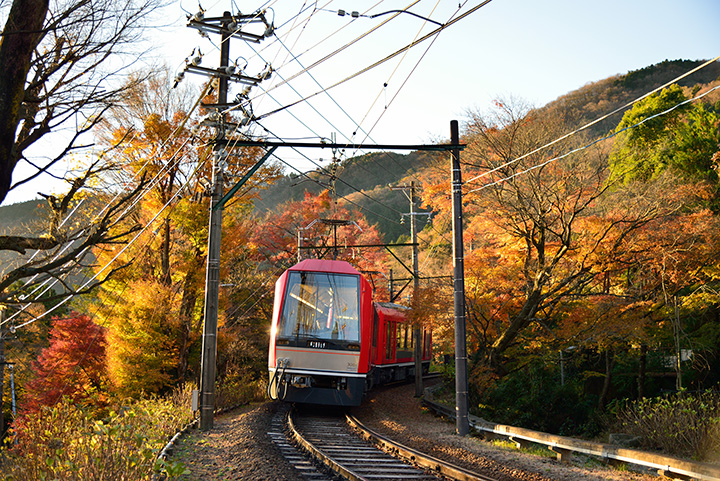
- Hakone Tozan Railway
-
 Hayakawa Bridge, Hakone-machi, Ashigarashimo-gun, Kanagawa Prefecture MAP
 Operating section: Odawara - Gora
Travel time: Approx. 40 minutes (Hakone-Yumoto - Gora)
Operating days: Every day Fare: Hakone-Yumoto - Gora / 460 yen
Reservation/Ticket purchase method: Purchase at the boarding station
Lake Ashi Area
2Lake Ashi (Sightseeing Cruise)
Have the spectacular view of the autumn-colored Hakone mountains all to yourself from the lake

Lake Ashi, which is about 7 km long from north to south and has a circumference of about 20 km, is a caldera lake surrounded by the outer rim of the Hakone mountains. From the sightseeing boats cruising on the lake, you can see the mountains of Hakone in a 360-degree panorama, and during the autumn foliage season, you can enjoy the scenery with the surroundings colored in brocade.
The view on a clear day, featuring Lake Ashi, the autumn-colored Hakone mountains, and the snow-capped Mount Fuji in the distance, is truly like a painting. Furthermore, if you go up to the observation deck on the upper floor, you can have the magnificent, unobstructed scenery all to yourself. The routes include regular boats that stop at ports such as Hakone-Sekisho-ato Port near the Hakone Checkpoint and Motohakone Port near Hakone Shrine, as well as excursion boats that depart from each port, cruise the lake, and return to the original port. If you want to get off along the way to enjoy sightseeing spots, using a free ticket for the regular boats is convenient, while the excursion boats are convenient if you have your own car.
[Start of coloring] Around late October (typical)
[Best time to view] Early to mid-November (typical)
[Types of autumn leaves] Japanese maple, Enkianthus perulatus, etc.

- Hakone Ashinoko Pleasure Boat
-
- 45-3 Motohakone, Hakone-machi, Ashigarashimo-gun, Kanagawa Prefecture MAP
 Take a bus from Odawara Station or Hakone-Yumoto Station on the Hakone Tozan Line and get off at "Motohakone"
- Operating hours: 9:30–16:40 *Varies by season
Operating route: Hakone Sekisho-ato Port – Moto-Hakone Port – Hakone-en Port – Kojiri Port
Required time: Approx. 40–70 minutes for a round trip (time depends on the section used)
Operating days: Daily *Service may be suspended without notice due to bad weather such as strong winds. - Fare: Round-trip fare from 2,400 yen
How to book/purchase tickets: Purchase in advance via the website or at the counter on the day
*Fares and operating hours are subject to change. Please check the website in advance.
3Lake Ashi Skyline
Drive through three mountain passes greeted by breathtaking autumn leaves

This is a scenic toll road located at an altitude of approximately 900m, connecting the border between Kanagawa and Shizuoka prefectures on the west shore of Lake Ashi. The total length is 10.7km. The road follows the ridgeline of the outer crater rim, allowing you to enjoy dynamic autumn foliage everywhere you look.
Among these, the three mountain passes are must-see spots that offer both spectacular views and magnificent autumn colors. First, after entering from the Hakone Pass toll gate, the first one you will encounter is Yamabushi Pass. From the observation deck next to the "Lake Ashi Skyline Rest House Lake View," you can enjoy a beautiful panoramic view of the autumn foliage of Lake Ashi and Mt. Komagatake. At Shakushi Pass, located at the midpoint, you can fully enjoy a wide autumn landscape that stretches from the full view of Mt. Fuji and Suruga Bay to the Southern Alps in the distance. Continuing further, you will find the Mikuni Pass observation area, where you can enjoy a dynamic view that encompasses Mt. Fuji, Suruga Bay, and the city of Gotemba.
Since the parking lot at Shakushi Pass has limited capacity, please head to Mikuni Pass if it is full.
【Start of coloring】Usually around early November
【Best time to view】Usually early to late November
【Types of autumn leaves】Maple, etc.

- Ashinoko Skyline
-
- Hakone, Hakone-machi, Ashigarashimo-gun, Kanagawa Prefecture MAP
- 7:00–19:00 *Special sections are open for free outside of business hours
- General section (Hakone Pass – Kojiri Pass) 1,000 yen, Special section (Kojiri Pass – Kojiri Sluice) 200 yen
Sengokuhara and Owakudani Area
4Sengokuhara Pampas Grass Field
A golden landscape. Be soothed by the pampas grass swaying in the breeze

It is said that there was once a lake called Lake Sengokuhara in the Sengokuhara area, which spreads to the north of Lake Ashi. The lake was divided into two by a volcanic eruption; one became Lake Ashi, and the Sengokuhara side became the only wetland in Kanagawa Prefecture. The pampas grass field that spreads out at the foot of Mt. Daigatake, part of that wetland, has now become a seasonal tradition of autumn in Hakone. A vast amount of pampas grass covers the slope, spreading as far as the eye can see. The ears, which shine silver in early autumn, change to gold as autumn deepens. The sight of the ears swaying all at once whenever the wind blows is reminiscent of a golden ocean.
A walking path has been maintained in the pampas grass field, where you can walk along a single path and turn back. The grassland is rich in undulations, and there is no shortage of photo spots, such as hills from which you can see the whole area, paths that seem to bury you in pampas grass covering both sides of the walking path, and panoramic views of the mountains and the pampas grass field.
【Start of coloring】Usually around mid-September
【Best time to view】Usually late September to early November

- Sengokuhara Pampas Grass Field
-
- Sengokuhara, Hakone-machi, Ashigarashimo-gun, Kanagawa Prefecture MAP
 0460-85-5700 (Hakone Town General Tourist Information Center)
 Free parking available (September 1 – November 30, 9:00–16:00) *Parking availability period varies by year
 *URL information is from the "Hakone Town Tourism Association Official Website"
5Choanji Temple
Heartwarming and peaceful autumn scenery at an old temple

Choan-ji Temple is an ancient Soto Zen temple founded in 1658 (the first year of the Manji era). Like the pampas grass fields, it is a famous spot for autumn foliage in Sengokuhara. It is conveniently located just a short walk from the Sengoku bus stop and just one side street off National Route 138, yet once you enter the temple grounds, a serene atmosphere prevails.
The temple is listed as one of the "100 Flower Temples of Eastern Japan," a title given to temples known for their flowers throughout the Kanto region. While the beauty of the flowers in each season is remarkable, the autumn maples are equally stunning. The scenery, where the solemn temple buildings—said to date back to the time of the temple's founding—are dyed in red and yellow by the maples, is deeply atmospheric and refreshing to the soul. Throughout the grounds, including the path leading to the mountain behind the temple, there are 500 expressive Rakan statues, and the scenery created by their gentle expressions and the autumn leaves is unique to Choan-ji.
[Start of coloring] Usually around late October
[Best time to view] Usually early to mid-November
[Types of autumn leaves] Japanese maple, Japanese zelkova, Japanese beech, Japanese white azalea, royal azalea, etc.

- Choanji Temple
-
- 82 Sengokuhara, Hakone-machi, Ashigarashimo-gun, Kanagawa Prefecture MAP
- Approx. 14 minutes by car from Gora Station on the Hakone Tozan Line
 Take a bus from Hakone-Yumoto Station or Gora Station on the Hakone Tozan Line and get off at "Sengoku," then walk for about 1 minute.
- Free
- *The URL information is from the "Hakone Town Tourism Association Official Website."
6Hakone Venetian Glass Museum
A collaboration of crystals and autumn leaves. Get intoxicated by the vibrant autumn season

A museum in Sengokuhara specializing in Venetian glass. The Western-style building, which recreates the mansion of a European aristocrat, displays about 100 masterpieces from the 15th to 19th centuries. The garden on the premises, which features a large pond, is an excellent spot for viewing autumn leaves, offering views of the autumn-colored mountains with Owakudani in front and Mount Daigatake and Mount Kozukayama on either side. On the southwest side of the garden, there is a "Maple Path" that extends near the Hayakawa River, where you can enjoy a leisurely stroll along a path surrounded by colored trees.
In addition, a crystal glass arch about 9 meters high and 10 meters long is installed on the bridge leading from the garden to the museum. You can enjoy the fantastic sight of about 160,000 crystal beads sparkling in the autumn breeze, and the autumn-exclusive crystal glass pampas grass ears shining in the sunlight. This unique autumn viewing experience, where autumn leaves and glass compete in beauty to color the season even more brilliantly, is well worth seeing.
[Start of coloring] Usually around mid-October
[Best time to view] Usually late October to mid-November
[Types of autumn leaves] Maple, Japanese mountain maple, etc.

- Hakone Venetian Glass Museum
-
- 940-48 Sengokuhara, Hakone-machi, Ashigarashimo-gun, Kanagawa Prefecture MAP
- Approx. 10 minutes by car from Gora Station on the Hakone Tozan Line
- From Hakone-Yumoto Station on the Hakone Tozan Line, take a bus and get off at "Tawaraishi/Hakone Garasu no Mori-mae," then walk about 1 minute; or take a bus from Gora Station and get off at "Hakone Garasu no Mori" (right there)
- 10:00–17:30 (last admission at 17:00)
 11 days starting from the day after Coming of Age Day in January (temporary closures may occur)
- Adults 1,800 yen, 65 and older 1,700 yen, university/high school students 1,300 yen, elementary/junior high school students 600 yen
- 0460-86-3111
- Paid *The 3rd parking lot (5-minute walk) is free
7Hakone Ropeway
A walk in the sky with a carpet of autumn leaves below
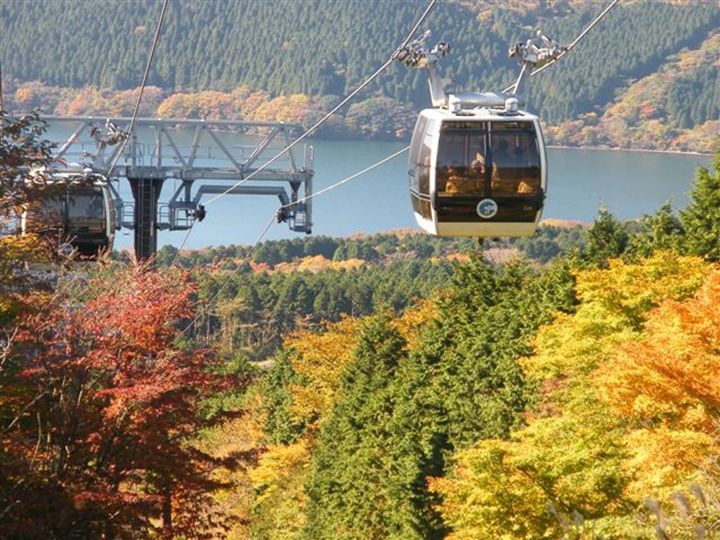
The Hakone Ropeway offers an aerial stroll from Sounzan Station, the terminus of the Hakone Tozan Cable Car, through Owakudani Station and Ubako Station to Togendai Station near Lake Ashi.
The travel time between each station is approximately 8 minutes. Departing from Sounzan Station at an altitude of 757m, the ropeway climbs rapidly toward Owakudani Station at an altitude of 1,044m. Below you, the powerful landscape of Owakudani unfolds, and if you cast your gaze around, you can see a grand panorama of the Hakone outer rim mountains dyed in autumn colors. While transferring at Owakudani Station and heading toward Ubako Station, if the weather is clear, you can enjoy a large-scale autumn view with Lake Ashi and Mount Fuji directly in front of you, along with the autumn leaves of the surrounding mountains. Because you descend close to the forest along the mountain slope, you can also experience the sensation of gliding down over a carpet of autumn leaves.
[Beginning to turn color] Usually around late October
[Best time to view] Usually early to late November
[Types of autumn leaves] Kousa dogwood, Japanese oak, Japanese maple, etc.
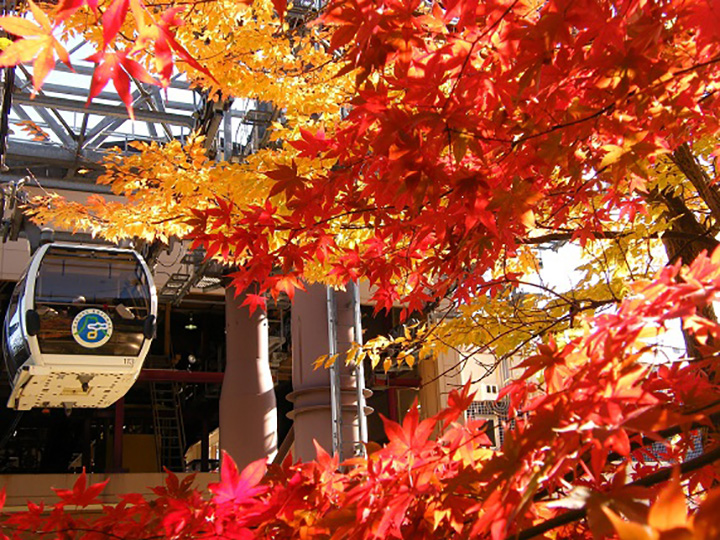
- Hakone Ropeway
-
- 1300 Gora, Hakone-machi, Ashigarashimo-gun, Kanagawa Prefecture (Sounzan Station) MAP
- Right at Sounzan Station on the Hakone Tozan Cable Car (Sounzan Station)
- February–November: 9:00–16:45 (Owakudani Station only until 17:00)
December–January: 9:00–16:15
Required travel time: approx. 45 minutes (excluding transfer time at Owakudani Station and stop times at each station) - Service may be suspended due to bad weather or periodic maintenance.
- One-way 1,500 yen (Sounzan–Togendai)
- Weekdays: 0465-32-2205 Weekends and holidays: 0460-84-8439
- Operating section: Sounzan Station–Owakudani Station–Ubako Station–Togendai Station
Tickets can be purchased at the boarding station.
8Hakone Komagatake Ropeway
A scenic spot offering a panoramic view of Hakone dressed in autumn colors

This connects "Hakone-en," a resort complex on the shores of Lake Ashi, to the summit of Komagatake, the third-highest mountain in Hakone at 1,356m above sea level. The total length is approximately 1,800m, and the aerial stroll takes about 7 minutes.
The first thing you see after departing from "Hakone-en" is a cluster of trees dyed red and yellow that seem to fill the slope. A colorful autumn landscape spreads out as if paint had been applied to a canvas. Furthermore, the view looking back toward "Hakone-en" from the midpoint is breathtaking. You can see the entire view of Hakone, centered on Lake Ashi, like a miniature garden, and truly feel the autumn colors of Hakone. At the summit, a dynamic landscape unfolds where you can see the autumn-colored mountains of Hakone and Mount Fuji towering beyond them.
[Beginning to turn color] Usually around mid-October
[Best time to view] Usually late October to mid-November
[Types of autumn leaves] Japanese maple, maple, etc.

- Hakone Komagatake Ropeway
-
- 139 Motohakone, Hakone-machi, Ashigarashimo-gun, Kanagawa Prefecture (Hakone-en Station) MAP
- Approx. 30 minutes by car from Hakone-Yumoto Station on the Hakone Tozan Line
- Take the bus from Hakone-Yumoto Station on the Hakone Tozan Line and get off at "Hakone-en" (immediately upon arrival)
- Uphill 9:00–16:30, Downhill until 16:50
Duration: Approx. 7 minutes - Round-trip fare: Adults 2,200 yen, Children (elementary school students) 1,100 yen
*Service may be suspended due to bad weather or regular maintenance. - 0460-83-1151 (Hakone-en)
- Tickets can be purchased at the boarding station
Gora and Kowakudani Area
9The Hakone Open-Air Museum
Enjoy a footbath in a space where art and autumn leaves harmonize

As Japan's first open-air museum, it displays about 120 works by renowned sculptors across a vast 70,000-square-meter site. As autumn deepens, you can fully enjoy an artistic autumn where trees turning vibrant colors collaborate with sculptures that possess a powerful presence.
If you want to stimulate your senses while enjoying the autumn leaves, head to the "Symphonic Sculpture" by French sculptor Gabriel Loire. As one of the interactive art pieces, the interior of this 18-meter-tall tower is wrapped in a fantastical space created by stained glass catching the light from outside. Once you climb to the top of the spiral staircase inside, you can enjoy a panoramic view of the entire Hakone Open-Air Museum, as well as the autumn scenery of the Hakone mountains stretching into the distance.
If you get tired from walking, head to the hot spring footbath that uses water from a source on the premises. It is a relaxing time to enjoy the harmony of sculptures and autumn leaves while soothing your legs in the hot spring. The unique autumn experience you can only have here will warm your heart.
[Start of coloring] Usually around late October
[Best time to view] Usually mid-to-late November
[Types of autumn leaves] Japanese maple, cherry, zelkova, enkianthus perulatus, kousa dogwood, konara oak, and others
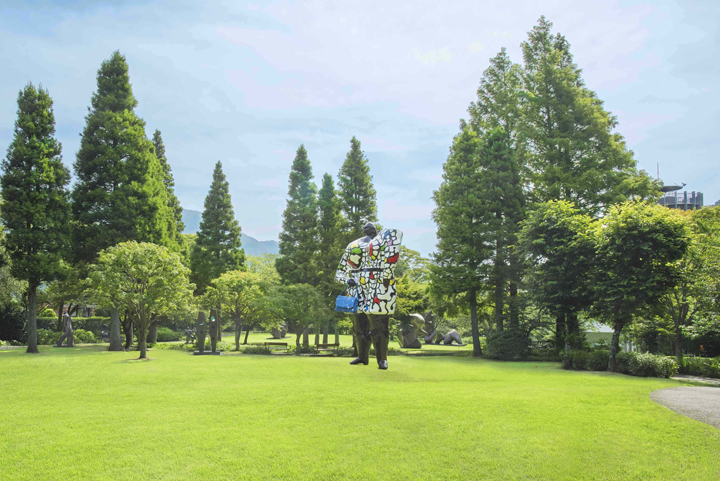
- The Hakone Open-Air Museum
-
- 1121 Ninotaira, Hakone-machi, Ashigarashimo-gun, Kanagawa Prefecture MAP
- Approx. 2-minute walk from Chokoku-no-Mori Station on the Hakone Tozan Line
- Take a bus from Hakone-Yumoto Station on the Hakone Tozan Line, get off at "Ninotaira Iriguchi," and walk for about 6 minutes
- 9:00–17:00 (last admission at 16:30)
- Open every day
- General 2,000 yen, University/High school students 1,600 yen, Junior high/Elementary school students 800 yen
*Discount available for advance web ticket purchases - 0460-82-1161
- Paid
10Hakone Gora Park
Enjoy the collaboration of Japanese maples and autumn roses in a historic garden

Japan's first French-style garden, which has retained its original appearance for over 100 years since its opening in 1914 (Taisho 3). Located on a slope along the Hakone Tozan Cable Car, a major feature is that the West Gate is about 40 meters higher in elevation than the Main Gate, and most of the walking paths consist of stairs and slopes. The garden from the central fountain pond to the West Gate has many deciduous trees, and the autumn colors, centered on Japanese maples, decorate the grounds. In the same area, there is also a rose garden, where the competition between autumn roses and trees dyed in the colors of late autumn is well worth seeing.
You can also admire the autumn scenery full of Japanese atmosphere, featuring the "Hakuundo Tea Garden," a teahouse with an impressive, rustic appearance near the fountain pond, and the red-colored Japanese maples.
[Beginning to change color] Around late October every year
[Best time to view] Late November every year
[Types of autumn leaves] Japanese mountain maple, Iroha maple, etc.
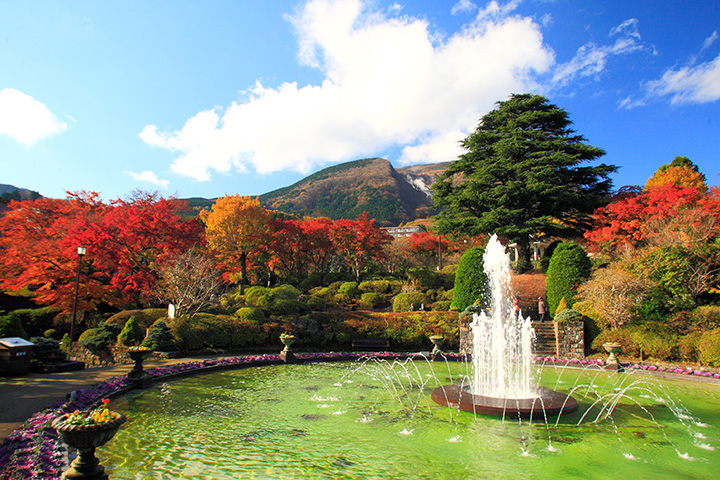
- Hakone Gora Park
-
- 1300 Gora, Hakone-machi, Ashigarashimo-gun, Kanagawa Prefecture MAP
- Approx. 1-minute walk from Koen-shimo Station on the Hakone Tozan Cable Car (Main Gate), or approx. 1-minute walk from Koen-kami Station (West Gate)
- Approx. 5-minute walk from Gora Station on the Hakone Tozan Railway
- 9:00–17:00 (Last admission at 16:30)
Cafe PIC / Isshiki-do Saro 10:00–16:00 (L.O. 15:30)
*Business hours are subject to change due to weather, maintenance, etc. - Open all year round *May be temporarily closed due to weather, maintenance, etc.
- Adults 650 yen, elementary school students and younger free
*Re-entry allowed on the same day and the following day (please present your receipt at the counter)
*Free admission with Hakone Freepass - 0460-82-2825
- Paid
11Hakone Museum of Art
Stroll through the elegant autumn scenery woven by moss and Japanese maples

Adjacent to Gora Park, this is the oldest art museum in Hakone, which opened in 1952. Following renovations to the facilities and exhibition environment, it will have a pre-opening on October 30, 2026, and a grand opening on December 23. The pre-opening will unveil the building, restored to its original colors from when it first opened, a cafe featuring an impressive counter made of precious wood, and a new exhibition space in the annex. Furthermore, the grand opening will feature the main building's exhibition room, equipped with display cases crafted by Living National Treasure Kenji Suda. Keep an eye out for the architecture and spaces unique to this art museum.
Known as one of Hakone's premier spots for autumn foliage, the "Shinsen-kyo" garden spreads across the grounds. It offers beautiful scenery throughout the four seasons and is designated as a National Place of Scenic Beauty. The autumn view, where about 200 maple trees turn red against a green garden carpeted with approximately 130 types of moss, is breathtaking. Stroll leisurely along the stone-paved paths to feel the tranquility of a Japanese autumn. At the teahouse in the back of the garden, you can spend a luxurious moment enjoying matcha while gazing at the atmospheric scenery.
[Beginning to turn color] Usually early November
[Best time to view] Usually early to mid-November
[Types of autumn leaves] Maple, wild cherry, etc.

- Hakone Museum of Art
-
- 1300 Gora, Hakone-machi, Ashigarashimo-gun, Kanagawa PrefectureMAP
- Approx. 1-minute walk from Koen-kami Station on the Hakone Tozan Cable Car
- Take a bus from Hakone Tozan Line Gora Station and get off at "Hakone Museum of Art" immediately
- April–November 9:30–16:30, December–March until 16:00 (last admission 30 minutes before closing)
Tea room "Shinwatei" 10:00–15:30 - Thursdays (Open if it falls on a public holiday; open every day in November) *Please refer to the official website for other details.
- General: 1,500 yen, High school/University students: 1,000 yen, Junior high school students and younger: Free
*Online tickets available
Teahouse "Shinwatei": 900 yen per serving - 0460-82-2623
- Free
MAP
- Hakone-Yumoto, Tonosawa, and Ohiradai Area
- Lake Ashi Area
- Sengokuhara and Owakudani Area
- Gora and Kowakudani Area
- Nearby Hoshino Resorts facilities

Local supporter in charge of this article

- Shinji FujinoDr. Art
KAI Hakone
Hakone Yumoto Onsen, Kanagawa Prefecture
A hot spring inn where you can experience "Hakone-gokochi," allowing you to fully enjoy the charm of Hakone.
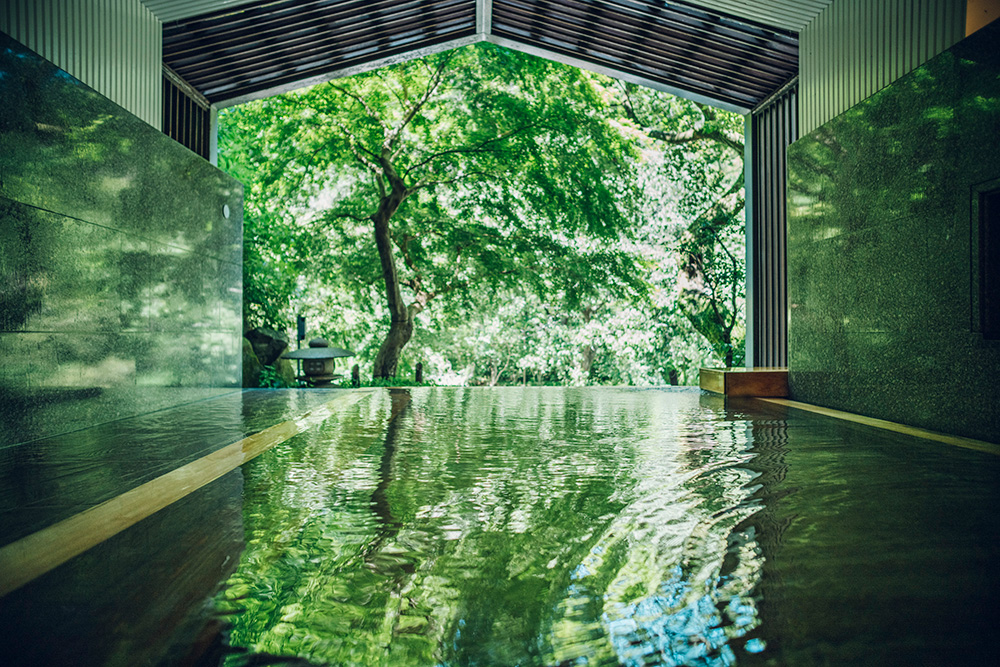


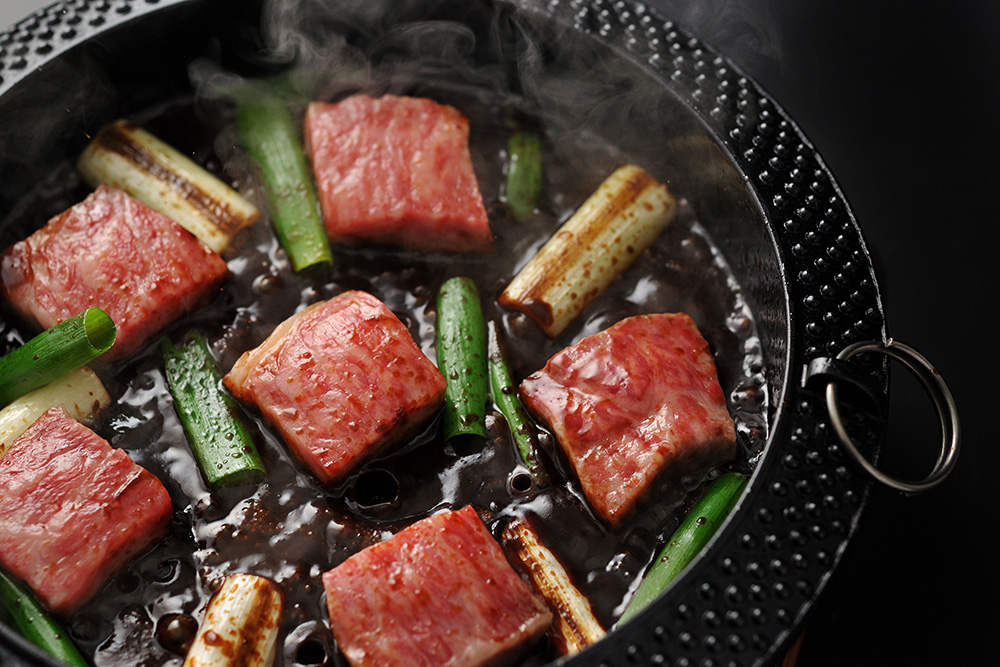
Access Approx. 7 minutes by taxi from Hakone-Yumoto Station on the Hakone Tozan Railway
- Accommodation rate example
- Per person per night From ¥38,000
KAI Sengokuhara
Sengokuhara Onsen, Kanagawa Prefecture
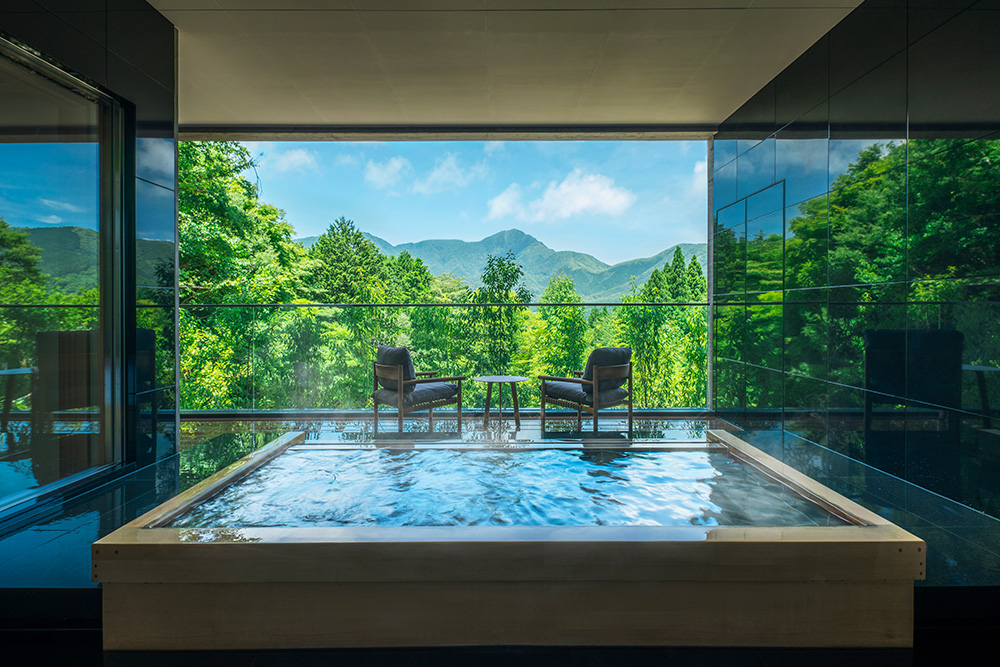
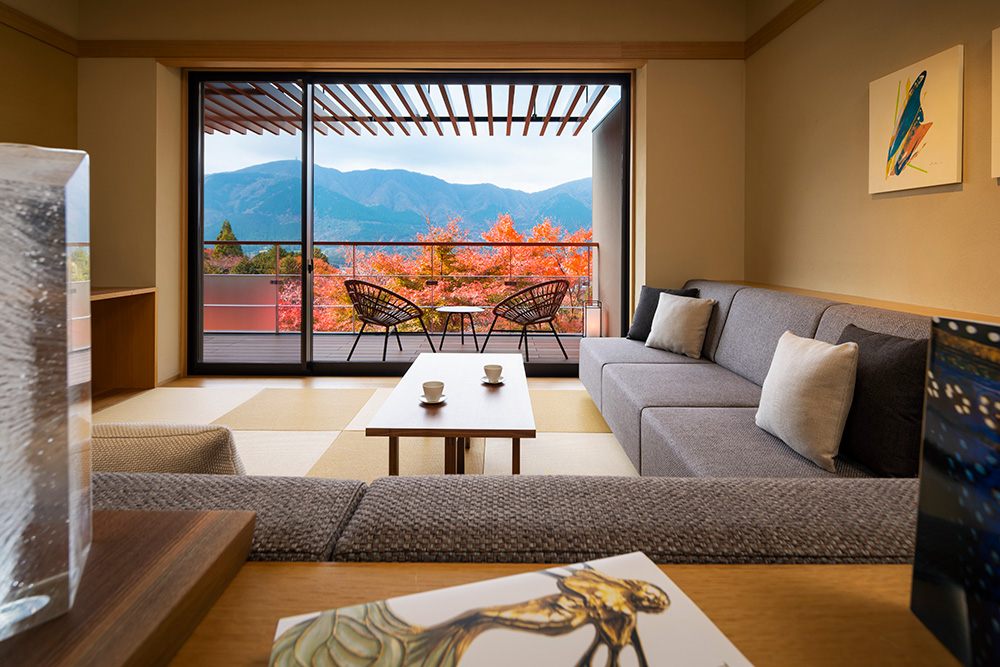
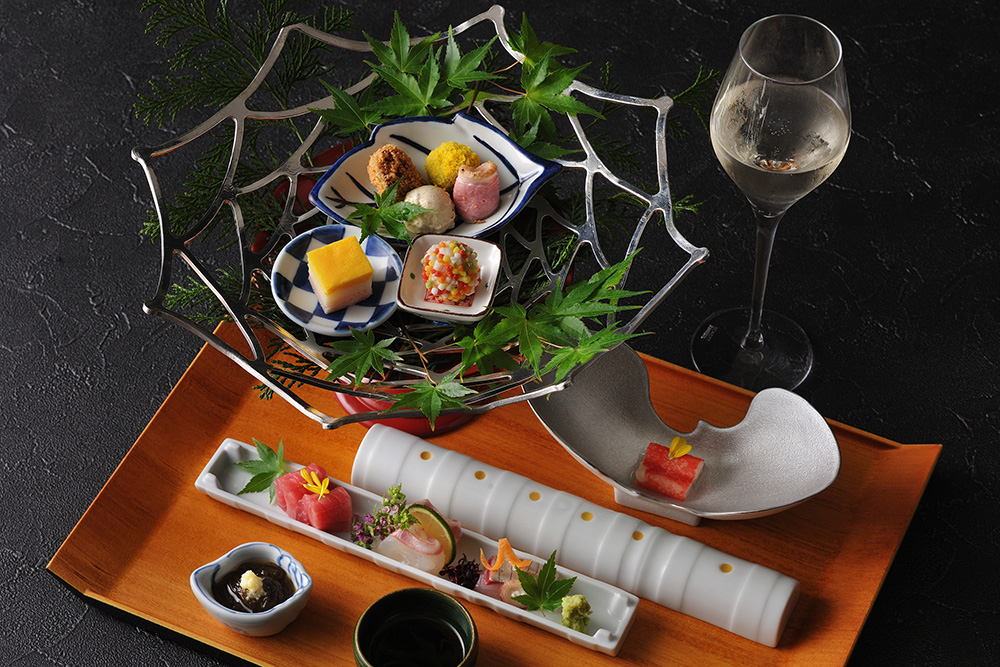
All guest rooms overlook the magnificent nature and come with private open-air baths. Encounters with art pieces will stir your inner desire for expression.

Access Approx. 15 minutes by taxi from Gora Station on the Hakone Tozan Railway
- Accommodation rate example
- Per person per night From ¥57,500