





I'll know famous temperature Nikko Kinugawahot spring and clothes as a tourist spot.


The famous tourist spot there is a Buddhist temple of temples and shrines of Kinugawahot spring, a place famous for beautiful colored autumnal leaves and World heritage in abundant Nikko naturally near from metropolitan area, and where it's popular in each season. The cool climate is called "refrigerator in Kanto", and is charm, but it's also the feature that there is big difference in the temperature by a vertical drop. The inside Nikko with "Kegon NO fall" and the "Lake Chuzen-ji" etc. called altitude 500-600m and Japan Miou meibaku exceeds altitude 1300m in a Nikko city with "Nikko Tosho-gu Shrine" and "Futarasan-jinja" etc. of about 400 m of altitude and world heritage in the Kinugawahot spring village where it's here along a ravine, so a vertical drop influences the temperature big by a season and a destination. The temperature gap in the morning and evening is also great, so I'll make sure that something will take one of stoles and goods against the cold rather much.
▼ The annual temperature Nikko city and clothes

▼ The annual temperature inside Nikko and clothes

< the climate of Nikko Kinugawahot spring and recommended clothes>
About the climate of the spring (3-May) and clothes of Nikko Kinugawahot spring.

March is the continuation by which a Nikko city and the inside Nikko are still winter. Nearly 0 ℃, in the inside Nikko- 4.1 ℃ and a snow scene are also left at a city for the average lowest temperature. There is also a snowfall to the place at the middle of April, so when arranging a foot by boots against the cold and going by car, it'll be equipped with a winter tire.
A cherry tree will bloom at the time last ten days in a Nikko area from the beginning of April, and Kinugawahot spring tells a visit in spring. The happy hunting ground spot by which a cherry tree of "Kinugawa Gokoku Shrine" can be lit up and also enjoy cherry blossoms by night. Sakuranamiki of Lake Chuzen-ji blooms from the beginning of May, but the average temperature is 11.4 ℃, so without leaving a warm jacket when going to flower viewing.
There is Okumiya of "Nikko Futarasan-jinja", and mountaineering becomes possible by the Mount Nantai which is also symbol of religious faith (altitude 2486m) from beginning of the mountaineering season on ordinary year April 25, and many people aim at reaching the summit (2020 is influence of the COVID-19, on May 25-on November 11). The superb view where I look down upon Lake Chuzen-ji under the eyes is impressive.
About the climate of the summer (6-August) and clothes of Nikko Kinugawahot spring.

There is a lot of precipitation in the Nikko area where I enter the rainy season at the beginning of ordinary year June, and the humidity also becomes high. The average temperature is about 20 ℃, than Tokyo, 3-5 ℃, the temperature goes down a morning and evening low, so when there is a jacket with the water repellency which also becomes rainwear, I'm relieved. Then the "Kinugawa linear descent" which goes down the ravine great outdoors produced by ship can enjoy dynamic cityscape while being bathed in a splash of water.
When I'm going up 207 steps of wrapped stone steps in a deep cedar grove through the stone pavement which continues from the rear in a main shrine if "Nikko Tosho-gu Shrine" is visited, it's for Okumiya with a graveyard of Tokugawa leyasu. The holy area where promotion was permitted by only a successive generations general is generally opened from 1965 and is also charm as a power spot.
Cool inside Nikko recommends 7 and August. The average highest temperature is also easy to spend with about 23 ℃, so "Senjogahara" where I walk Kido who is spread on "NIKKOUKISUGE" and the wetlands which begin to bloom from the beginning of July is the season most suitable for walk when great outdoors can be enjoyed fully. Because the average lowest temperature will be about 15 ℃, I'll take a little thick jacket.
About the climate of the autumn (9-November) and clothes of Nikko Kinugawahot spring.

Nikko renowned as a place famous for beautiful colored autumnal leaves. It's helpful that there is a vertical drop, and best time of colored leaves continues from the end of September to the end of November. Red, yellow, green tea and multicolored colored leaves color from the end of September in "Yuno-ko Lake" in the inside Nikko (altitude 1475m), and the scenery which suits the surface of the lake is mysterious. There is a promenade in a lakefront and you can go around in about 1 hour, so it's the recommendation spot by which a pair early of colored leaves are loved.
Best time is met from the middle of ordinary year October, famous.A traffic jam generates "Iroha-zaka".It's done, so when going from metropolitan area by car, it would be better to leave early in the morning fairly. There is so much fall that Nikko is called Shijuuhachidaki, so it's also fun to see colored leaves and go around while taking the tour of fall.
"Ryuo kyou" which is between Kawaji hot spring from Kinugawahot spring. An esplanade is maintained, so the walk by which cityscape of a rock is while looking at the made canyon's beauty and autumnal tints can be done. Autumn also has about 10 ℃ lower than Tokyo in the inside Nikko about 4 ℃ at a city, so a fleece is light, and warm clothes, wool stoles and warm socks recommend.
▶Details of temperature information on autumn?Here
About the climate of the winter (12-February) and clothes of Nikko Kinugawahot spring.
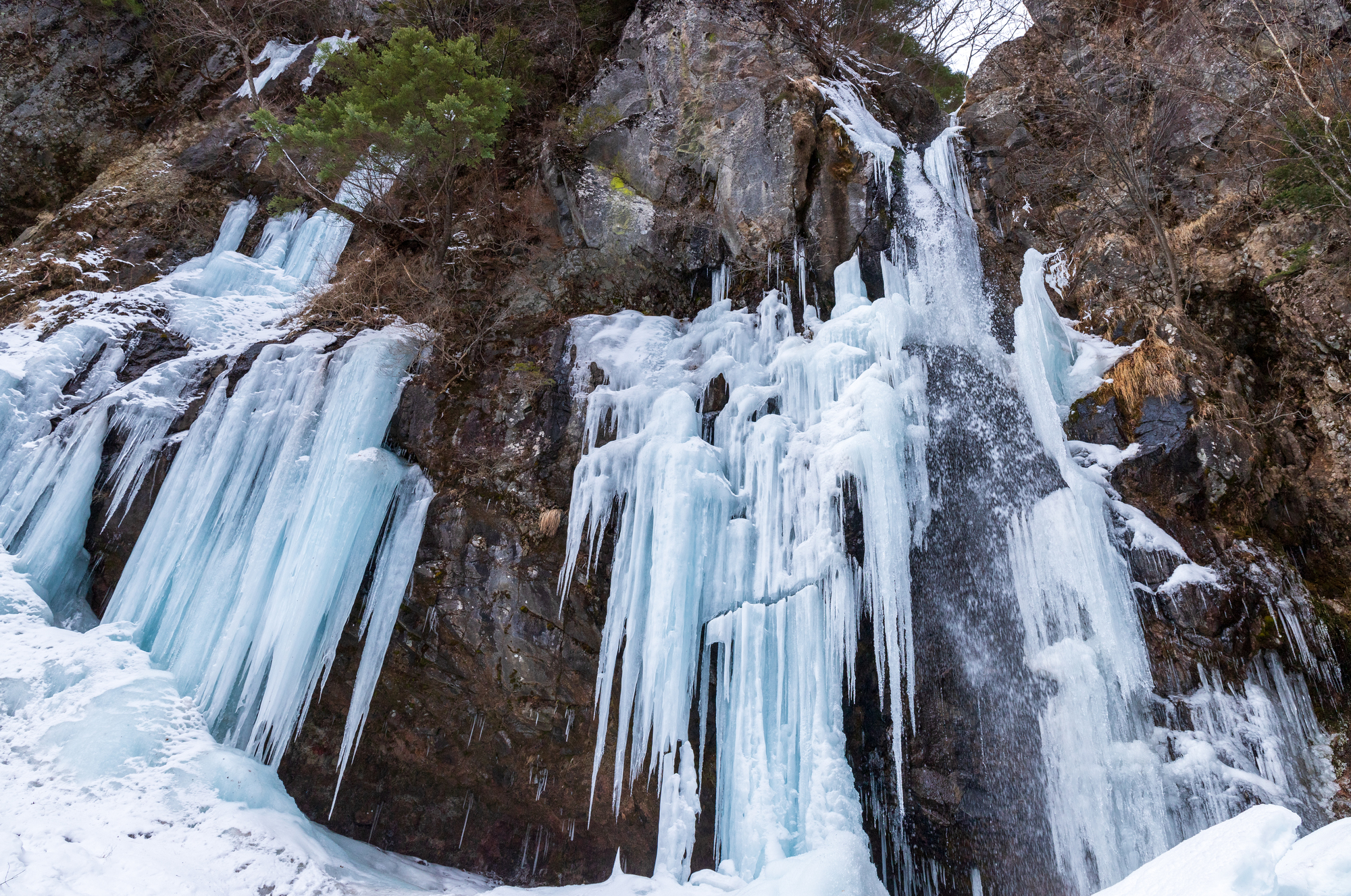
It's cool Nikko through the year, so winter will be the severe climate, and about 0 ℃, the average temperature will be also the freezing point in the inside Nikko at a city. Japan which does a snowfall also becomes a lot, so the appearance in shrines and temples is special "Nikko Tosho-gu Shrine" and "Futarasan-jinja" which shine by a snow scene. One in the air made dignified, there is pleasure which goes and worship and takes a walk through a store in a cathedral town slowly. It'll be a free snowy road and the way which froze, so the boots against the cold are indispensable.
The icefall where fall will freeze and be blue ice in the inside Nikko is highlights. It's 1-intense cold which is to the extent there is also a day which becomes 20 ℃ of-in February, so it'll be warmed with a mobile body warmer as well as a down coat and a knit cap. A snowfield, such as going hiking by a snow shoe, Activity is also popular in severe winter. When even a beginner takes a tour, you can guide surely.
"Iroha-zaka" won't be Road Closed, but when being not accustomed to a freeze road, I'll recommend to use a public bus. When going by private car, the studless snow tire is indispensable.

Local Guide which took charge of this article
Hoshino Resorts KAI Kinugawa
Tochigi and Kinugawahot spring
Yunoshuku of sunlight through the leaves of trees where TOCHIGI mingei which pauses in the forest along a Kinugawa valley stream flashes
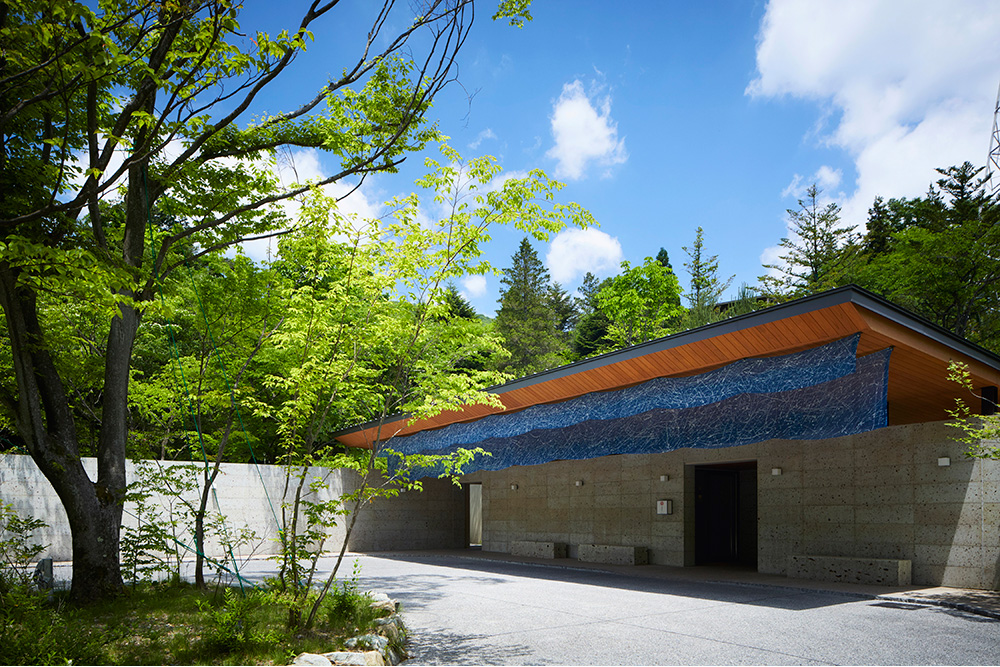
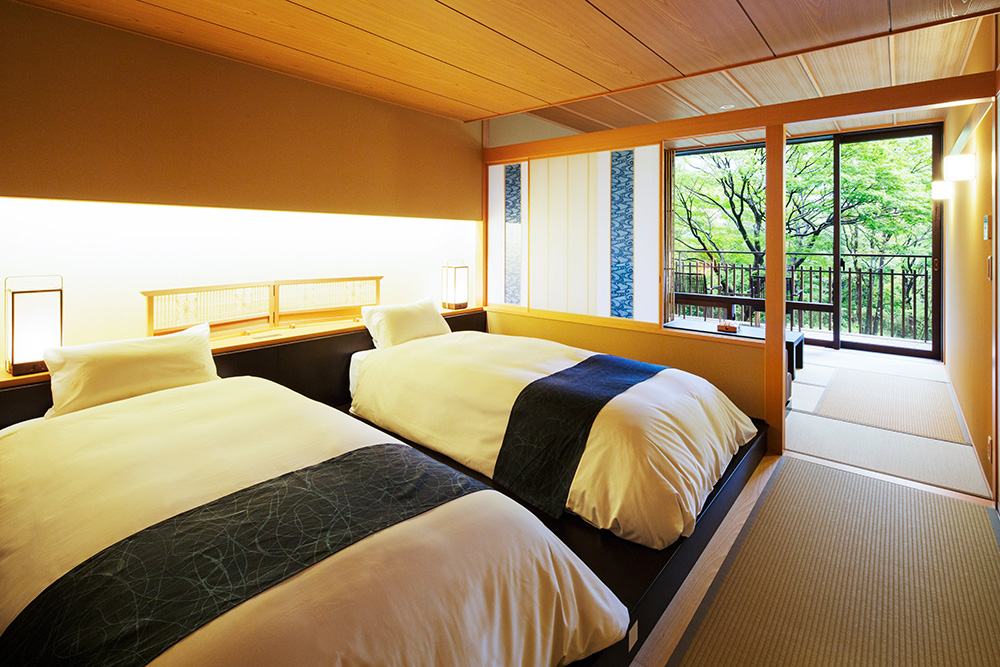
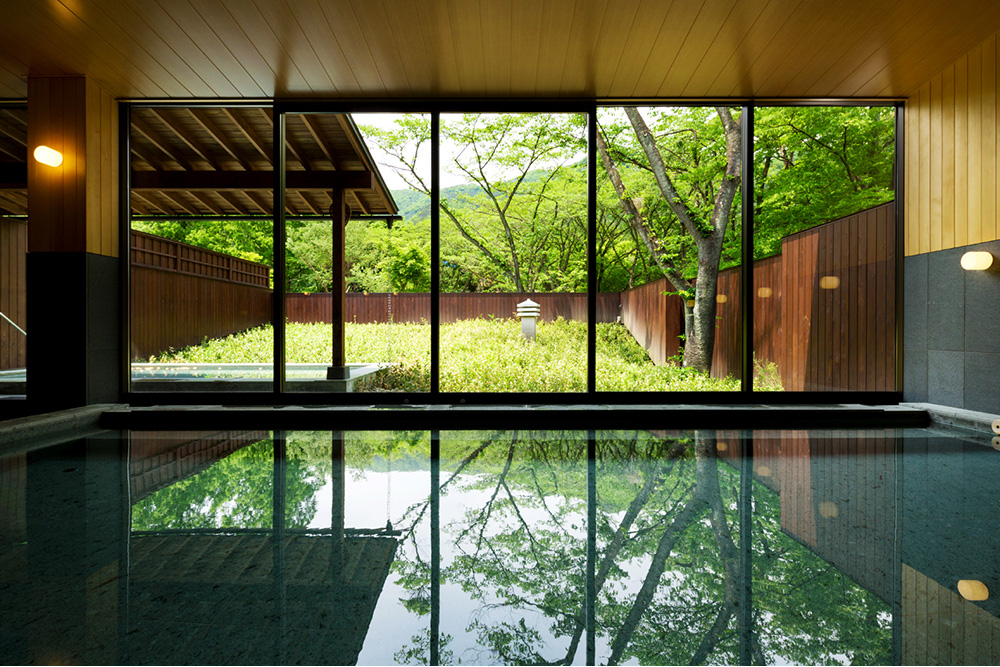
It's a taxi from the Direction Tobu Railway Kinugawahot spring station, about 5 minutes
- A room charge example
- 1 night, 1 person \30,000-