





The great atelier where you can meet the nice folk art and art work at which I'd like to drop in for sightseeing in Nikko and Mashiko district
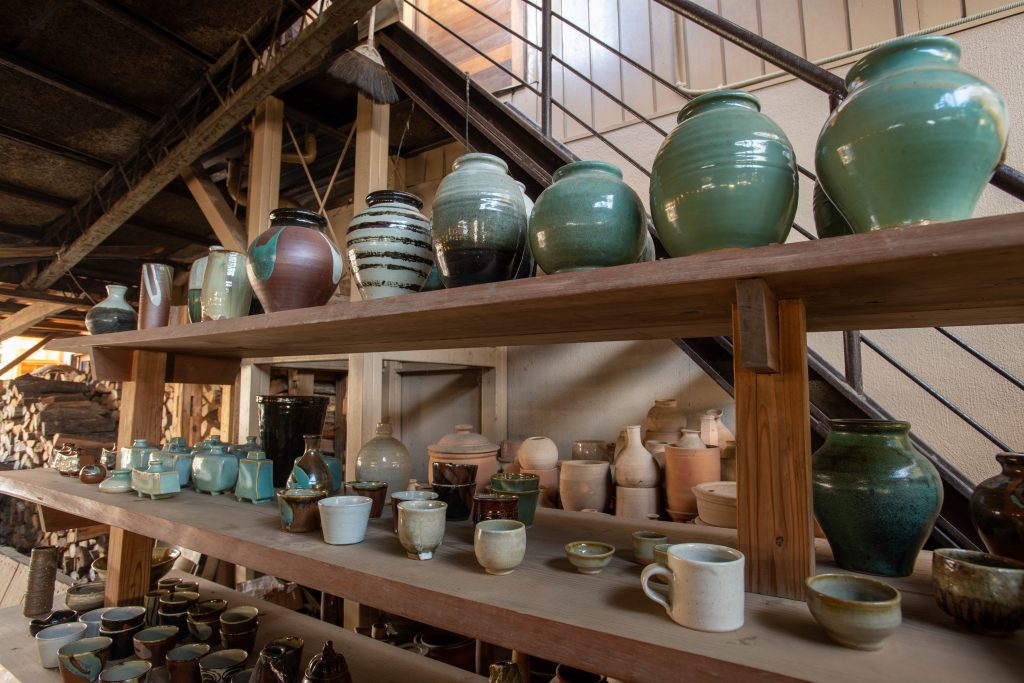
Shrines and temples of World heritage and Nikko, cheerful highway and dotted castle town. The creativity by which abundant nature in a forest and the fields and culture are arts and crafts, technology and people in a body from the old days in Tochigi-ken was being brought up. Its kind is very various the festival items which color a festival from a tool of daily living. The author who succeeds to the traditional work which is also paid much attention at the inside importantly and the atelier of a spirited artist where the work originality overflows is produced are chosen. If a favorite is found, it's also some nice time when reverberation of travel is enjoyed to wait the items which also stopped and ordered purchase immediately to reach at a house. To meet the masterpiece which feels polite handwork, won't a great atelier in Tochigi be visited?
1The light room of a gourd
The original gourd lamp by which fantastic space is produced

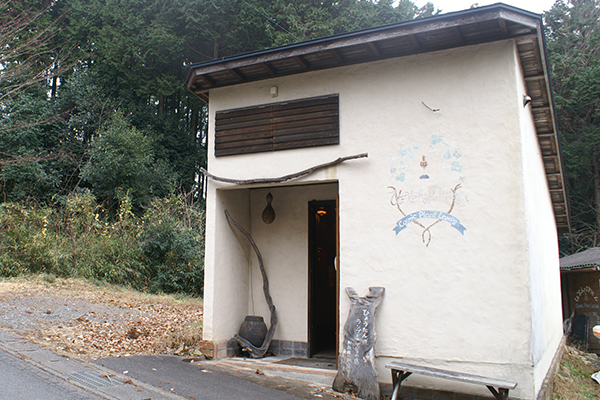
The gourd lamp which was drawn by a white wall in Masuko's calm place dotted with a creative atelier is a mark. The atelier and the showroom where all handmade gourd lamps are being manufactured. The atmosphere when a lamp lights up, soft light is burned in red, and which is fantastic. In a hole which is engraving from the surface and opens, beads, the embedded form with the delicate and beautiful design work and the charm waits for the look and produces the space it seems fun where with the warmth. Coloring changes with the shape of the gourd, the thickness and the hardness, a product is all one point things. It can be adjusted to the favorite length according to the installation site with about 4 m of electric cord. A floor stand every floor and bracket light of a tapestry are being also made.
I deal from gourd cultivation and pursue the most suitable material.

The one a used gourd brought up while cooperating with a contract farmer. An owner is doing the growing management until he gives rise and makes Hata plant permanently. It's natural product, so it's said that to find the handy size Ko penetrates moderately is very difficult.
The showroom is usually closed, so when visiting, preliminary calling is needed.
- The light room of a gourd
-
 4283-4, Mashiko, Mashiko-machi, Haga-gun, Tochigi MAP
 It's a car from Moka Railway Mashiko Station, about 8 minutes. Or it's a car from Kitakantou motorway Moka IC, about 25 minutes
 The showroom is usually closed, so when dropping in, it's calling beforehand.
 0285-70-6043
 Free
Free A workshop admission fee of 3000 yen
2Karasuyama Japanese paper hall
I meet the feel of a material full of aim of the traditional techniques in 1200 and the Karasuyama Japanese paper.
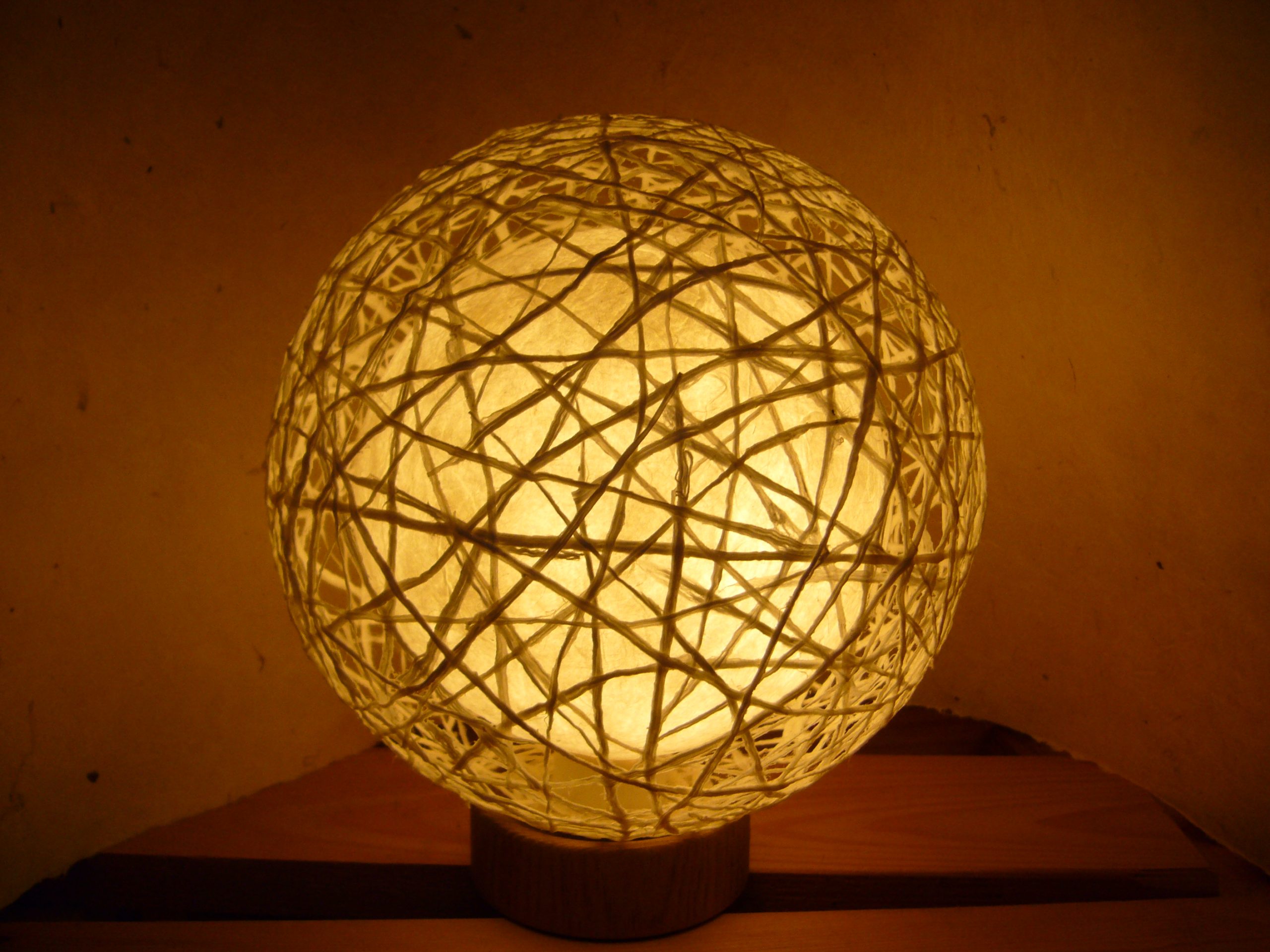
The Karasuyama Japanese paper handed by a craftsman down from generation to generation from Nara era at Nasu Karasuyama. The old days were called Nasu paper and were known to the whole country as thick quality paper. However, it's a "at Fukuda paper making" chisel to continue the paper making at present. It's used for the diploma one of Japanese paper one becomes vacant up by hand obeys valuable traditional processes, and is chosen as pocket paper of the Imperial Poetry Reading in Imperial Court, and which is prefecture outside, and if, the height of the quality is also still standard now. The item I tend to take in daily exhibits and is selling modern illuminator, stationery and ditty box with Karasuyama Japanese paper in Property.
"Sato of Japanese paper" is visited, an atelier tour and making paper, Experience.
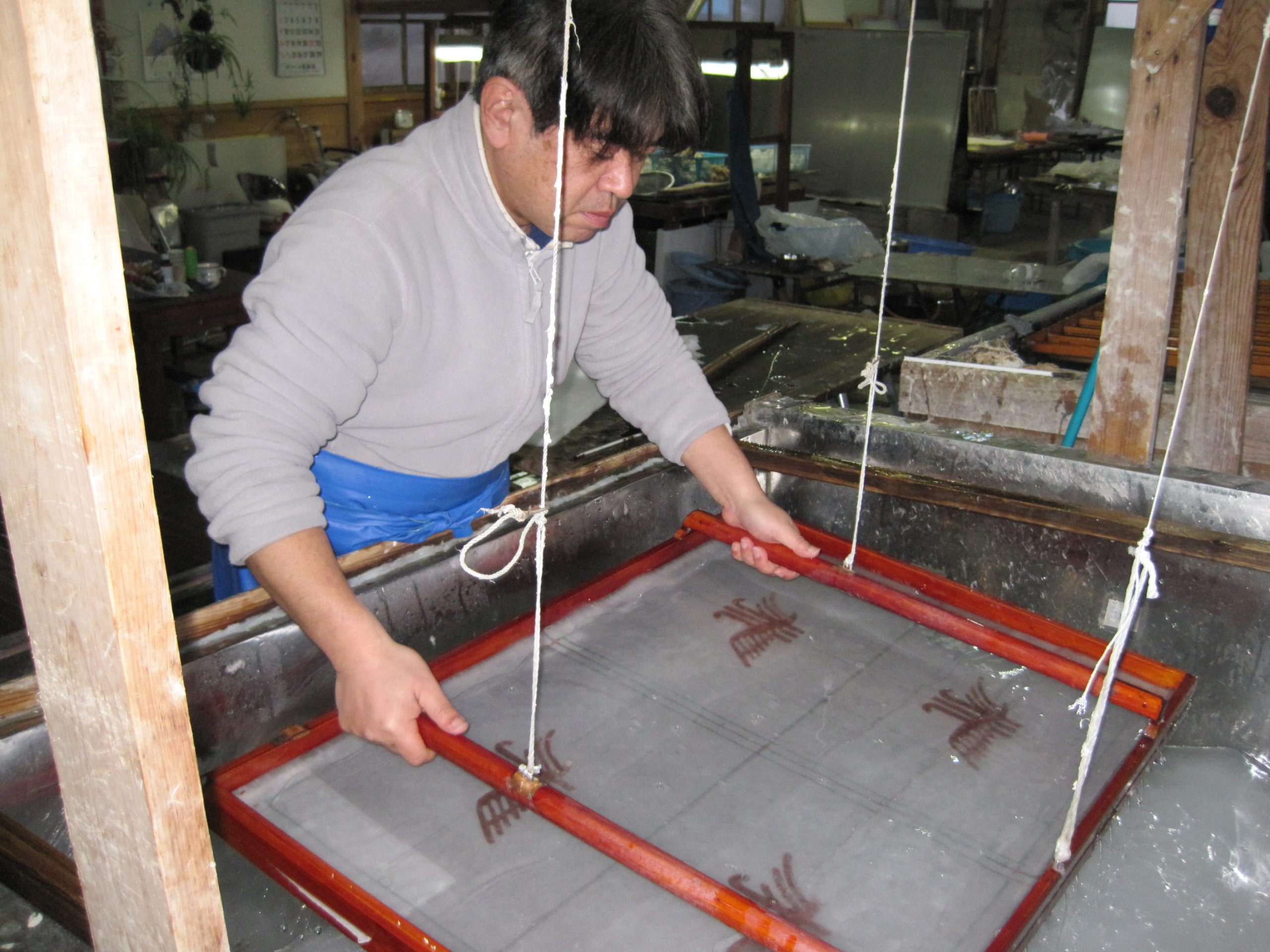
The state of the making paper can be visited imminently, Japanese paper making, that Experience can also do, "Sato of Japanese paper". It's a car from the "Karasuyama Japanese paper hall" in the downtown, and 10-handmade paper atelier where I pause in a quiet mountain village for about 15 minutes. Leather of a paper mulberry is being boiled made from a rare Nasu paper mulberry (paper mulberry), paper is being made and all processes of several many until it dries are being performed by handwork. The special feel the texture is small for the Japanese paper which completed, and there is a gloss sense, and which is flexible and easy. "Making paper Experience" which can challenge product making actually recommends as enjoying oneself with the family and an acquaintance.

- Karasuyama Japanese paper hall
-
- Tochigi Nasu Karasuyama city central 2-6-8 MAP
- It's a car from JR Karasuyama Station, about 15 minutes. Or it's a car from Kitakantou motorway Utsunomiya Kaminokawa IC, about 60 minutes
 9:00-18:00 (It's different depending on seasons.)
- Tuesday
- 0287-82-2100
- Free
- An atelier tour and Experience are put into effect by "Sato of Japanese paper" (Nasu Karasuyama city Oharazawa, 599). A postcard opening, 600 yen for 2 and 3 making paper B3 sizes of 1800 yen. More than 2 people- (an infant, Experience, possible). It's the telephone reservation in Karasuyama Japanese paper hall by 2 days before. Finished goods will be mailed later.
3Kurobane Aizen Konya (KURO, when, the indigo dyeing doesn't come.)
The Aizen interior and the attachment which shine by the living now coolly are found.

The Edo Period and the solid traditional building which is left for a course which prospers as Kurobane castle town. It's 1804 year (1804) foundation and is Aizen seller who prospers greatly from mark coat (It's marked, BAN, and, oh.) making of a lumberman person. To the inside of store where I pass through the shop curtain taste overflows and feel history of gable-and-hip roof style and warmth. Aizen's floor cushion, tapestries and wear of Zen monk for cleaning and farming seem to have cut the part of the living off, and are decorated with the natural state. The point that I'm also happy that there are a lot of attachments I tend to buy casually such as a margin arrive, a card case, a coaster and hair bands. The pattern is also rich and Mameshibori dyeing, a wave crest pattern and the pleasure from which a hempen leaf chooses the favorite design can be tasted. The modern original design is also developing, so it's linchpin attention.
The craftsman one person succeeds to tradition of "Kurobane Aizen" freely expresses the deep shade.

"Kurobane Aizen" is 200th vintage time and a grown traditional technique. The one by which experience and the sense inherit and are making craftsman work of a reliance freely one person is the Yashiro aim center. It's also a deep intense expression to Aizen culture to stick to a technique which needs many small processes as "dyeing by using mold". It's the person and operational all which is being dyed by the liquid which woke the style up, mixed blue leaf and lime and made them fermented naturally is being performed politely. Only something by which everything is one for the weather and the handwork which is also influenced by the temperature freely in the world for a work. They're also highly motivated in the product development which catches eye of a young person including sneakers.
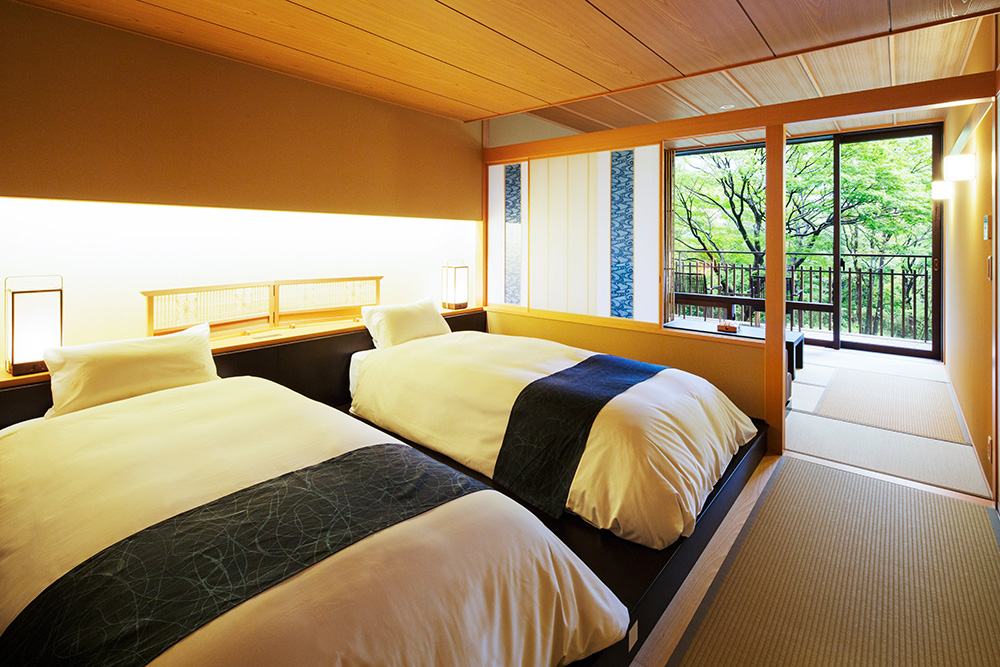
Kurobane Aizen is treated by a sliding paper door of Guest room and a garden lantern in a corridor by "Hoshino Resorts KAI Kinugawa", and a blue worldview can be felt.
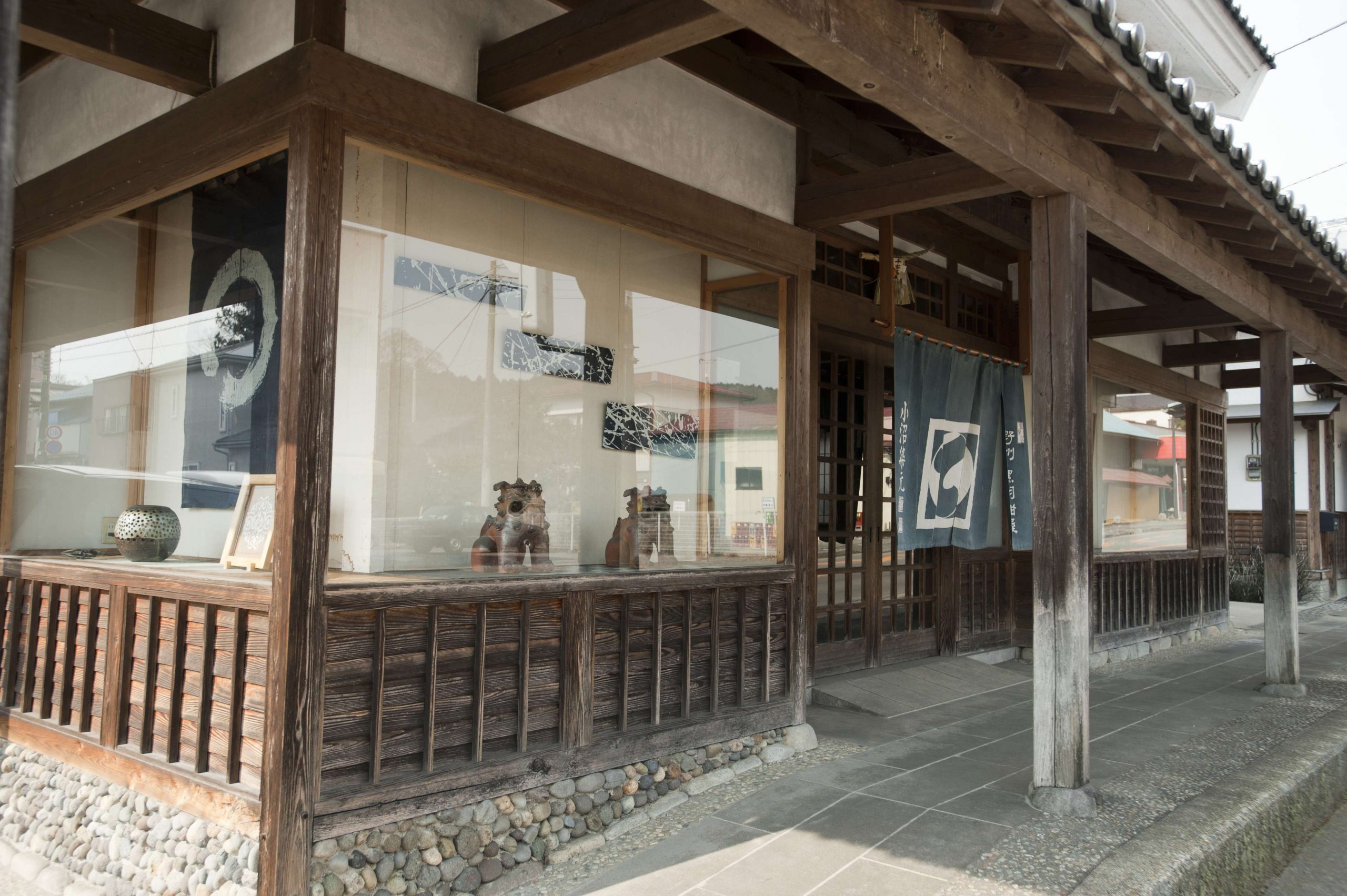
- Kurobane Aizen Konya (KURO, when, the indigo dyeing doesn't come.)
-
- Otawara-shi, Tochigi 88, Kurobanemukomachi MAP
- It's a car from the JR west Nasu field station, about 25 minutes. Or from Tohoku Expressway Kuroiso Itamuro IC, about 30 minutes
- 10:00-17:00
- Thursday
- 0287-54-0865
- Free
- The general atelier tour is bad.
4Taisei kiln
The Mashiko pottery which was made POTTERI of the colorful shade which is calcined by a powerful climbing kiln

In Mashiko where it's free and full of creative character, the unique sign by which a climbing kiln was drawn is a mark along Menuki Street. Various artists visit since 1861 year (1861) foundation, too, and an eye is manufacturing seven generations of container of various types of living at present by a loved great kiln. It's the selection which seems distracted in this way and that from the mini-dish done a little to the big jar which weighs heavily in the wide store where an old private house was recycled. There is a climbing kiln of the Mashiko maximum scale in the inside in a store. The fragrance of the Japanese red pine of dirt and fuel hangs around the kiln, and the starting point where the Mashiko pottery matched with person's hand is born can also be enjoyed by the five senses powerfully.
The work which made earth and glaze by hand and took time and effort equals being crammed.
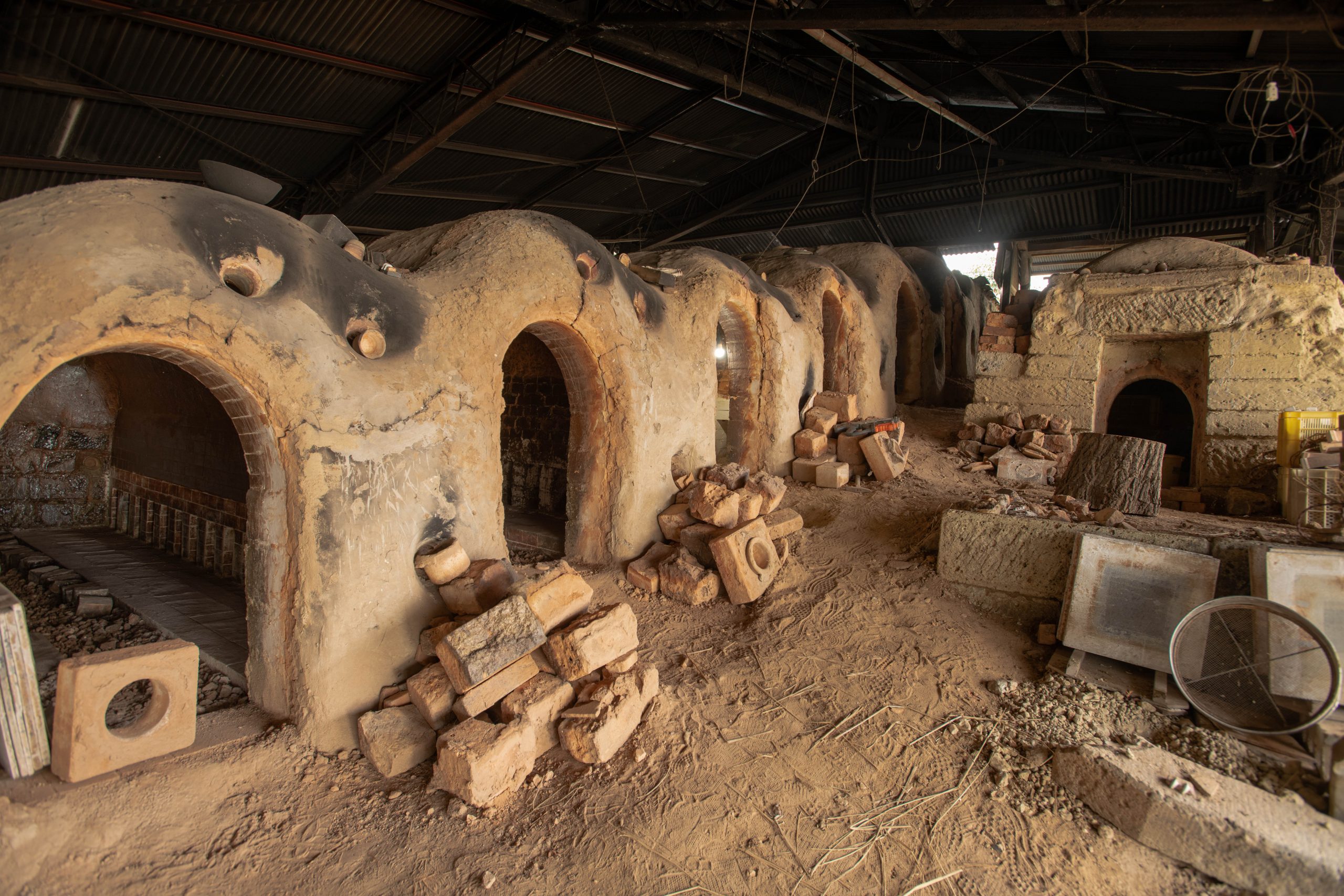
An aim host is making seven generations of glaze using the soil where he was particular about manufacturing Mashiko and lifted from a mountain around here and the straw you separated from Ashinuma stone in an area and a farmhouse in the US. It's a trigger that I left Masuko and studied under Mr. Masaaki Shibata in Tanba Sasayama where pottery making is popular from the old days once when it was young to stick to a local raw material. It's awaken in charm of Mashiko pottery once more, and it's said that they held a sense of dread in the great history. The overglaze by which homemade overglaze seems to be Mashiko such as persimmon overglaze, bran white overglaze, black overglaze, candy overglaze and bran celadon overglaze. When it's baked by a climbing kiln using firewood, there are also a lot of losses of a baking blur, but also the container beautiful and warm by whether it's shade Yutaka has finished amusement.
A mini-dish is also exhibited at the lobby of "Hoshino Resorts KAI Kinugawa".
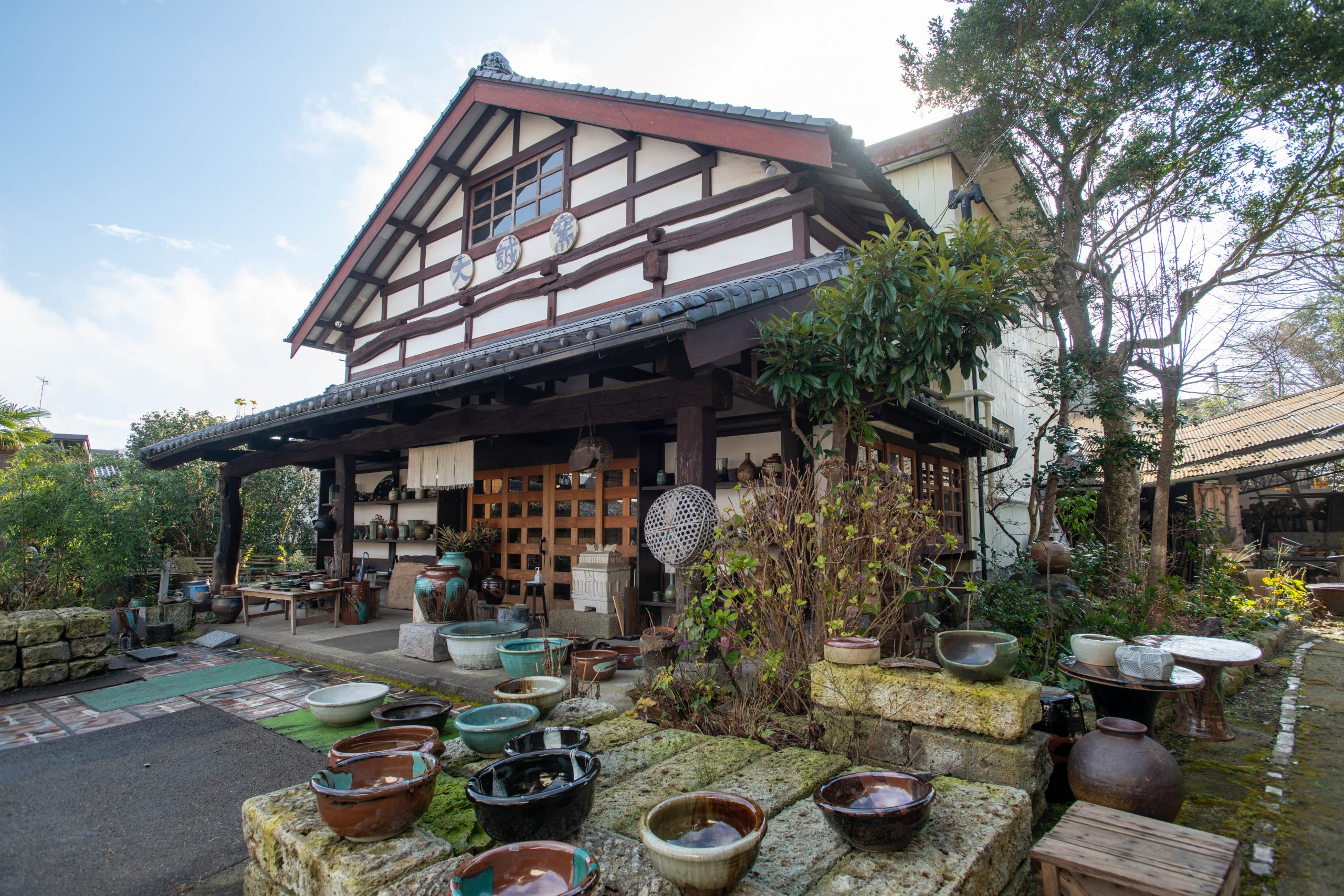
- Taisei kiln
-
- 92, Jonaizaka, Mashiko-machi, Haga-gun, Tochigi MAP
- From Moka Railway Mashiko Station, about 20 minutes on foot. Or it's a car from Kitakantou motorway Moka IC, about 41 minutes
- 10:00-17:00
- Tuesday
- 0285-72-2222
- Free

The master of MICHIKU SA who took charge of this article
-
Takako Kawaguchi.
Edit and lighter. After experiencing edit for 10 years by a female magazine of a major publishing company, it's free. Every day when an article is written by a magazine and a web focusing on travel, interior design and a theme of miscellaneous goods. From what is it pleasant to go out to sports watch with my husband and hot spring travel?
 Of MICHIKU SA.
Master
Hoshino Resorts KAI Kinugawa
Tochigi and Kinugawahot spring
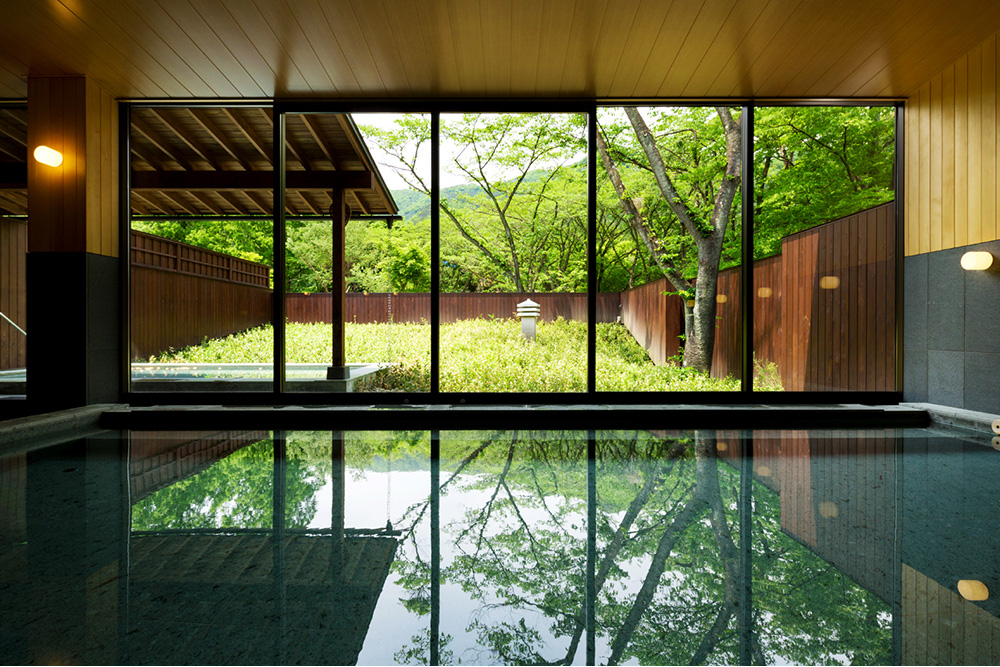
Yunoshuku of sunlight through the leaves of trees where TOCHIGI mingei which pauses in the forest along a Kinugawa valley stream flashes
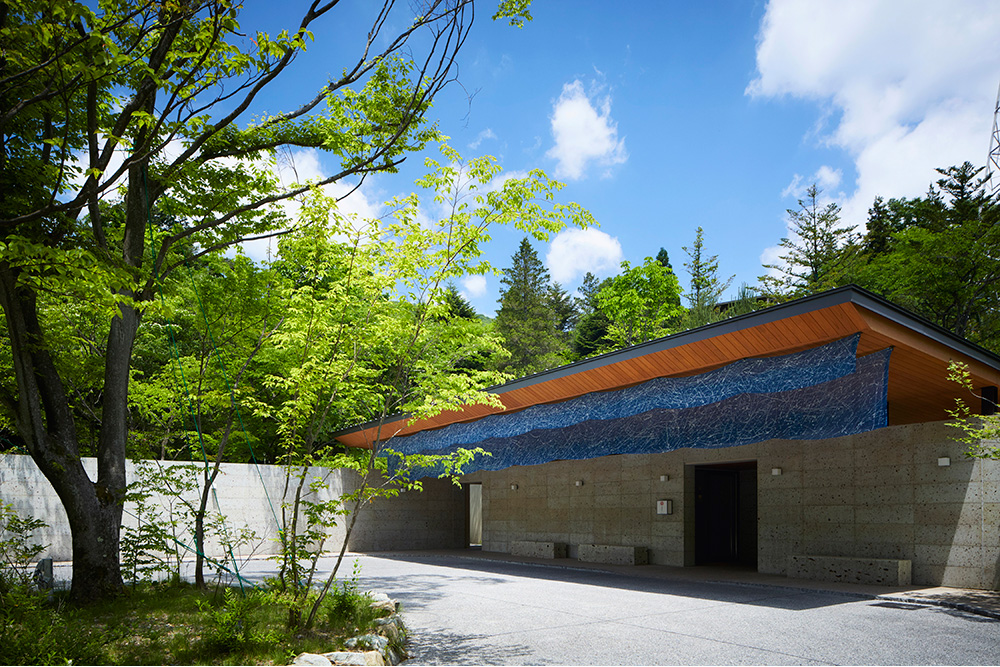
It's a taxi from the Direction Tobu Railway Kinugawahot spring station, about 5 minutes
- A room charge example
- 1 night, 1 person \30,000-