





A famous art studio where you can find wonderful folk crafts and works of art to stop by while sightseeing in Nikko and Mashiko area.
Nikko, a World Heritage Site, with its shrines and temples, bustling streets, and castle towns scattered throughout. The combination of nature and culture, including rich mountains, forests, and fields, has long nurtured crafts, techniques, and people's creativity in Tochigi Prefecture. There is a wide variety of crafts, ranging from daily tools to ritual items that add color to festivals. We have picked up the workshops of artists who carefully carry on traditional techniques and up-and-coming artists who create works full of originality. You can buy your favorite piece immediately after you find it, or you can wait for it to arrive at your home. Why not visit one of Tochigi's famous workshops to encounter masterpieces that showcase the careful handiwork of the artists?
1gourd light room
Original gourd lamps that create a fantastic space

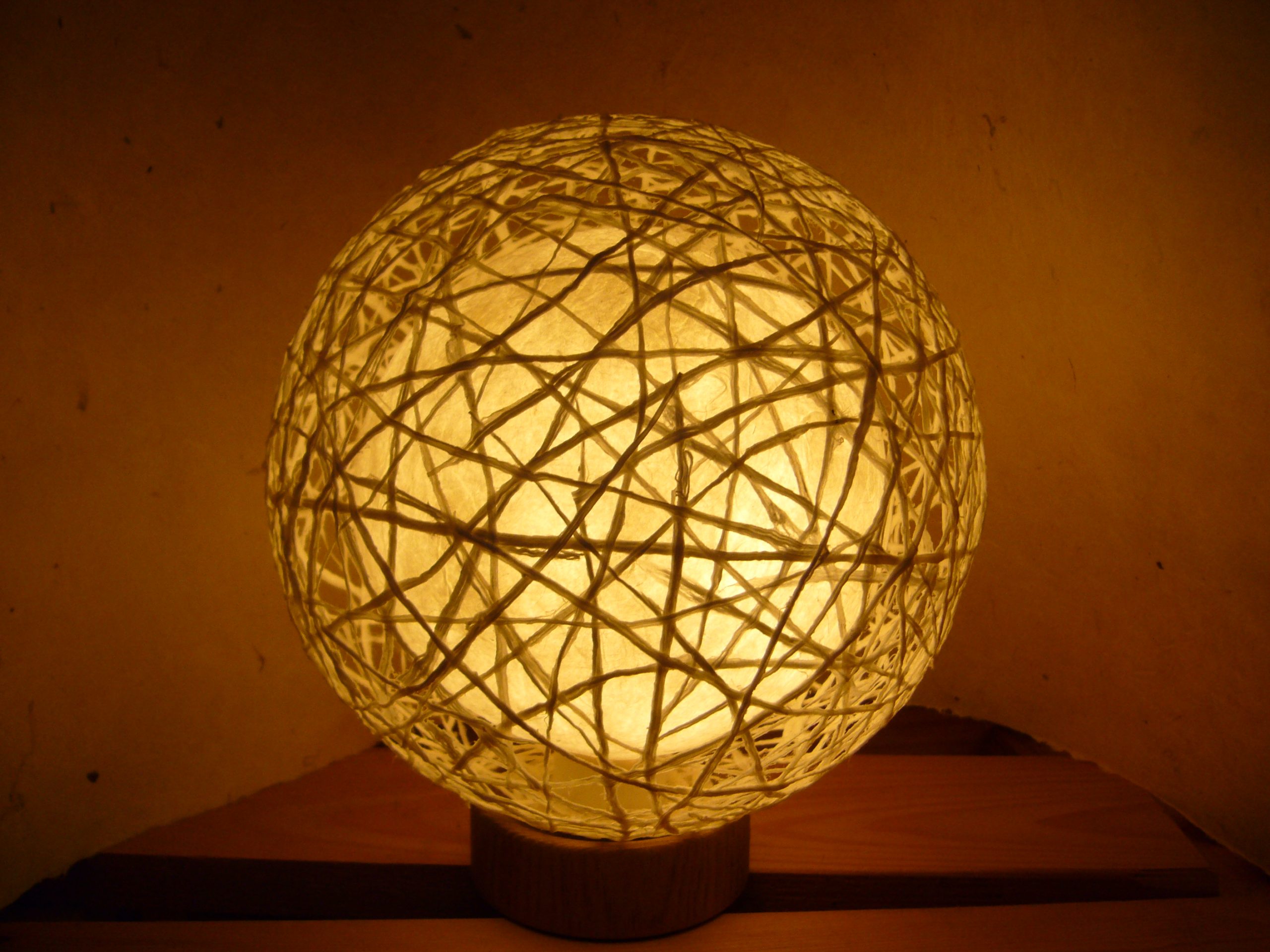
Located in the peaceful Mashiko area, which is dotted with creative workshops, you will find gourd lamps painted on white walls. This workshop and showroom produces gourd lamps that are all handmade. When lit, the lamps emit a soft red light, creating a fantastic atmosphere. The delicate and beautiful design work with beads embedded in the holes carved out of the surface, combined with the charming form, creates a warm and joyful space. The coloring varies depending on the shape, thickness, and hardness of the gourd, and all products are one-of-a-kind. It comes with an approximately 4-meter electric cord, which can be adjusted to any length according to the installation location. They also make floor-standing and wall-mounted bracket lights.
Working from gourd cultivation in pursuit of the best materials

The gourds used are grown in cooperation with contract farmers. The owner and his wife manage the growth of the gourds from sowing the seeds to planting them in the field. Since they are a product of nature, they say it is very difficult to find a reasonable size that allows just the right amount of light to penetrate.
The showroom is usually closed, so you need to call in advance when visiting. They also offer workshops on gourd lamp making, and if you wish to participate, you need to call in advance for the date and time.
The tasteful lamps create a fantastic atmosphere in the lounge and outdoor hot spring at Hoshino Resorts "Kai Kawaji". Lit in the evening, they are stunningly beautiful and popular for their outstanding photographic appeal.
2Karasuyama Washi Kaikan
Encountering the atmospheric texture of Karasuyama washi, a 1,200 year-old traditional technique
Karasuyama Washi has been handed down by craftsmen in Nasu Karasuyama since the Nara period (710-794). In the old days, it was called Nasu paper, and was known throughout Japan as a thick, high-grade paper. Today, however, only Fukuda Paper Mills continues to make paper. The paper is still known for its high quality, and has been used as the paper for the Imperial Court's Kaikaiji ceremony and for graduation certificates both in and outside of the prefecture. The Property exhibits and sells items that can be easily incorporated into daily life, such as modern lighting fixtures, letterheads, and small boxes made of Karasuyama washi.
Visit "washi no sato" (washi villages) and experience a workshop and paper making.
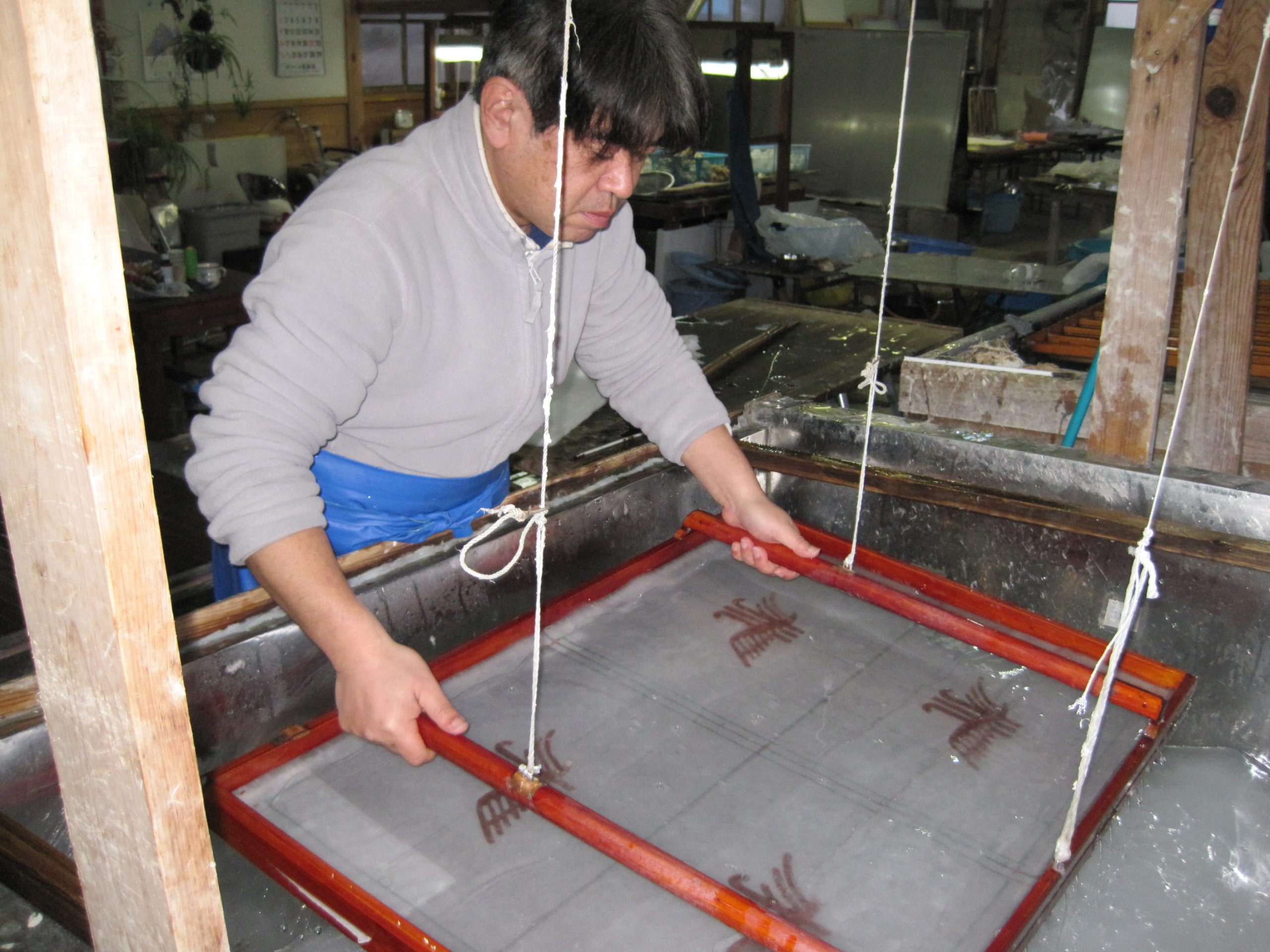
Visitors can observe the papermaking process up close, and experience making washi paper at the "Washi no Sato". This handmade paper workshop is located in a quiet mountain village about 10 to 15 minutes by car from the Karasuyama Washi Kaikan in the city. Using rare Nasu kozo (paper mulberry) as raw material, the many processes of boiling the mulberry bark, making the paper, and drying it are all done by hand. The finished washi has a fine texture and luster, and is supple and gentle to the touch. The "Paper-Making Experience," where you can actually try your hand at papermaking, is a great way to enjoy the experience with family and friends. Hoshino Resorts "Kai Kawaji" also offers the "Postcard Making Experience.
3Kuroba Aizome Konya
Discover indigo-dyed interior goods and accessories that look cool in today's lifestyle

A stately traditional building standing on a roadside that prospered as the castle town of Kurobane in the Edo period. It was built in 1804 (the first year of Bunka era). (first year of Bunka era) It was founded in 1804, and was an indigo dyeing shop that prospered from making shirushibanten for lumber merchants. Passing through the tasteful noren (curtain), you will enter the store with a sense of history and warmth, built in the irimoya style with a gabled roof. Aizome cushions, tapestries, samue (Japanese work clothes), and other items are displayed in a natural manner, as if they were cut out from a part of daily life. It is also nice to see that many of the small items are easy to buy, such as drawstring purses, business card holders, coasters, and hair bands. There is a wide variety of patterns to choose from, such as mamezubori, seigaiha (blue ocean waves), hemp leaf, and others. Modern original designs are also available, so be sure to take a look.
The only craftsman who carries on the tradition of "Kuroba indigo dyeing" expresses deep shades of blue.

Kurobane Aizome" is a traditional technique that has been cultivated for 200 years. The eighth generation head of the company is the only one who has inherited the craftsmanship, which relies on experience and intuition. His insistence on the "katazome" technique, which requires many detailed processes, is an expression of his deep attachment to the indigo-dyeing culture. The entire process of making a katazome mold and dyeing it with a naturally fermented solution of indigo leaves and lime is carefully done by hand. Because the work is done by hand, which is affected by weather and temperature, each piece is unique. The company is also eager to develop products that attract the attention of young people, such as sneakers.
At Hoshino Resorts "KAI Kinugawa," the shoji screens in Guest rooms and lanterns in the corridor are decorated with Kurobane Aizome, allowing you to experience the world of indigo.
4Daisei Kiln
Mashiko potteries in a variety of shades fired in a powerful climbing kiln

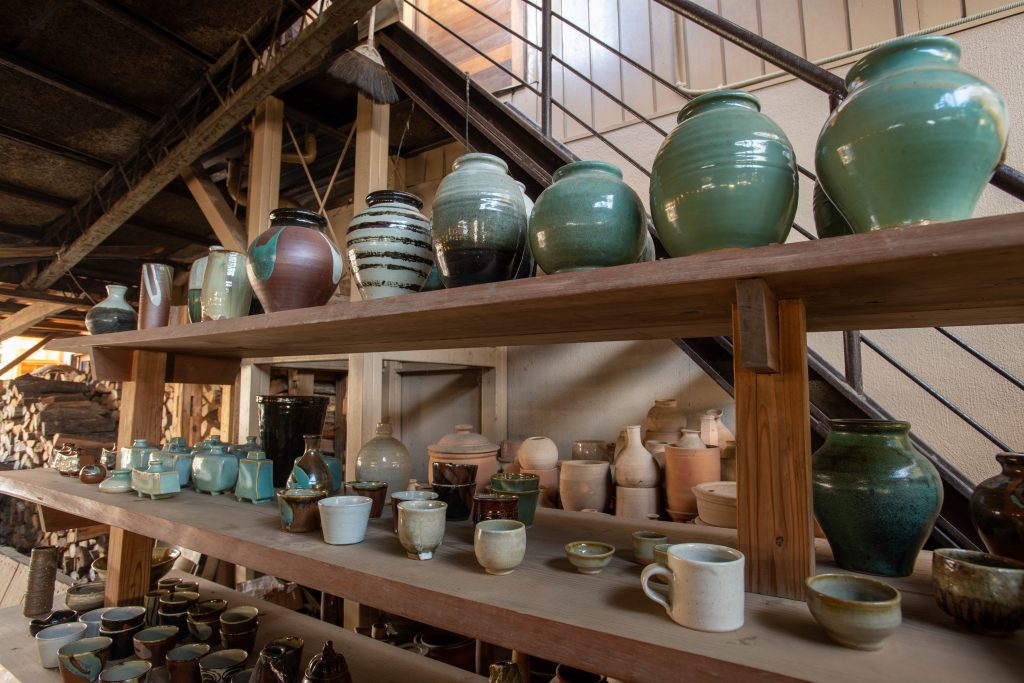
Along the main street of Mashiko, a city with a free and creative spirit, you will see a unique sign depicting a climbing kiln, a famous kiln that has been visited and loved by various artists since its establishment in 1861, and now the sixth and seventh generations are producing various types of daily life vessels. The spacious interior of the store, which is housed in an old private house, is filled with an assortment of items ranging from small plates to large, heavy vases. In the back of the store is Mashiko's largest climbing kiln, which is open to visitors. The kiln is surrounded by the aroma of the soil and red pine wood used as fuel, and visitors can enjoy with all five senses the birthplace of Mashiko pottery, which is both powerful and comfortable in human hands.
Handmade clay and glazes, and the works that take a lot of time and effort to make are lined up in a small space.
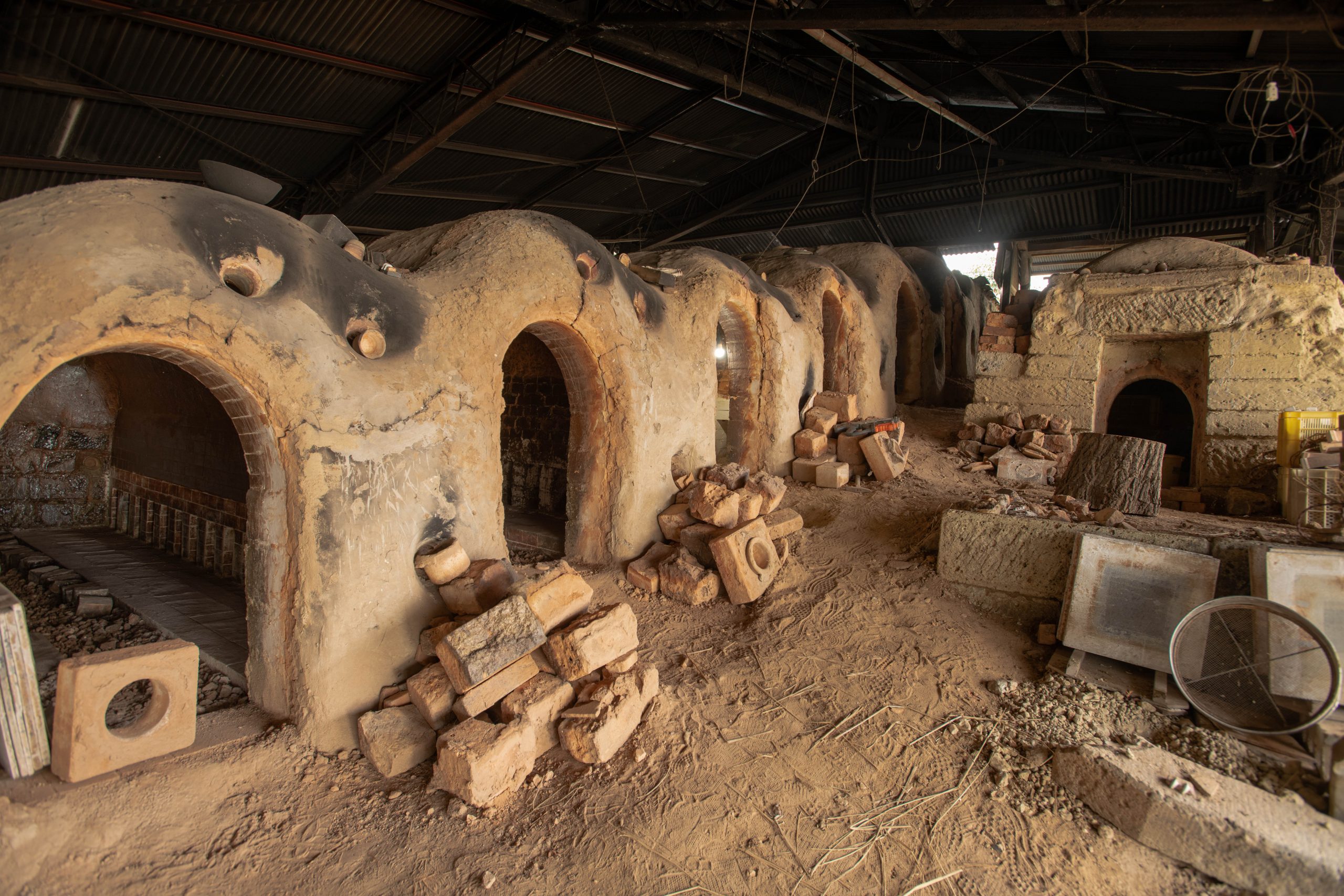
The seventh generation of the kiln's owner is dedicated to making things that are unique to Mashiko, and uses soil dug from nearby mountains, local Ashinuma stone, and straw from rice farmers to make the glazes. His insistence on using local ingredients was inspired by his decision to leave Mashiko when he was young and study under Masaaki Shibata of Tanba Sasayama, where pottery production has long flourished. He was awakened once again to the charm of Mashiko pottery and was in awe of its great history. His handmade glazes are typical Mashiko glazes such as persimmon glaze, rice-bran white glaze, black glaze, candy glaze, and rice-bran celadon glaze. While firing in a wood-fired climbing kiln causes many losses such as uneven firing, it also has the interesting feature of producing beautiful and warm dishes with rich shades of color.
Mame-dare (soybean dishes) are also displayed in the lobby of Hoshino Resorts "KAI Kinugawa".
5Nikko Geta, Yamamoto
Easy to walk in and safe even when wet, Nikko geta add a stylish touch to your feet.

It takes about 10 minutes by car from the Imaichi IC. Standing in the middle of a spacious rice field is the home and workshop of Nikko geta craftsman Masashi Yamamoto. Nikko geta are sandals made of woven bamboo skin with geta sewn underneath. They were originally invented to make it easier for noble people visiting shrines and temples in Nikko to walk on snowy or mountain paths. The geta's teeth spread out toward the bottom, making it stable and easy to walk on, and it is resistant to snow even on snow-covered paths. The part of the geta that touches the feet is made of bamboo skin, which is highly moisture absorbent and does not get steamy or slippery when wearing tabi (split-toed socks), so there is no fatigue. Comfortable and easy to use, this is a product that allows you to enjoy the beauty of daily use.
We pursue comfort by being particular about raw materials and details.
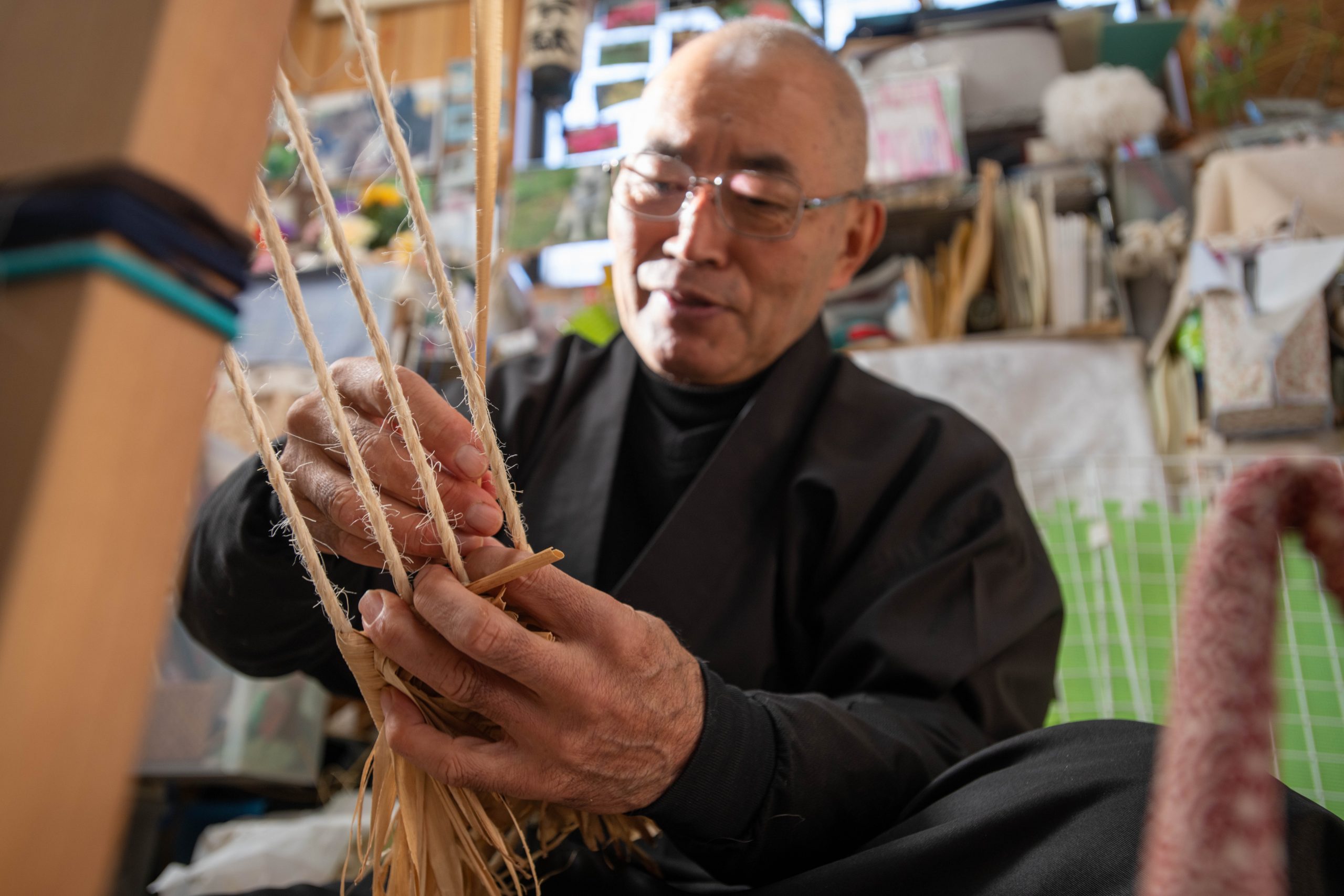
The bark of madake bamboo, the raw material for zori, is imported from Kyushu, and the fibers are then smoked with sulfur for about three days to make the fibers strong. When weaving, the heel part is raised so that it can fit comfortably against the sole, and various other innovations are used. The geta base is made of paulownia wood purchased from a woodworking store in Yuki City, Ibaraki Prefecture. The thick, fluffy nose is stuffed with softened glutinous rice straw. From the selection of raw materials to each step of the production process, there is no compromise in the Nikko geta that Mr. Yamamoto makes.
At the workshop, you can observe the work, choose a pattern for the snare strap, tell them what you want, such as dyeing the bamboo skin to your favorite color, and order a pair just for you.
At Hoshino Resorts KAI Nikko, you can enjoy a stay that allows you to walk around in Nikko geta and learn about their origins and charm.
MAP
- Hoshino Resorts facilities nearby

Michikusa experts who wrote this article
-
Takako Kawaguchi
Editor and writer. After working as an editor for a major publishing company's women's magazine for 10 years, she became a freelance writer. Writes articles for magazines and websites, focusing on travel, interior design, and miscellaneous goods. She enjoys watching sports with her husband and going on hot spring trips.
 Michikusa's
guru
Hoshino Resorts KAI Kinugawa
Kinugawa hot spring, Tochigi
A hot-spring hotel in the forest along the Kinugawa River, where Tochigi folk art shines through the trees
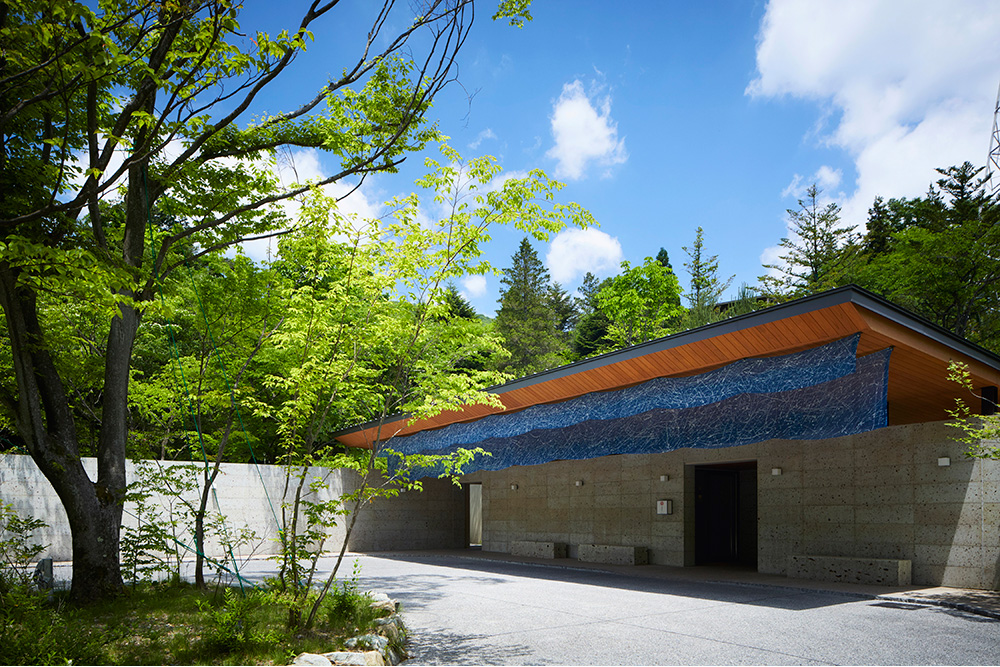
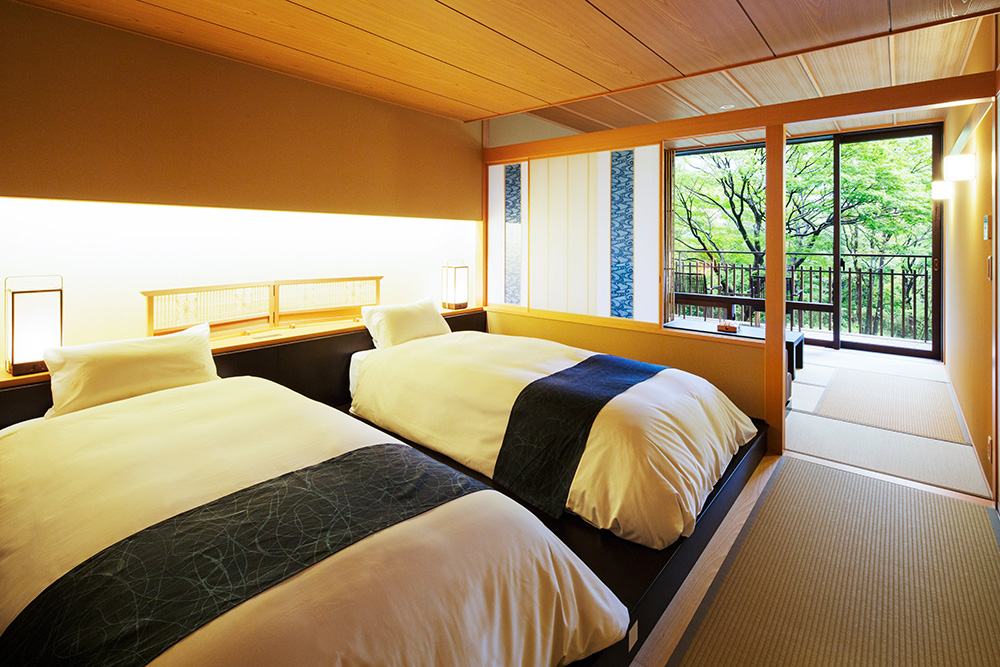
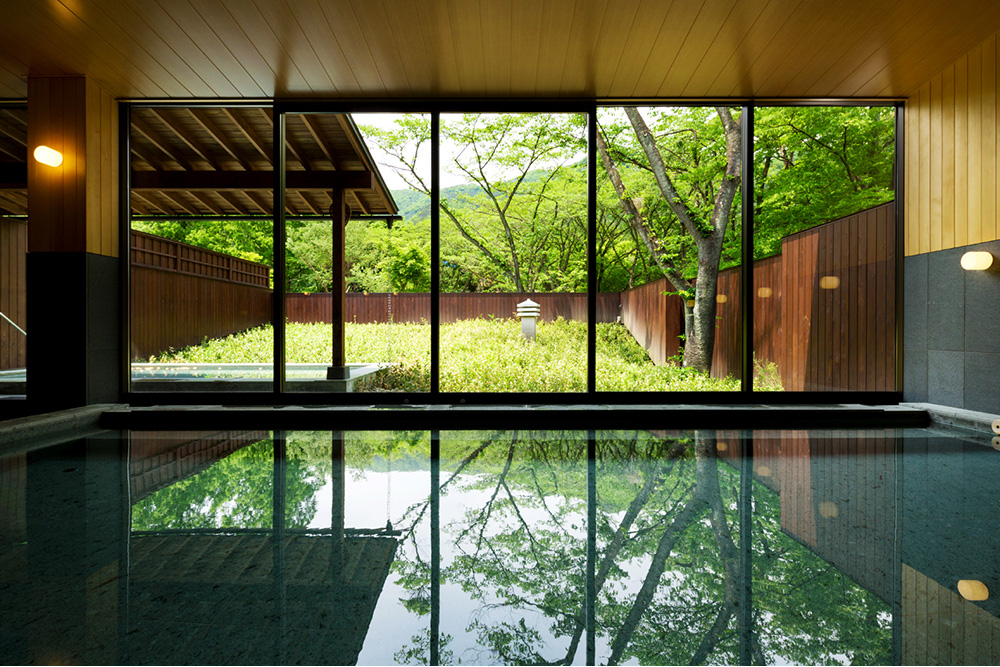
Access by bus 5 minutes by cab from Kinugawa Onsen Station on the Tobu Railway
- Example of Accommodation Rates
- 1 person per night From 30,000 yen