





[2025 year edition] 10 elections of standard Kyoto which would like to visit this year and Arashiyama area and happy hunting ground spot of colored leaves
![[2025 year edition] 10 elections of standard Kyoto which would like to visit this year and Arashiyama area and happy hunting ground spot of colored leaves](https://hoshinoresorts.com/guide/wp-content/uploads/2025/11/06_宝厳院_秋_書院から通常非公開-1024x683.jpg)
Sagano where Togetsu-kyo Bridge which spans Ooi-gawa river (Katsura-gawa) and bamboo plantation spread and Arashiyama area where Tenryu-ji of World heritage often possesses an eminent tourist spot at the Kyoto city. For Sean of colored leaves who dissolved in the Japanese landscape everywhere to be judged, when deepening in autumn is felt, many tourists visit. 10 recommendation famous places of colored leaves around Ranzan are selected carefully from a basic to the happy hunting ground by our article. I'll introduce together with time of the best time and the event information it's expected to hold.
1Nonomiya (a one,), shrine
Kuroki's Torii wrapped in colored leaves is must-see. Furuyashiro where I also appear on the Tale of Genji

It's the deep shrine of the history which also appears on "the Tale of Genji-Maki of a sacred Shinto tree (oysters)-" an author in the Heian Period and Murasaki Shikibu wrote in the tourist spot spread in Sagano "Chikurin no Komichi Walk".
The black Torii the one which can also be called our symbol keeps in front of the main shrine. Using a yew in Kurogi where bark is still on, when, when autumn deepens, contest with the Japanese maple kept in the side can be enjoyed.
The moss garden in the right inside in a main shrine is called "carpet moss", and green and a red contrast can be enjoyed time of the fallen leaves.
We who collect thick belief from the people who wish the good match as the shrine where I'll deify God of a matchmaking. When a wish is accomplished within 1 year when I hope while stroking Jinseki where a precinct is near "Nomiya breadwinner" "Kame Rock", it's being talked about, and it's popular with the men and women who wish the good match.
[Start of coloring] at the middle of ordinary year November.
[Best time] at the end ofordinary year November-at the beginning of December.
[The kind of colored leaves] Japanese maple and maple

This place
Supporter
When carpet moss (moss garden) is often seen, it's the arrangement modeled on Ooi-gawa river (Keisen) and Togetsu-kyo Bridge. Arashiyama of a miniature edition can also be enjoyed.
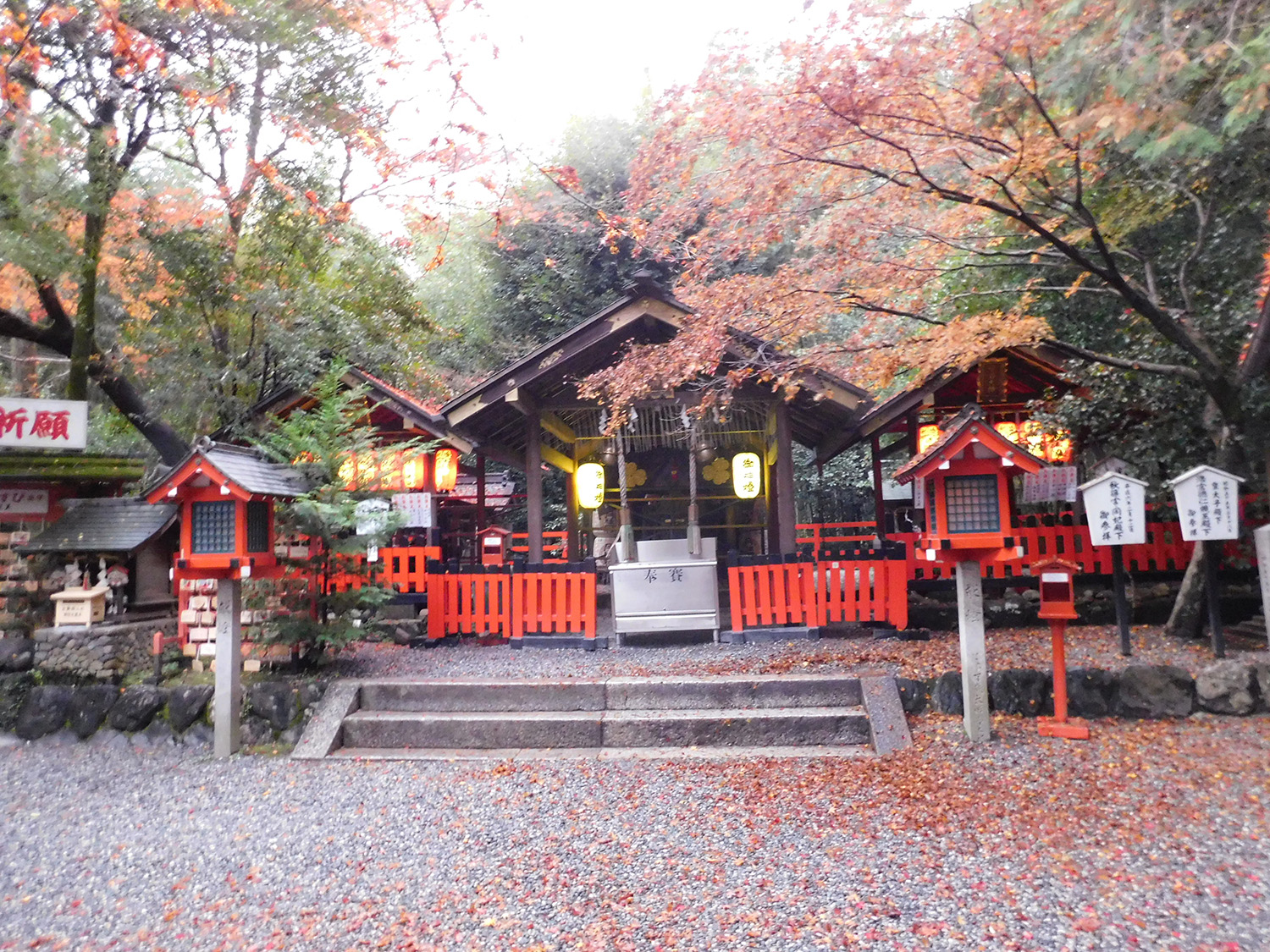
- Nomiya shrine
-
 Kyoto center Kyoto city Ukyo-ku Sagano 1, Miyamachi MAP
 From Keifuku Electric Railroad Arashiyama Station, about 10 minutes on foot
 Worship freedom
2Jojakkoji Temple (by quire, malted rice)
Contrast of construction beauty and a color scheme in flamboyant autumn of apologizing grace with age BI is excellent.
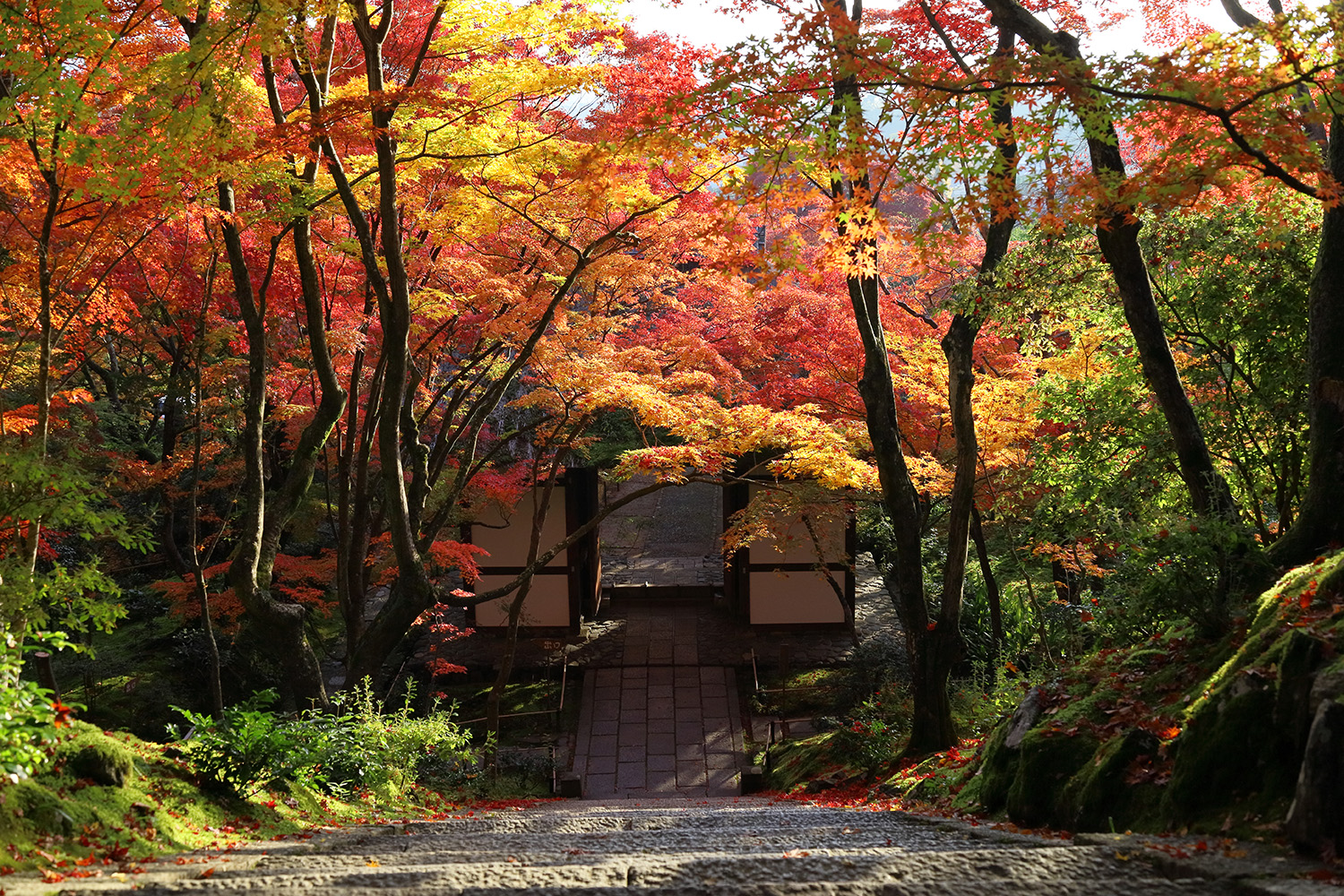
The temple where I pause in the side of a famous place of colored leaves and composed Ogurayama by a song of several many more than the Heian Period. Niomon Gate on which an image of the two Deva kings of a sculptor of Buddhist image and Unkei work keeps an eye can tell Keicho annual (1596-1614) foundation, and it's a building in the oldest time in the precinct. That collaboration of the building where taste for the simple and quiet grace with age BI is here and colored leaves is excellent on an unusual thatched roof as Niomon Gate, famous.
The point of colored leaves which would like to see the garden where about 200 maples are planted including stairs of a belfry and this Domae and go around is a lot. The state which dissolves in Ogurayama where Taho Pagota of the height 12m which stands in the back of the main hall (important cultural property) colors is introduced by many media. The observatory in the precinct most inside is a superb view point of the recommendation which can get a bird's-eye view of streets in Kyoto in flamboyant autumn.
"Main hall special inspection" is put into effect at the middle of November when an ordinary year and the autumnal tints meet best time-last ten days. It's also usually possible to enter a closed study, and you can look at the garden where the scenery which doesn't change from the Edo Period is kept.
[Start of coloring] at the beginning of ordinary year November.
[Best time] at the middle ofordinary year November-at the end of November.
[The kind of colored leaves] Japanese maple and big maple and others
▼ Main hall special inspection
Date: Tuesday, November 18, 2025-Sunday on the 30th
The charge: A main hall special inspection Yamano charge of 500 yen
A place: Jojakkoji Temple main hall and study
This place
Supporter
When I visit time of the main hall special inspection, the paper money from which the form of the Buddha was copied especially is given.
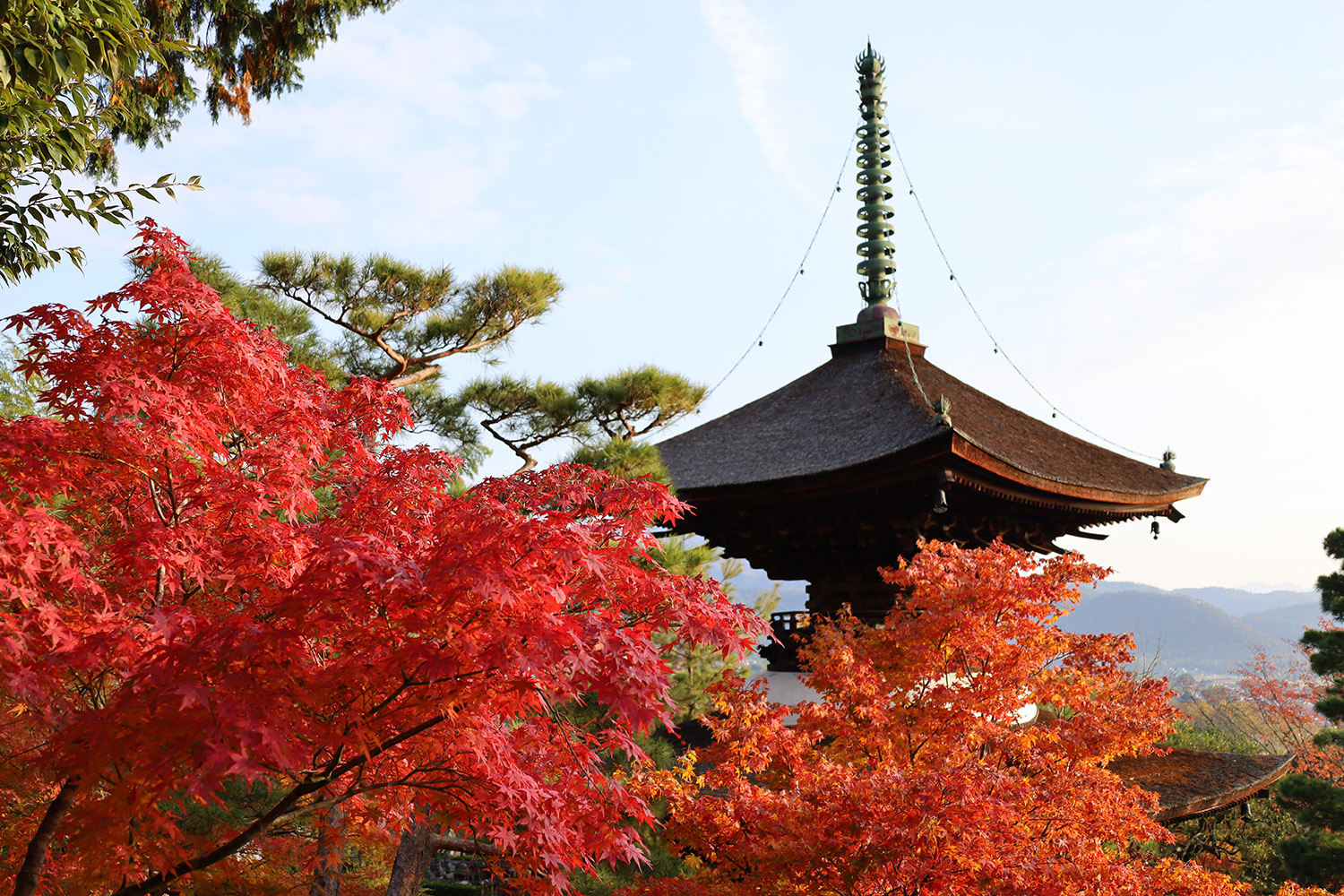
- Jojakkoji Temple
-
- Kyoto center Kyoto city 3, Sagaogurayamaoguracho, Ukyo-ku MAP
- From Keifuku Electric Railroad Arashiyama Station, about 17 minutes on foot
From JR Saga-arashiyama Station, about 18 minutes on foot - 9:00-17:00 (16:30 reception desk end)
 The admission charge of 500 yen
3Togetsu-kyo Bridge
The famous place of colored leaves where Kyoto which has delighted people's eye more than time of the Heian is outstanding
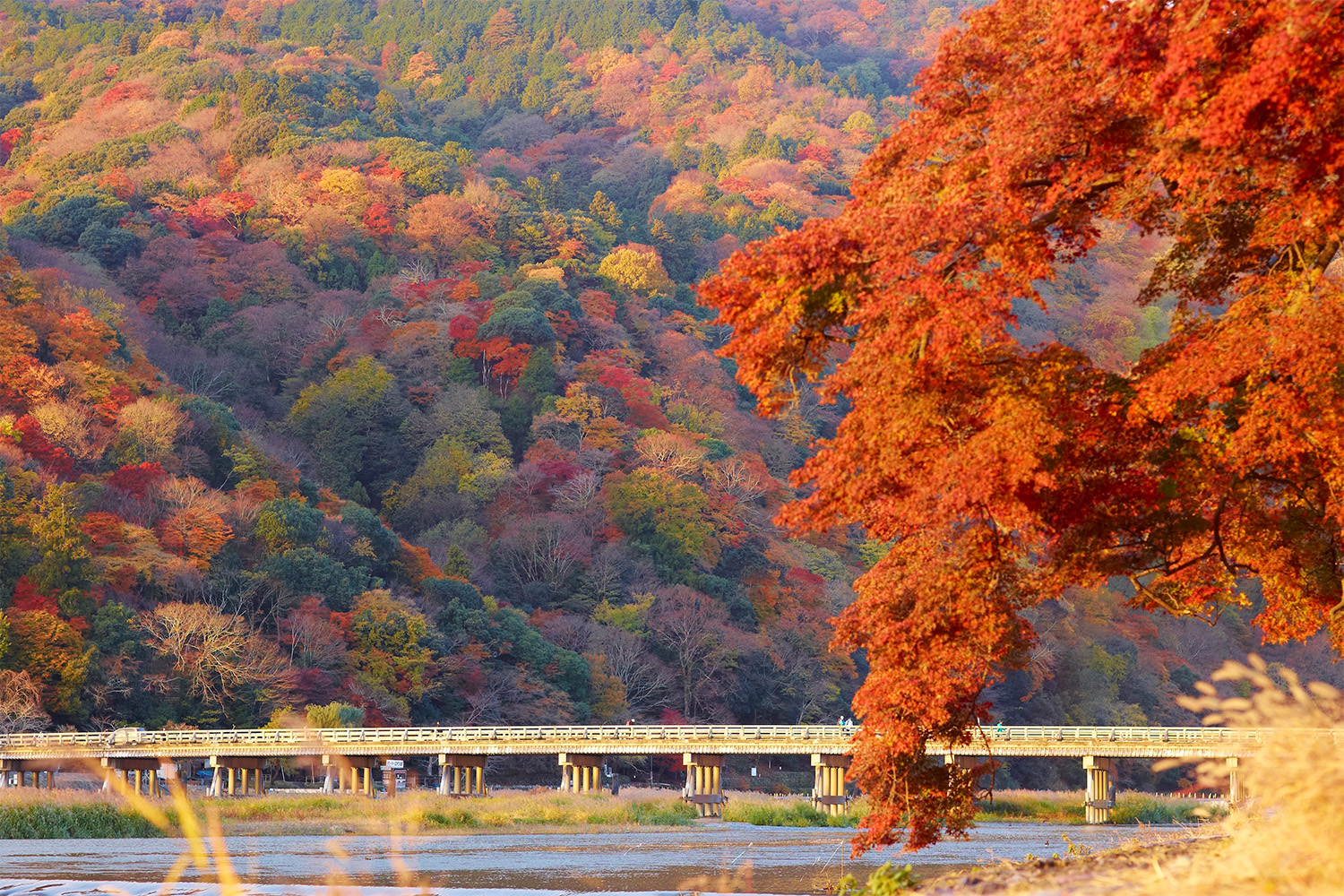
Bridge of about 150 m of full length which spans Ooi-gawa river which is on the other side of Sagano and Arashiyama and flows (Keisen). The form that Ranzan was made shakkei is very pleasant and is one of the cityscape which represents Kyoto.
Togetsu-kyo Bridge which spanned the upper class more than the present location in an early stage in the Heian Period about 200 m. Because "Of the month without the bears, it passed, I resembled." was stated though I looked at the changed month, this name could put the top where Kameyama retired sovereign at time is a bridge.
If a view is enjoyed, avoiding crowding in time of colored leaves, the location in the east is recommended a little from Kitazume in a bridge. The "Arashiyama park Rinsen Teraji ward" vanity over which Kiyotaki way Sanjo intersection time spreads along Ooi-gawa river from Togetsu-kyo Bridge intersection of number 29 of prefectural road can wish for Togetsu-kyo Bridge which was made brocade with its back to dyed Ranzan.
"Ranzan festival of colored leaves" is held on 2nd Sunday of November every year. A graceful ship of a modern ship and a Heian ship of wind and string instruments anchors in an edge in Ooi-gawa river from Togetsu-kyo Bridge neighborhood, and entertainment with the relation is developed at the place by Ranzan.
[Start of coloring] at the middle of ordinary year November.
[Best time] at the end ofordinary year November-at the beginning of December.
[The kind of colored leaves] Japanese maple, big maple and maple and others
▼ Ranzan festival of colored leaves
Time frame: Sunday, November 9, 2025
Time :10:00-15:00 time (Cancelled in the event of rain)
A place: Ooi-gawa river (around Togetsu-kyo Bridge)
URL:https://ja.kyoto.travel/event/single.php? event_id=4066
This place
Supporter
Then a street stall will go out of the "Ranzan park Nakanoshima area" in the sandbank on a river (common name: Nakanoshima Park) at time of colored leaves, so an excursion for viewing scarlet maple leaves can be enjoyed while eating and drinking.
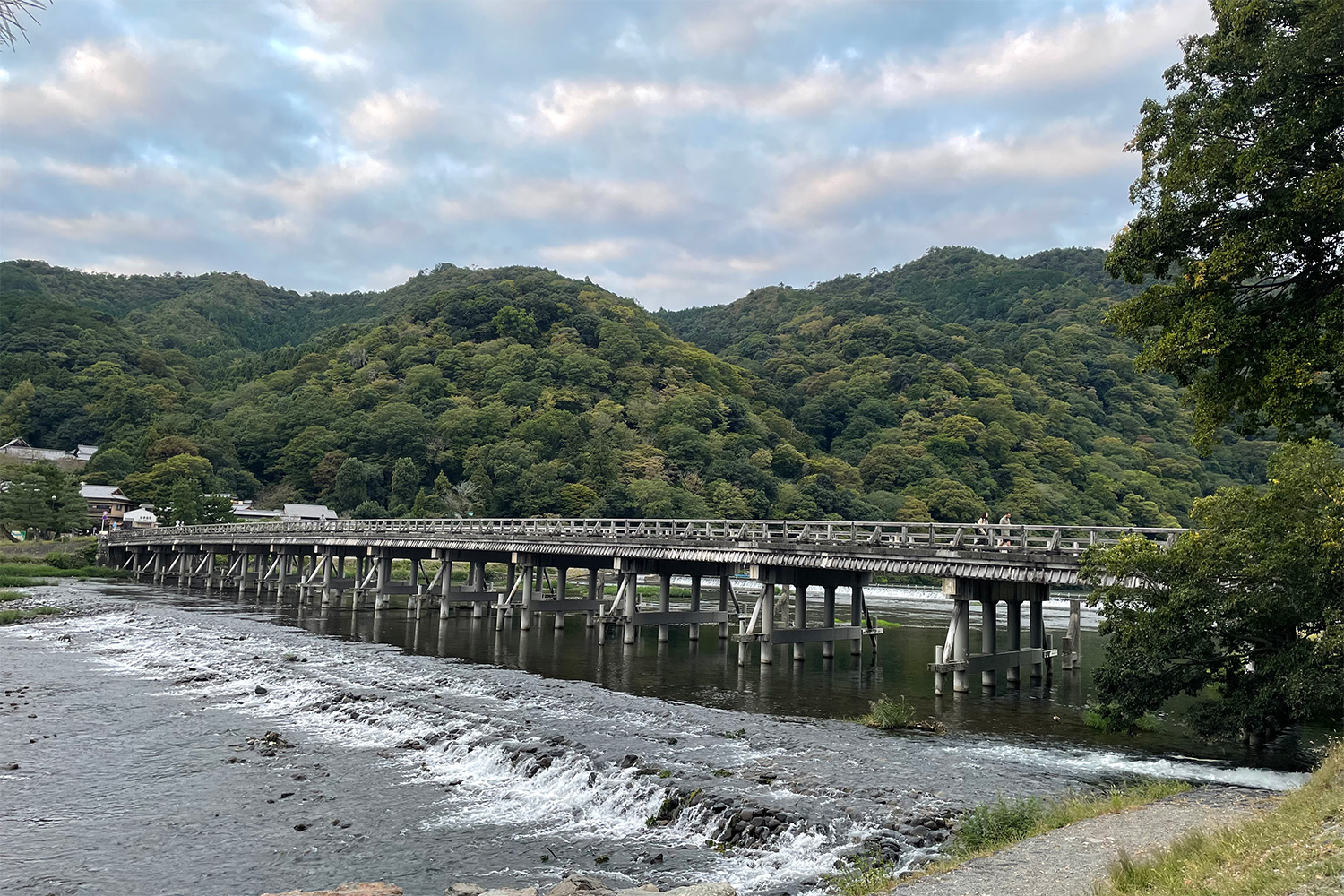
- Togetsu-kyo Bridge
-
- Kyoto center Kyoto city Ukyo-ku Saga Nakanoshimacho MAP
- From Keifuku Electric Railroad Arashiyama Station, about 2 minutes on foot
4Sagano Sightseeing Tram
It's satisfied with the ravine dyed ginger while being jolted in the lorry.
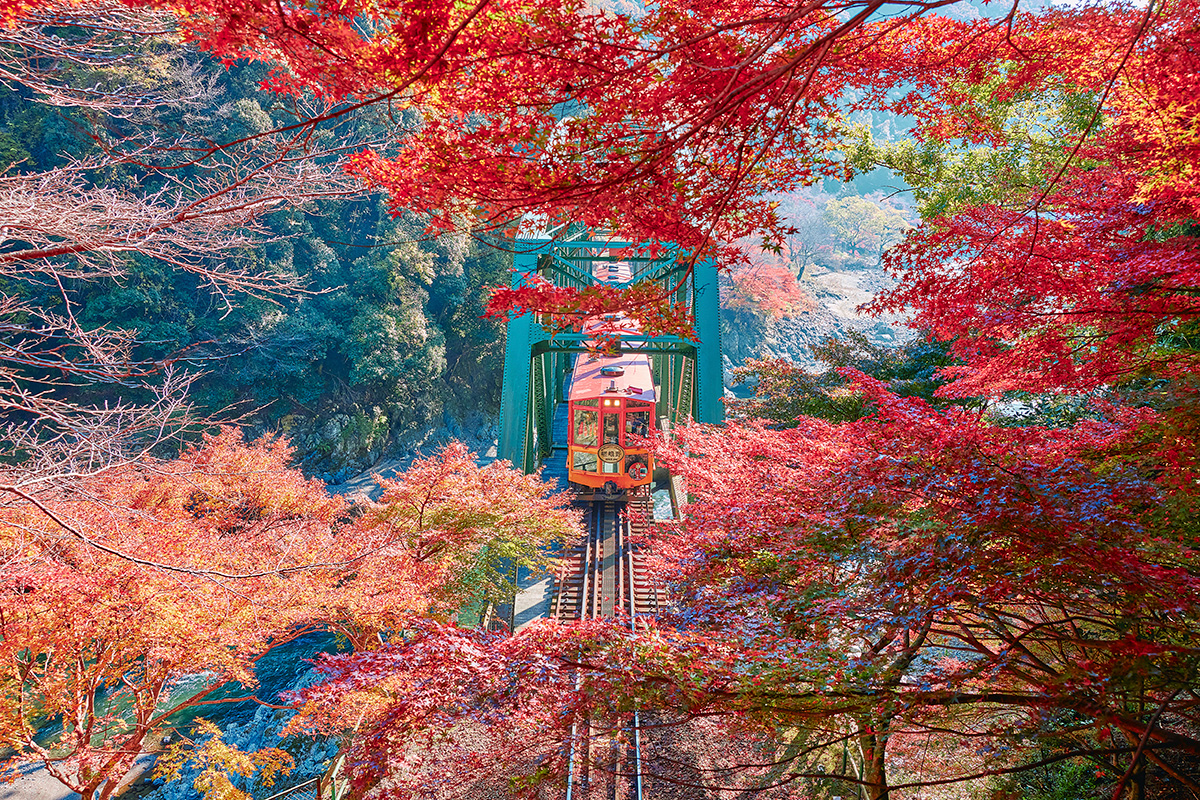
The famous place of colored leaves where the upper reaches in Hozu-gawa river which flows aside of Ranzan are called Hozu-kyo. If Hozu-kyo in such autumn is enjoyed fully, a ride on the sightseeing train which runs along a ravine "Sagano Sightseeing Tram" is recommended. It can be satisfied with the canyon's beauty while betting about 7 km of one way from the Torokko Saga Station which is a starting station on Kyoto city side to the Torokko Kameoka Station on the Kameoka-shi side for about 25 minutes and running slowly.
About 1000 trees of colored leaves are planted in a Japanese maple, a mountain maple and a maple in an area along a railway line, and when autumn deepens, a leaf of red and the trees dyed yellow colors a car window vividly.
5 trains of organization are a reserved seat of all seats, and reservation purchase by a local except for Torokko Hozukyo Station (only same-day ticket) and the internet is possible by a railroad ticket. Car 5 is windowless open rolling stock, and it's also possible to feel a pleasant wind and a brook in a ravine.
[Start of coloring] at the beginning of ordinary year November.
[Best time] at the middle ofordinary year November-at the beginning of December.
[The kind of colored leaves] Japanese maple, mountain maple and maple and others
This place
Supporter
Even 16:30-last train runs between "illusion train of light" a period from autumn to winter. A tree of colored leaves and the mountains in an opposite shore are compared and are very fantastic.
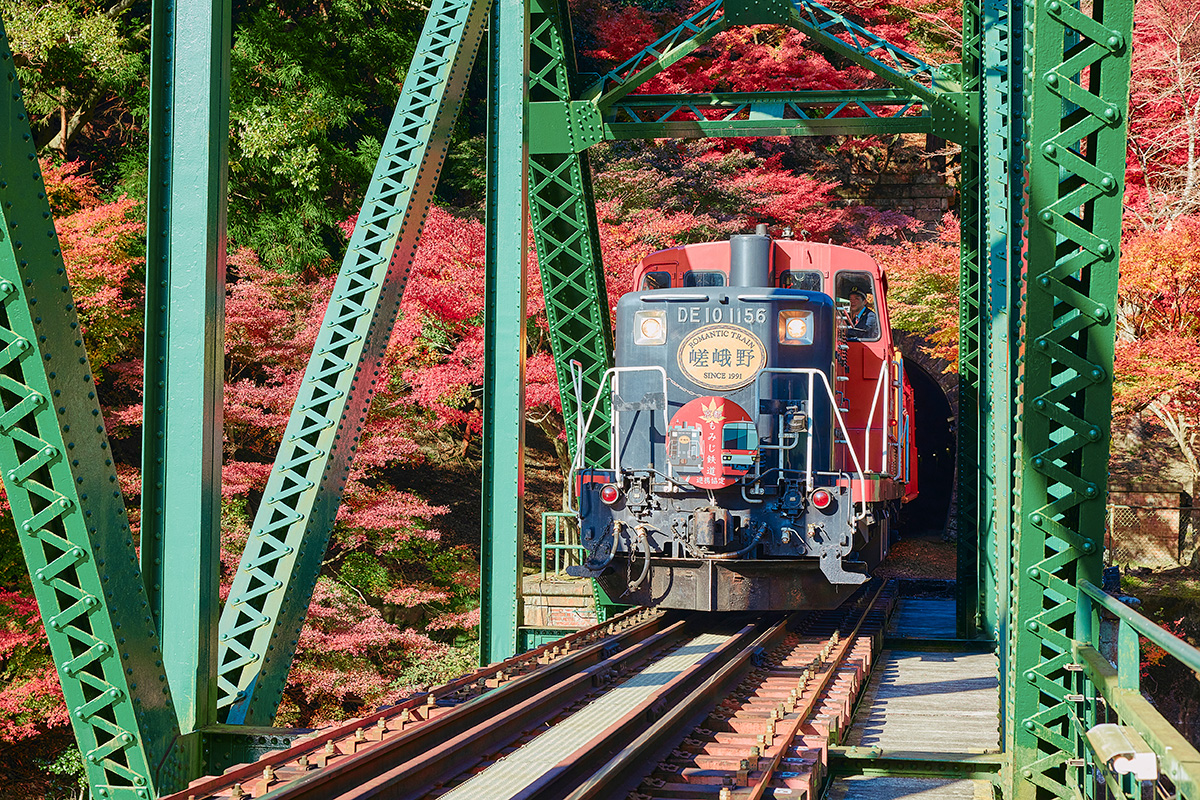
- Sagano Sightseeing Tram
-
- Service day: March 1-December 29
Required time: Lorry Saga-lorry Kameoka, about 25 minutes  There is a Wednesday in case of a non-operation day of all flights, and※ on season also moves on Wednesday.
- Adult (more than 12 years old), 880 yen and a (less than 12 years old) of child of 440 yen
 075-861-7444 (Sagano Romantic Train telephone service)
 The part is sold in the order of arrival on the day at the desk of each station except for Torokko Hozukyo Station. Or it's sold by subscription in website.
5Seiryo-ji
The historic old temple where Sagano where the autumnal tints like the painting can be enjoyed hid
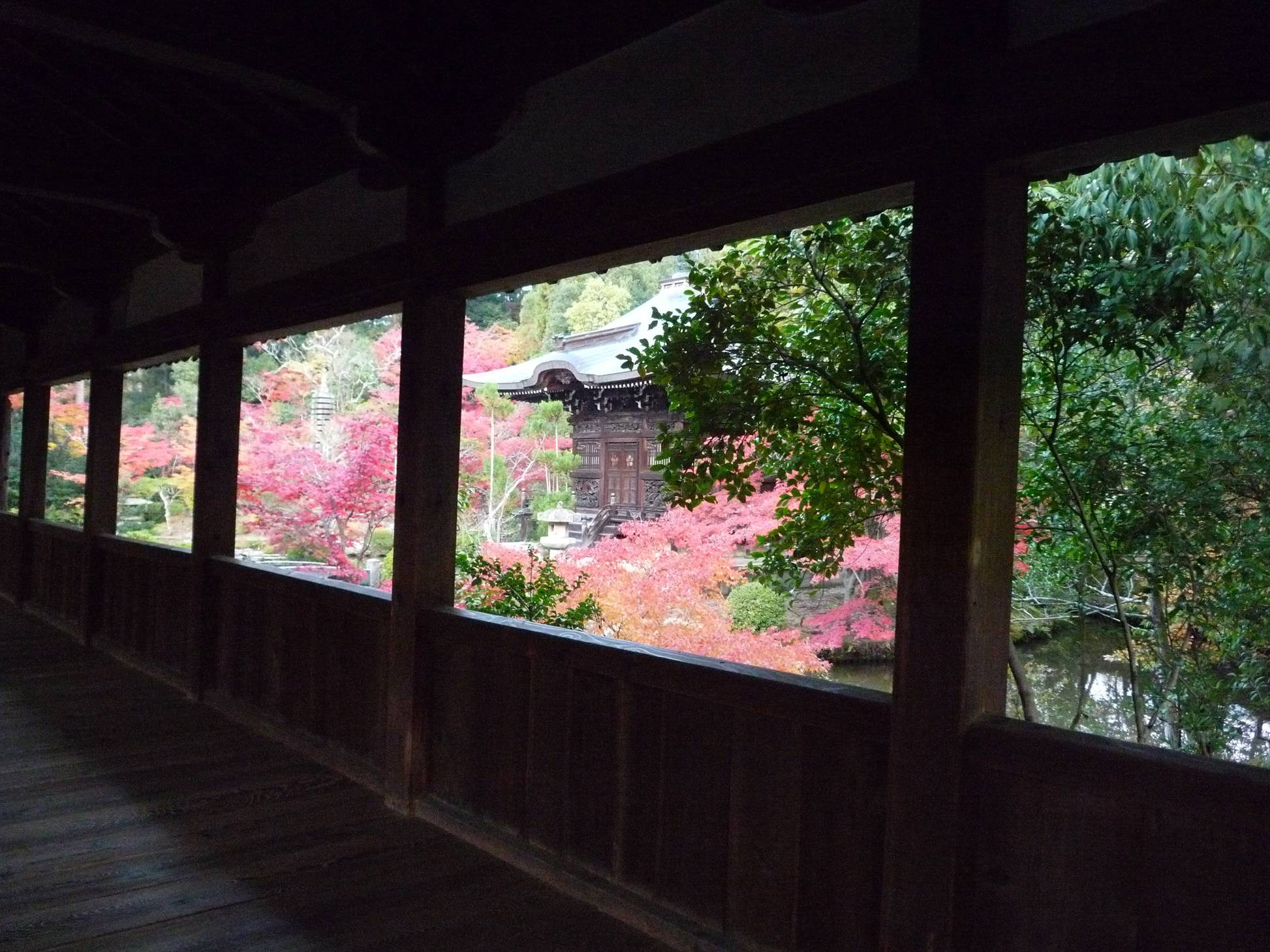
The historic old temple where it's here before walking about 1 km from Togetsu-kyo Bridge to the north straight. Niomon Gate left for an entrance of the temple is one which combines a Japanese style and the Zen style, and the form that the second floor of double gate rises abruptly is also called "Saga's face".
Hondera which is also called "Saga Shakado" because national treasure "Figure of Shakyamuni Tathagata" is enshrined. Taho Pagota and Amidado have abundant highlights in a precinct.
Everywhere in a precinct is dotted with a spot of colored leaves including the garden said to be Kobori Enshu work. Red of the maple with which a hall is surrounded and a green vivid contrast of the trees can be enjoyed around Bentendo on the main hall back.
If I take a picture of a beautiful scene of colored leaves, a connecting corridor in the main hall north is recommended. It's possible to cut Bentendo where one between the window was chosen in an architrave and colored leaves were served off like a painting.
[Start of coloring] the end of ordinary year October
[Best time] at the beginning ofordinary year November-at the end of November.
[The kind of colored leaves] Japanese maple and others
This place
Supporter
Along the mud wall by which Mr. Prince Shotoku is the south side and, the autumnal tints of Kawanakajima on Bentendo west side are recommended.
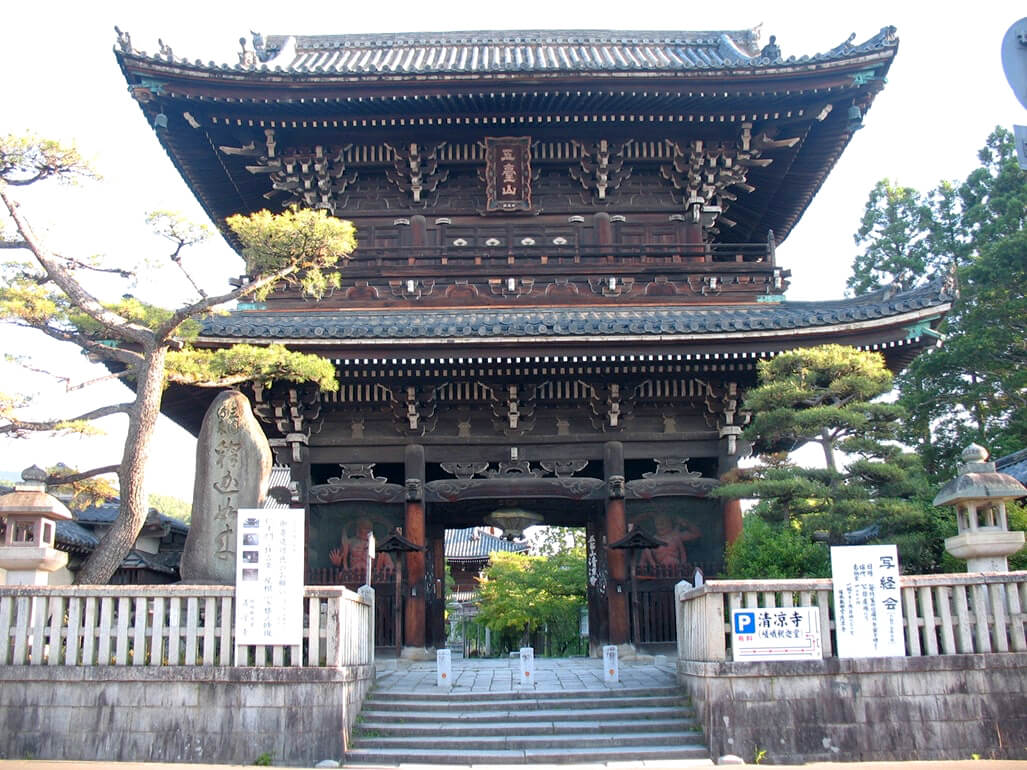
- Seiryo-ji
-
- Kyoto city 46, Sagashakadofujinokicho, Ukyo-ku MAP
- From JR Saga-arashiyama Station, about 12 minutes on foot
From JRKyoto station, Kyoto bus, city bus ride, "Saga Buddha, Domae" bus stop getting off and about 1 minute on foot - 9:00-16:00
- I don't have that (When inspection can't hold a Buddhist service for the dead at an event, I have that.)
- Adult of 500 yen, junior and senior high school student of 400 yen and elementary students of 300 yen
- 075-861-0343
 I have that (standard car for 800 yen/1 day).
6Daikaku-ji
A color scheme in autumn is loved at a national designation scenic spot of Emperor Saga Yukari.

The head temple present is built as a detached palace of Emperor Saga at the beginning of the Heian Period, and by which it's a Mt. Koya Shinon Sect Daikaku-ji Temple party. Such as Kobodaishi and Kukai do Kamochi reitou, it's the temple where I have a history.
The vast inside of the temple site is divided into "hall area" and "Osawa Pond area", and it's possible to visit Godaido of Mr. shin of important cultural property and a main hall in the hall area.
Osawa Pond is designated as national place of scenic beauty as an artificial garden pond of the one the Emperor Saga constructed, a historical origin and the Japanese oldest when remains in the first term are held in the Heian Period. A maple and a cherry tree are planted alternately around the pond, and I respond to a surface of the water in colored leaves season and fill further beauty.
It's the Osawa Pond which can enjoy an excursion for viewing scarlet maple leaves at each place, "load of colored leaves" by which to take pride in the high popularity remarkably follows "fall trace in Nagoso" from "square in front of the heart Buddhist scriptures Buddhist tower". A leaf of the Japanese maple dyed deep red covers over head, and when walking along a garden path, the sense wrapped in colored leaves can be tasted.
[Start of coloring] at the beginning of ordinary year November.
[Best time] at the middle ofordinary year November-at the beginning of December.
[The kind of colored leaves] Japanese maple, Someiyoshino cherry tree, mountain cherry and gingko and others
This place
Supporter
One by the end of ordinary year November is holding charming sights in autumn "Saga chrysanthemum exhibition". A peculiar wild chrysanthemum be also satisfied with Sagano which was growing naturally the time of the Emperor Saga by all means, please.
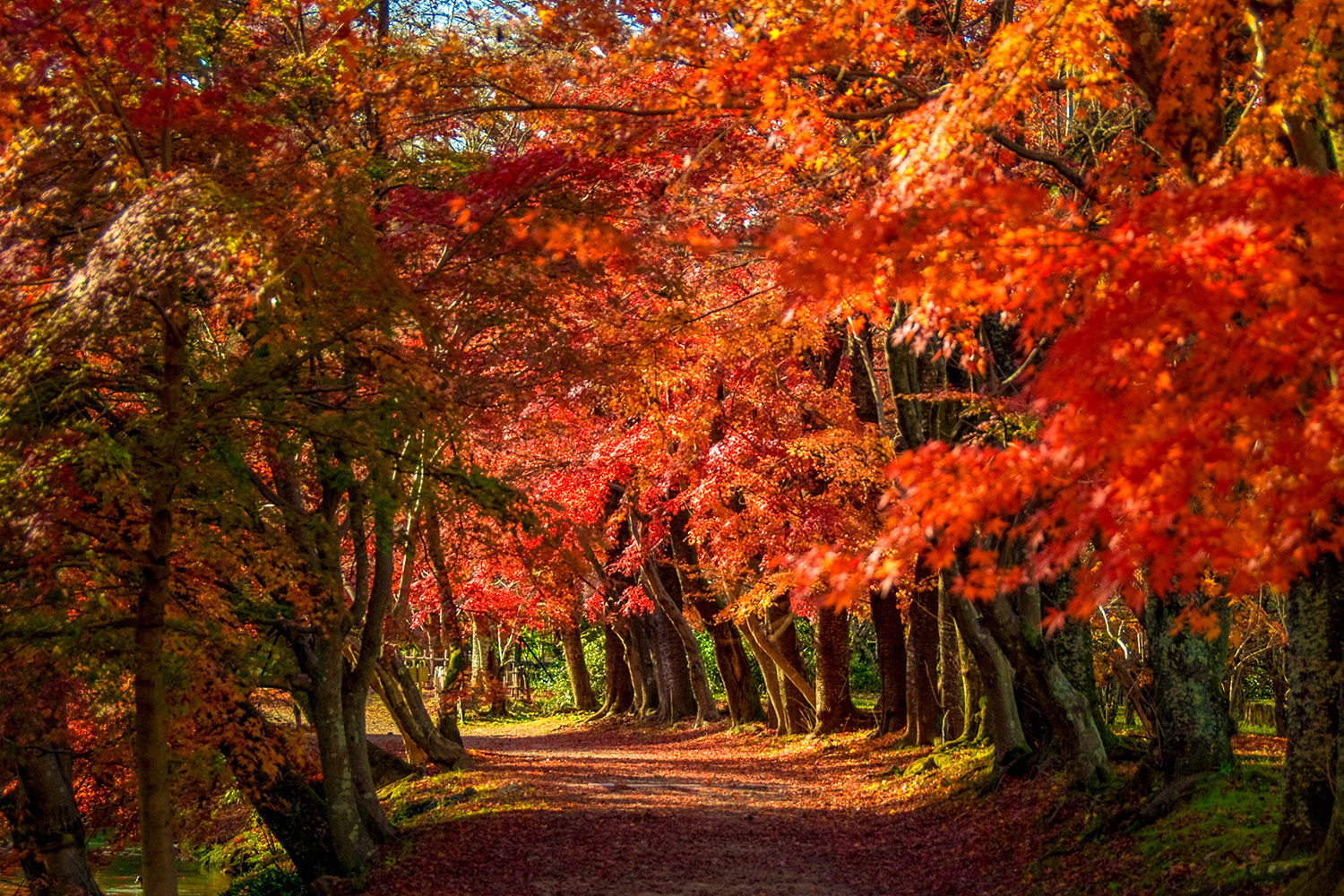
- Daikaku-ji
-
- Kyoto center Kyoto city 4, Sagaosawacho, Ukyo-ku MAP
- From JR Saga-arashiyama Station, about 20 minutes on foot
From JRKyoto station, Kyoto bus, city bus ride, "Daikaku-ji Temple" bus stop getting off and about 1 minute on foot - 9:00-17:00 (16:30 reception desk end)
- Hall area An adult of 500 yen and small junior and senior high school students of 300 yen
Osawa Pond area An adult of 300 yen and small junior and senior high school students of 100 yen - 075-871-0071
- Payment required
- I go and worship from 2026 April 1, charge revise
Hall area An adult of 800 yen and small junior and senior high school students of 400 yen
Osawa Pond area 500 for an adult and small junior and senior high school students of 100 yen (without change)
7Nisonin Temple
The autumnal tints of the Sando called "riding ground of colored leaves" are highlights.
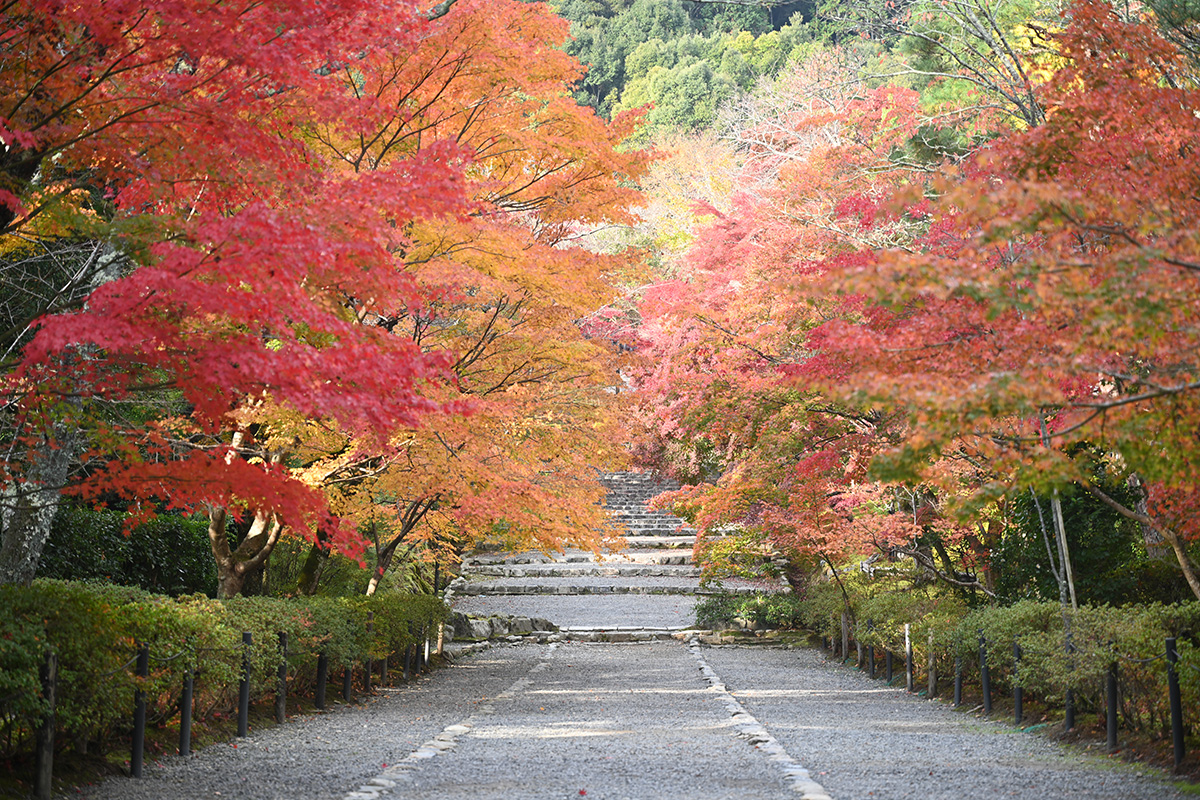
The temple it's enshrined in the base in Ogurayama and where I have the history Jikaku Daishi and Ennin (They didn't get it, oh.) built in an early stage in the Heian Period. The tile-roofed main gate in the entrance can see how things fall out which reconstructed a yakui-mon gate which matches Fushimi castle in 1613 (1613) in a new location and has piled up history.
Before passing through a main gate, a Japanese maple and a cherry tree are planted in some wide Sando alternately, and colored leaves cover so that it may protrude from both sides of the approach to Shrine in sourou of cool autumn weather. The tunnel where the states by which red and the leaf with vivid yellow color also lie one on top of another in how many layers are colored leaves surely? You're called "riding ground of colored leaves" between the capital person from the old days, are enjoying and are ranked as one of the landmark of colored leaves which represents Arashiyama area.
Besides when the maple around around the main hall and the gate for Imperial messengers is also beautiful, it's famous. In a vast precinct, I'm going to come and an autumn scene can be enjoyed.
[Start of coloring] at the beginning of ordinary year November.
[Best time] at the middle ofordinary year November-at the beginning of December.
[The kind of colored leaves] mountain maple, big maple and Japanese maple and others
This place
Supporter
It's the trick to take a picture beautifully to choose between a tile-roofed main gate in an architrave and catch Sando which leads to the inside.
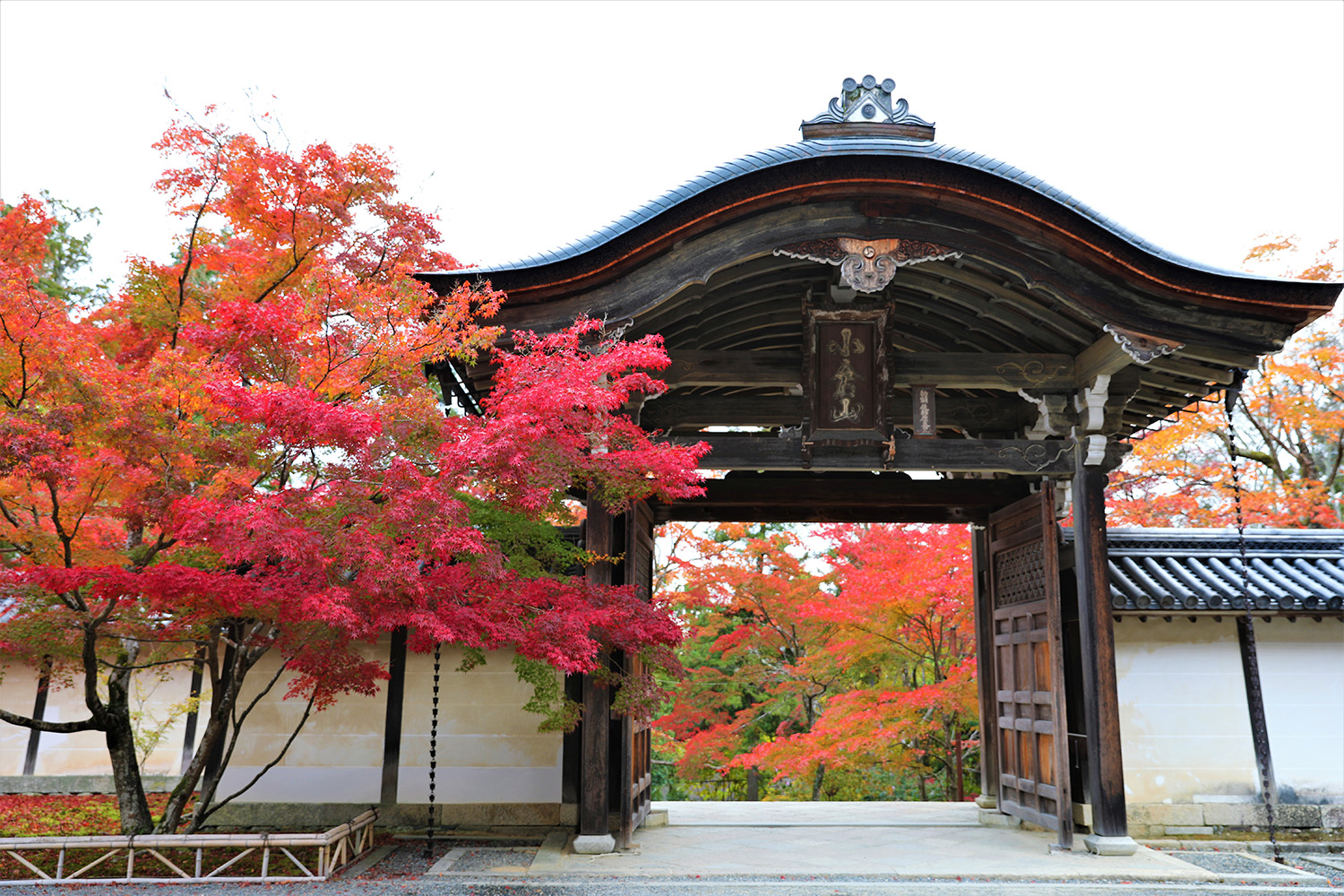
- Nisonin Temple
-
- Kyoto center Kyoto city Ukyo-ku Saga Nisonin temple Monzen chief 27, Jinmachi MAP
- From Keifuku Electric Railroad Arashiyama Station, about 15 minutes on foot
From JRKyoto station, Kyoto bus, city bus ride, "Saga Buddha, Domae" bus stop getting off and about 10 minutes on foot - 9:00-16:30 (the last reception)
- No charge below the adult (students over junior high school) of 600 yen and the elementary students
- 075-861-0687
8Arashiyama park Kameyama area Observatory (Kameyama park)
The superb view spot which can look down upon Hozu-kyo in flamboyant autumn from observatory

Kameyama area in the Ranzan park spread in southeastern area in Ogurayama. You're seeing from Togetsu-kyo Bridge and are enjoying from a citizen by a common name of "Kameyama park" in hills in the northwest.
A Japanese red pine, the said garden where much plants is wanton such as gamble Azalea includes a cherry tree and a maple in principal tree, and is clumped in Kioroshi. An esplanade is going around in the park, and the state of the trees which are being dyed at a square and Waiting Room can be enjoyed.
It's recommended to enter one in case of sightseeing from the going down a river by boat kou Funaba neighborhood along Hozu-gawa river. There is observatory in the peak where an esplanade was climbed for about 15 minutes, and you can get a bird's-eye view of a superb view of colored leaves in Hozu-kyo which is also chosen as "100 elections of Japanese a place famous for beautiful colored autumnal leaves".
[Start of coloring] at the middle of ordinary year November.
[Best time] at the end ofordinary year November-at the beginning of December.
[The kind of colored leaves] maple and cherry tree and others
This place
Supporter
The good place where it's Kameyama park that you can take a walk favorite time. The person is sparse early in the morning, too, so it's recommended. I feel like taking a walk and it can be climbed to the observatory in the air which became clear.
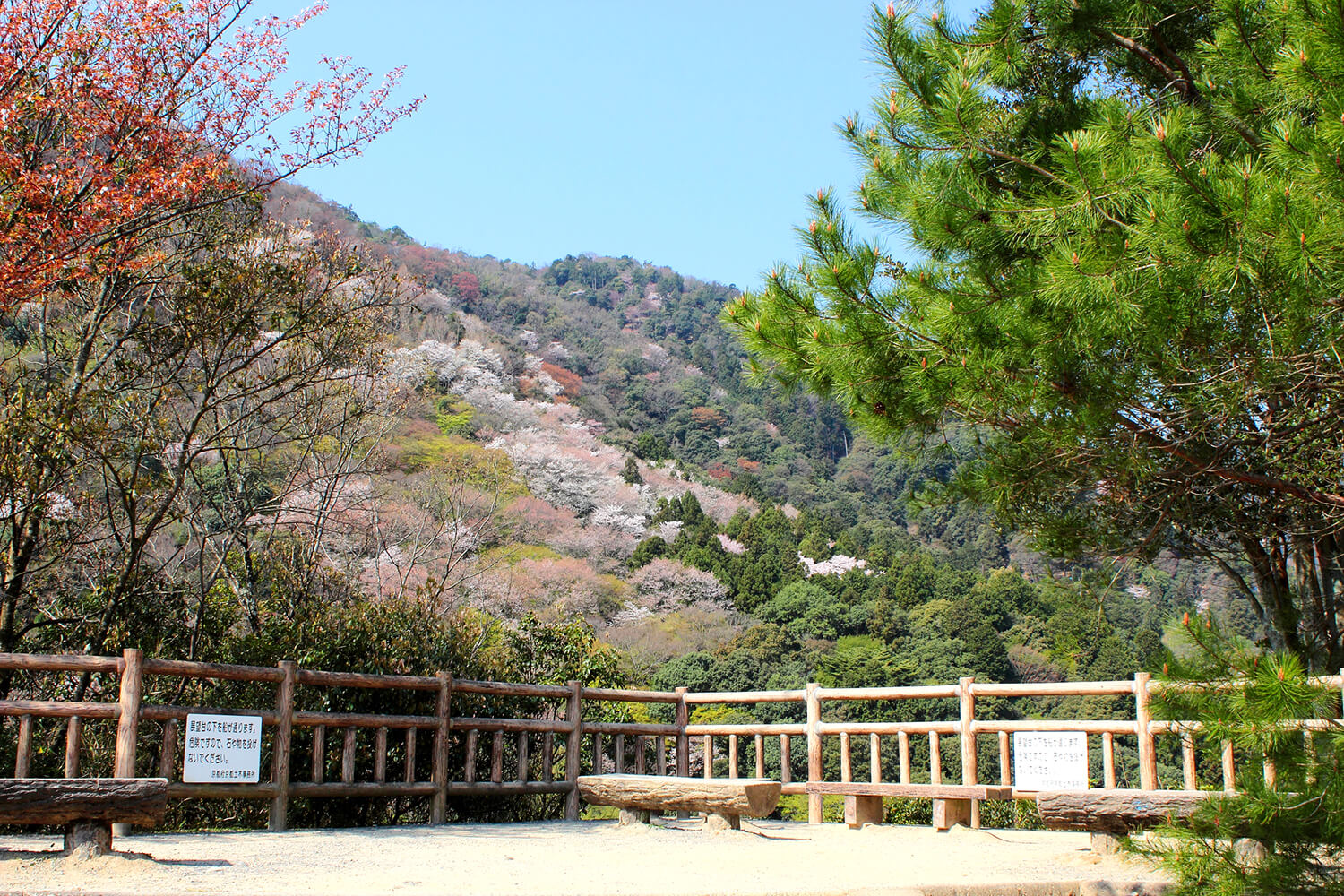
- Arashiyama park Kameyama area Observatory (Kameyama park)
-
- Kyoto center Kyoto city Ukyo-ku Saga MAP
- From Keifuku Electric Railroad Arashiyama Station, about 10 minutes on foot (to the park entrance along Ranzan side Hozu-gawa river)
9Rokuo-in (ROKUOU IN)
The approach to Shrine where it can be satisfied with a contrast of green of moss and the crimson autumnal tints is must-see.
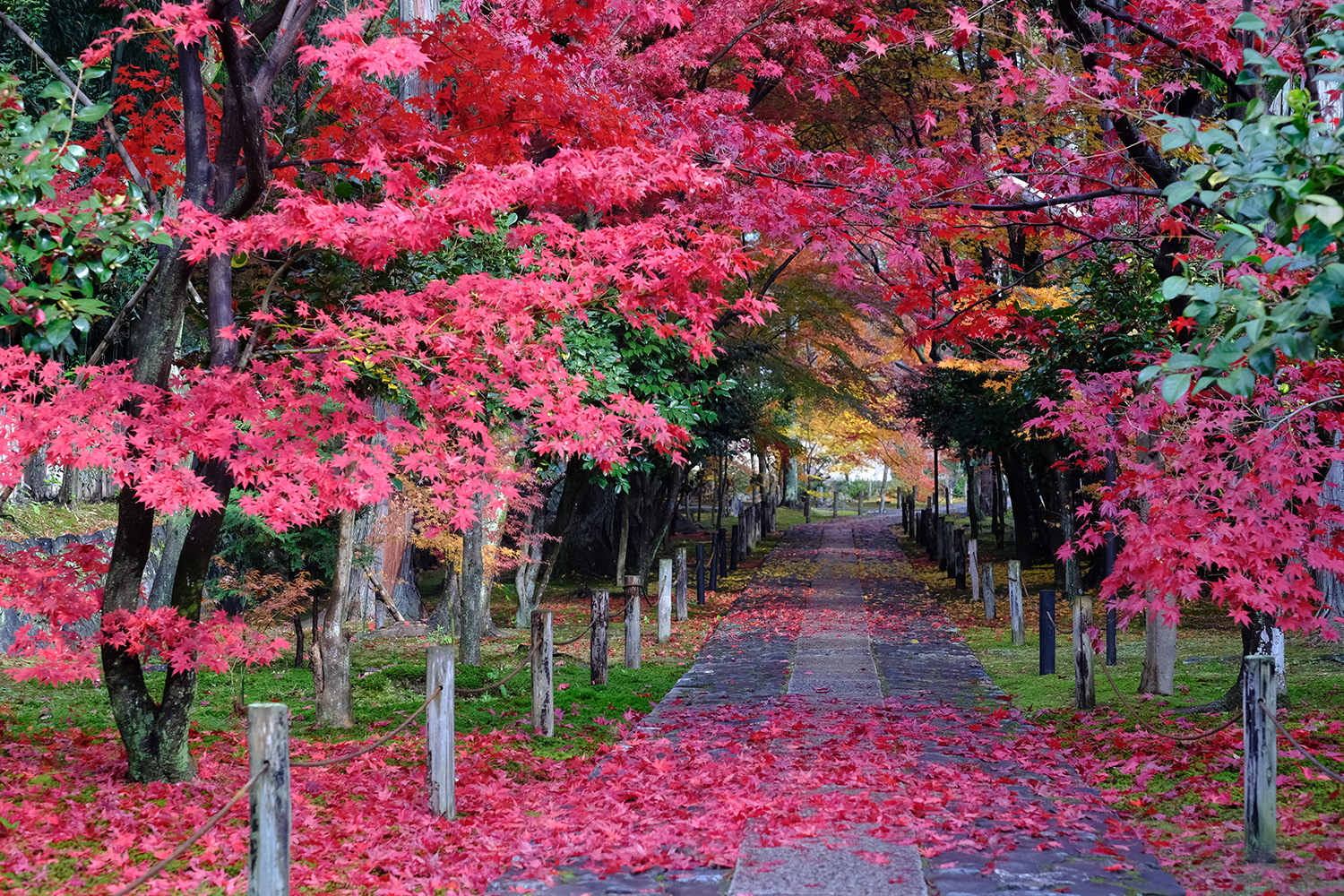
The temple which was established as three brigadier Muromachi shogunate government army and the Hotoji's (The one was upset.) Hirakiyama tower Ashikaga Yoshimitsu built. Valuable cultural assets such as the guest house where the amount of the Ashikaga Yoshimitsu brush was put up and the France tusk reliquary hall where a tooth in Mr. Gautama Buddha is enshrined can be visited.
When Sando of the stone pavement which continues from Yamato to an inner gate is beautiful in particular, the time of colored leaves is famous. It's overgrown with a blue moss aside of the Sando, and you can judge a contrast of the colored leaves which burn as green of moss in the time when autumn deepens and go around.
The "Rokuo-in garden" in the precinct is made the plain garden system karesansui garden at the beginning of Japan, and it's also designated in a scenic spot in Kyoto city. In the garden where Ranzan which will be dyed ginger at the time when autumn deepens was made shakkei, an excursion for viewing scarlet maple leaves can be enjoyed everywhere.
Night when an approach to Shrine and a garden are lit up is inspected especially in an ordinary year and a Japanese Maple time. Each precinct place is wrapped in soft light including France tusk reliquary hall and a garden.
[Start of coloring] at the middle of ordinary year November.
[Best time] at the end ofordinary year November-at the beginning of December.
[The kind of colored leaves] Japanese maple and mountain maple and others
▼ Special inspection at Rokuo-in night 2025.
Time frame: Friday, November 21, 2025-Sunday, December 14
Time :17:00-19:30 (the last reception 19:00※ preliminary reservation system and 150 sets of each day)
The night admission charge: 3500 yen (with green tea and snack)
A place: Rokuo-in approach to Shrine and garden
Remarks: A ticket is bought at Rokuo-in official website.
URL:https://mzt3p.hp.peraichi.com/
This place
Supporter
It's said that Teruaki who illuminates a precinct at the time of special inspection at night is expressing "way of the light led to the French world from actuality".
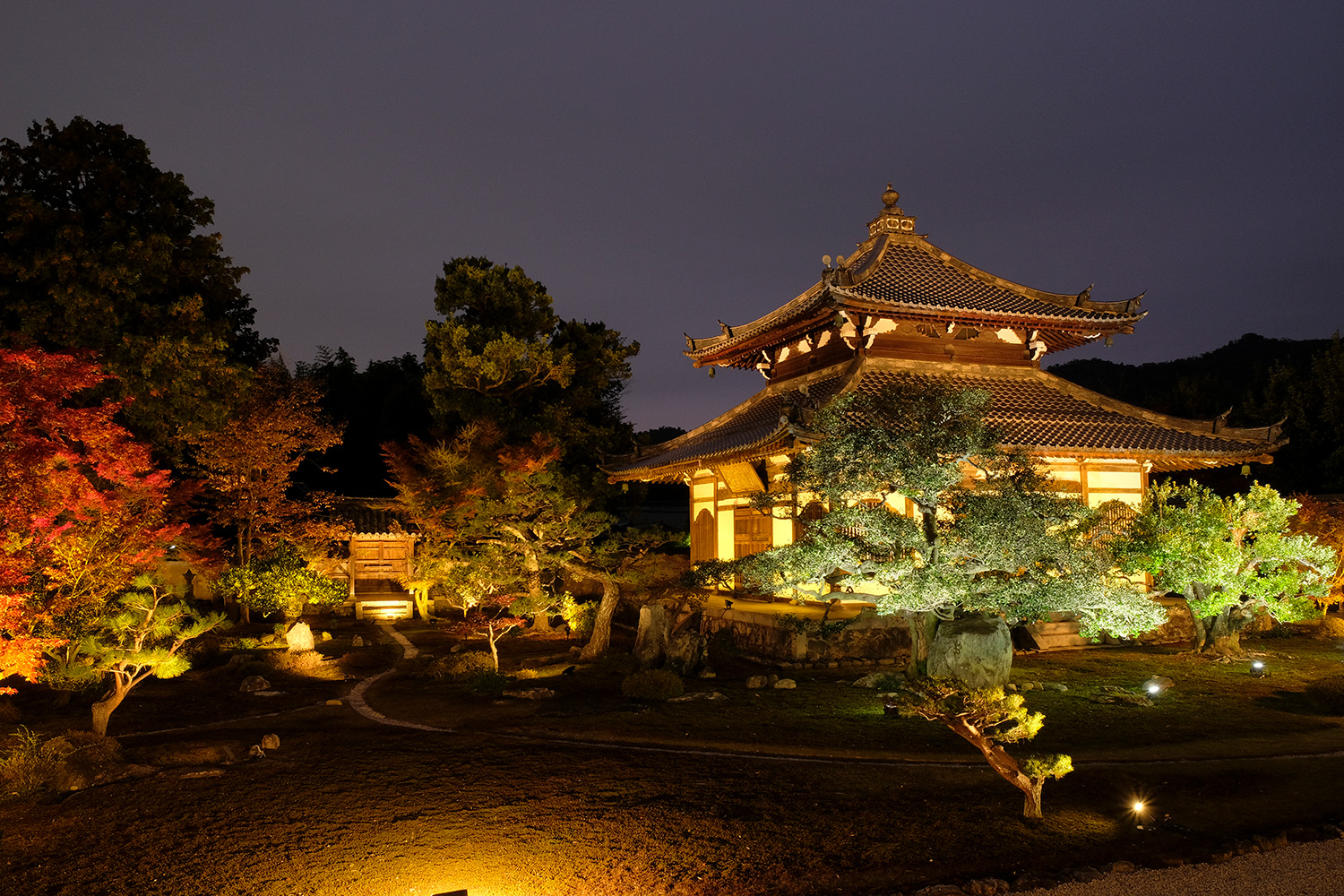
10Hogon-in (Hogon-in)
The garden beauty which is dyed in the autumn scenery only when inspecting especially, which isn't seen
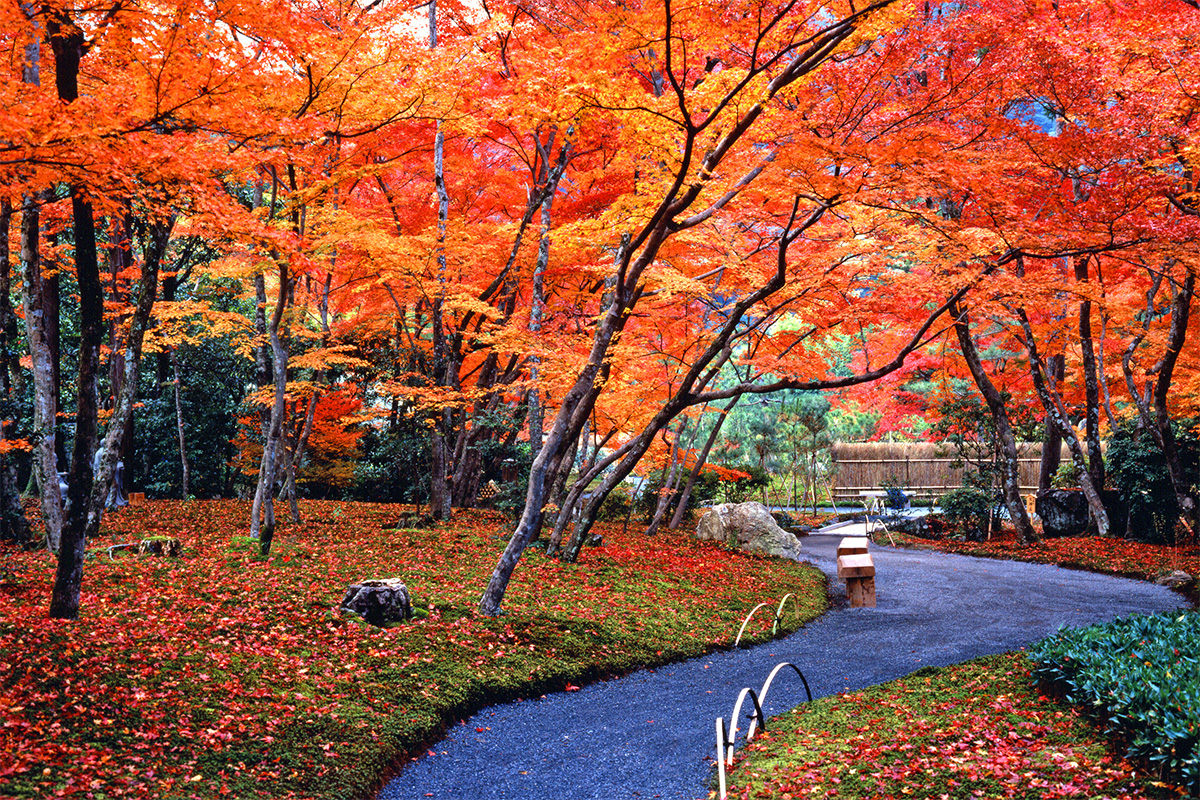
Minor Zen temple temple of "Tenryu-ji" where Kyoto five piles of first place takes pride in its formality. I possess the "Shishiku's (I do and lay.) garden" where landscape was done by the Zen monk who migrated to China twice in Muromachi era and a Shuuryou Sakugen (the GENSHUU edge cut up) reverend.
Shishiku's garden is the migration system garden of hills and rivers where Ranzan was made shakkei, and a highlight is filled with the Toyomaru boundary with the characteristic shape in which Mine participated (the one circle child), a big rock shaped like a lion and Shishiiwa. The Japanese maple to which a branch was extended colors simultaneously so that I may cover a garden in autumn, and when it's beautiful in particular, it's famous.
Only when it's the special inspection performed several times a year that you can enter Hogon-in. Though I judge Shishiku's garden from special inspection in autumn and make a heart calm down in the other tea-ceremony rooms you can go around "Mui hermitage (MUIAN)", it's possible to look at the garden where I colored.
It's inspected especially night in autumn from the middle of ordinary year November in which colored leaves peak to the beginning of December. It can be satisfied with silence different from daytime vivid colored leaves and fascinating beauty.
[Start of coloring] at the middle of ordinary year November.
[Best time] at the middle ofordinary year November-at the beginning of December.
[The kind of colored leaves] Japanese maple, big maple, Japanese enkianthus and gingko and others
▼ The special inspection which is autumn for 2025 years
Time frame: Saturday, October 4, 2025-Sunday, December 14
Time :9:00-17:00 (reception end 16:45)
Inspection kokorozashinouryou (garden): An adult of 700 yen and elementary and junior high schoolers of 300 yen (kokorozashinouryou needs※ Hogon-in main hall special open house separately.)
A place: Hogon-in garden
URL:https://hogonin.jp/event/
▼ It's inspected especially night in autumn in 2025.
Time frame: Friday, November 14, 2025-Sunday, December 7
Time :17:30-20:30 (reception end 20:00)
Inspection kokorozashinouryou: An adult of 1000 yen and elementary and junior high schoolers of 300 yen (Entrance and reentry to night inspection aren't made of a worship ticket for replacement system: noon day and night.)
A place: Hogon-in garden
URL:https://hogonin.jp/event/
This place
Supporter
Indeed the expression to which I say "It's live." fits a light up of colored leaves in Shishiku's garden. The fantastic feeling which strayed into a different world can be tasted.
秋_室内_1.jpg)
- Hogon-in
-
- Kyoto center Kyoto city 36, Sagatenryujisusukinobabacho, Ukyo-ku MAP
- From Keifuku Electric Railroad Arashiyama Station, about 3 minutes on foot
- It's different depending on the special inspection implementation time.
- Besides the special inspection implementation time
- It's different depending on the special inspection implementation time.
- 075-861-0091
- It's possible to use Tenryu-ji Temple worship Parking.
MAP
- Hoshino ResortsProperty around here

Local Guide which took charge of this article
HOSHINOYA Kyoto
The Kyoto center and Ranzan
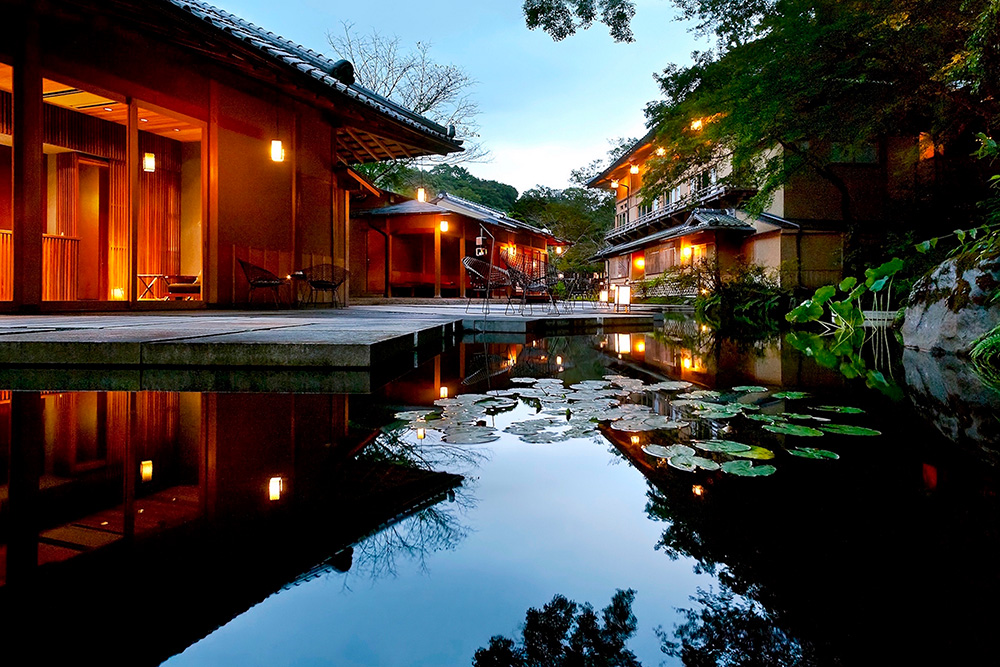
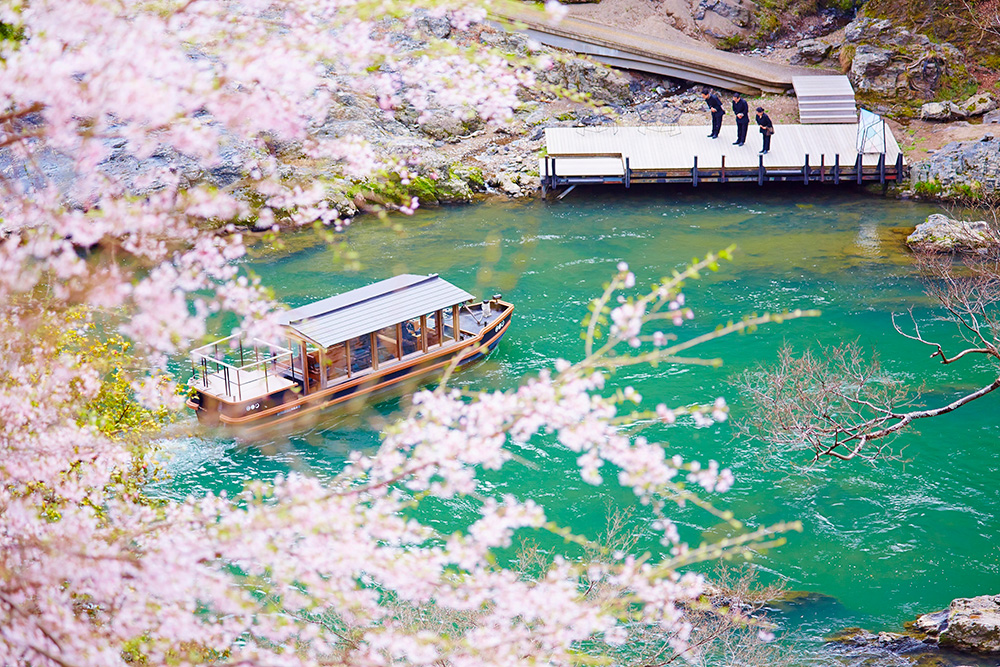
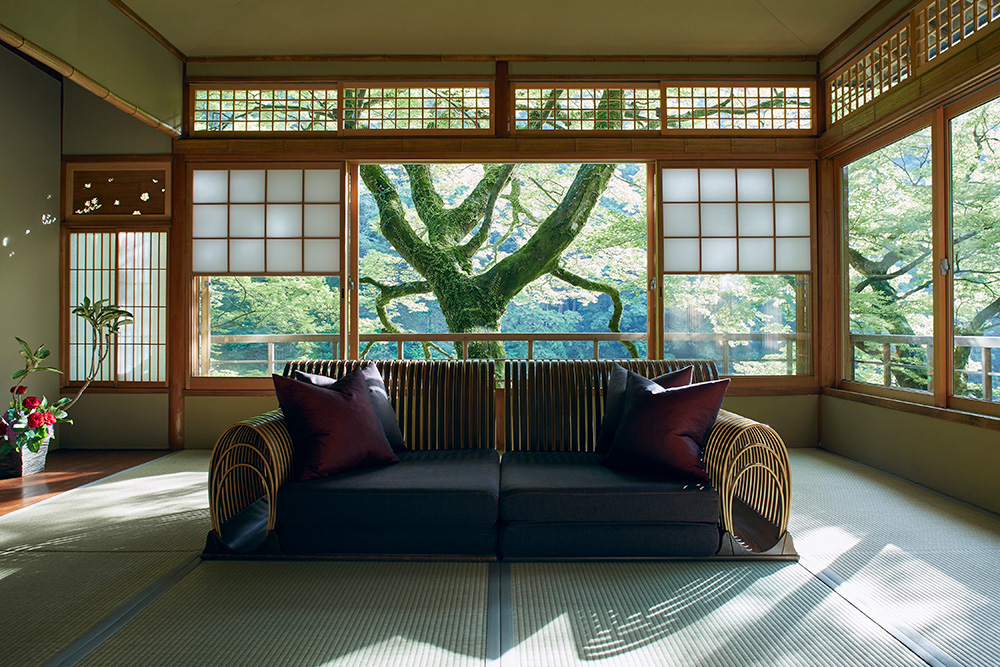
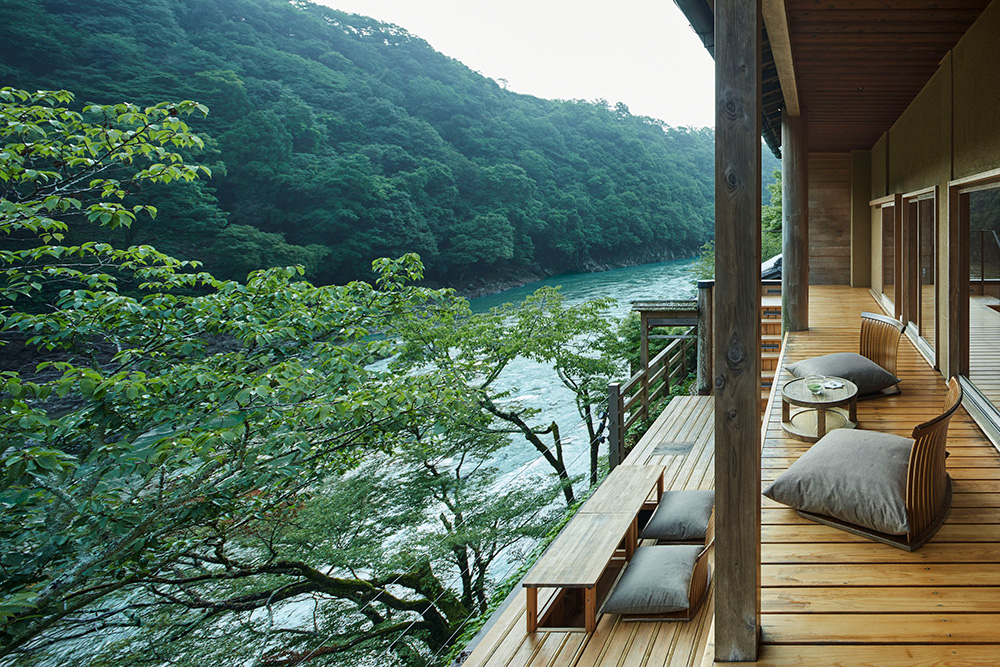
A Japanese-style hotel of River view of all the rooms located in Ranzan. Beautiful cityscape in four seasons and the quiet extraordinary world can be enjoyed.
It's a taxi from Direction JRKyoto station, about 30 minutes
- A room charge example
- 1 night, 1 person \33,330-