





Introducing Kyoto's seasonal temperatures and recommended clothing

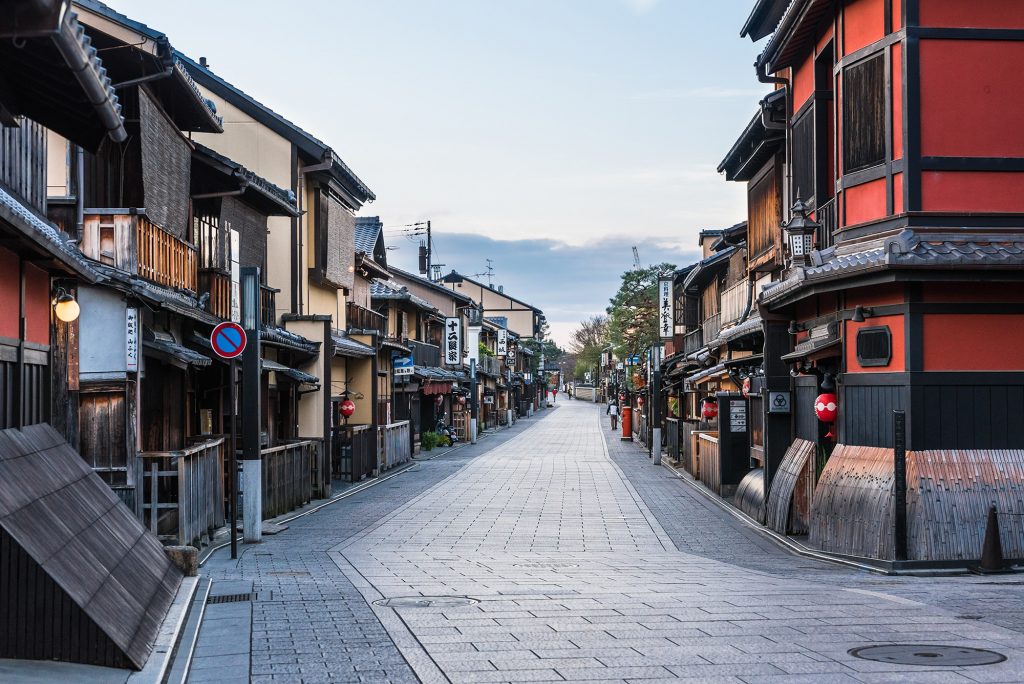
Kyoto is an ancient capital with over 1,200 years of history. It ranks first in Japan for the number of city-designated cultural property buildings, and holds approximately 20% of the nation's national treasures. The city, which retains strong traces of its time as the capital throughout various eras, attracts about 53 million tourists annually. This representative Japanese tourist city offers a diverse range of charms, including numerous traditional festivals and events, as well as rich, seasonal landscapes that never cease to impress.
Kyoto Prefecture is long from north to south, and is divided by the Tanba Highlands in the center into a Sea of Japan climate in the north and an inland climate in the south. Kyoto City, located in the Kyoto Basin, is surrounded by mountains on three sides and has an inland climate with large temperature differences between seasons and between day and night. While spring and autumn are relatively comfortable, the summer is sweltering because the mountains block the wind, and the intense, scorching sun is so characteristic that there is a term for it: "Kyoto no Aburaderi" (Kyoto's oily glare). Winters are also characterized by a deep, penetrating cold.
When sightseeing in the city, dress to prepare for temperature fluctuations. Take measures against heatstroke in the summer and cold in the winter.

About Kyoto's Spring (March–May) Temperatures and Clothing
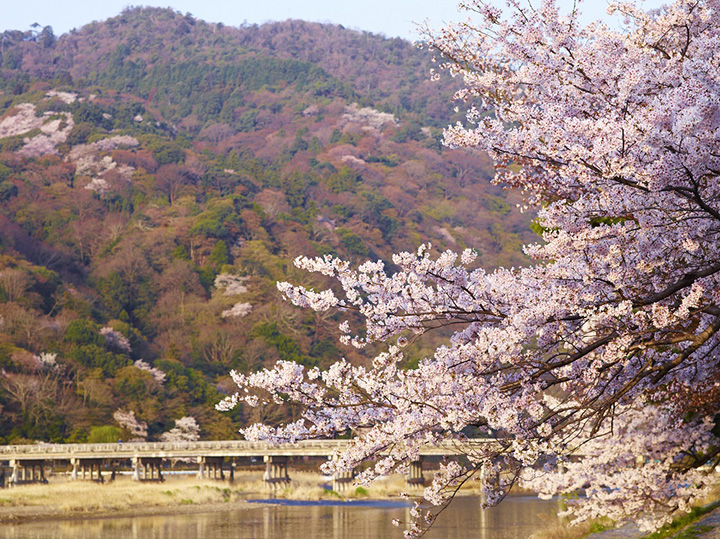
In early March, when plum blossoms and early-blooming cherry blossoms color the city, the weather is in the midst of the "three cold days and four warm days" cycle. Temperatures fluctuate wildly, with some days having a low of 1°C and others reaching a high of 20°C. By late March, the temperature difference eases, and the weather becomes spring-like. Famous cherry blossom spots such as the "Nezame-zakura" at Kitano Tenmangu Shrine and the "Omuro Ariake" at Ninna-ji Temple reach their peak and can be enjoyed until early April. Since it gets cold in the morning and evening, be sure to have a coat or shawl ready if you go out to see the cherry blossoms at night. After mid-April, temperatures rise rapidly. The average high in May reaches 25°C, and the "kawayuka" (riverside dining decks) are opened along the Kamo River. Around mid-May, when the Aoi Matsuri (Hollyhock Festival)—a graceful procession of 500 people dressed in Heian-period costumes—is held, it is comfortable to wear short sleeves during the day. UV rays also become stronger, so it is useful to have a parasol or sunscreen.
About Kyoto's Summer (June–August) Temperatures and Clothing
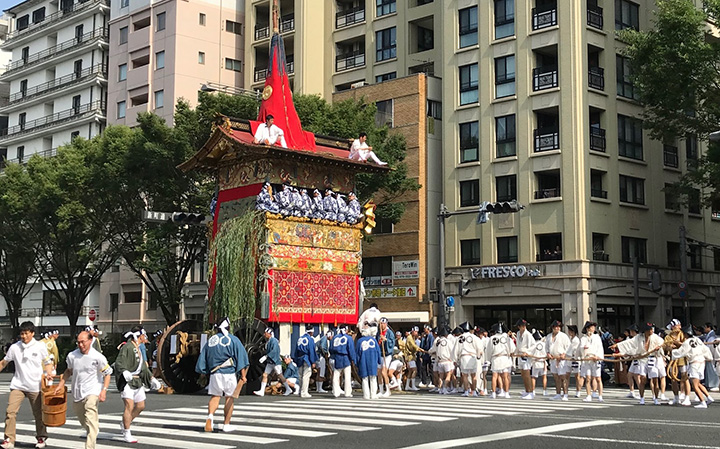
In early June, when the rainy season typically begins, the high temperature is around 30°C. Even on rainy days, it is hot and humid, and while it cools down a bit after sunset, a light cardigan is sufficient. Early June is a good time to plan outings as there are still many sunny days. The rain increases from mid-June until the end of the rainy season around mid-July. At Heian-jingu Shrine, Japanese irises are in full bloom, and at Yoshimine-dera Temple, hydrangeas reach their peak, allowing you to enjoy their beautiful, moist blossoms. When July arrives and the Gion Festival begins, the heat becomes intense. In mid-July, when the Yoiyama and Yamaboko Junko take place, the high temperature exceeds 35°C. The sweltering humidity that makes you sweat incessantly is exactly what is known as 'Kyo no Aburaderi' (Kyoto's oily heat). This heat continues even after the Daimonji Gozan no Okuribi in mid-August. Be sure to take thorough precautions against heatstroke: stay hydrated, wear a hat, dress in breathable clothing, and take breaks in cool places.
About Kyoto's Autumn (September–November) Temperatures and Clothing

September sees lingering summer heat. Until mid-month, when the Kangetsu-sai (Moon Viewing Festival) is held to admire the harvest moon, there are many days when the high temperature exceeds 30°C, so heat countermeasures are still necessary. Since some nights can feel cool, it is a good idea to have a light cardigan to ward off the night breeze if you want to enjoy the moon in style. The feeling of autumn arrives after the Autumnal Equinox. Mornings and evenings become cooler, and there are more days when the temperature difference between day and night exceeds 10°C. October, which typically has an average temperature of around 20°C, has few rainy days and is perfect for strolling around Kyoto. You can get by with light clothing, such as a long-sleeved shirt and a jacket. The autumn leaves are at their best from early November to early December. The average minimum temperature in November is below 10°C, and by the end of the month, it drops below 5°C, so when going out to view the autumn leaves, be sure to wear clothing that provides warmth, such as a coat or a scarf.
About Kyoto's Winter (December–February) Temperatures and Clothing

The average temperatures are 6.7°C in December, 4.1°C in January, and 5.4°C in February, which is about 1°C lower than the average temperature in Tokyo, with the coldest days reaching around -2°C. The Kyoto Basin, surrounded by mountains on three sides, tends to trap cold air near the ground, leading to severe cold often referred to as "Kyo no Sokobie" (Kyoto's bone-chilling cold). In particular, the cold air around your feet can chill you to the core, so we recommend taking sufficient measures against the cold, such as wearing boots or using foot warmers. Also, Kyoto has relatively little rainfall compared to the rest of the country, and with many sunny days in winter, it is perfect for outings. In December, there is the "Kyoto Hanatouro," where famous Arashiyama spots like the "Togetsukyo Bridge" and the "Bamboo Forest Path" are illuminated. January offers New Year's visits to famous temples, and February brings the peak season for plum blossoms at places like "Kitano Tenmangu Shrine," making winter full of highlights as well.

Local supporter in charge of this article
HOSHINOYA Kyoto
Arashiyama, Kyoto Prefecture
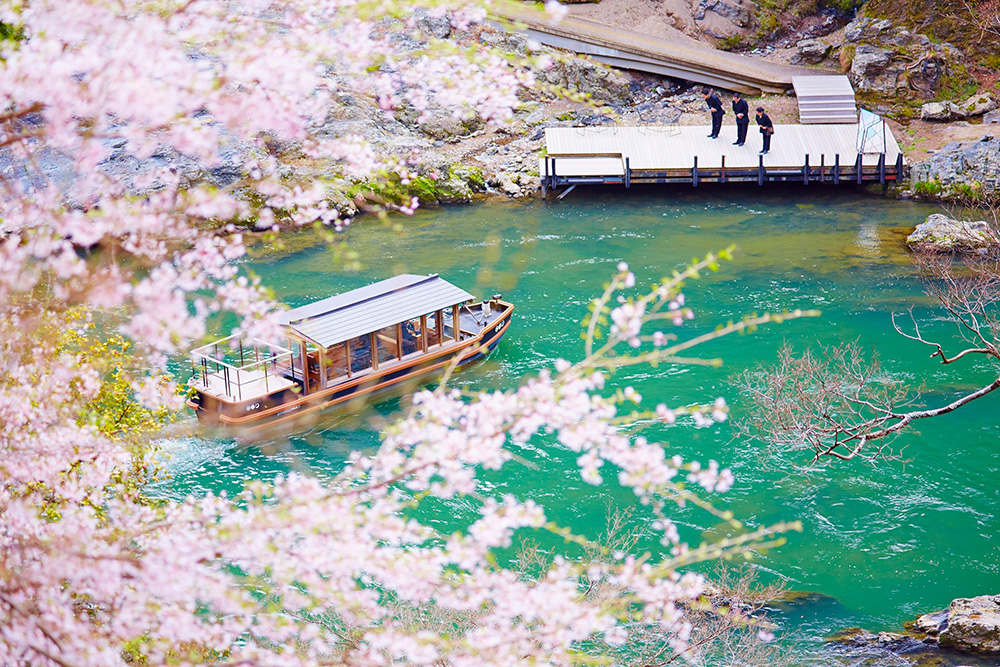
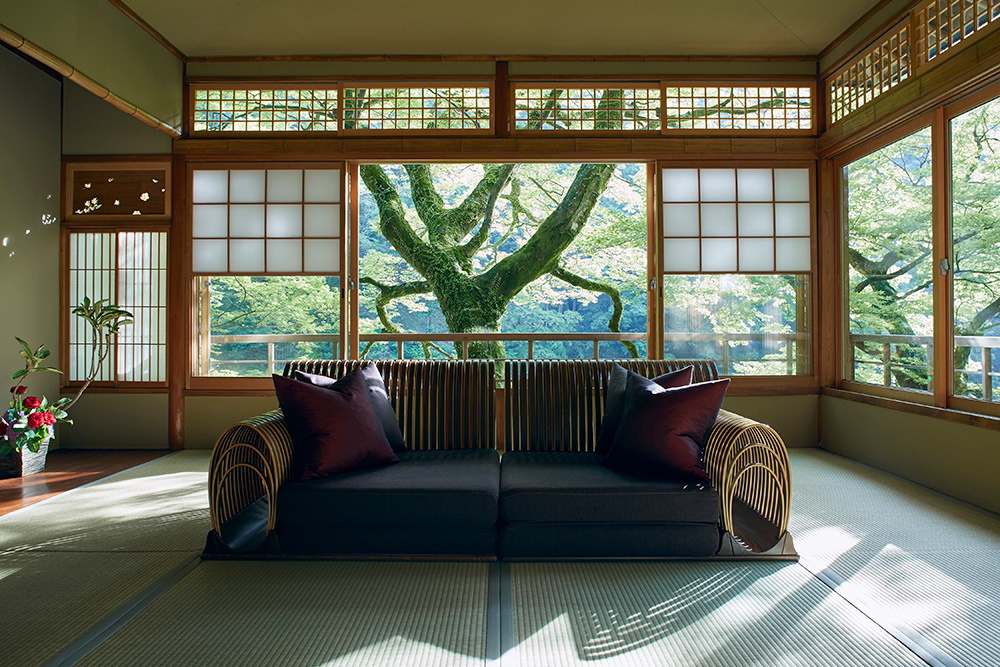
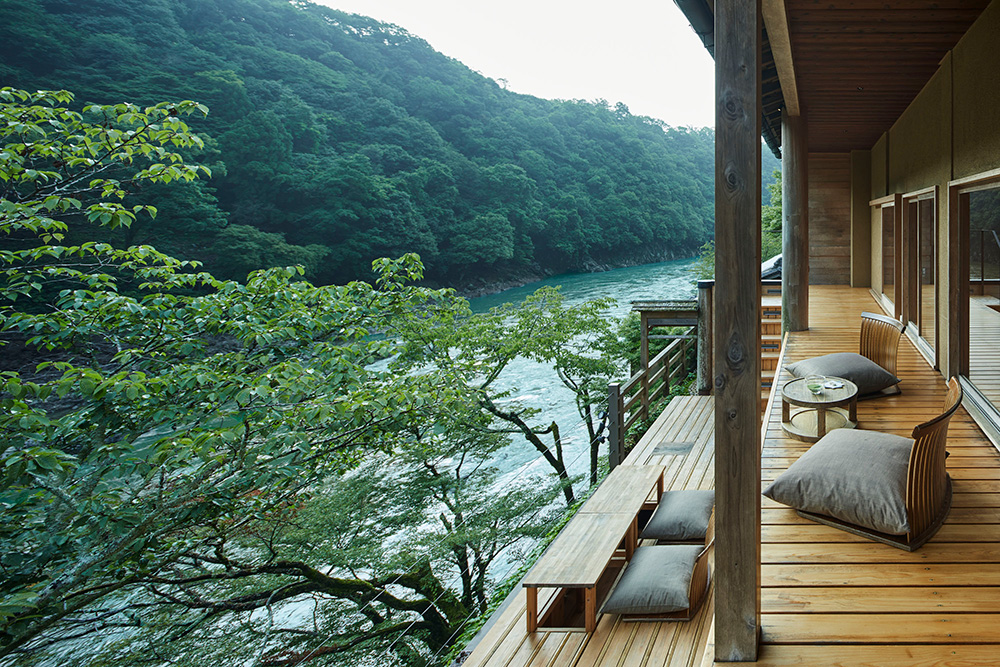
A ryokan located in Arashiyama where all rooms have a river view. You can enjoy an extraordinary world of beautiful seasonal scenery and tranquility.
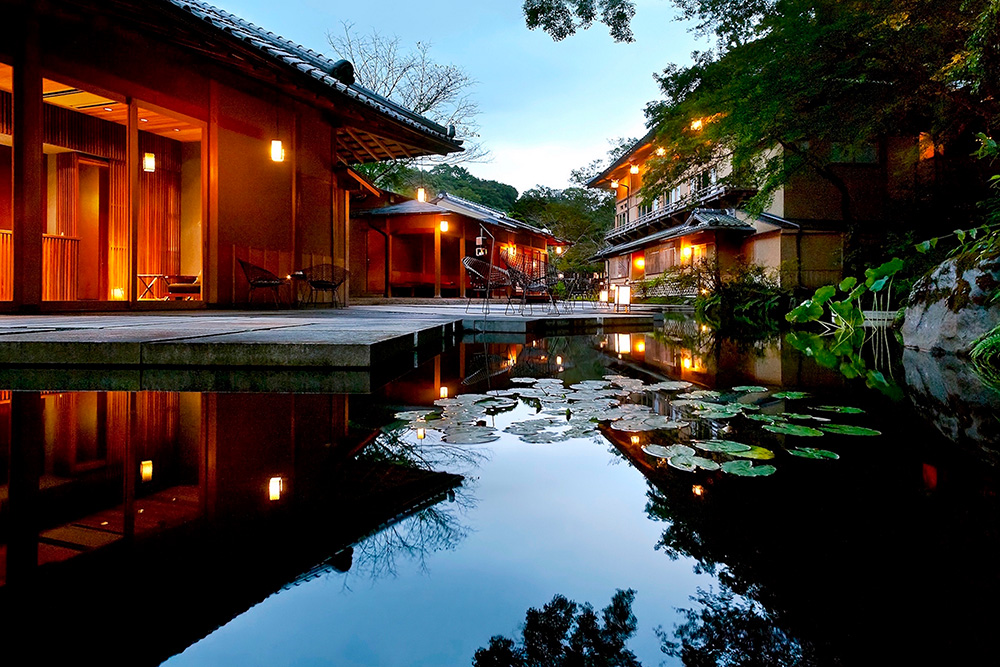
Access Approximately 30 minutes by taxi from JR Kyoto Station
- Accommodation rate example
- Per person per night From ¥33,330
OMO3 Kyoto Toji
Kyoto Prefecture, Kyoto City
A hotel located in the Toji area, recommended for repeat visitors familiar with Kyoto travel, with direct bus access to popular tourist spots in Kyoto and within an hour by train to Osaka and Nara.


Access Approx. 13-minute walk from JR Kyoto Station Hachijo Exit
- Accommodation rate example
- Per person per night From ¥4,500
OMO5 Kyoto Gion
Kyoto Prefecture, Kyoto City
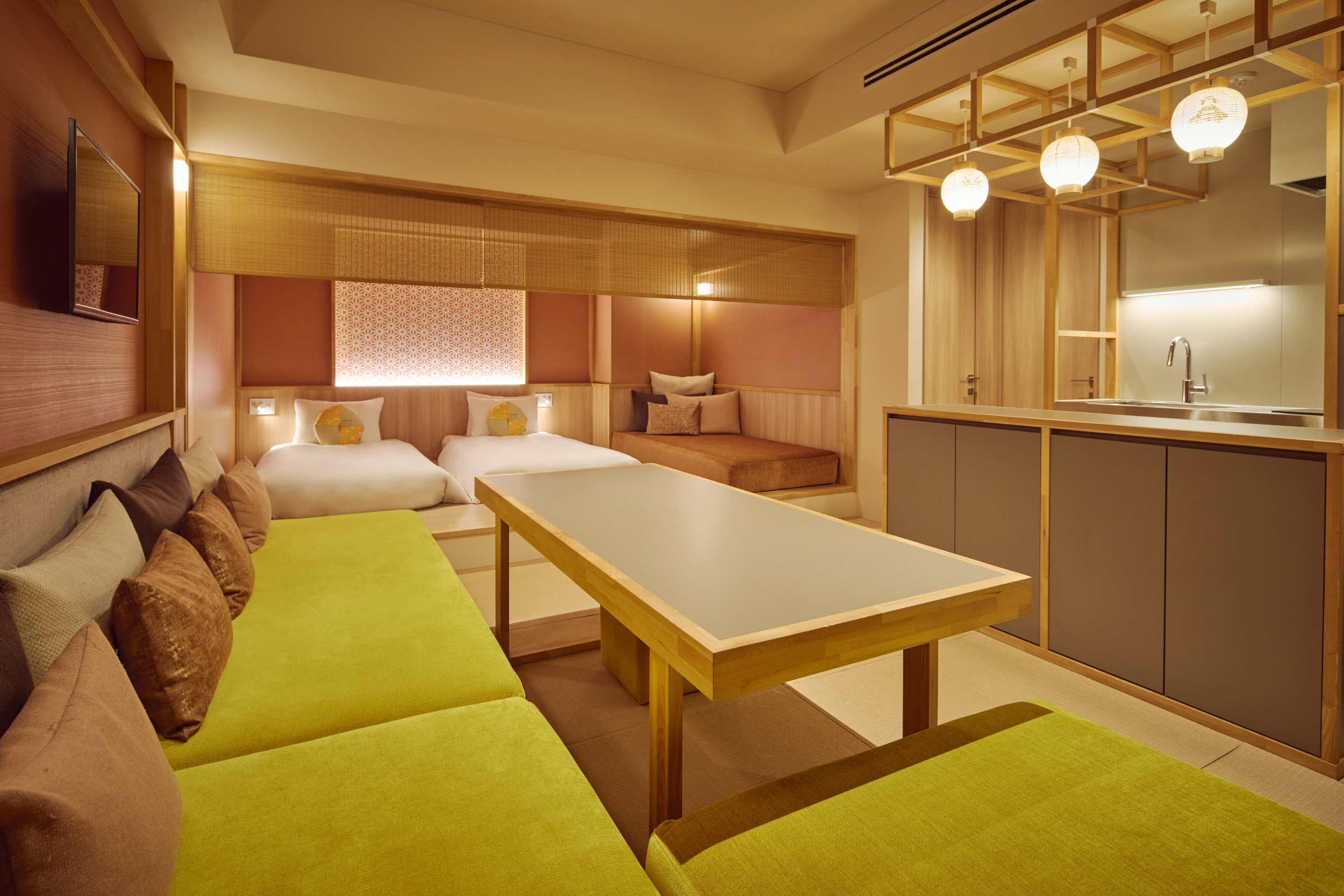
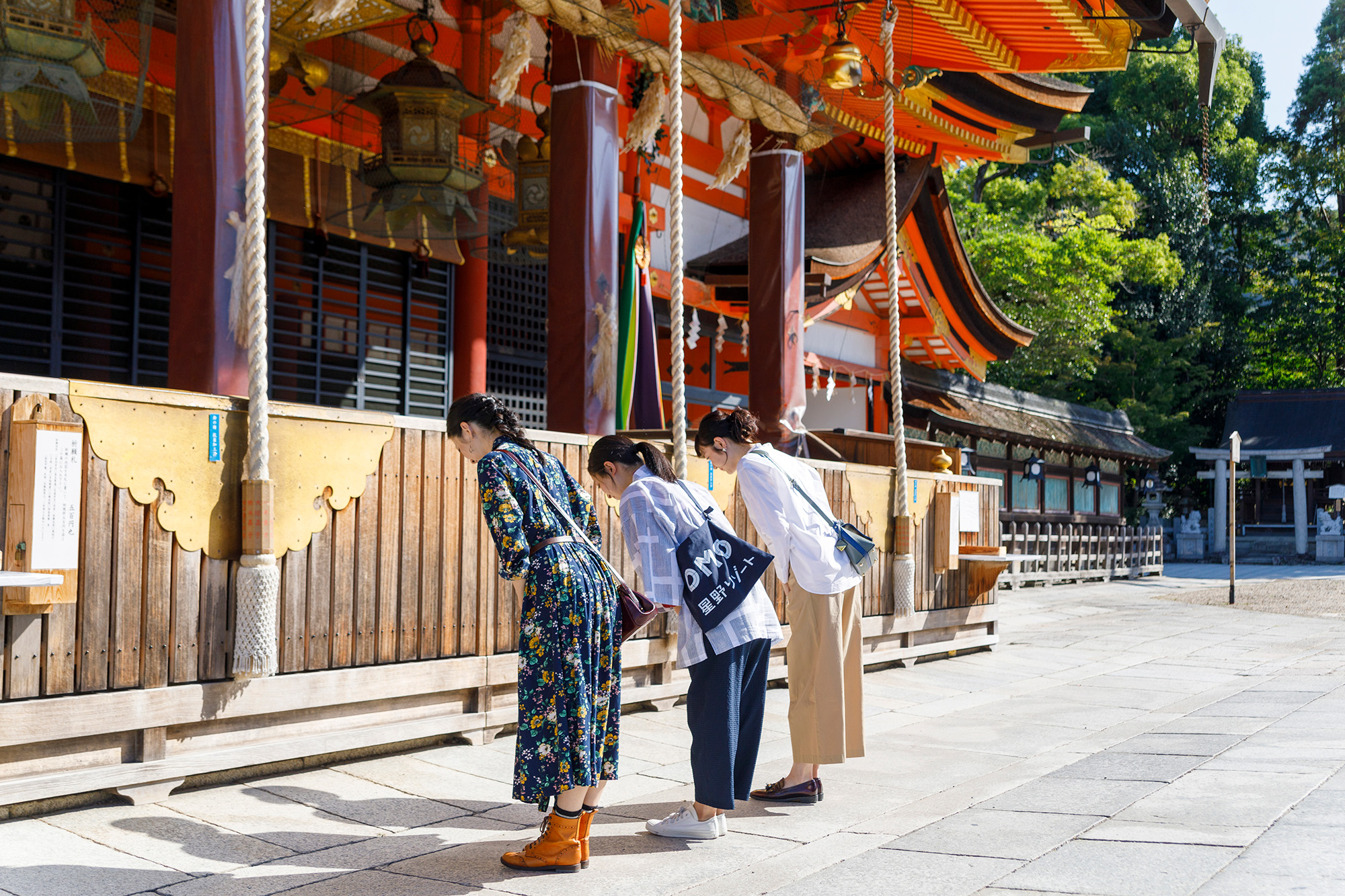
Located along Shijo-dori, one of Kyoto's representative downtown streets, with Yasaka Shrine, famous for the Gion Festival, right in front. It is convenient for sightseeing in the Yasaka and Kiyomizu areas, which everyone visits at least once.


Access Approx. 5-minute walk from Exit 7 of Keihan Main Line Gion-Shijo Station
- Accommodation rate example
- Per person per night From ¥9,500
OMO5 Kyoto Sanjo
Kyoto Prefecture, Kyoto City
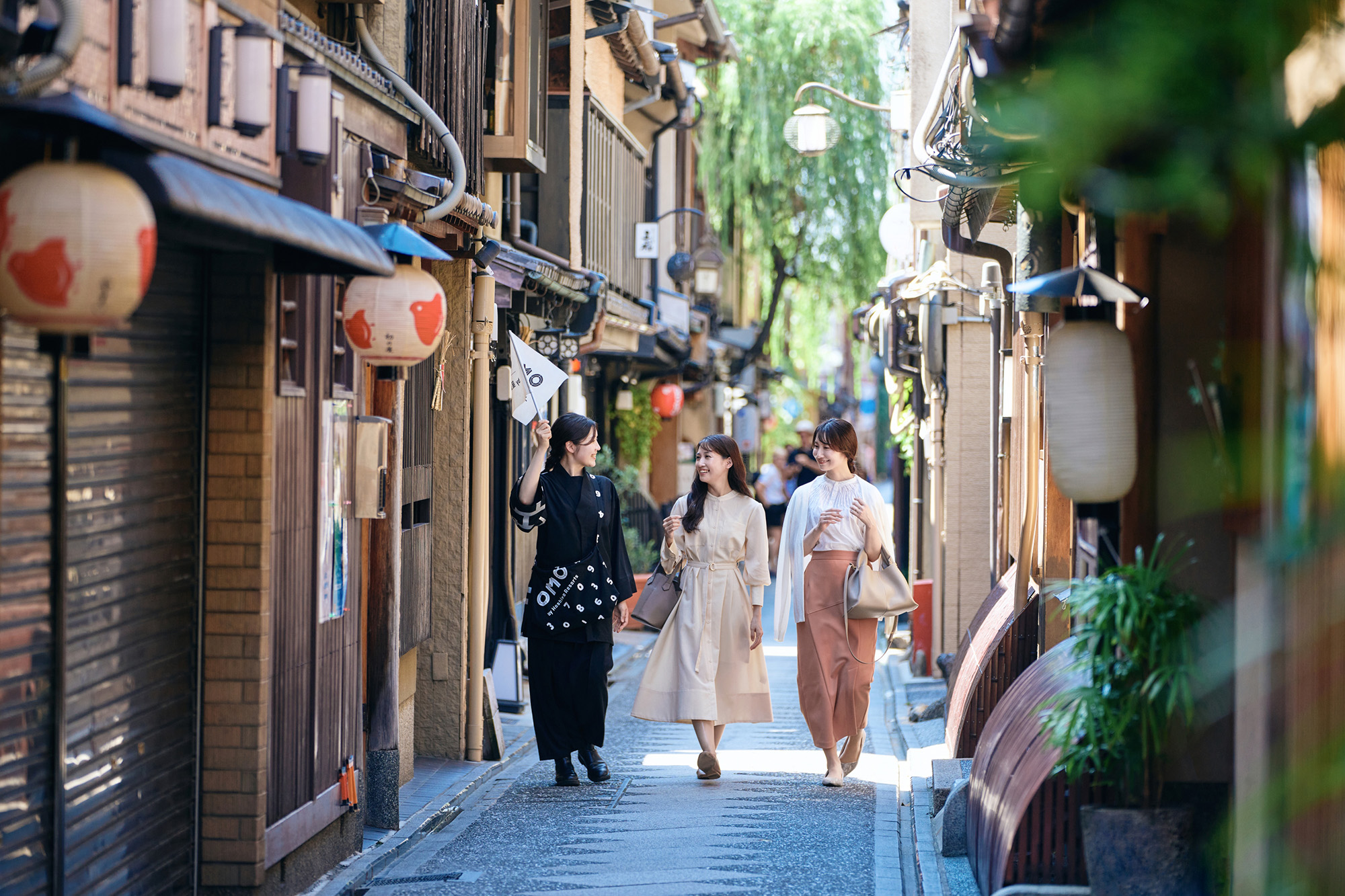
Within walking distance of Kyoto-esque townscapes such as Pontocho and Sanjo Ohashi Bridge. It is an area where the past and present intersect, from the latest shops to long-established specialty stores.


Access Approx. 2-minute walk from Exit 3 of Kyoto City Subway Kyoto Shiyakusho-mae Station
- Accommodation rate example
- Per person per night From 4,000 yen