





I'll know the temperature Otsu-shi (Hiei-Zan) and clothes.

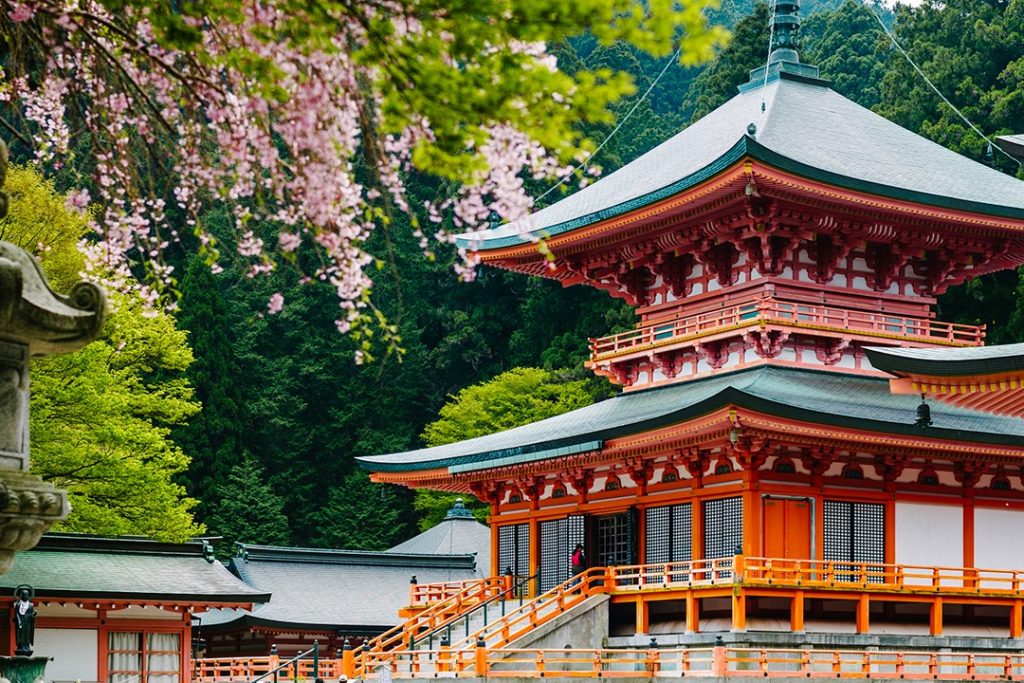
Shiga with the best of Japan lakes "Lake Biwa" surrounds Lake Biwa, and is shared with 4 areas of "Konan, Koto, Kohoku and Kosai". Otsu-shi is located in Kosai from Konan and is an area which is dotted with the Buddhist temple of temples and shrines where I march with Kyoto city around Hiei-zan and have history. Hira-san systems including the Hiei-Zan are highlands where the mountains of the altitude 1,000m order ranges, and the temperature difference will be sometimes a basin on Lake Biwa coast in more than 5 ℃.
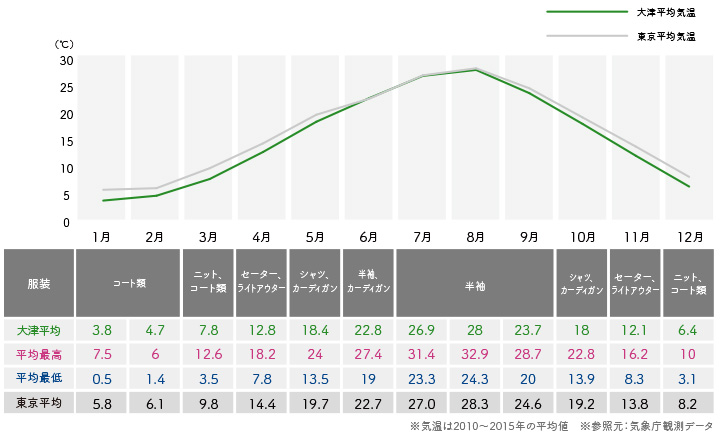
About the temperature of the spring (3-May) and clothes in Otsu-shi (Hiei-Zan).
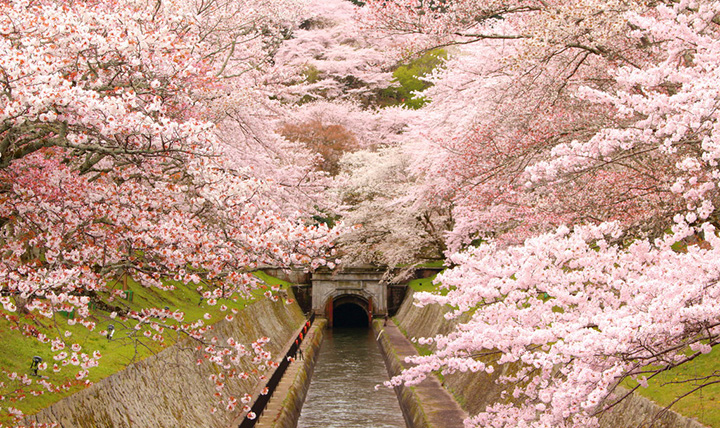
March when the event which tells Otsu of spring "opening of Lake Biwa" is performed. The average temperature is 7.8 ℃. By the Hiei-Zan which is lower about 2 ℃ than Tokyo and more than 800 m of altitude, still, lingering snow. If I go out in the mountains, a muffler and gloves will do cold protection in a thick court until the beginning of April.
Bloom of a cherry tree will start at the end of March. Temples and shrines are also dyed pink until the beginning of April including Lake Biwa sparse water by which Sakuranamiki continues 11 km. Such as putting on a knit under the court if cherry blossoms by night are enjoyed, warm clothes are recommended.
G.W where the temperature rises. The day when the highest temperature exceeds 20 ℃ is increasing at time. A daffodil and a cherry tree are in best time in the expensive area above the sea level including contest of an azalea and a calamus. Daytime going out can be spent comfortably by a parka and a thin coat.
About the temperature of the summer (6-August) and clothes in Otsu-shi (Hiei-Zan).
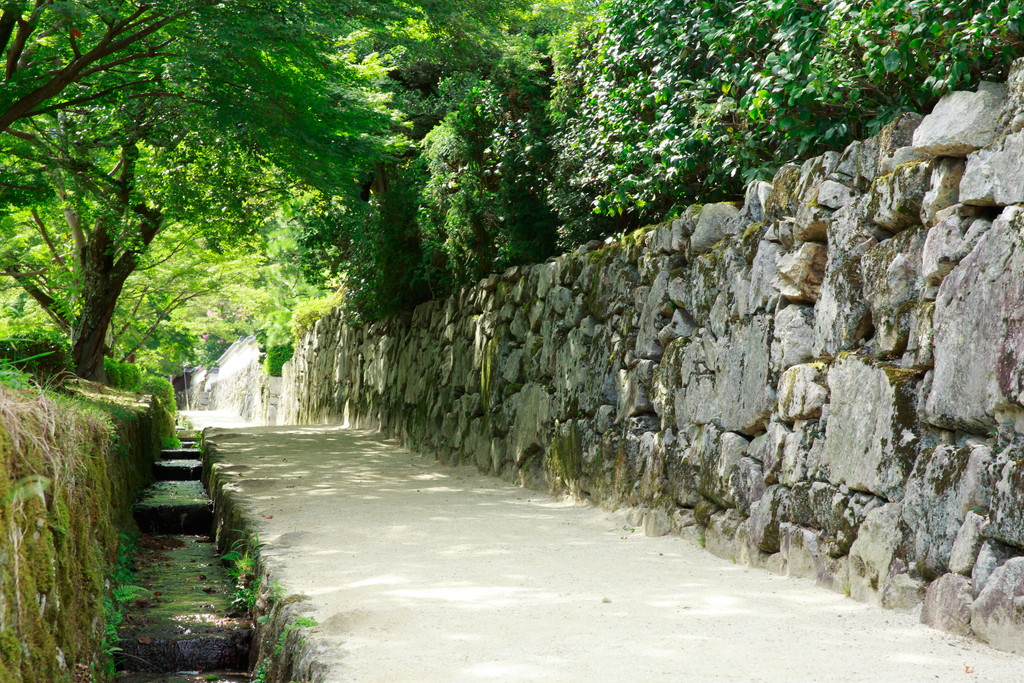
The average temperature of June is 22.8 ℃. The rainy season starts and the day when it rains is felt more coldly than the temperature. It's also this season that Mi-dera can be satisfied with taste of the hydrangea which shines by rain at temples and shrines. I'll consider coldness in rainy season in hydrangea kei and prepare a cardigan and a parka. A possibility which is local heavy rain when a seasonal rain front moves south and stagnates the second half in the rainy season. I'll recommend to carry rainwear around.
The average temperature of July and August is about 27 ℃. Many people visit in the tourist spot where they had summering such as leisure at Lake Biwa and Hiei-Zan for their object. One of short sleeves are enough at a basin, but when going out to highlands, when there are thin jacket and long-sleeved shirt, I'm relieved.
The temperature difference of the interior and the outside is big, so when I have that, the thin jacket which can be harvested compactly is convenient.
About the temperature of the autumn (9-November) and clothes in Otsu-shi (Hiei-Zan).

The day when the average highest temperature is about 27 ℃ continues, and the beginning of September can spend the daytime by short sleeves. The day when the lowest temperature of Otsu-shi and the difference in the highest temperature are more than 10 ℃ will increase at the middle ten days, and a parka and a jacket play an active part. It's at the end of October that a visit in autumn can be felt. It's at the middle of November that colored leaves color from a deep mountains and are coming down to Lake Biwa. It'll be lit up by the cityscape a historic landmark and colored leaves draw in the evening, and it's the fantastic atmosphere. The temperature of the time when colored leaves are best time is about 12 ℃. A morning and evening goes down to less than 10 ℃, so sightseeing of colored leaves at night will go out to stoles by the warm look in a court.
About the temperature of the winter (12-February) and clothes in Otsu-shi (Hiei-Zan).
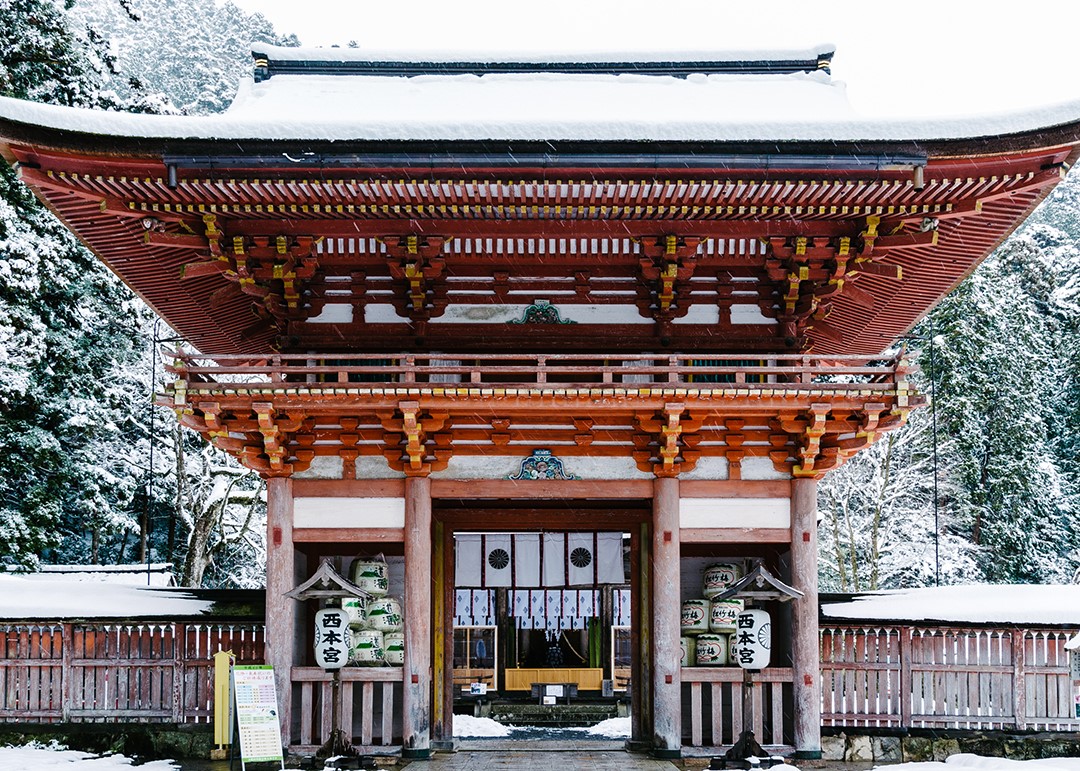
The winter in Otsu-shi is different in the climate at low land and highlands. It also snows in highlands compared with mild low land relatively, and the severe coldness which feels chilled to the bone follows. The first snow of the season is observed at the beginning of December in the highlands and Kosai-Kohoku area. When Yuki uses a Hiei-Zan freeway by car deeply so that there is a ski area in Horai-san of Hira-san course (The ones, Isa, oh.), a studless snow tire and a chain are needed.
The average temperature, December, 6.4 ℃ and January, 3.8 ℃ and February are 4.7 ℃. At a basin, the lowest temperature, minus, there are almost no things it'll be. At Lake Biwa coast, clothes like Tokyo, minus, I'll provide for a fingertip and the clothes by which the prevention cold season does the whole body to the foot destination at the highlands it'll be.
Otsu in this time can enjoy a traditional event fully according to the new year's visit to a shrine a queen competition about an expert of a traditional Japanese playing card at a sacred place of a card and Omi-jingu in Onioi Ceremony at Hieizan Enryakuji Temple and January in the last day of the year.