





[Osaka and Kansai expo] please be invited to the taste and the fragrance! I touch the real taste in Restaurant of an overseas pavilion! The Middle East volume
![[Osaka and Kansai expo] please be invited to the taste and the fragrance! I touch the real taste in Restaurant of an overseas pavilion! The Middle East volume](https://hoshinoresorts.com/guide/wp-content/uploads/2025/07/DSC09435-1024x683.jpg)
BUBBLE-B of an expo loving writer.
Osaka which shows protuberance increasingly and Kansai expo. I of the total period pass user enter nearly 15 times already after I begin on April 13. But to conquer everything, still, previous! I find the pile of the expo to be very high. I make a reservation in particular,... (kyuu)
For the event performed every day, a national day and a pavilion also to change a little, there are no same expos as 1 day. It seems to be a big life form. How to enjoy oneself such expo is multifarious. A pavilion, as I go around, it isn't an expo.
I felt the pleasure in eating Restaurant of an overseas pavilion and walking and also wrote "expo gourmet guide The European volume" with MICHIKUSA Guide ~ An Original Japan Travel Guide by Hoshino Resorts' Local Staff. This time is the 2nd version "the Middle East volume". What a dish of the Middle East is doesn't also stick to imagination, the ideal chance when you can meet up with the new taste because it's an expo. I'll introduce the Middle East dish of fascination centering on Saudi Arabia house this time!
The master of MICHIKU SA who took charge of this article
-
Eating and drinking chain store traveler
BUBBLE-B
A traveler writer going around a this place eating and drinking chain store in a various part of Japan. I have also begun to go around an overseas this place chain store in recent years from a conveyor belt sushi chain store in Hokkaido to the hamburger chain store in Okinawa.
https://www.bubble-b.com/profile/ Of MICHIKU SA.
Master
[Saudi Arabia house] expo Restaurant biggest hurdle! I'm intoxicated with the exotic taste.
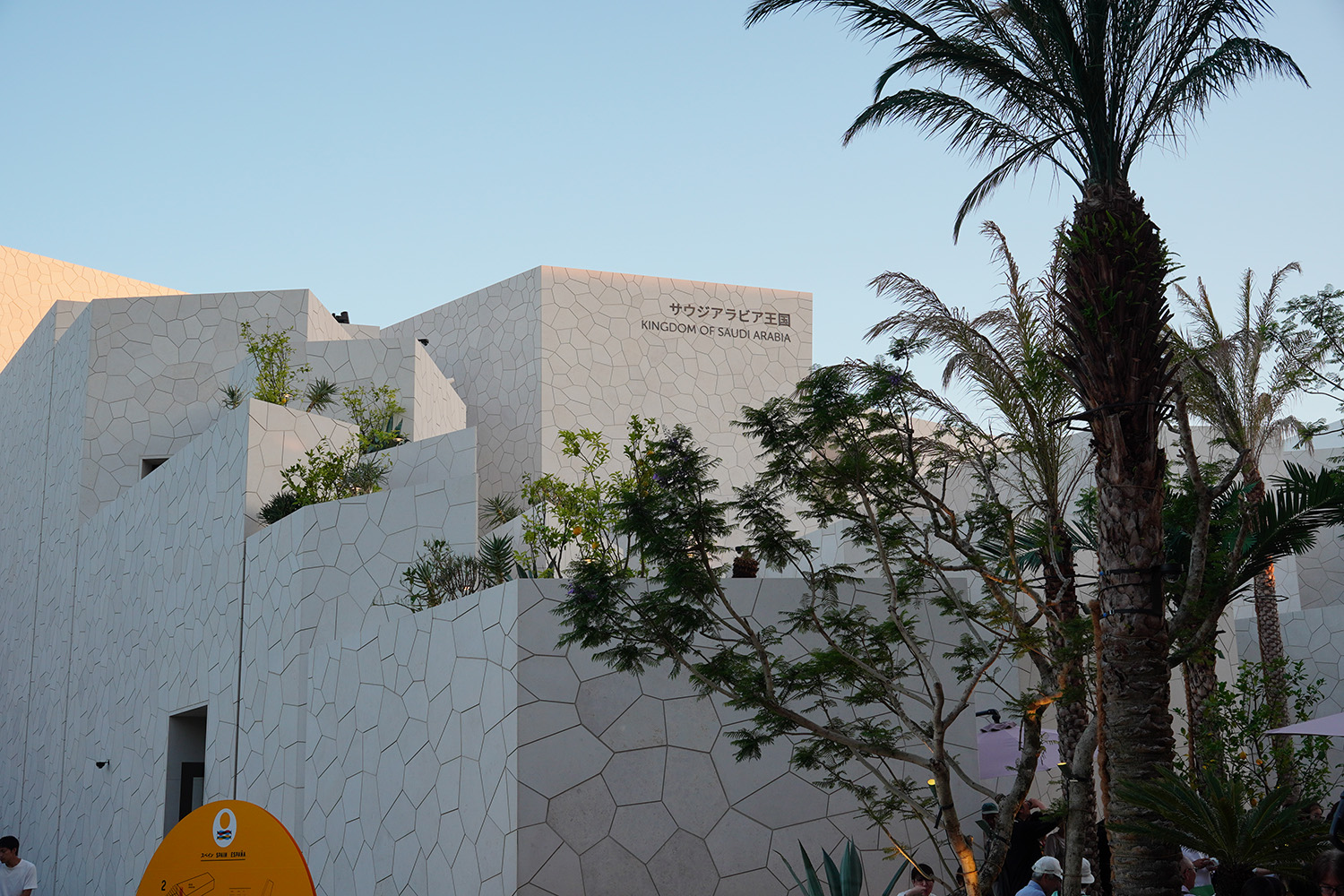
Japanese with going to Saudi Arabia would be little. I have not been there of course, either. That was also the country where only a limited person can enter the country possibly until 2019. But I turned in the same year and proposed the policy putting the emphasis on sightseeing from now on. A tourist visa started to be issued by the timing.
It's a reason as the ideal chance to tell Saudi Arabian now by these Osaka and Kansai expo and is the pavilion which had a fighting spirit fairly.
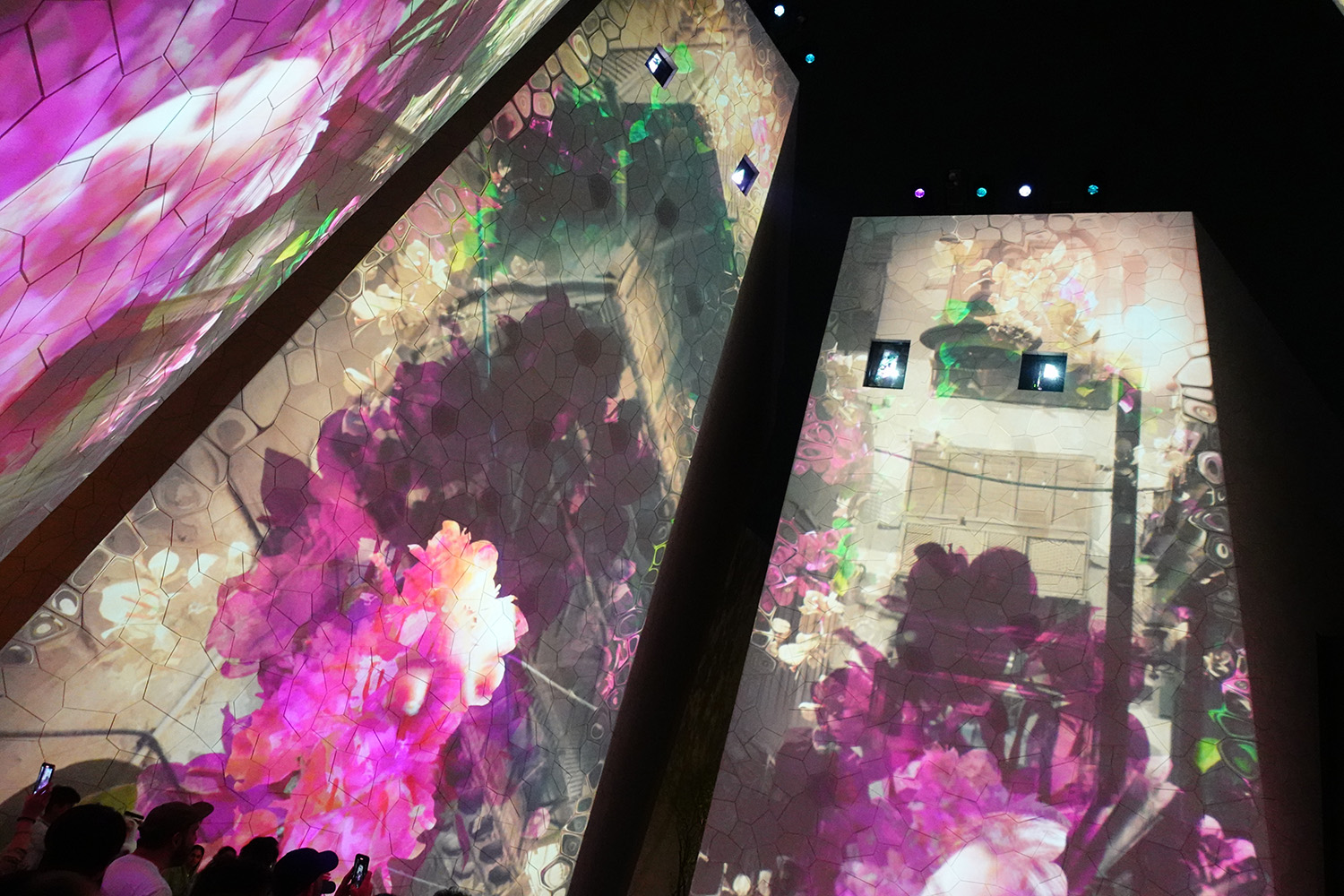
When I go to Saudi Arabia house in the evening from the evening, a large-scale projection mapping can be enjoyed in an entrance. I have a shape that all stuck tiles (The one carried in from Saudi Arabia!) are different on a wall, you remove a degree liver in mapping done picture beauty closely every shape.
The area where Saudi Arabia is introduced with a picture is a subject for a pavilion, but there is also live space where Saudi Arabian music is played live.
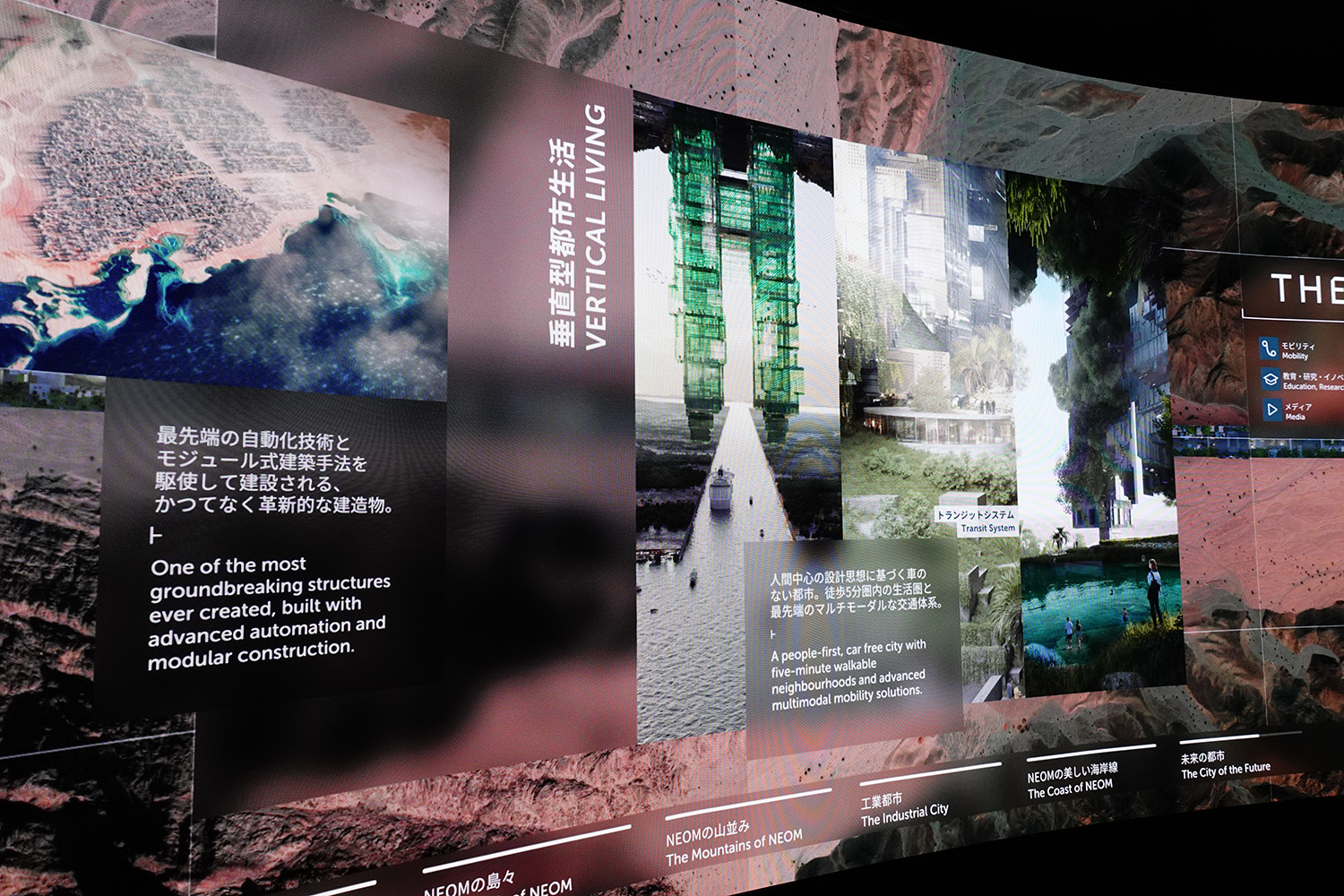
The one I like most is an image picture of the future urban planning shown at the end of a pavilion "NEOM". The magnificent plan which completes an artificial city of the overwhelming scale in the desert is fact guaranteeing by which the mouth opens with POKAN and doesn't close any more. It may be the picture to which a theme of an expo "the design of the future society" is being expressed most specifically.
It's said that Restaurant in such Saudi Arabia house is Restaurant it's most difficult to enter the store by an expo where. Store entry materialized finally in the (kyuu) 4th time of Hula RE 3 times me, too.
First it's always necessary to line up because reservation isn't being accepted. There are a lot of people who line up from a stand at 9:00, too, but, to aim at a lunchtime after all the degree of difficulty which enters a stand in a Expo site at 9:00 is high, isn't it? But, when I go to a stand at 11:00, you say "It has been already closed today." But this day said "Lunch was closed, please line up from 15:00 of once again." This was lucky.
When I come at 15:00, already, long queue. I was late or thought as..., but I lined up for now. And 2 hours later, I'm going to put it in a table on the terrace. I climb the stairs to Restaurant and it's store entry increasingly.
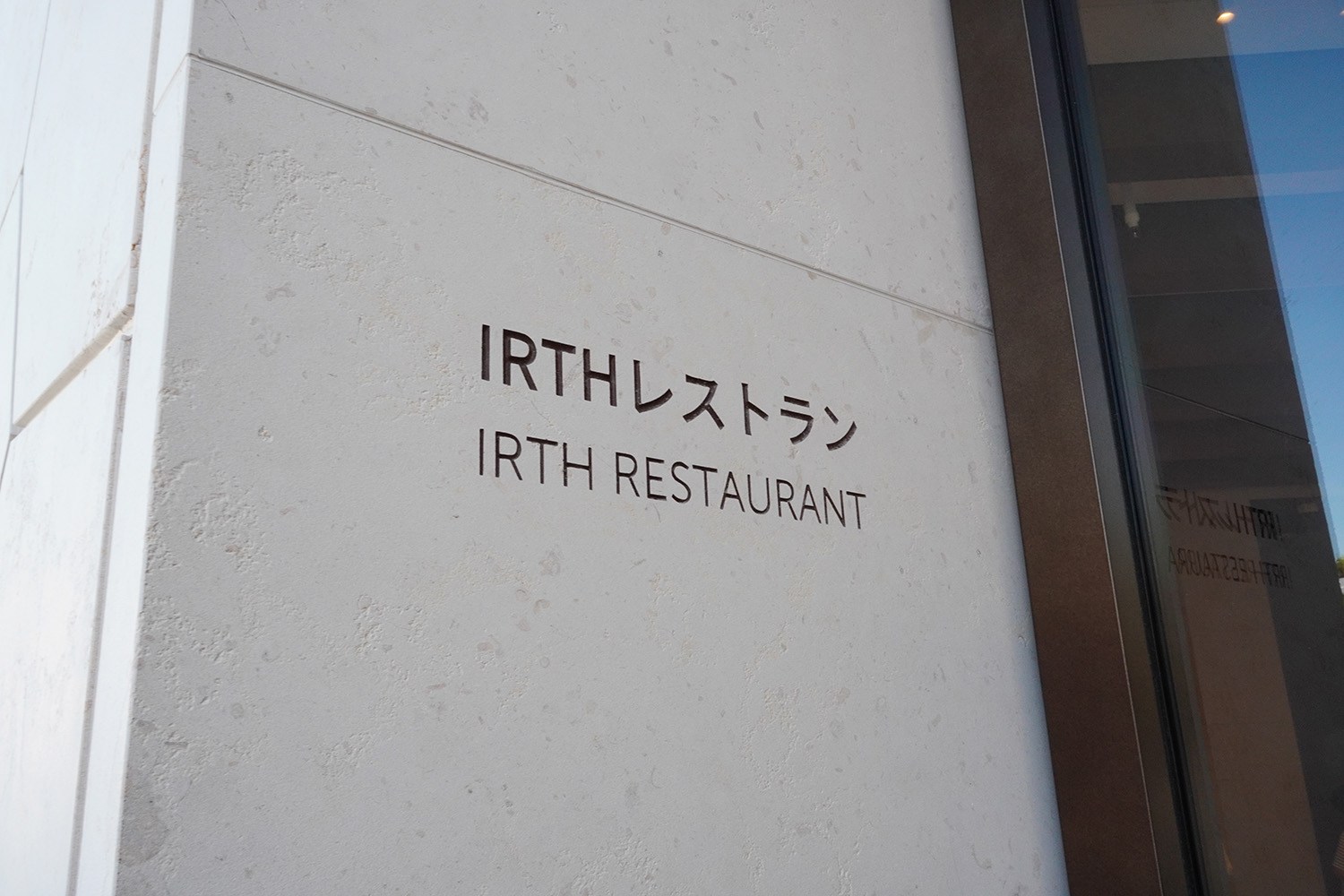
Restaurant name in Saudi Arabia house, "IRTHRestaurant". IRTH reads with IRUSU and it's the meaning as "legacy" in Arabic and.
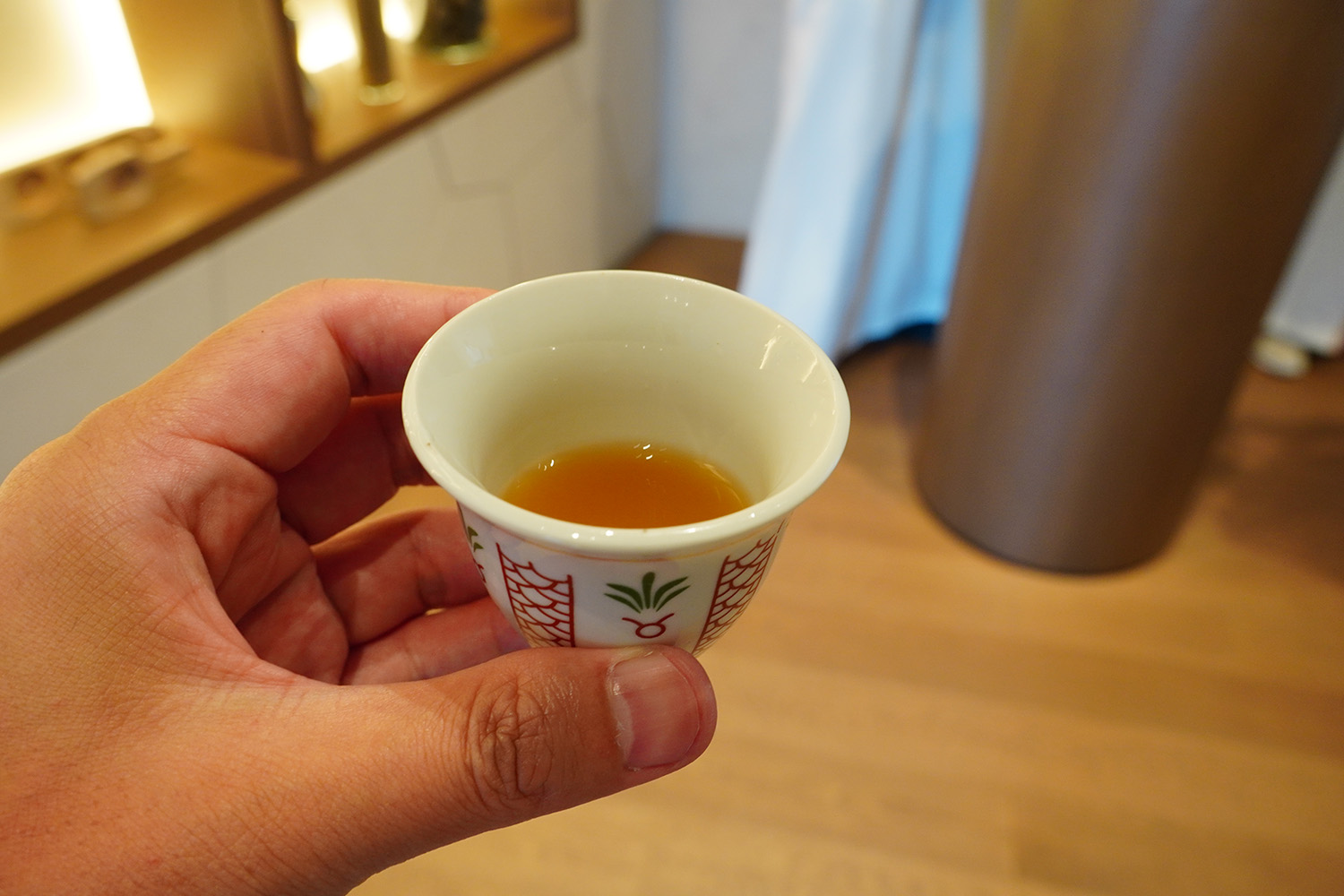
When I enter the store, I can receive Saudi Arabian coffee as a welcome drink. Herb of a cardamom is effective, and coffee from Middle East is the peculiar taste. It's said that coffee is stood as the hospitality which welcomes a guest in Saudi Arabia, by a pavilion of an expo, that, Experience, can, it was affected.
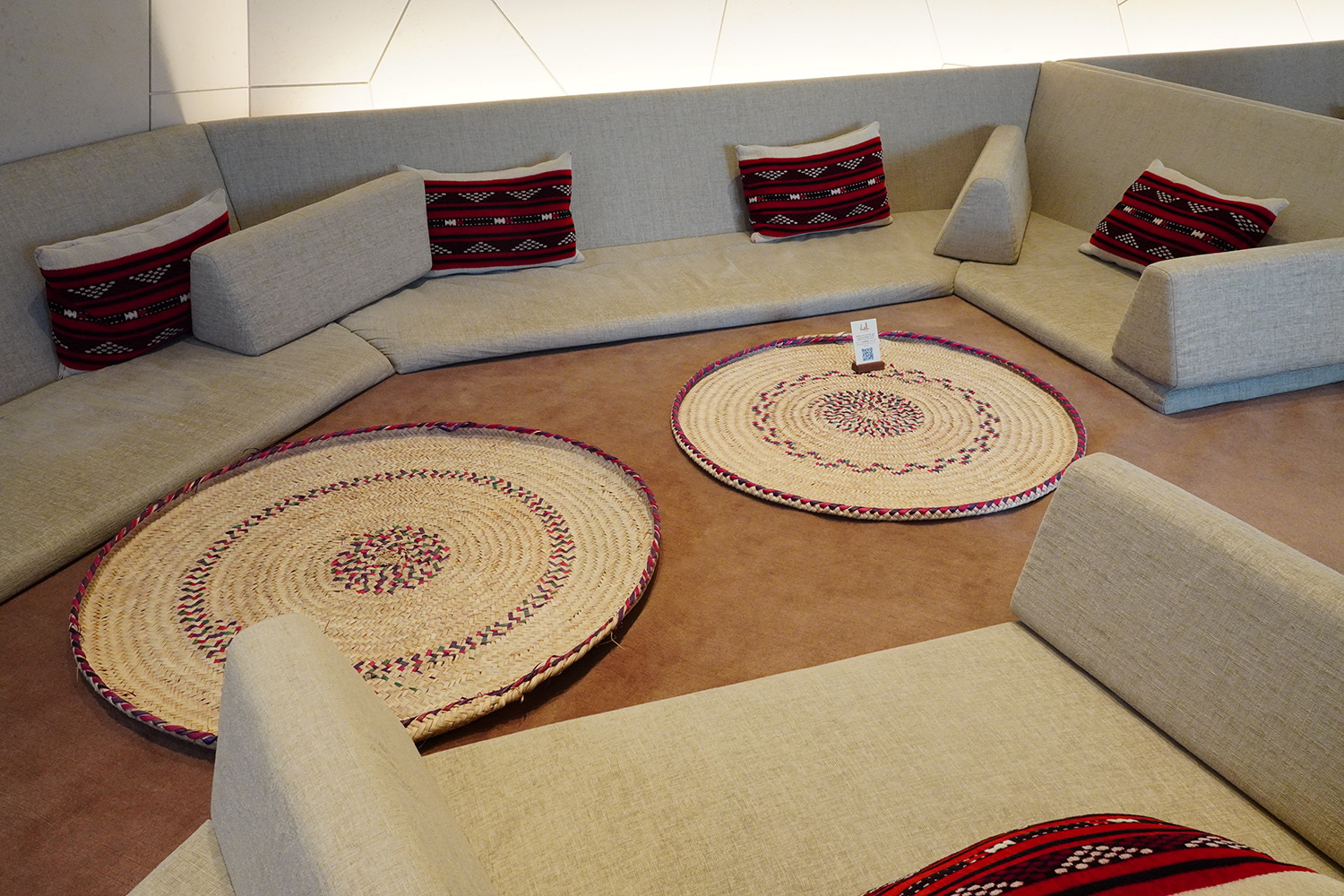
The mood excellent in quality on which exoticism floats in the Restaurant store. It doesn't seem Restaurant of limitation half year of an expo at all. There is Bunka when I say that I sit down on the ground by Saudi Arabia, circle a dish and eat merrily by everyone (Moreover it's a bare hand.), and there are a lot of stores of the style even now and.
The Bunka when even IRTHRestaurant is such Saudi Arabia here, Experience, can, as, the ground seat is also prepared. The waiting time is said to be a group seat here and seems rather long.
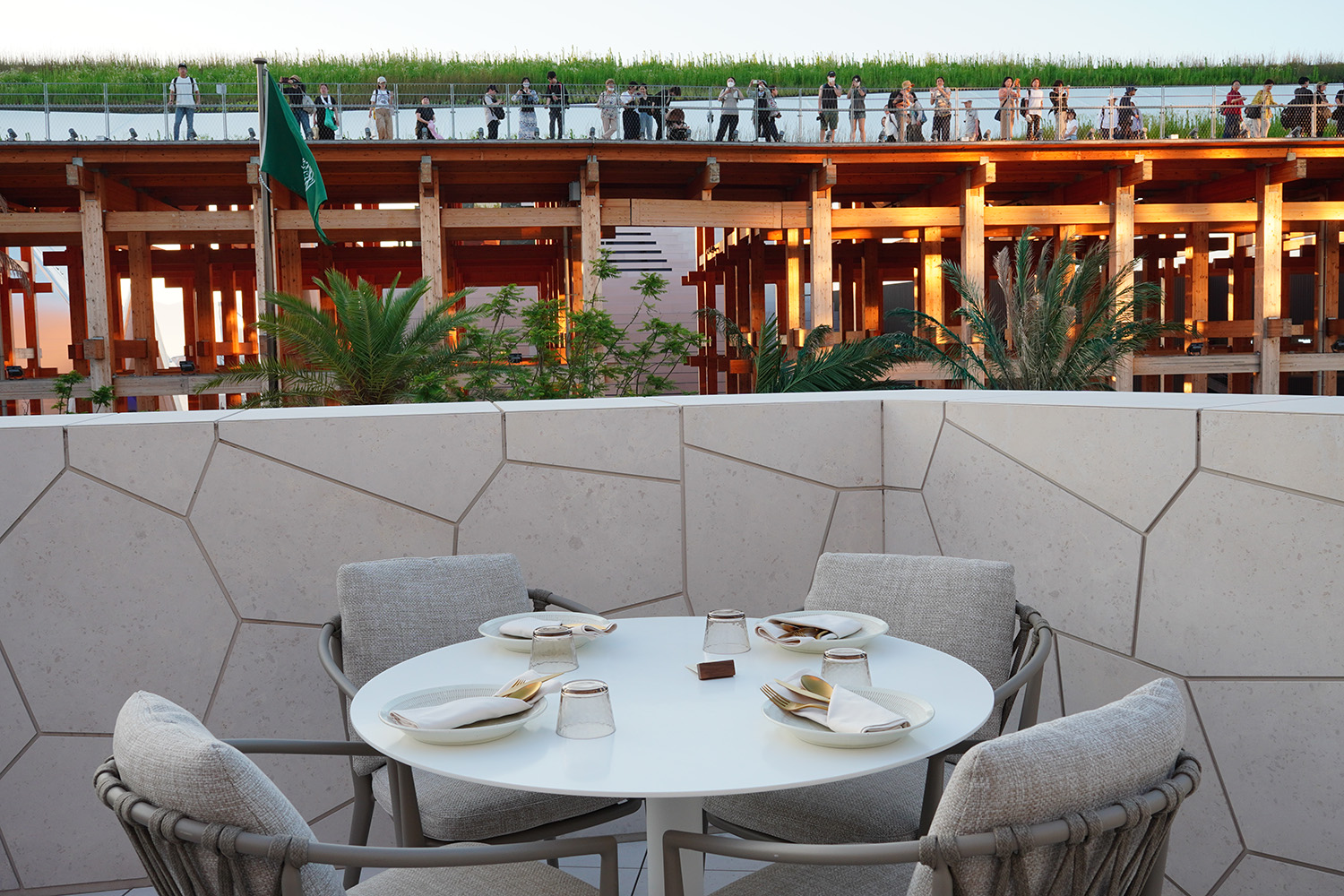
When I go out to a terrace, a table seat is arranged. The scenery from the terrace was the superb view a big roof ring looks proximate where, and if he waved his hand, the person who walks shook a big roof ring back. I judged Saudi Arabia house from a big roof ring, too, and I thought "I'd like to have a meal at that terrace sometime.", but I'm happy that that materialized.
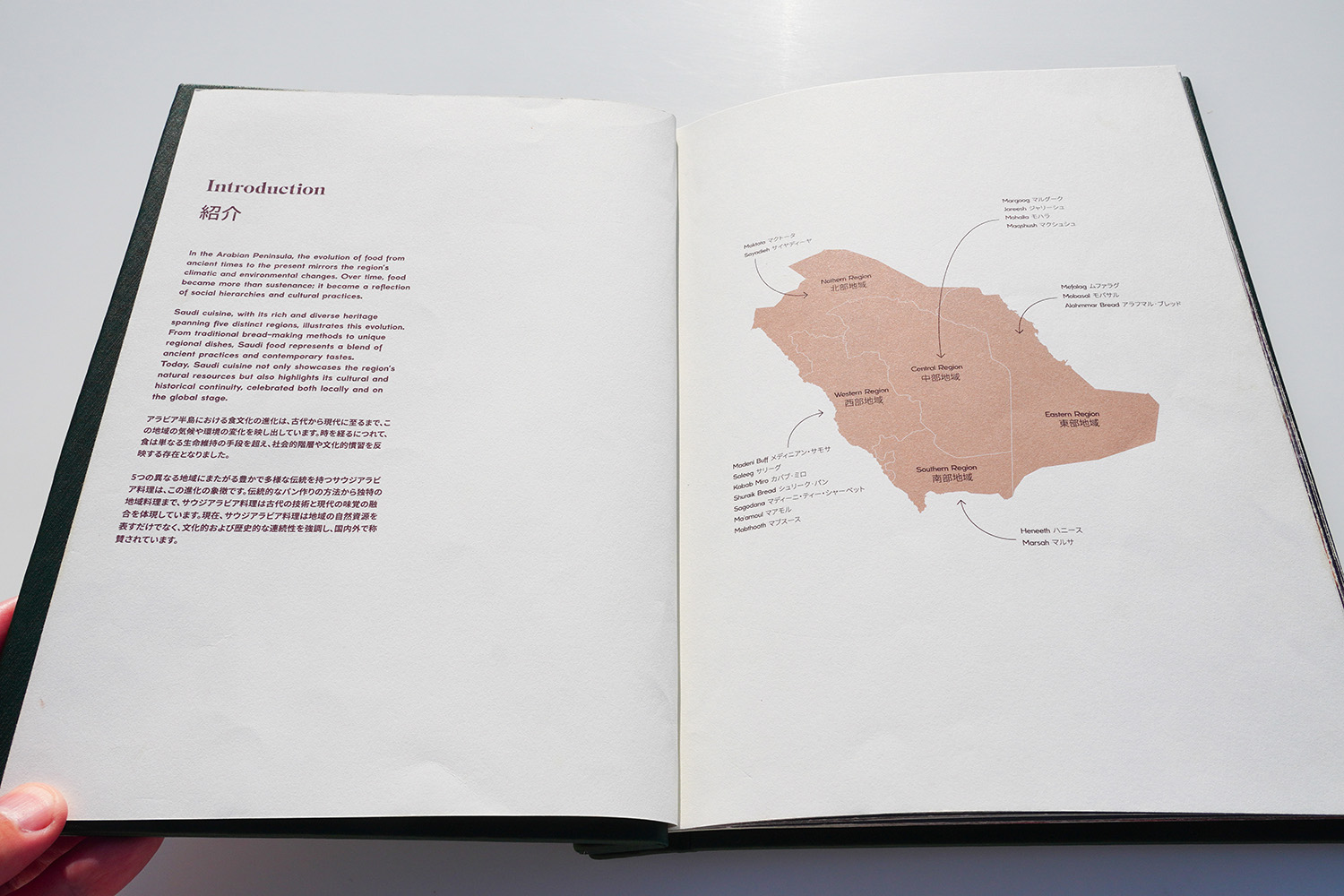
The menu book put on the table, indeed, "book". It was written tightly in English and Japanese as even the person who touches a Saudi Arabian dish for the first time entered at introduction of Saudi Arabian food culture, and might understand a concept of a course menu and the explanation of the contents and the a la carte menu.
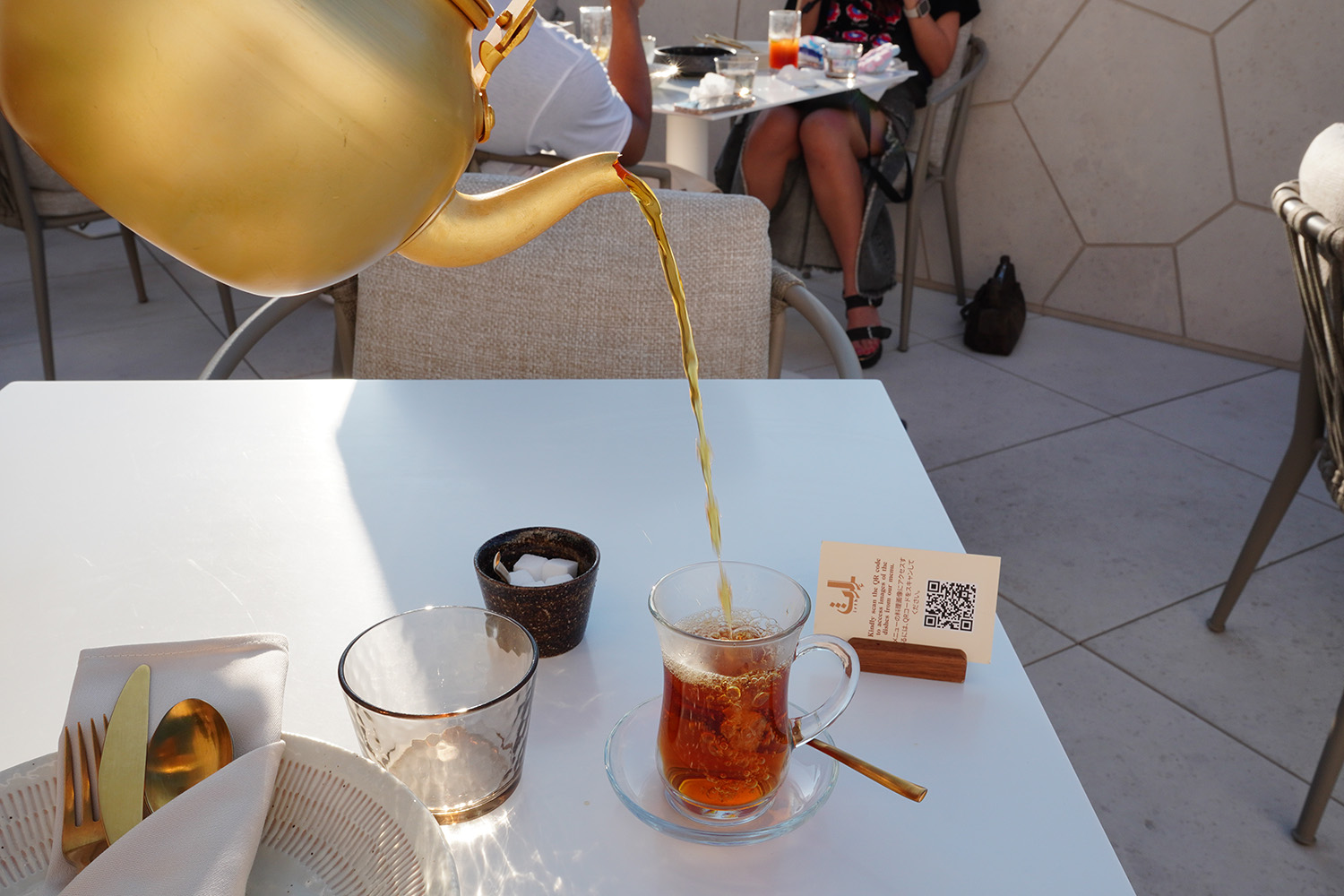
Alcoholic beverages aren't prepared in Restaurant of the Middle East course. Wooden Tell of compensation coffee, green tea and a non-alcoholic cocktail is prepared.
"Saffron crocus tea" is ordered this time. You poured it from the high location. Some cube sugars are sticking to Saffron crocus tea, but there is also faint sweetness straight.
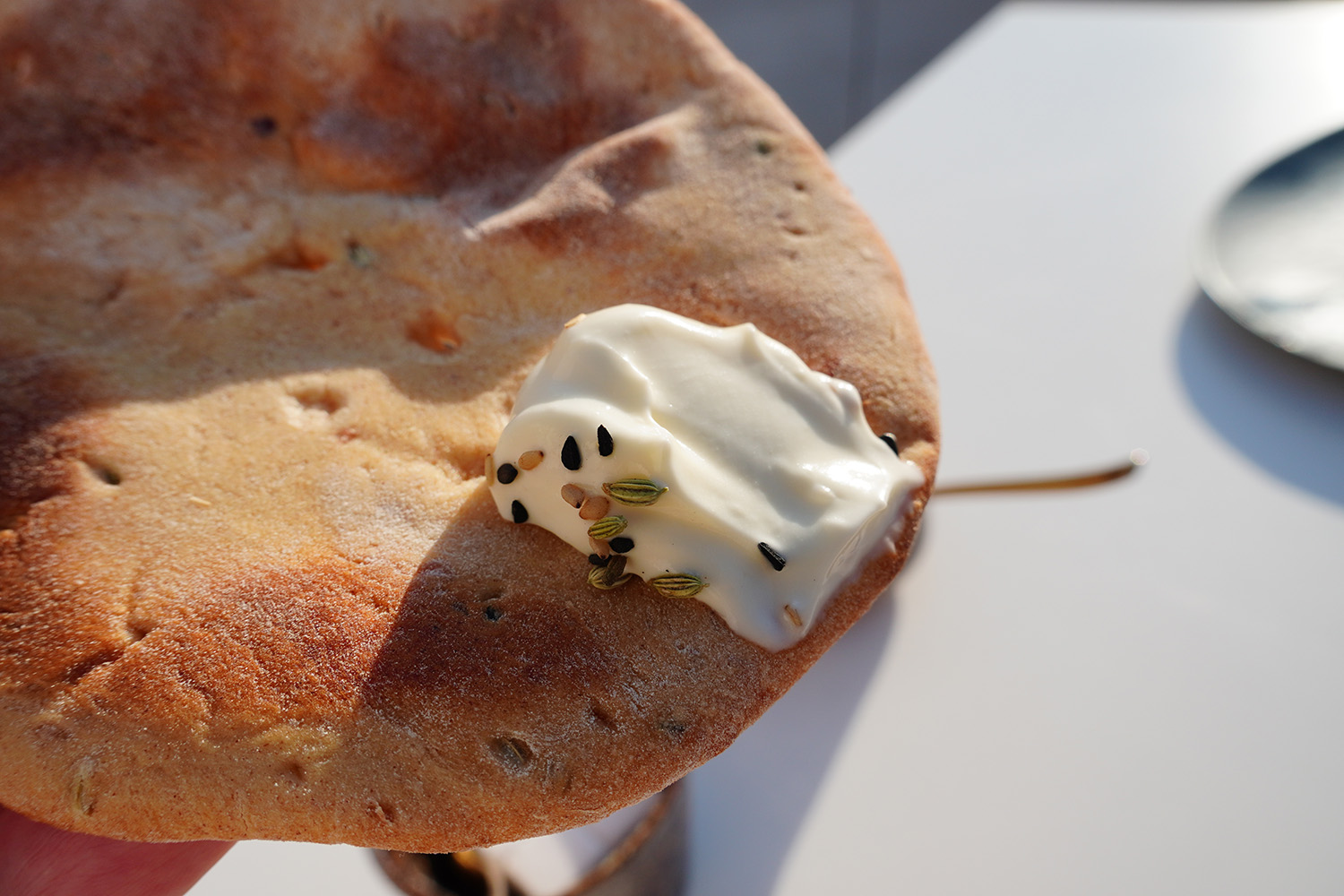
Bread was ordered first.
There is tradition which continues from antiquity for Saudi Arabian bread and. This "ARAMAFURU bread" is bread using fabric of a whole wheat flour, and a date is woven into fabric. Cheese of the goat carried here together is put and eaten. Bread is the fabric made rice cake rice cake, and the faint sweetness by the date is here. When I ate with cream cheese of a goat, it was exquisite and just then was the rich and elegant taste.
Surprisingly, this is 300 yen in should be surprised! IRTHRestaurant in Saudi Arabia house thinks the one which is reasonable prices overall is also a popular reason.
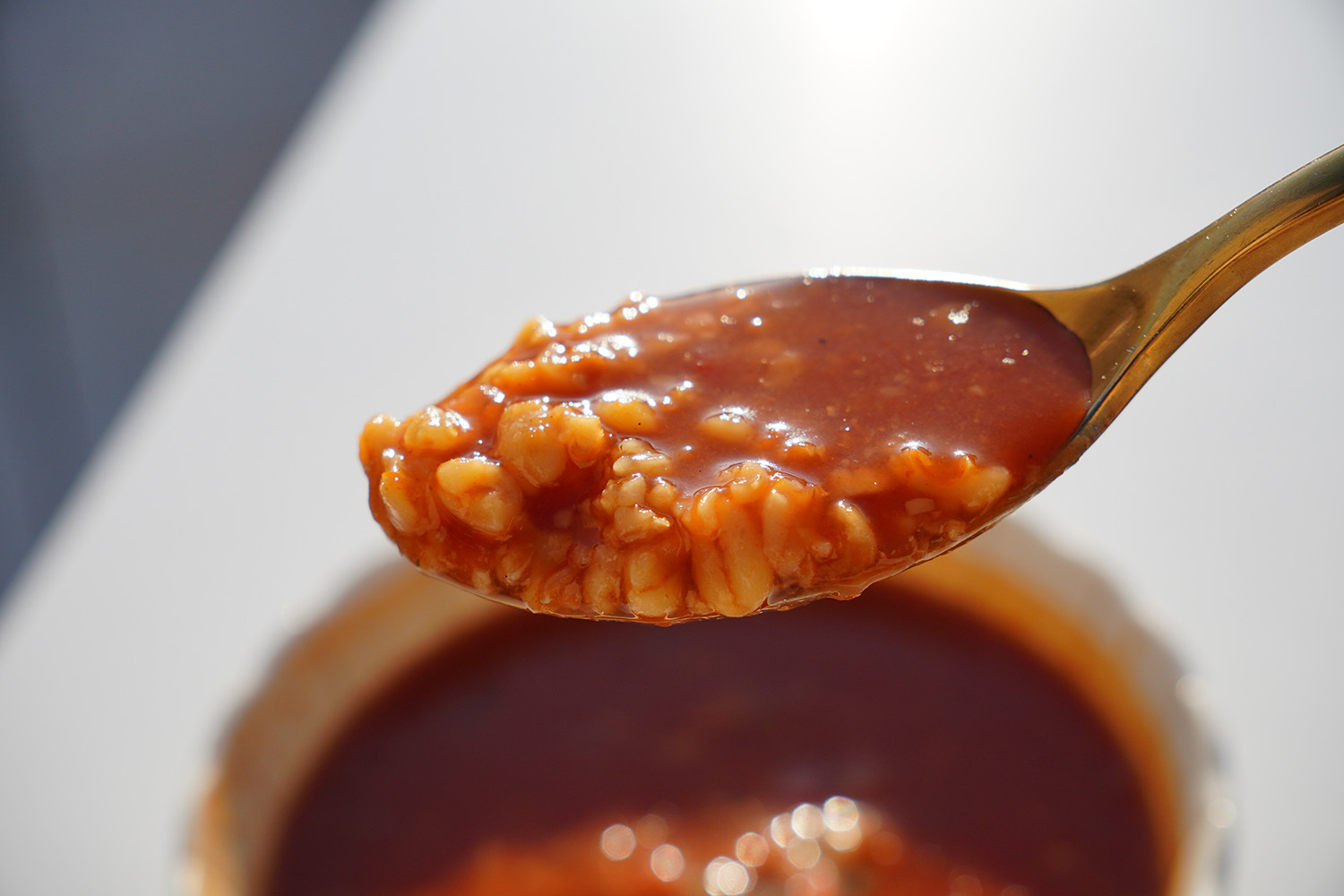
Next soup is ordered. This red soup is the one of the name as "HABBU soup" and is made by home from the old days as a traditional dish of mecca rural areas and.
What kind of place is mecca? Islam is the biggest sacred place and it's a city with long history, but I have not been there of course. I'll try soup from such mecca.
The fact first bite and the moth which taste HABBU soup felt the sour taste of the effective tomato was wide in the mouth coldly. The grain which is barley when the lower half part of the soup is rescued, fully. The sour taste of these barley and tomato seems to be a basis of HABBU soup. While eating, a spoon becomes, and is developed carelessly. And a fascinating one is that marrow of roast born Malot and the cow roasted it means that is in soup, and soup is rich.
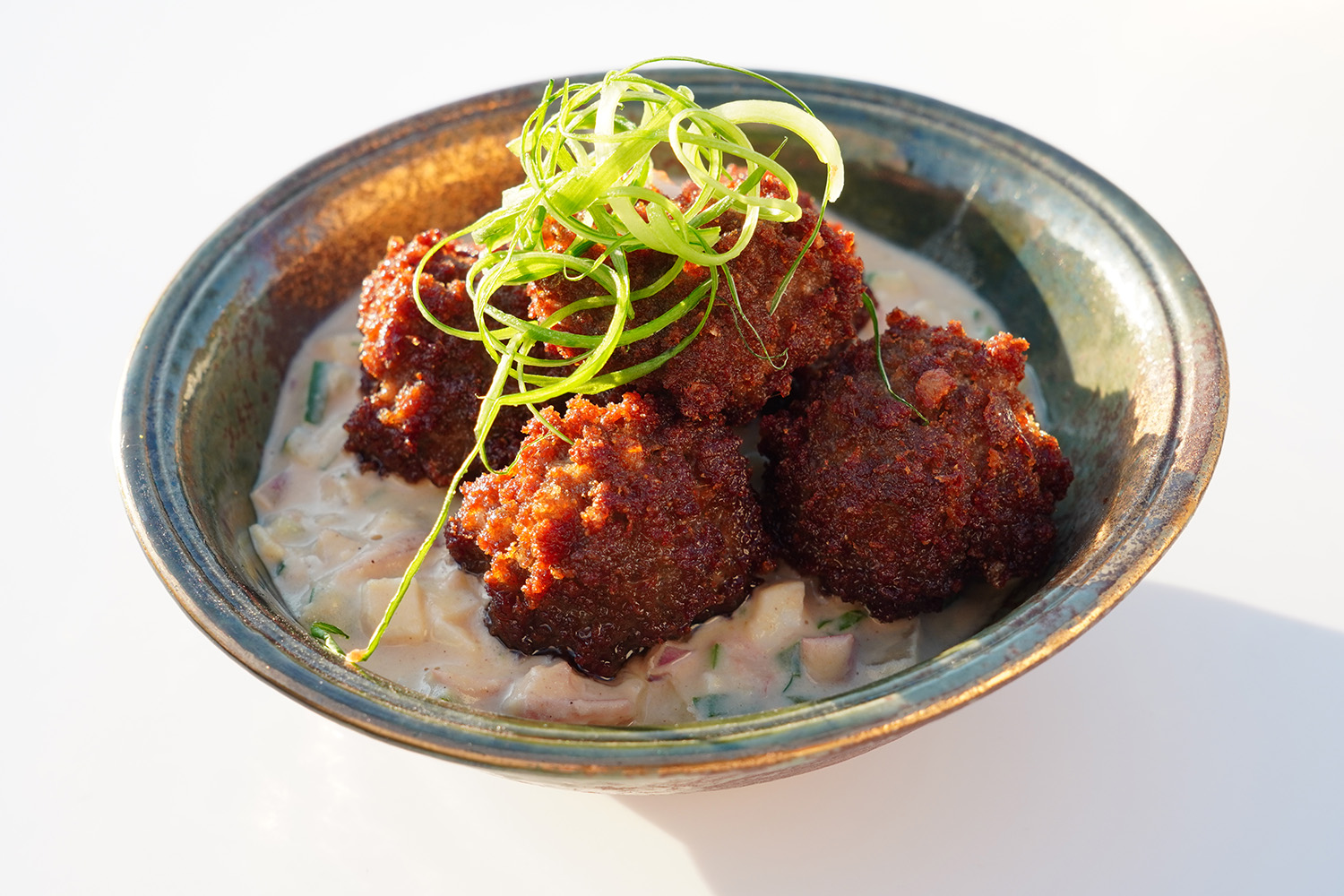
Next ordered one, this and "kebab Miro". It was written as a meatball, so if it was ordered, it was the one of the appearance like the small croquette with clothes.
While when it'll be said to be rib eye steak and it's tried, the contents do meat and are here fairly, and they're the mouth by the taste, weepingly, you delight the taste by which I have punch while breaking. It was the one like tartar sauce that it's in the bottom, but it wasn't acidic and was the existence which wraps the strong taste of the meatball in the mild taste.
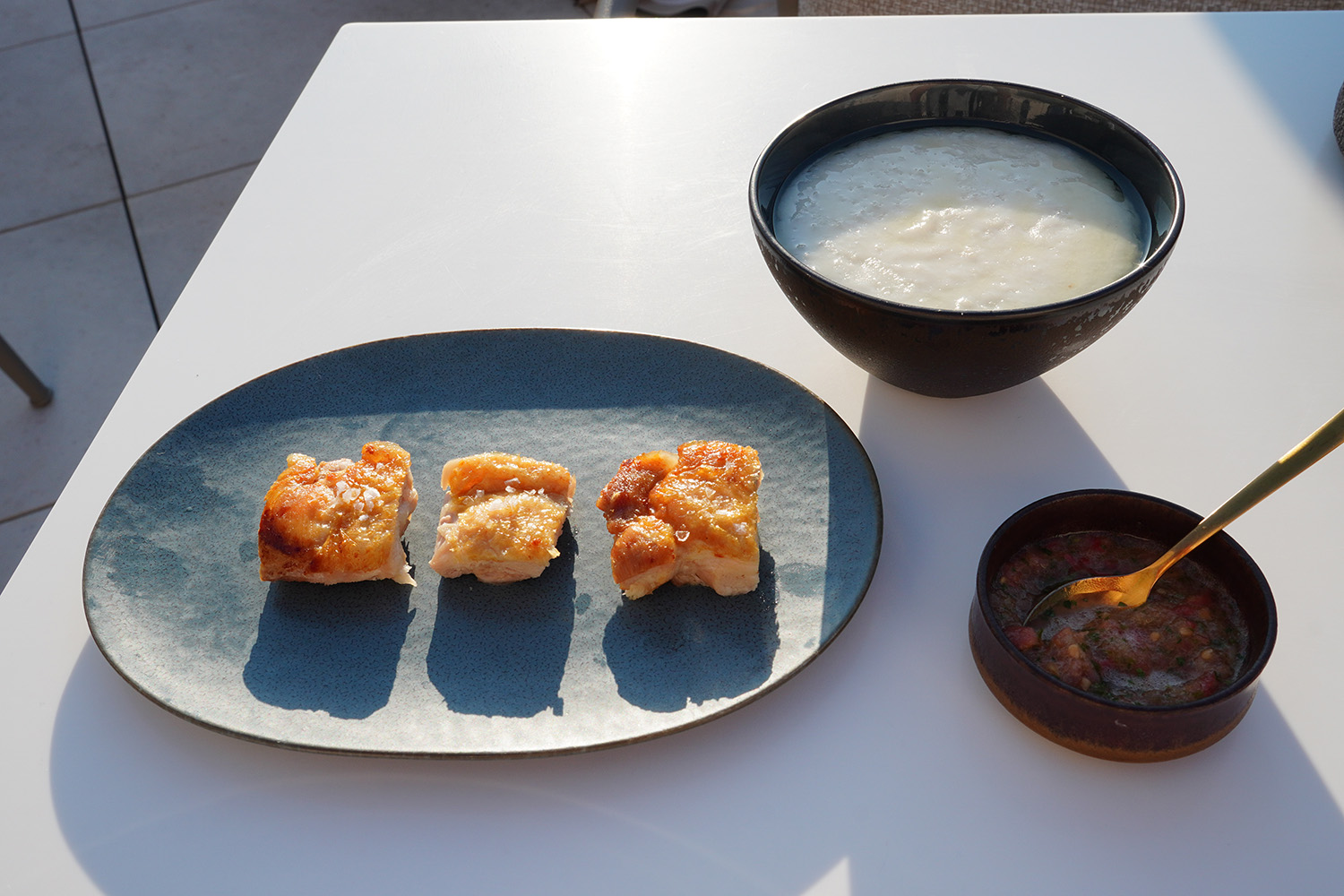
What shall I make Maine, the dish the one which was ordered at the end when I worried calls "chicken and SARIGU" here. It's a set of chicken and porridge and is also said to be a traditional dish of mecca here. Though it's a simple dish, it's exoticism perfection. The surfaces are potash and baked round, and chicken is being carried in the hot state. There were a pleasant botanical flavor as well as a sour taste which did a source damply when I put toppings, as "Guy" in the small bowl in that place.
And the porridge written with "creamy and pleasant rice dish" at the menu table. Japan and porridge of Chinese food were imagined, but I was surprised at a perfect exception. Surprisingly, creamy rice is flooded with oil by doze. That was my first time to have such porridge, but seasoning was often eaten until the end.
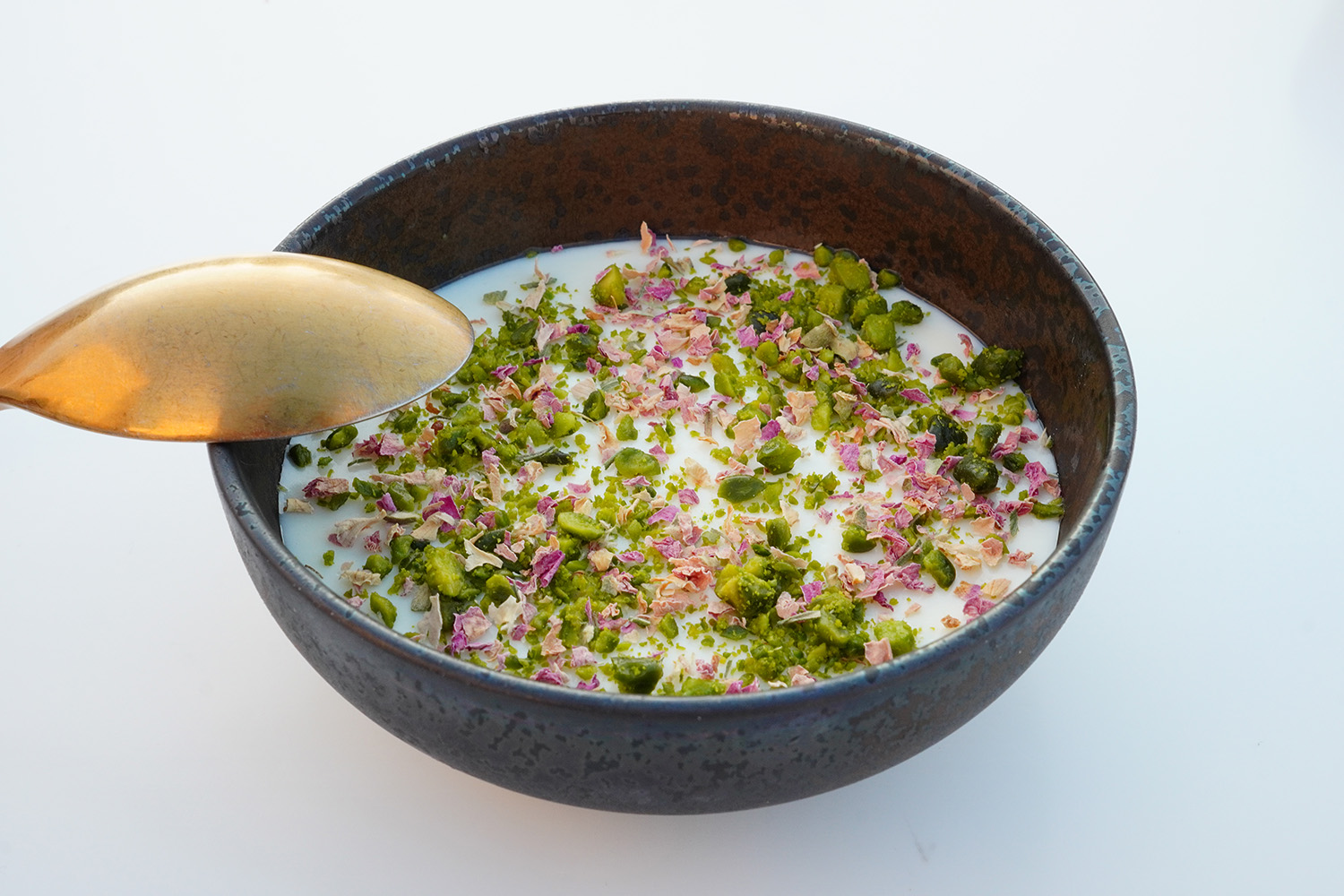
Enough pistachio is putting toppings on the milk pudding. It's said that it's a traditional dessert most famous for a dining table of Ramadan time frame according to the menu table.
It's thick, with toughness, an existence sense of milk could be tasted tightly for done pudding. The food texture and the flavor the pistachio on which you put toppings made crisp there were exotic and very good.
Popular Restaurant of an expo top class and IRTHRestaurant in Saudi Arabia house. Though there were polite hospitality and a luxury feeling, the dish by which a home is just as it is and the story comment could be enjoyed. The price is here with that, and also reasonable, and it's also consent that this becomes popular. The person who would like to enter have a fighting spirit and line up by all means, please! I'm satisfied surely.
Master of MICHIKU SA
Saudi Arabia is serious at all directions. The contents which start with the building which was made with the material sourced locally, and are a pavilion and Restaurant. There were no case that you took a heart to Saudi Arabia like this formerly and me.
[UAE house] a healthy and real EMIRATI dish, by a Lunchboxes style!
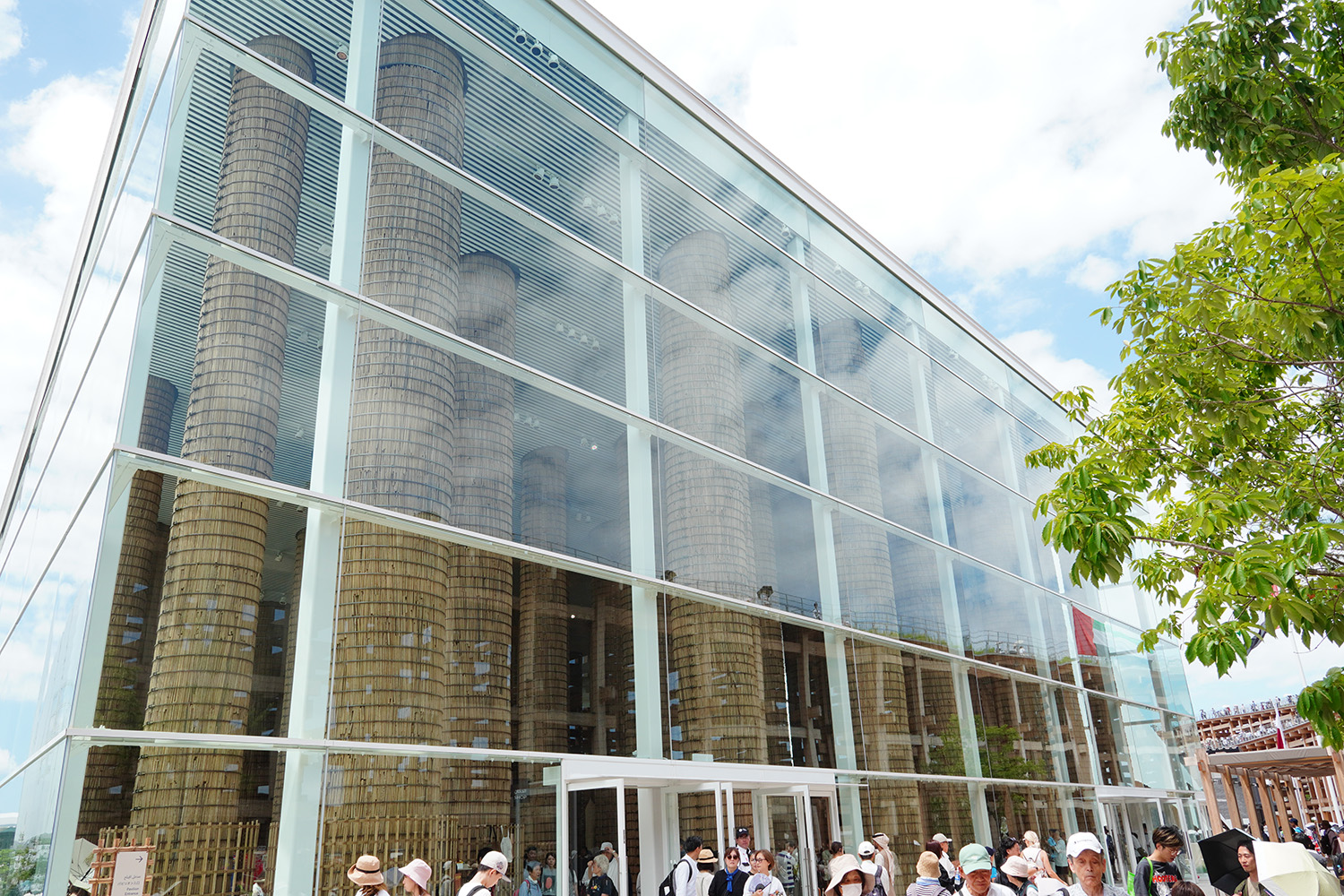
The UAE fact United Arab Emirates is a state which consists of 7 emirate, and a famous city called Dubai is also in it. Dubai is the town where SEREBU is collected from all over the world, but aren't there a lot of people who have dropped in by transit of the airplane which goes to Europe, either?
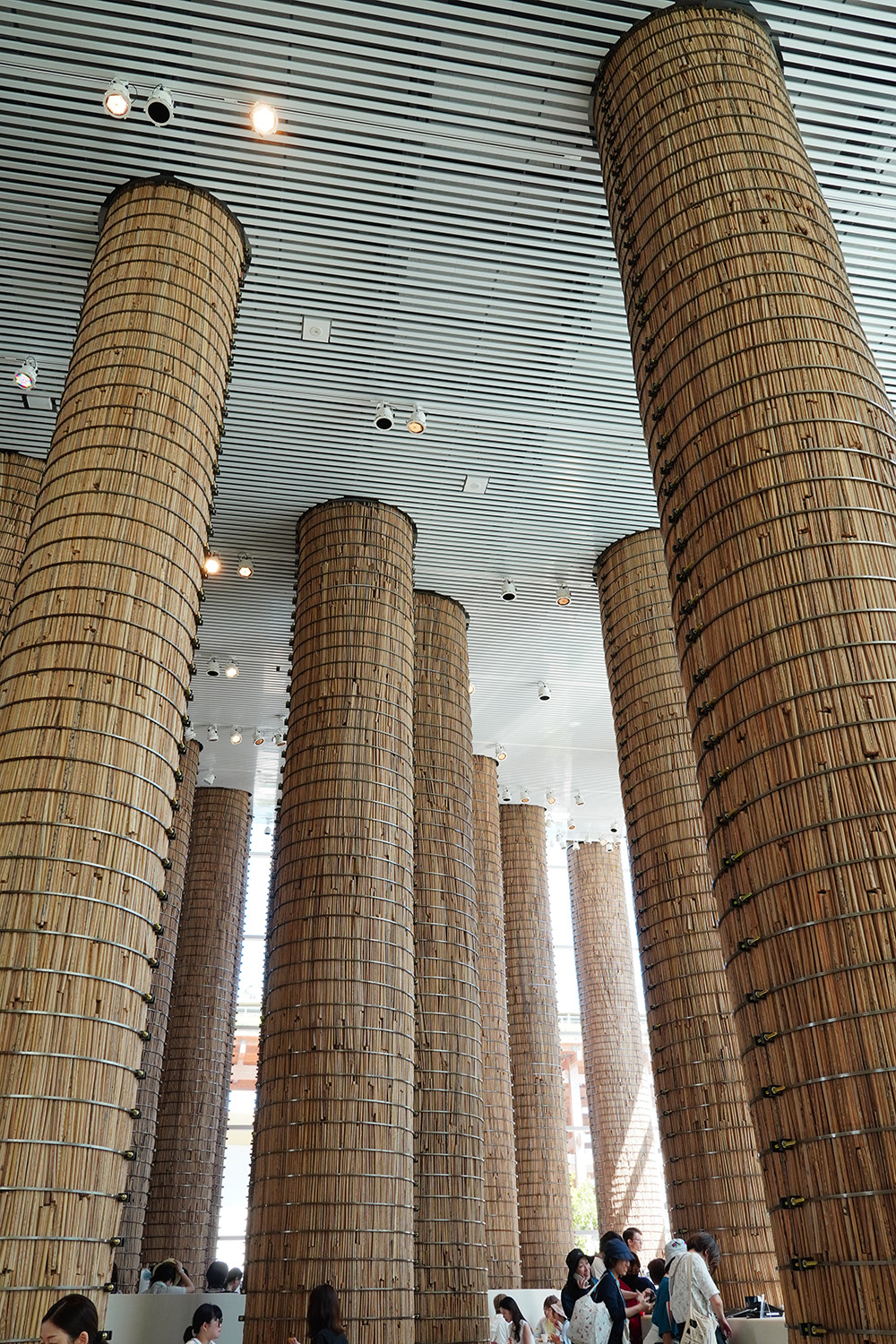
Of the huge pillar which develops to the expensive ceiling when I enter a UAE pavilion, it's overwhelmed variously. It's said that they got idea from the date which is the tree which symbolizes UAE, and this is the concept that I interpret a traditional EMIRATI (the meaning which is UAE) style of building "ARISHU" and make them create an oasis in the desert and.
The wide display contents can be enjoyed without reservation from tradition of UAE and culture to an innovative match of space reconnaissance, medical care and UAE in the field of continuation possibility. I entered Restaurant in such UAE house.
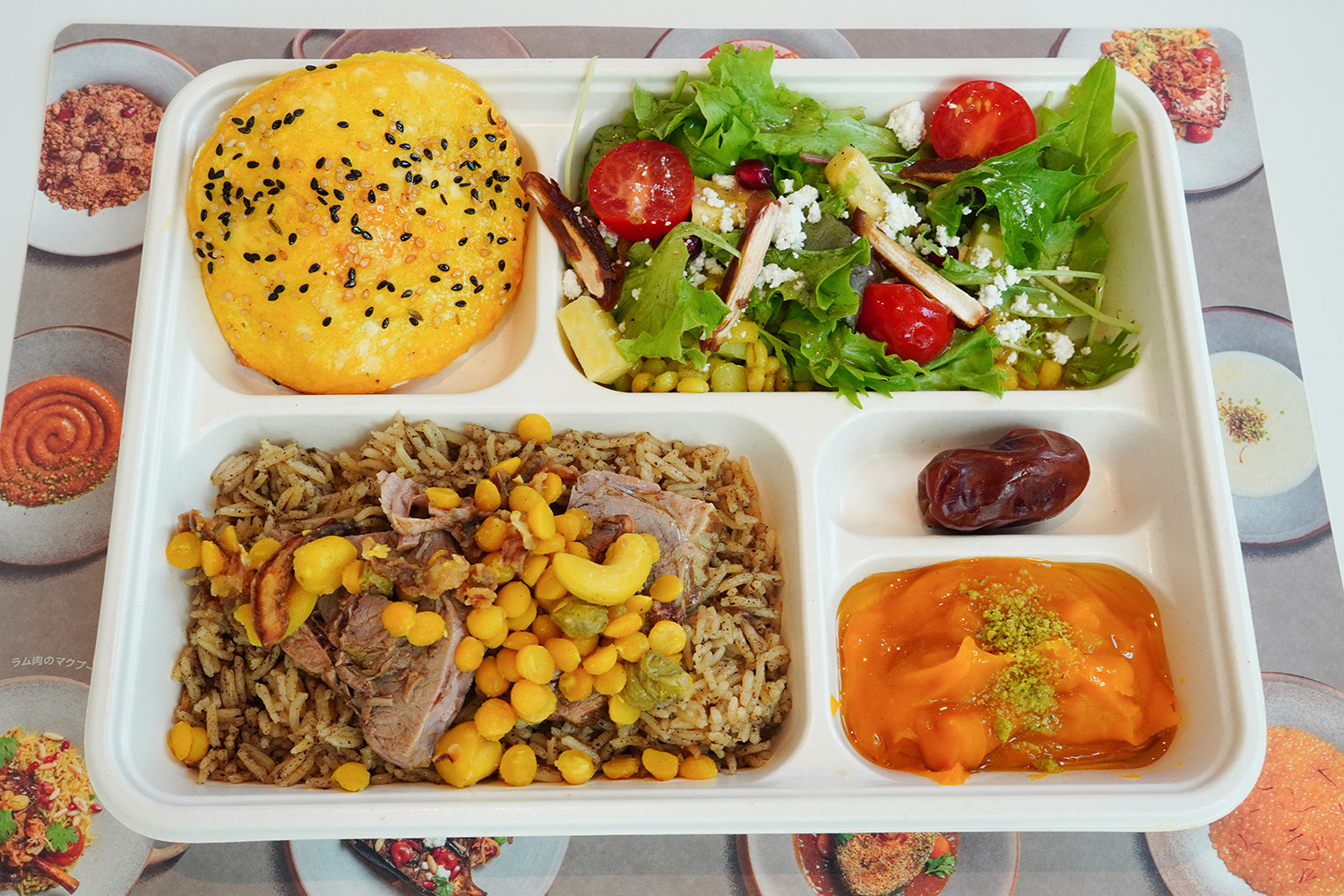
Restaurant in UAE house is an easy course menu takeout common to for here, and is offered by the Lunchboxes form called "Bento Box".
Bento Box ordered this time is here. Even if I say a course menu, 3-freedom which chooses from 4 kinds and combines is sale respectively for main salad and dessert.
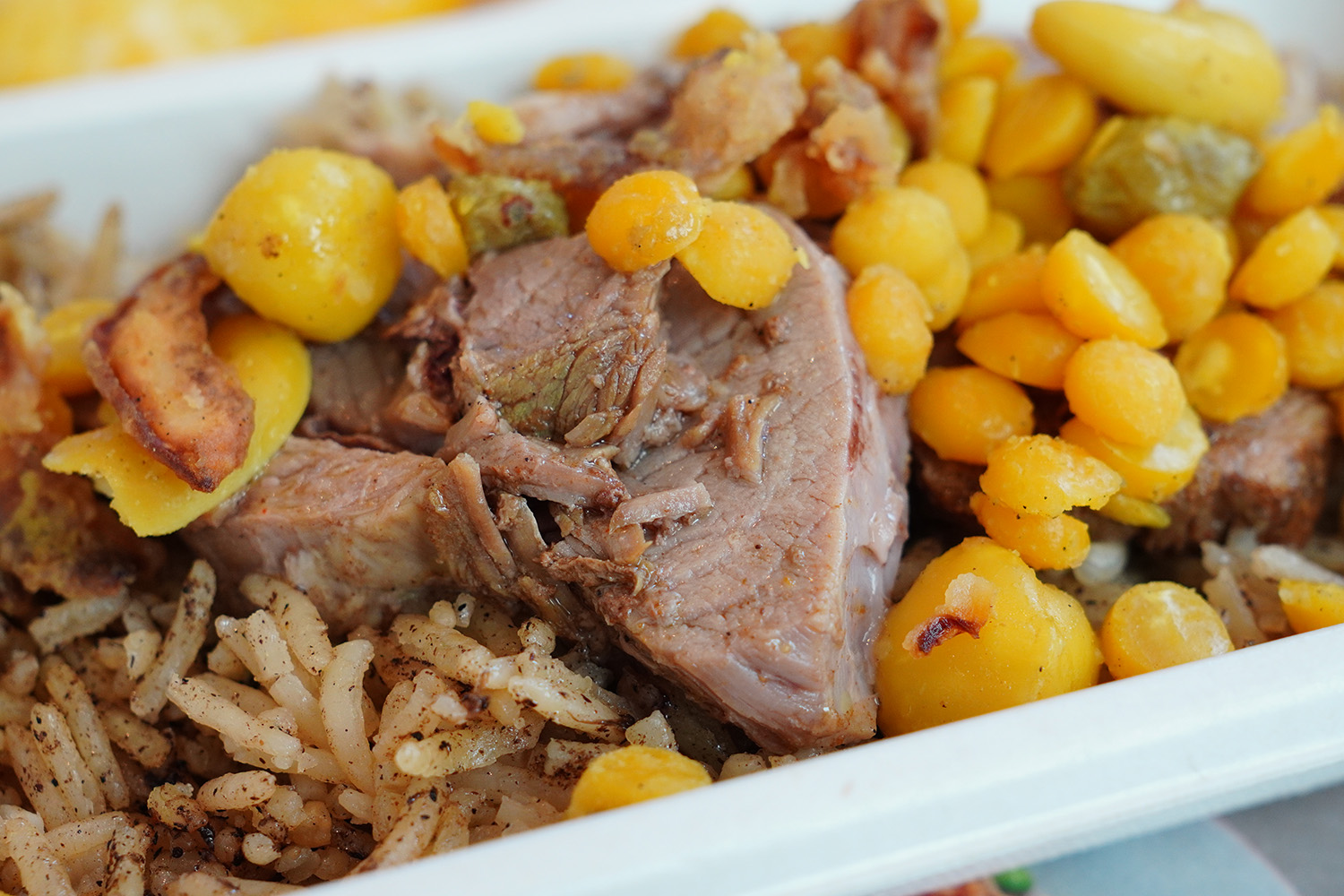
First, "Willis Eugene Lamb Jr. and Wu, the" vanity. Rice of seasoning with the effective sour taste is called "Emi lattice pie slice". When I generally say a spice, "hotly", and, it's the image to which I say "fascinatingly", but not the pain, but the fragrance and the peculiar flavor are the feature for Emi lattice pice.
And chick-pea, cashew nuts and lamb are putting toppings on the rice. This lamb is so soft that it becomes weepingly in the mouth.
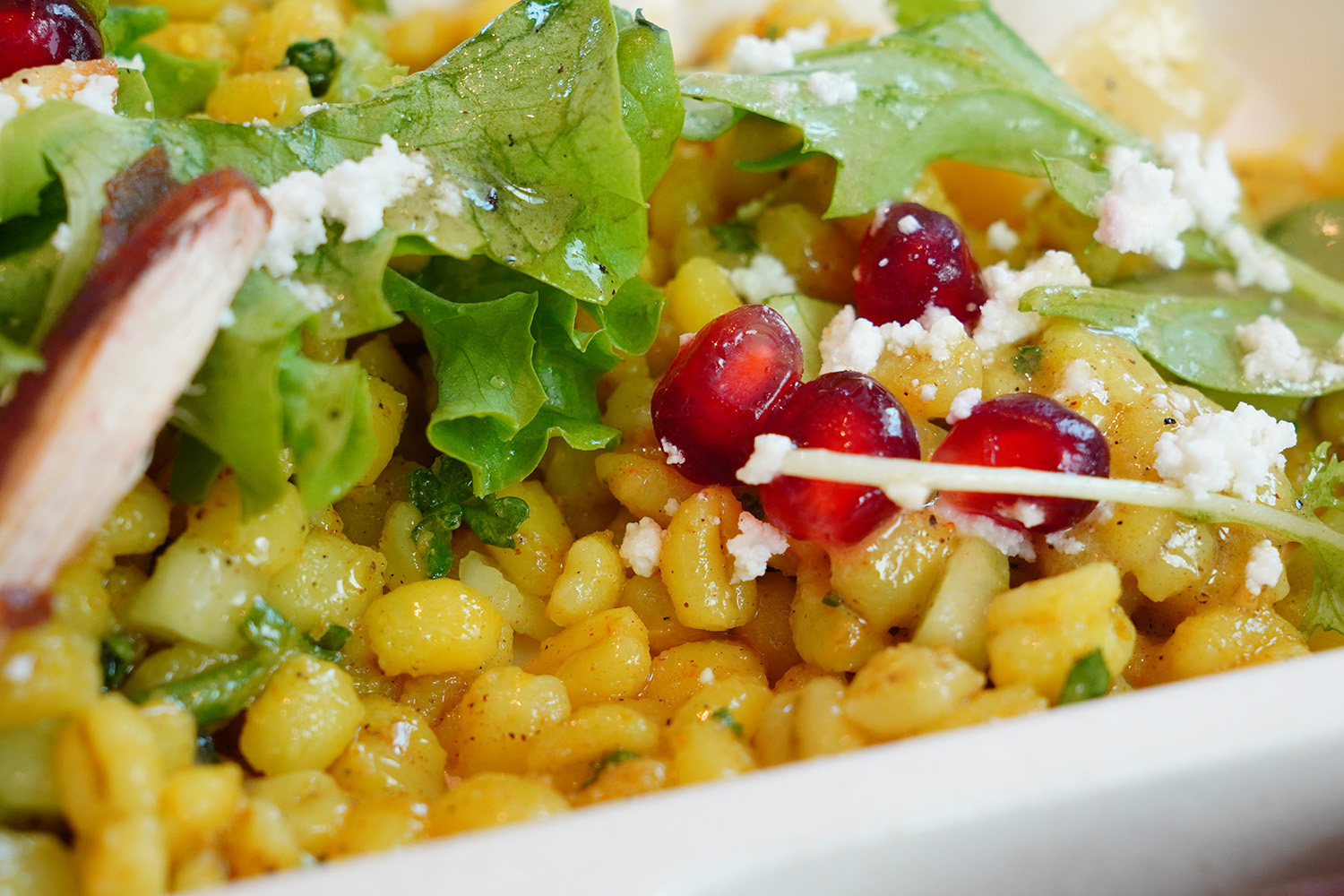
The one chosen for salad, "HARISU salad". The taste abundant in variety is mixed with mint, pomegranate and mini tomato focusing on the barley I entered much (in Arabic, HARISU). Barley became yellow and was cooked by Saffron crocus.
It's seasoned with dressing of olive oil there, and moreover cheese as charming cheese is putting toppings. It was said that it was traditional EMIRATICHIZU made with buttermilk with charming cheese, and there was a sour taste like the yogurt.
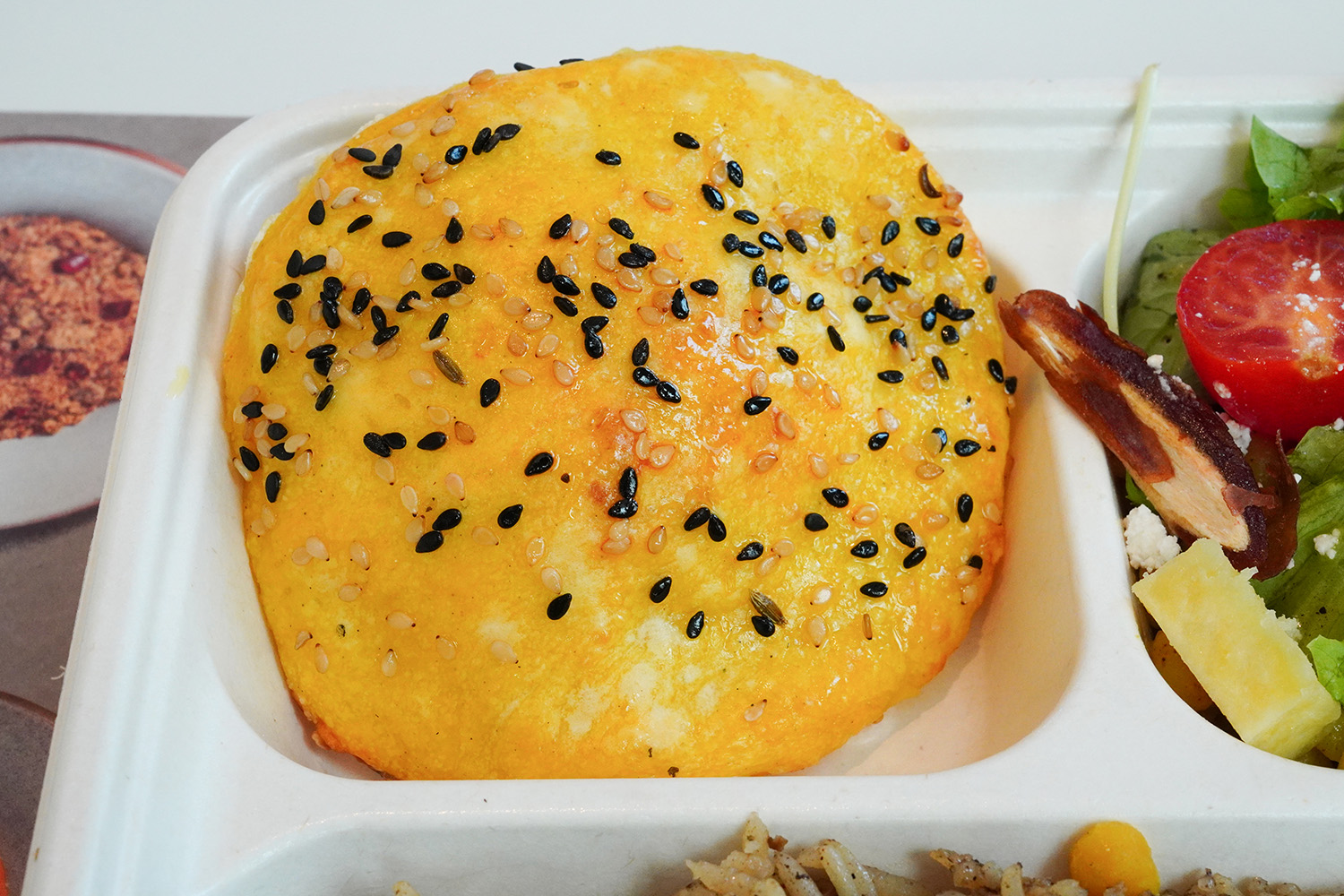
Bento Box also comes with bread. Something it's said that the bread is daily and bread on this day calls "Camille bread". With toughness, by the rather hard food texture, the inside is a hollow. The impression which looks like a rice cake snack rather than bread.
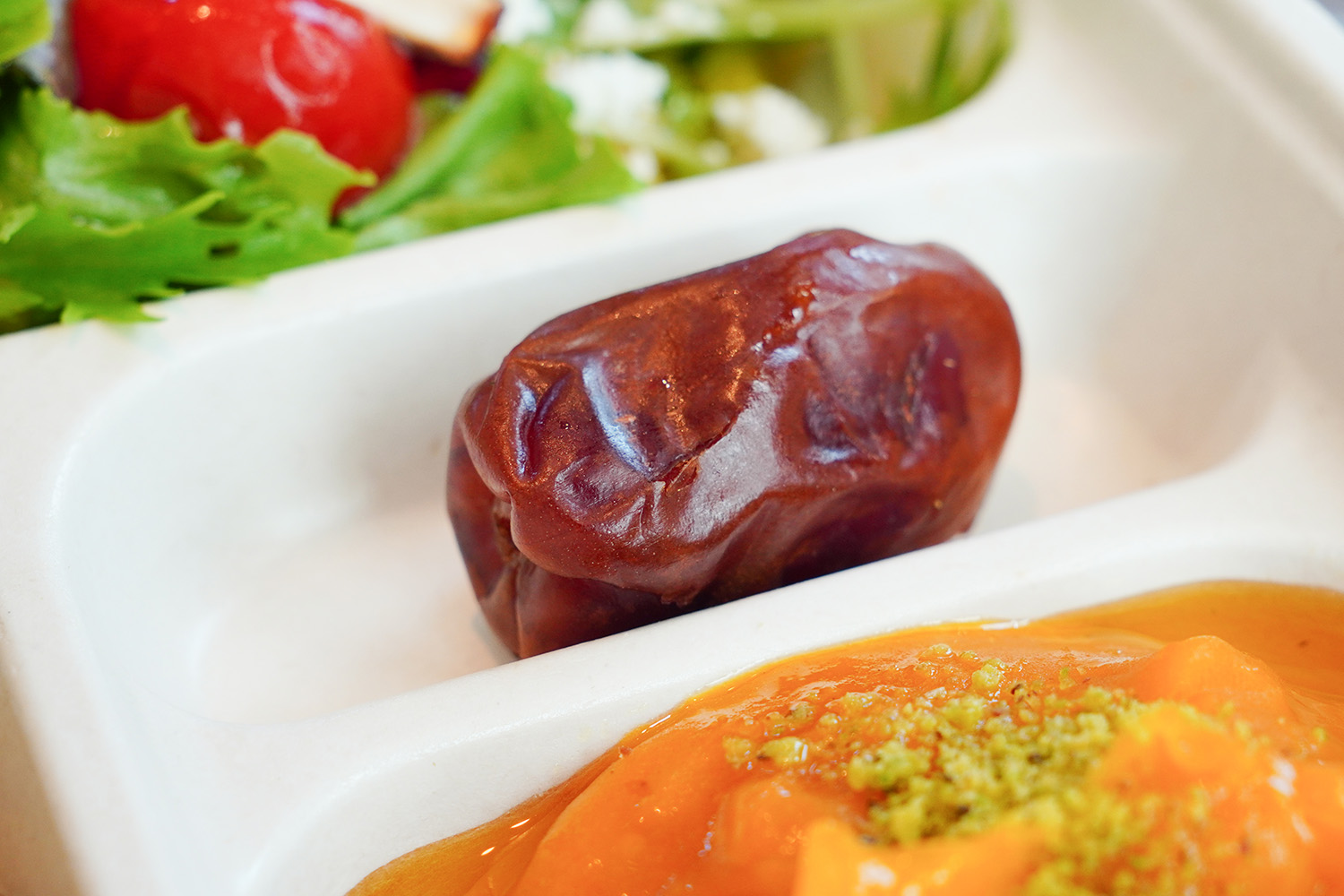
I meet a date so that you may say that it be sure at Restaurant and a cafe by a pavilion of the Middle East course. A fruit with the sweetness like the adzuki beans. Have you just said the eating role in this Bento Box?
I line up for here and takeout at the outside Restaurant entrance, but if I'd like to eat early, I'd like to eat in the takeout and that space, Restaurant recommends for here. UAE house is one of the overseas pavilion put in without reservation, and wide and open space and 90 pillars I dominate are a mark. And ancestor's state display of UAE is also steady, and the impression is also BATCHIRI.
It's also charm in UAE house that a dialogue with Youth Ambassador where I'm playing an active part as a storyteller of a pavilion can be enjoyed. There are a lot of guests who visit a pavilion many times, too and, to meet them. It's the warm space I can sigh of relief, isn't it?
Master of MICHIKU SA
UAE house where a real EMIRATI dish can be enjoyed by an easy Bento Box style. It was the EMIRATI dish which has no acquaintances easily, but it was the seasoning which made the sour taste the center and was quite healthy impression.
[Kuwait house] a spice of fascination smells! A Kuwaiti dish, easily.
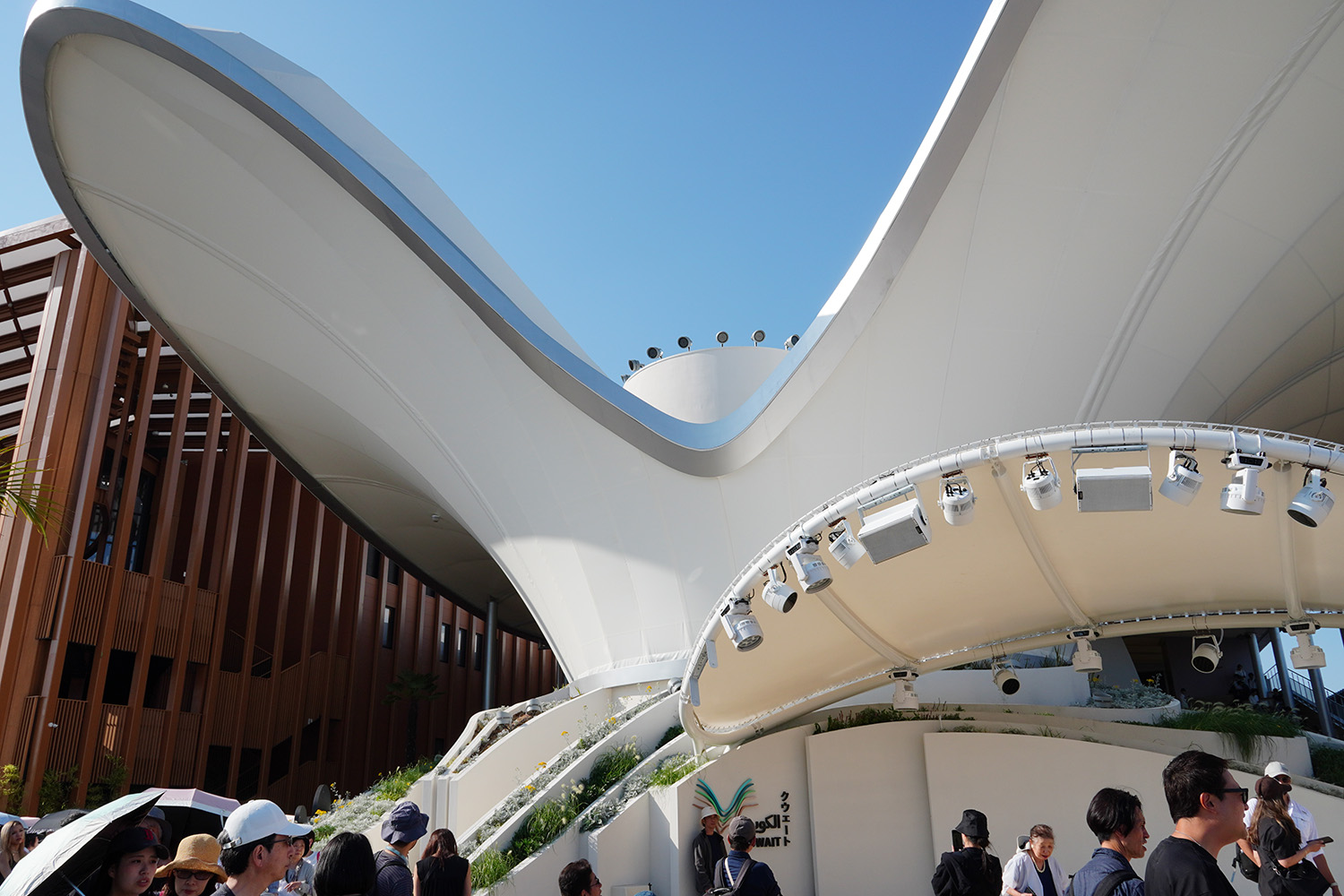
Country facing the Persian Gulf and Kuwait. A person beyond forties may remember the Gulf War in 1990. A Kuwaiti relation aided a large amount at the Great East Japan Earthquake very often with Japan. Kuwait house also has high attention, and a long queue is made like every day. Then I'll enter.
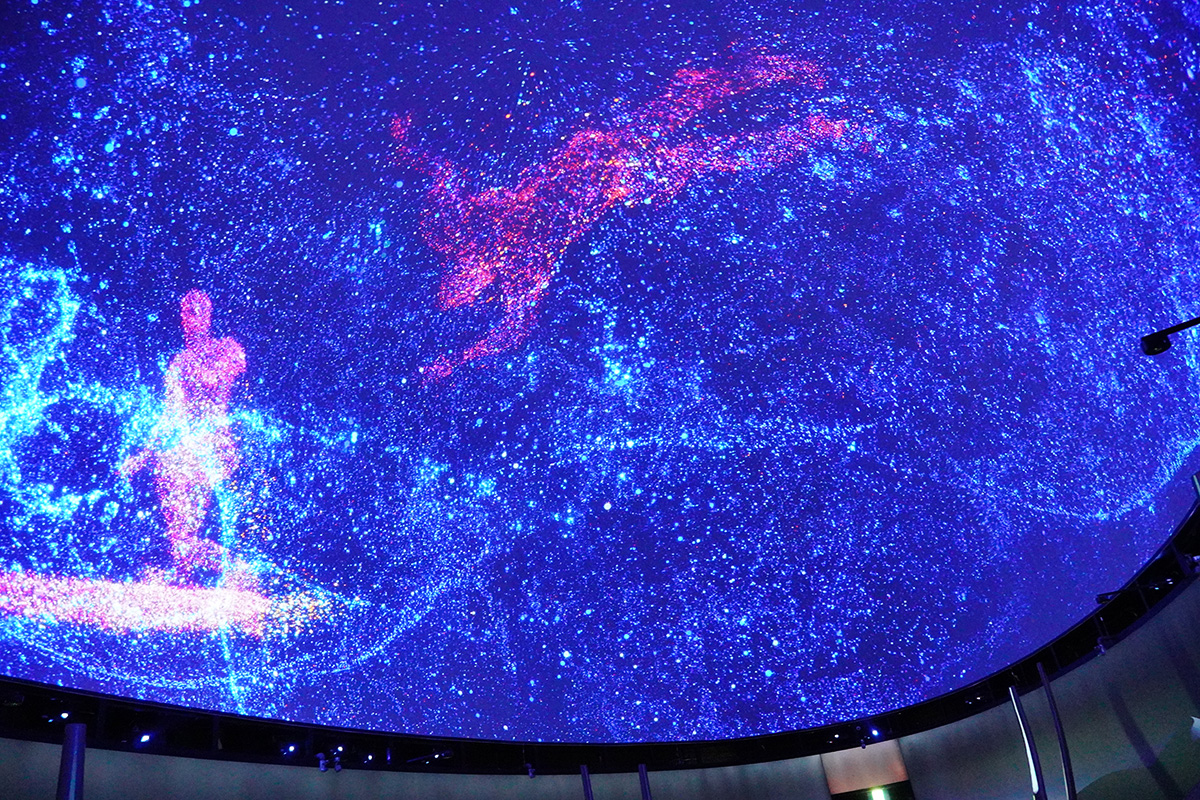
Kuwait house is the make filled in service spirit. Even the present Kuwaiti image and the future form are exhibited tightly from Kuwaiti history introduction. There are also a section which touches sand in the desert carried from Kuwait and a rest section with a luxurious atmosphere.
A wondrous picture is appreciated by the high definition reflected in the ceiling screen of a huge ellipse while sitting down so that the one which are highlights may lie idle in a comfortable sofa at Maine Theater.
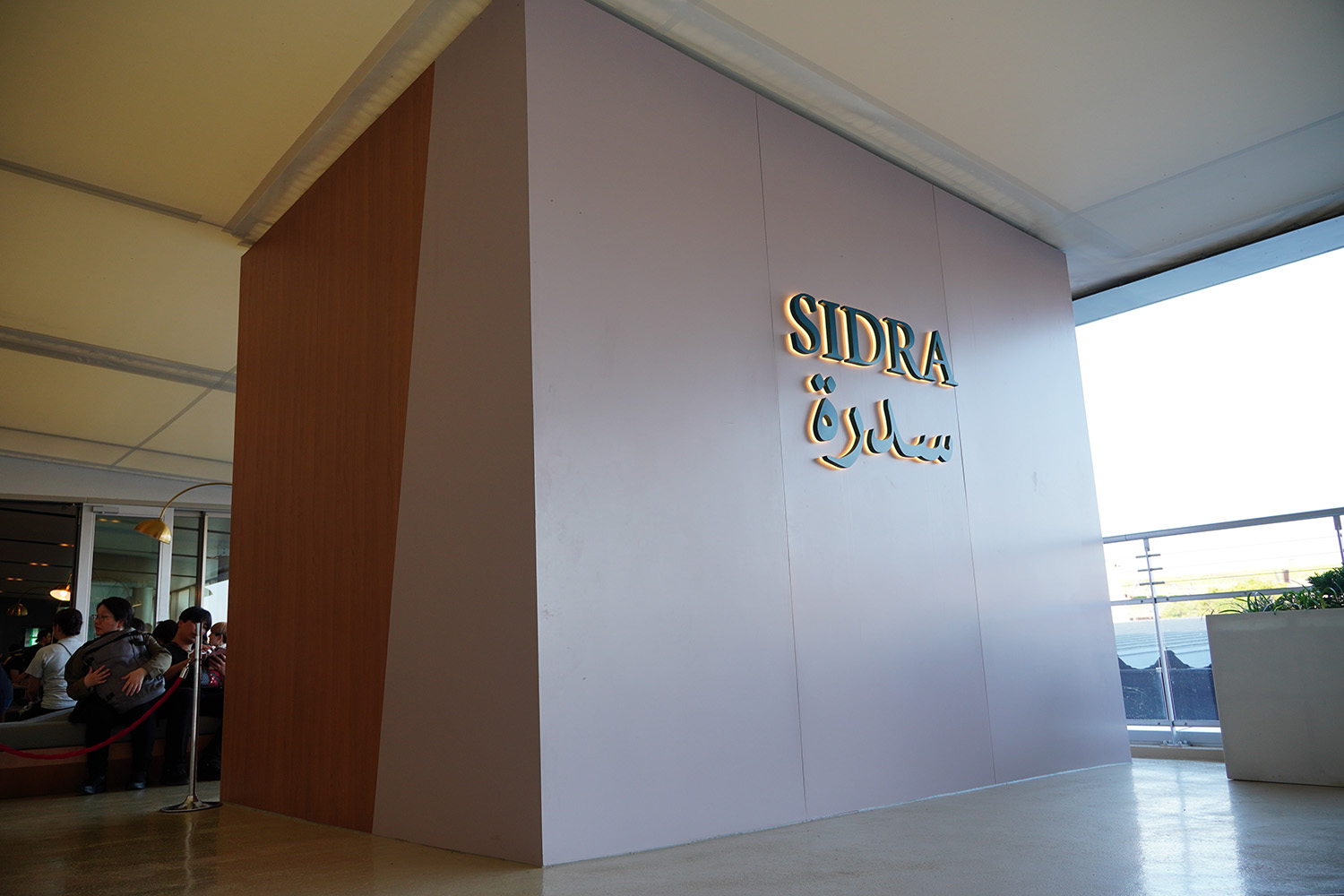
Restaurant is also established attached to Kuwait house. When I go up stairs different from an entrance of the pavilion, it's on the 2nd floor. When I went, it was possible to enter the store in the waiting time of about 10 minutes.
First, from a drink. There was no alcohol like the other Middle East system pavilion, but "Kuwaiti lemonade" "Yuzu citrus date air conditioner" enriched a drink menu for wooden Tell (non-alcoholic cocktail). "Kuwaiti lemonade" is ordered this time!
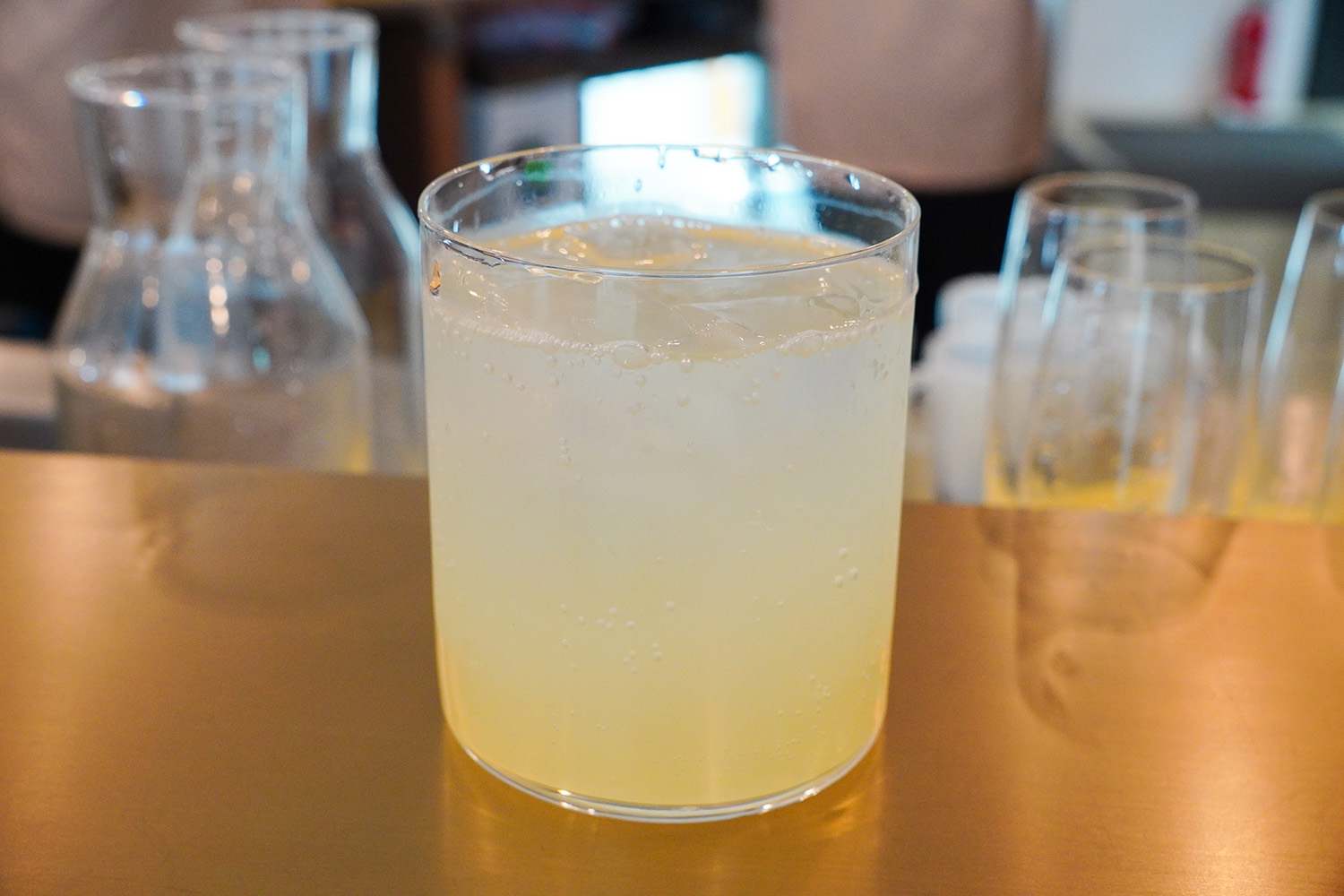
The Kuwaiti lemonade with the refreshing fragrance of the mint. When it's put in the mouth by feeling such as the adult lemonade with moderate sweetness, it's wrapped in a cool sense. It's loved in the heat of Kuwait, it'll be how to drink. SIDRA can order a drink with food by the a la carte form. There aren't a lot of kinds of menus so much, it's just described drily in English which menu is what, so it's a little difficult to understand.
"CHIKINMAKUBUSU" is ordered this time!
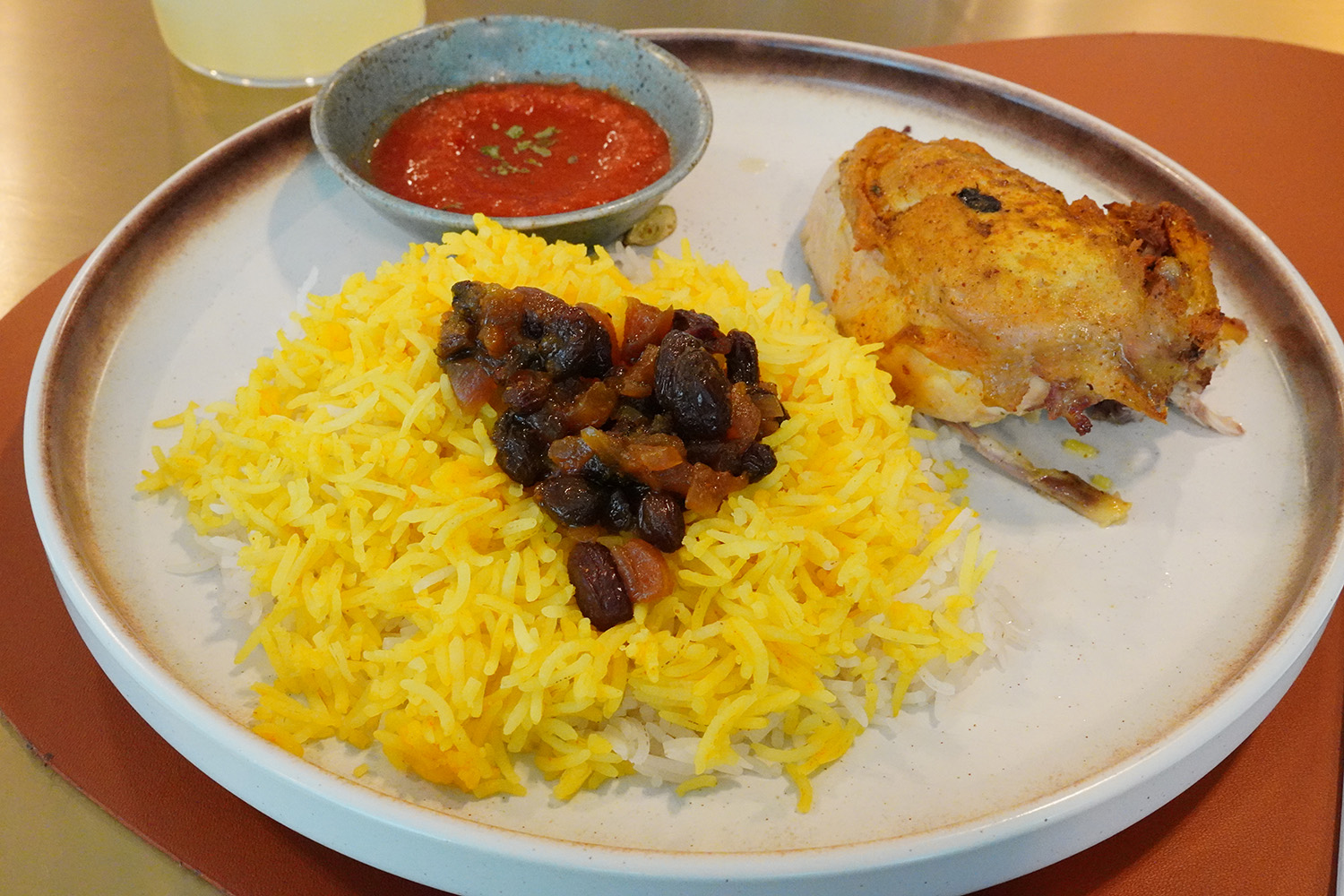
The plate which has done and has been carried for a while, this and "CHIKINMAKUBUSU". MAKUBUSU is a dish with meat and fish on the rice boiled by a spice and is traditional home cooking by Arab various countries and.
On the plate, in saffron rice, fried chicken. The good fragrance of the spice is floating. Something effective of the sour taste which called a red source "DAKUSU" and was made with tomato and garlic. I put it on the chicken and the rice and eat. Chicken is with a bone and is an orthodox fried chicken. It isn't the different taste in particular, so everyone would be eaten. When saffron rice is eaten with the raisins which appeared in the top, the exotic taste can be enjoyed. Even if DAKUSU is bet and eaten, it's also good here.
The Kuwaiti dish which has no acquaintances. Anyway with not preliminary inspecting at all, I went to Restaurant, but there was little information on the menu table and Staff/staff member which explains the contents of a dish in Japanese wasn't also here, so it was rare Experience as if I went to Kuwaiti site Restaurant.
Master of MICHIKU SA
Everything is simple and the dish eaten in Restaurant in Kuwait house will be the home cooking a Kuwaiti person is eating daily. The seasoning is also gentle, so please try it once by all means.
-The coffee volume of the Middle East-
Now, I'll introduce 2 pavilions which can have coffee from Middle East from here. First, from Jordan house.
[Jordan house] it's Jordanian coffee by a popular pavilion of an expo top class.
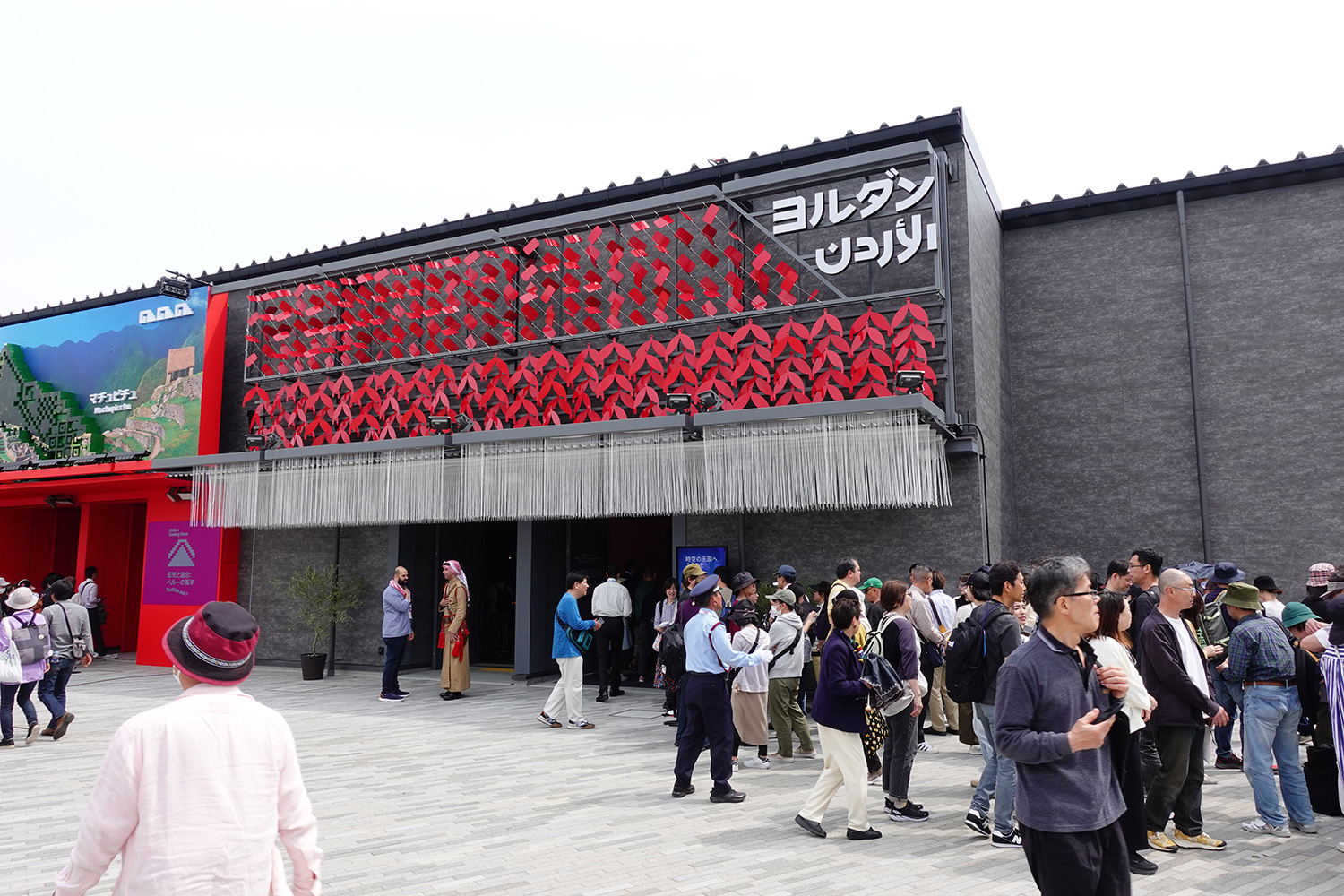

The pavilion I like for this expos most is Jordan house. 22 tons of sand in a desert is also brought to a Expo site from Jordan and a desert is reproduced in the pavilion. And 360 times of dome screen and desert Experience which mixed were flooding incredible presence.
"When avoiding, take off shoes and socks, and please have barefoot,-"
Is it about here and an expo sauna "bud in the sun" to become barefooted at a Expo site? Sand was chilly and was a very pleasant feel.
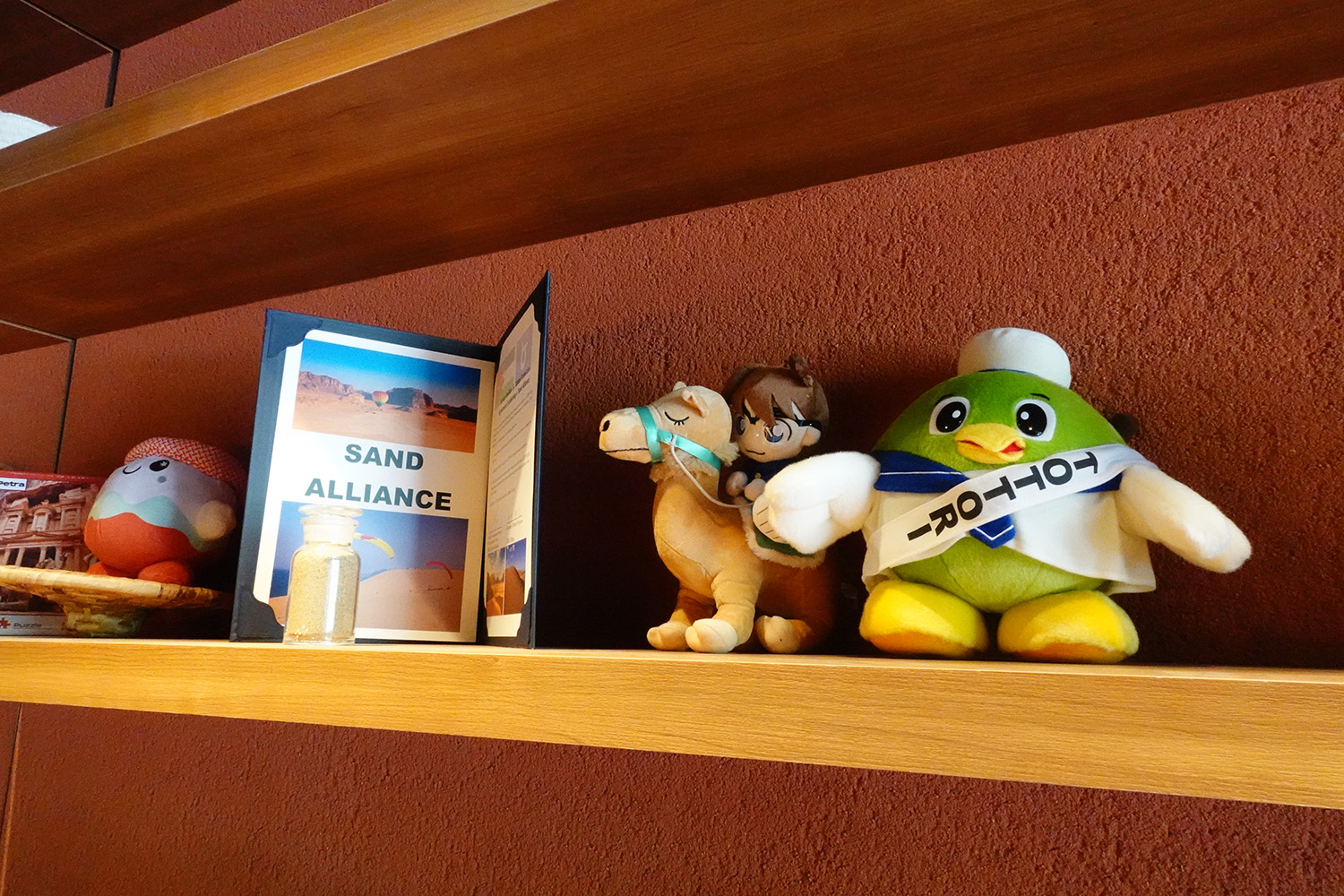
When saying sand, I had another. 7 tons of sand in Tottori-sakyu is carried and inserted at Tottori house in Kansai pavilion. Sand in a sand dune, once, Experience, would, when, Tottori pavilion is very popular in Kansai pavilion. By such "sand connection", Jordan house and Tottori house, it's said that they concluded "sandwich alliance ". HOKKORI.
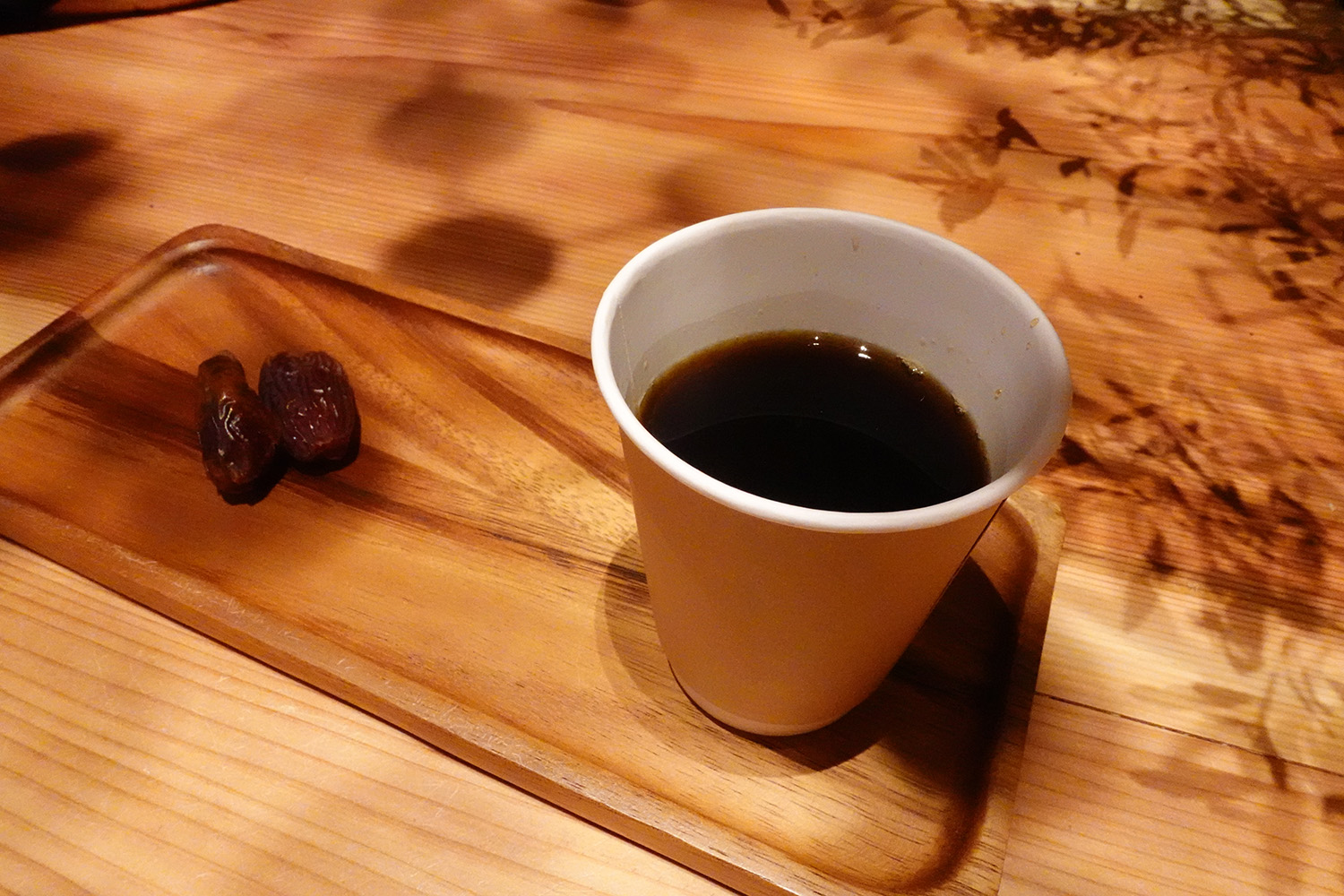
There is a cafe in such Jordan house. "Jordanian coffee" is ordered here!
It's said to be "traditional offal Vic coffee by which a cardamom smells" with Jordanian coffee. When it'll be ordinary black coffee and I drink, the quiet bitter peculiar taste which isn't only the taste of the coffee beans is doing from later. This is the flavor of the cardamom, isn't it? It's quite thick black coffee, but superficially, the date added together neutralizes bitterness of the black coffee.
An expo has many caves and coffee stands, but a cafe in Jordan house is my recommendation.
Master of MICHIKU SA
I have a stairs-like seat in a cafe and cut it with for here, when I was drinking Jordan cafe and was seeing Mr. cool Staff/staff member of Jordanian formal attire while listening to BGM in Jordan house, that place was Jordan perfectly.
[Omani house] after seeing a pavilion, it's a terrace, coffee time!
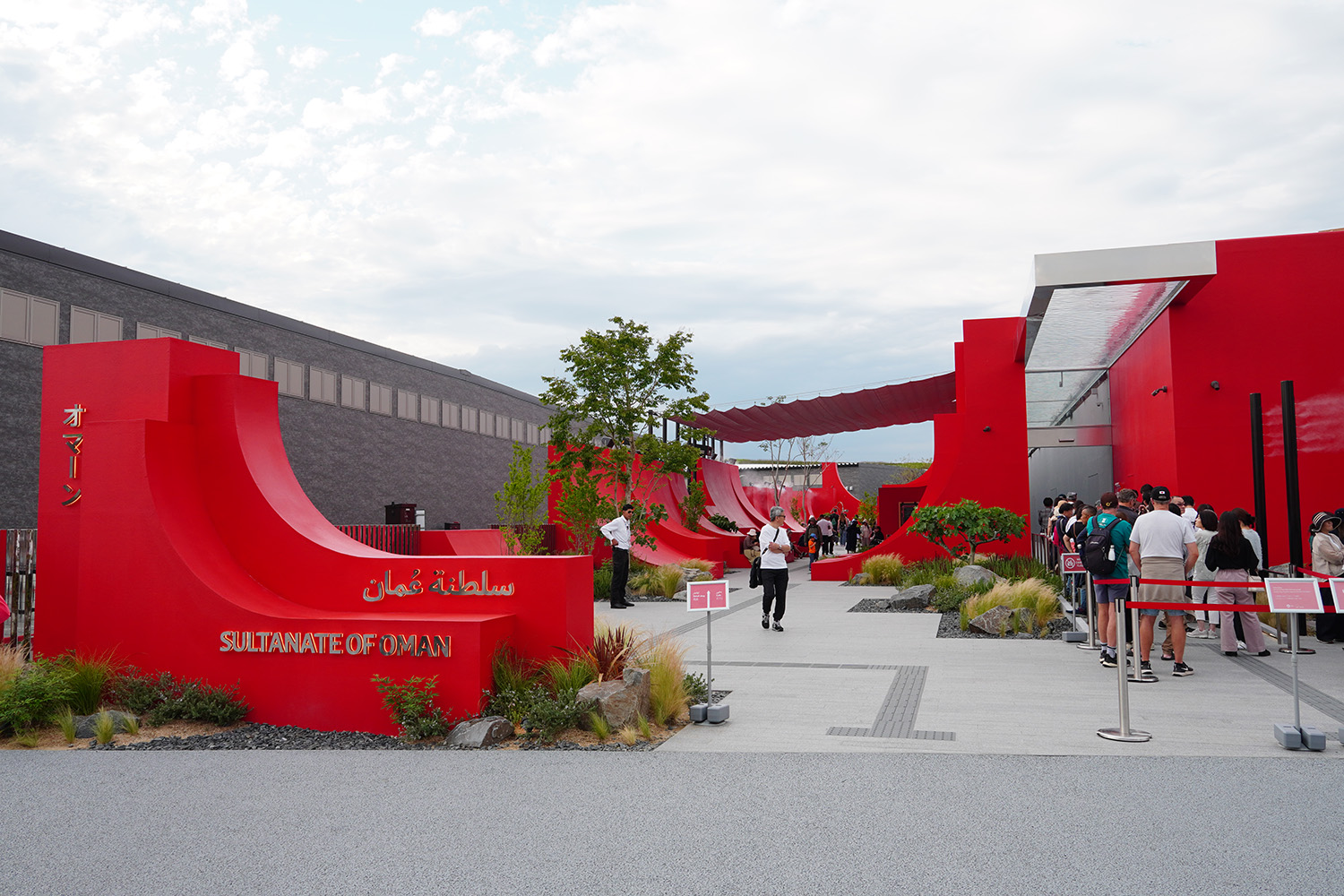
It's an Omani house to introduce at the end. It's a country which equals Yemen at the south of the Arabian Peninsula, isn't it?
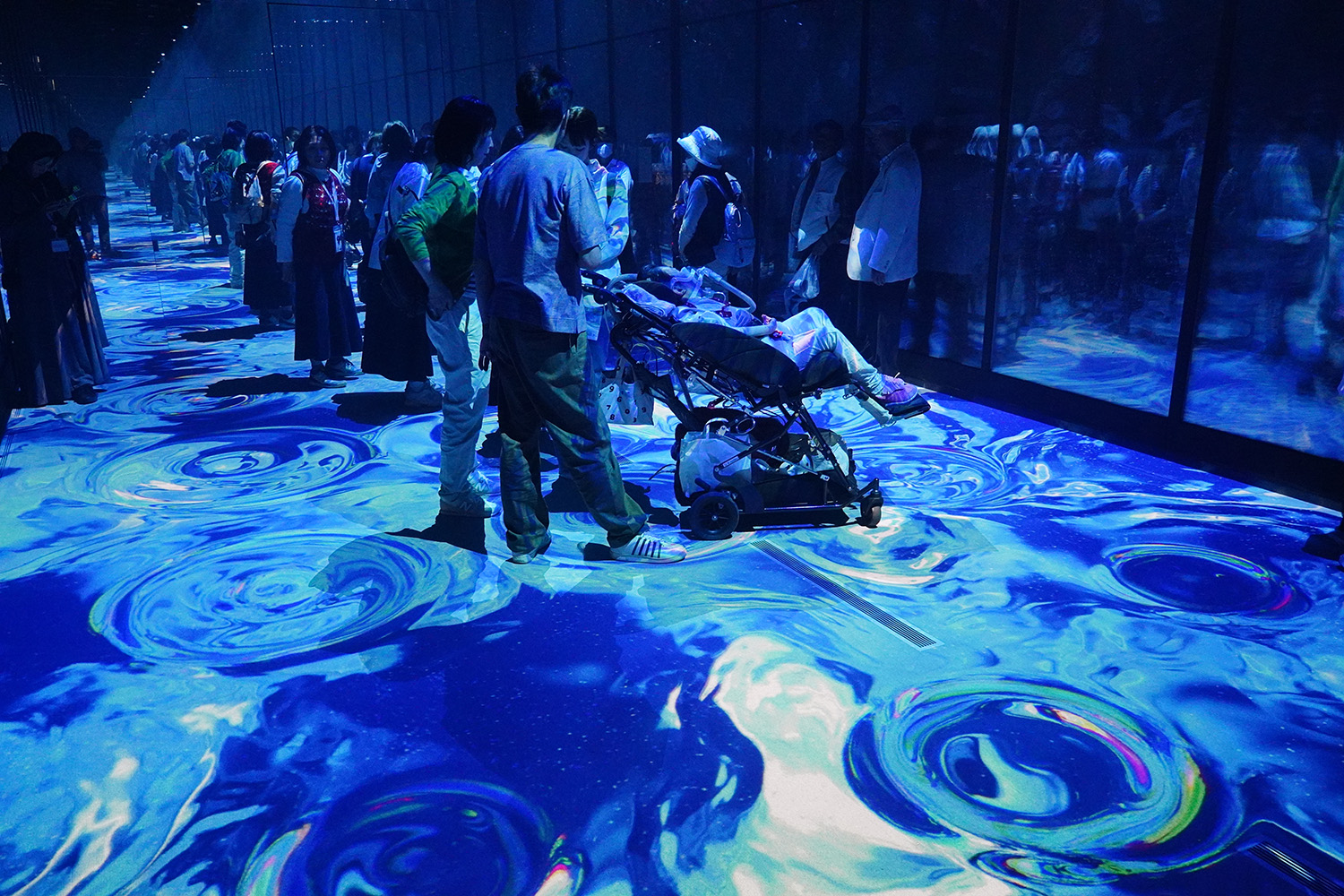
A picture water is valuable Oman and how is water used in the people's work, and whether Bunka has been brought up is appreciated. The picture is very fantastic, beautiful and worth a glance.
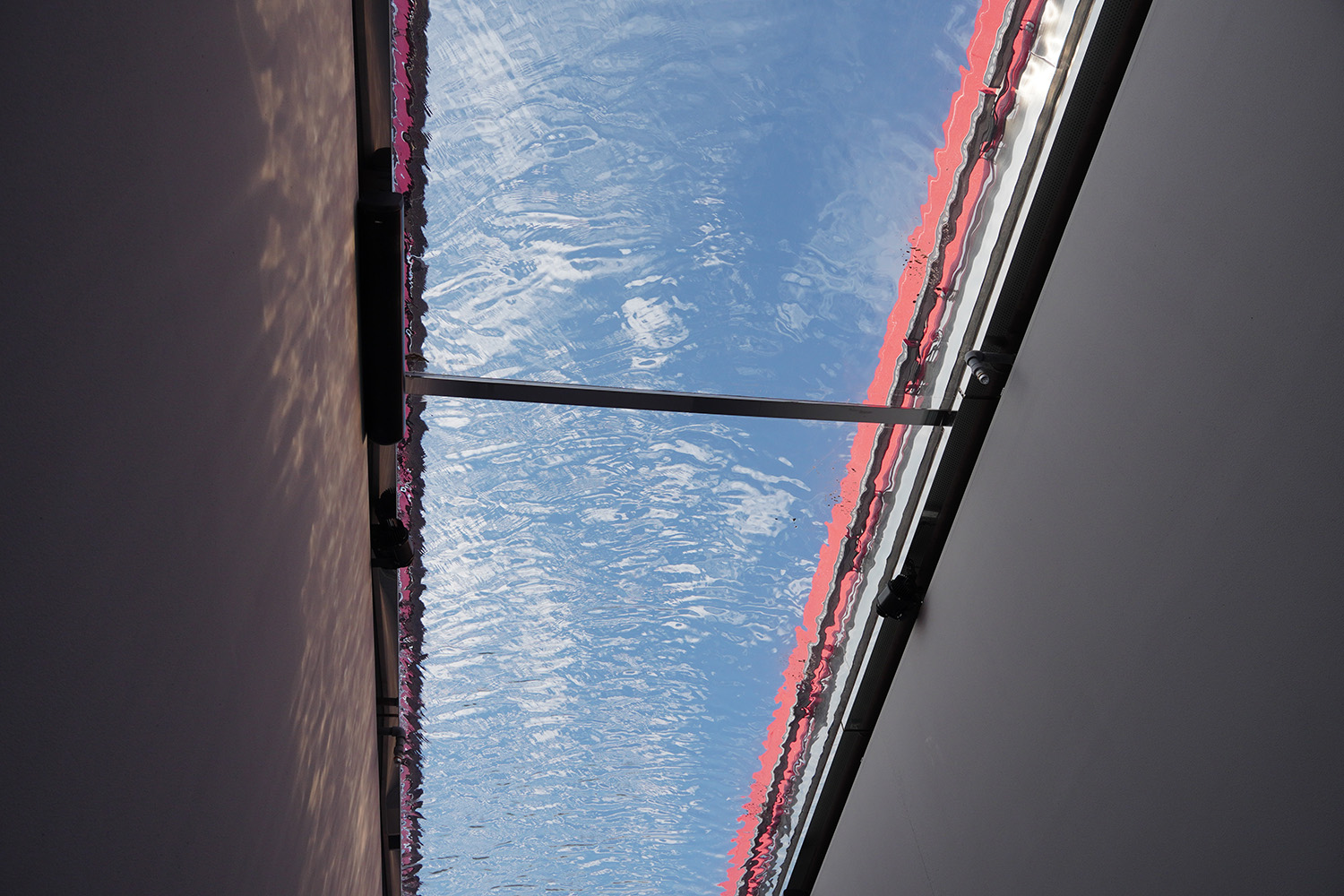
There is also a part water is let run, and where even the outside terrace is fall in the ceiling which became glass at an aisle of a pavilion, and if, it's also a highlight to use water of the real thing as well as a picture in production.
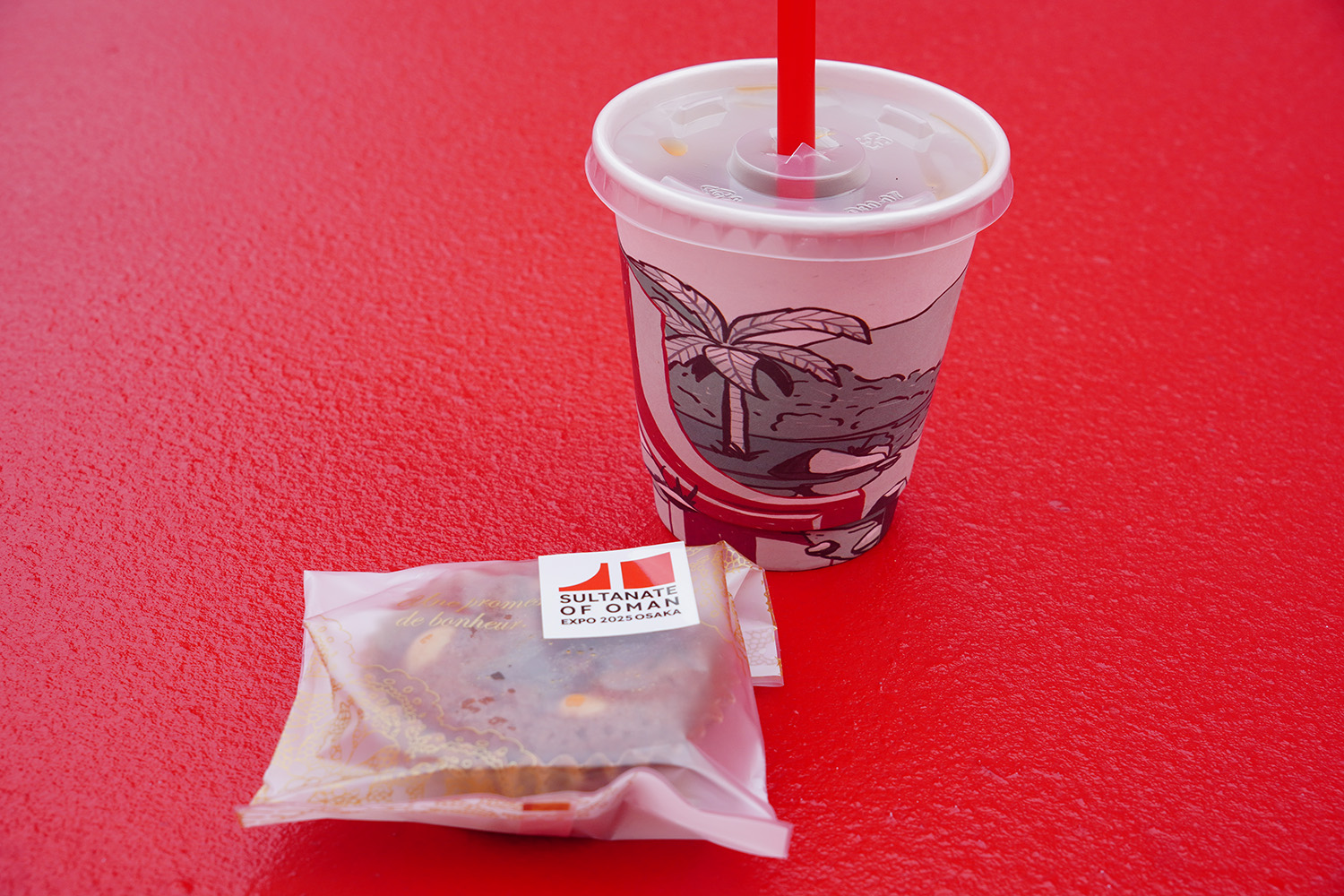
There is a cafe in an Omani house, and it's possible to buy coffee kinds and easy sweets.
Coffee with a name as "KAFUWA (Omani coffee)" is Omani offal Vic coffee. It was ordered by ice this time. And a date cake "RAZUIZURUBUTAMARU" will be also ordered together.
They're offal Vic coffee from Middle East and black coffee with spices of a cardamom like Jordan. The thing in Jordan house isn't thick as the taste of the coffee, so in a hurry it's easy to drink and it's felt. And "RAZUIZURUBUTAMARU" of the date cake bought as Suites Hotel agrees with coffee at best. It was a good snack exactly.
Master of MICHIKU SA
Offal Vic coffee, when I competed drinking by 2 pavilions, I told the difference in its taste only a little. When the same menu also shows that seasoning depends on a country, I think it leads to know the national culture soon.
How was the Restaurant Middle East volume of Osaka and Kansai expo? It's big to use a fruit of a date and to use a spice, and these 2 are my impression.
I knew that coffee was developing originally in Islam area where liquor isn't drinkable, this expo was for the first time for drinking actually, so it was moved what it was. It's as well as Restaurant, but please try the offal Vic coffee I can have easily by an expo by all means.
I'll introduce Restaurant of Asia system pavilion next time!
The hotel where an expo can be enjoyed up "OMO7 Osaka by Hoshino Resorts"
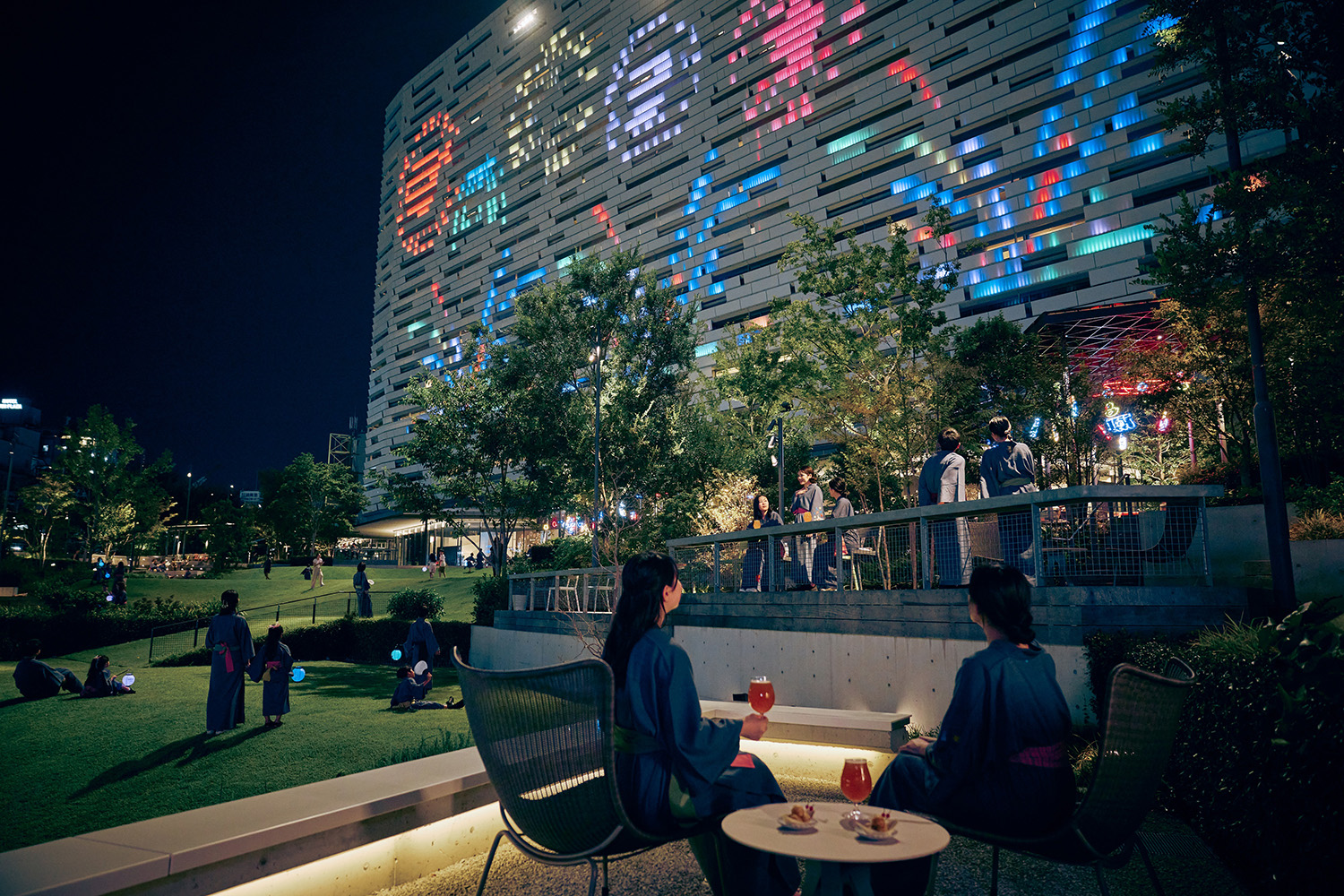
The special contents which can be enjoyed of an expo are being prepared in OMO7 Osaka by Hoshino Resorts. Without the fact errors which can be enjoyed fully even after going from the front where I go, as well as expos.
▶5 points which enjoy OMO7 Osaka by Hoshino Resorts| expo up are introduced.

OMO7 Osaka by Hoshino Resorts
The Osaka center and Osaka city
Convenient location near a main tourist spot. The NIWA Bunka when it's so, Experience, can, Experience where even a guided tour and a unique event quiver a heart is filling.


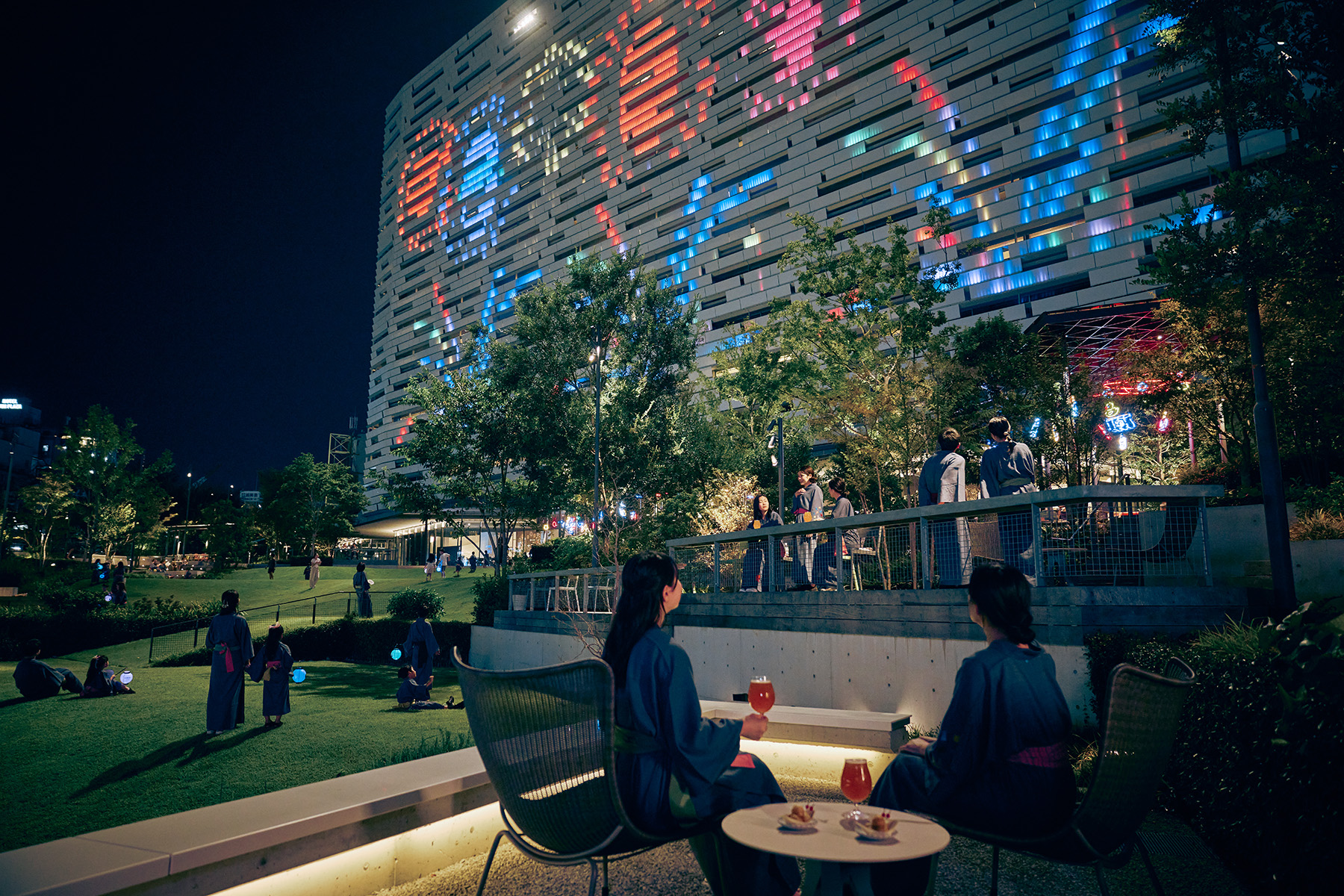
.jpg)
Direction JR/ Nankai Electric Railway They walk from Shin-Imamiya Station, immediately.
- A room charge example
- 1 night, 1 person \12,000-
Hoshino Resorts RISONARE Osaka
The Osaka center and Osaka city
Family resort hotel in the south harbor where you can get a bird's-eye view of Osaka bay. The stay by which the family can enjoy everyone materializes at the atelier where creativity is brought up.

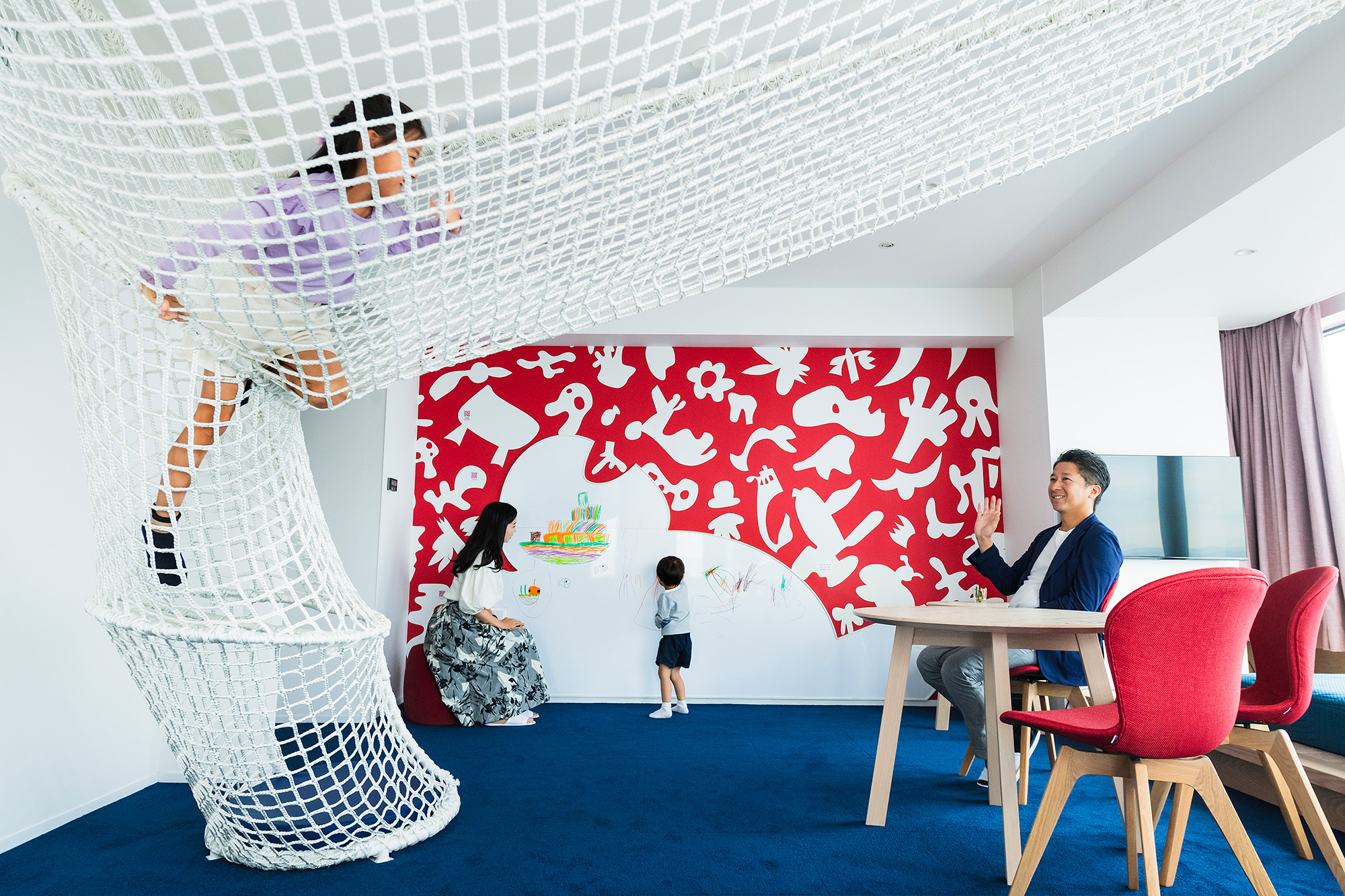

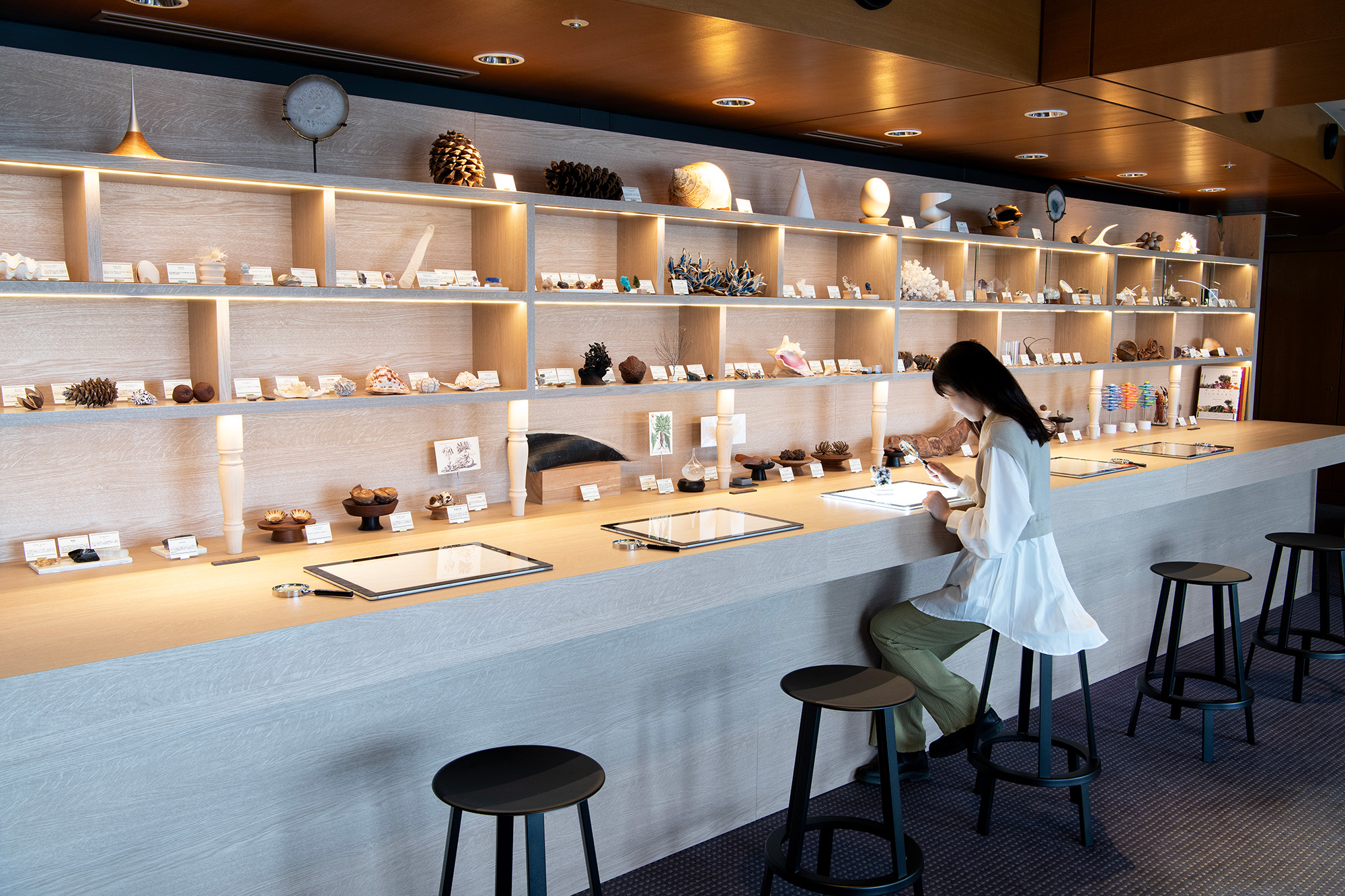
It's a shuttle bus from Direction JROsaka station, about 25 minutes
- A room charge example
- 1 night, 1 person \9,000-
OMO Kansai Airport by Hoshino Resorts
The Osaka center and Izumisano City
Airport-Hotel of the first OMO brand which stands in Rinku Town Station in 1 station from Kansai International Airport. You can spend between travel happily.

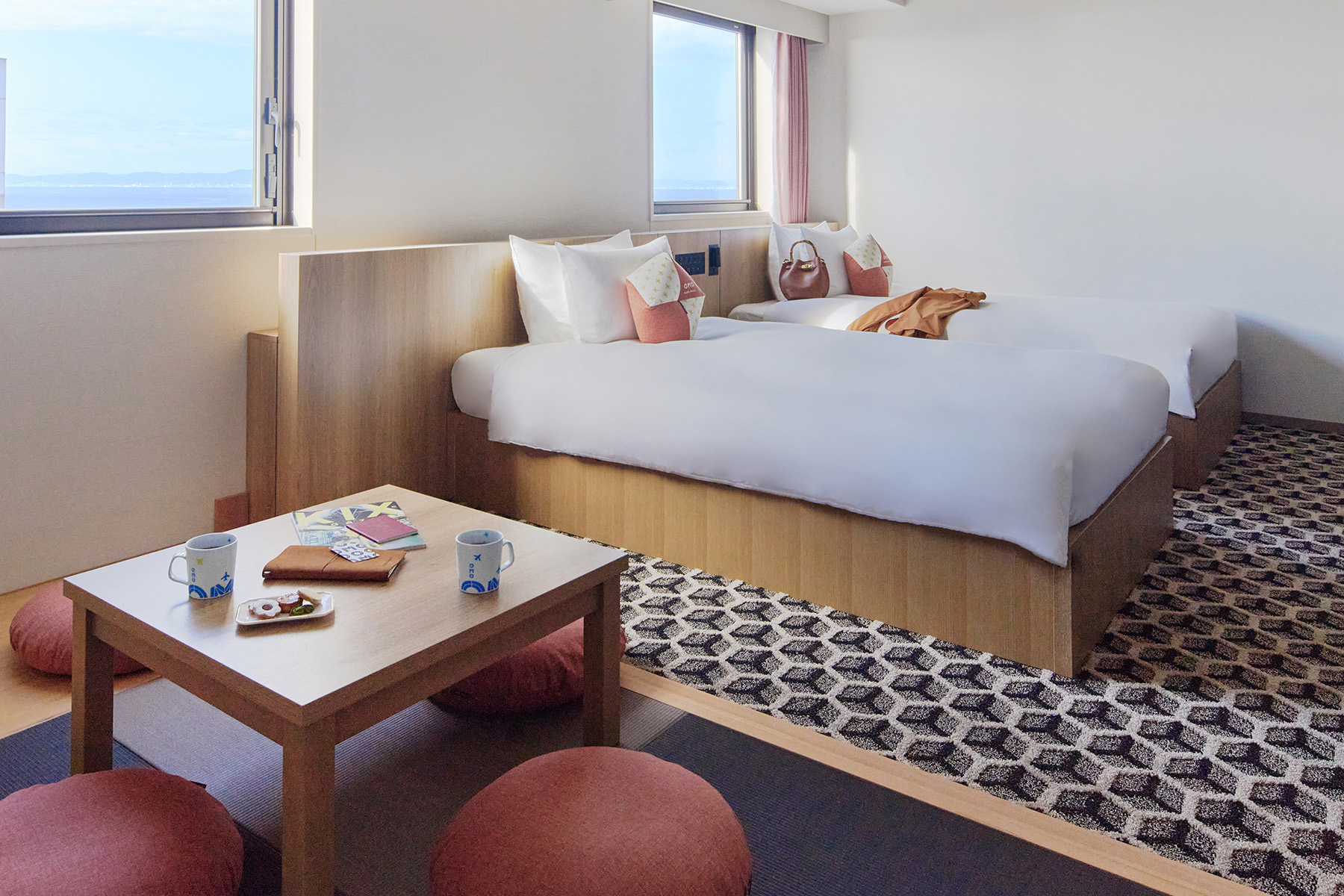
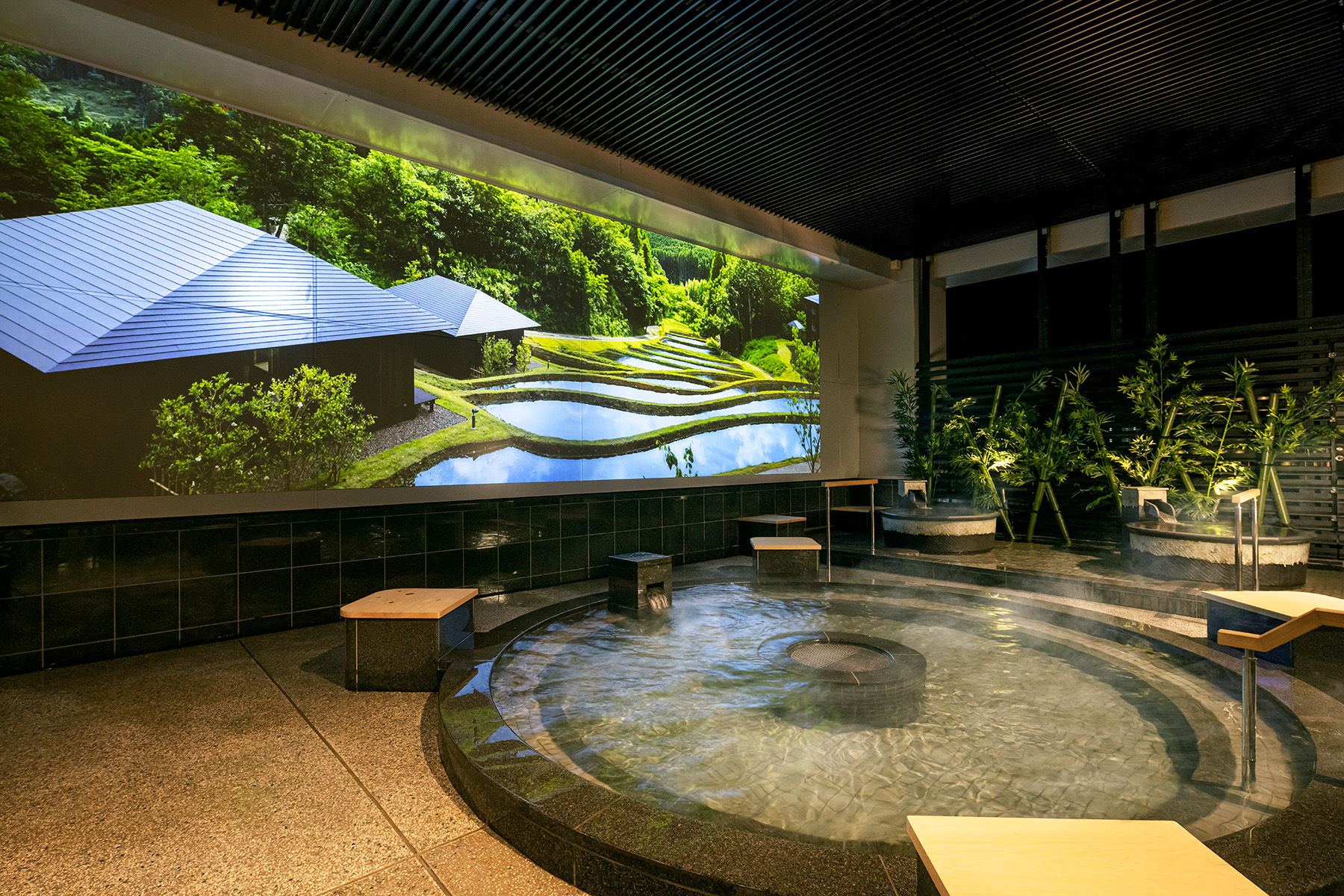
.jpg)
Number 5 of Direction JR/ Nankai Electric Railway Rinku Town Station, from an exit, about 1 minute on foot
- A room charge example
- 1 night, 1 person \4,500-