





Nagasaki Lantern Festival Highlights & Things to Do

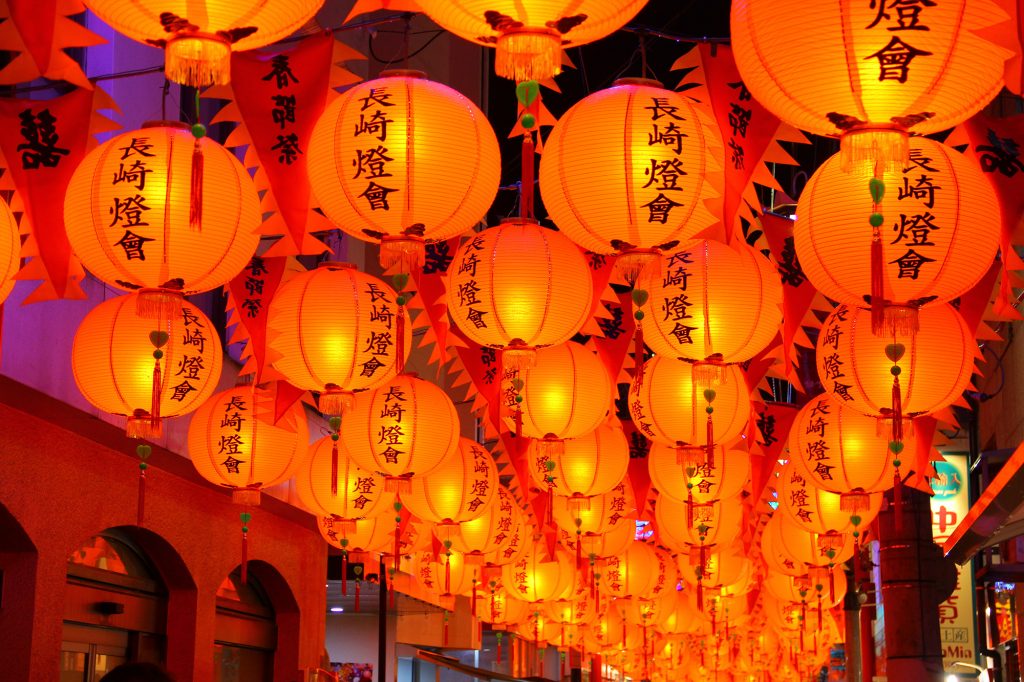
The Nagasaki Lantern Festival is held every year from the first Friday in February for 17 days. During the festival, the center of Nagasaki City is wrapped in the exotic lights of Chinese lanterns, creating an indescribable beauty.
In addition, there will be traditional Chinese stage performances, a parade of emperors, and other spectacular shows, as well as a wide variety of food stalls. Here is some useful information on the features of each venue, how to enjoy the festival, and the event schedule so that you can fully enjoy this fascinating festival to your heart's content.
What kind of event is the Nagasaki Lantern Festival?

The Nagasaki Lantern Festival is a wintertime tradition in Nagasaki that attracts many visitors from all over Japan. The Nagasaki Lantern Festival was originally held in 1994 to celebrate the Chinese New Year in Nagasaki's Shinchi Chinatown, but was expanded in scale.
In principle, the festival is held for 17 days* starting on the first Friday of February every year. During this period, approximately 15,000 lanterns are decorated throughout the city, in reference to the custom of welcoming the spirits of heaven by lighting lanterns on the last day of Chinese New Year, or "Lantern Festival," which falls on January 15 (Mon) of the lunar calendar.
The Nagasaki Lantern Festival is a festival of lanterns and lanterns of various sizes decorated with motifs of the Chinese zodiac, animals, and cartoon characters of the year of the festival, creating a fantastic atmosphere in the city. The festival also offers an exotic atmosphere, with a stage full of Chinese colors and gourmet food.
In 2026, the festival will be extended by one day to 18 days because the day following the last day of the festival falls on a national holiday. 2.
What are the highlights of each of the five venues and how to see them?
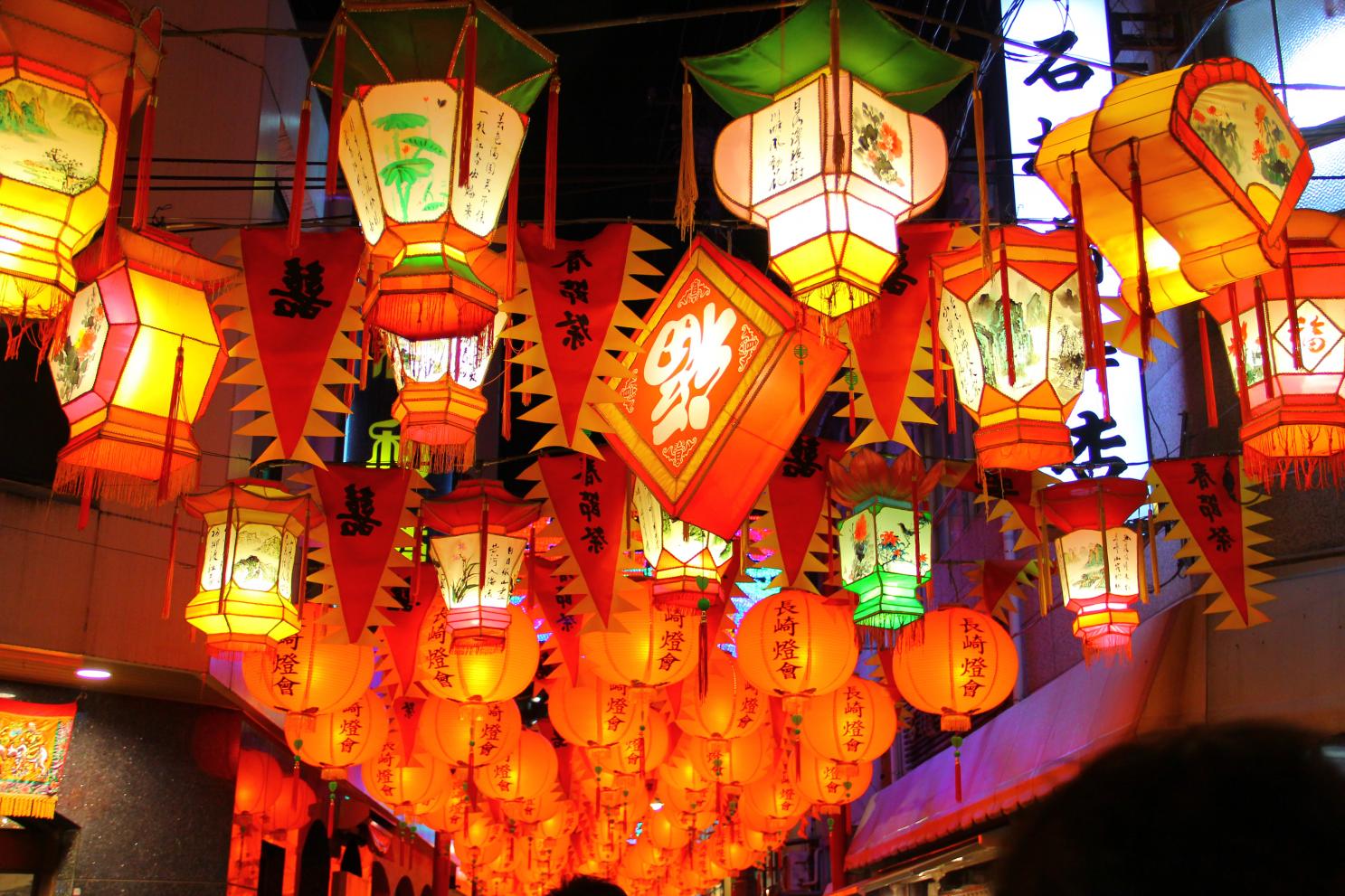
Nagasaki City has set up five official venues. The main venues, "Shinchi Chinatown Venue" and "Central Park Venue" are the most popular among them, and offer a variety of elaborate lantern objects and stage performances. In addition, there is the retro-style "Karajin Yashiki" venue, the "Hamanmachi" venue using a shopping street, and the "Nakajima River Park" venue extending along the banks of the Nakajima River, offering a wide variety of atmospheres. The color of the lanterns, which vary from red, pink, and yellow, is also a key point of interest for visitors.
The distance from the main site to each site is about 1 km at the farthest. There are also lantern sites scattered throughout the city other than the official sites, so it is recommended to walk around while viewing the lanterns, but you can also use a one-day bus or tram ticket to get around efficiently.
Special bus and tram tickets
Nagasaki Bus 1-day/24-hour PASS Plus
Nagasaki Electric Railway Mobile Ticket (Sun)
Nagasaki Electric Railway Mobile Tram Pass (one-day pass, 24-hour pass )
Highlights of each venue
*Official venues are subject to change from year to year, so please check the official website.
Shinchi Chinatown venue
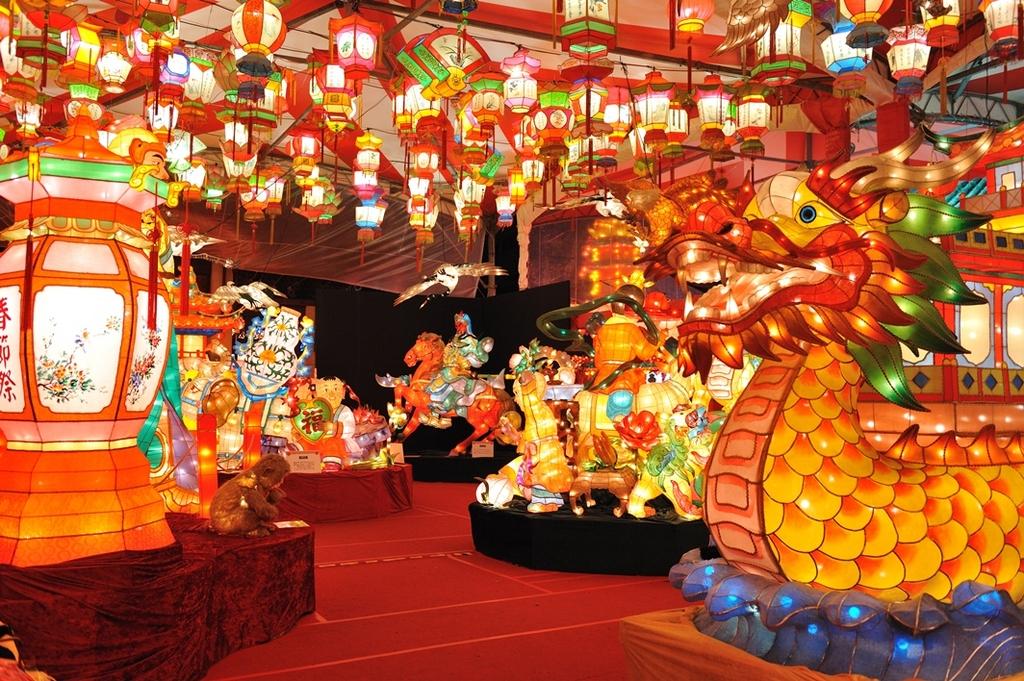
The main venue of Lanfest. In addition to the lighting ceremony, this is the venue where a wide variety of lantern objects, stage performances, Chinese gourmet food, lantern goods, and other Lanfest attractions are all gathered.
The venue is divided into the Minato Park area and the Nagasaki Shinchi Chinatown area across the street. The Minato Park area will feature an outdoor event venue that can accommodate up to approximately 2,000 people, as well as a space for displaying lantern objects. There will also be many food stalls.
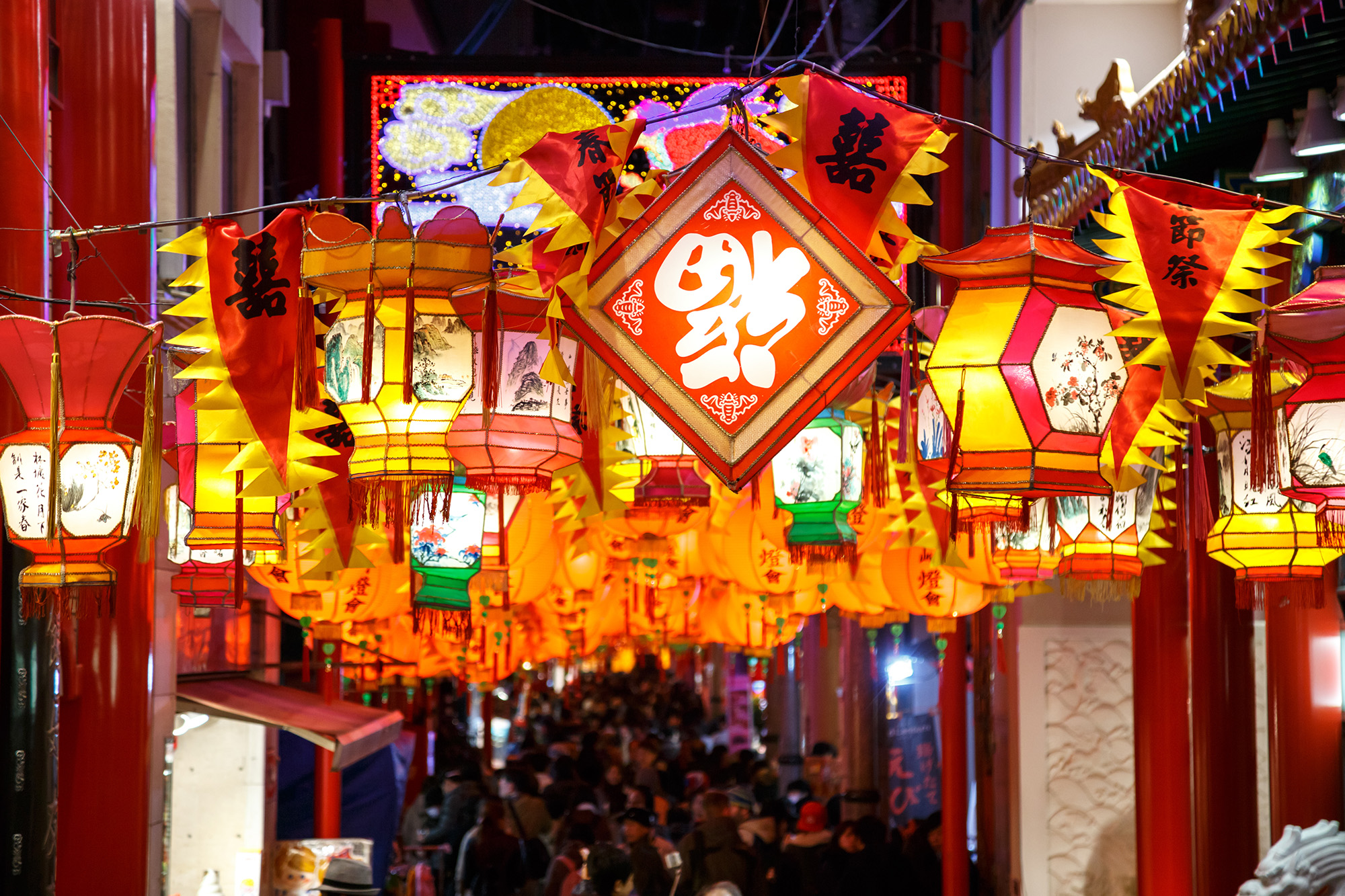
In the Nagasaki Shinchi Chinatown area, the bright vermilion lanterns overhead are a sight to behold. The area is also a well-known treasure trove of Chinese gourmet food, and you can find Chinese snacks that are perfect as souvenirs, not to mention a menu for eating and walking around.
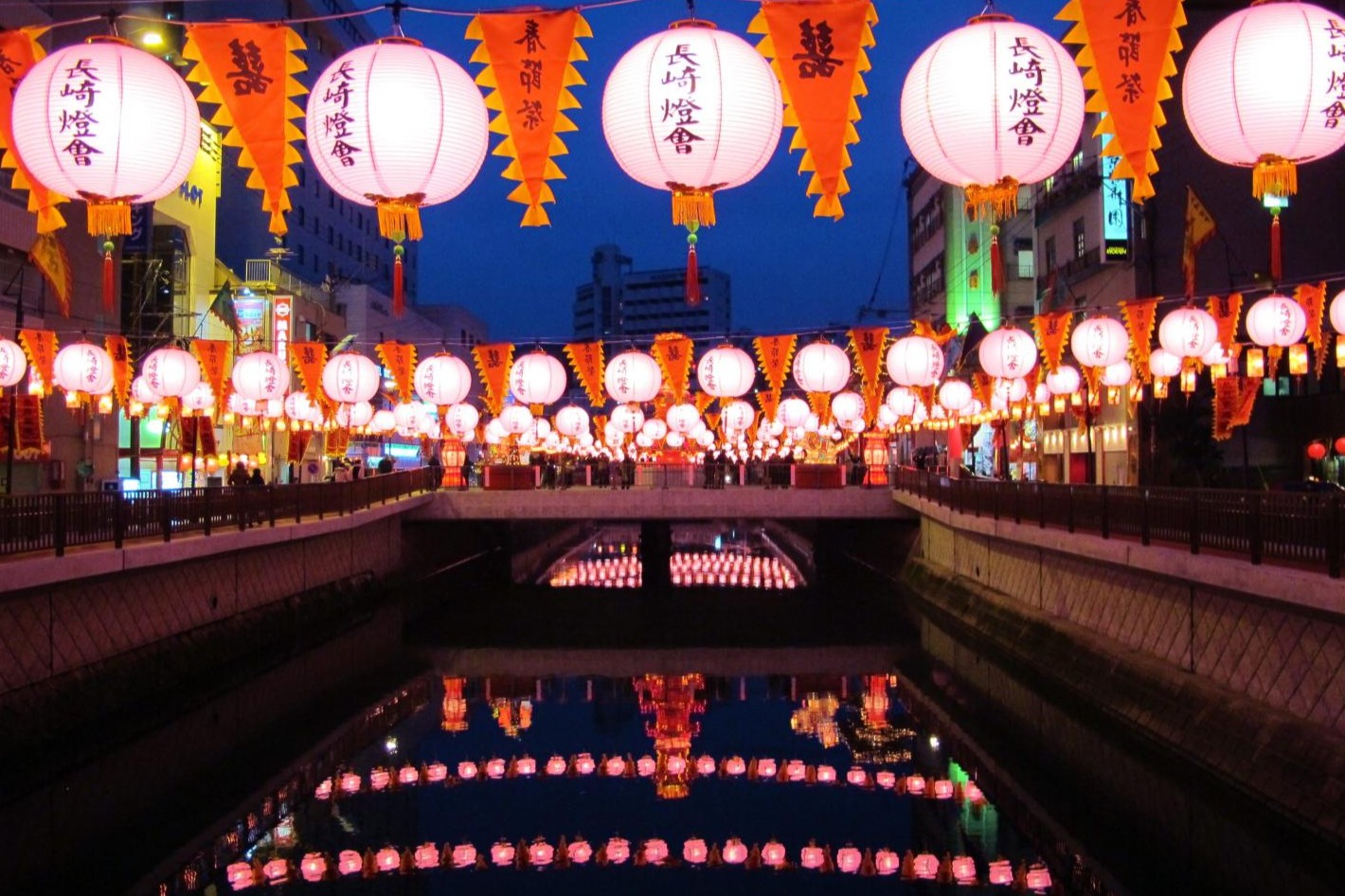
The Dongza River that runs in front of the North Gate (Xuanwu) of Chinatown is also a popular viewing spot for the peach-colored lanterns. The countless lanterns hung above the water are reflected in the water, creating a romantic atmosphere.
Central Park Venue
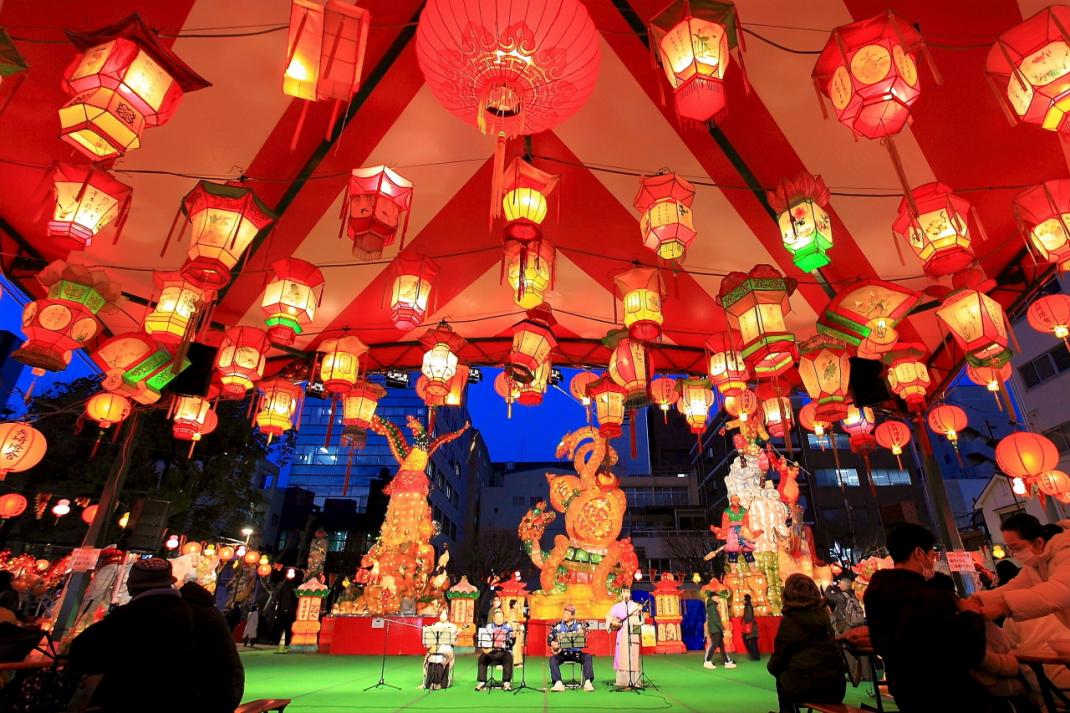
Like Minato Park, a stage event is always held and the lighting ceremony can be seen, but it is said to be relatively calm and not as crowded as the Shinchi Chinatown site. It is also the only venue with tables and chairs on both sides of the runway, allowing visitors to enjoy the show in a relaxed atmosphere while savoring freshly prepared gourmet food from the food stalls.
The venue is also characterized by its many animal-shaped lanterns, and is famous for its "scary panda" lanterns, which have become popular on social networking sites.
Hamanmachi venue
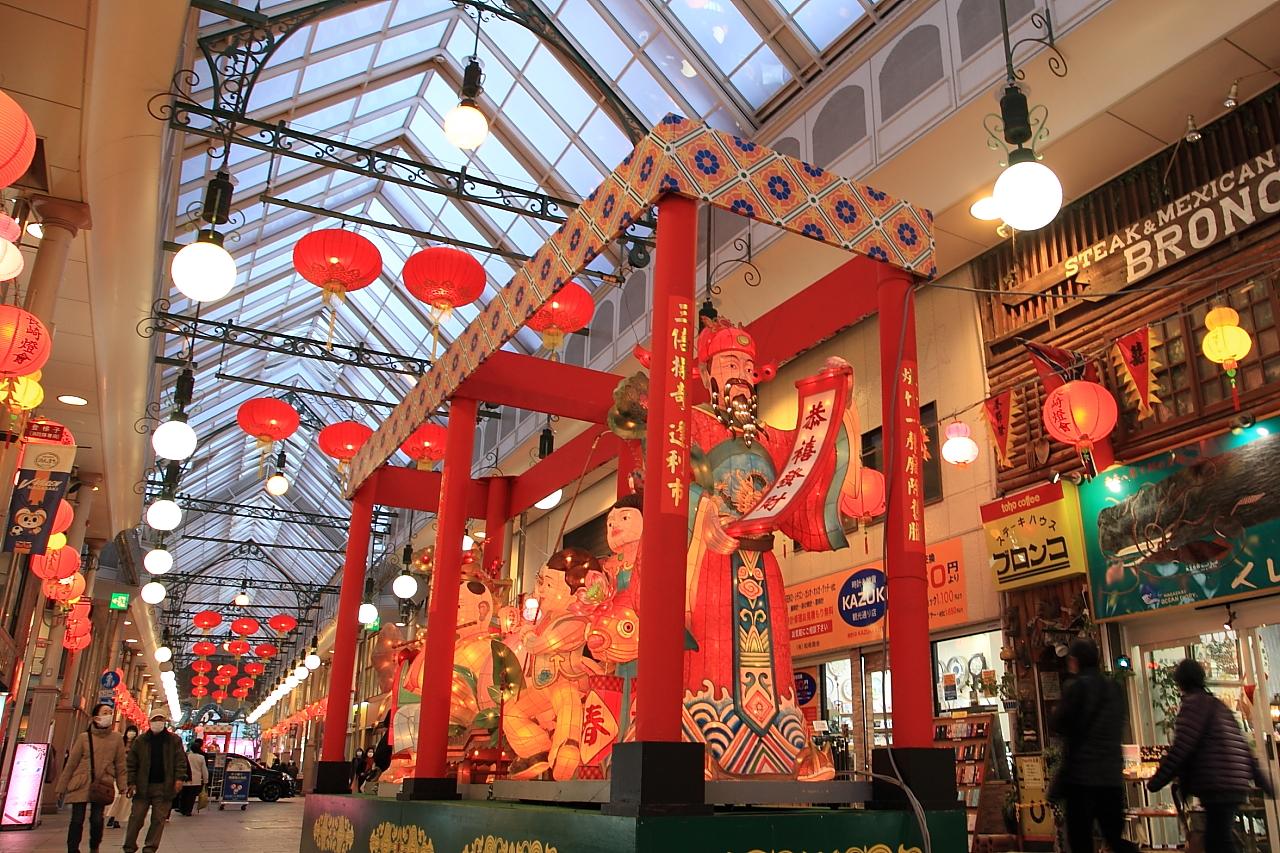
The Hamanmachi venue consists of two shopping arcades. One is the "Hamanomachi Arcade," the largest shopping street in Nagasaki City, stretching from east to west. The other is the 300-meter long "Bernard Kanko Dori" that crosses it. The lanterns on the endless ceilings, as well as the objets d'art and events, have been well received.
The Hamamachi arcade is a popular photo spot, with many lucky and auspicious objects.
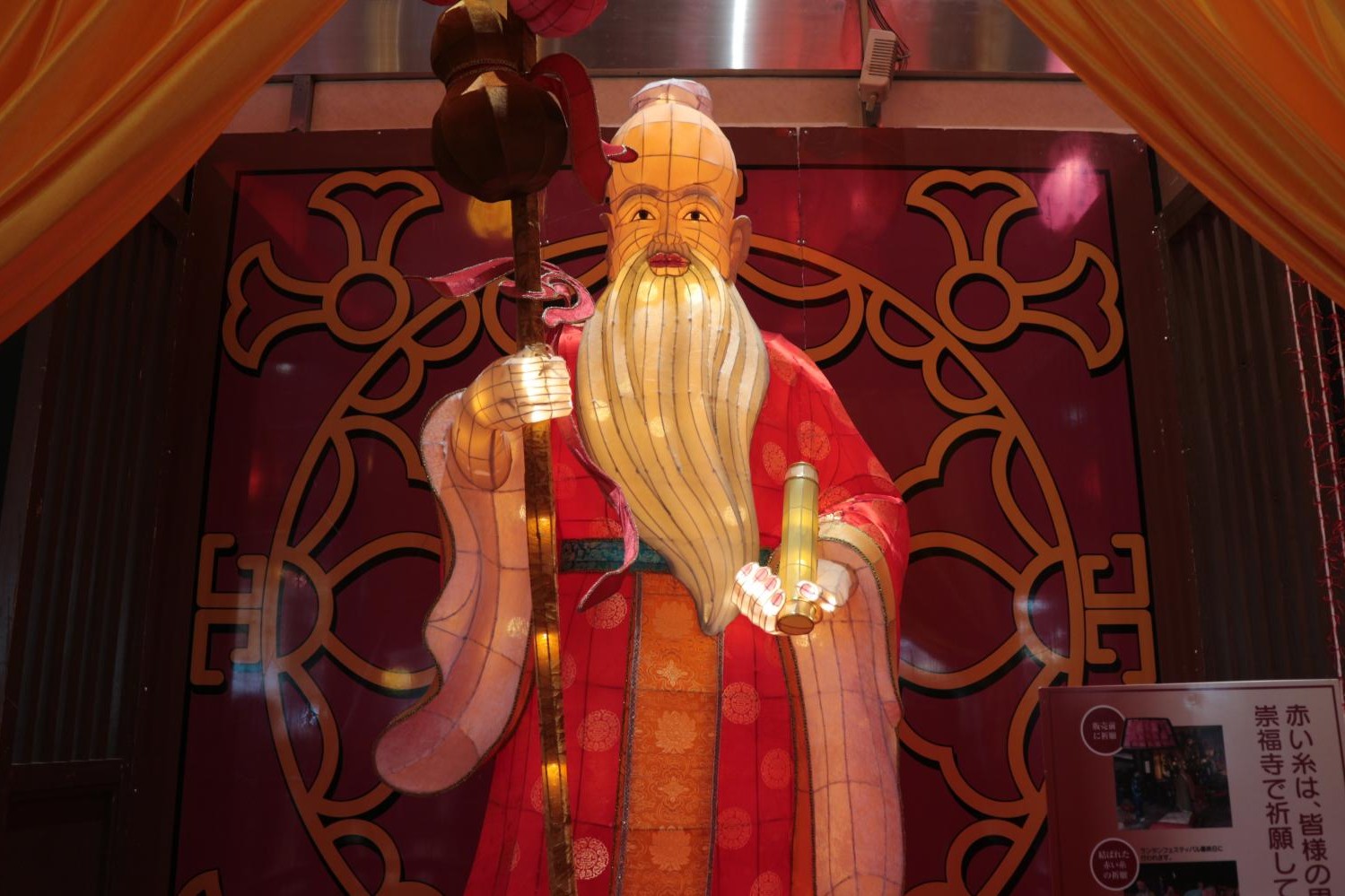
On the other hand, a lantern objet d'art of "Gekishonenjin," the god of marriage, appears on Bernard Kanko Dori. Visitors can pray for the fulfillment of their love by tying a red string in a special Lanfest talisman. There is also a special prayer hall called "Nagasaki Koi Lantern" next to the lanterns. Here, visitors can write their wishes on "koen tiles" attached to mini lanterns and dedicate them. The red string and prayer tiles will be burned at a later date.
Pray for the fulfillment of love
Date: Anytime during the period. Amulets and other items are sold 24 hours a day at "Gekishonen" and 13:00-19:00 at "Nagasaki Koi Lantern" (Sat/Sun and holidays from 10:00)
Place: In front of "Komeda Coffee Shop Nagasaki Hamamachi" on Bernard Kanko Dori (near 3-20 Hamamachi, Nagasaki)
Fee: 100 yen for a red string amulet (with red string) at "Gekishonen", 100 yen for a red string at " Nagasaki Koi Lantern" Koi Lantern (prayer tile) 1,000 yen
https://www.at-nagasaki.jp/lantern-festival
Karajin Yashiki Venue

Karajin Yashiki was a Chinese settlement placed in Nagasaki during the period of national isolation to prevent smuggling. Only four halls still exist, making it a valuable spot that preserves the atmosphere of a bygone era. The collaboration of the nostalgic townscape and warm lanterns creates a unique atmosphere.
Nakajima River Park
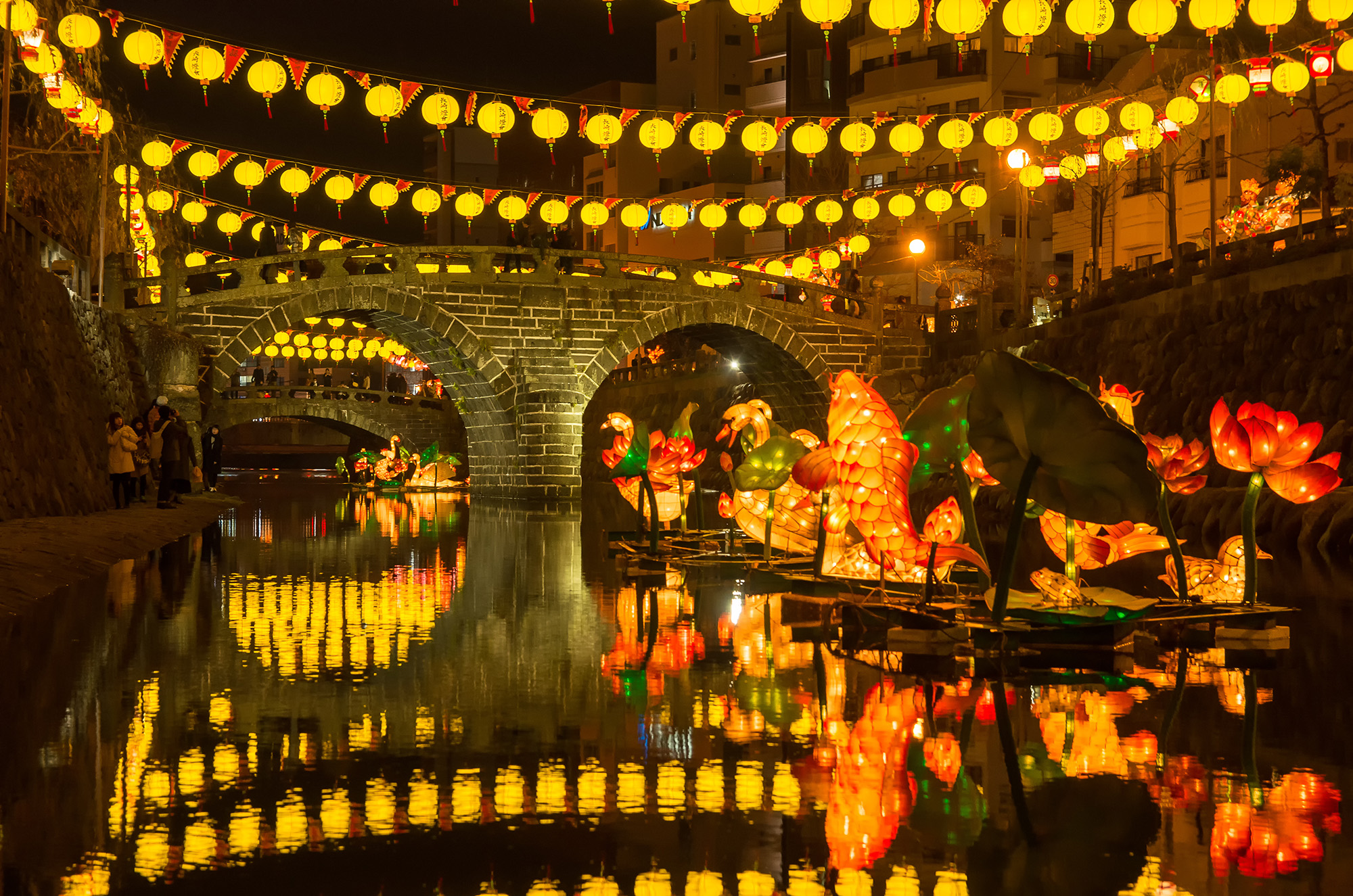
This is a place of recreation and relaxation for citizens that stretches along the banks of the Nakajima River. The bright yellow lanterns that decorate the riverbank are eye-catching. The area near the Megane Bridge, a well-known sightseeing spot, is particularly photogenic. Lantern objets d'art in the motif of flowers and animals float by the arched bridge, and the countless lanterns decorating the overhead reflect on the surface of the river, making it even more spectacular. When the water level is low, visitors can walk down to the water's edge and enjoy a walk surrounded by lantern lights.
3. many dramatic events full of Chinese culture

Along with the lanterns, the highlights of the festival are the stage events held at three venues: Shinchi Chinatown, Central Park, and Tangjin Yashiki. Every day there are a variety of traditional Chinese performing arts that are well worth seeing, including erhu performances, Shaolin Kempo, the "Dragon Dance," in which more than a dozen people manipulate a giant dragon puppet, and the "Mask Show," in which masks are changed in an instant.
The festival begins around 5:00 p.m. on weekdays and around noon on Saturdays, Sundays, and holidays, and continues until around 8:00 p.m. in the evenings. No reservations or admission fees are required for any of the venues, and visitors can come and go as they please. The Central Park venue is particularly popular, as visitors can enjoy the festival from the eat-in corner while savoring gourmet food from the food stalls.
There are also parades on weekends only, so it is a good idea to check the schedule of the performance you are interested in on the official website in advance.
2026 Nagasaki Lantern Festival" Event Schedule & Parade Route
Recommended Events
Emperor's Parade
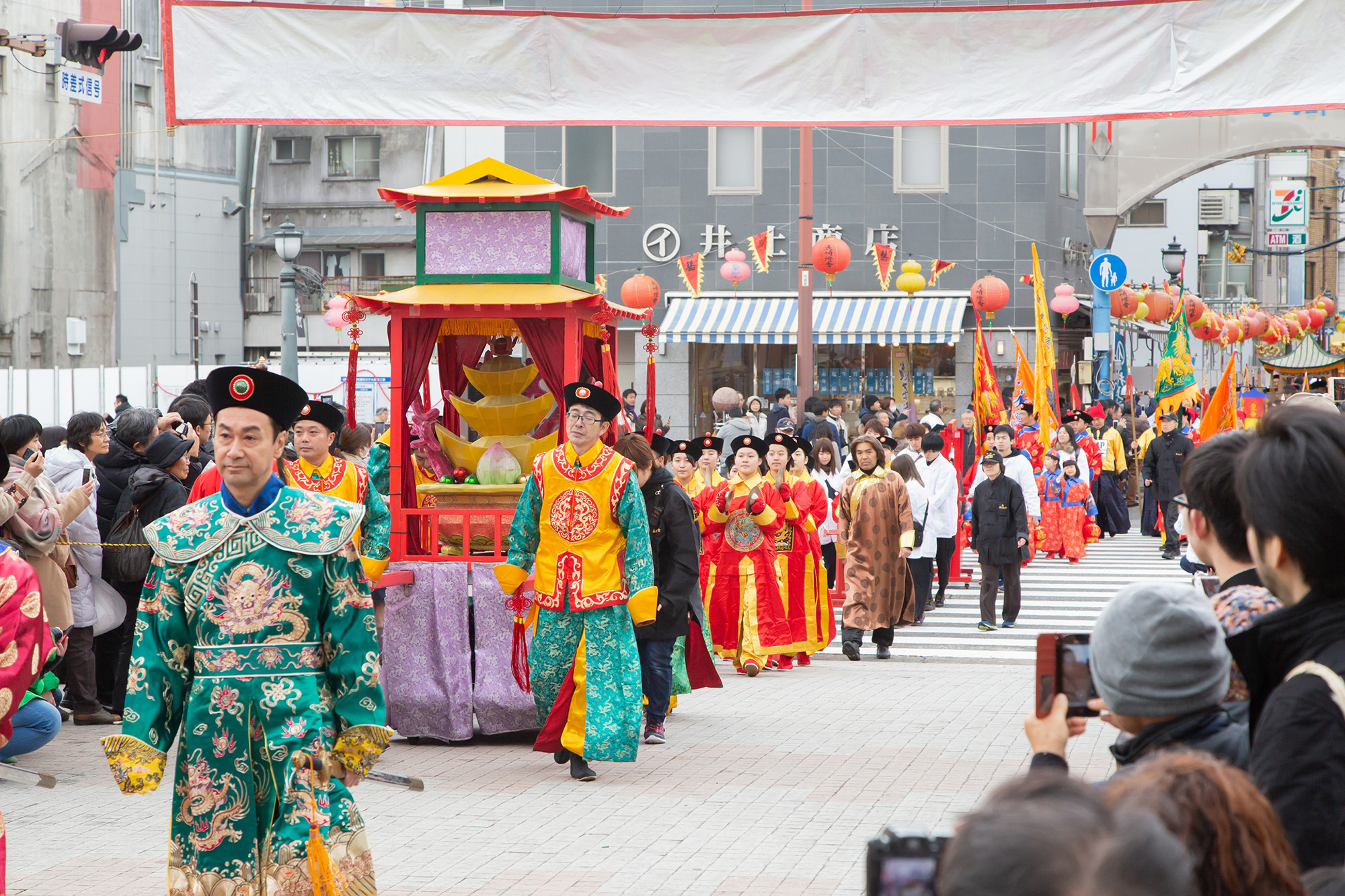
The parade is based on the image of how the emperor and empress went into town to celebrate the New Year with the people during the New Year's holiday in the Qing Dynasty. A total of about 100 people, led by the palanquin of the emperor and empress, will parade from the Central Park site to the Shinchi Chinatown site.
▼ Schedule
February 14, 2026 (Saturday)
14:00 Central Park venue→14:30 Hamanmachi venue→14:50 Kajiichi Street venue→15:30 Hamanmachi venue→16:00 Shinchi Chinatown venue (Minato Park)
February 21, 2026 (Sat)
14:00 Central Park venue → 14:30 Hamanmachi venue → 14:50 Kajiichi Street venue → 15:30 Hamanmachi venue → 16:00 Shinchi Chinatown venue (Minato Park)
Mazu Parade
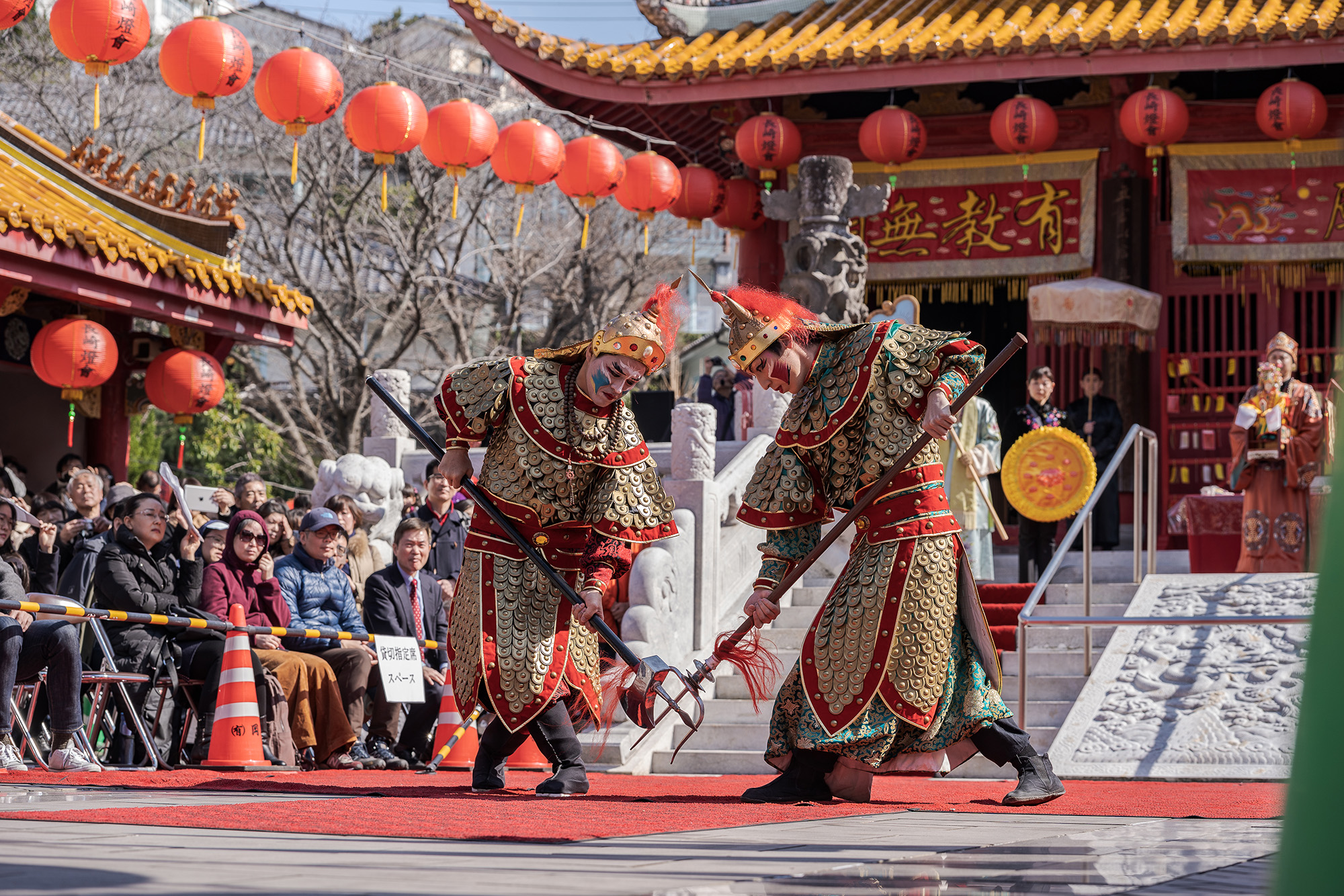
In the Edo period (1603-1867), sailors on Chinese ships prayed for safe voyages after arriving at Nagasaki Port. The Mazu procession is an event that carries on this tradition. The "Bossa Fling," in which Mazu, the guardian goddess of navigation, is enshrined in the Tang Temple's Mazu Hall and Tianhou Hall, and the "Bossa Loading," in which Mazu is placed back on the ship for the return trip, will be recreated over two days.
Schedule
Bodhisattva Fling
February 8, 2026 (Mon) 13:40 Karajin Yashiki venue→14:20 Shinchi Chinatown venue (Minato Park)→14:55 Hamanmachi venue→15:45 Chuo Park venue (arrival ceremony)
Bossa Loading
Sunday, February 15, 2026 13:15 Central Park venue → 14:20 Hamanmachi venue → 14:40 Shinchi Chinatown venue (Minato Park) → 15:15 Tangin Yashiki venue
Candlelight Prayer Tour of Four Halls
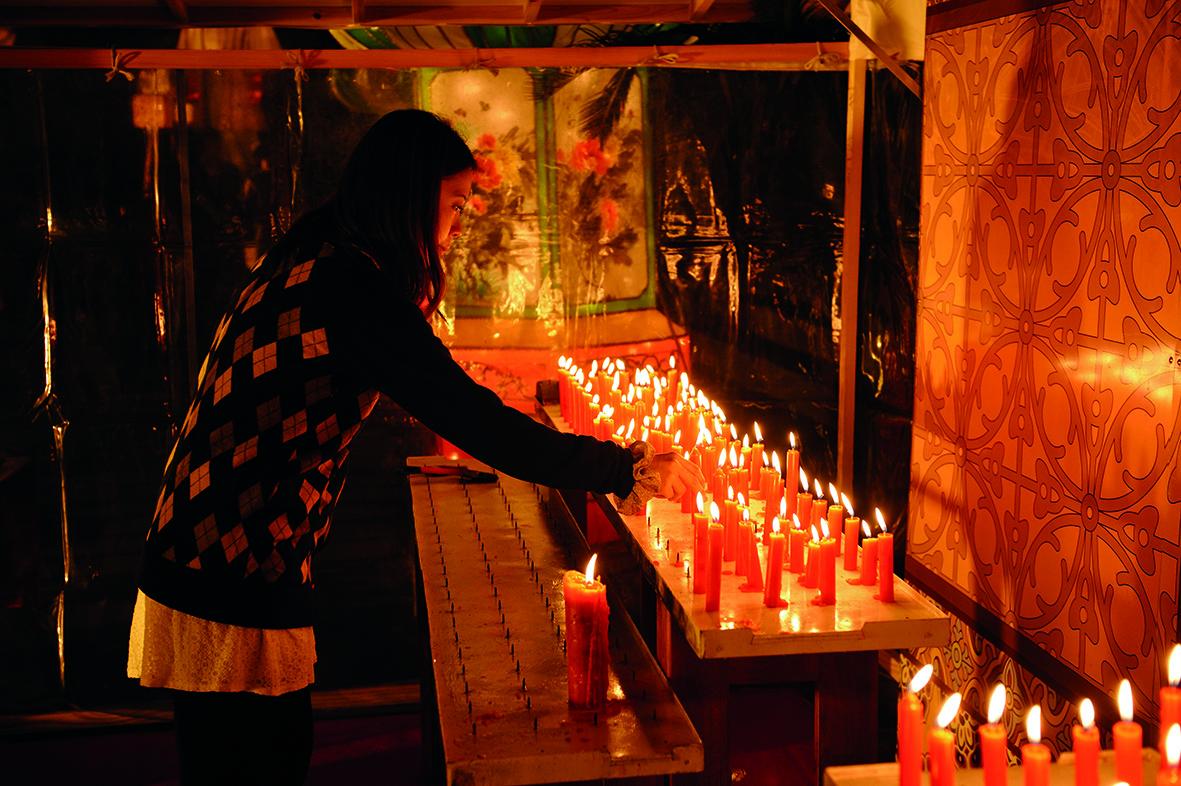
At the former site of the Tangin Yashiki, which was once a settlement for Chinese merchants, a light stamp rally will be held where visitors will light candles in the halls that the Tang people used to use as their spiritual sanctuary. The four halls are Dojin Hall, Guanyin Hall, Tianhou Hall, and Fujian Hall Tianhou Hall, and it is said that completing the rally will make one's wish come true.
The Dojindo Hall is dedicated to the god of money, the Kannon Hall to the god of business prosperity, and the Tenhou Hall and Fujian Kaikan Tenhou Hall to the god of shipping.
▼ Participation Outline
Date & Time: 11:00 - 21:00 during the festival period (Sat., Sun., national holidays from 10:00)
Participation Fee: 1,000 yen (with souvenir)
Registration: In front of "Sat. God Hall" (11:00 - 21:00)
Dragon Dance
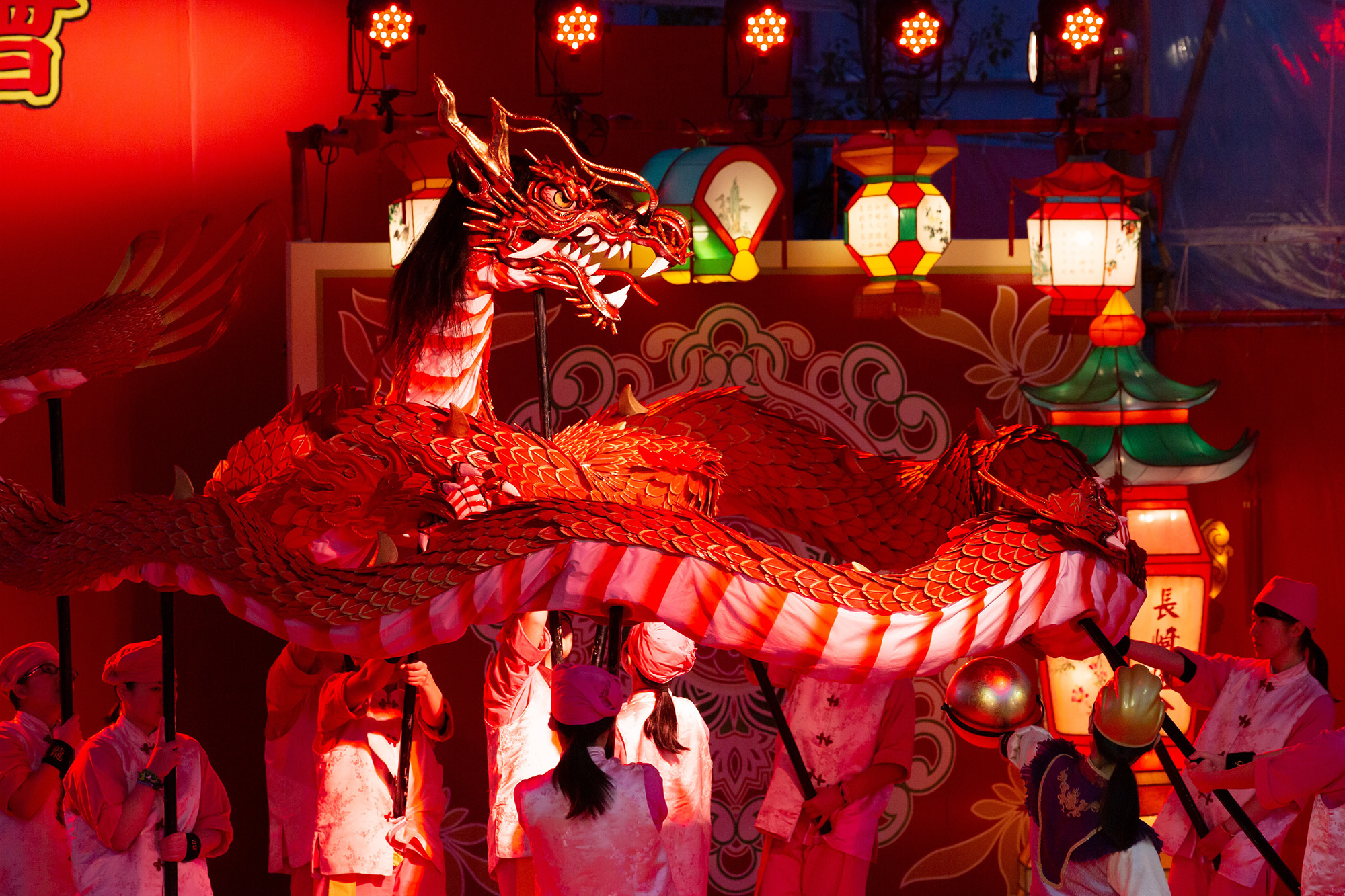
This is a standard show performed daily at the Shinchi Chinatown venue (Minato Park) and the Chuo Park venue during the festival period. It is said to originate from the Chinese ritual of praying for a good harvest, with dragons dressed in Chinese costumes manipulating the bodies of giant dragons.
During the scene when the dragons are about to leave the stage, the audience chants "Mottekoi, mottekoi" (Come back, come back)! (The audience is encouraged to call out in the Nagasaki dialect, "Motto koi, motte koi!
At the end of the show, the MC may ask for participants to jump in from the stage. Although only adults are eligible for this event due to their physical strength and physique, tourists from outside of the prefecture are welcome to participate.
▼ Location and Dates
Performed daily at Shinchi Chinatown venue (Minato Park) and Chuo Park venue during the festival period
*The performance lasts 20 minutes, and the start time varies depending on the location and date. For details Click here
▼Participation in the event
Date and time: Monday through Thursday (except holidays) during the performance time of the Dragon Dance *Subject to change without prior notice.
Participation fee: Free of charge
Number of participants: 15 people per stage, on a first-come, first-served basis
Conditions for participation: Tourists from outside Nagasaki Prefecture (high school students or older)
Chinese mask show
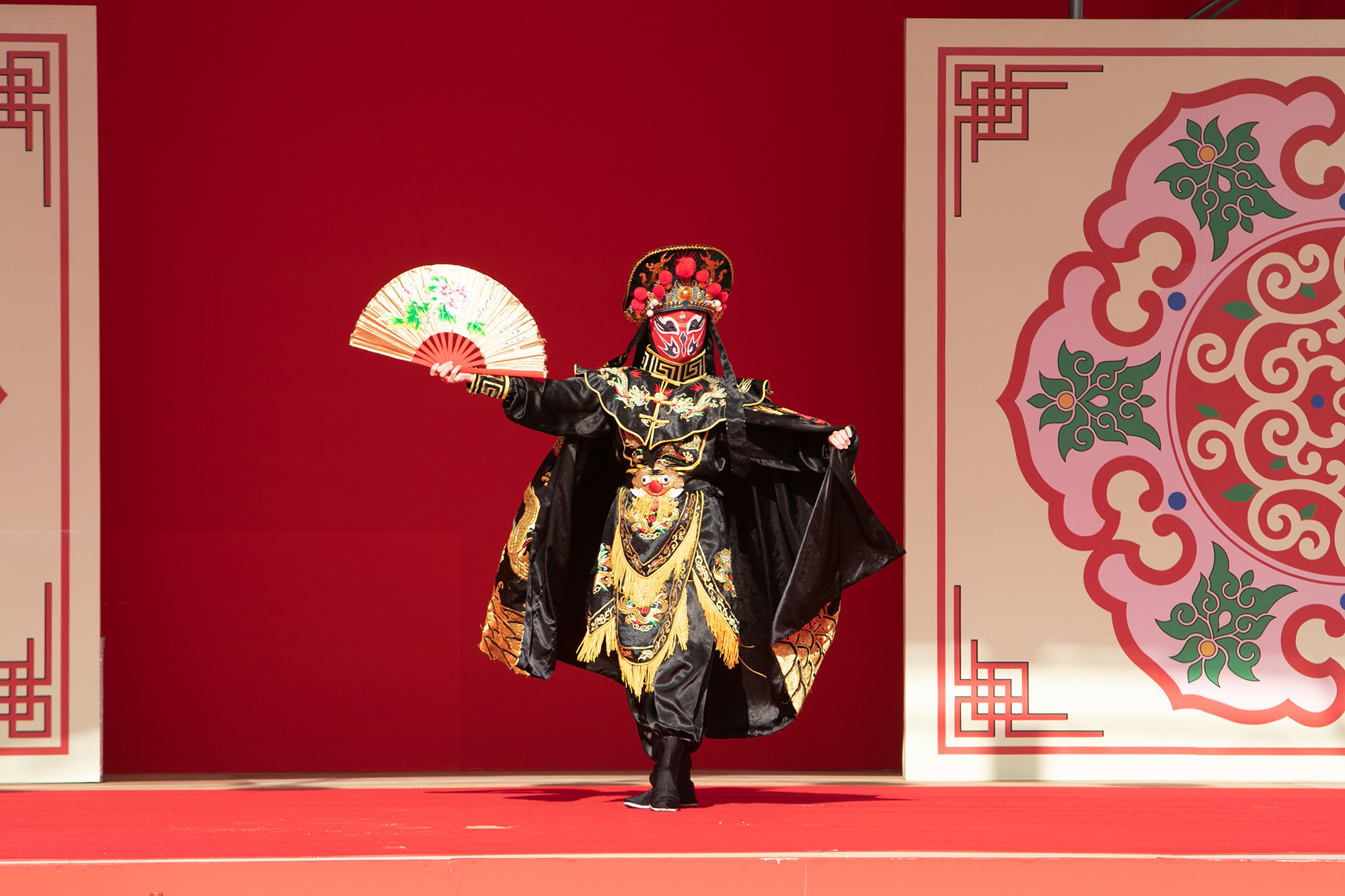
This is a popular traditional Chinese performance in which masks worn on the face are replaced one after another with blinding speed. This technique originates from the classic Sichuan "river drama" and is considered a state secret in China. The masks are made of male, female, and animal deities, and the differences in the expressions of each mask are also noteworthy.
▼ Location and Dates
Shinchi Chinatown venue (Minato Park)
February 7 (Sat), 15 (Sun), 21 (Sat), 23 (Mon), 2026
Central Park Venue
Saturdays, Sundays, and holidays during the period (except Mon) (Wed), 11 February (national holiday)
*Performance time is 15 minutes, and the start time varies depending on the date. For details, see Click here For more information, please visit
*Scheduled performances are subject to change, interruption or cancellation due to weather or other reasons.
Nagasaki Night View Lantern Festival
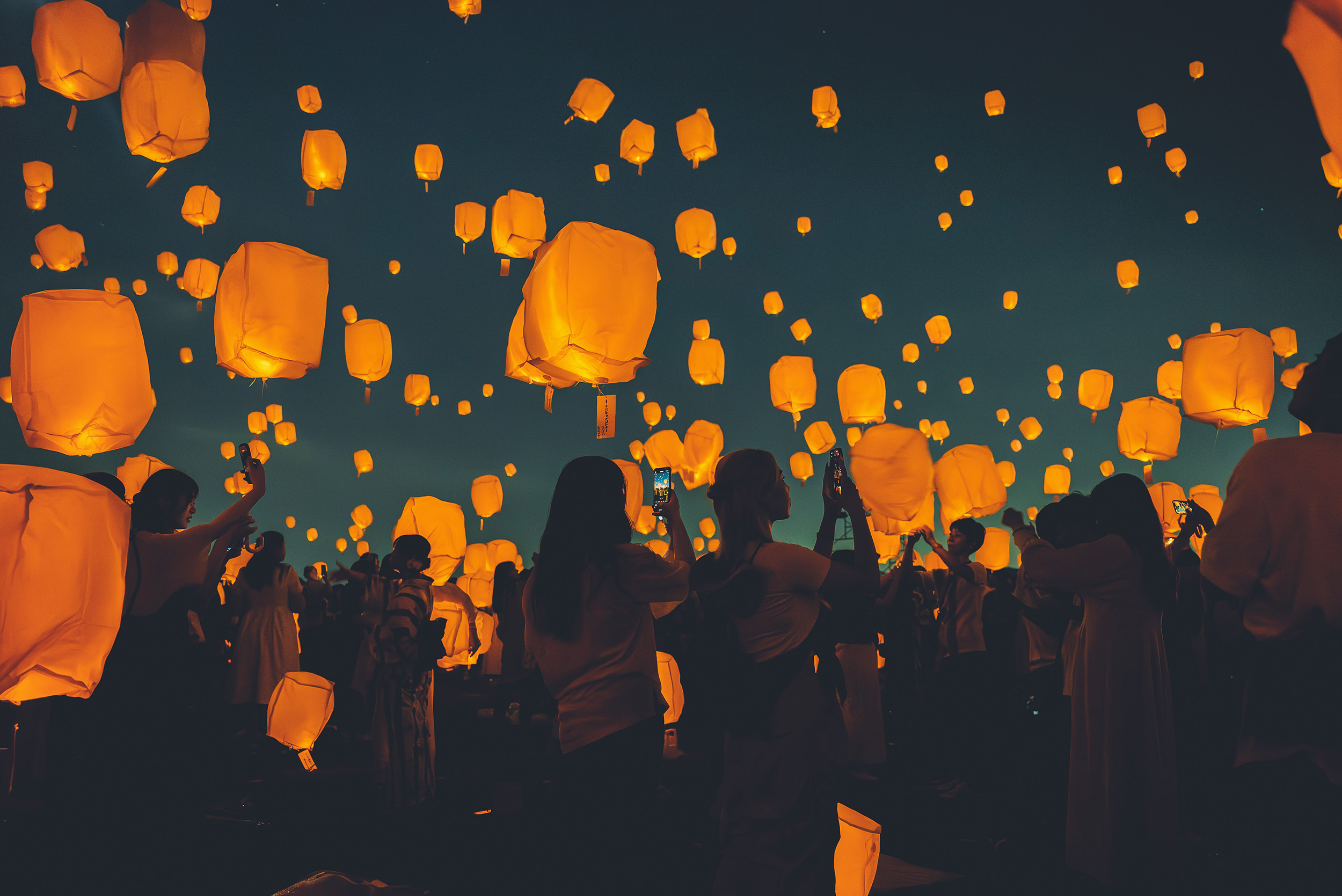
Following the release countdown ceremony at 5:30 p.m., participants will release their lanterns into the night sky at 6:30 p.m. Experience the magical world of 300 lanterns illuminating the dark night.
Outline of the event
Location: Former site of Nagasaki Prefectural Office (2-2 Edomachi, Nagasaki City, Nagasaki Prefecture)
Date and time: February 7, 2026 (Sat) from 17:30 (gathering and registration at 17:00)
Participation fee: 3,000 yen per unit
Number of applicants: 300 on a first-come, first-served basis
How to participate: Please register for the Nagasaki tourism service application " STLOCALReservations required via the Nagasaki tourism service application "STLOCAL
Note: May be suspended or cancelled in case of inclement weather
4. teaching how to enjoy the light-up time
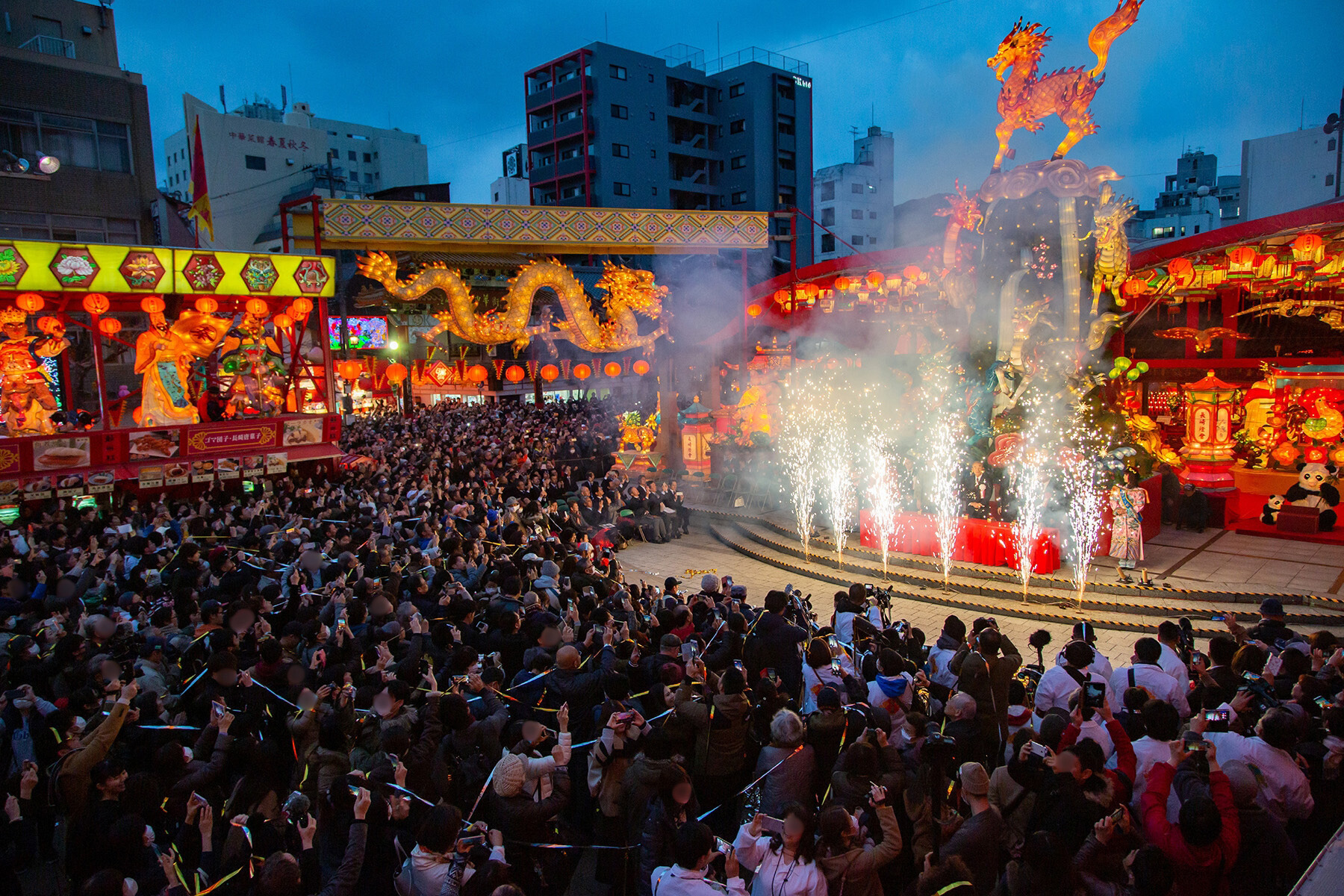
On the first day of the festival (Mon), starting around 5:30 p.m. on the first Friday of February, a lighting ceremony will be held at Shinchi Chinatown (Minato Park) and Chuo Park, and a countdown will begin toward the 6:00 p.m. lighting time. When the lanterns and countless objects begin to radiate gorgeous colors, the Nagasaki Lantern Festival is finally underway. The sound of firecrackers bursting into flames is followed by loud cheers from the audience.
For 30 minutes after sunset, the lanterns are lit up by the cobalt blue sky and the lanterns, The cobalt blue sky and lanterns create a beautiful contrast at dusk. This is the best time to take photos, so be sure to capture a memorable shot.
The trick is to walk around with a handheld lantern in your hand when you see the festival. The lanterns are available in limited quantities by reservation only, and you can choose from the following colors: red for health and safety, pink for love, and yellow for money.
▼ Lighting Ceremony
February 6, 2026 (Fri)
Shinchi Chinatown venue (Minato Park) 17:40-18:00, Central Park venue 17:30-18:00, simultaneous lighting 18:00
▼ Lighting Hours
February 6 (Fri), 2026 18:00-22:00
February 7 (Sat) - 23 (Mon) 17:00* - 22:00 (~21:00 on the last day)
*Lighting may be changed, suspended or cancelled due to weather or other reasons at Shinchi Chinatown and Hamanmachi venues from 12:00
*Lighting may be changed, suspended or cancelled due to weather or other reasons.
Hand-held lanterns
Fee: 1,400 yen
How to purchase: Please use the Nagasaki tourism service application "STLOCAL". STLOCALReservations required through "STLOCAL
5. check out Nagasaki's famous "Jigemon" food stalls!

The Shinchi Chinatown venues, Minato Park and Chuo Park, will be lined with food stalls, offering Chinese dishes such as baked parcels and roo roo fun, as well as Nagasaki's local delicacies. and other Chinese dishes, as well as "jigemon," which means Nagasaki's local food.
Jaga-chan," a Nagasaki specialty, is steamed whole potatoes, coated with a secret batter, and deep fried, and is a standard Jigemon snack. There are also Jigemon gourmet foods that originated in Nagasaki's "table cuisine," such as Iwasaki Honpo's "Kakuni Manju," an arrangement of Dongpo-Rou (stewed pork cubes). Another specialty is "mafaru," a deep-fried pastry made by Suzhou Lin in Chinatown. The chocolate-covered version will be available only during the Run Fest.
Please enjoy Nagasaki's unique gourmet food as well as the Ranfest.
Some of them may not be sold depending on the year.
Shinchi Chinatown venue (Minato Park) 16:00-21:00 (Saturday, Sunday and national holidays from 11:00)
・Central Park venue 17:00-21:00 (Saturday, Sunday and national holidays from 11:00)
- Nagasaki Lantern Festival
-
 Nagasaki City sponsors 5 venues (Shinchi Chinatown, Central Park, Hamanmachi, Nakajima River Park, and Karajin Yashiki). Other venues in central Nagasaki City
 February 6 (Fri) - 23 (Mon), 2026 *For 17 days from the first Friday in February every year. However, in 2026, the day after the last day of the festival falls on a national holiday, so the festival will run for 18 days.
 095-822-8888 (Nagasaki City Call Center "Ajisai Call")
 Traffic restrictions apply during the festival period near Shinchi Bridge Square, on Fridays, Saturdays, Sundays, and national holidays, and during the parade on Saturdays and Sundays near Nagasaki Shinchi Chinatown, parts of Honkogawa Street, and near Chuo Park, etc.
Events are subject to change, suspension or cancellation due to weather or other reasons.
Visit Hot spring ryokan "Hoshino Resorts KAI Unzen" Unzen, a hot spring ryokan surrounded by Nagasaki's culture of harmony, flowers, and orchids.
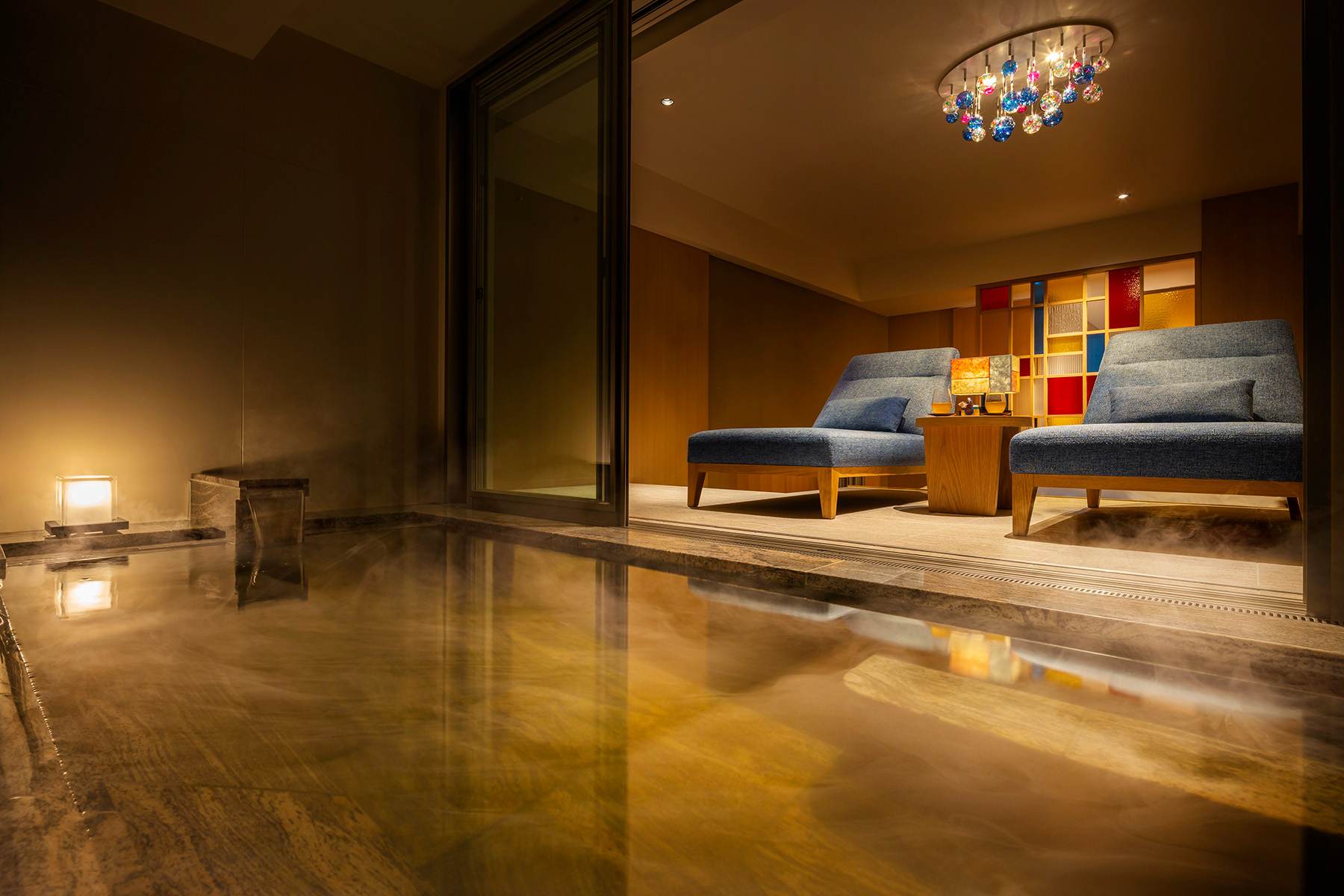
After enjoying an exotic night at the Nagasaki Lantern Festival, you can take a one-hour drive to "Hoshino Resorts KAI Unzen" in Unzen hot spring to enjoy the afterglow of the festival.
Enjoy the exotic atmosphere of Japanese, flowery, and orchid music, and soak in the hot springs from Unzen Hell and Nagasaki culture.

Local Guide who was in charge of this article
Hoshino Resorts KAI Unzen
Unzen hot spring, Nagasaki
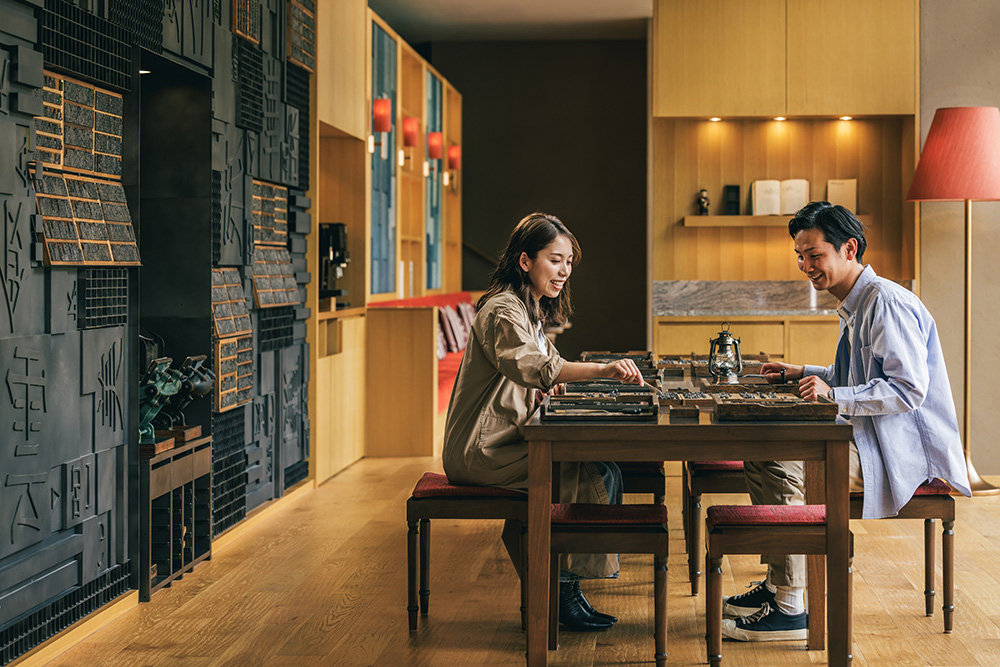
The interior of the inn, designed with Nagasaki's culture, is a space with an exotic atmosphere. You can spend your time in a hot spring hell and an inn that is connected to the ground, where you will be healed and energized at the same time.
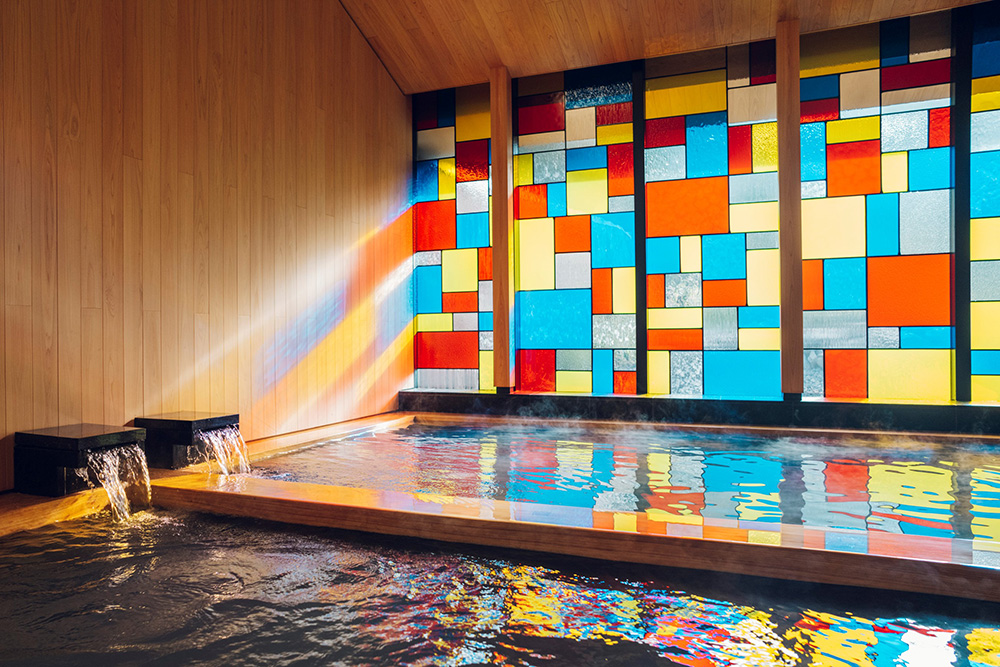
-2.jpg)
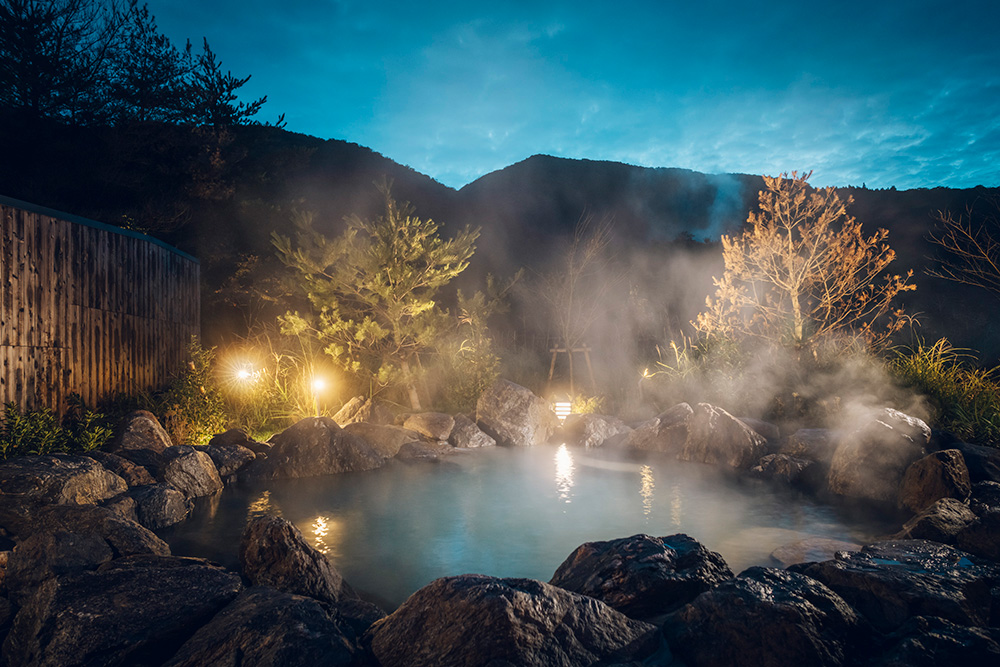
Access by bus Approximately 75 minutes from JR Nagasaki Station by shuttle bus, 50 minutes from JR Isahaya Station by shuttle bus
- Example of Accommodation Rates
- 1 person per night From 17,000 yen