





Unique to the hot spring kingdom of Beppu. A blissful trip to enjoy a variety of hot spring hopping and "Hell gourmet"

Beppu, Oita Prefecture, is a hot spring town with over 2,800 sources where steam rises from everywhere. Known as a dream destination even among hot spring enthusiasts, it boasts a diverse range of spring qualities and the largest volume of hot spring water in Japan. The eight hot spring areas scattered throughout the city are known as the "Beppu Hatto" (Eight Hot Springs of Beppu), each characterized by its unique spring quality and town atmosphere. A culture of ingenious thermal bathing has also developed, allowing you to encounter new charms of hot springs while feeling the long-cultivated history. During your trip, be sure to try the casual gourmet food made with the power of "hells," where high-temperature steam and boiling water gush out. We will introduce the profound charm of Beppu, a hot spring paradise that you can fully enjoy with your eyes, skin, sense of smell, and taste.
*The spots in this article were selected by local supporters (staff at Hoshino Resorts KAI Beppu), focusing on locations within walking distance or a 20-minute drive from the hot spring ryokan "KAI Beppu."
An overwhelming No. 1 in both the number of sources and total discharge. A deep dive into the greatness of "Beppu"
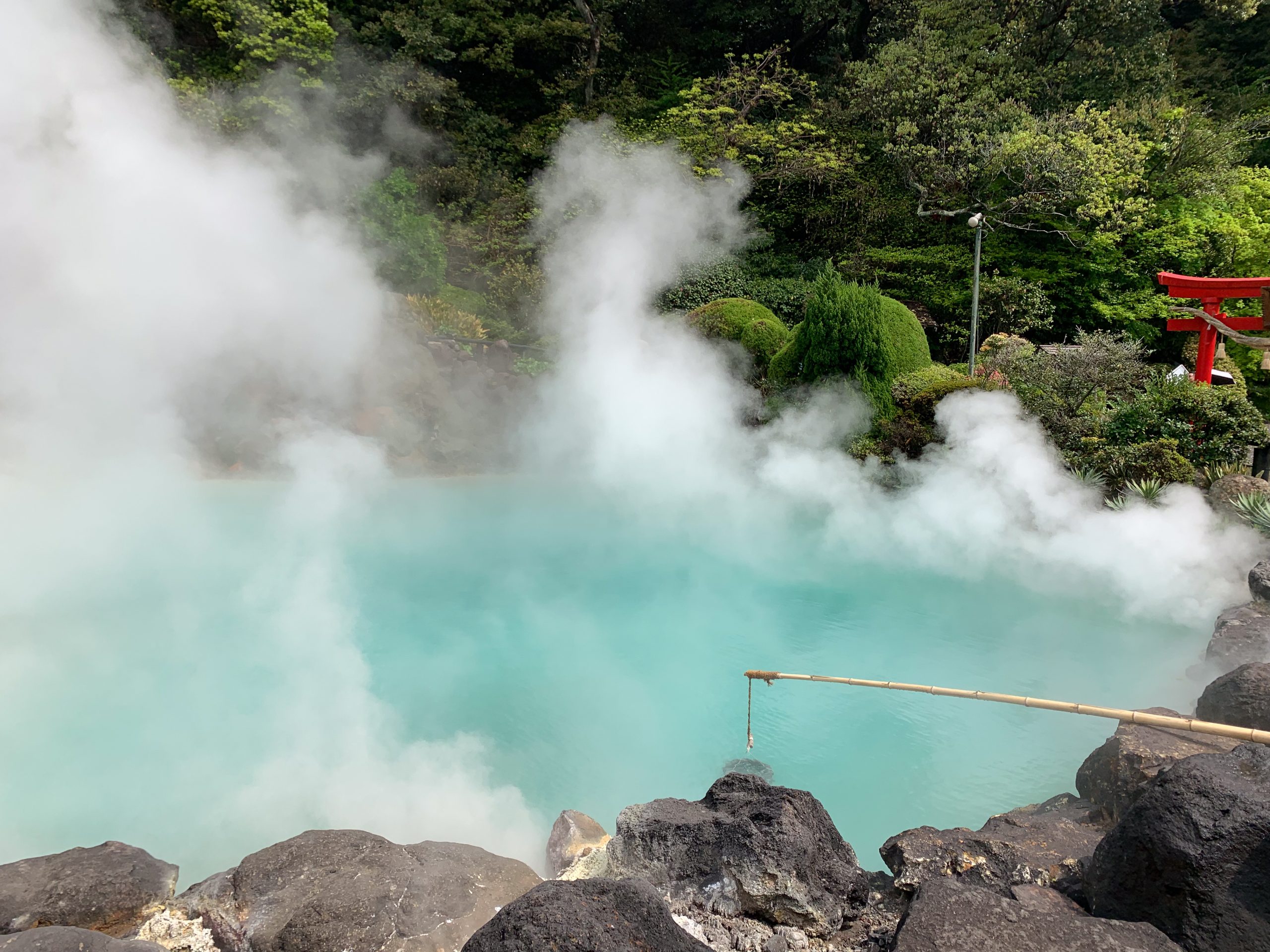
There are over 2,800 hot spring sources in Beppu, and the discharge volume exceeds 102,000 liters per minute (*). Both figures boast the highest numbers in Japan. By the way, if you look at Yufuin Onsen in Oita Prefecture, which is second in the country, the number of sources is about 1,000 and the discharge volume is about 52,000 liters, showing that Beppu is far ahead. Even more amazing is that out of the 10 types of "posted spring qualities," such as simple thermal springs, chloride springs, and sulfur springs, you can enjoy 7 of them within the Beppu Onsen area. There is no other hot spring resort that is so well-endowed in both quality and quantity, so it is understandable why Beppu Onsen is praised as "the best in Japan."
*According to the "FY2021 Hot Spring Usage Status Report (Summary Table)" (Oita Prefecture website hot spring data)
By the way, why are there seven types of spring quality in the Beppu Hot Spring Resort? To understand the secret, let's first unravel its geological features.
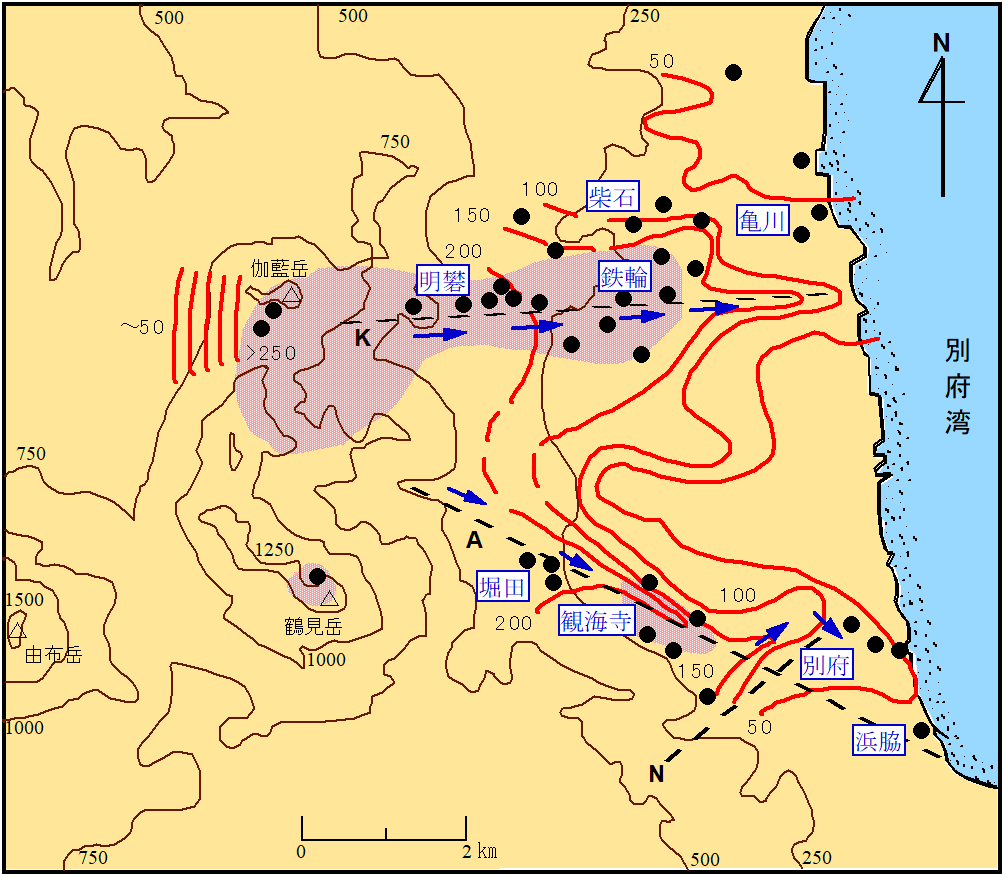
Beppu is located in the "Beppu-Hanamure Fault Zone," where many active faults are distributed, and is an alluvial fan extending from Mt. Tsurumi and Mt. Garan in the west of the city to Beppu Bay in the east. It is formed by rocks from pyroclastic flows and debris flows caused by the volcanic activity of Mt. Tsurumi in ancient times. What we want to pay attention to is the existence of two faults running north and south of the alluvial fan, starting from the Mt. Tsurumi area. These faults serve as underground channels for hot water, and the "hells" (fumaroles and boiling springs) that have existed since ancient times, as well as recently drilled springs, are often found around these two faults. The "Beppu Hatto" are also located along these faults, with Kamegawa, Shibaseki, Kannawa, and Myoban along the northern Kannawa fault, and Hamawaki, Beppu, Kankaiji, and Horita along the southern Asamigawa fault.
The source of the hot water flowing through the fault is said to be a chloride-type hydrothermal fluid located beneath the Tsurumi volcanic group. It is believed that rainwater infiltrating from the surface mixes with this hydrothermal fluid, boiling due to geothermal heat, condensing as steam, and undergoing chemical reactions with the diverse rocks deposited on the alluvial fan, resulting in various spring qualities.
Furthermore, the state of the springs also varies; from the mountains toward the sea, there is a distribution of "fumaroles" where high-temperature steam erupts, "boiling springs" where hot water erupts along with steam, and "general hot springs" collected at temperatures below the boiling point. This diversity in spring discharge forms has brought a rich hot spring culture to Beppu that goes beyond just "soaking in the water."
Touring the "Beppu Hatto" (Eight Hot Springs of Beppu) with their diverse atmospheres and spring qualities
The opening of Beppu's hot springs dates back a long time, with mentions of Beppu Onsen found in the "Iyo no Kuni Fudoki" written around the 8th century. For a long time, they flourished as independent hot spring resorts in scattered villages and towns, but following the development of transportation and municipal mergers from the Meiji era onwards, by 1924, the eight representative hot spring areas were collectively referred to as "Beppu Hatto." Here, we introduce the characteristics and charms of these eight unique hot spring areas.
◆ Hamawaki Onsen
Along with Kannawa, this is said to be the birthplace of Beppu Onsen. Located along the coast on the south side of the Beppu hot spring area, it is said that the name "Hamawaki" (beach side) originated from the sight of hot springs gushing out from the beach. It thrived as a port town during the Edo period, and remnants of the geisha districts from the Meiji and Taisho eras still remain. Today, rustic public bathhouses are scattered from the beach to the area around the lower reaches of the Asamigawa River, where you can enjoy interacting with the locals. The municipal multi-purpose hot spring facility "Yutopia Hamawaki" also has a rest area, allowing you to stay and relax.
◆ Beppu Onsen
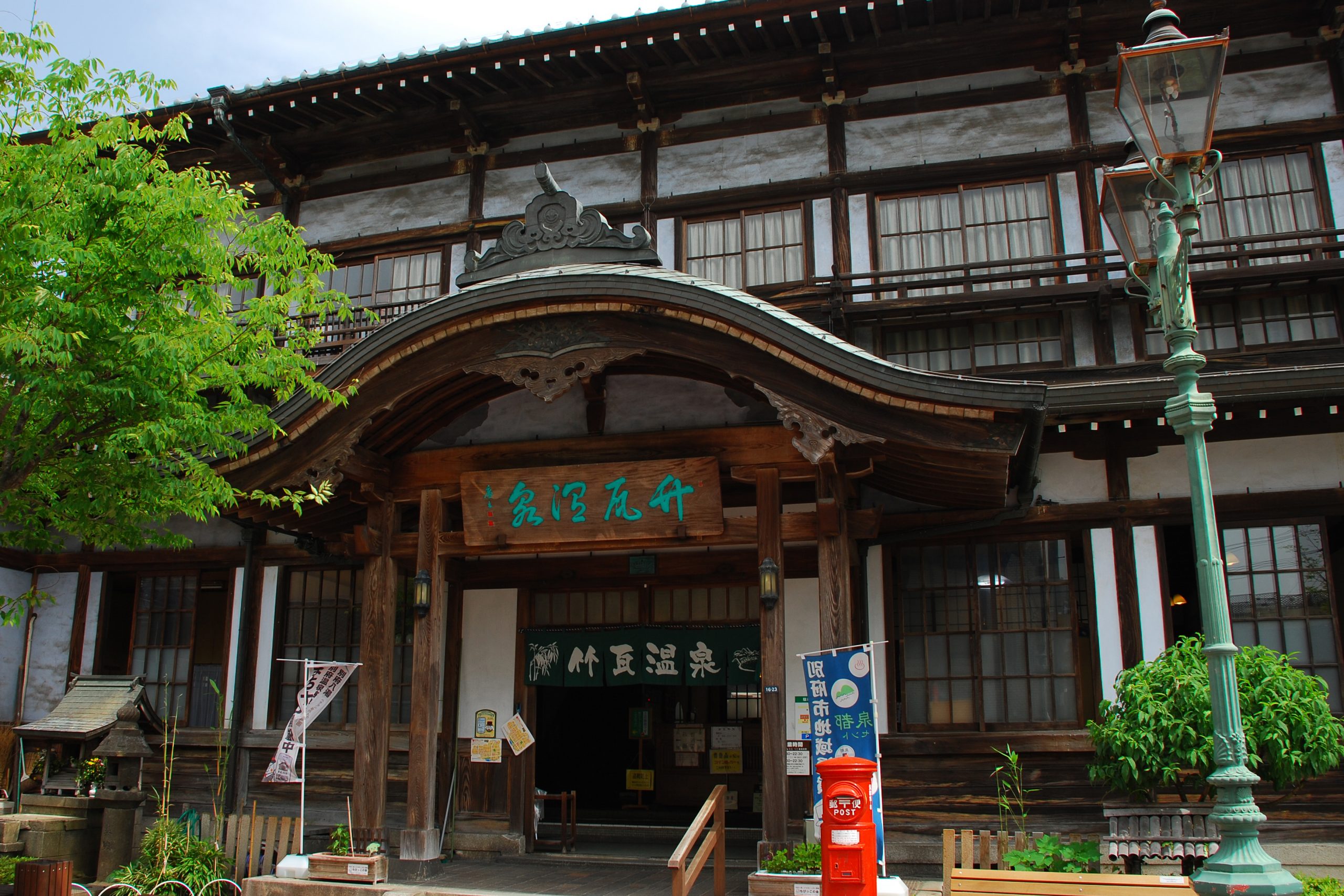
Spreading out from JR Beppu Station, the gateway to the Beppu Onsen area, it offers excellent accessibility. It is one of the most iconic hot spring areas of the "Beppu Hatto" (eight hot springs of Beppu), and the city's symbol, "Takegawara Onsen," is a must-see. Its rounded karahafu-style roof is full of nostalgic charm and makes for a perfect photo spot. Inside, you can enjoy a memorable bathing experience with the famous sand baths and separate baths for men and women with different spring qualities. There is a wide variety of facilities available, ranging from public baths costing less than 500 yen to day-trip baths at high-end ryokan.
◆ Kankaiji Onsen
An area that has flourished as a hot spring resort since the Kamakura period. Located in the upper reaches of the Asamigawa River at an altitude of about 200 meters, it is characterized by its excellent views, which stretch from the Beppu city area to Beppu Bay, and even as far as Shikoku on clear days. There are public baths where you can enjoy soft, colorless, and transparent hot spring water, as well as day-trip baths with rare cobalt-blue open-air baths. It is also close to cable cars and famous waterfalls, making it recommended to combine with sightseeing.
◆ Horita Onsen
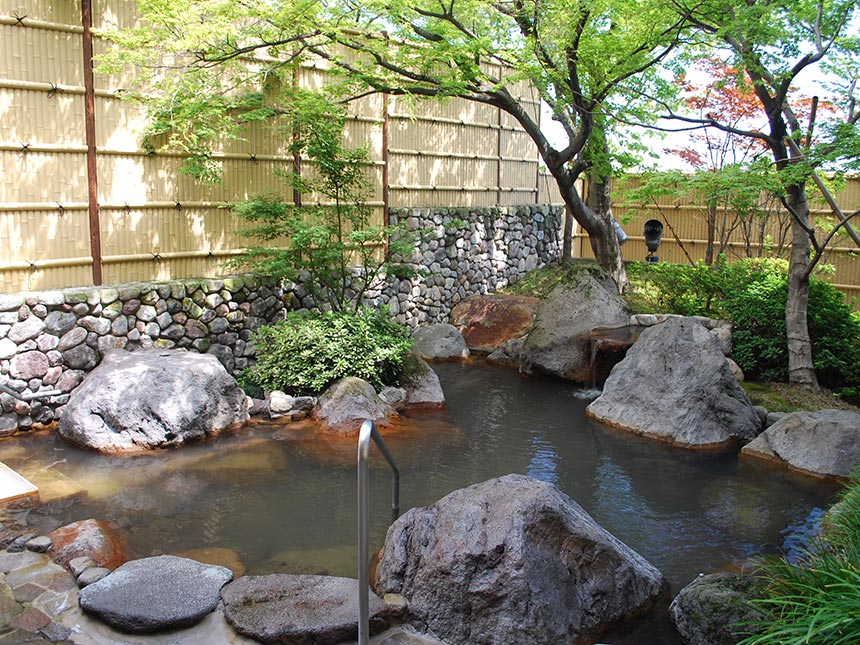
Just off the Beppu IC on the Higashi-Kyushu Expressway. It is located a little way up towards Mt. Tsurumi from Kankaiji Onsen. Steam rises between idyllic fields and mountain scenery, and the area is blessed with an abundant flow of spring water. It is a historic hot spring area that has flourished as a therapeutic bathing resort since the Edo period, warmly healing travelers coming and going between Yufuin and Hita. At the municipal hot spring facility, which is bustling with locals and tourists on weekends, you can enjoy hot spring water with fluffy "yunohana" (mineral deposits) floating in it in an open-air rock bath.
◆ Kamegawa Onsen
Located around JR Kamegawa Station on the northern coast, slightly away from the center of Beppu. In the Edo period, it was a key transportation hub to Kokura, and the hot springs and sand baths bubbling up on the coast were popular with travelers. "Kiyosen," which was revived in the Meiji era after being buried by a disaster in the Middle Ages and subsequently rebuilt, is famous. There are also retro Beppu-style public baths where the bathtub is semi-underground and there is no partition between it and the changing room, which has become secretly popular among hot spring fans.
◆Kannawa Onsen
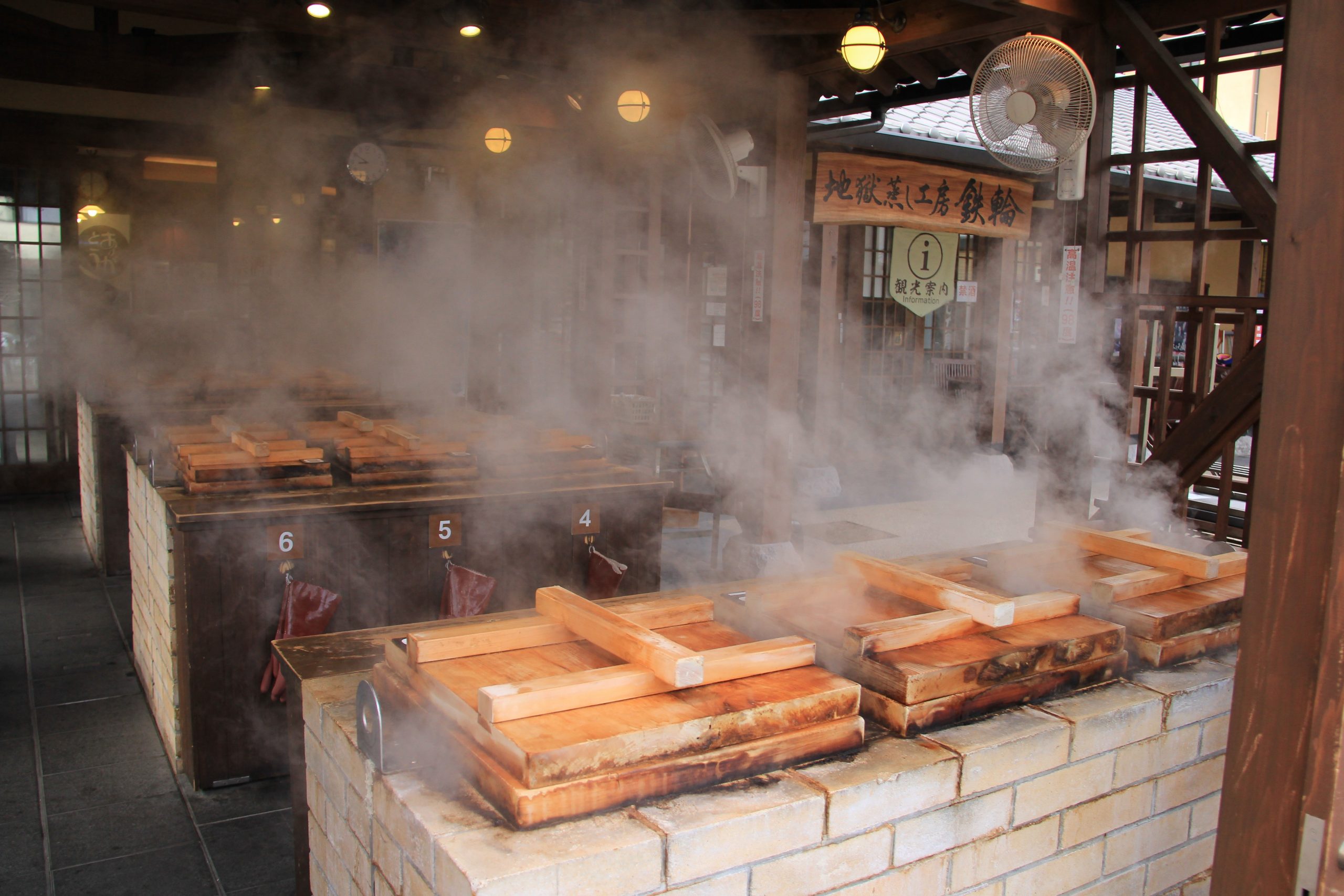
Among the "Beppu Hatto" (eight hot spring areas of Beppu), this district is particularly rich in hot spring atmosphere and has a deep-rooted thermal culture. You will often see tourists enjoying strolls, drawn by the sight of steam rising from various spots in the alleys. It is said that in the Kamakura period, the monk Ippen Shonin calmed the "Kuberi-yu no I" hell (fumarole/boiling spring) and created hot spring sites that are still loved today, such as "Mushi-yu" (steam bath) and "Shibu-no-yu." There are also many restaurants where you can experience the taste of "Jigoku-mushi" (hell steaming), which utilizes fumaroles and geothermal heat for cooking.
◆Shibaseki Onsen
It is said that the name comes from the discovery of fossilized brushwood during the Edo period. This is a hot spring area with a prestigious history, where Emperor Daigo recuperated in 895 (Kanpyo 7) and Emperor Goreizei in 1044 (Kantoku 1). The municipal hot spring standing along the mountain stream features the classic Beppu style, divided into "Atsu-yu" (hot water) and "Futsu-yu" (regular water). You can enjoy a tour of unique hot springs, such as "Chosenji Yakushiyu," where you can enjoy acidic spring water piped from the Tatsumaki Jigoku (Tornado Hell), and the foot bath attached to the "Chinoike Jigoku" (Blood Pond Hell), which appears red due to iron oxide and magnesium oxide.
◆Myoban Onsen
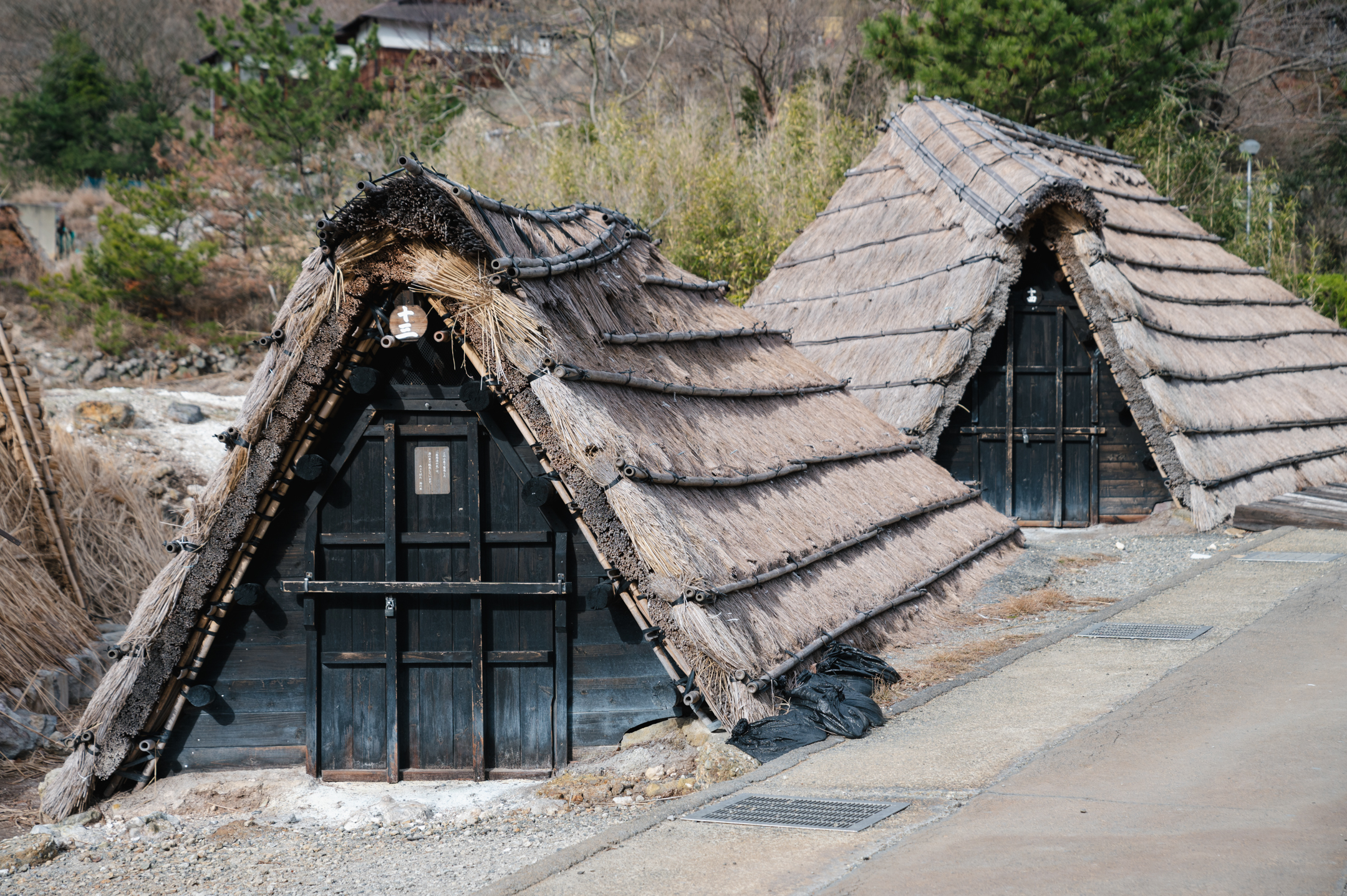
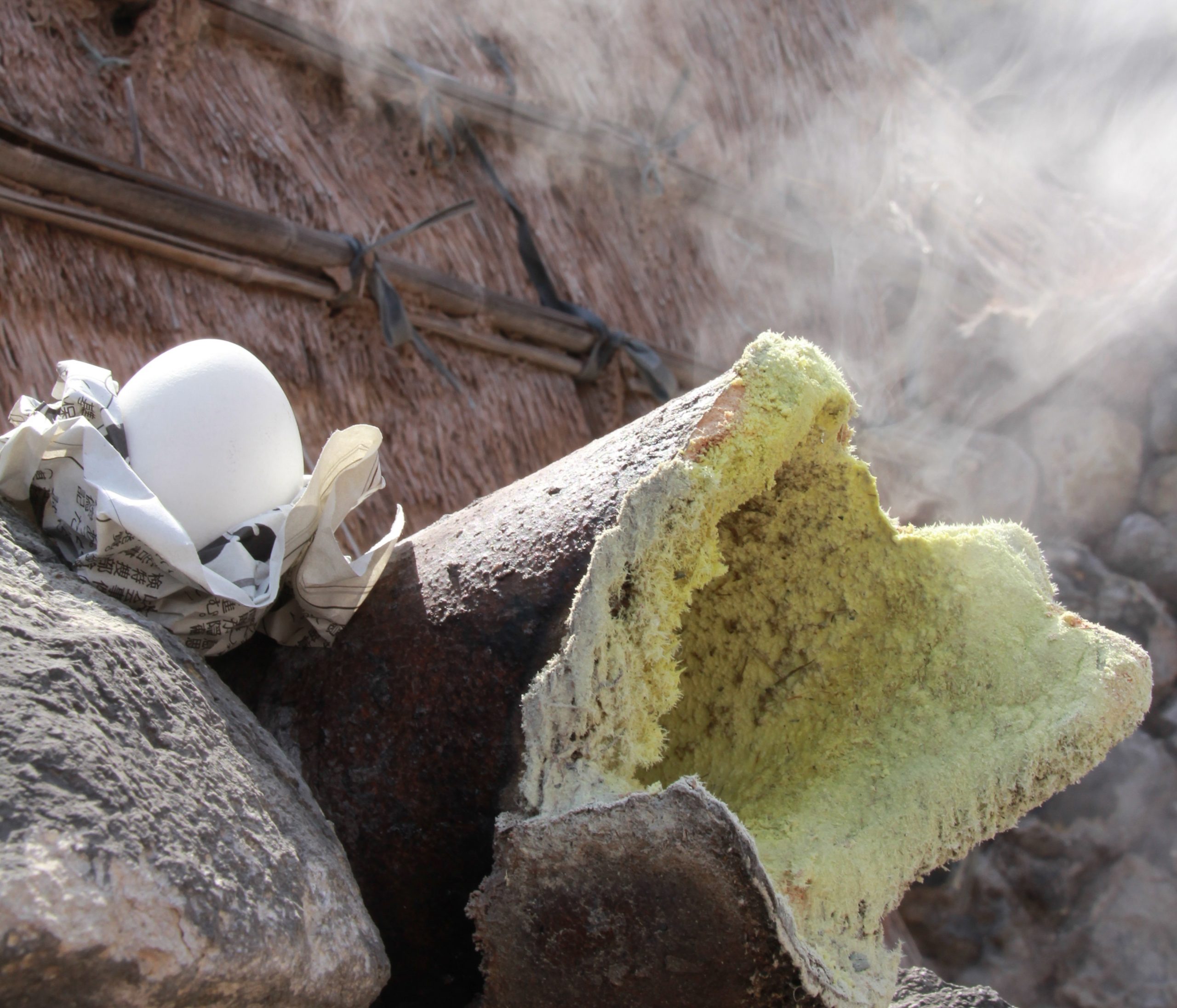
Located at the highest altitude among the "Beppu Hatto," this area sits on the mountainside of Mount Garan (also known as Mount Iwo). It became famous in the Edo period for the collection of alum and "yunohana" (hot spring mineral deposits). It retains a charming landscape with thatched-roof "yunohana huts" still standing today, and there are facilities where you can observe the production of yunohana, which is designated as an Important Intangible Folk Cultural Property. It is a hot spring area where you can encounter hot springs that are impressive in both appearance and scent, such as cloudy sulfur springs, milky blue acidic springs, and unique mud baths.
Beppu is not just about the "hot springs"!
Enjoy the Earth's energy in every way possible.
In addition to the abundance of hot spring sources and water qualities, another major appeal of Beppu, a hot spring paradise, is the ability to enjoy the power of hot springs in unique ways. The Meiji-era poet Ujo Noguchi praised the "mushiyu" (steam bath), where one warms up with steam, in his poem: "Returning from the Kannawa steam bath in Bungo, the scent of Japanese sweet flag lingers on my skin." Here, we introduce the thermal experiences that have long been cherished in Beppu, utilizing high-temperature fumaroles and geothermal heat.
◆"Sekisho (Japanese sweet flag) steaming" at "Kannawa Mushiyu"
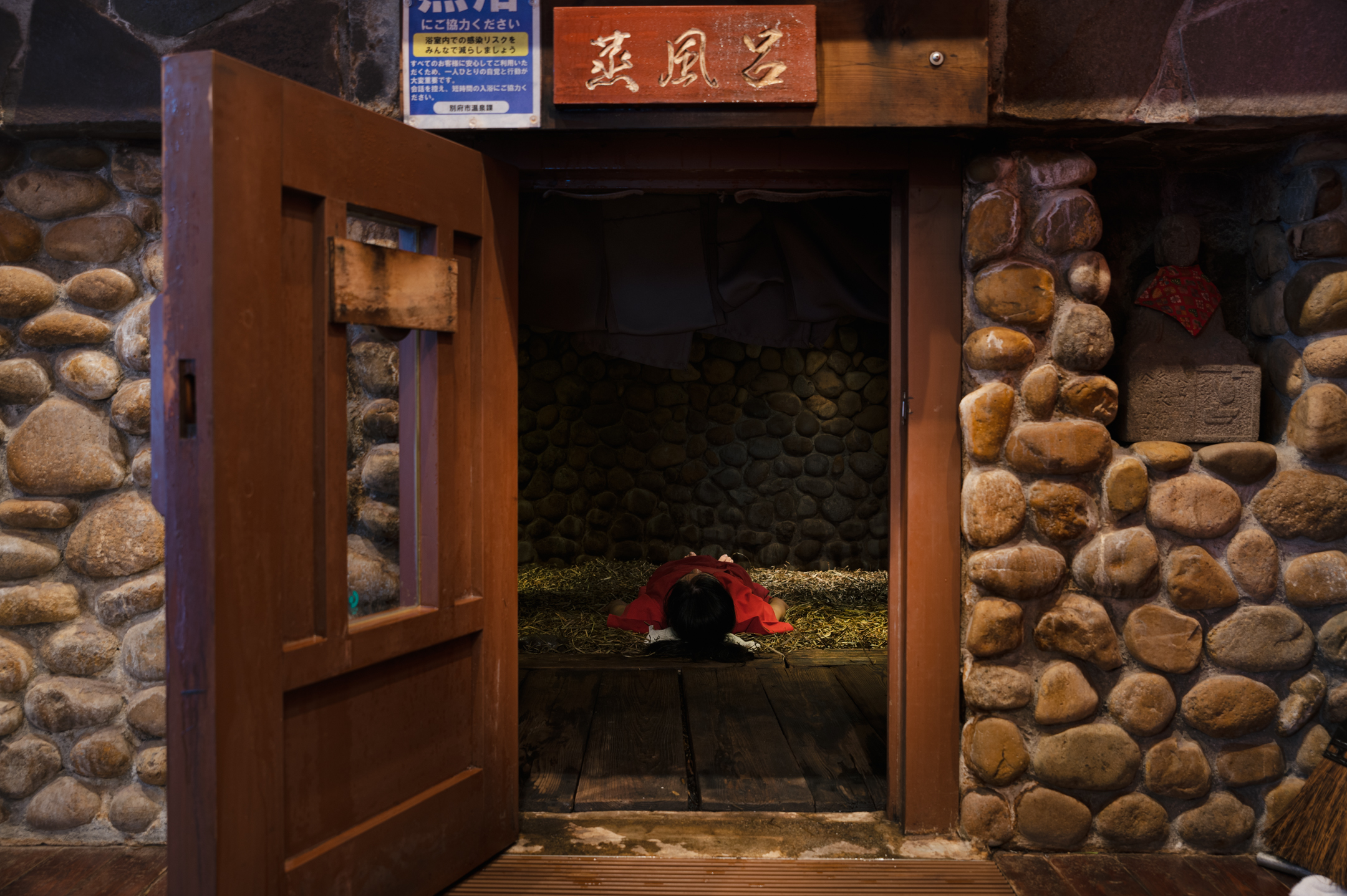
It is said that this steam bath was opened by the monk Ippen during the Kamakura period. It features a unique style where you enter a stone chamber of about 14 square meters and lie down on medicinal herbs spread across the floor. The herbs are a type of sweet flag called sekisho, which grows only along clear streams. The refreshing scent and steam filling the space soothe the mind and body, allowing you to experience a traditional Japanese herbal bath. When entering, please bring comfortable clothing or use the rental service. Aim to exit after 8 to 10 minutes, and after resting, take a refreshing dip in the hot spring bath for a blissful feeling.
A casual "foot steam" is also available on the premises
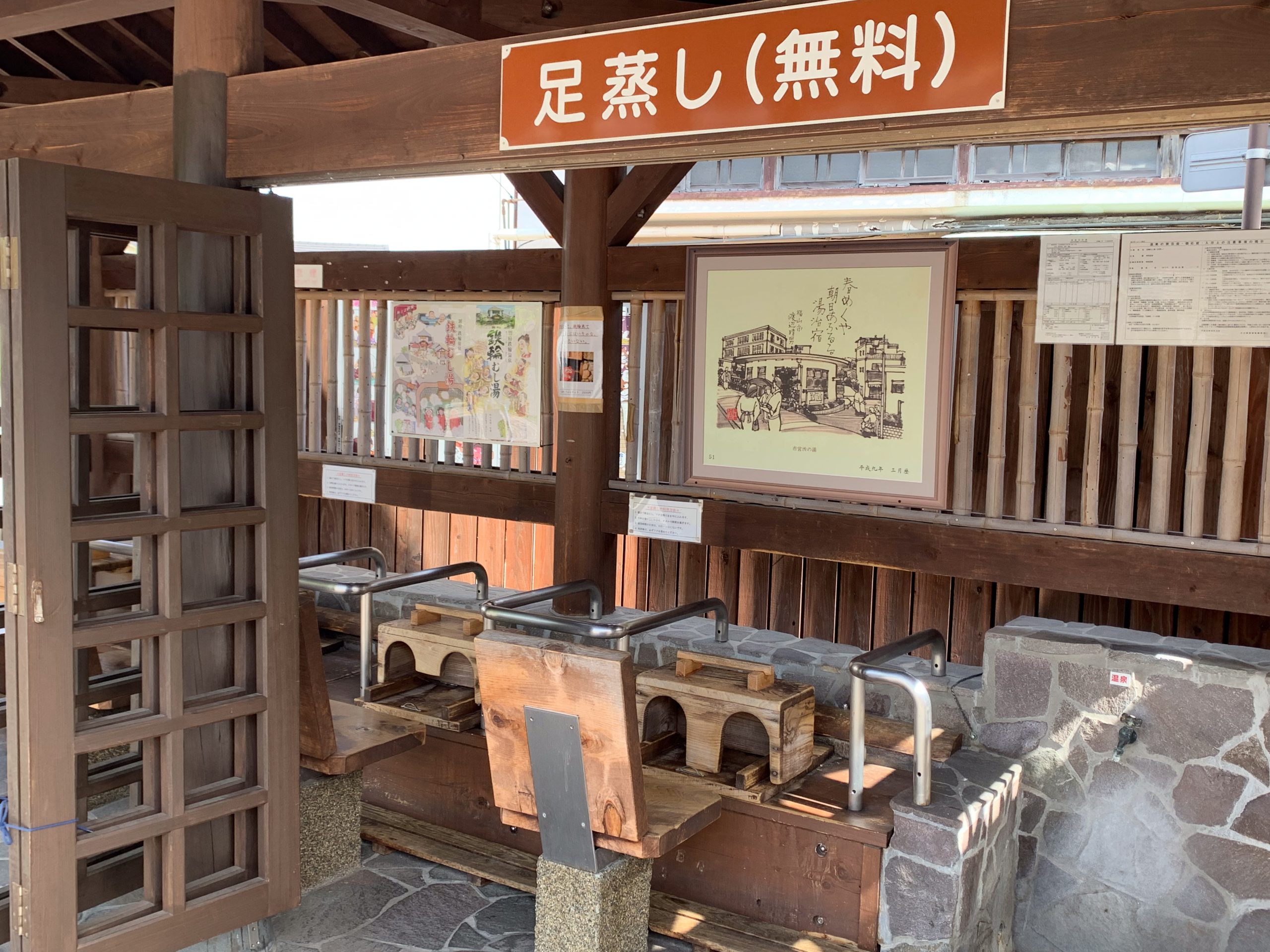
Near the entrance of the "Kannawa Mushiyu," there is also a "foot steam" area where you can warm your feet with steam for free. Open the lid in front of the chair and place your lower legs into the steam; you will quickly feel your whole body warming up, and the heat is intense enough to make you break a sweat. It is always bustling with domestic and international tourists as a unique experience only found in Beppu. Why not give it a try while strolling around, with the same casual ease as a foot bath?
- Kannawa Mushiyu
-
 1-kumi, Kannawa, Beppu City MAP
 Approx. 16 minutes by car from KAI Beppu
 7:30–19:30 (Last entry 19:00)
 4th Thursday (or the following day if it is a public holiday)
 Steam bath 700 yen (bathing for junior high school students and older), rental yukata 220 yen, foot steam bath is free
 0977-67-3880
 Free parking at the municipal hot spring "Netsunoyu" is available
 "Foot steam bath" may be unavailable depending on steam conditions
◆"Sand bath" at "Takegawara Onsen"
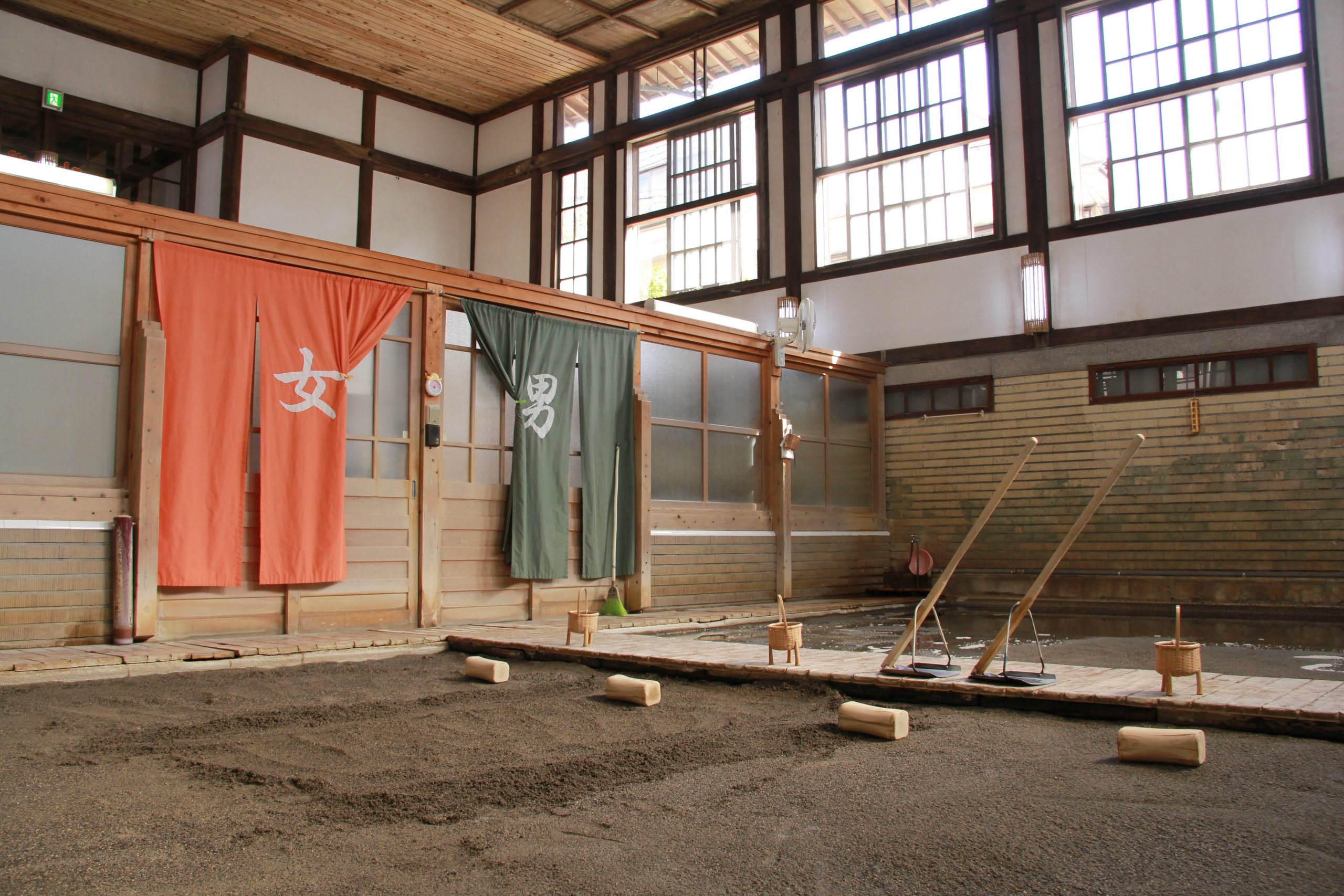
Located about an 8-minute walk from Beppu Station, this is a symbolic building of Beppu Onsen. For the famous "sand bath," the process involves changing into a yukata rented at the entrance, lying down on the sand, and having it shoveled over you. The sand, heated by the hot spring, has a pleasant temperature and a soothing weight, inviting you into an indescribable sense of comfort. After about 10 minutes of the sand bath experience, you rinse off the sand in the shower and finish by soaking in the hot spring. As it is an indoor facility, it is an easy spot to visit even on rainy days or during the winter. The facility also has separate hot spring baths for men and women, in addition to the sand bath.
- Takegawara Onsen
-
- 16-23 Motomachi, Beppu City MAP
- Approx. 6 minutes on foot from KAI Beppu
- Sand bath 8:00–22:30 (Last entry 21:30), regular bath 6:30–22:30
- 3rd Wednesday (or the following day if it is a public holiday)
- Sand bath 1,500 yen (includes regular bath). Regular bath only is 300 yen.
- 0977-23-1585
- None
- Sand baths are available for ages 6 and up.
During busy times, reception numbers are distributed, so it is recommended to visit with plenty of time.
◆"Box steam bath" at "Yumetamatebako"

A day-trip bathing facility located in the Kannawa area. As part of its various bathing options, a "box steam bath" is installed next to the open-air bath. The "box steam bath" is a traditional Japanese-style sauna that has been passed down in the Kannawa and Myoban hot spring areas for generations. You open a cypress box partitioned for one person, sit on the chair inside, and close the lid so that only your head is sticking out. You are thoroughly warmed by the steam filling the box from your feet up, and since your head is outside, there is no stuffiness, and you don't have to worry about the heat damaging your hair—it's perfect in every way. This "solo sauna" experience in an open atmosphere is a comfort that becomes addictive.
- Yume Tamatebako
-
- Kitanaka 1-kumi, Beppu City MAP
- Approx. 14 minutes by car from KAI Beppu
- 7:00 AM – 2:00 AM the following day
- Open every day
- Adults 580 yen, elementary school students 290 yen (different rates apply on Saturdays, Sundays, public holidays, and peak periods)
- 0570-200-445
- Free
◆"Hand bath" at Beppu Station Square
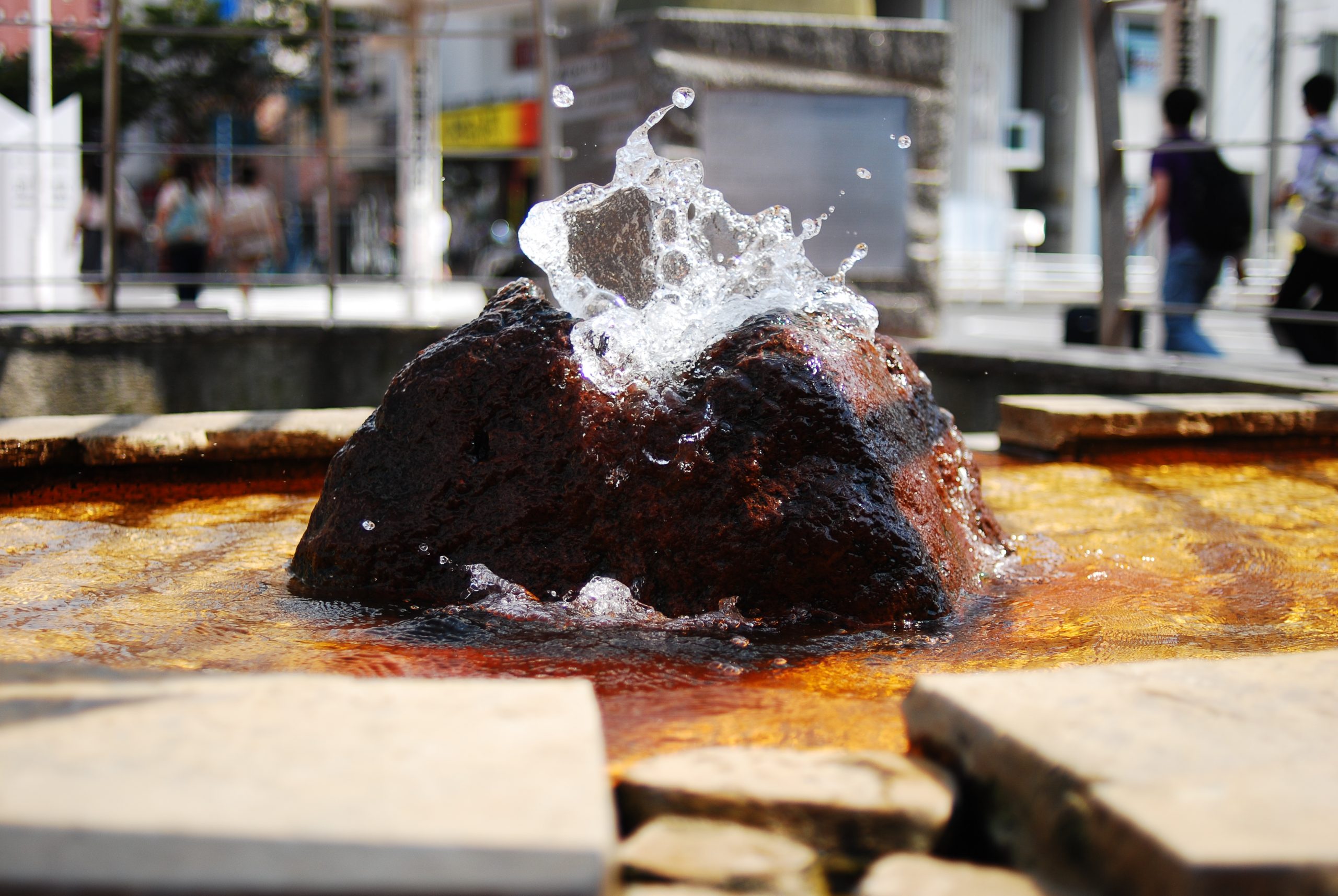
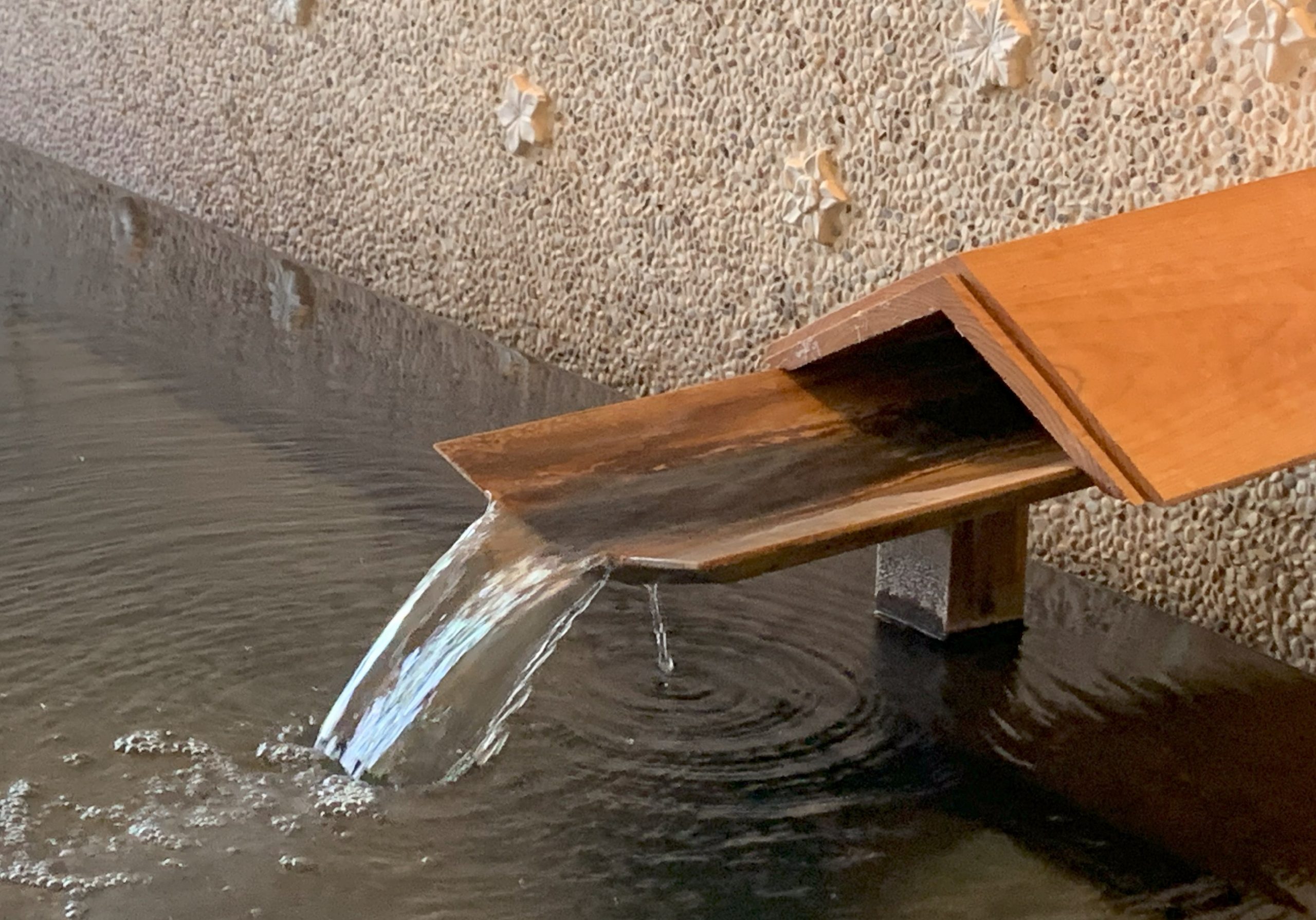
Inside the monument located in the plaza in front of JR Beppu Station. Free-flowing hot spring water overflows from a base made of Beppu stone, which is native to Beppu. The spring quality is a sodium-chloride/sulfate spring. If you soak your hands in it for a while, your whole body will feel warm and cozy, and you will feel refreshed. The colorful monument is made of bamboo and was created to represent the abundant hot springs that gush out from various places in the city.
- Hand bath at Beppu Station Square
-
- 12-13 Ekimae-cho, Beppu City, Oita Prefecture MAP
- Approx. 10 minutes on foot from KAI Beppu
Perfect for a snack after bathing or sightseeing.
Enjoy "delicious" treats steamed by volcanic steam.
After fully enjoying bathing and steam baths, you will want to take a leisurely stroll. Throughout the town, you can find popular snacks made using "Jigoku-mushi" (hell steaming), which utilizes the steam and thermal heat characteristic of Beppu. Here, we introduce popular gourmet foods that you will want to enjoy while cooling down your flushed body.
◆"Jigoku-mushi (hell-steamed) pudding" at "Myoban Onsen Okamoto-ya Shop"
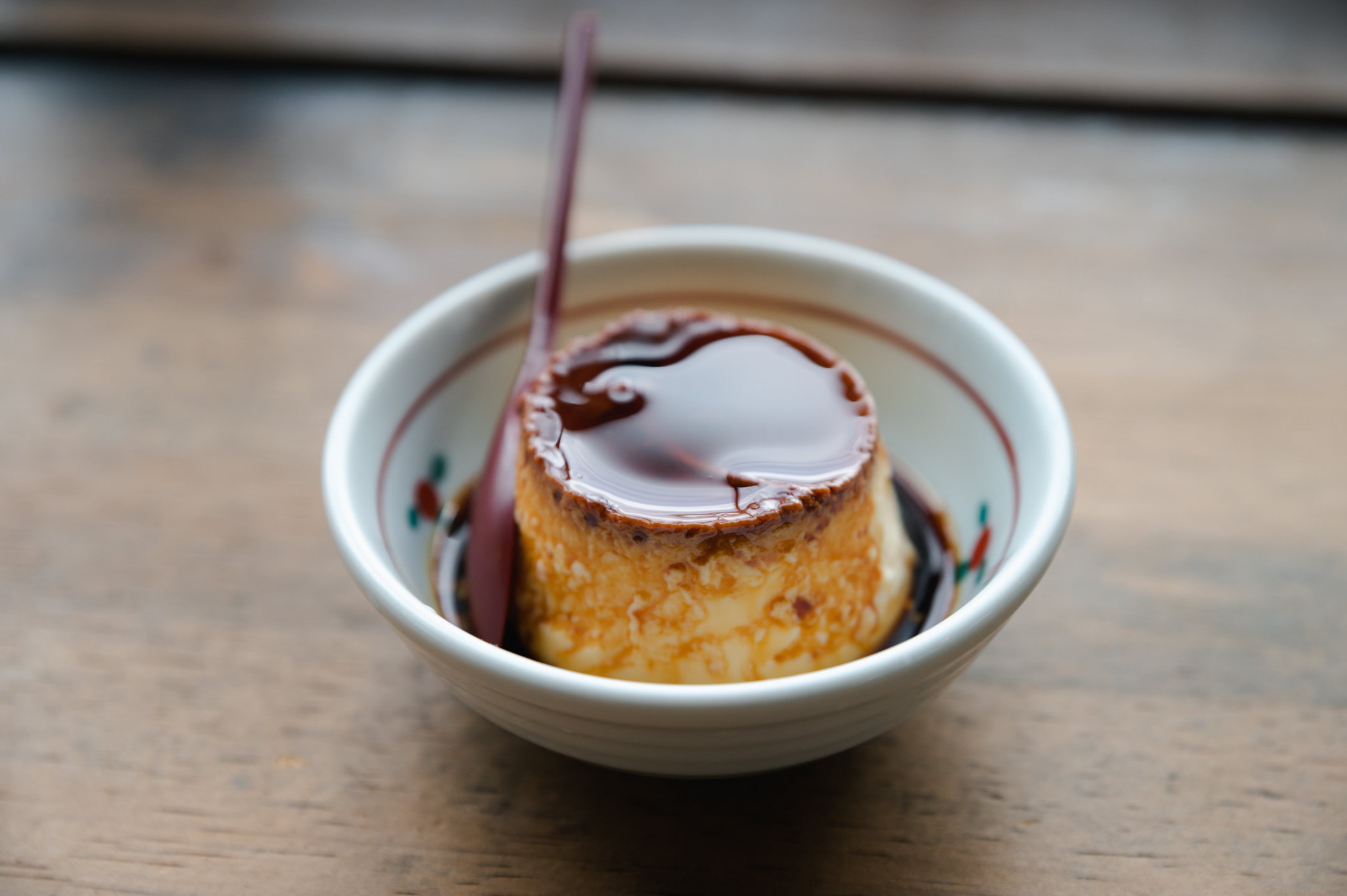
An exquisite pudding handmade one by one by artisans using a recipe that has remained unchanged since 1988 (Showa 63) and finished with "Jigoku-mushi" (hell-steaming). Topped with bitter caramel, this rich, smooth-textured pudding can be served on a plate and enjoyed on the spot. The shop is run by Okamotoya, a ryokan that has been in business in Myoban Onsen since the Meiji era. In addition to their signature pudding, they also offer items like sandwiches generously filled with hell-steamed eggs. You will find yourself wanting to try a little bit of everything.
- Okamotoya Shop
-
- 3 Myoban, Beppu City MAP
- Approx. 20 minutes by car from KAI Beppu
- 8:30–18:30 (L.O. 17:30)
- Open every day
- 0977-66-6115
- Free
◆"Gokuraku Manju" at "Umi Jigoku"

Among the many "hells" in Beppu, this spot is highly popular for its cobalt blue spring water. It is an acidic hot spring rich in iron sulfate, with a gushing temperature of approximately 98°C. The manju (steamed buns) made by steaming in a "hell-steaming" pot using high-temperature steam are filled with mildly sweet smooth red bean paste wrapped in a thin skin. They are bite-sized, about the size of a thumb, and have a delightful, round appearance. They are a fun snack that you can pop into your mouth one after another and finish in no time. In addition, eggs boiled directly in the Umi Jigoku (Sea Hell) are also highly acclaimed.
- Umi Jigoku (Sea Hell)
-
- 559-1 Kannawa, Beppu City MAP
- Approx. 16 minutes by car from KAI Beppu
- 8:00 AM - 5:00 PM
- Open every day
- 450 yen; elementary and junior high school students 200 yen
- 0977-66-0121
- Free
◆ "Jigoku-mushi Tamago" (Hell-steamed eggs) at "Hyotan Onsen"

Located in the Kannawa district, this is a day-trip hot spring where you can enjoy a wide variety of bathing facilities. The "hell-steamed eggs" you are looking for can be found in the courtyard rest area. The eggs, steamed with steam from a source nearly 100 degrees hot, are kept in a large basket and warmed by hot spring water flowing from a gourd-shaped spout, so they are always piping hot. The system of putting money into a basket on the side to make a purchase also has a retro charm. If you are just stopping by to buy eggs, tell the reception and they will let you into the courtyard. In the courtyard, you can also experience drinking the spring water and inhaling the hot spring steam.
- Hyotan Onsen
-
- 159-2 Kannawa, Beppu City MAP
- Approx. 14 minutes by car from KAI Beppu
- 9:00 AM – 1:00 AM (next day)
- Open every day *Temporary closures for facility maintenance occur a few times a year
- 0977-66-0527
- Free
A stay at "KAI Beppu" where you can encounter rich hot springs and local culture.
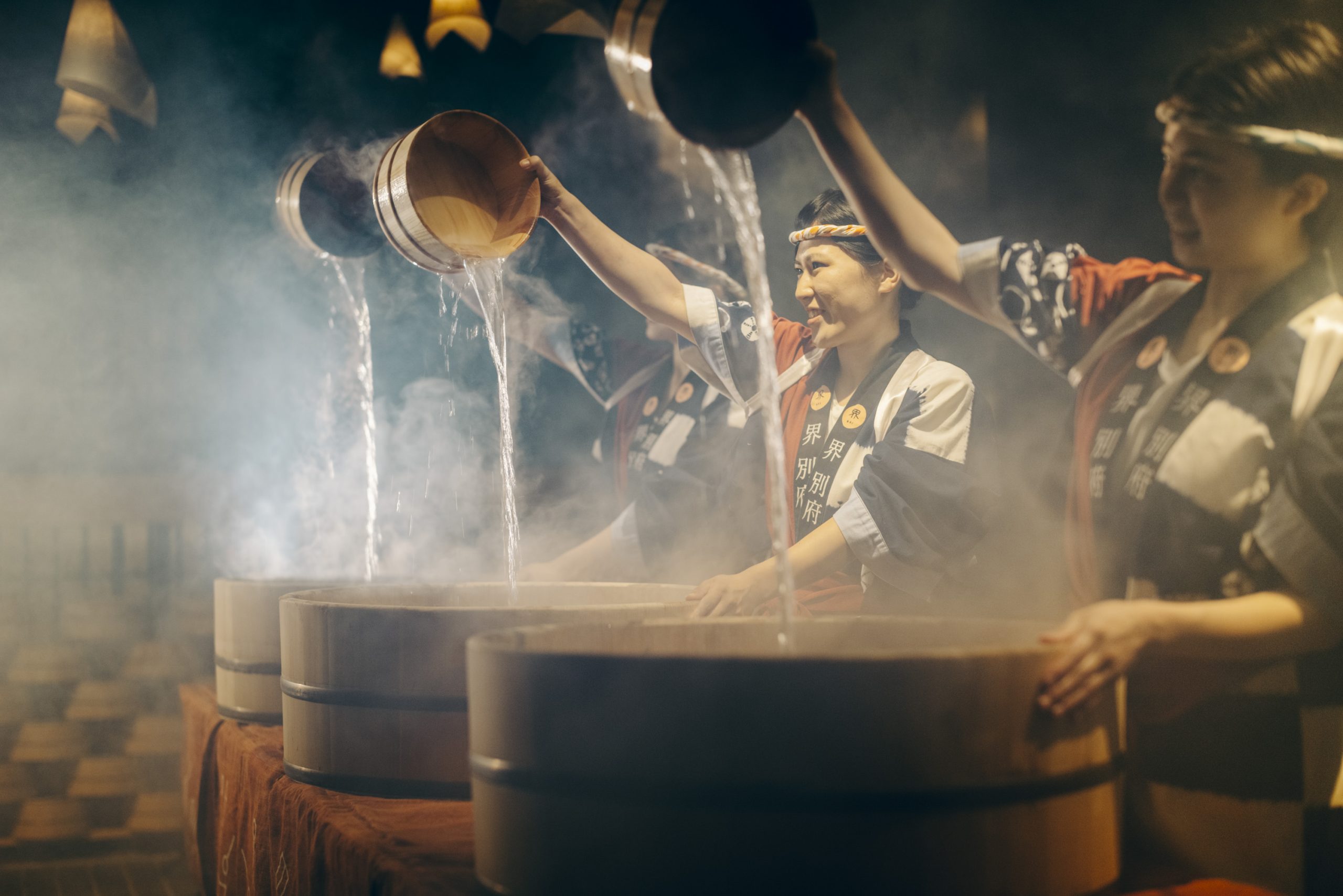
Located in a prime spot near the center of Beppu Onsen, Kai Beppu is a hot spring ryokan where you can enjoy both the bustle of the city and the rich scenery of the mountains and sea. Here are three points that allow you to experience the unique hot spring culture and history of Beppu while staying at the inn.
・Learn about the history and culture of hot springs
At the "Yu-gatari-dokoro" (Hot Spring Storytelling Spot), learn about the history and culture of Beppu's hot springs through talks by a "Hot Spring Master" full of love for Beppu.
・Experience the history of Beppu within the inn
Inspired by the history of Beppu, which was once bustling with hot spring visitors and filled with music, the local entertainment "Toji Jug Band" features staff in happi coats playing melodies with hot water and buckets.
・A stay filled with the essence of Beppu
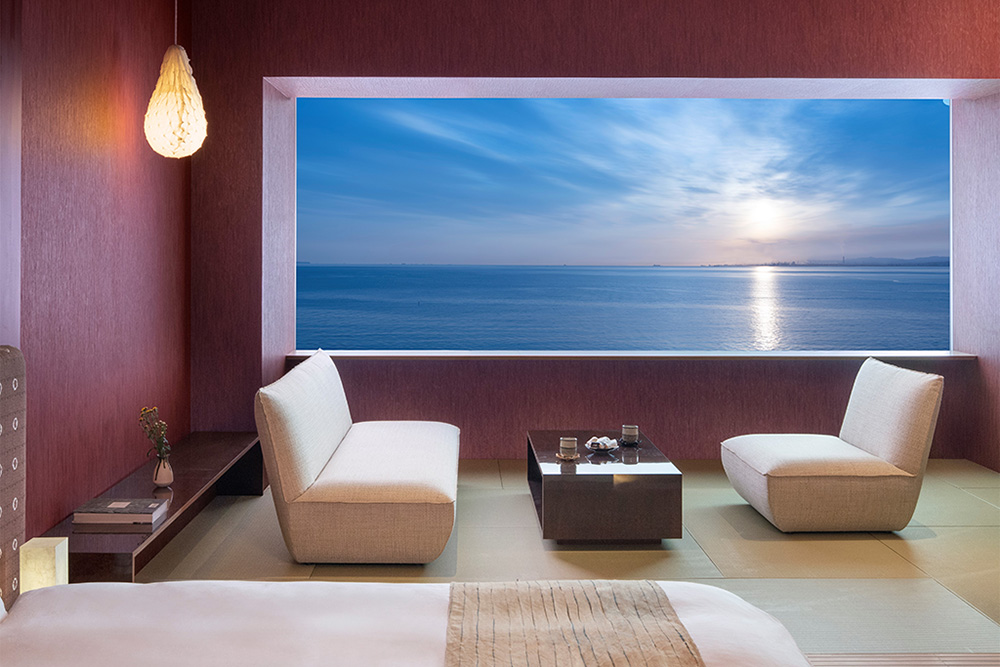
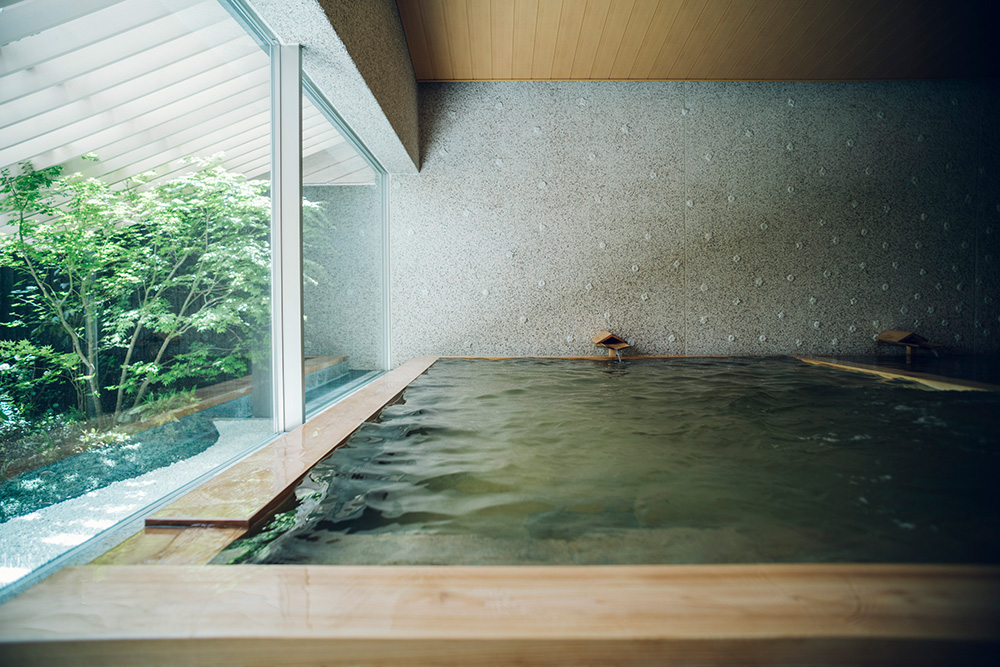
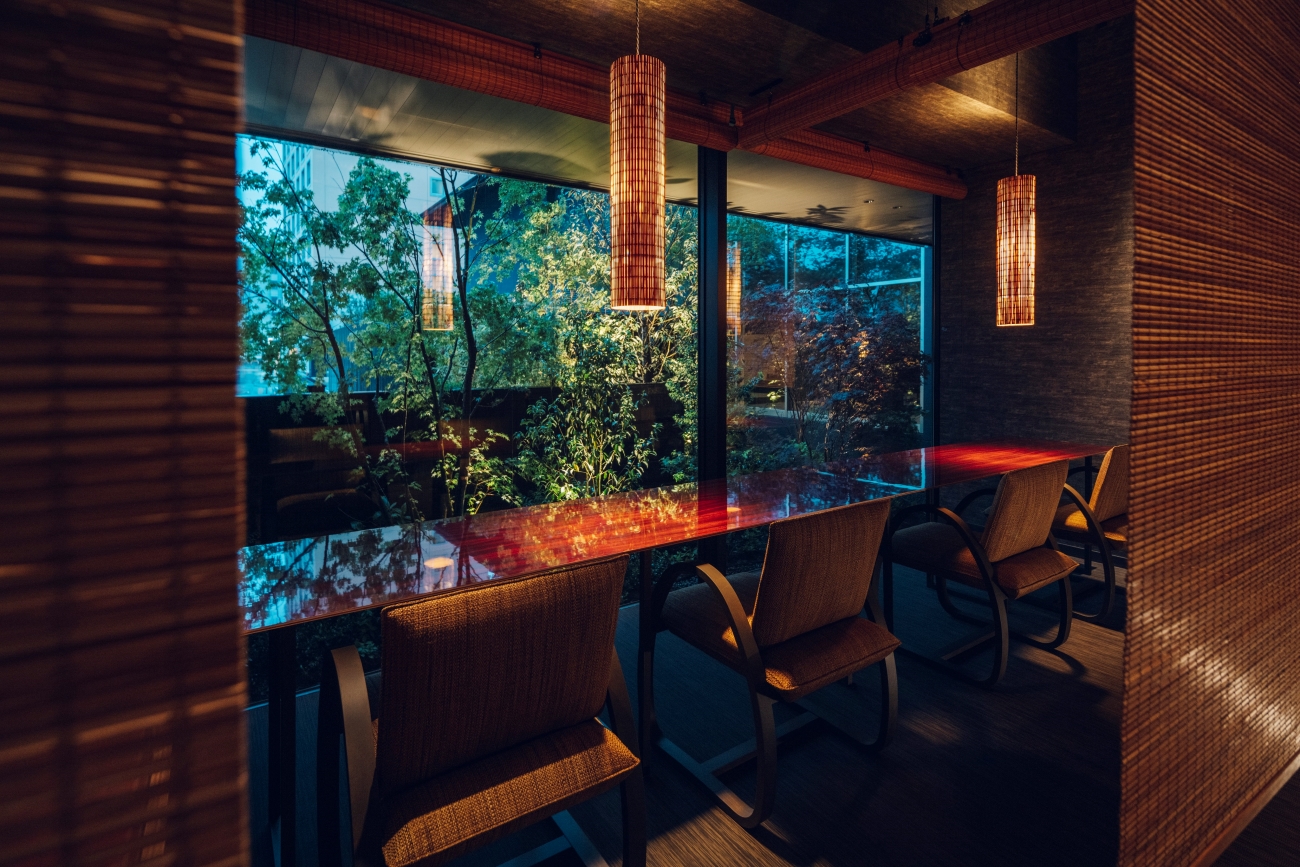
Enjoy the views from your guest room and footbath that change expression between day and night, local designs, the flavors of dinner and breakfast, and hot springs that invite exceptional comfort.
Here, you can spend time fully experiencing the charm of a hot spring resort worthy of being called "Japan's number one." Why not make Kai Beppu your base for your next vacation and set out on a journey to discover the profound charms of Beppu?

The Michikusa Expert in charge of this article
-
Takako Kawaguchi
Editor & Writer. Became a freelancer after 10 years of editorial experience at a major publisher's women's magazine. Spends days writing articles for magazines and websites, focusing on themes such as travel, interior design, and miscellaneous goods. Her greatest joys are watching sports with her husband and going on hot spring trips.
 Michikusa
Expert
KAI Beppu
Beppu Onsen, Oita Prefecture
Conveniently located as a base for sightseeing in Beppu. The view of the vast ocean from all ocean-view guest rooms is breathtaking.
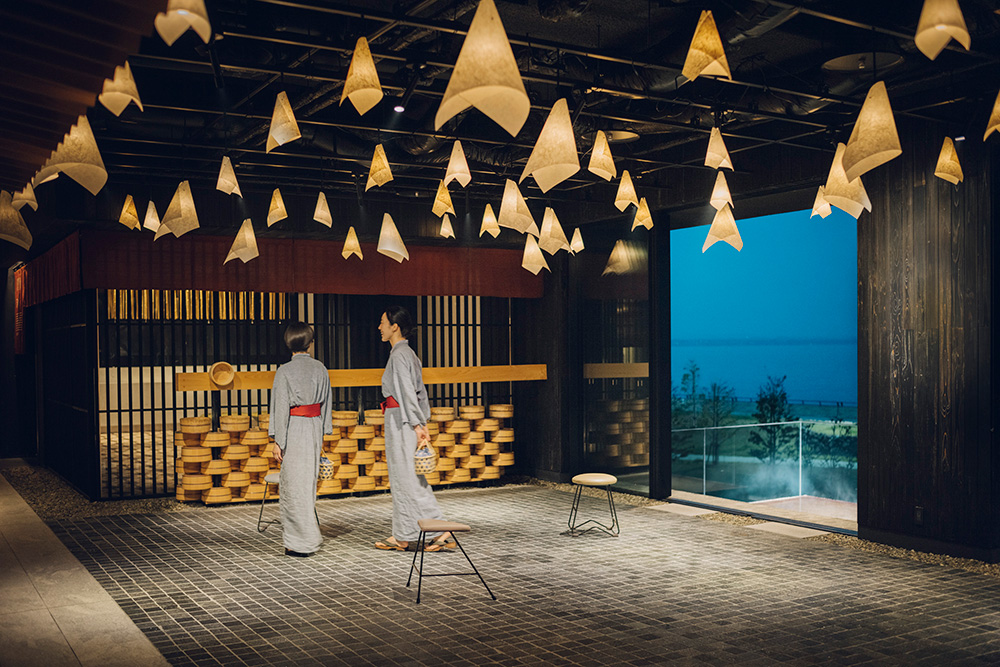
Access About a 10-minute walk from JR Beppu Station
- Accommodation rate example
- Per person per night From ¥17,000