





I'll know the temperature resort Okinawa of tropics and clothes.


Okinawa prefecture consists of islands of big and small about 160 which floats on the area of sea which spreads between Kyushu and Taiwan. Okinawa main island where that it's in its center takes pride in the 7th size in the Japanese island. The number isn't known to charm with Beach Resort in the biggest city in Okinawa and a coastal area a ruin of a castle and the U.S. military base in Ryukyu Kingdom age range in Naha-shi and the central part and where a noble family hotel of "beauty sea aquarium" and the world ranges in the north where a subtropical forest spreads in the south in the island which develops in about 110 km of north and south. Domestic and abroad, many tourists visit.
Okinawa Hon-jima of a subtropical climate is compared with a large metropolitan area of Tokyo and Osaka warmly through 1 year, and, an average of 6-7 ℃, it becomes expensive. The winter temperature is high about 10 ℃ in particular, and it's the feature to tend to have time. It's much throughout the year and also indispensable to a measure of ultraviolet rays by winter and a cloudy day. It's necessary to confirm the typhoon information briskly because there are a lot of typhoons and 7 Monday-September is close.
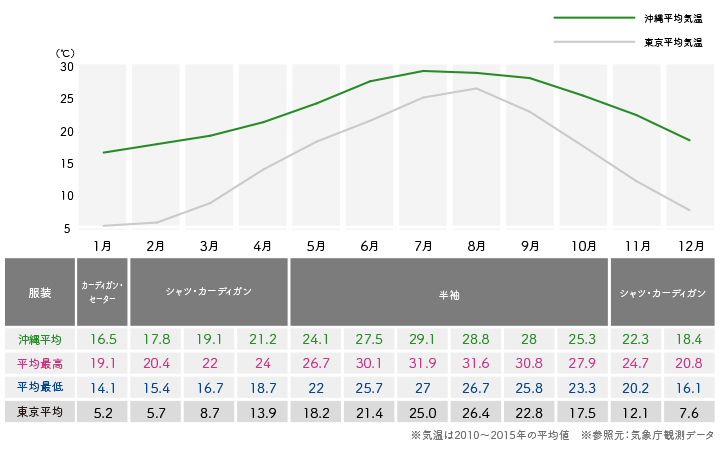
< the climate of the Okinawa Hon-jima and recommended clothes>
About the temperature of the spring (3-May) and clothes of Okinawa Hon-jima.
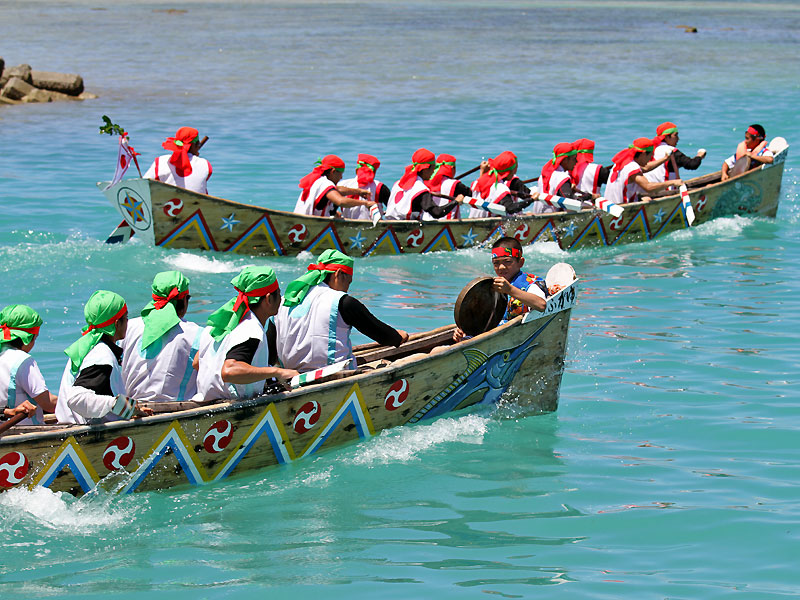
The average temperature of March is about 19 ℃. The sense temperature is low and for the first ten days a north wind plays to be felt, a cardigan and a parka play an active part. Beach opening at each beach, at the middle ofMarch-at the beginning of April. As July the sun is strong in the daytime you can spend comfortably by short sleeves, and when the ultraviolet rays amount is Kanto. A sunburn measure is needed. The biggest pottery cities in Okinawa prefecture "YACHIMUN city" hold it in Onna-son in the middle March. Such as 10,000 shots of fireworks are the whole "Ryukyu sea flame festival" and Hon-jima which rise in Ginowan-shi, and "Okinawa film festival" starts, events is fully loaded. G.W where a festival in a sea with history in about 600 "hurry" is performed. That the best average temperature is sultry beyond 25 ℃ at time, and even short sleeves sweat.
It's also the feature that around common year May 10, earliness and rain like fall fall by a short time, so when I have compact raincoat and towel, beginning of the rainy season is relief. It's also recommended to spend taking shelter from the rain freely at a cafe already.
About the temperature of the summer (6-August) and clothes of Okinawa Hon-jima.
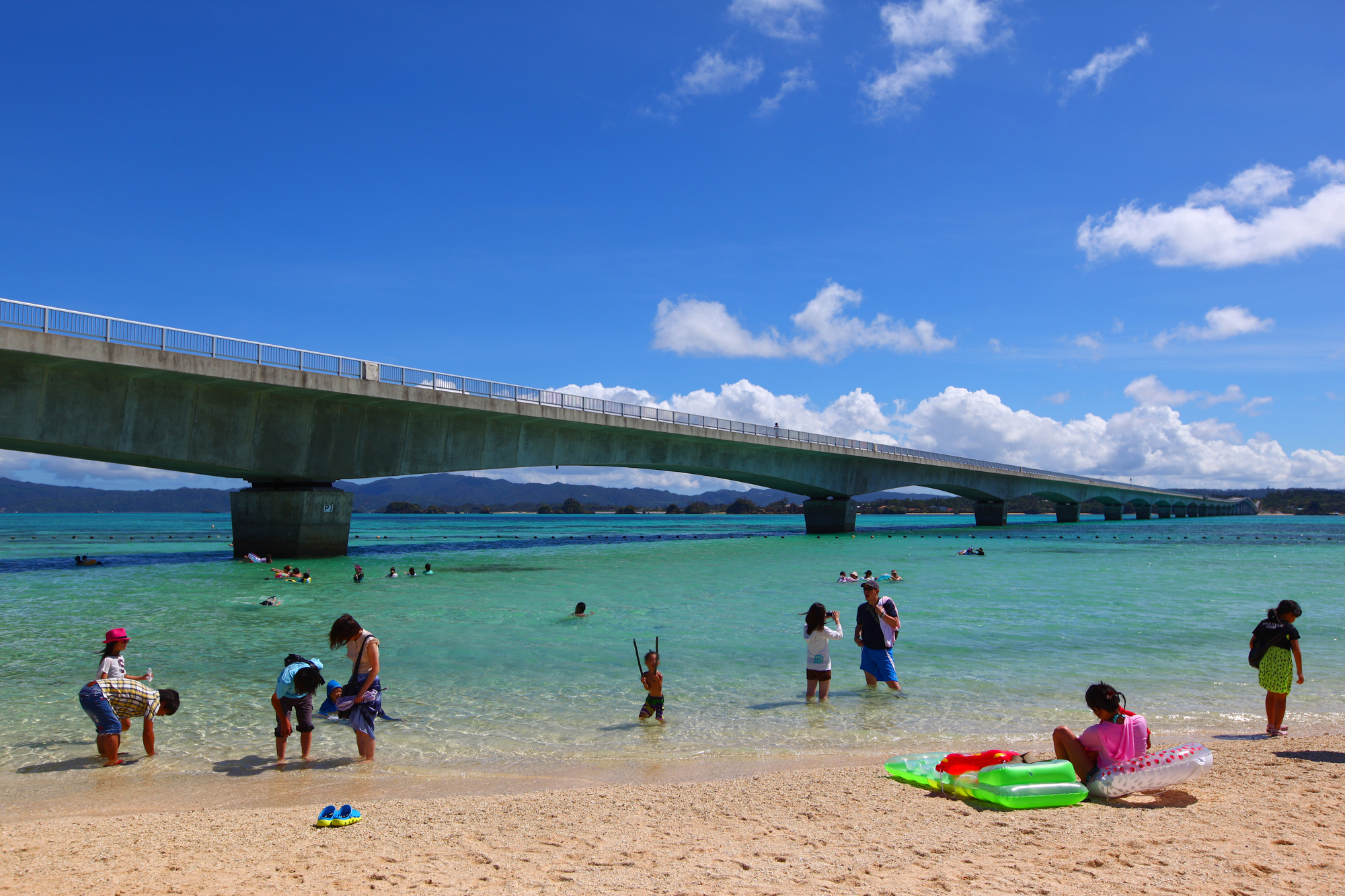
It's until the end of June that the weather by which the rainy season fretted continues. After a while is also nice and is in Marine leisure weather. Sea play can be enjoyed by Marine spot Okinawa such as snorkeling and sea bathing at the solitary island and Kourijima which were circled in an emerald green sea in Onna-son "blue cave". 7 and August, the average temperature is about 29 ℃. The humidity will be after the middle of July when a typhoon is close highly, and I also increase in sultriness. A dress of a KARIYUSHI wear and linen recommends well ventilated clothes. For the ultraviolet rays amount also to become a peak, I'll also do a sunburn measure carefully.
The event which is a tray when saying charming sights in summer of Okinawa, "Acer Inc.". A drum and a melody pipe are rung and it's possible to see the ancestor memorial service which parades "way Jeunet-" at each village while dancing. The "Acer Inc. dance corps large in scale by which summer festival in Naha is ten thousand is held on 1st Sunday in August.
About the temperature of the autumn (9-November) and clothes of Okinawa Hon-jima.
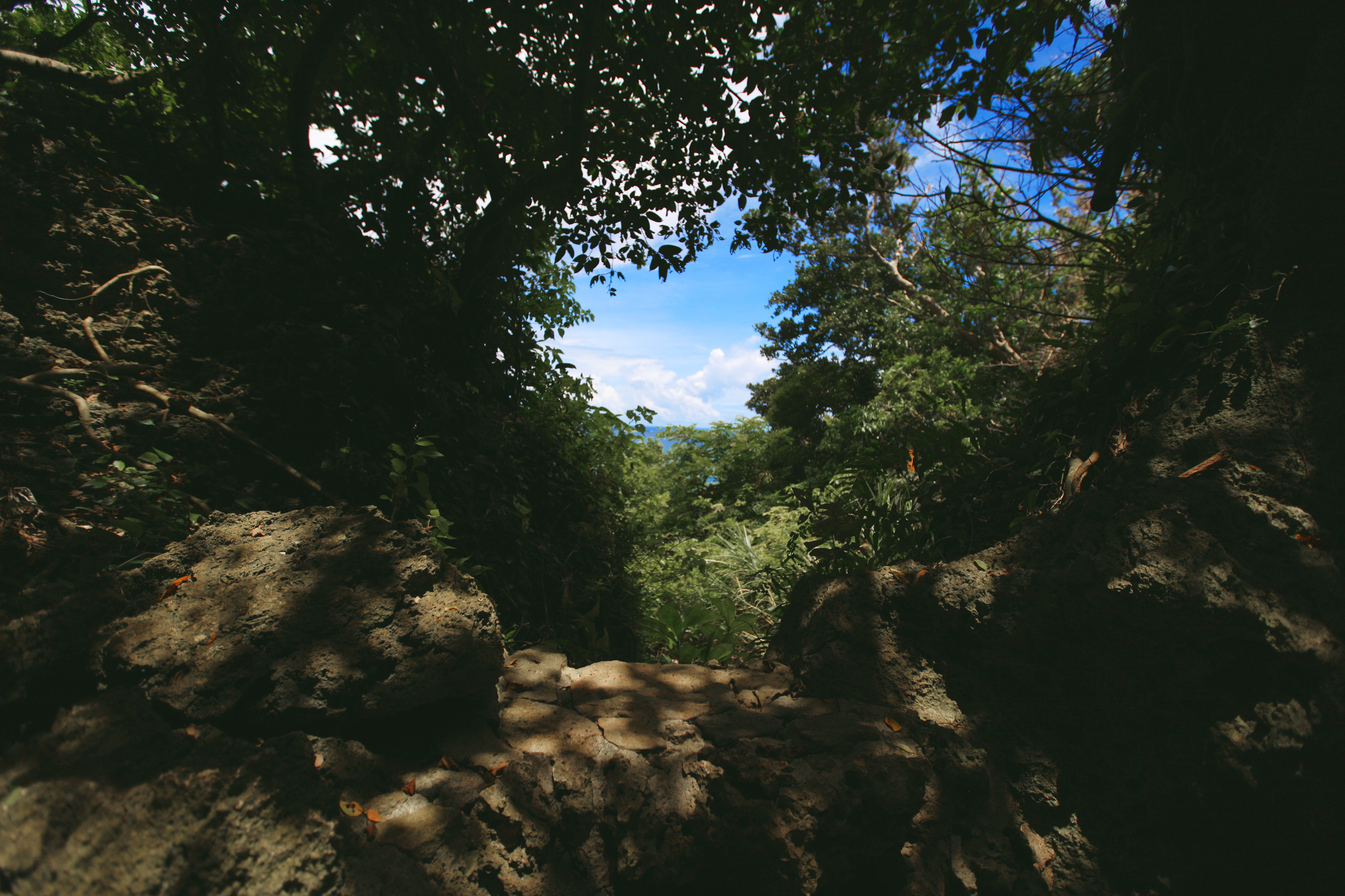
Okinawa also of everlasting summer from September. A sultry day continues because a numerical typhoon is close like August. Something well ventilated is also enough for clothes. Leisure at a beach can still also be enjoyed. The heat will be settled for the time being in October. There is also average temperature about 22 ℃ in November about 25 ℃, and the average temperature can have time pleasantly. But, it changes toward the north and a morning and evening can be felt now coolly, so sea breeze is preparation of a thin outer of a cardigan and a parka.
The season when it's ideal 10 Monday-November is semiarid, and to go out to a drive and sightseeing. I go around remains in Ryukyu Kingdom which takes a walk through Kokusai Dori and Naha-shi Daiichi Makishi public market, and is antiquity, and if, it fits travel of a search. The tour of power spots in a place "funeral hall Ontake", an island of a god and Kudakashima of the prayer which is also World heritage is also recommended.
About the temperature of the winter (12-February) and clothes of Okinawa Hon-jima.
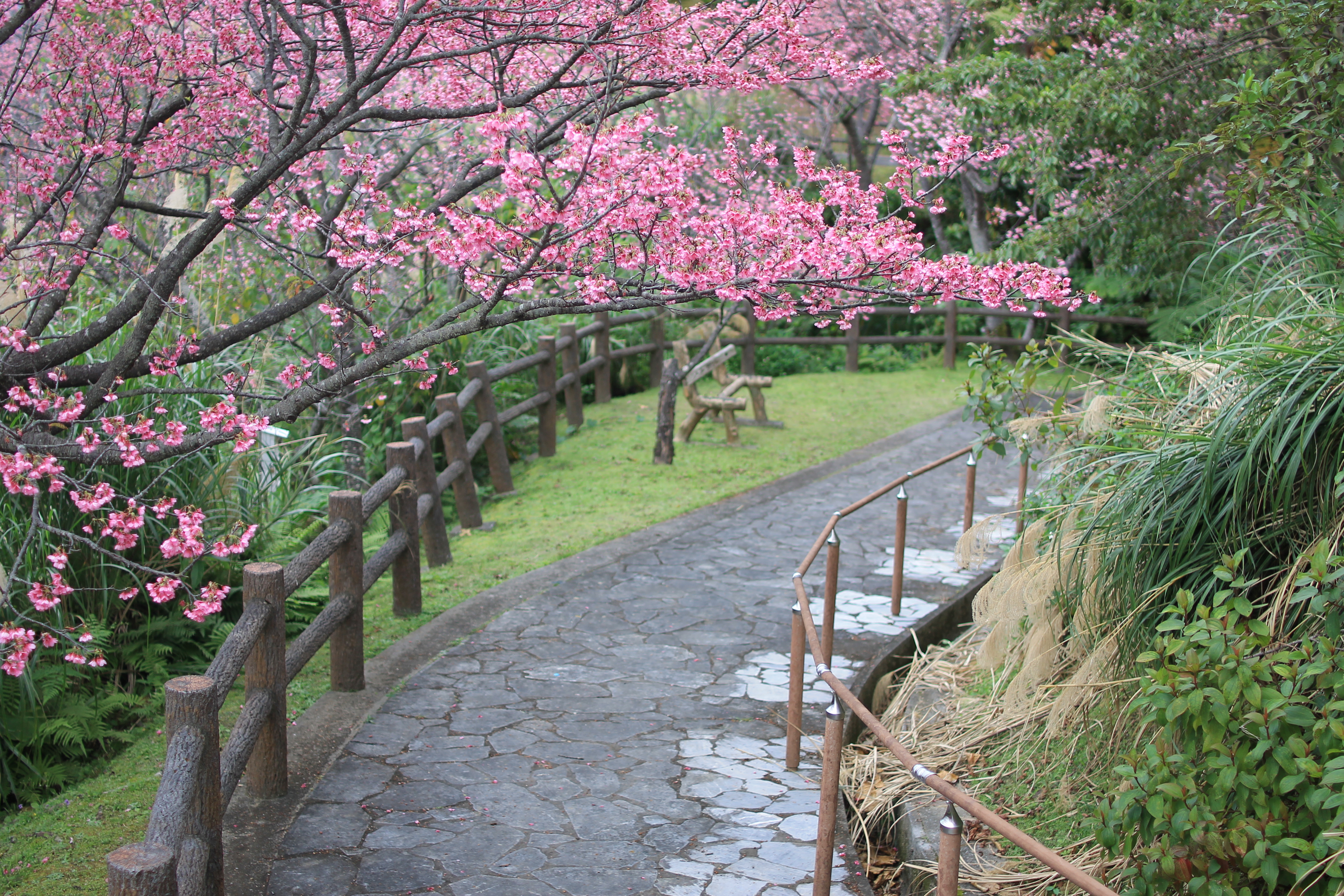
The average temperature of December is 18.4 ℃. It's the temperature as May Tokyo, but the sensible temperature is felt like the beginning of November from the end of October of Tokyo by the wind's which is toward the north blowing. A sweater and a light outer are needed by a morning and evening and a beach. January of Okinawa is a season of a cherry tree. A cherry-blossom front moves south to the south from the north from the middle of January to the beginning of February, and the cold season winter cherry blossoms of dark pink are seen at each place. The average temperature of this time is 16.5 ℃. I'll carry a court of a windbreak like December. The warmth of May when February when I bustle with camp of a professional baseball is Tokyo. There is also a day you can spend by short sleeves, but it's also a lot on a day of cloudy weather, so when a parka is prepared, the daytime is relief.
Winter Okinawa is to the north area by all means. Whale watching, "beauty sea aquarium" and "forest in" YAN BARU can enjoy great outdoors Okinawa fully. Famous place for beautiful cherry blossom is also concentrating at the north, so the tour of flower viewing can also be enjoyed.

Local Guide which took charge of this article
HOSHINOYA Okinawa
Okinawa prefecture and Yomitan
Luxurious resort along the coastline where Okinawa is outstanding. The superb view where a horizon is even looked around can be monopolized from Guest room in ocean Front desk of all the rooms.
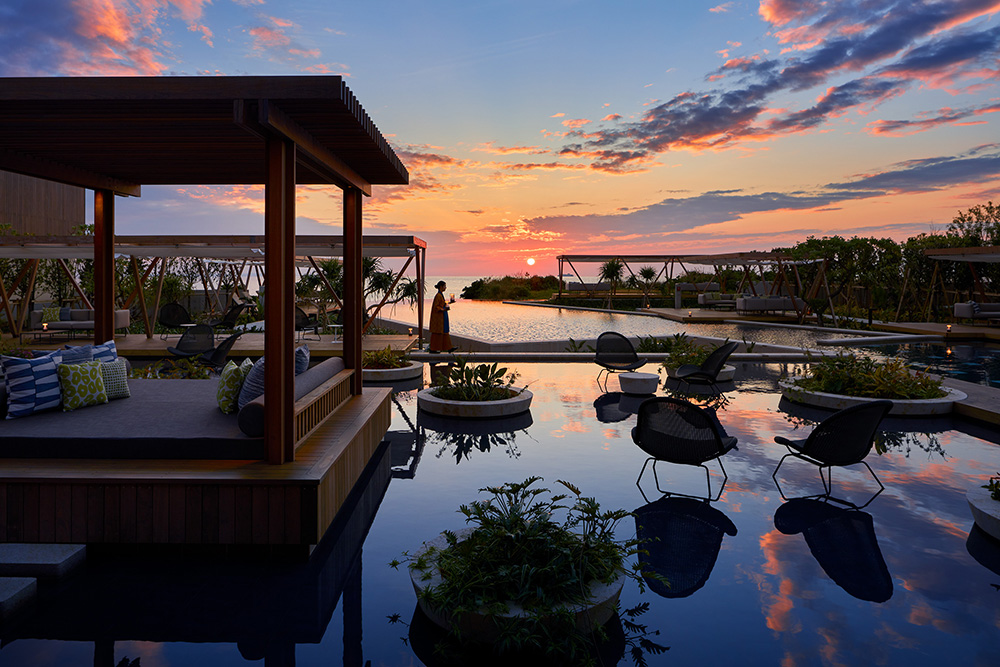
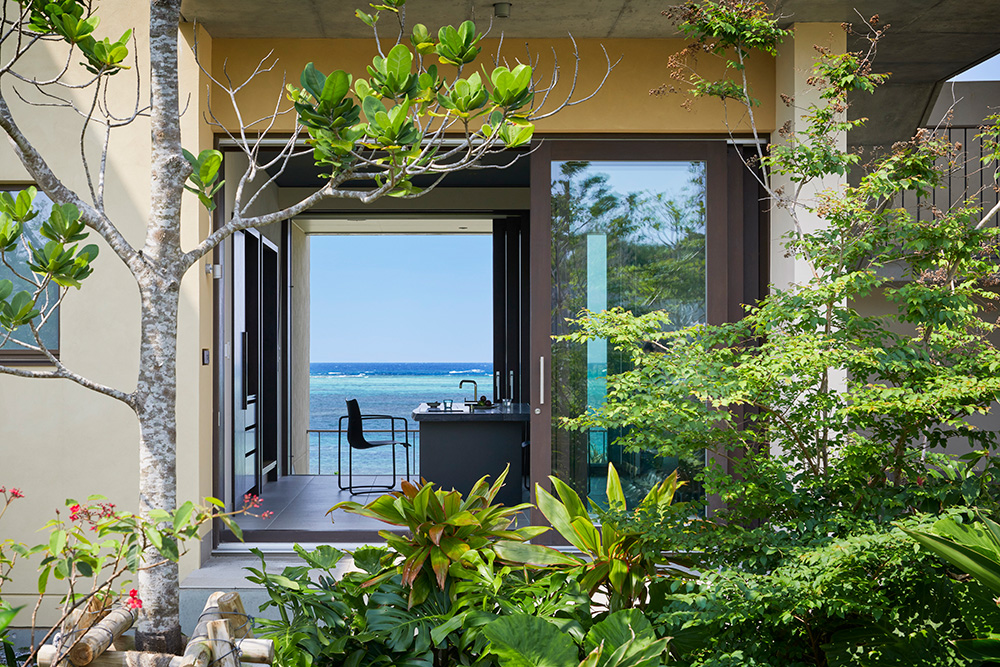
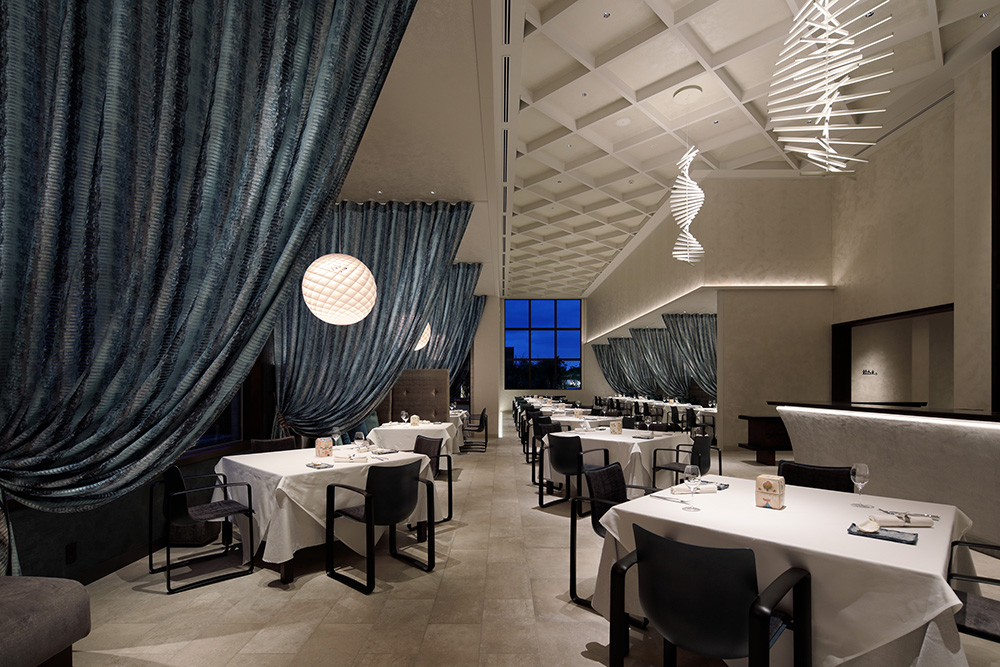

It's a taxi from Direction Naha Airport, about 1 hour
- A room charge example
- 1 night, 1 person \27,324-
OMO5 Okinawa Naha by Hoshino Resorts
Okinawa prefecture and Naha-shi
The convenient location which is within the walking range to Kokusai Dori. A town in Naha full of feelings of tropics can be enjoyed fully.

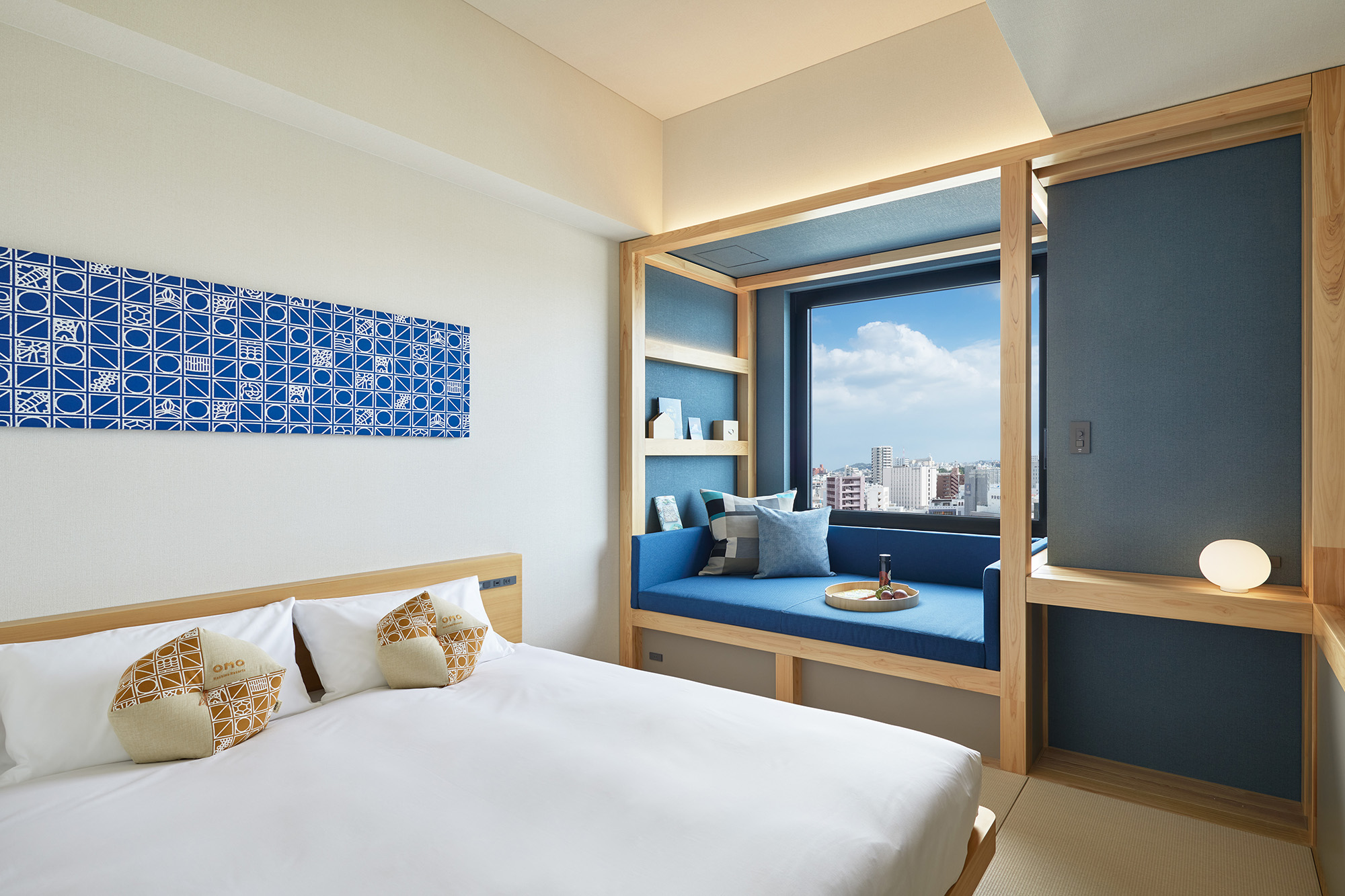
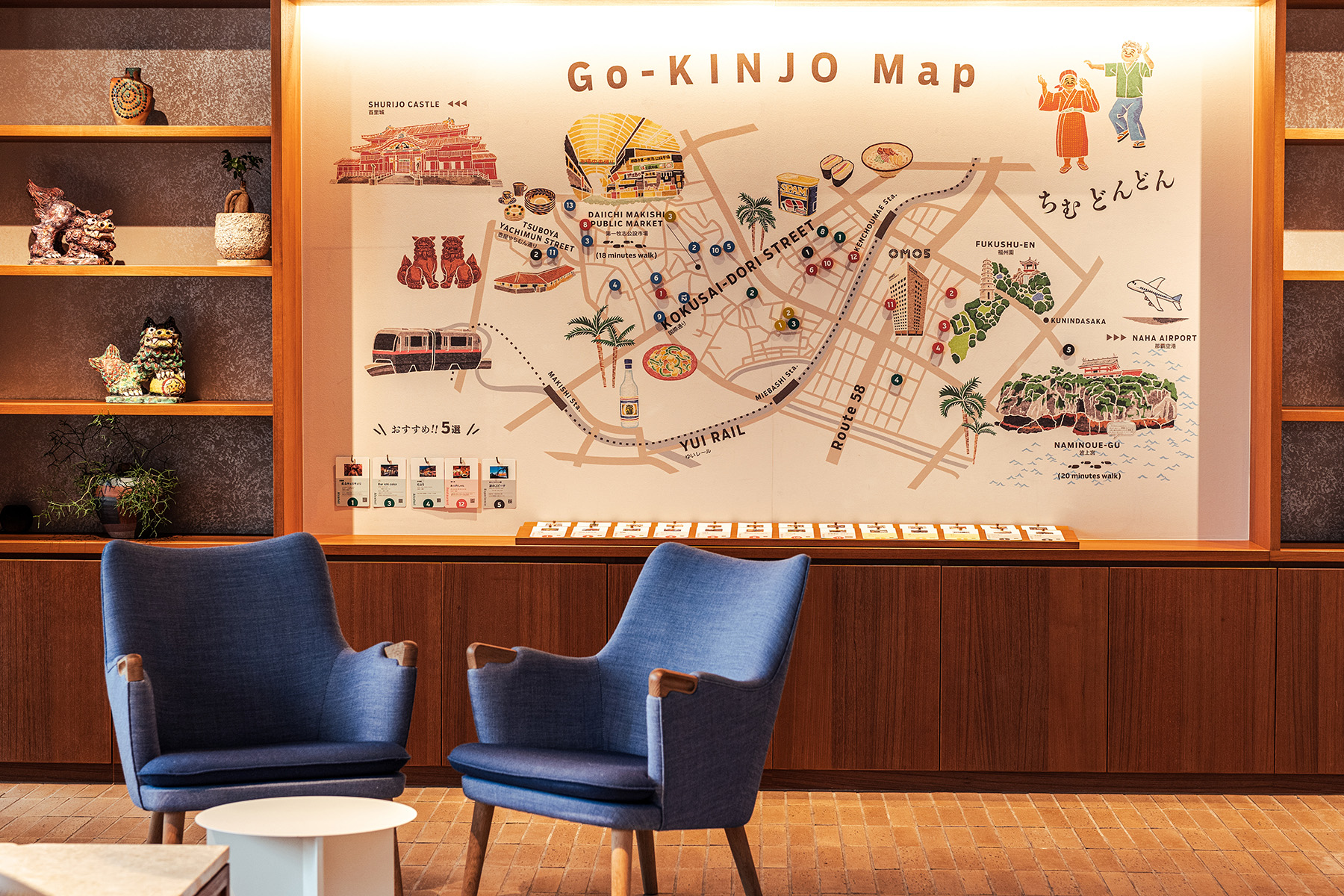
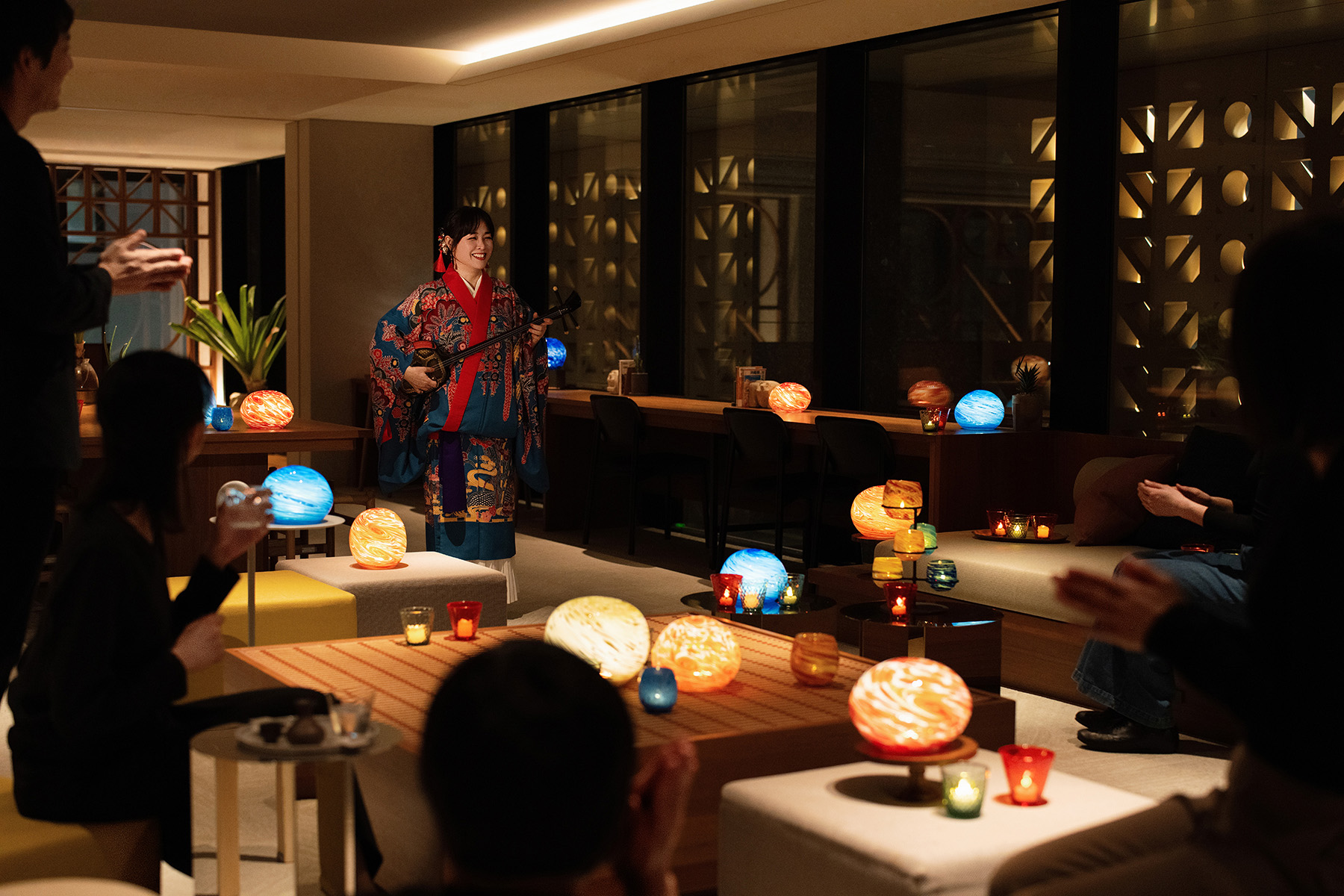
From Direction Yui Rail Kencho-mae Station, about 6 minutes on foot
- A room charge example
- 1 night, 1 person \6,000-
BEB5 Okinawa Seragaki by Hoshino Resorts
Okinawa prefecture and Onna-son
You can have time comfortably at an open pool and comfortable Guest room with a kitchen balcony.
.jpg)

.jpg)
.jpg)
It's express bus from Direction Naha Airport, about 70 minutes
- A room charge example
- 1 night, 1 person \5,175-