





Okinawa Temperatures and Recommended Clothing [January–December]: A Monthly Climate and Travel Clothing Guide


Okinawa Prefecture consists of approximately 160 large and small islands floating in the sea between Kyushu and Taiwan. At its center is the main island of Okinawa, the seventh-largest island in Japan. Stretching about 110 km from north to south, the island is home to Naha, the largest city in Okinawa, in the south; castle ruins from the Ryukyu Kingdom era and U.S. military bases in the central region; and the Churaumi Aquarium in the north, where subtropical forests spread out. With beach resorts lined with world-class hotels along the coast, the island's charms are endless, attracting many tourists from both Japan and abroad.
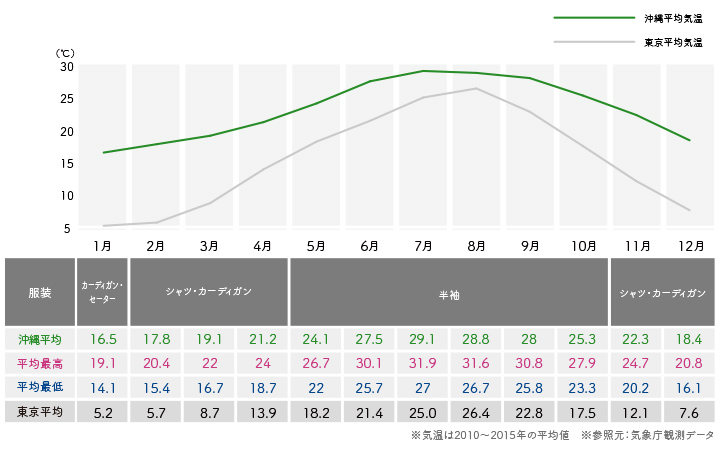
The subtropical climate of the main island of Okinawa is warm throughout the year, with average temperatures 6–7°C higher than in major metropolitan areas like Tokyo and Osaka. In particular, winter temperatures are about 10°C higher, making it comfortable to spend time there. UV levels are high all year round, so UV protection is essential even in winter or on cloudy days. Also, since many typhoons approach between July and September, it is necessary to check typhoon information frequently.
About the Temperature and Clothing in Spring (March–May) on the Main Island of Okinawa
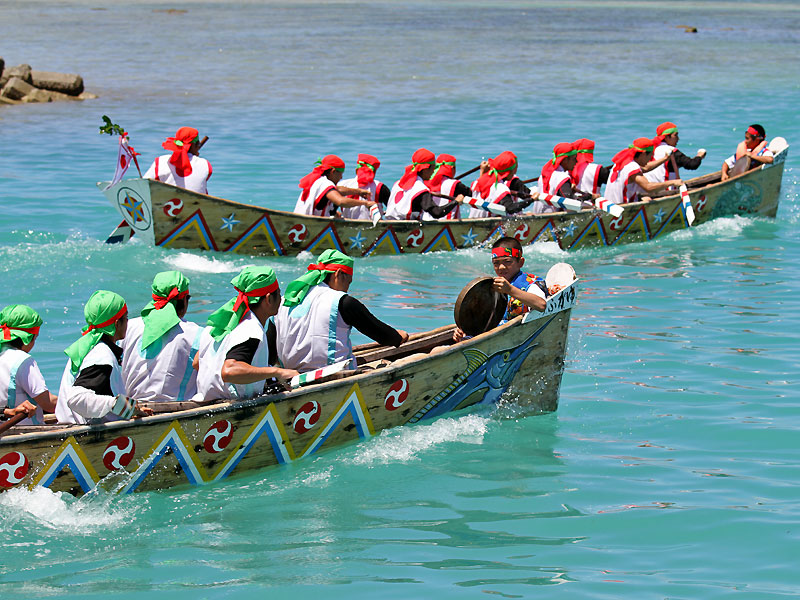
The average temperature in March is about 19°C. In the first part of the month, when the north wind blows, the perceived temperature feels lower, so cardigans and hoodies are useful. Beaches open between mid-March and early April. During the day, when you can comfortably wear short sleeves, the sun is strong, and UV levels are comparable to July in the Kanto region. Sun protection is necessary. In mid-March, the "Yachimun Market," the largest pottery market in Okinawa Prefecture, is held in Onna Village. There are plenty of events, such as the "Ryukyu Kaiensai" fireworks festival in Ginowan City, where 10,000 fireworks are launched, and the "Okinawa International Movie Festival" which begins across the main island. Around Golden Week, when the "Haarii" sea festival, which has a history of about 600 years, takes place, the average maximum temperature exceeds 25°C, making it humid and hot enough to sweat even in short sleeves.
The rainy season usually begins around May 10th, and it is characterized by short bursts of torrential rain, so it is a good idea to carry a compact raincoat or towel. It is also recommended to spend time relaxing in a cafe to wait out the rain.
About the Temperature and Clothing in Summer (June–August) on the Main Island of Okinawa
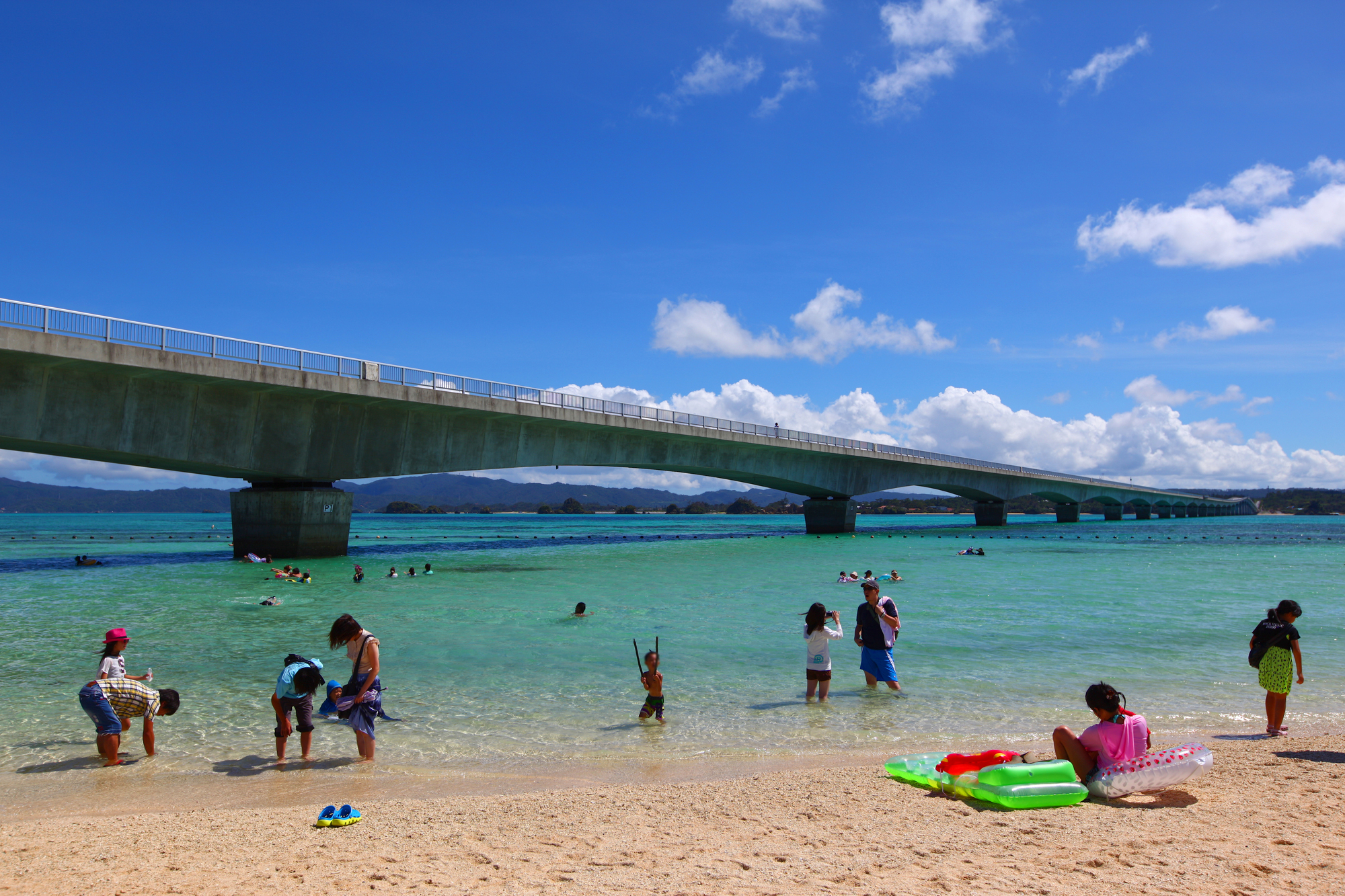
The unsettled weather of the rainy season continues until late June. After that, the weather clears up, making it perfect for marine leisure. You can enjoy ocean activities at unique Okinawa marine spots, such as snorkeling in the Blue Cave in Onna Village or swimming at Kouri Island, a remote island surrounded by emerald green waters. The average temperature in July and August is about 29°C. From mid-July onwards, when typhoons may approach, humidity rises and it becomes more sultry. Breathable clothing such as Kariyushi wear or linen dresses is recommended. Since UV levels also peak, be sure to take thorough sun protection measures.
Speaking of summer traditions in Okinawa, there is the Obon event called "Eisa." You can see "Michi Junee," a memorial service for ancestors where people walk through each village dancing to the sound of drums and finger whistles. On the first Sunday of August, the large-scale "Summer Festival in Naha: 10,000 Eisa Dancers" is held.
About temperatures and clothing in autumn (September–November) on Okinawa Main Island
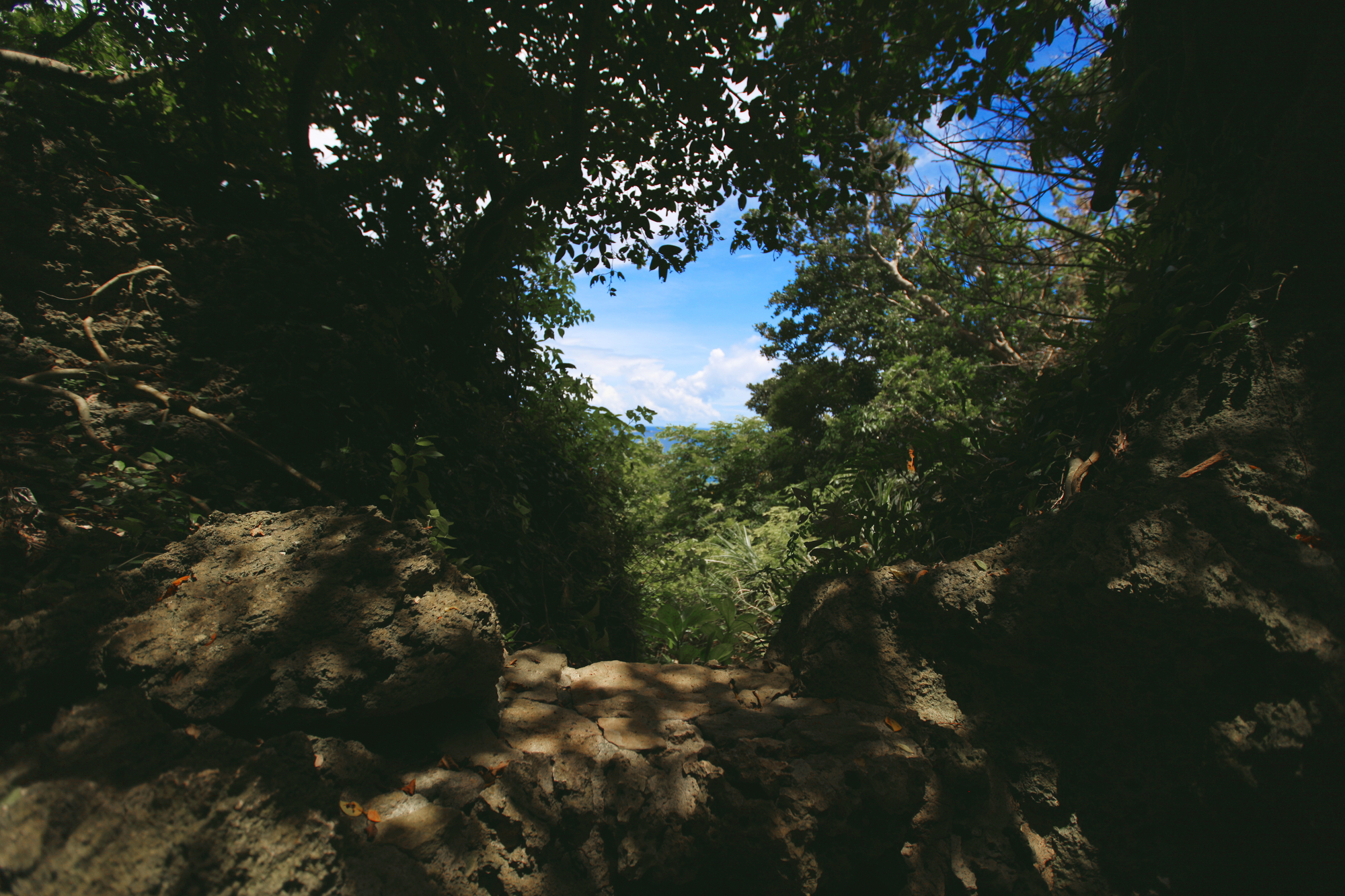
Even in September, Okinawa remains a tropical paradise. As the number of typhoons approaching is similar to August, sultry days continue. Breathable clothing is still sufficient. You can still enjoy leisure activities at the beach. By October, the heat subsides. The average temperature is about 25°C, and in November it is about 22°C, making it comfortable to spend time. However, the sea breeze shifts to the north and it starts to feel cool in the mornings and evenings, so have a light outer layer like a cardigan or hoodie ready.
October and November have little rain, making them the perfect seasons for driving and sightseeing. It is a great time for a journey of exploration, such as strolling through Kokusai-dori or the Naha City First Makishi Public Market, or visiting the ruins of the ancient Ryukyu Kingdom. Visiting power spots such as Sefa-Utaki, a place of prayer and a World Heritage site, and Kudaka Island, the island of the gods, is also recommended.
About temperatures and clothing in winter (December–February) on Okinawa Main Island
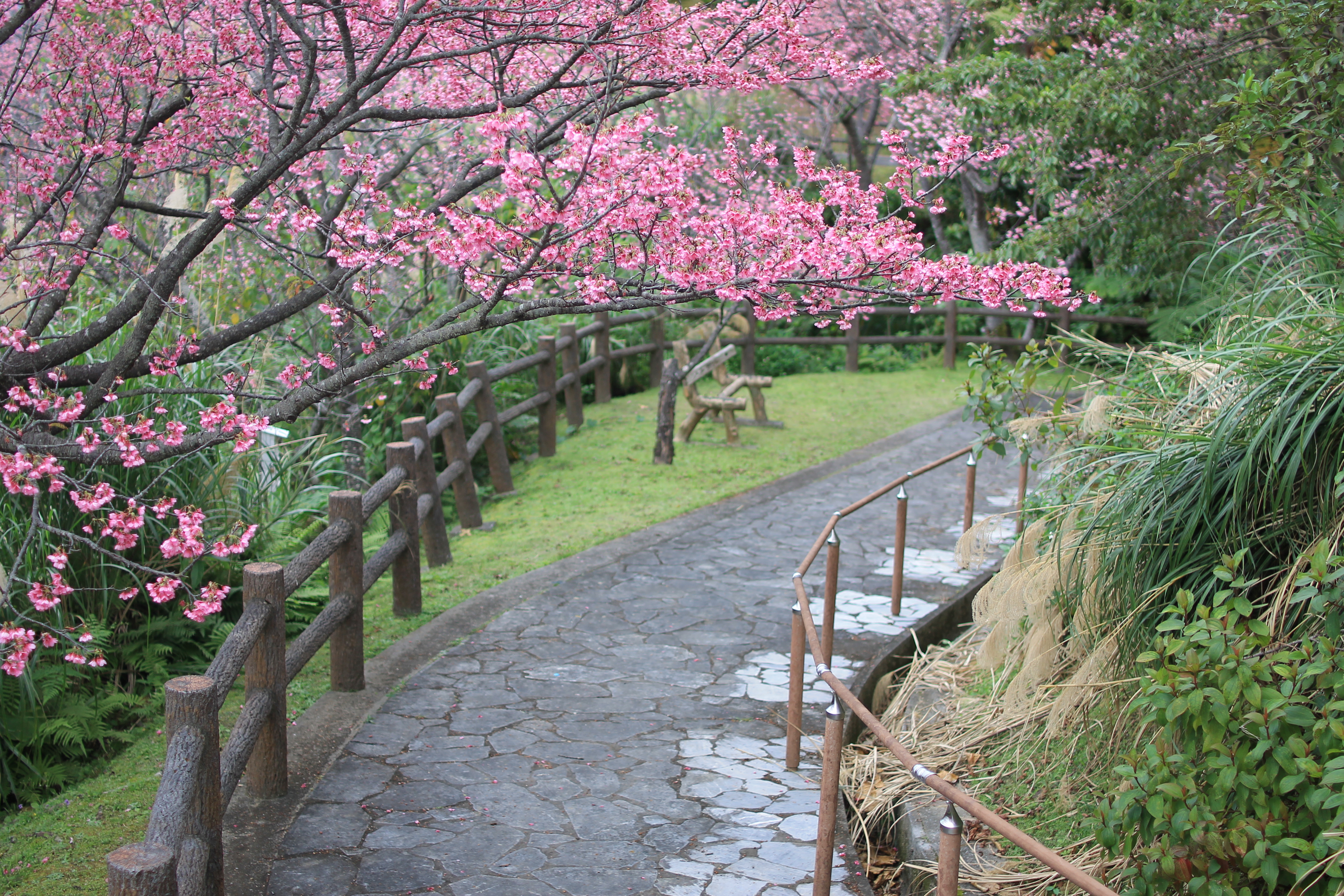
The average temperature in December is 18.4°C. While this is comparable to May in Tokyo, the northerly winds make it feel more like late October to early November in Tokyo. You will need a sweater or a light outer layer for the mornings, evenings, and at the beach. January in Okinawa is cherry blossom season. From mid-January to early February, the cherry blossom front moves from the north to the south, and you can see deep pink Kanhizakura (Taiwan cherry) blossoms in various places. The average temperature during this period is 16.5°C. As in December, be sure to carry a windproof coat. February, bustling with professional baseball training camps, is as warm as May in Tokyo. While there are days when you can spend time in short sleeves during the day, it is often cloudy, so it is safe to have a hoodie or similar item on hand.
In winter, be sure to visit the northern area of Okinawa. You can fully enjoy Okinawa's unique nature, such as whale watching, the Churaumi Aquarium, and the Yanbaru Forest. Since many famous cherry blossom spots are concentrated in the north, you can also enjoy cherry blossom viewing.

Local supporter in charge of this article
HOSHINOYA Okinawa
Yomitan, Okinawa Prefecture
A luxury resort along one of Okinawa's finest coastlines. From every oceanfront room, you can enjoy an exclusive, breathtaking view that stretches all the way to the horizon.
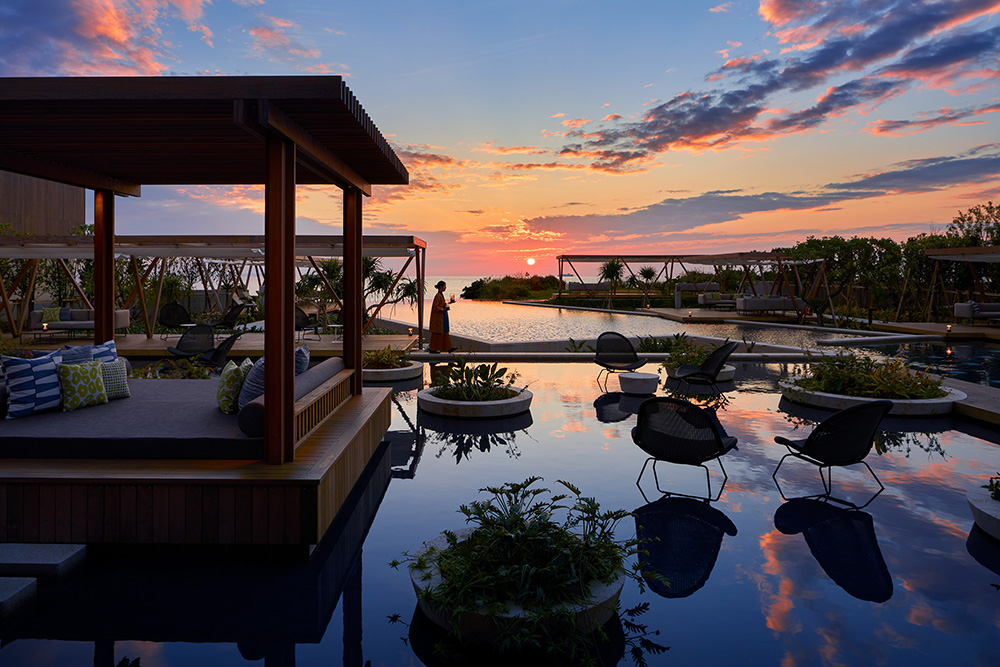
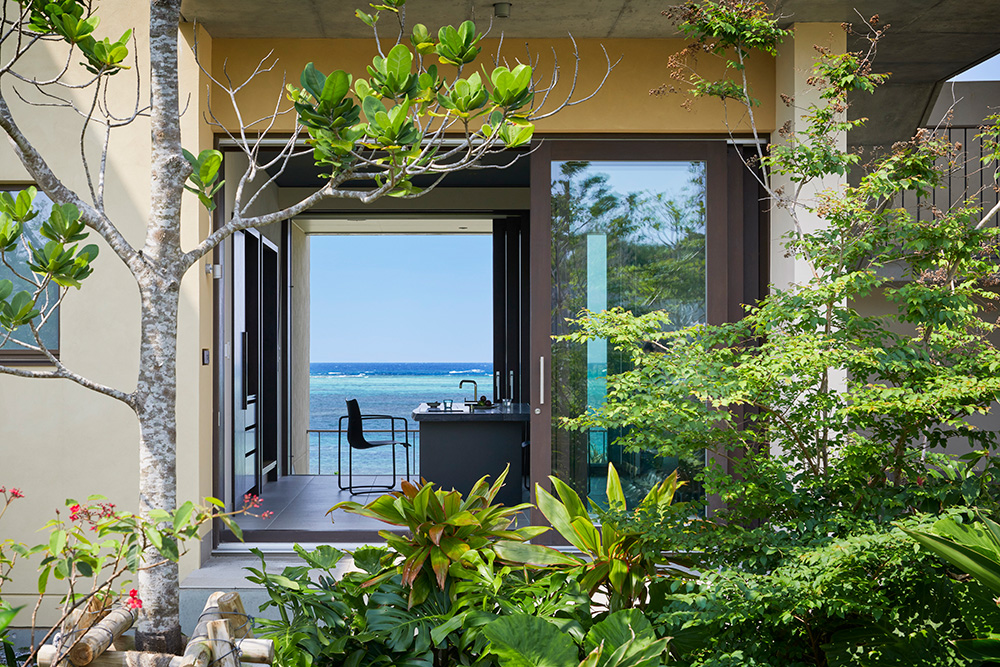
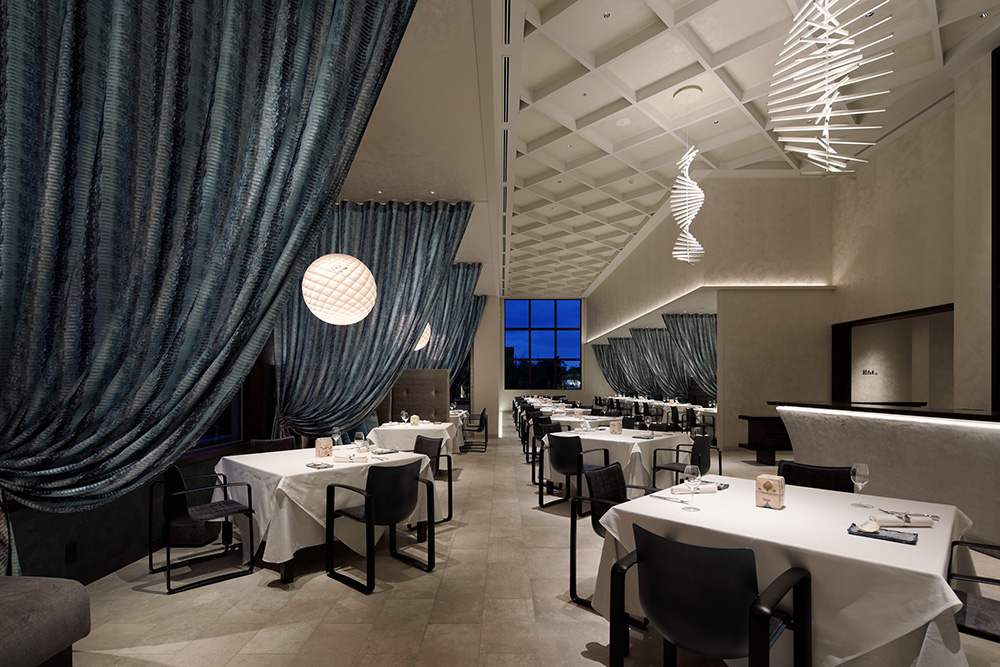

Access About 1 hour by taxi from Naha Airport
- Accommodation rate example
- Per person per night From ¥27,324
OMO5 Okinawa Naha
Naha City, Okinawa Prefecture
Conveniently located within walking distance of Kokusai-dori. You can fully enjoy the tropical atmosphere of Naha city.

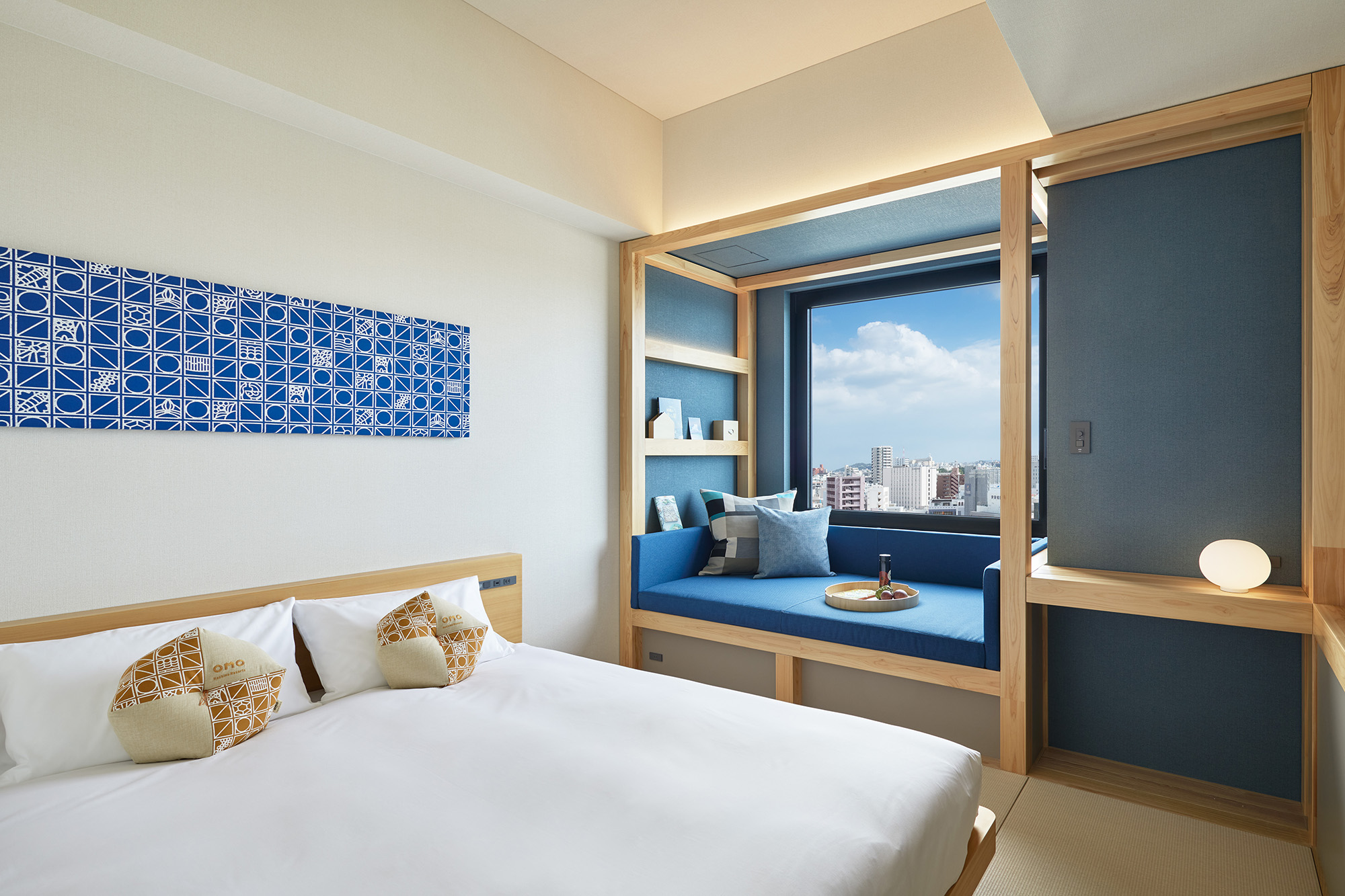
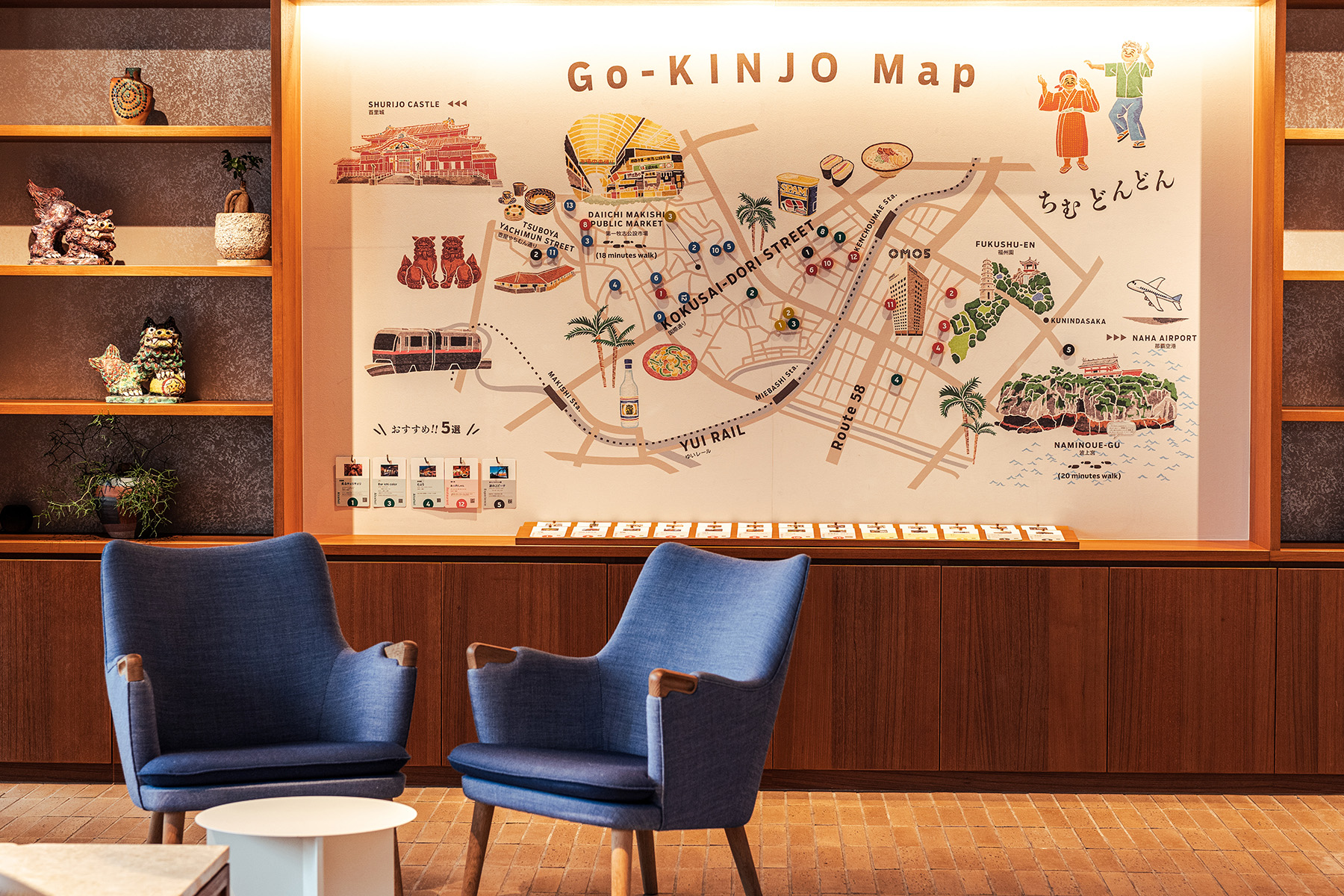
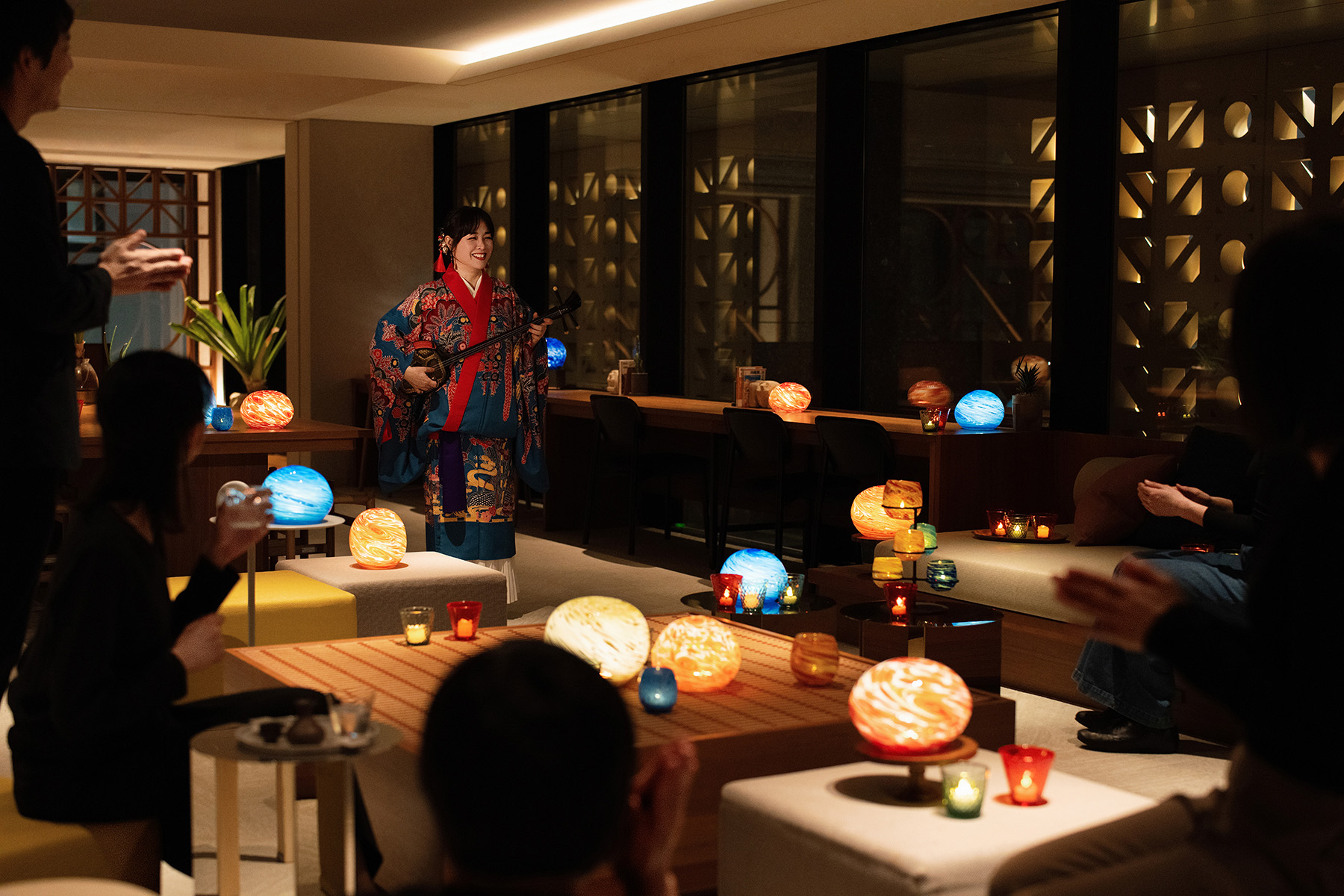
Access About a 6-minute walk from Kencho-mae Station on the Yui Rail
- Accommodation rate example
- Per person per night From ¥6,000
BEB5Okinawa Seragaki
Onna Village, Okinawa Prefecture
Relax in comfort with an open-air pool and guest rooms equipped with kitchens and balconies.


.jpg)

Access About 70 minutes by highway bus from Naha Airport
- Accommodation rate example
- Per person per night From ¥5,175