





[2026 Edition] Highlights and Tips for Enjoying the “Okinawa All-Island Eisa Festival,” a Signature Event of Okinawa’s Summer

![[2026 Edition] Highlights and Tips for Enjoying the “Okinawa All-Island Eisa Festival,” a Signature Event of Okinawa’s Summer](https://hoshinoresorts.com/guide/wp-content/uploads/2024/07/沖縄全島エイサーまつり⑨-1024x683.jpg)
Photo: Okinawa Zenjima Eisa Festival Executive Committee
The “Okinawa All-Island Eisa Festival,” held in Koza, Okinawa City, is a quintessential summer tradition in Okinawa and one of the largest events in the prefecture. It has a long history and will mark its 71st anniversary in 2026.One of the festival’s main attractions is the chance to enjoy a variety of Eisa styles, as groups gather not only from Okinawa City but from all over Okinawa Prefecture. Here, we’ll introduce the schedule, direction to the venue, highlights, and tips on how to enjoy the festival.
What kind of festival is the "Okinawa Zenjima Eisa Festival"?
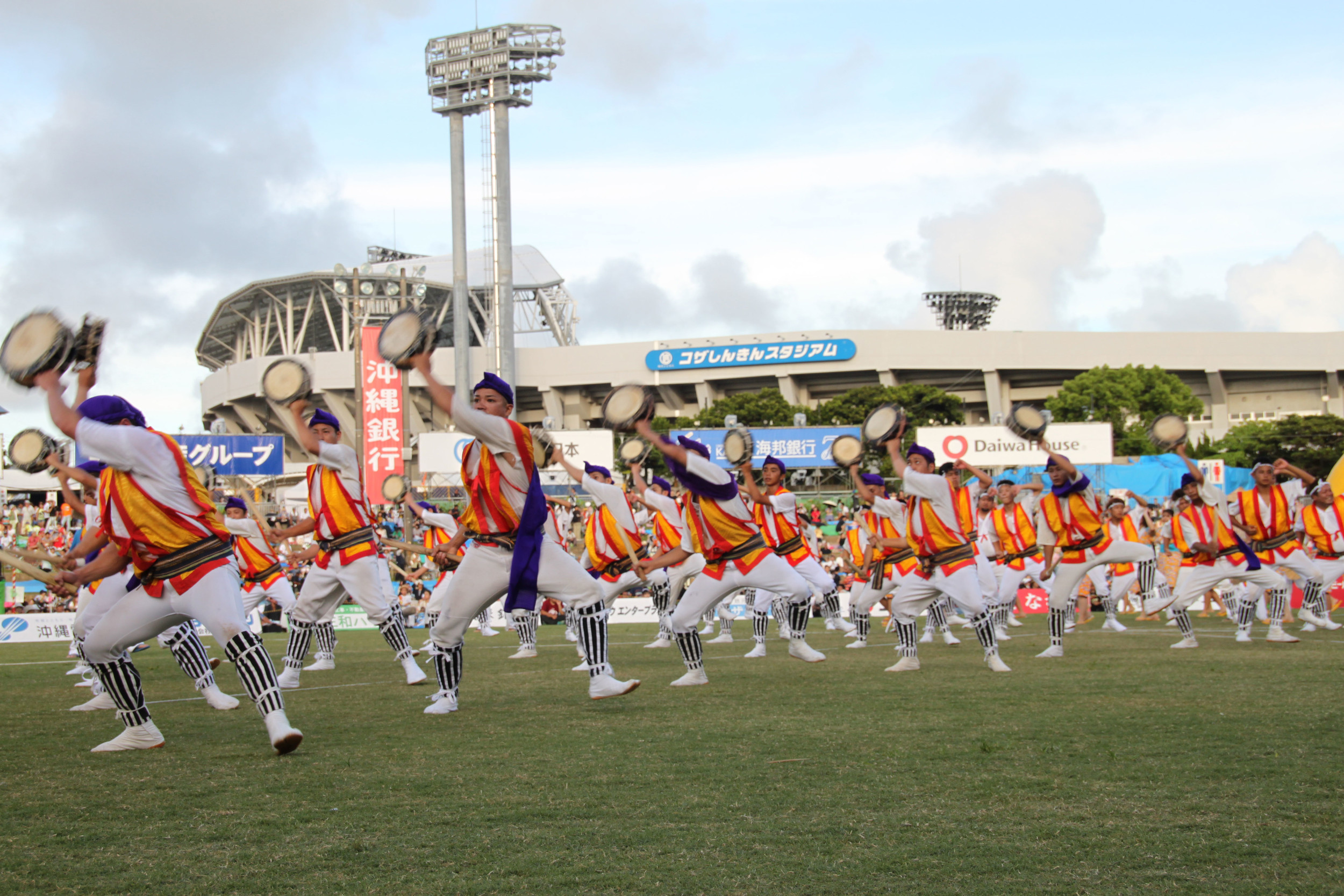
Photo: Okinawa Zenshima Eisa Festival Executive Committee
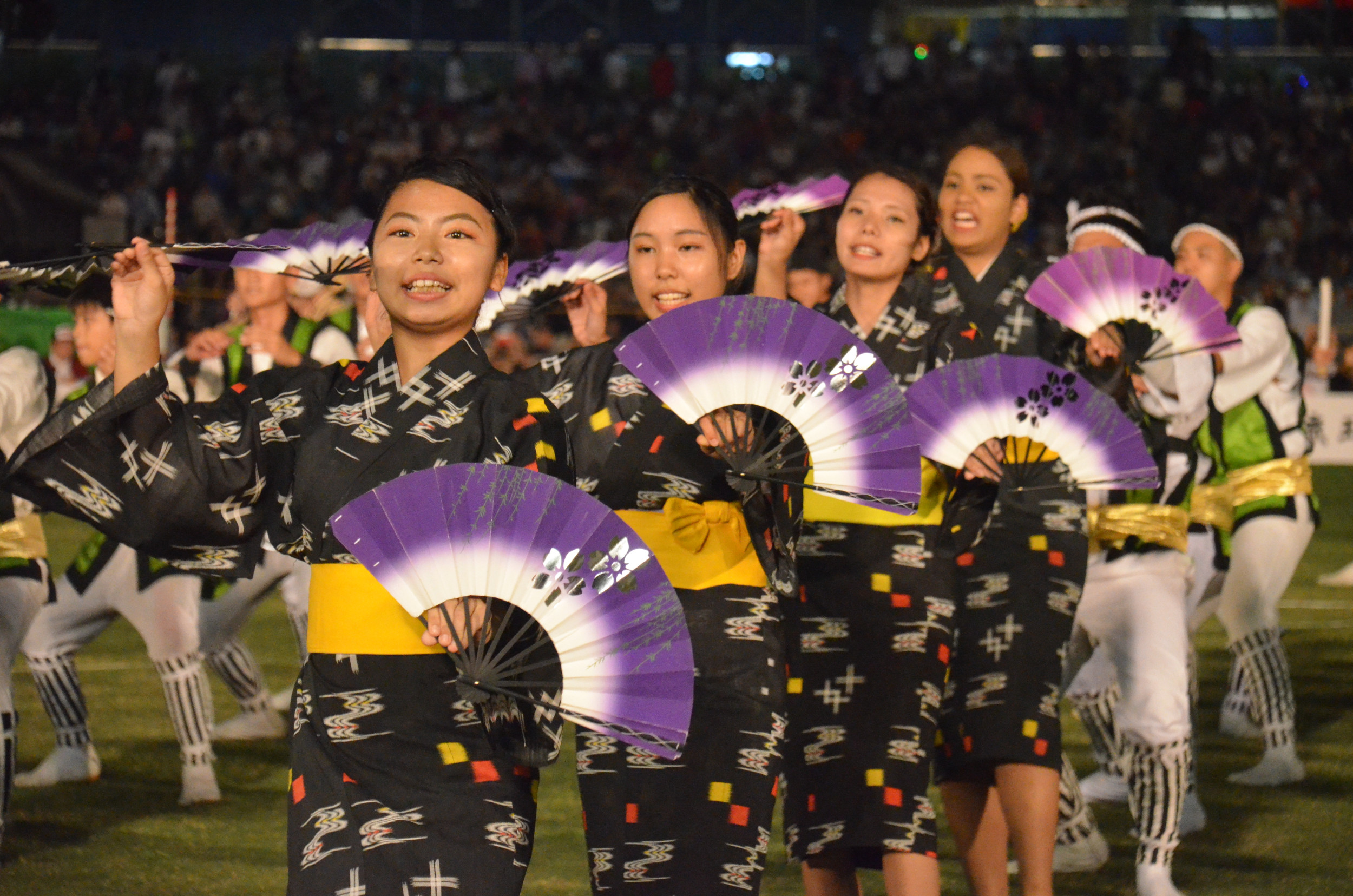
“Eisa” is an Okinawan Bon dance, a traditional performing art performed on the nights of the old Bon festival. Accompanied by the light tones of the sanshin and lyrical songs, male dancers perform vigorous dances while beating drums, while female dancers, dressed in knee-length kasuri kimonos, perform graceful dances.There are various theories regarding its origins, including one that suggests it was introduced over 400 years ago by Taichu Shonin, a priest of the Jodo sect.Throughout Okinawa Prefecture, the custom of parading through villages while performing Eisa has been passed down from generation to generation as an important ritual on the final day of the traditional Obon festival to send ancestors back to the afterlife.
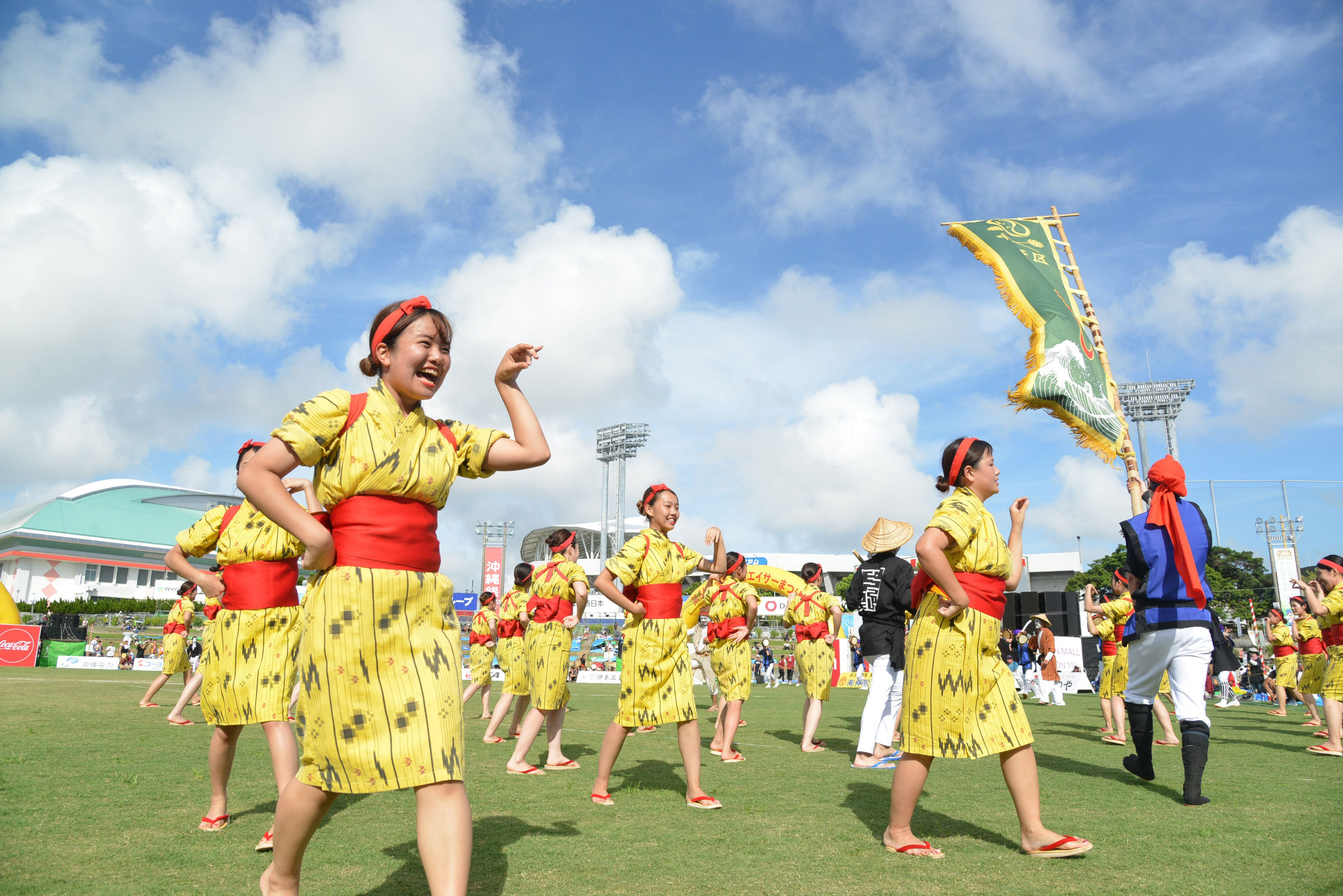
Photo: Okinawa Zenshima Eisa Festival Executive Committee
The Okinawa Zenjima Eisa Festival began in 1956 in Koza City (now Koza, Okinawa City) as the "Zenjima Eisa Contest. Aiming to win the contest, each youth association began to devise new techniques and costumes, and women's hand dance was also added. Today, the festival is no longer a contest, but a popular festival where selected eisa groups from all over the main island of Okinawa perform traditional or elaborate dances. The festival is held annually at the Koza Athletic Park Athletic Stadium in Okinawa City on the first weekend after the end of the Lunar Bon Festival, and attracts more than 300,000 people over the three days.
What are the dates and viewing areas for the 2026 event?
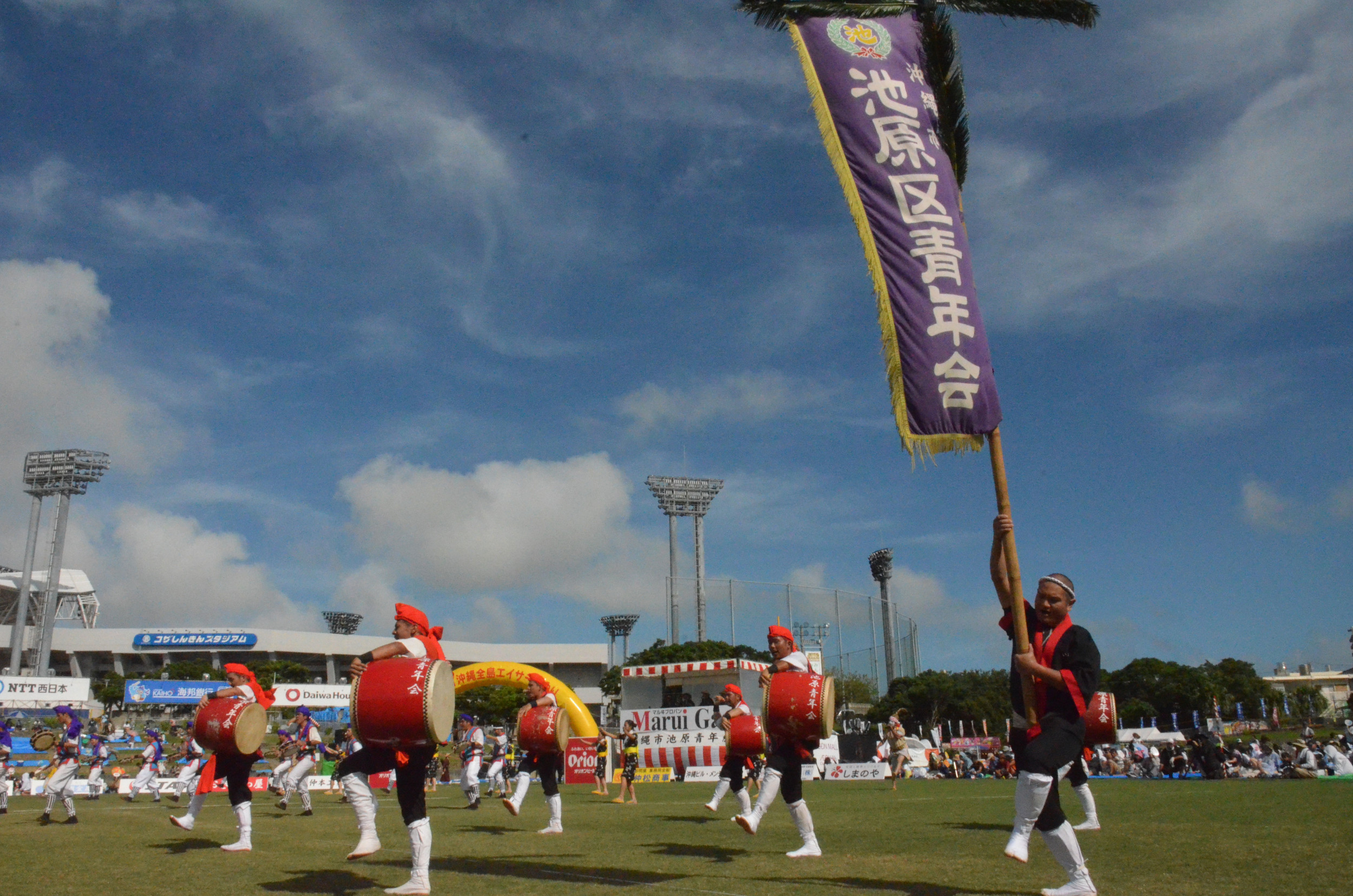
Photo: Okinawa Zenshima Eisa Matsuri Executive Committee
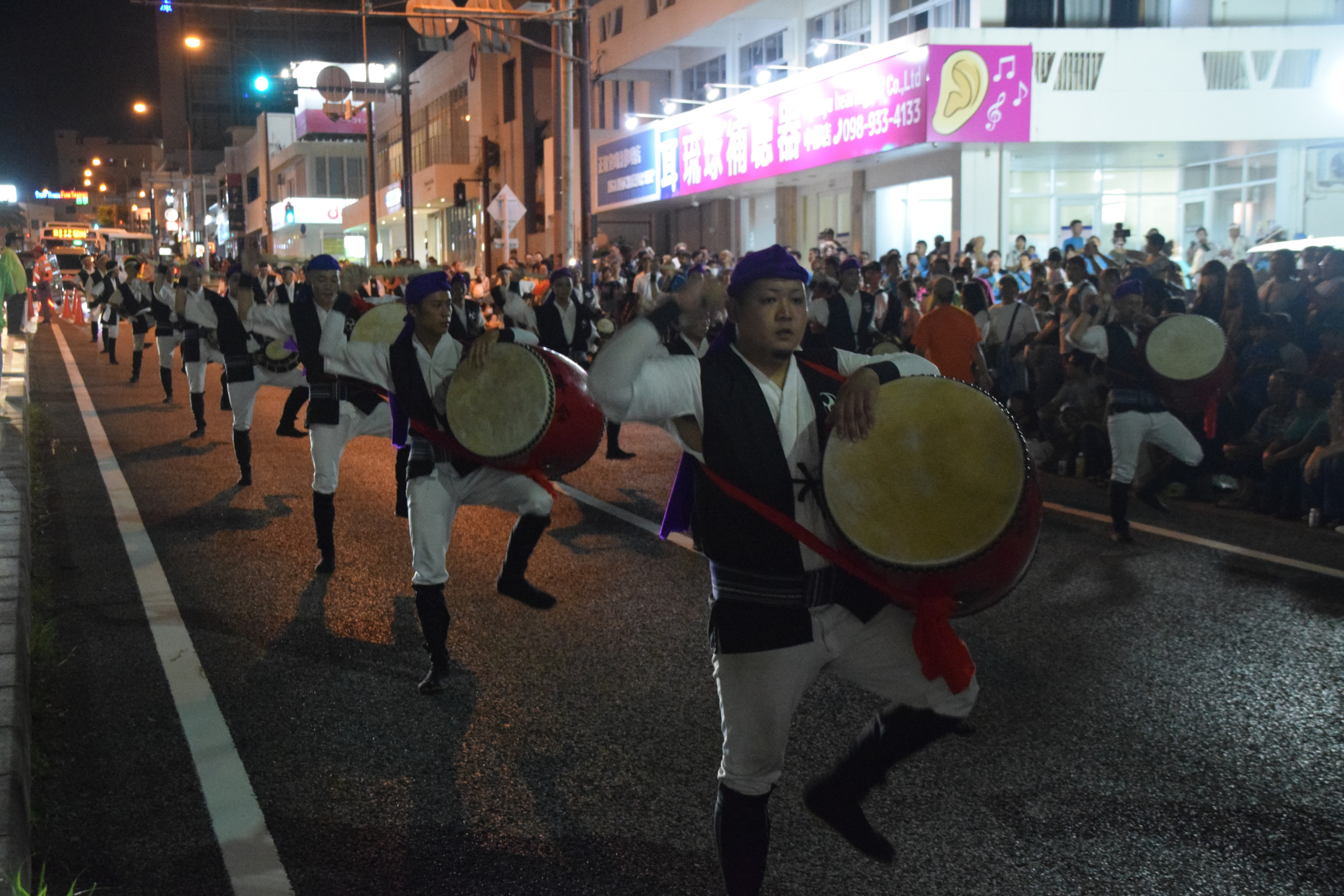 Photo: Okinawa Zenshima Eisa Festival Executive Committee" />
Photo: Okinawa Zenshima Eisa Festival Executive Committee
The 2026 festival will take place over three days, from Friday, September 4, to Sunday, September 6.
On the evening of the first day, the “Michi-june” parade will be held, featuring Eisa groups parading around the Goya Crossroads area. Eighteen groups will participate, including those performing at the permanent performance venues set up along Gate Street.This event closely resembles the traditional form of Eisa, where dancers parade through the streets while performing, and one of its attractions is the opportunity to see the performances, music, and the dancers’ expressions up close. Viewing is free both along the parade route and at the permanent performance venues.
On the middle day, the venue is moved to the Koza Athletic Park Athletic Field in Okinawa City, where the Okinawa City Youth Festival is held, featuring an eisa performance by the Okinawa City Youth Association. On the final day, groups from all over Okinawa will perform a brilliant and well-coordinated performance. On the middle and final day, admission to the lawn area around the performance site is free, but reserved seats with a fee are available at the main stand, where you can look over the entire venue.
〈2026 “71st Okinawa All-Island Eisa Festival” Event Schedule〉
| Friday, the 4th | 7:00 PM – 9:30 PM | Michi-June-ne" around Goya Crossroads | Koza Crossroads Area |
| 5th (Sat) | 15:00-21:00 | Okinawa City Youth Festival | Koza Athletic Park Athletic Field, Okinawa City |
| Sunday, the 6th | 15:00-21:00 | Main Festival | Koza Athletic Park Athletic Field, Okinawa City |
Ticket prices
| SS Seats (All seats reserved) | Advance tickets 4,000 yen | Same-day ticket 4,500 yen |
| S Seats (All seats reserved) | Advance tickets 3,300 yen | Same-day tickets 3,800 yen |
| Seat A (All seats reserved) | Advance tickets 2,000 yen | Same-day tickets 2,500 yen |
| Seat B (All seats unreserved) | No advance tickets | Tickets at the door 1,500 yen |
There is no charge for children. No charge for children under elementary school age who are seated on the lap of a parent or guardian.
Ticket sales
Okinawa City Tourism and Product Promotion Association (Koza Music Town 1F)
Okinawa City Koza Athletic Park Athletic Field
FamilyMart e-plus (e-plus)
For ticket inquiries
TEL: 098-989-5566 (Okinawa City Tourism and Products Promotion Association)
Tidbits about Eisa, which consists of various performers
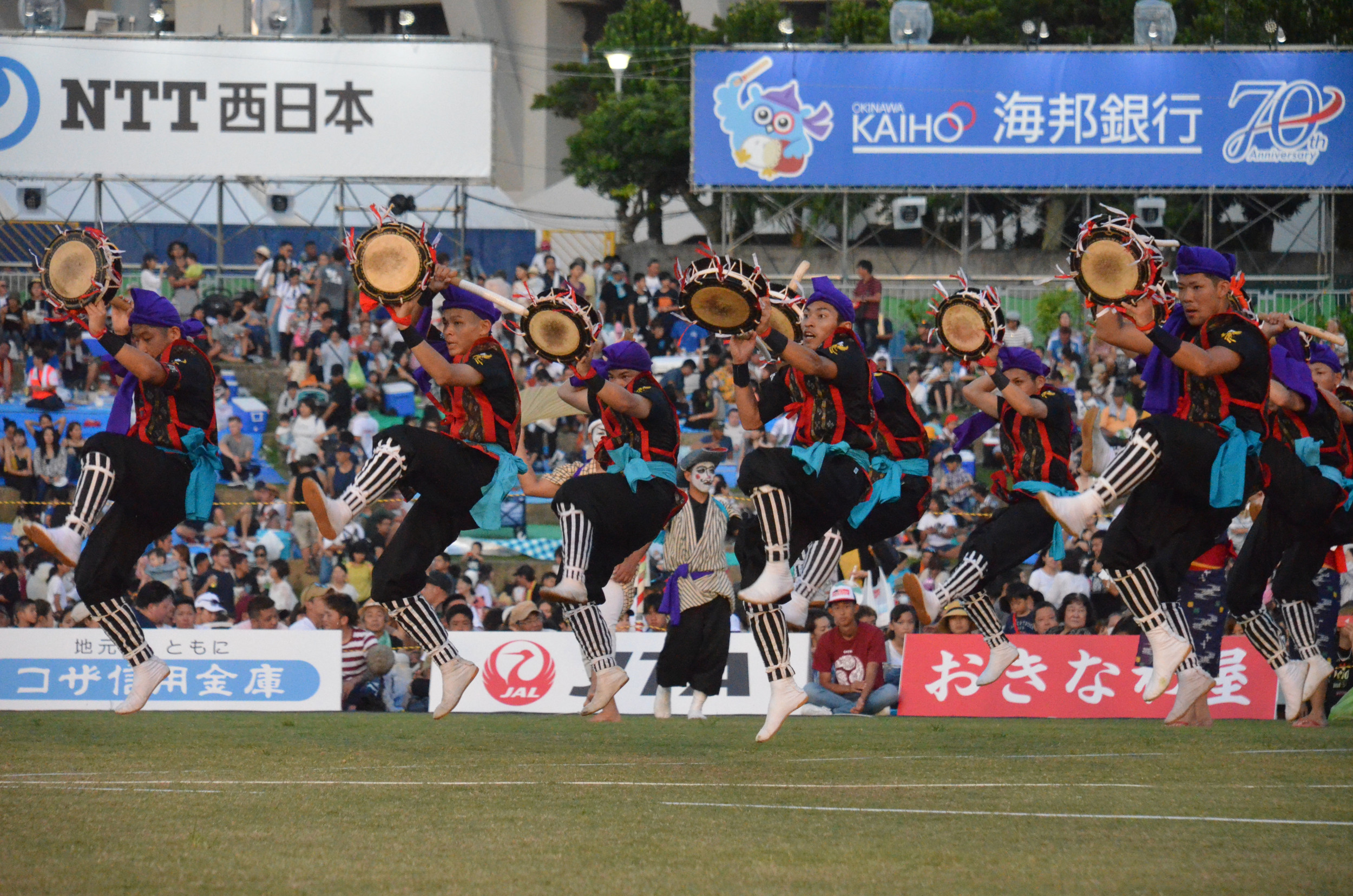
Photo: Okinawa Zenshima Eisa Festival Executive Committee
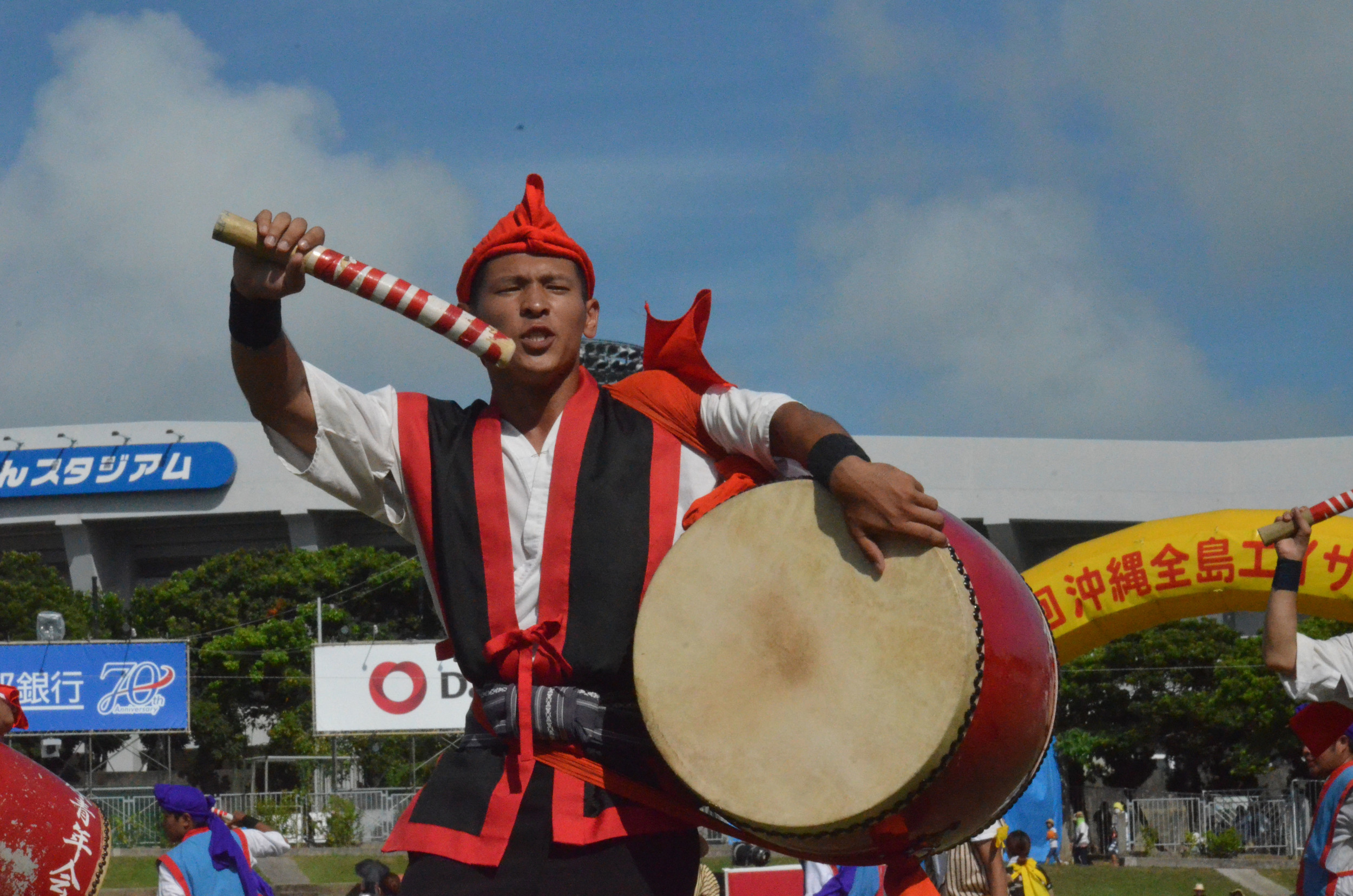
Eisa is usually performed by dozens of men and women dancing in formation around a "jikata" or "ji-ute" who play the sanshin and sing Okinawan folk songs, and an "udaiko" or "udaiko" (large drum).
The "o-daiko" plays an important role of leading the entire performance while holding the drum and performing dynamically. Other types of drums include the shime-daiko, which is smaller than the o-daiko, and the parangku, a hand-held drum with leather stretched over only one side, each with a different pitch. The shimedaiko is lighter and easier to move than the shimedaiko, but it also features acrobatic movements that involve large movements of the entire body, and is called the flower of the performance. The parranku is lighter than the shimedaiko, so it is often used in eisa by children's groups, but eisa that mainly consists of parranku has been handed down in the former Yonagusuku Town and the former Katsuren Town (both in present-day Uruma City).
The male dancers perform a powerful dance called ikigamoi, and the female dancers perform a graceful dance called inagamoi. The other dancers include "Hatagashira," who dance with a 3- to 4-meter-high flag, and "Sanaja-" and "Chondara-" who paint their faces white and enliven the audience with their comical dances.
What are the highlights of the festival and how to enjoy it?
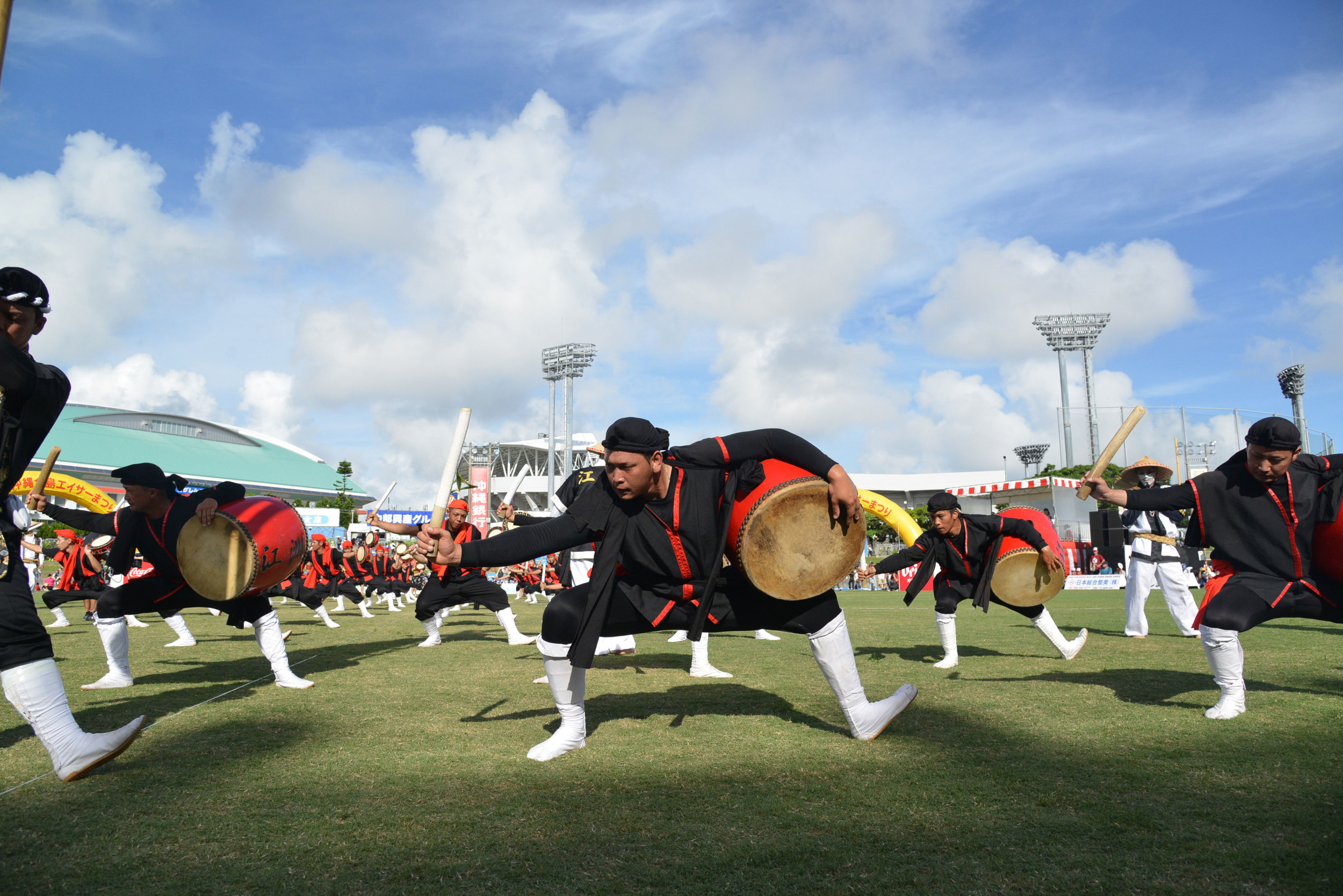
Photo: Okinawa Zenshima Eisa Festival Executive Committee
There are many ways to enjoy eisa, but the main attractions are the rhythmic and powerful overlapping sounds of the big drums, shimedaiko, and parangku, the performers' brilliant handling of the bachi, and their dynamic dancing in sync with the songs and music. The overwhelming performance is so impressive that it is uplifting just to watch it.
The basic composition of the groups is fixed, but in recent years, various formations have been created, and each group has its own individuality, whether it values tradition or pursues a new way of attracting the audience. Some groups use not only Okinawan folk songs, but also Okinawan songs and pop music, and you can enjoy the differences between them.
The flags carried by the hatagashira and the costumes of the performers are also designed differently depending on the group, so you will never get tired of watching them.
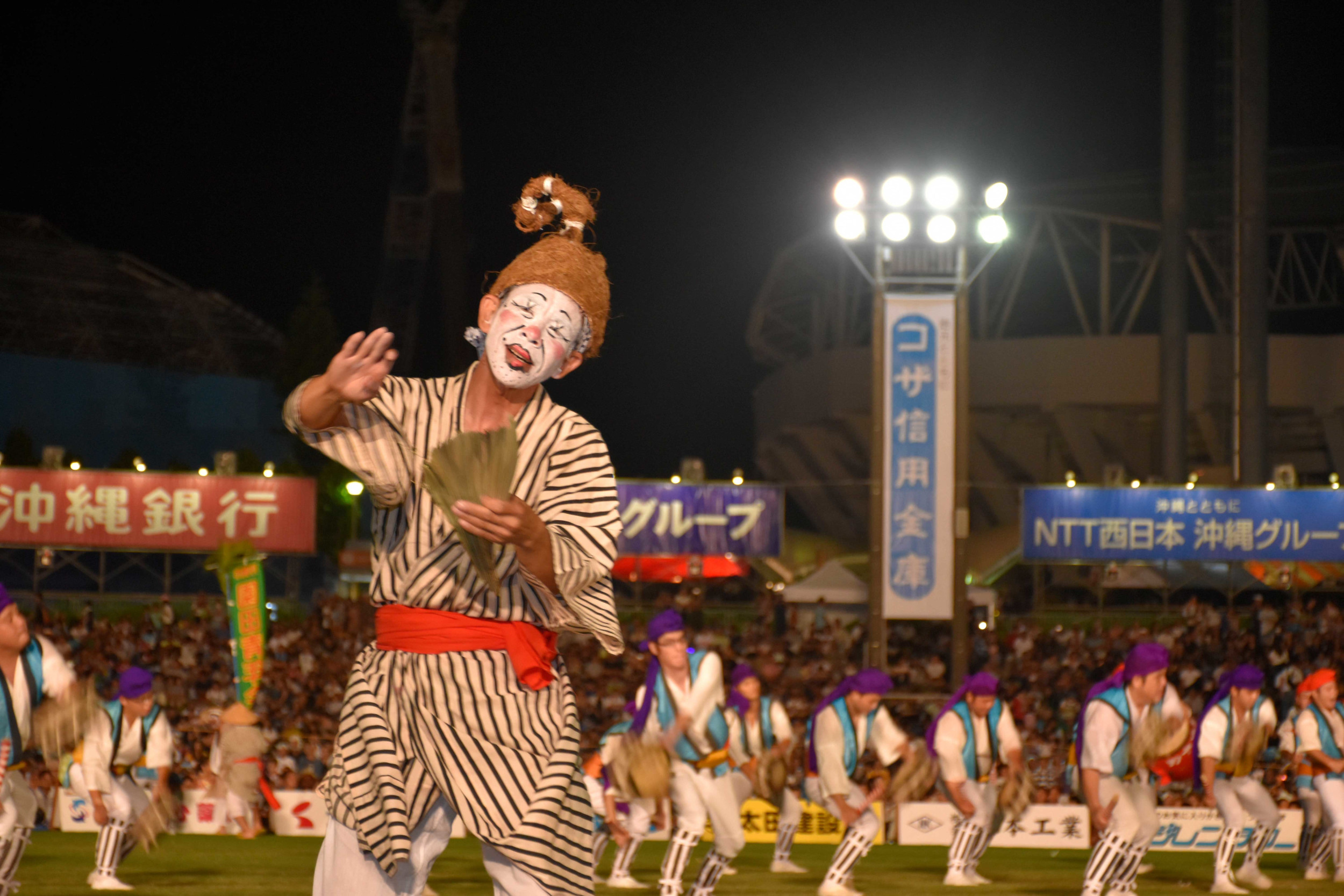 Photo: Okinawa Zenshima Eisa Festival Executive Committee" />
Photo: Okinawa Zenshima Eisa Festival Executive Committee
On September 5 (Sat) and 6 (Sun), the “Orion Beer Fest” will be held at the sub-ground adjacent to the main venue, so beer lovers are encouraged to watch the Eisa performances with a beer in hand.
〈Orion Beer Fest 2026 in Koza〉
September 5 (Sat) and 6 (Sun), 2026, 3:30 PM – 9:00 PM
Okinawa City Koza Sports Park Sub-Ground
Finale is "Kachaasi" and fireworks display
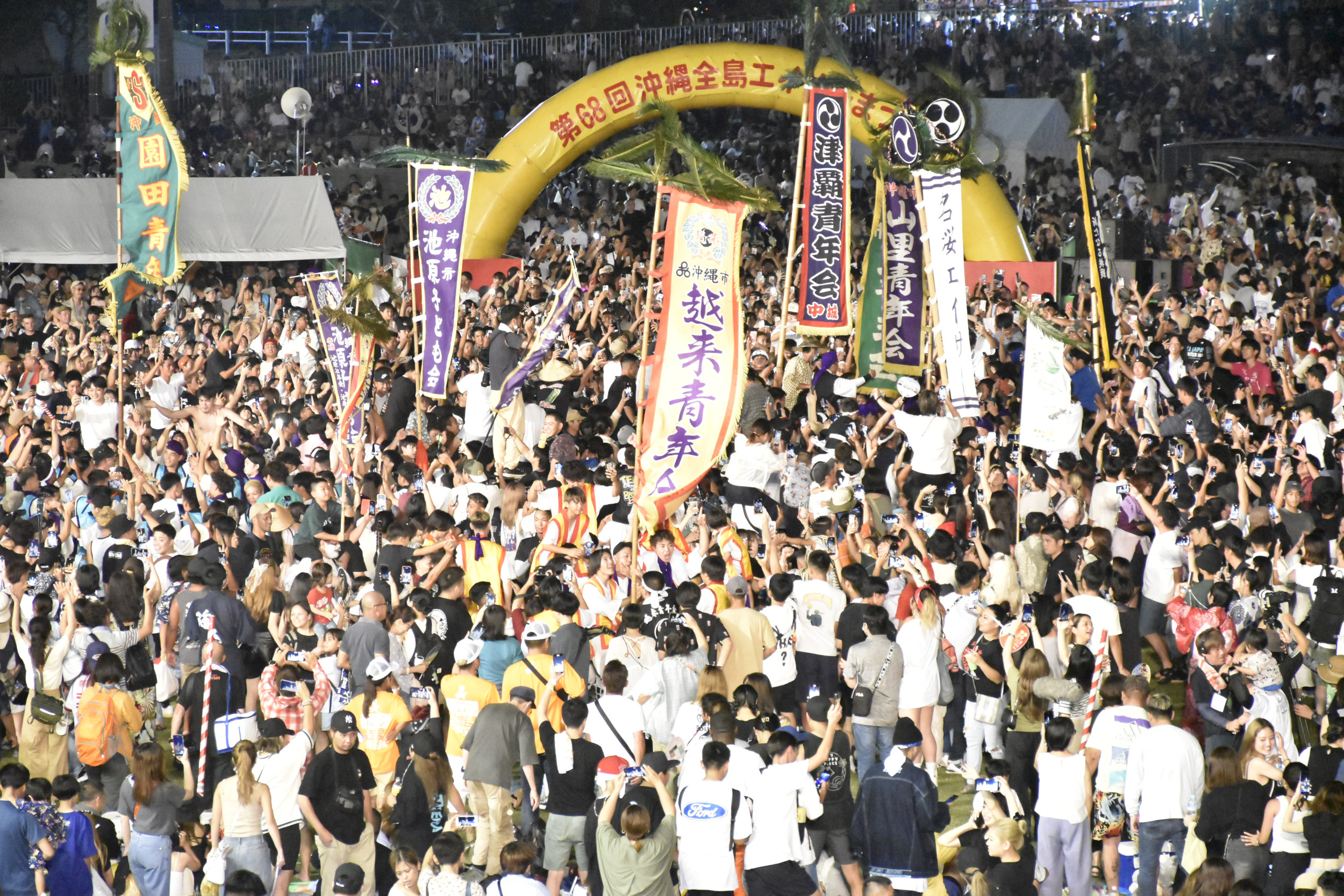 Photo: Okinawa Zenshima Eisa Festival Executive Committee" />
Photo: Okinawa Zenshima Eisa Festival Executive Committee
On the final day, after all the groups have finished their performances, the “Kachāshi” will begin.“Kachāshi” means “to mix” in the Okinawa dialect and refers to an improvised dance performed at the end of Okinawa celebrations and banquets. To the upbeat strains of the sanshin, people of all ages raise their arms high and sway gracefully from side to side, enjoying themselves.On the field—the main performance venue for the festival—not only the performers from each Eisa group but also the audience join in, creating a truly unified atmosphere. After dancing joyfully, a fireworks display begins, bringing the three-day festival to a grand finale.
Allow plenty of time to get to the venue.
Since this is the largest eisa event in Okinawa, traffic congestion is expected during the festival, and traffic regulations will be enforced around the festival site. Parking is available at the festival site (advance sales only), but the number of cars is limited, so if you are driving, such as renting a car, use the temporary parking lots in Okinawa City or take the free shuttle buses. If you use public transportation, use local buses and allow plenty of time to get to the venue.
〈Traffic Restrictions During the Festival〉
Check the official website for details
September 4 (Fri) Scheduled for 5:00 PM – 10:30 PM
Near the Goya Intersection on National Route 330, Koza Gate Street, and Naka-machi Nakadori Street
September 5 (Sat) and 6 (Sun): Scheduled for 8:30 PM – 10:00 PM
Ground Street, connecting National Route 330 and the Okinawa City Koza Sports Park Track and Field Stadium
On September 5 and 6, temporary parking lots will be set up at two locations—Okinawa City Hall and the Okinawa City Farmers’ Training Center—and will be available from 1:30 PM to 11:00 PM.
In addition, free shuttle buses will run from
① In front of Okinawa City Hall
② In front of the Okinawa City Public Library
③ Okinawa City Farmers’ Training Center
④ Awase Fishing Port
⑤ AEON MALL Okinawa Rycom
The shuttle runs approximately every 20 minutes from these five locations.
The buses will run from 13:30 to 20:00 from each depot to the venue,
from each depot to the venue, and from the venue to each depot from 2:00 p.m. to 10:30 p.m.
Bus route
Nearest bus stop: Sonoda bus stop. Approx. 10 min. on foot.
- Okinawa Zenjima Eisa Festival
-
 Around Goya Crossroads (Day 1: “Michijune”)
Okinawa City Koza Sports Park Track and Field Stadium (Day 2: “Okinawa City Youth Festival,” Day 3: “Main Festival”) September 4 (Fri) – 6 (Sun), 2026 *Event will take place rain or shine
However, in the event of a typhoon or severe weather, times and dates are subject to change. 098-937-3986(All Islands Eisa Festival Executive Committee Office, Okinawa)

Local Guide who was in charge of this article
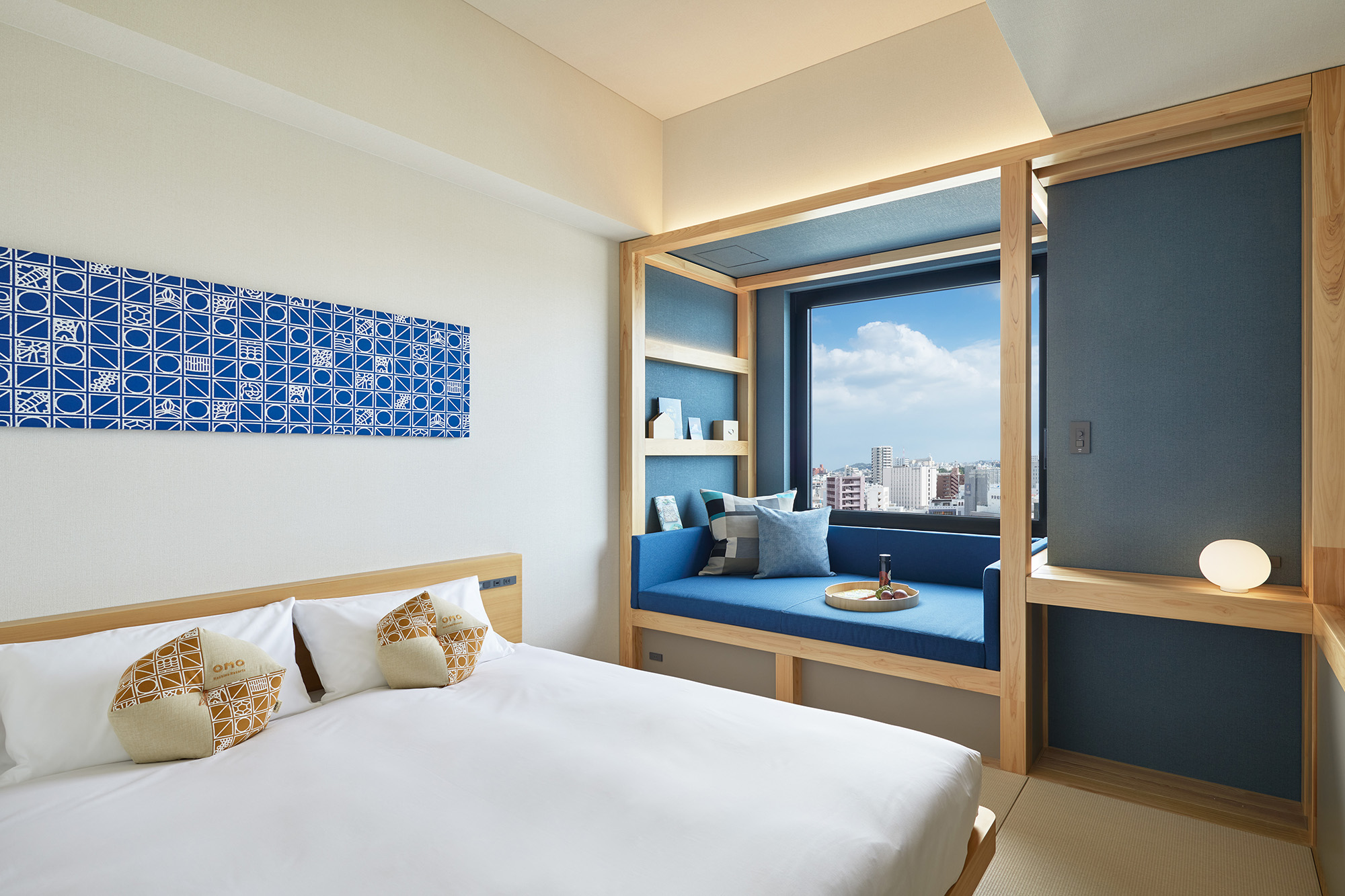
OMO5 Okinawa Naha by Hoshino Resorts
Naha City, Okinawa
Conveniently located within walking distance to Kokusai-dori Street. You can enjoy the tropical atmosphere of Naha to the fullest.

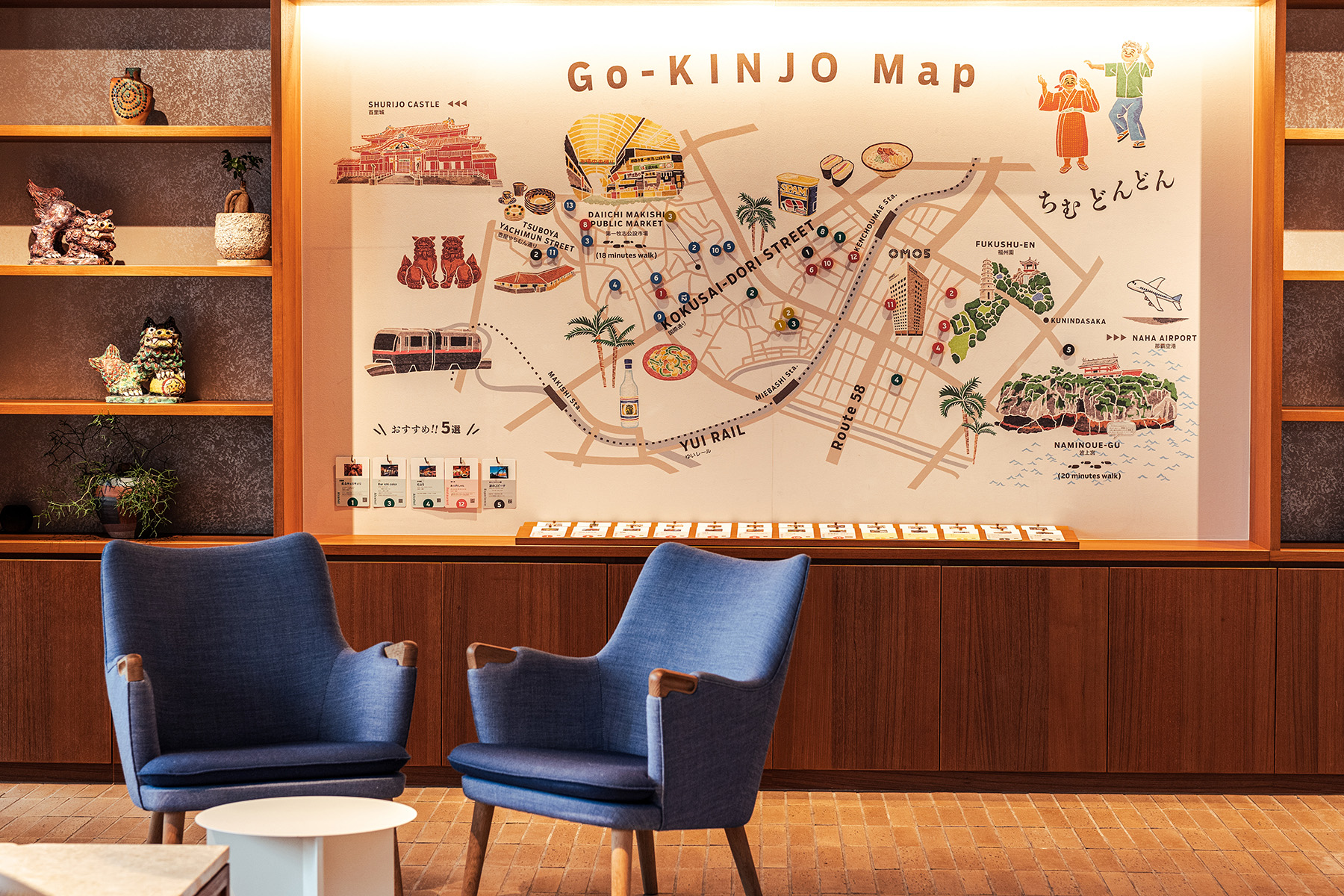
Access by bus Approximately 6 minutes walk from Kencho-mae Station on the Yui Rail
- Example of Accommodation Rates
- 1 person per night From 6,000 yen