





Recommendation of the interesting place where Kanazawa Castle Park is enjoyed deeply and how to go around| "castle Sanpo"

"Kanazawa castle" which neighbors Kenroku-en is one in a typical tourist spot in Kanazawa. A castle resided of a successive generations seigneur of the Kaga feudal clan Maeda family who built Kaga Hyakumangoku was being restored and opened as "Kanazawa Castle Park" in 2001 one after another. The highlight is also rich in the wide park. So if Kanazawa Castle Park is visited, the recommendation spot I'd like to be surrounded by all means is introduced. I'll enjoy the building where restoration maintained in the park while respecting a historical fact while taking a walk slowly.
<What kind of place is Kanazawa Castle Park?>
- 1The great ruin of a castle a Kaga Hyakumangoku daimyo built?
- 2Famous place for beautiful cherry blossom of Ishikawa
<Recommendation walk spot of Kanazawa castle>
- 3I pass through the Ishikawa gate, and it's in the Kanazawa Castle Park.
- 4The "water chestnut turret" reproduced faithfully "row house for fifty" "Hashizume gate a second series turret" "Hashizume gate"
- 5Circle rest house of a crane
- 6Tamaizumi inmaru garden (GYOKU, circle Tei who isn't here doesn't get it.)
- 7Mouse Tamon and mouse Tamon Hashi (a mouse landing net, oh,* mouse TA MON, when, with the selling point of)
<Charm of Kanazawa Shiro who would like to know more>
<What kind of place is Kanazawa Castle Park?>
1The great ruin of a castle a Kaga Hyakumangoku daimyo built?
History and culture in Kaga Hyakumangoku are told soon.
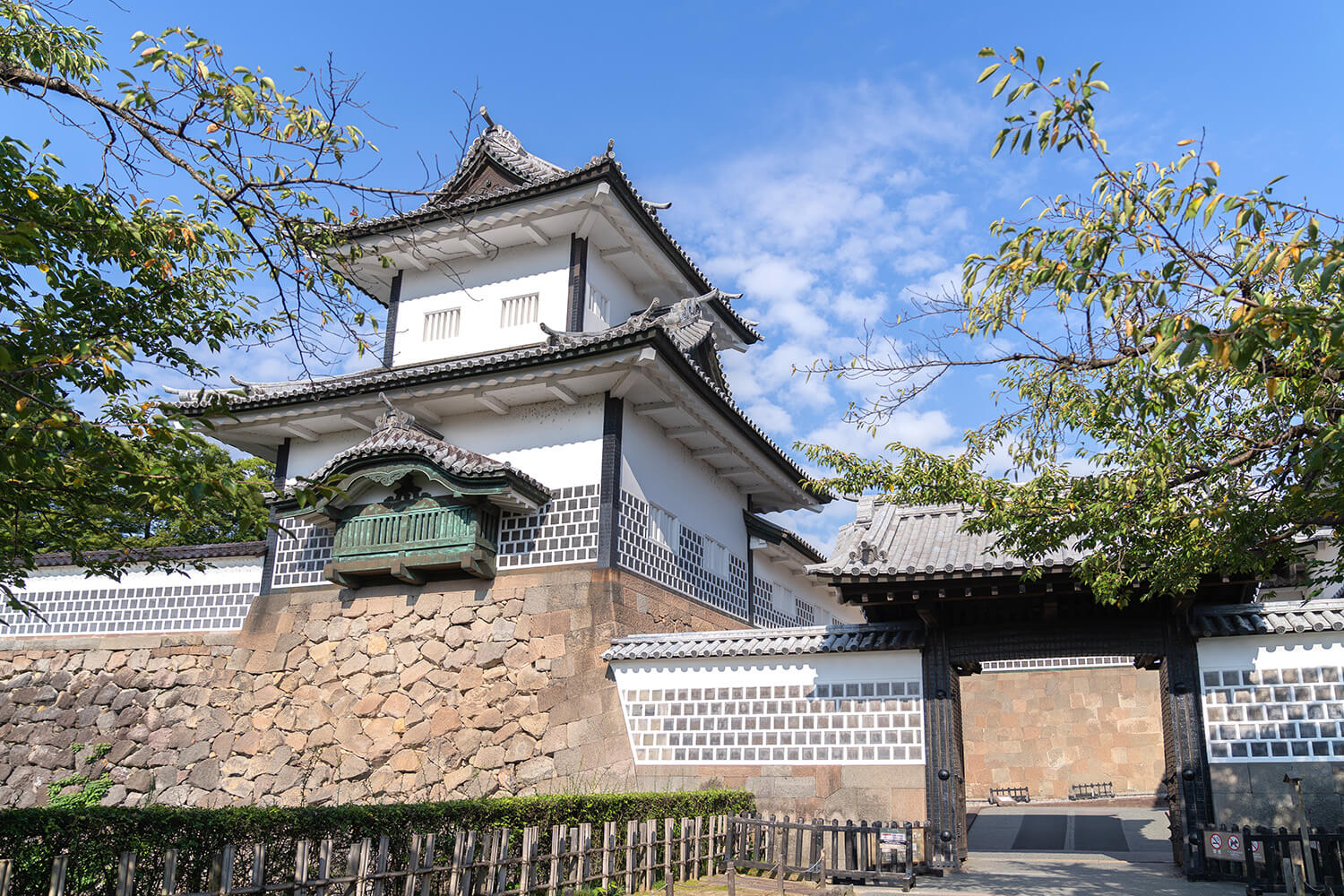
The "Kanazawa castle" in the place where a temple of Jodo-Shinshu as "Oyama Gobo (Kanazawa hall)" was here originally. I begin to change to Kanazawa castle in 1580 (1580) and use, and real castellation has started after Maeda Toshiie who built Kaga Hyakumangoku enters Kanazawa castle in 1583 (1583). It was a castle resided of a successive generations seigneur of Maeda family from there, and I prospered for about 290 years.
All buildings besides "Ishikawa gate" and "row house for thirty" have been burned away by repeated fire, but restoration construction is developed and public opening is started as "Kanazawa Castle Park" from 2001. Restoration maintenance is more developed from there, and gorgeousness of the at that time has returned to the garden and the gate a little.
2Famous place for beautiful cherry blossom of Ishikawa
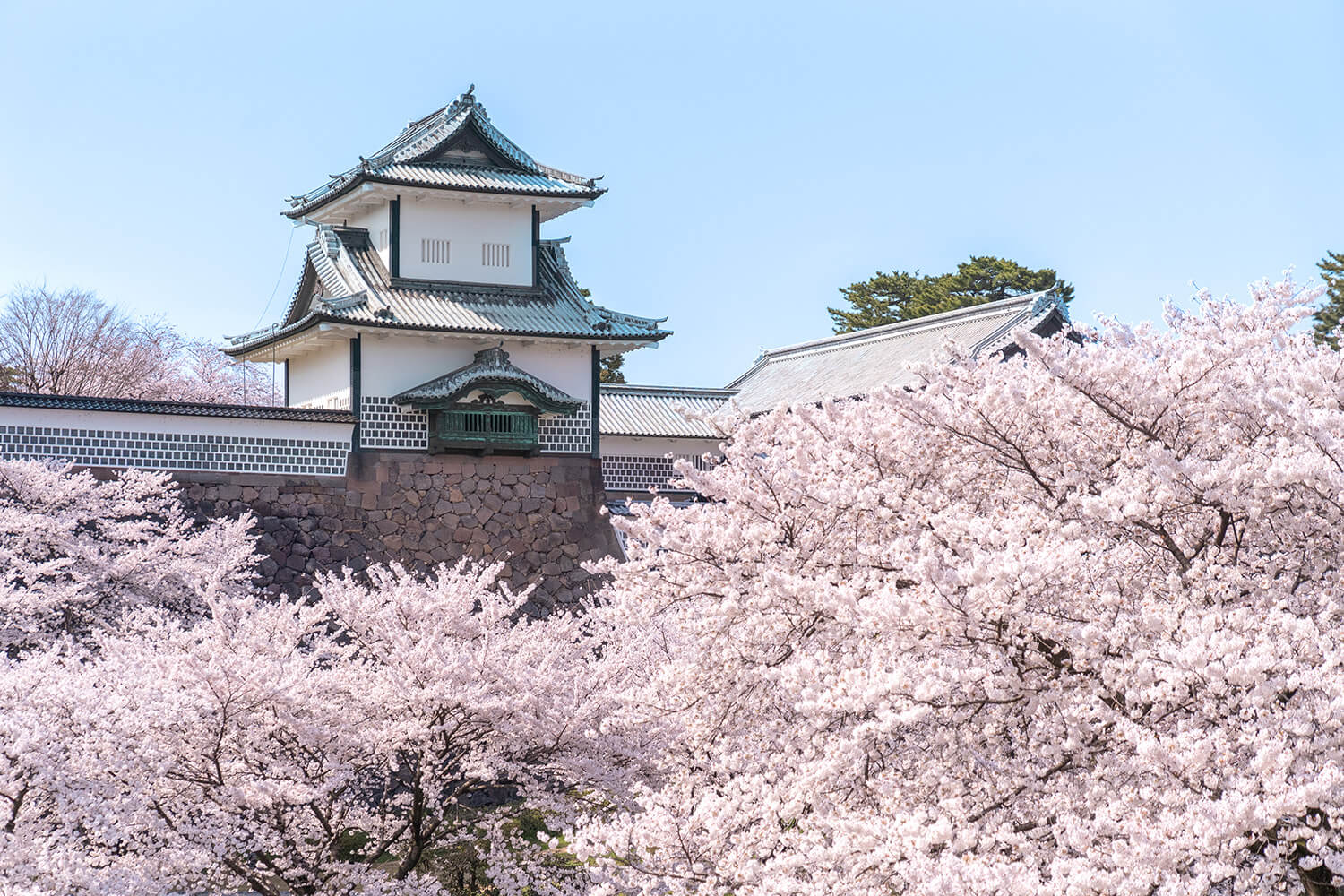
The Kanazawa castle from which Kanazawa is also learned about as best famous place for beautiful cherry blossom. A cherry tree as much as about 400 blooms a Someiyoshino cherry tree, an early-flowering cherry tree and a mountain cherry at the beginning of April, and many flower viewing visitors visit to find its beauty every year.
A popular one is Ishikawa gate in particular as a view spot. Two shots in Sakura where Moco Moco sense is much and Ishikawa gate like a sea of cloud are this time, well. A cherry tree which blooms along an inner moat of "Hori of a major company" and "water chestnut turret (a day, with the selling point of, turret)" can't also be overlooked.
It's lit up with Kenroku-en it neighbors in the evening, so it's also charm that a cherry tree of the expression different from noon again can be enjoyed.
<Recommendation walk spot of Kanazawa castle>
3I pass through the Ishikawa gate, and it's in the Kanazawa Castle Park.
I recommend Ishikawa gate for a start of walk.
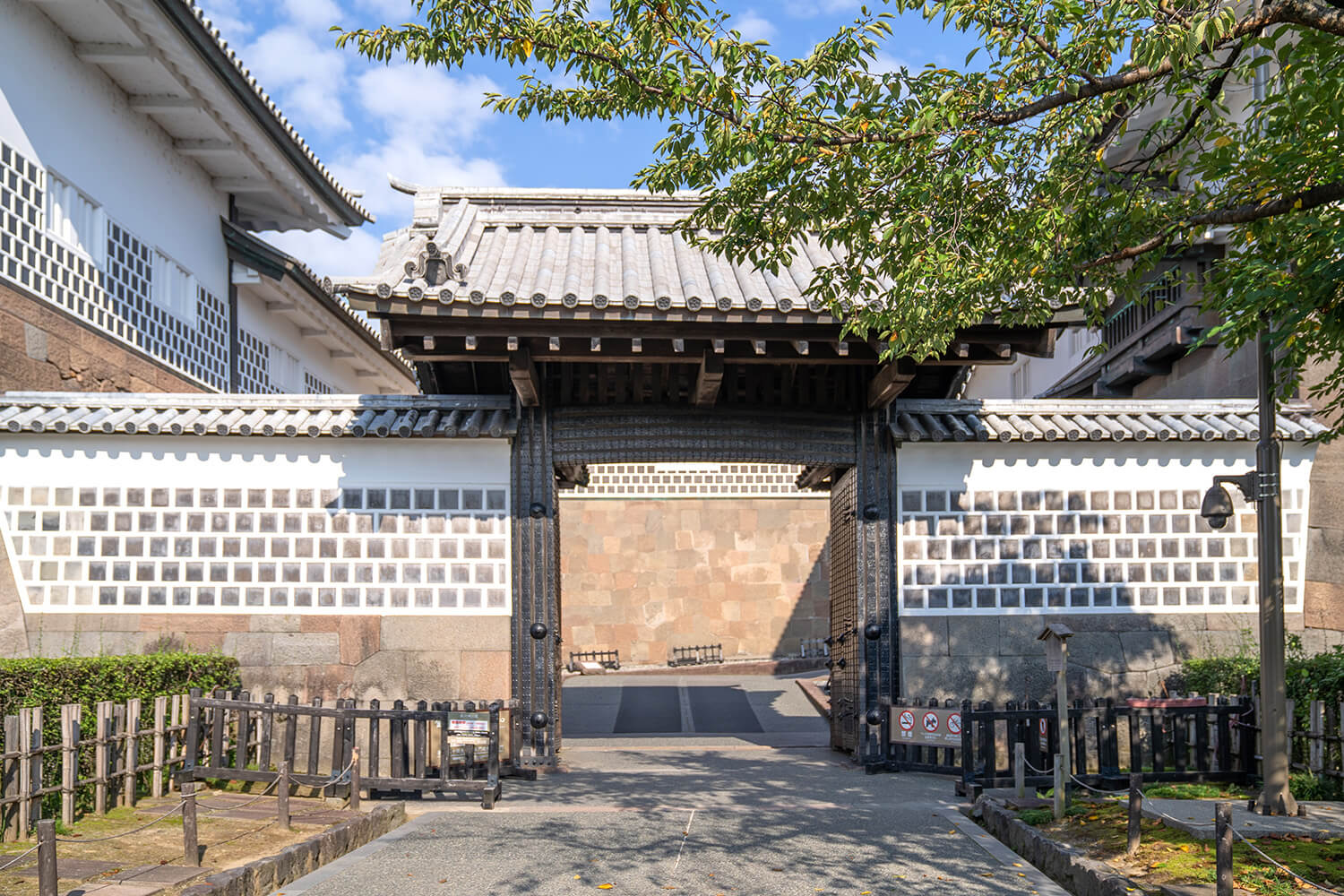
5 are set up to the entrance phylum of the Kanazawa Castle Park altogether. The person who would like to enjoy himself according to "Kenroku-en" recommends to start from the Ishikawa gate on the opposite side of Kenroku-en. It's recommended first to pass through this gate because it's also a main gate of Kanazawa Castle Park.
I burned down once by a conflagration in 1759 (1759), but 11 generations of Ishikawa gate was reconstructed by Osamu's (don't spread, but) charge, seigneur Osamu Maeda. It's after that, it's also designated as national important cultural property as the valuable remains which are saved from burning by a conflagration and left from the Edo Period.
4The "water chestnut turret" reproduced faithfully "row house for fifty" "Hashizume gate a second series turret" "Hashizume gate"
The "row house for" fifty where a long building is striking

It's a long building to pass through the Ishikawa gate and come into the sight first by "Sannomaru square". This building where 3 buildings range and are connected inside actually. It's "Hashizume gate a second series turret (chopsticks packing, gate following turret)" "Row house for fifty (GOJIKKEN NA isn't liked.)" "water chestnut turret (a day, with the selling point of, turret)" from the left and is Property where it requires Admission only in the Kanazawa Castle Park. Various display can be visited at the interior.
Though a row house for fifty is generally called Tamon turret (gate turret) and used as the depot where a weapon is kept mainly, I have the function of the castle wall in case of emergency.
The "water chestnut turret" where the shape and mechanism are fun
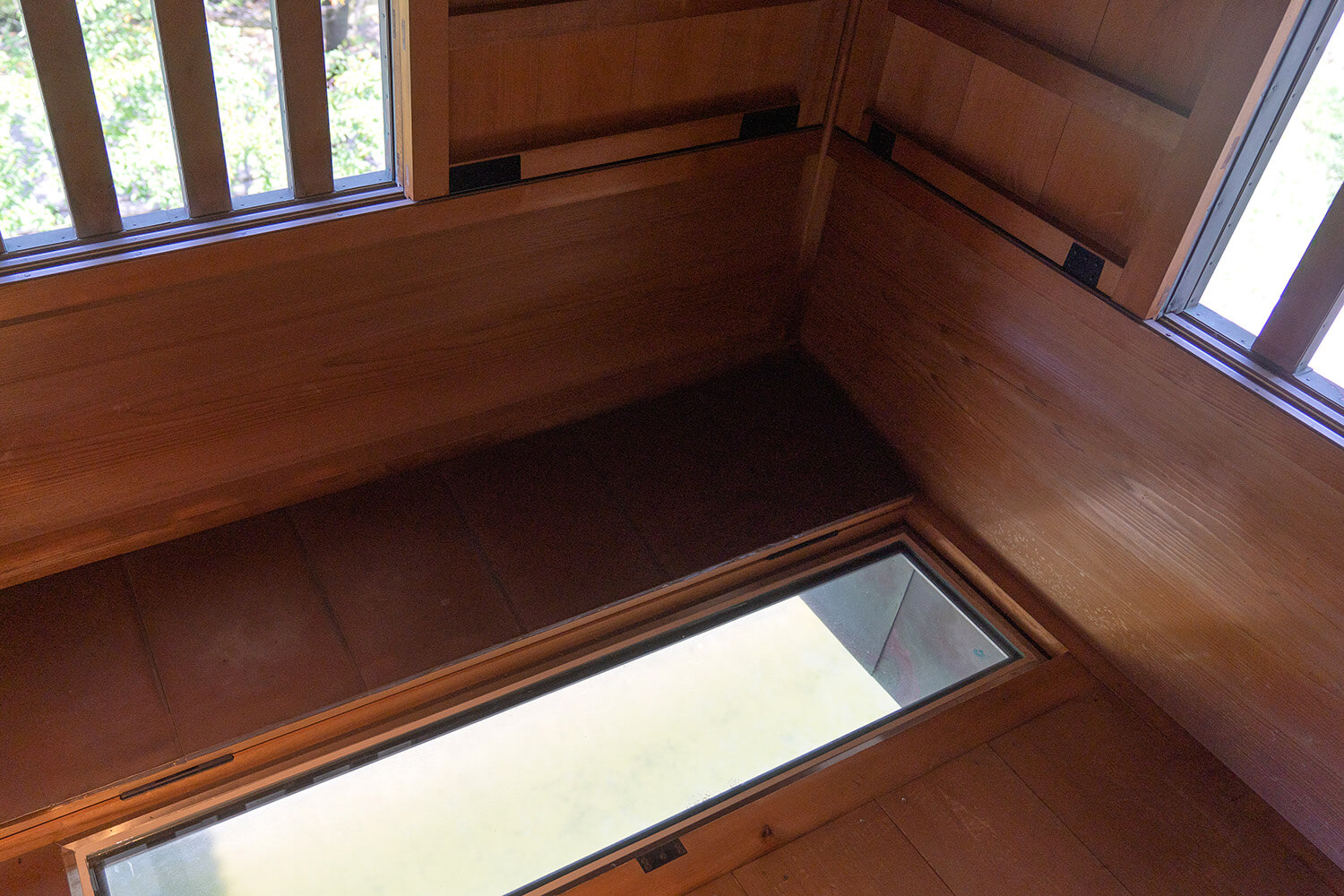
It's a point as the name suggests and a building are going to come and that can enjoy rhombus in a water chestnut turret. Because it was charged with the important role of watching the circumference mainly, I reduce a blind spot and aim at the effect which makes the view wide, and it's said that they used rhombus. 100 pillars used for a building also become rhombic including a plane in a building, and it's also an attraction that technology in excellent at that time can be seen.
3 story building where a water chestnut turret was built on Ishigaki of height 11.7m. Defense equipment as stone drop can also be visited.
The "Hashizume gate a second series turret" where the gate with the highest formality is watched
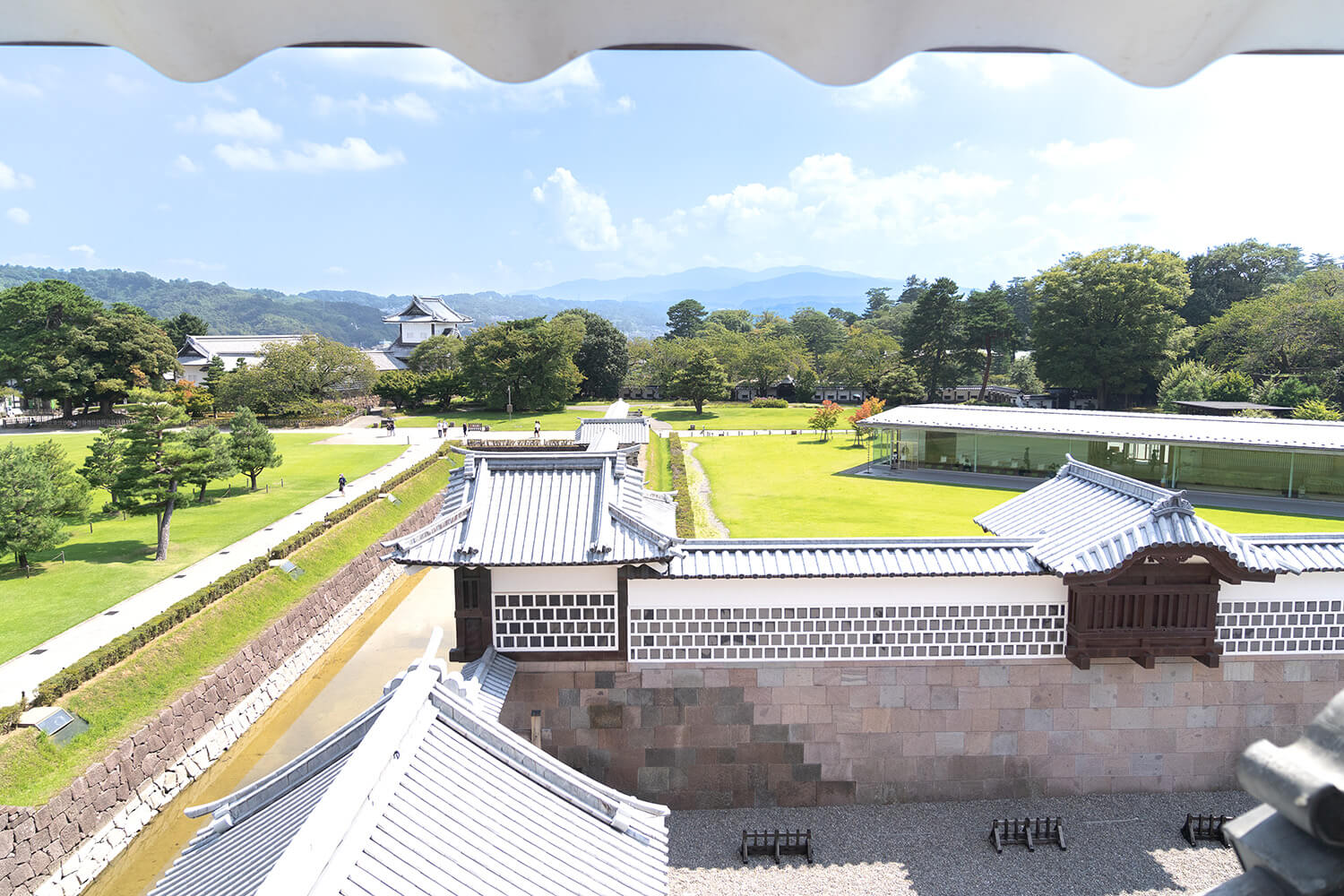
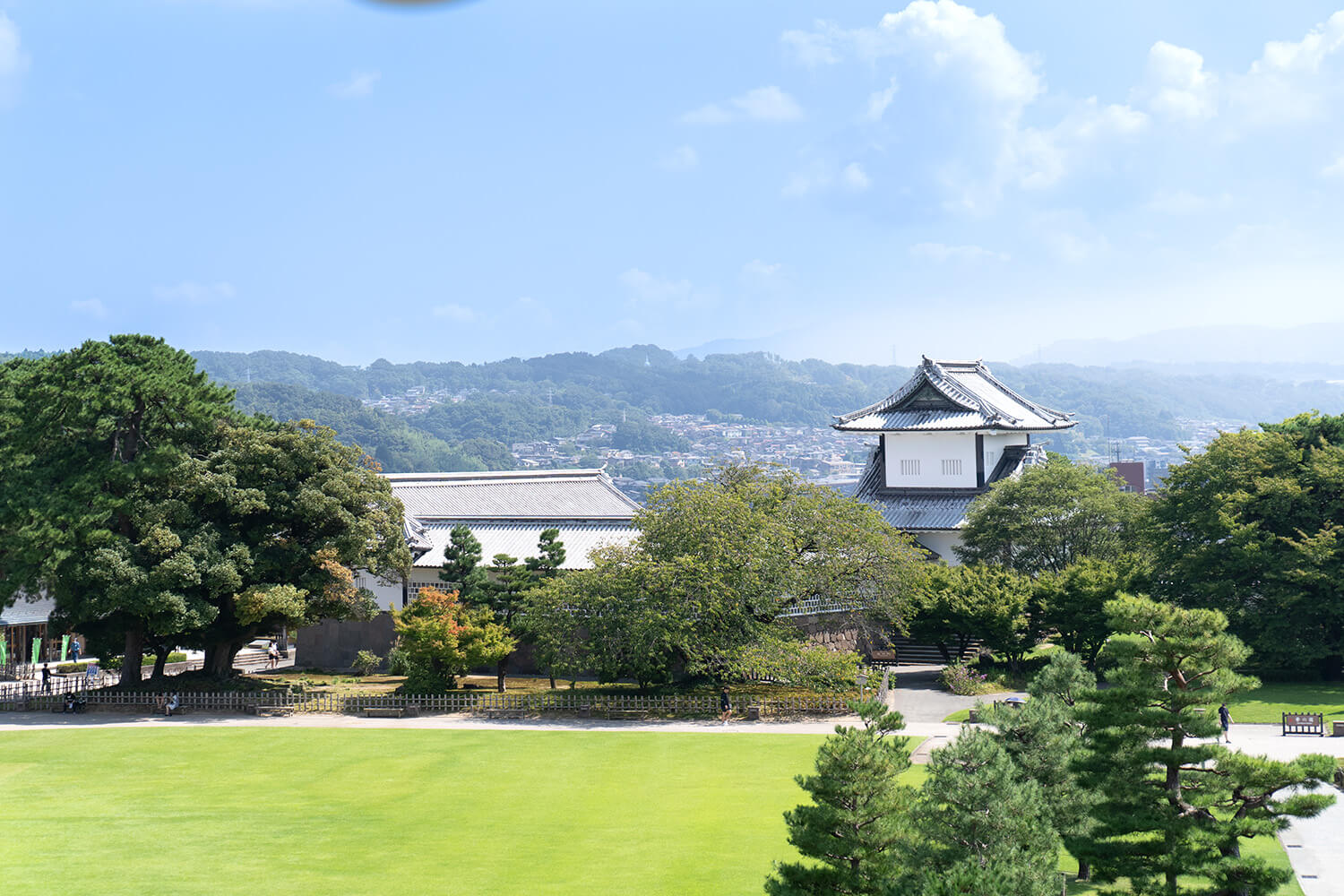
It's Hashizume gate a second series turret that it's in the location where I look down upon the "Hashizume gate" where "Ninomaru" is a front gate. I say that important business was carried as the turret to cross Hashizume bridge" from a Sannomaru square and watch the people who go to the Ninomaru.
If Hashizume gate a second series turret is visited, please enjoy the scenery from the 3rd floor by all means. I also become popular as the spot which can take beautiful photograph because a window of the 3rd floor doesn't contain glass. Ishikawa gate, a Sannomaru square and the superb view view which can look at "circle rest house of a crane" from the top are DE here.
5Circle rest house of a crane
I take a rest by Castle view.
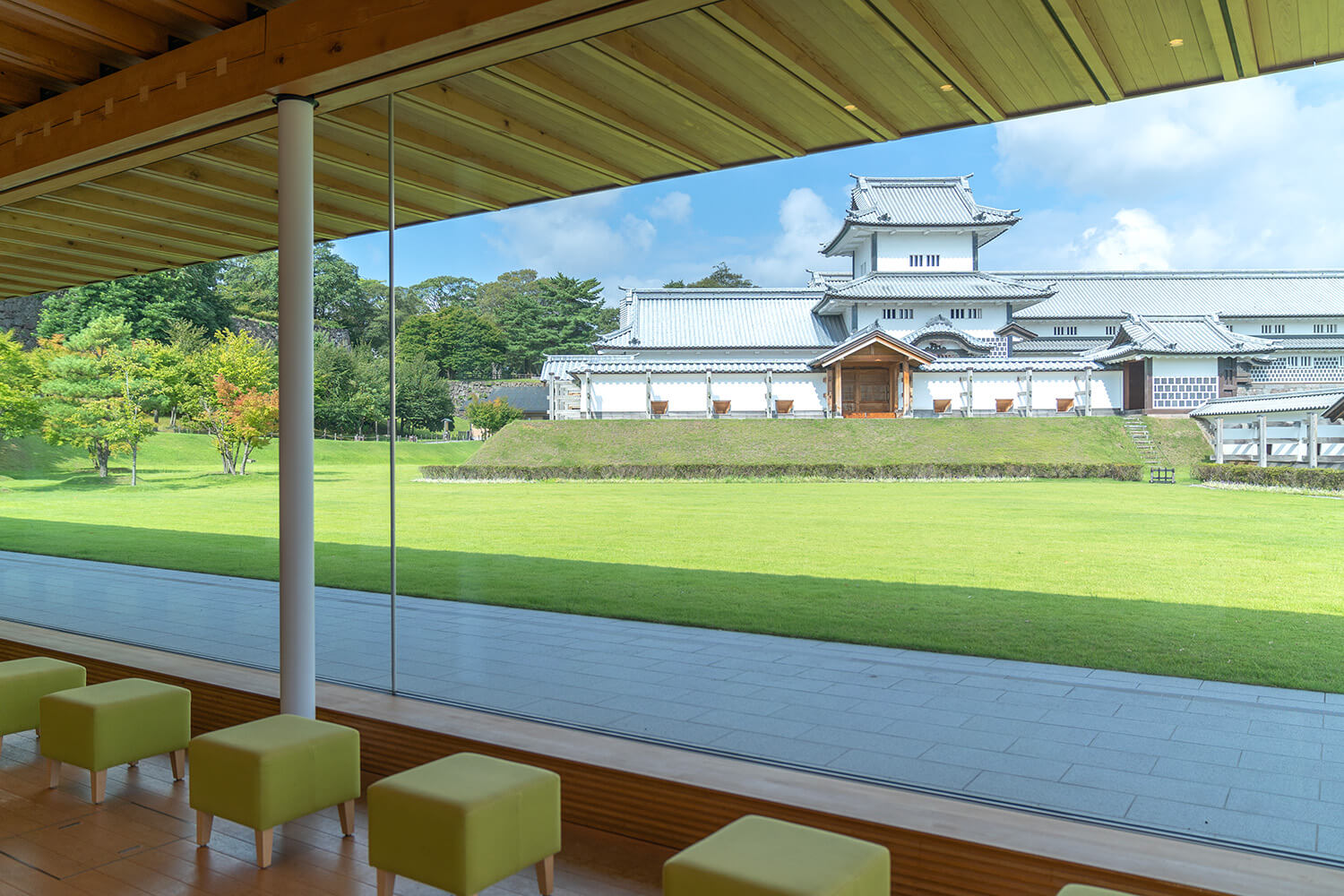
If I'm tired from walking, I'll go to the "Tsuru's circle rest house" where it can be satisfied with a superb view view. Space is also recommended as the ideal photo spot which can look at a row house for fifty and Hashizume gate imminently over a windowpane this break.
The original picture which introduced an interesting place of Kanazawa Castle Park and Kenroku-en and history is flowing at juxtaposed display space. There is also a quiz section, so please try the one with time by all means. There is SPACE which shows 4K picture "Maru Theater of a crane", and it's possible to see a VR picture inside the Kanazawa castle in the latter period and the Ninomaru Palace in the Edo Period.
A cafe is also juxtaposed and it can be satisfied with the sushi and the snack offered by the capacity of the Traditional Pottery items.
6Tamaizumi inmaru garden (GYOKU, circle Tei who isn't here doesn't get it.)
I wish for a creative daimyo garden slowly.
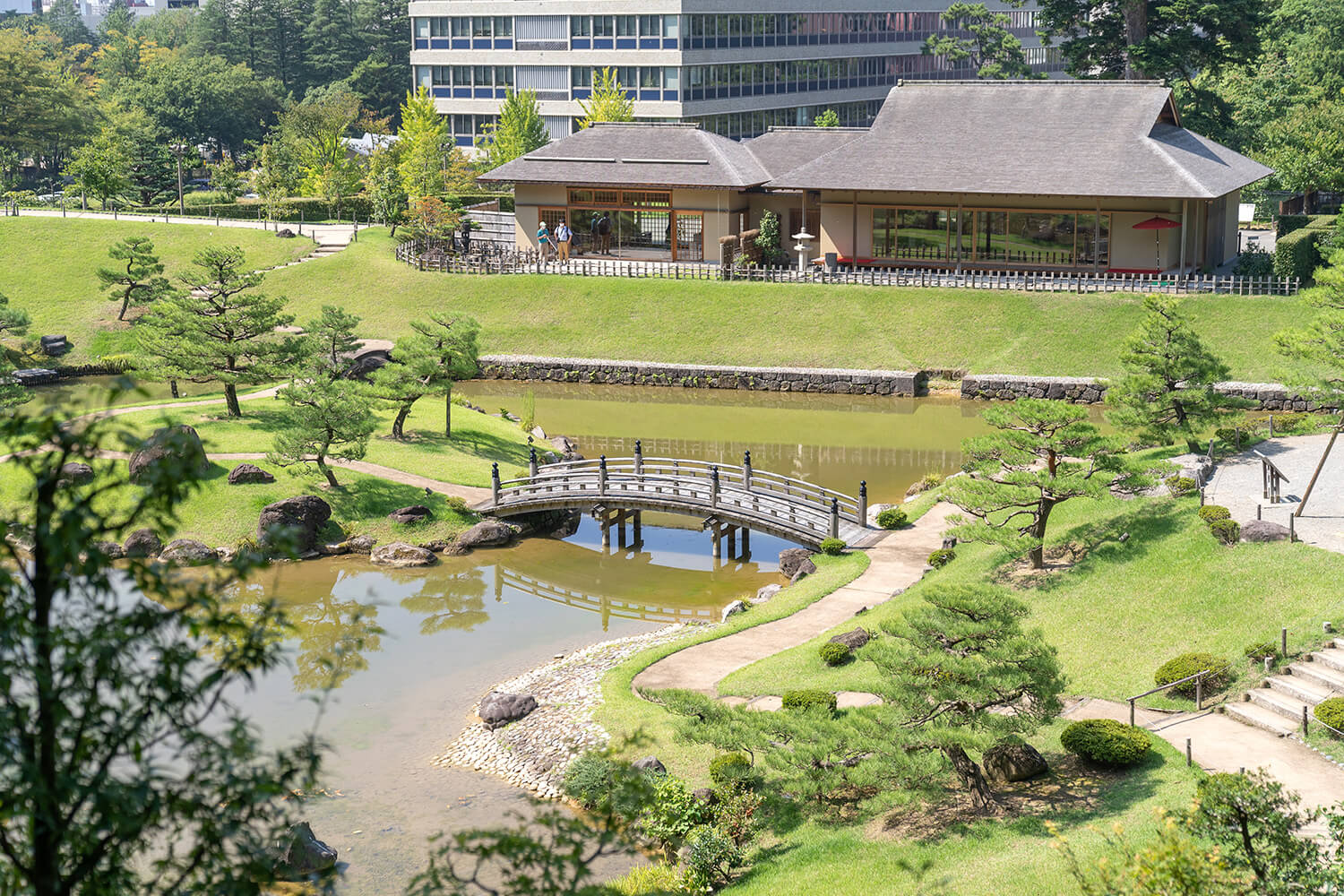
Even when profit usual which is Mijiro eye seigneur abolishes feudal domains though it can make an improvement by a successive generations seigneur including landscape, it's this "Tamaizumi inmaru garden" (GYOKU, circle Tei who isn't here doesn't get it.) that it existed. It became extinct in Meiji, but a daimyo garden of the Izumi Ike migration system which makes the Tatsumi water for irrigation attracted in the castle the water source was reproduced excellently in 2015 (2015).
A three-dimensional garden using the inclination of the gap 22m of ups and downs is the feature, and the colored paper strip of paper product stone wall which became united with a fall is one of a highlight.
7Mouse Tamon and mouse Tamon Hashi (a mouse landing net, oh,* mouse TA MON, when, with the selling point of)
To the latest spot of Kanazawa Castle Park.
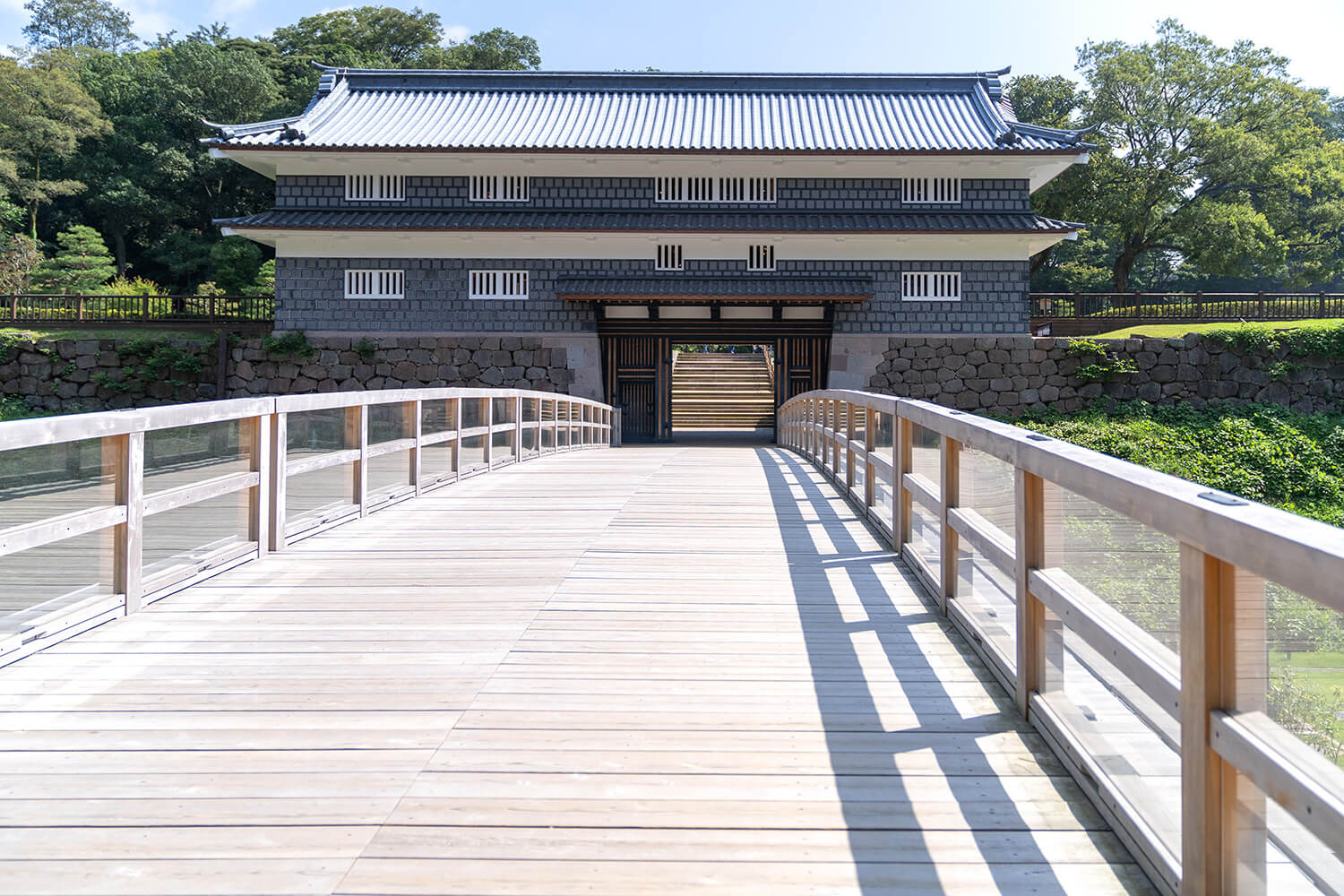
The latest spot which has been just completed in July, 2020 when the gate and the bridge where Tamaizumi inmaru garden and Oyama shrine were tied formerly were restored. Since I burned down in Meiji, it was restored and was a topic in 140 after. The wooden bridge where black sea cucumber plaster was proud of the maximum scale in "mouse Tamon" of the feature (A mouse landing net, oh.) and Shiro "mouse Tamon Hashi (mouse TA MON, when, with the selling point of)" is also outstanding in an existence sense. Mouse Tamon can visit the interior for free of charge.
The new line of flow was that you could go now from Kanazawa Castle Park to Oyama shrine through mouse Tamon and mouse Tamon Hashi, and became made and capabler of Kanazawa sightseeing.
<Charm of Kanazawa Shiro who would like to know more>
8Various stone walls
Nationwide, museum of a valuable stone wall

The Kanazawa castle with which various stone walls have been made in the history in about 290. A walk course of the tour of stone walls can see various stone walls so that it's called "museum in Ishigaki", and is also made. A stone wall rich in variety can be enjoyed from Ishigaki who just piled a natural stone up to Ishigaki where I processed a stone and was shipped closely.
When a stone wall will be seen well, there is something by which a circle,△,□ and a carved seal of a counterclockwise swastika are dug. Its kind has more than 200 kinds, and what kind of design also recommends to be drawn or to look for it?
9Fantastic light up
After setting, please enjoy a light up in a daimyo garden.
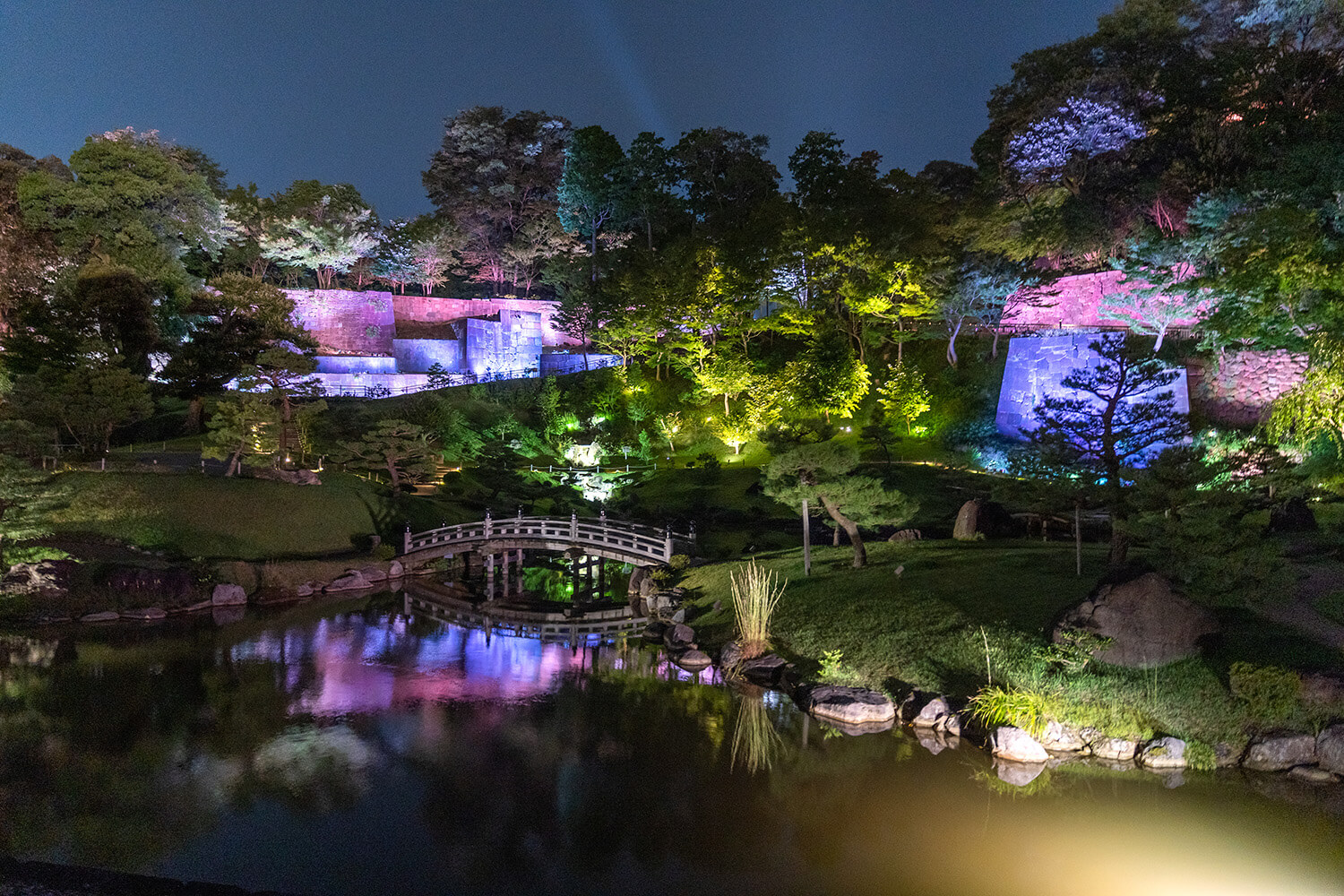
Don't also forget the light up which is being held for free of charge from sunset to 9:00pm in Saturday and an appointed date every week. A light up can be enjoyed at Ishikawa gate, Hopei gate, a water chestnut turret, a row house for fifty, Hashizume gate a second series turret, mouse Tamon, mouse Tamon Hashi, Tsurumaru depot, a row house for thirty, Tamaizumi inmaru garden and Ishigaki. It's only Ishikawa door, Tamaizumi in Marukuchi and mouse numerous doors that some 5 entrances can strike it and enter, so requiring care.
It's time of night that the outline of the castle surfaced by a light up can be enjoyed, well. The production into which I change according to the music can be enjoyed at Tamaizumi inmaru garden.
- Kanazawa Castle Park
-
 1-1, Marunouchi, Kanazawa-shi, Ishikawa MAP
 It's a car from JR Kanazawa Station, about 7 minutes
 Embussment and "Kenroku-en Shimokanesawa castle" get off JR Kanazawa Station, about 3 minutes on foot
 March 1-October 15 7:00-18:00 and October 16-last day of February 8:00-17:00
 Open everyday
 About a water chestnut turret, a row house for fifty, Hashizume gate a second series turret and Hashizume gate, (admission)
Adult (more than 18 years old), 320 yen and children (6 years old-less than 18 years old), 100 yen 076-234-3800 (Ishikawa Kanazawa castle and Kenroku-en Administration Office)
 I don't have that.
MAP
- <What kind of place is Kanazawa Castle Park?>
-
- <Recommendation walk spot of Kanazawa castle>
- <Charm of Kanazawa Shiro who would like to know more>
- Hoshino ResortsProperty around here

Local Guide which took charge of this article

- Horiyasu YumiThe town walk kid full of curiosity!
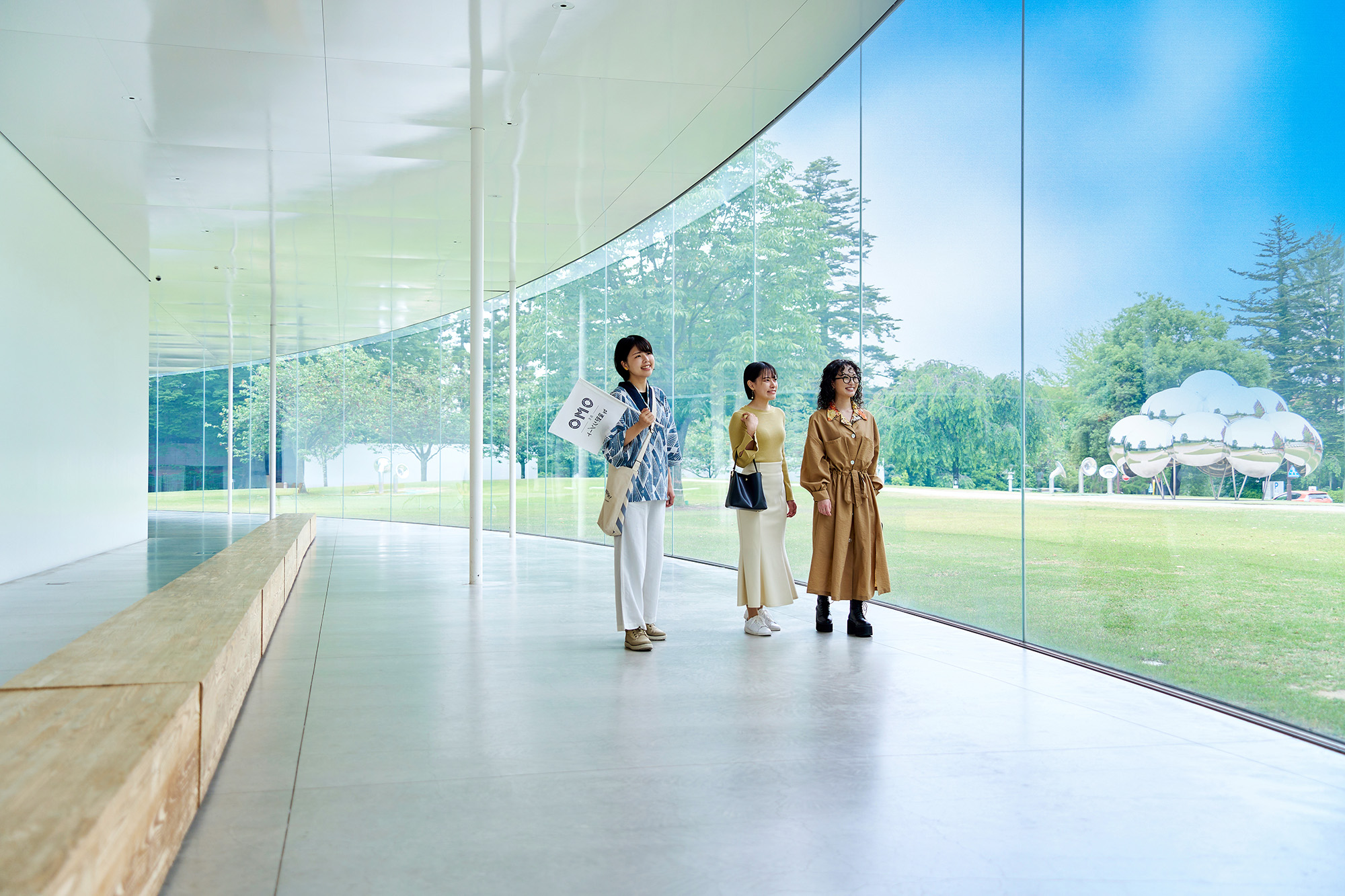
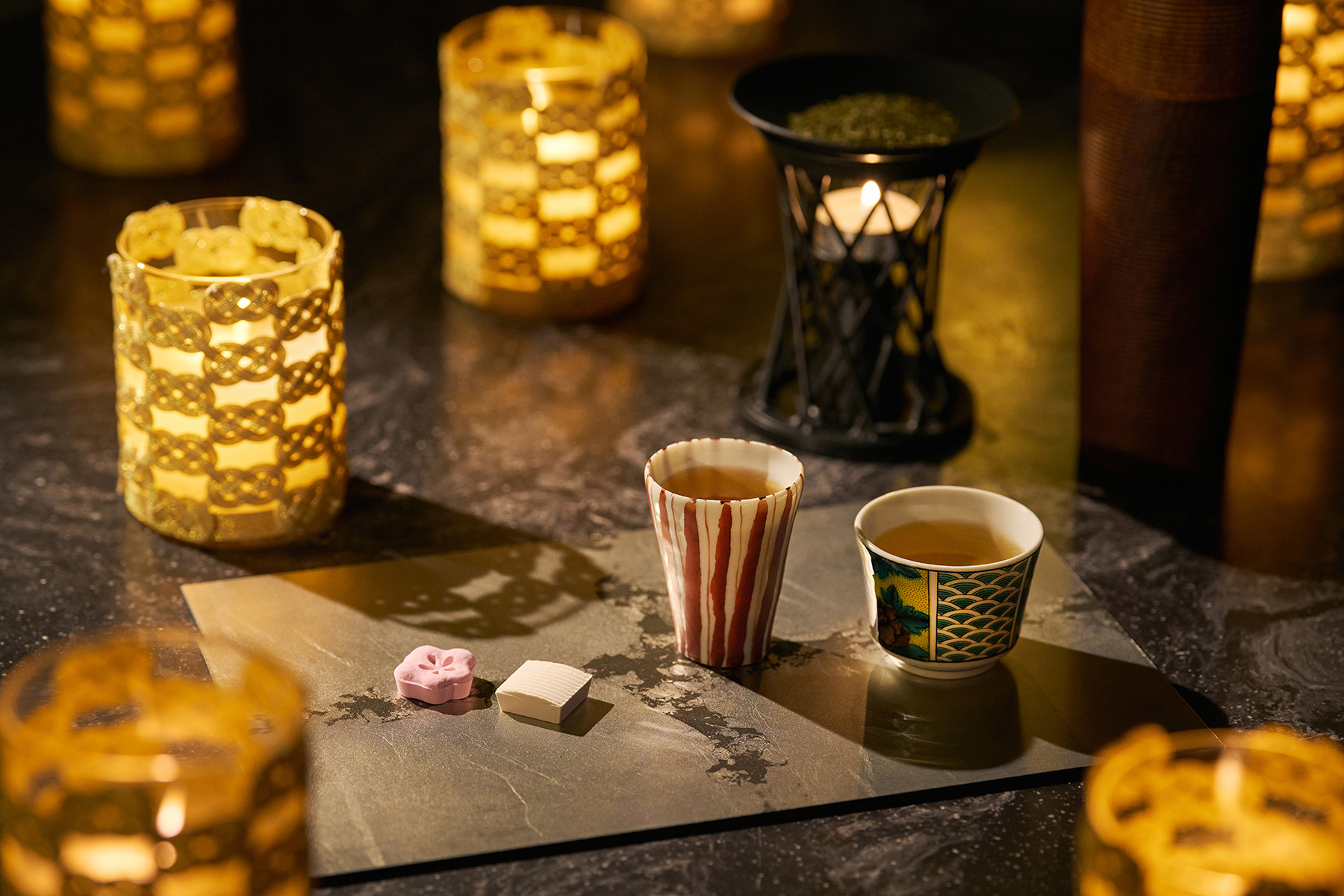
OMO5 Kanazawa Katamachi by Hoshino Resorts
Ishikawa Prefecture and Kanazawa-shi
Ichi Kanazawa's gourmet town and Katamachi. Location also convenient for Direction to the tourist spot which represents Kanazawa.
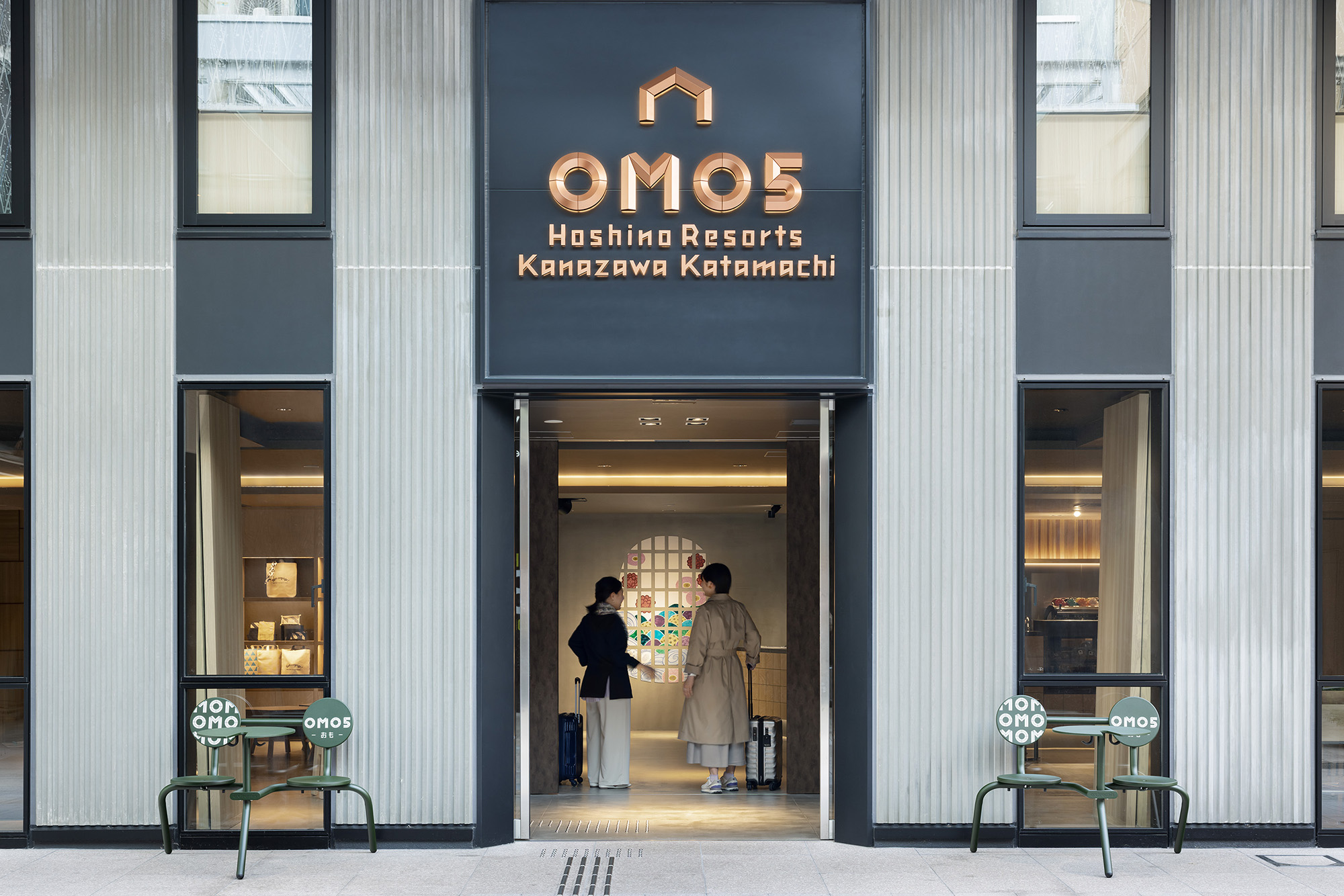
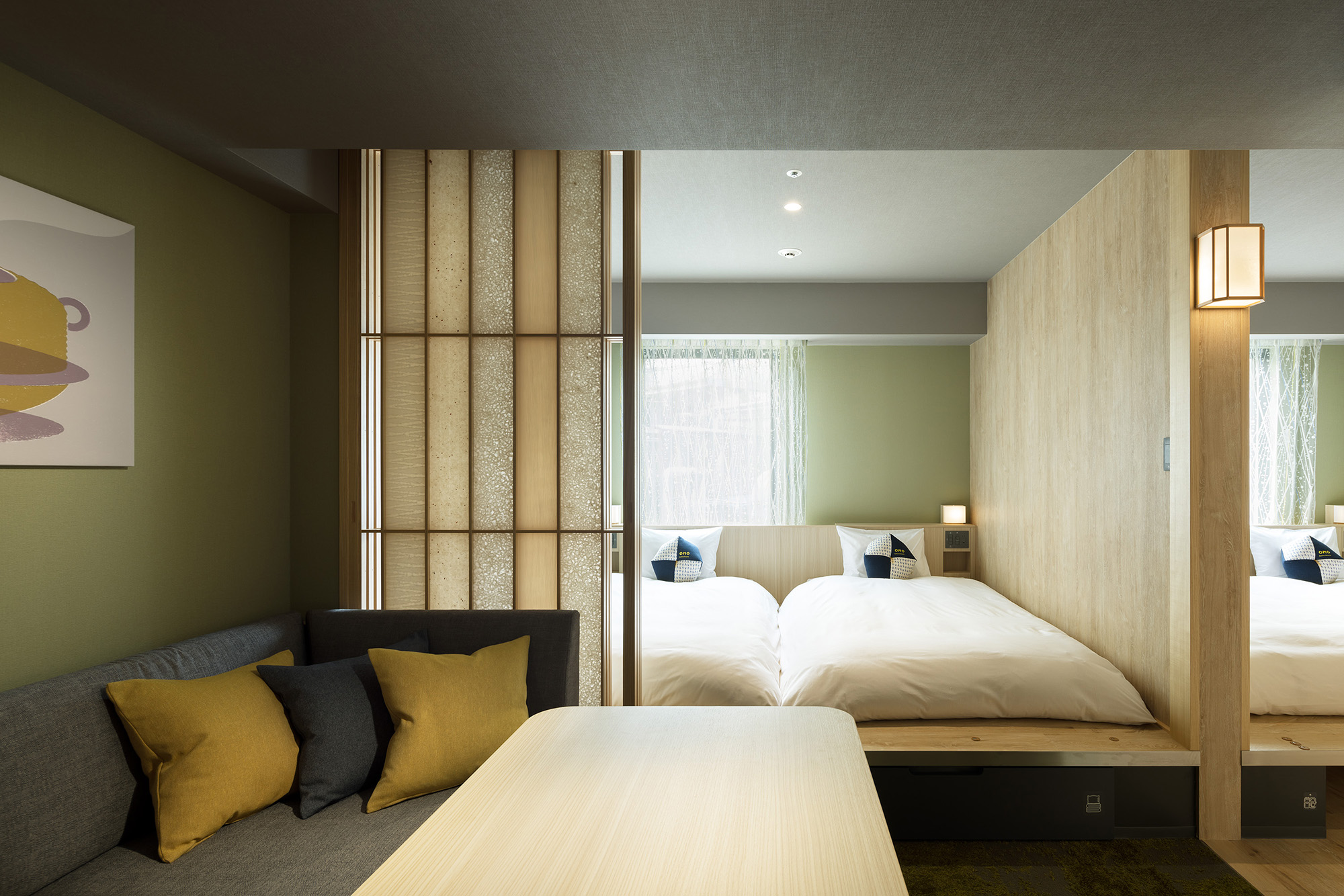
Direction local bus "Korinbo" getting off for about 4 minutes on foot
- A room charge example
- 1 night, 1 person \5,200-
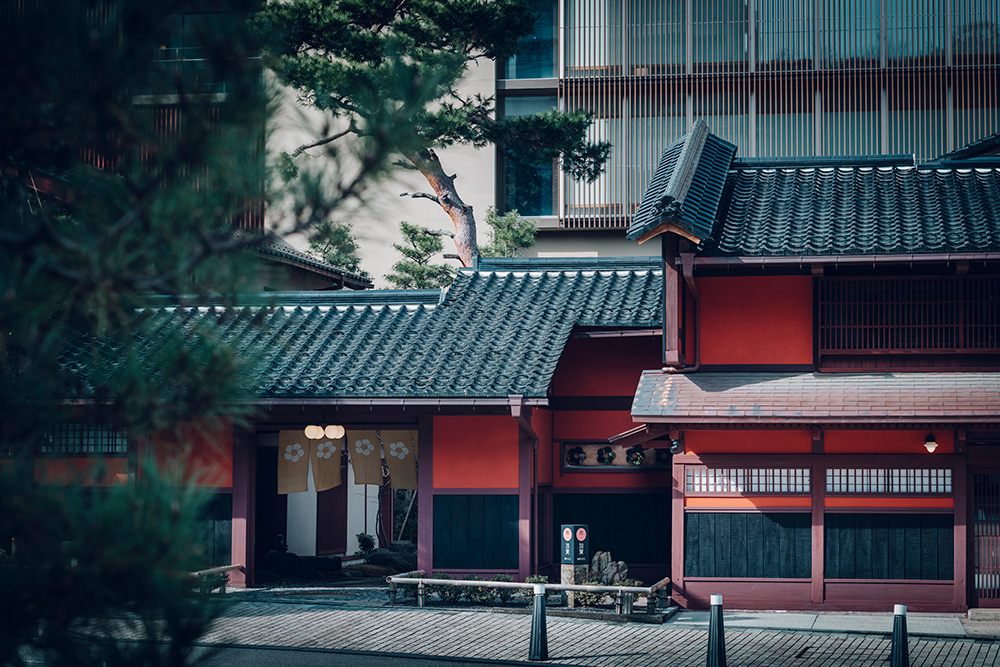
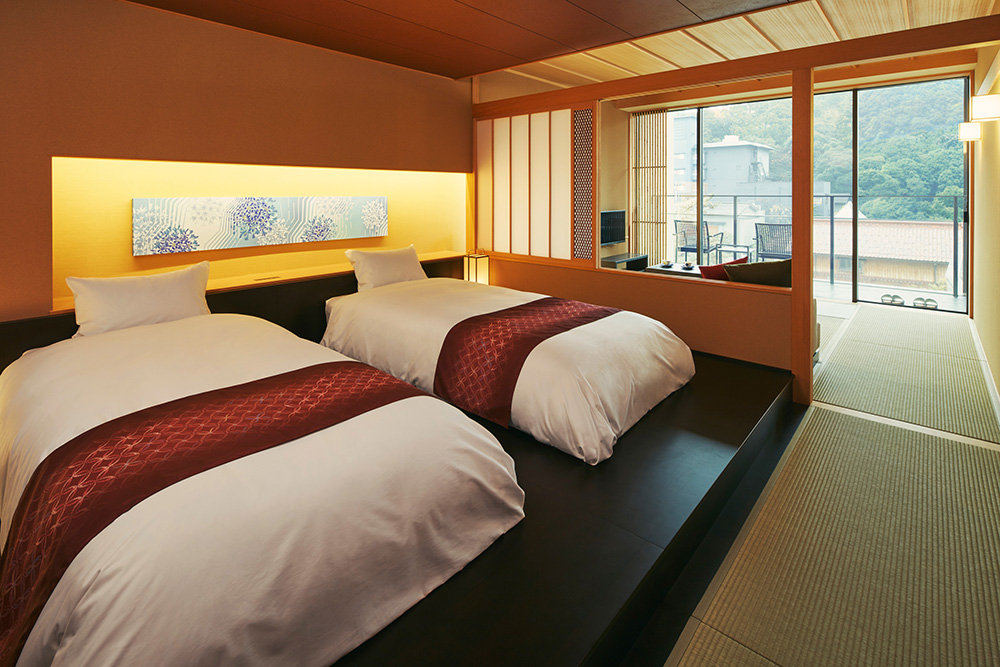
Hoshino Resorts KAI Kaga
Ishikawa and Yamashiro hot spring
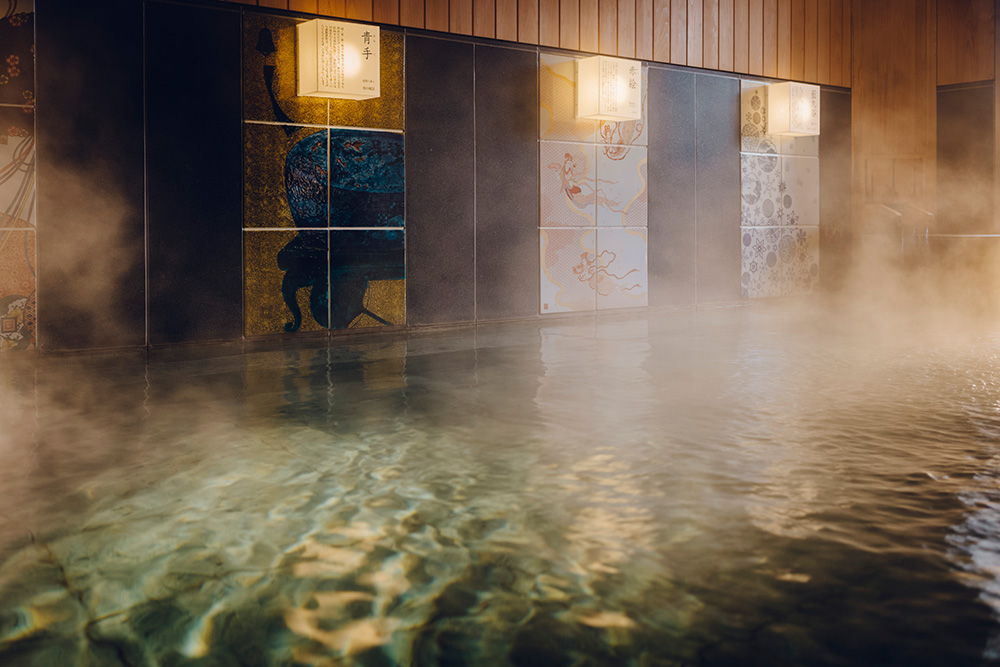
Hot spring inn of the Kaga tradition with which the new sensitivity gasps. The traditional construction ridge where a red shell grid is striking is national registered tangible cultural property.
It's a taxi from the Direction IR ISHIKAWA railroad Kagahot spring station, about 10 minutes
- A room charge example
- 1 night, 1 person \19,000-