





A girls' trip to Kanazawa for arts, crafts and gastronomy
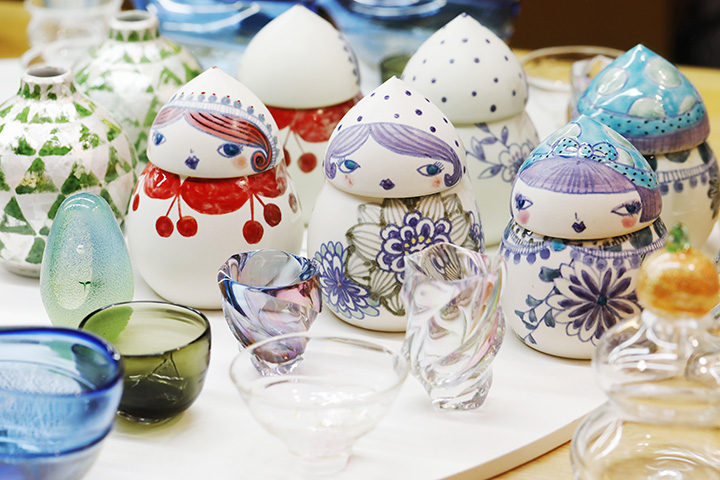
Enjoy a women's trip around the Higashi Chaya-gai, a popular area with an emotional townscape, that you can visit without a car. After picking out Kanazawa souvenirs at galleries and craft stores, take a break at a Japanese restaurant, a sake bar, or a quiet café in a revitalized machiya townhouse. The path along the Asano River near Kazue-machi Chaya-gai is perfect for a literary stroll.
<Goods & Crafts Tour>
1Gallery & Shop Kanazawa Mikura
Edgy items from Hokuriku as souvenirs
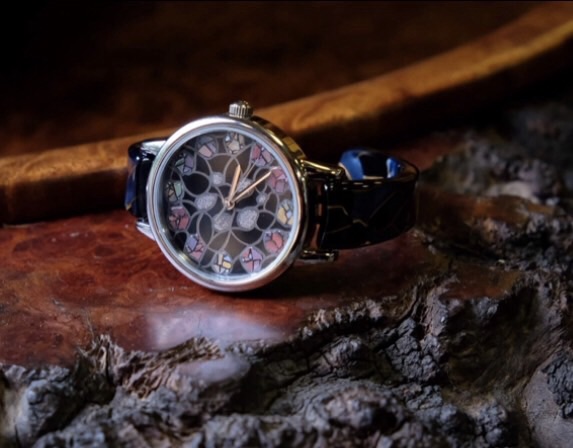
As you proceed through the narrow approach of an old machiya (townhouse), you will find works by artists and companies residing in the three Hokuriku prefectures. The selections are unique items that add new ideas to traditional crafts. The concierge provides detailed explanations to convey the thoughts of the makers.
We recommend the "Hanamokko" wristwatch designed by a Japanese-style painter. You can create your own watch by combining a neat dial made of traditional Japanese pigments "iwa-enogu" (mineral pigments) and gold leaf, and a colorful leather or braided cord belt. The "Mikura" wristwatch (from 66,000 yen), a collaboration of cotton bangles and the skills of young artists, is another customized, one-of-a-kind piece.
The atmospheric townhouse and warehouse spaces are also magnificent.
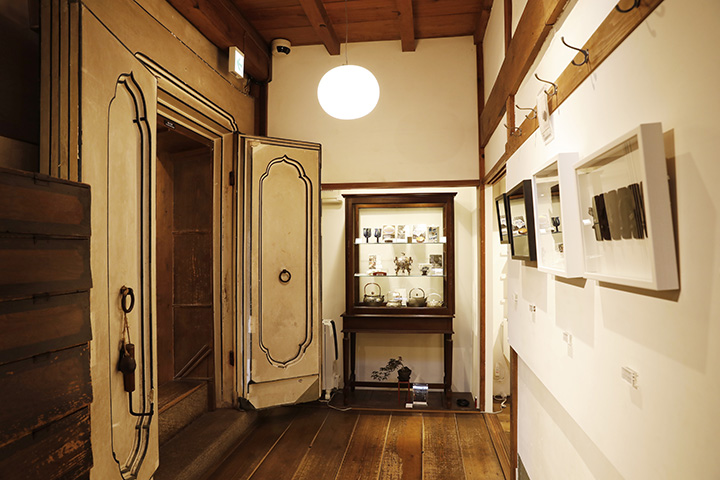
The space itself, an elegant townhouse where a shamisen (three-stringed Japanese banjo) teacher used to live, is also a highlight. There is also a 130-year-old warehouse in the building. In a Japanese-style room facing a small courtyard, food items perfect for souvenirs are available. Among them is the "Sai-koushi," a type of rakugan made by Moroeya, a long-established rakugan shop in Kanazawa, which imitates the lattice doors of the teahouse district. Other items that add color to modern life include Yamanaka lacquerware in modern colors, tights with Kaga Yuzen patterns, raden (sea shell) glass from Toyama Prefecture, and accessories made from Fukui Prefecture eyeglass frames.
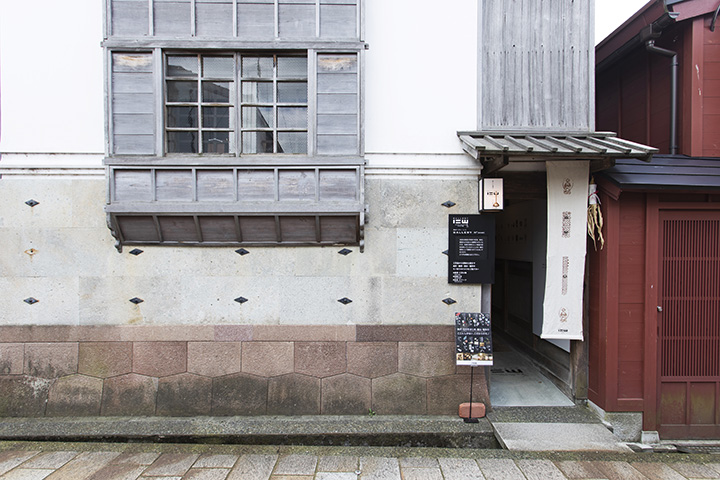
- Gallery & Shop Kanazawa Mikura
-
 1-13-7 Higashiyama, Kanazawa, Ishikawa MAP
 Approximately 9 minutes from JR Kanazawa Station by car.
 Take a bus from JR Kanazawa Station, get off at "Hashiba-cho" and walk 5 minutes.
 Open 10:00-17:00
 January 1
 076-282-9909
 None
None
2Eni Shira
A collection of items by young artists active in Hokuriku
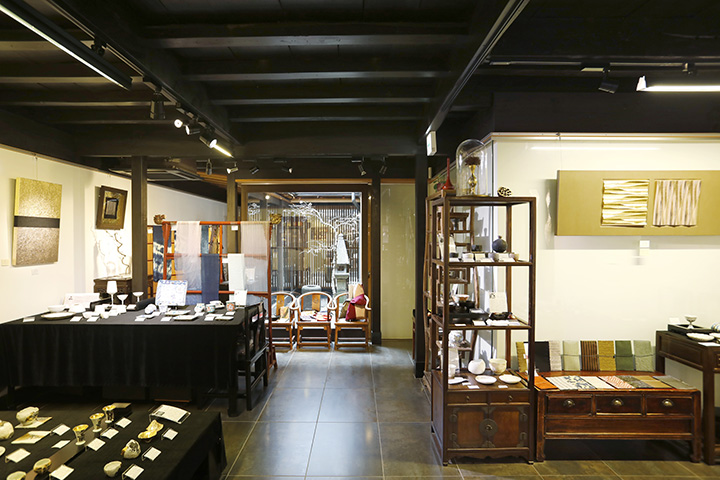
This gallery and select store features works by young craftspeople and other artists associated with Hokuriku. Upon entering the 150-year-old townhouse with a courtyard in the back, visitors are struck by the glittering gold and platinum foil works by foil designers. The shop also offers many other items that can be incorporated into modern life while using traditional techniques. One-of-a-kind works by up-and-coming artists, accessories made from Kaga mizuhiki, lacquer, and Japanese paper are just a few of the items that make great Kanazawa souvenirs.
Traditional crafts turned into modern accessories

Earrings made of resin-coated "Futamata Washi," a traditional craft of Futamata-cho, Kanazawa, are characterized by their vivid colors and voluminous design, but the lightness and transparency of the Washi make them attractive. The copper earrings, made by a goldsmith, are discolored using a traditional coloring technique from Takaoka, Toyama Prefecture. Gold leaf is applied to one side to create a different look on the front and back.
Fabric earrings made by stencil dyeing and original embroidery are also popular items, and the combination of different colors and patterns in each piece shows the warmth of handmade craftsmanship.
3KUTANI SEAL SHOP
Lovely Kutaniyaki porcelain that makes your daily life more enjoyable.
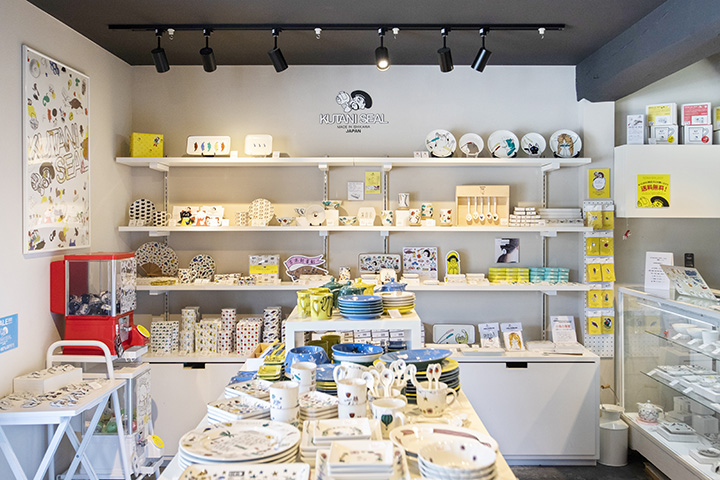
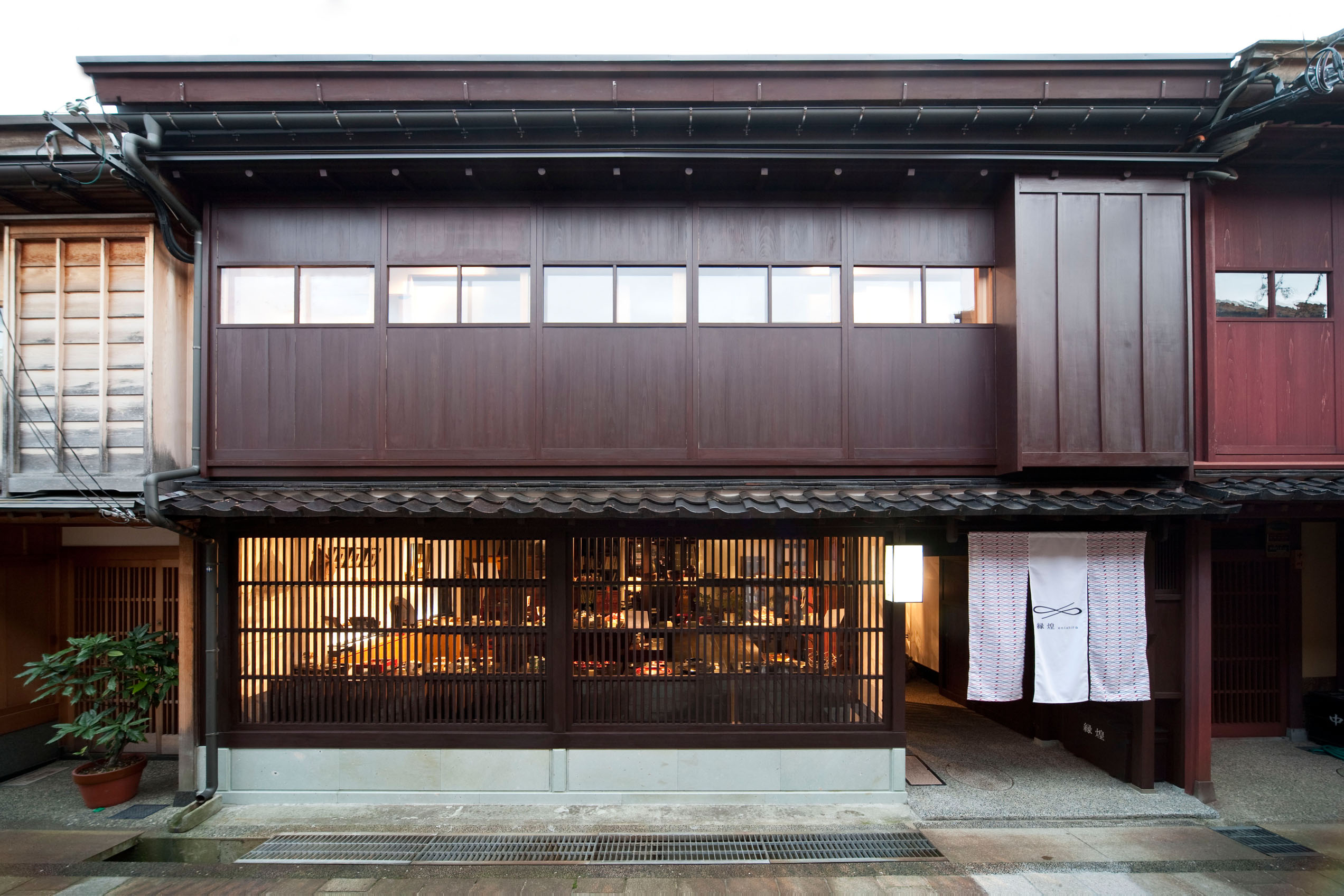
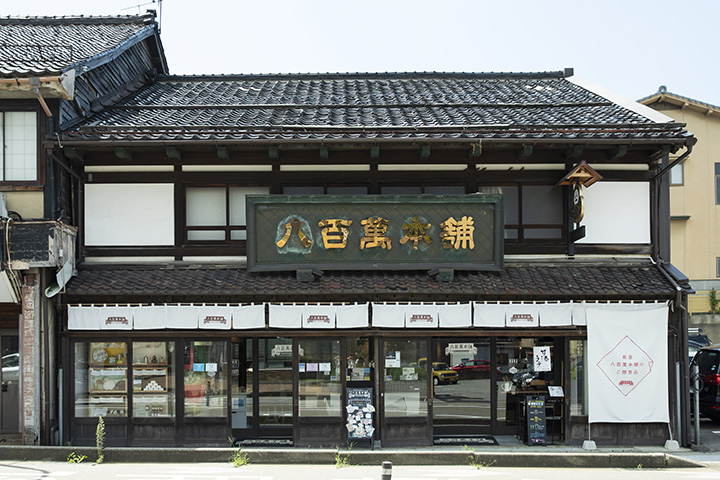
Yaoyorozu Honpo, located across the Asanogawa Bridge from Higashi Chaya-gai, is an old townhouse that has been restored. In one corner of the building is a store with a lineup of cute tableware. The shop is run by a Kutaniyaki transfer brand that was born out of a desire to make Kutaniyaki, Kanazawa's representative luxury tableware, more accessible and enjoyable. Transfer is a Kutani Yaki technique that was introduced about 50 years ago, in which a transfer sticker printed with Japanese paints is applied to a vessel and baked on. The traditional Kutani Gosai colors are colorful and full of lovely and festive patterns.
Workshops where you can create your own original works of art are held every day.
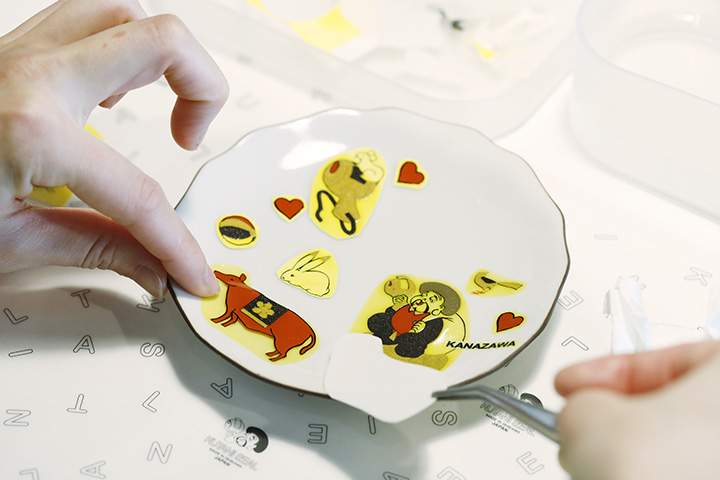
Workshops where you can make your own "Kutani-yaki" are also held daily. You can choose as many stickers as you like, including pop cat motifs and other cute designs and characters unique to "Kutani Seal," and paste them on small white plates and cups. Even those who are not good at drawing can easily enjoy the process, and unique and original designs, such as a cat holding a fish, can be completed depending on the combination of the stickers. The process takes 90 minutes, and baking takes about one month. When the finished product arrives, it will bring back happy memories of Kanazawa.
- KUTANI SEAL SHOP)
-
- Inside "Yaumann Honpo", 2-14-20 Owari-cho, Kanazawa City, Ishikawa Prefecture MAP
- 7 minutes drive from JR Kanazawa Station
- Take a bus from JR Kanazawa Station, get off at "Hashiba-cho" and walk shortly.
- 10:00-18:00
- Open daily (closed temporarily)
- 076-213-5148
- None
4tamakushige)
A variety of Kanazawa crafts for everyday life
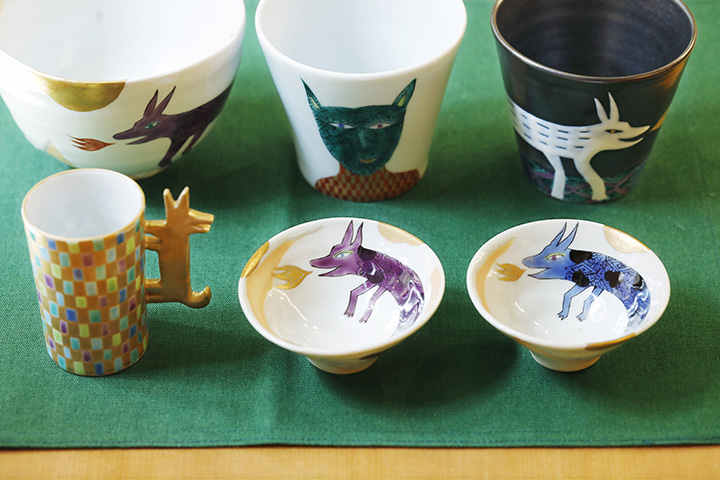
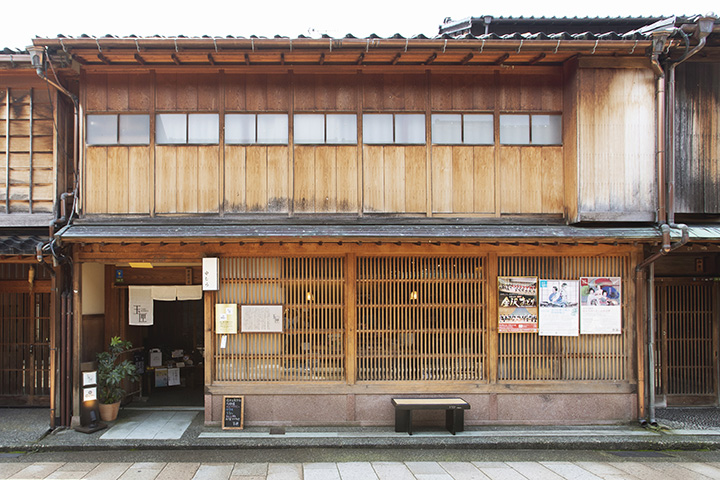
Located on the main street of "Higashi Chaya-gai", this is a pioneer of craft select stores. The 200-year-old machiya (townhouse), which has been used as a teahouse since the owner's grandmother was a landlady, offers a selection of crafts, accessories, and jewelry by young Kanazawa-related craft artists under the theme of "art and lifestyle" on the first floor. One of the most popular ceramic works is a series of color paintings featuring a dog named John, which attracts customers with its unique view of the world created by beautiful Kutani five-color paintings and humorous patterns.
A wide variety of handy accessories handmade by craftspeople
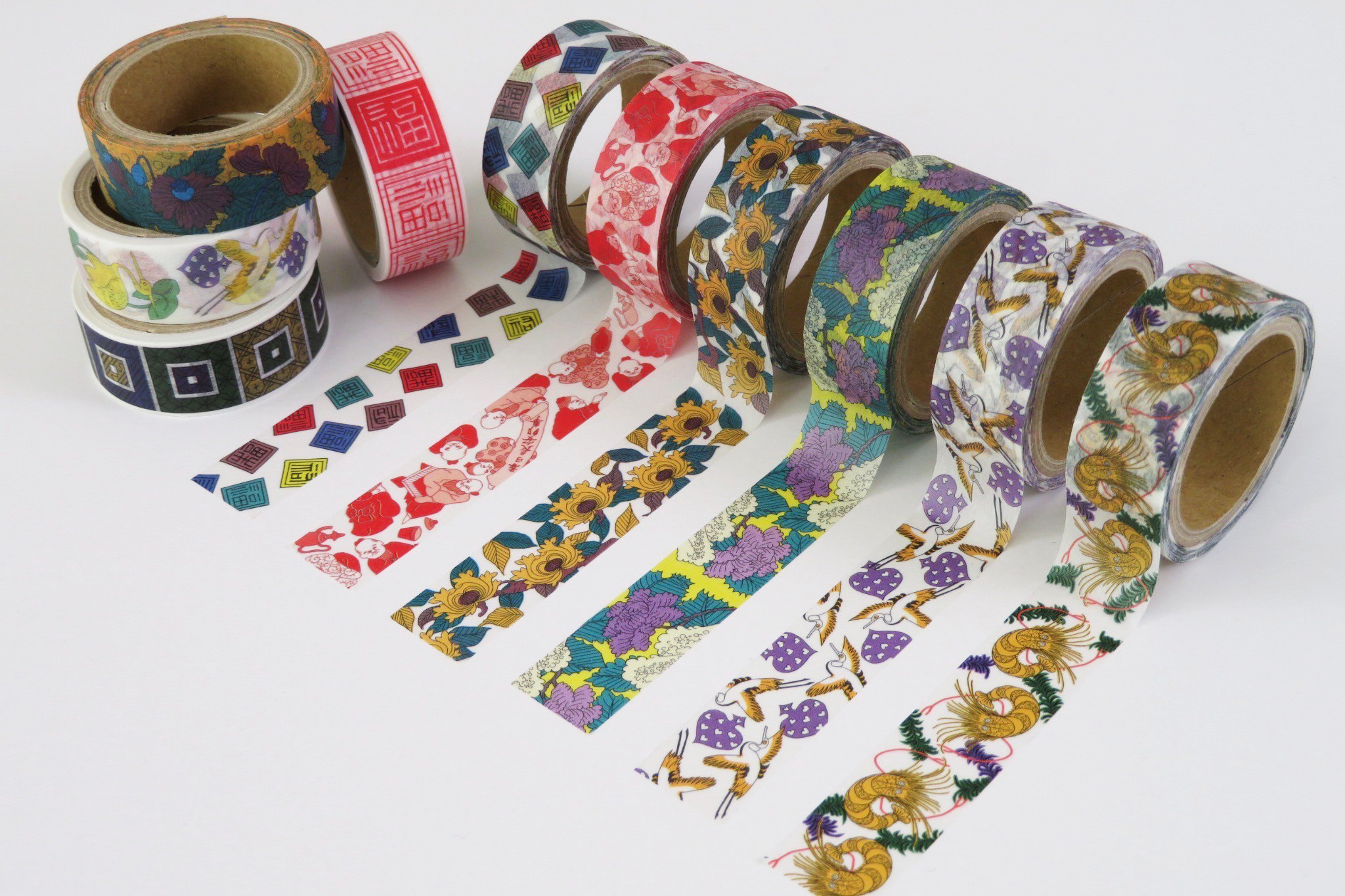
In addition to Kutani ware, there is a full lineup of small items for daily use made by Kaga mizuhiki and Kaga yuzen artists. Yuzen toadstools," made of hand-dyed fabric by a yuzen craftsman, have a lovely, round shape and a modern two-tone color that blend together harmoniously. Other items on display include hair accessories, handkerchiefs, pouches, and other items perfect as easy Kanazawa souvenirs.
- Tamakushige
-
- 1-14-7 Higashiyama, Kanazawa City, Ishikawa MAP
- Approximately 9 minutes from JR Kanazawa Station by car.
- Take a bus from JR Kanazawa Station, get off at "Hashiba-cho" and walk 5 minutes.
- Open 10:00-17:00
- Tuesdays
- 076-225-7455
- None
<Good food tour>
5soba taste oar (kyomi itai)
Enjoy the nostalgic atmosphere and soba KAI Local Flavors
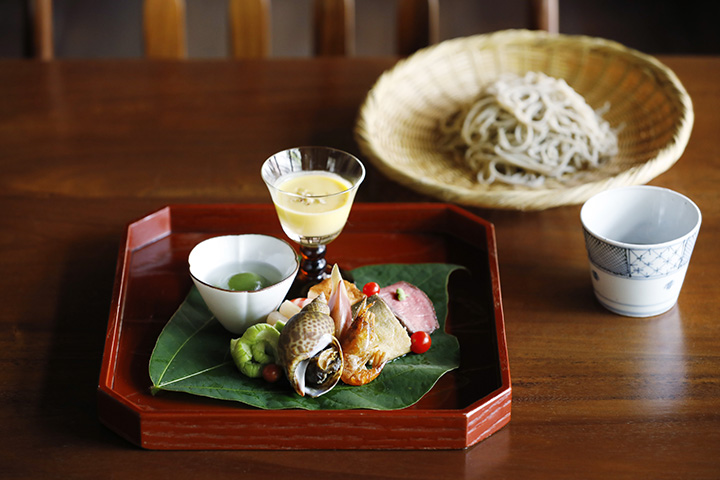
The owner, who honed his skills for 13 years at a famous soba kaiseki restaurant in Tokyo, moved to Kanazawa, where his wife's family lives, to open this restaurant. Both lunch and dinner are served as a course of seasonal dishes with soba as the main dish. The lunch course includes an appetizer, appetizer, soft and fluffy buckwheat noodles made from coarsely hand-ground buckwheat flour, tempura and other fried dishes, followed by the main course of soba noodles and mizugashi (Japanese sweet). For example, the appetizer shown in the photo is a seasonal selection of local delicacies such as "grated corn," "stewed green plum with honey," "simmered adzuki clams (bai clam)," and "simmered sweetfish.
Enjoy a rich time savoring flavorful coarse buckwheat noodles
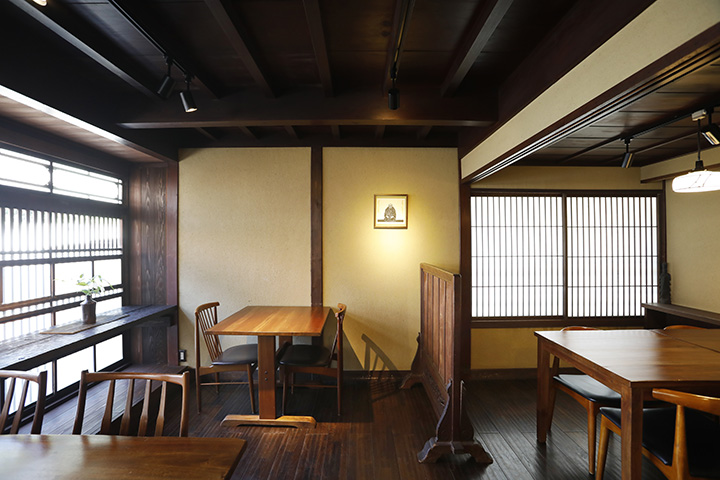
The main dish, buckwheat noodles, uses Echizen native buckwheat noodles from Fukui Prefecture, which have a strong flavor. The buckwheat flour is coarsely ground on the restaurant's millstone and finely pounded to produce soba noodles that are aromatic, robust in flavor, and smooth to the touch.
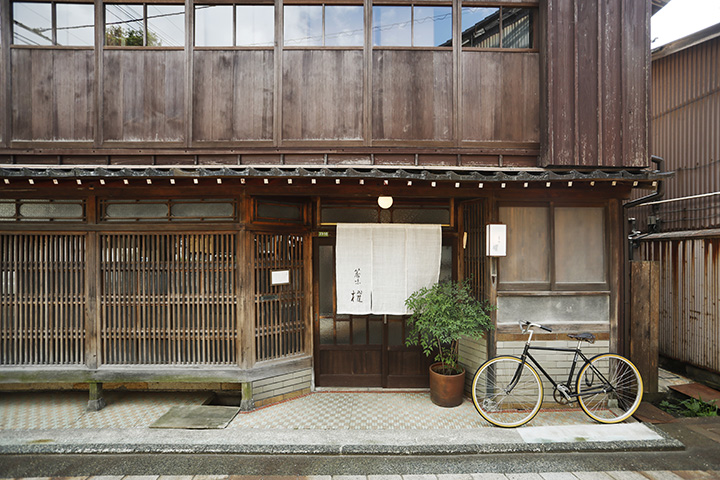
The nostalgic space is also attractive. The small restaurant with only 3 tables and 10 seats, reservations are essential. The restaurant is small, with only three tables and ten seats, so reservations are a must.
- Soba Noodle Oar
-
- 1-23-10 Higashiyama, Kanazawa City, Ishikawa MAP
- Approximately 9 minutes from JR Kanazawa Station by car.
- Take a bus from JR Kanazawa Station, get off at "Hashiba-cho" and walk 5 minutes.
- Lunch 12:00 - 12:30 p.m., Dinner 6:00 - 6:30 p.m.
Reservations required (by the day before) - Sunday, 1st Monday of the month (open if the day falls on a national holiday)
- 076-252-8008
- None
6Fukumitsuya Higashi
Sake from long-established breweries for a casual sake tasting
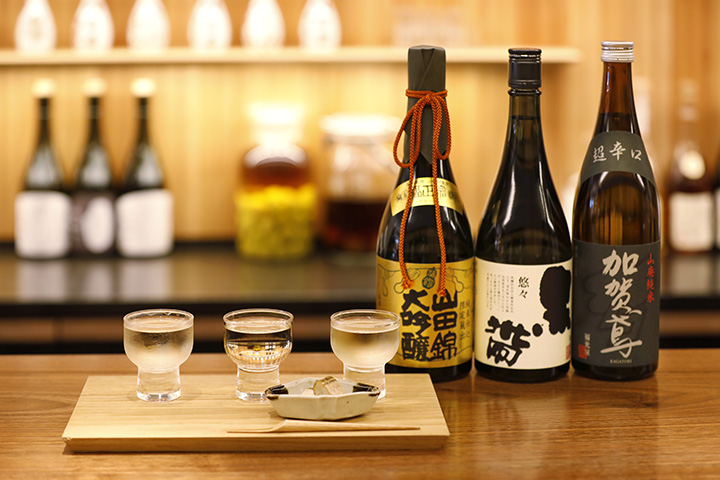
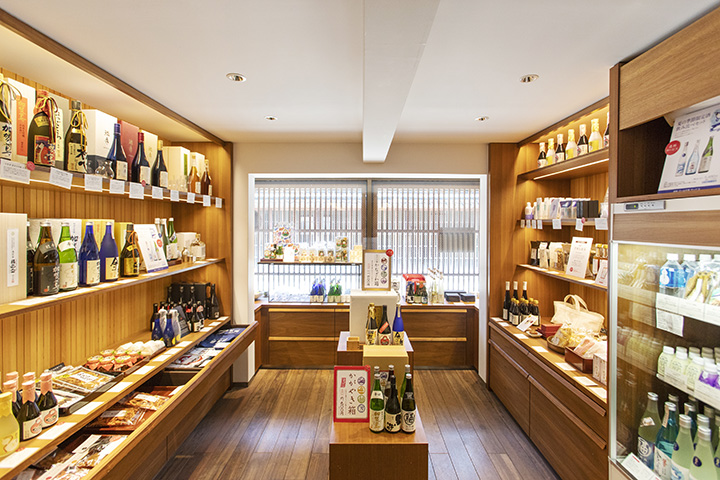
Founded in 1625, this store was opened in the Higashi Chaya-gai district by Kanazawa's oldest and most traditional sake brewery. The emotional space is a renovated teahouse from the early Meiji period, where a famous geisha from the Showa period lived.
At the chic bar inside the store, you can casually taste a variety of Fukumitsuya's sake, from high-class sake to everyday sake. Recommended is the sake drinking comparison, where you can enjoy different tastes depending on how the sake rice is polished and how the sake is made. Taste three popular types to find your favorite cup.
Enjoy soft ice cream flavored with mellow sake lees
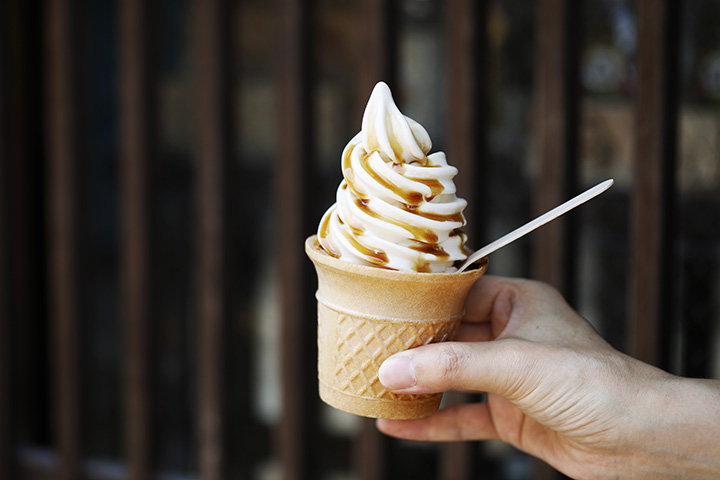
Sweets unique to the sake brewery are also popular among women. The "Sake Kasu Miruku Soft" is made from the sake dregs of "Fukumasamune" junmai ginjo, which boasts the largest market share in the local area, and is topped with thick hon mirin syrup aged for three years. The aroma of the sake dregs tickles the nostrils and the mild sweetness fills the mouth. At the store, you can purchase sake, food products such as amazake and seasonings produced from rice fermentation, cosmetics, tableware, tenugui hand towels, and more.
- Fukumitsuya Higashi
-
- 1-14-9 Higashiyama, Kanazawa City, Ishikawa Prefecture MAP
- Approximately 9 minutes from JR Kanazawa Station by car.
- Take a bus from JR Kanazawa Station, get off at "Hashiba-cho" and walk 6 minutes.
- 10:00-18:00
- Year-end and New Year's holidays
- 076-251-5205
- None
7Takagi Koji Shoten
Visit a malt store, the origin of fermented foods produced by traditional methods
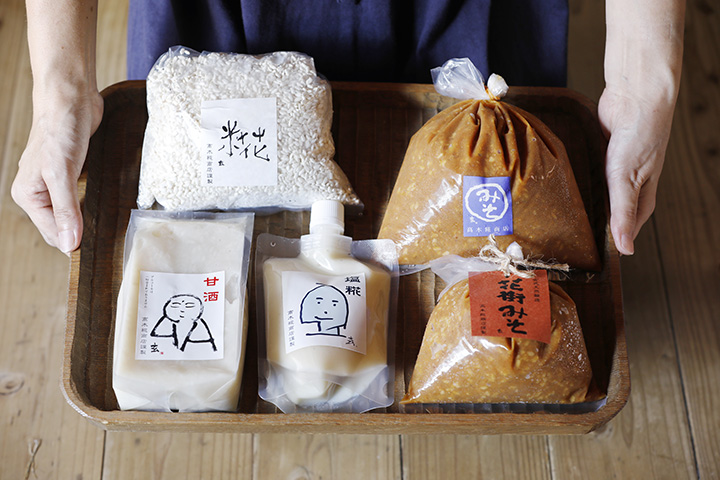
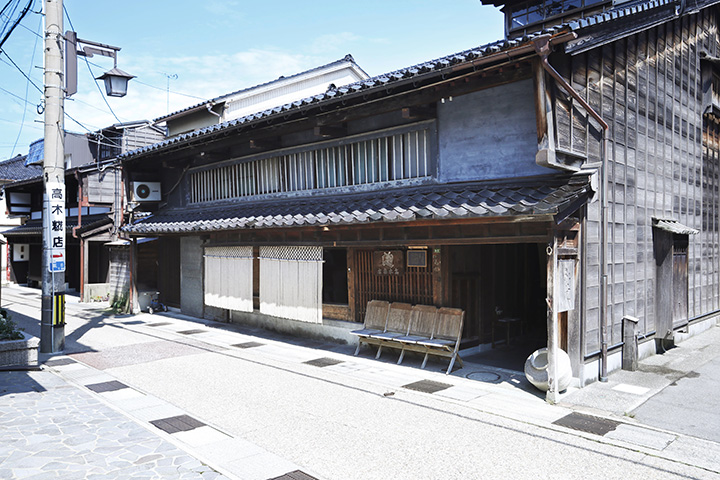
Founded in 1830, this malt specialty store has been in business since then. Currently, the eighth-generation owner makes malt using traditional methods. The malt slowly fermented in a room in the basement is indispensable for kabura-zushi, a traditional winter dish in Kanazawa. Kabura-zushi, in which yellowtail and turnip are pickled with malt to bring out the flavor of the ingredients, is a popular winter-only product.
In addition to these products, we offer "Sugi Oke Miso" made in wooden vats, aromatic "Hanamachi Miso," salted malt and amazake, which can be used for a variety of dishes. The old-fashioned style of face-to-face sales at the eaves of the storefront, with rope curtains hanging from the eaves, is also very atmospheric.
Don't miss the machiya townhouse architecture that retains traces of the Edo period.
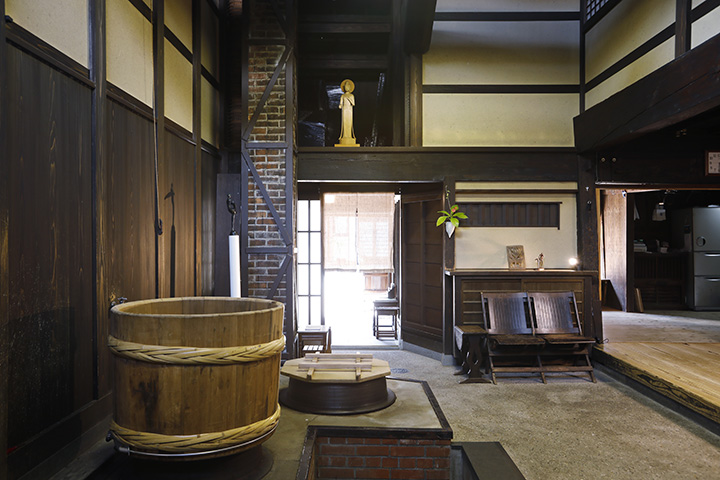
The building that has been used since the establishment of the business is a typical machiya (townhouse) building from the late Edo period, and is designated as a preserved building by Kanazawa City. The workshop is impressive with its massive beams and high ceiling that is vaulted to the third floor in order to allow the steam to escape. Rice is steamed and soybeans are boiled in large vats in this location.
From spring to fall, when the work is off peak, the shop sometimes becomes a gallery displaying ceramics, lacquerware, dyeing and weaving, prints, and other crafts by artists from all over Japan, allowing visitors to experience the handiwork of these artists while shopping.
- Takagi Koji Shoten
-
- 1-9-3 Higashiyama, Kanazawa City, Ishikawa MAP
- Approximately 8 minutes from JR Kanazawa Station by car
- Take a bus from JR Kanazawa Station, get off at "Hashiba-cho" and walk 5 minutes.
- Open 9:00-19:00
- January 1
- 076-252-7461
- Free of charge
8Tsuchiya
Enjoy a relaxing moment with zenzai and coffee
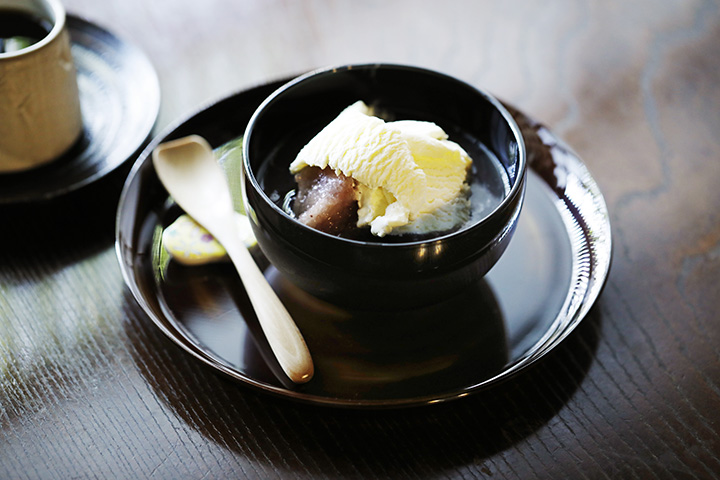
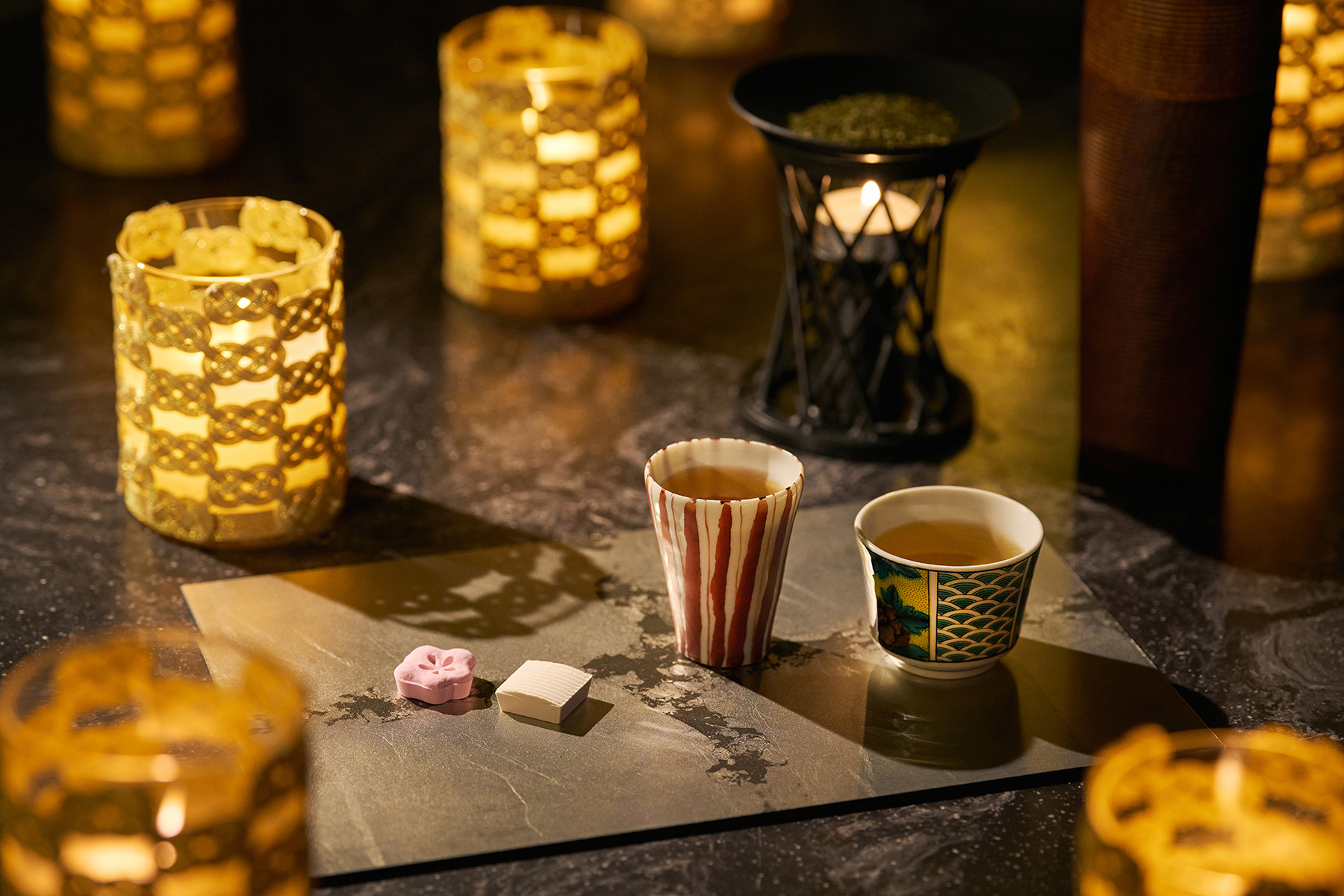
For a break, visit a Japanese-style café on the Kazue-machi teahouse street, a 1913 building that retains the atmosphere of an elegant teahouse. Before ordering from the menu, you will be served tea and yokan (bean jelly) in Wajima-nuri-style containers, which is another heartwarming service. The most popular sweet dish is "zenzai," a warm rice cake or ice zenzai topped with vanilla ice cream. Enjoy it with "Doke Special Coffee," an original blend, or "Dalat Coffee," made from sweet-smelling Vietnamese beans.
Be enchanted by the glamorous hall of a teahouse.
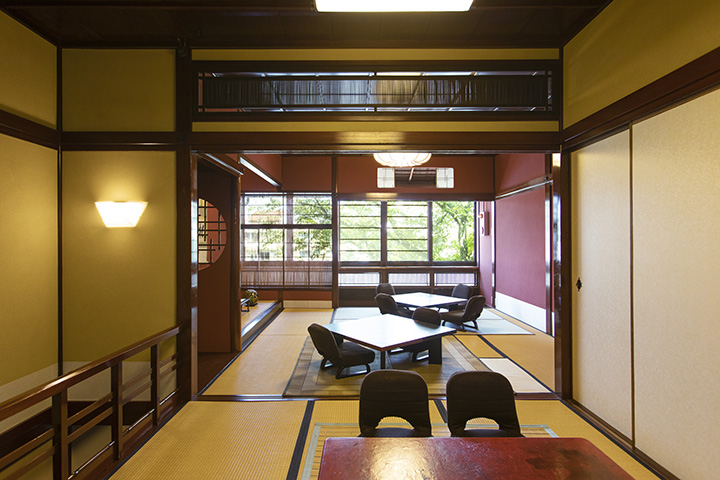
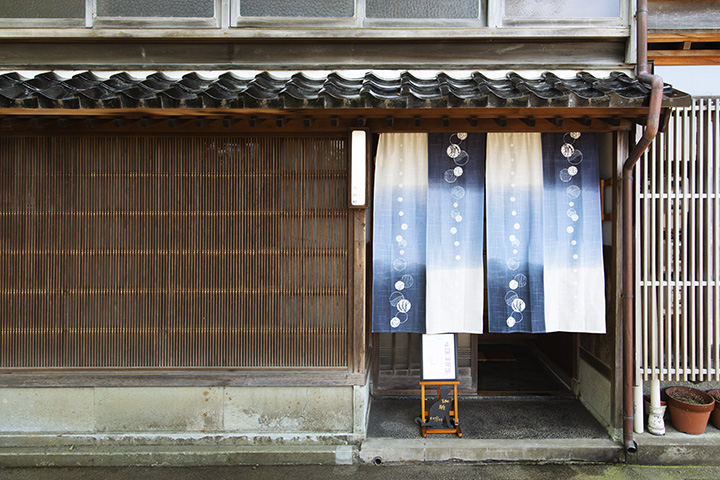
The windows on the first floor have a lattice called "kimusuko," which makes it easy to see in and difficult to see out. If you sit by the window, you can see the path along the Asano River through the lattice better than you can imagine. The teahouse's unique structure is also found on the upper floor. A large staircase leads up to the second floor, where you are greeted by a hall with elegant reddish-brown walls. The room is said to have remained mostly unchanged since its days as an ochaya, and one can almost imagine the gorgeous scenery of a tatami room. Outside the window is a row of cherry blossom trees, and the view of snow in winter, not to mention spring, is also a sight to behold. The snowy landscape in winter is also a sight to behold.
<Strolling around>
9Kyouka no michi, Aki no michi
Take a stroll along the Asano River, which is associated with two of Kanazawa's most famous writers
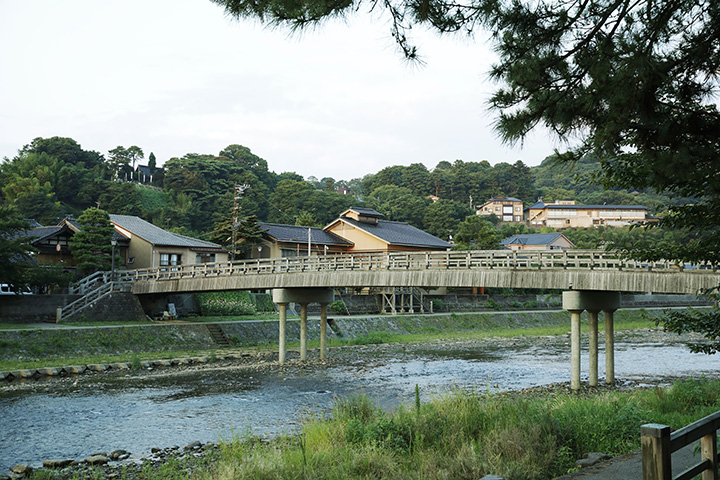
The gently flowing Asano River neighborhood is associated with two great writers. Kyoka Izumi, who was born behind the Kazue-machi Tea House Street, was a great writer who produced over 300 works from the late Meiji period to the early Showa period. Tokuda Shoei, who lived along the river near the Higashi Chaya-machi district, was a writer active at the same time as Kyoka and a major figure in naturalistic literature. Because of this connection, the path on the Shukkei-cho side of the Asano River is named "Kyoka's Path" and the path on the Higashi Chaya-gai side is named "Akiyoshi's Path.
Tour the nostalgic bridge that was the setting of a novel
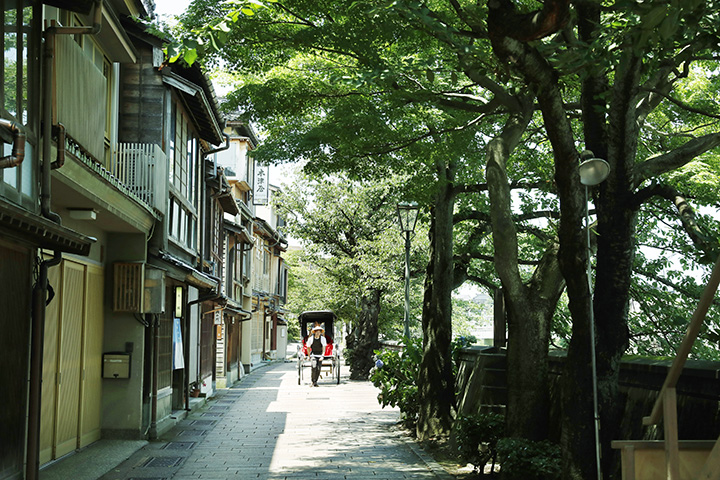
Around Umenobashi Bridge, where pine trees line the path, a promenade has been developed down to the riverbank, where visitors can enjoy the breeze while walking along the river. The area is also the setting of Kyoka's novel, and a statue of the heroine stands nearby. After passing the Asanogawa Bridge, you will come to the Shukkeicho Chaya-gai, lined with townhouse buildings. The rows of cherry trees are beautiful, and in summer, the riverbeds are built to cool off the visitors. The retro "Nakanobashi Bridge," with its wooden parapet, is also decorated with a literary monument, as it appeared in one of Kagyoka's works. Take a leisurely stroll along the riverside pathway, which is charming from season to season.
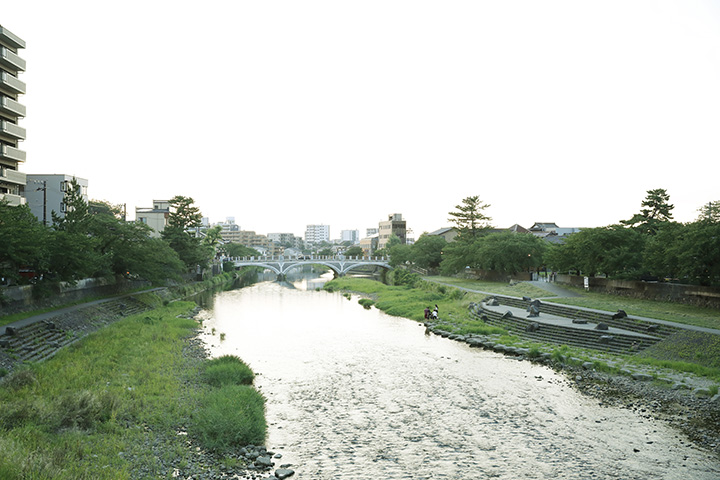
- Kyoka no Michi, Akiyoshi no Michi
-
- Higashiyama, Kanazawa City, Ishikawa MAP
- Approximately 9 minutes from JR Kanazawa Station by car.
- Take a bus from JR Kanazawa Station, get off at "Hashiba-cho" and walk 5 minutes.
- 076-232-5555(Kanazawa Tourist Association)
- None
MAP
- <Goods & Crafts Tour>
- <Good food tour>
- <Strolling around>
- Hoshino Resorts facilities nearby

Local Guide who was in charge of this article

- Fumino Matsuzaki Kaga's Charm Hunter
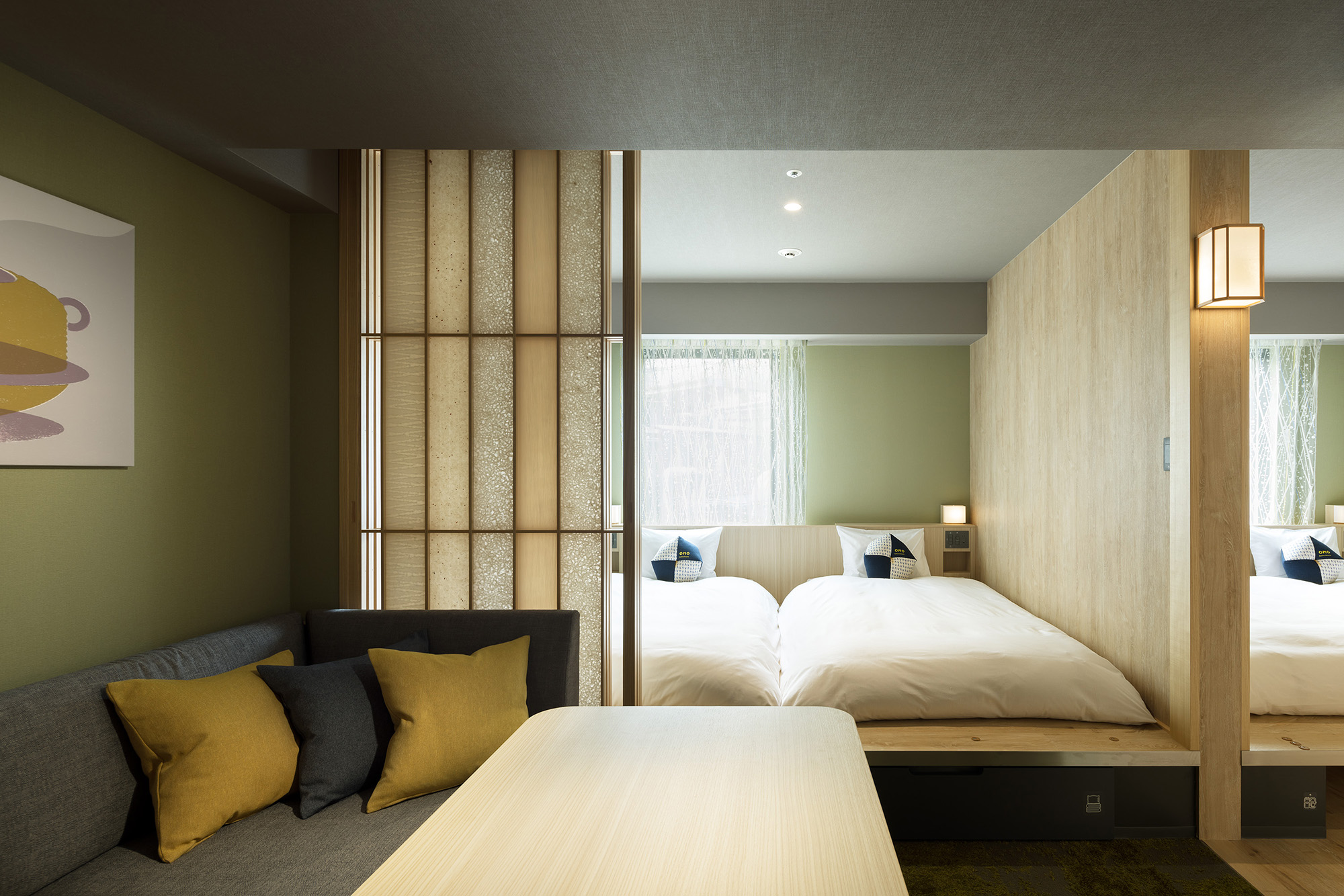
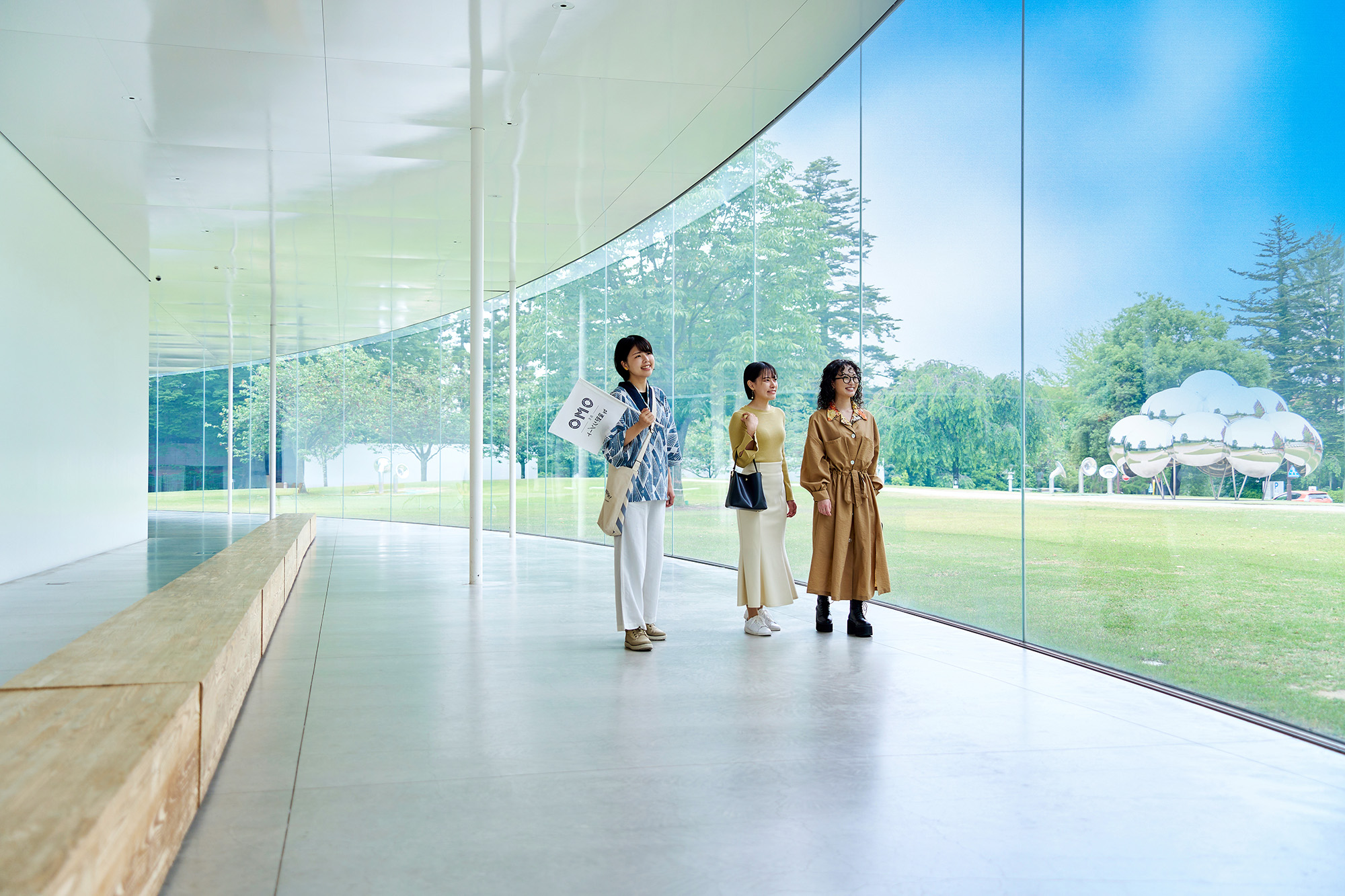
OMO5 Kanazawa Katamachi
Kanazawa City, Ishikawa Prefecture
Katamachi is Kanazawa's best gourmet town. The hotel is also conveniently located for Direction to Kanazawa's representative tourist attractions.
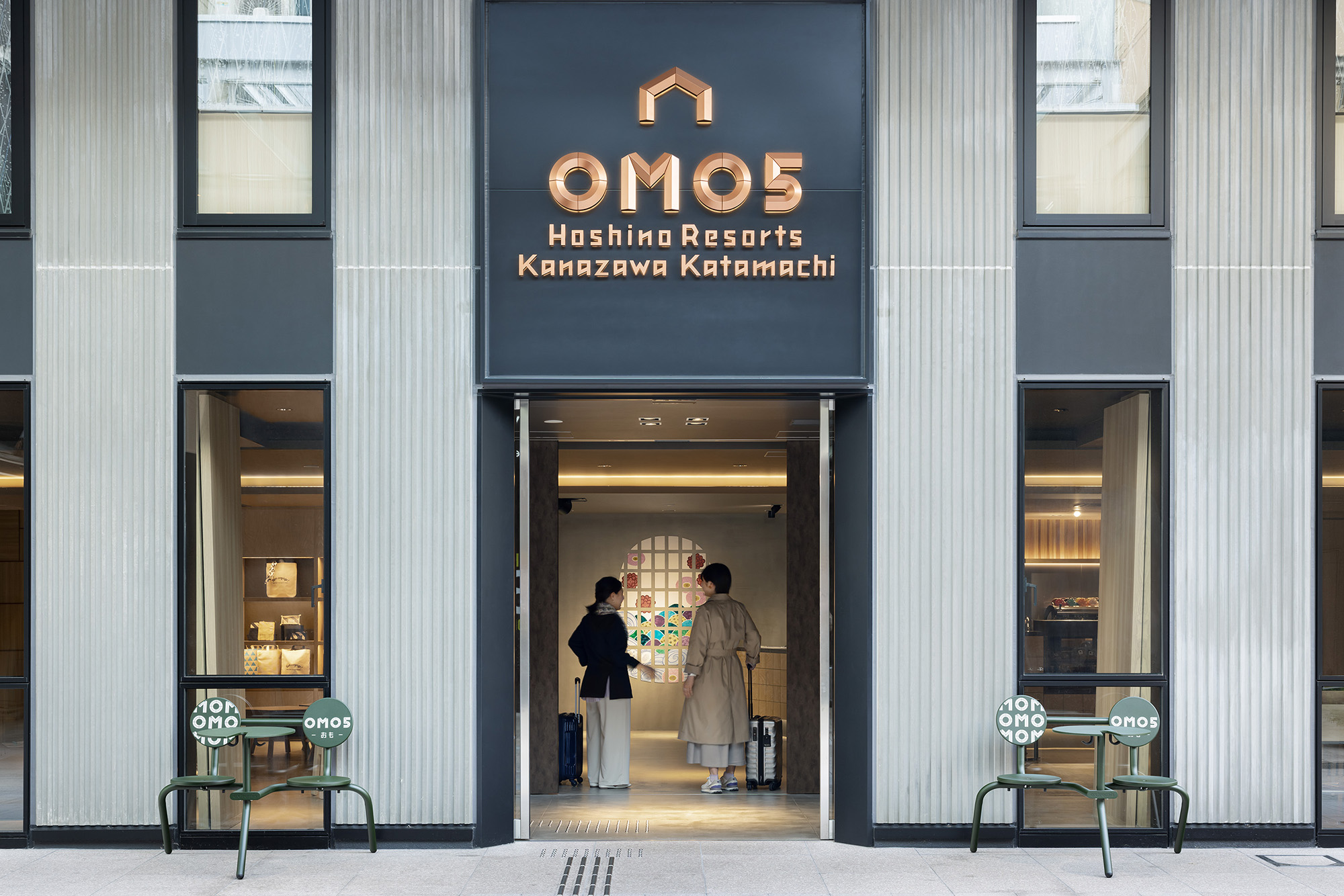
Access by bus Approx. 4 minutes walk from Korinbo bus stop
- Example of Accommodation Rates
- 1 person per night From ³ ,200
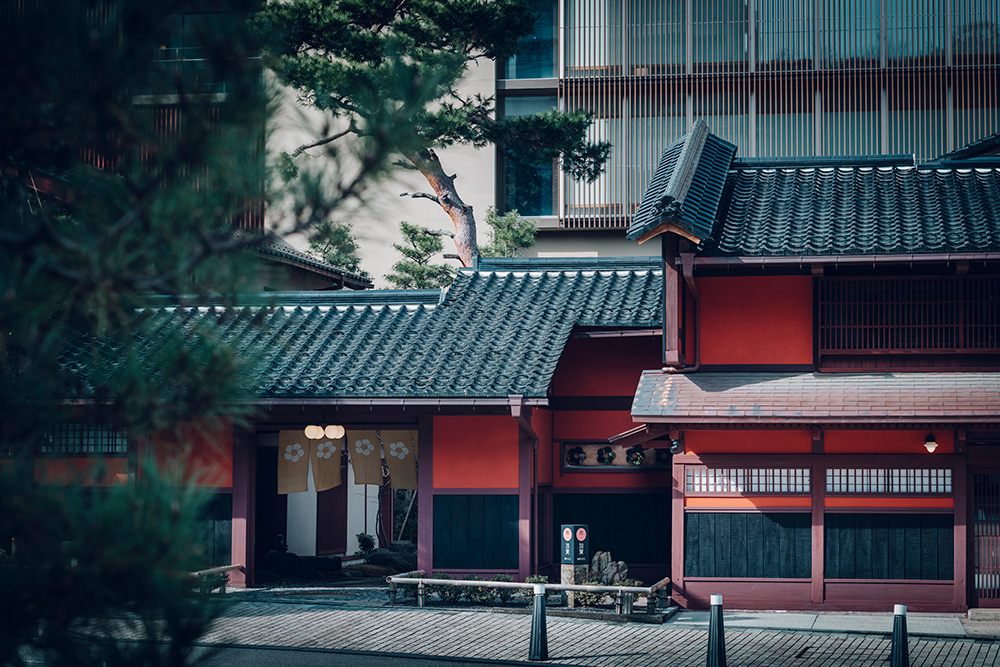
Hoshino Resorts KAI Kaga
Yamashiro Hot Spring, Ishikawa Prefecture
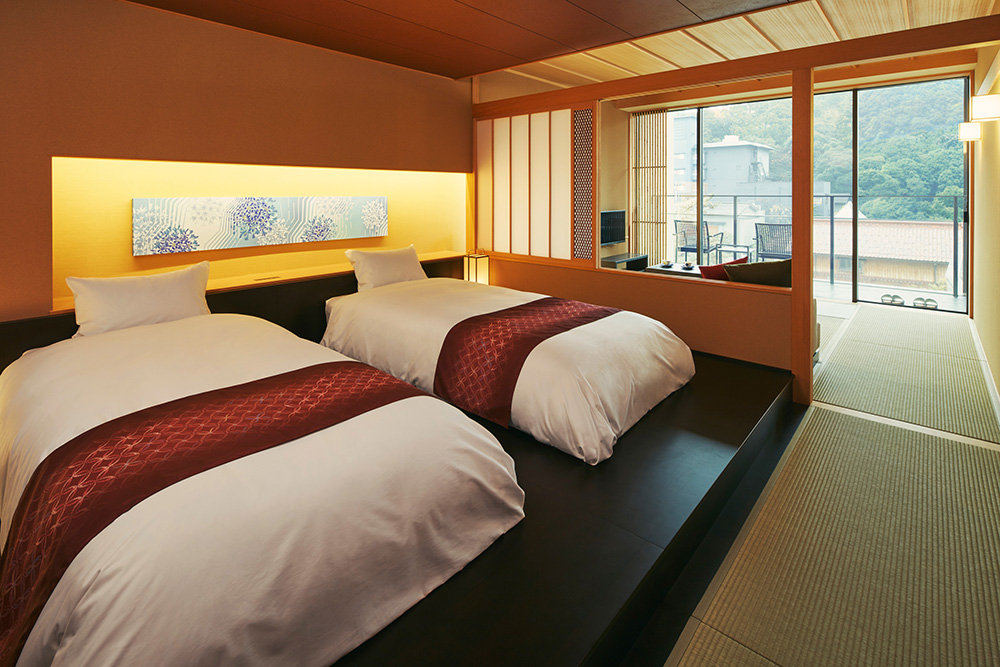
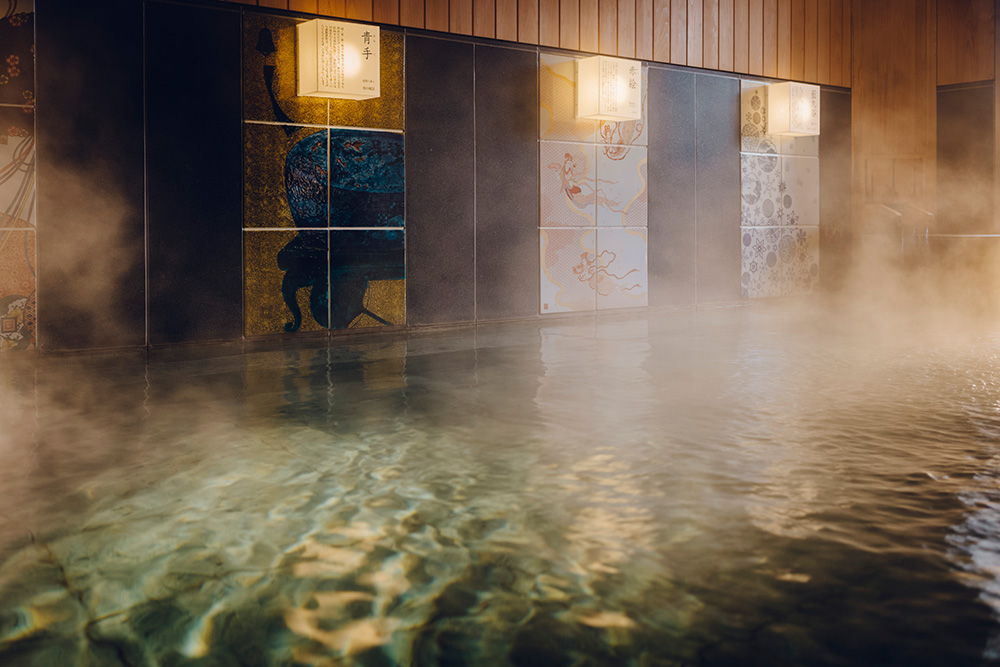
A traditional hot spring hotel in Kaga where new sensibilities come alive. The traditional building with impressive red latticework is a registered tangible cultural property.
Access by bus Approx. 10 minutes by cab from IR Ishikawa Railway Kaga Onsen Station
- Example of Accommodation Rates
- 1 person per night From ¥19,000