





Enjoy the sake brewing of Mr. Naohiko Noguchi, the God of Sake


Sake made by "Noto Toji" Naohiko Noguchi, who has continued to master the art of sake. It is a famous sake from Ishikawa Prefecture that is popular not only among the most prestigious restaurants, but also, more recently, from overseas. The charm of mellow sake and a new view of the world of sake from the rational and pioneering "Noguchi Naohiko Institute," a sake brewery completed in Komatsu City, Ishikawa Prefecture in 2017, will be introduced here.
The third generation of a toji family. Who is Mr. Naohiko Noguchi, the toji?
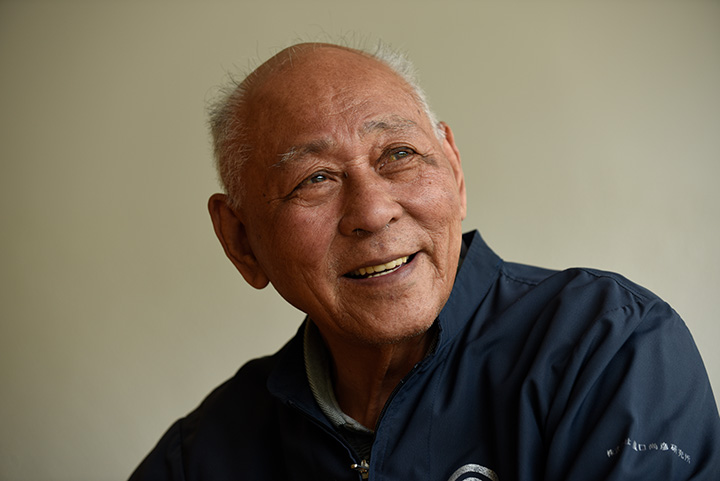
He has a soft expression with wrinkles at the corners of his eyes when he smiles, a straight back, and large palms despite his small stature. Mr. Toji Nouguchi, who looks good in his work clothes, was born in 1932 and was 86 years old at the time of the interview. His age is not apparent in his sharp eyes, which he shows when he is in the moment.
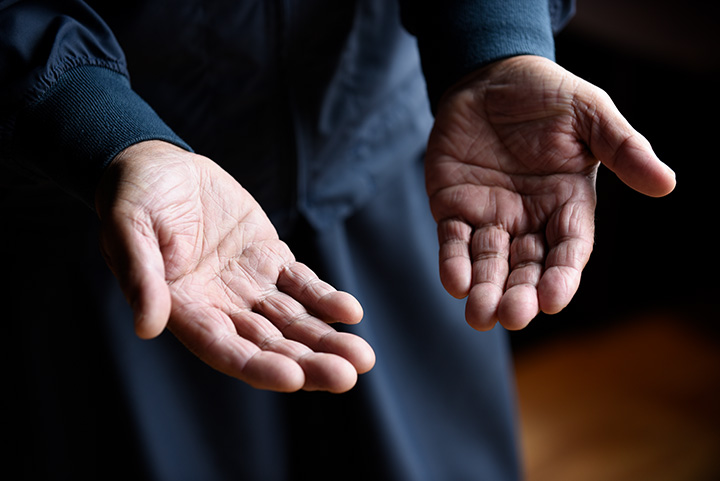
He was born in Suzugun (now Noto Town) on the Noto Peninsula. He was raised in a Toji family, with both his father and grandfather being Toji (master brewers). When I was a child, all I could do was look at the sea (laughs)," says Mr. Noriguchi. At the age of 16, he entered a brewery in Shizuoka and Mie prefectures as an apprentice. The work was extremely demanding, and he was told that if he could not carry a bale of rice (60 kg), he would be useless in sake brewing. At the time, it was right after the end of the war, and a man only two years older than him had gone off to war and never returned. I thought I had to do whatever it took to make sake, so I devoted myself to sake brewing and studied koji (malted rice) making intensely.
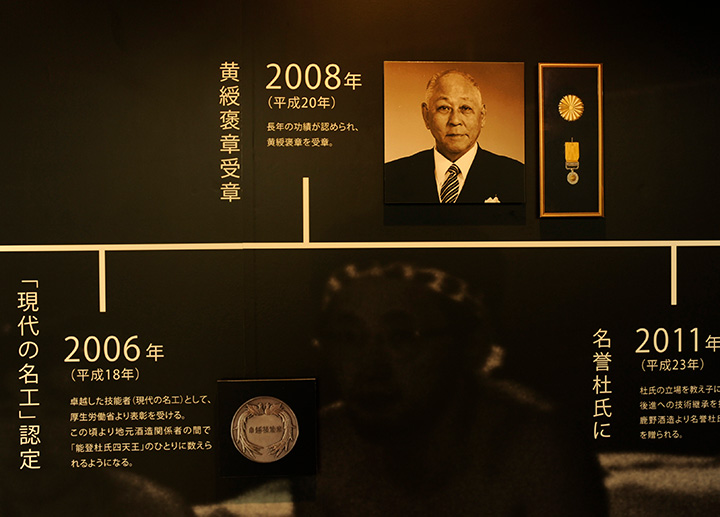
He returned to Ishikawa Prefecture at the age of 28 and spent a total of 50 years as a toji (master brewer) at the Kikuhime and Kano sake breweries. He has won the National New Sake Competition gold medal 12 times in a row and a total of 27 times. In 2006, he was awarded "Contemporary Master Craftsman" by the Ministry of Health, Labor and Welfare, and in 2008 he was awarded the Medal with Yellow Ribbon, and is also known as the "God of Sake. In 2008, he was awarded the Medal with Yellow Ribbon, and is also known as the "God of Sake.
Noto Toji" and "Noto-style" sake brewing, renowned as one of the best techniques in Japan

Japan's unique sake brewing, which has been cultivated for about 2,000 years, is the result of a complex and delicate fermentation technique unmatched anywhere in the world. The chief brewer of this group of craftsmen is the toji, whose experience and intuition are said to determine the quality of the sake. Among the toji groups throughout Japan, the "Noto Toji" is one of Japan's "Four Great Toji" along with "Nanbu" in Iwate Prefecture, "Echigo" in Niigata Prefecture, and "Tajima" in Hyogo Prefecture, and their advanced skills have been handed down from generation to generation.
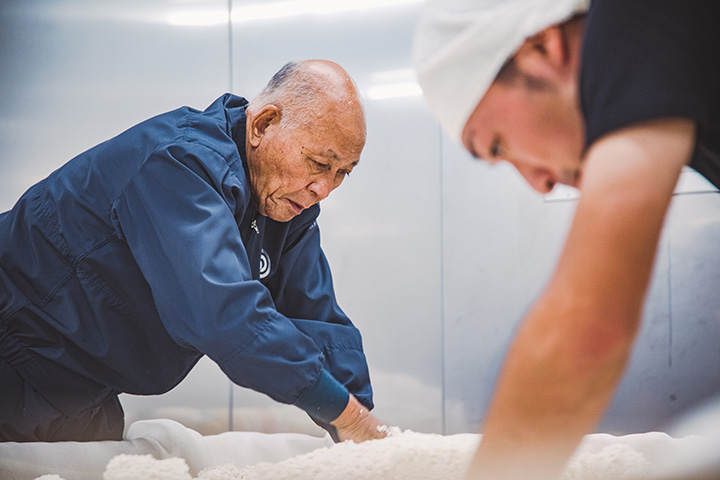
Since the Edo period (1603-1868), Noto's sake brewers have been called "Notoshu," and the brewers, led by the Noto Toji, have worked together to cultivate a unique technique known as the "Noto-style" of sake brewing. Noto-style sake is dark and tastes like rice. Especially in the old days, people often drank sake in the evening after a hard day's work, so people didn't like it if it was watery. They wanted a strong flavor," says Mr. Noriguchi. The four most outstanding Toji who succeeded the Noto style have been called the "Four Heavenly Kings of Noto Toji," and Mr. Noriguchi is one of them.
Sake made by Mr. Noriguchi, evolving with the times
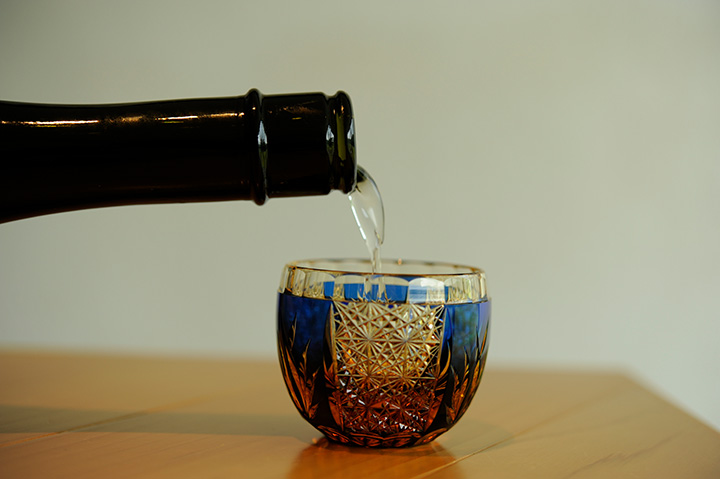
Although he has devoted his life to sake brewing, it is surprising to learn that he does not actually drink sake. He says that the reactions of visitors to the brewery and those who come to tasting events are a great reference for his next brewing project. He says that the needs for "dark sake in the Noto style" mentioned above have changed little by little in today's comfortable working environment, and that "sake that has the umami of rice but is sharp and crisp as it passes down the throat" is now in demand. He says, "If you try to bring out the umami, the sake becomes heavy. If you try to bring out the umami, it becomes heavy, and if you try to make it sharp, it becomes thin and dry. It's difficult to find the right balance," he says with a wry smile. Even so, he is quick to sense changes in tastes, and making sake that is ahead of its time is what makes his life worth living.
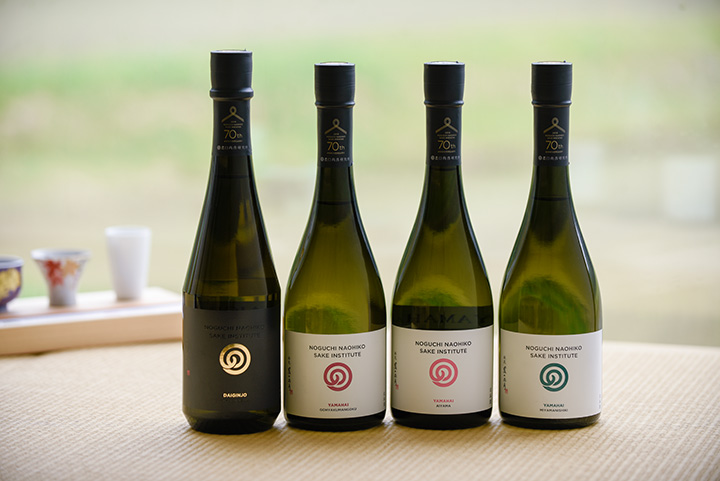
Let us introduce you to the sake of "Naohiko Noguchi," a sake that combines the unwavering skills of a master craftsman with a keen sense of the times.
Daiginjo series
This is a full-bodied daiginjo brewed by Toji Noguchi, who created the ginjo-shu boom in the 1970s. It is a rich, mellow bottle with a slight refreshing acidity. It has a refined and deep aroma with a short aftertaste. It is a special sake that would make a great gift.
Yamahai brewing series
Yamahai brewing is synonymous with Touji Noriguchi. Yamahai is an abbreviation for "Yamashoroshi-haishimoto," a sake yeast strain in which the "yamahai" process of grinding rice with an oar stick has been eliminated (the base for fermenting the malt). Sake made using this method is called "Yamahai-brewed sake. Because of the time and effort required, this type of sake declined for a time throughout Japan, but has been successfully revived by Touji Noriguchi. This series is produced by Mr. Noriguchi himself, and has a perfectly balanced taste with a strong core that maximizes the flavor of the rice and a hint of acidity. It is refreshing and goes well with meat dishes. Recently, many young women seem to prefer it.

Honjozo (Sake made from pure sake)
We recommend the Honjozo for first-timers. It's also the one that gets the best reviews at tastings," says Mr. Toji Noriguchi. It is an interesting sake with a completely different flavor depending on the temperature, whether cold or lukewarm. It has a nice sharpness that makes you want to take another sip, and then another, and so on.
Junmai Sake
100% sake rice grown by farmers near the brewery is used. The flavor of the rice itself permeates through the sake, and the floral aroma fills the taste buds.
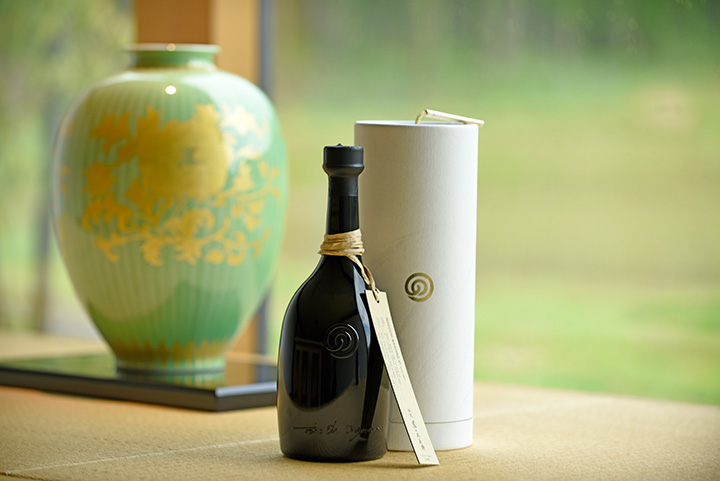
This is a limited series of sake made in 2017, the first year the "Naohiko Noguchi Research Institute" was completed, from which the best lots were selected for aging management. It comes in an asymmetrical original bottle designed by a famous artist.
Naohiko Noguchi Institute, a state-of-the-art sake brewery standing in the midst of a countryside rich in nature.
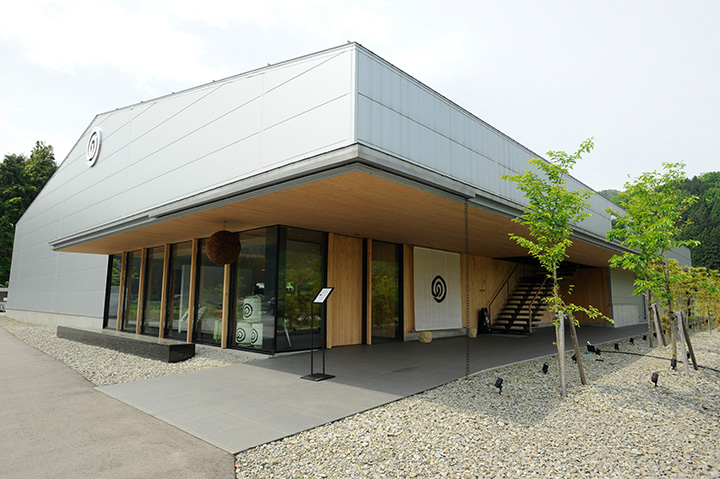
The Naohiko Noguchi Sake Brewing Institute was established to pass on the techniques and spirit of sake brewing to future generations. It is located about 30 minutes by car from Komatsu Airport in a lush green mountainous countryside. For "kanzukuri," or sake brewing during the cold season, it is said that a climate with snow and temperatures below 5°C (41°F) is ideal, and clean air is also important. A 90-meter-deep well next to the laboratory draws clean subterranean water from the Hakusan Mountains, making this site an ideal location for sake brewing.
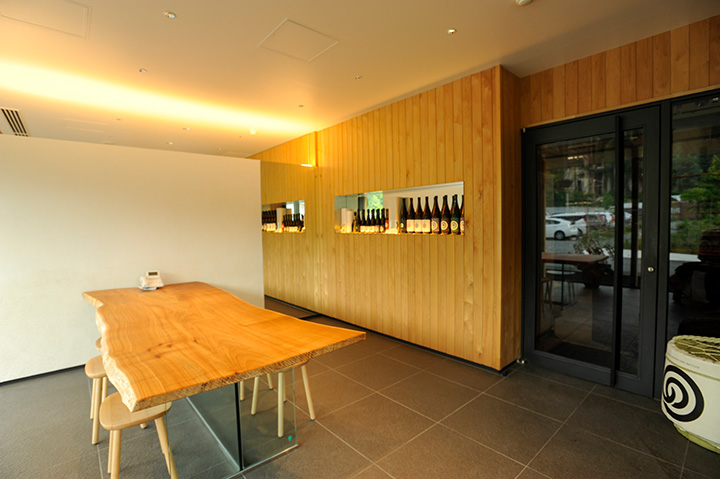
The modern-looking entrance leads to a sales space (purchases are accepted by credit card only). Reflecting Mr. Noriguchi's wish to incorporate as much wood as possible in areas that are touched by hands, the guest tables are made of a single large board, and the walls are also finished in wood. The space allows guests to calmly select a bottle of their choice while looking at the products lined up against the wall.
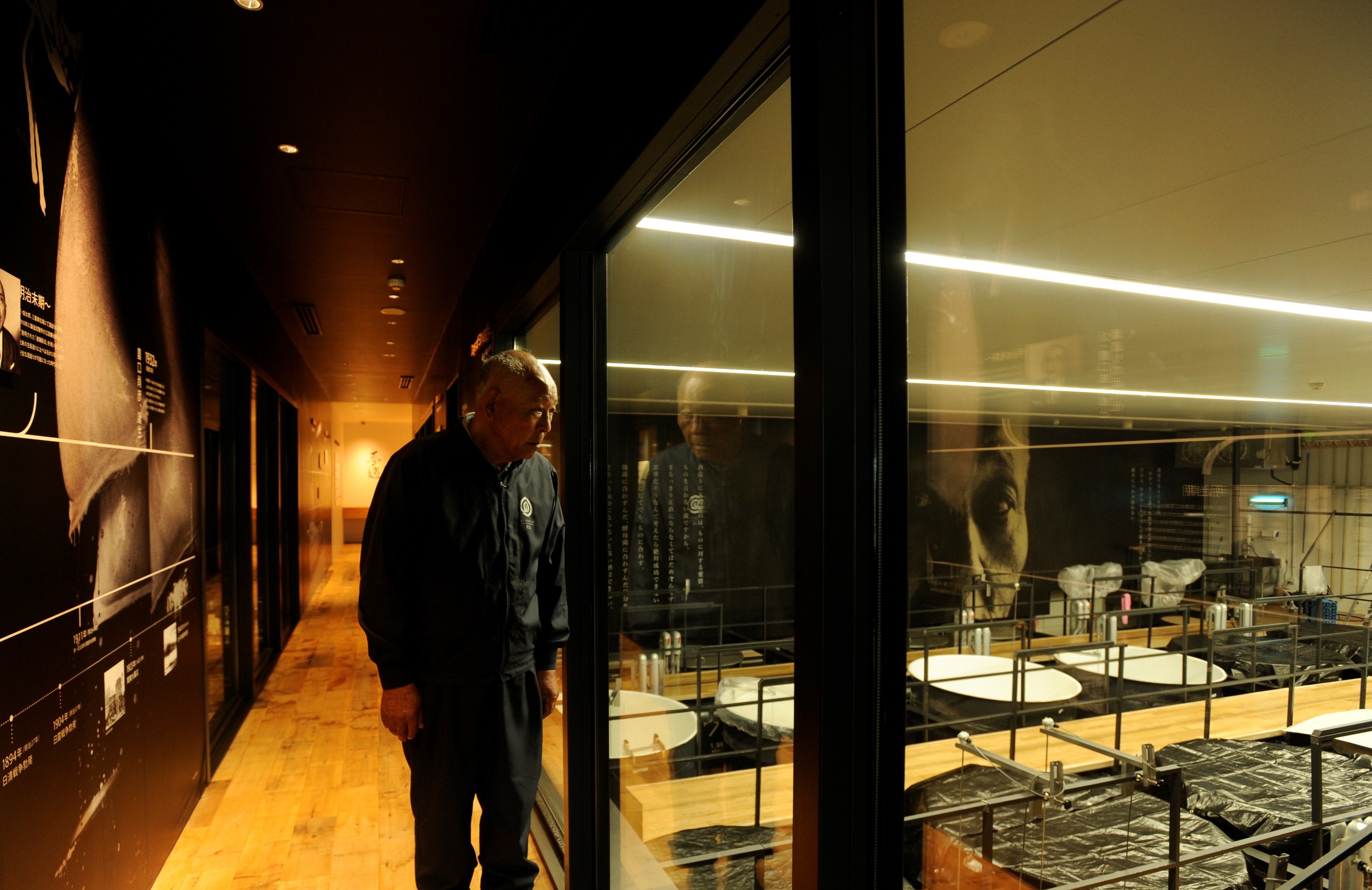
Once out the entrance and up the stairs on the side of the building, there is a gallery where you can see the inside of the brewery through glass. The inside of the brewery is unique in that a large photo of Toji Nouguchi is designed on the entire wall as if to watch over the working brewers. The gallery also displays a brief history of Toji Noriguchi and his favorite items (the gallery space is only open to visitors who have made reservations for the "Sake Experience" at the Toan).
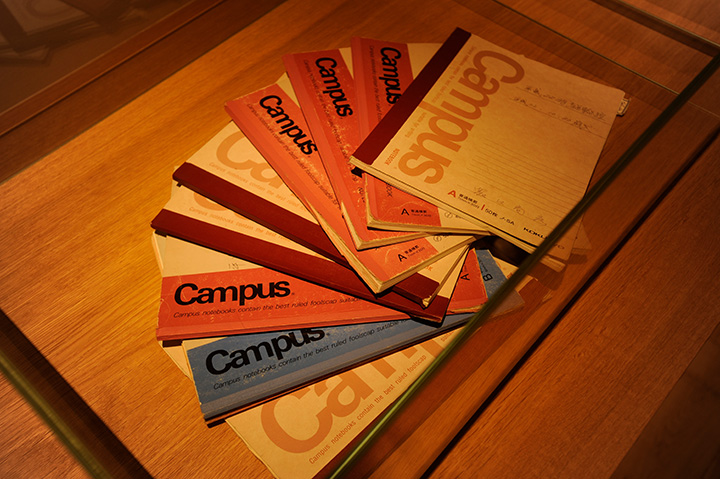
Many visitors to the brewery are surprised to see a building that differs from the traditional image of a "sake brewery. Despite being in the position of Toji, a position that places great value on tradition, the Noriguchi style is actually very rational and prioritizes efficiency. For more than 40 years, he has kept records of the sake brewing process and has explored it scientifically. He minimizes reliance on human senses and mechanizes what he can. This state-of-the-art laboratory is the embodiment of Toji Noguchi's progressive philosophy.
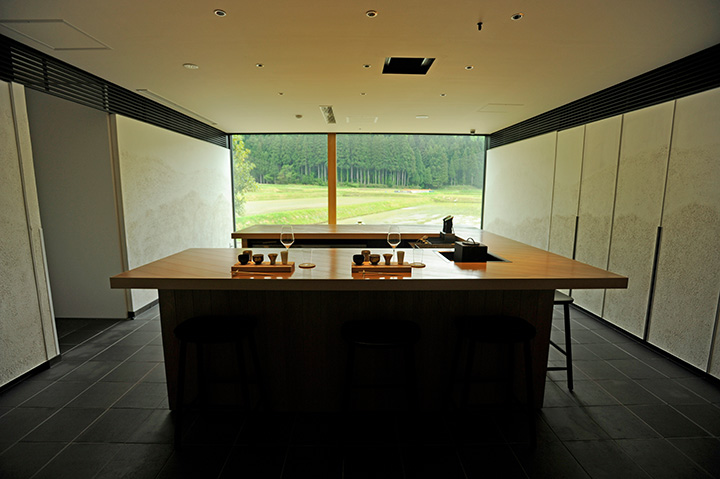
At the far end of the building is the quiet tasting room "Toan. Visitors can experience new ways to enjoy sake through the use of different sake containers, different sake temperatures, and combinations with local ingredients. The dignified space with traditional beauty, directed by a living national treasure of Kutani ware and an artist, attracts both domestic and international guests.
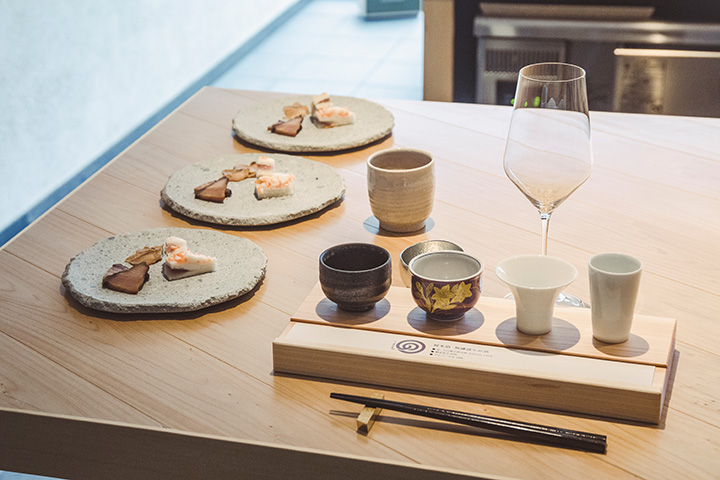
The U-shaped counter is four-and-a-half tatami mats in size, inspired by a tea-ceremony room-style space, and the "Sake Experience" held once a day offers sake tasting of several types of sake recommended by the brewer at that time of the year. It is also an interesting experience to taste and feel different tastes depending on the container, such as Kutani Yaki porcelain, ceramic ware, or glasses. While enjoying sake sakana, a locally produced fermented food arrangement, you will have a premium time discovering new things about sake and food.
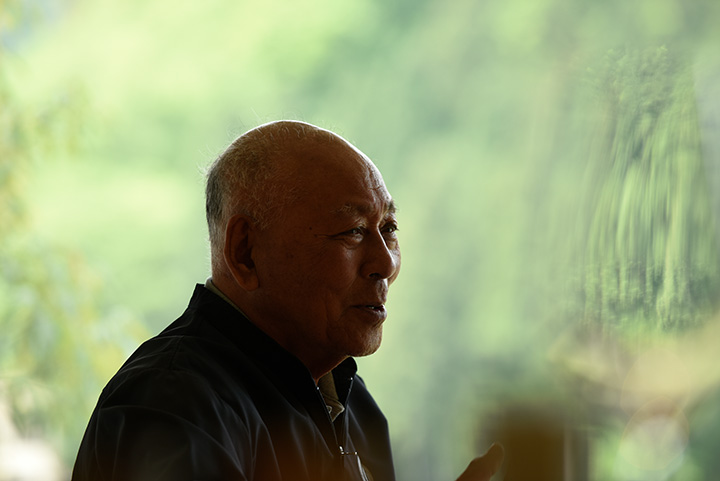
The institute also provides accommodations and sleeping properties for young brewers so that they can devote themselves to sake brewing. Sake brewing is dream brewing. I want them to work with their dreams firmly in mind. I think that is the most important thing. I would be happy if they grow up to be able to make sake in their own way in the future.
Not only the advanced techniques, but also the spirit and way of life of Toji Noriguchi are being passed on to aspiring young people, nurturing the "Toji of Noto" of the future.
Looking out the window of Toan at the sparkling rice paddies, Mr. Noriguchi concluded his talk with the following words: "It tastes good on the tongue, but it's not good for the palate. It is delicious on the tongue and disappears quickly and refreshingly as it passes down the throat. Where did it go? Where did it go? I want to make sake like that. That's the kind of sake I want to make.
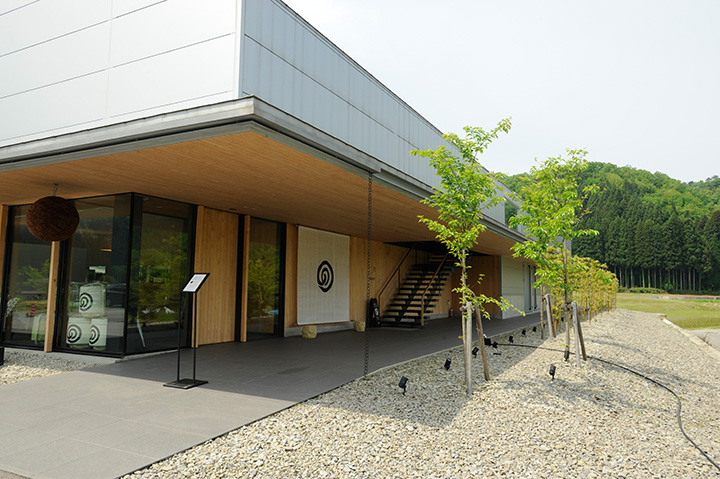
- Noguchi Naohiko Institute
-
 1-1 Wa, Kan'onshita-cho, Komatsu City, Ishikawa Prefecture MAP
 Approx. 30 min. by car from JR Komatsu Station
 Approx. 40 min. ride from JR Komatsu Stn. on the Komatsu Bus bound for Onoya, and alight at "Kannonshita" stop.
 10:00-16:00
 Year-end and New Year holidays, Obon (Toan is open on Wednesdays and Thursdays)
 Free of charge
 Sake-tasting 3 times a day at 11:00/13:00/15:00, capacity of 8 people. Reservations required (membership registration required via website).

Michikusa experts who wrote this article
-
Takako Kawaguchi
Editor and writer. After working as an editor for a major publishing company's women's magazine for 10 years, she became a freelance writer. Writes articles for magazines and websites, focusing on travel, interior design, and miscellaneous goods. She enjoys watching sports with her husband and going on hot spring trips.
Michikusa's
guru
Hoshino Resorts KAI Kaga
Yamashiro Hot Spring, Ishikawa Prefecture
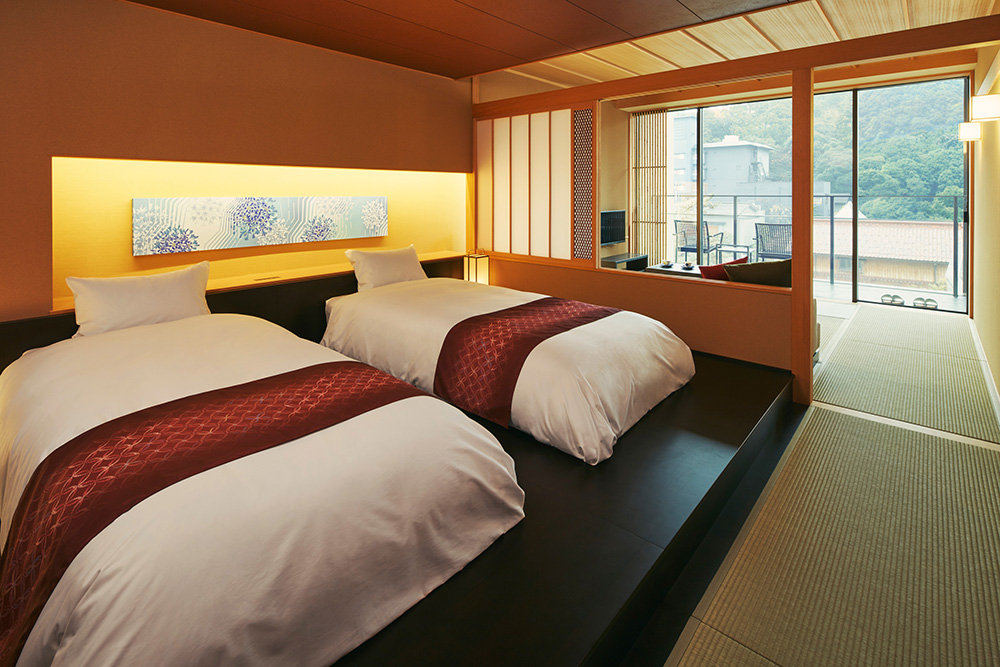
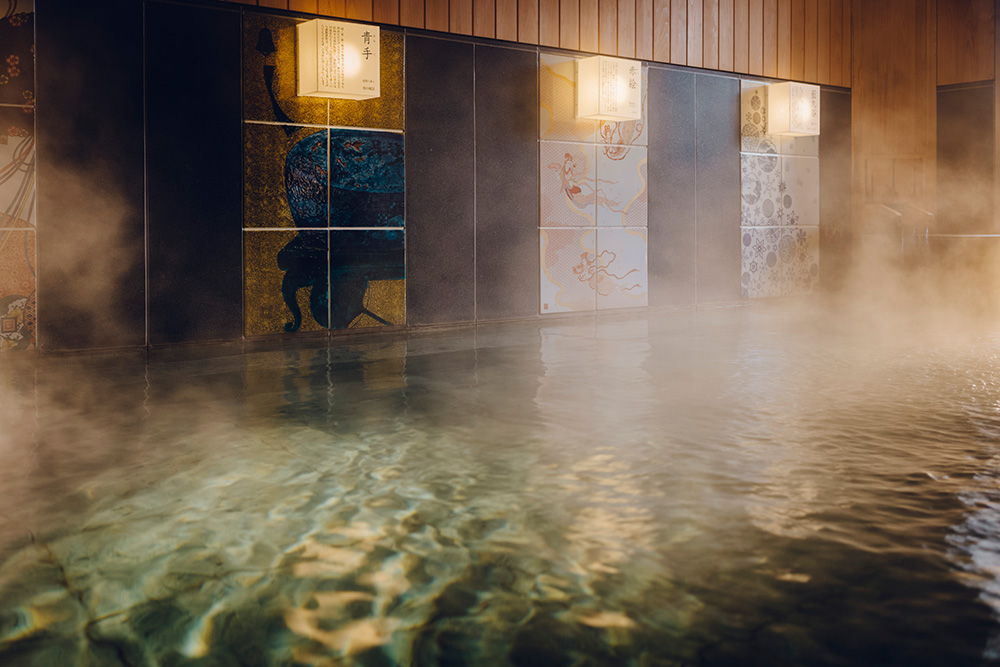
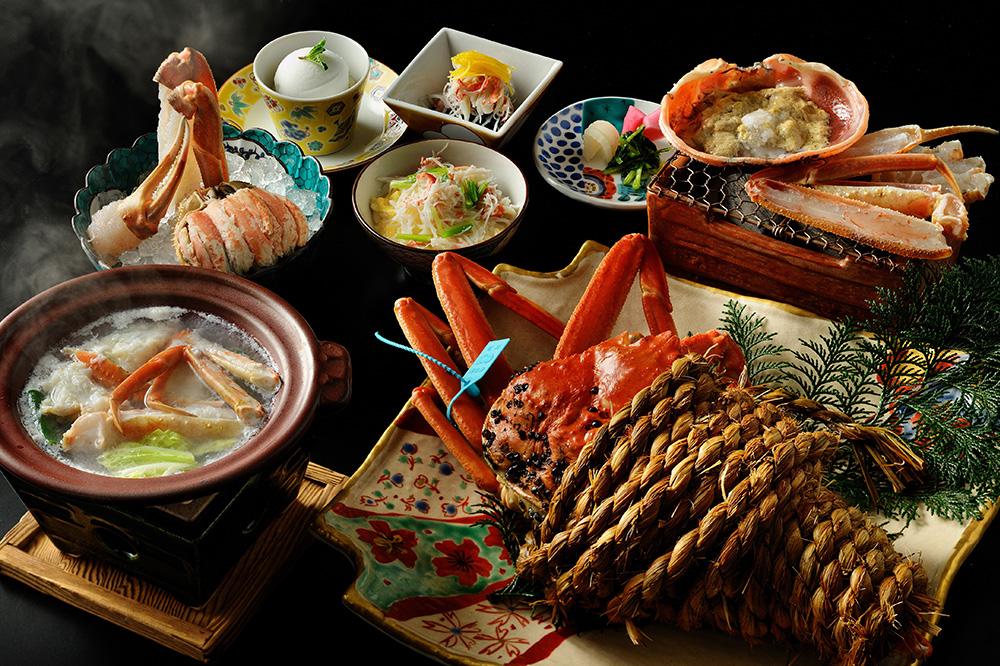
A traditional hot spring hotel in Kaga where new sensibilities come alive. The traditional building with impressive red latticework is a registered tangible cultural property.
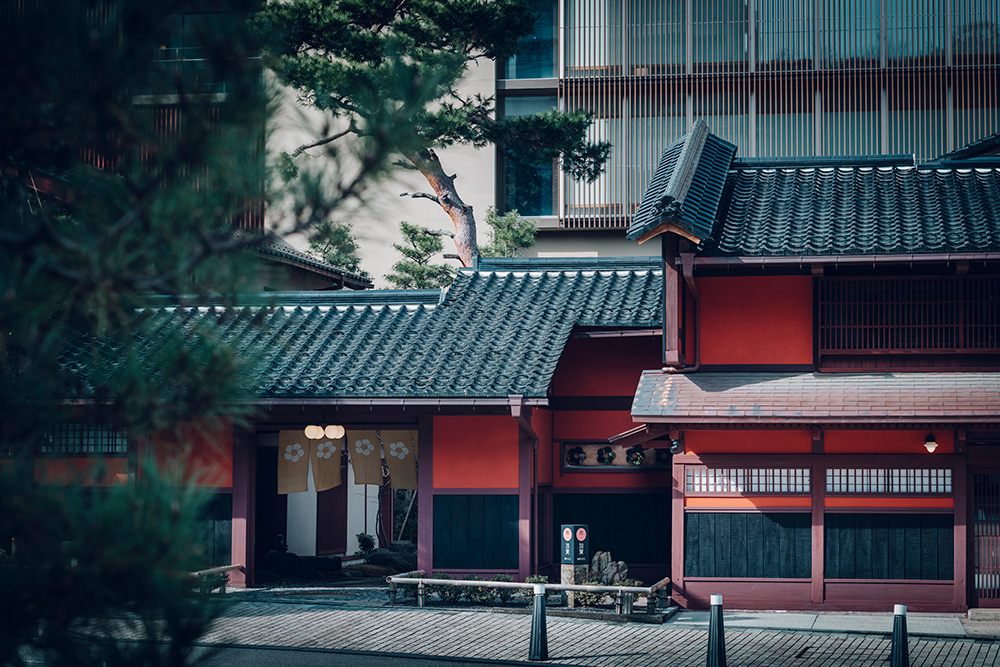
Access by bus 10 minutes by cab from Kaga Onsen Station on the IR Ishikawa Railway
- Example of Accommodation Rates
- 1 person per night From ¥19,000