





The temperature Ito and clothes every season blessed with the mild climate


It's located in the east of Izu Peninsula, the municipal area west is Ito city where Amagi mountain range and a south-eastern part will be the Pacific coast. When it's seen nationwide, it's said that it's blessed with the mild climate through the year. Temperature information is introduced by making reference to the one what kind of climate is which or previous data actually. When going sightseeing all together, recommended clothes every useful season were gathered.
The average temperature by which Ito of an oceanic climate is midsummer, about 26 ℃, midwinter is the mild climate by which about 7 ℃ and the average temperature are 16.4 ℃. It can be said that it's easy for the best average temperature to spend through 1 year without most that the lowest average temperature becomes less than 2 ℃ more than 30 ℃.
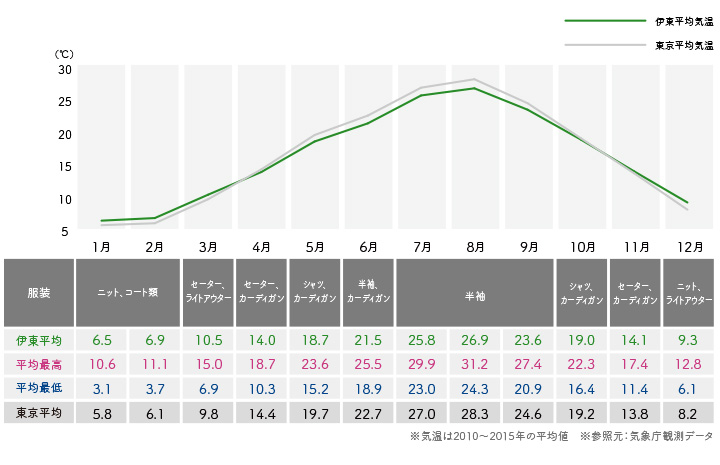
< the temperature Ito and clothes>
About the temperature of the spring (3 Monday-May) and clothes.
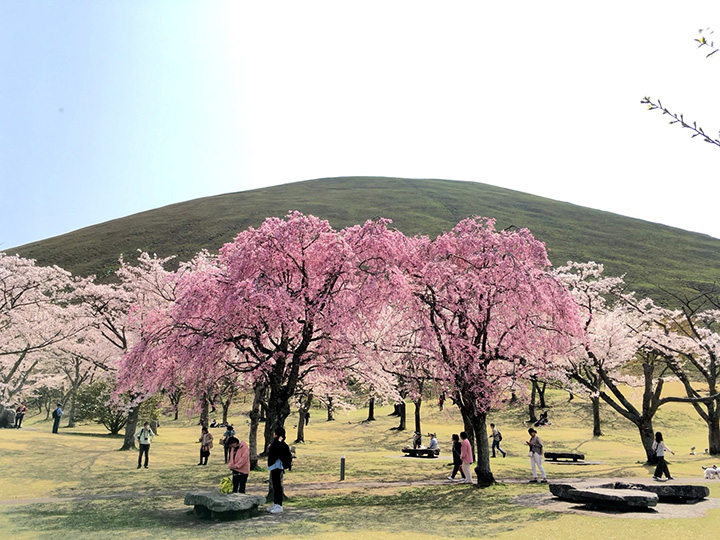
The temperature will be also affected by the Kuroshio Current with the high water temperature, and early, rises in March for a visit in spring. The average temperature is in about 10 ℃. But, it's still cold for a morning and evening and the lowest temperature is cold even nearly 0 ℃, and temperature gap becomes great. Clothes add a vest and a sweater to a long-sleeved shirt, and taking arrive is easy to do, against the cold, arrive, I'll carry around. It's thick when I go out to a high plain area, against the cold, arrive, it would be better to prepare it.
There is also a day when the highest temperature will go up to nearly 30 ℃ in April and May, and to fall below 10 ℃ in May about 5 ℃ also disappears in April the lowest temperature. It can be surpassed in an outer of a parka enough, but when it's windy, I increase in the coldness, so I'll choose something of the material some fresh air is difficult to blow through which.
A cherry tree meets best time at Izu-kogen and Itohot spring. There are also a lot of kinds and Mt. Omuro can enjoy a cherry tree from March to first May in particular, and more azaleas color Mt. Omuro in a Golden Week.
About the temperature of the summer (6 Monday-August) and clothes.
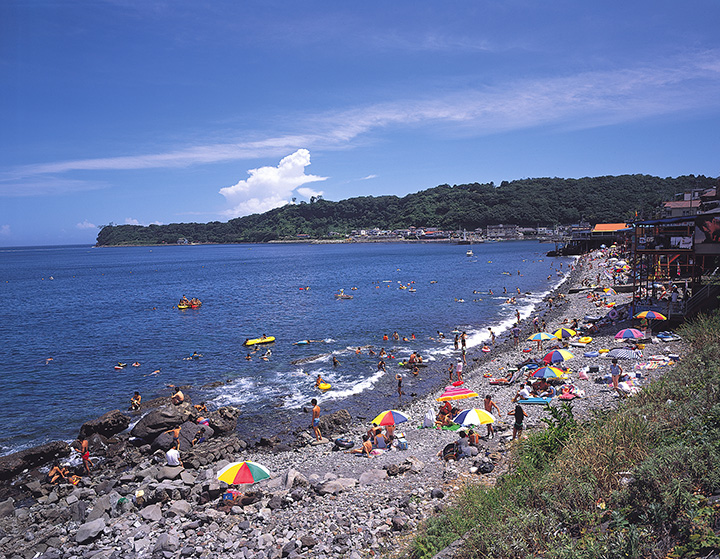
The rainy season continues from the beginning of June to the beginning of July, and there is also a day which is same as Tokyo mostly and becomes less than 15 ℃ about 21 ℃ by coldness in rainy season for the average temperature, so I'd hope that you carry thin cardigan and parka around with sightseeing to a high plain area.
A beach where it's facing Sagami-wan after the end of the rainy season is beach opening. A tourist finds cool air in a sea and Izu-kogen, and visits much because the style from Amagisammyaku and Sagami-wan blows in August in July, and you can have time comfortably. The temperature becomes stable on the beachfront, but there is also often a case that a high plain area will be a cool morning and evening around Mt. Omuro. The clothes are no problem by a resort wear in summer basically, but when going out to beachfront in night by the case when I stay at a high plain area and enjoyment of fireworks, I'll prepare 1 of something to put on.
About the temperature of the autumn (9 Monday-November) and clothes.
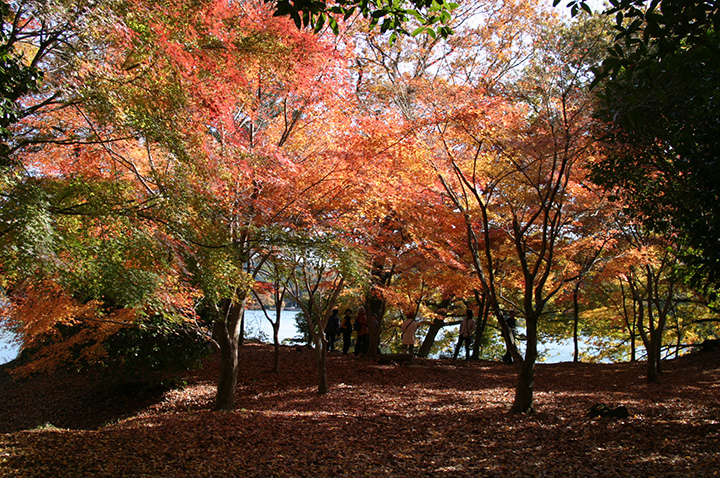
The average temperature of September doesn't change mostly with Tokyo, about 23 ℃. The summer which doesn't still end can be enjoyed at a coastal area, so clothes like summer would be fine until silver week time. A high plain area becomes cool for a morning and evening, and a visit in autumn can be felt. October when the temperature I tend to spend continues fits to go out to art Property in Ito and enjoy autumn of art fully.
I come to have a lot of days when the warmth can be felt more than Tokyo in November, and the average temperature is also slightly rather high. When I pass the middle ten days, colored leaves meet best time finally. The day when the lowest temperature will be about 5 ℃ is also increasing in the high plain area, so when preparing something put on between the inner and the outer, I'm relieved at a vest and a sweater.
About the temperature of the winter (12 Monday-February) and clothes.
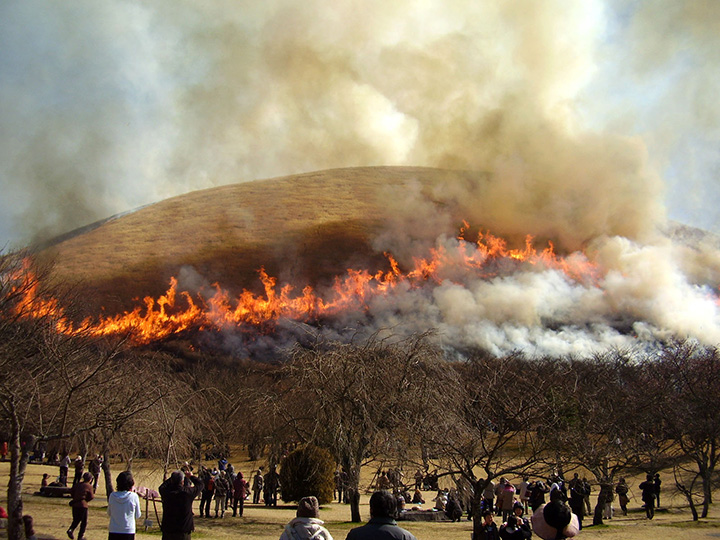
Mt. Omuro's "burning the dead grass of a mountain"Ito where a highlight is also much winter winter Fireworks Festival in illuminations in a YA Izu GURANPARU park "GURANIRUMI". The highest temperature will be also the case that the highest temperature has a day beyond 15 ℃ and is healed by the mild climate Ito January and February about 20 ℃ in December though it's cold winter. The piercing cold wind doesn't blow, but this time is attention in strong wind from a sea. A wind is also taking the body temperature away in the fine day the sunlight pours much, so the down and the coat through which I don't blow some fresh air are indispensable.
The walk in hot spring district is so comfortable without feeling the coldness, but there is also going in and out of to a store, so it's taken off, it's put on and the outer I tend to do is recommended. Further, frost falls in a high plain area Mt. Omuro, and it sometimes snows. I pay attention to local weather information of the sightseeing day, Mt. Omuro Santo, when getting on a lift, I'll take cold protection tightly.
< the original hot spring inn which makes Ito travel enrich>
It's a hot spring inn behind easy SHIN TA, and how about sightseeing some time of the relaxation? The hot spring brand of Hoshino Resorts "the world" is managing 2 of original Hot spring ryokan of "Hoshino Resorts KAI Ito" where "Hoshino Resorts KAI Anjin", the rich volume of hot water and the hot-spring quality taken in can enjoy Marine antique in the Ito area.
▼ Corona measure declaration of the highest level
Hoshino Resorts A measure axis of 2, "health management" and "three Cs avoidance" is put up and the Corona measure measure which made conventional service evolve in whole Property is being put into effect in order to have everybody have time surely in the world.
Hoshino Resorts Hoshino Resorts KAI Ito
Hot spring inn in a source run sink where it takes pride in its rich volume of hot water and hot-spring quality with 4 sources

The inn where "Hoshino Resorts KAI Ito" for about 5 minutes can enjoy hot spring in a source run sink by car from Ito station. The hot water which springs from 4 sources including a private source 600 liters per minute is combined by the day's weather. At a bathroom of the ancient hinoki called "sacred tree" in Public hot spring, a mind and body and, please spend some healed time. Besides the footbath with which it can be flooded is also Hot spring ryokan which can enjoy hot water fully while looking at the source pool which can be enjoyed and a Japanese garden at any time of the year around.
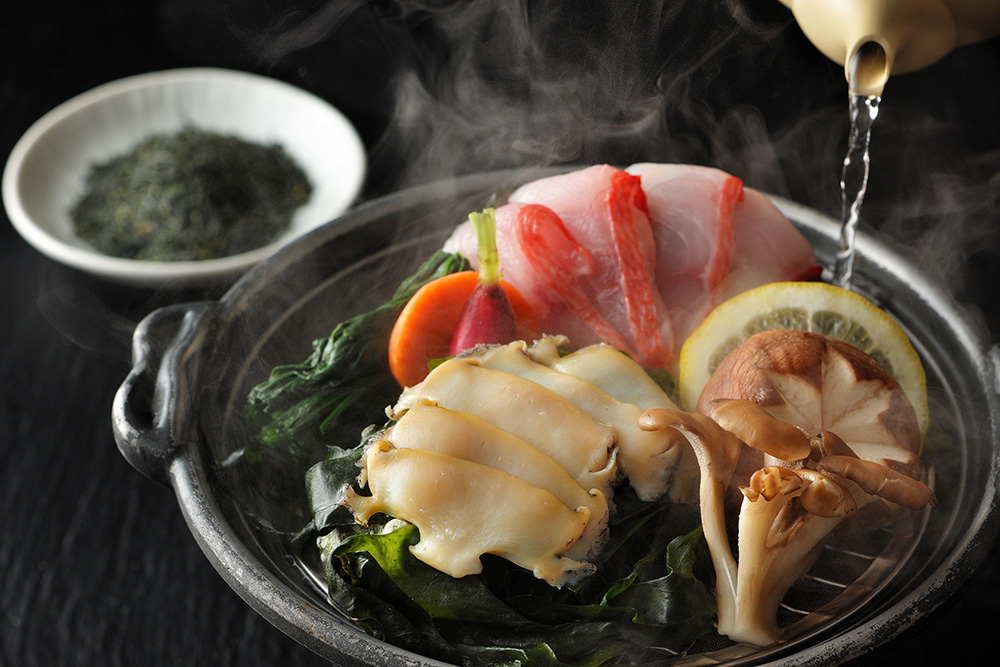
A meal can have red snapper, lobster and ear shell enjoy a KAI Local Flavors dish using seafoods abundant in Izu.
While all the rooms "are the Izu floral calendar" in Guest room. The "floral calendar screen" which wove a of camellia, Kozu salted cherry leave and thread indigo blue dyed by Izu's plant as much as about 20 kinds into one politeness by a weaving machine colors Guest room showily.

- Hoshino Resorts Hoshino Resorts KAI Ito
-
 Shizuoka Ito Ichioka Hiro-machi 2-21 MAP
 It's a car from JRIto station, about 5 minutes
 0570-073-011 (the world, reservation center)
 I have that.
 Your reservation is this.
Hoshino Resorts Hoshino Resorts KAI Ito Reservation site.
Hoshino Resorts Hoshino Resorts KAI Anjin
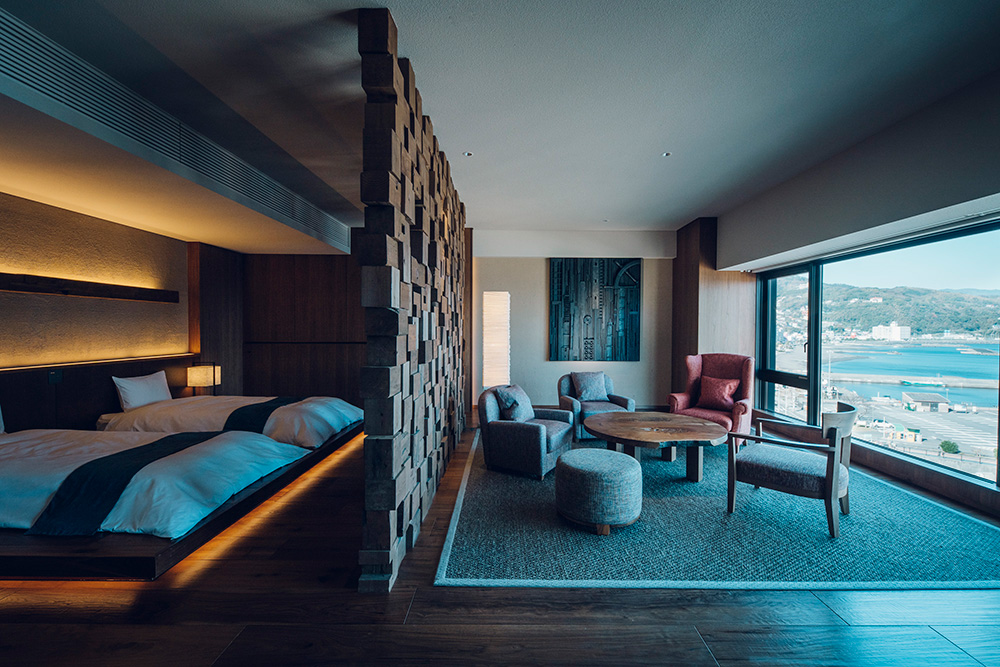
Ocean view of all the rooms. Stylish space of Marine antique

"Hoshino Resorts KAI Anjin" for about 5 minutes is a sea and stylish Hot spring ryokan which took the art which concerns a passage in with the theme of the British navigator who became a samurai and Miura Anjin (William Adams) by car from Ito station.
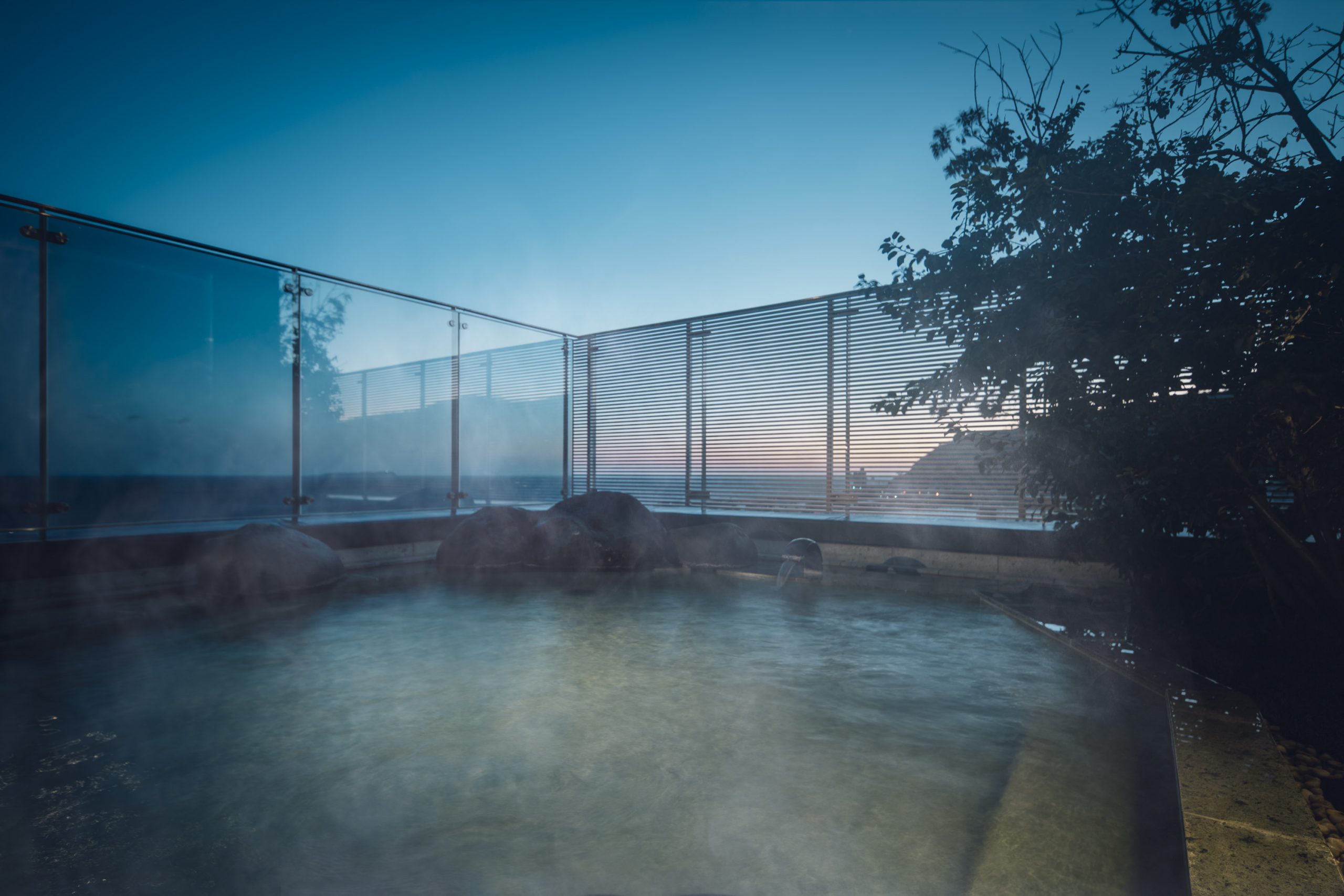
After looking at a vast sea while being flooded in Outdoor hot spring by the top floor, you can spend some time of hot water cooling in "SANBUENADEKKI" which imagined a deck of a ship.
A meal prepares total KAI Local Flavors which has added the British essence which is from Miura Anjin for the ingredients which feel characteristics of Izu. A British traditional dish, and, the chemistry with the contrived beer is also fitting various articles.

- Hoshino Resorts Hoshino Resorts KAI Anjin
-
- Shizuoka prefecture Ito city 5-12, Nagisacho MAP
- It's a car from JRIto station, about 5 minutes
- 0570-073-011 (the world, reservation center)
- I have that.
- Your reservation is this.
Hoshino Resorts Hoshino Resorts KAI Anjin Reservation site.

Local Guide which took charge of this article
Hoshino Resorts KAI Ito
Shizuoka and Itohot spring
Bathroom in a source run sink, source pool and the inn where a footbath enjoys hot spring luxuriously
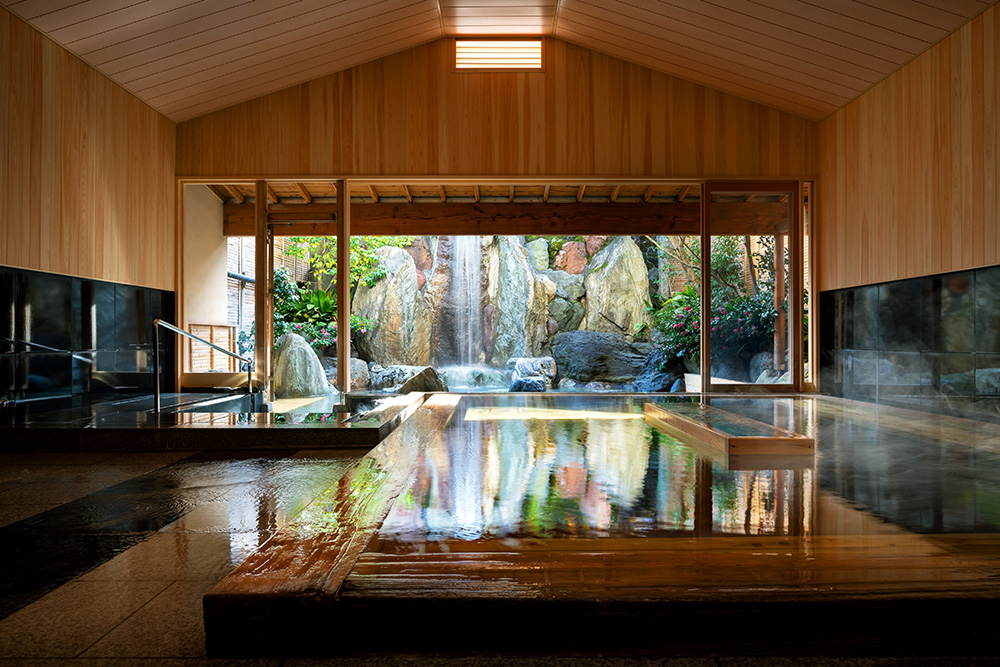
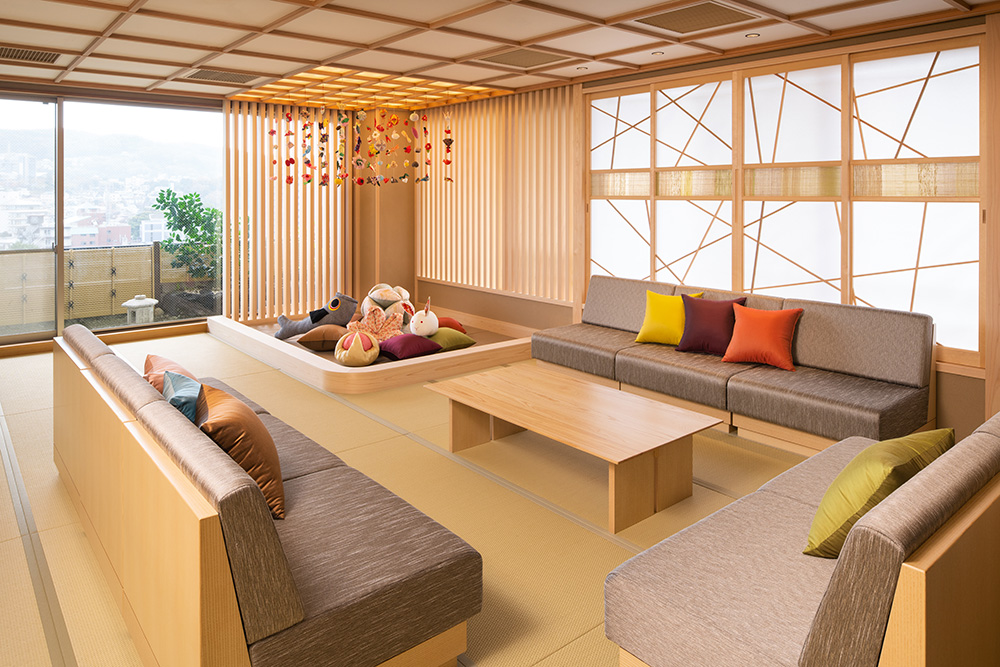
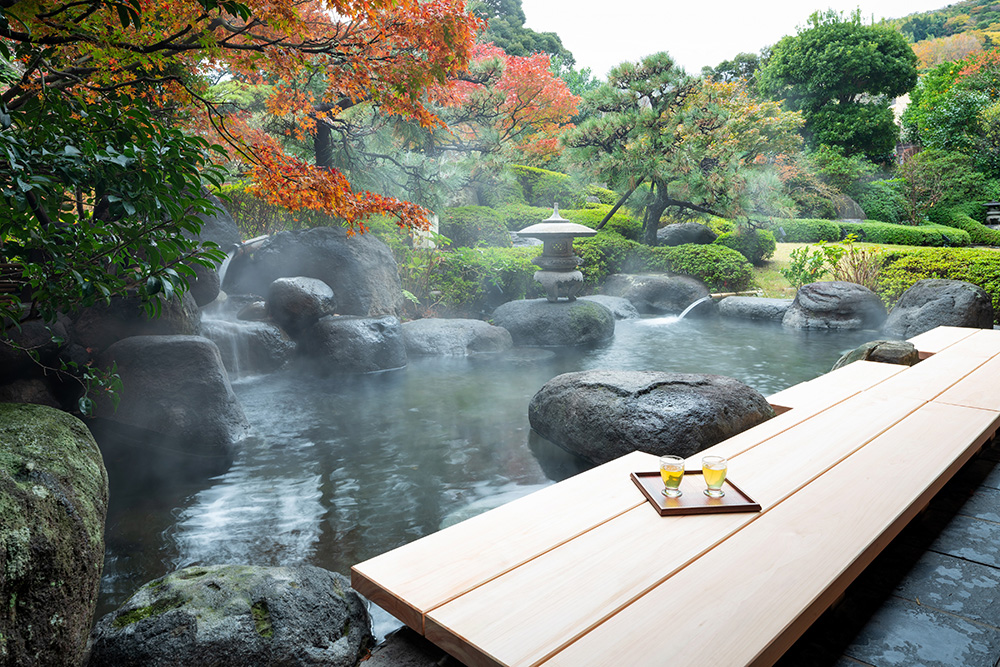
It's a taxi on foot for about 10 minutes from Direction JRIto station, about 5 minutes
- A room charge example
- 1 night, 1 person \21,000-
Hoshino Resorts KAI Anjin
Shizuoka and Itohot spring
Guest room of ocean view, sea and the modern hot spring inn where the art which concerns a passage was taken in

It's a taxi on foot for about 15 minutes from Direction JRIto station, about 5 minutes
- A room charge example
- 1 night, 1 person \17,000-