





Temperature and Seasonal Clothing in Ito, Blessed with a Mild Climate


Located in the eastern part of the Izu Peninsula, Ito City features the Amagi Mountain Range in the west and the Pacific coast in the southeast. Nationally, it is known for being blessed with a mild climate throughout the year. Here, we introduce temperature information based on past data to show what the climate is actually like. We have also compiled recommended seasonal clothing that will be useful when sightseeing.
Ito has an oceanic climate with an average temperature of about 26°C in midsummer and about 7°C in midwinter, with an annual average temperature of 16.4°C. It is comfortable throughout the year, as the average high rarely exceeds 30°C and the average low rarely drops below 2°C.
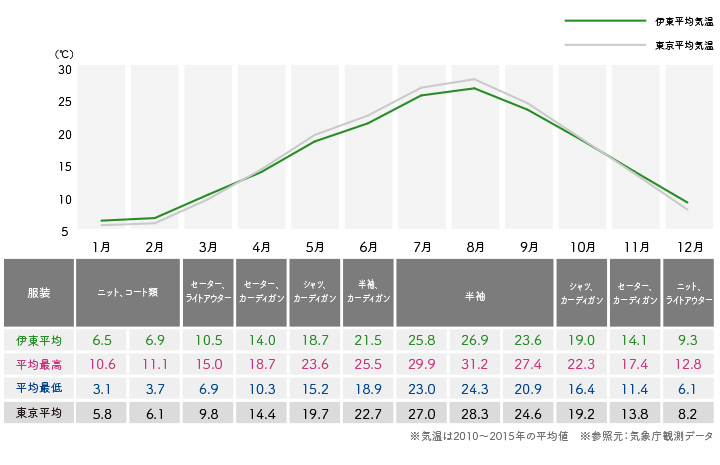
About temperature and clothing in spring (March to May)
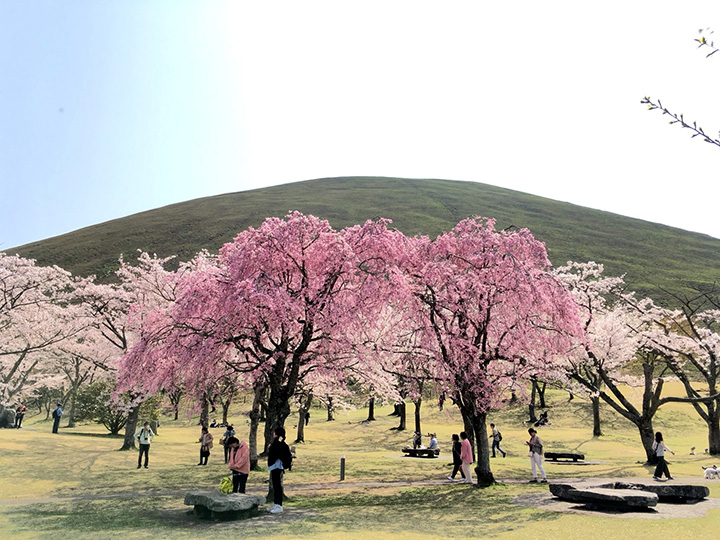
Influenced by the warm Kuroshio Current, spring arrives early, and temperatures begin to rise in March. The average temperature is around 10°C. However, it is still cold in the mornings and evenings, with lows dropping near 0°C, creating a large temperature difference. For clothing, wear a long-sleeved shirt with a vest or sweater, and carry easy-to-remove warm layers. If you are heading to the highlands, it is better to prepare thicker warm clothing.
In April and May, the high temperature can reach nearly 30°C, and the low temperature stays around 5°C in April and does not drop below 10°C in May. A hoodie or similar outerwear is sufficient, but since it can feel colder when it is windy, choose items made of wind-resistant materials.
In Izu Kogen and Ito Onsen, cherry blossoms reach their peak. Mount Omuro, in particular, features many varieties that can be enjoyed from March to early May, and during Golden Week, azaleas color the mountain.
About temperature and clothing in summer (June to August)
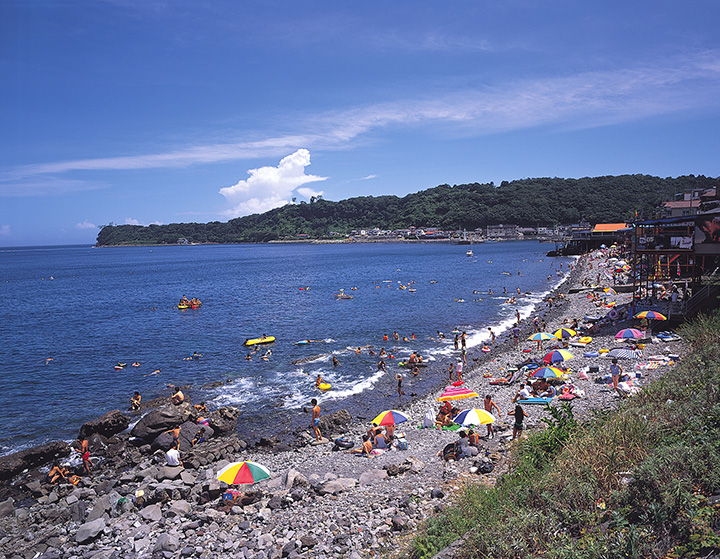
The rainy season continues from early June to early July, with average temperatures around 21°C, which is about the same as in Tokyo. Since temperatures can drop below 15°C during the rainy season, it is a good idea to carry a light cardigan or hoodie when sightseeing in highland areas.
After the rainy season ends, beaches facing Sagami Bay open for the season. In July and August, breezes from the Amagi Mountains and Sagami Bay make for a comfortable climate, attracting many tourists to the sea and Izu Kogen in search of a cool escape. While temperatures along the coast are stable, mornings and evenings around Mt. Omuro can often be cool, as is typical for highland areas. Generally, summer resort wear is fine, but you should bring an extra layer if you are staying in the highlands or going out to the coast at night to watch fireworks.
About temperatures and clothing in autumn (September to November)
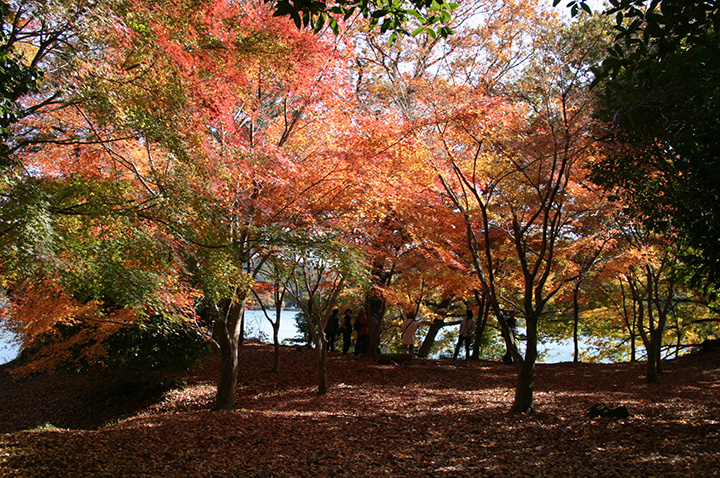
The average temperature in September is around 23°C, which is about the same as in Tokyo. You can still enjoy the lingering summer along the coast, so summer attire is fine until around Silver Week. In the highland areas, mornings and evenings become cooler, signaling the arrival of autumn. October, with its consistently pleasant temperatures, is perfect for visiting art facilities in Ito and enjoying an artistic autumn.
By November, there are many days that feel warmer than in Tokyo, and the average temperature is slightly higher. After the middle of the month, the autumn leaves finally reach their peak. In the highland areas, there are more days when the minimum temperature drops to around 5°C, so it is a good idea to bring something to wear between your inner and outer layers, such as a vest or sweater.
About temperatures and clothing in winter (December to February)
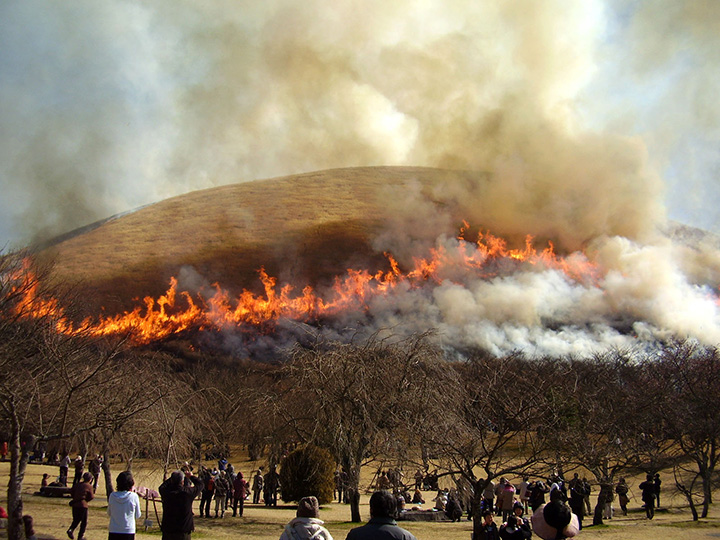
Mt. Omuro's "Yamayaki" (mountain burning), the "Gran Illumi" illuminations at Izu Granpal Park, and winter fireworks displays—Ito is full of attractions even in winter. Despite the cold season, you will be soothed by the mild climate unique to Ito, with high temperatures around 20°C even in December, and days in January and February where highs exceed 15°C. While there are no bone-chilling winds, be aware of strong winds from the sea during this period. Even on sunny, pleasant days, the wind will sap your body heat, so a windproof down jacket or coat is essential.
Strolling through the hot spring town is comfortable without feeling too cold, but since you will be going in and out of shops, outerwear that is easy to take on and off is recommended. Note that in highland areas like Mt. Omuro, frost may form and it may occasionally snow. Pay attention to local weather information on the day of your visit, and be sure to take thorough measures against the cold when riding the Mt. Omuro climbing lift.
After enjoying sightseeing, how about a relaxing time at a hot spring inn? Hoshino Resorts' hot spring brand, "KAI," operates two unique hot spring inns in the Ito area: "KAI Anjin," which incorporates marine antiques, and "KAI Ito," where you can enjoy an abundant volume and quality of hot spring water.
▼Highest Standard Corona Countermeasures Declaration
At Hoshino Resorts KAI, to ensure that everyone can spend their time with greater peace of mind, we have established two measures: "hygiene management" and "avoidance of the 3 Cs (closed spaces, crowded places, close-contact settings)," and have implemented corona countermeasures that have evolved from our traditional services at all facilities.
Hoshino Resorts KAI Ito
A hot spring inn boasting abundant water volume and quality from four sources, with free-flowing hot spring water

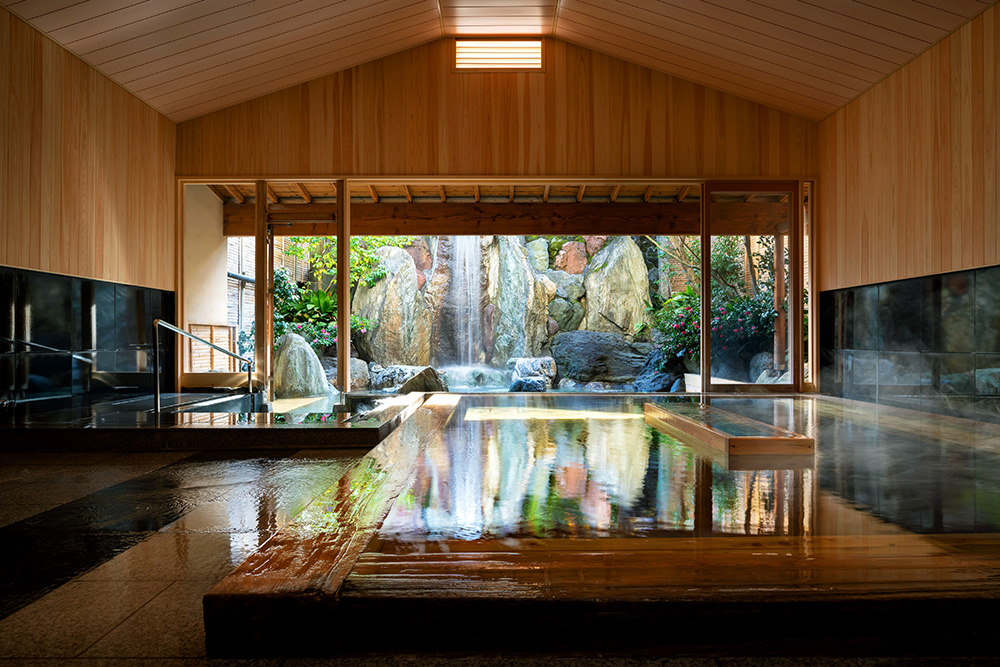
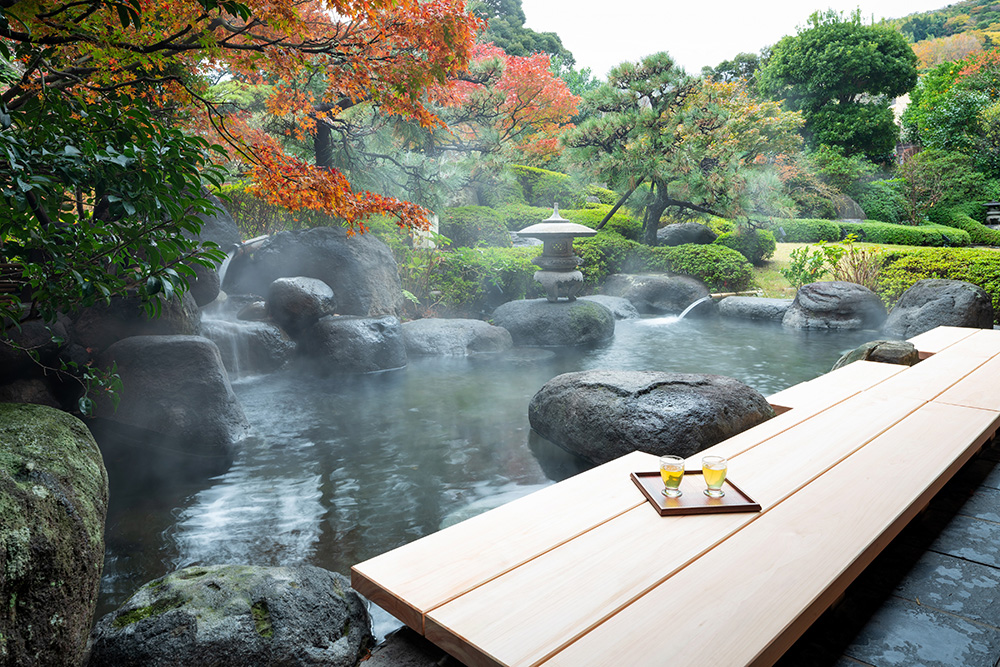
"Kai Ito," located about a 5-minute drive from Ito Station, is an inn where you can enjoy hot spring water flowing directly from the source. We combine water from four sources, including our own private source, which gushes out at 600 liters per minute, depending on the day's weather. In the large public bath, please spend a relaxing time healing your mind and body in the bathhouse made of ancient cypress, known as "Shinboku" (sacred tree). In addition, it is a hot spring inn where you can fully enjoy the water, with features such as a hot spring pool that can be enjoyed all year round and a footbath where you can soak while gazing at a Japanese garden.
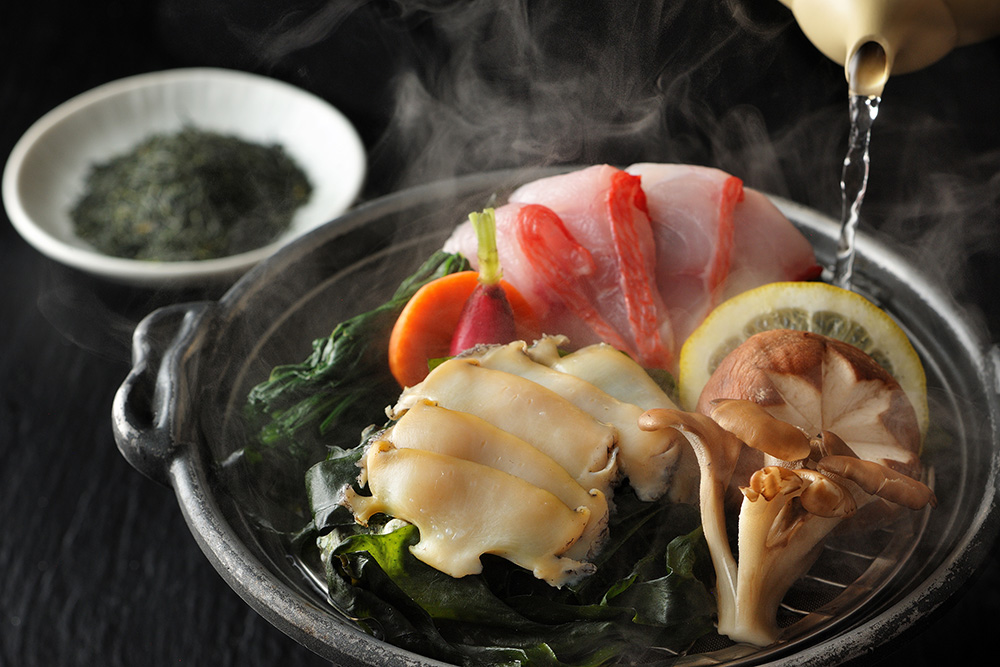
For meals, you can savor kaiseki cuisine using Izu's rich seafood, such as splendid alfonsino, spiny lobster, and abalone.
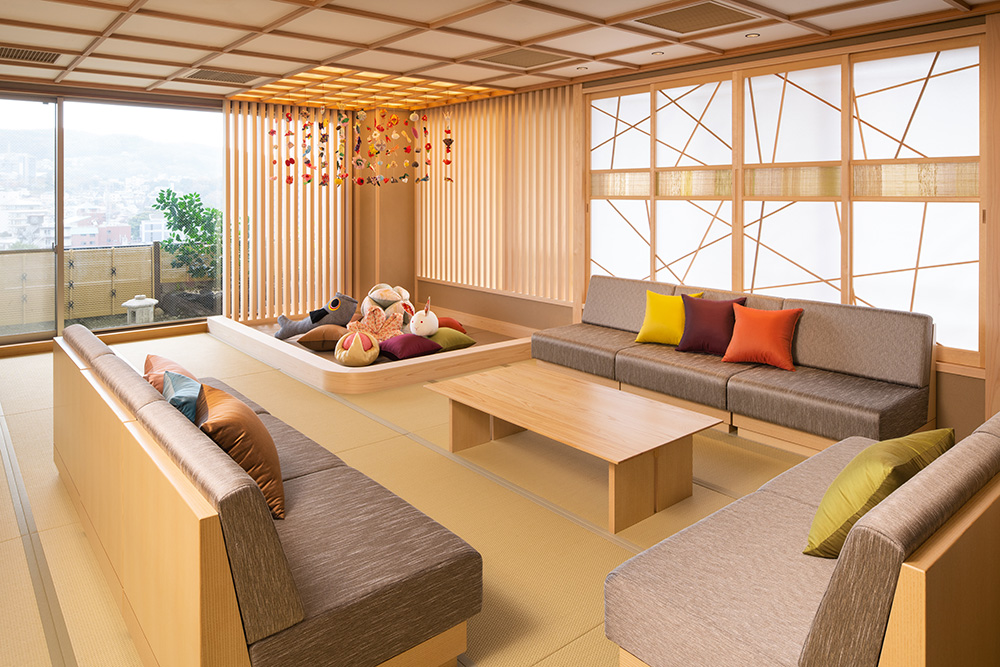
All guest rooms are "Izu Hanagoyomi Rooms." The rooms are gorgeously decorated with "Hanagoyomi Screens," which are carefully woven one by one on a loom using threads dyed with about 20 types of Izu plants, such as camellia, Kawazu cherry blossoms, and indigo.

- Hoshino Resorts KAI Ito
-
 2-21 Okahiro-cho, Ito City, Shizuoka Prefecture MAP
 Approx. 5 minutes by car from JR Ito Station
 0570-073-011 (KAI Reservation Center)
 Available
 Click here for reservations
Hoshino Resorts KAI Ito Reservation Site
Hoshino Resorts KAI Anjin
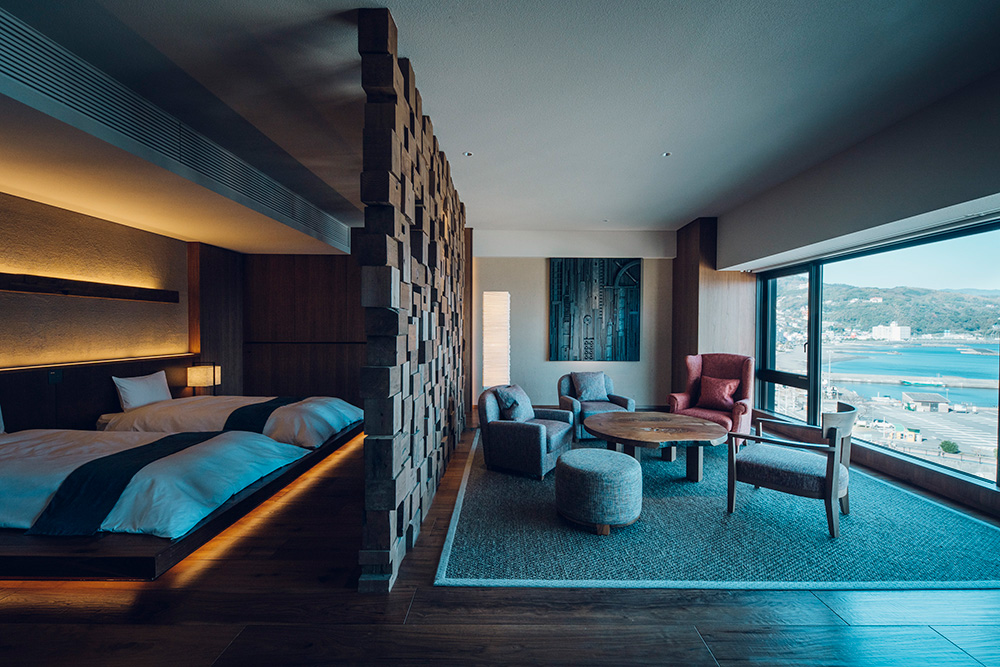
All rooms have an ocean view. A stylish space with marine antiques

Located about a 5-minute drive from Ito Station, "Kai Anjin" is a stylish hot spring ryokan themed after the English navigator who became a samurai, Miura Anjin (William Adams), featuring art related to the sea and voyages.
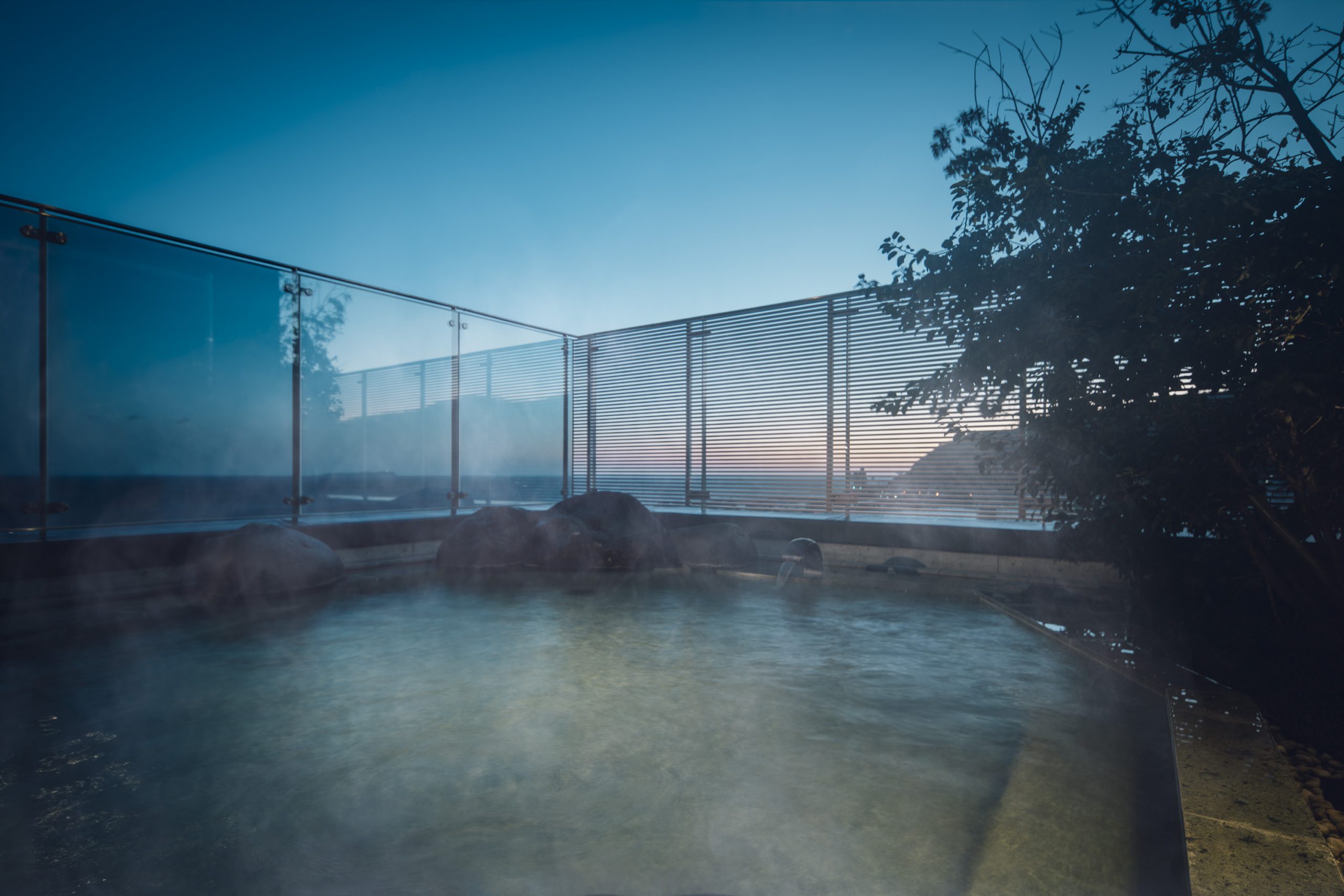
After soaking in the open-air bath on the top floor while gazing out at the vast ocean, you can spend a relaxing moment cooling off on the "San Buena Deck," designed to resemble a ship's deck.
For dinner, we offer a Japanese kaiseki meal that incorporates Izu-inspired ingredients with an essence of England, the birthplace of Miura Anjin. These dishes, conceived based on traditional British cuisine, are also a perfect match for beer.

- Hoshino Resorts KAI Anjin
-
- 5-12 Nagisa-cho, Ito City, Shizuoka Prefecture MAP
- Approx. 5 minutes by car from JR Ito Station
- 0570-073-011 (KAI Reservation Center)
- Available
- Click here for reservations
Hoshino Resorts KAI Anjin Reservation Site

Local supporter in charge of this article
KAI Ito
Ito Onsen, Shizuoka Prefecture
Accommodations where you can luxuriously enjoy hot springs, including baths with free-flowing source water, hot spring pools, and footbaths
Access About a 10-minute walk or 5-minute taxi ride from JR Ito Station
- Accommodation rate example
- Per person per night From ¥21,000
KAI Anjin
Ito Onsen, Shizuoka Prefecture
A modern hot spring inn featuring ocean-view guest rooms and art inspired by the sea and voyages

Access About a 15-minute walk or 5-minute taxi ride from JR Ito Station
- Accommodation rate example
- Per person per night From ¥17,000