





I have good luck by a sacred place in Izu and Ito and take the tour of power spots.
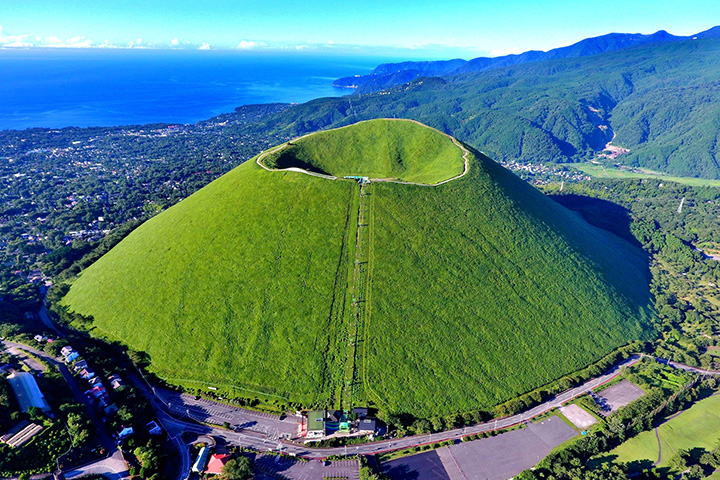
The better fortune spot in which luck is called is jam-packed in Ito and an area around Izu such as a shrine famous for safely delivered prayer and love accomplishment and meibaku where a minus ion is much including a symbol of Mt. Fuji and Ito which can get a bird's-eye view of Izu-shichito "Mt. Omuro". Expectation will be driven in ko at the stage of a story where you visited in the sacred place where gods gather round and the place where a natural breath is felt and colored it in history, and if, wouldn't you like to enjoy the tour of the power spots which bring vigor to a heart?
1Sound nothingness shrine
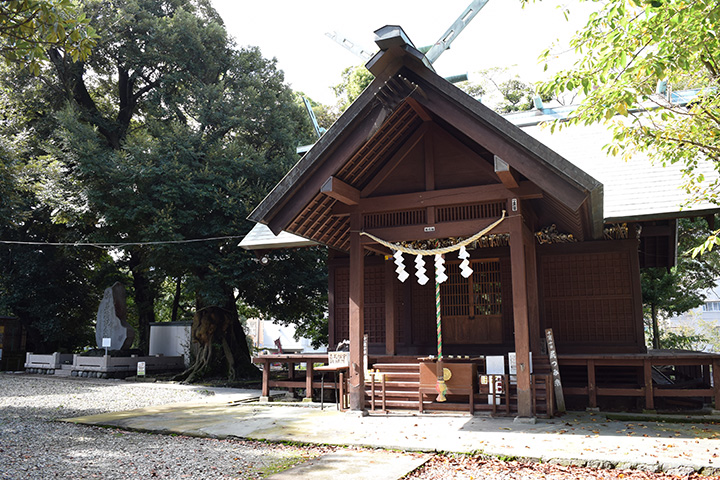
Shrine enshrined in an eastern coast on the sound nothingness river which flows through a Ito town at 10 minutes on foot from JRIto station (Matsukawa). Toyotama-bime who collects belief as God of safely delivered accomplishment (TOYOTA MAHIME) is deified. There is a custom in which the dipper through which the bottom passed by prayer of safely delivered accomplishment from the old days is put at this shrine, and I can ask to be espoused by many people from the number of the dipper displayed in headquarters.
The "ball camphor tree shrine" where the two people are made a deity in the corner in a precinct is telling that it was the place where a tryst of Minamotono Yoritomo and Yae princess was piled up, and is also enshrined. A tree of a big tab is next to it, and the heroic form beyond the age of the tree for 1000 years is seen. The spot which is recommended to the person who would like to make love be accomplished, too.

This place
Supporter
It isn't a big shrine, but there is taste and it's the place where history can be felt. Matsukawa esplanade is provided the back of the sound nothingness shrine with, so you can take a walk while feeling retrospective building and hot spring feelings much.
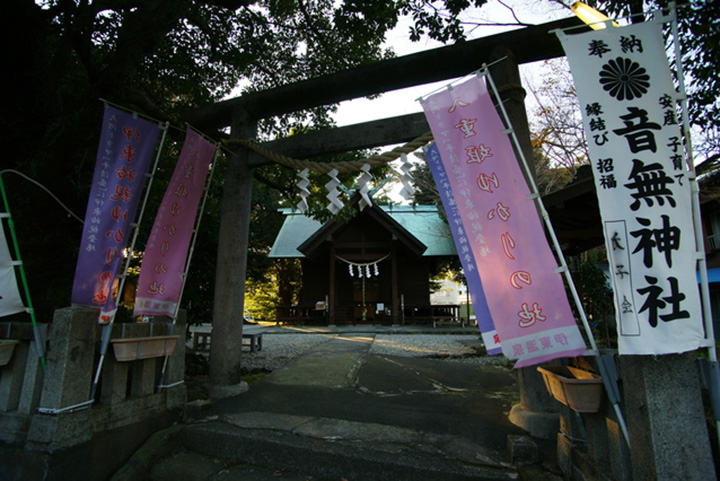
- Sound nothingness shrine
-
 Shizuoka prefecture Ito city 1-12, Otonashicho MAP
 From JRIto station, about 15 minutes on foot
 Free
Free 0557-36-2700
 I don't have that.
2Kusumi shrine (It's a waste atom.)
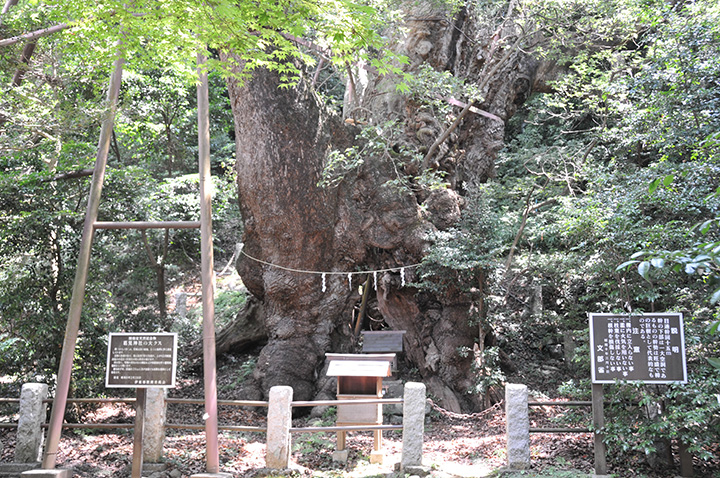
"Kusumi shrine" enshrined in the quiet place away from the center of town in JRIto city a little. The shrine where I have the history which continues from the Heian Period. "Okusu" where it's designated as a national natural monument to catch eye remarkably at a precinct overgrown with the trees. That the appearance by which an age of the tree feels the eternal time by the giant tree more than 1000 years are called is "spiritual tree", I call, it's a suitable existence sense. It's the power spot which can be realized that people in land sacrifice a prayer and have gone more than ancient times as "the place where Jin lodges at a giant tree".
This place
Supporter
A big camphor tree is mysterious! It's said that the pillar with which a roof of the Chozuya in a shrine is being supported is using former broken Torii by the Great Kanto Earthquake which occurred in 1923.
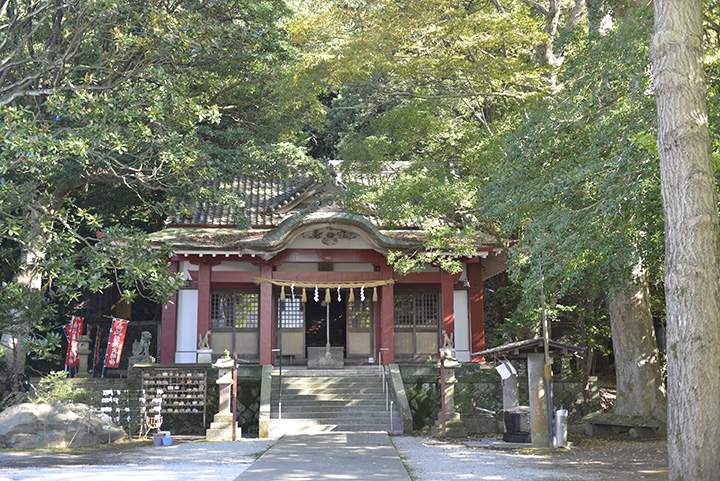
- Kusumi shrine
-
- Shizuoka prefecture Ito city 1-16-40, Babacho MAP
- From JRIto station, about 20 minutes on foot
- Free
- 0557-37-1050
- I don't have that.
3Mt. Omuro
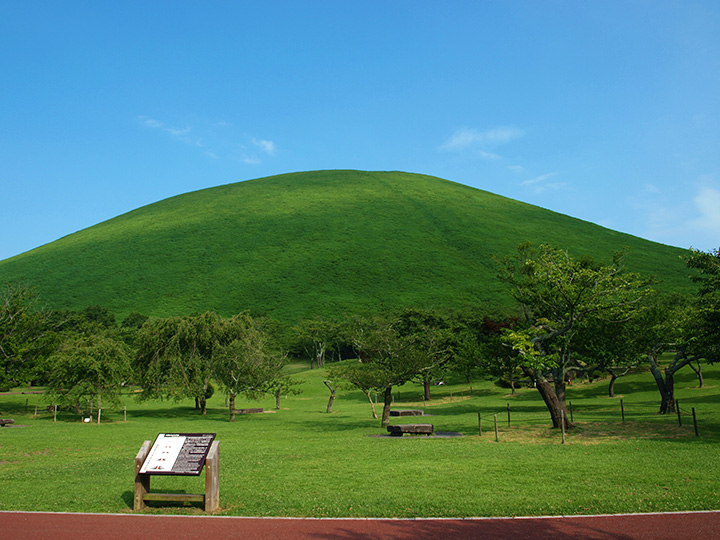
"Mt. Omuro" who has that in the location of about 10 minutes by car from Izukyu Izukogen Station. Wish the beautiful form that a bowl was turned down from all part in Izu-kogen, RAREMASU. From the top of the altitude 580m, in Mt. Izu-kogen, Amagi-san and Fuji, Izu-oshima and even, a large-scale view can be enjoyed. "Mt. Omuro" for, than ancient times, Mt. Fuji, "Mt. Omuro, Sengen Jinja Shrine" is built near the crater as the location of the belief.
Mt. Omuro's burning the dead grass of a mountain with history in more than 700
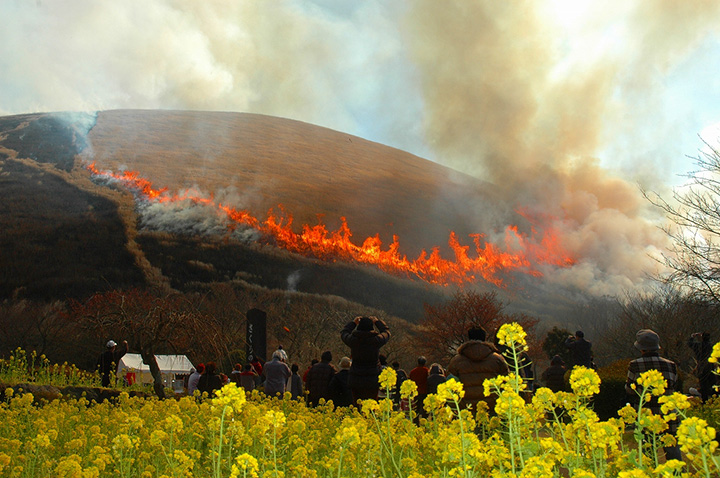
Miraculous virtue recommends that "Mt. miraculous Omuro" enjoys the look of the four seasons fully concerning the walkway where well is around the crater. Peak can be climbed by a lift, so it's also charm that walk can be enjoyed casually. (It's expected to hold it on 2nd Sunday in February every year.) green can get power from the beautiful scenery which quivers a heart such as Japanese pampas grass in autumn and winter burning the dead grass of a mountain in abundant summer, spring.
This place
Supporter
The very pleasant walk course where I have no one by which the "tour of rice tubs which orbits a crater interrupts a view. 360 times of panorama can be enjoyed!
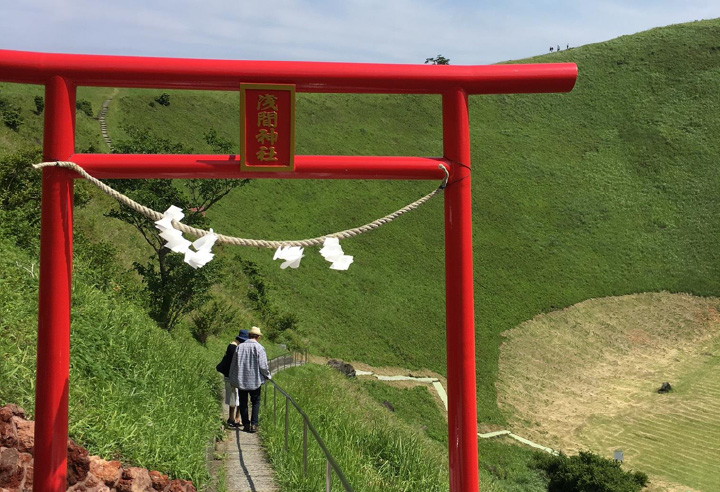
- Mt. Omuro
-
- Shizuoka prefecture Ito city pond 672-2 MAP
 Than JRIto station, Tokai bus "SHABOTEN park" way ride about 40 minutes and last stop getting off, immediately.
 A lift 3 Monday-September 9:00-17:00 (descent last 17:15) and 10 Monday-February 9:00-16:00 (descent last 16:15).
New Year's Day The sunrise on New Year's Day lift special movement Movement (9:30-) is usually begun after 5:40-8:00 (schedule)※ special movement. I don't have that There is a closure for※ Property inspection and maintenance.
- Walk freedom
Lift (round trip) An adult of 1000 yen and a (more than 4 years old) of child of 500 yen - 0557-51-0258 (Mt. Omuro, lift)
- Free
4Japanese horseradish swamp of a fall in Jouren and the world agricultural heritage
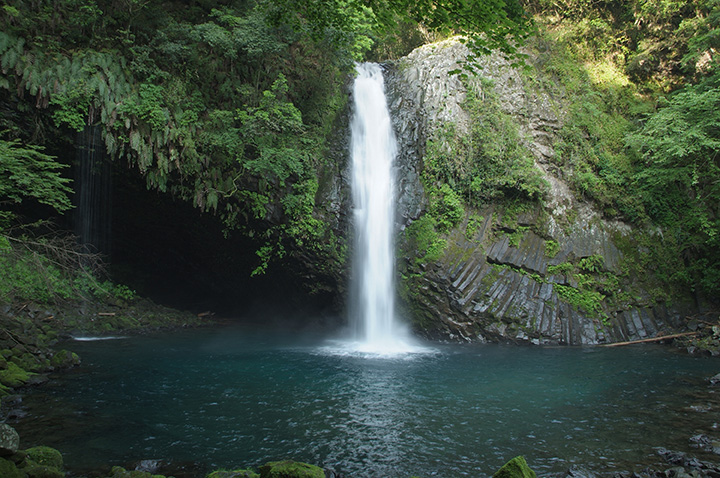
Amagi-san spread in a central part of Izu Peninsula. "Waterfall in Jouren" is in the mountains. The way to a waterfall following some other place of the Japanese horseradish swamp (Japanese horseradish ZAWA) was opened in the Meiji last years, but a garden web spider was also the place where a person doesn't approach from the profound and quiet elegance cityscape by which a legend as the center of the waterfall is to the extent it was left, before that. Zhou ream fern of a natural monument is also clumped in the circumference now, and untouched nature is left.
During making it silent, the state sound of water of the fall which drops affects is striking, and the mysterious color of the emerald is made the basin of a waterfall. A splash of water dances the water which drops from height 25m and width 7m intensely, and a minus ion occurs in quantities. A cool sense of cold water also heals the intervals purely, and the effect is an outstanding healing spot.
Izu Peninsula was selected in UNESCO world geopark in 2018, and "waterfall in Jouren" was also one of JIOSAITO.
This place
Supporter
It's healed in a beautiful clear stream. A Japanese horseradish soft ice cream is local specialty and the pain and the sweetness are exquisite!
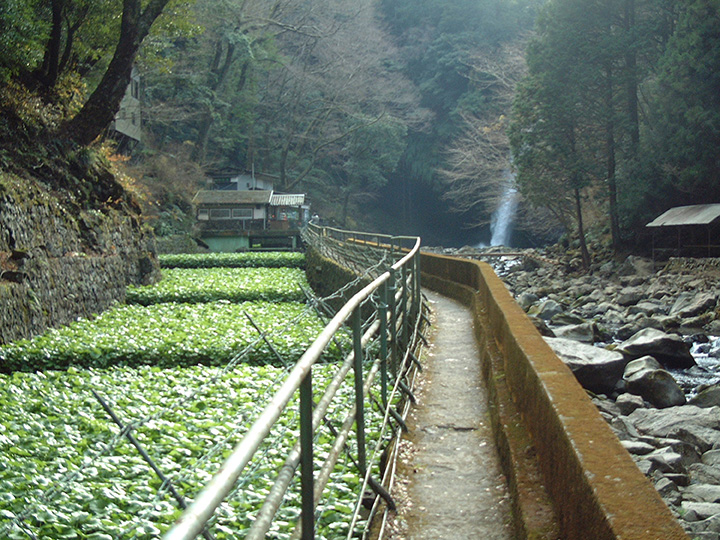
- Japanese horseradish swamp of a fall in Jouren and the world agricultural heritage
-
- Izu-shi, Shizuoka Yugashima 892-14 MAP
- I get off Tokai bus "Shuzenji" way ride for about 50 minutes "waterfall in Jouren" more than Izu Kyuko Kawazu Station, immediately.
- Tour freedom (fall sightseeing center 9:00-16:30 in Jouren)
- Free
5Tatsumiya kutsu
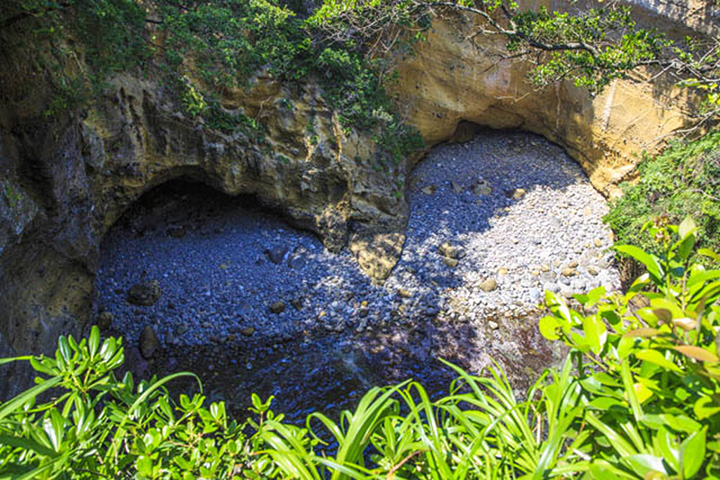
The soft stratum part of the cliff is encroached on by the wave hammered into a coast, and "Tatsumiya kutsu" located for about 15 minutes by car from Izukyu Shimoda Station is a built cave. The part of the ceiling part falls in, and it has a big hole of about 50 m of diameter. I'll look down upon a skylight and look stealthily at the inside from an esplanade. One inside the cave where the heart-shaped was made there. Its shape becomes famous and is also famous as a power spot of love by now.
The cityscape which comes down to a cave from an entrance of the roadside and wishes is also highlights. Beauty of the contrast of the lapillus and the blue seawater which also were in strata in how many layers on a wall in a cave? And that sunlight comes in from a skylight, that the environment shines, everyone fascinates in the brilliant mysterious landscape. This "Tatsumiya kutsu" is also authorized in UNESCO world geopark and JIOSAITO.
This place
Supporter
It's so fantastic that I'd like to see natural mystery forever surely. A natural sand skiing place made from a natural phenomenon is aside of Tatsumiya kutsu, and sand skiing of 30 times of inclination can be enjoyed.
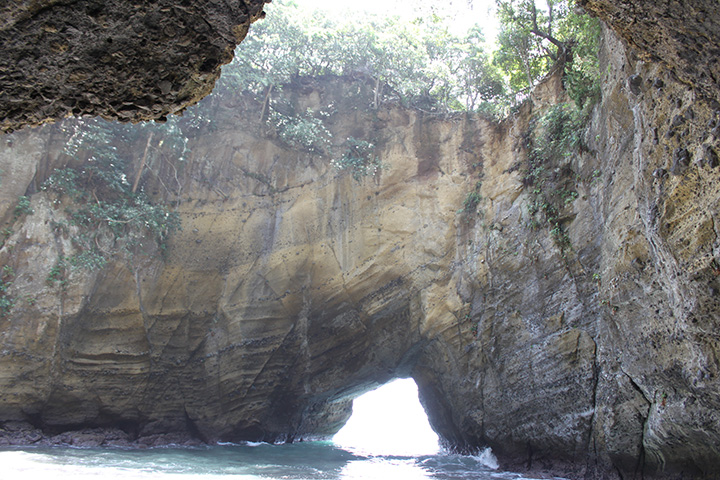
- The Palace of the Dragon King kutsu
-
- Toji, Shimoda-shi, Shizuoka. MAP
- I get off Tokai bus "Toji" way ride for about 20 minutes "the previous beach" more than Izu Kyuko Izu-kyushimoda Station, about 3 minutes on foot
- Free
- 0558-22-1531 (Shimoda-shi tourist association)
- Payment required (summer)

Local Guide which took charge of this article
- Suzuki dream fruitA smiling face is fresh.
Hoshino Resorts KAI Ito
Shizuoka and Itohot spring
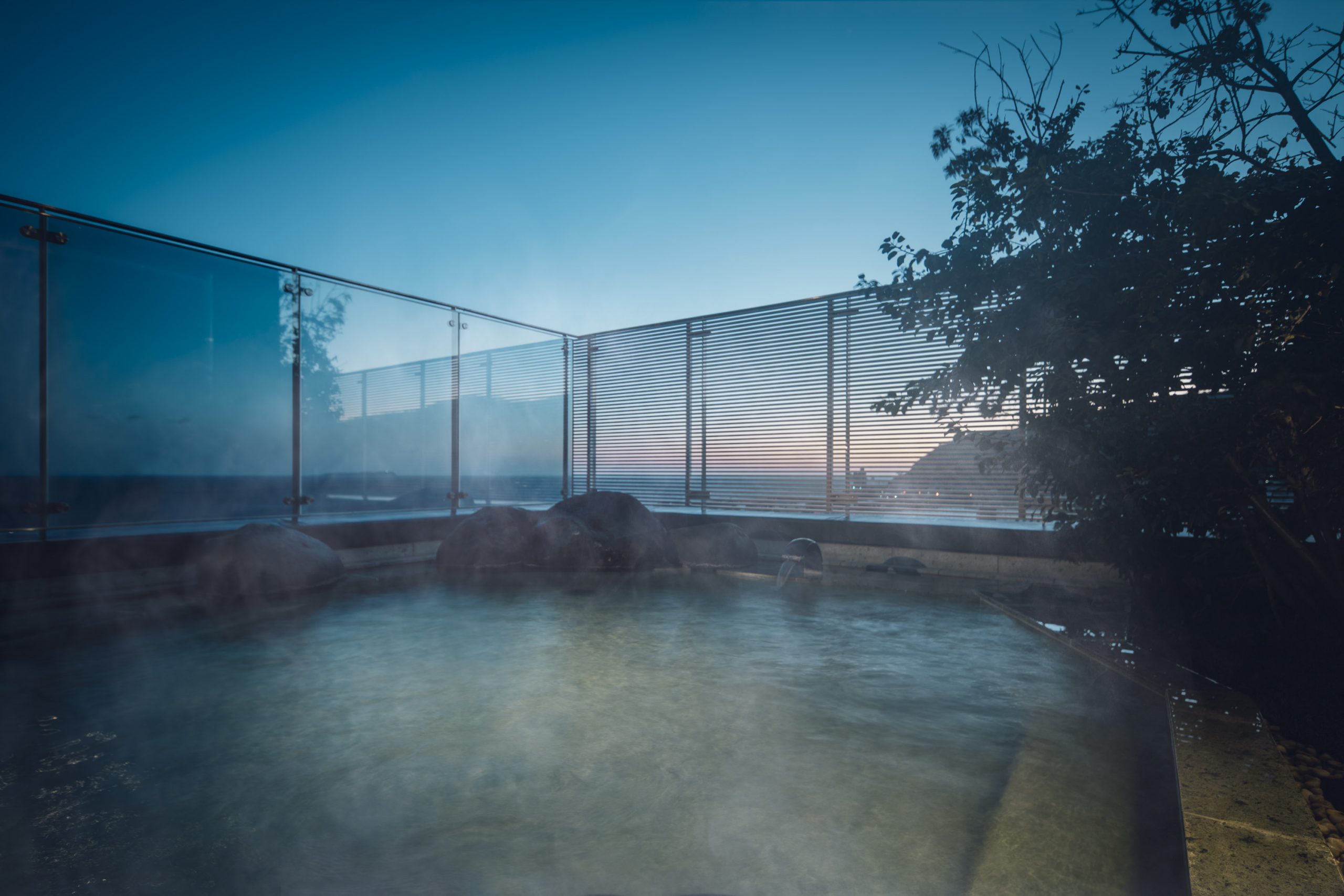
Bathroom in a source run sink, source pool and the inn where a footbath enjoys hot spring luxuriously
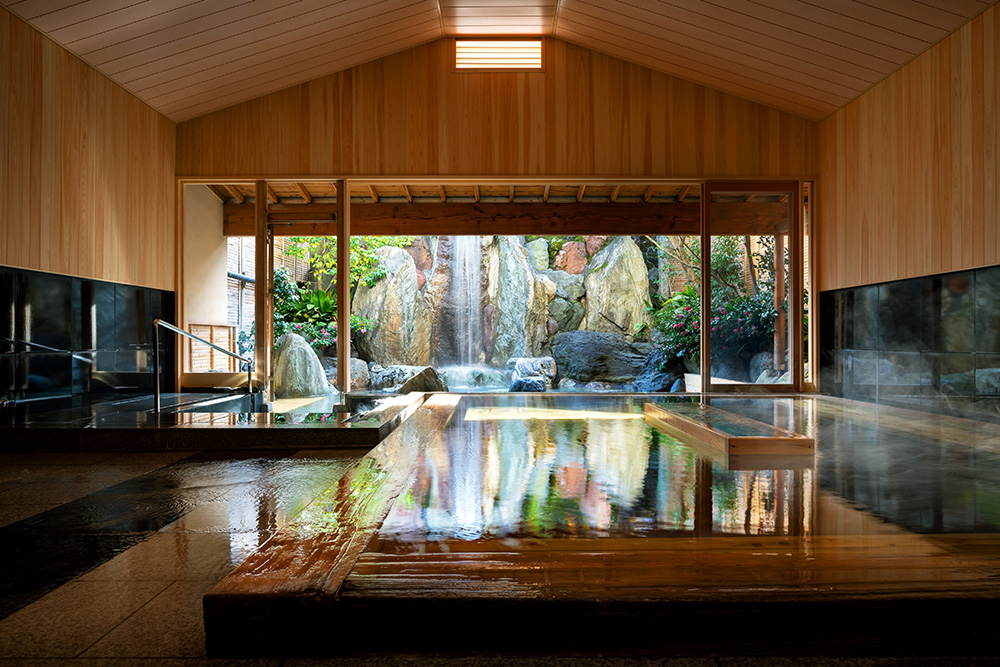
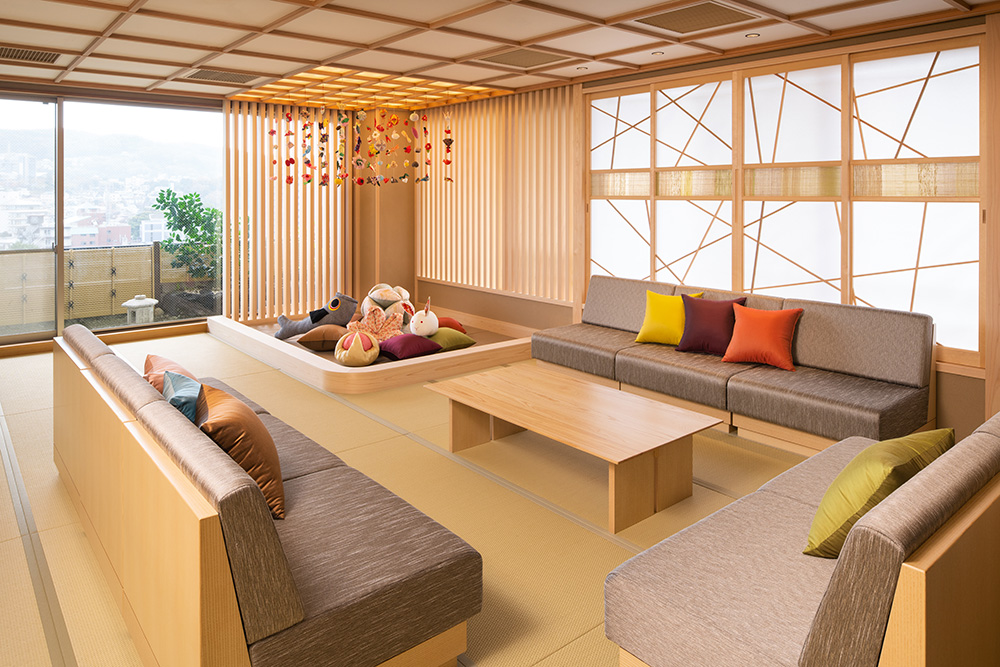
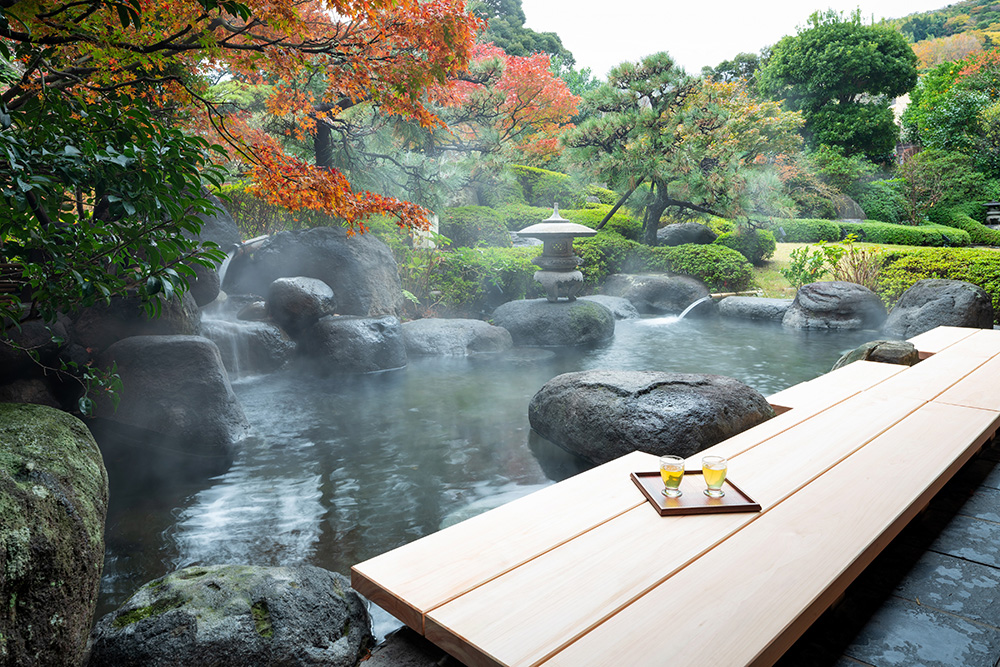
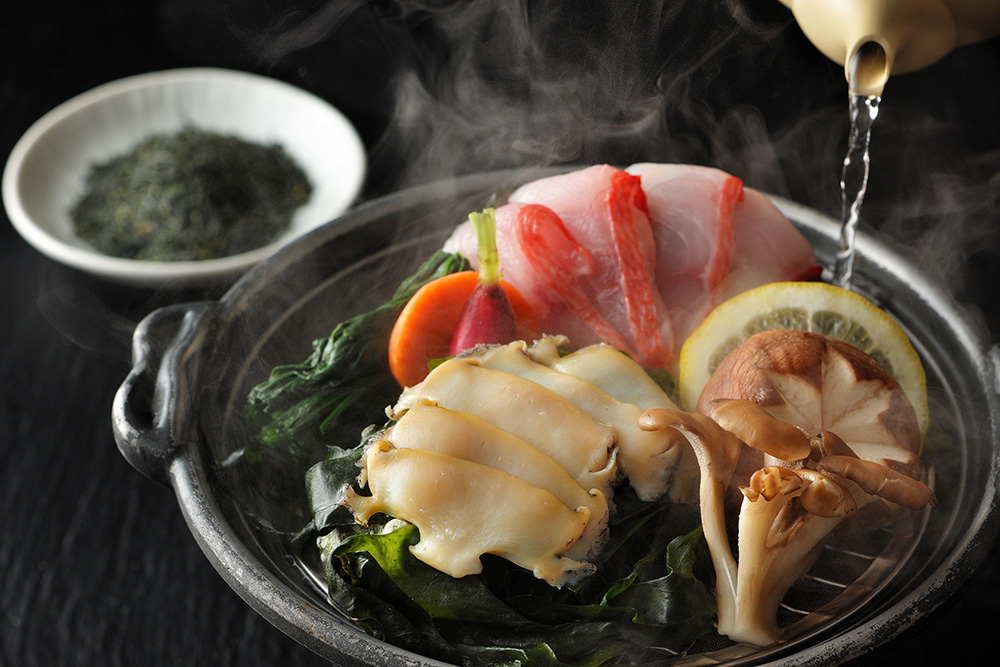
It's a taxi on foot for about 10 minutes from Direction JRIto station, about 5 minutes
- A room charge example
- 1 night, 1 person \21,000-
Hoshino Resorts KAI Anjin
Shizuoka and Itohot spring
Guest room of ocean view, sea and the modern hot spring inn where the art which concerns a passage was taken in

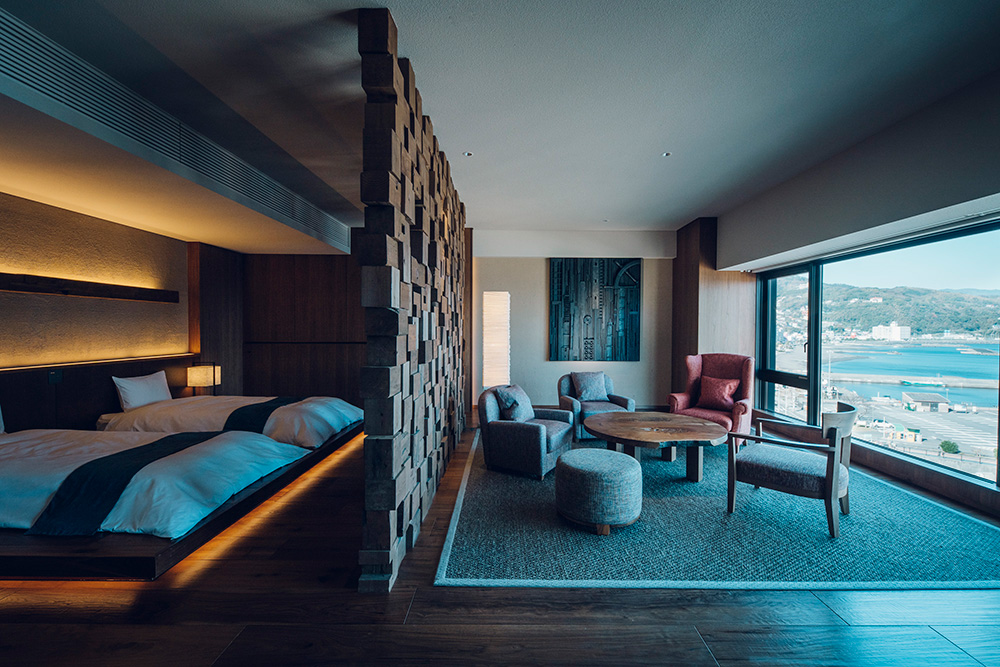
It's a taxi on foot for about 15 minutes from Direction JRIto station, about 5 minutes
- A room charge example
- 1 night, 1 person \17,000-