





I'll know the temperature Nagato city (Yamaguchi) and clothes.

Yamaguchi Nagato city located in the most northwestern end in Honshuu. There are also 5 hot spring places in the city at the wonderful cityscape place where "the north Nagato coast quasi national park" continues along Sea of Japan, and the north is flooding the charm to which emotions of the traveler are invited. It's next to Hagi-shi with World heritage where it's for a Hagi castle castle town and Shimonoseki-shi learned about for a Puffer Fish dish of Kanmon-kaikyo and local specialty, and you can enjoy yourself together with the surrounding sightseeing.
Though there is a climate in Sea of Japan coastal area again, it's different from the Sea of Japan side climate which involves a snowstorm. The winter is warm relatively from influence of the Tsushima Current, and the case that it snows is hardly in any place but a mountainous region. To be rainy and often also increase in precipitation for the rainy season, late summer and winter compared with Tokyo, when rainwear is carried, I'm relieved.
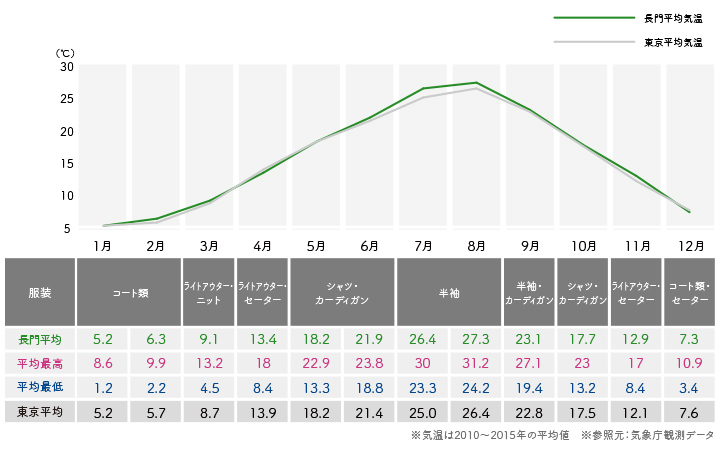
< the climate of Nagato city and recommended clothes>
About the temperature of the spring (3-May) and clothes in Nagato city.

The average temperature of March in Nagato city is about 9 ℃. The first ten days repeat the temperature and a fine day follow at the middle ten days. "Marine traffic safe powwow" of the Omishima sightseeing steamship by which it's performed on March 15 every year to tell spring. The marine parade by which 8 sightseeing boats in which a big flag was inserted go around each fishing port is impression enough.
That "Omishima" and "daineitera (would, NEIJI)" are brilliant at Sakura, at the end ofMarch-at the beginning of April. You can spend the daytime when I go up to nearly 20 ℃ by a long-sleeved shirt, but it's cold in the evening, so it's cold protection by a sweater and a rather light outer.
"Tawarayama rosebay garden" is 30,000 stocks of rhododendron, and the beginning of colored 4 Monday-May is most suitable for the weather and blessed going out. There are a lot of fine days in May in particular, and the average temperature rises even nearly 19 ℃. During a shirt and the refreshing climate which can be spent by a cardigan, flower viewing and walk can be enjoyed.
About the temperature of the summer (6-August) and clothes in Nagato city.

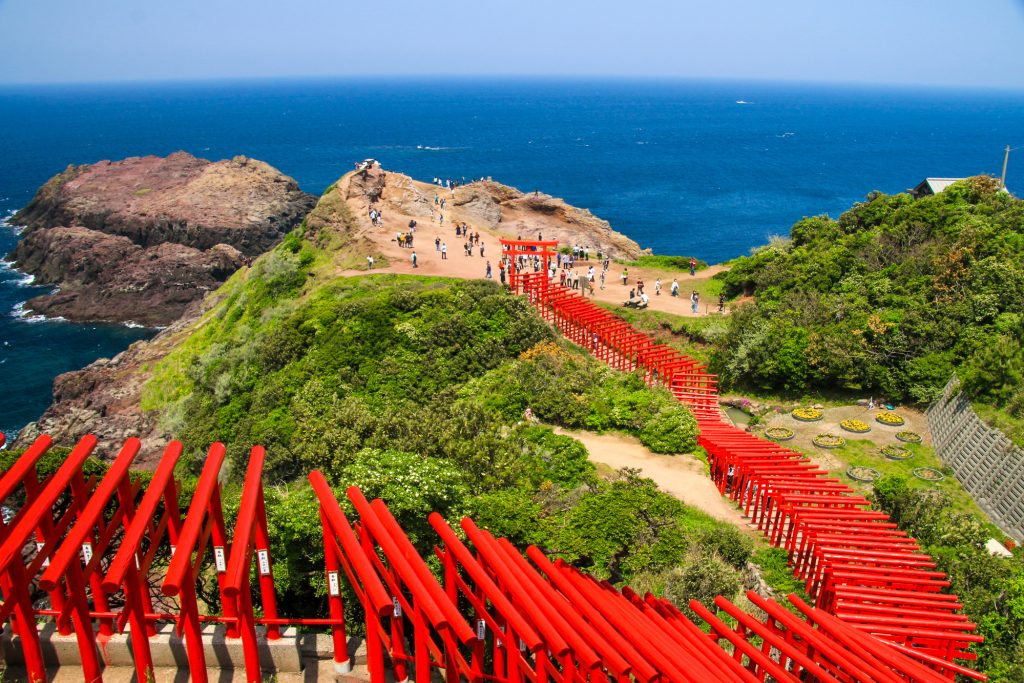
It's at the beginning of June that an ordinary year and the rainy season start. Well, this time is semiarid, the average temperature is also more than 20 ℃. Even if I have time by a shirt and cut and sew, it's felt pleasantly. It's also recommended to visit "motonosumi (original corner) shrine" while taking a walk through beachfront. The states by which 123 of red Torii ranges in a cliff are highlights.
The outer windbreaker etc. some fresh air is difficult to blow through which as the rainy season cold measure plays an active part after the middle of June a day becomes rainy when.
In the heat by which we assumed that I sizzled from the middle of July of the end of the rainy season to the end of August. I prepare for sunburn prevention and an air-conditioning measure at indoor, and when there is a thin cardigan, it's convenient. A community of a crinum blooms in Shirahama in summer, "about NI, NO beach" is popular. The water quality is also a clean beach nationwide most, and I bustle with a family with kids and a surfer.
About the temperature of the autumn (9-November) and clothes in Nagato city.

The highest temperature at the beginning of September exceeds 25 ℃, but the lowest average temperature is lower than 20 ℃, and cityscape is also showing signs of autumn. The superb view where a sea is seen in the inside of Sen Hirata "Higashi Ushirobata (a day has, following BATA), Tanada" is brilliant in gold, and the fantastic view on which fire lit on a boat to lure fish floats invites nostalgia to the offing in the evening.
The average temperature of October is about 23 ℃. The weather is also the climate which is enough when there is often a thin outer in a shirt.
Best time of colored leaves, at the beginning ofNovember-at the beginning of December. "daineitera" colors from Nagato kyou and is dyed in brocade at the middle of November. A coat and stoles need November which becomes less than 10 ℃ for the average lowest temperature.
About the temperature of the winter (12-February) and clothes in Nagato city.
The winter average temperature is same as Tokyo mostly from warm influence of the Tsushima Current. Though it's the Sea of Japan side, it's mild relatively and it hardly also snows in any place but a mountainous region. There is still average highest temperature about 15 ℃, and the beginning of December can have time warmly at a wool court of a trench coat with a liner and thin cloth.
The average lowest temperature is in the coldness by which the average highest temperature also seems to be about 9 ℃ and winter about 2 ℃ at the middle of December from after a while to February. The thick court is indispensable. It's windy, so when the attachment by which the prevention cold season makes the neck and the hand a stole and gloves is prepared, the beachfront is thoroughgoing.
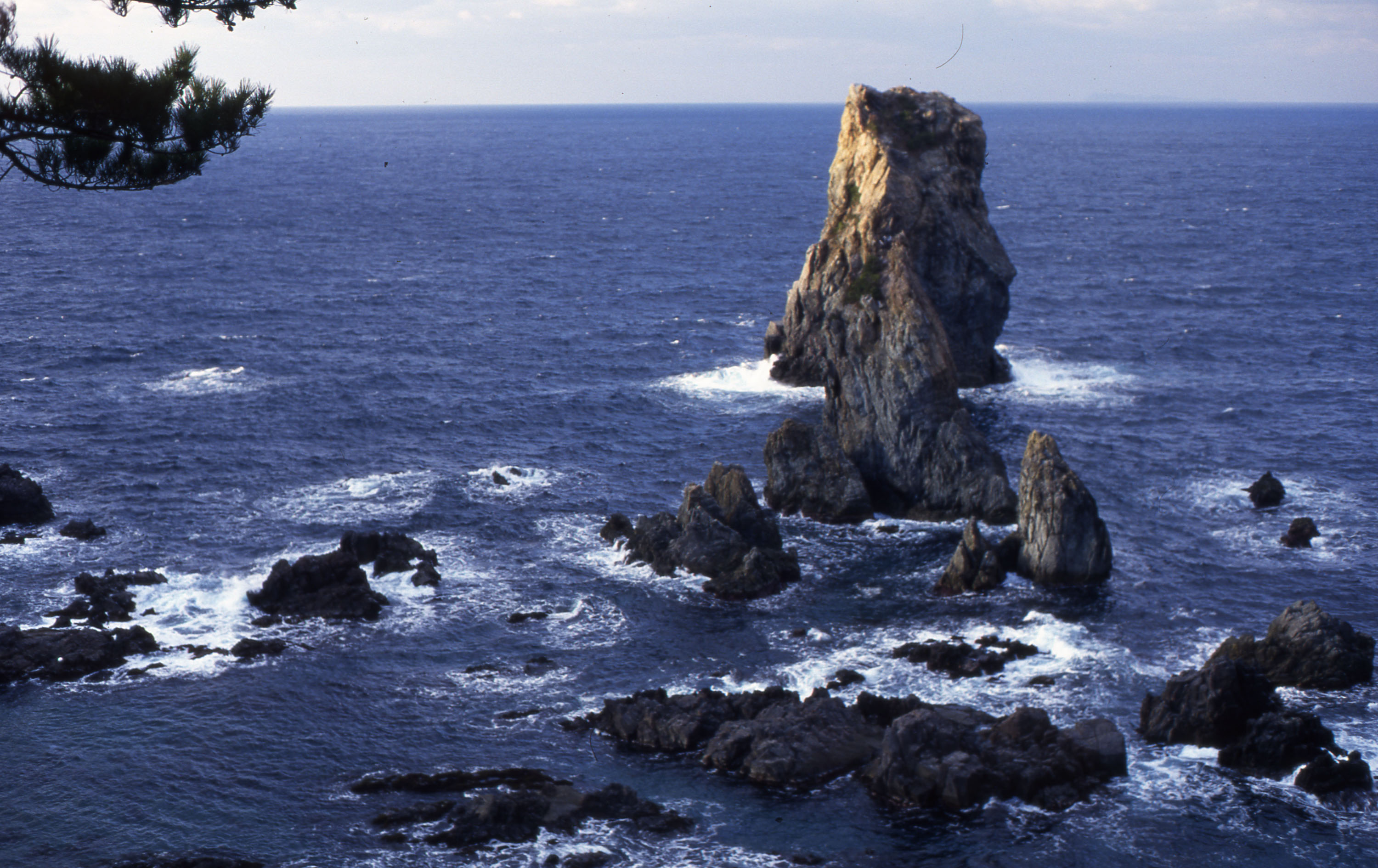
This time, the taste of Sea of Japan of local specialty "Senzaki BU and squid", angler and yellowtail is jam-packed. It's possible to lay eyes on a strangely shaped rock crowd who towers in the raging wave in Sea of Japan at the scenic area and Omishima called "the sea Alps".
< Hot spring ryokan Yamaguchi's Traditional Pottery colors> Hoshino Resorts KAI Nagato.
SOZORO walks hot spring district where a seigneur was healed.
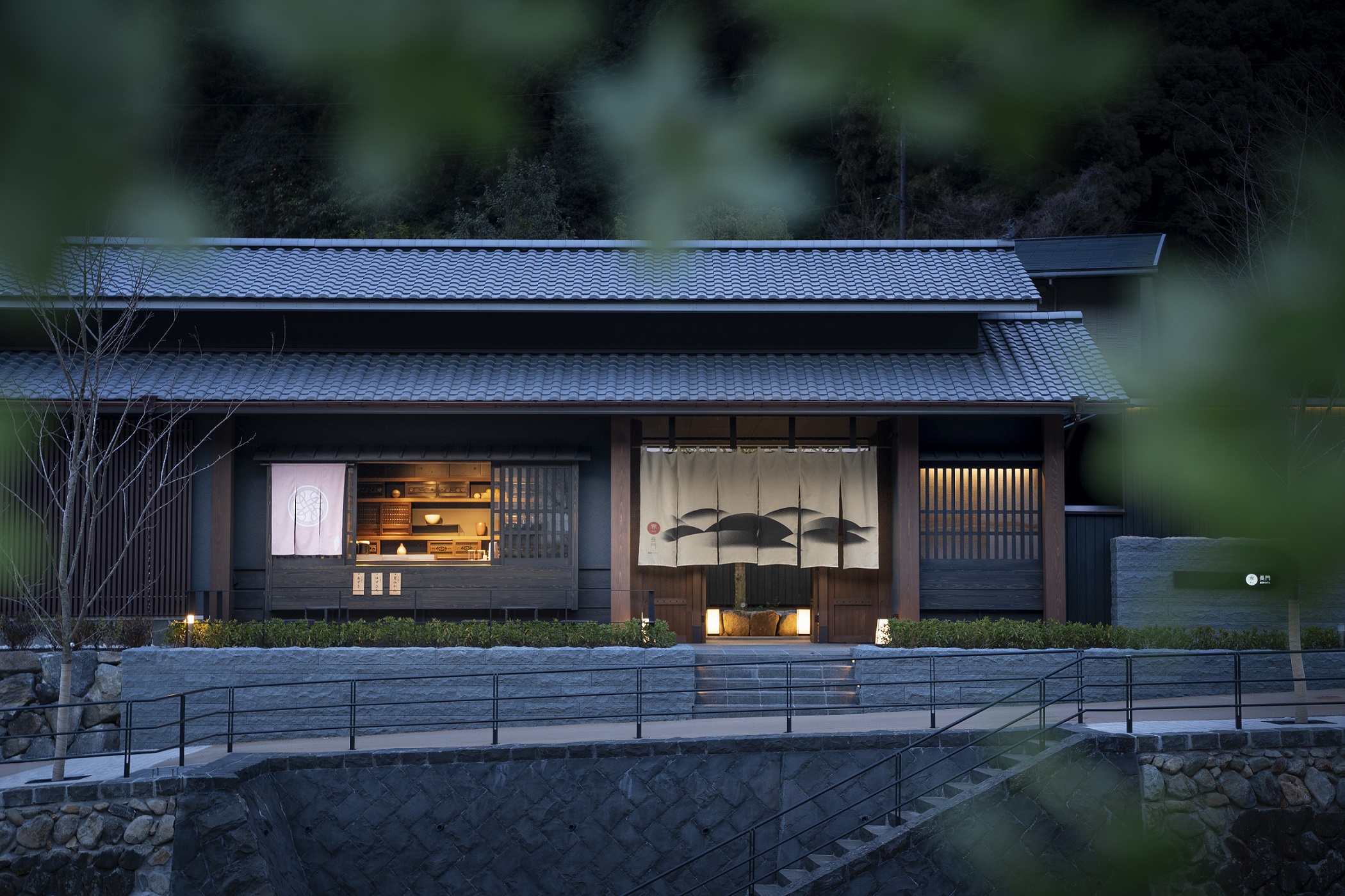
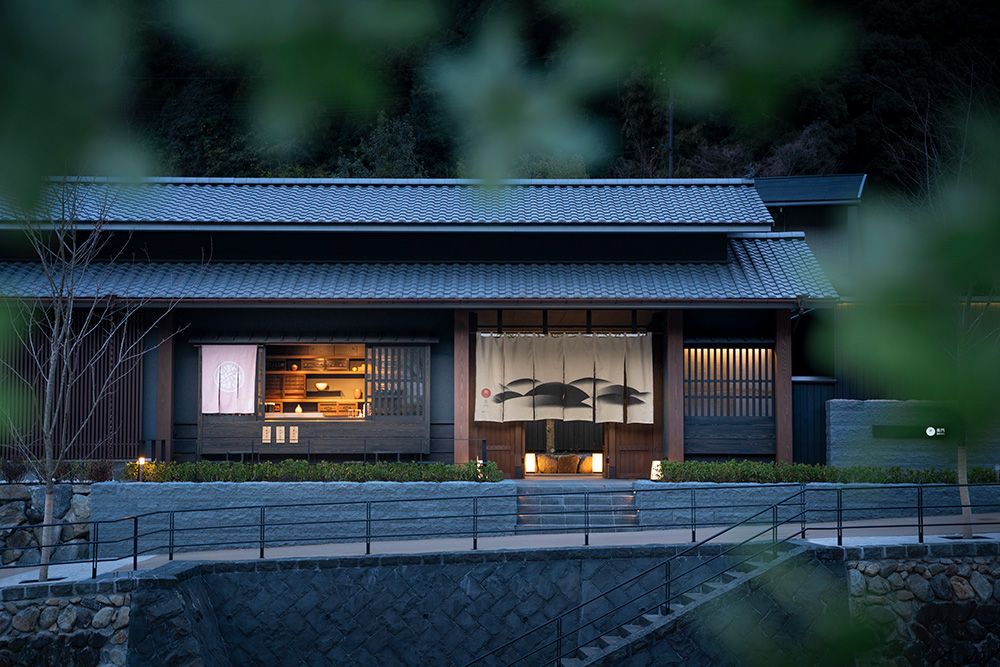
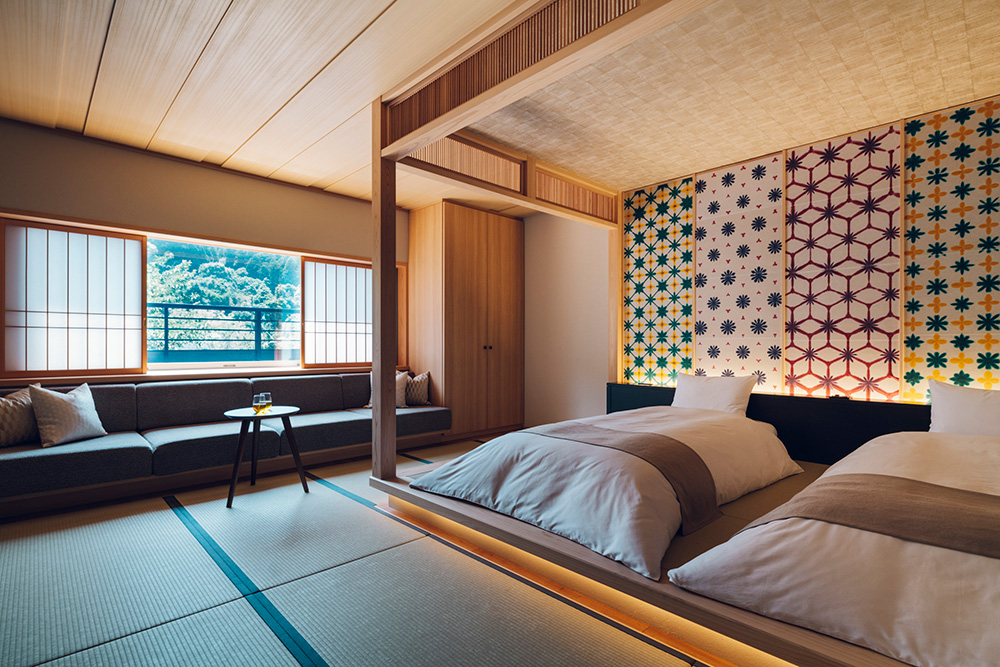
It's a car from Shin-yamaguchi Station, about 1 hour. Yamaguchi oldest hot spring place where Nagato Yumoto hot spring possesses kaiyuyaku 600. A seigneur is learned about as the efficacious hot spring which was often visited in the Edo Period. While "Hoshino Resorts KAI Nagato" is located in the center of hot spring district, and whole Guest room "is Nagato five color scheme". Traditional Pottery items of Yamaguchi color a stay Tokuji Japanese paper, Potteries of Hagi, bush clover glass and Ouchi nuri.
A meal can enjoy the rich material of the season such as seafood, vegetables and fruit such as the squid enjoying in Yamaguchi-ken. Then "dawn cafe" facing the river sells Red Bean Pancake using the taste of Yamaguchi "Yuzu citrus Kichi". It's also recommended that a ramble makes the clear stream and Otozuregawa Red Bean Pancake one hand.

Local Guide which took charge of this article
Hoshino Resorts KAI Nagato
Yamaguchi and Nagato Yumoto hot spring
The make which was located in Nagato Yumoto hot spring which represents Yamaguchi, and designed "restaurant residence" in the Edo Period is a hot spring inn of the feature.
-2.jpg)
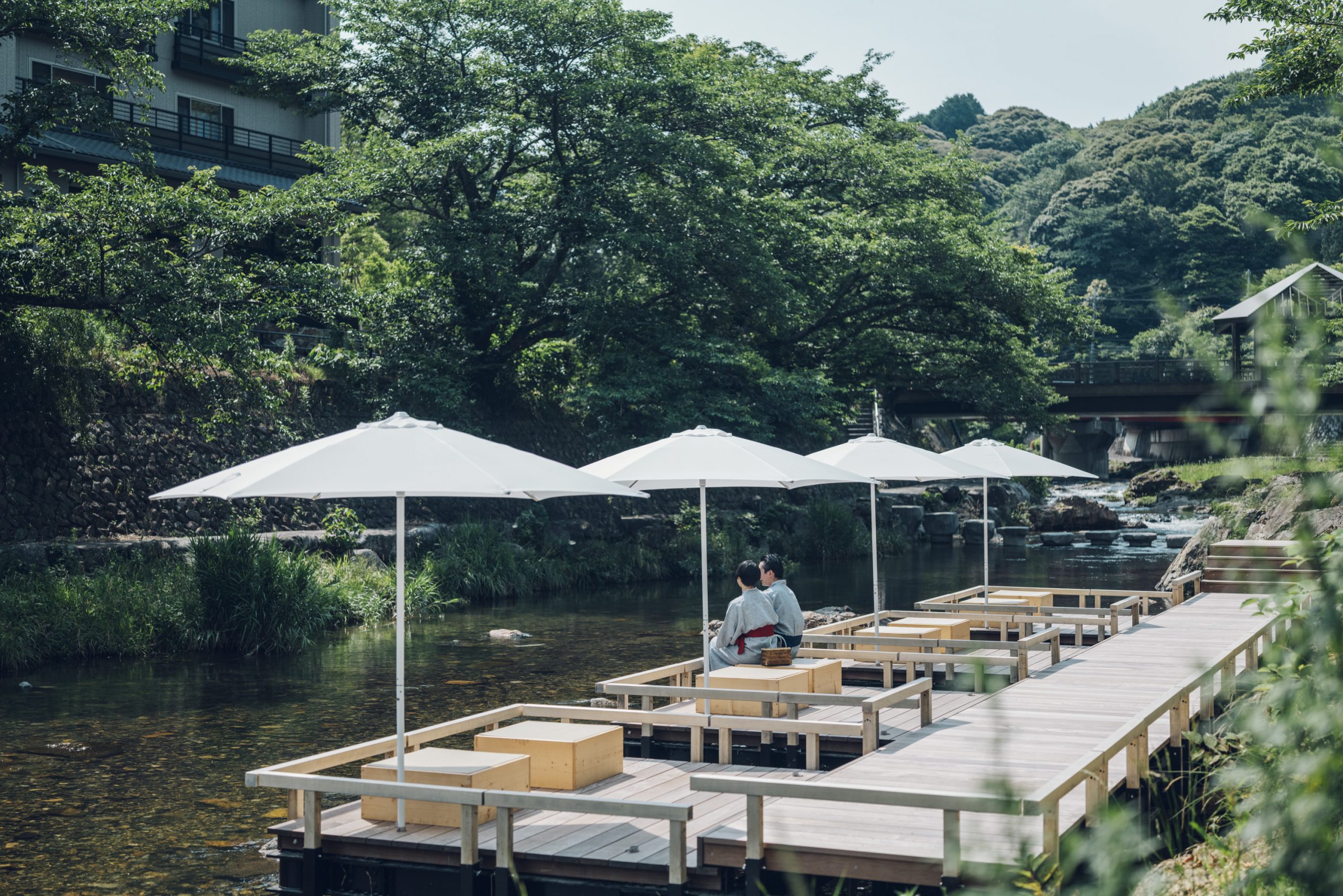
From the Direction JRNagato Yumoto hot spring station, about 15 minutes on foot
- A room charge example
- 1 night, 1 person \21,000-