





I'll check the temperature of the four seasons and clothes in Hirosaki.


Hirosaki-shi where Shirakami-sanchi and Owani (alligator) were circled by Yamachi in Iwaki-san and the south in the northwest. In the natural inside abundant at the plateau and the hills where I participate in the respective mountains, in the Aomori, an apple orchard which occupies 40 percent of production spreads.
The annual average temperature is 10.5 ℃. They become short 5.3 ℃ compared with 15.8 ℃ of annual average temperature Tokyo by the cool climate through 1 year.
The rainy season isn't so influential in the Tsugaru area where Hirosaki-shi is here, and the early summer is hot weather, and the day which dried tends to continue. On the other hand, in the heavy snow which is peculiar to Sea of Japan side because the air by which a seasonal wind became moist coldly is crashed against Ou-sanmyaku, and winter can shower snow. The climate is also different from Towada-shi in the Pacific Ocean side and Hachinohe-shi in the same Aomori big.

< the temperature of the four seasons in Hirosaki and recommended clothes>
About the temperature of the spring (3 Monday-May) and clothes.

March when the silver world still spreads. 1.7 ℃ and the severe coldness follow the average temperature, so cold protection is indispensable. A thaw starts from the middle of March when the highest temperature rises up to 8 ℃ to the last ten days, and the trees and plants begin to bud.
The average temperature of April is 8.0 ℃. From the end of April when a cherry tree will be best time to the beginning of May, the highest temperature, about 5 ℃ and the temperature difference are big and about 15 ℃ and the lowest temperature will be. When going out to Hirosaki Castle and famous place for beautiful cherry blossom in Iwaki-san, I'll recommend to carry a court around.
When passing the middle of May when a flower of apple meets full bloom, the average highest temperature meets a refreshing season beyond 20 ℃. Light dress of thick cut and sew is enough, but when a windbreaker and a knit cardigan are carried, this time, the daytime is thoroughgoing.
About the temperature of the summer (6 Monday-August) and clothes.

June the rainy season isn't so influential and when I have little precipitation during 1 year is going out weather. The average temperature is 18.9 ℃ and the season which fits it's easy to have time and to take a walk through a nostalgic Hirosaki-shi district.
23.1 ℃, August turns 24.4 ℃ with 3-summer low and cool 4 ℃ compared with Tokyo for the average temperature of July.
The "Hirosaki Dummy Float Festival called Neputa festival" designated as national important intangible folk cultural properties is held at the beginning of August. When the festival wrapped in a whirlpool of heat ends, midsummer also ends by and by. That you can have time by short sleeves and sleeveless clothes, only the daytime. The next and the coolness are felt less than 20 ℃ in the evening. I'll provide a cardigan and a long-sleeved shirt.
About the temperature of the autumn (9 Monday-November) and clothes.

The average temperature of September is 20.0 ℃. The heat is also settled and a morning and evening will become chilly at the middle ten days. Peak also colors the autumnal tints of "Iwaki-san" called TsugaruFuji, and the whole mountain will be dyed in flamboyant autumn at the last ten days. The autumnal tints of the Hirosaki Castle by which 1000 maples and 2600 cherry trees color, it's best time from the middle of October to the beginning of November. Apple hunt can also be enjoyed from October to the end of November.
For the daytime to become about 10 ℃ of temperature this time about 15 ℃ in the evening, I'd hope that you prepare the court which can be put on on the shirt and the knit.
A day when the average temperature falls below 5 ℃ will be the middle November much, much, the temperature falls. It snows for the first time of the season and I begin to receive a winter letter.
The average temperature of November is the temperature like January of Tokyo, so I'll go out by the clothes which took cold protection.
About the temperature of the winter (12 Monday-February) and clothes.

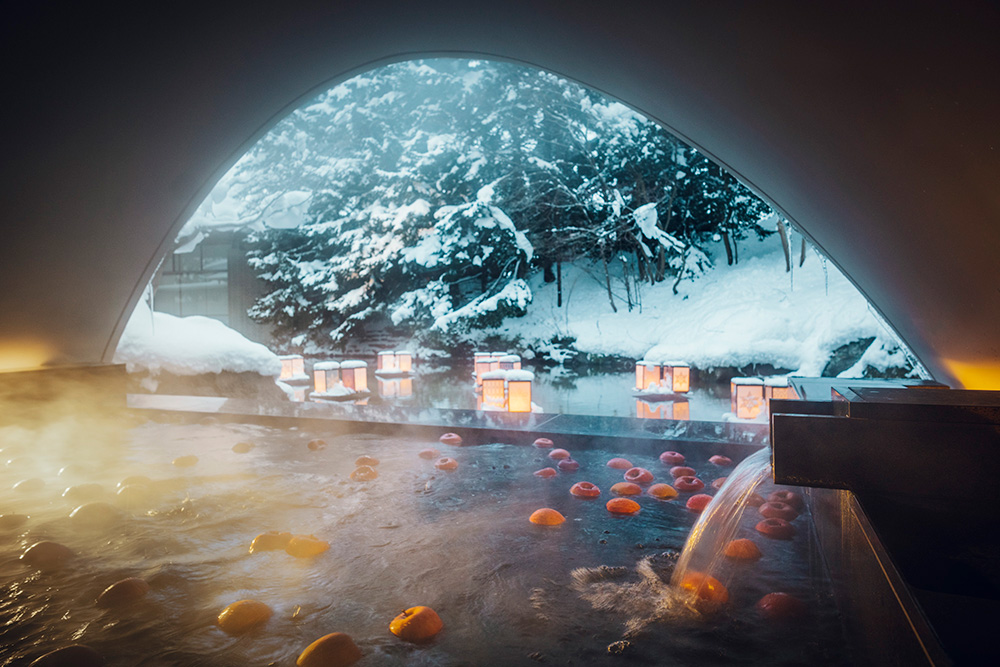
The average temperature of 12 Monday-February in Hirosaki is 1.1 ℃ of-. There is also a day when I go down to by the lowest temperature- 8 ℃, and it'll be the coldness which feels chilled to the bone. There are also a lot of days when it snows, and the amount of snow cover is also increasing gradually from December, and January and February are exceeding 80 cm. Small fry of a muffler in addition to a down court and long pants with a lining, gloves and a body warmer will prepare it and carry cold protection without exception, too. Snow boots prepare for snow and would be good for a foot.
A highlight is also filling winter Hirosaki. The illuminations which light up a Western house in the city and "Hirosaki Castle snow light basket festival" a light basket of about 200 sets of various statue of snow and snow equals are in winter charming sights in Hirosaki already. There are also a lot of folk belief events of a lunar New Year Tsugaru rural areas, and other ones "demon company sacred straw ropes dedication nude coming" are performed.
Hoshino Resorts Aomoriya by Hoshino Resorts
Heat of Nebuta Festival is 365 days! Inn like a theme park in Aomori
-1.jpg)
It's curtesy transportation bus from Hachinohe Station, about 40 minutes. The hot spring inn where a festival in Aomori and culture of a dialect can be enjoyed fully. All places are colored by the decoration you're deifying in inside of the building, and a heart is just walking and is excited. A show of a musical accompaniment of Aomori four big festival is being also held every night. It's possible to enjoy culture Aomori such as Activity which goes around the park which spreads in the site in about 22 mantsubo by carriage and hot spring "fuyu" healed by the good hot-spring quality.

- Hoshino Resorts Aomoriya by Hoshino Resorts
-
 Misawa-shi, Aomori letter 56, Furumagiyama MAP
 From Aoimori Railway Misawa Station, about 10 minutes on foot
 0570-073-022 (hotel reservation)
 I have that.
 Your reservation is this.
Hoshino Resorts Aomoriya by Hoshino Resorts Reservation site.
Hoshino Resorts Aomoriya by Hoshino Resorts Stay plan reservation site with an airline ticket.
Hoshino Resorts Oirase Keiryu Hotel by Hoshino Resorts
Fresh green leaf, colored leaves, icefall and the inn where natural beauty can be enjoyed at any time of the year around

It flows in the Towada-Hachimantai National Park, resort hotel located along Oirase valley stream. You can arrange Restaurant which wishes for a valley stream, hot spring and Guest room and enjoy the stay which feels natural beauty fully. It's also one of the features that nature in a national park can be enjoyed fully through one year because Activity every four seasons such as "moss Sanpo" and "icefall light up tour" is also putting it into effect again. The nature tour guide who knew everything of the surrounding nature shows fresh green, the autumnal tints and a snow scene the most beautiful scenery the time.
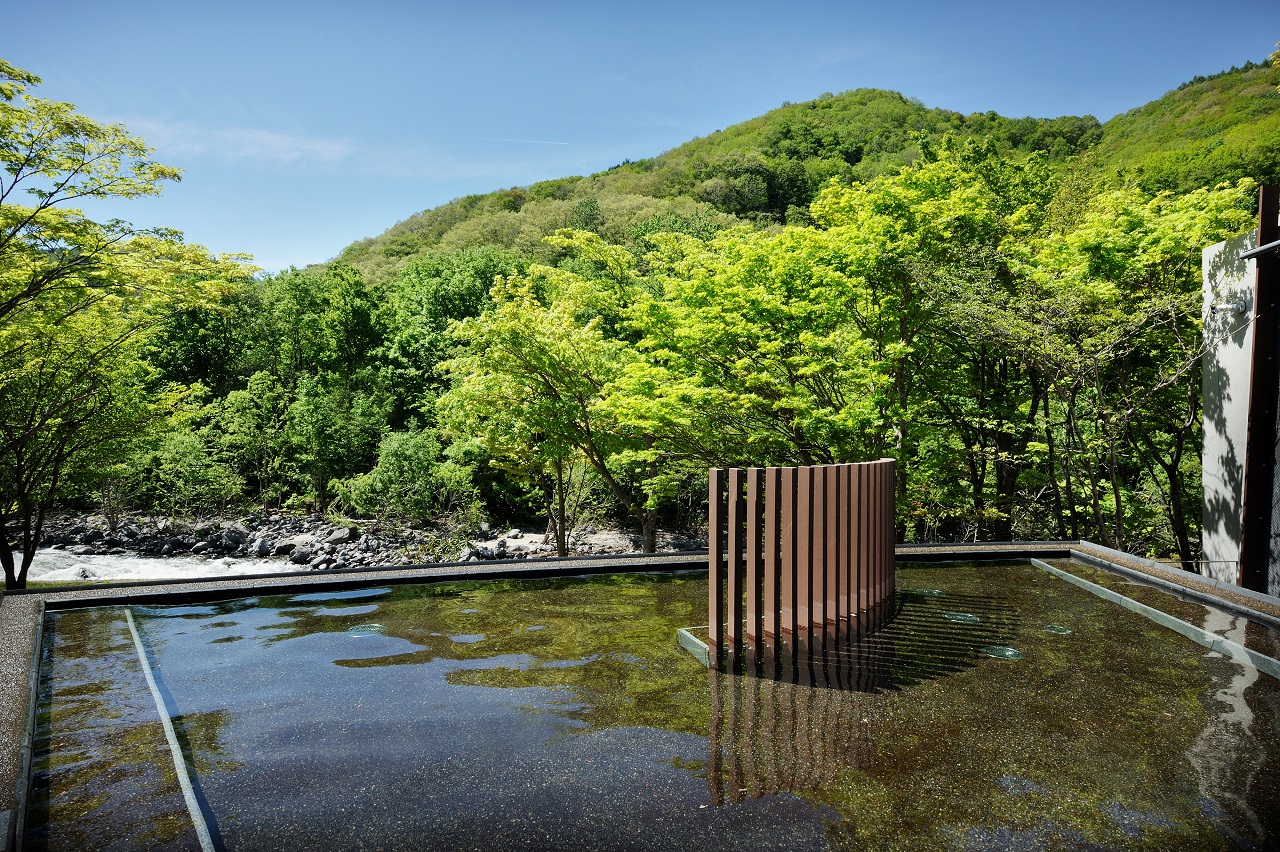
- Hoshino Resorts Oirase Keiryu Hotel by Hoshino Resorts
-
- Towada-shi, Aomori large section of a village Okuse letter Tochikubo 231 MAP
- It's curtesy transportation bus from JR Shin-Aomori Station, about 90 minutes
- 0570-073-022 (hotel reservation)
- I have that.
- Your reservation is this.
Hoshino Resorts Oirase Keiryu Hotel by Hoshino Resorts Reservation site.
Hoshino Resorts Oirase Keiryu Hotel by Hoshino Resorts Stay plan reservation site with an airline ticket.
Hoshino Resorts Hoshino Resorts KAI Tsugaru
I relax by a bathtub of Aomori HIBA and am overwhelmed by the sound of the Tsugaru shamisen.

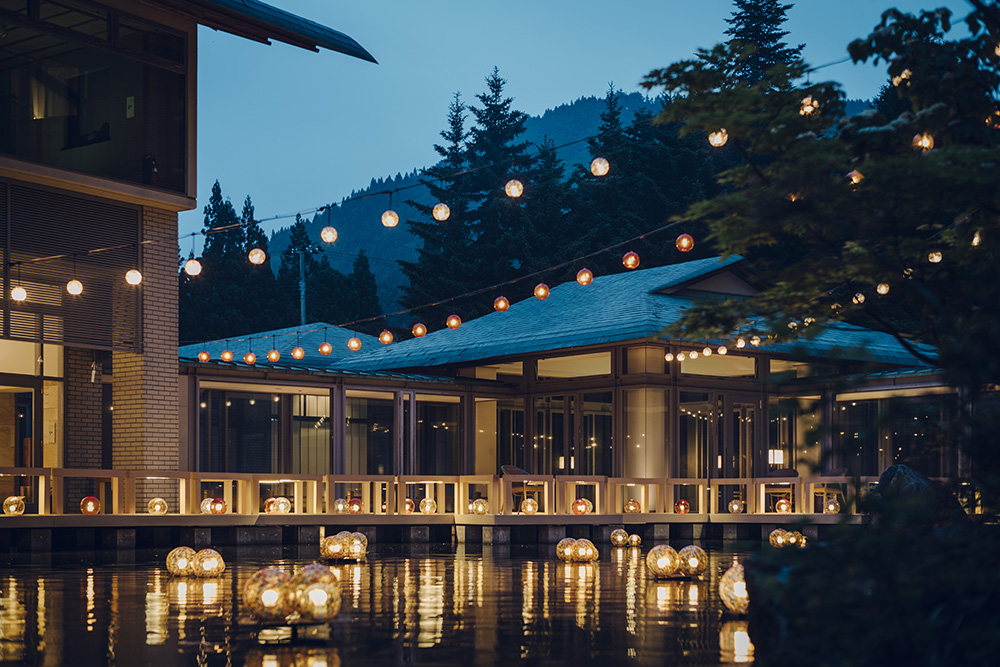
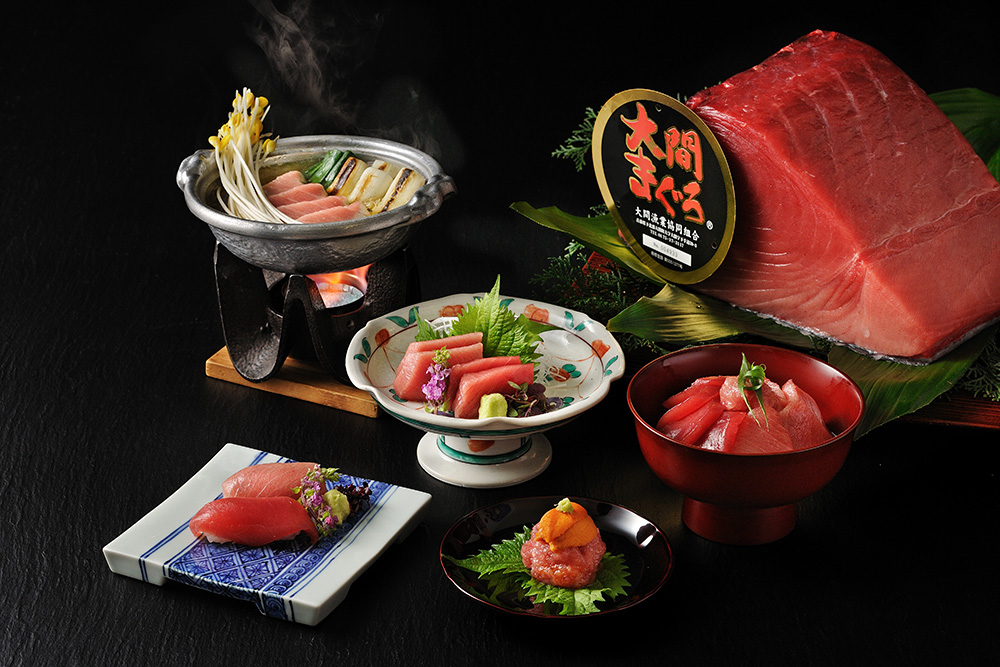
A drawing room in the back in Tsugaru and Owani with history for about 800 years per about 10 minutes (alligator) are Hot spring ryokan which pauses in a hot spring village by train from Hirosaki. A body is left to soft hot water thickly at a bathroom in Aomori HIBA, and you can enjoy a view in a garden in each season from a big window. A meal prepares the KAI Local Flavors dish which tastes mountain seafoods abundant in Aomori. Since spring hangs flower viewing crab and summer in winter from ear shell and autumn, please eat tuna of Oma and the dish provided with every possible luxury. All the rooms took Traditional Pottery in in Guest room "of Tsugaru KOGIN, while". You can spend some time of the relaxation at space of a modern total.
Staff/staff member which received the rudiments with the whole country champion of a Tsugaru shamisen shows a live performance every night in front of the mural of a great master of a Japanese painting and Matazou Kayama "spring and autumn high wave". Please enjoy the sound of the force which shakes air.
- Hoshino Resorts Hoshino Resorts KAI Tsugaru
-
- Aomori south Tsugaru area Owani (alligator), (an involved button, leaking) 36-1, Botanmori on town Owani letter MAP
- It's a car from the JR Owani hot spring station, about 5 minutes
- 0570-073-011 (the world, reservation center)
- I have that.
- Your reservation is this.
Hoshino Resorts Hoshino Resorts Hoshino Resorts KAI Tsugaru Reservation site.
Hoshino Resorts Hoshino Resorts Hoshino Resorts KAI Tsugaru Stay plan reservation site with an airline ticket.

Local Guide which took charge of this article
Hoshino Resorts KAI Tsugaru
Aomori and Owani hot spring
Hot spring ryokan which enjoys Bunka of Tsugaru and four seasons fully. Mizuniwa in Tsugaru four seasons who changes an expression every season can enjoy himself, too.

It's a shuttle bus from the Direction JR Owani hot spring station, about 5 minutes
- A room charge example
- 1 night, 1 person \19,000-